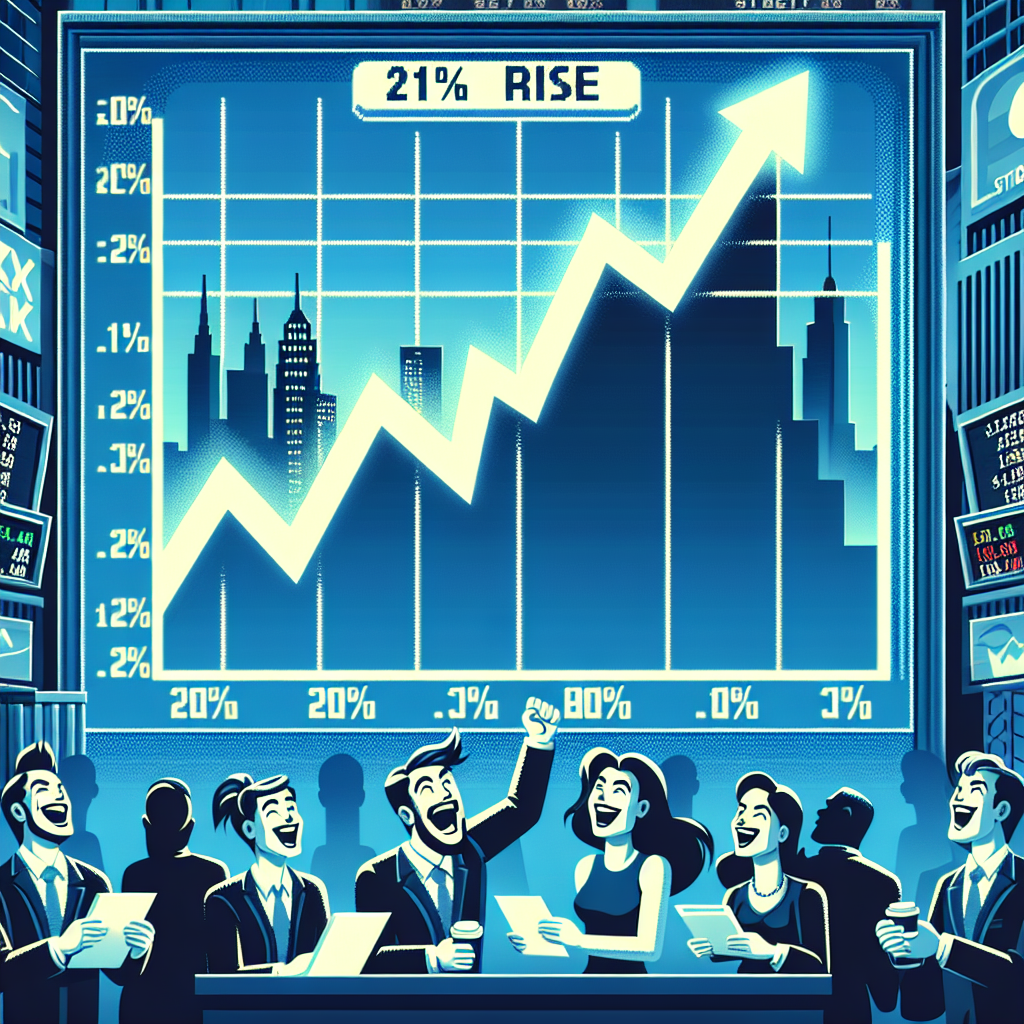
Affirm Stock Soars 21% After Earnings. Why Wall Street Is Excited. – Barron’s | Analysis by Brian Moineau

Affirm Stock Soars 21% After Earnings. Why Wall Street Is Excited. - Barron's | Analysis by Brian Moineau

Affirm's Meteoric Rise: A Financial Fairy Tale with a Modern Twist

In a world where numbers often speak louder than words, Affirm Holdings Inc. has recently given Wall Street something to cheer about, with its stock soaring an impressive 21% following a robust earnings report. But what exactly is causing this financial frenzy, and why does it matter in the grand tapestry of today's economic landscape?

Affirm, the brainchild of Max Levchin, who also co-founded PayPal, is no stranger to the fintech buzz. As a pioneer in the "buy now, pay later" (BNPL) sector, Affirm empowers consumers to make purchases with the flexibility of installment payments, rather than the traditional credit card model. This approach has not only resonated with a younger, credit-wary demographic but has also tapped into broader shifts in consumer behavior—particularly in a post-pandemic world where financial flexibility is increasingly prized.

The recent surge in Affirm's stock price can be traced back to several key factors highlighted in their earnings report. For starters, Affirm demonstrated a significant increase in both user growth and transaction volume, signaling a robust demand for their services. Additionally, partnerships with major retailers like Amazon have fortified their market presence, providing a substantial boost to their financial performance.

But beyond the numbers, Affirm's success story is emblematic of a larger trend in the fintech industry. The rise of digital payment solutions is reshaping how consumers interact with money, offering convenience and transparency that traditional financial systems often lack. This trend is further amplified by the global push towards cashless societies, a movement accelerated by the COVID-19 pandemic, which has compelled businesses and consumers alike to embrace digital transactions.

Interestingly, Affirm’s ascent aligns with other notable developments in the tech and financial worlds. For instance, the cryptocurrency market, despite its volatility, continues to gain traction as an alternative financial system. Similarly, the ongoing evolution of blockchain technology promises to redefine transactional security and efficiency, potentially influencing how companies like Affirm operate in the future.

Moreover, Affirm’s success offers a glimpse into the evolving narrative of financial inclusivity. By providing alternatives to traditional credit, companies like Affirm are enabling more people to participate in the economy, which is a crucial step towards bridging financial divides.

As we celebrate Affirm's latest triumph, it's worth considering the broader implications. The company's journey underscores the importance of innovation in driving economic growth, while also serving as a reminder that the financial sector is anything but static. In a rapidly changing world, those who adapt and innovate are poised to lead the charge into the future.

In conclusion, Affirm's stock surge is more than just a financial headline—it's a testament to the power of innovation and the shifting paradigms in consumer finance. As Affirm continues to make waves, it'll be fascinating to watch how it navigates the challenges and opportunities that lie ahead. Whether you're an investor, a tech enthusiast, or simply a curious observer, Affirm's story is a compelling chapter in the ongoing saga of financial evolution.

Read more about AI in Business
Read more about Latest Sports Trends

Read more about Technology Innovations

Buy now, pay later for fast food: Flexible spending option or a gamble? – WCPO 9 Cincinnati | Analysis by Brian Moineau

Buy now, pay later for fast food: Flexible spending option or a gamble? - WCPO 9 Cincinnati | Analysis by Brian Moineau

Title: Fast Food on Layaway? The Curious Case of Buy Now, Pay Later in the World of Burgers and Fries

In a world where convenience is king, the "buy now, pay later" (BNPL) trend is marching boldly into realms previously uncharted—fast food. Yes, you read that right. Thanks to platforms like DoorDash, you can now finance your impulse Big Mac and fries. But is this financial flexibility or a fast track to fiscal folly?

The Rise of BNPL: A Modern-Day Layaway

The concept of buy now, pay later isn't new. It's a modern twist on the old layaway plans our grandparents might have used to buy holiday gifts. However, its digital evolution has made it more accessible than ever. With the click of a button, consumers can defer payments on everything from sneakers to, now, fast food. The appeal is undeniable: instant gratification without immediate financial impact.

Fast Food Financing: A Smart Move?

While spreading out payments for big-ticket items like electronics or furniture might seem sensible, applying the same strategy to a $10 meal raises eyebrows. Proponents argue that BNPL offers valuable flexibility, especially in tough economic times. For someone short on cash, the ability to enjoy a meal without upfront payment can be a relief.

However, critics caution that this convenience can mask deeper financial pitfalls. Fast food isn’t a luxury; it's often a necessity. If someone needs to finance a meal, it might indicate broader financial instability. The risk is that BNPL could encourage spending beyond one’s means, leading to a cycle of debt over something as ephemeral as a burger.

Global Financial Trends: A Reflection

BNPL's expansion into fast food mirrors a broader global trend of micro-financing everyday expenses. With inflation on the rise and wages stagnating in many parts of the world, people are looking for ways to stretch their dollars further. According to a [2021 survey by Ascent](https://www.fool.com/the-ascent/research/buy-now-pay-later-statistics/), 36% of U.S. consumers used a BNPL service, with millennials making up the largest group of users. This shift highlights a growing reliance on credit-like services, even for daily needs.

The Domino Effect: More Than Just Pizza

Interestingly, DoorDash isn’t alone in this culinary credit experiment. Other delivery services and even some chain restaurants are exploring similar options, seeing BNPL as a way to boost sales and customer loyalty. But, as with any financial product, the devil is in the details. Late fees, interest rates, and the potential for overuse are real concerns.

A Lighter Side?

On a lighter note, the idea of financing fast food does add an amusing twist to our financial lexicon. Imagine explaining to your future self that your credit score took a hit because you just had to have that extra side of guacamole!

Final Thoughts

While BNPL for fast food might sound like the ultimate in indulgent convenience, it serves as a microcosm of contemporary financial challenges. As with any financial tool, the key lies in responsible use. For those considering this option, it’s crucial to weigh the short-term benefits against potential long-term consequences. After all, the true cost of a meal should be satisfaction, not regret.

In a world where you can finance French fries, let’s remember that the healthiest financial diets are often about balance and moderation. Happy munching, everyone!

Read more about AI in Business

Read more about Latest Sports Trends

Read more about Technology Innovations