
I was standing in my kitchen, staring at the fridge, with that all-too-familiar feeling creeping in — dinner indecision. It was one of those chilly autumn evenings where you just want something hearty and satisfying but don’t want to spend hours slaving away. And then, like a beacon of light, I spotted the knockwurst I’d picked up on a whim. A quick rummage through the pantry revealed a can of sauerkraut, and inspiration struck! This dish is a delightful mash-up of tangy, savory, and just the right amount of sweetness. It’s the perfect one-pot wonder for those nights when you want something cozy and impressive without the fuss.
Jump to Recipe
What You’ll Need
You might be pleasantly surprised to find out that you probably have a lot of these ingredients already hanging around in your pantry and fridge. Here’s what you’ll need:
- 1 medium onion, chopped
- 1 cup beer (your choice, but I love a good lager for this)
- 1/2 cup water
- 2 tablespoons cornstarch
- 1 tablespoon brown mustard
- 1 tablespoon molasses
- 1 teaspoon caraway seed
- 1/2 teaspoon ground allspice
- 1/4 teaspoon pepper
- 1 medium rutabaga, peeled and diced
- 1 pound cooked knockwurst, sliced
- 2 cooking apples, cored and cut into wedges
- 1 can (about 14 ounces) sauerkraut, drained and rinsed
- Butter for frying
How to Make Knockwurst with Sauerkraut
- Start by buttering a medium frying pan and heating it up over medium heat. Add the knockwurst slices and cook them until they’re beautifully browned and crispy on the edges, about 10-12 minutes.
- While the knockwurst is cooking, rinse and drain your sauerkraut well. This step is key to ensuring it’s not overly salty.
- In a large pot, add a bit more butter and the chopped onion. Sauté until the onion is tender and translucent but not browned.
- Pour in the beer, letting it bubble up and sizzle for a minute. The aroma is going to be amazing!
- In a separate 2-cup glass measure, combine the water, cornstarch, brown mustard, molasses, caraway seed, allspice, and pepper. Stir this mixture into your pot with the onions and beer, and continue cooking and stirring until the sauce is thick and bubbly.
- Add the diced rutabaga to the pot. Cover and let it cook for about 15 minutes, or until the rutabaga starts to soften.
- Now, stir in the browned knockwurst, apple wedges, and the well-drained sauerkraut. Cover and cook for another 15-20 minutes. You’ll know it’s done when the apples are tender and everything’s melded together in saucy harmony.
Cook’s Notes
Let’s talk about some tips to make sure your Knockwurst with Sauerkraut turns out just right. First off, make sure to really rinse that sauerkraut. Skipping this step can lead to an overly salty dish. Also, don’t rush the thickening process — let the sauce come to a full bubble before you add the rutabaga. It helps everything blend together perfectly. If you’re planning ahead, you can make the base sauce with the onion and beer a day in advance. Just store it in the fridge and pick up from step 6 when you’re ready to finish off dinner. Leftovers? Store them in an airtight container for up to three days. Reheat gently on the stove or microwave.
Make It Your Own
Feel free to put your own spin on this classic. Here are a few ideas to get you started:
- Swap the knockwurst for a hearty veggie sausage if you’re going for a vegetarian version.
- Try using sweet potatoes instead of rutabaga for an extra hint of sweetness.
- Add a spoonful of horseradish to the sauce for a little kick.
- Use pear wedges in place of apples for a twist on the fruit component.
If you try this, I’d love to hear how it turns out — drop a comment or tag me! Whether you stick to the script or make it your own, I hope this dish brings some warmth and joy to your table.
Goes Well With
If you want to round out the meal, here’s what I’d pair it with over on meaghanmoineau.com:
Related update: Knockwurst with sauerkraut

It was one of those rainy Tuesday evenings where the thought of venturing outside for groceries felt as appealing as stepping into a cold shower. I rummaged through my fridge, crossing my fingers for inspiration, and stumbled upon a collection of humble ingredients: eggs, a half-used loaf of bread, some mushrooms teetering on the edge of usable, and a pack of bacon bits. And thus, the Figure Friendly Mushroom and Bacon Strata was born. This dish is a lifesaver — it’s like the comforting embrace of a breakfast-for-dinner vibe but dressed up enough to impress even the picky eaters. Whether you’re in the mood for a cozy brunch or a quick weeknight dinner, this strata offers that magic mix of minimal effort and maximum flavor.
Jump to Recipe
What You’ll Need
This recipe is wonderful because chances are you already have most of these ingredients lurking in your kitchen. Here’s what you’ll need:
- Eggs (whole and whites)
- Low fat milk
- Bread (preferably a little stale)
- Onion
- Red bell pepper
- Yellow bell pepper
- Mushrooms (the more, the merrier)
- Fresh basil
- Bacon bits
- Olive oil
- Cheese (pick your favorite kind for a magical melt)
How to Make Figure Friendly Mushroom and Bacon Strata
- Heat a non-stick skillet over medium heat. Toss in the olive oil, and when it’s shimmering, add the chopped onion and bell peppers. Sauté them for about 5 minutes until they’re soft and starting to get a bit of color.
- Next, add the mushrooms. Stir them around for another 5 minutes until they release their juices and start to brown. The kitchen will smell amazing by now, just wait.
- Grab a baking dish and give it a good spray with cooking spray. Add your bread cubes, spreading them out so they’re in an even layer.
- Pour the sautéed veggie and mushroom mixture over the bread cubes. Add fresh basil, a sprinkle of salt, and a dash of pepper to suit your taste preferences. Scatter those bacon bits and generous handfuls of cheese over the top.
- In a separate bowl, whip together the eggs and low-fat milk until they’re well combined. Pour this eggy goodness over the bread mixture in the dish. Pop it in the fridge for at least an hour or up to overnight — it needs time for the bread to soak up all the flavors.
- When you’re ready to bake, preheat your oven to 350°F. Cover the dish with foil and bake for 20 minutes.
- Remove the foil and let it bake for another 10 minutes until it’s puffed, golden, and lightly browned. The edges might bubble a bit — this is your cue!
Cook’s Notes
Here’s the scoop: the longer you let the strata sit before baking, the better the flavors meld. If you’re a planner, make it the night before. This dish also freezes well, so consider doubling the recipe and saving one for a rainy day. Just pop it in a sealed container and it’ll keep for about a month. Also, be mindful when adding salt since the bacon bits are pretty savory on their own.
Make It Your Own
Want to riff on this recipe and make it your own? Here are some ideas:
- Swap the bacon bits for crispy tofu to keep it vegetarian without losing the savory punch.
- For a bit of a kick, add some chopped jalapeños to the veggie mix.
- Try using whole grain bread for a nuttier flavor and extra fiber.
- Switch out basil for fresh thyme or rosemary for an earthy twist.
If you give this Figure Friendly Mushroom and Bacon Strata a whirl, I’d love to hear how it turns out for you! Drop a comment below or tag me in your mouthwatering brunch photos. Let’s keep the kitchen adventures rolling!
Goes Well With
If you want to round out the meal, here’s what I’d pair it with over on meaghanmoineau.com:
Related update: Figure Friendly Mushroom and Bacon Strata
Related update: Knockwurst with sauerkraut

Have you ever had one of those days where you’re staring blankly into your pantry at 6 PM, hoping dinner might somehow magically prepare itself? I had one of those days last week, feeling uninspired and ready to resort to a bowl of cereal. But then, tucked away behind the canned beans, I spotted a tube of polenta. That’s when the idea hit me—Cheddar Polenta with Sun-dried Tomatoes & Shrimp. It’s one of those dishes that sounds fancy but is secretly really easy to whip up. Plus, it’s comforting enough to chase away the end-of-day grumbles without demanding hours of your evening. Warm, cheesy polenta topped with juicy shrimp and tangy sun-dried tomatoes? Perfect for those nights when you want your food to taste like it took a lot more effort than it actually did.
Jump to Recipe
What You’ll Need
This dish is like a kitchen scavenger hunt with a delicious prize at the end. You might already have most of these sitting in your pantry or fridge:
- 1 tube of precooked polenta
- 1 cup shredded cheddar cheese
- 1 medium red onion, sliced
- 12 large shrimp, peeled and deveined
- 1/2 cup sun-dried tomatoes, julienned
- 2 tablespoons olive oil
- 1 teaspoon garlic powder
- 1 tablespoon chopped chives
- Juice of 1 lemon
- Salt and pepper to taste
How to Make Cheddar Polenta with Sun-dried Tomatoes & Shrimp
- Slice the polenta into rounds and cook according to the package directions. As you approach the end of cooking, sprinkle in the shredded cheddar cheese, allowing it to melt slowly. Stir until the cheese is fully incorporated and the polenta is creamy.
- While the polenta cooks, heat olive oil in a skillet over medium heat. Add the sliced red onion and sauté until they turn translucent, filling your kitchen with their sweet aroma.
- Add the sun-dried tomatoes to the skillet. Let them soften and release their flavors for about 2-3 minutes, stirring occasionally.
- Toss in the shrimp. Cook, stirring frequently, until they turn pink and are firm to the touch. This should take about 3-4 minutes.
- Season the mixture generously with salt, pepper, and garlic powder. Stir everything together to ensure the flavors meld beautifully. Remove from heat.
- Plate the creamy polenta and top it with the shrimp and sun-dried tomato mixture. Drizzle with fresh lemon juice and finish with a sprinkle of chopped chives. Serve warm and enjoy every bite!
Cook’s Notes
A couple of things to keep in mind: be gentle when stirring the polenta. You want it creamy but not overworked. If you find it thickening too much as the cheese melts, feel free to add a splash of milk or water to loosen it up. When it comes to shrimp, don’t overcook them — they should be just pink and tender. If you’re preparing this in advance, the polenta can be cooked and refrigerated up to a day ahead; simply reheat gently with a bit of water or milk to restore its creamy texture. The shrimp and tomato topping is best enjoyed fresh, but trust me, leftovers taste just as delightful.
Make It Your Own
Here’s the fun part—playing with the flavors and making this dish uniquely yours:
- Swap the shrimp for crispy tofu for a vegetarian twist.
- Add a handful of fresh spinach to the skillet with the sun-dried tomatoes for some extra greens.
- Kick up the heat by adding a pinch of red pepper flakes when sautéing the onions.
- Try using a sharp white cheddar or a smoked cheese for a different flavor profile.
If you give this recipe a spin, I’d love to hear how it turns out—drop a comment or tag me in your delicious creations! Whatever tweaks you make, I hope this dish brings you warmth and satisfaction, just like it did for me on that otherwise uninspired evening.
Goes Well With
If you want to round out the meal, here’s what I’d pair it with over on meaghanmoineau.com:
Related update: Cheddar Polenta with Sun-dried Tomatoes & Shrimp

One chilly Tuesday evening, I found myself rummaging through the pantry, desperate for something that would warm the soul and fill the bellies of my family. You know those days when the weather outside is just plain miserable, and you need a hug in a bowl? Enter: my Chicken Stew For The Soul. It’s not just any stew—it’s packed with cozy spices and creamy coconut milk, making it both comforting and slightly exotic. Plus, it’s a one-pot wonder, which means less time scrubbing dishes and more time savoring every bite. Honestly, it might just be the ultimate excuse to whip out those spices you’ve got tucked away in the back of your cupboard.
Jump to Recipe
What You’ll Need
This recipe keeps things straightforward with ingredients you probably have at home, except for maybe a couple of spice stars. No need for a fancy shop run!
- Chicken – the heart of the stew
- Mustard seeds
- Cinnamon stick, broken
- Cardamoms
- Ginger-garlic paste
- Sliced onion
- Curry leaves
- Green chillies
- Ground coriander
- Red ground chilli
- Ground turmeric
- Cubed potatoes
- Coconut milk
- Garam masala
- Salt
- Lemon juice
- Chopped fresh coriander
How to Make Chicken Stew For The Soul
- Sliced onions, slit the chillies, and cube those potatoes like a pro. Keep them aside for later.
- In a heavy-bottomed pan (or pressure cooker for speed demons), heat some oil. Toss in mustard seeds until they splutter with joy.
- Add the cinnamon stick and cardamoms. Stir until the air is filled with their warm, inviting aroma.
- Now, throw in the onions, curry leaves, and green chillies. Sauté until the onions are soft and fragrant.
- Introduce the ground coriander to the party, followed by the marinated chicken. Stir well so the chicken gets to know its new spicy friends.
- Cover and let the magic happen. When the chicken is halfway through its transformation, add the cubed potatoes.
- Once the chicken is nearly done, stir in the garam masala, salt, and coconut milk. Let it all simmer until everything is cooked to perfection.
- Turn off the heat, sprinkle with fresh coriander, and let the lemon juice add a zing. And remember, stir it with love!
- Serve hot, preferably with freshly made appams or any bread that’s handy. Don’t forget to savor the aroma before diving in!
Cook’s Notes
Ah, the little things that make a difference! First off, make sure your spices are fresh. If they’ve been lurking in the cupboard since last year, they might need replacing. When stirring the spices and chicken, be patient and let them mingle—it’s where the flavor magic happens. This stew is forgiving, so if you accidentally over-simmer, it only gets better. Leftovers? Yes, please! They’ll taste even richer the next day. Store in an airtight container in the fridge for up to three days or freeze for later.
Make It Your Own
Here are a few variations to keep things interesting:
- Swap the chicken for crispy tofu if you’re going plant-based. Trust me; the spices still shine through.
- If you’re out of coconut milk, try almond milk for a nutty twist, though it won’t be as creamy.
- Add a handful of spinach or kale at the end for a pop of color and nutrition.
- Up the lemon juice for a tangier finish, balancing the creaminess of the coconut milk.
If you try this, I’d love to hear how it turns out—drop a comment or tag me! Your kitchen adventures fuel my culinary soul!
Goes Well With
If you want to round out the meal, here’s what I’d pair it with over on meaghanmoineau.com:
Related update: Chicken Stew For The Soul

On a crisp autumn evening, after a particularly hectic day of juggling work calls and school pick-ups, I found myself staring into the abyss of my fridge, desperate for dinner inspiration. That’s when I spotted a forgotten pack of Italian sausages and a trio of peppers that were begging to be used. And just like that, a family favorite was born: Delicious Sausage & Peppers. It’s one of those dishes that hits all the right notes—hearty, satisfying, and perhaps most importantly, quick to whip up. Plus, it’s a one-pan wonder, which makes clean-up a breeze. Whether you’re wrangling kids or just want something comforting without the fuss, this dish has got you covered.
Jump to Recipe
What You’ll Need
I love that this recipe doesn’t require a trip to a specialty store. Chances are you already have most of these ingredients in your pantry or fridge.
- Italian sausages
- Italian sweet sausages
- Bell peppers (any color you like)
- Sweet onion
- Garlic – crushed
- Olive oil
- Fresh Italian parsley
- Salsa
- Jalapeño (if you like a little heat!)
- Sea salt
- Black fresh ground pepper
How to Make Delicious Sausage & Peppers
- Preheat your oven to 375°F (190°C). Place the Italian sausages on a baking tray and let them bake for about 20 minutes until they are cooked through and slightly golden.
- While the sausages are baking, heat a large frying pan over medium heat and drizzle in some olive oil. When the oil is shimmering, add the bell peppers and let them sizzle. You want them to soften just a bit and start to brown at the edges.
- Throw in the sweet onion, crushed garlic, and a handful of fresh parsley. Stir everything together and let it sauté for about 5 minutes until the onions are translucent and everything smells irresistible.
- Once the sausages are out of the oven, slice them lengthwise and add them to the pan with the veggies. Pour in a few tablespoons of salsa, and toss everything together so the flavors meld beautifully.
- Season with sea salt and fresh ground pepper to taste. If you’re feeling adventurous, add some minced jalapeño for a spicy kick. Let it all cook for another 5 minutes until the edges of the sausages are crisp and the salsa thickens slightly.
Cook’s Notes
Let’s keep it real—this dish is as forgiving as it gets. If your peppers are on their last leg, they’ll still shine here. Just make sure to cut them evenly so they cook uniformly. As for leftovers, they reheat like a dream. Store any extras in an airtight container in the fridge for up to 3 days. A quick zap in the microwave or a toss in a skillet will bring them back to life. And if you’re planning ahead, you can pre-cook the sausages and just finish everything in the pan when you’re ready to eat—perfect for those nights when time is not on your side.
Make It Your Own
Here are a few ways to switch things up based on your mood or what’s in the fridge:
- Swap the sausages: Try using chorizo or chicken sausage for a different flavor profile.
- Veggie delight: Add mushrooms or zucchini to the mix for an extra serving of veggies.
- Going green: Toss in a handful of spinach at the end for a burst of color and nutrition.
- Cheesy finish: Sprinkle some shredded mozzarella or parmesan on top before serving for a gooey, cheesy twist.
If you try this, I’d love to hear how it turns out—drop a comment or tag me on social media! I hope this dish finds a cozy spot in your meal rotation. Happy cooking!
Goes Well With
If you want to round out the meal, here’s what I’d pair it with over on meaghanmoineau.com:
Related update: Delicious Sausage & Peppers
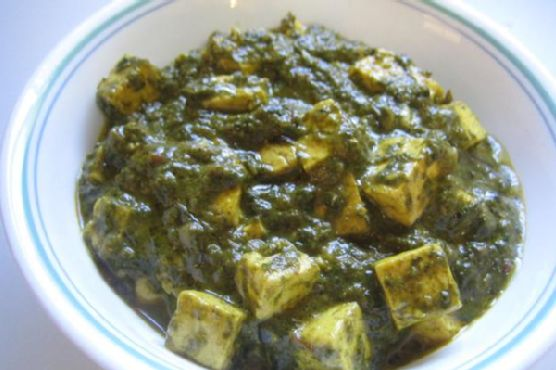
It was one of those chaotic Tuesday evenings, you know the kind, where the clock somehow ticks faster and the fridge looks like a barren desert. I was craving something comforting but also needed it to be quick and not require a last-minute grocery run. That’s when I stumbled upon my trusty block of tofu and a vibrant bunch of spinach sitting in the crisper looking like they might stage a protest if not used soon. Voila, it hit me—Palak-Tofu (or bean curd if you’re feeling fancy)! It’s the kind of dish that feels like a hug in a bowl, creamy yet packed with a punch of spices, and best of all, it comes together in a snap. It’s the perfect blend of Indian flavors that makes you feel like you’ve put in way more effort than you actually did. Ready to dive in?
Jump to Recipe
What You’ll Need
The beauty of this recipe is that you probably already have most of these staples lurking in your pantry or fridge. Here’s the lineup:
- 1 tbsp oil
- 2 onions, finely chopped
- 1 tbsp ginger-garlic paste
- 2-3 green chillies, chopped (adjust depending on how spicy you’re feeling)
- 1 tomato, chopped
- 3 cups palak (spinach), washed
- 1 block tofu, cut into cubes
- Salt to taste
- 1/2 tsp turmeric
- 1 tsp coriander powder
- 1/2 tsp cumin seeds
- 1 tsp kasuri methi (dried fenugreek leaves)
- 1/4 cup cream or milk
- 1 tbsp butter
- 1/2 tsp garam masala
How to Make Palak-tofu (bean curd)
- In a pan, heat 1 tablespoon of oil over medium heat. Add the chopped onions and sauté them until they’re golden brown. The aroma is the first hint you’re on the right track.
- Add the ginger-garlic paste to the onions and stir for about a minute until the raw smell disappears. Toss in the green chillies and chopped tomato, sautéing until the tomatoes soften and meld into the mix.
- Add the washed spinach leaves in their full glory. Sauté them for about 5 minutes until they wilt down, looking like a fraction of their former selves. Let this mixture cool.
- Once cooled, blend the spinach mixture to a coarse paste and set it aside.
- In the same pan, add another tablespoon of oil and sauté the tofu cubes. Sprinkle a pinch of salt and turmeric over them, stirring for about 2 minutes to give them a nice golden tan. Remove and set aside.
- Return the spinach paste to the pan, seasoning with salt and coriander powder. Let it cook slowly for about 10 minutes, allowing the flavors to deepen.
- Add the sautéed tofu cubes to the pan, mixing well. Crumble the kasuri methi between your palms to release its aroma before adding it to the pan.
- Pour in the cream or milk, stirring to combine. Cover the pan and let it simmer on a low flame for 5 minutes. The mixture should look creamy and inviting.
- Finish with a dollop of butter for richness and a sprinkle of garam masala for that final flavor burst. Serve hot with roti or paratha.
Cook’s Notes
Here’s the thing: you can make parts of this dish ahead if batch cooking is your jam. The spinach paste can be made a day ahead and stored in the fridge. Just warm it up and follow the rest of the recipe when you’re ready to serve.
- Don’t rush the sautéing of onions; it sets the flavor base.
- Make sure to cool the spinach mix before blending. Hot ingredients in a blender can be hazardous (hot splashes are no fun).
- Leftovers keep well in the fridge for up to 3 days. Just reheat gently, adding a splash of milk if it’s too thick.
Make It Your Own
- Swap the tofu for crispy paneer cubes for a decadent twist.
- Add a handful of green peas for a pop of color and sweetness.
- Use ghee instead of oil for a richer, buttery flavor.
- For a vegan version, swap the cream with coconut milk and omit the butter.
If you try this, I’d love to hear how it turns out — drop a comment or tag me in your kitchen adventures! Let’s make weeknight dinners exciting, one dish at a time!
Goes Well With
If you want to round out the meal, here’s what I’d pair it with over on meaghanmoineau.com:
Related update: Palak-tofu (bean curd)
Related update: Delicious Sausage & Peppers
Related update: One Bowl Jalapeno Cheddar Cornbread
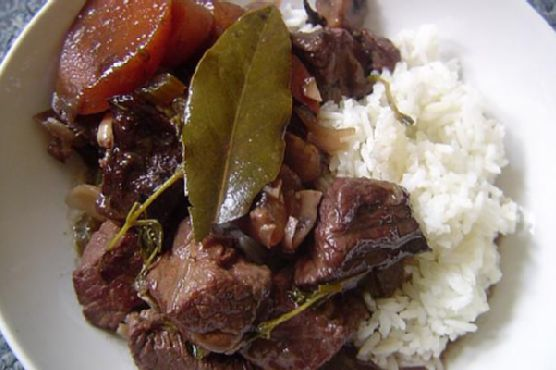
It was one of those early autumn evenings when the crisp air nudged me to cook something warm and comforting. I’d spent the day navigating a world of to-do lists, errands, and a minor kitchen mishap involving a forgotten batch of cookies. By the time evening rolled around, I needed a dish that felt both grounding and indulgent without demanding my whole evening. That’s when I remembered my trusty Boeuf Bourgignon. It’s the kind of dish that fills your home with a rich, savory aroma and makes you feel like a culinary wizard when, really, it’s the ingredients doing all the magic. This recipe is delightfully forgiving, turning a few humble staples into a cozy masterpiece after a good long simmer in the oven.
Jump to Recipe
What You’ll Need
This ingredient list might look a little long, but trust me, you probably have a lot of these things already hanging out in your pantry.
- Button mushrooms
- Butter
- Un-smoked bacon
- Vegetable oil
- Boneless, well-trimmed beef chuck
- Yellow onion
- Shallots
- Carrots
- Black salt and pepper
- Flour
- Cognac
- Beef stock
- Unsweetened cocoa powder
- Garlic cloves
- Fresh thyme
- Fresh flat-leaf parsley leaves
- Tomato paste
- Bay leaf
How to Make Boeuf Bourgignon
- Preheat your oven to 160°C (325°F). It’s a slow roast, so let the warmth seep through every corner of your kitchen.
- In a pan, sauté the mushrooms in butter until they’re brown and soft, filling the air with that delicious earthy aroma. Set them aside for later.
- In a deep-bottomed pot or casserole, sauté the bacon in a tablespoon of oil over moderate heat for about 2 to 3 minutes until it’s lightly browned. Use a slotted spoon to set it aside.
- Crank up the heat in the same pan until the fat is almost smoking, then sauté the beef in batches. Let it brown on all sides before adding it to the bacon. Remember, no crowding!
- Lower the heat to medium and in the same glorious fat, toss in the onions, shallots, and carrots. Cook them until the carrots are tender and the onions are translucent.
- Add these veggies to the beef and bacon mix. Pour out the sautéing fat — it’s done its duty.
- Return the beef to the casserole and sprinkle with flour. Toss it all around until the beef is lightly coated and there are no white flour traces left.
- Reintroduce the bacon and veggies, seasoning with salt and pepper. Stir in the cognac and enough beef stock to barely cover the meat.
- Add the garlic, thyme, parsley, tomato paste, and bay leaf. Bring the mixture to a gentle simmer on the stove, letting all the flavors start to marry.
- Cover the casserole and set it in the oven. Cook for 2 1/2 to 3 hours. An hour in, add the mushrooms and stir in the cocoa powder for a secret touch of depth.
- Return to the oven until the meat is so tender, it practically begs for a fork.
Cook’s Notes
A few things to keep in mind: Make sure to dry the beef thoroughly before browning. Wet beef won’t brown properly, and we want that lovely crust! If you’re short on time, you can prep the veggies and bacon ahead of time, making the final preparation faster. This dish gets even better the next day, so don’t hesitate to make it ahead and let the flavors deepen overnight. Store leftovers in an airtight container in the fridge for up to three days.
Make It Your Own
The beauty of Boeuf Bourgignon is its versatility. Here are some ideas to switch it up:
- Swap the beef with crispy tofu for a vegetarian twist that’s just as hearty.
- Try using red wine instead of cognac for a deeper, more robust flavor profile.
- Add a handful of pearl onions during the last hour of cooking for a delightful pop of sweetness.
- For a smoky kick, use smoked bacon instead of un-smoked.
If you try this, I’d love to hear how it turns out — drop a comment or tag me! Whether you’re cooking for one or a crowd, I hope this Boeuf Bourgignon becomes a staple in your cozy-weather repertoire just as it is in mine. Dig in and savor the warmth!
Goes Well With
If you want to round out the meal, here’s what I’d pair it with over on meaghanmoineau.com:
Related update: Boeuf Bourgignon
Related update: Chicken Stew For The Soul
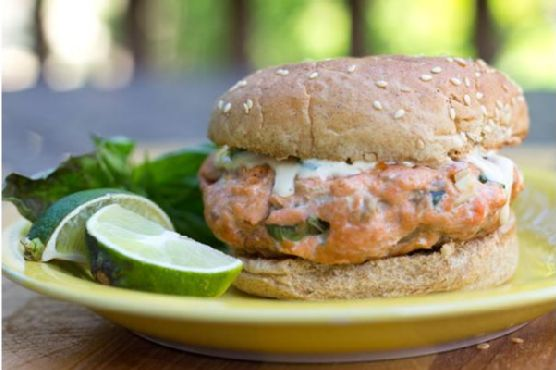
I found myself peering into the fridge on a Wednesday evening, struck by a sudden craving for something fresh yet satisfying. You know those nights when you’re just over the usual chicken and pasta routine? It was one of those. That’s when these Asian Salmon Burgers with Tangy Ginger Lime Sauce made their debut. Trust me, they’re a game changer — super easy to throw together and packed with flavors that’ll make you feel like a culinary genius, even if you’re just winging it like me most of the time.
Jump to Recipe
What You’ll Need
These burgers feature a blend of pantry staples and fresh ingredients — chances are you won’t need to run to the store for much!
- **Salmon**
- **Soy sauce**
- **Garlic**
- **Powdered ginger**
- **Oyster sauce**
- Green onion
- Fresh basil
- **Sesame oil**
- **Burger buns**
- **Lime juice**
- **Mayonnaise**
- Sour cream
How to Make Asian Salmon Burgers With Tangy Ginger Lime Sauce
- Cut the salmon into large hunks. Run it through a food processor until the mixture is uniform and there are no large pieces left.
- Add to the salmon the **soy sauce**, **garlic**, **ginger**, **oyster sauce**, **green onion**, and **basil**. Combine these ingredients well to make a flavorful mixture.
- Form this mixture into 4 large patties. Don’t worry if it’s a bit sticky — that’s where the flavor magic happens!
- Heat the **sesame oil** in a large frying pan over medium-high heat. Place the patties into the pan; they should sizzle slightly as they hit the oil.
- Cook for about 10 minutes, flipping once halfway through. The outside will turn golden and fragrant, and the center should be just cooked through.
- For the sauce, mix together the **lime juice**, **mayonnaise**, and **sour cream**. Stir until smooth and creamy. The tangy aroma will hit you right away!
- Toast your **burger buns** (trust me, it’s worth it), then place a salmon patty on each bun.
- Drizzle a spoonful of the sauce over the top of each burger before serving. Enjoy!
Cook’s Notes
Here are some tips to nail these burgers every time. First, make sure your salmon is cold before processing — it holds together better. When forming the patties, if the mixture’s sticking to your hands, dampen them slightly. You can make the sauce ahead of time and store it in the fridge for up to three days. If you end up with leftovers (though I doubt it!), the patties reheat well in a frying pan over medium heat. Just cover them to keep the moisture in.
Make It Your Own
- Switch up the herbs: No basil? Try fresh cilantro or parsley for a different twist.
- Spice it up: Add a pinch of red pepper flakes or a dash of sriracha to the salmon mixture for a kick.
- Go low-carb: Swap out the burger buns for lettuce wraps to keep things light and fresh.
- Try a different protein: Substitute the salmon with fresh tuna or even grated zucchini for a vegetarian version.
If you try this, I’d love to hear how it turns out — drop a comment or tag me! Cooking is all about experimenting and making it your own, so don’t be shy about putting your spin on these burgers. Enjoy the adventure!
Goes Well With
If you want to round out the meal, here’s what I’d pair it with over on meaghanmoineau.com:
Related update: Asian Salmon Burgers With Tangy Ginger Lime Sauce
Related update: Boeuf Bourgignon
Related update: Barbecued Pulled Beef Sandwiches

It was one of those frantic Tuesday evenings, you know the kind—where you’re trying to juggle work emails, a pile of laundry, and a kid who’s determined to turn the living room into an art studio. I was staring into the abyss of my pantry, desperately seeking weeknight dinner inspiration, when it hit me: Chicken Noodle Casserole! This dish is like a cozy, warm hug in the form of food. It’s one of those recipes that’s both comforting and deceptively easy, perfect for when you need something satisfying but don’t have hours to spend in the kitchen. Plus, it’s a great way to use up some of those leftover veggies hiding in your freezer. Let’s dive in, shall we?
Jump to Recipe
What You’ll Need
You’ll love this ingredient list because, chances are, you already have most of these staples lurking in your kitchen:
- Italian bread crumbs
- Butter
- Frozen carrots
- Chicken broth
- Cooked egg noodles
- Flour
- Frozen corn
- Garlic powder
- Italian seasoning
- Milk
- Shredded parmesan cheese
- Frozen peas
- Salt and pepper
- Cooked shredded chicken
- Shredded mozzarella
- Sour cream
- Sweet diced onion
How to Make Chicken Noodle Casserole Dish
- Start by preheating your oven to 350°F. This way, it’s ready to go once you’ve assembled everything.
- In a large skillet, sauté the sweet diced onion in 2 tablespoons of olive oil over medium heat. Cook until the onion is soft and translucent, filling your kitchen with that irresistible aroma.
- Pour in the chicken broth and add the frozen carrots, corn, and peas. Bring everything to a boil, then reduce the heat and let it simmer for about 2 minutes. You want the veggies to just start softening.
- Slowly whisk in the flour, ensuring there are no lumps, then gradually add the milk, stirring constantly to create a smooth sauce.
- Stir in the sour cream, shredded parmesan, and mozzarella until everything is nicely melted and combined. Toss in the cooked shredded chicken and season with garlic powder, Italian seasoning, salt, and pepper.
- Mix in the cooked egg noodles, making sure they’re evenly coated with the creamy mixture.
- Pour the entire mixture into a 13×9-inch casserole dish that you’ve generously buttered to prevent sticking.
- In a separate bowl, combine the remaining parmesan, Italian bread crumbs, and a bit more butter. Sprinkle this mixture evenly over the top of the casserole. It’ll give you that crave-worthy crunchy topping.
- Bake in the preheated oven for about 25 minutes, until the top is golden and the edges start to bubble. Your kitchen will smell amazing!
- Serve hot and enjoy every comforting bite!
Cook’s Notes
This casserole is pretty forgiving, which is one of the many reasons I love it. You can store leftovers in an airtight container in the fridge for up to three days. Just reheat in the oven or microwave until heated through. If you’re planning ahead, you can make and assemble the casserole a day in advance; just cover it tightly and store it in the fridge until you’re ready to bake it. Avoid adding too much flour too quickly to prevent lumps. A gentle stream and continuous whisking are your best friends here.
Make It Your Own
Here are some fun swaps to make this dish fit your taste buds or pantry supplies:
- Switch out the chicken for crispy tofu for a vegetarian twist.
- Use cheddar or gouda in place of mozzarella for a different cheese experience.
- Try adding a dash of sriracha or red pepper flakes if you like it spicy.
- For a gluten-free version, swap in gluten-free noodles and breadcrumbs.
If you try this, I’d love to hear how it turns out—drop a comment or tag me! There’s nothing better than sharing a dish that brings a little comfort to the chaos. Happy cooking!
Goes Well With
If you want to round out the meal, here’s what I’d pair it with over on meaghanmoineau.com:
Related update: Chicken Noodle Casserole Dish
Related update: Asian Salmon Burgers With Tangy Ginger Lime Sauce
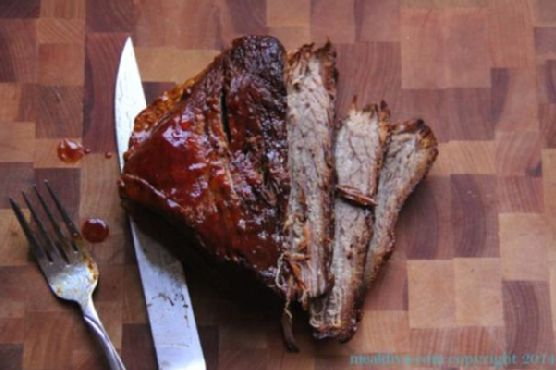
One chilly Sunday afternoon, I found myself staring at a brisket in my fridge, the last remnant of an ambitious grocery plan that didn’t quite pan out. You know those weeks where you aim to cook every single meal at home, and then life happens? Yeah, it was one of those. I needed something warm, comforting, and preferably, something that could double as leftovers for the days ahead. That’s how this BBQ Beef Brisket came to save the week. It’s the kind of recipe that feels like a hug in food form, and you won’t believe how the slow cooker does all the heavy lifting for you. Imagine succulent, fall-apart meat smothered in a rich, smoky sauce. Plus, it smells like a dream as it cooks!
Jump to Recipe
What You’ll Need
This recipe leans on pantry staples, so you might already have most of these on hand, especially if you’re a fan of smoky, flavorful dishes. Here’s what you’ll need:
- Brisket (about 3-4 pounds)
- Salt and pepper
- Oil
- Onion powder
- Garlic powder
- Smoked paprika
- Cumin
- Cayenne pepper
- Smoky barbecue sauce
- Brown sugar
- Cornstarch
How to Make BBQ Beef Brisket
- Start by trimming any large, thick pieces of fat from the brisket, but don’t go overboard. You want to keep some fat because it keeps the meat moist and adds flavor.
- Season the brisket with a generous sprinkle of salt and pepper. Mix together the onion powder, garlic powder, smoked paprika, cumin, and cayenne pepper in a small bowl.
- Rub the seasoning mixture all over the brisket, ensuring every inch is covered. This dry rub will be your secret weapon for flavor.
- Heat oil in a pan over medium-high heat and sear the brisket on both sides until it’s got a nice, brown crust. This should take about 2-3 minutes per side.
- Remove the seared brisket from the heat and set it aside. Stir together the smoky barbecue sauce with the brown sugar. The sauce should be sweet and tangy.
- Pour half of the sauce into the bottom of your slow cooker, then place the brisket, fatty side up, into the cooker. This ensures that the meat bathes in flavor as it cooks.
- Cover the top of the brisket with the remaining sauce, put the lid on the slow cooker, and set the heat to low. Let it cook for about 9 hours, or until the brisket is fork-tender.
- Once done, carefully remove the brisket from the slow cooker and transfer it to a cutting board. It’s tender, so handle with care!
- Pour the sauce from the slow cooker into a saucepan and let it cool for a bit. Skim off the fat that rises to the top; it will look like droplets of oil.
- In a small bowl, mix the cornstarch with 1 tablespoon of water until smooth. Stir this into the saucepan with the skimmed sauce.
- Simmer the sauce on the stovetop for about 10 minutes to thicken it. Pour this rich sauce over the brisket before serving.
Cook’s Notes
Slow cooking is your friend here; it breaks down the brisket fibers, making them melt-in-your-mouth tender. If you’re planning ahead, you can season the brisket the night before and let it marinate in the fridge. When skimming the fat, don’t stress about getting every last drop — a little bit left can enhance the flavor. Store any leftovers in an airtight container in the fridge for up to four days. I love tossing leftover slices into sandwiches or using them as a topping for baked potatoes.
Make It Your Own
- Spicy Kick: Swap out the smoky barbecue sauce for a spicy BBQ sauce to add some heat.
- Sweet & Tangy: Add a tablespoon of apple cider vinegar to the sauce mix for a little extra tang.
- Herbaceous Twist: Mix some dried thyme and rosemary into the dry rub for an herby note.
- Southwestern Flair: Add some chipotle powder instead of cayenne for a smoky, southwestern vibe.
If you try this, I’d love to hear how it turns out — drop a comment or tag me! Your kitchen’s going to smell amazing, and I bet you’ll have some happy taste-testers. Enjoy every tender, saucy bite!
Goes Well With
If you want to round out the meal, here’s what I’d pair it with over on meaghanmoineau.com:
Related update: BBQ Beef Brisket
Related update: Chicken Noodle Casserole Dish
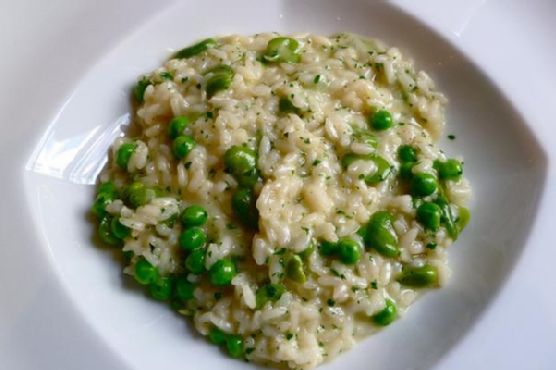
It was one of those unpredictable Tuesdays when everything at work ran late, and by the time I got home, I was craving something comforting yet sophisticated. My pantry didn’t have much, but the bare essentials were there—arborio rice, a bag of frozen peas, and some chicken stock. You know that feeling when you’re just too tired for anything elaborate, yet you want something that feels like a warm hug on your plate? That’s when I knew a creamy risotto with fresh peas would be perfect. This dish has that magical ability to elevate your everyday ingredients into something kinda fancy, without the three-hour prep time. Let’s dive in, shall we?
Jump to Recipe
What You’ll Need
I love how risotto makes you feel like a chef without needing a ton of exotic ingredients. Chances are you already have most of this—except for maybe the arborio rice if you’re not a risotto regular.
- 4 cups of HOT chicken stock
- 2 tablespoons of butter
- 2 tablespoons of extra virgin olive oil
- 1 chopped onion
- 2 minced garlic cloves
- 1 cup of arborio rice
- 1/2 cup of dry white wine
- 1 cup of peas (fresh or thawed frozen)
- 1/2 cup of grated parmesan
- 1 bay leaf
- Salt and pepper to taste
How to Make Risotto With Fresh Peas
- Melt the butter in a heavy large saucepan over medium heat. Add the olive oil, bay leaf, and onions. Season with salt and pepper. Cook until the onions are translucent, filling your kitchen with that irresistible oniony aroma, around 5 minutes.
- Stir in the minced garlic, letting it sauté until tender, roughly 3 more minutes. You’ll know it’s perfect when the garlic starts to mellow and sweeten.
- Add the arborio rice to the pan, stirring it through the buttery onions and garlic. Toast the rice until the grains are glistening, about 2 minutes. It helps develop that nutty flavor we all love.
- Pour in the dry white wine and let it sizzle and cook until the liquid is completely absorbed, stirring often, about 2 minutes. This adds a subtle depth and aroma that’s just dreamy.
- Now, slowly add the hot chicken broth, one cup at a time. Make sure the liquid is absorbed before adding more, stirring often. It’s a bit like babysitting, but it’s worth it. This whole process takes about 28 minutes over medium-low heat. Each addition should take roughly 3 minutes.
- When the rice is tender and the texture is creamy, stir in the peas and parmesan. Watch as the cheese melts into the risotto, making it oozy and silky. Season with more salt and pepper to your liking.
- Cook until the mixture has absorbed all the liquid and has doubled in size. Let it sit for a minute before diving in; I promise it’s worth the wait!
Cook’s Notes
This risotto is pretty forgiving, but here are a few tips to make it foolproof. Always have your chicken stock hot; this helps the rice cook evenly and prevents it from becoming mushy. Got leftover risotto? Lucky you! It can be transformed into risotto cakes the next day. Just form the cold risotto into patties, dust them with flour, and fry them in a little olive oil until crispy and golden. Also, avoid using regular rice; it won’t give you that creamy texture that arborio is famous for.
Make It Your Own
Everyone’s taste is a bit different, and that’s what makes cooking so fun! Here are some ways to play around with this risotto recipe:
- Swap the peas for crispy prosciutto for a salty, meaty twist.
- Replace the parmesan with a tangy goat cheese for something wonderfully creamy and unexpected.
- Add a handful of sautéed mushrooms for an earthy depth that complements the risotto’s creaminess.
- Use vegetable stock instead to make it vegetarian-friendly without losing flavor.
If you try this, I’d love to hear how it turns out — drop a comment or tag me! There’s a special joy in seeing others enjoy a dish that’s become a staple in my kitchen. Happy cooking!
Goes Well With
If you want to round out the meal, here’s what I’d pair it with over on meaghanmoineau.com:
Related update: Risotto With Fresh Peas
Related update: BBQ Beef Brisket
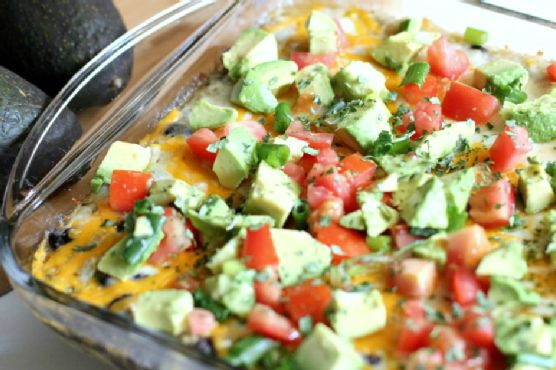
Picture this: It’s a random Tuesday night, and I’m standing in my kitchen, staring blankly at the fridge, wondering how to turn a motley assortment of leftovers and pantry staples into something that doesn’t scream “desperation dinner.” That’s when inspiration struck, as I spied a lonely can of verde enchilada sauce next to last night’s cooked quinoa. What followed was a happy accident of flavors and textures, culminating in my new favorite go-to comfort dish: Cheesy Chicken Enchilada Quinoa Casserole. It’s creamy, cheesy, and bursting with zesty flavors — perfect for those nights when you need something easy but crave-worthy. You’ll be shocked at how quickly it comes together and how it leaves the whole family asking for seconds. Or thirds.
Jump to Recipe
What You’ll Need
This recipe is a pantry hero! If you’ve got a well-stocked spice rack and some leftover chicken, you’re halfway there.
- Cooked quinoa – the fluffy base of this casserole
- Cooked skinless boneless shredded chicken breast – feel free to use rotisserie chicken for a shortcut
- Canned verde enchilada sauce – the tangy key player
- Shredded cheese – use your favorite melting cheese
- Canned tomatoes with chilis
- Canned black beans
- Canned sweet corn
- Salt
- Black pepper
- White pepper
- Chili powder
- Cumin
- Fresh cilantro
- Green onion tops
- Roma tomato
- Avocado
How to Make Cheesy Chicken Enchilada Quinoa Casserole
- Preheat your oven to 350°F and grab an 8×8 inch baking dish. Make sure it’s ready for action.
- Cook the quinoa according to the package instructions. If you haven’t shredded your chicken yet, now’s the time to boil and shred it too.
- In a medium-sized mixing bowl, combine 2 tablespoons of chopped cilantro, 1 cup of shredded cheese, cooked quinoa, canned tomatoes with chilis, black beans, half a can of sweet corn, verde enchilada sauce, cumin, chili powder, white pepper, black pepper, and salt to taste. Stir everything together until well mixed and harmonious.
- Pour your well-mixed concoction into the prepared baking dish, spreading it out evenly. Top with the remaining cup of shredded cheese, covering the surface generously.
- Bake in the preheated oven for about 15 minutes, or until the cheese is delightfully melty and bubbling at the edges. The smell will be irresistible at this point!
- Remove from the oven and let it cool slightly for about 5 minutes. This helps everything set a bit so you can serve neat slices.
- Top your casserole with freshly chopped Roma tomato, avocado chunks, green onion tops, and the remaining 2 teaspoons of cilantro. Serve immediately and bask in the glory of your culinary creation!
Cook’s Notes
This dish is pretty forgiving, but here are a few tips to ensure success. If your quinoa is a bit on the wet side, let it sit in a sieve for a few minutes to drain excess moisture — nobody likes a soggy casserole! When adding salt, remember that the canned ingredients and cheese already bring their own saltiness, so taste as you go. Store any leftovers in an airtight container in the fridge for up to 3 days. It reheats beautifully in the microwave or oven. If you’re planning to make this ahead, assemble everything but wait to add the cheese topping until you’re ready to bake.
Make It Your Own
- Swap the chicken for crispy tofu to make it vegetarian. Just cube the tofu, toss it in a bit of cornstarch, and sauté until golden.
- Add some heat by including a diced jalapeño or a sprinkle of crushed red pepper flakes into the mix.
- If you’re not a fan of cilantro, try using fresh parsley or chives for a milder pop of green.
- More veggies? Toss in some sautéed bell peppers or zucchini to make it even more wholesome.
If you try this, I’d love to hear how it turns out — drop a comment or tag me! This casserole was a happy accident in my kitchen, and I’m excited to see it work its magic in yours. Enjoy every cheesy, tangy bite! 🥑🌿🍅
Goes Well With
If you want to round out the meal, here’s what I’d pair it with over on meaghanmoineau.com:
Related update: Cheesy Chicken Enchilada Quinoa Casserole
Related update: Risotto With Fresh Peas
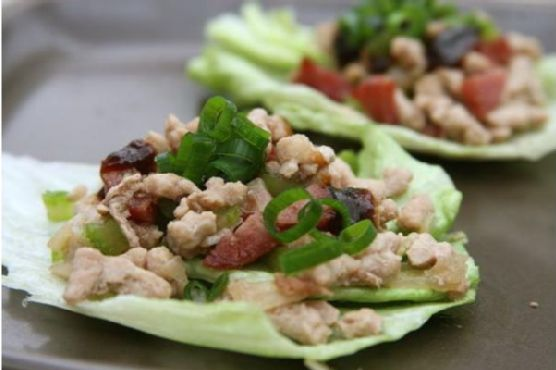
It was one of those Tuesdays when the fridge was filled with random odds and ends, and dinner had to be ready in less than 30 minutes. I was craving something fresh but filling, with just enough spice to make my taste buds dance. Enter the Mexican Chicken Lettuce Wraps. This dish is a hero on busy weeknights and a favorite for when I want to impress without the fuss. It’s quick yet satisfying, delivering a punch of flavor without weighing you down. Perfect for when you want a hearty meal that still feels light and vibrant. Plus, anything you can eat with your hands feels a little more fun, right?
Jump to Recipe
What You’ll Need
This ingredient list is beautifully uncomplicated. You might already have most of these at home! The magic is in the marinade and the fresh, crunchy lettuce that holds everything together.
- Chicken breast
- Lime juice – fresh is best for that zingy taste
- Ground cumin
- Ground chile powder
- Seasoned salt
- Garlic powder
- Olive oil
- Canned black beans – drained and rinsed
- Tomato
- Onion
- Red sweet bell pepper
- Avocado – the creamy topper
- Boston lettuce leaves – for wrapping it all up
How to Make Mexican Chicken Lettuce Wraps
- Start by giving your chicken breast a quick bath in a marinade of lime juice, ground cumin, ground chile powder, seasoned salt, garlic powder, and olive oil. Let it soak for about 30 minutes. This is where all that delightful flavor starts.
- Heat a skillet over medium. Once it’s nice and warm, place your marinated chicken in the skillet. Cook until the chicken is golden brown and cooked through, the scent alone is worth the effort.
- While the chicken is cooking, in a separate bowl, mix your canned black beans, diced tomato, chopped onion, and red sweet bell pepper. This adds a fresh crunch and a pop of color.
- Once the chicken is ready, remove it from the skillet and chop it into bite-sized pieces. Add it to your bean and veggie mix. Give everything a good stir and taste; adjust the seasoning if it needs a little more kick.
- When you’re ready to serve, slice that avocado into thin, luscious slices. Fill each Boston lettuce leaf with the chicken mixture and top with a slice of avocado.
Cook’s Notes
A few things I’ve learned along the way:
– If you’re in a rush, you can marinate the chicken for less time, but try to give it at least 15 minutes to soak up the flavors.
– Taste as you go! You can always add more spice but can’t easily take it away, so adjust that seasoning thoughtfully.
– These wraps are freshest on the day they’re made, but if you have leftovers, store the filling and lettuce separately to prevent sogginess. The filling will last in the fridge for two to three days.
Make It Your Own
Here are some variations if you feel like switching things up:
- Swap the chicken for crispy tofu to make it vegetarian. Just marinate and cook the tofu the same way.
- If you love heat, add some sliced jalapeños to the veggie mix or sprinkle some cayenne in the marinade.
- Try using ground turkey instead of chicken for a different protein profile.
- For an extra layer of flavor, add a sprinkle of fresh cilantro or a dollop of sour cream on top before serving.
And that’s it! If you try this, I’d love to hear how it turns out — drop a comment or tag me! Enjoy those lettuce wraps and the satisfied smiles they’ll bring.
Goes Well With
If you want to round out the meal, here’s what I’d pair it with over on meaghanmoineau.com:
Related update: Mexican Chicken Lettuce Wraps
Related update: Cheesy Chicken Enchilada Quinoa Casserole
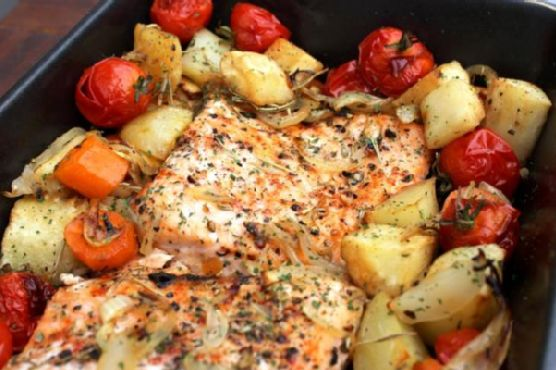
Picture this: it’s a chilly Tuesday evening, and I’m rummaging through my fridge, trying to figure out dinner with what’s left from the weekend. I spot a couple of salmon fillets buried under a mountain of veggies that are begging to be used before they decide to go rogue. Perfect! Salmon with roasted vegetables it is. This dish is my go-to when I need something quick, satisfying, and a little bit fancy without the fuss. The combination of herby, lemony salmon nestled among tender, caramelized veggies is comfort food with a splash of elegance. Plus, it’s a one-pan wonder that leaves me free to pour a glass of wine and relax while the oven does the magic.
Jump to Recipe
What You’ll Need
The great thing about this recipe is it requires no special trips to the grocery store. Chances are, you already have most of these in your kitchen:
- 2 large potatoes
- 2 parsnips
- 2 large carrots
- 1 large onion
- 1 cup cherry tomatoes
- 2 fillets of salmon
- 3 tablespoons olive oil
- Juice of 1 lemon
- Salt and freshly ground black pepper
- Fresh rosemary and thyme
How to Make Salmon with Roasted Vegetables
- First things first, season the salmon fillets with a sprinkle of salt, a dash of pepper, and just a tiny pinch of paprika for that smoky kick. Set them aside while you prep the veggies.
- Preheat your oven to a toasty 200°C (about 400°F). You want it nice and hot so those veggies get that delicious caramelization going.
- Grab your potatoes, parsnips, and carrots. Roughly dice them into bite-sized chunks and toss them into a sturdy roasting tray.
- Drizzle the veggies with olive oil, then season generously with salt and pepper. Use your hands to mix everything until the veggies are well coated. Pop them in the oven and let them roast for about 15 minutes.
- Once the initial roasting is done, add the onions to the tray. Give everything a good stir, and roast for another 10-15 minutes until the veggies start getting golden and toasty on the edges.
- Carefully nestle the salmon fillets and cherry tomatoes between the veggies. Drizzle the lemon juice over everything and sprinkle with the fragrant rosemary and thyme. Season lightly with salt and pepper.
- Return the tray to the oven and roast for an additional 10-15 minutes. You’ll know it’s done when the salmon is tender, and the veggies are cooked through with edges that are perfectly caramelized.
- Scoop everything onto a plate and serve it up with a crisp green salad if you’re feeling virtuous. Enjoy!
Cook’s Notes
Let’s talk about the little things that make a big difference. When it comes to chopping the veggies, aim for uniform sizes so they cook evenly. No one wants a burnt carrot alongside an undercooked potato. If you’re prepping ahead, you can chop the veggies the night before and store them in the fridge. Just keep them in water to prevent browning. Salmon tends to cook quickly, so keep an eye on it to avoid overcooking. Leftovers? Store them in an airtight container in the fridge for up to two days. They make a delightful lunch when tossed into a salad or a wrap.
Make It Your Own
Here are a few fun variations to switch things up:
- Swap the salmon for crispy tofu if you’re in the mood for a plant-based alternative. Just pan-sear the tofu before adding it to the veggies.
- Replace the parsnips with sweet potatoes for a touch of natural sweetness that pairs beautifully with the savory salmon.
- If you love heat, add a pinch of red pepper flakes to the olive oil before tossing it with the veggies.
- Go Mediterranean by adding olives and a sprinkle of feta cheese just before serving. It’s a flavor explosion!
If you try this, I’d love to hear how it turns out — drop a comment or tag me! Your kitchen adventures are always inspiring, and I’m all ears for your creative twists. Happy cooking!
Goes Well With
If you want to round out the meal, here’s what I’d pair it with over on meaghanmoineau.com:
Related update: Salmon with roasted vegetables
Related update: Mexican Chicken Lettuce Wraps

Picture this: it’s Tuesday night, and I’m staring into the depths of my fridge, trying to conjure up a meal that’s both satisfying and doesn’t involve calling for takeout. I spot a pack of chicken breasts and a couple of sweet potatoes that have been giving me the side-eye for a week. We’ve all been there, right? Enter my Herb Chicken with Sweet Potato Mash and Sautéed Broccoli — a dish that hits the sweet spot between comfort food and healthy eating. It’s the kind of meal that makes you feel like a domestic wizard, even if you’re just winging it on a busy weeknight. Plus, it’s easy on the ingredients and even easier on the prep.
Jump to Recipe
What You’ll Need
With a little luck, you might already have most of these ingredients on hand. It’s all about simple, fresh, and flavorful components that come together in harmony.
- Broccoli
- Mixed pack of Maggi So Juicy herbs
- Olive oil
- Diced russet potato
- Black pepper and salt
- Skinless boneless chicken breasts
- Diced sweet potatoes
- Unsalted butter
How to Make Herb Chicken with Sweet Potato Mash and Sautéed Broccoli
- First things first, preheat your oven to 350°F (180°C) or, if you’re using a convection oven, aim for 320°F (160°C). Follow the instructions on your herb pack to get the chicken prepped and into the oven. The aroma will start to fill your kitchen, and you’ll know you’re on the right track.
- About 15 minutes before the chicken is done, bring a pot of water to a boil. Toss in the diced russet potatoes and let them cook for about 5 minutes. This is when your kitchen starts smelling a bit like a Sunday roast — but on a Tuesday night!
- Add in the sweet potatoes to the boiling pot and cook until both types of potatoes are tender. They should give way easily when pierced with a fork.
- Drain the potatoes, then break out the masher. Add a generous amount of butter, and season with salt and pepper to your liking. Mash until smooth, tasting as you go. The buttery goodness is your reward, so don’t skimp!
- In a separate pan, heat up a splash of olive oil over medium heat. Toss in the broccoli florets and sauté them quickly until they’re tender but still bright green — about 5 minutes. This is where you’ll hear that lovely sizzle.
- Cover the broccoli to keep it warm and cozy while you finish up with the chicken.
- Once the chicken is done, let it cool for a minute before cutting the bag open and transferring it to a dish. Be gentle, the steam can be bossy!
- Slice the chicken breasts into chunky pieces, trying to keep the shape intact. This makes it look fancy when you’re plating, but don’t stress it too much if it falls apart a bit.
- Finally, assemble your plate: start with a generous scoop of sweet potato mash, lay the chicken pieces artfully on top, drizzle any remaining sauce over it, and add a side of that vibrant broccoli.
Cook’s Notes
Let’s chat practical tips. The potatoes can be a bit tricky if you overcook them, turning all mushy instead of mashable, so keep an eye on them. The chicken can be prepared in advance and stored in the fridge for up to 2 days — just reheat gently to keep it juicy. If you have leftovers, they make a perfect packed lunch for the next day. Just keep the components separate until you’re ready to eat to avoid sogginess.
Make It Your Own
Want to switch it up? Here are a few ideas to suit whatever mood you’re in:
- Swap the chicken for crispy tofu for a vegetarian twist.
- Try using cauliflower instead of broccoli for a slightly different flavor profile.
- Spice up the mash with a pinch of cayenne pepper if you like a little heat.
- Add a handful of shredded cheese to the mash for extra indulgence — because why not?
If you try this, I’d love to hear how it turns out — drop a comment or tag me! Let’s keep the kitchen magic alive together.
Goes Well With
If you want to round out the meal, here’s what I’d pair it with over on meaghanmoineau.com:
Related update: Herb chicken with sweet potato mash and sautéed broccoli
Related update: Salmon with roasted vegetables

It was one of those hectic Tuesday nights, the kind where even your sneakers feel mismatched and your to-do list is longer than your grocery receipt. I was rummaging through the fridge, a little desperate but mostly hopeful, when I found a few chicken breasts and some cream cheese. The idea to stuff them hit me like a lightning bolt of culinary genius (or maybe just hungry necessity). The result? A dish that’s become a lifesaver in my weeknight dinner rotation. This Stuffed Chicken Breast is the perfect blend of creamy, savory, and downright comforting — all without needing a pantry full of exotic ingredients. It’s quick, satisfying, and fancy enough to make you feel like a kitchen rockstar.
Jump to Recipe
What You’ll Need
Most of the magic happens with just a handful of ingredients. Chances are, you already have most of these at home:
- 4 **skinless boneless chicken breasts**
- 1 package of **cream cheese** (softened)
- 3 **green onions**, chopped
- Your favorite **chicken seasoning** blend
- Olive oil-based cooking spray
How to Make Stuffed Chicken Breast
- First, give your chicken breasts a good rinse under cold water, then pat them dry with paper towels. This helps the seasoning stick and creates a delicious crispy exterior.
- Place each chicken breast on a cutting board and cut lengthwise. Be careful not to slice all the way through — you’re making a pocket, not a butterflied filet.
- In a small bowl, mix the softened cream cheese with the chopped green onions. The cream cheese should be smooth and the onions evenly distributed.
- Spoon the cream cheese mixture into each chicken breast pocket, then press the edges of the chicken firmly to close them around the filling.
- Spritz the top of each stuffed breast with the olive oil cooking spray. This not only prevents sticking but also helps the seasoning adhere perfectly.
- Liberally rub the chicken seasoning all over the outside of the chicken. Use your favorite blend — the more flavorful, the better!
- Preheat your oven to 375°F (190°C). Arrange the chicken breasts in a baking dish, ensuring they’re not too crowded.
- Bake for 25-30 minutes or until the chicken is cooked through and juices run clear. The edges of the cream cheese might bubble a bit, and the tops should turn a lovely golden brown.
Cook’s Notes
Here’s a little secret: if you overstuff the chicken, they might not close perfectly. Don’t worry! Use some toothpicks to secure them — just remember to remove them before serving. If you’re planning ahead, you can stuff the chicken a few hours before dinner and keep them in the fridge until you’re ready to bake. Leftovers can be stored in an airtight container for up to three days and are delicious reheated in the oven or sliced cold over a salad.
Make It Your Own
- **Swap the Chicken for Crispy Tofu**: For a vegetarian version, use firm tofu. Slice and hollow out a pocket, then proceed with the stuffing and seasoning.
- **Add Some Heat**: Mix a teaspoon of red pepper flakes into the cream cheese for a spicy kick.
- **Herbal Twist**: Add chopped fresh basil or parsley to the cream cheese for an herby flavor boost.
- **Cheese Swap**: Replace cream cheese with goat cheese for a tangier, more robust flavor.
If you try this, I’d love to hear how it turns out — drop a comment or tag me! Can’t wait to see your delicious creations. Happy cooking, friend!
Goes Well With
If you want to round out the meal, here’s what I’d pair it with over on meaghanmoineau.com:
Related update: Stuffed Chicken Breast
Related update: Herb chicken with sweet potato mash and sautéed broccoli

So there I was, standing in my kitchen on a random Tuesday night, staring at a pack of chicken breasts and feeling utterly uninspired. You know that feeling when you just want to whip up something that’s both comforting and a little zesty? Enter: my Lemon-Garlic Chicken recipe. It’s the kind of dish that makes you feel like a culinary genius with minimal effort. Perfectly tangy from the lemon, with a hint of garlic and freshness from mint, this chicken is a dream come true on a busy weeknight or even for a casual dinner party. And the best part? You likely have most of these ingredients just hanging out in your pantry. Trust me, by the time you’re done, your kitchen will smell like an Italian trattoria.
Jump to Recipe
What You’ll Need
Chances are you already have most of this. It’s all about simple ingredients that shine together.
- Split whole chicken breasts
- Fresh lemon juice
- Olive oil
- Garlic, minced
- Fresh dried mint
- Salt and pepper
- Vegetable oil for grilling
How to Make Lemon – Garlic Chicken
- Start by giving those chicken breasts a good rinse under cold water, then pat them dry with paper towels. This step is key for achieving that perfect golden skin.
- In a shallow glass dish, place your chicken breasts snugly. You want them to mingle with every bit of that delicious marinade.
- In a bowl, whisk together the fresh lemon juice, a generous glug of olive oil, minced garlic, mint, salt, and pepper. The aromas will instantly lift your spirits!
- Pour this zingy marinade over the chicken. Make sure each piece is well-coated by flipping them around a bit. Cover the dish and let the magic happen in the fridge for several hours, or better yet, overnight.
- When you’re ready to grill, brush some vegetable oil on the grill grates. This helps prevent the chicken from sticking and tearing apart.
- Place the chicken on the grill, skin side up, about 6 inches from medium-hot coals. You’ll hear a satisfying sizzle as they hit the grates.
- Cook the chicken, turning it every 8 to 10 minutes, and baste occasionally with the marinade. You’ll know it’s ready when the skin is crispy and the juices run clear.
Cook’s Notes
Don’t rush the marinating process. The longer, the better — think of it as giving the chicken a luxurious spa day. If you’re short on time, even an hour can make a difference. Leftover chicken stores beautifully in the fridge for up to three days and makes for a fantastic salad topping. Avoid overcooking by checking for clear juices or using a meat thermometer for precision. If you’re without a grill, a hot oven works in a pinch — just broil at the end for that grilled vibe.
Make It Your Own
- Swap the chicken for crispy tofu if you’re going plant-based. Marinate and grill as you would with chicken.
- Try fresh thyme instead of mint for a different herbaceous note.
- Add a dash of chili flakes to the marinade if you’re into spicy flavors.
- For a more Mediterranean flair, toss in some olives and capers before grilling.
If you try this, I’d love to hear how it turns out — drop a comment or tag me! There’s nothing like a bit of kitchen creativity to make a recipe truly yours. Happy cooking!
Goes Well With
If you want to round out the meal, here’s what I’d pair it with over on meaghanmoineau.com:
Related update: Lemon – Garlic Chicken
Related update: Stuffed Chicken Breast

It was one of those bone-chilling, rainy Thursdays when all you want is to curl up with something warm and soul-soothing. I found myself rummaging through my pantry, longing for something vibrant and comforting that could whisk me away to somewhere warmer. That’s when the idea of Thai Coconut Curry Soup popped into my head. This dish is like a warm hug with its rich coconut base and tangy lime notes, and the best part? It’s a one-pot wonder that’s ready in under 30 minutes. Perfect for when you want something impressive yet easy, offering a burst of flavors without spending hours in the kitchen.
Jump to Recipe
What You’ll Need
The beauty of this recipe is its simplicity. You might find that many of these ingredients are already lounging in your pantry or fridge, just waiting to be turned into something magical.
- Canned light coconut milk
- Canned worth of water
- Red curry paste
- Fresh ginger paste
- Fresh snow peas
- String beans
- Diced carrot
- Fresh whole Thai basil leaves
- Lime juice
- Low sodium soy sauce
- A few dashes of sesame oil
- Chili powder
- Tofu
- Salt
- Red bell pepper
- Black pepper
How to Make Thai Coconut Curry Soup
- In a large pot, combine the canned light coconut milk and an equal amount of water. Bring this mixture just to a boil over medium-high heat, then reduce the heat to a gentle simmer. You want small bubbles and steam, not a volcanic eruption.
- Add in the red curry paste and fresh ginger paste. Whisk them until they’re well-incorporated—your nose should be greeted with a fragrant, spicy aroma.
- Toss in the diced carrot and sprinkle with salt and chili powder, reserving the basil for later. Cover the pot and let it simmer until the carrots are almost tender. Keep an eye on them; we want them to maintain a bit of bite.
- Add the tofu cubes. Allow them to soak up the curry flavor by covering the pot and simmering for a few more minutes.
- Introduce the fresh snow peas, string beans, lime juice, soy sauce, and sesame oil to the pot. Cover and let them mingle until the beans turn a vivid green and are still crisp to the bite. This only takes a few minutes.
- For garnishing, slice the red bell pepper into thin strips and sprinkle them along with freshly ground black pepper on top before serving. If you’re feeling extra, stir in a couple of tablespoons of coconut oil with the tofu for a richer coconut experience.
Cook’s Notes
This soup is all about balance. Keep the heat low when simmering to maintain the integrity of the vegetables—nobody wants a mushy mess. If you’re making it ahead, store it without the basil. Add it fresh when reheating to keep its vibrant flavor. The soup will keep well in the fridge for up to three days, making it an excellent meal prep option. When reheating, do so gently on the stovetop to avoid overcooking the veggies.
Make It Your Own
- Crispy Tofu Swap: Instead of simmering the tofu, try pan-frying it beforehand until golden and crispy. Then add it to the soup just before serving for an extra texture.
- Shrimp Upgrade: Swap tofu for shrimp if you’re in the mood for seafood. Add them with the snow peas and beans for a quick cook.
- Spicy Twist: If you love heat, add a finely chopped Thai chili or more chili powder to the pot with the carrots.
- Veggie Packed: Include other veggies like bell pepper strips earlier in the cooking process, or add mushrooms for an earthier depth.
If you try this, I’d love to hear how it turns out — drop a comment or tag me! Soup’s on, and I can’t wait to hear your thoughts on this cozy, Thai-inspired bowl of happiness.
Related update: Thai Coconut Curry Soup
Related update: A Post Thanksgiving “sopa De Tortilla”
The other day, I was in one of those “what’s for dinner” ruts, staring at the contents of my fridge as if they’d magically assemble themselves into something fabulous. I had exactly four pork chops and an assortment of condiments eyeing me back. Inspiration struck when I remembered the combination of sweet and spicy flavors that always hit the spot. That’s how these Pork Carnitas with Chipotle BBQ Sauce and Slaw came to life. The beauty of this dish is how it transforms humble ingredients into a plateful of bold, balanced flavors. It’s one of those recipes that’s perfect for a lazy weekend or a weeknight when you want dinner to do all the hard work for you, thanks to the slow cooker magic.
Jump to Recipe
What You’ll Need
This recipe is a pantry-friendly miracle, loaded with bold flavors you probably already have on hand. Here’s what you’ll need:
- 4 bone-in pork chops
- 1 cup orange juice
- 1/2 cup pineapple juice
- 3 cloves garlic, minced
- 1 teaspoon ground coriander
- 1 teaspoon ground cumin
- 1 tablespoon chili powder
- 1 teaspoon garlic powder
- 1 teaspoon onion powder
- Salt and pepper to taste
- 1 cup ketchup
- 1/4 cup brown sugar
- 2 tablespoons dijon mustard
- 1/4 cup white distilled vinegar
- 1/4 cup orange juice
- 2 tablespoons honey
- 2 tablespoons chipotles in adobo, minced
- 2 cups thinly sliced green cabbage
- 1/2 red onion, thinly sliced
- 1/2 cup shredded cilantro
- Juice of 1 lime
- 1/2 cup plain nonfat Greek yogurt
How to Make Pork Carnitas with Chipotle BBQ Sauce and Slaw
- Place the 4 pork chops snugly in your slow cooker. Pour the orange and pineapple juices over the top, letting them pool and marinate the pork.
- Sprinkle the minced garlic, ground coriander, cumin, chili powder, garlic powder, onion powder, salt, and pepper evenly over the chops. The spices will start to meld into a fragrant blend as they begin to cook.
- Cover with the slow cooker lid and set it on low for 6 hours. Halfway through, rotate the pork chops so they cook evenly. Lean back and let the slow cooker work its magic.
- Once the pork is done, let it cool slightly. Then, get in there with two forks and shred the meat into bite-sized pieces. You’ll know it’s perfect when it falls apart effortlessly.
- For the chipotle BBQ sauce, whisk together the ketchup, brown sugar, dijon mustard, white vinegar, orange juice, honey, and chipotles in adobo in a small saucepan. Simmer over medium heat until it thickens, about 10 minutes. Taste and adjust the heat and sweetness to your liking.
- In a large bowl, toss together the green cabbage, red onion, and cilantro. Squeeze over the lime juice and add a dollop of Greek yogurt. Toss until everything is well coated and vibrantly creamy.
- Serve the shredded pork drenched in chipotle BBQ sauce, topped with the slaw on soft tortillas, or as is if you’re feeling low-carb.
Cook’s Notes
Let’s chat about a few things to make this recipe foolproof. First off, using bone-in pork chops really helps to keep the meat tender and juicy. If you only have boneless, that’s okay, just keep an eye on the cooking time as they might cook faster. The BBQ sauce can be stored in an airtight container in the fridge for up to a week, and trust me, you’ll want to pour it on everything. You can easily make the slaw ahead of time, just hold off on mixing in the yogurt until you’re ready to serve to keep it crisp.
Make It Your Own
Flexibility is the name of the game here. Try these variations to switch things up:
- Swap the pork with boneless chicken thighs for a lighter option.
- Use crispy tofu cubes instead of pork for a vegetarian twist.
- Add a handful of sliced jalapeños to the slaw for extra heat.
- Try serving the carnitas on a bed of Mexican rice for a heartier meal.
If you try this, I’d love to hear how it turns out — drop a comment or tag me! And remember, the only rule in the kitchen is to have fun. Happy cooking!
Related update: Pork Carnitas with Chipotle BBQ Sauce and Slaw

It was one of those late summer evenings when the air is still warm, but you can feel the crispness of fall sneaking up on you. I was rummaging through my fridge, craving something that would capture this seasonal transition. That’s when I stumbled on a few ripe peaches, begging to be used, and a hunk of blue cheese just waiting for its moment. This Rustic Grilled Peaches Pizza was born out of necessity and a hint of culinary curiosity. It’s a little sweet, a little savory, and just the right amount of indulgent. The combination of juicy grilled peaches and the tangy sharpness of blue cheese, all on a crispy crust, is a total game-changer. Plus, this recipe is surprisingly easy and quick to throw together, making it perfect for a weeknight dinner that doesn’t feel rushed or routine.
Jump to Recipe
What You’ll Need
I’m willing to bet you have most of these ingredients hanging around your kitchen. The few you might need to grab are totally worth it for this sweet and savory masterpiece.
- Fresh arugula leaves
- Balsamic vinegar
- Blue cheese
- Fresh sage
- Low fat mozzarella cheese
- Onion
- Peach
- Whole wheat uncooked pizza crust
- Salt and pepper
- Walnuts
How to Make Rustic Grilled Peaches Pizza
- In a large skillet over medium heat, cook the onions with a pinch of salt and pepper. You’ll want them very soft and caramelized, which will take about 20-25 minutes. Stir occasionally and add tablespoons of water to deglaze the pan, but only after the previous batch has fully evaporated.
- Meanwhile, in a small saucepan, bring the balsamic vinegar to a boil. Reduce the heat and let it simmer until it transforms into about a tablespoon of syrupy goodness, roughly 15-20 minutes.
- Preheat your grill to medium-high heat. Roll or stretch your pizza dough into a 10-12 inch disc. Brush one side with olive oil so it’s all prepped and ready.
- Toss your pizza dough onto the hot grill, oil side down, and lower the heat to medium. Arrange your peach slices next to the pizza dough. Close the grill lid and let everything cook for about 2-3 minutes.
- Flip the pizza dough and cover it with the caramelized onions and a generous sprinkle of mozzarella cheese. Flip those peach slices, close the lid again, and cook for another 2-3 minutes, until the cheese is melty.
- Remove the pizza from the grill and artfully place those grilled peach slices on top. Crumble over the blue cheese, scatter toasted walnuts, and sprinkle fresh sage and arugula leaves.
- Finish it off with a drizzle of that balsamic reduction, slice into wedges, and savor each bite!
Cook’s Notes
Don’t rush the onions. Their sweet, caramelized nature is an absolute must for this recipe, and it’s worth every minute. If you’re prepping ahead, you can make the caramelized onions and balsamic reduction a day in advance. Just store them in the fridge and warm them slightly before using. Leftovers? They’re delicious cold or reheated. Just store the pizza in an airtight container in the fridge, and it’ll hold up for a couple of days. Keep in mind grilled pizza tends to lose its crispiness, but the flavors will still be spot on.
Make It Your Own
- Swap the blue cheese for goat cheese if you prefer something milder.
- Use crispy prosciutto instead of walnuts for a savory, salty touch.
- Substitute fresh basil for sage if that’s what you have on hand — it adds a lovely fresh note.
- Try a different stone fruit like nectarines or plums to mix it up.
If you try this, I’d love to hear how it turns out — drop a comment or tag me! This pizza is a little slice of late summer heaven, and I can’t wait for you to experience it. Enjoy every bite!
Related update: Rustic Grilled Peaches Pizza
Related update: Scotch Eggs