
Picture this: it’s a Wednesday evening, the kind where you just want to curl up with something that feels like a bear hug — warm, comforting, and a little bit spicy. This One Bowl Jalapeno Cheddar Cornbread is the answer to that midweek craving. It’s one of those recipes that’s as satisfying to make as it is to eat, with just enough kick from the jalapenos to keep things interesting. Plus, did I mention you only need one bowl to whip this up? Less dishes, more deliciousness. Trust me, you’ll want to bookmark this for those cozy nights.
Jump to Recipe
What You’ll Need
The beauty of this recipe is that it uses pantry staples with a couple of standout stars. Chances are you already have most of this lying around:
- 1 stick unsalted butter
- 1 cup white sugar
- 2 eggs
- 1 cup buttermilk
- ½ teaspoon baking soda
- 1 cup cornmeal
- 1 cup flour
- ½ teaspoon salt
- 1 cup shredded cheddar cheese
- 1 can diced jalapenos
- 1 fresh jalapeno, thinly sliced
How to Make One Bowl Jalapeno Cheddar Cornbread
- Start by melting a stick of butter in a microwave-safe bowl. Use 30-second intervals to melt it completely without making a buttery mess.
- Whisk in the white sugar until it’s well integrated with the melted butter. The mixture should look smooth and glossy.
- Add in the eggs. You’ll want to whisk until the mixture turns a pale yellow and all the ingredients are happily married.
- In a small bowl, mix together the buttermilk and baking soda, then pour this into your buttery egg mixture. Stir until well combined.
- Now, add the cornmeal, flour, salt, shredded cheddar cheese, and diced jalapenos to the bowl. Mix gently until the batter is just combined. The mantra is ‘less is more’ here — overmixing is the enemy of tender cornbread.
- Preheat your oven to 375°F. While it’s warming up, prepare your pan with cooking spray. I usually opt for a mini loaf pan, but an 8×8 inch pan is a solid choice too.
- Spoon the batter into the prepared pan and artfully arrange the fresh jalapeno slices on top. They add a little flair and a preview of the heat inside.
- Bake for 25 to 35 minutes. Keep an eye out for edges turning golden and a skewer coming out clean. Remember, cooking time varies with pan size, so adjust as needed!
- Once baked, let the cornbread cool in the pan for a few minutes before transferring to a cooling rack. This step requires patience, but it’s worth it.
Cook’s Notes
Here are some notes to keep your cornbread game strong:
- For those who plan ahead, this cornbread can be made a day in advance and stored in an airtight container. Just reheat it gently in the oven or microwave before serving.
- If you accidentally overmix the batter, don’t panic! Just proceed and make a mental note for next time. It’ll still taste great, just a bit denser.
- Leftovers can be wrapped and stored in the fridge for about a week. They’re fantastic reheated with a little butter or honey.
Make It Your Own
Feeling adventurous? Try these variations:
- Spicy Honey Drizzle: Mix honey with a dash of cayenne pepper, and drizzle over warm cornbread for a sweet-spicy twist.
- Herb Infusion: Add a tablespoon of chopped fresh cilantro or chives to the batter for a burst of freshness.
- Cheese Swap: Try swapping cheddar for pepper jack if you want an extra kick.
- Vegetarian Twist: Add in a half cup of cooked corn kernels for a subtle textural change.
If you try this, I’d love to hear how it turns out — drop a comment or tag me! Happy baking and spicing things up in your kitchen!
Goes Well With
If you want to round out the meal, here’s what I’d pair it with over on meaghanmoineau.com:
Related update: One Bowl Jalapeno Cheddar Cornbread
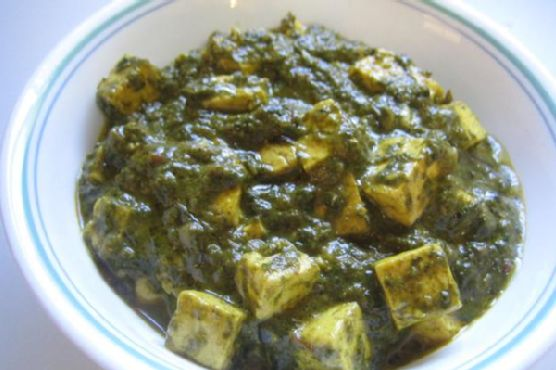
It was one of those chaotic Tuesday evenings, you know the kind, where the clock somehow ticks faster and the fridge looks like a barren desert. I was craving something comforting but also needed it to be quick and not require a last-minute grocery run. That’s when I stumbled upon my trusty block of tofu and a vibrant bunch of spinach sitting in the crisper looking like they might stage a protest if not used soon. Voila, it hit me—Palak-Tofu (or bean curd if you’re feeling fancy)! It’s the kind of dish that feels like a hug in a bowl, creamy yet packed with a punch of spices, and best of all, it comes together in a snap. It’s the perfect blend of Indian flavors that makes you feel like you’ve put in way more effort than you actually did. Ready to dive in?
Jump to Recipe
What You’ll Need
The beauty of this recipe is that you probably already have most of these staples lurking in your pantry or fridge. Here’s the lineup:
- 1 tbsp oil
- 2 onions, finely chopped
- 1 tbsp ginger-garlic paste
- 2-3 green chillies, chopped (adjust depending on how spicy you’re feeling)
- 1 tomato, chopped
- 3 cups palak (spinach), washed
- 1 block tofu, cut into cubes
- Salt to taste
- 1/2 tsp turmeric
- 1 tsp coriander powder
- 1/2 tsp cumin seeds
- 1 tsp kasuri methi (dried fenugreek leaves)
- 1/4 cup cream or milk
- 1 tbsp butter
- 1/2 tsp garam masala
How to Make Palak-tofu (bean curd)
- In a pan, heat 1 tablespoon of oil over medium heat. Add the chopped onions and sauté them until they’re golden brown. The aroma is the first hint you’re on the right track.
- Add the ginger-garlic paste to the onions and stir for about a minute until the raw smell disappears. Toss in the green chillies and chopped tomato, sautéing until the tomatoes soften and meld into the mix.
- Add the washed spinach leaves in their full glory. Sauté them for about 5 minutes until they wilt down, looking like a fraction of their former selves. Let this mixture cool.
- Once cooled, blend the spinach mixture to a coarse paste and set it aside.
- In the same pan, add another tablespoon of oil and sauté the tofu cubes. Sprinkle a pinch of salt and turmeric over them, stirring for about 2 minutes to give them a nice golden tan. Remove and set aside.
- Return the spinach paste to the pan, seasoning with salt and coriander powder. Let it cook slowly for about 10 minutes, allowing the flavors to deepen.
- Add the sautéed tofu cubes to the pan, mixing well. Crumble the kasuri methi between your palms to release its aroma before adding it to the pan.
- Pour in the cream or milk, stirring to combine. Cover the pan and let it simmer on a low flame for 5 minutes. The mixture should look creamy and inviting.
- Finish with a dollop of butter for richness and a sprinkle of garam masala for that final flavor burst. Serve hot with roti or paratha.
Cook’s Notes
Here’s the thing: you can make parts of this dish ahead if batch cooking is your jam. The spinach paste can be made a day ahead and stored in the fridge. Just warm it up and follow the rest of the recipe when you’re ready to serve.
- Don’t rush the sautéing of onions; it sets the flavor base.
- Make sure to cool the spinach mix before blending. Hot ingredients in a blender can be hazardous (hot splashes are no fun).
- Leftovers keep well in the fridge for up to 3 days. Just reheat gently, adding a splash of milk if it’s too thick.
Make It Your Own
- Swap the tofu for crispy paneer cubes for a decadent twist.
- Add a handful of green peas for a pop of color and sweetness.
- Use ghee instead of oil for a richer, buttery flavor.
- For a vegan version, swap the cream with coconut milk and omit the butter.
If you try this, I’d love to hear how it turns out — drop a comment or tag me in your kitchen adventures! Let’s make weeknight dinners exciting, one dish at a time!
Goes Well With
If you want to round out the meal, here’s what I’d pair it with over on meaghanmoineau.com:
Related update: Palak-tofu (bean curd)
Related update: Delicious Sausage & Peppers
Related update: One Bowl Jalapeno Cheddar Cornbread
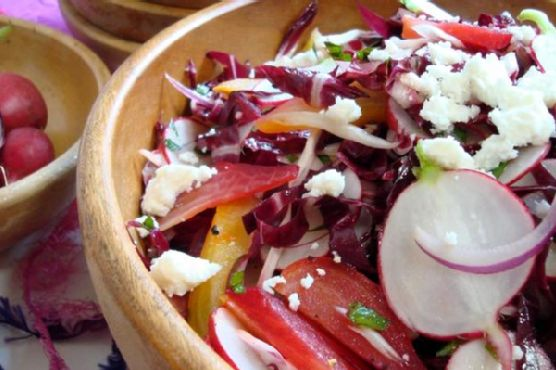
It was one of those evenings where the sun lazily dips behind the trees, casting a golden hue over everything, and the weather’s still warm enough to eat on the porch. I was staring into my fridge, thinking that I could either order takeout or transform the lonely bunch of beets staring back at me into something fabulous. The idea of a roasted beet and radicchio salad popped into my head, and suddenly I could taste it — earthy, a bit bitter, and wonderfully fresh. This dish isn’t just a salad; it’s a celebration of textures and flavors. The kind that makes you feel like you’ve pulled off a culinary magic trick with minimal effort.
Jump to Recipe
What You’ll Need
Chances are you already have most of this, but a quick trip to the store might be necessary for a few fresh flavors.
- Beets
- Olive oil
- Radicchio
- Red onion
- Radishes
- Fresh mint leaves
- Queso fresco
- Red wine vinegar
- Honey
- Garlic clove
- Salt
- Pepper
How to Make Roasted Beet and Radicchio Salad
- Preheat your oven to 400°F. This is the perfect time to catch up on that podcast you’ve been meaning to listen to.
- Trim the beets, placing them snugly in a baking dish. Drizzle with 1 tablespoon of olive oil, making sure each beet gets a glossy coat. Cover and roast for about 30-35 minutes, until they surrender easily to a fork’s pressure.
- While the beets are doing their thing, cut the radicchio into quarters and remove the core. Slice it into thin strips and let it chill in a bowl of ice water for 20-30 minutes. This little spa treatment mellows out its bitterness.
- Channel your inner chef as you slice the red onion and radishes paper-thin. This is where a sharp knife becomes your best friend.
- In a small bowl, whisk together 3 tablespoons of olive oil, red wine vinegar, honey, a minced garlic clove, a pinch of salt, and a few cracks of pepper. It should taste lively and balanced, with a little zing.
- By now, the beets should be cool enough to handle. Slip their skins off as if peeling a particularly stubborn sticker, then slice into elegant wedges.
- Toss the radicchio, beets, onions, radishes, and fresh mint leaves with the vinaigrette. It should look like a riot of colors and smell like a garden party.
- Top with crumbled queso fresco and serve to a chorus of “oohs” and “aahs.” You just made something beautiful.
Cook’s Notes
So, a few things I’ve learned while dancing through this recipe:
- Make sure to keep an eye on those beets. They can go from perfectly roasted to “oops, charcoal” pretty quickly.
- The ice bath for the radicchio really is a game-changer. Trust me, you don’t want to skip it.
- If you’re planning for leftovers, keep the dressing separate. The salad stays crisp and fresh for the next day.
Make It Your Own
Here are a few variations to keep things interesting:
- Swap the queso fresco for crumbled feta or goat cheese for a tangy twist.
- For more crunch, toss in a handful of toasted walnuts or slivered almonds.
- Not a fan of radicchio? Arugula or spinach would be great here too.
- Add some diced avocado for a creamy contrast.
If you try this, I’d love to hear how it turns out — drop a comment or tag me! Let’s see those gorgeous, colorful creations. Happy cooking!
Goes Well With
If you want to round out the meal, here’s what I’d pair it with over on meaghanmoineau.com:
Related update: Roasted Beet and Radicchio Salad

It was one of those frantic Tuesday evenings, you know the kind—where you’re trying to juggle work emails, a pile of laundry, and a kid who’s determined to turn the living room into an art studio. I was staring into the abyss of my pantry, desperately seeking weeknight dinner inspiration, when it hit me: Chicken Noodle Casserole! This dish is like a cozy, warm hug in the form of food. It’s one of those recipes that’s both comforting and deceptively easy, perfect for when you need something satisfying but don’t have hours to spend in the kitchen. Plus, it’s a great way to use up some of those leftover veggies hiding in your freezer. Let’s dive in, shall we?
Jump to Recipe
What You’ll Need
You’ll love this ingredient list because, chances are, you already have most of these staples lurking in your kitchen:
- Italian bread crumbs
- Butter
- Frozen carrots
- Chicken broth
- Cooked egg noodles
- Flour
- Frozen corn
- Garlic powder
- Italian seasoning
- Milk
- Shredded parmesan cheese
- Frozen peas
- Salt and pepper
- Cooked shredded chicken
- Shredded mozzarella
- Sour cream
- Sweet diced onion
How to Make Chicken Noodle Casserole Dish
- Start by preheating your oven to 350°F. This way, it’s ready to go once you’ve assembled everything.
- In a large skillet, sauté the sweet diced onion in 2 tablespoons of olive oil over medium heat. Cook until the onion is soft and translucent, filling your kitchen with that irresistible aroma.
- Pour in the chicken broth and add the frozen carrots, corn, and peas. Bring everything to a boil, then reduce the heat and let it simmer for about 2 minutes. You want the veggies to just start softening.
- Slowly whisk in the flour, ensuring there are no lumps, then gradually add the milk, stirring constantly to create a smooth sauce.
- Stir in the sour cream, shredded parmesan, and mozzarella until everything is nicely melted and combined. Toss in the cooked shredded chicken and season with garlic powder, Italian seasoning, salt, and pepper.
- Mix in the cooked egg noodles, making sure they’re evenly coated with the creamy mixture.
- Pour the entire mixture into a 13×9-inch casserole dish that you’ve generously buttered to prevent sticking.
- In a separate bowl, combine the remaining parmesan, Italian bread crumbs, and a bit more butter. Sprinkle this mixture evenly over the top of the casserole. It’ll give you that crave-worthy crunchy topping.
- Bake in the preheated oven for about 25 minutes, until the top is golden and the edges start to bubble. Your kitchen will smell amazing!
- Serve hot and enjoy every comforting bite!
Cook’s Notes
This casserole is pretty forgiving, which is one of the many reasons I love it. You can store leftovers in an airtight container in the fridge for up to three days. Just reheat in the oven or microwave until heated through. If you’re planning ahead, you can make and assemble the casserole a day in advance; just cover it tightly and store it in the fridge until you’re ready to bake it. Avoid adding too much flour too quickly to prevent lumps. A gentle stream and continuous whisking are your best friends here.
Make It Your Own
Here are some fun swaps to make this dish fit your taste buds or pantry supplies:
- Switch out the chicken for crispy tofu for a vegetarian twist.
- Use cheddar or gouda in place of mozzarella for a different cheese experience.
- Try adding a dash of sriracha or red pepper flakes if you like it spicy.
- For a gluten-free version, swap in gluten-free noodles and breadcrumbs.
If you try this, I’d love to hear how it turns out—drop a comment or tag me! There’s nothing better than sharing a dish that brings a little comfort to the chaos. Happy cooking!
Goes Well With
If you want to round out the meal, here’s what I’d pair it with over on meaghanmoineau.com:
Related update: Chicken Noodle Casserole Dish
Related update: Asian Salmon Burgers With Tangy Ginger Lime Sauce
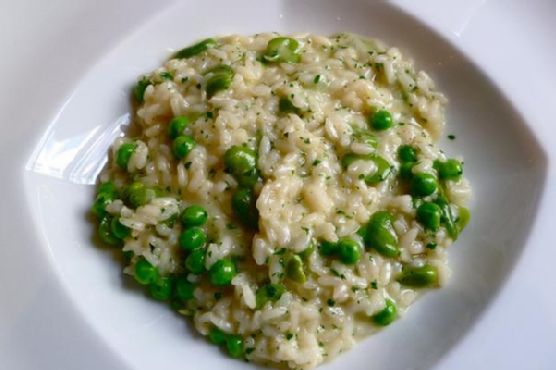
It was one of those unpredictable Tuesdays when everything at work ran late, and by the time I got home, I was craving something comforting yet sophisticated. My pantry didn’t have much, but the bare essentials were there—arborio rice, a bag of frozen peas, and some chicken stock. You know that feeling when you’re just too tired for anything elaborate, yet you want something that feels like a warm hug on your plate? That’s when I knew a creamy risotto with fresh peas would be perfect. This dish has that magical ability to elevate your everyday ingredients into something kinda fancy, without the three-hour prep time. Let’s dive in, shall we?
Jump to Recipe
What You’ll Need
I love how risotto makes you feel like a chef without needing a ton of exotic ingredients. Chances are you already have most of this—except for maybe the arborio rice if you’re not a risotto regular.
- 4 cups of HOT chicken stock
- 2 tablespoons of butter
- 2 tablespoons of extra virgin olive oil
- 1 chopped onion
- 2 minced garlic cloves
- 1 cup of arborio rice
- 1/2 cup of dry white wine
- 1 cup of peas (fresh or thawed frozen)
- 1/2 cup of grated parmesan
- 1 bay leaf
- Salt and pepper to taste
How to Make Risotto With Fresh Peas
- Melt the butter in a heavy large saucepan over medium heat. Add the olive oil, bay leaf, and onions. Season with salt and pepper. Cook until the onions are translucent, filling your kitchen with that irresistible oniony aroma, around 5 minutes.
- Stir in the minced garlic, letting it sauté until tender, roughly 3 more minutes. You’ll know it’s perfect when the garlic starts to mellow and sweeten.
- Add the arborio rice to the pan, stirring it through the buttery onions and garlic. Toast the rice until the grains are glistening, about 2 minutes. It helps develop that nutty flavor we all love.
- Pour in the dry white wine and let it sizzle and cook until the liquid is completely absorbed, stirring often, about 2 minutes. This adds a subtle depth and aroma that’s just dreamy.
- Now, slowly add the hot chicken broth, one cup at a time. Make sure the liquid is absorbed before adding more, stirring often. It’s a bit like babysitting, but it’s worth it. This whole process takes about 28 minutes over medium-low heat. Each addition should take roughly 3 minutes.
- When the rice is tender and the texture is creamy, stir in the peas and parmesan. Watch as the cheese melts into the risotto, making it oozy and silky. Season with more salt and pepper to your liking.
- Cook until the mixture has absorbed all the liquid and has doubled in size. Let it sit for a minute before diving in; I promise it’s worth the wait!
Cook’s Notes
This risotto is pretty forgiving, but here are a few tips to make it foolproof. Always have your chicken stock hot; this helps the rice cook evenly and prevents it from becoming mushy. Got leftover risotto? Lucky you! It can be transformed into risotto cakes the next day. Just form the cold risotto into patties, dust them with flour, and fry them in a little olive oil until crispy and golden. Also, avoid using regular rice; it won’t give you that creamy texture that arborio is famous for.
Make It Your Own
Everyone’s taste is a bit different, and that’s what makes cooking so fun! Here are some ways to play around with this risotto recipe:
- Swap the peas for crispy prosciutto for a salty, meaty twist.
- Replace the parmesan with a tangy goat cheese for something wonderfully creamy and unexpected.
- Add a handful of sautéed mushrooms for an earthy depth that complements the risotto’s creaminess.
- Use vegetable stock instead to make it vegetarian-friendly without losing flavor.
If you try this, I’d love to hear how it turns out — drop a comment or tag me! There’s a special joy in seeing others enjoy a dish that’s become a staple in my kitchen. Happy cooking!
Goes Well With
If you want to round out the meal, here’s what I’d pair it with over on meaghanmoineau.com:
Related update: Risotto With Fresh Peas
Related update: BBQ Beef Brisket
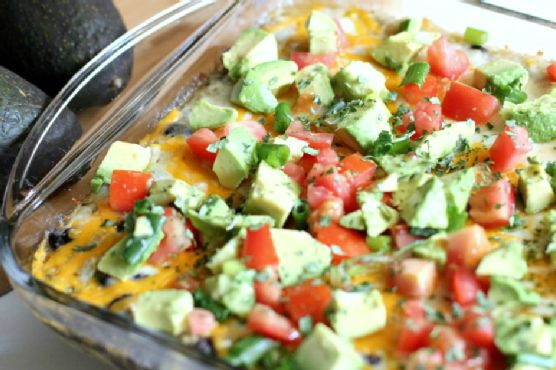
Picture this: It’s a random Tuesday night, and I’m standing in my kitchen, staring blankly at the fridge, wondering how to turn a motley assortment of leftovers and pantry staples into something that doesn’t scream “desperation dinner.” That’s when inspiration struck, as I spied a lonely can of verde enchilada sauce next to last night’s cooked quinoa. What followed was a happy accident of flavors and textures, culminating in my new favorite go-to comfort dish: Cheesy Chicken Enchilada Quinoa Casserole. It’s creamy, cheesy, and bursting with zesty flavors — perfect for those nights when you need something easy but crave-worthy. You’ll be shocked at how quickly it comes together and how it leaves the whole family asking for seconds. Or thirds.
Jump to Recipe
What You’ll Need
This recipe is a pantry hero! If you’ve got a well-stocked spice rack and some leftover chicken, you’re halfway there.
- Cooked quinoa – the fluffy base of this casserole
- Cooked skinless boneless shredded chicken breast – feel free to use rotisserie chicken for a shortcut
- Canned verde enchilada sauce – the tangy key player
- Shredded cheese – use your favorite melting cheese
- Canned tomatoes with chilis
- Canned black beans
- Canned sweet corn
- Salt
- Black pepper
- White pepper
- Chili powder
- Cumin
- Fresh cilantro
- Green onion tops
- Roma tomato
- Avocado
How to Make Cheesy Chicken Enchilada Quinoa Casserole
- Preheat your oven to 350°F and grab an 8×8 inch baking dish. Make sure it’s ready for action.
- Cook the quinoa according to the package instructions. If you haven’t shredded your chicken yet, now’s the time to boil and shred it too.
- In a medium-sized mixing bowl, combine 2 tablespoons of chopped cilantro, 1 cup of shredded cheese, cooked quinoa, canned tomatoes with chilis, black beans, half a can of sweet corn, verde enchilada sauce, cumin, chili powder, white pepper, black pepper, and salt to taste. Stir everything together until well mixed and harmonious.
- Pour your well-mixed concoction into the prepared baking dish, spreading it out evenly. Top with the remaining cup of shredded cheese, covering the surface generously.
- Bake in the preheated oven for about 15 minutes, or until the cheese is delightfully melty and bubbling at the edges. The smell will be irresistible at this point!
- Remove from the oven and let it cool slightly for about 5 minutes. This helps everything set a bit so you can serve neat slices.
- Top your casserole with freshly chopped Roma tomato, avocado chunks, green onion tops, and the remaining 2 teaspoons of cilantro. Serve immediately and bask in the glory of your culinary creation!
Cook’s Notes
This dish is pretty forgiving, but here are a few tips to ensure success. If your quinoa is a bit on the wet side, let it sit in a sieve for a few minutes to drain excess moisture — nobody likes a soggy casserole! When adding salt, remember that the canned ingredients and cheese already bring their own saltiness, so taste as you go. Store any leftovers in an airtight container in the fridge for up to 3 days. It reheats beautifully in the microwave or oven. If you’re planning to make this ahead, assemble everything but wait to add the cheese topping until you’re ready to bake.
Make It Your Own
- Swap the chicken for crispy tofu to make it vegetarian. Just cube the tofu, toss it in a bit of cornstarch, and sauté until golden.
- Add some heat by including a diced jalapeño or a sprinkle of crushed red pepper flakes into the mix.
- If you’re not a fan of cilantro, try using fresh parsley or chives for a milder pop of green.
- More veggies? Toss in some sautéed bell peppers or zucchini to make it even more wholesome.
If you try this, I’d love to hear how it turns out — drop a comment or tag me! This casserole was a happy accident in my kitchen, and I’m excited to see it work its magic in yours. Enjoy every cheesy, tangy bite! 🥑🌿🍅
Goes Well With
If you want to round out the meal, here’s what I’d pair it with over on meaghanmoineau.com:
Related update: Cheesy Chicken Enchilada Quinoa Casserole
Related update: Risotto With Fresh Peas

It was one of those Thursday afternoons when I found myself staring at the fridge, desperate for something sweet and a little different to snack on. You know the kind of day — a little bit drizzly, and the idea of a fragrant loaf filling the house with warmth seemed like the perfect antidote. I remembered some strawberries and a lonely lemon hanging out in the crisper drawer, and an idea sparked. This Lemon and Strawberry Loaf is a twist on your usual bake — think sweet strawberries mingling with zesty lemon and a hint of coconut. It’s a little slice of sunshine even when the weather outside is anything but. Plus, the recipe is straightforward enough to whip up on a whim.
Jump to Recipe
What You’ll Need
What’s great about this ingredient list is that you might already have most of these at home. It’s the kind of recipe that doesn’t require a last-minute supermarket dash.
- Butter
- Sugar
- Eggs
- Self-raising flour
- Dessicated coconut
- Natural yoghurt
- Lemon (juice and rind)
- Fresh strawberries
How to Make Lemon and Strawberry Loaf
- Preheat your oven to 180°C. While it heats up, line a 23cm x 12cm loaf tin with baking paper. Trust me, it’ll make your life easier when you’re trying to get that loaf out later.
- In a large bowl, beat the butter and sugar together until they’re pale and creamy. You want a texture that feels fluffy and light.
- Add the eggs, one by one, beating well after each addition. This will give you a smooth and well-incorporated mixture.
- Grate the lemon rind into the mixture and squeeze in the juice. That zesty aroma should hit you right in the face — it’s heavenly!
- Fold in the self-raising flour, dessicated coconut, and natural yoghurt with a rubber spatula. Be gentle; you’re aiming for a lovely, airy batter.
- Finally, fold in the fresh strawberries. Try to distribute them evenly so you don’t end up with a surprise berry-less slice.
- Pour the mixture into your prepared loaf tin, smoothing the top with the spatula to ensure it bakes evenly.
- Bake for 50-60 minutes. The loaf is done when a skewer inserted in the center comes out clean, and the top is beautifully golden.
- Let it cool in the tin for about 10 minutes, then turn it out onto a wire rack to cool completely. Waiting is the hardest part, but it’s worth it!
Cook’s Notes
This loaf is a keeper for a couple of days, tightly wrapped at room temperature. If you’re planning to make it ahead, it freezes well too. Just wrap it up snugly in plastic wrap and pop it in a ziplock bag. A tip if you’re in a rush: you can microwave slices directly from frozen — it’s like bringing back freshly baked magic!
- Be careful not to overmix the batter once you’ve added the flour. Overmixing can make the loaf dense instead of light and fluffy.
- For the strawberries, smaller pieces work best. They distribute better through the loaf, giving you a little strawberry burst in each bite.
Make It Your Own
- Swap the strawberries for raspberries if you prefer a different berry twist.
- For a tropical vibe, add a handful of chopped pineapple instead of strawberries, and you’ll feel like you’re on a mini-vacation.
- If you’re out of self-raising flour, use plain flour with an extra teaspoon of baking powder.
- Try adding a teaspoon of vanilla extract to the batter for an extra layer of flavor.
If you try this, I’d love to hear how it turns out — drop a comment or tag me! It’s always a joy to see your creations come to life. Happy baking, and may your kitchen be filled with the delicious aroma of lemon and strawberries!
Goes Well With
If you want to round out the meal, here’s what I’d pair it with over on meaghanmoineau.com:
Related update: Lemon and Strawberry Loaf
Related update: Mascarpone & Ricotta Cheese Cake
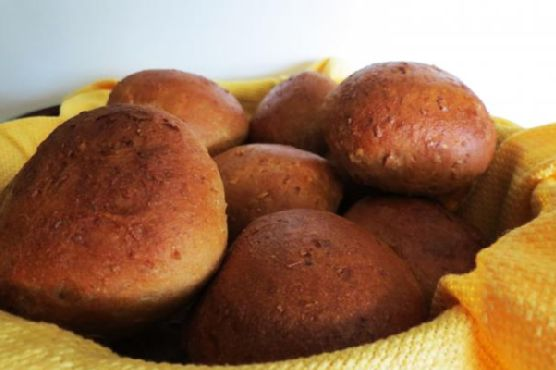
It was one of those Tuesday evenings when I realized I had promised fresh bread for dinner. The sun was setting, casting a warm, golden hue across my kitchen, and I could feel the cool breeze of autumn sneaking through the barely open window. That’s when it hit me — I needed something cozy yet impressive, but also forgiving enough to handle a bit of my mid-week chaos. Enter: these Whole Wheat Dinner Rolls. They’re not just any rolls; they’re the kind that make your kitchen smell like a bakery and your heart feel utterly content. I love how something so wholesome can come from ingredients I usually have stashed away in my pantry. Plus, they’re surprisingly easy to make, with a bit of patience and love.
Jump to Recipe
What You’ll Need
You’ll likely find most of these ingredients are staples in your kitchen, with a few stars that make these rolls stand out. Here’s what you’ll need:
- 1 cup water
- Cracked wheat (or Coaches Oats) – gives that lovely texture
- 1/3 cup warm water
- Dry active yeast – for that perfect rise
- Granulated sugar – just a touch for the yeast
- Butter – because everything is better with butter
- 1 teaspoon table salt
- Molasses – adds depth and color
- Honey – a natural sweetness
- 2 tablespoons wheat germ
- 1 cup milk
- 2 1/4 cups whole wheat flour
- 2 cups all-purpose flour
- Whole egg white – for that glossy finish
How to Make Whole Wheat Dinner Rolls
- In a small saucepan, bring 1 cup of water and the cracked wheat to a boil, then reduce the heat to medium-low and let it simmer for around 6 minutes. The kitchen will fill with a nutty aroma, and you’ll know it’s ready when the mixture has softened. Remove from the heat and allow it to cool to lukewarm.
- In a medium bowl, dissolve the yeast with the 1/3 cup of warm water and a tablespoon of sugar. Give it a quick stir and let it sit for about 10 minutes until it’s foamy and fragrant. It’ll be your sign that the yeast is happy and ready to work its magic.
- Add the cooled cracked wheat mixture to the yeast along with the butter, salt, molasses, honey, wheat germ, and milk in the bowl of an electric mixer. Use the paddle attachment to mix everything until just combined.
- Add 1 cup of the whole wheat flour and 2 cups of the all-purpose flour. Mix until the dough comes together. Switch to the dough hook attachment and gradually add the remaining whole wheat flour, about a quarter cup at a time, until the dough sticks less to the sides of the bowl.
- Let the mixer knead the dough on medium-low for about 8-10 minutes. The dough should be smooth and slightly tacky to the touch.
- Lightly oil a large bowl, place the dough inside, and cover it with a clean towel. Let it rise in a warm spot until it doubles in size — this could take anywhere from 1 to 2 hours, so be patient!
- Punch down the dough to release the air and divide it into 19 equally-sized pieces, about 2.5 ounces each. Shape them into balls and place them on a baking sheet lined with parchment paper. Cover with a towel and let them rise for another 45 minutes.
- While the rolls are rising, preheat your oven to 375°F. Place a dutch oven or oven-safe pot filled with water on the lowest shelf for added steam.
- Brush the risen rolls with an egg wash made by whisking the egg white with a bit of water. This will give them that irresistible sheen.
- Bake for 17-23 minutes until golden brown. The molasses will naturally darken the rolls, so don’t worry if they seem a little darker than expected. Once baked, let them cool on a wire rack.
Cook’s Notes
The key to these rolls is patience. Letting the dough rise properly will reward you with a tender crumb. If your kitchen is chilly, try placing the dough near a warm oven or in an off oven with the light on. For storage, keep them in an airtight container at room temperature for up to three days — if they last that long! To reheat, a quick zap in the microwave or a few minutes in a warm oven will bring them back to life. Freezing is an option too; just make sure they’re completely cooled before popping them in a freezer bag.
Make It Your Own
- Cheesy Rolls: Add a cup of your favorite shredded cheese to the dough for a gooey surprise in every bite.
- Herb-Infused: Mix in a tablespoon of dried rosemary or thyme into the dough for a fragrant herb twist.
- Seeded Top: Sprinkle sesame or poppy seeds on top of the rolls before baking for an added crunch.
- Sweet Cinnamon Swirl: Add a swirl of cinnamon sugar to the dough before shaping for a sweet counterpart to the savory meal.
If you try this recipe, I’d love to hear how it turns out for you — drop a comment or tag me in your photos! Whether they’re part of a holiday spread or a weeknight dinner, these rolls are sure to be a hit. Happy baking!
Goes Well With
If you want to round out the meal, here’s what I’d pair it with over on meaghanmoineau.com:
Related update: Whole Wheat Dinner Rolls
Related update: Cheddar Chile Beer Bread

It was one of those hectic Tuesday nights, the kind where even your sneakers feel mismatched and your to-do list is longer than your grocery receipt. I was rummaging through the fridge, a little desperate but mostly hopeful, when I found a few chicken breasts and some cream cheese. The idea to stuff them hit me like a lightning bolt of culinary genius (or maybe just hungry necessity). The result? A dish that’s become a lifesaver in my weeknight dinner rotation. This Stuffed Chicken Breast is the perfect blend of creamy, savory, and downright comforting — all without needing a pantry full of exotic ingredients. It’s quick, satisfying, and fancy enough to make you feel like a kitchen rockstar.
Jump to Recipe
What You’ll Need
Most of the magic happens with just a handful of ingredients. Chances are, you already have most of these at home:
- 4 **skinless boneless chicken breasts**
- 1 package of **cream cheese** (softened)
- 3 **green onions**, chopped
- Your favorite **chicken seasoning** blend
- Olive oil-based cooking spray
How to Make Stuffed Chicken Breast
- First, give your chicken breasts a good rinse under cold water, then pat them dry with paper towels. This helps the seasoning stick and creates a delicious crispy exterior.
- Place each chicken breast on a cutting board and cut lengthwise. Be careful not to slice all the way through — you’re making a pocket, not a butterflied filet.
- In a small bowl, mix the softened cream cheese with the chopped green onions. The cream cheese should be smooth and the onions evenly distributed.
- Spoon the cream cheese mixture into each chicken breast pocket, then press the edges of the chicken firmly to close them around the filling.
- Spritz the top of each stuffed breast with the olive oil cooking spray. This not only prevents sticking but also helps the seasoning adhere perfectly.
- Liberally rub the chicken seasoning all over the outside of the chicken. Use your favorite blend — the more flavorful, the better!
- Preheat your oven to 375°F (190°C). Arrange the chicken breasts in a baking dish, ensuring they’re not too crowded.
- Bake for 25-30 minutes or until the chicken is cooked through and juices run clear. The edges of the cream cheese might bubble a bit, and the tops should turn a lovely golden brown.
Cook’s Notes
Here’s a little secret: if you overstuff the chicken, they might not close perfectly. Don’t worry! Use some toothpicks to secure them — just remember to remove them before serving. If you’re planning ahead, you can stuff the chicken a few hours before dinner and keep them in the fridge until you’re ready to bake. Leftovers can be stored in an airtight container for up to three days and are delicious reheated in the oven or sliced cold over a salad.
Make It Your Own
- **Swap the Chicken for Crispy Tofu**: For a vegetarian version, use firm tofu. Slice and hollow out a pocket, then proceed with the stuffing and seasoning.
- **Add Some Heat**: Mix a teaspoon of red pepper flakes into the cream cheese for a spicy kick.
- **Herbal Twist**: Add chopped fresh basil or parsley to the cream cheese for an herby flavor boost.
- **Cheese Swap**: Replace cream cheese with goat cheese for a tangier, more robust flavor.
If you try this, I’d love to hear how it turns out — drop a comment or tag me! Can’t wait to see your delicious creations. Happy cooking, friend!
Goes Well With
If you want to round out the meal, here’s what I’d pair it with over on meaghanmoineau.com:
Related update: Stuffed Chicken Breast
Related update: Herb chicken with sweet potato mash and sautéed broccoli
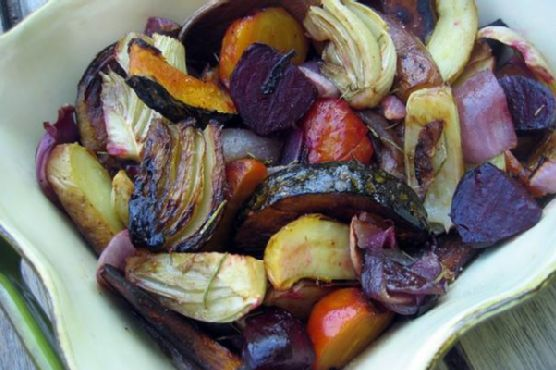
It was one of those evenings when the leaves were just starting to turn, and there was a crisp snap in the air that made you want to stay in and bake something comforting. I was eyeing the mishmash of vegetables in my pantry and fridge, and the thought struck me—why not toss them all together and see what happens? With my trusty bottle of balsamic vinegar in hand, I embarked on a culinary adventure that turned into a beautiful medley of roasted goodness. This Balsamic Roasted Vegetables dish has become my go-to for a weeknight rescue mission—it’s hearty, flavorful, and a feast for the eyes and the palate. You’ll love how the balsamic vinegar caramelizes everything into a sweet-savory delight. Plus, it’s as easy as it is delicious!
Jump to Recipe
What You’ll Need
Chances are you already have most of this in your kitchen, and if not, they’re just a quick grocery trip away. Here’s the line-up:
- Golden beets
- Red beets
- Bulb fennel
- Red onion
- Fingerling potatoes
- Kabocha squash
- Olive oil
- Balsamic vinegar
How to Make Balsamic Roasted Vegetables
- First, give the beets and fingerling potatoes a good rinse and trim off any tops. Drizzle just enough olive oil over them to coat lightly, and place them on a baking sheet.
- Roast whole in a preheated oven at 400°F. After about 30 minutes, they should feel softened when you poke them with a fork but not fully cooked.
- Remove from the oven with some care (they’re hot!), peel the beets gently, and then halve them. You can leave the fingerlings whole or slice them lengthwise—both versions are equally tasty.
- While they cool a bit, quarter the fennel and red onion lengthwise. Slice the kabocha squash into 1/2-inch wedges.
- In a big mixing bowl, combine all the vegetables. Drizzle a generous amount of olive oil to coat them well.
- Add a hearty splash of balsamic vinegar—think about 1/4 cup. Toss in a couple of hearty pinches of Kosher salt, several good turns of fresh ground black pepper, and a small sprig of rosemary.
- Roast the vegetable mixture on the baking sheet for another 30-40 minutes, turning every so often, so everything gets evenly roasted. You’ll know they’re ready when they look golden and smell absolutely divine.
Cook’s Notes
Here’s a little pro-tip: make sure all the vegetables are cut to roughly the same size. This helps them cook evenly and saves you from a few burnt bits. If you’re prepping ahead, you can roast the initial batch of beets and potatoes earlier in the day. Just store them in the fridge and continue with the rest of the recipe when you’re ready to serve. If by some miracle you have leftovers, these veggies keep well in the fridge for up to three days and make a great cold salad topper or sandwich filling.
Make It Your Own
- Swap the kabocha squash for sweet potatoes if you’re craving something a little different. They add a lovely sweetness.
- If you’re out of red onion, try shallots for a milder flavor that caramelizes beautifully.
- Throw in some brussels sprouts in place of or in addition to the fennel for a bit of crunchy texture.
- For a Mediterranean twist, sprinkle some crumbled feta cheese over the warm vegetables just before serving.
If you try this, I’d love to hear how it turns out—drop a comment or tag me! Whether it’s a weeknight dinner or a holiday side, these roasted veggies are sure to impress. Happy cooking!
Goes Well With
If you want to round out the meal, here’s what I’d pair it with over on meaghanmoineau.com:
Related update: Balsamic Roasted Vegetables

It was one of those evenings when the fridge looked like it was solely hosting a Tupperware party — all containers, no food. I had a craving for something warm and crispy yet couldn’t muster the energy for a full-on cooking expedition. And there it was, a lone plantain on the counter, along with a ripe avocado looking all sorts of promising. These buttered plantain fries with seasoned avocado came to life quite by accident, but they’ve become a regular guest at my table ever since. They’re quick, comforting, and just a little bit playful — perfect for when you want something more than a snack but less than a meal. Trust me, you need this in your life. Jump to Recipe
What You’ll Need
This ingredient list is like a treasure hunt in your pantry — chances are, you’ve already got most of these goodies hiding in there.
- Plantain – Look for one that’s ripe but not mushy.
- Butter – Because everything’s better with butter, right?
- Vegetable oil – Helps the butter along so it doesn’t burn.
- Avocado – Go for ripe, it should feel slightly soft.
- Chili pepper – A bit of heat, because why not spice things up?
- Garlic – Just a clove, minced to aromatic perfection.
- Onions to garnish – Thin slices for a little crunch and color.
- Salt – Essential for seasoning.
How to Make Buttered Plantain Fries and Seasoned Avocado
- Peel the plantain with care; they can be surprisingly slippery. Slice it into thin, even strips so they cook uniformly.
- In a pan over medium heat, add a generous dollop of butter mixed with a splash of vegetable oil. Let it melt slowly, enjoying that heavenly buttery aroma.
- Toss in the plantain strips, ensuring they’re laid out in a single layer. Cook until each side is golden and crisp, flipping occasionally. You’ll know they’re ready when they look too good to resist.
- While the plantains do their thing, scoop out the avocado into a bowl. Mash it with a fork until it’s creamy but with a bit of texture still.
- Stir in a pinch of salt, the chopped chili pepper, and minced garlic. Mix until it’s all well combined and the garlic is fragrant.
- Serve the golden plantain fries alongside your seasoned avocado mash. Sprinkle with thin slices of onion for that final flourish.
Cook’s Notes
If you’re new to cooking plantains, remember they cook faster than you might think. Keep an eye on them to avoid burning. When storing leftovers (if there are any!), keep the plantains and avocado separate. The plantain fries are best enjoyed fresh but can be reheated in an oven to crisp them up again. As for the avocado, a little lime juice can help keep it from browning too quickly if you’re making it ahead.
Make It Your Own
- Swap the butter for coconut oil if you’re dairy-free or just love a hint of coconut flavor.
- Add a squeeze of lime juice to the avocado for a tangy twist.
- If you’re feeling extra, sprinkle some crumbled feta on the finished dish for a creamy, salty contrast.
- Switch out the chili pepper for a jalapeño if you prefer a different kind of heat.
If you try this, I’d love to hear how it turns out — drop a comment or tag me! Happy cooking, and remember: the best recipes often come from happy accidents!
Related update: Buttered Plantain Fries and Seasoned Avocado
Related update: Balsamic Roasted Vegetables

Last Tuesday, I found myself standing in the kitchen, staring at a couple of sweet potatoes that had been sitting on the counter a little too long. It was one of those chilly evenings where you crave something warm and comforting, yet I was in no mood to fuss over a complex recipe. Enter: mashed sweet potatoes. This dish is one of my go-to solutions for cozy vibes with minimal effort. It’s like wrapping yourself in a blanket, but for your taste buds. Sweet, spiced, and just the right amount of creamy, this recipe is a gem you’ll want to keep in your back pocket for busy weeknights and lazy Sundays alike. Plus, it’s a fabulous twist on the classic mash that makes you look like a culinary genius with hardly any work. Magic, right? Jump to Recipe
What You’ll Need
This recipe is all about transforming simple ingredients into a powerhouse side dish. Chances are you already have most of this goodness in your pantry.
- Sweet potatoes, peeled and ready for action
- Butter—because everything’s better with butter
- Cream for that luxurious texture
- Vanilla, the secret ingredient that makes all the difference
- Maple syrup for a natural sweetness
- Brown sugar to deepen the flavor
- A pinch of cinnamon for warmth
- Cayenne pepper for a kick
- Cardamom for a touch of the exotic
- Orange zest, adding bright notes
- Kosher salt to taste
How to Make Mashed Sweet Potatoes
- Start by placing your peeled sweet potatoes into a large pot of boiling water. Cook them until they are fork-tender, which usually takes about 20 minutes. You’ll know they’re ready when the edges begin to soften and break apart.
- Drain the cooked sweet potatoes and return them to the pot. Mash them until well broken up. If you prefer a smoother texture, feel free to use an electric mixer.
- In a small bowl, mix together the cinnamon, cayenne, cardamom, orange zest, and brown sugar. Set this aromatic blend aside for the moment.
- Add the butter to the mashed sweet potatoes, followed by the cream, vanilla, and maple syrup. Stir until everything is well combined and the butter has melted into silky goodness.
- Now, incorporate the cinnamon sugar mixture. Stir until the spices are fully blended into the potatoes, and everything is smooth and creamy.
- Finally, season your mash with kosher salt to taste. Give it a taste test to ensure the balance of sweet and savory is just right.
Cook’s Notes
When it comes to these mashed sweet potatoes, texture is key. Don’t be afraid to taste test as you go along. If your mash feels too thick, a splash more cream can rescue it. On the flip side, if it’s too runny, let it sit for a few minutes to firm up. Sweet potatoes tend to be more forgiving than regular potatoes, so you have some wiggle room here.
For storage, these mashed sweet potatoes keep beautifully in the fridge for up to four days. Reheat them in a saucepan over low heat, stirring occasionally. You can also freeze them in an airtight container for up to a month; just thaw overnight in the fridge before reheating.
Make It Your Own
- Herbaceous Twist: Stir in some freshly chopped rosemary or thyme for an earthy note.
- Nutty Crunch: Top with toasted pecans or walnuts for a delicious contrast in texture.
- Vegan Version: Swap the butter and cream for coconut oil and coconut milk. It adds a lovely tropical undertone.
- Spice Swap: Replace cayenne with smoked paprika for a smoky depth to the sweetness.
If you try this, I’d love to hear how it turns out—drop a comment or tag me! Your kitchen adventures make my day brighter. Enjoy every comforting bite!
Related update: Mashed Sweet Potatoes
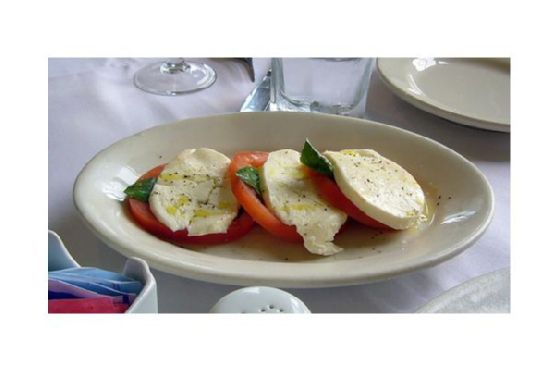
Last Tuesday, I found myself rummaging through the fridge at 6:00 p.m., desperately in need of something that screamed “dinner” but without the patience for a culinary marathon. There they were: a couple of vine-ripened tomatoes and a ball of mozzarella glaring back at me, almost as if they knew they were meant to be together. That’s when it hit me—Italian Tomato and Mozzarella Caprese! It’s that perfect blend of simplicity and flavor, a dish that makes you feel like you’re dining al fresco in the Italian countryside. This recipe comes together in minutes, and it’s so fresh and vibrant that you’ll forget how easy it was to make. Trust me, this is the kind of dish that turns a chaotic weeknight into a serene evening.
Jump to Recipe
What You’ll Need
This is one of those recipes where you probably have most of the ingredients lying around, making it a super convenient option for those spontaneous cravings.
- Vine-ripened tomatoes
- Fresh whole-milk mozzarella
- Fresh basil leaves
- Fluid balsamic vinegar
- Olive oil
- Kosher salt
- Black pepper
- Dry sprinkle of oregano leaves
How to Make Italian Tomato and Mozzarella Caprese
- Start by grabbing a large platter and slice your vine-ripened tomatoes. Lay them out, leaving just enough space between them so they can bask in their own glory.
- Drizzle the tomatoes with fluid balsamic vinegar. You’re looking for a glistening sheen that tempts you to dive in immediately.
- Place one fresh basil leaf atop each slice of tomato. The aroma will already start to transport you to a sun-drenched piazza.
- Slice the mozzarella into rounds that match the size of your tomatoes, and place each slice on top of the basil leaves. Trust me, this is where the magic happens.
- Sprinkle with oregano, salt, and black pepper. Be generous but not heavy-handed; you want to enhance, not overpower.
- Finish it off with a drizzle of olive oil. The edges of the cheese will start to glisten, and the whole platter will look like it belongs in a magazine.
Cook’s Notes
This recipe is straightforward, but a few pointers can elevate it. First, always opt for the freshest ingredients you can find. The quality of the tomatoes and mozzarella really shines through, so this is the time to splurge a little if possible. You can make this dish a couple of hours ahead of time; just be sure to add the basil and olive oil right before serving to keep everything fresh and vibrant. Leftovers? If there are any, they’re fantastic on a slice of toasted sourdough the next day.
Make It Your Own
- Replace the mozzarella with crispy tofu for a vegan twist that still brings the creamy texture.
- Swap the balsamic vinegar for a splash of red wine vinegar for a sharper tang.
- Add a handful of arugula underneath the tomatoes for an extra peppery bite.
- Incorporate roasted red peppers for a sweet, smoky layer to the dish.
So there it is, my go-to for a quick, satisfying meal that feels like a little escape to Italy. If you try this, I’d love to hear how it turns out — drop a comment or tag me on social media. Buon appetito!
Related update: Italian Tomato and Mozzarella Caprese
Related update: Mashed Sweet Potatoes
Related update: Crab Cakes Rockefeller
Related update: Roasted Beet and Radicchio Salad
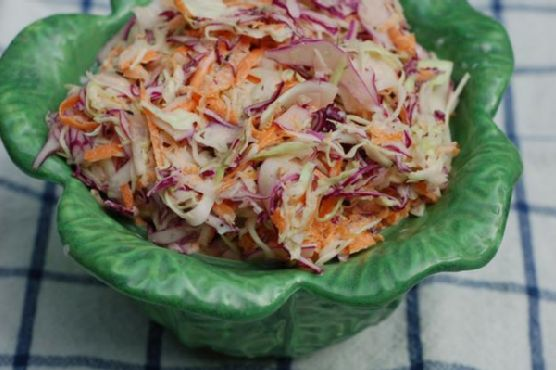
So there I was, standing in my kitchen on a Tuesday evening, staring at the lovely head of purple cabbage I had impulsively bought over the weekend. It was one of those days when you feel like the fridge is a puzzle, and you’re just not sure how all the pieces fit together. The pantry was looking sparse, and there was a definite need for a dinner side that wasn’t just steamed broccoli…again. Enter: Classic Creamy Coleslaw. This recipe is a lifesaver because it’s one of those dishes that hits the mark every time — creamy, tangy, and just the right amount of crunch to elevate any meal. Plus, it’s quick to whip up and, let’s be honest, who doesn’t love a dish that lets the veggies do all the colorful talking?
Jump to Recipe
What You’ll Need
The beauty of this coleslaw is its simplicity. Chances are you already have most of these hanging out in your kitchen — if not, they’re easy grabs during your next grocery run.
- Red cabbage
- Green cabbage
- Carrot
- Onion
- Apple cider vinegar
- Mayonnaise
- Dijon mustard
- Caraway seeds
- Sugar
- Sea salt
- Several grinds of black pepper
How to Make Classic Creamy Coleslaw
- Start by grabbing your trusty mandoline or a really sharp knife. You’re going to slice up the red and green cabbage, carrot, and onion paper-thin. Think of it as a meditation exercise — there’s something satisfying about seeing those vibrant veggies pile up in a bowl.
- In a separate small bowl, combine the apple cider vinegar, mayonnaise, Dijon mustard, caraway seeds, sugar, sea salt, and black pepper. Stir everything together until smooth; the sugar and salt should be fully dissolved so the dressing is creamy without any gritty bits.
- Toss your sliced veggies with the dressing in a medium-sized bowl. Make sure every slice gets a good coating. It’s like wrapping each piece in a creamy hug. Once everything is well-mixed, you can serve it right away or let it chill for a bit in the fridge to let those flavors meld together even more.
Cook’s Notes
This coleslaw is as forgiving as it is delicious. If you find the cabbage a bit stiff, letting the coleslaw sit in the fridge for an hour will soften it up just right. It’s perfect for making ahead — you can prepare the veggies and dressing separately and toss them together when you’re ready to serve. Leftovers hold up well for a couple of days in the fridge, but you might notice it gets a bit watery. Just give it a quick toss, and it’s as good as new. Be careful with the amount of salt; remember, you can always add more, but once it’s in, there’s no going back!
Make It Your Own
- Herb it Up: Add a handful of chopped fresh parsley or dill for a herbal twist.
- Go Nutty: Toss in some toasted sunflower seeds or slivered almonds for added crunch and nuttiness.
- Tropical Vibes: Swap the carrot with shredded pineapple for a sweet, tropical flavor.
- Spicy Kick: Add a teaspoon of sriracha or a pinch of cayenne to the dressing for some heat.
If you give this classic creamy coleslaw a try, I’d love to hear how it turns out for you — drop a comment or tag me on social! Your kitchen wins and tweaks are what make cooking such a fun adventure. Enjoy the crunch!
Related update: Classic Creamy Coleslaw

Picture this: it’s Easter Sunday morning, and I was in the kitchen trying to assemble a last-minute dessert that was festive enough to impress my friends but easy enough to make in my barely-awake state. I found myself eyeing the abundance of fresh fruit and a surplus of vegan-friendly pantry staples. That’s when the idea for Easter Bunny’s Vegan Ambrosia Salad popped into my head. This salad is a delightful mix of sweet and tangy, with a cloud-like creaminess that makes it feel like a treat straight from a springtime dream. It’s perfect for those times when you want something impressive but don’t have hours to fuss over it. Plus, who can resist its nostalgic charm?
Jump to Recipe
What You’ll Need
Most of these ingredients might already be lounging around in your kitchen, especially if you’re a fan of tropical flavors and vegan treats.
- Plain vegan heavy cream
- Sugar
- Sour vegan cream
- Vegan marshmallows
- Clementine orange segments
- Fresh pineapple
- Coconut
- Pecans
- Maraschino cherries
How to Make Easter Bunny’s Vegan Ambrosia Salad
- Grab your stand mixer and toss in the plain vegan heavy cream and sugar. Whip them together until you see those glorious stiff peaks forming. It’s like magic happening right before your eyes.
- Add in the sour vegan cream and whisk again until everything is smoothly combined. You’ll know it’s ready when it looks like a fluffy cloud of deliciousness.
- Now, in goes the fun: gently stir in the vegan marshmallows, clementine orange segments, fresh pineapple, coconut, and pecans. Mix until everything is evenly coated and well-distributed. It should look colorful and festive!
- Transfer your creation into a beautiful glass serving bowl. Cover it with a lid or some cling wrap, and let it chill in the refrigerator for about two hours. This helps all the flavors meld together beautifully.
- Finally, just before serving, top it off with those bright maraschino cherries. They add a pop of color and a sweet finishing touch!
Cook’s Notes
This ambrosia salad is pretty forgiving, but here are some tips to make sure you nail it every time:
- It’s best to use fresh pineapple rather than canned—it offers a better texture and flavor punch.
- If you’re making this ahead, it can be prepared up to a day in advance. Just remember to give it a quick stir before serving, as some ingredients might settle at the bottom.
- If you don’t have a stand mixer, a hand mixer will do just fine. Just make sure to whip the cream until those stiff peaks stand proud.
Make It Your Own
Want to put your own spin on this classic? Here are some ideas:
- Swap the pecans for walnuts or almonds for a different nuttiness.
- Add a handful of diced mango for an extra tropical twist.
- If you’re a fan of berries, throw in some fresh raspberries or blueberries for added color and tang.
- For a chocolate version, mix in a handful of vegan chocolate chips. Chocolate and oranges are a match made in heaven!
If you try this, I’d love to hear how it turns out — drop a comment or tag me! Your creativity in the kitchen is what makes cooking fun and memorable. Enjoy your Easter treat!
Related update: Easter Bunny’s Vegan Ambrosia Salad
Related update: Butterscotch Pie
Related update: Classic Creamy Coleslaw

It was one of those chilly fall evenings when the air was crisp, and the leaves crunched underfoot like potato chips. I was rummaging through the fridge, looking for something cozy and satisfying yet simple enough not to turn dinner into a late-night affair. You know, the kind of weeknight dinner that lets you sit down with a glass of wine before you’ve completely run out of energy? Harvest Hash was my answer. This dish is everything I love about fall on a plate: sweet, savory, and just a little bit indulgent with crispy bacon and caramelized apples. It’s one of those dishes that makes you feel like you’ve done something special, even if you’re tired, and the best part is, it’s all done in about 30 minutes.
Jump to Recipe
What You’ll Need
The beauty of this recipe is in its simplicity. Chances are, you already have most of these ingredients lounging around in your kitchen, waiting for their moment to shine.
- 2 medium sweet potatoes, peeled and cubed
- 4 slices of bacon, cut into bite-sized pieces
- 1 small red onion, diced
- 2 honeycrisp apples, cored and diced
- 2 tablespoons extra-virgin olive oil (EVOO), divided
- Kosher salt, to taste
How to Make Harvest Hash
- First things first, get your oven preheating to 400°F. This helps everything cook evenly and gives those sweet potatoes a head start to become perfectly tender.
- In a large bowl, toss the cubed sweet potatoes with one tablespoon of EVOO and a good sprinkle of kosher salt. Make sure each piece is nicely coated, then spread them out on a baking sheet in a single layer.
- Roast the sweet potatoes for about 10-15 minutes until they’re tender but still hold their shape. You’ll know they’re ready when you can pierce them easily with a fork without them falling apart. Set aside when done.
- While the sweet potatoes are doing their thing, heat the remaining tablespoon of EVOO in a large frying pan over medium heat. Toss in the bacon pieces and let them cook until they start to get crisp and release their delicious fat.
- Add the diced red onion to the pan and sauté until they’re soft and tender. The onions will soak up some of that bacon goodness, making them irresistible.
- Next, add the diced apples and cook for another 3-4 minutes. They’ll become slightly golden and fragrant, adding a lovely sweetness to the mix.
- Stir in the roasted sweet potatoes and cook everything together for another 6-8 minutes. Let the edges of the sweet potatoes and apples get a little crispy — this is where the magic happens.
- Serve it up warm alongside a juicy ham steak, and you’ve got yourself a feast that tastes like fall on a plate.
Cook’s Notes
This dish is pretty forgiving, which is why I love it for those busier nights. Remember not to overcrowd your baking sheet with sweet potatoes; otherwise, they’ll steam rather than roast. Store leftovers in an airtight container in the fridge for up to three days. Reheat in a skillet to bring back some crispness, or pop in the microwave for convenience. If you’re planning ahead, you can roast the sweet potatoes a day before and store them until you’re ready to complete the dish.
Make It Your Own
- Vegetarian Version: Skip the bacon and use smoked paprika to bring in that smoky flavor.
- Pumpkin Spice Twist: Sprinkle a pinch of cinnamon and nutmeg when you add the apples for a cozy spice blend.
- Protein Boost: Stir in cooked, shredded chicken when you add the sweet potatoes.
- Vegan Delight: Swap out the bacon for crispy tofu cubes and use coconut oil instead of EVOO.
If you try this, I’d love to hear how it turns out — drop a comment or tag me! Cooking is all about sharing, after all. Enjoy these fall flavors!
Related update: Harvest Hash
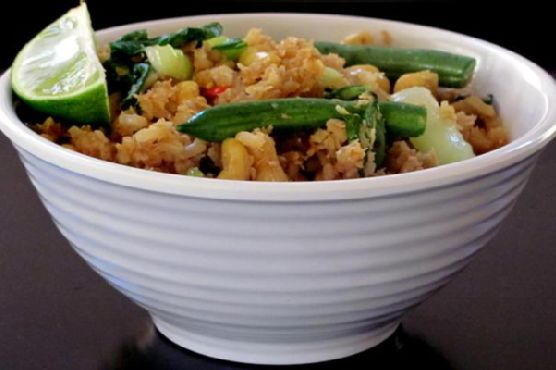
It was one of those Tuesday evenings when everything seemed to be spinning at a million miles an hour. You know the vibe — the kind of chaos where the idea of cooking dinner feels like a Herculean task. I peeked into my pantry, hoping for inspiration, and that’s when it hit me: Thai Savory Brown Fried Rice. A dish that’s quick to whip up but feels like a comforting hug in a bowl. It’s packed with flavor and gives off that takeout vibe without the takeout guilt. Plus, there’s something about the combination of spicy chili, crunchy cashews, and zesty lime that just sings. Let me tell you, this is a dish that transforms ordinary brown rice into something worth savoring.
Jump to Recipe
What You’ll Need
A lot of this stuff is pantry-friendly, which means you can dodge a grocery trip. You’ll likely have most of these ingredients lounging around already.
- Extra virgin olive oil
- 3 garlic cloves, minced
- 2 red fresh chili peppers, sliced
- Raw cashew nuts
- 1/4 cup dry unsweetened shredded coconut, toasted
- 1 teaspoon stevia powder
- 2 tablespoons Bragg Liquid Aminos
- 1 tablespoon apple cider vinegar
- 1 flax egg (1 tablespoon flaxseed meal + 2.5 tablespoons water)
- 1 cup fresh green beans, trimmed and cut into pieces
- 2 cups shredded regular bok choy
- 2 cups cooked brown rice
- Lime wedges for serving
How to Make Thai Savory Brown Fried Rice
- Start by making my Perfect Brown Rice. In a pot, sauté 1 cup of uncooked brown rice in 1 teaspoon of olive oil until it’s lightly browned. Toss in 2 basil leaves, then pour in 2 cups of filtered water. Quickly cover, bring to a boil, then simmer until all water has evaporated, about 40 minutes.
- As the rice cooks, heat a splash of olive oil in a wok or large frying pan. Add the minced garlic and sizzle until it’s lightly golden and fragrant. Be careful not to burn it — nobody likes bitter garlic.
- Toss in the sliced chili peppers, raw cashews, and toasted coconut. Let them dance around in the pan and get cozy for a good minute.
- In a small bowl, whisk together the stevia powder, Bragg Liquid Aminos, and apple cider vinegar. Pour this into the pan, blending it into your aromatic mix.
- Push everything to one side of the pan, making space for the flax egg. Pour it in and stir, cooking for about a minute until it firms up a bit, then mix it back into the stir-fry party.
- Add the green beans, bok choy, and your cooked brown rice to the pan. Stir well on medium heat for another minute. You want the bok choy wilted but those green beans still a bit snappy.
- Spoon your creation into a serving dish, and don’t forget to add a lime wedge on the side for that final zing.
Cook’s Notes
This dish is a lifesaver on busy nights! Toast the shredded coconut beforehand in a dry pan over low heat — trust me, it’s worth the extra step for that nutty aroma. If you’re prepping ahead, cook the brown rice the day before and keep it in the fridge. Cold rice works wonders for fried rice, soaking up all those flavors. Leftovers? They make for a fantastic lunch the next day. Just reheat in a pan with a splash of water to revive its moist goodness.
Make It Your Own
- Swap the green beans for crispy tofu if you’re feeling a plant-based protein moment.
- Throw in some sliced bell peppers for a pop of color and sweetness.
- Want it extra spicy? Add more chili peppers or a drizzle of sriracha at the end.
- Feel free to switch out the lime for lemon if that’s what you have on hand.
If you try this, I’d love to hear how it turns out — drop a comment or tag me! This dish is a little escape to Thailand in your own kitchen, without the need for a passport. Enjoy!
Related update: Thai Savory Brown Fried Rice
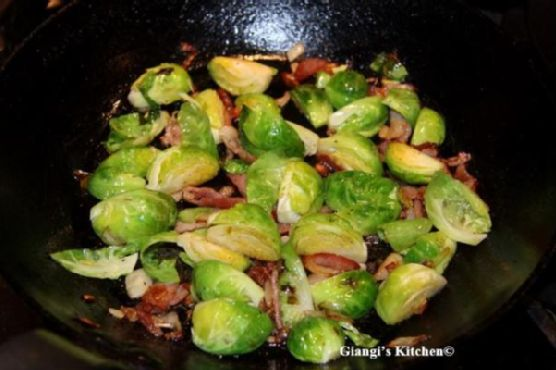
It was one of those evenings where I’d just gotten home from a long day, opened the fridge, and sighed at its contents — or lack thereof. You know what I’m talking about, the classic weeknight scramble where you’re too tired to go out but still want something comforting and a tad bit fancy. That’s when I spotted a lonely pack of bacon and some brussels sprouts I’d forgotten about. A lightbulb moment ensued, and this dish was born out of necessity, quickly becoming a household staple. It’s one of those meals that feels a bit impressive but is ridiculously easy to throw together. Plus, the crispy bacon pairs so perfectly with the tender brussels sprouts and sweet shallots. Trust me, this dish is a game-changer for lazy evenings.
Jump to Recipe
What You’ll Need
Chances are you already have most of this hanging around your kitchen. Just a few ingredients that combine to make magic happen:
- Bacon – the soul of this dish
- Brussels sprouts – trimmed and ready to shine
- Lemon juice – for that bright, zesty finish
- Salt and pepper – essentials, of course
- Shallot – it adds a sweet, delicate flavor
How to Make Brussels Sprouts with Bacon and Shallots
- In a large skillet, toss in the chopped bacon. Cook over medium heat until it’s golden brown and your kitchen smells like pure heaven.
- Next, add the shallots to the skillet. Let them mingle with the bacon, cooking until tender and translucent.
- Crank up the heat to high and introduce the brussels sprouts to the party. Sauté them until they develop that irresistible golden crust, making sure to stir occasionally so they don’t stick.
- Finish with a squeeze of lemon juice and season generously with salt and pepper. Give it all a good toss, letting every ingredient get cozy.
- Serve immediately, preferably with a grin because you just made something delicious with minimal effort.
Cook’s Notes
A couple of things I’ve learned along the way: First, do not overcrowd your skillet. This is a surefire way to end up with soggy sprouts, and nobody wants that. If you’re making a larger batch, definitely work in batches. As for storage, leftovers can be popped in an airtight container and kept in the fridge for a couple of days. Reheat them in the skillet to keep that crispiness alive. Pro tip: if you’re making this for a crowd, you can prep everything in advance and then do the actual cooking just before serving. It’s quick enough that even last-minute is doable!
Make It Your Own
Feeling like switching things up? Here are a few ideas:
- Swap the bacon for crispy pancetta or prosciutto for an Italian twist.
- Try adding a splash of balsamic vinegar instead of lemon juice for a deeper flavor.
- Throw in some toasted pine nuts or almonds for an extra crunch.
- If you’re vegetarian, swap the bacon for crispy tofu — trust me, it works!
If you try this, I’d love to hear how it turns out — drop a comment or tag me! Remember, the best recipes are the ones you make your own. Happy cooking!
Related update: Brussels Sprouts with Bacon and Shallots
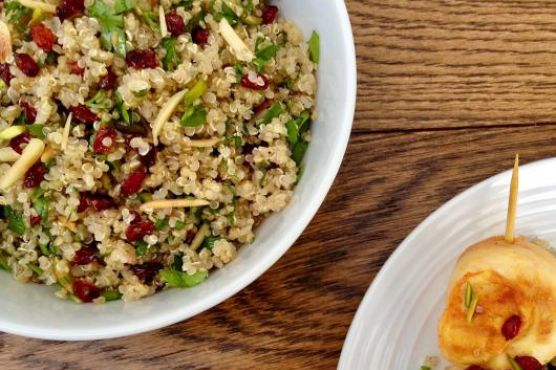
Picture this: It’s a Tuesday evening, and I’ve just emerged from a whirlwind day of meetings and errands. My energy is zapped, but my taste buds are clamoring for something a bit more exciting than my standard, last-minute pasta. I glance at my pantry, and there it is—a trusty bag of quinoa. This little grain (or seed, to be precise) is my go-to for nights like these when I want something nourishing yet packed with flavor. That’s where my Quinoa Salad with Barberries & Nuts comes into play. It’s a delightful dance of textures and tastes—fluffy quinoa, tangy barberries, and crunchy nuts, all mingling with fresh herbs. Bonus: It’s ready in a flash and makes me feel like a kitchen wizard every single time.
Jump to Recipe
What You’ll Need
Trust me, most of these ingredients are likely chilling in your pantry or fridge already. It’s the *bold* ones that make this dish pop, so don’t skip those!
- Quinoa – the base of our salad
- Water
- Salt
- Olive oil
- Barberries – these little gems add a tart kick
- Slivered almonds
- Slivered pistachios
- Coriander
- Mint
How to Make Quinoa Salad with Barberries & Nuts
- Start by rinsing the quinoa thoroughly in a sieve under cold running water. This step is crucial to remove that pesky bitterness. Drain well.
- Next, pour boiling water over the drained quinoa in a medium saucepan. Add a good pinch of salt, give it a stir, and cook over medium-low heat. You’re looking for the quinoa to be tender but with a slight bite. Drain it again using the sieve.
- While your quinoa is doing its thing, pick over the barberries, rinse them gently in a sieve, and dry them on some kitchen paper. Easy peasy.
- Now, let’s get those nuts toasted. Heat a tablespoon of olive oil in a saucepan over medium heat. Toss in the almond slivers first until they’re a light golden hue—then add the pistachios.
- With the nuts nicely toasted, add the rest of your olive oil and throw in the rinsed barberries. Cook them just until they’re shiny and looking a bit puffed up, which is when they release their tangy aroma.
- Reserve a tablespoon of the barberry and nut mixture, along with a tablespoon of the chopped coriander and mint, for our final flourish.
- Mix the remaining nut and barberry blend with the quinoa and herbs. Pop it all back into the pot and place over low heat. Cover it up and let it cook for about ten minutes until it’s steaming and thoroughly heated.
- Finally, turn your quinoa creation into a serving dish. Fluff it up with a fork, add a drizzle of olive oil, and a twist of black pepper if you’re feeling it. Sprinkle with the reserved barberry-nut mix and herbs. Serve it up either as a main or a side—your choice!
Cook’s Notes
Here’s the thing about this salad: it’s super forgiving and versatile. If you’ve never worked with barberries before, you might find them at a specialty grocery store or online. They’re worth the hunt, trust me. When it comes to leftovers, this salad holds up well for up to three days in the fridge. Just be sure to store it in an airtight container. If you’re planning to make it ahead, keep the garnish separate and mix it in just before serving to maintain that fresh, crunchy vibe.
Make It Your Own
Customizing this salad is a breeze. Here are a few ideas to get you started:
- Swap the barberries for dried cranberries or cherries if you prefer something sweeter.
- Try adding crispy tofu to make it a more filling main dish.
- Substitute the almonds and pistachios with hazelnuts and walnuts for a different nutty profile.
- If you’re into greens, throw in a handful of arugula or baby spinach for extra color and nutrients.
If you try this, I’d love to hear how it turns out—drop a comment or tag me! Let’s get cooking and make the everyday extraordinary.
Related update: Quinoa Salad with Barberries & Nuts
Related update: Brussels Sprouts with Bacon and Shallots
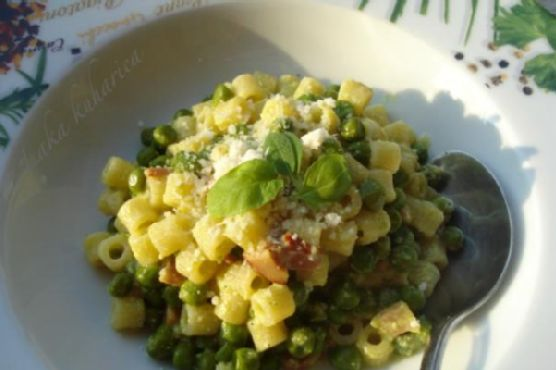
Picture this: It’s Wednesday evening, and you’re staring into the abyss of your fridge, wondering how you’ll whip up something delicious without diving into another takeout night. We’ve all been there, right? This moment is precisely when Ditalini with Peas swoops in like a culinary superhero. It’s got the comfort factor of pasta, a delightful pop of sweetness from peas, and the creamy, golden goodness of ricotta and turmeric. Plus, it’s one of those meals where you can almost hear your inner voice singing “I can’t believe it’s not takeout!” as you serve it up. If that sounds good to you, you’re in for a treat.
Jump to Recipe
What You’ll Need
This ingredient list is refreshingly simple, and I’m willing to bet you already have most of these in your pantry or fridge. It’s all about combining these humble ingredients into something greater than the sum of its parts.
- Coarse sea salt
- Ditalini pasta
- Freshly ground black pepper
- Ham, diced
- Olive oil
- Onion, finely chopped
- Pancetta, diced
- Parmesan or Grana Padano cheese, grated
- Ricotta cheese
- Turmeric, dissolved in 2 ladles of water
How to Make Ditalini with Peas
- Start by placing your onion in the olive oil, which is still cold. Cook it gently, adding a teaspoon of water now and then to prevent browning. You’re aiming for it to become soft and translucent, about 10 minutes.
- Once the onion is ready, introduce the peas to the party. Add just enough water to cover them, then season with salt and pepper. Cook until the peas are tender. Fresh peas might take anywhere from 5 to 15 minutes, depending on their size and freshness, while frozen peas will need about 10 minutes.
- As the peas reach their peak of tenderness, toss in the diced pancetta and ham. Give everything a good stir, then turn off the heat. This is where the magic begins.
- Pour in the turmeric-infused water and add the ricotta, sieving it through a colander. Stir until the ricotta melts into the liquid, creating a luscious golden sauce. Keep this mixture warm while you cook the pasta.
- Cook the ditalini according to the package instructions. Reserve some of the pasta water before you drain it, just in case you need to loosen the sauce later.
- With the pasta drained, immediately toss it into the saucepan with your glorious sauce. Stir until every little piece of ditalini is coated, then serve hot with a generous sprinkle of grated Parmesan or Grana Padano.
Cook’s Notes
Let’s chat about the little things that make a big difference. First, be gentle with the onion and remember that patience is key; you want them soft and flavorful, not browned. When it comes to water, trust your instincts—add as needed to keep things from sticking but not so much that you drown the flavor. If your final dish feels a bit dry, that reserved pasta water you saved is a lifesaver for loosening things up. Leftovers? They’re a joy to have and reheat beautifully with a splash of water or olive oil.
Make It Your Own
This recipe is as versatile as your imagination. Here are some ideas to switch things up:
- Swap the ham and pancetta for crispy tofu to keep it vegetarian while maintaining that satisfying protein punch.
- Add a kick of heat with a sprinkle of red pepper flakes during the onion sauté for those who love a bit of spice.
- Replace the peas with asparagus or broccoli for a different green vibe — just cut them small so they cook in about the same time.
- Use smoked paprika instead of turmeric for a smokier, earthier flavor profile.
If you try this, I’d love to hear how it turns out—drop a comment or tag me! Cooking is all about sharing the love, and I can’t wait to see how you make this dish your own. Happy cooking, friends!
Related update: Ditalini with peas
Related update: Korean Beef Rice Bowl