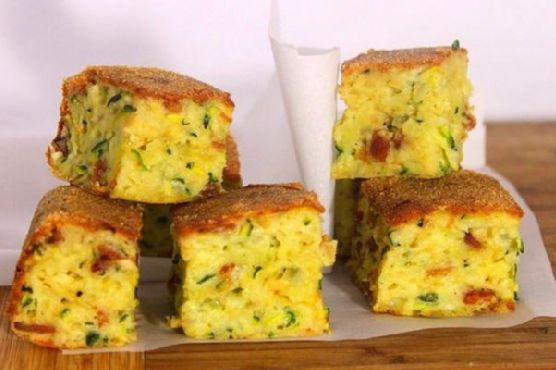
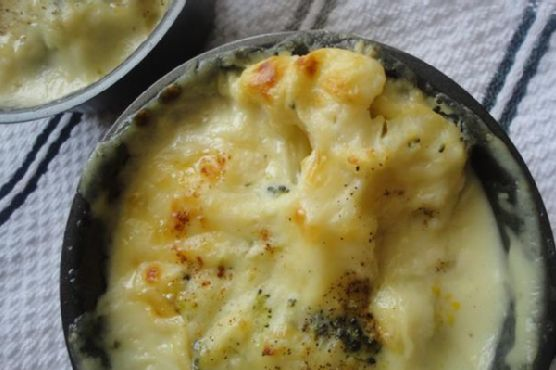
Cauliflower and Broccoli Gratin With Camembert Cheese | Made by Meaghan Moineau

I recently found myself staring at a half-head of cauliflower and some broccoli florets, both on the brink of overstaying their welcome in my crisper drawer. It was one of those evenings, you know? When the day has been a bit too long, and you need comfort but don’t want to weigh yourself down with a heavy meal. Enter this Cauliflower and Broccoli Gratin with Camembert Cheese. It’s the kind of dish that feels a little fancy — thanks to the gooey, rich camembert — yet it’s simple enough to whip up on a busy weeknight. Plus, it transforms those neglected veggies into something fabulous and satisfying. Let’s not forget, it’s a great way to sneak in some greens under all that cheesy goodness.

Jump to Recipe

What You’ll Need

For this dish, the ingredients are delightfully simple, and you might already have most of them chilling in your kitchen. Here’s what’s going into our cozy gratin:

  • 1 head of cauliflower
  • 1 bunch of broccoli
  • 2 tablespoons of butter
  • 2 tablespoons of flour
  • 1 cup of milk
  • Salt and pepper to taste
  • 200g camembert cheese, cut into cubes, plus extra to put on top
  • 1 cup of breadcrumbs

How to Make Cauliflower and Broccoli Gratin With Camembert Cheese

  1. First, preheat your oven to 180 degrees C (or 350 degrees F). It’s always nice to have it ready and waiting.
  2. In a large pot of boiling water, parboil the broccoli and cauliflower. You’re looking for tender-crisp veggies here — about 10-15 minutes should do the trick.
  3. Once your veggies are done, drain them well and set them aside. They’ll be ready to soak up that cheesy sauce.
  4. In a saucepan, melt the butter over medium heat. When it’s completely melted and starts to bubble, sprinkle in the flour. Stir constantly until it forms a smooth paste, which takes about a minute.
  5. Slowly whisk in the milk. Keep stirring until the mixture thickens to a nice, creamy consistency.
  6. Now, add in the camembert cubes. Stir until the cheese is fully melted and the sauce is smooth. Season with salt and pepper to your liking.
  7. Combine your cheese sauce with the parboiled veggies, ensuring they’re well coated.
  8. Transfer everything into a baking dish. Top with extra camembert chunks and breadcrumbs for that crispy, golden finish.
  9. Pop it in the oven for about 20 minutes or until it’s golden and bubbling on top. Your kitchen will smell heavenly!

Cook’s Notes

Let’s talk about some little tips that will make this dish even better. If you’re short on time, you can parboil the veggies in advance and keep them in the fridge until you’re ready to assemble the gratin. For storage, this dish keeps well in the fridge for up to three days — just reheat it in the oven to keep the top crispy. One common mistake is overcooking the veggies during parboiling. You want them to maintain some bite since they’ll continue cooking in the oven.

Make It Your Own

Here are some fun variations to shake things up if you feel like experimenting:

  • Swap the camembert for a sharp cheddar if you prefer a stronger cheese flavor.
  • Throw in some crispy bacon bits for an extra savory kick.
  • Use panko breadcrumbs instead of regular ones for an even crunchier topping.
  • Add a pinch of nutmeg to the cheese sauce for a warm, aromatic twist.

If you try this, I’d love to hear how it turns out — drop a comment or tag me! It’s always so fun to see your creations and variations. Enjoy the cheesy goodness!

Related update: Cauliflower and Broccoli Gratin With Camembert Cheese

Blazers’ Bold Chase for Jaylen Brown | Analysis by Brian Moineau

TL;DR

  • A Jaylen Brown acquisition forces Portland to solve hard CBA math: Brown’s 2026–27 salary projects at $57.1M with a 15% trade kicker and no player option, which tightens matching bands for apron-pressured teams under the 2023 CBA changes [1][2][8].

  • Portland can assemble the ask on paper—unprotected firsts in 2029 from Boston and Milwaukee plus swap rights with the Bucks in 2028 and 2030—but those assets likely land in the 20s, pushing Boston to demand an elite young player as the headline return [4].

  • If Portland just moved Jerami Grant’s $34.2M 2026–27 slot to add Ja Morant’s $42.2M, the Blazers lost their cleanest matching ballast; without Grant, a two‑team Brown deal probably requires Scoot Henderson (year‑4 rookie‑scale in the low‑teens) or Shaedon Sharpe plus multiple firsts, or a three‑team structure to hit 100% matching targets [3][5][2][9].

What the source said

Local and national chatter has linked Portland to star‑wing pursuits since 2023, in part because the Blazers control extra firsts: Milwaukee’s unprotected 2029, Boston’s unprotected 2029, and swap rights with Milwaukee in 2028 and 2030, all recorded on RealGM’s picks ledger [4]. Jaylen Brown’s supermax details—$57.1M in 2026–27, a 15% trade kicker, and no player option—frame Boston’s leverage and the outgoing‑salary bar Portland must clear if it wants to stack Brown beside a young core in the Pacific Northwest [1].

Why it matters

Jaylen Brown (born 1996 and All‑NBA in 2023) is a win‑now piece whose prime‑priced seasons collide with Portland’s youth arc and the 2023 CBA’s apron tripwires that restrict aggregation and salary matching for high‑spend teams starting in 2024–25 [7][2][8]. That timing pressure shapes who moves first: picks, kids, or both.

The asset map is real, not theoretical. Portland’s pick chest features the 2029 BOS 1st, the 2029 MIL 1st, and 2028/2030 MIL swaps; those are valuable but project as late if the Bucks and Celtics remain contenders through 2029, which is why Boston will likely push for Scoot Henderson or Shaedon Sharpe rather than a picks‑only offer [4].

Original analysis

  • Back‑of‑envelope cap/trade math

    • Brown’s 2026–27 number is $57.1M. For an apron‑sensitive buyer, the post‑2023 CBA removes the old 125%+ buffer at higher tiers and introduces tighter, sometimes 100%, matching requirements and aggregation limits once teams cross aprons; that reduces “one big contract + kids” optionality [1][2][8].

    • If Portland already swapped Jerami Grant’s $34.2M (2026–27) to bring in Ja Morant’s $42.2M, the most direct ballast (Grant) is gone. Replacing it requires either (a) a star‑plus‑kids stack or (b) a three‑team build where a neutral club “rents” $20M–$30M of expiring money to square the 100% calculus [3][5][2][8].

    • Shown work example, two‑team try: Morant ($42.2M) is off‑limits. A plausible stack could be Scoot Henderson (year‑4 rookie‑scale in the low‑teens) + Deni Avdija ($13.1M in 2026–27) + smaller contracts. Even with Scoot’s low‑teens and Avdija’s $13.1M, you still trail Brown’s $57.1M by several million, forcing more players or a third team to bridge the gap [9][6][1].

    • Pick payload math: Suppose the ask is four firsts. Portland can deliver 2029 BOS 1st (unprotected), 2029 MIL 1st (unprotected), plus two of: 2028 MIL swap value (if favorable), Portland’s own out‑year firsts within Stepien limits, or additional swaps. Count meets four, but expected value skews late‑first; Boston will price that discount into its player demand [4][2].

  • A quick 2×2: headline piece vs. cap path

    • Headline = blue‑chip (Sharpe/Scoot) + Two‑team path: Cleanest valuation for Boston; worst for Portland’s age curve and depth.

    • Headline = blue‑chip + Three‑team path: Smoother matching via cap‑sponge; still costly but preserves some rotation balance.

    • Headline = non‑blue‑chip + Two‑team path: Likely dead on arrival; picks won’t offset late‑first risk.

    • Headline = non‑blue‑chip + Three‑team path: Possible only if third team adds present‑day value Boston prefers to far‑out picks.

  • Named‑stakeholder breakdown

    • Joe Cronin (Blazers GM): With Morant at $42.2M anchoring the books, Cronin must keep enough surplus‑value contracts (e.g., Avdija at $13.1M in 2026–27 on a descending four‑year, $55M deal) and at least one of the two premium prospects to avoid a second‑apron ceiling [3][6][8].

    • Brad Stevens (Celtics POBO): Brown’s supermax and trade kicker don’t block a deal; they raise the asset floor. Stevens will prioritize a blue‑chip player plus multiple firsts he can re‑route into another star hunt under Stepien‑compliant timing [1][2][4].

    • Deni Avdija and Donovan Clingan: Avdija’s descending deal (~$13.1M in 2026–27) and Clingan’s rookie‑scale years are precisely the contracts that make multiple maxes feasible without gutting the spine [6].

  • Contrarian read

    • Consensus: “Pile four firsts on the table and finish it.”

    • Counter: Losing Jerami Grant’s $34.2M matching slot to add Morant’s $42.2M moved Portland from “cleanest match” to “most complex path.” In a system that compresses aggregation and enforces tighter matching around aprons, complexity is cost—and Boston can take equal pick counts from teams with simpler money [5][3][8].

What others are missing

Analyses that sketch “Grant + picks” frameworks ignore the post‑Grant ledger and the 2023 CBA’s aggregation and apron restrictions that kick harder from 2024–25 forward; the absent $34.2M slot means Portland either headlines with Sharpe/Scoot or recruits a third team with $20M–$30M of expiring salary to reach Brown’s $57.1M without tripping second‑apron landmines [5][1][2][8].

What to watch next

  1. By July 31, 2026: Any credible report of substantive Boston–Portland talks will include at least three first‑round picks, with one explicitly identified as either the 2029 BOS 1st or the 2029 MIL 1st; if neither pick appears, treat the “talks” as posturing [4].

  2. By August 31, 2026: If a three‑team framework leaks, a third club with $20M–$30M of expiring salary will be named as the cap‑sponge to satisfy near‑100% matching around apron constraints; track whether that team extracts a first or a swap for its trouble [2][8].

  3. By opening night of 2026–27: If Brown is not in Portland and remains on Boston’s roster at $57.1M, expect at least one on‑record executive quote about the difficulty of two‑team matching under the new apron rules, confirming that cap math—not just price—stalled a deal [1][2][8].

My take

I would set a hard rule: keep Deni Avdija’s $13.1M 2026–27 value deal and Donovan Clingan’s rookie‑scale years intact, and do not headline with both Scoot Henderson and Shaedon Sharpe in the same outgoing. Brown’s $57.1M slot and 15% kicker are manageable only if Portland protects surplus‑value contracts and at least one premium prospect to avoid second‑apron rigidity in 2026–27 and beyond [1][2][6][8]. If Boston insists on a blue‑chip plus three or four firsts drawn from the 2029 BOS/MIL pool and Portland’s own out‑years, I’d pivot to a three‑team design; if that still prices in both Sharpe and Scoot, I’d pass and conserve the 2029 capital for the next distressed‑star window [4][2].

Sources

  1. Spotrac — Jaylen Brown Contract. What this contributes: precise 2026–27 salary ($57.1M), supermax terms, trade kicker, and lack of player option.

  2. Larry Coon’s NBA CBA FAQ. What this contributes: trade‑matching bands, Stepien Rule mechanics, apron restrictions, and aggregation limits under the 2023 CBA.

  3. Spotrac — Ja Morant Contract. What this contributes: Morant’s 2026–27 salary (~$42.2M) used in matching examples.

  4. RealGM — Portland Trail Blazers Future Draft Picks. What this contributes: confirmation of the 2029 BOS 1st (unprotected), 2029 MIL 1st (unprotected), and 2028/2030 MIL swap rights.

  5. Spotrac — Jerami Grant Contract. What this contributes: Grant’s 2026–27 salary (~$34.2M) that previously served as matching ballast.

  6. Spotrac — Deni Avdija Contract. What this contributes: four‑year, $55M structure and the $13.1M 2026–27 salary on a descending deal.

  7. Basketball‑Reference — Jaylen Brown bio/accolades. What this contributes: 1996 birth year and 2023 All‑NBA selection for age/timeline context.

  8. Hoops Rumors — 2023 CBA second‑apron/trade restrictions explainer. What this contributes: practical description of tightened 100% matching scenarios and aggregation limits.

  9. Spotrac — Scoot Henderson Contract. What this contributes: rookie‑scale framework supporting a “low‑teens” 2026–27 estimate for Year 4.


Related update: We recently published an article that expands on this topic: read the latest post.


Related update: We recently published an article that expands on this topic: read the latest post.

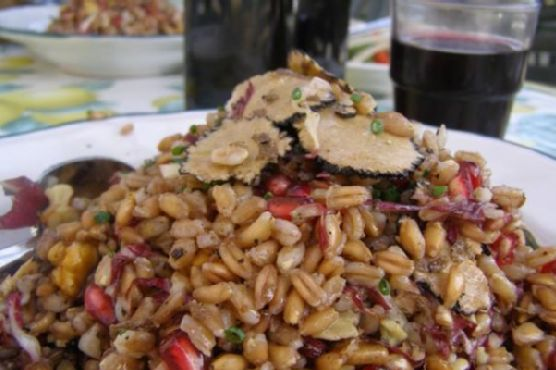
Fall Farro Salad with Pomegranate, Walnut & Truffles | Made by Meaghan Moineau

It was one of those evenings when the crisp air makes you crave something grounded yet bright—think cozy sweater vibes but on a plate. I had just returned from the farmers market, pomegranates in hand, and a desire for something different but not overly complicated. That’s how this Fall Farro Salad with Pomegranate, Walnut & Truffles was born. It’s the kind of dish that combines hearty farro with the tangy pop of pomegranate seeds, and the rich aroma of truffles—a little bit of everything deliciously fall. It’s a perfect weeknight meal that’s just as impressive for a weekend get-together, and the best part is how ridiculously easy it is to put together. I mean, we’re talking about strong flavors that do all the heavy lifting for you. Jump to Recipe

What You’ll Need

This salad’s ingredient list is refreshingly straightforward, yet it packs a punch with gourmet vibes. Chances are you already have most of these at home, except maybe the truffle mushroom, but trust me, it’s worth the small trip.

  • Extra virgin olive oil
  • Farro
  • Parmesan (shaved into ribbons)
  • Pomegranate (seeds)
  • Radicchio (thinly sliced)
  • Salt and pepper
  • Truffle mushroom
  • Vinegar
  • Walnuts

How to Make Fall Farro Salad with Pomegranate, Walnut & Truffles

  1. Begin by rinsing the farro under cold water. In a large pot, bring plenty of cold water to a boil. Add a good pinch of salt along with the farro. If you have any vegetable scraps handy, toss them in for extra flavor. Cook until al dente, about 20-35 minutes. Taste a grain—it should be tender with a slight chew.
  2. While the farro cooks, prep the other ingredients. Shave the parmesan into delicate ribbons, thinly slice the radicchio, and remove the pomegranate seeds. You know you’re doing it right when your cutting board looks like a painter’s palette.
  3. In a small skillet, toast the walnuts over medium-low heat until they’re golden and fragrant. Keep an eye on them—they can go from toasty to burnt in a blink.
  4. Once the farro is ready, drain and let it cool slightly. Toss it into a big bowl with the radicchio, pomegranate seeds, walnuts, and parmesan ribbons.
  5. Drizzle with extra virgin olive oil, a splash of good vinegar, and season with salt and pepper. Mix gently, ensuring everything is well coated but not bruised.
  6. Finally, thinly slice the truffle mushroom and gently fold it into the salad. The aroma should start to bloom, lacing through the entire dish.

Cook’s Notes

Farro can be cooked ahead of time, making this salad a great option for meal prep. Just cool it completely before storing it in an airtight container in the fridge. When ready to assemble, allow it to return to room temperature for the best texture.

Watch out for overcooking the farro—it should retain some chewiness to balance the other textures of the salad. And remember, a little truffle goes a long way. You want it to complement, not overpower.

If you have leftovers, store the salad and dressing separately for up to two days to keep everything fresh and crunchy.

Make It Your Own

  • Swap the truffle mushroom for a sprinkle of truffle oil if you’re in a pinch—it gives a similar aroma boost.
  • Use feta cheese instead of parmesan for a tangier bite.
  • Not a fan of radicchio? Substitute with baby kale or arugula.
  • For a heartier version, add roasted butternut squash or sweet potato cubes.

If you give this recipe a whirl, I’d love to hear how it turned out—or any fun twists you added! Drop a comment or tag me on your food adventures. Happy cooking!

Related update: Fall Farro Salad with Pomegranate, Walnut & Truffles

Related update: Cauliflower and Broccoli Gratin With Camembert Cheese

Enchiladas Verdes (Green Enchiladas) | Made by Meaghan Moineau

Let’s talk about the time I ambitiously decided to make enchiladas on a Wednesday night after one too many hours of doom-scrolling through Instagram. You know the ones—cheesy, gooey, and utterly comforting. I could already taste the spicy tang of green chilies, imagining it would somehow transform my week. Spoiler: it did. This Enchiladas Verdes recipe is not only a delicious weeknight hero but also a dish that’s forgiving enough for any kitchen mishaps. Didn’t roll the tortillas tight enough? No worries; it’s all going to melt together in a cheesy, saucy hug anyway. And trust me, the result is so satisfying, you’ll forget about that midweek slump. Jump to Recipe

What You’ll Need

What’s fantastic about this dish is you might already have most of the ingredients lounging around in your kitchen. If not, the list is simple and straightforward.

  • Skinless boneless chicken breast or a quick swap with a store-bought rotisserie chicken.
  • Green Anaheim chili peppers – these are the stars of the show.
  • Canola oil
  • Flour
  • White diced onion
  • White corn tortillas
  • White shredded cheese
  • Queso fresco
  • Sour crema
  • Salt
  • Water
  • Suero or buttermilk (canned buttermilk works, too)

How to Make Enchiladas Verdes (Green Enchiladas)

  1. Preheat your broiler and get those green chili peppers ready for roasting. Choose firm, meaty peppers—no wrinkles, please!
  2. Rinse the peppers and lay them on a foil-lined cookie sheet. Slide them under the broiler and keep an eye on them. Within minutes, you’ll see the skin begin to blister and turn black.
  3. Flip the peppers after about 5 minutes to get all sides evenly blistered. Once done, pop them into a plastic bag and cover with a towel, letting them cool. This makes peeling off the blackened skin a breeze.
  4. For the sauce, blend those roasted peppers, flour, and half of your suero or buttermilk until smooth and creamy. Pour this mixture into a skillet over medium-low heat.
  5. As it warms, gradually stir in more suero or buttermilk. Season with salt—around 2 teaspoons usually does the trick. If it’s too spicy for your taste, add crema. Too thick? Dribble in some water.
  6. Now, the chicken. Either boil your chicken breasts in a pot until done or just shred a rotisserie chicken. The choice is yours.
  7. For stacked style enchiladas, fry your tortillas in hot oil just until they’re soft, then drain. Dip each in the sauce before layering on plates with chicken, cheese, and onion. Go for three layers per serving.
  8. If you prefer oven-baked, preheat to 350°F. Spread sauce at the bottom of your baking dish, fry and fill the tortillas, then roll them up seam down in the dish.
  9. Drench with more sauce and sprinkle with crumbled queso fresco. Bake until everything’s gloriously warm, about 15 minutes.
  10. Serve with a dollop of sour crema and get ready to conquer the rest of your week!

Cook’s Notes

Here are a few tips I’ve picked up along the way:

  • These enchiladas are flexible with make-ahead options. Prepare the sauce and chicken in advance, then just assemble when you’re ready.
  • Store leftovers in an airtight container in the fridge for up to three days. Reheat in the oven for best results.
  • Don’t skip the roasting of peppers, as it’s essential for that smoky flavor. If you find peeling them tricky, let them steam longer in the plastic bag.

Make It Your Own

  • For a vegetarian spin, swap out chicken with crispy tofu or sautéed mushrooms.
  • Mix in some black beans with the chicken for added texture and protein.
  • Try using a mix of different cheeses like mozzarella for an extra gooey factor.
  • Add avocado or cilantro as a fresh topping before serving.

If you try this, I’d love to hear how it turns out—drop a comment or tag me on social media! Enjoy your cozy, midweek escape with these Enchiladas Verdes.

Related update: Enchiladas Verdes (Green Enchiladas)

Related update: Baked Sirloin Steak

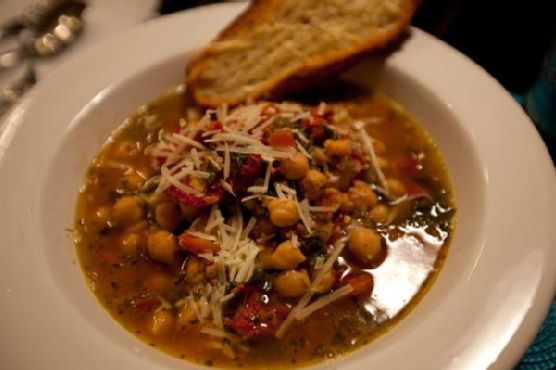
Lemon Chickpea & Tomato Stew | Made by Meaghan Moineau

So, picture this: It’s a Tuesday evening, and I’m standing in my kitchen feeling utterly uninspired. You know those days when you’ve got a fridge full of nothing and everything? Yeah, that was me. The weather hinted at the first signs of fall, and my lazy bones craved something cozy yet bright—something that would wrap me up like a warm blanket but not put me in a food coma. Enter this Lemon Chickpea & Tomato Stew. It’s the kind of dish that checks all the boxes: fast (you’ll have it on the table in under an hour), flavorful (hello, lemon zest), and so satisfying you’d think it took all day. Trust me, once you make it, your taste buds will thank you, and you might just find a new weeknight staple.

Jump to Recipe

What You’ll Need

This stew is a pantry hero—you probably have most of the ingredients hiding in your kitchen already.

  • 2 tablespoons of olive oil
  • 1 large shallot, chopped
  • 3 garlic cloves, minced
  • 2 cans of chickpeas, drained and rinsed
  • 1 jalapeno chili, sliced
  • 1 teaspoon of dried oregano
  • 2 bay leaves, broken
  • 1/2 teaspoon of crushed red pepper
  • Salt & pepper to taste
  • 4 cups of chicken broth
  • Zest and juice of 1 fresh lemon
  • 1 cup of dried oven tomatoes
  • 2 cups of fresh spinach, loosely packed

How to Make Lemon Chickpea & Tomato Stew

  1. In a large saucepan, heat the olive oil over medium heat. You’ll know it’s ready when the oil starts shimmering like a mirage.
  2. Add the shallot and garlic, stirring them into the warm oil until they soften and become fragrant, about 5 minutes.
  3. Toss in the chickpeas, jalapeno, oregano, bay leaves, and crushed red pepper. Season with salt and pepper. Stir frequently, letting those chickpeas get a little crispy and golden, about 5-7 minutes. Keep an eye out—they might try to escape the pan!
  4. Pour in the chicken broth, lemon zest, and lemon juice. Bring everything to a happy boil, then reduce the heat and let it simmer until the broth is reduced by half, around 20 minutes.
  5. Stir in the oven-dried tomatoes, garlic, and spinach. Simmer for another 5 minutes, just until the spinach wilts into the stew. Goodbye, bay leaves—you’ve done your job, so remove them.
  6. Give it one last taste for seasoning, adjust if necessary, and serve hot with warm crusty bread to soak up every last drop.

Cook’s Notes

First things first, don’t rush the browning of your chickpeas. That’s where a lot of the flavor magic happens. If you can, make sure the broth you’re using is low-sodium so you can control the salt levels. This stew is even better the next day, so feel free to make it ahead and store it in the fridge for up to 3 days. Just reheat it gently on the stovetop. If it’s a bit too thick, splash in a little extra broth or water.

Make It Your Own

  • Vegetarian version: Swap the chicken broth for vegetable broth, and you’re good to go.
  • Spicy kick: Double the jalapeno if you’re feeling bold. You can also add a dash of cayenne.
  • Protein boost: Stir in some cooked shredded chicken or crispy tofu just before serving.
  • Herbal twist: Add fresh basil or cilantro at the end for an extra layer of flavor.

And there you have it! If you try this, I’d love to hear how it turns out—drop a comment or tag me. Enjoy your cozy bowl of goodness!

Related update: Lemon Chickpea & Tomato Stew

Related update: Enchiladas Verdes (Green Enchiladas)

Related update: Carrot and Coriander Soup

Related update: Cauliflower Chickpea Stew

Austria Pushes EU to Host Anthropic | Analysis by Brian Moineau

TL;DR

  • Austria pressed the European Union on June 28, 2026 to “host” Anthropic after U.S. export controls cut off foreign nationals from its newest models, pitting Vienna’s sovereignty play against Washington’s extraterritorial reach. [1][2]
  • Even if Anthropic parked compute in Vienna, U.S. export law and model‑weights controls follow the company and its U.S. persons—so “where” matters less than “who controls the IP and services.” [5][7]
  • A smarter EU response than poaching a U.S. lab is de‑risking access via contracts, mutual recognition, and funding EU providers ahead of the AI Act’s August 2, 2026 GPAI enforcement start. [4][10]

What the source said

Bloomberg on June 28, 2026 reported that Austria urged the European Union to explore “hosting” Anthropic inside the bloc after the U.S. barred foreign nationals from using the company’s most advanced AI models. In a letter to European Commission Executive Vice‑President Henna Virkkunen, Austria’s State Secretary for Digitalization Alexander Pröll called for giving Anthropic “legal certainty, market access, [and] capital,” framing it as a strategic European move; ORF and Reuters carried the same pitch. The letter was shared with Bloomberg; operational details were not specified. The push responds to U.S. curbs that forced Anthropic to restrict access to its Fable 5 and Mythos 5 models for foreigners worldwide. [1][3][6]

Why it matters

This isn’t an HR shuffle; it’s a 2026 sovereignty test for the EU‑27 and Washington. The stakeholders are plain:

  • European enterprises from Frankfurt to Milan just discovered that access to a top‑tier U.S. frontier model can vanish overnight under a Washington order, eroding continuity and bargaining power. [2]
  • Anthropic and its backers—Amazon and Google—face a business dragged into geopolitical jurisdictional crossfire, with revenue predictability and non‑U.S. customer confidence at risk. [2]
  • Brussels sees bargaining room to reduce strategic dependence on U.S. vendors or to extract guardrails that insulate EU firms from abrupt export moves, with the AI Act’s general‑purpose AI obligations starting August 2, 2026. [4][10]

Original analysis

Austria lobbies EU to host Anthropic: a 2×2 strategic map

Axis 1: Where the IP and management sit (U.S.-controlled vs. EU‑controlled).
Axis 2: Where compute and ops sit (U.S.-based vs. EU‑based).

  • Quadrant A — U.S. control / U.S. infra (status quo pre‑ban): Fastest for Anthropic and cheapest to run, but foreign access can be yanked by Washington instantly. That’s exactly what happened on June 12–13, 2026 when Anthropic took Fable 5/Mythos 5 offline for all users to comply with a directive barring foreign nationals’ access, including non‑U.S. users in the U.S. and even the company’s own foreign employees. [2]
  • Quadrant B — U.S. control / EU infra (Austria’s pitch): Move some hosting into the EU while Anthropic remains a U.S. company. This helps data residency and optics—yet U.S. export rules follow U.S. persons and U.S.-origin tech. Without a license, the same order can still bar access to “foreign nationals,” wherever servers reside; jurisdictional risk barely changes. [5][7]
  • Quadrant C — EU control / EU infra (hard spin‑out): Put model weights and operational rights under an EU‑incorporated entity, controlled by EU persons, with EU‑sourced compute. This starts to dilute U.S. jurisdiction—but only if IP exits U.S. control and avoids U.S.-origin model‑weights rules (e.g., ECCN 4E091). That’s a multiyear legal, technical, and fundraising slog—and export law may still capture it via reexport or foreign‑direct‑product style hooks. [7]
  • Quadrant D — EU control / U.S. infra (theoretical): Legally incoherent against the stated goal; U.S. infrastructure keeps jurisdiction squarely in Washington’s hands.

Named‑stakeholder breakdown—what this means for them in 2026:

  • Anthropic: Two bad options near‑term—lose global revenue during the freeze or complicate the business with entity gymnastics that may still not clear U.S. controls. Expect more “tiering” of models by geography and nationality checks in enterprise contracts. [2][7]
  • Amazon and Google (strategic investors and distribution): Their cloud customers want guaranteed continuity. They’ll push for licensing pathways (e.g., NVEU‑style authorizations) or carve‑outs, and—if that fails—upsell EU customers onto alternative models on Bedrock/Vertex with SLAs that cover export disruptions. [2][7]
  • European Commission (Virkkunen’s portfolio): A diplomatic window opens to negotiate recognition mechanisms or licenses that reduce the blast radius of future U.S. orders, alongside accelerating EU alternatives that will be supervised under the AI Act starting August 2, 2026 for GPAI providers. [4][10]
  • EU AI vendors (Mistral, Aleph Alpha, Stability’s European ops): A demand spike from risk‑averse corporates that now price in “U.S. access risk.” Their hurdle is enterprise‑grade eval parity with the top U.S. models and compliance with incoming EU obligations. [4]

Back‑of‑envelope calculation—EU exposure from the June 2026 shutdown:

  • Assumptions (cited, 2026/2021):
    • Anthropic said in April 2026 that its annualized revenue run‑rate topped ~$30 billion. [9]
    • The EU represented roughly 15.2% of world GDP in 2021 (PPS). [11]
  • Math: If EU customers roughly track EU GDP share, then EU‑linked ARR ≈ 0.152 × $30B = $4.56B/year. That’s ≈ $87.7M/week (=$4.56B/52). If access to Fable/Mythos for foreign nationals is blocked for eight weeks (post‑June 12, 2026), potential foregone or deferred EU‑linked revenue exposure ≈ 8 × $87.7M ≈ $701.6M.
  • Caveats: crude proxy—GDP share (15.2% in 2021) ≠ exact AI spend mix, but it frames order‑of‑magnitude business risk from jurisdictional shocks. [2][9][11]

Historical analogue—export controls have rerouted tech access before:

  • In 2019, Huawei’s Entity List designation forced U.S. suppliers to cut off software and chips, prompting rapid decoupling and regional vendor substitution. [2]
  • In the 1980s, CoCom controls limited Western supercomputer exports (e.g., Cray systems) to the USSR, pushing users to domestic or third‑country alternatives; today’s model‑weights controls (4E091) echo that posture for AI. [7]

Contrarian read—“Just move Anthropic to Europe” won’t fix it (echoing June 2026 Brussels commentary):

  • Consensus: Relocating hosting into the EU neutralizes U.S. export orders.
  • Rebuttal: U.S. export law hangs on control, nationality, and origin, not data center latitude. BIS treats advanced AI model weights as controlled technology (ECCN 4E091) and applies reexport and “deemed export” concepts for foreign nationals—even inside the U.S. Any “EU hosting” by a U.S. firm still implicates U.S. persons, services, and tech, so the same lever can be pulled again. The only robust cure is structural: transfer IP and operations to a non‑U.S.-controlled entity and non‑U.S.-origin tech—an arduous path likely to trigger fresh U.S. restrictions. [5][7]

What others are missing

The gating variable isn’t geography; it’s the trio of IP custody, U.S.‑person involvement, and model‑weights exportability under BIS’ 4E091 regime. Austria’s Vienna‑centric pitch is politically shrewd, but the legal choke points are stubborn: BIS’ “deemed export” principles make it trivial for Washington to re‑impose access bans regardless of server location, while the EU AI Act’s August 2, 2026 GPAI obligations mean any “EU Anthropic” instance instantly inherits EU transparency, safety, and oversight duties. That dual compliance load—U.S. export law plus EU GPAI rules—raises opex and slows time‑to‑service. The practical near‑term fix is contractual: pre‑approved licensing channels for vetted EU customers coupled with multi‑model procurement so CIOs don’t face a single point of geopolitical failure. [2][4][5][10]

What to watch next

  1. By Q3 2026: The European Commission and BIS outline a narrow licensing path to restore Anthropic access for vetted EU enterprise customers (e.g., sectoral or NVEU‑style authorizations); if no notice appears by September 30, 2026, expect accelerated EU buyer churn to non‑U.S. models. [2][7]

  2. By November 2026: At least two major EU financial institutions (e.g., in Paris or Frankfurt) publicly switch mission‑critical workflows from Anthropic to an EU‑based provider, citing “access continuity” in risk disclosures or procurement notes filed by November 30, 2026. [4]

  3. By December 2026: Anthropic formalizes region‑specific product tiers with explicit nationality/employee‑of‑record checks in EU enterprise MSAs, announced on a public changelog or trust portal by December 31, 2026. [2][7]

My take

If Europe wants dependable access to frontier AI in 2026–2027, it should stop wish‑casting a jurisdictional dodge and build bargaining power. Hosting Anthropic in Vienna won’t outplay a U.S. export directive that binds the company’s people, IP, and services. The pragmatic path is two‑track: negotiate a predictable licensing regime with Washington for EU corporates, and fund credible European model providers so buyers aren’t hostage to one geography’s politics. By August 2, 2026, the AI Act gives Brussels real sticks and carrots—use them in public procurement, fund eval benchmarks that reward safety and openness, and make multi‑model the default. Dependency is a choice; so is optionality. [1][2][4][10]

Sources

[1] Austria Lobbies EU to Host Anthropic After US Access Curbs — Bloomberg (https://www.bloomberg.com/news/articles/2026-06-28/austria-lobbies-eu-to-host-anthropic-after-us-access-curbs) — Confirms Austria’s June 28, 2026 letter (Alexander Pröll) to EU EVP Henna Virkkunen tied to U.S. access curbs.

[2] Anthropic says it has taken its latest AI models offline to comply with new export controls — AP News (https://apnews.com/article/anthropic-artificial-intelligence-trump-fable-mythos-d9cc7df5c02e93837d0f0bfb24d5cfd2) — Details the June 12–13, 2026 directive barring foreign‑national access and the global model shutdown.

[3] Pröll schlägt vor: Anthropic nach Europa bringen — ORF (https://orf.at/stories/3434651/) — Austria’s public broadcaster covers Pröll’s proposal to “strategically” bring Anthropic into the EU.

[4] Timeline for the Implementation of the EU AI Act — European Commission AI Act Service Desk (https://ai-act-service-desk.ec.europa.eu/en/ai-act/eu-ai-act-implementation-timeline) — Official phasing; includes August 2, 2026 as the enforcement start for GPAI obligations.

[5] Deemed Exports — U.S. Bureau of Industry and Security (BIS) (https://www.bis.gov/deemed-exports) — Explains why access by foreign nationals can be an “export,” regardless of server location.

[6] Austria urges Europe to host Anthropic following US curbs on AI access — Reuters via Investing.com (https://www.investing.com/news/world-news/austria-lobbies-eu-to-host-anthropic-ai-after-us-curbs-bloomberg-news-reports-4764143) — Independent wire confirmation of Austria’s push and the U.S. access curbs context.

[7] U.S. Department of Commerce Issues Interim Final Rule Implementing Its Framework for Artificial Intelligence Diffusion — Faegre Drinker (https://www.faegredrinker.com/en/insights/publications/2025/1/us-department-of-commerce-issues-interim-final-rule-implementing-its-framework-for-artificial-intelligence-diffusion) — Summary of model‑weights (ECCN 4E091) controls and broader AI export framework shaping U.S. jurisdiction.

[8] Virkkunen dopo lo stop a modelli Anthropic, “l’Ue non è un rischio per la sicurezza” — ANSA (https://www.ansa.it/canale_tecnologia/notizie/tecnologia/2026/06/15/virkkunen-dopo-lo-stop-a-modelli-anthropic-lue-non-e-un-rischio-per-la-sicurezza_0d3dde62-f223-41b2-9f1c-649b9fa4a95d.html) — EVP Henna Virkkunen’s public reaction in mid‑June 2026 after the Anthropic restrictions.

[9] Anthropic Tops $30 Billion Run Rate, Seals Broadcom Deal — Bloomberg (https://www.bloomberg.com/news/articles/2026-04-06/broadcom-confirms-deal-to-ship-google-tpu-chips-to-anthropic) — Establishes Anthropic’s ~$30B annualized revenue run‑rate used in the calculation.

[10] Frequently Asked Questions — European Commission AI Act Service Desk (https://ai-act-service-desk.ec.europa.eu/en/faq) — Clarifies August 2, 2026 GPAI enforcement and related obligations.

[11] EU represented 15.2% of world’s GDP in 2021 — Eurostat (https://ec.europa.eu/eurostat/web/products-eurostat-news/w/ddn-20240530-2) — Provides the EU share of global GDP used as a proxy to size EU demand exposure.


Related update: We recently published an article that expands on this topic: read the latest post.


Related update: We recently published an article that expands on this topic: read the latest post.

Dried Fruit and Ginger Scones | Made by Meaghan Moineau

It was one of those rainy Tuesday afternoons where the chilly wind made its way through every crack in my window, and all I could think about was something warm and cozy to fill my kitchen with delicious smells. I found myself rummaging through my pantry, pulling out half-used bags of dried fruits and a forgotten jar of candied ginger. Instantly, the idea of scones popped into my head—specifically, Dried Fruit and Ginger Scones. This recipe is perfect for those moments when you crave a little treat that’s impressively tasty but doesn’t demand hours in the kitchen. The best part? I promise you, they’re so easy to make, you’ll almost feel like you’re cheating.

Jump to Recipe

What You’ll Need

The ingredient list is delightfully simple. Chances are, you already have most of these items tucked away in your kitchen.

  • Flour
  • Cake flour
  • Baking powder
  • Butter
  • Heavy cream
  • Whole milk
  • Salt
  • Turbinado sugar
  • Dried apples
  • Dried cranberries
  • Candied ginger

How to Make Dried Fruit and Ginger Scones

  1. Position a rack in the middle of your oven and preheat to 425°F. If you’re feeling fancy and using a pizza stone, pop it in the oven to preheat too. Otherwise, line a cookie sheet with parchment paper—you’re ready to go.
  2. In a medium bowl, whisk together the flours, baking powder, 3 tablespoons of the sugar, and salt. It should look like a soft, powdery snow drift.
  3. Cut in the butter using a pastry blender, two knives, or your fingers, until you have pea-sized butter pieces that make the mixture look a bit like coarse sand with pebbles. Don’t worry if it looks a bit odd; this is what you want!
  4. Pour in the cream and milk (or go all in with just cream if you’re feeling decadent) and stir with a fork. You’re aiming for a sticky, shaggy dough that’s evenly moist.
  5. Add in the fruits and ginger. Work the mixture just enough to spread the goodies evenly, breaking up any ginger clumps. Expect your hands to get a little messy.
  6. Turn the sticky dough onto a floured surface, sprinkling a bit more flour on top. Pat it into a circle about 1-inch thick. Resist the urge to over-flour; we don’t want tough scones.
  7. Flour a pizza cutter or a sharp knife and slice the dough circle into 8 equal wedges. Flour in between cuts if things get sticky.
  8. With a bench scraper, spatula, or your brave hands, transfer the scones to your baking vessel. Leave a half-inch space between them so they can sashay their way to deliciousness.
  9. Sprinkle the tops with the remaining tablespoon of sugar. Bake for 13-15 minutes, until the tops are a lovely light golden and the scones smell irresistible.
  10. Let them cool on the baking sheet for at least 10 minutes—it’s tempting, but worth the wait. Enjoy them warm or after they’ve cooled. Both ways are pure bliss.

Cook’s Notes

These scones are pretty forgiving. The key is not to overwork the dough, which keeps them tender and fluffy. If you don’t have cake flour, all-purpose flour works too—just be a bit gentler when mixing. They’re best the day they’re made, but you can store them in an airtight container for a day or two. Reheat them in a warm oven if you want to revive that fresh-from-the-oven vibe. If you’re prepping ahead, you can freeze the unbaked scones; just add a couple of extra minutes to the baking time.

Make It Your Own

  • Nutty Twist: Swap half of the dried fruits for chopped toasted almonds or walnuts for a crunchy surprise.
  • Chocolate Indulgence: Substitute the candied ginger with dark chocolate chips for a sweet, rich variation.
  • Zesty Citrus: Add finely grated orange or lemon zest to the dough for a refreshing aromatic lift.
  • Herbal Infusion: Replace dried cranberries with dried cherries and throw in a teaspoon of dried rosemary for a sweet-herbaceous combo.

If you try this, I’d love to hear how it turns out—drop a comment or tag me! Your kitchen adventures make this foodie journey so much more fun. Happy baking!

Related update: Dried Fruit and Ginger Scones

Related update: Chouquettes

Party Sausage Bites With Pine Nuts | Made by Meaghan Moineau

It was one of those busy Thursdays, teetering on the edge of the weekend, where my to-do list was as long as my arm, but I still had friends coming over to my place. I needed something quick, something that could impress without stress, and that’s when I remembered my go-to Party Sausage Bites With Pine Nuts. This little number is a gem; it’s like magic with how it comes together with little effort, yet packs a punch in flavor and charm. Perfect for those days when you need to juggle a hundred things but still want to treat your crew right. Plus, who doesn’t love a flaky, buttery bite filled with savory sausage goodness?

Jump to Recipe

What You’ll Need

If your pantry is anything like mine, you’re probably already stocked with most of these ingredients. Here’s what you’ll need:

  • 2 tablespoons butter
  • 1 medium onion, finely chopped
  • 3 garlic cloves, minced
  • 1 pound Italian mild sausage, casings removed
  • 1 teaspoon dry thyme
  • 1 teaspoon dry basil
  • 2 tablespoons fresh dill, chopped
  • 1/4 cup pine nuts
  • Salt, to taste
  • 2 sheets of frozen puff pastry, thawed
  • 1/4 cup parmesan, grated
  • 1 egg, beaten
  • Splash of water
  • 1 tablespoon sesame seeds

How to Make Party Sausage Bites With Pine Nuts

  1. In a skillet, melt the butter over medium heat. Add the chopped onion and minced garlic, and sauté for 5-6 minutes until everything smells heavenly and the onions look translucent.
  2. Take the skillet off the heat and let that mixture cool just enough so you can handle it without screaming.
  3. In a mixing bowl, combine the Italian sausage, cooled onion-garlic mix, thyme, basil, fresh dill, salt, and those lovely pine nuts. Mix until everything’s cozy and smooth.
  4. Lightly flour your kitchen counter and roll out the puff pastry into four strips, each about 3 inches wide and 12 inches long.
  5. Channel your inner artist and place the sausage mix along the center of each pastry strip, shaping it into a neat 1-inch roll. Go edge to edge with that sausage goodness!
  6. Sprinkle a little parmesan love on top of the sausage.
  7. Beat the egg with a splash of water to make an egg wash. Brush it along one long edge of the pastry. Fold the pastry over the filling and press to seal. Roll the whole thing gently to ensure it’s snug and happy.
  8. Do the same with the rest of the pastry and sausage mixture.
  9. Once all your rolls are ready, brush the egg wash generously over them and sprinkle sesame seeds as if it’s confetti at a party.
  10. Preheat your oven to 425°F (220°C). While it warms, cut each pastry roll into 12 cute little bites.
  11. Place the bites on a baking sheet, leaving a little room between each so they don’t fight for space while baking.
  12. Bake for about 20 minutes, or until they’re golden and crisp and your kitchen smells like an Italian bistro.
  13. Let them cool for a minute or two on the sheet before serving them warm to your guests—if they can resist snatching them immediately!

Cook’s Notes

Okay, let’s chat about the nitty-gritty. These bites can be prepped ahead of time. Just assemble them up to the cutting stage, cover them, and store them in the fridge until you’re ready to bake. If you have leftovers (not likely), store them in an airtight container in the fridge. They can be reheated in the oven to bring back some crunch. Watch out for overcooking the sausage filling; it can dry out if you’re not careful. And make sure your puff pastry stays cold until you need it—it’s a flaky game-changer.

Make It Your Own

Feeling creative? Here are some fun twists:

  • Swap the Italian sausage for spicy chorizo for a hit of heat.
  • Use feta instead of parmesan for a tangy kick.
  • Switch out the pine nuts for chopped pistachios if you’re feeling fancy.
  • Top with black sesame seeds instead of regular for a striking look.

If you try this, I’d love to hear how it turns out — drop a comment or snap a pic and tag me on social media. Let’s make our kitchens the happiest place to be!

Related update: Party Sausage Bites With Pine Nuts

Chia Seed Pudding | Made by Meaghan Moineau

So there I was, rummaging through my pantry on a Sunday night, searching for something—anything—that could pass as a make-ahead breakfast for the hectic week ahead. You know how it is, right? That moment when you realize you’ve spent a little too much time on the couch binge-watching your favorite series and now the thought of meal-prepping feels like climbing Everest. Enter: chia seed pudding. Honestly, it’s like a little miracle in a bowl. Quick to put together, almost zero cleanup, and it somehow feels like a treat even though it’s packed with all the good stuff. And did I mention it requires zero effort in the morning? Just grab and go. Trust me, once you try this, you’ll wonder how you ever lived without it.

Jump to Recipe

What You’ll Need

This chia seed pudding is all about simplicity, and chances are you already have most of these in your kitchen.

  • 2 tablespoons black chia seeds
  • 1 cup almond milk
  • 1 tablespoon raw agave syrup
  • 1/4 teaspoon vanilla extract
  • Pinch of salt
  • Garnish: raspberries or your favorite berries

How to Make Chia Seed Pudding

  1. Start by grabbing a small bowl or a mason jar—whatever works for you. Pour in the almond milk, then add the chia seeds, giving them a gentle stir to ensure they begin to soak up the liquid.
  2. Add the raw agave syrup to the mix. Stirring slowly, add the vanilla extract and a pinch of salt. The salt might seem odd, but trust me, it balances the sweetness perfectly.
  3. Keep stirring until everything’s combined and the chia seeds are evenly distributed. Cover the bowl or jar, and place it in the fridge overnight. This is when the magic happens—let the chia seeds work their gelling wonder.
  4. In the morning, check the consistency. If it’s too thick for your liking, stir in a bit more almond milk. Top with fresh raspberries or any berries you fancy, and voilà—breakfast is served!

Cook’s Notes

Here’s the deal: chia seeds can be a little finicky when it comes to absorbing liquid. If you find your pudding too runny, just add a bit more chia seed, stir, and let it sit for another hour. For those of us who love a thicker consistency, you might try reducing the almond milk slightly. And if mornings are as hectic for you as they are for me, make a couple of these at once—they keep well in the fridge for up to four days.

Make It Your Own

  • Coconut Dream: Swap almond milk for coconut milk and top with shredded coconut and pineapple chunks.
  • Chocolate Indulgence: Mix in a tablespoon of cocoa powder and finish with dark chocolate shavings on top.
  • Nutty Flavor: Replace almond milk with cashew milk and add a handful of chopped nuts on top.
  • Berry Bonanza: Go wild with mixed berries for a burst of color and flavor.

If you try this, I’d love to hear how it turns out—drop a comment or tag me! Can’t wait to see your delicious creations and don’t forget to enjoy every spoonful. Happy breakfast prepping!

Related update: Chia Seed Pudding

Related update: Dried Fruit and Ginger Scones

Related update: Baked Oatmeal with Dried Cranberries

Bielsa’s Exit: Uruguay’s World Cup | Analysis by Brian Moineau

TL;DR

  • Uruguay’s World Cup ended with a 1-0 loss to Spain and two draws (1-1 vs Saudi Arabia; 2-2 vs Cape Verde); Marcelo Bielsa said he “left nothing” to Uruguayan football after the exit. [1][2][3][4][5]
  • The shock exit isn’t just about a “toxic” coach; it’s about a rigid system that mismatched the squad, a high-stakes goalkeeper call that backfired, and a 48‑team format where two points condemn you. [3][6]
  • Cape Verde’s debutants advanced from Group H while 19th‑ranked Uruguay went home, underscoring how margins and squad politics—not mystique—decide modern World Cups. [5][6][8]

What the source said

Al Jazeera reported that Uruguay crashed out of the 2026 World Cup with zero wins after a 1-0 defeat to Spain, following draws against Saudi Arabia and Cape Verde. Marcelo Bielsa accepted full responsibility, repeated a self‑description as a “toxic perfectionist,” and said he had “left nothing” of value to Uruguayan football. The piece noted Uruguay were the highest‑ranked side eliminated at that point (FIFA No. 19 in June 2026) and recalled Bielsa’s prior World Cups: a group exit with Argentina in 2002 and a Round of 16 run with Chile in 2010. [1][8][9]

Why it matters

  • For the AUF and a proud fan base in Montevideo, a second straight group‑stage exit (2022 and now 2026) dents a century‑long big‑tournament identity and forces a style‑versus‑fit debate for the next cycle. The next coach inherits a split squad—icons and a newer core—and a public argument about how Uruguay should play. [2][4][6]
  • For FIFA 2026—48 teams in 12 groups with eight third‑placed teams advancing—the Uruguay case shows a heavyweight can still be out with two points and a negative goal difference. Cape Verde demonstrated a smaller federation can survive 270 minutes with structure and game management. [5][6]

Original analysis

Frame the debate: Bielsa’s ideology vs squad fit (a 2×2)

Squad fit high (roles, profiles lined up) Squad fit low (roles clash with demands)
Ideologue manager (non‑negotiable game model) Guardiola’s Barça/Spain core circa 2011: ideas + profiles aligned Bielsa 2026 Uruguay: pressing/transition asks vs veterans with different rhythms [2][3][4]
Pragmatist manager (model flexes to players) Del Bosque’s 2010 Spain: built around Xavi/Iniesta tempo Tournament firefighters: compact 4‑4‑2s riding goalkeeper form

Bielsa landed in the top‑right box once the roster didn’t match his asks. Group H told that story in three beats: 1‑1 vs Saudi Arabia, 2‑2 vs Cape Verde, then 0‑1 vs Spain after a goalkeeping error. The pressing principles showed in spurts; under stress, execution and decision‑making fell apart. [2][4][5]

Back‑of‑envelope: the unforgiving math of two points

  • Format math: 12 groups x 4 teams = 48; top two per group (24) + eight best third‑placed (8) = 32 qualifiers; two‑thirds of third‑placed teams advance. Points rule: win = 3, draw = 1, loss = 0. [6]
  • Uruguay’s totals: 0W‑2D‑1L = 2 points; goals for 3 (1+2), goals against 4 (1+2+1), goal difference −1. With two points and a negative GD, you lose to any third‑placed side on 3+ points and most two‑point peers on tiebreaks, so you’re effectively out. Converting one draw to a win lifts you to 4 points and a neutral or positive GD, which typically clears the best‑third cut. [2][4][5][6]

The historical analogue that actually fits: Argentina 2002, not Leeds 2020

The consensus blames Bielsa’s “toxicity.” My contrarian read: the decisive failure was systemic misfit under tournament constraints, an old Bielsa problem that echoes 2002 Argentina more than any club spell. In 2002, a talented team fell in the group because selection and in‑game adjustments didn’t bend fast enough; in 2010 with Chile, a role‑aligned, younger core reached the Round of 16. World Cups reward risk compression; Bielsa inflates risk when profiles don’t align. [1][7][9]

The goalkeeper decision as a hinge moment

Fernando Muslera, 40, started against Spain and committed the mistake that decided 1‑0; he was substituted at half‑time after staff and media reported he asked to come off. That single high‑leverage error, in a three‑game tournament sample, can swing an entire arc when your model depends on perfect execution. Uruguay paid full price. [2][3][10][11]

Inside the camp: revolt or routine tension?

Outlets in Spain and the UK reported senior‑player pushback on physical workload and tactical mirroring before the Spain match, while other reporting rejected the idea of a full mutiny. Under results pressure, routine friction turned every meeting into a referendum on leadership style. Bielsa’s own post‑match words—“I haven’t left anything to Uruguayan football”—put the accountability squarely on him. [1][12][13]

Named‑stakeholder readout

  • Marcelo Bielsa: A third World Cup without a deep run hardens the view of him as a club‑cycle alchemist more than a tournament operator. [1][7]
  • AUF (Uruguayan FA): Decision point for 2026–2027—double down on the philosophy and recruit profiles to match it, or pivot to a pragmatist for the 2027 Copa América qualifying rhythm.
  • Cape Verde FA: Validation on debut—compact block, timely saves, and game‑state control delivered second place in Group H at the first attempt. [5]

What others are missing

The goalkeeper selection politics—and how they created avoidable variance. Bielsa re‑installed a 40‑year‑old Muslera who hadn’t anchored most of the cycle, then watched a single error decide Uruguay‑Spain and trigger a halftime switch. That wasn’t just randomness; it flowed from a pre‑tournament choice compounded by documented tension over training load and tactical mirroring, which left almost no cushion for human error across 270 minutes. [3][10][11][12][13]

What to watch next

  1. By July 10, 2026, AUF will confirm Bielsa’s departure and name an interim for the September FIFA window.
  2. By September 2026, Uruguay will start a goalkeeper other than Fernando Muslera in every match of that window.
  3. By December 31, 2026, at least one of Uruguay’s June 2026 group‑stage starters will announce international retirement.

My take

Bielsa didn’t poison Uruguay; he misread the tournament. In a 48‑team World Cup where many third‑placed teams survive, you manage variance first and ideology second. Uruguay did the opposite: a high‑risk model, a volatile goalkeeper bet, and a public stance that made tactical U‑turns politically costly. The Celeste didn’t need fireworks—they needed three points and quiet. They got neither. [3][5][6]

Sources

  1. Toxic Bielsa leaves ‘nothing good’ behind as Uruguay suffer World Cup shock — Al Jazeera (https://www.aljazeera.com/sports/2026/6/27/toxic-bielsa-leaves-nothing-good-behind-in-uruguay-shock-world-cup-exit) — Core report with Bielsa’s “left nothing” admission and Uruguay’s winless exit.
  2. Uruguay 0-1 Spain — FIFA.com (https://www.fifa.com/en/articles/uruguay-spain-match-report-highlights) — Official match report and highlight context for the decisive defeat.
  3. World Cup 2026: Uruguay 0-1 Spain — Sky Sports (https://www.skysports.com/football/news/12098/13556686/world-cup-2026-uruguay-0-1-spain-alex-baena-goal-after-fernando-muslera-error-sends-marcelo-bielsas-team-out) — Independent match report noting Muslera’s error and elimination stakes.
  4. Saudi Arabia 1-1 Uruguay — FIFA.com (Arabic highlights/report) (https://www.fifa.com/ar/articles/saudi-arabia-uruguay-highlights-match-report-ar) — Confirms Uruguay’s opening draw in Group H.
  5. Uruguay 2-2 Cape Verde — FIFA Training Centre (official post‑match summary PDF) (https://www.fifatrainingcentre.com/media/native/tournaments/fifa-world-cup/2026/PMSR-M37-URU-V-CPV.pdf) — Confirms Uruguay’s second draw and match context against Cape Verde.
  6. Groups, qualification rules and third‑place advancement — FIFA explainer (https://www.fifa.com/en/articles/groups-how-teams-qualify-tie-breakers) — Format math for the 48‑team tournament and best third‑placed criteria.
  7. “I haven’t left anything to Uruguayan football” — The Guardian (https://www.theguardian.com/football/2026/jun/27/marcelo-bielsa-exits-world-cup-stage-with-uruguay-admission) — Bielsa’s post‑exit admission; includes substitution detail.
  8. FIFA/Coca‑Cola Men’s Rankings (June 2026): Uruguay 19th — The FA compiled rankings PDF (https://www.thefa.com/-/media/files/thefaportal/governance-docs/registrations/mens-fifa-rankings-june-2026-12-months.ashx) — Verifies Uruguay’s No. 19 rank at the time of elimination.
  9. Argentina 2002 group‑stage exit under Bielsa — World Soccer archive (https://www.worldsoccer.com/world-soccer-latest/bielsablames-bad-luck-for-departure-51864) — Historical analogue for Bielsa’s prior World Cup group‑stage failure.
  10. Muslera substitution explanation — Globo Esporte (https://ge.globo.com/google/amp/futebol/copa-do-mundo/noticia/2026/06/27/bielsa-explica-por-que-muslera-foi-substituido-no-intervalo-na-eliminacao-do-uruguai.ghtml) — Post‑match detail on the halftime goalkeeper change.
  11. “Muslera asked to come off” angle — Cadena SER (https://cadenaser.com/nacional/2026/06/27/error-garrafal-de-muslera-en-el-primer-gol-de-espana-cadena-ser/) — Reporting on the goalkeeper’s role in the substitution.
  12. Reports of player pushback on training/workload — The Guardian (https://www.theguardian.com/football/2026/jun/27/marcelo-bielsa-uruguay-depart-storm-spite-ill-discipline-world-cup) — Accounts of senior players’ concerns pre‑Spain.
  13. “No mutiny” counter‑report — Cadena SER (https://cadenaser.com/nacional/2026/06/27/la-version-de-uruguay-descarta-un-motin-en-ciernes-en-el-mundial-contra-marcelo-bielsa-hay-mucha-tension-pero-no-ha-habido-motin-cadena-ser/) — Balances the narrative on alleged revolt in the camp.


Related update: We recently published an article that expands on this topic: read the latest post.


Related update: We recently published an article that expands on this topic: read the latest post.

Garlic & Spice Plantain Chips | Made by Meaghan Moineau

Last Tuesday, I found myself staring at a pair of plantains languishing on my counter, ripe and just waiting for their moment in the culinary sun. You know those evenings when you’re craving something salty, crunchy, and just a tad spicy, but the thought of another bowl of popcorn just seems so… meh? Enter: Garlic & Spice Plantain Chips. They come together ridiculously fast, are addictive in the best way, and bring the heat without sending you running for a glass of milk. They’re perfect for those late-evening cravings or to impress your friends at a casual get-together. Trust me, once you’ve made them, you’ll be hooked.

Jump to Recipe

What You’ll Need

These ingredients are simple yet punchy. Chances are, you already have most of these sitting in your pantry, just waiting to shine.

  • 2 plantains – Look for ones that are more yellow than green for that perfect balance of sweetness and starch.
  • 2 tablespoons olive oil – A good drizzle will coat the plantains perfectly.
  • 1 teaspoon garlic powder – This adds a savory depth without being overpowering.
  • 1 teaspoon paprika
  • ½ teaspoon cumin
  • ¼ teaspoon cayenne pepper – Adjust to your heat preference, but don’t skip it entirely. It’s the kick you didn’t know you needed.
  • Salt, to taste

How to Make Garlic & Spice Plantain Chips

  1. Preheat your oven to 400°F (205°C). This is the magic temperature where the plantains get crispy but not burnt.
  2. Line a baking sheet with parchment paper or silicone mats to ensure nothing sticks and cleanup is a breeze.
  3. Take each plantain and cut off both ends. Make a slit along the entire length of the plantain, and peel off the skin. Don’t worry if it gets a little messy.
  4. Slice the plantains into thin rounds. Aim for consistency, but don’t stress if they’re not perfect. It adds character!
  5. In a medium-sized bowl, toss the plantain slices with olive oil, garlic powder, paprika, cumin, cayenne pepper, and a good pinch of salt. Stir until every slice is well-coated with this aromatic mixture.
  6. Lay the plantain slices on the baking sheets in a single layer. Overlapping leads to chewy rather than crispy chips.
  7. Bake for 15-20 minutes, flipping them at around 8 or 9 minutes. They’re done when the edges turn a nice golden brown. I like to swap the baking sheets between the top and bottom racks halfway through for even crispiness.
  8. Remove from the oven and let them cool slightly before diving in. The cooling process is where they really crisp up.

Cook’s Notes

A few things I’ve learned along the way:

  • If your plantains are too green, they’ll be tough to peel and less sweet. Too ripe (almost black), and they’ll be overly sweet and not crisp up as much.
  • If you’re making a large batch, work in batches so every slice gets proper attention in the oven. Overcrowding is the enemy of crispy chips.
  • These chips are best enjoyed fresh, but if you need to store them, let them cool completely and keep in an airtight container. They’ll last for a couple of days, but who am I kidding—they never last that long in my house.

Make It Your Own

Here are a few ways to tweak the basic recipe and make it sing for your taste buds:

  • Sweet and Spicy: Add a teaspoon of brown sugar to the spice mix for a sweet heat combo.
  • Herbaceous Twist: Swap out the cumin for dried oregano or thyme for a herby hint.
  • Citrus Zing: A little lime zest added before baking can give these chips a fresh twist.
  • Cheesy Delight: Sprinkle some nutritional yeast for a cheesy flavor without the cheese.

If you give these a try, I’d love to hear how they turn out for you! Drop a comment or tag me in your crunchy chip moments. Enjoy every spicy, crispy bite!

Related update: Garlic & Spice Plantain Chips

Related update: Party Sausage Bites With Pine Nuts

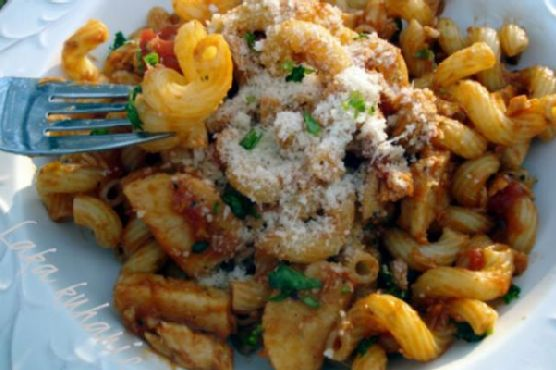
Cavatappi pasta with salmon crab surimi | Made by Meaghan Moineau

Picture this: It’s a blustery Tuesday evening, and you’ve just gotten home from a day that was long enough to make watching paint dry sound thrilling. You’re craving something that’s easy enough to not require a kitchen degree, but still feels like a cozy hug in a bowl. Enter my Cavatappi pasta with salmon crab surimi. This dish is a delightful tangle of flavors that hits the sweet spot between comfort food and seafood sophistication. The pasta’s curly tubes are perfect for catching all the saucy goodness, and the combination of salmon and surimi gives you that savory, oceanic touch without the need for a second mortgage. It’s a recipe that comes together in a flash, so you can have your taste of the Mediterranean with just a little bit of kitchen magic and minimal fuss. Curious yet?

Jump to Recipe

What You’ll Need

The best part about this ingredient list is that it’s likely you’ve already got most of these at your disposal. A few pantry staples, a couple of fresh herbs, and you’re in business.

  • 8 oz Cavatappi pasta
  • 2 tablespoons olive oil
  • 2 cloves garlic, minced
  • 1 can (6 oz) salmon fillets, drained
  • 4 oz surimi crab sticks, sliced
  • 2 plum tomatoes, chopped
  • 2 tablespoons tomato puree
  • 1 tablespoon red wine
  • 1 teaspoon dried basil
  • 2 tablespoons fresh basil, chopped
  • 2 tablespoons fresh parsley, chopped
  • 1 teaspoon sugar
  • Salt and pepper to taste
  • Grated Parmesan cheese for serving

How to Make Cavatappi pasta with salmon crab surimi

  1. First, get that pasta going. Cook the Cavatappi according to the package instructions until it’s al dente. Drain it, but don’t be too hasty — reserve a bit of that starchy cooking water like the little secret weapon it is.
  2. In a large skillet, heat up the olive oil over medium heat. Add the minced garlic and sauté it for about a minute. Keep an eye out – you want it just fragrant, not the golden brown of regret.
  3. Add the canned salmon and surimi crab sticks to the pan. Stir them gently, and let them simmer together for just a couple of minutes, like a friendly neighborhood chat.
  4. Time for the juicy bits: toss in the chopped tomatoes, tomato puree, dried basil, and red wine. Mix everything so it all gets to know each other, and let it simmer gently. You should start seeing those edges bubble in about 2-3 minutes.
  5. Sprinkle in the sugar, and season with salt and pepper. Stir it all together, letting the flavors meld into a harmonious sauce.
  6. Now, bring the pasta back into the fold. Add the Cavatappi to your sauce, turning it through until everything is well coated. If things look a bit too thick, a spoonful of that reserved pasta water will smooth it out beautifully.
  7. Serve immediately, with a generous sprinkle of Parmesan cheese and a touch of fresh, chopped basil for that finishing flair.

Cook’s Notes

Don’t be tempted to rush the garlic; it can go from golden to bitter in the blink of an eye. When simmering the sauce, keep it gentle—you’re coaxing out flavors, not boiling them away. This pasta dish is best enjoyed fresh, but if you happen to have leftovers, they’ll keep well in the fridge for up to two days. Just reheat gently, adding a splash of water if needed to get the sauce back to its luscious texture.

Make It Your Own

  • Want to mix up the protein? Try swapping the salmon for some succulent shrimp or even crispy tofu for a vegetarian twist.
  • If you’re a spice lover, a pinch of red pepper flakes tossed in with the garlic can add a nice kick.
  • No wine on hand? A splash of chicken or vegetable broth works in a pinch and still adds depth.
  • For a creamier version, stir in a splash of cream or a dollop of mascarpone cheese just before serving.

So there you have it! This Cavatappi pasta with salmon crab surimi is a surefire way to elevate any evening with minimal effort. If you try this, I’d love to hear how it turns out — drop a comment or tag me! Happy cooking! 🍝

Related update: Cavatappi pasta with salmon crab surimi

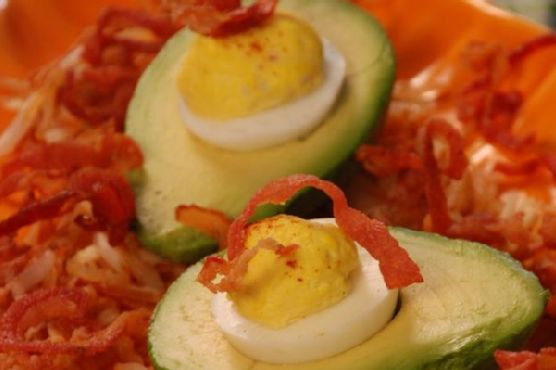
Avocado Nests | Made by Meaghan Moineau

It was one of those lazy Sunday mornings when I found myself staring into the abyss of my fridge, hoping for some culinary inspiration to jump out and bite me. The chill of early spring was still hanging in the air, and I was craving something that felt both cozy and a bit indulgent. That’s when I noticed I had a couple of avocados sitting on the counter, at that perfect stage of ripeness where they practically beg to be eaten. A quick scan of the fridge and pantry revealed the usual suspects: eggs, bacon, and a trusty bag of frozen hash browns. And just like that, the idea for Avocado Nests was born. This dish is incredibly satisfying, combining the creamy richness of avocados with the savory crunch of bacon and hash browns. It’s a little bit of everything you love about brunch, with a fun twist.

Jump to Recipe

What You’ll Need

So, here’s the deal: you’re likely just a few steps away from a deliciously satisfying meal, because most of these ingredients are staples you probably have on hand.

  • Avocados — perfectly ripe, because isn’t that always the goal?
  • Hardboiled Eggs — get these ready before you start.
  • Frozen Hash Browns — because who has time to grate potatoes on a Sunday morning?
  • Bacon — smoky, crispy, and just the right touch of indulgence.
  • Mayonnaise — or cream cheese if you’re feeling fancy.
  • Salt and pepper — the dynamic duo of seasoning.

How to Make Avocado Nests

  1. First, cook your frozen hash browns according to the package directions. You want them golden and crispy but not too dark. The smell of them browning should fill your kitchen with that warm, inviting aroma.
  2. While those are cooking, cut your bacon into thin strips. You can either bake them in the oven or fry them up in a pan until they reach your desired crispiness. A little sizzle and a waft of that smoky scent, and you know they’re ready.
  3. Next up, time to make some deviled eggs. Pop out those egg yolks and mix them with a spoonful of mayonnaise or cream cheese until smooth. Season with a sprinkle of salt and pepper before scooping the mixture back into the egg white halves.
  4. Take your avocados and carefully cut them in half. Remove the seed and peel them gently. You’re aiming for a seamless, intact avocado half here.
  5. Layer the cooked hash browns onto a serving plate and sprinkle with the crispy bacon pieces. This is your flavorful nest bed, inviting those avocados to rest.
  6. Finally, nestle a deviled egg half into the seed cavity of each avocado half. Place the filled avocados onto the bed of hash browns and bacon. Voilà, your Avocado Nests are ready to enjoy!

Cook’s Notes

Okay, real talk: the key to nailing this dish is timing. Get those hash browns and bacon going first so you can focus on prepping the other ingredients. If you’re planning to make this ahead of time, keep the elements separate until you’re ready to serve — nobody likes soggy hash browns. Leftovers can be stored in an airtight container in the fridge for a day or two, and they make for a surprisingly good next-day lunch. Just reheat the hash browns and bacon separately for the best texture.

Make It Your Own

Here are a few fun twists to make these Avocado Nests even more personal:

  • Swap the bacon for crispy tofu if you’re aiming for a vegetarian version. Just season it well!
  • Mix in a bit of hot sauce or Sriracha into the egg yolk mixture for a spicy kick.
  • Use sweet potato hash browns instead for a slightly sweeter, more complex flavor profile.
  • Jump out of the brunch box and add a sprinkle of feta or blue cheese crumbles for an extra punch of flavor.

If you try this, I’d love to hear how it turns out — drop a comment or tag me on social media! There’s nothing better than sharing a little homemade magic. Enjoy your cozy brunch adventure!

Related update: Avocado Nests

Related update: Chia Seed Pudding

Framework Cuts Laptop 13 Pro Prices | Analysis by Brian Moineau

TL;DR

  • Framework cut Laptop 13 Pro DIY Edition prices by qualifying ADATA’s XPG MARS 970 Gen 5 SSDs, applying the reductions to existing pre-orders, and upgrading 500GB buyers to 1TB at a lower price; it also flagged potential CPU price hikes in the coming weeks. [1][2]
  • Apple raised U.S. MacBook prices on June 25, 2026 by $200 on MacBook Air ($1,099 → $1,299) and $300 on MacBook Pro ($1,699 → $1,999), shifting the thin‑and‑light value bar; Framework’s move turns that public reset into a competitive wedge. [3]
  • The real story is thermals and controllers: an efficient Gen 5 SSD in a 13.5‑inch chassis widens bill‑of‑materials options and lets a modular OEM hold or cut prices while sealed rivals absorb or pass through costs. [5]

What the source said

VideoCardz reported that Framework responded to Apple’s Mac price hikes by lowering prices on Laptop 13 Pro DIY Edition configs that now include ADATA’s XPG MARS 970 PCIe Gen 5 storage, with 1TB and 2TB options for new orders. Framework said it would automatically move existing pre-orders to the ADATA drive, apply the reduced price, and upgrade 500GB selections to 1TB at a lower price, while warning that CPU pricing could rise soon. Pre‑built systems are unchanged because they ship with Gen 4 SSDs. [1][2]

Why it matters

Framework’s switch during a 2026 NAND/DRAM squeeze shows how a small modular vendor can arbitrage component pricing mid‑cycle and pass savings to customers on June pre-orders instead of waiting for a new model year. The company used configurability—swapping a Gen 5 SSD qualification—to cut real dollars while signaling that future CPU costs may lift some SKUs. [2]

Apple’s across‑the‑board Mac increases on June 25, 2026 reset cross‑shop math: Air at $1,299 and Pro at $1,999 change student, developer, and SMB budgets heading into the August–September U.S. back‑to‑school window. A rival offering a $1,199 DIY base (as launched in April 2026) plus cheaper Gen 5 storage can scoop fence‑sitters who notice a $100–$300 spread. [3][4]

Original analysis

Framework lowers Laptop 13 Pro prices: what’s actually changing

The headline is storage, not the CPU or screen: Framework is swapping to ADATA’s XPG MARS 970 (1TB/2TB) Gen 5 SSD with rated sequential up to 11,000/10,000 MB/s (10,500/9,500 MB/s for 1TB), a thin profile suitable for notebooks, and a 5‑year warranty. Engineers will zero in on the controller: the drive uses Silicon Motion’s SM2508, which brings Gen 5 throughput at lower power than first‑wave controllers that needed bulky heatsinks. In a 13.5‑inch, 3:2 laptop, cooler Gen 5 widens thermal headroom and enables BOM choices others can’t mirror quickly. [5][6]

Framework says it will shift all existing 13 Pro pre‑orders with the older Gen 5 option to ADATA’s drive, reprice them down, and upgrade 500GB orders to 1TB at a lower price—an unusually customer‑friendly move in a rising‑cost environment. It simultaneously warned that CPU pricing could increase “in the coming weeks,” a tell that SSD savings offset anticipated processor inflation rather than herald broad deflation. [2]

Meanwhile, Apple’s June 25 price hike added $200 to MacBook Air and $300 to MacBook Pro, changing the perceived gap with Windows/Linux ultralights for the next semester of buyers. Framework’s 13 Pro DIY Edition launched at $1,199 in April 2026, which now sits $100 under the Air before the SSD repricing rolls in. Perception moves switchers as much as the raw sticker. [3][4]

— Back‑of‑envelope calculation

  • Apple’s increase: +$200 (Air), +$300 (Pro). Amortized over 36 months, $200 ≈ $5.56/month and $300 ≈ $8.33/month; those deltas often equal a 1TB SSD upgrade or a RAM step in a modular build. If you planned for $1,099 and now see $1,299, that $200 gap can fund a 1TB Gen 5 SSD in a DIY machine, narrowing total cost of ownership in the $1,000–$1,500 band. [3]

— A 2×2: how laptop makers respond to the memory crunch

  • X‑axis: Cost strategy

    • Absorb temporarily
    • Pass‑through quickly
  • Y‑axis: Product architecture

    • Closed/sealed
    • Modular/DIY
  • Quadrants with examples:

    • Closed + Absorb: Apple (until June 2026), then a shift right as hedges run out. [3]
    • Closed + Pass‑through: Premium Windows OEMs (e.g., Dell XPS 13 or HP Spectre x360 base trims in 2025) that bump RAM/SSD pricing or prune low‑capacity configs.
    • Modular + Absorb: Framework consuming cheaper 2025 SSD inventory to delay hikes, then partially reverting in 2026. [2]
    • Modular + Pass‑through via supplier swap: Framework’s ADATA switch with instant repricing—change the ingredient, move the price, keep the promise. [2]

— Historical analogue

Thailand’s 2011 floods throttled HDD output and doubled drive prices, forcing OEMs to raise system prices or alter specs through 2012–2013. Contemporary coverage shows how quickly supply shocks cascaded into product decisions and how long recovery took, a rhyme with 2026’s NAND/DRAM dynamics. Expect 6–18 months of churn rather than a six‑week blip. [7][8]

— Contrarian read

Sequential peaks at 2TB (11,000/10,000 MB/s) exceed the 1TB variant’s 10,500/9,500 MB/s, a reminder that not all Gen 5 wins are uniform across capacities. If Framework’s mix skews to 1TB for cost reasons, early buyers may trade a few percent of sequential speed for cooler sustained performance that benefits laptops more. [5]

— Named‑stakeholder breakdown

  • Framework: Gains trust by repricing June 2026 pre‑orders downward and telegraphing CPU risk to pull demand forward. [2]
  • Apple: Protects margin during a memory supercycle but opens a flank to value‑driven prosumers and students priced at $1,100–$1,300. [3]
  • ADATA/XPG and Silicon Motion: Land a laptop‑class Gen 5 design‑in that validates thin‑profile controllers beyond desktops. [5][6]
  • Western Digital/SanDisk and Phison (OEM mix): Maintain presence in prebuilt Gen 4 stacks but lose DIY mindshare to “cooler Gen 5” narratives. [2]
  • Buyers: DIY flexibility turns into dollars when a supplier swap yields an automatic 500GB→1TB upgrade and a lower invoice. [2]

What others are missing

The laptop‑scale thermal budget is the hinge: many early Gen 5 SSDs targeted desktop peak throughput and ran hot, forcing 13‑inch notebooks to throttle or burn fan and battery headroom. ADATA’s MARS 970 is specced for thin‑profile operation without oversized heatsinks, which fits a 13.5‑inch, 3:2 chassis better than “banner 11 GB/s” drives that heat‑soak under real workloads. Controller choice (SM2508) plus thermals, not just raw sequential, is what lets Framework price‑cut without cooking the chassis. [5][6]

What to watch next

  1. By July 31, 2026, Framework raises the price of at least one Laptop 13 Pro CPU configuration for new orders, citing the CPU cost signal disclosed on June 25. [2]
  2. By September 30, 2026, at least one major Windows OEM publicly trims a base storage capacity (e.g., 512GB → 256GB) or raises storage upgrade prices on a named model, documenting a pass‑through strategy similar to Apple’s.
  3. By December 31, 2026, a second laptop brand markets a “thin Gen 5” SSD supplier swap with an efficiency/thermals pitch, indicating that ADATA/SMI’s approach influenced competitors. [6]

My take

Framework turned a component qualification into both a pricing event and a positioning story at the end of June 2026. Apple’s $200–$300 hike forces shoppers in the $1,000–$2,000 bracket to rerun the spreadsheet, and Framework filled a cell with a cooler Gen 5 option plus an automatic 500GB→1TB upgrade. If the SM2508‑based MARS 970 behaves in a 13‑inch chassis the way early reviews suggest on desktops, Gen 5 becomes a sane default rather than a marketing checkbox. Expect indecisive DIY buyers to convert now, and a slice of Mac‑curious students to test a repairable rig while Cupertino rides the memory cycle. [3][6]

Sources

  1. Framework lowers Laptop 13 Pro prices in response to Apple’s Mac price hikes — VideoCardz (https://videocardz.com/newz/framework-lowers-laptop-13-pro-prices-in-response-to-apples-mac-price-hikes) — Reports the price cuts tied to ADATA’s XPG MARS 970 Gen 5 SSD qualification and changes to existing pre‑orders.

  2. Navigating the volatile silicon market: updates on memory and storage pricing — Framework Community Blog (https://community.frame.work/t/navigating-the-volatile-silicon-market-updates-on-memory-and-storage-pricing/78800) — Official June 25, 2026 post confirming the ADATA switch, 500GB→1TB upgrade, and a warning about imminent CPU price increases.

  3. Apple raises Mac and iPad prices, spares iPhone for now — TechCrunch (https://techcrunch.com/2026/06/25/apple-raises-mac-and-ipad-prices-spares-iphone-for-now/) — Details Apple’s June 25, 2026 MacBook Air ($1,099→$1,299) and MacBook Pro ($1,699→$1,999) increases.

  4. Framework Laptop 13 Pro is a major overhaul for the modular, upgradeable laptop — Ars Technica (https://arstechnica.com/gadgets/2026/04/framework-laptop-13-pro-is-the-first-major-revision-to-the-original-framework-laptop/) — Provides April 2026 launch context and the $1,199 DIY Edition base price.

  5. XPG MARS 970 PLUS PCIe Gen5 x4 M.2 SSD — ADATA Datasheet (https://webapi3.adata.com/storage/downloadfile/datasheet_xpg_mars_970_plus_pcie_gen5_x4_m2_ssd_20251205.pdf) — Confirms capacities, 11,000/10,000 MB/s peaks (lower at 1TB), thin‑profile design, and 5‑year warranty.

  6. Framework’s Laptop 13 Pro DIY Edition now costs less than before — Tom’s Hardware (https://www.tomshardware.com/laptops/frameworks-laptop-13-pro-diy-edition-now-costs-less-than-before-but-a-cpu-price-hike-might-be-coming-cheaper-pcie-5-0-drives-from-adata-upgrade-customers-from-500gb-to-1tb-for-free) — Notes the Silicon Motion SM2508 controller and adds performance/efficiency context for Gen 5 in laptops.

  7. Disk prices double after flood — The Register (https://www.theregister.com/off-prem/2011/11/03/disk-prices-double-after-flood-and-could-double-again/395838) — Documents the 2011 Thai flood HDD shock and rapid OEM price/spec reactions.

  8. Hard drive prices slide as Thai flood aftermath subsides — Computerworld (https://www.computerworld.com/article/1471491/hard-drive-prices-slide-as-thai-flood-aftermath-subsides.html) — Tracks the multi‑quarter recovery timeline post‑2011, a template for prolonged component volatility.


Related update: We recently published an article that expands on this topic: read the latest post.

Soft Croatian corn bread – proja | Made by Meaghan Moineau

Last Tuesday, I found myself in one of those delightful culinary conundrums: a craving for something comforting yet uncomplicated, something that would warm the soul without demanding too much time or attention. The answer came to me as I stood in front of my pantry: Soft Croatian corn bread, or proja. This gem of a recipe is perfect for those moments when you want something special but don’t want to spend hours in the kitchen. It’s rich with the rustic flavors of corn and cheese, and the best part? You probably already have most of the ingredients on hand. Plus, it pairs wonderfully with soups and stews, making it a great choice for the changing seasons.

Jump to Recipe

What You’ll Need

In this recipe, the magic happens with just a few pantry staples and a couple of fresh items. Chances are, you already have most of this lying around:

  • 1 cup all-purpose flour
  • 1 teaspoon baking powder
  • 1 cup corn grits
  • 1 cup cornmeal
  • 1 cup cottage cheese
  • 3 large eggs
  • 1 cup natural yogurt
  • 1/4 cup olive oil
  • 1 teaspoon salt
  • 1 cup mineral water

How to Make Soft Croatian corn bread – proja

  1. Preheat your oven to 220°C (or about 430°F). Time to get that kitchen nice and toasty.
  2. In a large mixing bowl, crack in the eggs and sprinkle the salt. Whisk until the mixture becomes slightly frothy.
  3. Add the all-purpose flour, corn grits, cornmeal, and baking powder. Stir until everything is just combined.
  4. Pour in the olive oil and yogurt, mixing until you have a smooth batter that glistens with promise.
  5. Gradually add the mineral water, stirring consistently to achieve a thin, pourable batter. Don’t rush — let the batter tell you when it’s ready.
  6. Gently fold in the cottage cheese, ensuring it’s evenly distributed. The batter should be light and slightly lumpy.
  7. Lightly grease a baking pan with butter, then pour in the batter. Smooth the top with a spatula, giving it a little jiggle to settle.
  8. Bake in the preheated oven for about 30 minutes. You’ll know it’s done when the top is golden, and a toothpick inserted in the center comes out clean.

Cook’s Notes

Proja is forgiving, but here are a few tips to keep in mind. Make sure your batter is on the thinner side before baking; this ensures a tender crumb. If the top is browning too quickly in the oven, cover it with foil halfway through. Leftovers can be wrapped tightly and stored in the refrigerator for up to three days. To reheat, just pop a slice in the oven or toaster, and it comes back to life like magic.

Make It Your Own

Looking to add your own twist to this lovely loaf? Here are some fun variations:

  • Swap the cottage cheese for feta for a tangier kick.
  • Add a handful of chopped olives for a Mediterranean vibe.
  • Mix in some sun-dried tomatoes for a pop of color and flavor.
  • Replace the mineral water with beer for a richer, deeper flavor.

If you try this, I’d love to hear how it turns out — drop a comment or tag me! Your kitchen stories are always my favorite part. Happy baking, and remember: the best recipes are the ones that make you smile.

Related update: Soft Croatian corn bread – proja

Related update: Cavatappi pasta with salmon crab surimi

Flour-Less Peanut Butter Cookies | Made by Meaghan Moineau

I was having one of those days where everything seemed to go sideways. You know the kind — you spill your morning coffee, forget your umbrella, and then it starts pouring on your way home. I needed a pick-me-up, pronto. That’s when I remembered these Flour-Less Peanut Butter Cookies. They’re everything I needed: sweet, comforting, and ridiculously easy to make. The best part? You can whip them up with just a few pantry staples, and they’re done in under 20 minutes. Perfect for those days when you need a win, no matter how small.

Jump to Recipe

What You’ll Need

The beauty of these cookies lies in their simplicity. Chances are you have these ingredients tucked away in your kitchen already. Here’s what you need:

  • Peanut butter – smooth or chunky, your call
  • Honey – adds the perfect sweetness
  • Egg – binds it all together
  • Baking soda – gives them a little lift
  • Vanilla extract – just a splash for depth

How to Make Flour-Less Peanut Butter Cookies

  1. Preheat your oven to 350°F (175°C). This is crucial to get that perfectly soft center.
  2. In a large mixing bowl, combine the peanut butter, honey, egg, baking soda, and vanilla extract. Stir until everything is smooth and well-blended.
  3. Using a spoon, drop dollops of the dough onto a lightly greased cookie sheet. Keep them about 2 inches apart since they’ll spread a little.
  4. Bake for about 12 minutes. You’ll know they’re ready when the edges are set but the centers are still soft to the touch.
  5. Let the cookies cool on the sheet for a few minutes, then transfer them to a rack to cool completely. They’ll firm up as they cool, so resist the urge to eat them straight away!

Cook’s Notes

These cookies are incredibly forgiving, but a few tips can ensure they turn out perfect every time. If your peanut butter is particularly oily, give it a good stir before measuring. When mixing, ensure everything is well-combined but don’t overdo it; overmixing can make the cookies tough. If you like your cookies on the sweeter side, you can increase the honey slightly or add a touch of sugar.

Store these cookies in an airtight container at room temperature for up to a week — if they last that long! You can also freeze the dough balls to bake later; just add a couple of minutes to the baking time.

Make It Your Own

Want to mix things up? Here are some tasty variations:

  • Chocolate Lovers: Stir in some chocolate chips or chunks before baking for a rich, decadent treat.
  • Nuts About Nuts: Swap half the peanut butter for almond butter for a nutty twist.
  • Spice It Up: Add a sprinkle of cinnamon or a pinch of cayenne for a warm, spicy note.
  • Salty Sweet: Top each cookie with a sprinkle of sea salt right before baking for that perfect salty-sweet balance.

If you try this, I’d love to hear how it turns out — drop a comment or tag me! There’s nothing better than sharing a little cookie joy. Happy baking!

Related update: Flour-Less Peanut Butter Cookies

Mini Zucchini Bites (Cuadritos De Calabacin) | Made by Meaghan Moineau

One evening, after a long day of juggling work and kids’ activities, I found myself staring at a couple of lonely zucchinis in the fridge, wondering what on Earth I could make for dinner that everyone would actually eat. There was no time for anything elaborate, and I really didn’t want to resort to cereal again. That’s when it hit me: Mini Zucchini Bites, or as I affectionately call them, Cuadritos De Calabacin. These little guys are a lifesaver — quick to throw together, they make the perfect savory snack or side, and they’ve got enough bacon and cheese to keep the pickiest eaters happy. Plus, I mean, they’re bite-sized, and who doesn’t love a good two-bite treat?

Jump to Recipe

What You’ll Need

Trust me, chances are you already have most of this in your kitchen, which makes it even better for those spontaneous dinner decisions.

  • 2 slices of diced bacon
  • 1/2 cup white onion, chopped
  • 2 cups grated zucchini
  • 1 cup grated gouda cheese
  • 1/2 cup flour
  • 1 teaspoon baking powder
  • 1/4 cup vegetable oil
  • 2 eggs
  • Salt & pepper to taste
  • 1 tablespoon butter, melted
  • 1/4 cup plain bread crumbs

How to Make Mini Zucchini Bites (Cuadritos De Calabacin)

  1. Preheat your oven to 375°F, because nothing kills dinner momentum like a cold oven.
  2. In a sauté pan, cook the diced bacon until it’s perfectly crisp. The goal here is crispy, not soggy, so let it do its thing. Once done, set the bacon aside but don’t ditch the bacon fat.
  3. With about 2 tablespoons of that glorious bacon fat, sauté the white onion until it turns transparent. You’ll know it’s ready when your kitchen smells heavenly. Set aside.
  4. In a large mixing bowl, combine the grated zucchini, gouda cheese, flour, baking powder, vegetable oil, eggs, bacon, and onion. Season generously with salt and pepper and mix it until everything is just combined. The mixture will be slightly thick and that’s exactly what you want.
  5. Grab a 10 x 7-inch baking pan and brush it thoroughly with the melted butter. Then, sprinkle plain bread crumbs to coat — this will give you a nice, crispy edge.
  6. Pour the zucchini mixture evenly into the prepared pan, spreading it out as needed. Pop it in the oven and let it bake for 45-60 minutes. It’s done when it’s firm and the top is golden brown.
  7. Once baked, let it rest for about 10 minutes. This resting time is key to letting everything set before you slice them into 2-inch cubes. Serve them warm or cold, they’re delicious either way!

Cook’s Notes

For best results, make sure to squeeze out any excess moisture from your grated zucchini. You want your bites to be perfectly firm, not soggy. If you’re planning ahead, you can mix the ingredients a few hours early, cover it, and keep it in the fridge until you’re ready to bake. As for leftovers, they store well in an airtight container in the fridge for up to 3 days. Just pop them in the oven to reheat, or enjoy them cold, straight from the fridge.

Make It Your Own

  • Swap the gouda for sharp cheddar if you’re after a bolder cheese flavor.
  • Replace bacon with crispy tofu for a vegetarian twist that’s still hearty and delicious.
  • Add a handful of chopped fresh herbs like parsley or dill for an added burst of freshness.
  • For a bit of heat, toss in a finely diced jalapeño or a pinch of red pepper flakes.

If you try this, I’d love to hear how it turns out. Drop a comment or tag me in your photos — especially if you’ve made it your own with any fun variations! Enjoy!

Related update: Mini Zucchini Bites (Cuadritos De Calabacin)

Related update: Garlic & Spice Plantain Chips

Oil Slide Stabilizes as Oman Bars Transit | Analysis by Brian Moineau

TL;DR

  • Oil prices are sliding back toward pre-war levels even after an IRGC drone hit a Singapore-flagged ship on the U.N.-backed route through the Strait of Hormuz; the market is reading Oman’s “no transit fees” stance as a stabilizer. [1][4][5][7]
  • The fight isn’t just kinetic; it’s administrative. Control over routing and whether anyone can charge Strait of Hormuz transit fees will decide who sets the rules—and the risk price—for 11,000 stranded seafarers and hundreds of hulls transiting off Oman. [1][6][11]
  • Insurers, not admirals, will call the next move: if war-risk premiums stay near ~1% of hull value and fees don’t materialize, Brent likely grinds lower; if fees creep in or drone strikes persist, the per‑barrel “toll” snaps back fast. [5][9]

What the source said

CBS News reported three intertwined developments in June 2026. First, the International Maritime Organization (IMO) paused a planned evacuation corridor for ships after a vessel was struck by a projectile near Oman; a U.S. official said the ship was hit by an Iranian drone. Second, Iran’s Revolutionary Guard warned ships using routes it has not endorsed that they would not have “safe passage guarantees,” amid a tussle over whether Oman and/or Iran can assess “transit fees” in the Strait of Hormuz. Third, IAEA chief Rafael Grossi said “very strong” verification would be needed as part of a broader U.S.–Iran deal, while Donald Trump suggested Iran would buy U.S. farm goods—an assertion Iran’s parliament speaker publicly denied. [1]

Why it matters

Real stakeholders aren’t abstractions; they are Oman’s transport and navy officials directing a corridor that hugs the Omani coast, IRGC Navy commanders trying to reclaim routing authority, 11,000 seafarers waiting on hulls in hot anchorages, and insurers at Lloyd’s deciding whether to underwrite transits at 1% or 3% of hull value. That triangle—route governance, kinetic risk, and insurability—feeds directly into Brent’s curve and LNG availability for Asia. [6][3][5][9]

If Oman’s “no transit fees” position holds and U.N.-coordinated routing restarts safely, the cost stack for each voyage falls: fewer detours, lower war-risk premia, and cheaper oil in spot markets. If Iran manages to impose a de facto regime (fees, “northern route” mandates, harassment), expect shipping to self-insure with higher premia and longer queues that show up in spreads within days. [7][8][5]

Original analysis

Strait of Hormuz transit fees are a governance fight dressed up as tariffs. The consensus view says “fees are off the table; oil goes back to pre-war.” My contrarian read: even without formal tolls, the practical “fee” is already embedded in insurance and routing frictions—and it can reprice overnight.

  • Back-of-envelope: hypothetical toll vs. insurance math

    • Scale of the chokepoint. Under normal conditions, ~20 million barrels per day (mb/d) move through Hormuz—about one-fifth of global liquids. [10]
    • Suppose Iran or Oman tried a $1/bbl transit fee at full, normal flows: $1 × 20 mb/d × 365 ≈ $7.3 billion/year. At a halved war-time throughput of 10 mb/d, it’s still ~$3.65 billion/year. That’s the prize “fees” chase. [10]
    • War-risk premiums already act like a fee. Brokers report Persian Gulf hull war cover near ~1% of a vessel’s insured value, down from peaks in March but still elevated. On a $150 million VLCC, 1% = $1.5 million per transit. With ~2 million barrels aboard, that’s ~$0.75/bbl; at 2–3%, it’s $1.50–$2.25/bbl—bigger than any politically saleable toll. [9]
    • Market signal. Brent has traded back toward pre-war prints as traffic inches up via the Omani corridor; that says traders believe the insurance “fee” is easing faster than any political fee can solidify. [5][7]
  • 2×2: Who sets the rules vs. how hot the water gets

    • UN/Oman-governed + Low kinetic risk: Insurance <1% AWRP; evacuation resumes; Brent stabilizes in the low-to-mid $70s. [3][5]
    • UN/Oman-governed + High kinetic risk: Drone or missile harassment raises hull war premia back toward 2%; Brent re-tests high-$70s/low-$80s despite no formal tolls. [4][9]
    • Iran-governed (northern route mandates) + Low risk: Administrative friction (approvals, declarations) becomes the implicit toll; insurance ambivalent; muted but sticky ~$1/bbl cost. [1][6]
    • Iran-governed + High risk: AWRP >2%, sporadic interdictions; effective “toll” rises to ~$2–$3/bbl; Brent >$85 on event days. [4][9]
  • Named-stakeholder breakdown

    • Oman (Foreign Minister Badr Al‑Busaidi): “No transit fees” is Muscat’s competitive edge and legitimacy claim; it keeps the corridor attractive and aligns with IMO guidance. [7]
    • IRGC Navy: Hitting a Singapore-flagged ship on the southern track is a veto on routing without Tehran’s say; it’s pressure to force recognition of an Iran-endorsed lane. [4][6]
    • IMO (Sec‑Gen Arsenio Dominguez): The pause signals a safety-first bar; restarting requires assurances that insurers and masters accept. [3][2]
    • Insurers at Lloyd’s and reinsurance brokers (Howden): They translate risk into the real toll. If AWRP stabilizes near 1%, cargo and hull move; at 2–3%, marginal barrels balk. [9]
    • Oil exporters/importers (QatarEnergy, Aramco, Indian refiners): The corridor’s uptime governs Q3 export programs; a 1–2 day pause shuffles dozens of liftings and swaps. [5][7]
  • Historical analogue
    The Tanker War of 1984–1988 taught insurers to price the Gulf in percentage points of hull value, not headlines. Then, Additional War Risk Premiums surged into multiple-percent territory; today’s market has already revisited that playbook, peaking higher in March and easing only as corridors gained legitimacy. If attacks resume, expect the AWRP curve—not social media—to dictate freight and flat price within hours. [9]

Bottom line: “No transit fees” doesn’t end the story. It just shifts the toll booth to Lime Street in London. If Muscat can keep underwriters confident and ships hugging its coastline, the embedded “fee” falls and Brent stays heavy; if not, the market will pay—and call it insurance. [9]

What others are missing

Capacity on the evacuation corridor—not the headline of “fees”—is the immediate throttle on flows. The IMO talked about moving more than 11,000 stranded seafarers and began contacting ships; 57 vessels carrying ~1,100 crew reportedly transited before the pause. But coverage largely skips the operational ceiling: how many daily pilotage windows, how many tugs, and whether masters can crew up safely at scale along Oman’s coast. If the corridor can’t process the backlog efficiently, the system pays the toll anyway—via day rates, demurrage, and higher war-risk premia—despite zero formal “transit fees.” Watch throughput and insurer behavior, not just ministerial statements. [6][5][11][3]

What to watch next

  1. By July 10, 2026, the IMO will announce a phased restart of the evacuation corridor with specific daily transit slots published via Oman’s maritime authorities; if that communiqué doesn’t land, expect AWRP to tick back up. [3][7]
  2. By July 31, 2026, Brent’s monthly average will print between $70–$80 if Oman’s “no fees” stance holds and no ship is hit on the Omani track for two consecutive weeks; one more strike on that route pushes the monthly average above $82. [5][7][4]
  3. By August 15, 2026, at least one major P&I club will restore standard Hormuz coverage for the Omani corridor at an Additional War Risk Premium at or below 1% of hull value, citing improved route security and coordination. [9]

My take

Oman just outmaneuvered Tehran. By pledging “no transit fees,” Muscat married legality to practicality and offered underwriters a story they can price in 2026. Iran can still throw drones at hulls, but every attack now looks like a tax on Asia’s refiners—and a direct subsidy to shipowners collecting elevated day rates. Unless Tehran can impose a coherent, low-risk northern lane, the market will default to the Omani corridor and price down the “insurance toll.” I’m fading fee headlines and the next scare pop in Brent; the more interesting long trade is tanker equities while AWRP steps down from 3% toward 1%. [9]

Sources

[1] Iran-U.S. Updates: Iran strikes vessel in Strait of Hormuz amid debate over “transit fees” — CBS News (https://www.cbsnews.com/live-updates/us-iran-war-trump-strait-of-hormuz-oil-prices/) — Live updates that anchor the attack, the IMO pause, the “fees” dispute, and Grossi’s inspection remarks.
[2] UN agency pauses evacuation of ships through the Strait of Hormuz after attack on vessel — AP News (https://apnews.com/article/862164c2aecbdc376dea434198eaf75f) — Confirms the evacuation pause after a ship was hit off Oman.
[3] IMO pauses evacuation in Strait of Hormuz following attack — International Maritime Organization (https://imo-newsroom.prgloo.com/news/imo-pauses-evacuation-in-strait-of-hormuz-following-attack) — Official statement from IMO Secretary-General Arsenio Dominguez on suspending the plan.
[4] Iran strikes cargo ship on U.N.-backed route in Strait of Hormuz — The Washington Post (https://www.washingtonpost.com/business/2026/06/25/ship-attacked-strait-hormuz-iran-threatens-un-backed-route/) — Reports U.S. officials’ assessment that an Iranian drone hit a Singapore-flagged ship using the U.N.-backed route.
[5] Oil back to pre-war levels as Hormuz traffic rebounds — Reuters (via Investing.com) (https://www.investing.com/news/world-news/oil-back-to-prewar-levels-as-hormuz-traffic-rebounds-us-tries-to-reassure-gulf-allies-4760411) — Documents Brent retreat toward pre-war levels and cites early transit numbers under the IMO plan.
[6] UN pauses Hormuz sailor evacuations after “attack” in strait — Axios (https://www.axios.com/2026/06/25/iran-ship-attacked-strait-hormuz-un-sailors-evacuation-paused) — Adds scale: 600 ships stranded and quotes IRGC objections to routes announced “without coordinating” with Iran.
[7] Oman opens temporary maritime corridor through Strait of Hormuz — Anadolu Agency (https://www.aa.com.tr/en/middle-east/oman-opens-temporary-maritime-corridor-through-strait-of-hormuz/3976121) — Omani route details and commitment to freedom of navigation “without imposing transit fees.”
[8] US warns Oman not to engage in facilitating tolls for Strait of Hormuz — Reuters (via Investing.com) (https://www.investing.com/news/world-news/us-warns-oman-not-to-engage-in-facilitating-tolls-for-strait-of-hormuz-4714966) — Shows Washington’s red line on any tolling scheme.
[9] Strait of Hormuz: (Re)insurance impact — Howden Re (April 2026) (https://www.howdenre.com/sites/howdenre.howdenprod.com/files/2026-04/HowdenRe_Strait_of_Hormuz_report_April12026.pdf) — Evidence of AWRP levels (near 1% after March peaks) and voyage cost implications.
[10] The Strait of Hormuz is the world’s most important oil transit chokepoint — U.S. EIA (https://www.eia.gov/todayinenergy/detail.php?id=39932&os=w) — Baseline throughput (
20 mb/d, ~20% of global liquids) to size back-of-envelope scenarios.
[11] Stranded Hormuz seafarers begin mass evacuation operation — United Nations (UN Geneva) (https://www.ungeneva.org/en/news-media/news/2026/06/119983/stranded-hormuz-seafarers-begin-mass-evacuation-operation) — Confirms the ~11,000 seafarers figure and IMO-led contact with ships ahead of the pause.


Related update: We recently published an article that expands on this topic: read the latest post.

Thai Coconut Curry Soup | Made by Meaghan Moineau

Picture this: It’s a rainy Tuesday evening, and my craving for something warm, spicy, and comforting kicks in. The kind of craving that hits you like a hug when you’ve had one of those long days. I glance around my kitchen and spot the usual suspects — a can of coconut milk, some soy sauce, and a lonely block of tofu that’s been waiting for its moment. It’s the perfect setup for my Thai Coconut Curry Soup. This soup is a game-changer. Quick to whip up, it’s one of those recipes that feels a touch exotic but is totally doable on a weeknight. It’s cozy, fragrant, and brings just the right amount of heat. Trust me, it’s the kind of dish you’ll be daydreaming about long after your bowl is empty.

Jump to Recipe

What You’ll Need

The beauty of this recipe is that it doesn’t require a mile-long list of specialty ingredients. Chances are you already have most of these in your pantry or fridge:

  • Canned light coconut milk
  • One can’s worth of water
  • Red curry paste
  • Fresh ginger paste
  • Fresh snow peas
  • String beans
  • Diced carrot
  • Fresh whole Thai basil leaves
  • Lime juice
  • Low sodium soy sauce
  • A few splashes of sesame oil
  • Chili powder
  • Tofu
  • Salt
  • Red bell pepper
  • Black pepper

How to Make Thai Coconut Curry Soup

  1. Start by bringing the coconut milk and a can’s worth of water just to a boil. You’ll know it’s ready when it’s steaming and about to bubble over, so keep an eye on it.
  2. Reduce the heat to a low simmer. Add in the red curry paste and fresh ginger paste. Give it a good whisk until both are well-incorporated, and your kitchen is filled with that heavenly aroma.
  3. Now, toss in the diced carrots and spices, except for the basil leaves. Cover and let them simmer until the carrots are almost soft. Keep them a bit firm — nobody likes a mushy carrot!
  4. Add the tofu. Cover your pot again and let it all simmer for a few more minutes. The tofu will soak up all those delicious flavors.
  5. Time to add the remaining ingredients — snow peas, string beans, lime juice, soy sauce, sesame oil, and chili powder. Cover again and simmer just until the beans turn bright green but stay crisp.
  6. Garnish with strips of red bell pepper and freshly ground black pepper. If you’re feeling indulgent, add a couple of tablespoons of coconut oil when you put in the tofu. That extra coconut flavor is truly amazing!

Cook’s Notes

When making this soup, remember that the texture of your vegetables matters. You want them crisp and vibrant, not overcooked. If you plan to make it ahead, stop cooking just before adding the snow peas and string beans, and finish it off when you’re ready to serve. Store leftovers in an airtight container in the fridge for up to three days. Reheat gently on the stovetop, adding a splash of water if the soup thickens too much.

Make It Your Own

  • Swap the tofu for crispy baked chicken if you’re not feeling the plant-based vibes.
  • Add a handful of shrimp in the last few minutes of cooking for a pescatarian twist.
  • Stir in a spoonful of peanut butter with the curry paste and ginger for a nutty depth of flavor.
  • Throw in a cup of cooked rice noodles at the end for a heartier meal.

If you try this, I’d love to hear how it turns out — drop a comment or tag me! I’m always excited to see your delicious creations. Happy cooking!

Related update: Thai Coconut Curry Soup

Related update: Lemon Chickpea & Tomato Stew

Meat rolls with prosciutto and sage | Made by Meaghan Moineau

Picture this: It’s a random Tuesday evening, and I’m staring down a fridge that looks like a ghost town. There’s a near-empty bottle of white wine, a few lonely sage leaves, and some beef flank steaks that I really need to use up. That’s when the idea hit me — Meat rolls with prosciutto and sage. With a quick rustle through my pantry, I realized I had everything I needed. This dish is the ultimate hero for those nights when you crave something comforting yet deceptively fancy. You know what I mean? It comes together faster than you’d think, with the sage giving it an unexpected pop of earthy goodness. And guess what? It only looks fussy.

Jump to Recipe

What You’ll Need

You might find that you’ve got most of this hanging around already. No need for a special trip to the store, which is a win in my book.

  • Beef flank steaks – Perfect for rolling and full of flavor.
  • Similar seasoning (like Vegeta Natur) – Just a sprinkle for a bit of zing.
  • Prosciutto – Salty, savory goodness that wraps the steak in love.
  • Sage leaves – The secret ingredient that makes this dish sing.
  • Corn starch – Magic thickener for the sauce.
  • White wine – Adds a splash of sophistication.
  • Olive oil – For that sauté start.
  • Butter – Because everything’s better with butter.
  • Black bell pepper – Freshly cracked for a bit of heat.

How to Make Meat rolls with prosciutto and sage

  1. First things first, wash and dry those beef flank steaks. Then, get a bit of a workout by flattening them out. This helps them roll up nice and tight.
  2. Grab your seasoning of choice and rub one side of each steak — you’re giving it a flavor boost.
  3. Lay a piece of prosciutto and a sage leaf on the other side of the steak. The prosciutto should cover the whole side like a cozy blanket.
  4. Time to roll! Start at one end and roll the steak up tightly. Secure it with wooden or metal toothpicks. Channel your inner sculptor here.
  5. In a bowl, whisk the corn starch into the white wine until it’s all mixed up and smooth. This will be your secret sauce.
  6. Heat up a mix of olive oil and butter in a pan. Once it’s hot, add the rolls and sauté them on all sides until golden brown. Your kitchen will smell amazing right about now.
  7. Pour in the wine mixture and season with freshly cracked black bell pepper. Give everything a stir.
  8. Cover the pan and let the rolls simmer on low heat for about 20 minutes. They should become tender and soak up all those flavors.
  9. Remove the toothpicks before serving. Trust me, no one likes a surprise toothpick in their dinner.

Cook’s Notes

Make sure to flatten those steaks evenly, or they’ll be tricky to roll. You want them to cook evenly, too. If you’re not into sage, a bit of rosemary can be a lovely swap, though the sage really adds something special here. Don’t rush the simmering stage — that’s when all the magic happens and the flavors meld together. Leftovers can be kept in an airtight container in the fridge for up to three days. A quick reheat, and they’re just as delicious.

Make It Your Own

  • Swap the beef flank steaks for chicken breast if you’re feeling poultry instead of red meat.
  • If you’re not a fan of prosciutto, try using thinly sliced turkey or ham for a different twist.
  • For a non-alcoholic version, substitute the white wine with chicken or vegetable broth. You won’t miss a thing!
  • Add a sprinkle of crushed red pepper flakes for some heat if you’re feeling spicy.

If you try this, I’d love to hear how it turns out — drop a comment or tag me! Happy cooking, and remember, it’s all about having fun in the kitchen.

Related update: Meat rolls with prosciutto and sage