
The first time I made Khachapuri, I was knee-deep in a cloud of flour on a rainy Tuesday evening, staring down at what looked like a failed science experiment. I had completely misjudged the amount of dough needed and ended up with a blob so sticky it could have doubled as glue. But as I pulled this cheesy, golden miracle from the oven, every bit of my earlier panic melted away. There’s something utterly magical about the transformation that happens with this dish—a blend of simple, everyday ingredients turning into a stunning centerpiece that’s equally at home on a special occasion table or a cozy weekend brunch. The best part? It’s deceptively easy to make, even if you manage to coat your entire kitchen in a light dusting of flour like I did.
Jump to Recipe
What You’ll Need
This delightful Georgian cheese bread is all about the cheese and a beautifully textured dough. Chances are, you already have most of these ingredients in your pantry:
- Dry yeast
- Sugar
- Water
- Milk
- Butter
- Salt
- 8 ounces White Swiss cheese
- Cheddar
- Eggs
- Muenster cheese
- Swiss cheese
- White cheddar
- Parsley
- White pepper
How to Make Khachapuri
- Dissolve the yeast and 1 teaspoon of sugar in 1/4 cup of water. Let it sit for 5-10 minutes until it’s foamy and has that comforting yeasty aroma.
- In a large mixing bowl, add the milk, 2 tablespoons of sugar, butter, and salt. Gradually mix in enough flour to create a soft, pliable dough—soft like a baby’s cheek.
- Place your dough in a greased bowl, turning to coat all sides. Cover and let it rise in a warm place until it has doubled in size. You want it to look like it’s about to burst with doughy pride.
- While your dough is rising, shred all your cheeses and mix them together with the rest of the filling ingredients. Pop this cheesy mix into the fridge for now.
- Grease a 9″ springform pan generously—no skimping here, you don’t want the dough to stick.
- Punch down the risen dough (the most satisfying part) and shape it into a ball. Roll it out into a 20″ circle.
- Ease the dough into the pan. Fold it in half to lift more easily, then unfold in the pan, letting the excess dough drape over the edges.
- Mound the cheese filling onto the dough inside the pan. Bring the dough up over the filling, folding it to create 8-12 evenly-spaced pleats. This is where your rustic bread art skills come into play!
- Twist and pinch the ends together at the top to create a rough knob. Cover with a buttered 12″ square of waxed paper and let rise until it’s doubled in bulk again.
- Brush your loaf with a glaze made from 1 egg white and 1 tablespoon of water—or margarine if you’re feeling indulgent.
- Bake at 375°F for 40-50 minutes until the loaf is a deep golden brown. Remove it from the pan and place directly on the oven rack for an additional 5 minutes to crisp up the bottom.
- Let your masterpiece cool on a rack for about 45 minutes before cutting into it. It’s worth the wait!
Cook’s Notes
As tempting as it is to dig right in, letting the Khachapuri cool allows the cheese to set and makes slicing much easier. If you’re planning ahead, you can prepare the dough and filling the night before and just assemble and bake the next day. Leftovers (if there are any!) can be wrapped in foil and reheated in the oven at a low temperature. Avoid the microwave; it tends to make the dough chewy instead of delightfully crisp.
Make It Your Own
- Spicy Twist: Add some diced jalapeños to the cheese filling for a little kick.
- Herbs Galore: Mix in chopped fresh dill or cilantro with the parsley for a herby aroma.
- Meaty Option: Toss in some crispy bacon bits to the cheese mixture for a smoky touch.
- Veggie Delight: Add sautéed mushrooms or spinach for an earthy, wholesome addition.
If you try this, I’d love to hear how it turns out—drop a comment or tag me! Happy baking, and here’s to your kitchen becoming just as flour-dusted as mine!
Goes Well With
If you want to round out the meal, here’s what I’d pair it with over on meaghanmoineau.com:
Related update: Khachapuri

I remember the first time I decided to bake while the rain was drumming against the windows, and my kitchen was a cozy little haven. I was hit by this craving for something sweet and indulgent, but with a twist that felt like a mini-vacation. Enter: Vanilla Coconut Snowball Cupcakes. The name alone makes you want to run barefoot on a tropical beach, right? These cupcakes are my go-to when I want something that feels fancy but is surprisingly easy to whip up, even on a weeknight. They combine the dreamy, fragrant flavor of vanilla with the creamy richness of coconut—like a hug in cupcake form. The frosting is light, fluffy and has just the right amount of tang, thanks to a secret ingredient: sour cream. Trust me, these are worth every crumb.
Jump to Recipe
What You’ll Need
Before you start pulling ingredients out, you’ll be happy to know that this recipe relies on pantry staples, so there’s a good chance you already have most of what you need. Plus, there’s nothing super fancy required, making it perfect for a last-minute dessert decision.
- 1 1/4 cups all-purpose flour
- 1 1/4 teaspoons baking powder
- 1/4 teaspoon salt
- 1/2 cup (1 stick) butter, room temperature
- 3/4 cup sugar
- 1 teaspoon vanilla extract
- 2 large eggs
- 1/2 cup milk
- 1/4 cup sour cream
- 1 cup unsweetened coconut flakes
- 1/2 cup (1 stick) butter, room temperature (for frosting)
- 1/4 cup sour cream (for frosting)
- 1 teaspoon vanilla extract (for frosting)
- 2 to 3 cups confectioners’ sugar
How to Make Vanilla Coconut Snowball Cupcakes
- Start by preheating your oven to 350°F. Line a 12-cupcake pan with paper liners. If you’re not using liners, make sure to grease the pan lightly.
- In a small bowl, whisk together the flour, baking powder, and salt. Set this aside because we’re going to need it in a bit.
- In a large bowl, using an electric mixer on medium-high speed, beat the butter until it gets creamy and dreamy, about 2 minutes.
- Gradually add sugar to the butter, beating until the mixture gets light and fluffy. It should take about 3 minutes, and don’t forget to scrape down the bowl a couple of times.
- Mix in the vanilla extract. Then, beat in the eggs one at a time, ensuring each egg is fully mixed before adding the next.
- Add the flour mixture in 4 parts, alternating with the milk. Beat briefly after each addition, so everything is just combined, but not overmixed.
- Stir in the sour cream and coconut, making sure the batter looks like a creamy dream.
- Fill the cupcake wells about 3/4 of the way. Pop them into the oven and bake for about 18 minutes, or until a toothpick comes out clean (15 minutes if you’re going mini).
- Let the cupcakes cool in the pan on a wire rack for about 5 minutes. Then turn them out and let them chill on the wire rack until completely cool.
- To make the frosting, beat the butter, sour cream, and vanilla together until fluffy. Start on low speed, add 2 cups of confectioners’ sugar, and beat until combined.
- Continue adding confectioners’ sugar a little bit at a time until the frosting sticks to the beater without dripping off. If it gets too thick, add a bit more sour cream.
- Beat the frosting on low speed for an additional 3-4 minutes until it becomes light and airy—just like a cloud.
- Fill a small, shallow bowl with coconut flakes. Frost the cupcakes generously and then dip the frosted tops into the coconut flakes, pressing gently to help them stick.
Cook’s Notes
You can store these fluffy wonders in an airtight container at room temperature for about 3 days—good luck making them last that long! If you’re planning to make them ahead of time, bake the cupcakes and store them unfrosted in the fridge for up to 2 days or freeze them for up to a month. Just bring them to room temperature and frost the day you want to serve them. The frosting can be made a day in advance and stored in an airtight container in the fridge. Just give it a quick whip before using.
Make It Your Own
- Swap the coconut flakes for chopped nuts like pecans or almonds if you’re in the mood for a crunchier bite.
- Add a teaspoon of almond extract to the batter for a nuttier flavor that pairs amazingly with coconut.
- Top your frosted cupcakes with a maraschino cherry for a pop of color and a hint of retro charm.
- For a tropical twist, add a tablespoon of crushed pineapple to the frosting—just make sure it’s well-drained!
If you give these Vanilla Coconut Snowball Cupcakes a try, I’d love to hear how they turn out. Drop a comment below or tag me on social media with your coconutty creations! Enjoy every sweet, fluffy bite!
Goes Well With
If you want to round out the meal, here’s what I’d pair it with over on meaghanmoineau.com:
Related update: Vanilla Coconut Snowball Cupcakes

It was one of those Fridays where the week had just dragged on and my sweet tooth was kicking in hard. You know the feeling, right? I was rummaging through the pantry, looking for something quick yet satisfying to bake, and I stumbled across an old index card scribbled with my go-to sugar cookie recipe. These cookies are the real deal — simple, comforting, and perfect for a spontaneous baking session. What makes them even better? The dough is incredibly forgiving and comes together faster than you can say “sugar rush.” Plus, a touch of lemon zest gives them that extra zing that makes them feel just a little bit special. Let’s dive into this delightful baking adventure together!
Jump to Recipe
What You’ll Need
You might already have most of these ingredients lounging in your kitchen, waiting to transform into something magical.
- 2 ¾ cups of flour
- ½ teaspoon of salt
- 1 teaspoon of baking powder
- 1 cup of unsalted butter, softened
- 1 ½ cups of sugar
- 2 large eggs
- 1 tablespoon of fresh lemon juice
- Zest of one lemon
How to Make Sugar Cookies
- In a large bowl, sift together the flour, salt, and baking powder. Set this aside for now; it’ll be the base of our dough.
- In another bowl, use an electric mixer to cream the butter and sugar until the mixture turns light and fluffy. You’re aiming for a texture that looks almost like whipped cream.
- Beat in the eggs one at a time until everything is well-combined. The mixture should be glossy and smooth.
- Add the flour mixture to the wet ingredients, mixing on low speed until everything is thoroughly combined. The dough will be soft but not sticky.
- Stir in the lemon juice and zest. This is where the magic happens — the aroma is simply irresistible!
- Wrap the dough in plastic wrap and let it chill in the refrigerator for about 30 minutes. This helps it firm up, making it easier to roll out.
- Preheat your oven to 350 degrees F. As the oven heats, prepare a floured surface and roll the dough out to about 1/4 inch thick.
- Cut the dough into your desired shapes. I love using simple circles or stars for a classic look.
- Transfer the cut-outs to ungreased baking sheets and refrigerate them until firm, around 15 minutes. This step helps the cookies maintain their shape.
- Bake in the preheated oven until the edges just start to brown, about 8-10 minutes. You’ll know they’re ready when the kitchen fills with a warm, buttery aroma.
- Let the cookies cool on wire racks. Feel free to decorate them as you wish, or enjoy them plain — they’re delicious either way!
Cook’s Notes
A few things to keep in mind: Make sure your butter is softened before you start. If it’s too cold, it won’t cream properly with the sugar, and your dough might end up too dense. Also, don’t skip the chilling steps. It’s tempting, I know, but chilling the dough and the cut-outs ensures your cookies are soft yet hold their shape. If you’re planning ahead, you can make the dough up to two days in advance. Just keep it tightly wrapped in the fridge. Leftover cookies (if there are any!) can be stored in an airtight container for up to a week — though I doubt they’ll last that long!
Make It Your Own
Here are some fun variations to try once you’ve mastered the classic version:
- Vanilla Twist: Swap the lemon juice and zest for 1 tablespoon of vanilla extract for a more traditional sugar cookie.
- Chocolate Chip: Fold in half a cup of mini chocolate chips just before chilling the dough for a delightful twist.
- Spiced Up: Add a teaspoon of ground cinnamon and a pinch of nutmeg for a warm, spiced cookie.
- Almond Joy: Replace lemon juice with almond extract and sprinkle a few slivers of almonds on top before baking.
If you try this, I’d love to hear how it turns out — drop a comment or tag me in your cookie creations! Happy baking, friends!
Goes Well With
If you want to round out the meal, here’s what I’d pair it with over on meaghanmoineau.com:
Related update: Sugar Cookies
Related update: Flawless Chocolate Fudge

It was one of those rainy Saturday mornings when all you want is a cozy breakfast to start the day right. I was rummaging through my pantry, looking for something comforting yet simple, when it hit me: pancakes! These delightful rounds of joy are my go-to for an effortless morning treat that feels like a warm hug. The best part? You can whip them up with pantry staples. With just a few ingredients mixed in the right way, you’ll have a stack of fluffy goodness in no time. So, whether you’re looking to impress someone special with a homemade breakfast or just treating yourself, these pancakes are a must-try!
Jump to Recipe
What You’ll Need
The beauty of this recipe is in its simplicity, using ingredients that you probably already have on hand. Here’s what you’ll need:
- 1 cup flour
- 2 tablespoons sugar
- 1 teaspoon baking powder
- A pinch of salt
- 1 egg
- 1 cup milk
- 2 tablespoons margarine, melted
How to Make Pancakes
- Start by beating the egg in a mixing bowl until it’s nice and fluffy. You want it to look like a cloud of yellow happiness.
- Pour in the milk and melted margarine, mixing them into your fluffy egg. You’ll notice everything starts to come together, looking all creamy and smooth.
- Add in your dry ingredients: flour, sugar, baking powder, and that little pinch of salt. Stir until the batter is smooth; it should look like a lovely, thick cream.
- Grab your favorite heavy griddle or frying pan and heat it up. Test the heat by flicking a drop of water onto the surface; if it dances and divides, you’re good to go!
- Grease the pan with a touch of butter using a paper towel, just enough to add a slight sheen.
- Spoon about 1/4 cup of the batter onto the pan, spreading it lightly with the back of the spoon if needed.
- Watch as bubbles form on the surface of your pancake. Once they begin to burst, that’s your cue to flip it. Cook the other side until it’s a golden perfection.
Cook’s Notes
When it comes to pancakes, patience is your best friend. Resist the urge to flip too early; those bubbles are your secret signal. If you’re planning to make the batter ahead, you can store it in the fridge for up to a day, but bring it to room temperature before cooking. Leftover pancakes (if any!) can be kept in the fridge and warmed up in a toaster for a quick breakfast. Avoid using too much butter to grease the pan; a light touch is all you need for that ideal golden crust.
Make It Your Own
These pancakes are a perfect canvas for creativity. Here are a few tweaks to keep things exciting:
- Swap the milk for almond or oat milk to make it dairy-free.
- Fold in a handful of blueberries or chocolate chips into the batter for a fun twist.
- Replace margarine with coconut oil for a hint of tropical flavor.
- Add a teaspoon of vanilla extract for an aromatic boost.
If you try this, I’d love to hear how it turns out — drop a comment or tag me on social media with your pancake creations! Happy flipping!
Goes Well With
If you want to round out the meal, here’s what I’d pair it with over on meaghanmoineau.com:
Related update: Pancakes
Related update: Paella for Four; A Wonderful Spanish Mixed Seafood Stew
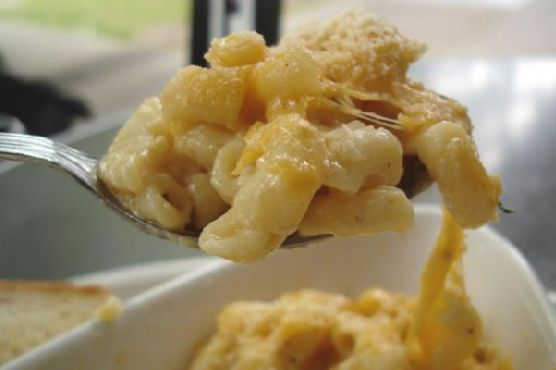
It was one of those chilly Tuesday evenings when all I wanted was something warm and comforting, but the thought of spending hours in the kitchen felt like a big nope. You know those nights, right? That’s when the idea of a classic macaroni and cheese pops into your head like a warm hug. This dish is the ultimate comfort food that manages to be both creamy and crispy, gooey yet structured—seriously, what’s not to love? Plus, it’s like a blank canvas for whatever you want to throw in. You probably have most of these ingredients already, so there’s no need to brave the grocery store aisles either. Ready to dive in? Let’s do this!
Jump to Recipe
What You’ll Need
Here’s the magic of this recipe: it combines pantry staples with just a few fresh elements to create something truly satisfying.
- Fresh bread crumbs
- Butter
- Cayenne pepper
- Flour
- Heavy cream
- Cooked short macaroni
- White salt and pepper
- Sharp cheddar
- Whole milk
How to Make Classic Macaroni and Cheese
- Preheat your oven to 350°F. This gives you time to prep everything else while it comes up to temperature.
- Melt 6 tablespoons of butter in a medium saucepan over low heat. Add flour and cook, stirring constantly, for about 4 minutes. The mixture should smell nutty and have a golden hue.
- Stir in cayenne and add salt and pepper to taste. This is where the flavor kicks in!
- Whisk in hot milk, 1/2 cup at a time, and cook while stirring until the sauce thickens to a creamy consistency.
- Reduce the heat to low and stir in 2 cups of cheese. Keep stirring until the cheese melts into a luscious sauce, about 2 minutes.
- Combine the cooked macaroni and cheese sauce in a large bowl, ensuring each piece of pasta is well-coated. Season with additional salt if needed.
- Butter an 8″x11″ baking dish and sprinkle 1/2 cup of cheese over the bottom.
- Place one-third of the pasta in the baking dish, top with 1/2 cup of cheese, and repeat the layers until you end with a layer of cheese on top. You’re making three layers in total.
- Pour the heavy cream over the assembled macaroni and cheese. This is your golden ticket to creaminess!
- Melt the remaining butter in a skillet, add bread crumbs, and coat them well with the butter. Sprinkle this over the macaroni and cheese.
- Bake until the crust is golden and irresistible, about 30 minutes. Let it rest for 15 minutes before serving—that’s the hardest part, I promise.
Cook’s Notes
Here’s the thing, patience is key when making your roux (that’s your butter and flour mixture). Stir it constantly so it doesn’t burn, and let it get to that perfect nutty aroma. If you’re in a hurry, you might be tempted to crank up the heat on the cheese sauce but resist the urge; slow and steady wins the race here.
As for leftovers, they’re like a gift that keeps on giving. Store them in an airtight container in the fridge for up to three days. When reheating, add a splash of milk to bring back that creamy consistency and bake it covered in foil to prevent drying out.
Make It Your Own
- For a smoky twist, swap out the sharp cheddar for smoked gouda. It adds a new depth of flavor without any extra effort.
- If you’re feeling veggie-friendly, toss in some sautéed mushrooms or spinach between the layers of pasta and cheese.
- Craving protein? Add slices of cooked chicken breast or crispy bacon in between your cheesy layers.
- For a spicy kick, replace the cayenne with smoked paprika or toss in some diced jalapeños.
If you try this, I’d love to hear how it turns out—drop a comment or tag me! Whether you stick to the classic or jazz it up, this mac and cheese is sure to become a staple in your home. Enjoy every cheesy bite!
Goes Well With
If you want to round out the meal, here’s what I’d pair it with over on meaghanmoineau.com:
Related update: Classic Macaroni and Cheese

It was one of those Wednesday evenings where the clock seemed to sprint from 5 to 7 PM in the blink of an eye. My stomach was grumbling louder than my Spotify playlist, and all I could think about was something delicious yet uncomplicated. The kind of meal that makes you feel like a culinary wizard without actually breaking a sweat. Enter stage left: the Vegetable Tart with Goat Cheese. This tart is my secret weapon, perfect for when I want something that looks as good as it tastes with minimal fuss. It’s a colorful showstopper that tastes like you planned it all week, but shhhh… it’s our little secret!
Jump to Recipe
What You’ll Need
Trust me, if your pantry and fridge are anything like mine, you’re already halfway there. This tart comes together with just a few key stars and supporting players.
- Puff pastry (the freezer-friendly hero of this dish)
- Frozen spinach
- Mushrooms
- Red bell pepper
- Goat cheese (the creamy crown jewel)
- Salt and pepper
How to Make Vegetable Tart With Goat Cheese
- Preheat your oven to 350°F. This is the first step to turning your kitchen into a cozy haven.
- Grab your puff pastry from the freezer and roll it out onto a cookie sheet, keeping the parchment paper underneath to prevent any sticky situations.
- Spread the frozen spinach evenly over the pastry, but leave about an inch of edge untouched. This creates a beautiful border that puffs up like magic.
- Layer the mushrooms on top of the spinach. They’ll release their juices, adding depth to the flavor party.
- Next, scatter the red bell pepper slices over the mushrooms. This vibrant red layer will make your tart pop, both visually and taste-wise.
- Finally, sprinkle crumbled goat cheese over the top. As it bakes, it will melt into creamy pockets of tangy goodness.
- Season with a sprinkle of salt and a few cracks of fresh pepper to taste.
- Bake in the preheated oven for 15-20 minutes, or until the edges of the tart are golden brown and the cheese is bubbly and slightly caramelized.
Cook’s Notes
Alright, here’s the inside scoop: always make sure your puff pastry is still cold when you start rolling it out, as it puffs better. If your mushrooms seem a bit too wet after slicing, give them a quick pat with a paper towel to avoid sogginess. This tart is best enjoyed fresh out of the oven, but if you do have leftovers, store them in an airtight container in the fridge and reheat them in the oven to maintain that crispy crust. If you’re planning ahead, all the veggies can be prepped a day in advance, making the assembly a breeze when you’re ready to bake.
Make It Your Own
This tart is a blank canvas for your culinary whims. Here are some ideas to get those wheels turning:
- Switch the spinach for kale for a heartier texture.
- Love a bit of heat? Add sliced jalapeños on top for a spicy kick.
- Not a fan of goat cheese? No problem. Try it with feta cheese instead for a milder flavor.
- For a sweet twist, caramelize some onions and layer them under the spinach.
If you try this, I’d love to hear how it turns out — drop a comment or tag me! This is a dish that invites creativity, so feel free to experiment and make it truly yours. Happy cooking, friends!
Goes Well With
If you want to round out the meal, here’s what I’d pair it with over on meaghanmoineau.com:
Related update: Vegetable Tart With Goat Cheese
Related update: Penne Arrabiata

Okay, so picture this: It’s a lazy Sunday morning, and I’m still in my pajama pants, hair doing its own thing, craving something that’s going to make me feel like I have my life together. But I definitely do not have my life together right now. I glance over at my kitchen counter, and there’s a basket of mulberries just sitting there, giving me the “use me or lose me” eyes. Rhubarb stalks are peeking out from the fridge door like they’re trying to escape to find their life purpose. And that’s when it hit me: Dutch Babies with Mulberry-Rhubarb Compote. This recipe is one of those magical ones where you get to feel fancy without actually doing anything fancy. It’s not just about the taste—though, trust me, it’s a hug on a plate—but it’s also about how it looks like you put in way more effort than you actually did. Plus, it gets me extra points with anyone who’s lucky enough to be around when it comes out of the oven.
Jump to Recipe
What You’ll Need
This recipe is all about using what you probably already have in your kitchen, with a couple of stars that make it shine.
- Butter
- Cornstarch
- Eggs
- Flour
- Milk
- Mint leaves
- Mulberries
- Orange juice
- Rhubarb
- Salt
- Sugar
- Vanilla sugar
How to Make Dutch Babies With Mulberry-Rhubarb Compote
- First, let’s tackle the compote. Pulse the rhubarb in a food processor about 5-6 times until it’s diced but not mushy. Then give the mulberries a quick 3-4 pulses until they’re nicely chopped.
- In a saucepan, combine the diced rhubarb, chopped mulberries, orange juice, sugar, salt, and cornstarch. Let this mixture simmer over medium heat for about 10-15 minutes, stirring occasionally. You’ll know it’s done when it smells like a fruity dream and is slightly thickened.
- Once off the heat, stir in the fresh mint leaves. This is where the magic happens, trust me. Set it aside—it’ll thicken a bit more as it cools.
- Now, preheat your oven to 375°F. This is the perfect time to grab a coffee and do a little dance because it’s all happening!
- In a blender, throw in the flour, sugar, salt, milk, and eggs. Blend for a solid 10 seconds to get everything nice and smooth. Then, add 2 tablespoons of melted butter and give it another quick blitz.
- Brush the remaining 4 tablespoons of melted butter into a 24-cup muffin tin, ensuring every nook and cranny is coated. This is what gives the Dutch babies their golden crispiness.
- Pour the batter slowly into each muffin cup, filling about halfway. Pop them into the oven and bake for 12-14 minutes until the edges are golden brown and the centers are all puffed up and proud.
- Remove those Dutch babies immediately from the muffin tins to avoid any sticking issues, and top generously with your mulberry-rhubarb compote. Serve them up while they’re still warm and watch them disappear!
Cook’s Notes
These Dutch babies are best eaten fresh out of the oven, but if you have leftovers (ha, as if!), they can be stored in an airtight container in the fridge for up to two days. Just reheat them in the oven for a few minutes to regain some of that crispiness.
When making the compote, keep an eye on the heat. You want a gentle simmer, not a vigorous boil, to avoid turning everything into a fruit soup.
- If you’re short on mulberries, you can easily swap in another berry. Blackberries or blueberries work wonders here.
- For a richer flavor, try browning the butter before you add it to the muffin tins—trust me, it’s a game-changer.
- If you’re feeling adventurous, add a dash of cinnamon or nutmeg to the batter for a warm spice twist.
Make It Your Own
- Swap the mulberries for blackberries if you’re feeling a bit wild, or raspberries for a nice tart kick.
- Want a savory version? Skip the compote and serve with a dollop of crème fraîche and smoked salmon.
- No rhubarb? No problem! Substitute with an equal amount of strawberries for a sweeter compote.
- For a nutty twist, add a tablespoon of almond extract to the batter and top with slivered almonds before baking.
If you try this, I’d love to hear how it turns out—drop a comment or tag me on social media! I’m always excited to see your creations and hear your tweaks. Happy baking!
Goes Well With
If you want to round out the meal, here’s what I’d pair it with over on meaghanmoineau.com:
Related update: Greek Inspired Spring Omelet

It was one of those mid-week evenings where everything was a bit of a scramble. You know the type — when you open your fridge and your brain’s a blank canvas, and all you’ve got is a carton of milk, some half-wilted greens, and a bunch of rhubarb staring back at you. My sweet tooth was relentless though, demanding something a little more exciting than a bowl of cereal. That’s when the idea of making Crispy Rhubarb Pockets hit me like a lightbulb moment. They’re quick, just the right mix of tangy and sweet, and have this magical way of making your kitchen smell like a bakery. Jump to Recipe
What You’ll Need
Chances are, you already have most of these tucked away in your kitchen. Let’s make some magic with these simple, but powerful ingredients:
- 1 cup of diced rhubarb
- 1/2 cup of granulated sugar
- 1 tablespoon cornstarch
- Pinch of salt
- 1/2 teaspoon vanilla extract
- 4 phyllo sheets
- Melted butter for brushing
How to Make Crispy Rhubarb Pockets
- Start by tossing your diced rhubarb, sugar, cornstarch, and salt into a medium saucepan. Place over medium-low heat and stir occasionally. You’ll want to keep an eye on it, as the rhubarb releases its liquid and breaks down into a thick, chunky sauce — about 10 minutes.
- Once it’s looking all lovely and jam-like, remove the pan from the heat. Stir in the vanilla extract for that extra fragrant kick, and let it cool to room temperature. Patience, my friend, it’s worth it.
- While the filling cools, layer your phyllo sheets. Brush each sheet with melted butter like you’re painting a masterpiece. Then, preheat your oven to a cozy 350°F.
- With a sharp knife, cut four 4-inch squares from the phyllo stack. It’s okay if they aren’t perfect — rustic is in.
- Place about 2 teaspoons of the rhubarb filling in the center of each square. Brush a little water from the edge of the filling to each point of the square. Now, gather the points and pinch together just above the filling to create a cute pouch.
- Brush each pouch with more butter (because why not?) and place them on an ungreased baking sheet, making sure they’re at least an inch apart.
- Bake in your preheated oven for 12 to 15 minutes. You’re looking for a golden brown color and a house smelling deliciously sweet.
- Once golden, remove the pouches and let them cool on a wire rack for about 5 minutes. They’re ready to serve warm or at room temperature, whichever tempts you more.
Cook’s Notes
Don’t rush the cooling process for the filling; hot phyllo and hot filling don’t mix well. If the filling is too hot, it might burst open your lovely creations. If you want to prep ahead, you can make the rhubarb filling a day in advance and store it in the fridge. Just bring it to room temperature before using.
Make It Your Own
- Berry Bliss: Swap out half of the rhubarb for your favorite berries. Strawberries or raspberries would add a nice twist.
- Creamy Dream: Add a dollop of cream cheese to the filling for a richer texture.
- Nuts About It: Sprinkle some chopped almonds or walnuts over the filling before sealing the pouch for a crunchy surprise.
- Spice It Up: Add a pinch of cinnamon or nutmeg to the filling for an extra layer of warmth.
If you try this, I’d love to hear how it turns out — drop a comment or tag me! Let’s keep the sweet adventures rolling in our kitchens.
Goes Well With
If you want to round out the meal, here’s what I’d pair it with over on meaghanmoineau.com:
Related update: Quinoa, Tomato, Green Onion Side Salad
Related update: Brioche Bread Pudding

There I was, staring into my pantry, feeling that familiar weeknight panic when dinner feels like a riddle wrapped in a mystery inside an enigma. The wind was howling outside, a sure sign that life demanded something warm and comforting. And then my eyes landed on a bottle of Marsala wine and a bag of onions that had seen better days. That’s when it hit me: French Onion Marsala Soup. It’s like a classic French onion soup but with a hint of Italian flair thanks to the Marsala. Imagine the deep, caramelized onions mingling with the rich, sweet notes of the wine. It’s as if France and Italy had a cozy dinner together and decided to share. This dish is perfect for those chilly evenings when you crave something satisfying yet sophisticated.
Jump to Recipe
What You’ll Need
The beauty of this soup is its simplicity. Chances are you already have most of this on hand. Here’s what you need to gather:
- 2 tablespoons of butter
- 1 tablespoon of olive oil
- 6 large onions, thinly sliced
- 4 cups of canned beef broth
- 1 cup of Marsala wine
- 1 teaspoon of dried thyme
- Salt and pepper to taste
- 1 teaspoon of sugar
- A handful of Texas toast croutons
- 4 slices of provolone cheese
- 1 cup of diced Swiss cheese
- 1/2 cup of grated Parmesan cheese
How to Make French Onion Marsala Soup
- Start by melting the butter with the olive oil in a large pot over medium heat. You’re looking for a little sizzle but not a full-on fry. Add the onions and stir them continually. Your goal is to achieve that beautiful translucency, where they look like they’re almost see-through but with a hint of golden edges.
- Once your onions are ready, pour in the beef broth, Marsala wine, and add the thyme. Let that mixture simmer for 30 minutes. This is where the magic happens, and your kitchen starts smelling irresistible.
- Time to sweeten the deal! Add the sugar and season with salt and pepper. Be judicious with the salt, as the cheese and beef broth bring their own saltiness to the party.
- Ladle the soup into oven-safe bowls. Now for the fun part—place a handful of croutons in each bowl. Sprinkle on some Parmesan and Swiss cheese, then lay two slices of provolone on top, letting them drape over the sides of the bowl.
- Carefully set the bowls on a cookie sheet (just in case of overflow) and broil in a preheated oven until the cheese bubbles and turns a glorious golden brown. This will only take a few minutes, so keep a close eye to avoid burning.
Cook’s Notes
You’ll want to take your time caramelizing those onions; it’s the bedrock of flavor in this dish, so resist cranking up the heat in impatience. If you’re making this ahead, stop just before you top the soup with croutons and cheese. Store the soup in the fridge for up to three days, then reheat and finish under the broiler. Leftovers can be kept for another day or two, although the onions may soften further, making the soup even more flavorful.
Make It Your Own
- Not a fan of provolone? Swap it out for Gruyère to up that gooey, nutty goodness.
- For a vegetarian twist, use vegetable broth instead of beef broth and maybe a splash of balsamic vinegar for depth.
- Want a bit more texture? Add some sautéed mushrooms along with the onions for an earthy touch.
- If you’re gluten-free, forgo the croutons and add a thick slice of gluten-free bread right before broiling.
Well, there you have it! If you give this French Onion Marsala Soup a try, I’d absolutely love to hear how it turns out for you. Drop a comment below or tag me on your cozy kitchen creations!
Goes Well With
If you want to round out the meal, here’s what I’d pair it with over on meaghanmoineau.com:
Related update: French Onion Marsala Soup
Related update: Bruschetta Stuffed Potatoes
Related update: Creamy Tomato Soup

So there I was, standing in my kitchen, surrounded by half-cut figs and a newly opened bottle of Chardonnay—a rare moment of quiet with the kids finally asleep and a playlist of my favorite tunes in the background. It was one of those evenings when you just have to bake something comforting yet a smidge fancy, to celebrate surviving another day. Hence, this Fresh Fig, Walnut, Rosemary Upside Down Cake was born. I promise you, it’s the kind of cake that feels both rustic and gourmet. Perfect for when you want to impress guests, or just yourself, with minimal fuss. And the best part? Most of these ingredients are probably lounging in your pantry waiting to shine. Trust me, it’s worth every bite. Jump to Recipe
What You’ll Need
Chances are you already have most of this. This cake is all about bold flavors and simple ingredients:
- Unsalted butter
- Light brown sugar
- Fresh figs
- Fresh rosemary
- Walnut pieces
- Flour
- Baking powder
- Salt
- Eggs
- Granulated sugar
- Fresh lemon juice
- Lemon extract
- Citron vodka
- Lemon zest
- Vanilla extract
How to Make Fresh Fig, Walnut, Rosemary Upside Down Cake And A Crisp Citrusy Chardonnay
- Preheat your oven to 350 degrees. Place a rack in the center position because balance is key, even in baking.
- Add butter to a 9-inch round baking pan. Slide it into the warming oven until melted, about 5 minutes—keep an eye out for that rich, golden puddle.
- Remove the pan and sprinkle brown sugar evenly over the melted butter. This is your cake’s sweet foundation.
- Arrange the fresh figs, flesh side up. Sprinkle with a teaspoon of rosemary for that herbaceous twist. Fill any gaps with crunchy walnut pieces.
- In a medium bowl, sift together flour, baking powder, and salt. It’s like creating a soft, powdery cloud.
- In another bowl, beat the eggs with granulated sugar at medium speed until creamy. Here’s a tip: I found the cake is fluffier when you beat the eggs whole rather than separating them.
- Add the flour mixture to your creamy egg concoction and beat until completely combined. Pour this luscious batter over the fruit and smooth it out with a spatula.
- Bake for 35 to 40 minutes. You’ll know it’s done when the top is golden and a toothpick comes out clean. The aroma is your first reward.
- Let the cake cool on a wire rack for 10 minutes. Then, gently run a blunt knife around the edges to loosen it.
- Take a deep breath and carefully invert the cake onto a plate. Serve it warm or at room temperature, perhaps with that glass of Edna Valley 2010 Paragon Chardonnay.
Cook’s Notes
This cake is forgiving, but here are some tips to make it even better:
- Make sure your figs are ripe but firm. They should yield slightly when pressed.
- Store leftovers in an airtight container. They’re great microwaved for about 15 seconds—warm, gooey, and just as delicious.
- If you want to make this ahead, it keeps well for a couple of days. Just remember to let it come to room temp or give it a quick heat-up before serving.
- Avoid the temptation to overmix the batter after combining the wet and dry ingredients. You want to keep it light and fluffy!
Make It Your Own
- Swap the figs for ripe peaches in the summer, and you’ve got yourself a peachy upside-down cake.
- If walnuts aren’t your thing, try pecans or hazelnuts for a different kind of crunch.
- For a non-alcoholic twist, replace the citron vodka with extra lemon juice and a splash of almond extract for an intriguing flavor.
- Use orange zest and juice instead of lemon for a more mellow citrus vibe.
If you try this, I’d love to hear how it turns out—drop a comment or tag me with your cake pics! Let’s keep the delicious conversation going. 🍰✨
Goes Well With
If you want to round out the meal, here’s what I’d pair it with over on meaghanmoineau.com:
Related update: Fresh Fig, Walnut, Rosemary Upside Down Cake And A Crisp Citrusy Chardonnay
Related update: Bananas Foster
Related update: Chicken with White Wine Tarragon Cream Sauce

Picture this: it’s a chilly Tuesday evening, and I’m standing in my kitchen with a glass of red wine in hand, staring at an impressive rack of lamb that I impulsively bought at the market earlier that day. The weather is turning cooler, and I’m craving something warming and a little bit fancy to shake off the day. This Rack of Lamb with Parsley recipe is just what I need — it’s elegant but not overly complicated, perfect for a weeknight when you want to feel like you’re dining out but prefer the comfort of your fuzzy socks. Plus, the smell of garlic, herbs, and roasting lamb wafting through the house? Pure magic.
Jump to Recipe
What You’ll Need
So here’s the deal: this recipe doesn’t require an endless shopping list. You’ve likely got almost everything you need already. The magic lies in simple, quality ingredients.
- Rack of lamb – the star of the show!
- Peanut oil
- Salt
- Fresh pepper
- Dijon mustard – adds a lovely tang.
- White bread – for the crumb topping.
- Parsley – fresh is a must here.
- Green garlic clove – because garlic is life.
- Shallot
- Herbes de province – a blend of thyme is perfect.
- Unsalted butter – melt it and mix it!
How to Make Rack of Lamb With Parsley
- Preheat your oven to 400°F (about 200°C). This is the first step to making your kitchen smell amazing.
- Brush the rack of lamb with peanut oil, then sprinkle generously with salt and fresh pepper. The oil helps the skin get that irresistible crispiness.
- Place the lamb in a roasting pan and slide it into the oven for 12 minutes. You’ll know it’s ready for the next step when the edges begin to brown.
- Remove the lamb from the oven, and coat it with a thin layer of Dijon mustard. This will add a tangy depth to the flavors.
- Reduce the oven temperature to 350°F (around 175°C) — don’t skip this step, or you’ll risk overcooking!
- In a bowl, combine the breadcrumbs, fresh parsley, finely chopped shallot, minced green garlic clove, herbes de province, and melted butter. Mix until it’s a cohesive, fragrant topping.
- Spread this parsley-breadcrumb mixture generously over the mustard-coated lamb. Pat it down gently to adhere.
- Return the lamb to the now cooler oven and roast for another 15 minutes. The topping will become golden and aromatic.
- Remove from the oven and let the lamb rest for at least 10 minutes. This resting period ensures a juicy, medium-rare finish.
- Slice the rack into individual chops and serve. Enjoy the triumph of a dish that looks as good as it smells!
Cook’s Notes
Leaving the lamb to rest after roasting is non-negotiable. It locks in the juices and makes your effort so worth it. If you’re making this ahead, you can prep the breadcrumb topping earlier in the day and store it in the fridge until you’re ready to assemble. Got leftovers? Rare, I know! But if you do, store them in an airtight container in the fridge for up to two days. They’re delightful the next day, sliced cold over a salad or gently reheated.
Make It Your Own
- Swap the peanut oil for olive oil if that’s what you’ve got — it adds a nice Mediterranean flair.
- If you can’t find green garlic, regular garlic works just fine, though it’ll be a bit stronger.
- Try adding a bit of lemon zest to the breadcrumb mixture for a fresh, citrusy note.
- Substitute herbes de province with Italian seasoning if you prefer its flavor profile.
If you try this, I’d love to hear how it turns out — drop a comment or tag me in your kitchen adventures! Your feedback makes my day and inspires my next culinary escapade. Happy cooking!
Goes Well With
If you want to round out the meal, here’s what I’d pair it with over on meaghanmoineau.com:
Related update: Rack of Lamb With Parsley

One chilly evening, I found myself standing in the kitchen, the rain tapping softly against my window, craving something warm and creamy to chase away the lingering cold. I peeked into my pantry and spotted the perfect answer to my comfort food craving—Arroz Con Leche. This luscious rice pudding has a way of wrapping you in a cozy hug with its creamy texture and fragrant cinnamon aroma. It’s one of those deceptively simple recipes that feels fancy but comes together in a snap. Plus, it uses ingredients you’re likely to already have on hand. Trust me, if you’re in need of a little comfort in a bowl, this one’s a keeper. Jump to Recipe
What You’ll Need
If your pantry is anything like mine, you’re already halfway there with these ingredients:
- 2 cups heavy cream
- 2 cups milk
- 1 cup arborio rice
- 2 cinnamon sticks
- 1 tablespoon lemon zest
- Pinch of salt
- 1 cup sugar
- Ground cinnamon, for sprinkling
How to Make Arroz Con Leche
- Grab a medium-sized saucepan and toss in 2 cups of heavy cream, 2 cups of milk, the cup of arborio rice, cinnamon sticks, lemon zest, and a pinch of salt. Bring this fragrant concoction to a gentle boil over medium heat. You want those aromas to greet you like an old friend.
- Once it hits a boil, reduce the heat and let it simmer gently. Stir occasionally, enjoying the wafting scent of cinnamon, until the rice is tender. This should take about 30 minutes. Keep an eye on it—if the mixture gets too thick, add a splash of milk or cream to loosen it up.
- Remove the pan from heat and stir in the sugar until it’s fully dissolved. It should feel like velvet on your spoon.
- Fish out those cinnamon sticks before serving. Scoop the creamy rice pudding into bowls and give it a generous sprinkle of ground cinnamon for that extra warm-spice kick.
Cook’s Notes
Here’s the scoop: Arroz Con Leche is all about the creamy texture. Arborio rice is my go-to because it’s so good at soaking up all that dairy goodness. Keep the heat low and slow once you’ve hit that initial boil. If you’re not careful, the bottom might scorch or it might thicken too quickly, so don’t wander off too far!
Leftovers? You bet! This pudding keeps well in the fridge for up to three days. Just seal it in an airtight container. When you’re ready to reheat, you might need to add a splash of milk to bring it back to life.
Make It Your Own
- Swap out the lemon zest for orange zest if you’re feeling citrusy.
- Throw in a handful of raisins or dried cranberries during the last 10 minutes of cooking for a fruity twist.
- If you’re a vanilla fan, add a splash of vanilla extract just before serving for an added layer of flavor.
- Try using coconut milk for a tropical take—just replace half the milk and heavy cream with coconut milk.
If you try this, I’d love to hear how it turns out—drop a comment or tag me! There’s nothing like sharing a little comfort, one bowl at a time. Enjoy the warmth, my friends!
Goes Well With
If you want to round out the meal, here’s what I’d pair it with over on meaghanmoineau.com:
Related update: Arroz Con Leche
Related update: Fresh Fig, Walnut, Rosemary Upside Down Cake And A Crisp Citrusy Chardonnay

So, picture this: it’s a drizzly Tuesday evening, the kind that makes you want to curl up with something sweet and comforting. I’m rifling through my pantry, hoping for inspiration, when I spot a bag of walnuts and some dried cranberries tucked behind the flour. Cue the lightbulb moment: Polish Rugelach! This delightful pastry is just the pick-me-up needed—a mix of rich, buttery dough and a warm, spiced filling that feels like a hug for your taste buds. It’s the perfect activity to turn a dreary day into a cozy baking session. Plus, it’s easier than it sounds, trust me. By the end, your kitchen will smell like a slice of heaven.
Jump to Recipe
What You’ll Need
This ingredient list is pretty forgiving—nothing too fancy here. You probably have most of it lounging in your pantry already.
- All purpose flour
- Cocoa powder
- Cream cheese
- Dried cranberries
- Dried raisins
- Ground cinnamon
- Nutmeg
- Sugar
- Unsalted butter
- Walnuts
How to Make Polish Rugelach
- Start by making the dough. In a large bowl, beat the unsalted butter and cream cheese together until the mixture turns light and fluffy—it’ll look like the soft inside of a cloud.
- Add sugar slowly, continuing to beat until everything is well combined and fluffy.
- Gradually mix in the all purpose flour and cocoa powder until the dough starts to come together. It should be smooth but not sticky.
- Divide the dough into quarters, wrap each in plastic, and chill in the fridge for at least an hour. You’re aiming for a dough that’s firm enough to roll out easily.
- Preheat your oven to 350°F (175°C) and line a baking sheet with parchment paper.
- For the filling, mix together the dried cranberries, raisins, walnuts, ground cinnamon, nutmeg, and a little extra sugar for sweetness.
- Roll out each dough quarter into a circle, about 1/8 inch thick. Spread a thin layer of the filling over the dough, pressing it gently to adhere.
- Cut the dough into 8 wedges, like you’re slicing a pizza. Roll each wedge from the wide end to the tip, forming a crescent shape.
- Place the rugelach on the prepared baking sheet, point side down, and bake for 20-25 minutes, until they’re golden and the fillings are bubbling and fragrant.
- Let them cool slightly (but not all the way—you’ll want to experience that warm gooey magic), and then enjoy!
Cook’s Notes
Don’t be intimidated by the chilling step! It makes rolling the dough so much easier and prevents the rugelach from spreading too much in the oven. If you’re in a rush, you can pop the dough in the freezer for about 20 minutes, just enough to firm it up.
- Store your rugelach in an airtight container at room temperature for up to a week. I doubt they’ll last that long, though!
- If you’re planning ahead, you can prepare the dough a day in advance. Just keep it wrapped tightly in the fridge until you’re ready to fill and bake.
- Common mistake: overstuffing the rugelach. A little filling goes a long way, so don’t feel like you have to use all of it if it starts overflowing.
Make It Your Own
- Swap the walnuts for pecans if you’re feeling nutty.
- Try dried apricots or cherries in place of the cranberries for a bit of a tangy twist.
- For a chocolatey version, add some mini chocolate chips to the filling mix. Chocolate lovers, rejoice!
- Use some orange zest in the filling for a fresh, citrusy punch.
If you give this Polish Rugelach a try, I’d love to hear how it turns out for you! Drop a comment below or tag me in your baking adventures on social media. Let’s keep those dreary days at bay, one pastry at a time!
Goes Well With
If you want to round out the meal, here’s what I’d pair it with over on meaghanmoineau.com:
Related update: Polish Rugelach
Related update: Mini-Cherry Pies

It was one of those Tuesday evenings when I realized I had promised fresh bread for dinner. The sun was setting, casting a warm, golden hue across my kitchen, and I could feel the cool breeze of autumn sneaking through the barely open window. That’s when it hit me — I needed something cozy yet impressive, but also forgiving enough to handle a bit of my mid-week chaos. Enter: these Whole Wheat Dinner Rolls. They’re not just any rolls; they’re the kind that make your kitchen smell like a bakery and your heart feel utterly content. I love how something so wholesome can come from ingredients I usually have stashed away in my pantry. Plus, they’re surprisingly easy to make, with a bit of patience and love.
Jump to Recipe
What You’ll Need
You’ll likely find most of these ingredients are staples in your kitchen, with a few stars that make these rolls stand out. Here’s what you’ll need:
- 1 cup water
- Cracked wheat (or Coaches Oats) – gives that lovely texture
- 1/3 cup warm water
- Dry active yeast – for that perfect rise
- Granulated sugar – just a touch for the yeast
- Butter – because everything is better with butter
- 1 teaspoon table salt
- Molasses – adds depth and color
- Honey – a natural sweetness
- 2 tablespoons wheat germ
- 1 cup milk
- 2 1/4 cups whole wheat flour
- 2 cups all-purpose flour
- Whole egg white – for that glossy finish
How to Make Whole Wheat Dinner Rolls
- In a small saucepan, bring 1 cup of water and the cracked wheat to a boil, then reduce the heat to medium-low and let it simmer for around 6 minutes. The kitchen will fill with a nutty aroma, and you’ll know it’s ready when the mixture has softened. Remove from the heat and allow it to cool to lukewarm.
- In a medium bowl, dissolve the yeast with the 1/3 cup of warm water and a tablespoon of sugar. Give it a quick stir and let it sit for about 10 minutes until it’s foamy and fragrant. It’ll be your sign that the yeast is happy and ready to work its magic.
- Add the cooled cracked wheat mixture to the yeast along with the butter, salt, molasses, honey, wheat germ, and milk in the bowl of an electric mixer. Use the paddle attachment to mix everything until just combined.
- Add 1 cup of the whole wheat flour and 2 cups of the all-purpose flour. Mix until the dough comes together. Switch to the dough hook attachment and gradually add the remaining whole wheat flour, about a quarter cup at a time, until the dough sticks less to the sides of the bowl.
- Let the mixer knead the dough on medium-low for about 8-10 minutes. The dough should be smooth and slightly tacky to the touch.
- Lightly oil a large bowl, place the dough inside, and cover it with a clean towel. Let it rise in a warm spot until it doubles in size — this could take anywhere from 1 to 2 hours, so be patient!
- Punch down the dough to release the air and divide it into 19 equally-sized pieces, about 2.5 ounces each. Shape them into balls and place them on a baking sheet lined with parchment paper. Cover with a towel and let them rise for another 45 minutes.
- While the rolls are rising, preheat your oven to 375°F. Place a dutch oven or oven-safe pot filled with water on the lowest shelf for added steam.
- Brush the risen rolls with an egg wash made by whisking the egg white with a bit of water. This will give them that irresistible sheen.
- Bake for 17-23 minutes until golden brown. The molasses will naturally darken the rolls, so don’t worry if they seem a little darker than expected. Once baked, let them cool on a wire rack.
Cook’s Notes
The key to these rolls is patience. Letting the dough rise properly will reward you with a tender crumb. If your kitchen is chilly, try placing the dough near a warm oven or in an off oven with the light on. For storage, keep them in an airtight container at room temperature for up to three days — if they last that long! To reheat, a quick zap in the microwave or a few minutes in a warm oven will bring them back to life. Freezing is an option too; just make sure they’re completely cooled before popping them in a freezer bag.
Make It Your Own
- Cheesy Rolls: Add a cup of your favorite shredded cheese to the dough for a gooey surprise in every bite.
- Herb-Infused: Mix in a tablespoon of dried rosemary or thyme into the dough for a fragrant herb twist.
- Seeded Top: Sprinkle sesame or poppy seeds on top of the rolls before baking for an added crunch.
- Sweet Cinnamon Swirl: Add a swirl of cinnamon sugar to the dough before shaping for a sweet counterpart to the savory meal.
If you try this recipe, I’d love to hear how it turns out for you — drop a comment or tag me in your photos! Whether they’re part of a holiday spread or a weeknight dinner, these rolls are sure to be a hit. Happy baking!
Goes Well With
If you want to round out the meal, here’s what I’d pair it with over on meaghanmoineau.com:
Related update: Whole Wheat Dinner Rolls
Related update: Cheddar Chile Beer Bread

It was one of those days when I opened the fridge and felt like Old Mother Hubbard—empty shelves staring back at me and a gnawing hunger that wouldn’t quit. But there, nestled in the corner, were a dozen eggs and a pack of sausage that I’d forgotten about. That’s when inspiration hit: Scotch Eggs! Crispy on the outside, savory on the inside, and seriously satisfying. They’re perfect for when you want something that’s both comforting and kind of impressive. Plus, they’re easier to make than you’d think, even when you’re low on groceries like I was that day. Feel like giving it a go? It’s the kind of recipe that once you nail it, you’ll keep coming back to it. Seriously, your pantry probably has most of the ingredients already.
Jump to Recipe
What You’ll Need
These Scotch Eggs are all about simplicity and big flavors. Chances are you already have most of this in your kitchen:
- 8 eggs (6 hard-boiled, 1 beaten for coating, and one for binding the sausage)
- 1 pound bulk sausage
- Corn meal, for dusting
- Breadcrumbs, for coating
How to Make Scotch Eggs
- First, let’s get our workspace ready. Sprinkle some corn meal on a clean surface. This will stop the sausage from sticking to your hands and the counter.
- Divide the sausage into 8 portions. Think of them like little patties in waiting. Pat each one out to about 1/8 inch thick. You’re aiming for thin but not so thin that it tears easily.
- Wrap one sausage portion completely around each hard-boiled egg. Make sure to press the edges together to seal the egg in. You want each egg to be entirely encased in sausage goodness.
- Now, dip each sausage-covered egg into the beaten egg. Think of it as giving them a nice eggy bath before their breadcrumb spa treatment.
- Roll each egg in breadcrumbs until they are evenly coated. This is where the crunch factor is born, so don’t skimp on the coverage!
- Choose your cooking method: If you’re deep frying, heat your oil to about 350°F and carefully lower in the eggs, frying until they’re golden and crisp. If you prefer baking, place them on a baking sheet and pop them in a preheated oven at 375°F for about 20 minutes, or until they’re nicely browned and sizzling.
Cook’s Notes
Here’s the thing: Scotch Eggs can be a tiny bit tricky the first time around, but they’re totally worth it. If you’re boiling your own eggs, aim for a soft-boiled center that firms up slightly during cooking. Trust me, a perfectly cooked yolk is a little bit of heaven.
- Make sure your eggs are well sealed. A little patchwork with extra sausage is fine if you spot gaps.
- These bad boys can be made in advance. Just prepare them up to the breadcrumb stage and pop them in the fridge for a day, then cook when you’re ready to eat.
- Leftovers can be reheated in the oven to keep them crispy.
Make It Your Own
- Switch up the sausage for a spicy chorizo or Italian blend. A little heat adds an extra layer of flavor that’s hard to resist.
- Use panko breadcrumbs instead of regular for an even crispier crust. Trust me, the extra crunch is worth it.
- If you’re feeling adventurous, mix some fresh herbs or spices into the sausage before wrapping the eggs. Sage and thyme are killer additions.
- Want a vegetarian option? Swap the sausage for seasoned mashed potatoes and coat in the same way. Bake rather than fry for a delicious crispy bite.
If you try this, I’d love to hear how it turns out—drop a comment or tag me! Happy cooking, and may your Scotch Eggs be as tasty as your dreams are big. Enjoy! 🍳🥚
Related update: Scotch Eggs

Last Tuesday, I found myself rummaging through the fridge at 6:00 p.m., desperately in need of something that screamed “dinner” but without the patience for a culinary marathon. There they were: a couple of vine-ripened tomatoes and a ball of mozzarella glaring back at me, almost as if they knew they were meant to be together. That’s when it hit me—Italian Tomato and Mozzarella Caprese! It’s that perfect blend of simplicity and flavor, a dish that makes you feel like you’re dining al fresco in the Italian countryside. This recipe comes together in minutes, and it’s so fresh and vibrant that you’ll forget how easy it was to make. Trust me, this is the kind of dish that turns a chaotic weeknight into a serene evening.
Jump to Recipe
What You’ll Need
This is one of those recipes where you probably have most of the ingredients lying around, making it a super convenient option for those spontaneous cravings.
- Vine-ripened tomatoes
- Fresh whole-milk mozzarella
- Fresh basil leaves
- Fluid balsamic vinegar
- Olive oil
- Kosher salt
- Black pepper
- Dry sprinkle of oregano leaves
How to Make Italian Tomato and Mozzarella Caprese
- Start by grabbing a large platter and slice your vine-ripened tomatoes. Lay them out, leaving just enough space between them so they can bask in their own glory.
- Drizzle the tomatoes with fluid balsamic vinegar. You’re looking for a glistening sheen that tempts you to dive in immediately.
- Place one fresh basil leaf atop each slice of tomato. The aroma will already start to transport you to a sun-drenched piazza.
- Slice the mozzarella into rounds that match the size of your tomatoes, and place each slice on top of the basil leaves. Trust me, this is where the magic happens.
- Sprinkle with oregano, salt, and black pepper. Be generous but not heavy-handed; you want to enhance, not overpower.
- Finish it off with a drizzle of olive oil. The edges of the cheese will start to glisten, and the whole platter will look like it belongs in a magazine.
Cook’s Notes
This recipe is straightforward, but a few pointers can elevate it. First, always opt for the freshest ingredients you can find. The quality of the tomatoes and mozzarella really shines through, so this is the time to splurge a little if possible. You can make this dish a couple of hours ahead of time; just be sure to add the basil and olive oil right before serving to keep everything fresh and vibrant. Leftovers? If there are any, they’re fantastic on a slice of toasted sourdough the next day.
Make It Your Own
- Replace the mozzarella with crispy tofu for a vegan twist that still brings the creamy texture.
- Swap the balsamic vinegar for a splash of red wine vinegar for a sharper tang.
- Add a handful of arugula underneath the tomatoes for an extra peppery bite.
- Incorporate roasted red peppers for a sweet, smoky layer to the dish.
So there it is, my go-to for a quick, satisfying meal that feels like a little escape to Italy. If you try this, I’d love to hear how it turns out — drop a comment or tag me on social media. Buon appetito!
Related update: Italian Tomato and Mozzarella Caprese
Related update: Mashed Sweet Potatoes
Related update: Crab Cakes Rockefeller
Related update: Roasted Beet and Radicchio Salad

So, picture this: it’s a chilly Tuesday evening, and I’m staring into my fridge like it’s a portal to another dimension. The day has been a blur, and all I want is a big bowl of something that feels like a cozy blanket. That’s when it hits me: the urge to whip up my “secret” Bolognese sauce. This recipe is my trusty sidekick for nights I want to impress with minimal effort. It’s rich, hearty, and tastes like you’ve been slaving away in the kitchen, but really, it’s just about letting the ingredients do the heavy lifting. By the end of the night, my kitchen smells like a Tuscan villa, and my stress? Vanished. If that sounds like your kind of evening, you’re in the right spot. Jump to Recipe
What You’ll Need
This isn’t your average Bolognese; it’s got layers of flavor thanks to a mix of meats and some surprise seasonings. Chances are you already have most of this.
- Olive oil
- Ground veal
- Ground beef
- Ground pork
- Italian sweet sausage
- Sweet diced Vidalia onions
- Diced carrots
- Garlic cloves
- Fresh oregano
- Red wine
- Fire roasted canned tomatoes
- Canned pureed tomatoes
- Fresh parsley
- Fresh basil
- Granulated sugar
- Salt and pepper
How to Make My “Secret” Bolognese Sauce
- In a large, heavy Dutch oven or stock pot, heat olive oil over medium/high heat. Add the ground veal, careful not to crowd the pot. Cook until it’s browned and has a slight crust. Remove with a slotted spoon to a large bowl.
- Drain all but 2 tablespoons of the fat, add the ground beef, and repeat the browning process. Once browned, add it to the bowl with the veal.
- Repeat with the ground pork, browning it and then adding it to the bowl. Drain all but 2 tablespoons of fat again.
- Brown the Italian sweet sausage in the remaining fat. This is where the magic really starts. Once browned, toss it in with the other meats, but don’t drain the fat this time.
- Add the diced onions and carrots to the pot. Let them cook in that delicious sausage fat until the onions turn translucent and the carrots are softened, stirring occasionally.
- Add minced garlic and fresh oregano. Cook for another 1-2 minutes until everything is fragrant, and your kitchen smells like heaven.
- Pour in the red wine, scraping up any brown bits stuck to the bottom of the pot. Let it simmer for about 2-3 minutes until the wine reduces a bit.
- Return the meat mixture to the pot with the onions and stir to combine everything into a beautiful medley of flavors.
- Add all four cans of tomatoes, stirring thoroughly to blend it all together. At this point, it should look like a vibrant, chunky sauce.
- Stir in fresh parsley, basil, granulated sugar, salt, and pepper. Turn down the heat to low and let it simmer for around 2-3 hours, stirring occasionally. Patience is key here!
- Before serving, always taste the sauce for seasoning. Adjust the sugar, salt, and pepper to suit your taste. This is a big batch, so don’t be shy!
Cook’s Notes
Alright, so a few things: First, you’ll want a pot that’s got some heft to it. A flimsy pot won’t distribute the heat as well, and you’ll miss out on those beautiful browned bits. If you’re making this sauce ahead, it actually tastes even better the next day since the flavors have more time to meld. Just store it in an airtight container in the fridge and it’ll be good for up to 5 days. You can also freeze it for up to 3 months. Just defrost and reheat gently over low heat. And remember, don’t skimp on the simmer time — this is where the sauce goes from good to unforgettable!
Make It Your Own
- Vegetarian Version: Swap all the meats for a mix of mushrooms like portobello and cremini. You’ll still get that meaty texture, and it’s divine with the same seasoning.
- Spicy Kick: Add crushed red pepper flakes when you’re cooking the garlic and oregano for some heat. It’s a great way to add a little zing.
- Extra Veggies: Toss in some diced zucchini or bell peppers along with the onions and carrots for a veggie-packed punch.
- Herb Swap: If you’re out of basil or parsley, try using thyme or rosemary. It’ll give you a slightly different but equally delicious flavor profile.
If you try this, I’d love to hear how it turns out — drop a comment or tag me! Happy cooking and even happier eating!
Related update: My "Secret" Bolognese Sauce

Last Tuesday, I found myself staring at a sorry-looking fridge, wondering how on earth I could whip up a dinner that wouldn’t just be another sad reheated pizza. I wanted something that felt like a hug at the end of a long day but didn’t require a trip to the store. That’s when the idea of Bolognese Sauce hit me like a blast of garlic in hot oil. It’s one of those dishes that feels special but is secretly a cinch if you’ve got some basics on hand. Imagine sinking into a bowl of pasta with a sauce that’s rich, flavorful, and satisfying — all while secretly feeling triumphant that you pulled it off. Trust me, this recipe is the kind of kitchen magic that turns an ordinary evening into something a little more extraordinary.
Jump to Recipe
What You’ll Need
This Bolognese is refreshingly straightforward with a few ingredients that might already be lurking in your pantry or fridge. Let’s check them out:
- Olive oil
- Thick-cut diced bacon
- Yellow white onion
- Carrot
- Celery
- Garlic cloves
- Fresh thyme
- Ground pork
- Ground veal
- Dry red wine
- Bay leaves
- Canned beef broth
- Canned tomato puree
- Pasta of your choice
- Parmesan cheese, for serving
How to Make Best Ever Bolognese Sauce
- Grab your trusty heavy large pot and heat the olive oil over medium-high heat. Once shimmering, toss in the bacon. Sauté until the bacon is just beginning to brown, about 5-6 minutes. The smell will be irresistible.
- Add the onion, celery, carrot, garlic, and thyme. Stir them around for about 5 minutes until they soften and the aromatic explosion makes your kitchen feel like an Italian trattoria.
- Time to add the ground pork and veal. Break them up with a spatula, and cook until the meat is brown and cooked through, about 10 minutes. You’ll know it’s ready when the meat is no longer pink and is nicely browned.
- Pour in the wine and add the bay leaves. Let everything simmer until the liquid is slightly reduced, around 10 minutes. The edges of the pot will start to bubble in the most delightful way.
- Add the beef broth and tomato puree. Reduce the heat to medium-low and let the sauce thicken, which should take about an hour. Stir often to prevent sticking and ensure everything melds beautifully.
- Season your masterpiece with salt and pepper to taste. You’ll want to sneak a taste now, but try to resist!
- Meanwhile, boil your pasta in a large pot of boiling salted water. Aim for al dente — firm to the bite but not crunchy. Drain it well.
- Transfer the pasta to the pot with the sauce and toss until everything is coated in that luscious sauce. Serve with a generous grating of Parmesan cheese. Voilà! Dinner is served.
Cook’s Notes
When making this Bolognese, patience is your best friend. Letting the sauce simmer for a full hour allows the flavors to deepen and mingle into something truly delicious. Keep an eye on the pot and give it a stir every so often. If the sauce gets too thick for your liking, a splash of pasta water can loosen things up nicely.
As for leftovers, this sauce is a gift that keeps on giving. Store it in an airtight container, and it will happily live in your fridge for up to 3 days. Or freeze it for those days when you need a dinner win without working for it.
Make It Your Own
Here are a few fun variations to consider:
- Swap out the ground veal for ground beef if that’s what’s handy or preferred.
- For a lighter option, replace the thick-cut diced bacon with pancetta or turkey bacon.
- Make it vegetarian by using a meat substitute or adding lentils instead of pork and veal.
- Feeling spicy? Add a pinch of red pepper flakes when you’re sautéing the garlic and veggies.
If you try this, I’d love to hear how it turns out — drop a comment or tag me in your kitchen adventures! Remember, cooking is about experimenting and making it your own, so don’t be shy to tweak it to your taste. Happy cooking!
Related update: Best Ever Bolognese Sauce

So there I was, standing in my kitchen on a Tuesday evening, staring at the lovely head of purple cabbage I had impulsively bought over the weekend. It was one of those days when you feel like the fridge is a puzzle, and you’re just not sure how all the pieces fit together. The pantry was looking sparse, and there was a definite need for a dinner side that wasn’t just steamed broccoli…again. Enter: Classic Creamy Coleslaw. This recipe is a lifesaver because it’s one of those dishes that hits the mark every time — creamy, tangy, and just the right amount of crunch to elevate any meal. Plus, it’s quick to whip up and, let’s be honest, who doesn’t love a dish that lets the veggies do all the colorful talking?
Jump to Recipe
What You’ll Need
The beauty of this coleslaw is its simplicity. Chances are you already have most of these hanging out in your kitchen — if not, they’re easy grabs during your next grocery run.
- Red cabbage
- Green cabbage
- Carrot
- Onion
- Apple cider vinegar
- Mayonnaise
- Dijon mustard
- Caraway seeds
- Sugar
- Sea salt
- Several grinds of black pepper
How to Make Classic Creamy Coleslaw
- Start by grabbing your trusty mandoline or a really sharp knife. You’re going to slice up the red and green cabbage, carrot, and onion paper-thin. Think of it as a meditation exercise — there’s something satisfying about seeing those vibrant veggies pile up in a bowl.
- In a separate small bowl, combine the apple cider vinegar, mayonnaise, Dijon mustard, caraway seeds, sugar, sea salt, and black pepper. Stir everything together until smooth; the sugar and salt should be fully dissolved so the dressing is creamy without any gritty bits.
- Toss your sliced veggies with the dressing in a medium-sized bowl. Make sure every slice gets a good coating. It’s like wrapping each piece in a creamy hug. Once everything is well-mixed, you can serve it right away or let it chill for a bit in the fridge to let those flavors meld together even more.
Cook’s Notes
This coleslaw is as forgiving as it is delicious. If you find the cabbage a bit stiff, letting the coleslaw sit in the fridge for an hour will soften it up just right. It’s perfect for making ahead — you can prepare the veggies and dressing separately and toss them together when you’re ready to serve. Leftovers hold up well for a couple of days in the fridge, but you might notice it gets a bit watery. Just give it a quick toss, and it’s as good as new. Be careful with the amount of salt; remember, you can always add more, but once it’s in, there’s no going back!
Make It Your Own
- Herb it Up: Add a handful of chopped fresh parsley or dill for a herbal twist.
- Go Nutty: Toss in some toasted sunflower seeds or slivered almonds for added crunch and nuttiness.
- Tropical Vibes: Swap the carrot with shredded pineapple for a sweet, tropical flavor.
- Spicy Kick: Add a teaspoon of sriracha or a pinch of cayenne to the dressing for some heat.
If you give this classic creamy coleslaw a try, I’d love to hear how it turns out for you — drop a comment or tag me on social! Your kitchen wins and tweaks are what make cooking such a fun adventure. Enjoy the crunch!
Related update: Classic Creamy Coleslaw

So picture this: It’s a Thursday evening, and I have exactly 30 minutes before friends drop by for that last-minute coffee chat I somehow volunteered to host. I rummage through my pantry while contemplating a magic trick—a dessert that’s both cozy and kind of fancy but doesn’t require an advanced degree in pastry arts. Enter the Butterscotch Pie. The aroma of graham crackers and that rich butterscotch filling is like wrapping everyone in a warm hug, and the fact that it’s deceptively simple to throw together makes it my go-to for spontaneous gatherings. Friends, this pie is worth its weight in gold, or in this case, buttery brown sugar goodness.
Jump to Recipe
What You’ll Need
This recipe is all about pantry heroes and a couple of star players. Chances are you already have most of this stuff tucked away.
- The pie crust: Sleeve of graham crackers, sugar, salted butter
- The filling: Unsalted butter, dark brown sugar or molasses, heavy cream, percent milk, salt, cornstarch, water, vanilla, scotch whiskey
- The pie topping: Heavy whipping cream, vanilla
How to Make Butterscotch Pie
- Start with the crust. Place the graham crackers in a Ziploc bag and crush them into crumbs using a rolling pin. If you’re like me, you might have someone who loves doing this part. In a medium bowl, mix the graham cracker crumbs with sugar and melted butter. Press this mixture firmly into a pie plate and let it chill in the fridge for about 30 minutes.
- Next, let’s create that dreamy filling. In a medium saucepan, melt the unsalted butter over low heat. Stir in the dark brown sugar until it’s melted and bubbly. Slowly add half of the heavy cream, stirring until the sugar and butter are completely dissolved. Pour in the rest of the heavy cream, milk, and a pinch of salt. Remove from heat and let it cool until it’s lukewarm, about 10 minutes.
- Mix together the cornstarch and water in a small bowl, then whisk it into the cooled pudding mixture. Return the saucepan to medium-high heat, stirring constantly until the mixture thickens. Trust me, it’ll happen fast! Reduce the heat to low and simmer for another minute while stirring vigorously.
- Take it off the heat and stir in the scotch whiskey and vanilla. This is where the magic happens, folks. Pour this luscious filling into the chilled crust. Cover with plastic wrap and let it chill in the fridge for at least two hours, although longer is totally fine.
- Finally, the topping. Whip the chilled heavy whipping cream using the wire whisk attachment on your mixer. Add sugar and vanilla while it’s whipping until you see soft peaks forming. Remove the pie from the fridge, take off the plastic wrap, and pile on the whipped cream. Spread it almost to the edges so everyone gets a little peek of that glorious pie. Optional: Garnish with some shaved chocolate, if you’re feeling fancy.
Cook’s Notes
Here’s the lowdown on making this pie shine every time. First, let’s talk crust. Press it firmly into the pie plate for a more stable base. And on the filling—don’t skip the cooling step after adding the milk; it’s crucial for achieving the right texture. If you mix the cornstarch into a hot mixture, it might seize up faster than you can say “butterscotch disaster.”
For storage, this pie keeps beautifully in the fridge for up to three days. Just make sure it’s covered to keep the whipped cream from going flat. You can also make the crust and filling in advance, then whip up the topping just before serving for maximum freshness.
Make It Your Own
- Nutty Twist: Swap half of the graham crackers with crushed pecans or walnuts for a nutty crust that adds extra depth.
- Boozy Switch-Up: If scotch isn’t your thing, try bourbon or rum, which both add a different but equally delightful warmth to the pie.
- Chocolate Lovers: Add a layer of melted dark chocolate over the crust before pouring in the filling for a chocolate-butterscotch symphony.
- Dairy-Free Option: Use coconut milk and coconut cream instead of regular milk and cream for a tropical twist that’s also friendly for dairy-sensitive guests.
If you give this Butterscotch Pie a try, I’d love to hear how it turns out. Drop a comment below or tag me on social media. Happy pie-making!
Related update: Butterscotch Pie
Related update: Oreo Cookies & Cream No-Bake Cheesecake