It was one of those gloomy Tuesday evenings when the thought of another sad salad was just too much to bear. I glanced at the dozen eggs I had forgotten in my fridge and thought, “We can do better than this, guys!” Thus, the Hard-Boiled Egg Gratin In A Béchamel Sauce was born. This dish is the perfect marriage of creamy comfort and accessible elegance. It’s like giving your humble eggs a posh makeover, and believe me, it’s way easier than you’d think. Plus, it’s the kind of dish that makes you feel like you can handle anything the week throws at you.
Jump to Recipe
What You’ll Need
You might already have most of this in your kitchen, just waiting to become something delightfully decadent. Here’s what you’ll gather:
- 6 large eggs
- 4 tablespoons butter, divided
- 1 small onion, finely chopped
- 3 tablespoons flour
- 2 cups milk
- Nutmeg, a pinch
- Salt and white pepper to taste
- 1 cup grated gruyère cheese
How to Make Hard-Boiled Egg Gratin In A Béchamel Sauce
- Start with hard-boiling your eggs. Bring a saucepan of salted water to a boil, add the eggs gently, then reduce the heat and let them simmer for 10 minutes. Once done, transfer the eggs to a bowl of cold water to cool slightly, then peel them. Trust me, rolling them gently with your palm on a hard surface makes peeling a breeze.
- In a small frying pan, melt 2 tablespoons of the butter over low heat and add the chopped onion. Cook, stirring frequently, until the onion is tender but not colored — you want that sweet onion aroma wafting through your kitchen.
- Now for the béchamel sauce: In a medium saucepan, melt the remaining 2 tablespoons of butter over low heat. Add the flour and whisk it for about 2 minutes. Keep an eye on it; you want a smooth blend without any color change.
- Slowly whisk in the milk and bring the mixture to a boil. Keep whisking to avoid lumps. Season the sauce with nutmeg, salt, and white pepper to your liking. Lower the heat and let it simmer for 10 minutes, continuing to whisk and scrape the sides for a silky finish.
- Stir in the cooked onions and let it all meld together for another 5 minutes, stirring occasionally.
- Preheat your grill. While it heats, slice the eggs about 1 cm thick. Spread a thin layer of béchamel sauce on the bottom of a gratin dish, then layer in the sliced eggs. Coat the slices generously with the remaining sauce.
- Top it all off with a generous sprinkle of grated gruyère cheese. Pop it under the grill and watch closely — turn the dish if needed to ensure an even, golden-brown crust. Serve immediately and bask in the glory of your culinary creation.
Cook’s Notes
A few things to keep in mind: The béchamel can be made ahead and stored in the fridge for up to two days. Just reheat gently before assembling the gratin. If you find your sauce is too thick after reheating, add a splash of milk to loosen it up. Leftovers (if you have any!) can be kept in the fridge and reheated in the oven at a low temperature. Just be mindful that the eggs can toughen slightly as they are reheated.
Make It Your Own
The joy of this dish is in its flexibility. Here are some fun variations:
- For a smoky twist, swap the gruyère for smoked gouda.
- If you’re feeling fancy, add a layer of sautéed mushrooms between the eggs and the sauce.
- For a fresh hit, sprinkle chopped chives or parsley over the top before serving.
- Try adding a thin layer of spinach under the eggs for a pop of color and nutrition.
If you try this, I’d love to hear how it turns out — drop a comment or tag me! Whip it up, make it your own, and most importantly, enjoy every creamy forkful. Happy cooking, friends!
Related update: Hard-Boiled Egg Gratin In A Bechamel Sauce
I once found myself in the middle of a weeknight conundrum—my sweet tooth was hollering louder than a toddler missing nap time, and my pantry was looking a little sparse. Cue the genius idea: Bacon Brownie Cupcakes. This is the kind of recipe that was born out of necessity, a craving, and a little slice of bacon heaven left over from breakfast. What’s better than combining the gooey richness of brownies with the savory crunch of bacon? This dish dances the line between dessert and daring, and let me tell you, it’s worth every single bite. Plus, it’s all done using familiar pantry staples, so you’ll feel like a kitchen wizard in no time.
Jump to Recipe
What You’ll Need
When I say this ingredient list will make you feel like you’ve hit the jackpot, I mean it. With just a few special touches, you’ll be whipping up a treat that feels both classic and adventurous.
- Unsweetened chocolate
- Sweetened chocolate
- Butter
- Sugar
- Salt
- Eggs
- All-purpose flour
- Cocoa powder
- Bacon
How to Make Bacon Brownie Cupcakes
- Preheat your oven to 350°F, and let’s get that muffin pan greased well. Trust me, you want these to come out looking fab, not stuck like a toddler’s fist in a cookie jar.
- Fry up your bacon until it’s crispy perfection, but avoid any charred bits. You want that savory crunch without the burnt taste. Pat it dry and crumble it up, discarding any overly fatty pieces.
- In a double boiler, melt the unsweetened chocolate and butter together. Stir occasionally until smooth, then let it cool slightly. This mixture will become the soul of your brownie cupcakes.
- Whisk in the sugar and salt into the melted chocolate. Add the eggs one at a time, making sure each is fully incorporated before adding the next. This gives them that fudgy texture we adore.
- Sift the flour and cocoa powder together, then gently fold it into the chocolate mixture. This is where the magic happens—don’t rush this step!
- Stir in the bacon pieces and sweetened chocolate bits. Pour the batter into your prepared muffin pan, filling each cup about ¾ full.
- Bake for around 30 minutes. You’ll know they’re ready when a toothpick inserted in the center comes out with a few moist crumbs. Let them cool before attempting to remove them from the pan.
Cook’s Notes
These little beauties can be stored in an airtight container for up to four days, but let’s be real—they’ll probably vanish much sooner. If you’re making them ahead for a party or just because, you can prepare the batter and refrigerate it for up to 24 hours before baking. Just bring it to room temperature before popping it in the oven. Sometimes the bacon can be a bit tricky; ensure it’s well-drained so you don’t end up with greasy cupcakes. And whatever you do, resist the urge to gobble them up straight from the oven—you’ll want them to firm up a bit first.
Make It Your Own
- Feeling nutty? Swap out half the bacon for toasted walnuts for a crunchy twist.
- Prefer a spicy kick? Add a pinch of cayenne pepper to the batter for a surprising heat that pairs beautifully with the chocolate.
- Not a fan of bacon (gasp!)? Substitute with crispy tofu bits seasoned with smoked paprika for a vegetarian-friendly version.
- Craving a bit of extra sweetness? Sprinkle some sea salt caramel bits on top before baking for a salty-sweet sensation.
If you try this, I’d love to hear how it turns out—drop a comment or tag me! Whether you stick to the script or put your own twist on it, these Bacon Brownie Cupcakes are bound to be a story in the making. Happy baking!
Related update: Bacon Brownie Cupcakes
Related update: Hard-Boiled Egg Gratin In A Bechamel Sauce
Related update: Cheesecake with cranberries
It was one of those evenings when I craved something that felt indulgent but didn’t require hours of kitchen labor. You know the days—when the sun sets a bit too early, and your energy to cook dwindles with it. That’s when my Baked Eggs and Bacon Cream In Spinach Fettuccine Nests came to the rescue. With its luscious bacon cream sauce, the comfort of pasta, and the elegance of a baked egg, this dish feels like a warm hug in a bowl. Plus, it’s surprisingly quick to whip up, leaving you time to savor a glass of wine (or two) while it bakes. Jump to Recipe
What You’ll Need
This recipe is perfect for when your pantry is doing most of the work. Chances are you already have most of these staples on hand.
- Bacon – the smoky heart of the dish
- Butter – for richness
- Parmigiano-Reggiano – freshly shredded, please
- Heavy cream – because we’re not skimping on comfort
- Fresh eggs – the crowning glory
- Nests of spinach fettuccine – adds a pop of color and nutrition
- Salt and pepper – the classic duo
- Scallions – for that fresh finish
How to Make Baked Eggs and Bacon Cream In Spinach Fettuccine Nests
- Start by slicing your bacon into small pieces. Cook them in a skillet over medium heat until they’re crispy and golden. The smell will be irresistible!
- Meanwhile, bring a pot of salted water to a boil. Drop in your spinach fettuccine nests and cook until just shy of al dente, about 10 minutes.
- In a separate large pan, melt the butter over high heat. Once melted, pour in the heavy cream and whisk to combine. Let it simmer gently.
- Add three-quarters of your shredded Parmigiano-Reggiano to the cream, stirring until it melts into a smooth, fragrant sauce. Throw in most of the crispy bacon, stirring to integrate all those flavors.
- Drain the pasta, reserving a bit of the cooking water. Toss the pasta into the cream sauce, adding a splash of the pasta water to keep things silky. Mix until well coated.
- Butter two medium ramekins and twirl half of the pasta mixture into each, leaving a small well in the center. Sprinkle with the remaining bacon pieces.
- Crack an egg into the center of each pasta nest. Be gentle, aiming to keep the yolk whole for that perfect Instagram moment.
- Bake in a preheated 350°F oven for about 15 minutes, or until the egg whites are set but the yolks remain tantalizingly runny.
Cook’s Notes
This dish is best enjoyed fresh out of the oven when the eggs are still runny and the pasta is perfectly creamy. If you need to prepare parts in advance, you can make the bacon and sauce ahead of time and store them separately in the fridge. Just reheat gently before proceeding with the recipe.
- Storage Tips: Leftovers can be stored in an airtight container for up to two days. Reheat in the oven to preserve the texture of the egg.
- Common Pitfall: Don’t overcook the pasta initially, as it will continue to cook while baking.
- Make-Ahead Tip: Prepare the pasta nests and bacon cream sauce the night before, then assemble and bake when ready to serve.
Make It Your Own
- Vegetarian Twist: Swap crispy tofu for bacon, seasoning it with smoked paprika to mimic that smoky flavor.
- Cheese Swap: Try Pecorino Romano instead of Parmigiano-Reggiano for a sharper bite.
- Herbal Boost: Add fresh thyme or basil to the sauce for an added layer of aroma.
- Spicy Kick: Toss in a pinch of red pepper flakes or drizzle some hot sauce over the top before serving.
If you try this recipe, I’d love to hear how it turns out! Drop a comment below or tag me when you share your delicious results. Happy cooking, my friends! 🍳🥓
Related update: Baked Eggs and Bacon Cream In Spinach Fettuccine Nests
Related update: Vegetarian Mushroom Shepherd's Pie
It was one of those chilly fall afternoons when the idea of a cozy dinner just felt right. I had spent the morning raking leaves, my nose cold, my fingers tingling, and all I could think about was something warm and comforting for dinner. My mind wandered to sweet potatoes, with their vibrant orange hue and naturally sweet flavor. And that’s how this Sweet Potato Casserole came to be. It’s the perfect blend of creamy, sweet, and crunchy, thanks to a delightful pecan topping that just makes it irresistible. Whether you’re preparing for a family gathering or simply want to treat yourself to a homemade delight, this casserole is bound to bring warmth and smiles to the table.
Jump to Recipe
What You’ll Need
This dish is a breeze to make, and chances are you already have most of these ingredients tucked away in your pantry or fridge. Here’s what you’ll need:
- 5 sweet potatoes (or you can use cooked yams)
- 2 eggs
- 1 teaspoon ground cinnamon
- 1 cup heavy cream
- Sugared pecans (make these the day before for best results)
- 1/2 teaspoon salt
- 1/2 cup unsalted butter
- 2 teaspoons vanilla extract
- 1 cup white sugar
How to Make The BEST Sweet Potato Casserole
- Preheat your oven to 350°F (175°C). Prepare a 9 x 13 glass baking dish with a light coat of butter or cooking spray.
- In a medium-sized mixing bowl, place your cooked sweet potatoes. Add the salt, butter, eggs, vanilla extract, ground cinnamon, white sugar, and heavy cream. Mix thoroughly for about a minute until smooth and well-combined.
- Take your sugared pecans and place them in a blender or food processor. Chop them until they’re small and easy to sprinkle, but be careful not to turn them into dust!
- Spoon the sweet potato mixture into the prepared baking dish, spreading it out evenly. Then, cover the top with your finely chopped sugared pecans, making sure every inch is covered.
- Bake in the preheated oven for 30 minutes or until the topping is lightly browned and the edges start to bubble slightly. Let it cool for a few minutes before serving to allow the casserole to set.
Cook’s Notes
Here’s a little secret: if you boil your sweet potatoes rather than bake them, they become super easy to mash, and the flavor remains delightfully sweet. If you’re running short on time, you can even prep the sweet potatoes and pecans a day ahead. Just keep them in airtight containers in the fridge. When it comes to leftovers, they can be stored in the fridge for up to three days and reheated in the oven at 325°F (160°C) for about 15 minutes. Avoid the microwave, as it tends to make the topping less crunchy.
Make It Your Own
- Nut swap: If pecans aren’t your thing, try using chopped walnuts or almonds for a slightly different texture and flavor.
- Spice it up: Add a pinch of nutmeg or cloves to the sweet potato mixture for an extra layer of warmth and spice.
- Go dairy-free: Swap the heavy cream with coconut milk and use a plant-based butter alternative. Still totally delicious!
- Add a twist: Mix in a handful of shredded coconut to the pecan topping for a tropical touch.
If you try this, I’d love to hear how it turns out — drop a comment or tag me on social media! Let your kitchen adventures begin!
Related update: The BEST Sweet Potato Casserole
Related update: Curried Cauliflower Gratin
Picture this: it’s a lazy Sunday afternoon, and I’m inevitably in the mood for something sweet and tangy that won’t monopolize my entire day. My eyes wander to the lemons on my counter, practically begging to be transformed into something divine. Enter: Luscious Lemon Bars. These bars hit the sweet spot between indulgent and refreshingly light—they’re the perfect antidote to a gray day or a midweek slump. Plus, with a buttery crust and a gooey lemony filling, it’s one of those recipes that’s way more impressive than the effort you put in. Intrigued yet? Let’s get those lemons going.
Jump to Recipe
What You’ll Need
The beauty of this recipe is that it relies on staple ingredients that are probably already lounging in your pantry. We’re talking about those trusty items you turn to when the craving strikes. Here’s what you’ll need:
- 1 cup of flour
- 1/2 cup of softened butter
- 1/4 cup of white sugar
- 2 large eggs
- 1 cup of white sugar
- 1/4 cup of flour
- 1/2 teaspoon of baking powder
- Juice of 2 lemons (about 1/3 cup)
- Zest of 2 lemons
- Powdered sugar for dusting
How to Make Luscious Lemon Bars
- First things first: PREHEAT your oven to 350°F. While it’s getting toasty, GREASE a 9×13-inch rectangular cake pan. This ensures your bars will pop out without a fuss later on.
- Next, COMBINE the crust ingredients—flour, butter, and white sugar—in a mixing bowl. Use your fingertips to press this crumbly heaven into the pan evenly. No need to overthink it; rustic is our aim here.
- Once smooth and even, BAKE the crust for about 20 minutes. You’re aiming for a pale golden brown, the kind of color that tells you it’s ready for the spotlight.
- While your crust is getting cozy in the oven, let’s talk FILLING. In a bowl, whisk together the remaining ingredients: eggs, sugar, flour, baking powder, lemon juice, and zest. Whisk it up until it’s smooth and well combined, a sunny yellow mixture that smells irresistible.
- When your crust is ready, REMOVE it from the oven and pour the lemon filling over the top. Return the pan to the oven and BAKE for an additional 23-25 minutes. Keep an eye on it; you want the top to be set but not too brown.
- Once baked, REMOVE the pan from the oven and allow the bars to cool on a wire rack for about 30 minutes. They need this time to firm up.
- To get those perfect squares, CUT the bars in half and use a large flexible spatula to lift each half out. This makes the final cutting much easier and less messy.
- Finally, DUST with a good amount of sifted powdered sugar. This isn’t just for looks—it adds a sweet layer that complements the tangy filling. And just like that, you’re DONE!
Cook’s Notes
Don’t rush the cooling process—these bars need it to set properly. If you’re in a hurry, pop them in the fridge after they’ve cooled on the rack a bit. They can be stored in an airtight container for up to a week, but honestly, they’re usually gone by day two. If you’re making them ahead of time, they freeze beautifully. Just wrap them tightly before dusting with sugar, and thaw in the fridge overnight when you’re ready to indulge.
Make It Your Own
Cooking is all about making a recipe fit your tastes. Here are a few ways to tweak these bars:
- Swap out the lemon for lime for a zesty twist.
- Mix in some raspberries to the filling for a fruity burst.
- Use gluten-free flour for a GF-friendly treat.
- Add a pinch of sea salt to the crust for a salty-sweet contrast.
If you try this, I’d love to hear how it turns out—drop a comment or tag me! Your feedback makes my day and I always enjoy seeing your delicious creations come to life. Happy baking!
Related update: Luscious Lemon Bars
Related update: Oreo Cake
Picture this: it’s a sunny Saturday morning, and I’m wandering through my backyard, coffee in hand, when I notice these bright, cheerful dandelion heads smiling up at me. Normally, I’d think of them as weeds, but today, they spark an idea. What if I harness their vibrant energy into something delicious? That’s how I stumbled upon the magic of dandelion pesto. It’s one of those recipes that sounds a bit daring, but trust me, it’s a total game-changer. Perfect for when you want something quick but with a twist of the unexpected. The fresh bite of dandelion greens mixed with the nutty richness of pine and macadamia nuts, rounded off with a zesty lemon kick—seriously, you’ve got to try this.
Jump to Recipe
What You’ll Need
I love this recipe because it’s both adventurous and practical. Chances are, you’ll already have most of these ingredients hanging out in your kitchen or garden, just waiting to show off.
- Dandelion greens — freshly foraged, if you can!
- Fresh basil leaves
- Spinach
- The petals from dandelion flowers
- Garlic — the more, the merrier!
- Sea salt — to taste
- Pine nuts
- Macadamia nuts — they add a buttery smoothness
- Enough extra virgin olive oil to bind the sauce together
- Lemon — juice, not zest
- Nutritional yeast flakes — for that cheesy vibe without the cheese
How to Make Dandelion Pesto
- Start by washing the dandelion greens well in a solution of water and raw cider vinegar. Use a couple of tablespoons of vinegar to about a litre of water. This will help remove any lingering bitterness.
- Wash and spin dry all the greens. You want them dry enough to not water down your pesto but still glistening with freshness.
- Pop all the ingredients into a pestle and mortar or, for a quicker route, a food processor. Blitz until nearly smooth, but I like to leave it a bit chunky. The texture gives it a homemade charm.
- Taste and adjust the seasoning. Maybe a pinch more salt or a drop more lemon juice? It’s all about finding that balance that dances on your tongue.
- And that’s it! It’s simple, a little bit scrummy, and oh so rewarding.
Cook’s Notes
Here’s the deal with dandelions: you want them young and tender. As they age, they can turn bitter, and no one wants that. Also, make sure you’re picking from areas that aren’t sprayed with pesticides—keep it organic! If you’re making this ahead, store your pesto in the fridge in an airtight container with a slick of olive oil on top to keep it from browning. It’ll last about a week, but I doubt it’ll stay uneaten for that long. And if you have leftovers, toss it with pasta, spread it on a sandwich, or even swirl it into soup for an herby punch.
Make It Your Own
- Swap the pine nuts for walnuts if you want a more robust, earthy flavor.
- Add a handful of parmesan if you’re not keeping it vegan—it adds a creamy depth.
- If you’re out of spinach, arugula can step in for a peppery twist.
- Feeling spicy? Throw in a pinch of red pepper flakes for a little heat.
If you try this, I’d love to hear how it turns out—drop a comment or tag me in your pesto adventures! Happy foraging and blending!
Related update: Dandelion pesto
Picture this: it’s a lazy Saturday morning, and I’ve got the whole day stretched out ahead of me. No rush, no plans, just that perfect kind of weekend vibe that begs for a cozy breakfast. Enter: my Simple Whole Wheat Crepes. The first time I whipped these up, I was honestly just trying to avoid a trip to the grocery store. But now, they’ve become a staple. Quick to make, with a texture that’s both tender and slightly nutty, these crepes are fancy enough for brunch but easy enough for a weekday breakfast with the kiddos.
Jump to Recipe
What You’ll Need
These crepes come together with ingredients you probably already have lurking in your fridge and pantry. No need for a special trip to the store—unless you’re out of eggs, in which case, let’s talk.
- 2 tablespoons butter, melted
- 2 eggs
- 1 tablespoon maple syrup
- 1 ½ cups milk
- ½ teaspoon sea salt
- 1 cup white whole wheat flour
How to Make Simple Whole Wheat Crepes
- In your blender, combine the melted butter, eggs, maple syrup, milk, sea salt, and flour. Blend until the mixture is smooth and the batter is thin.
- Let the batter sit for at least 30 minutes. This is the perfect moment to sip your coffee slowly, or, if you’re me, lose yourself in a podcast.
- When ready to cook, heat your crêpe pan over medium heat. If you don’t have a crêpe pan, an electric crêpe maker works perfectly too. Either way, it’s all about that golden brown finish!
- Pour a small amount of batter onto the hot surface, swirling it around to evenly coat the pan. Cook until the edges start to lift and lightly brown, about 1 to 2 minutes.
- Flip the crêpe and cook for another 30 seconds to a minute until done to your liking. Repeat with the remaining batter, keeping finished crêpes warm in a low oven, if needed.
Cook’s Notes
Here’s a little secret: letting the batter rest is where the magic happens. This rest time allows the flour to fully hydrate and gives the gluten a chance to relax, resulting in the tenderest crepes. If you’re super organized or just love a breakfast shortcut, mix the batter the night before and let it hang out in the fridge. Just give it a quick stir before cooking. Store leftover crepes in an airtight container in the fridge for up to three days. You can also freeze them by placing wax paper between each crepe to prevent sticking, and pop them in a zip-top bag.
Make It Your Own
- Sweet Twist: Add a teaspoon of vanilla extract and a sprinkle of cinnamon to the batter for a warm, cozy flavor.
- Savory Spin: Omit the maple syrup and add chopped fresh herbs like chives or parsley to the batter.
- Gluten-Free Option: Swap the white whole wheat flour for a gluten-free flour blend. Just make sure it’s one meant for baking!
- Dairy-Free Delight: Use almond milk or another plant-based milk, and substitute the butter with coconut oil or a dairy-free butter substitute.
If you try this, I’d love to hear how it turns out—drop a comment or tag me! Let’s keep the breakfast magic alive, one crepe at a time. 🥞💛
Related update: Simple Whole Wheat Crepes
Related update: Coconut Flour Pancakes with Blueberry Honey Compote
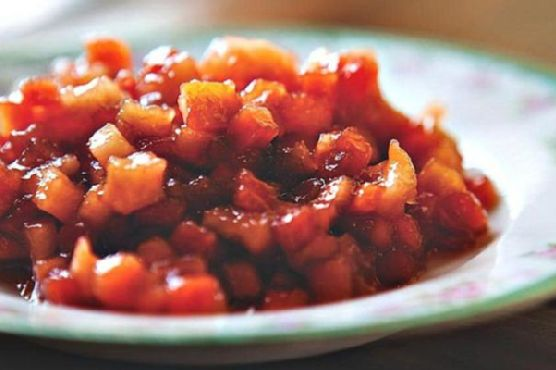
Picture this: It’s a crisp Saturday morning in late October, and the air smells like fallen leaves and the promise of something delicious bubbling on the stove. I’d just come back from the local farmers’ market with a basket full of honeycrisp apples and ripe pears, when I had this sudden inspiration to make something that feels like a warm hug for your taste buds. That’s how this Fall Fruit Compote came to life! It’s the perfect combination of sweet and tangy with a hint of spice from the cinnamon, making it a cozy companion for just about any dish. Whether you’re spooning it over pancakes, pairing it with savory potato latkes, or just nibbling it straight from the jar (guilty as charged), this compote is a must-try for the season.
Jump to Recipe
What You’ll Need
This recipe is all about embracing the flavors of fall, with ingredients that are probably hanging out in your pantry already or easy to snag at the store.
- Butter – for that rich, dreamy base
- Diced honeycrisp apples – sweet and crispy, the star of this show
- Diced pears – a soft, juicy partner for the apples
- Dried cherries – they add a pop of color and tartness
- Apple cider vinegar – just a splash to bring out the flavors
- Apple juice – keeps everything juicy and flavorful
- Brown sugar – for a deep, molasses-y sweetness
- Cinnamon stick – the essential fall spice
How to Make Fall Fruit Compote
- Melt the butter in a medium saucepan over high heat until it starts to bubble and sizzle. You want that nutty aroma to fill the air.
- Toss in the diced apples, pears, and dried cherries, followed by the apple cider vinegar, apple juice, brown sugar, and cinnamon stick. Give it all a good stir to make sure everyone’s getting along in the pot.
- Cook this fruit medley for about 5 minutes. The apples and pears should start to soften, and the cherries will begin plumping up.
- Lower the heat to medium. Let it cook for a few minutes more, keeping a watchful eye as the liquid reduces and the fruit becomes tender. Stir occasionally to prevent sticking.
- If the mixture looks like it’s drying out too quickly, trickle in a bit more apple juice. You want the fruit tender and the liquid mostly gone, leaving a thick, syrupy goodness.
Cook’s Notes
Alright, here’s the scoop on perfecting this compote. First off, keep an eye on your heat levels. It’s easy for the sugars to burn if the heat’s too high, especially towards the end when the liquid is nearly evaporated. If you’re making this ahead, know that it keeps wonderfully in the fridge for up to a week. Just pop it in a jar or airtight container. When you’re ready for a warm serving, a quick zap in the microwave or a gentle reheat on the stove works like a charm. And remember, if you find yourself with leftovers (rare, but it happens), this compote is a dream swirled into yogurt or spread over toast.
Make It Your Own
Get creative and switch things up with these ideas:
- Swap the dried cherries for dried cranberries for a tarter twist.
- Add a splash of bourbon or rum for a grown-up, boozy version.
- For a spicier kick, throw in a pinch of ground ginger or nutmeg with the cinnamon.
- Use maple syrup instead of brown sugar for a different layer of sweetness.
If you try this, I’d love to hear how it turns out — drop a comment or tag me! Enjoy the cozy vibes, and happy cooking! 🍎🍐
Related update: Fall Fruit Compote
Related update: Ginger Cookies- gluten free, soy free, vegan
Related update: Dandelion pesto
I remember that evening vividly. It was a Wednesday, and the kind of humid that makes your hair curl up at the edges. I was standing in my kitchen, staring at the half-empty fridge, and wondering what on earth I could throw together without making a trip to the grocery store. That’s when I spotted the zucchini and eggplant I’d been meaning to use. The idea clicked like a lightbulb switching on—vegetarian ratatouille! It’s the kind of dish that feels like a warm hug at the end of a long day: rustic, hearty, and packed with seasonal veggies. Plus, it’s surprisingly simple, with most ingredients already hanging out in the pantry or crisper drawer. Let’s dive in!
Jump to Recipe
What You’ll Need
This recipe is blessedly straightforward. Chances are, you already have most of these in your kitchen. Here’s what you’ll gather:
- 1 eggplant, diced
- 2 zucchinis, sliced
- 1 yellow squash, sliced
- 3 large tomatoes, chopped
- 1 red bell pepper, diced
- 1 orange bell pepper, diced
- 1 onion, finely chopped
- 3 cloves of garlic, minced
- A handful of fresh basil leaves, torn
- 1 tsp thyme
- 1 tsp dried oregano
- 2 tbsp extra virgin olive oil
- Sea salt, to taste
How to Make Vegetarian Ratatouille
- Heat the extra virgin olive oil in a large saucepan over medium-low heat. Toss in the chopped onion and minced garlic. Sauté until the onions turn translucent and the garlic is fragrant, about 5 minutes.
- Add the chopped tomatoes to the pan and give it a good stir, letting them meld with the onion and garlic for about 2 minutes.
- Add the diced eggplant, zucchini, yellow squash, and both bell peppers to the pan. Stir everything together and lower the heat to low.
- Sprinkle in the thyme, dried oregano, and sea salt. Stir to coat all the veggies in the herby goodness.
- Cover the saucepan and let it all simmer for about 30 minutes, stirring occasionally. You’ll know it’s ready when the eggplant is tender and the flavors have melded beautifully.
- Finish it off with those fresh torn basil leaves right before serving, for a burst of fresh flavor.
Cook’s Notes
Here’s the thing about ratatouille — it’s a forgiving dish. You can let it simmer a bit longer if you prefer your veggies softer, just keep an eye on the moisture level. If it starts to dry out, add a splash of water or stock. Store any leftovers in an airtight container in the fridge, and they’ll be even more flavorful the next day. Just reheat on the stove over low heat or enjoy it cold as a salad topping — it’s surprisingly versatile. If you’re planning ahead, you can chop the veggies the night before and store them in the fridge, so you just have to toss them in the pan when you’re ready.
Make It Your Own
Feeling adventurous or just need a change? Here are a few ways to mix things up:
- Add some heat: Throw in a pinch of red pepper flakes when adding the spices for a little kick.
- Protein punch: Toss in a can of drained chickpeas with the tomatoes for extra protein and heartiness.
- Herb swap: If you’re out of fresh basil, a touch of fresh parsley or even cilantro can give it a unique twist.
- Cheesy finish: Sprinkle some crumbled feta or grated Parmesan on top when serving for a tangy finish.
If you try this, I’d love to hear how it turns out — drop a comment or tag me! Whether you stick to the basics or put your own spin on it, I hope this ratatouille brings a little warmth and simplicity to your table. Enjoy!
Related update: Vegetarian Ratatouille
Related update: Fall Fruit Compote
It was one of those indecisive spring days, warm enough in the sun to consider a picnic, but with a breeze that still held a whisper of winter. The rhubarb in my garden had just started to show its rosy stalks, and I felt the irresistible urge to bake something that straddled the seasons just as beautifully. Enter the German Rhubarb Cake with Meringue. It’s the kind of bake that’s both a showstopper and a comfort food, with its tart rhubarb base and fluffy, cloud-like meringue topping. I promise, it’s simpler than it looks, and you probably have most of the ingredients already lounging in your pantry.
Jump to Recipe
What You’ll Need
Trust me, the ingredient list might seem a tad long, but it’s mostly the usual suspects in your kitchen. Plus, the bold flavors that rhubarb and almonds bring to the party are well worth it!
- Rhubarb – Fresh and tart, the star of our cake!
- Sugar – For sweetening everything up.
- Vanilla extract
- Salt
- Eggs – We’ll use both yolks and whites, no waste here!
- Flour
- Roasted almonds
- Baking powder
- Egg whites
- Almonds
How to Make German Rhubarb Cake with Meringue
- First things first, preheat your oven to 350°F convection. It’s the secret to getting that perfect bake.
- Grease a round 26 cm (9 1/2 inch) springform pan. We don’t want any sticking mishaps later!
- Wash, dry, and peel your rhubarb. Slice it into small pieces, sprinkle with 2 tablespoons of sugar, and let it sit for at least half an hour. This draws out the excess water, keeping our cake from getting soggy.
- Once that’s done, give the rhubarb a good pat dry. Prepping well now means a tastier cake later.
- In your trusty kitchen machine, beat together the butter, sugar, and vanilla extract until the mixture is fluffy and the sugar is dissolved. It should look creamy and pale.
- Crack in the eggs, one at a time, mixing well after each addition. We want a silky smooth batter here.
- In a separate bowl, sift together the flour, ground almonds, salt, and baking powder. Slowly incorporate this into the egg mixture. Be gentle; we don’t want to over-mix.
- Pour the dough into your prepared springform pan, smoothing the top. Layer on the rhubarb pieces evenly.
- Pop it in the oven for 25 minutes. Your kitchen will start to smell heavenly about halfway through.
- While the cake is baking, it’s time to whip up the meringue topping. Beat the egg whites until stiff peaks form, then gradually add in the sugar until your meringue is glossy.
- Spread the meringue over the baked cake and decorate with almond slices.
- Return it to the oven for 15 more minutes. Check after 5 minutes and cover with foil if the meringue is getting too toasty.
- Let the cake cool completely before you attempt the big reveal from the springform pan. Patience, my friend, is key!
Cook’s Notes
This cake is a dream to make ahead. Once cooled, it keeps well at room temperature for a day or two, though the meringue might soften a bit. For longer storage, refrigerate it—just let it come back to room temp before serving for the best texture. A common mistake is skipping the step where you let the sugared rhubarb sit. Don’t rush it! Draining the rhubarb is essential for avoiding a watery cake base. Also, if you’re worried about your meringue browning too quickly, keep that aluminum foil close at hand.
Make It Your Own
- Squeeze in some citrus: Add lemon zest to the cake batter for a zingy twist.
- Swap the nuts: Use pistachios instead of almonds for a delightful green contrast and rich flavor.
- Go berry: Sub half the rhubarb with strawberries for a classic combo.
- Spice it up: Add a pinch of cinnamon to the cake batter for a warm, spicy note.
If you give this German Rhubarb Cake with Meringue a spin, I’d love to hear how it turns out! Drop a comment or tag me in your culinary masterpieces. Happy baking! 🌟
Related update: German Rhubarb Cake with Meringue
Related update: Cheesecake with cranberries
I remember the evening perfectly. It was one of those chilly Tuesday nights when you feel like you’ve barely survived the day and the only thing that could possibly make it better is a big bowl of something soul-warming. I opened my fridge and, like a miracle, the ingredients for this Kale and Chickpea Soup with Lemon seemed to jump out at me. The magic of this soup is in its simplicity. It’s the kind of dish that feels like a hug in a bowl, yet it’s deceptively easy to throw together. A few fresh ingredients, a touch of blending, and you’ve got yourself a soup that’s both nourishing and comforting. Plus, it’s the perfect excuse to use that crusty bread you’ve been meaning to finish.
Jump to Recipe
What You’ll Need
I bet you’ve got most of these lying around already. This list is all about those everyday heroes that transform humble into heartwarming.
- 2 banana shallots
- 1 bay leaf
- 2 cans chickpeas, drained and rinsed
- 2 stalks of celery
- 1/2 teaspoon of chilli flakes
- 1 loaf of crusty bread
- 1 garlic clove
- Lemon (juice of half, plus slices for garnish)
- 1 bunch of kale, stems removed, roughly chopped
- 2 tablespoons of olive oil
- Parmesan cheese, for topping
- 1 sprig of rosemary
- Salt, to taste
- 1.5 liters of stock (vegetable or chicken)
How to Make Kale and Chickpea Soup with Lemon
- Set a Dutch oven or large saucepan over medium heat and pour in the olive oil. Let it warm slightly until it shimmers.
- Finely dice the banana shallots and toss them in, stirring to coat them in the oil. Let them sizzle and become translucent.
- Slice the celery stalks horizontally into long strips, then chop them into small pieces. Add these to the shallots, stirring occasionally.
- Finely chop the rosemary leaves and add them to the pan, along with the bay leaf and chilli flakes. Wait for the fragrance to hit you – it’s a good sign.
- Smash the garlic clove using the flat of your knife and your palm, then toss it in whole. No need to fuss over chopping here.
- Rinse and drain the chickpeas and add them to the pan along with the kale. Stir everything together until it’s all coated nicely.
- Pour in the hot stock and bring it all to a gentle boil, then reduce the heat and let it simmer for about 20 minutes, until the kale is beautifully tender.
- Squeeze in the juice of half a lemon, stirring to blend. Taste and adjust the seasoning with more lemon or salt, depending on your stock.
- Using either a stick blender in the pan or in batches in a regular blender, blitz the soup to your desired texture. I like to set aside a ladleful or two before blending so there are still some chickpeas and kale for texture.
- Serve hot, with a couple of lemon slices floating on top of each bowl, and pass around the parmesan cheese for everyone to sprinkle to their heart’s content. Pair with toasted crusty bread for dipping.
Cook’s Notes
Okay, here’s the lowdown. If you’re planning ahead, this soup is a fantastic make-ahead option. It actually tastes even better the next day once the flavors have had time to marry. Just store it in an airtight container in the fridge for up to three days. Reheat gently on the stove, adding a splash of water if it’s thickened up too much. You can also freeze this soup for up to three months, though I’d recommend freezing before adding the lemon juice to prevent bitterness. Defrost it overnight in the fridge and add the lemon after reheating.
Watch your salt! If your stock is already salted, you might want to wait until the end of cooking to adjust the seasoning. It’s always easier to add than to take away.
Make It Your Own
The beauty of this soup is its flexibility. Here are a few of my favorite variations:
- Swap the chickpeas for white beans: Cannellini or Great Northern beans work beautifully here, offering a creamier texture.
- Add protein with chicken: Shredded rotisserie chicken stirred in at the end makes this a heartier meal.
- Spice it up with chorizo: Cook some diced chorizo in the pan before the shallots and let the spicy oil enrich the soup.
- Go green with spinach or Swiss chard: If kale isn’t your thing, these leafy greens make a great substitute.
If you try this, I’d love to hear how it turns out — drop a comment or tag me! Your feedback is the best part of sharing recipes. Happy cooking!
Related update: Kale and Chickpea Soup with Lemon
Related update: One Soup, Two Ways: Chunky Vegetables and Cream Of Vegetables
Picture this: It’s a chilly Tuesday evening, and I’m staring at the contents of my fridge, wondering what in the world to make for dinner. My eyes land on a pork tenderloin, and I remember that bottle of Marsala that’s been collecting dust on the shelf. Suddenly, the idea of a Stuffed Pork Tenderloin with Marsala-Port Sauce sounds like the perfect blend of comforting yet impressive. It’s the kind of dish that feels a bit fancy but is deceptively easy to whip up. As the aroma of Marsala and sautéed onions fills the kitchen, I can’t help but feel a little proud of the culinary magic happening right at my stove.
Jump to Recipe
What You’ll Need
The beauty of this dish is in its simplicity and the likelihood that you already have most of these ingredients tucked away in your pantry or fridge. We’re talking about a few surprises that elevate the dish, like dried fruits and Marsala wine.
- 1 pork tenderloin
- 1 shallot, finely diced
- 1 small yellow onion, diced
- 8 oz mushrooms, chopped
- 1/4 cup dried apricots
- 1/4 cup raisins
- 1/4 cup dried cranberries
- 1/4 cup flat-leaf parsley, chopped
- 1/2 cup Marsala wine
- 1/2 cup Port wine
- 2 tablespoons butter
- 1/4 cup heavy cream
- 2 tablespoons olive oil
- Salt and pepper to taste
How to Make Stuffed Pork Tenderloin with Marsala-Port Sauce
- Preheat your oven to 450°F (230°C). The key to a crispy outside and juicy inside is starting with a hot oven.
- In a large skillet over medium heat, warm up 1 tablespoon of olive oil. Toss in the diced onions, shallots, and mushrooms. Cook these until the onions turn translucent, and your kitchen smells like heaven.
- Remove the skillet from heat. In a small food processor, combine the cooked onion mixture, dried apricots, raisins, cranberries, and parsley. Pulse until everything is minced and well combined. This mixture will be your delectable stuffing.
- Take the pork tenderloin and cut it in half crosswise. Butterfly each section carefully, ensuring not to cut all the way through. Season both sides generously with salt and pepper.
- Spread the stuffing over one side of each butterflied pork piece. Lay the other half of the meat on top and secure the edges with toothpicks. Don’t be shy with the salt and pepper here — it’s the secret to bringing out all those flavors.
- In the same skillet you used earlier, heat another teaspoon of olive oil. Sear the pork tenderloin on each side for about 3-5 minutes. You’re looking for a lovely golden crust.
- Transfer the pork to the oven and let it roast for 20 to 30 minutes, until there’s no pink and the juices run clear. Internal temperature should hit 145°F (63°C).
- Once done, remove the pork from the oven, place it on a dish, and tent it with aluminum foil to rest while you make the sauce.
- Pour off any fat from the skillet. Add the Marsala and Port wines, scraping up any browned bits with a spatula as you bring it to a boil. Let this bubble away until reduced to about 1/2 cup.
- Remove from heat and swirl in the butter and cream. You’ll know it’s perfect when the butter is completely melted and the sauce is just thick enough to coat the back of a spoon.
- Remove the toothpicks, slice the pork tenderloin into rounds, and drizzle with that luscious sauce. Serve immediately and prepare to wow your taste buds.
Cook’s Notes
When stuffing the tenderloin, ensure the filling is well minced so it stays snugly inside as it cooks. If you don’t have a small food processor, chopping everything by hand works too — just takes a little more elbow grease. I recommend letting the meat rest for at least 5 minutes before slicing; this keeps it juicy. In terms of leftovers, this dish keeps well in the fridge for up to 3 days. Reheat gently with a splash of water or stock to keep it moist.
Make It Your Own
- Try swapping the pork for a boneless chicken breast. Just pound it to an even thickness and proceed with stuffing and cooking as directed.
- For a vegetarian twist, replace the pork with large portobello mushrooms. Use the same stuffing and bake them until tender, about 15 minutes.
- Substitute the Marsala for sherry or white wine if you prefer a different flavor profile.
- Add a sprinkle of crushed pistachios or walnuts to the stuffing for a delightful crunch.
If you try this, I’d love to hear how it turns out — drop a comment or tag me on social media! Your kitchen adventures make my day. Happy cooking!
Related update: Stuffed Pork Tenderloin with Marsala-Port Sauce
Related update: Vegan Taco bowls with Cilantro Lime Cauliflower Rice
One rainy Tuesday night, I found myself staring at an almost-empty fridge, pondering what kind of magic I could muster up. You know those evenings when you’re craving something sweet but don’t want to fuss around with a dozen ingredients? Enter: Baked Caramel Custard. It’s that classy, melt-in-your-mouth treat that feels like a hug after a long day. The best part? You probably have most of what you need in your pantry already. Plus, it’s secretly impressive — looks like a million bucks, but simple enough for a weeknight adventure. Trust me, this is one of those desserts you’ll keep coming back to whenever you need a little pick-me-up.
Jump to Recipe
What You’ll Need
This recipe is all about simplicity with a touch of elegance. No need to run to a fancy gourmet store, just grab these from your kitchen:
- Egg substitute
- 1 egg yolk
- 1 can of evaporated skim milk
- Sugar (plus a little extra for that rich caramel)
- 1 cup skim milk
- 2 tablespoons port wine
- 1 teaspoon vanilla extract
How to Make Baked Caramel Custard
- Preheat your oven to 350 degrees. Get it nice and toasty for the custards.
- In a heavy saucepan, scald the evaporated skim milk and skim milk together. You’ll know it’s ready when tiny bubbles start forming around the edges—don’t let it boil!
- Meanwhile, in a skillet over medium heat, caramelize the sugar. Watch closely as it melts and transforms into a golden brown liquid; don’t let it burn.
- Carefully pour the warm milk into the caramelized sugar, stirring constantly. Keep stirring until the sugar is completely dissolved into the milky mixture.
- In a medium bowl, beat the egg substitute and yolk together. Aim for that dreamy lemon color.
- Slowly add the sugary milk mixture to the eggs, whisking constantly to avoid scrambling. Add in the port and vanilla, and give it a good stir.
- Divide the mixture evenly into 6 custard cups. Place them in a baking dish.
- Pour boiling water into the baking dish until it reaches halfway up the sides of the cups. This water bath will ensure the custards cook gently and evenly.
- Bake for 35 to 40 minutes until the custards are set. You’ll know they’re done when a gentle jiggle in the center is all that remains.
- Once out of the oven, let them cool completely in the refrigerator. When chilled, invert each onto a dessert plate and serve immediately.
Cook’s Notes
Don’t rush the caramelizing process! It’s a bit of a dance and takes patience, but it’s worth every second. If your caramel starts to smell burnt, toss it and start again. Trust me, burnt sugar is not what you want here.
- Make these ahead of time and store them in the fridge – they’ll keep beautifully for up to three days. Perfect for a make-ahead dessert when entertaining.
- For leftovers (if you have any!), keep them covered in the fridge, but let’s be honest, you’ll be sneaking spoonfuls until they’re gone.
Make It Your Own
- Swap the port wine for a splash of your favorite rum or bourbon for an adult-only twist.
- Add a pinch of cinnamon or nutmeg to the milk mixture for a warm, spiced note.
- For a dairy-free option, use coconut milk instead of skim milk and evaporated milk. Bonus: It’ll add a lovely tropical flavor.
- If you like your custard with a bit of crunch, sprinkle some crushed pistachios or almonds on top before serving.
If you try this, I’d love to hear how it turns out — drop a comment or tag me! Enjoy the creamy, caramel goodness, friends!
Related update: Baked Caramel Custard
Related update: Raw Carrot Cake
Last Saturday, I found myself staring at a stubborn box of dark chocolate in my pantry, trying to decide what to do with it. It was one of those rainy afternoons when all you want is something rich and comforting. The kind of day where you get cozy in your leggings, the playlist is just right, and you’re itching to bake something indulgent. That’s how my Chocoholic’s Deep Dark Dream Chiffon Cake came to life. It’s heaven in cake form—moist, fluffy, and oh-so-decadent. The secret? It’s a magical combo of creamy chocolate layers and velvety ganache. Perfect for impressing guests or just treating yourself because, let’s be honest, we all deserve a slice of chocolate bliss every now and then.
Jump to Recipe
What You’ll Need
You might already have most of these ingredients tucked away in your kitchen, which makes this cake even more tempting to whip up on a whim. Trust me, it’s worth checking your cupboards for these beauties:
- 1 cup all-purpose flour
- 1 cup sugar
- 1/3 cup sugar (for meringue)
- 2 tablespoons baking powder
- 1/2 teaspoon salt
- 6 tablespoons butter
- 5% cream – you’ll need this twice!
- 2/3 cup dark Dutch cocoa
- 2/3 cup dark Belgian chocolate
- 1 tablespoon cream of tartar
- 6 large egg whites
- 6 large egg yolks
- 1/2 cup water
- 1 teaspoon vanilla extract
- 1/2 cup icing sugar
- 1/3 cup vegetable oil
How to Make Chocoholic’s Deep Dark Dream Chiffon Cake
- Start by mixing your cocoa with boiling water until smooth, then let it cool. This is where the cake’s deep chocolate flavor begins.
- In a large bowl, whisk together flour, 1 cup of sugar, baking powder, and salt. These dry ingredients set the foundation for your cake batter.
- In another bowl, beat egg whites and cream of tartar with an electric mixer until soft peaks form. Gradually add 1/3 cup sugar and continue beating until peaks are firm but not dry.
- Make a well in your dry ingredients. Add vegetable oil, egg yolks, vanilla, and that decadent cooled cocoa mixture. Beat until smooth and luscious.
- Gently fold a quarter of the egg whites into the batter to lighten it, then carefully fold in the remaining whites. This step ensures a light, airy texture.
- Divide the batter between two 8-inch prepared cake pans and bake in a preheated oven at 350°F for 30-35 minutes. You’ll know it’s ready when a wooden skewer comes out clean.
- For the filling, blend sugar, cocoa, and butter with an electric mixer. Add vanilla and cream, adjusting cream to reach your desired texture.
- For the topping, heat cream until just below boiling. Stir in chocolate pieces and butter until smooth. Allow to cool, thickening into a rich ganache.
- To assemble, slice each cake in half horizontally, creating four layers. Sprinkle your favorite liqueur on the first layer, spread with filling, then arrange raspberry halves for a tart contrast. Repeat for remaining layers, finishing with ganache on top.
Cook’s Notes
This cake might seem a little fancy, but I promise it’s totally doable. Make sure those egg whites are at room temp before you whip them. It makes all the difference for volume and stability. And speaking of stable, be gentle when folding them into the batter. You want to keep that air in there! Store the cake in an airtight container to keep it moist, though honestly, it never lasts long enough for leftovers in my house. If you do have any left, it’s even better the next day as the flavors meld together perfectly. You can make the cake layers a day ahead, just wrap them tightly in plastic wrap.
Make It Your Own
Here’s where you can put your own spin on it:
- Spice it up: Add a teaspoon of cinnamon or cayenne to the dry ingredients for a spicy kick.
- Nutty twist: Swap raspberries for toasted hazelnuts between the layers.
- Mocha love: Stir a teaspoon of instant coffee into the boiling water for a mocha-flavored cake.
- Berry blast: Use a mix of berries instead of just raspberries for a burst of color and flavor.
Baking this cake feels like giving yourself a big chocolaty hug. If you try it, I’d love to hear how it turns out. Drop a comment or tag me in your cake photos—I can’t wait to see your dreamy creations!
Related update: Chocoholic’s Deep Dark Dream Chiffon Cake
Related update: Baked Caramel Custard
Picture this: It’s a chilly Wednesday evening, and I’ve had one of those days where I needed something more than just food—I needed comfort on a plate. In moments like these, I often find myself reaching for my trusty Dutch oven and a bottle of red wine to whip up my favorite Beef Braised In Red Wine. This dish is my go-to because it hits all the right notes: it’s rich, savory, and cozy, but doesn’t require babysitting on the stove. Plus, it fills the house with the kind of aroma that makes you feel wrapped in a warm hug. Trust me, this is the kind of dish that can turn any mundane weeknight into something special.
Jump to Recipe
What You’ll Need
What I love about this recipe is how unfussy it is. Chances are you already have most of these ingredients lounging in your pantry or fridge. Let’s gather up all the deliciousness:
- Olive oil
- Bacon, chopped
- Boneless beef chuck roast
- Salt
- Pepper
- 1 large onion, chopped
- 2 carrots, peeled and chopped
- 2 celery stalks, chopped
- 4 garlic cloves, minced
- 1 tablespoon tomato paste
- 2 cups dry red full-bodied wine
- 2 cups water
- 1 teaspoon fresh thyme leaves
- 1 teaspoon fresh rosemary, chopped
How to Make Beef Braised In Red Wine
- Place the oven rack in the middle position and preheat your oven to 325°F. This will give us that perfect low and slow heat we need for tender meat.
- In a large Dutch oven, heat a splash of olive oil until it’s shimmering but not smoking. This is where the magic begins!
- While the oil heats, pat your beef chuck roast dry with a paper towel, then season generously with salt and pepper. You want a nice crust when you sear it.
- Brown the beef on both sides for about 10 minutes total. Get it nice and golden—this is where flavor builds. If the pan gets too hot and things start to scorch, turn down the heat a bit.
- Remove the beef and let it rest on a plate, letting all those yummy juices hang out. We’ll need them later.
- In the same pot, toss in the bacon. Sauté until it’s browned and crisp. The smell will make you want to dive right in, but hold tight!
- Add the onion, carrots, and celery to the bacon and cook until they’re softened and golden brown. Think of this as the cozy base of your dish.
- Stir in the garlic, thyme, and rosemary, sautéing for just a minute until fragrant. Then add the tomato paste, cooking for another minute to caramelize those flavors.
- Pour in the wine and bring it to a boil. Let it bubble away until reduced by half, concentrating all that deliciousness.
- Add the water and bring everything to a simmer. This is the luxurious bath your beef will cook in.
- Return the beef and any accumulated juices to the pot, nestling it in with all the flavors. Cover with a lid and transfer to the oven.
- Let it cook in the oven for 2 1/2 to 3 hours, or until the meat is fall-apart tender. Your patience will be rewarded!
- Once done, remove the beef and slice it across the grain. Serve it atop fluffy mashed potatoes or creamy grits, spooning that gorgeous sauce over the top.
Cook’s Notes
Here’s the thing: you don’t have to be a culinary master to nail this dish. The key is in the low and slow cooking. If you rush it, the meat might not be as tender, so patience is your friend here. Also, feel free to experiment with the type of wine you use, but stick to something you enjoy drinking for the best results.
- Leftovers will keep beautifully in the fridge for up to 3 days. Just warm them gently on the stove or in the microwave.
- This is a great make-ahead dish. The flavors only get better after a day or two in the fridge.
Make It Your Own
- Go Mediterranean by swapping out the rosemary and thyme for oregano and adding a handful of olives when you add the wine.
- For a mushroom lover’s twist, add a cup of sliced mushrooms along with the veggies.
- Substitute the beef with lamb for a different depth of flavor—just as delicious and maybe even more luxurious!
- Skip the bacon for a leaner version and use a tablespoon of butter with the olive oil for browning.
If you try this, I’d love to hear how it turns out—drop a comment or tag me! It’s always a joy to see your creations and hear about any delicious twists you might have added. Happy cooking, friends!
Related update: Beef Braised In Red Wine
Related update: Guinness and Brats
It was one of those rainy Tuesday evenings when the thought of another takeout meal just didn’t appeal. You know those nights, right? When you crave something warm and comforting that feels like a hug on a plate? That’s when this Hard-Boiled Egg Gratin in a Béchamel Sauce came to life in my kitchen. It’s the kind of dish that’s deceptively simple yet incredibly satisfying, with a creamy sauce and a crispy, cheesy top. It’s perfect for when you want something a bit special but don’t want to spend hours in the kitchen. Plus, chances are, you already have most of the ingredients lurking in your pantry or fridge.
Jump to Recipe
What You’ll Need
Imagine pulling together a dish without a last-minute grocery run. That’s the beauty of this recipe. Here’s what you’ll need:
- Eggs – the stars of the show, of course!
- Butter – for that rich, comforting flavor.
- Flour – to thicken up our luscious sauce.
- Gruyère cheese – because what’s a gratin without a cheesy top?
- Milk – to create the creamy béchamel.
- Nutmeg – just a dash for warmth.
- Onion – adds a subtle sweetness.
- White salt and pepper – to season everything just right.
How to Make Hard-Boiled Egg Gratin In A Bechamel Sauce
Ready to dive in? Here’s how to bring this cozy dish to life:
- Start by hard-boiling the eggs. Bring a saucepan of salted water to a rolling boil, then gently add the eggs. Lower the heat and let them simmer for 10 minutes.
- Once the eggs are done, place them into cold water until they’re just cool enough to handle. Here’s a little trick: roll them with your palm on a hard surface to crack the shell, then peel under a slow stream of running water. It works like a charm!
- In a small frying pan, melt some butter over low heat. Add the onion and cook, stirring frequently, until they’re tender but not browned. Set aside.
- Next, let’s make the béchamel sauce. In a medium heavy-bottomed saucepan, melt more butter over low heat. Stir in the flour and whisk for around 2 minutes without letting it color.
- Whisk in the milk, bringing it to a boil while whisking constantly to avoid lumps. Season with nutmeg, salt, and pepper, then reduce the heat and let it simmer for 10 minutes. Keep whisking and scraping the pan to ensure nothing sticks.
- Stir the cooked onions into the béchamel and let it all cook together for an additional 5 minutes.
- Preheat your grill. Slice the eggs into 1 cm (0.4 inch) slices and start assembling. Spread a thin layer of the béchamel sauce at the bottom of your gratin dish.
- Layer the egg slices over this sauce, covering them with the remaining béchamel. Sprinkle generously with grated Gruyère cheese.
- Place the dish under the grill. Keep an eye on it and turn the dish if necessary to ensure an evenly golden, bubbly top. Serve immediately and enjoy the deliciousness!
Cook’s Notes
Let’s talk practical tips. First, don’t rush the béchamel sauce; whisk it patiently to avoid lumps. If you find the bechamel is too thick, a splash more milk can help loosen it up. This dish is best served right away when the cheese is melty and gooey, but if you do have leftovers, they can be stored in an airtight container in the fridge for up to two days. Reheat gently in the oven or microwave until warmed through.
Make It Your Own
This recipe is delicious as is, but here are a few ways to make it your own:
- Swap the Gruyère cheese for sharp cheddar for a more pronounced flavor.
- Add a layer of sautéed spinach between the eggs and the sauce for some greens.
- Substitute half of the milk with cream for an even richer béchamel.
- Sprinkle some crispy bacon bits on top before grilling for a smoky kick.
If you try this, I’d love to hear how it turns out — drop a comment or tag me! Whether it’s your first time making a gratin or you’re an old pro, I hope this becomes a comforting staple in your kitchen. Happy cooking!
Related update: Hard-Boiled Egg Gratin In A Bechamel Sauce
Related update: Caramelised Onion and Mushroom Quiche
Alright, picture this: It’s Wednesday evening, halfway through a week that feels like it’s been two weeks long, and you’re in dire need of something indulgent but not overly complicated. That’s the exact moment I found myself in last week when I decided to whip up a Banana Pudding Cake. This isn’t just any banana dessert; it’s got layers of moist cake, creamy custard, and a light-as-air whipped cream topping that makes it feel like a hug on a plate. Plus, it’s a great way to use up those slightly too-ripe bananas staring you down on the counter. The best part? You probably have most of the ingredients already lying around. Trust me, this is the dessert you deserve after adulting so hard all week. Jump to Recipe
What You’ll Need
This isn’t your typical mile-long ingredient list. Chances are you already have most of this.
- Bananas
- Vanilla wafers
- Egg yolks
- Eggs
- Flour
- Sugar
- Baking powder
- Cocoa powder
- Milk
- Salt
- Pudding
- Vanilla extract
- Heavy whipping cream
- Powdered sugar
- Whipped cream
How to Make Banana Pudding Cake
- Preheat your oven to 350°F (175°C). In a large bowl, beat the egg yolks with sugar until the mixture gets that pale, creamy consistency, and set it aside.
- In the bowl of an electric mixer, whip the egg whites until they form stiff peaks that hold their shape like a dream.
- Gently add the baking powder, processed wafers, and cocoa to the egg yolk mixture. It gets a bit thick and fudgy here; you’re on the right track.
- Drop about 1/4 of the whipped egg whites into the larger bowl and fold lightly to get things started. Then fold in the remaining whites carefully until no streaks remain.
- Line a jellyroll sheet pan with parchment paper, ensuring it covers all sides, and spray the paper with non-stick floured baking spray.
- Spread the cake batter evenly over the paper, making sure it covers the entire pan, and bake it in your preheated oven for 15-20 minutes. The cake should feel springy to the touch.
- Let the cake cool completely on the sheet—this will take at least 30 minutes to an hour, so patience, my friend.
- Meanwhile, mix sugar, flour, and salt in the top of a double boiler. If you don’t have one, improvise with a saucepan over another with boiling water.
- Blend in the egg yolks and milk, then cook uncovered while stirring constantly for 10 to 12 minutes, or until the mixture thickens nicely. Remove from heat and stir in the vanilla extract.
- Once your cake is cooled, carefully lift the parchment paper, remove the cake from the pan, and place it on a flat surface. Starting from the short end, cut into three even pieces.
- Assemble your masterpiece by placing the first layer of cake on a serving platter. Spread half of the custard over the top, then cover with a third of the banana slices and a third of the crumbled wafers.
- Top with the next piece of cake and repeat, making sure to reserve a few bananas and crumbled cookies for later. Spread the final amount of custard onto the top layer of cake.
- Refrigerate the whole cake for at least 2 hours or until you’re ready to serve. This chill time is crucial for the flavors to really meld together.
- Just before serving, whip up the cream topping. Combine all ingredients in a large mixing bowl and beat until the cream thickens and becomes stiff.
- Spread the whipped cream over the cake and top with the reserved banana slices and wafers right before serving to keep everything fresh and delightful.
Cook’s Notes
This cake is best made ahead, allowing time for the flavors to develop in the fridge. Just keep the final toppings off until serving time to avoid any sad, brown bananas. Store leftovers in an airtight container in the fridge for up to 3 days, though the bananas might start to look a little tired by then. Don’t worry, the taste will still be on point!
- If you’re in a hurry, ready-made pudding can be used in place of homemade custard, but honestly, the homemade is worth the little extra effort.
- To avoid the dreaded banana browning, toss the slices in a bit of lemon juice before layering them in the cake.
Make It Your Own
- Go chocolatey: Sprinkle some mini chocolate chips between the layers for a chocolate-banana twist.
- Nutty buddy: Add a layer of crushed pecans or walnuts for a bit of crunch.
- Berry bliss: Substitute half of the banana slices with fresh strawberries for a fruity variation.
- Gluten-free: Use gluten-free vanilla wafers and your favorite gluten-free flour blend for the cake.
If you try this, I’d love to hear how it turns out—drop a comment or tag me! Happy baking, friends. Let’s make mid-week desserts a thing, because why not?
Related update: Banana Pudding Cake
Related update: Crispy Rhubarb Pockets
I recently found myself staring at a couple of Honeycrisp apples on my kitchen counter, feeling the first whispers of autumn in the air. You know the days when you can finally break out your sweaters but you still need sunglasses? That’s when my mind started tiptoeing towards something warm and cozy. I mean, what could be better than making a quick, delightful fall fruit compote that ties together all the best flavors of the season? The best part? You don’t need a culinary degree to whip this up. It’s a simple, heart-warming recipe that gives you that “kitchen hero” feeling without the sweat. Plus, it pairs perfectly with so many things, like crispy potato latkes or a dollop of ice cream.
Jump to Recipe
What You’ll Need
Trust me, chances are you already have most of this in your pantry or fridge. The real stars here are the cozy, autumnal ingredients that just sing when they’re together.
- 2 tablespoons of butter
- 2 cups of diced honeycrisp apples
- 1 cup of diced pears
- 1/2 cup of dried cherries
- 1/4 cup of brown sugar
- 1 tablespoon of apple cider vinegar
- 1 cup of apple juice
- 1 cinnamon stick
How to Make Fall Fruit Compote
- Start by melting the butter in a medium-sized saucepan over high heat. You’ll know it’s ready when it starts to smell nutty and divine.
- Once the butter is melted, toss in those diced apples, pears, dried cherries, vinegar, apple juice, brown sugar, and the cinnamon stick. Give it a good stir to coat everything in buttery goodness.
- Let it cook for about 5 minutes. You want the mixture to start bubbling, and the smell will be pure fall magic.
- Turn the heat down to medium and let it simmer for a few more minutes, just until the fruit is tender and the syrupy liquid has mostly reduced. If things start to stick, splash in a little more apple juice to keep it all juicy and lush.
- Once it’s all tender and gorgeous, you’re done! Serve warm and enjoy the fruit-laden spoonfuls of autumn joy.
Cook’s Notes
Let’s chat about some practical tidbits to make your compote experience as smooth as butter. First off, don’t forget that compote thickens as it cools, so don’t worry if it looks a little saucy at first. If you’re planning to serve it later, just warm it up slightly before serving to get back that perfect consistency. If you find yourself with leftovers, pop them in a sealed container in the fridge, and it will stay happy for about a week. This compote is perfect to make ahead of time, especially if you’re planning to dazzle some guests a day or two later.
Make It Your Own
Let’s play around with this compote base because, trust me, versatility is its middle name.
- Swap out the apples for ripe peaches if they’re still in season. They add a lovely, juicy dimension.
- Try cranberries instead of dried cherries for a tarter twist. A little zing never hurt anyone!
- For a boozy touch, replace half the apple juice with a splash of bourbon or rum. It makes things just a little more grown-up.
- Add a pinch of ground ginger or nutmeg for extra warmth and spice. Your taste buds will thank you.
If you give this autumnal delight a go, I’d love to hear how it turns out — drop a comment or tag me in your fall feasting pics! Happy cooking, friend!
Related update: Fall Fruit Compote
Related update: Chocolate Chip Peanut Butter Mallow Dessert Bars
A few weekends ago, I found myself with a bowl of ripe pears staring back at me from the counter, practically begging to be transformed into something special. It was one of those blustery autumn afternoons where the leaves were doing their dance down the street, and all I wanted was a cozy dessert that felt both comforting and indulgent. Enter Oven Roasted Pears with Blackberry Sauce—a dish that marries the rich sweetness of roasted fruit with the tangy brightness of blackberries. It sounds fancy but is as easy as pie (actually, even easier since there’s no crust to wrestle with!). This little number is perfect for impressing your dinner guests or just treating yourself on a Tuesday night. Jump to Recipe
What You’ll Need
Chances are, you already have most of these hanging out in your pantry and fridge. This recipe is all about letting a few simple ingredients shine.
- Pears (ripe but firm)
- Unsalted butter
- Blackberries (fresh and juicy)
- Juice from a lemon
- Powdered sugar
- Confectioners sugar
- Cream of tartar
- Egg whites
- Granulated sugar
- Bittersweet chocolate
How to Make Oven Roasted Pears With Blackberry Sauce
- Preheat your oven to 450°F. Begin by peeling, coring, and quartering the pears. Melt the unsalted butter in a large casserole or baking dish over high heat. A 10-quart Dutch oven works perfectly for this.
- Once the butter is melted and sizzling, add the pear quarters. Cook them for about 10 minutes, stirring occasionally, until they’re golden brown all over. The aroma will be absolutely irresistible.
- Transfer your dish to the oven and let the pears roast for another 7 to 10 minutes. You’ll know they’re ready when a paring knife easily pierces through. Once done, take them out of the oven and let them cool to room temperature.
- As the pears cool, wash and dry the blackberries—my salad spinner is a lifesaver for this! Reserve a handful for garnishing later.
- In a food processor, blend 3 cups of blackberries with powdered sugar and lemon juice until smooth. Pour this vibrant sauce into a bowl and set aside.
- Now, for the meringue kisses! Preheat the oven to 275°F. Line a full-size sheet pan with a silpat mat or parchment paper lightly sprayed with cooking spray.
- In a food processor, give the granulated sugar a blitz for about a minute until it’s superfine. Transfer it to a bowl. Next, process the confectioners sugar and bittersweet chocolate together until the chocolate is reduced to tiny flecks.
- Using a mixer, beat the egg whites at a slow speed until they start to froth. Add the cream of tartar and crank up the speed to high, beating until stiff peaks form.
- Gradually add the superfine sugar, continuing to beat for another two minutes. Transfer this fluffy mixture to a pastry bag fitted with a star tip.
- Pipe out little meringue kisses onto the lined baking sheet, giving each a small peak by pushing the tip into the dollop and pulling away quickly.
- Place the meringues in the oven for an hour and a half. They’re done when they feel hard to the touch, perfectly dried out.
- To serve, spoon the blackberry sauce onto each plate, arrange 3 or 4 pear quarters on top, add a few meringue kisses, and garnish with those reserved whole blackberries.
Cook’s Notes
Here’s the thing, timing is everything with this dessert. You want the pears to still have a bit of bite, so don’t over-roast them. The meringue kisses can be made ahead of time and stored in an airtight container for up to a week. If you’re prepping the blackberry sauce ahead, keep it in the fridge for a day or two, but don’t add the lemon juice until just before serving to keep that bright flavor.
Make It Your Own
- Swap the blackberries for raspberries for a different berry twist.
- Add a splash of vanilla extract to the meringue mixture for a subtle aromatic boost.
- For a dairy-free option, use coconut oil instead of butter when roasting the pears.
- Garnish with some toasted chopped nuts (like hazelnuts or almonds) for a crunchy contrast.
If you try this recipe, I’d love to hear how it turns out—drop a comment below or tag me on social media with your delicious creations!
Related update: Oven Roasted Pears With Blackberry Sauce
Related update: Fall Fruit Compote
I’ve got to tell you about this time when I found myself staring into the abyss of my pantry, a little uninspired and a lot hungry. It was one of those dreary afternoons where the rain just wouldn’t let up, and all I craved was something rich and comforting to fill the house with warmth — and let’s be honest, something that would have me coming back for seconds. That’s when I remembered the oxtails tucked away in the freezer, just waiting for their moment. A few hours later, my kitchen was filled with the deep, savory aroma of Oxtail Ragout simmering away, and let me tell you, it was glorious. This recipe is the kind of comfort food that hugs you from the inside out, and while it might sound fancy, it’s pretty straightforward and oh-so-worth it.
Jump to Recipe
What You’ll Need
This ingredient list is a pantry’s best friend. You’re likely to have most of this stuff already, and the flavors all come together to create something magical.
- Oxtails
- Flour
- Salt
- Pepper
- Paprika
- Hot fat (like vegetable oil or lard)
- Onion, chopped
- Garlic, minced
- Bell pepper, diced
- Whole allspice
- Whole bay leaf
- Tomato juice
- Water
- Lemon juice
How to Make Oxtail Ragout
- In a small bowl, mix together 1 teaspoon of salt, some freshly cracked pepper, paprika, and enough flour to lightly coat the oxtails. Roll the oxtails in this seasoned flour mixture until they are fully covered.
- Heat some hot fat in a heavy-bottomed pot over medium-high heat. Add the floured oxtails and brown them thoroughly on all sides. You’re looking for a deep, golden crust that’s almost irresistible.
- Once browned, toss in the chopped onion, minced garlic, and diced bell pepper. Stir everything around until the onions are translucent and the garlic is fragrant but not burned.
- Add in the whole allspice and bay leaf, followed by the tomato juice and enough water to cover the oxtails. Give everything a good stir to combine.
- Bring the pot to a gentle simmer, then cover it up and let it do its thing for about 3 hours. You’re aiming for the kind of tenderness where the meat practically falls off the bone.
- Once the oxtails are melt-in-your-mouth tender, fish out the allspice and bay leaf. Stir in a splash of lemon juice to brighten the flavors, and you’re done!
Cook’s Notes
I’ve learned a few things the hard way, so here are some tips to keep in mind. Be patient with the browning process; it’s where a lot of the flavor develops. Don’t rush it! If you want to make this ahead, the ragout tastes even better the next day once the flavors have had a chance to deepen. Just store it in the fridge and reheat gently. Leftovers can be kept in an airtight container for up to 3 days, or frozen if you want to hoard this goodness for a rainy day.
Make It Your Own
Here are a few variations to keep things interesting or to cater to different tastes:
- Swap the tomato juice for red wine if you’re looking for a richer, more robust flavor.
- Add diced carrots and celery for a bit more veggie goodness and texture.
- Try using smoked paprika for a deeper, smokier flavor profile.
- If you’re feeling adventurous, throw in a dash of hot sauce for a little heat.
If you try this, I’d love to hear how it turns out — drop a comment or tag me on social media. Your kitchen adventures are half the fun for me!
Related update: Oxtail Ragout