Laser-Sealed Paper: Glue-Free Packaging | Analysis by Brian Moineau

A stitch in time: lasers to seal paper packaging — why PAPURE matters

Imagine unwrapping a packet of crisps and knowing the bag can go straight into the paper recycling stream — no plastic film, no sticky glue residue, no guilty pause. That future just moved closer: German researchers working on the PAPURE project have developed a technique that uses lasers to seal paper packaging instead of glue or plastic. It’s a neat piece of industrial alchemy — a laser alters the paper’s surface so it can be heat-sealed, producing joints strong enough for many consumer packages while keeping the whole thing monomaterial and recyclable.

The idea is simple in pitch and complicated in practice. But the implications are wide: less contamination in paper recycling, fewer multi-material wrappers, and another plausible pathway away from single-use plastics. Let’s unpack how it works, why companies care, and what still needs to happen before you see laser-sealed bags on store shelves.

How the laser trick works

Researchers at several Fraunhofer institutes are collaborating on PAPURE, combining laser systems, polymer chemistry, packaging engineering, and production machinery design. The core technique uses focused laser radiation (a carbon monoxide laser is mentioned in project materials) to thermally modify the topmost fibers of a continuous paper web.

  • The laser breaks down or transforms long-chain cellulose and surface-bound components in a thin layer.
  • That transformation creates a tacky, sealable surface (think of it acting like an in‑situ adhesive) that can bond with pressure and heat.
  • After laser treatment, standard converting equipment — rollers, heat bars, or hot-seal stations — forms a seam that meets mechanical and leak-resistance requirements.

Fraunhofer’s demonstrations report promising seal strengths (benchmarks like a 20 mm × 3 mm seam supporting substantial loads have been cited in coverage) and emphasize that the resulting packaging contains no added plastics or glue that would foul recycling streams.

Why this matters now

The packaging industry is under pressure from regulators, brands, and consumers to reduce plastic waste and improve recyclability. A large share of so-called “paper” packaging today is actually composite: paper for stiffness and printability, plus thin plastic films or adhesives for moisture and sealability. Those mixed structures are hard to recycle: they require delamination or end up downgrading fibre streams.

Laser-based sealing addresses a very specific but persistent problem — the seal. If the sealing step can be done without foreign materials, you get closer to truly monomaterial, paper-based packaging. That in turn:

  • Improves the economics of fibre recycling.
  • Reduces contamination that can reduce recycled-paper quality.
  • Helps brands claim meaningful reductions in plastic content rather than superficial swaps.

Also, the PAPURE work arrives amid other paper-focused advances (heat-sealable papers from commercial mills, plasma coatings for barrier properties, and research into biodegradable lacquers), so the laser approach could plug into a broader industry shift.

Lasers to seal paper packaging: opportunities and limits

This section looks at the trade-offs — because no technology is a drop-in miracle.

  • Speed and scale. Packaging lines operate at high speeds. Fraunhofer’s project includes an industrial demonstrator and quality-control sensors, indicating an eye toward integrating lasers into continuous production. But retrofitting existing machines will take engineering and expense.
  • Energy and cost. Lasers and their beam delivery systems consume energy and require maintenance. Cost per meter of sealed web needs to be competitive with existing adhesives and plastic films to win wide adoption.
  • Product scope. Not every paper package has the same demands. Dry snack bags or pouches may be straightforward; high-moisture or aseptic food packaging still requires reliable barrier performance. Laser sealing is one piece — barrier coating solutions or laminates (ideally recyclable ones) must match product needs.
  • Aesthetic and tactile effects. Laser modification can change surface appearance or crease behavior. Packaging designers and brands will care how those changed finishes affect shelf appeal.
  • Safety and regulation. Food contact approvals and industrial safety standards will need to be navigated before end-use in sensitive products.

In short: promising, but selective. The technology looks ready for pilot use in some applications; full-scale migration across all packaging types will be phased and product-specific.

The industry angle: how brands and converters will react

Packaging converters (the people who turn paper reels into finished pouches or cartons) are pragmatic. They adopt when equipment cost, throughput, and waste-reduction benefits line up. Early adopters are likely to be:

  • Brands under regulatory or consumer pressure to minimize plastic.
  • Premium brands that can amortize conversion costs and market recyclability as a brand value.
  • Niche food and non-food makers whose sealing needs aren’t extreme.

Meanwhile, paper mills and material suppliers are already developing heat-sealable paper grades. If a laser-sealing module can be integrated into converting lines, it could be marketed as a green retrofit: keep your printing and creasing steps, add a laser cell, and produce adhesive-free seams.

Fraunhofer is showing a demonstrator at trade venues (Interpack in Düsseldorf is cited for May 2026), which signals that vendors and machine builders are being courted. If equipment suppliers standardize modules, adoption will accelerate.

Moving from lab to bin: what to watch next

Here are short indicators that laser sealing is moving from research demos into everyday packaging:

  • Demonstrations at major trade shows with running machines and real reels.
  • Pilot runs with established converters and packaging brands.
  • Independent testing of seal integrity, shelf life, and recyclability at scale.
  • Commercial partnerships between Fraunhofer teams (or spinouts) and machine-makers.

If those items appear in the next 12–24 months, PAPURE-style seals could start showing up in market pilots and limited product lines.

My take

This feels like one of those targeted innovations that quietly solves a stubborn systems problem. It doesn’t make paper magically waterproof or give it an oxygen barrier, but it addresses the ugly, overlooked issue of adhesives and mixed-material seals — an obstacle to clean recycling. Combined with advances in barrier coatings and heat-sealable base papers, laser sealing could be the missing link that lets paper genuinely replace more plastic in many everyday packages.

Expect gradual, pragmatic uptake. The winners will be companies that combine material choices, smart machine integration, and transparent claims. For consumers, the payoff is simple: fewer stickers and films to worry about and a cleaner recycling stream.

Sources


Related update: We recently published an article that expands on this topic: read the latest post.



Related update: We recently published an article that expands on this topic: read the latest post.

Valentine’s Day Potted Plant Ice-Cream Desserts | Made by Meaghan Moineau

It was a seemingly ordinary Tuesday evening, and I found myself staring at the contents of my freezer, feeling a bit uninspired. A pint of vanilla bean ice cream caught my eye, and suddenly, I was reminded of a cute dessert idea I’d seen earlier — those adorable potted plant ice cream treats. I mean, who wouldn’t want to dig their spoon into what looks like a tiny pot of dirt, only to find a luscious, creamy surprise underneath? Perfect for Valentine’s Day or just because, these desserts are delightfully simple to make and never fail to impress with their whimsical presentation. They come together quickly and are the kind of thing you can whip up on a whim, which, as a busy home cook, is exactly the kind of recipe I adore.

Jump to Recipe

What You’ll Need

Chances are you already have most of this hanging around, but the way these flavors and textures come together is just magical.

  • Vanilla bean ice-cream
  • Diced palm seeds
  • Mixed nuts
  • Blueberries
  • Oreo cookies
  • Parsley

How to Make Valentine’s Day Potted Plant Ice-Cream Desserts

  1. Start by separating the Oreo cookies; remove the cream filling and set it aside (or snack on it, no judgment here!). Pound the cookies until they transform into fine crumbs that resemble rich, dark soil.
  2. In a mixing bowl, combine the vanilla bean ice-cream with the diced palm seeds, mixed nuts, and a handful of blueberries. The idea is to get a balanced mix of creaminess, crunch, and bursts of fruity freshness.
  3. Divide this heavenly mixture into your serving cups. It doesn’t have to be perfect — a little messiness adds to the charm. Place these in the freezer for a good chill.
  4. Once your ice-cream cups are well-frozen, generously top each one with the Oreo cookie crumbs to create that authentic “soil” look.
  5. Just before serving, insert a sprig of parsley into each cup. Voilà! You’ve got yourself some delightful potted plant ice-cream desserts that are sure to wow anyone lucky enough to dig in.

Cook’s Notes

Making these desserts is almost as fun as eating them. Remember, the less perfect they look, the better — we’re aiming for a natural, earthy vibe. If you’re prepping ahead, keep the ice-cream mix in the freezer until just before serving, then add the cookie crumbs and parsley. Leftovers (if you have any!) can stay in the freezer for a few days, but be sure to add fresh parsley right before serving again to keep that vibrant green pop.

Make It Your Own

  • Swap the vanilla bean ice-cream for chocolate if you want that extra chocolatey punch — it’s a game-changer!
  • Try using mint leaves instead of parsley for a refreshing twist and a subtle hint of minty fragrance.
  • For a tropical vibe, substitute the blueberries with chunks of pineapple or mango.
  • If you’re nuts about nuts, add a sprinkle of crushed pistachios on top of the “soil” for extra crunch and color.

If you try this, I’d love to hear how it turns out — drop a comment or tag me in your potted plant creations! Trust me, these little delightful desserts will grow on you just as they have on me. Happy cooking!

Related update: Valentine’s Day Potted Plant Ice-Cream Desserts

Related update: Banana Pudding Cake

Powell’s Warning: Gas Spike Clouds Fed | Analysis by Brian Moineau

When Jerome Powell Says “Could Go Lower or Higher,” Wall Street Listens — Especially as Gas Prices Rise

The markets are watching Jerome Powell closely, and the conversation has a new, prickly edge: Wall Street grows more worried about growth impact from higher gas prices. Powell’s recent comments — that risks to the economy make it plausible rates could move either lower or higher — didn’t come from a policy meeting note; they came from a central banker trying to square a stubbornly uncertain map. Against that backdrop, a surge in energy costs is doing more than pinching consumers at the pump: it’s making investors rethink the odds on growth, inflation, and what the Fed will do next.

Powell’s framing is important because it acknowledges a two-way street. The Fed must weigh inflation upside from an energy shock against downside risks from a cooling labor market or slowing demand. For markets, that ambiguity is often worse than a clear signal: uncertainty breeds volatility and forces rapid repricing when new data — like crude spikes or consumer spending slumps — arrive.

Why Powell’s “lower or higher” phrasing matters

  • It signals uncertainty instead of commitment. The Fed is not telegraphing an imminent easing cycle — nor is it promising to hike. That keeps markets guessing.
  • It acknowledges asymmetric risks. A supply shock (say, geopolitically driven oil jumps) can lift inflation quickly; a labor slowdown or credit squeeze can weaken growth just as fast.
  • It elevates the role of incoming data. Markets will now hang on each energy report, payroll print, and inflation snapshot because those data points tilt the “lower vs. higher” balance.

That dynamic is especially potent now because oil and gasoline prices have shown renewed volatility. Recent supply disruptions and geopolitical tensions have pushed Brent and WTI prices higher, and U.S. pump prices have edged up — not a small matter for an economy where consumer spending still carries a lot of weight.

Wall Street grows more worried about growth impact from higher gas prices

Higher gas prices do three immediate things: they reduce real household income at the margin, raise the cost of transporting goods, and feed into headline inflation. All three bite into corporate earnings, consumer confidence, and the Fed’s calculus.

  • Consumers: Pump pain reduces discretionary spending. Families with tighter budgets tend to delay large purchases and cut back on restaurants, travel, and other services — the very sectors many investors lean on for cyclical growth.
  • Producers and supply chains: Diesel and transport costs filter into grocery bills and retail margins, pressuring companies that can’t pass the full cost to customers.
  • Monetary policy: If energy-driven inflation expectations take hold, the Fed could need to act to prevent a second-round wage-price spiral. Conversely, if high gas prices choke demand enough, the Fed might hesitate to tighten further or even consider easing sooner.

The result is a tricky feedback loop: rising energy prices can raise inflation and interest-rate expectations at the same time they weaken growth — a classic stagflation risk that terrifies equity markets and complicates policy.

What markets are pricing now — and why that matters

Since the uptick in oil, markets have repriced several things quickly:

  • Treasury yields rose as investors demanded compensation for higher expected inflation and possibly steeper policy paths.
  • Equity valuations shifted, with broad selling pressure on growth stocks sensitive to higher discount rates, and rotation into energy and defensive sectors.
  • Probability models for Fed rate changes were scrambled: futures and options markets began reflecting a wider distribution of outcomes, echoing Powell’s “lower or higher” language.

When markets price in both higher inflation and slower growth, portfolio managers face hard allocation choices. Short-term, that often means de-risking and favoring cash-flow-stable businesses. Over longer horizons, it can mean re-evaluating earnings projections across sectors if sustained energy costs are assumed.

A few scenarios to watch

  • Short-lived energy spike: If oil and gas bounce up quickly but then retreat, the Fed likely stays data-dependent, and the markets might calm once inflation peaks and the growth hit proves shallow.
  • Persistent high energy prices: That raises the chance of a policy response to curb inflation — potentially higher rates for longer — even as growth slows. This is the worst-case outcome for stocks and consumer confidence.
  • Demand-driven slowdown: If high energy costs trigger a spending pullback large enough to weaken labor markets, the Fed could pivot toward easing, which would boost risk assets but potentially widen long-term inflation expectations.

Each scenario lands differently for investors and households; the common thread is that energy prices amplify uncertainty.

The investor dilemma

Transitioning between sections, the question for investors becomes: hedge or hold? Short-term traders will trade volatility. Longer-term investors must decide whether the energy shock is a cyclical blip or a structural change to margins and consumer behavior.

  • Defensive posture: Increase exposure to sectors that historically outperform in stagflation-like environments — energy producers, consumer staples, and select industrials with pricing power.
  • Selective offense: Look for companies with strong balance sheets and pricing power that can protect margins or pass on higher costs.
  • Liquidity and duration: Reduce exposure to long-duration assets if the probability of higher-for-longer rates rises.

My take

Powell’s candor — that rates “could go lower or higher” — is honest central banking in a noisy world. It’s a reminder that modern monetary policy operates in a landscape of shocks, not certainties. The immediate worry on Wall Street about the growth impact from higher gas prices is well-grounded: energy is a lever that moves inflation and demand simultaneously.

Investors should respect the ambiguity by emphasizing flexibility. Short timelines matter now: monitor energy markets, CPI and PCE prints, and payrolls closely. Over longer horizons, focus on businesses with durable cash flows and pricing power. Policymakers will do their job; your portfolio needs to do yours.

Sources


Related update: We recently published an article that expands on this topic: read the latest post.

Turbo Chicken | Made by Meaghan Moineau

The other night, I found myself staring into my pantry, that familiar feeling of “what on earth can I make for dinner?” creeping in. It was one of those long days where you’re just too exhausted to whip up anything too complicated. That’s when I remembered Turbo Chicken. It’s the perfect mix of comforting and impressive, with just the right amount of effort to make you feel like a kitchen hero without breaking a sweat. The best part? The crispy skin and juicy meat are practically a hug on a plate. So, let’s dive in together!

Jump to Recipe

What You’ll Need

The beauty of this dish lies in its simplicity. Chances are you already have most of these on hand, so no need for a last-minute grocery run. Here’s what you’ll gather:

  • Whole chicken
  • Soy sauce
  • Salt
  • Calamansi (or lemon/lime if you can’t find it)
  • Baking flour dissolved in water
  • Gravy from the turbo broiler drippings
  • Bell pepper

How to Make Turbo Chicken

  1. Start by giving that chicken a loving rubdown with soy sauce, salt, and calamansi. Don’t be shy—massage it inside and out as if you’re making it the most relaxed chicken ever.
  2. Let the chicken marinate for about 10-20 minutes on each side. This is the perfect time to set up your turbo broiler and perhaps sip on a glass of something refreshing.
  3. Place a small baking pan at the bottom of the turbo broiler to catch all those wonderful drippings. Trust me, you’ll want this later for the gravy magic.
  4. Set the chicken in the turbo broiler, crank up the heat to 250 degrees, and let it work its magic for 30 minutes.
  5. After 30 minutes, turn the chicken over. Give it another 10 minutes to achieve the crispiest golden brown skin you’ve ever seen.
  6. While the chicken finishes up, grab those drippings and pour them into a small pan over low heat. Stir in the flour dissolved in water until silky smooth, then add salt, pepper, and a splash of calamansi to taste.
  7. Once your chicken is done and rested, carve it up and drizzle it with that beautiful gravy. Voilà! Dinner is served.

Cook’s Notes

Let me just say, the turbo broiler can be your best friend in the kitchen if you let it. It cooks everything evenly and gives you that crispy skin we all crave. Just be sure to watch your chicken closely after flipping it—those last 10 minutes can make all the difference between perfect and a tad too crispy.

Got leftovers? Lucky you! Store them in an airtight container in the fridge, and they’ll keep beautifully for up to three days. Reheat gently to keep all those juices locked in.

Make It Your Own

Feel like getting creative? Here are a few fun twists:

  • Swap the chicken for some crispy tofu for a vegetarian-friendly version. Just adjust the cooking time accordingly.
  • Add a hint of heat by including some chili flakes in your marinade.
  • Throw in some garlic cloves inside the chicken cavity for an aromatic twist.
  • Mix in a tablespoon of honey with your soy sauce marinade for a sweet and savory combo.

If you try this, I’d love to hear how it turns out — drop a comment or tag me! Can’t wait to see how you make Turbo Chicken your own. Happy cooking, friends! 🐔

Related update: Turbo Chicken

Related update: Tasty Easy Meatloaf

Linefish Simmered In A Spiced Coconut Gravy | Made by Meaghan Moineau

It was one of those evenings where the day just didn’t stop. You know the kind—I spent too long in traffic, the grocery store was packed, and let’s not even talk about the email avalanche. As I finally stepped into the kitchen, I was craving something that’s both comforting and invigorating. I remembered a recipe tucked away for a rainy day, one that combines creamy coconut with warming spices and fresh fish—Linefish Simmered In A Spiced Coconut Gravy. It’s the kind of dish that feels like a warm hug but also has a playful kick to it. The real beauty? Once you’ve got everything prepped, it practically cooks on its own, allowing you to sip a glass of your favorite white wine as the magic happens.

Jump to Recipe

What You’ll Need

I promise, most of these ingredients are pantry staples, lurking in the back of your cupboard just waiting for their time to shine. And those that aren’t, well, they’re totally worth the trip.

  • Garlic
  • Fresh thumb-sized piece of ginger
  • Red chilli powder
  • Turmeric
  • Salt
  • Tamarind pulp
  • Vegetable oil
  • Brown mustard seeds
  • Fenugreek seeds
  • Whole cloves
  • White whole cardamom pods
  • Thumb-length quill of cinnamon
  • Onions
  • Coconut milk
  • Powdered cumin
  • Black freshly milled pepper
  • Fresh cilantro
  • White fresh firm-fleshed fish fillets
  • White fresh kilograms (assuming this means the right quantity for your crowd!)

How to Make Linefish Simmered In A Spiced Coconut Gravy

  1. Start by cutting the fish into large, hearty chunks. Toss them into a bowl, sneaking in half of that aromatic garlic and ginger while you’re at it. Sprinkle generously with chilli powder, turmeric, and a bit of salt. Give it all a good mix and let it chill in the fridge for a cool 30 minutes.
  2. While your fish is taking a breather, soften that tamarind pulp in a cup of warm water. It’s like giving it a little spa treatment for 20 minutes.
  3. Heat the vegetable oil in a large saucepan over a high flame. As soon as it’s shimmering, in go the mustard seeds, fenugreek, cloves, cardamom, and cinnamon. Let them sizzle and pop — this is when your kitchen starts to smell divine.
  4. Add the onions along with the reserved ginger and garlic to the party. Fry them briskly for about 10 minutes until they’re golden brown and fragrant.
  5. Mash the softened tamarind pulp into its soaking water with your fingers. Strain this tangy liquid over the onions and discard the leftover pulp.
  6. Pour in the creamy coconut milk and sprinkle the cumin powder. Give it a good stir and let it simmer for about 15 minutes, letting the flavors meld into a fragrant gravy.
  7. Gently tip the marinated fish cubes into the sauce. Stir them in with care and let them simmer until just cooked, about 7 minutes. You’re aiming for tender, not tough!
  8. Finish with a flourish of fresh cilantro sprinkled on top. Serve your creation hot with a side of Basmati rice, and enjoy the bliss that follows.

Cook’s Notes

Here’s the deal: fresh ingredients are non-negotiable here. They make all the difference. Also, when cooking the spices, keep an ear out for the mustard seeds popping. It’s their way of telling you they’re ready. This dish is best enjoyed fresh, but if you need to make it ahead, do the prep steps and store the marinated fish and sauce separately in the fridge. Just combine and simmer when you’re ready to serve. Leftovers? They’re even better the next day, as the flavors deepen. Just keep them in an airtight container in the fridge for up to two days.

Make It Your Own

  • Not a fan of fish? Swap it out for crispy tofu chunks for a vegetarian twist. Just adjust the marinating time to let those flavors soak in.
  • If you’re feeling adventurous, substitute the white fish with shrimp. Just be mindful; shrimp cooks a lot faster, so adjust the simmering time accordingly.
  • Add a handful of baby spinach at the end for a pop of color and nutrients. It wilts beautifully into the sauce.
  • For a richer texture, throw in a handful of cashew nuts while simmering the sauce. They’ll soften up and add a lovely creaminess.

If you try this, I’d love to hear how it turns out—drop a comment or tag me! Whether it’s your first taste or a comforting regular, this dish is a keeper. Enjoy every spoonful!

Related update: Linefish Simmered In A Spiced Coconut Gravy

Related update: Turbo Chicken

Markets Jitter as War Risks Lift Oil | Analysis by Brian Moineau

Investor Unease Builds Entering War’s Fifth Week

The phrase "Investor Unease Builds Entering War’s Fifth Week" isn't just a headline — it's the mood across markets as traders wrestle with how a protracted Middle East conflict could ripple through oil, inflation and interest-rate expectations. Treasuries rose, Brent crude hit roughly $115 a barrel, and US stock futures bounced, all while the market recalibrated bets on future Fed moves. (uk.finance.yahoo.com)

The immediate snapshot

  • Treasuries: Yields slipped as investors sought safe-haven paper, pushing prices up amid growing worries about slower growth if the conflict intensifies. (finance.yahoo.com)
  • Oil: Brent moved into the mid‑triple digits — near $115 a barrel in some sessions — on fears supply could be disrupted or that regional escalation will spur a pricing premium. (uk.finance.yahoo.com)
  • Equities: Futures bounced as risk sentiment oscillated; markets are trying to separate short-term shock from the longer-term earnings picture. (apnews.com)

These moves reflect a market caught between two narratives: one that the conflict will be contained and another that it will trigger broad inflationary pressure and slower growth.

Why bond and oil moves matter to everyday investors

Bond yields and oil prices are market barometers with real effects. Higher oil feeds into headline inflation via fuel and transport costs. If oil stays elevated for months, central banks may hesitate to cut rates and could even consider hikes — a dynamic that pushes bond yields up and raises borrowing costs across the economy. Conversely, if investors fear a sharp growth slowdown, they pile into Treasuries, lowering yields.

Over the past weeks, we’ve seen that tug-of-war. Some sessions show yields sliding as flight-to-quality dominates; others show yields rising when traders price in the inflation risk from costly oil. That whiplash is why volatility feels so high right now. (uk.finance.yahoo.com)

Markets are testing scenarios, not certainties

Investors are running through scenarios out loud: a short, localized flare-up; a prolonged regional war; or a broader escalation drawing in more actors and supply chokepoints. Each scenario produces different market outcomes:

  • Short, contained conflict: modest oil spike, transient volatility, central banks stay on hold.
  • Protracted conflict: sustained oil premium, upward pressure on inflation, central banks less likely to ease — or potentially forced to tighten — which hurts growth.
  • Major escalation: supply shocks, stagflation risk, deep equity drawdowns and safe-haven rallies in bonds and gold.

Right now, pricing indicates markets are no longer confidently betting on easing from central banks soon — in fact, at times they’ve shifted toward pricing later or fewer rate cuts. That’s a major pivot from just a few months ago. (finance.yahoo.com)

The investor dilemma

Investors face a classic policy-risk vs. growth-risk dilemma. Higher oil and energy costs push up inflation expectations; that makes central banks look hawkish and bond yields rise. But if the conflict chokes demand (tourism, trade, risk appetite), growth assumptions fall and equities suffer.

Add to that the practical issue of hedges: options and volatility products may be expensive, gold pays no yield, and owning long-duration bonds is risky if yields climb. That narrows straightforward protection choices, which amplifies unease. (investing.com)

What to watch next

  • Oil price trajectory. If Brent stays elevated above $100–115 for several weeks, inflation pressures will firm and rate expectations will adjust. (uk.finance.yahoo.com)
  • Treasury yields across the curve. Sharp moves higher in short-term yields would signal the market is pricing a more hawkish Fed. (finance.yahoo.com)
  • Risk sentiment in equities and credit spreads. Widening spreads often precede tougher economic outcomes. (investing.com)

Short-term traders will react to headlines; longer-term investors should focus on the directional persistence of these indicators rather than day-to-day noise.

What this means for portfolio posture

  • Flexibility over rigidity. In volatile geopolitics, strategies that allow rebalancing and liquidity tend to outperform rigid bets.
  • Diversify sources of carry and protection. Cash-like instruments, tactical exposure to inflation assets, and carefully sized hedges can help.
  • Avoid binary thinking. Neither “markets will always recover quickly” nor “everything’s collapsing” is a reliable base case; plan for multiple paths.

Markets are pricing uncertainty, not certainties — and that requires humility in positioning.

My take

We’re living through a market that’s oscillating between protective reflexes and risk-seeking rebounds. The headline "Investor Unease Builds Entering War’s Fifth Week" captures the tenor: investors are unsettled because the outcome is wide open and the economic pathways diverge sharply depending on how the conflict unfolds. Expect more chop, and let persistence in macro indicators — not daily headlines — guide bigger allocation moves. (uk.finance.yahoo.com)

Final thoughts

Uncertainty begets re-pricing. In the coming weeks, watch oil, yields and credit spreads for signals about which narrative is gaining traction. For now, prudence, diversification and clarity about your time horizon remain the investor’s best allies.

Sources


Related update: We recently published an article that expands on this topic: read the latest post.


Related update: We recently published an article that expands on this topic: read the latest post.
Big East Rivalry Returns for Final Four | Analysis by Brian Moineau

An old Big East rivalry renewed — and a trip to the Final Four on the line

UConn women vs Notre Dame live: Winner advances to Final Four — that headline says it all, and it couldn’t feel more rightful. Two programs that built modern women’s college basketball out of grit, guard play and championship expectations met again with a Final Four berth dangling like the ultimate prize. The rivalry between Connecticut and Notre Dame has texture: shared history, coaching mind games, and moments that have rewritten the sport’s narrative. Tonight, it’s about legacy meeting the present.

Why this matchup still matters

First, some context. UConn and Notre Dame spent decades as Big East neighbors before conference realignment scattered schedules and storylines. Even after moving to different leagues, their games remained marquee events — partly because of the coaches (think Geno Auriemma and Muffet McGraw’s era), partly because both programs produced stars and teams that routinely chased national titles.

Now, fast-forward to this NCAA Tournament meeting: both teams arrived having earned respect all season — UConn undefeated for long stretches and Notre Dame battle-tested in the ACC. The stakes could not be higher: win and you’re in the Final Four; lose and a season’s dream evaporates.

Transitioning to the present matters because this matchup is more than a single-elimination game. It’s a referendum on program identity. Will UConn’s trademark offensive movement and depth carry the day? Or will Notre Dame’s defense and tenacity, plus their knack for rising in big moments, flip the script?

The storylines to watch

  • Momentum and roster balance. UConn’s run this season has combined veteran leadership with standout guard play. Notre Dame counters with disciplined execution and players who show up late in games.
  • Coaching chess. Geno Auriemma’s adjustments and Notre Dame’s game-planning are both historically elite. When these two meet, the halftime tweaks often decide the outcome.
  • Matchup edges. Inside-out combinations, transition defense, and who controls the glass will be decisive. Small advantages — a timely steal, an offensive rebound, a cold shooting stretch — become the difference in knockout play.
  • The rivalry factor. Pressure magnifies when history is present. Players feel it; crowd and media feed it. That emotional element occasionally births surprising performances.

UConn women vs Notre Dame live: what the numbers hint at

Looking at recent results, UConn carried a dominant regular-season performance that included a convincing win over Notre Dame earlier this year. That game underscored the Huskies’ firepower and cohesion. Notre Dame, however, has shown the habit of peaking in tournament settings — and in prior seasons they’ve been the kind of team that can flip momentum with defensive stops and efficient scoring.

Statistically, UConn’s offense tends to generate high-percentage looks through ball movement and cutting. Notre Dame’s defense thrives on contesting shots and forcing turnovers that create transition opportunities. So expect an ebb and flow where possession-by-possession execution matters more than flashy plays.

Transitioning from numbers to intangibles: experience in late-game situations and bench depth could tilt things. In elimination games, reliable secondary scorers and bench minutes that don’t collapse are invaluable.

Players to keep your eye on

  • UConn’s lead guards and veterans who initiate the offense and set tempo.
  • Notre Dame’s primary ball handlers and defensive stoppers who can take over possession play.
  • Role players: the midrange shooters and rebounders who quietly determine whether a team can sustain a run or weather adversity.

These are the types of contributors who don’t always make the highlight reels but dictate the narrative by the end of regulation.

How the game might unfold

Expect UConn to push to create early rhythm, using motion and quick passes to manufacture open shots. Notre Dame will likely be willing to trade baskets if it means keeping their defense intact and waiting for late-game opportunities.

If UConn builds an early lead, Notre Dame’s comeback history says not to count them out. Conversely, if Notre Dame controls transition and the boards, UConn will have to shorten the game and rely on halfcourt efficiency.

Either way, this game should deliver texture: momentum swings, coaching adjustments, and a finish that could hinge on free throws and defensive discipline.

What this means beyond one game

The immediate prize is obvious — a Final Four berth. But these games reverberate. For recruits, alumni, and program reputation, a win here reinforces national standing. For the sport, a classic between two blue-blood programs renews interest, media attention, and the sense that women’s college basketball still produces the kind of drama fans hunger for.

Moreover, the match highlights how old rivalries remain relevant even after conference shifts. They carry history into modern narratives and remind us that college sports are about continuity as much as change.

Key takeaways

  • Rivalry + stakes = heightened drama; this matchup is built for a classic.
  • UConn’s offense versus Notre Dame’s defense frames the tactical battle.
  • Depth, late-game poise, and coaching adjustments will probably decide the outcome.
  • A win has program-level effects beyond a single season — Final Four access is a platform for legacy.

My take

There’s an emotional tug when two former conference foes meet with so much on the line. The history adds a flavor you don’t get in neutral matchups. While UConn’s regular-season dominance makes them feel like favorites on paper, Notre Dame’s tournament savvy makes them dangerous. Ultimately, I expect a tight game decided in the last five minutes — maybe even by a single possession. That’s the kind of contest that turns moments into memories and players into folklore.

Sources


Related update: We recently published an article that expands on this topic: read the latest post.

Related update: We recently published an article that expands on this topic: read the latest post.
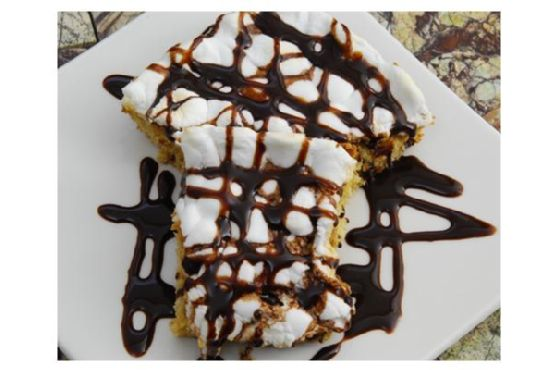
Chocolate Chip Peanut Butter Mallow Dessert Bars | Made by Meaghan Moineau

Last Tuesday, I found myself in need of a pick-me-up. It was one of those dreary afternoons when everything seemed to drag. The sky was grey, the email inbox was overflowing, and honestly, I just wanted something sweet and gooey to make it all better. That’s when I remembered these Chocolate Chip Peanut Butter Mallow Dessert Bars. Trust me, they’re the kind of treat that can turn any day around. Quick to whip up, using ingredients you likely already have kicking around your pantry, these bars are a perfect mix of chocolatey, peanut buttery magic with a delightful marshmallow surprise. They’re everything you didn’t know you needed.

Jump to Recipe

What You’ll Need

This is one of those recipes where a quick pantry dive will probably yield most of what you need. The combination of these ingredients is pure joy.

  • 1 package of chocolate chip cookie mix
  • 1 egg
  • 3 tablespoons of milk
  • 1/2 cup of butter, melted
  • 1/2 cup of peanut butter
  • 1 cup of marshmallows
  • Drizzle of chocolate syrup

How to Make Chocolate Chip Peanut Butter Mallow Dessert Bars

  1. Preheat your oven to 375°F (190°C). While it warms, grab a mixing bowl and stir together the chocolate chip cookie mix, egg, milk, and melted butter until smooth. It should be creamy and thick but pliable enough to spread.
  2. Grease an 8×8 baking pan well. Trust me, you’ll thank yourself later. Spread the cookie mixture evenly into the bottom of the pan. The more even, the better it’ll bake.
  3. Pop the pan into the oven for 15-20 minutes. You’ll know it’s ready when the edges are golden and the center looks set and slightly puffed. Your kitchen will smell like heaven by now.
  4. Take the pan out and immediately spread the peanut butter evenly over the hot cookie base. The warmth will help it glide smoothly.
  5. Top the peanut butter layer with marshmallows. Feel free to sneak a few into your mouth — I won’t tell.
  6. Return the pan to the oven for a few more minutes, just until the marshmallows start to melt and get a little golden on the tips.
  7. Remove from the oven and use a spatula to spread the marshmallows evenly over the peanut butter layer, creating a gooey, sticky blanket.
  8. Drizzle the chocolate syrup over the top. Let it cool to set completely before cutting into squares. This is the hardest part — waiting! But I promise it’s worth it.

Cook’s Notes

Keep an eye on the marshmallows when you pop the pan back in the oven. They can go from beautifully melted to burnt in a blink. If you’re making these ahead, let them cool completely before storing them in an airtight container at room temperature. They’ll keep for about 3-4 days, not that they’ll last that long! For leftovers, a quick zap in the microwave will bring back that gooey goodness.

Make It Your Own

  • Nut Swap: Substitute the peanut butter with almond or cashew butter for a different nutty twist.
  • S’mores Style: Add a layer of crushed graham crackers in between the peanut butter and marshmallows for a classic s’mores flavor.
  • Extra Chocolatey: Mix in a handful of chocolate chips into the cookie dough batter for extra bursts of chocolate with every bite.
  • Spice It Up: Stir a teaspoon of cinnamon into the cookie mix for a warm, spiced undertone.

If you try this, I’d love to hear how it turns out — drop a comment or tag me! There’s nothing like sharing a good recipe and seeing everyone’s delicious results. Happy baking, and may your days be as sweet as these bars!

Related update: Chocolate Chip Peanut Butter Mallow Dessert Bars

Related update: Valentine's Day Potted Plant Ice-Cream Desserts

Illini End 21-Year Wait, Reach Final Four | Analysis by Brian Moineau

A long wait ends: Illini advance to Final Four and bring March Madness back to Champaign

Twenty-one years is a long time to keep a city waiting, but on March 28, 2026 the Illini advance to Final Four dreams became reality. Freshman Keaton Wagler and sophomore Andrej Stojakovic took over in the second half, Illinois turned the game into a physical frontcourt statement and the result was a 71-59 win over Big Ten rival Iowa that sent Brad Underwood’s team to Indianapolis for the first time since 2005.

The headline feels right: this was a team effort with a storybook twist. Wagler’s aggressiveness inside, Stojakovic’s steady finishing and a brutal rebounding edge combined to flip a game that felt jittery in the first half. If you were an Illini fan, you felt the tension, then the swing, and finally the catharsis.

Why this game mattered

  • It ended a 21-year Final Four drought for Illinois (last appearance: 2005).
  • The win came in the South Region final of the NCAA Tournament — essentially the Elite Eight — and booked Illinois a spot in the national semifinals in Indianapolis.
  • The Illini leaned on size, toughness and second-half execution rather than outside shooting, a style that suggests a different blueprint for deep tournament runs.

The context matters. Illinois arrived in Houston with a roster that blends Eastern European bigs (the so-called “Balkan Bloc”) with high-upside guards. For much of the season they’ve been able to bully opponents on the glass and punish teams that can’t match their length. Against Iowa, that advantage was the defining factor: Illinois outrebounded the Hawkeyes 38-21 and outscored them 40-12 in the paint. Those numbers tell the story of a team that used its identity to win when shots weren’t falling.

Illini advance to Final Four: how the second half unfolded

The first half was a little chaotic. Iowa opened with energy and a double-digit lead early; the Toyota Center added its own weirdness with a buzzer malfunction and a dead jumbotron. Still, Illinois trailed by only four at halftime despite an awful night from long range (3-for-17).

Then the Illini flipped the script. Key elements:

  • Keaton Wagler’s interior aggression: The freshman finished with 25 points and imposed himself at the rim, especially in the second half when Illinois needed a closer.
  • Andrej Stojakovic’s balance and toughness: The guard — with a famous basketball pedigree — scored 17 and did the little things that mattered: drawing attention, finishing drives and keeping the offense calm.
  • Dominance on the glass: Tomislav and Zvonimir Ivisic, plus David Mirkovic, helped create 16 offensive rebounds and constant second-chance pressure.
  • Defensive adjustments: Illinois tightened its paint defense and forced tougher looks from Iowa’s perimeter creators late.

A late run — led by the Ivisic twins’ interior presence and a Wagler bucket in the lane — swung the lead to seven with under five minutes remaining. From there Illinois closed the door, converting trips to the line and converting offensive rebounds into points.

What this team represents beyond the scoreboard

Illinois’ run isn’t just a flash of March magic. It’s a validation of a program identity built around size, toughness and smart recruiting. Brad Underwood’s emphasis on international and particularly Eastern European recruiting has paid off in the postseason: the Ivisic twins and David Mirkovic gave Illinois a distinct physical profile that few teams could match.

At the same time, Keaton Wagler’s breakout as a freshman shows that Illinois can mix youth and expectation. Wagler’s poise — called “tougher than nails” by his coach — and his South Region Most Outstanding Player honor suggest he’s ready for a big stage.

There’s also a narrative arc: Andrej Stojakovic, son of former NBA All-Star Peja Stojakovic, coming into his own on a national stage; a program reconnecting with a storied past; and a fanbase finally getting the Final Four party it’s been dreaming about for more than two decades.

Matchup implications and what to watch next

Heading into the Final Four, Illinois will face a different kind of test. The field’s other participants include teams with elite guard play and different tempo preferences. Illinois’ keys for the national semifinals:

  • Control the glass. Continue the rebounding pressure that turned this game.
  • Avoid foul trouble and free-throw regression. Physical teams have to stay out of foul trouble to sustain defensive intensity.
  • Find efficient ways to score when the perimeter isn’t falling. Against Iowa, Illinois leaned on interior offense and offensive rebounds; that formula must translate against other top opponents.
  • Stay composed against late-game chaos. Tournament games create moments of noise; this team showed resilience in Houston and will need it in Indianapolis.

If Illinois can keep imposing its physical style while getting steady production from Wagler and Stojakovic, they’ll be dangerous. The Final Four stage rewards teams that know who they are — and this Illinois team seems to.

Moments that mattered

  • Wagler’s second-half buckets that blended power and calmness.
  • The Ivisic twins’ alley-oop and hook shots that punctuated the run.
  • A sustained rebounding beatdown — the Illini finished with 38 boards to Iowa’s 21.
  • A late sequence where offensive rebounding turned into a multi-possession lead and sealed the game.

Those are the plays that will live on highlight reels, but they also highlight the team’s character: persistent, physically imposing, and decisively clutch when the margin tightened.

Final thoughts

There’s an old-school quality to this Illinois squad — a team that doesn’t rely on one superstar threes-and-dribble iso but rather pounds the glass, shares the ball, and grinds out possessions. That approach has a timelessness that fits the tournament: physical teams with depth and discipline often do well in April.

The weight of a 21-year wait has been lifted. The Illini advance to Final Four not as a surprise but as a logical payoff for a roster built with a plan — and for a coaching staff willing to lean into a distinctive identity. Whether they can take the next two wins and end the program’s national-title drought remains to be seen. For now, Champaign gets to celebrate a team that returned the Final Four to Illinois, and the rest of college basketball gets to watch how this rugged, international-flavored roster handles the sport’s brightest stage.

A few quick takeaways

  • Keaton Wagler (25 points) and Andrej Stojakovic (17) paced Illinois in the second half.
  • Illinois dominated the paint and the boards — outscoring Iowa 40-12 in the paint and outrebounding them 38-21.
  • The win sends Illinois to its first Final Four since 2005, marking a major milestone for the program and its fans.

Sources


Related update: We recently published an article that expands on this topic: read the latest post.


Related update: We recently published an article that expands on this topic: read the latest post.

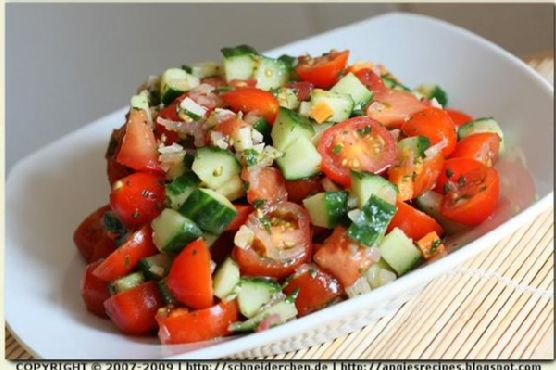
Tomato Cucumber Salad | Made by Meaghan Moineau

It was one of those hectic Tuesday evenings, you know the kind where the laundry is beckoning, emails are piling up, and yet your stomach still somehow wants to be fed. There I was, standing in front of my refrigerator, hoping for some culinary inspiration to jump out and save me from splurging on takeout for the third night in a row. My eyes landed on that lonely basket of cherry tomatoes and a half-used cucumber. Suddenly, a memory of a zesty Tomato Cucumber Salad from a sunlit café popped into my head. The beauty of this dish is its simplicity and the fact that it’s much more than the sum of its parts: refreshing yet satisfying, quick yet elegantly reminiscent of summer picnics. It’s the kind of dish that comes together with a handful of pantry staples, a little bit of chopping, and a splash of creativity. Easy enough to whip up in under 30 minutes, and impressive enough to make you feel like a culinary genius.

Jump to Recipe

What You’ll Need

This Tomato Cucumber Salad is all about letting simple ingredients shine. Chances are you already have most of this hanging around in your kitchen.

  • Cherry tomatoes – the sweeter, the better!
  • Diced cucumber – refreshing crunch is a must.
  • Sliced garlic
  • Lemon juice
  • Olive oil – go for the good stuff if you can.
  • Black salt and pepper
  • Shallot – for a hint of sweet oniony goodness.
  • Fresh parsley

How to Make Tomato Cucumber Salad

  1. Start by heating a splash of olive oil in a skillet over medium heat. When the oil shimmers, toss in the chopped shallot and sliced garlic. Stir-fry gently, keeping an eye out for a lightly golden hue. The kitchen should start smelling divine right about now.
  2. Remove the skillet from the heat and introduce a bright splash of lemon juice to the mix. The sizzle will tell you the dressing is coming together beautifully. Season with a sprinkle of black salt and a few cracks of pepper to taste.
  3. As the dressing takes a moment to cool, cut your cherry tomatoes into halves and dice the cucumber into cheerful 1cm cubes. Toss them both into a salad bowl, ready to soak up all the goodness.
  4. Pour the warm dressing over the tomato and cucumber combo, and toss gently. The fresh parsley should be added last, offering a vibrant pop of color and flavor.
  5. Cover the bowl and let the salad chill in the fridge for about an hour. This helps the flavors to meld into a harmonious chorus of tangy, sweet, and savory.

Cook’s Notes

This salad is as forgiving as it is delicious. If you’re running short on time, you can skip the chilling, but letting it sit in the fridge does wonders for flavor mingling. If you’ve got leftovers, they’ll keep in an airtight container in the fridge for a day or two, though the tomatoes may soften slightly. Avoid over-stirring after refrigeration if you prefer your salad to stay crisp.

Make It Your Own

  • Swap the cucumber for crisp, thinly sliced fennel for an aromatic twist.
  • Add a handful of crumbled feta for a creamy contrast.
  • Throw in some roasted chickpeas for extra protein and crunch.
  • Use fresh basil leaves instead of parsley for a fragrant, pesto-esque vibe.

If you try this, I’d love to hear how it turns out — drop a comment or tag me! This salad is a little taste of sunshine on your plate, and I hope it brings a bright spot to your day, just like it did for mine. Enjoy!

Related update: Tomato Cucumber Salad

Related update: Quinoa Salad with Barberries & Nuts

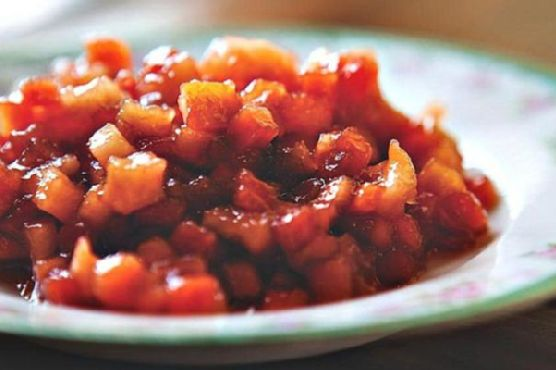
Fall Fruit Compote | Made by Meaghan Moineau

I recently found myself staring at a couple of Honeycrisp apples on my kitchen counter, feeling the first whispers of autumn in the air. You know the days when you can finally break out your sweaters but you still need sunglasses? That’s when my mind started tiptoeing towards something warm and cozy. I mean, what could be better than making a quick, delightful fall fruit compote that ties together all the best flavors of the season? The best part? You don’t need a culinary degree to whip this up. It’s a simple, heart-warming recipe that gives you that “kitchen hero” feeling without the sweat. Plus, it pairs perfectly with so many things, like crispy potato latkes or a dollop of ice cream.

Jump to Recipe

What You’ll Need

Trust me, chances are you already have most of this in your pantry or fridge. The real stars here are the cozy, autumnal ingredients that just sing when they’re together.

  • 2 tablespoons of butter
  • 2 cups of diced honeycrisp apples
  • 1 cup of diced pears
  • 1/2 cup of dried cherries
  • 1/4 cup of brown sugar
  • 1 tablespoon of apple cider vinegar
  • 1 cup of apple juice
  • 1 cinnamon stick

How to Make Fall Fruit Compote

  1. Start by melting the butter in a medium-sized saucepan over high heat. You’ll know it’s ready when it starts to smell nutty and divine.
  2. Once the butter is melted, toss in those diced apples, pears, dried cherries, vinegar, apple juice, brown sugar, and the cinnamon stick. Give it a good stir to coat everything in buttery goodness.
  3. Let it cook for about 5 minutes. You want the mixture to start bubbling, and the smell will be pure fall magic.
  4. Turn the heat down to medium and let it simmer for a few more minutes, just until the fruit is tender and the syrupy liquid has mostly reduced. If things start to stick, splash in a little more apple juice to keep it all juicy and lush.
  5. Once it’s all tender and gorgeous, you’re done! Serve warm and enjoy the fruit-laden spoonfuls of autumn joy.

Cook’s Notes

Let’s chat about some practical tidbits to make your compote experience as smooth as butter. First off, don’t forget that compote thickens as it cools, so don’t worry if it looks a little saucy at first. If you’re planning to serve it later, just warm it up slightly before serving to get back that perfect consistency. If you find yourself with leftovers, pop them in a sealed container in the fridge, and it will stay happy for about a week. This compote is perfect to make ahead of time, especially if you’re planning to dazzle some guests a day or two later.

Make It Your Own

Let’s play around with this compote base because, trust me, versatility is its middle name.

  • Swap out the apples for ripe peaches if they’re still in season. They add a lovely, juicy dimension.
  • Try cranberries instead of dried cherries for a tarter twist. A little zing never hurt anyone!
  • For a boozy touch, replace half the apple juice with a splash of bourbon or rum. It makes things just a little more grown-up.
  • Add a pinch of ground ginger or nutmeg for extra warmth and spice. Your taste buds will thank you.

If you give this autumnal delight a go, I’d love to hear how it turns out — drop a comment or tag me in your fall feasting pics! Happy cooking, friend!

Related update: Fall Fruit Compote

Related update: Chocolate Chip Peanut Butter Mallow Dessert Bars

Microsoft Pulls Troubled Windows 11 Update | Analysis by Brian Moineau

Hook: When an optional update goes wrong

Microsoft pulls Windows 11 KB5079391 preview after it causes install error loop on 25H2 and 24H2 – Windows Latest. That headline landed in inboxes and forums this week, and for good reason: an optional preview update meant to smooth out quirks instead trapped some machines in an install error loop. The result? Confused users, quick rollback reports, and another reminder that even “preview” updates can be disruptive.

What happened with KB5079391

On March 26, 2026 Microsoft published KB5079391 as a preview (optional) cumulative update for Windows 11 versions 25H2 and 24H2. The company’s support page shows the release and the OS build numbers (26200.8116 and 26100.8116), and it lists fixes and improvements — including updates for some AI components and servicing stack changes. Within hours, though, reports started to surface of systems failing to complete the install and repeatedly rolling back, leaving affected users stuck in an error loop. Microsoft subsequently pulled the update from Windows Update for affected channels while it investigates. (support.microsoft.com)

This wasn’t the first time a Windows preview patch caused headaches. Recent months have seen several problematic updates that required emergency fixes or out-of-band releases — so the community was already on high alert. (windowscentral.com)

Why this matters for everyday users

  • Preview updates are optional, but they appear in the same Update UI that many users glance at. That makes accidental installs possible.
  • An install loop can render a machine temporarily unusable or require a rollback to a restore point, which is disruptive and time-consuming.
  • For businesses with managed deployments, an unstable preview can cascade into multiple helpdesk tickets and lost productivity.

Put plainly: the promise of “preview = safe to try” is only as good as the QA that went into the build. When the QA misses an edge case, real people pay the price.

Signals from Microsoft and the community

Microsoft’s official KB entry for KB5079391 outlines installation methods and notes for admins, and it currently reflects that the update was removed from Windows Update due to installation issues while the company investigates. Community threads (feedback hubs and forums) show a mix of reports — some users installed the update successfully, others experienced failure codes and rollback loops, and a handful needed to uninstall the preview to restore normal operation. That variance suggests the problem is hardware- or configuration-dependent rather than universal. (support.microsoft.com)

What’s also notable: Microsoft has, in past months, pushed several rapid fixes and out-of-band updates when issues were severe (for example, restoring WinRE USB input after a prior update broke recovery tools). That past behavior indicates the company will likely prioritize a fix if the failure affects a meaningful number of users. (windowscentral.com)

Who should install preview updates — and who shouldn’t

  • Do install previews if:

    • You’re an IT pro or tester who needs to validate upcoming changes.
    • You run non-production machines that can tolerate a reinstall or recovery if things break.
  • Avoid installing previews on your daily driver if:

    • You depend on your PC for critical work and can’t afford downtime.
    • You lack recent system backups or a recovery plan.

If you already installed KB5079391 and see problems, uninstalling the preview (or restoring to a pre-update restore point) and filing a Feedback Hub report are sensible first steps. For enterprises, block or delay the optional update via update management tools until Microsoft issues a remediation. (support.microsoft.com)

Practical, quick advice for now

  • Check Windows Update settings: optional preview updates should be clearly labeled; don’t click “Install” on previews on production machines.
  • If your device is stuck in an install loop, boot into Safe Mode and uninstall recent updates or perform a system restore.
  • For managed environments, set policies to defer preview releases and test them first on a controlled cohort.
  • Keep backups current — system images and file backups make recovery far less painful.

These are straightforward precautions, but they’re surprisingly rare in everyday practice. A little preparation goes a long way.

What this episode reveals about Windows update strategy

Microsoft’s cadence — security monthly updates, optional previews, and occasional out-of-band patches — aims to balance stability and rapid improvement. But as Windows accumulates more features (AI components, expanded device drivers, deeper ecosystem dependencies), the surface area for interaction bugs grows.

In that context, preview updates serve an important role: they reveal compatibility frictions before a security or feature update becomes mandatory. The downside is visible: previews can behave like production updates for users who install them without understanding the risk. The trick for Microsoft (and for admins) is clearer labeling, smarter rollout gates, and better telemetry to detect and pause problem releases faster.

What to watch next

  • Microsoft’s follow-up: watch the Windows Release Health Dashboard and the KB support page for the official remediation details and any recommended fixes. (support.microsoft.com)
  • Community reports for patterns: look for common hardware, driver, or third-party software factors that correlate with failures.
  • Out-of-band fixes: if the issue is severe, Microsoft historically issues an emergency update — that’s likely the fastest route to resolution. (windowscentral.com)

My take

It’s frustrating when an update intended to help users instead causes disruption. The core problem isn’t that Microsoft ships updates — it’s that complexity is outpacing the safety nets many users rely on. For power users and IT pros, the path forward is clear: test, stage, and protect. For casual users, the best protection remains a simple habit: delay optional updates on your main machine, keep backups, and watch official channels for fixes.

When optional updates behave like mandatory ones, trust erodes. The way Microsoft responds — speed, transparency, and a fix — will determine how quickly that trust can be rebuilt.

Where I looked

  • Microsoft support article for KB5079391 (release and installation details). (support.microsoft.com)
  • Windows Central coverage of Microsoft’s recent emergency/out-of-band patches and update issues. (windowscentral.com)

Sources


Related update: We recently published an article that expands on this topic: read the latest post.
UNC Coaching Search: Day 4 Update | Analysis by Brian Moineau

UNC Basketball Search Update – Day 4 – 247Sports: What’s Really Happening in Chapel Hill

The headline “UNC Basketball Search Update – Day 4 – 247Sports” has been lighting up feeds, and if you’ve been following this story, you know the urgency behind it. UNC’s search for the next basketball coach to lead its fabled program finished day four on Friday night, and the conversation has moved from speculation to serious candidate sorting. This post breaks down the mood in Chapel Hill, why the timing matters, and what the program is likely weighing as it tries to turn a frenetic weekend of reporting into a clear plan.

The scene: why Day 4 feels like a hinge moment

The Tar Heels’ coaching situation didn’t happen in a vacuum. A historic first‑round collapse in the NCAA Tournament and mounting pressure from big‑time boosters pushed UNC’s athletic department into rapid assessment mode. By Day 4 of the search, sources were talking — some privately hoping the program could keep continuity, others prepared to spend to reset everything.

That split is important. UNC isn’t choosing a coach in isolation; it’s choosing a strategy for recruiting, NIL partnerships, and long‑term identity. On Day 4, those conversations begin to harden into lists: insiders, finalists, and deal breakers.

Who’s being discussed and why names stick

There’s always a mix of profiles in a high‑stakes search: established blue‑blood names, rising mid‑major winners, and program builders with recruiting heft. Right now, the chatter centers on a few types of candidates:

  • Proven ACC or national names who bring immediate credibility and a track record in recruiting.
  • Younger coaches with strong transfer‑portal and player‑development resumes.
  • Alumni or Carolina‑linked figures who could preserve institutional DNA while offering fresh energy.

The tension is obvious. A big hire buys short‑term prestige but often carries enormous buyouts (and sometimes contractual buyouts from current employers). A younger hire may deliver modern systems and portal savvy but could struggle under the immediate pressure of Chapel Hill expectations.

Recruiting and money: the unseen levers

One insight that keeps coming up in coverage is the transactional reality behind coaching moves. Donor groups and boosters aren’t just opinionating — they often provide the funding UNC would need to both buy out a coach and fund an NIL and roster budget that keeps elite recruits in Chapel Hill.

On Day 4, that calculus becomes operational. If boosters are willing to underwrite a big buyout and roster spend, UNC can credibly court top names. If not, the athletic department has to be creative: emphasize Carolina tradition, sell a vision of long‑term stability, or target a rising coach whose buyout is feasible.

Transitioning from rumor to reality requires aligning three things: the athletic director’s plan, the university’s board/administration comfort, and donor willingness to back the chosen path.

The Carolina family vs. outside energy

One of the program’s unique constraints — and strengths — is the “Carolina family” pipeline. Historically, UNC has favored continuity: assistants, former players, or coaches steeped in The Carolina Way. That approach preserves identity and appeases parts of the fanbase.

Yet there’s a countervailing force: sometimes an outside voice is what a legacy program needs. Day 4 discussions often revolve around whether UNC wants to stay inside its lineage or go outside for a fresh perspective. The choice says a lot about the program’s priorities: tradition and steady stewardship, or immediate, aggressive retooling.

What Day 4 signals about timeline and urgency

The fourth day of a high‑profile search is more than symbolic. It’s when the process typically shifts from “who would we like?” to “who can we realistically hire in the next two weeks?” The tournament calendar, recruiting windows, and transfer timelines compress decisions.

  • Expect shortlists to be finalized.
  • Expect NDAs and preliminary terms to be floated.
  • Expect media leaks and counter‑leaks as camps jockey for position.

If UNC wants to land a top name, they’ll have to move quickly and decisively. If they prefer a measured process, Day 4 is the point where they accept recruitment risk for governance certainty.

What the reporting is telling us (and what it isn’t)

Coverage over the first few days has a pattern: strong reporting about booster sentiment, credible leaks about names being considered, and a cautionary lack of detail about formal offers. That’s normal. Early reporting reliably surfaces the temperature of conversations, not their contractual end results.

Reliable threads to watch:

  • Who publicly meets with the athletic director.
  • Whether the school positions any interim decision‑makers.
  • Any donor pledges tied explicitly to a hire.

These signals matter more than speculative name lists.

A plausible road map for UNC

Given the pressures and the timelines, here’s a practical series of steps UNC could take next:

  1. Finalize a vetted short list (3–5 names) that balance buyout feasibility and program fit.
  2. Secure donor commitments for immediate roster needs if pursuing a high‑profile coach.
  3. Open formal interviews with a firm timeline, while naming an interim leader for day‑to‑day operations.
  4. Close with a hire that aligns on recruiting philosophy and program culture, not just pedigree.

That last point is crucial: the Tar Heels’ next coach must be someone who can recruit at an elite level and manage expectations at a program that views anything short of national contention as underperformance.

What fans should pay attention to next

  • Formal announcements from the athletic director or university officials.
  • Clear signals about donor backing; that determines who’s realistically in play.
  • The next week’s recruiting and portal activity; early momentum there clues us in on the hire’s potential.

Above all, remember that while media cycles rush, program stability and long‑term vision should drive the decision.

Final thoughts

Day 4 of the UNC coaching search feels like the moment the program stops guessing and starts choosing. That’s both exciting and nerve‑racking for a fanbase used to national‑title aspirations. Whether UNC leans into its Carolina family or reaches outward for new blood, the incoming coach will inherit high expectations and immediate scrutiny.

This process will shape recruiting, the portal class, and the tone of Tar Heel basketball for years. For better or worse, decisions made this weekend will ripple across the ACC and the national landscape — and that’s why Day 4 matters.

Sources


Related update: We recently published an article that expands on this topic: read the latest post.


Related update: We recently published an article that expands on this topic: read the latest post.

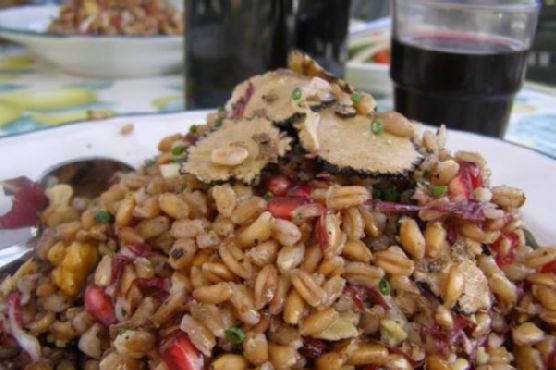
Fall Farro Salad with Pomegranate, Walnut & Truffles | Made by Meaghan Moineau

Picture this: It’s a chilly autumn afternoon, and the sun is giving off that perfect golden hue that makes everything look like a scene from a cozy movie. I’m in my kitchen, wearing my favorite oversized sweater, and I’ve got a craving for something that’s nourishing but still feels like a treat. Enter my Fall Farro Salad with Pomegranate, Walnut & Truffles. This dish is like a warm hug in a bowl, combining nutty farro with the sweet burst of pomegranate seeds, the earthy depth of truffles, and the crunch of walnuts. It’s quick to put together yet tastes like you’ve been working on it for hours. Trust me, this is the kind of recipe that’ll make you feel like a culinary genius with minimal effort, perfect for a weeknight dinner or impressing friends over a weekend brunch.

Jump to Recipe

What You’ll Need

Most of these ingredients are pantry staples, so you might already find them hanging out in your kitchen. Here’s what you need:

  • 1 cup farro
  • 2 tablespoons extra virgin olive oil
  • 1/2 cup pomegranate seeds
  • 1/2 cup walnuts, roughly chopped
  • 1/2 head radicchio, thinly sliced
  • 1/4 cup parmesan, shaved into ribbons
  • 2 teaspoons truffle oil
  • 1 tablespoon balsamic vinegar
  • Salt and pepper, to taste

How to Make Fall Farro Salad with Pomegranate, Walnut & Truffles

  1. Start by cooking the farro. Bring a pot of cold water to a boil, and don’t forget a pinch of salt. Toss in the farro and let it cook until it’s al dente—about 20-35 minutes. You can throw in some vegetable scraps like a carrot or celery if you have them, for added flavor.
  2. While the farro is cooking, toast the walnuts in a dry pan over medium heat. Keep an eye on them and stir occasionally, until they are golden and fragrant. This should take about 5-7 minutes.
  3. In a large bowl, whisk together the extra virgin olive oil, balsamic vinegar, truffle oil, salt, and pepper. This dressing will bring everything together with a luxurious, earthy flavor.
  4. Once the farro is cooked, drain it and let it cool slightly. You want it warm but not piping hot.
  5. Add the farro to the bowl with the dressing, and toss until the grains are well coated.
  6. Gently fold in the radicchio, pomegranate seeds, and toasted walnuts. The radicchio should soften slightly but remain crisp.
  7. Finish by shaving parmesan over the top. A vegetable peeler works wonders here for creating beautiful, thin ribbons.
  8. Give it a final toss, taste, and tweak any seasoning if needed. Serve immediately and enjoy the medley of textures and flavors!

Cook’s Notes

Let’s chat about farro for a second. It’s an ancient grain, so it’s a bit chewy and wonderfully nutty, perfect for absorbing all the dressing goodness. Don’t skimp on toasting your walnuts; it makes a world of difference in flavor. Also, this salad is best enjoyed fresh, but if you do have leftovers, they’ll keep in the fridge for a day or two. Just know that the radicchio might lose some of its crispness.

Make It Your Own

Feel free to remix this salad with these variations:

  • Swap the farro for quinoa if you’re looking for a gluten-free option.
  • Substitute walnuts with pecans or almonds for a different nutty dimension.
  • Try adding grilled chicken or crispy tofu for extra protein.
  • Love cheese? Crumbled goat cheese can replace parmesan for a tangier kick.

If you try this, I’d love to hear how it turns out — drop a comment or tag me! Cooking is all about experimenting and finding what makes your taste buds sing, so have fun with it.

Related update: Fall Farro Salad with Pomegranate, Walnut & Truffles

Related update: Tomato Cucumber Salad

Suzuka Shockers: F1 Qualifying Winners & | Analysis by Brian Moineau

Winners and losers from F1 qualifying at the Japanese Grand Prix — Suzuka snapshot

There’s something about Suzuka that teases the unexpected out of drivers and machines alike. Qualifying at the Japanese Grand Prix once again delivered drama, surprise and the brief, bright moments that make Formula 1 addictive. In this piece I pick through the winners and losers from F1 qualifying at the Japanese Grand Prix, explain why a few headline names rose or fell, and why those grid positions actually matter for Sunday’s race.

Quick scene-setting

Suzuka’s figure-eight layout rewards precision and bravery. Small errors are punished by time and traction loss, while the right set-up can yield pole from nowhere. The recent qualifying session (held on March 28, 2026) saw established stars and rising talents trading punches: a young fast gun grabbed attention, a perennial front-runner stumbled, and a couple of midfield outfits suddenly looked a lot more competitive.

What happened in qualifying (short summary)

  • Q1–Q2–Q3 played out under stable conditions, but traffic, tyre usage and tiny mistakes reshuffled expectations.
  • A breakout performance put a teenager or young driver on the front row (and in some coverage that man was Kimi Antonelli), while at least one top name failed to extract a clean Q3 lap.
  • Midfield teams that have been quietly developing their 2026 packages showed real pace in single-lap trim.

Now let’s dig into the winners and losers — and why their results matter beyond the immediate scoreboard.

Winners: the bold and the surprising

  • Young guns who delivered when it counted
    A rising driver converted practice promise into pure-lap pace when it mattered. Grabbing a front-row slot at Suzuka isn’t just media gold; it gives a real strategic advantage because overtaking here is hard and track position is precious. That kind of qualifying result can turn a rookie’s weekend into a podium-or-bust weekend.

  • Mercedes (tactical gains despite mixed signs)
    One Mercedes driver looked sharp in single-lap pace and extracted a top-three grid spot, salvaging a weekend that earlier sessions suggested might be tricky. Mercedes’ ability to deliver in qualifying shows the car still has one-lap performance, and starting up front helps mask race-pace or tyre-wear questions during the race.

  • A few midfield teams who found a setup sweet spot
    Suzuka can amplify small aero or balance gains. Teams that have been inching forward all season found themselves into Q3 or on the verge of it; that’s valuable for momentum, sponsor headlines, and importantly, points opportunities on Sunday.

Losers: the ones who misfired at the worst moment

  • Big names who left laps on the table
    A couple of well-known drivers failed to produce a clean Q3 lap — whether from traffic, a small mistake, or being held in the pits for an incoming car — and paid the price with a compromised grid slot. At Suzuka, missing out by a few tenths can drop you from prime podium contention to an uphill recovery.

  • Red Bull’s inconsistency in single-lap trim (if applicable)
    If the frontrunner team didn’t quite match its usual qualifying excellence, it becomes a talking point. Suzuka’s medium- and high-speed corners expose balance weaknesses; when Red Bull or another top team struggles in qualifying, rivals smell opportunity for the race.

  • Drivers who used tyre sets badly or burned a tyre allocation early
    Strategy around tyre sets and running in Q1–Q2 is deceptively complex. Those who found themselves short of fresh rubber in Q3 — or who’d wasted sets in earlier sessions — ended up with limp final-lap attempts and grid positions that don’t reflect their race pace.

Why qualifying here matters more than you might think

  • Track position is king at Suzuka. There are overtaking spots, but a clean run through the esses and a controlled exit from 130R are priceless. Starting on the front two rows reduces exposure to first-lap incidents and gives control of strategy.
  • The psychological edge: a strong qualifying puts pressure on rivals and gives the team clear tactical options (undercut, overcut, or playing the tyre game differently).
  • For rookies and lower-budget teams, Q3 or a surprise front-row spot is a trophy in itself — it attracts attention, placates sponsors, and can change the tone of a season.

Notable moments that shaped the order

  • A mechanical or traffic issue in Q3 for a top driver changed the podium landscape. Even a brief hold in the pit lane can equal a lost lap and a lost chance.
  • Some teams elected to be conservative with tyres early and paid for it later when track evolution made late laps faster. That’s a classic Suzuka trap: run too early and you miss the improving track.

My take

Suzuka’s qualifying served a reminder: single-lap speed still matters. It’s not always the team with the fastest race package that headlines Saturday — sometimes it’s the driver who finds the perfect combination of commitment and precision for one lap. The grid reshuffle we saw adds spice to Sunday: races at Suzuka often reward controlled aggression and strategic clarity, so expect teams that qualified lower but with strong race pace to push hard early.

Qualifying also underlined the sport’s shifting narrative — younger drivers are not just learning, they’re delivering when asked. That’s healthy for F1: it keeps the storylines fresh and makes Saturdays must-watch television.

Sources

(If you want to re-check any individual lap times or see the full Q1–Q2–Q3 timing sheet, the official Formula1.com qualifying page listed above has the detailed timing sheets.)


Related update: We recently published an article that expands on this topic: read the latest post.

Related update: We recently published an article that expands on this topic: read the latest post.

Oven Roasted Pears With Blackberry Sauce | Made by Meaghan Moineau

A few weekends ago, I found myself with a bowl of ripe pears staring back at me from the counter, practically begging to be transformed into something special. It was one of those blustery autumn afternoons where the leaves were doing their dance down the street, and all I wanted was a cozy dessert that felt both comforting and indulgent. Enter Oven Roasted Pears with Blackberry Sauce—a dish that marries the rich sweetness of roasted fruit with the tangy brightness of blackberries. It sounds fancy but is as easy as pie (actually, even easier since there’s no crust to wrestle with!). This little number is perfect for impressing your dinner guests or just treating yourself on a Tuesday night. Jump to Recipe

What You’ll Need

Chances are, you already have most of these hanging out in your pantry and fridge. This recipe is all about letting a few simple ingredients shine.

  • Pears (ripe but firm)
  • Unsalted butter
  • Blackberries (fresh and juicy)
  • Juice from a lemon
  • Powdered sugar
  • Confectioners sugar
  • Cream of tartar
  • Egg whites
  • Granulated sugar
  • Bittersweet chocolate

How to Make Oven Roasted Pears With Blackberry Sauce

  1. Preheat your oven to 450°F. Begin by peeling, coring, and quartering the pears. Melt the unsalted butter in a large casserole or baking dish over high heat. A 10-quart Dutch oven works perfectly for this.
  2. Once the butter is melted and sizzling, add the pear quarters. Cook them for about 10 minutes, stirring occasionally, until they’re golden brown all over. The aroma will be absolutely irresistible.
  3. Transfer your dish to the oven and let the pears roast for another 7 to 10 minutes. You’ll know they’re ready when a paring knife easily pierces through. Once done, take them out of the oven and let them cool to room temperature.
  4. As the pears cool, wash and dry the blackberries—my salad spinner is a lifesaver for this! Reserve a handful for garnishing later.
  5. In a food processor, blend 3 cups of blackberries with powdered sugar and lemon juice until smooth. Pour this vibrant sauce into a bowl and set aside.
  6. Now, for the meringue kisses! Preheat the oven to 275°F. Line a full-size sheet pan with a silpat mat or parchment paper lightly sprayed with cooking spray.
  7. In a food processor, give the granulated sugar a blitz for about a minute until it’s superfine. Transfer it to a bowl. Next, process the confectioners sugar and bittersweet chocolate together until the chocolate is reduced to tiny flecks.
  8. Using a mixer, beat the egg whites at a slow speed until they start to froth. Add the cream of tartar and crank up the speed to high, beating until stiff peaks form.
  9. Gradually add the superfine sugar, continuing to beat for another two minutes. Transfer this fluffy mixture to a pastry bag fitted with a star tip.
  10. Pipe out little meringue kisses onto the lined baking sheet, giving each a small peak by pushing the tip into the dollop and pulling away quickly.
  11. Place the meringues in the oven for an hour and a half. They’re done when they feel hard to the touch, perfectly dried out.
  12. To serve, spoon the blackberry sauce onto each plate, arrange 3 or 4 pear quarters on top, add a few meringue kisses, and garnish with those reserved whole blackberries.

Cook’s Notes

Here’s the thing, timing is everything with this dessert. You want the pears to still have a bit of bite, so don’t over-roast them. The meringue kisses can be made ahead of time and stored in an airtight container for up to a week. If you’re prepping the blackberry sauce ahead, keep it in the fridge for a day or two, but don’t add the lemon juice until just before serving to keep that bright flavor.

Make It Your Own

  • Swap the blackberries for raspberries for a different berry twist.
  • Add a splash of vanilla extract to the meringue mixture for a subtle aromatic boost.
  • For a dairy-free option, use coconut oil instead of butter when roasting the pears.
  • Garnish with some toasted chopped nuts (like hazelnuts or almonds) for a crunchy contrast.

If you try this recipe, I’d love to hear how it turns out—drop a comment below or tag me on social media with your delicious creations!

Related update: Oven Roasted Pears With Blackberry Sauce

Related update: Fall Fruit Compote

Oxtail Ragout | Made by Meaghan Moineau

I’ve got to tell you about this time when I found myself staring into the abyss of my pantry, a little uninspired and a lot hungry. It was one of those dreary afternoons where the rain just wouldn’t let up, and all I craved was something rich and comforting to fill the house with warmth — and let’s be honest, something that would have me coming back for seconds. That’s when I remembered the oxtails tucked away in the freezer, just waiting for their moment. A few hours later, my kitchen was filled with the deep, savory aroma of Oxtail Ragout simmering away, and let me tell you, it was glorious. This recipe is the kind of comfort food that hugs you from the inside out, and while it might sound fancy, it’s pretty straightforward and oh-so-worth it.

Jump to Recipe

What You’ll Need

This ingredient list is a pantry’s best friend. You’re likely to have most of this stuff already, and the flavors all come together to create something magical.

  • Oxtails
  • Flour
  • Salt
  • Pepper
  • Paprika
  • Hot fat (like vegetable oil or lard)
  • Onion, chopped
  • Garlic, minced
  • Bell pepper, diced
  • Whole allspice
  • Whole bay leaf
  • Tomato juice
  • Water
  • Lemon juice

How to Make Oxtail Ragout

  1. In a small bowl, mix together 1 teaspoon of salt, some freshly cracked pepper, paprika, and enough flour to lightly coat the oxtails. Roll the oxtails in this seasoned flour mixture until they are fully covered.
  2. Heat some hot fat in a heavy-bottomed pot over medium-high heat. Add the floured oxtails and brown them thoroughly on all sides. You’re looking for a deep, golden crust that’s almost irresistible.
  3. Once browned, toss in the chopped onion, minced garlic, and diced bell pepper. Stir everything around until the onions are translucent and the garlic is fragrant but not burned.
  4. Add in the whole allspice and bay leaf, followed by the tomato juice and enough water to cover the oxtails. Give everything a good stir to combine.
  5. Bring the pot to a gentle simmer, then cover it up and let it do its thing for about 3 hours. You’re aiming for the kind of tenderness where the meat practically falls off the bone.
  6. Once the oxtails are melt-in-your-mouth tender, fish out the allspice and bay leaf. Stir in a splash of lemon juice to brighten the flavors, and you’re done!

Cook’s Notes

I’ve learned a few things the hard way, so here are some tips to keep in mind. Be patient with the browning process; it’s where a lot of the flavor develops. Don’t rush it! If you want to make this ahead, the ragout tastes even better the next day once the flavors have had a chance to deepen. Just store it in the fridge and reheat gently. Leftovers can be kept in an airtight container for up to 3 days, or frozen if you want to hoard this goodness for a rainy day.

Make It Your Own

Here are a few variations to keep things interesting or to cater to different tastes:

  • Swap the tomato juice for red wine if you’re looking for a richer, more robust flavor.
  • Add diced carrots and celery for a bit more veggie goodness and texture.
  • Try using smoked paprika for a deeper, smokier flavor profile.
  • If you’re feeling adventurous, throw in a dash of hot sauce for a little heat.

If you try this, I’d love to hear how it turns out — drop a comment or tag me on social media. Your kitchen adventures are half the fun for me!

Related update: Oxtail Ragout

Patience Pays: Staying Invested | Analysis by Brian Moineau

When staying calm beats panic: why patience often wins in falling markets

When stock markets are rattled, even by war, it usually pays for investors to be patient. That line — echoed recently in an AP News piece — is the hardheaded, comforting truth many of us need to hear when headlines and portfolio values move in opposite directions. Panic feels actionable; patience feels passive. Yet history and market mechanics both favor the latter when you're investing for the long run.

First, some context. Over the past few months investors have been fretting about geopolitical shocks, surging oil prices, and rapid swings in technology stocks. News stories and TV anchors amplify short-term danger, and sudden drops can make any retirement account feel fragile. Still, data going back decades shows the U.S. stock market has repeatedly recovered from steep losses and eventually pushed to new highs — sometimes quickly, sometimes slowly, but eventually. That pattern is the backbone of the argument for staying invested.

When stock markets are rattled, even by war, it usually pays for investors to be patient

  • Historically, the S&P 500 has eventually recovered from prior bear markets and reached new all-time highs. This resilience doesn’t mean every dip is harmless; it means missing the rebound can be costly. (apnews.com)

  • Recovery times vary. Corrections (drops of ~10%) often resolve within months; deeper bear markets can take a year or several years to reclaim previous peaks. The median full recovery timeline in some studies sits around 2–2.5 years, while some recoveries have been far faster (like the 2020 pandemic dip) and others far slower (like parts of the 1930s and early 2000s). (cnbc.com)

  • Importantly, the market’s long-term upward bias rewards staying invested, because the compounding gains after a trough can more than make up for the pain during the decline. Missing just a handful of the market’s best rebound days can meaningfully reduce long-term returns. (thearcalabs.com)

Now, let’s move beyond headlines and talk about what investors can actually do while markets are volatile.

Why the instinct to “do something” is expensive

When portfolios fall, many people sell to stop the pain. However, selling locks in losses and risks excluding you from the inevitable rebound. Moreover, emotional selling often coincides with market bottoms — the worst possible time to exit.

Also, moving money into “safe” assets like cash or short-term bonds can help preserve capital, but it comes with tradeoffs: inflation can erode cash’s purchasing power, and locking in lower returns may derail long-term goals. Finally, early withdrawals from retirement accounts can trigger taxes and penalties, making panic moves doubly costly. (apnews.com)

Practical moves that don’t equal panic

Instead of reacting impulsively, consider measured actions that reflect your timeline and tolerance for risk.

  • Reassess time horizon. If you need the money in the next 3–5 years, reduce stock exposure. If your horizon is 10+ years, short-term dips are noise. This simple distinction should guide most decisions.

  • Rebalance thoughtfully. Use market turbulence to rebalance toward your target allocation — selling a bit of what’s up and buying a bit of what’s down. Rebalancing enforces discipline and can improve long-term returns.

  • Dollar-cost average when adding new money. Investing a steady amount over time reduces the risk of mistimed lump-sum buys and makes volatility work for you.

  • Keep an emergency fund separate from retirement savings. Having 3–6 months (or more) of living expenses in safe, liquid accounts prevents forced selling during market stress.

  • Diversify across asset classes. Stocks, bonds, cash, and real assets behave differently. Diversification won’t eliminate losses, but it blunts them and smooths the ride.

  • Check fees and taxes before moving money. Poorly timed transactions can incur commissions, tax bills, or early-withdrawal penalties that compound the financial pain of market drops. (apnews.com)

How advisors and strategists are thinking right now

Financial professionals usually say the same two things: (1) review your plan; and (2) don’t let headlines rewrite it. In practice, that means updating assumptions if your personal situation changed (job loss, big spending, change in health), but not swinging strategy every time volatility spikes.

Research firms also emphasize that corrections and bear markets are normal market behavior. For example, some analyses show that corrections happen frequently but recoveries—to the previous peak—often follow within months to a few years, depending on the severity. Therefore, many advisors favor staying diversified and disciplined rather than timing markets. (thearcalabs.com)

The psychological side: tolerate discomfort, not ruin

Investing discipline is more psychological than mathematical. It’s one thing to know an approach is optimal on paper and another to watch your balance shrink. Structure helps: automated contributions, pre-set rebalancing rules, and periodic portfolio reviews remove emotion from the process.

Also, normalize the idea that markets decline — it’s part of the return investors demand for owning equities. If that idea feels untenable, your allocation might be too aggressive for your temperament.

My take

Markets will keep testing nerves. Some shocks are local and short-lived; others are broader and linger. Either way, history favors those who prepared for the storm, kept their eyes on time horizons, and avoided reactionary moves that lock in losses.

If you’re unsettled, do the clear things: confirm your timeline, shore up an emergency fund, rebalance to targets, and avoid big, impulsive withdrawals. Patience doesn’t mean inaction — it means acting by a plan, not by panic.

Sources


Related update: We recently published an article that expands on this topic: read the latest post.


Related update: We recently published an article that expands on this topic: read the latest post.

Meta’s Resilience Cracks After Court | Analysis by Brian Moineau

When a Giant Stumbles: Meta Finally Shows Weakness and What It Means

The phrase Meta Finally Shows Weakness landed in my head the morning markets opened after two consecutive landmark legal losses. For years investors treated Meta’s stock like a rubber band: it could stretch through regulatory storms, advertising slowdowns, and costly bets on the metaverse — and then snap back. But a bad year caught up to that resilience, and now investors, policymakers, and the company itself face a new, less forgiving reality.

The core topic — Meta Finally Shows Weakness — isn’t just a headline. It’s the moment when legal pressure moved from a nagging background risk into a visible, quantifiable drag on the company’s prospects.

Why the recent losses matter

  • Juries in separate, high-profile trials found Meta liable or negligent in cases alleging harm to children and failures to protect users, producing multi-hundred-million dollar awards and renewed regulatory attention.
  • Those rulings arrived after a year of mixed signals: strong ad revenue and user growth on one hand, but rising legal costs, unsettled insurance coverage, and big strategic spending (Reality Labs, AI) on the other.
  • Markets hate uncertainty. When legal outcomes start to look less like one-off setbacks and more like systemic liabilities, investor sentiment can swing hard and fast.

Transitioning from reputation risk to balance-sheet consequences is what turns an operational challenge into a structural one. The recent verdicts pushed that transition.

The court defeats in plain terms

Recent jury decisions — including a New Mexico verdict ordering Meta to pay roughly $375 million and a separate California bellwether finding against Meta and YouTube for negligent design that harmed a plaintiff — have turned up the volume on a long-running wave of litigation alleging that social platforms harmed minors and misled users. These rulings matter not only for the dollar amounts but because they set precedent and embolden other plaintiffs and states.

At the same time, other legal fronts remain active: appeals, a revived advertisers’ class action, and regulatory probes in the U.S. and EU. A loss in a handful of trials doesn’t bankrupt Meta, but it raises the probability of more settlements, higher compliance costs, and stricter rules that could change business choices around product design and advertising.

How investors had been willing to look the other way

For much of the last two years, investors gave Meta the benefit of the doubt. Reasons included:

  • A powerful advertising engine that continued to grow revenue despite macro volatility.
  • Strong user engagement and product improvements tied to AI and Reels-style short video formats.
  • Confidence that management could absorb fines and legal costs while still delivering free cash flow.

That tolerance came with an implicit assumption: legal and regulatory issues were manageable, episodic, and unlikely to materially constrain growth. Recent rulings puncture that assumption.

The investor dilemma

Investors now face three hard questions:

  1. How much of Meta’s future cash flow is at risk from litigation and regulation?
  2. Will rising legal costs and potential design changes erode the ad targeting that underpins revenue?
  3. Is the company’s pivot to AI and hardware enough to justify the current valuation if regulatory headwinds tighten?

Answers differ based on risk appetite. Growth investors might still prize Meta’s monetization engine and discounted long-term AI bet. Value and risk-focused investors will demand higher margins of safety, citing amplified legal exposure and the possibility of regulatory measures that limit targeted ads or force design changes that reduce engagement.

What regulators and lawmakers are watching next

Momentum from jury verdicts breeds attention on Capitol Hill and in statehouses. Legislators who have long pushed for platform accountability now have fresh political cover to pursue laws addressing algorithmic design, child protection, or advertising transparency. For Meta, that means legal risk now comes alongside the real risk of structural, policy-driven changes to the business model.

Regulatory action could take many shapes: fines, design mandates, or restrictions on data-driven advertising. Each carries different financial and operational costs, but together they add a layer of uncertainty investors can’t ignore.

The company’s possible responses

Meta has several levers it can pull:

  • Appeal aggressively and fight precedent-setting rulings to limit contagion.
  • Increase spending on compliance, safety design, and product changes to reduce future liabilities.
  • Shift product and ad strategies to reduce reliance on controversial targeting methods.
  • Lean into new growth engines (AI-driven features, hardware) to diversify revenue.

None of these are cheap. Appeals can be lengthy; product redesigns can depress engagement; new growth initiatives require capital and time. The question for markets is whether Meta can absorb those costs without compromising its core profit engine.

A few practical takeaways for investors

  • Expect volatility. Legal verdicts and related headlines will drive short-term swings.
  • Watch regulatory signals closely — bills, FTC actions, and state attorney general moves can alter risk calculus.
  • Reassess valuation assumptions: factor in higher potential costs for litigation, compliance, and product redesign.
  • Diversify exposures across ad-driven tech names to avoid concentrated betting on a single regulatory outcome.

My take

Meta has shown it can recover from shocks before, but resilience isn’t infinite. When court losses stop being isolated and start looking systemic, the market’s tolerance thins. That’s the crux of why Meta Finally Shows Weakness matters: it signals a potential inflection point where legal and policy risk bite into valuation in a way that past earnings beats did not fully offset.

Meta remains a massive, profitable company with enviable assets. But investors and policymakers are now recalibrating: strong results won’t automatically trump structural risks. For those watching — whether as shareholders, regulators, or users — the coming months will reveal whether these legal defeats are a temporary bruising or the beginning of a longer, costly adjustment.

Final thoughts

Big companies often survive big problems, yet not all recoveries are equal. Meta’s path forward will come down to legal outcomes, regulatory responses, and how effectively the company adapts product and monetization strategies. The market’s verdict — swift and sometimes unforgiving — will reflect not only earnings and growth but how credible Meta’s plan looks for a world increasingly focused on safety, transparency, and regulation.

Sources


Related update: We recently published an article that expands on this topic: read the latest post.


Related update: We recently published an article that expands on this topic: read the latest post.

Valentine’s Chicken Marsala | Made by Meaghan Moineau

It was one of those evenings where the idea of putting together a lavish meal seemed both daunting and completely out of the question. You know the kind, right? Where you’re caught between wanting something special for dinner because it’s been a long week and yet, you really don’t want to spend ages in the kitchen. That’s when Valentine’s Chicken Marsala came to the rescue. It’s the kind of dish that hits that perfect sweet spot: impressive enough that it feels like a treat, yet simple enough that you’re not sweating it out at the stove. Plus, there’s something truly comforting about the aroma of Marsala wine and garlic wafting through the house. Trust me, this is worth making whenever you need a bit of mid-week magic.

Jump to Recipe

What You’ll Need

I love that this recipe doesn’t require a trip to a specialty store. Chances are you already have most of these goodies lounging in your pantry or fridge. Here’s what you’ll need:

  • Fresh mushrooms
  • Skinless boneless chicken breast
  • Garlic
  • Butter
  • Olive oil
  • Seasoned breadcrumbs or coating mix
  • Marsala wine
  • Heavy cream
  • Cooked pasta (optional, but recommended for soaking up that wonderful sauce!)

How to Make Valentine’s Chicken Marsala

  1. Start by prepping your ingredients. Slice the mushrooms nice and thin — they’ll shrink down and soak up all the flavors. For the chicken, place the breast between two sheets of wax paper and give it a good pounding with a mallet until it’s about 1/4 inch thick. This helps it cook evenly.
  2. Next, dredge the chicken breast in seasoned breadcrumbs. Make sure it’s well-coated for that satisfying crunch.
  3. Now, heat up a heavy stainless or cast iron pan. Trust me, this isn’t the time for non-stick. Add butter and olive oil, letting the butter melt until it’s bubbly and fragrant.
  4. Place the chicken breast in the pan and let it brown on both sides. You’re looking for that beautiful golden color that screams “delicious.” Once browned, remove it from the pan and set aside.
  5. In the same pan, add a touch more olive oil if needed and toss in the sliced mushrooms and minced garlic. Sauté until the mushrooms are tender and the garlic is giving off an intoxicating aroma.
  6. Time to deglaze! Pour in the Marsala wine, using a wooden spoon to scrape up all the yummy bits stuck to the pan. This is where a lot of the flavor magic happens.
  7. Return the browned chicken breast to the pan. Bring the mixture to a boil, then reduce to a gentle simmer. Cover and let it do its thing for about 30 minutes, allowing the chicken to soak up all those amazing flavors.
  8. After simmering, remove the chicken from the pan again. Increase the heat slightly and add the heavy cream. Let the sauce reduce by about half — it should be rich, creamy, and oh-so-delicious.
  9. Serve the chicken and sauce over cooked pasta, or keep it low-carb and enjoy as is. Either way, it’s heavenly.

Cook’s Notes

Cooking can sometimes feel like a dance, and it’s all about timing and adjustments. If your sauce looks too thin after adding the cream, give it a bit more time to reduce. On the flip side, if it’s too thick, a splash of chicken stock or even a bit more wine can help. Store any leftovers in an airtight container in the fridge for up to three days. Reheat gently on the stove with a splash of water or stock to loosen the sauce. And yes, it’s just as tasty the next day.

Make It Your Own

You can totally switch things up with this recipe. Here are some ideas to get those creative juices flowing:

  • Swap the chicken for crispy tofu if you’re aiming for a vegetarian twist. Just make sure to press the tofu well before dredging it in breadcrumbs.
  • Try using portobello mushrooms for a meatier texture that complements the chicken beautifully.
  • If Marsala wine isn’t your thing, a dry white wine can work wonders as well, giving the dish a slightly different but equally delicious profile.
  • For a gluten-free version, use gluten-free breadcrumbs or even almond flour to coat the chicken.

If you try this, I’d love to hear how it turns out — drop a comment or tag me! Whether it’s a quiet dinner for two or a treat-yourself kind of night, this dish is sure to bring a touch of joy to your table. Enjoy the delicious journey!

Related update: Valentine’s Chicken Marsala

Related update: Oxtail Ragout

Related update: Linefish Simmered In A Spiced Coconut Gravy