Cherry-Berry Pie With Agave Nectar All-Butter Crust | Made by Meaghan Moineau

It was one of those lazy Sunday afternoons when the world seemed to move a little slower, a gentle breeze fluttering through the open window, the kind that makes you crave something comforting and sweet but not too complicated. My sweet tooth was whispering “pie” in my ear, but I wasn’t up for a full-blown kitchen marathon. Enter my Cherry-Berry Pie with Agave Nectar All-Butter Crust—a delightful, not-too-sweet pie that’s as satisfying to make as it is to eat. It’s my go-to when I need that perfect mix of summery fruitiness and buttery crust without spending all day in the kitchen. Trust me, this pie is a game-changer, and the addition of agave nectar gives it a uniquely mellow sweetness that pairs beautifully with the tart berries. Jump to Recipe

What You’ll Need

The beauty of this pie is its simple ingredient list, many of which you likely have on hand. Plus, the mix of flours and agave nectar gives the crust an irresistible texture and flavor.

  • Agave nectar
  • Sweet agave nectar
  • Almond flour
  • Frozen mixed berries
  • Butter
  • Frozen cherries
  • Coconut flour
  • Flour
  • Lemon juice
  • Orange extract
  • Tapioca flour
  • Whole wheat pastry flour

How to Make Cherry-Berry Pie With Agave Nectar All-Butter Crust

  1. Start by making the crust: In a food processor, pulse the dry ingredients about 5-6 times. This helps them blend evenly.
  2. Add 2 sticks of very cold butter, which you’ve cut into cubes. Pulse until the mixture resembles a very coarse meal, tiny butter bits are a good thing here!
  3. Add the agave nectar and either the fiore di Sicilia flavoring or its substitute, orange extract, one tablespoon at a time. Watch carefully for the dough to just come together.
  4. Divide the dough into two parts, one slightly larger than the other. This larger portion will be your base.
  5. Form each into a flat, round shape, wrap tightly in plastic, and refrigerate for at least 2 hours to let the butter firm up and flavors meld.
  6. While the dough is chilling, whip up the filling. In a large bowl, combine all the filling ingredients thoroughly. It’s going to be quite soupy, so don’t worry!
  7. Once the dough has chilled, let it sit out just long enough to be rollable. Roll out the larger dough disk to fit your pie dish, patching as needed.
  8. Wrap the pie dish with the crust in plastic and chill for another 30 minutes to set.
  9. Pour the berry filling into the chilled crust, then wrap the whole pie in plastic again and pop it back in the fridge.
  10. Roll out the remaining dough disk and use cookie cutters to cut pieces for the top crust. Get creative with shapes!
  11. Remove the pie from the fridge and decorate with your cut-out dough pieces, leaving some gaps for steam to escape.
  12. Cover the edges with foil to prevent over-browning and bake in a preheated 325°F oven for 40 minutes.
  13. Remove the foil and continue baking until the top is golden brown and the filling is bubbling enticingly.
  14. Let the pie cool slightly before slicing in to let the filling set a bit more. Enjoy!

Cook’s Notes

Here’s the scoop: keeping the butter super cold is crucial for that flaky crust we all adore. I like to freeze mine and work quickly to keep it from warming up. If you find the dough a bit too firm after chilling, let it sit out a few minutes until it’s manageable. When it comes to storage, this pie is a champ! Cover it well and it keeps nicely in the fridge for up to 4 days. If you’re making it ahead, bake it a day early; the flavors meld beautifully overnight.

Make It Your Own

Feel free to play around with the recipe a bit to suit your taste or pantry:

  • Swap out the frozen cherries for fresh ones if they’re in season; just pit and halve them.
  • Try maple syrup instead of agave for a more robust sweetness.
  • Use a gluten-free flour blend in place of the wheat and pastry flours for a gluten-free version.
  • Add a teaspoon of cinnamon or nutmeg to the filling for a spiced twist.

I hope you give this pie a whirl and let it bring a bit of sunshine into your kitchen. If you try this recipe, I’d love to hear how it turns out—drop a comment or tag me on social media! Happy baking, friends!

Related update: Cherry-Berry Pie With Agave Nectar All-Butter Crust

Potatoes Smothered with Egg Sauce (Cariucho) | Made by Meaghan Moineau

Just the other day, I found myself in that all-too-familiar midweek dinner scramble. You know, staring into the fridge with the existential weight of “What am I going to make tonight?” hanging over my head. That’s when I remembered this gem of a recipe—a comforting, heartwarming dish that feels like a hug in food form: Potatoes Smothered with Egg Sauce, or Cariucho. It’s the kind of dish that feels special enough for a weekend but easy enough to whip up on a Wednesday night. With a creamy sauce that hugs tender potatoes and a spicy kick from jalapeños, it’s the perfect blend of comfort and a little spice to keep things interesting. Plus, it’s one of those recipes where you might just have everything you need already hanging out in your pantry.

Jump to Recipe

What You’ll Need

This recipe is straightforward and relies on a few key ingredients to shine. Chances are, you already have most of this in your kitchen:

  • Big red russet potatoes
  • 1 scallion, chopped
  • Unsalted butter
  • Canned achiote seeds
  • Scallions
  • Flour
  • Fresh cilantro
  • Salt & pepper
  • Milk
  • Heavy cream
  • Hard-boiled eggs, chopped
  • Jalapeño, chopped
  • Cooked bacon, crumbled

How to Make Potatoes Smothered with Egg Sauce (Cariucho)

  1. Start by cooking your potatoes. Place them in a large pot, cover with water, and toss in a tablespoon of salt and the chopped scallion. Cook until the potatoes are tender when pierced with a fork, then turn off the heat and let them sit in the warm water.
  2. While the potatoes are cooking, melt the butter in a pan or sauce pot over medium heat. Add in the achiote seeds, stirring gently to extract their vibrant color into the butter.
  3. Once the butter turns a yellowish-orange hue, remove the achiote seeds with a spoon. They’ve done their job!
  4. Throw in the scallions and sauté them for 2-3 minutes until they’re soft and fragrant.
  5. Add the flour and cilantro to the pan, stirring constantly for about a minute, just enough to cook out the raw flour taste.
  6. Pour in the milk, season with salt and pepper, and let it cook for another minute. The sauce should start to thicken up a bit.
  7. Add the heavy cream and continue cooking until the sauce reaches a creamy, luscious consistency.
  8. Once the sauce is thickened to your liking, gently stir in the chopped hard-boiled eggs and jalapeño. This is where the magic happens!
  9. To plate, peel the skins off the warm potatoes. It’s a bit messy, but trust me, it’s worth it.
  10. Arrange the peeled potatoes on your serving platter and generously pour over the egg sauce. Finish with a sprinkle of crumbled bacon for that irresistible smoky touch.

Cook’s Notes

A couple of tips to keep your cooking stress-free:
– If you’re worried about overcooking the potatoes, check them a few minutes before you think they’re done. A fork should slide in easily but not split them apart.
– The achiote seeds are just for color, so don’t panic if you can’t find them. Your sauce will still taste delish without that sunny hue.
– Make sure the sauce thickens nicely before adding the eggs; you want it to coat those potatoes like a dream.

For leftovers, keep them in an airtight container in the fridge. Reheat on the stovetop and maybe add a splash of milk or cream to bring back that silky sauce.

Make It Your Own

The beauty of this dish is its flexibility. Here are some ideas to switch it up:

  • For a vegetarian version, swap the bacon with crispy tofu, giving you that same delightful crunch.
  • If you’re not a fan of cilantro, try using fresh parsley or chives for a different herbal note.
  • For a more robust flavor, switch out the russet potatoes for sweet potatoes. The sweetness pairs beautifully with the creamy, spicy sauce.
  • If you’re a cheese lover, sprinkle some grated cheddar or crumbled feta over the top right before serving.

If you try this, I’d love to hear how it turns out—drop a comment or tag me in your culinary adventures! Enjoy the creamy, comforting goodness of this dish.

Related update: Potatoes Smothered with Egg Sauce (Cariucho)

Pasta With Butternut Parmesan Sauce @ Dw Magazine.Com | Made by Meaghan Moineau

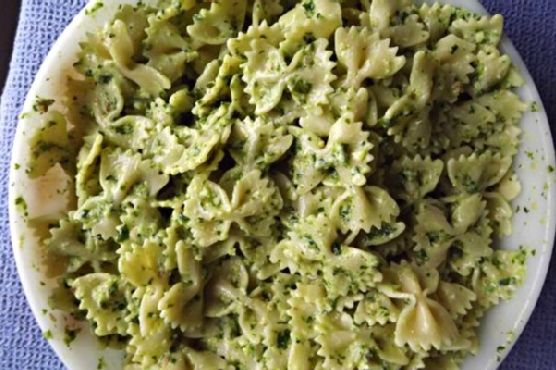
So there I was, staring at the butternut squash I’d ambitiously bought a week ago, thinking I’d make soup but never did. It was one of those drizzly evenings when the couch was calling louder than the kitchen, but the idea of a warm, creamy pasta dish was too tempting to ignore. Pasta with Butternut Parmesan Sauce was a perfect solution. This dish is a cozy, comforting hug in a bowl, and it’s deceptively simple to make. It’s the kind of recipe that feels special enough for a dinner party, but easy enough for a Tuesday night when you’re just trying to feed yourself without ordering takeout again. Plus, who doesn’t love a recipe that transforms a stubborn squash into a silky sauce?

Jump to Recipe

What You’ll Need

Chances are, you already have most of what you need in your kitchen. The magic comes from a few key ingredients that turn a humble vegetable into something seriously crave-worthy.

  • Butternut squash (about 2 pounds, give or take)
  • Bow-tie pasta (or your favorite shape)
  • Olive oil
  • Shallots
  • Parmesan cheese, freshly grated if possible
  • Heavy cream
  • Nutmeg
  • Fresh parsley
  • Lemon juice
  • Salt and pepper
  • Water (or chicken stock) to thin the sauce

How to Make Pasta With Butternut Parmesan Sauce @ Dw Magazine.Com

  1. Start by preheating your oven to 350°F. Trust me, this is the hardest part—waiting for it to heat up!
  2. Carefully slice the butternut squash in half lengthwise. To keep things safe, cut a bit off both ends first so it stands upright without wobbling. Scoop out the seeds and guts and toss them.
  3. Place the squash halves cut side down in a baking dish with about 1/4 cup of water. Roast them for about 40 minutes, or until a fork slides easily through the flesh. Let cool for about 10 minutes.
  4. Once cooled, scoop the squash flesh into a blender or bowl if you’re using an immersion blender. Puree until smooth and set aside. This is where the magic starts to happen!
  5. Meanwhile, bring a large pot of salted water to a rolling boil. Add your pasta and cook until just al dente. Drain and set aside.
  6. While the pasta is cooking, heat olive oil in a large skillet over medium heat. Add the shallots and sauté until they become soft and translucent, about 5 minutes, wafting that lovely aroma.
  7. Add the butternut squash puree to the shallots, stirring until it’s all mixed together. Cook for about a minute.
  8. Stir in the heavy cream a tablespoon at a time, watching as it transforms the puree into a luscious sauce. Add the Parmesan and stir until it melts into the mix.
  9. Season the sauce with nutmeg, salt, and pepper. Add water or stock to thin it to your desired consistency—think silky, not soupy.
  10. Remove from heat and stir in fresh parsley and a splash of lemon juice for brightness. This is the moment it all comes together!
  11. Plate your pasta, ladle the sauce generously over it, and garnish with extra parsley and Parmesan. Serve immediately, because who can wait at this point?

Cook’s Notes

A few tips to keep your pasta game strong: First, make sure to season your pasta water well. It’s your first chance to flavor the pasta itself. When thinning the sauce, go slow—it’s easier to add more liquid than to take it away. If you’re planning ahead, the sauce can be made a day in advance and kept in the fridge. Just reheat it gently on the stove, adding a splash of water or stock if it’s too thick. Leftovers? Store them in an airtight container in the fridge for up to 3 days. To reheat, warm gently on the stove, adding a bit of water to loosen the sauce if needed.

Make It Your Own

  • Swap bow-tie pasta for whole wheat spaghetti for a nuttier flavor and a little extra fiber.
  • For a protein boost, toss in some cooked chicken or crispy tofu before serving.
  • Want to sneak in more veggies? Add some sautéed spinach or kale to the sauce just before serving.
  • Feeling fancy? Drizzle a little truffle oil over the top before serving for an indulgent touch.

If you try this, I’d love to hear how it turns out—drop a comment or tag me on social media! Your version might just become my new favorite. Enjoy every creamy, dreamy bite!

Related update: Pasta With Butternut Parmesan Sauce @ Dw Magazine.Com

Curry and Sage Roast Chicken | Made by Meaghan Moineau

It was one of those frantic weeknights when I stared into my fridge, hoping for a dinner miracle. You know those nights, right? When you need something comforting and full of flavor but don’t have the energy to tackle a complex recipe? That’s when I stumbled upon the delightful harmony of curry and sage roast chicken. This dish is the perfect blend of aromatic spices and fresh herbs, with a hint of sweetness from honey and citrusy brightness from lemon and orange. It’s one of those recipes that sounds fancy but is so straightforward you’ll be able to pull it off without breaking a sweat. Plus, your kitchen will smell amazing.

Jump to Recipe

What You’ll Need

Do you ever have those happy moments when you realize you actually have most of the ingredients you need? That’s this recipe for you. It’s likely most of these are already sitting in your pantry or fridge.

  • Whole chicken
  • Curry powder
  • Fresh sage
  • Garlic
  • Honey
  • Lemon juice
  • Orange juice
  • Olive oil
  • Black pepper
  • Turmeric

How to Make Curry and Sage Roast Chicken

  1. Preheat your oven to 350°F. Take a moment to breathe in that pre-cooking calm.
  2. Clean the chicken inside and out, patting it dry with paper towels. Think of it as giving the chicken a mini spa day.
  3. In a small bowl, mix olive oil, lemon juice, orange juice, crushed garlic, honey, curry powder, black pepper, and turmeric. The mixture should smell like a small slice of heaven.
  4. Rub the chicken thoroughly with this vibrant mixture. Don’t be shy—get in there and make sure every nook and cranny is covered.
  5. Gently lift the skin and stuff some garlic and sage underneath. This is like a hidden treasure of flavor that will infuse the meat.
  6. Place the chicken in a baking pan, breast side up. Pop it into the oven and let it bake. The skin will become golden and fragrant, a sure sign it’s nearly time to eat.

Cook’s Notes

Keep an eye on your chicken as it roasts; baking time can vary depending on size. A good rule of thumb is about 20 minutes per pound, but make sure the internal temp hits at least 165°F. If the skin starts to get too dark before the meat is cooked through, tent some foil over the top. Leftovers will keep well in the fridge for a few days, and trust me, they’re perfect for a quick lunch salad or sandwich. You can also mix the rub and prep the chicken a day ahead, leaving it to marinate in the fridge for even more flavor.

Make It Your Own

  • Swap the chicken for crispy tofu by marinating tofu slices in the same spice mixture and baking until golden.
  • Try adding a sprinkle of cumin for a deeper, earthier vibe if that’s your thing.
  • If you’re not a fan of sage, rosemary could be a delightful substitute.
  • For a spicier kick, toss in some crushed red pepper flakes to the marinade.

If you try this, I’d love to hear how it turns out—drop a comment or tag me! Your kitchen is about to be filled with aromatic joy, and I’m excited for you to experience it. Happy cooking!

Related update: Curry and Sage Roast Chicken

Related update: Pasta With Butternut Parmesan Sauce @ Dw Magazine.Com

Related update: Potatoes Smothered with Egg Sauce (Cariucho)

Breaded Shrimp and Spicy Mayo Appetizer | Made by Meaghan Moineau

It was one of those evenings when you open the fridge and just sigh, you know what I mean? It had been a long day, and I wanted something delicious but low-key. There it was, a can of shrimp I had almost forgotten about. That’s when inspiration hit—breaded shrimp with a spicy mayo dip! It’s the kind of dish that feels like a cheat: super quick to make, but everyone will think you’re some kind of kitchen wizard. Perfect for when friends drop by unannounced or when you’re just craving something crispy and spicy. Trust me, this Breaded Shrimp and Spicy Mayo Appetizer is about to become your new go-to.

Jump to Recipe

What You’ll Need

You probably have most of these ingredients hanging out in your pantry already, and if not, they’re easy enough to grab at any grocery store. Here’s what you’ll need:

  • All-purpose flour
  • Bread crumbs
  • Chili powder
  • Egg
  • Garlic powder
  • Mayonnaise
  • Onion powder
  • Suya pepper
  • Salt
  • Canned shrimps
  • Sriracha sauce

How to Make Breaded Shrimp and Spicy Mayo Appetizer

  1. Start by peeling and deveining your shrimp. You can leave the tails on for a bit of extra crunch and a nicer presentation if you like.
  2. Season the shrimp with suya pepper and set them aside to let the flavors sink in.
  3. Whisk the egg in a small bowl and set it aside as your dipping station.
  4. In another bowl, combine your all-purpose flour with onion powder, garlic powder, salt, and chili powder.
  5. Take each seasoned shrimp and dredge it in the seasoned flour, making sure it’s well-coated. The spices should cling to every curve.
  6. Dunk the floured shrimp into the egg mixture, ensuring they’re nice and gooey.
  7. Coat them in the bread crumbs; press gently so the crumbs stick fully.
  8. Heat up a pan with oil for frying until it’s hot but not smoking. Fry the shrimp until golden brown on both sides, about 2-3 minutes per side.
  9. For the spicy mayo, mix 2 tablespoons of mayonnaise with 1 tablespoon of sriracha sauce until well combined. It should be a lovely salmon pink color.
  10. Serve your crispy shrimp with the spicy mayo on the side for dipping. Enjoy the crunchy, spicy goodness!

Cook’s Notes

You want to make sure your oil is hot enough before you start frying; otherwise, your shrimp will absorb too much oil and become soggy. If you’re making this for a crowd, you can fry the shrimp earlier and keep them warm in a low oven. Leftovers can be stored in an airtight container in the fridge and reheated in the oven to keep them crispy. I wouldn’t recommend microwaving them—no one likes limp shrimp!

Make It Your Own

  • Swap the shrimp for crispy tofu if you’re catering to vegetarians. Just make sure to press the tofu well before seasoning.
  • If you love extra heat, add more sriracha or even a dash of hot sauce to the spicy mayo.
  • Try using panko instead of regular bread crumbs for an extra-crunchy texture.
  • If you’re out of suya pepper, a mix of cayenne and paprika can add that smoky heat.

If you try this, I’d love to hear how it turns out—drop a comment or tag me! I’m always excited to see how you guys make these recipes your own. Happy cooking!

Related update: Breaded Shrimp and Spicy Mayo Appetizer

Jumbo Blueberry Muffins | Made by Meaghan Moineau

Picture this: it’s a lazy Sunday morning, and the sun’s just lazily peeking through your kitchen window. I was in my coziest pajamas, craving something warm and sweet that didn’t involve leaving the house. Enter these Jumbo Blueberry Muffins. They’re like a giant hug in muffin form—a bit of a show-off with their size, but oh so easy to whip up. With a crunchy lemon-sugar topping and bursting with blueberries, they’re the hero of any breakfast spread or spontaneous brunch. Plus, they’re quick enough to make on a weekday morning when you’re feeling a bit extra. Ready to bake? Let’s dive in.

Jump to Recipe

What You’ll Need

You probably have most of this stuff lounging in your pantry. Here’s what you’ll need:

  • 2 cups all-purpose flour
  • 2 teaspoons baking powder
  • 1/2 teaspoon salt
  • 1/3 cup granulated sugar + 1 cup separate
  • 2 large eggs
  • 1/4 cup unsalted butter, melted
  • 1/4 cup vegetable oil
  • 1 cup buttermilk
  • 1 teaspoon vanilla extract
  • Zest of one fresh lemon
  • 1 1/2 cups fresh blueberries

How to Make Jumbo Blueberry Muffins

  1. Preheat your oven to 425°F (220°C). Give a 6-cup large-sized muffin tin a light spritz of cooking spray, and set it aside.
  2. In a small bowl, combine the lemon zest and 1/3 cup of sugar. Use a fork to mix them thoroughly, creating a fragrant lemon-sugar mixture.
  3. Grab a large bowl and whisk together the flour, baking powder, and salt. Try to distribute everything evenly—it’ll make for a fluffier muffin.
  4. In another medium bowl, whisk the remaining 1 cup of sugar with the eggs. Go at it for about 45 seconds until the mixture is thick and homogeneous.
  5. Slowly pour in the melted butter and oil, then whisk in the buttermilk and vanilla extract. The mixture should be smooth and creamy.
  6. Add the liquid ingredients and the blueberries to the dry ingredients. Gently fold everything together until just combined. Resist the urge to over-mix!
  7. Fill the muffin tins with the batter, right up to the top. Sprinkle the tops generously with the lemon-sugar mixture for a crunchy finish.
  8. Bake the muffins at 425°F for 5 minutes. Then, lower the heat to 375°F and bake for another 25 minutes. Remember to rotate the pan halfway through to ensure even baking.
  9. The muffins are done when a toothpick inserted near the center comes out with just a few crumbs attached. Let them cool in the pan for about 5 minutes before transferring them to a wire rack to cool completely.

Cook’s Notes

Here’s the scoop: the key to these muffins is not over-mixing the batter. Too much mixing leads to tough muffins, and nobody wants that. These muffins are best enjoyed fresh, but if you’re making them ahead, they stay good in an airtight container at room temperature for up to three days. You can also freeze them! Just wrap them tightly in plastic wrap and pop them in a freezer bag. They’ll last for about three months, and all you have to do is let them thaw at room temp or give them a quick zap in the microwave.

Make It Your Own

Feel like experimenting? Here are a few variations:

  • Mixed Berry Muffins: Swap half of the blueberries with raspberries or chopped strawberries.
  • Nutty Twist: Add a handful of chopped walnuts or almonds to the batter for some crunch.
  • Citrus Punch: Substitute the lemon zest with orange zest for a different citrusy flavor.
  • Chocolate Indulgence: Replace some of the blueberries with chocolate chips for a sweet surprise.

So, are you ready to go jumbo? If you try this, I’d love to hear how it turns out—drop a comment or tag me! Let’s make your kitchen smell like a bakery, one muffin at a time. Happy baking! 💙

Related update: Jumbo Blueberry Muffins

Broccolini Quinoa Pilaf | Made by Meaghan Moineau

It was one of those evenings when the clouds rolled in, and the rain tapped softly against the windows, turning my kitchen into a cozy haven. I was craving something warm and hearty, something that didn’t require a grocery run in the drizzle. Enter Broccolini Quinoa Pilaf—a dish that’s both comforting and surprisingly simple. What I love about this dish is how effortlessly it balances health and flavor. The nutty quinoa paired with tender broccolini and crunchy walnuts is just the kind of meal that warms both your heart and your belly. Plus, it’s almost a one-pan wonder, which means fewer dishes—always a win in my book.

Jump to Recipe

What You’ll Need

This ingredient list is delightfully short, and chances are you already have most of this in your pantry.

  • Broccolini, trimmed
  • 1 garlic clove, minced
  • 2 tablespoons olive oil
  • 1 small onion, diced
  • 1 cup quinoa, rinsed
  • 2 cups vegetable broth
  • 1/4 cup walnuts, chopped
  • Salt and pepper to taste

How to Make Broccolini Quinoa Pilaf

  1. In a large pan with a lid, heat the olive oil over medium-high heat. Once shimmering, add the diced onions and cook for about a minute. You’ll notice the onions start to sizzle and soften.
  2. Add the minced garlic and continue to cook, stirring occasionally, until the onions become translucent and the garlic is wonderfully fragrant—this should take about 2-3 minutes.
  3. Pour in the quinoa and stir to coat it with the oil, garlic, and onion mixture. Let it toast for a minute to bring out its nutty flavor.
  4. Slowly add the vegetable broth, stirring as you pour. Increase the heat to bring it all to a boil.
  5. Once boiling, cover the pan and reduce the heat to low. Let the quinoa simmer for about 15 minutes.
  6. In the last 2-3 minutes of cooking, gently lay the broccolini on top of the quinoa. Don’t stir! Just cover it back up and let the steam work its magic.
  7. After 15 minutes, uncover the pan and toss the broccolini and quinoa together. The broccolini should be bright green and tender-crisp.
  8. Season with salt and pepper to your liking. Finish by sprinkling the chopped walnuts over the top for a delightful crunch.
  9. Serve hot and enjoy the medley of flavors and textures.

Cook’s Notes

A few tips to help you along: Make sure to rinse your quinoa under cold water before cooking to remove any bitterness. This dish is pretty forgiving, so feel free to let the onions cook a bit longer for a richer flavor. If you’re making this ahead, keep the broccolini separate until you’re about to serve, then warm everything up and integrate it at the end to keep the veggies vibrant. Leftovers? Store them in an airtight container in the fridge for up to 3 days, though I doubt they’ll last that long!

Make It Your Own

Here are some tweaks to keep things exciting:

  • Swap the broccolini for asparagus tips if you’re in a pinch. They cook similarly and add a nice touch.
  • For a protein boost, stir in some chickpeas when you add the vegetable broth. They’ll soak up the flavors beautifully.
  • If you’re a cheese lover, a sprinkle of feta or parmesan over the top before serving can add a deliciously creamy element.
  • For a nut-free version, use toasted pumpkin seeds for an equally satisfying crunch.

If you give this Broccolini Quinoa Pilaf a try, I’d love to hear how it turns out! Drop a comment below or tag me in your photos. Happy cooking, friends!

Related update: Broccolini Quinoa Pilaf

Strawberry-Mango Quinoa Salad | Made by Meaghan Moineau

The first time I made this Strawberry-Mango Quinoa Salad, it was one of those chaotic weeknights where I just wanted something fresh and easy. You know the kind—work had run late, the fridge was a bit empty, and the idea of ordering takeout was so tempting. But then I remembered the sweet mangoes I had picked up on a whim, and the lonely strawberries sitting in the fridge. That’s when the idea hit me—what if I threw together a salad that was not only refreshing but also filled with vibrant, zesty flavors? This salad is the kind of dish that makes you feel like you’ve got it all together, even when life is a little messy. Plus, it’s super quick to whip up.

Jump to Recipe

What You’ll Need

This salad’s beauty lies in its simplicity and the burst of flavors from super fresh ingredients. Chances are you already have most of these in your kitchen:

  • Quinoa – Nutty and satisfying, the base of our salad.
  • Water
  • Salt
  • Fresh strawberries – Sweet, juicy, and perfect for adding a pop of color.
  • Ripe mango – For that tropical twist.
  • Cucumber – Crunchy and refreshing.
  • Fresh mint – Bright and aromatic.
  • Lime juice and zest – To give that zesty zing.
  • Honey – For a touch of sweetness.
  • Canned sour plain cream – Adds a creamy tang.
  • Olive oil – Smooth and rich, tying it all together.
  • Bell pepper – For some extra crunch and color.

How to Make Strawberry-Mango Quinoa Salad

  1. In a medium saucepan, combine the quinoa, water, and a pinch of salt. Bring it to a boil over medium-high heat. Once it starts bubbling, lower the heat and let it simmer. Cover the pan and let it cook for about 15 minutes, until the liquid is just absorbed. You’ll know it’s done when you see those little quinoa tails unfurling.
  2. Spread the cooked quinoa out on a baking sheet. Let it cool for about 20 minutes. It should be warm to the touch but not steaming hot—perfect for absorbing all the dressing goodness later.
  3. While the quinoa is cooling, grab a large bowl. Whisk together the lime juice, lime zest, honey, sour cream, and olive oil. The mixture should be smooth and slightly thick, with a lovely citrusy aroma.
  4. Add the cooled quinoa to the bowl. Then toss in the strawberries, mango, cucumber, and mint. Toss everything well to make sure each bite is balanced.
  5. Season with a pinch of salt and a grind of pepper to taste. Give it one last gentle toss, and you’re ready to serve immediately.

Cook’s Notes

This salad is as forgiving as they come. If your quinoa isn’t quite cool when you mix it with the dressing, don’t sweat it—just let it sit a little longer before adding the other ingredients. Also, always taste as you go; if your mangoes are particularly sweet, you might want to dial back a bit on the honey. Leftovers can be stored in an airtight container in the fridge for up to two days. But let’s be real, it rarely lasts that long!

Make It Your Own

Here’s where you can get playful with it:

  • Swap the mango for juicy pineapple if that’s what’s on hand or in season.
  • For a bit of nuttiness, toss in a handful of toasted almonds or cashews.
  • Add a spicy kick by mixing in some finely chopped jalapeños or a dash of chili flakes.
  • If you’re a cheese lover, crumble some feta or goat cheese on top before serving.

If you try this, I’d love to hear how it turns out—drop a comment or tag me! Whether you stick to the original or put your own twist on it, this salad is sure to bring a bit of sunshine to your table. Enjoy!

Related update: Strawberry-Mango Quinoa Salad

One Soup, Two Ways: Chunky Vegetables and Cream Of Vegetables | Made by Meaghan Moineau

Picture this: it’s a chilly Wednesday evening, and I’m staring into the abyss of my refrigerator, silently hoping for a miracle. You know, one of those magical moments when dinner just materializes without much effort. Alas, the fridge reveals only lonely carrots, wilting celery, and a half-used onion. But hey, sometimes the best meals start with a scavenger hunt, right? That’s when I remembered this gem of a recipe: One Soup, Two Ways. It’s like having your cake and eating it too, but with soup! You get the hearty, rustic charm of chunky vegetables or the silky smoothness of cream of vegetables—all from the same pot. It’s quick, comforting, and perfect for those nights when you’re in dire need of warmth and coziness, without a lot of fuss.

Jump to Recipe

What You’ll Need

You’re in luck! This recipe mostly calls for pantry staples, so you might not even need to make a grocery run. Here’s what you’ll need:

  • Olive oil
  • Garlic, minced
  • Onion, chopped
  • Carrots, sliced
  • Celery, sliced
  • Salt
  • Canned tomato puree
  • Canned corn
  • Chicken broth
  • Canned beans
  • Dried herbs like thyme
  • Whole cooking cream (for the creamy version)
  • Turmeric

How to Make One Soup, Two Ways: Chunky Vegetables and Cream Of Vegetables

  1. Heat the olive oil over medium-low heat in a soup pot, big enough to hold all the goodness. The aroma of sizzling garlic and onions will greet you first—just the start of this flavorful journey.
  2. Add the garlic, onions, carrots, and celery. Give them a gentle stir, sprinkle the salt, and cover the pot. Let them sweat for about 10 minutes, until everything softens and the kitchen smells like a hug.
  3. Stir in the tomato puree and corn. Allow this medley to cook for a few minutes, until the puree deepens in color, promising robust flavor.
  4. Pour in the chicken broth, crank the heat to maximum, and bring it all to a boil. This is where the soup starts to take shape, bubbling with potential.
  5. Introduce the beans into the pot and season with your choice of dried herbs. Thyme is a personal favorite; it adds a gentle earthiness.
  6. For the chunky version, let this simmer for another 10-15 minutes until everything is heated through.
  7. If you’re feeling like a creamy delight, blend the soup in batches after the simmering. Stir in the whole cooking cream and a pinch of turmeric for a golden hue and a hint of warmth.

Cook’s Notes

I totally get it; sometimes soup can be a little intimidating, but don’t stress. The key here is to let those veggies sweat properly at the beginning—it builds the foundation of flavor. If you’re making the creamy version, remember not to fill your blender too full, or you might end up with a soup explosion (learned that the hard way). Store leftovers in an airtight container in the fridge for up to three days. Reheat gently on the stove, adding a splash of broth if it thickens too much.

Make It Your Own

Here are a few ideas to give this soup your own twist:

  • Swap the beans for chickpeas for a nuttier flavor and a bit more texture.
  • Use vegetable broth instead of chicken broth for a vegetarian-friendly version.
  • Add cooked shredded chicken for a protein boost and to make it extra hearty.
  • Try coconut milk instead of cream for a dairy-free, subtly tropical twist.

If you try this, I’d love to hear how it turns out—drop a comment or tag me! Soup’s on, friends. Enjoy every spoonful. 🍲

Related update: One Soup, Two Ways: Chunky Vegetables and Cream Of Vegetables

Related update: Curry and Sage Roast Chicken

Pumpkin gnocchi with basil and Parmesan | Made by Meaghan Moineau

Picture this: It’s a chilly Tuesday evening, and I’m rummaging through my pantry, mentally mapping out a dinner plan that’s both comforting and a touch fancy. The pumpkins from last weekend’s farmers’ market trip are staring at me, practically begging to be transformed into something indulgent. That’s when it hits me—pumpkin gnocchi. It’s one of those dishes that sounds like it takes hours of meticulous preparation but is surprisingly straightforward. Plus, it’s the perfect blend of fall flavors with the savory twist of basil and Parmesan. This dish is a dinner table showstopper without the stress. Ready to dive in?

Jump to Recipe

What You’ll Need

I love when a recipe feels like solving a cozy puzzle with ingredients you already have hanging out in the kitchen. This one’s full of those pantry-staple vibes with a few key players.

  • Pumpkin – the star of the show!
  • Whole eggs
  • Sea salt
  • Pepper
  • Fresh basil leaves
  • Wheat flour
  • Corn flour
  • Olive oil
  • Grana Padano cheese

How to Make Pumpkin gnocchi with basil and Parmesan

  1. First, wrestle with that pumpkin like it’s a stubborn jar lid. Separate the flesh and chop it down into a fine puree. Feel free to get your hands a little messy here—it’s part of the fun!
  2. In a large bowl, combine the pumpkin puree with the eggs. Stir until the mixture looks like a velvety sunset.
  3. Season the mix with sea salt, a sprinkle of pepper, and a handful of finely chopped fresh basil. The aroma should already start to make you feel warm inside.
  4. Gradually add the wheat flour, kneading until you get a soft dough. If the dough feels more like sticky tape, throw in some more flour until it’s nice and pliable.
  5. Divide your dough into equal rolls—aim for about 3 cm thick and around 20 cm long. Then slice these rolls into 2 cm long pillows of joy.
  6. Bring a large pot of salted water to a rolling boil. Carefully drop the gnocchi in and watch them dance. They’re ready when they bob to the surface, usually within a few minutes.
  7. Using a slotted spoon, rescue the gnocchi from their hot bath and either drizzle hot olive oil over them or toss them in a skillet with olive oil until they’re lightly golden.
  8. Serve them up on a platter, showered with Grana Padano and garnished with fresh basil leaves. Stand back and admire your edible masterpiece before digging in.

Cook’s Notes

Making gnocchi can feel like a balancing act between dough that’s too sticky and too dry. Remember, the weather and your pumpkin’s moisture can change the game, so trust your instincts and adjust with flour as needed.

These delicate pillows are best served straight away, but if you must, you can refrigerate them for a day or two. Just reheat gently, perhaps with a little extra olive oil to revive their golden exterior.

Looking to prep in advance? You can shape the gnocchi and freeze them on a tray before transferring them to a bag for storage. Cook them right from frozen, just adding a minute or two to their swim time.

Make It Your Own

  • Swap out the pumpkin for butternut squash if you’re feeling adventurous or that’s what’s on hand.
  • For a nutty twist, sprinkle toasted pine nuts over the finished dish.
  • To add a bit of heat, toss in some red pepper flakes when frying the gnocchi in oil.
  • Try a different cheese like Pecorino for a sharper edge.

If you try this out, I’d love to hear how it turns out — drop a comment or tag me! And remember, the best recipes are the ones that come with a story, so let this one create a delicious memory for you. Happy cooking!

Related update: Pumpkin gnocchi with basil and Parmesan

Related update: Broccolini Quinoa Pilaf

Classic French Onion Soup | Made by Meaghan Moineau

Picture this: it’s a chilly weekday evening, the kind where the wind seems to seep through every layer of clothing, and all I can think about is wrapping my hands around a warm bowl of something comforting. That’s how I found myself in the kitchen, wrestling with the idea of making a classic French Onion Soup. You know, the kind with a deep, rich broth and a cheesy, bubbly top that smells like pure coziness. It’s the perfect dish for those nights when you want to impress yourself with something that feels a bit fancy yet totally do-able. Spoiler alert: this recipe is easier than it seems and totally worth every bit of effort. Oh, and if you’re in a hurry to dive in, I’ve got you covered.

Jump to Recipe

What You’ll Need

Guess what? You might already have most of these ingredients hanging out in your kitchen. This recipe leans on everyday staples with a few stars that bring the magic.

  • 2 tablespoons of salted butter
  • 4 large yellow onions, sliced thin
  • 2 tablespoons of flour
  • 1/2 cup of sherry
  • 8 cups of beef broth
  • 4 sprigs of fresh thyme
  • 3 sprigs of fresh parsley
  • 1 bay leaf
  • Salt and pepper to taste
  • 1 French crusty baguette
  • 2 cups of shredded gruyere cheese

How to Make Classic French Onion Soup

  1. Preheat your oven to 400°F (200°C). This is crucial for that cheesy top finish.
  2. In a large Dutch oven, melt the butter over medium heat. Let it sizzle and foam—it’s the signal that your onions are ready to join the party.
  3. Add the sliced onions to the pot and sprinkle them with flour. Stir occasionally, adjusting the heat between medium and low. You’ll want to do this for about 45 minutes until they turn a tender, golden brown. If they start to brown too quickly, don’t hesitate to lower the heat.
  4. It’s de-glazing time! Pour in the sherry and scrape up those flavorful bits stuck to the bottom of the pot—aroma heaven.
  5. Add the beef broth and bring everything to a rolling boil. The anticipation builds!
  6. Toss in the fresh thyme, parsley, bay leaf, and season with salt and pepper. Simmer gently for 15 minutes, letting the flavors mingle and deepen.
  7. Meanwhile, slice the baguette and butter each piece. Arrange them on a cookie sheet and bake for 5-10 minutes until they’re dry and ready to soak up all that brothy goodness. Set aside to cool just a bit.
  8. Remove the herb sprigs and bay leaf from the soup. Ladle the soup into four oven-safe ramekins. Now, the fun part: top each with a slice of crusty bread and a generous sprinkle of gruyere cheese.
  9. Place your ramekins on a cookie sheet (for easy handling) and bake uncovered at 400°F for another 5-10 minutes until the cheese is bubbling. For an extra golden top, switch to broil for one more minute.
  10. Finally, serve warm and watch the smiles unfold around the table.

Cook’s Notes

Okay, here are a few nuggets of wisdom to ensure your soup is spot-on. First, let’s talk onions. Low and slow is key for that melt-in-your-mouth caramelization, so patience is your best friend here. And always taste your broth before seasoning—sometimes beef broth can be saltier than expected.

If you’re making it ahead, the soup base can be stored in the fridge for up to 3 days. Just reheat gently and add the bread and cheese topping before serving. Leftovers? They reheat beautifully in the oven; just keep the bread and cheese separate until you’re ready to enjoy round two.

Make It Your Own

Want to put a personal spin on this classic? Here are some tasty variations:

  • For a vegetarian version, swap the beef broth with a robust veggie broth and add a splash of soy sauce for depth.
  • If sherry isn’t your thing, try a dry white wine or even a splash of brandy for a different kind of warmth.
  • Love a bit of heat? Add a pinch of red pepper flakes to the onion mix for a subtle kick.
  • Switch up the cheese! Try a combo of gruyere and sharp cheddar for a more pronounced flavor.

If you give this recipe a try, I’d love to hear how it turns out—drop a comment or tag me in your delicious creations. Happy cooking, and may your kitchen be filled with warmth and joy!

Related update: Classic French Onion Soup

Related update: One Soup, Two Ways: Chunky Vegetables and Cream Of Vegetables

Loaded Veggie Omelet | Made by Meaghan Moineau

I was deep in the throes of a Tuesday night quandary—hungry but not wanting to commit to a full-on kitchen escapade. You know those nights, right? The ones where takeout seems like the easy choice, but your inner voice whispers (or maybe shouts), “Use the groceries you bought!” It was on one such evening that I whipped up this Loaded Veggie Omelet. It’s the kind of recipe that feels like a mini victory; quick to make yet hearty enough to satisfy. Perfect for when you want something impressive without the fuss. Plus, who wants a mountain of dishes? Not me.

Jump to Recipe

What You’ll Need

This isn’t one of those recipes where you’ll be chasing obscure ingredients. Chances are you already have most of this:

  • Shallot
  • Garlic
  • Mushrooms
  • Cherry tomatoes
  • Fresh basil
  • Fresh spinach
  • Eggs whisked
  • White cheese
  • Drizzle of olive oil

How to Make Loaded Veggie Omelet

  1. Start by preheating your oven to warm or 170 degrees. This will keep your first omelet cozy while you prepare the second one. Trust me, it’s worth it.
  2. Heat a small sauté pan over medium. Drizzle it with just enough olive oil to give your veggies a glistening hug.
  3. Add the shallot and garlic first. Sauté them until they’re golden and fragrant—your kitchen should smell amazing by now.
  4. Toss in the mushrooms and let them soften. They’ll release their juices, which is exactly what we want.
  5. Now, add the cherry tomatoes and fresh spinach. Give everything a good stir and then remove the pan from the heat. The spinach should just start to wilt.
  6. In a small omelet or sauté pan, pour in a layer of your whisked eggs. As the egg begins to set, gently run a spatula around the edges. This keeps it from sticking and makes folding easier.
  7. When the egg is almost fully cooked—think slightly runny on top—layer half of the basil, cheese, and your sautéed veggie mix onto one side of the egg.
  8. Gently fold the other side of the egg over the filling. Use your spatula to help if needed. Slide the omelet onto a small oven-safe plate and keep it warm in the oven.
  9. Repeat the process for the second omelet, then serve both while they’re still warm.

Cook’s Notes

Cooking omelets is more of an art than a science, and a few tips can make all the difference.

  • If you’re not a fan of runny eggs, let them cook a bit longer before adding the filling. The key is to keep it soft enough to fold.
  • Store leftovers in an airtight container in the fridge. They make a delightful breakfast next day, just reheat in a pan to revive some freshness.
  • Use a non-stick pan to make your life easier, especially if you’re new to making omelets. It’s all about the slide!
  • If you want to make these ahead, prepare the veggie mix and store it separately. When you’re ready to eat, whip up those eggs and you’re set.

Make It Your Own

Here’s where you get to play chef. These variations keep things exciting:

  • Swap the mushrooms for crispy tofu for an extra protein punch.
  • If you’re a cheese enthusiast, try using feta instead of white cheese for a tangy twist.
  • Give it a spicy kick by adding a dash of red pepper flakes or a few jalapeño slices.
  • Not a fan of spinach? Substitute with arugula for a peppery note.

I hope this Loaded Veggie Omelet becomes your go-to for those nights when you need a quick, satisfying meal. If you try this, I’d love to hear how it turns out — drop a comment or tag me! Here’s to cozy, tasty evenings in.

Related update: Loaded Veggie Omelet

Related update: Jumbo Blueberry Muffins

Greek Yogurt Chicken Salad | Made by Meaghan Moineau

It was one of those whirlwind Wednesday evenings where everything seemed to be happening at once. My kitchen was a mess of grocery bags, half-empty coffee cups, and a laptop precariously perched on the edge of the counter streaming my latest binge-worthy show. Between juggling work calls and taming the chaos that had taken over my living space, I needed dinner to be quick, satisfying, and ideally nutritious enough to make me feel like I was winning at adulthood. Enter the Greek Yogurt Chicken Salad. It’s a reliable hero for those nights when you need something comforting yet refreshing, and it doesn’t hurt that the cleanup is a breeze! The creamy, tangy dressing paired with the tender chicken and the occasional sweet zing from the craisins is just what you need to hit reset.

Jump to Recipe

What You’ll Need

Just a heads up, this is the kind of recipe where you might already have most of the ingredients lounging around in your kitchen. It’s simple yet flavorful.

  • 2-3 whole chicken breasts
  • 4 cups chicken broth or water
  • 1 cup plain Greek yogurt
  • 1 tablespoon Dijon mustard
  • 1 teaspoon garlic powder
  • 1/2 cup craisins (or raisins)
  • 1/2 cup roasted cashews
  • Salt, to taste
  • Pepper, to taste

How to Make Greek Yogurt Chicken Salad

  1. Start by bringing your chicken broth or water to a boil in a medium pot. Once it’s bubbling, add in your whole chicken breasts. Let them cook until there’s no pink left in the middle; this usually takes about 15-20 minutes depending on their size.
  2. While your chicken is having its spa treatment, whisk together the Greek yogurt, Dijon mustard, and garlic powder in a bowl. You’re aiming for a smooth, well-mixed sauce here. Add a dash of salt and pepper, adjusting to your taste.
  3. Stir in the craisins and cashews. If you love a bit more crunch, hold off on the cashews until just before serving. This way, they maintain their delightful crunch!
  4. Once the chicken is done, let it rest for about 5 minutes. Trust me, this little pause keeps all those flavorful juices locked in.
  5. Dice the chicken into bite-sized chunks and toss it into your prepared sauce. Give everything a good mix so each piece of chicken is generously coated.
  6. Serve your chicken salad chilled or at room temperature. It’s perfect in a sandwich, on a bed of greens, or just straight from the bowl.

Cook’s Notes

– Boiling the chicken in broth instead of water really takes the flavor up a notch, but if you’re in a pinch, water works just fine.
– This chicken salad keeps well in the fridge for about 3 days, making it a great make-ahead lunch option. Just store it in an airtight container to keep it fresh.
– If you’re planning to eat it over a few days, consider adding the cashews just before serving each time to maintain that satisfying crunch.
– Be mindful not to overcook the chicken, as it can become a bit rubbery. You want it tender and juicy!

Make It Your Own

  • Swap the chicken for crispy tofu if you’re going for a vegetarian vibe. Just cube it and toss it in!
  • Love a bit of heat? Add a pinch of cayenne pepper or some chopped jalapeños to the sauce.
  • For an extra tangy twist, try tossing in some diced green apples. They add a delightful crunch and zing.
  • Switch the craisins for chopped dried apricots for a different kind of sweetness if you’re feeling adventurous.

If you give this Greek Yogurt Chicken Salad a whirl, I’d love to hear how it turns out for you! Drop a comment below or tag me in your kitchen creations. Let’s keep those weeknight dinners delicious and stress-free!

Related update: Greek Yogurt Chicken Salad

Related update: Strawberry-Mango Quinoa Salad

S’mores-n-berry Bars for National S’mores Day – August 10 | Made by Meaghan Moineau

Picture this: it’s a Wednesday evening, and I’m knee-deep in that midweek slump, feeling like a bit of a sweet escape. The kind where comfort meets simplicity. I glanced at the calendar and saw it was nearing August 10th—National S’mores Day. Immediately, a light bulb moment struck! Why not combine the nostalgia of campfire s’mores with a fruity twist to lift my spirits? Enter: S’mores-n-berry Bars. They’re as indulgent as they sound, with a crispy graham cracker base, rich brownie layer, and gooey marshmallow topping that’s lightly kissed by the oven’s broiler for that perfect toasted finish. It’s the kind of treat that’s easy to whip up, yet impressive enough to satisfy any sweet tooth. Jump to Recipe

What You’ll Need

You probably have most of these ingredients lounging in your pantry already. Here’s what you’ll need:

  • 1 box of cooked brownie mix
  • 1 egg
  • 1 cup graham cracker crumbs
  • 2 whole graham crackers
  • 1 cup mini marshmallows
  • 1/2 cup fresh dried raspberries
  • 1/4 cup sugar
  • 1/2 cup unsalted butter, melted
  • 1/4 cup vegetable oil
  • 1/4 cup water

How to Make S’mores-n-berry Bars for National S’mores Day – August 10

  1. Preheat your oven to 325°F. Line an 8-inch-square baking pan with foil, making sure the foil hangs over the edges for easy removal later. Give it a spritz of nonstick cooking spray to make doubly sure nothing sticks.
  2. In a medium-sized bowl, combine the melted butter, graham cracker crumbs, and sugar until it resembles wet sand. Press this mixture evenly into the bottom of your prepared pan. Bake for about 20 minutes, or until it looks golden and smells like heaven. Set aside.
  3. Crank up your oven to 350°F. Meanwhile, grab another bowl and mix together the brownie mix, vegetable oil, water, and egg until smooth. Gently fold in the fresh dried raspberries. Pour this luscious batter over the cooled graham cracker crust.
  4. Bake the brownie layer for about 25 minutes, or until a toothpick inserted into the center comes out clean. This is your cue to remove it from the oven.
  5. Break up the two graham crackers into small pieces and scatter them artfully atop the brownie layer.
  6. Scatter the mini marshmallows over the graham crackers. Return the pan to the oven, this time setting it to broil. Watch carefully, as the marshmallows can quickly go from toasty to burnt in a flash! Once they’re golden and bubbly, pull the pan out.
  7. Allow the bars to cool completely in the pan. Lift them out using the overhanging foil and cut into squares. Enjoy the ooey-gooey goodness!

Cook’s Notes

These bars are as versatile as they are delicious. The graham cracker crust adds an incredible texture contrast to the fudgy brownie and gooey marshmallow topping. Here are a few tips to ensure they turn out perfect:

  • If you prefer a denser brownie, add an extra egg to the brownie mixture.
  • Store any leftovers in an airtight container at room temperature for up to 3 days. They’ll stay delicious, though the marshmallows might lose a bit of their chew.
  • To make these ahead, you can prepare the graham cracker crust and brownie layer a day in advance. Add the graham crackers and marshmallows just before serving for the best texture.

Make It Your Own

  • Nutty Twist: Swap out the raspberries for chopped toasted almonds or pecans for a crunchy surprise.
  • Berry Medley: Use a mix of freeze-dried strawberries and blueberries instead of just raspberries for a more fruity experience.
  • Chocolate Lovers: Add chocolate chips to the brownie mix for extra gooeyness. You can never have too much chocolate, right?
  • Salted Caramel: Drizzle caramel sauce over the marshmallows before broiling. A sprinkle of sea salt can elevate these bars to gourmet status.

If you try this, I’d love to hear how it turns out — drop a comment or tag me! S’mores day or not, these bars are a crowd-pleaser every time.

Related update: S’mores-n-berry Bars for National S’mores Day – August 10

Related update: Cherry-Berry Pie With Agave Nectar All-Butter Crust

Tart Raspberry Sorbet with a Hint of Heat | Made by Meaghan Moineau

Picture this: it’s a sweltering summer afternoon, and you’re yearning for something refreshing yet a little out of the ordinary. You’ve already got one foot in the kitchen, rifling through the freezer, when you stumble upon a forgotten stash of frozen raspberries. Suddenly, inspiration hits you like a cool breeze. Why not whip up a sorbet that’s as tart as your mood and just a tad mischievous, with a spicy kick to keep things interesting? This Tart Raspberry Sorbet with a Hint of Heat is exactly what you need. It’s the kind of recipe that doesn’t just cool you down but also gives your taste buds a little wake-up call. Plus, it’s ridiculously easy to make—perfect for those moments when you want to impress but can’t be bothered with a culinary masterpiece.

Jump to Recipe

What You’ll Need

You might already have most of these tucked away in your pantry and freezer, which makes this sorbet a breeze to throw together on a whim.

  • Frozen raspberries – The star of the show, bringing their tart and vibrant flavor.
  • Raspberry jam – For an extra burst of raspberry goodness and a bit of sweetness.
  • White grape juice – To lend a subtle sweetness and some liquid gold.
  • Cardamom powder – Adds an exotic warmth that pairs beautifully with the raspberries.
  • Green chili – Just a little, for that unexpected kick.
  • Lime juice – To enhance the tartness and add a citrusy zing.

How to Make Tart Raspberry Sorbet with a Hint of Heat

  1. In your food processor, combine the frozen raspberries, raspberry jam, and white grape juice. Add a pinch of cardamom powder, a small piece of green chili, and a generous squeeze of lime juice.
  2. Process the mixture until it’s smooth and vibrant. Listen for the change in sound as the chunks of raspberry become a luscious puree.
  3. Push the mixture through a fine strainer to remove most of the seeds. This part might seem tedious, but trust me, your teeth will thank you later.
  4. Transfer the silky mixture to a container, cover, and pop it in the freezer. Every couple of hours, check on it and give it a good stir. This keeps the texture smooth and prevents large ice crystals from forming.
  5. As the sorbet nears the end of its freezing journey, consider shaping it into enticing balls using an ice cream scoop or a large spoon. It’s not just about looks—it helps the sorbet melt evenly when served.
  6. Once frozen, let your sorbet thaw for a few minutes before serving. This little pause is crucial, especially if your freezer tends to be overzealous.

Cook’s Notes

Let’s talk about some nuances that can take this sorbet from good to unforgettable. First off, if you’re worried about the heat, start by adding just a sliver of green chili. You can always add more, but you can’t take it out. As for storage, this sorbet keeps well in the freezer for up to two weeks, though it’s best enjoyed within the first few days when the flavors are at their peak.

If you’re planning ahead, make the sorbet the day before you want to serve it. This allows it to firm up perfectly. If you end up with leftovers (unlikely, but it happens), let them soften a bit before diving back in.

Make It Your Own

This sorbet is a canvas for your creativity. Here are a few ideas to make it uniquely yours:

  • Swap the raspberries for frozen strawberries for a sweeter, less tart version.
  • If you’re a mint fan, add a handful of fresh mint leaves to the food processor for a refreshing twist.
  • Looking for an adult-only version? Replace the white grape juice with a splash of Prosecco or a sweet white wine.
  • For a nutty contrast, sprinkle a handful of toasted pistachios over your sorbet before serving.

If you try this, I’d love to hear how it turns out—drop a comment or tag me! Your adventures in sorbet-land might just inspire someone else to give it a whirl. Enjoy your chill time!

Related update: Tart Raspberry Sorbet with a Hint of Heat

Related update: S’mores-n-berry Bars for National S’mores Day – August 10

Related update: Pumpkin gnocchi with basil and Parmesan

Rugelach | Made by Meaghan Moineau

Picture this: a cozy Sunday afternoon, the type where time seems to slow down and a light drizzle taps rhythmically against your kitchen window. It’s the perfect setting for a baking adventure, and today’s mission is rugelach. This delightful pastry is more than just a treat; it’s a buttery, flaky, nutty explosion of flavor that’s surprisingly easy to pull off. Even if you’re juggling kids, pets, or a mountain of laundry, this recipe fits snugly into your schedule and promises to fill your home with warmth and the irresistible scent of cinnamon. Let’s dive in, shall we?

Jump to Recipe

What You’ll Need

The beauty of this rugelach recipe lies in its simplicity. Chances are, you have most of these ingredients lounging in your pantry or fridge already. Here’s what you’ll need:

  • Salted butter – it gives the dough a rich flavor and perfect flakiness.
  • Cream cheese – make sure to use a block, not the spreadable kind.
  • Salt – just a pinch to balance the sweetness.
  • Plain flour – for that tender, delicate texture.
  • Egg yolks – they add richness and help bind the dough.
  • Vanilla extract – a splash for warmth.
  • Caster sugar – both in the dough and as a sweet coating at the end.
  • Fruit preserves – I love orange marmalade, but feel free to experiment.
  • Walnuts – adds crunch and a lovely nutty flavor.
  • Ground cinnamon – because cinnamon and sugar are best friends.

How to Make Rugelach

  1. Start by leaving your butter and cream cheese out for a couple of hours. They should be soft and spreadable, which is key to working them into a smooth dough.
  2. Preheat your oven to 180°C (that’s about 356°F for my stateside friends).
  3. In a large mixing bowl, beat the softened butter and cream cheese together on medium speed until they’re light and fluffy. This should take about 2-3 minutes.
  4. Add in the egg yolks, vanilla extract, caster sugar, and a pinch of salt. Gradually mix in the flour until everything comes together into a smooth dough.
  5. While that’s mixing, chop up your walnuts into fine pieces and set them aside. They’ll add the perfect crunch to your rugelach.
  6. Once your dough is ready, dust your work surface with flour and knead the dough gently into a large block. If your dough feels a bit sticky, sprinkle on some more flour.
  7. Divide the dough into four equal pieces, keeping the ones you’re not currently using under a damp cloth so they stay moist.
  8. Roll one piece into a ball, then use a floured rolling pin to flatten it into a circle about 2 to 3mm thick.
  9. Cut the rolled dough into eight triangles. Like mini pizza slices, but so much better!
  10. Time to get fruity! Place a teaspoon of your fruit preserves at the wide end of each triangle, spreading it lightly.
  11. Sprinkle some chopped walnuts over the preserves, then tuck in the sides of the triangle slightly to keep everything tucked in as you roll.
  12. Roll each piece towards the pointed end, making sure the filling stays inside. Repeat for the other dough pieces.
  13. Place your rugelach on a baking tray lined with parchment paper.
  14. Mix caster sugar and ground cinnamon in a small bowl. Melt your butter and brush it over each rugelach, finishing with a generous sprinkle—or a roll—in the cinnamon-sugar.
  15. Bake for about 35 minutes, or until the rugelach are a deep golden brown and your kitchen smells heavenly.
  16. Let them cool on a rack before savoring or storing them away (if they last that long!).

Cook’s Notes

Rugelach is all about that flaky, tender dough, so make sure your butter and cream cheese are properly softened. Cold ingredients can lead to a dense pastry instead of the melt-in-your-mouth texture we’re after. If the dough gets too sticky, don’t be shy about adding a little more flour as you roll it out. These pastries store well—just pop them in an airtight container, and they’ll keep for a few days at room temperature or freeze beautifully for up to a month. A quick reheat in the oven or toaster oven revives their just-baked allure.

Make It Your Own

  • Swap the orange marmalade for raspberry or apricot preserves for a different fruity twist.
  • If you’re not into walnuts, try pecans or almonds for a different nutty bite.
  • Add a sprinkle of chocolate chips to the filling for a decadent, chocolatey surprise.
  • Feeling spicy? A pinch of cardamom in the sugar-cinnamon mix adds an exotic flair.

If you try this, I’d love to hear how it turns out—drop a comment or tag me on your socials! Cheers to cozy baking sessions and delicious rugelach adventures!

Related update: Rugelach

Related update: Tart Raspberry Sorbet with a Hint of Heat

Eggplant Fries with Tzatziki Sauce | Made by Meaghan Moineau

Picture this: it’s a lazy Sunday afternoon, and I’m in my kitchen staring down a couple of eggplants that have been lounging in my crisper drawer for a bit too long. It’s one of those days where I desperately want something crispy and satisfying, but without the guilt that comes with a giant bowl of fries. Enter: Eggplant Fries with Tzatziki Sauce. These little guys are a revelation—they’re crunchy, flavorful, and come with a cool, tangy dipping sauce that just hits the spot. The best part? They’re baked, not fried, so you get all the crunch with none of the extra oil. They’re also perfect for when you’re hosting friends and need an appetizer that’s impressively delicious yet deceptively simple to make. Seriously, your friends will be raving about these.

Jump to Recipe

What You’ll Need

What’s great about this recipe is that it’s likely you already have most of these ingredients lounging in your pantry. The secret is in the mix of spices and the creamy yogurt that coats the eggplant before it bakes to crispy perfection. Here’s the crew you’ll need:

  • Eggplants – the star of the show!
  • Italian seasoning mix – for that herby kick.
  • Bread crumbs – to give our fries that crispy crunch.
  • Low fat plain yogurt – adds creaminess and tang.
  • Egg – helps bind everything together.

How to Make Eggplant Fries with Tzatziki Sauce

  1. Preheat your oven to 450°F. This is key for achieving that glorious crunchy exterior on the fries. Trust me, a hot oven is your best friend here.
  2. Mix together a pinch of salt, garlic powder, Italian seasonings, and a dash of paprika in a bowl. This mixture will become your flavor-packed coating.
  3. In another bowl, whisk together the yogurt and egg until you have a smooth mixture. This will act as the glue to hold those delicious breadcrumbs.
  4. Slice your eggplants into strips—think classic fry shape. Dunk each strip into the yogurt and egg mix, allowing any excess to drip off.
  5. Roll the coated eggplant strips in the breadcrumb mix, making sure each piece is covered well. This is what’s going to give you that irresistible crunch.
  6. Place the breaded eggplant strips onto a parchment-lined or greased baking pan, making sure they have some breathing room. You want them to bake, not steam.
  7. Pop them into the oven and bake for about 10-15 minutes, rotating once halfway through. They’re done when they’re slightly brown and smell absolutely divine.

Cook’s Notes

  • Don’t overcrowd your baking sheet. The eggplant needs space to crisp up, so if you’re making a big batch, use two sheets or bake in batches.
  • If you find your eggplant fries aren’t browning as much as you’d like, you can pop them under the broiler for a minute or two—just keep a close eye to prevent burning.
  • These fries are best enjoyed fresh out of the oven, but if you have leftovers, they can be stored in an airtight container in the fridge for up to two days. To reheat, just pop them back into the oven at 400°F for a few minutes.

Make It Your Own

  • Want to go gluten-free? Swap out the bread crumbs for a gluten-free variety, or try crushed cornflakes for an extra crunch.
  • For a spicy twist, add a teaspoon of cayenne pepper to the breadcrumb mix. It’ll give your fries a nice kick.
  • If you’re out of Italian seasoning, get creative with what you have on hand—oregano, thyme, or even a hint of rosemary can work wonders.
  • No yogurt? No problem. Buttermilk or a splash of milk with a squeeze of lemon can substitute in a pinch.

If you try this, I’d love to hear how it turns out—drop a comment or tag me! Your kitchen adventures always make my day. Happy cooking, friends!

Related update: Eggplant Fries with Tzatziki Sauce

Related update: Breaded Shrimp and Spicy Mayo Appetizer

Beans With Smoked Pork Hock | Made by Meaghan Moineau

Picture this: It’s a chilly Tuesday evening, and the last thing you want to do is spend hours in the kitchen after a long day. But you’re craving something warm and fulfilling, something that feels like a hug in a bowl. Enter my Beans With Smoked Pork Hock — a dish I stumbled upon during a desperate weeknight scramble when all I had were pantry basics and a lonely smoked pork hock languishing in the freezer. This recipe is the hero of cozy weeknight dinners, rich with smoky depth and packed full of comforting flavors. The beauty of it lies in its simplicity; it’s the kind of meal that lets you put in minimal effort yet rewards you with a nourishing, soul-warming bowl of happiness.

Jump to Recipe

What You’ll Need

It’s likely you’ve got most of these hanging around your kitchen already. This shopping list is delightfully short and sweet, focusing on a few key ingredients that pack a punch.

  • Smoked pork hock
  • 1 onion
  • 2 garlic cloves
  • 1 bay leaf
  • 2 cups dried beans, soaked overnight
  • 1 vegetable cube
  • 2 carrots
  • Celery root
  • Salt and pepper to taste
  • A nice loaf of black bread

How to Make Beans With Smoked Pork Hock

  1. Start by soaking your beans the night before. Trust me, you’ll thank yourself tomorrow when the beans are perfectly plump and ready to soak up all that deliciousness.
  2. Rinse the smoked pork hock under cold water and remove the skin. This is where the magic begins — the smokiness of the pork hock will infuse everything with flavor.
  3. In a large pan, combine the onion, pork hock, beans, bay leaf, and garlic. Your kitchen should start smelling like the warm-up to a grand meal.
  4. Pour enough water to cover the beans and meat, then crumble in the vegetable cube. Bring everything to a gentle simmer.
  5. Let it all cook for a good 60 minutes on low heat, with the lid on. This is when you can kick back and relax, maybe with a glass of wine in hand.
  6. Fifteen minutes before the end, chop the carrots and celery root in a blender or roughly by hand if you like it chunkier. Add them to the pot and give everything a good stir.
  7. Once the beans are tender and the flavors have melded, fish out the pork hock. Tear it into smaller, bite-sized pieces — perfect for mingling with the beans.
  8. Don’t forget to remove the bay leaf. This little soldier has done its job.
  9. Season with salt and pepper to your liking. Serve the beans with those deliciously shredded pieces of pork and a hearty slice of black bread.

Cook’s Notes

Let’s chat about some practical tips. First, if you forget to soak the beans overnight (we’ve all been there), a quick soak method works too: boil them for 1-2 minutes, then let them sit off the heat for an hour. For storage, leftovers can be kept in the fridge for up to three days and they freeze beautifully. Just be sure to store the beans and meat separately for best results. When reheating, add a splash of water to loosen things up.

Make It Your Own

Here’s where you can play around and make this recipe truly yours:

  • Swap the smoked pork hock for a smoked turkey leg if you’re feeling adventurous or simply want to switch up the protein.
  • Try using kidney or black beans instead of your regular go-to beans for a different texture and color.
  • Add a pinch of red pepper flakes for a bit of warmth and spice if you like a little kick.
  • If you’re feeling extra, throw in some diced potatoes along with the carrots and celery for added heartiness.

If you give this recipe a whirl, I’d love to hear how it turns out for you! Drop a comment below or tag me in your culinary creations. Happy cooking, friends!

Related update: Beans With Smoked Pork Hock

Linguine and Clams In Garlic White Wine Sauce | Made by Meaghan Moineau

It was one of those weeknights when I opened the fridge and stared blankly, hoping dinner would magically appear. With only a few clams left from last weekend and some trusty linguine, I decided it was time to whip up my favorite Linguine with Clams in Garlic White Wine Sauce. It’s one of those dishes that sounds fancy—and tastes even fancier—but it’s surprisingly forgiving and quick to prepare, perfect for a midweek pick-me-up. By the time the pasta was perfectly al dente, my kitchen smelled like a cozy little Italian trattoria. My secret weapon? Loads of garlic and a splash of wine that turns simple ingredients into something special.

Jump to Recipe

What You’ll Need

I bet you have most of these ingredients hanging around already, and if not, they’re worth stocking up on for moments like this.

  • 5 cloves of garlic
  • 3 1/2 dozen little neck clams
  • 1 cup dry white wine
  • Pinch of red pepper flakes
  • 1 pound linguine
  • 4 tablespoons unsalted butter
  • 1/4 cup fresh Italian parsley
  • 1/4 cup fresh oregano leaves
  • Parmigiano-Reggiano (optional)
  • Kosher salt

How to Make Linguine and Clams In Garlic White Wine Sauce

  1. Coat a large sauté pan with olive oil and toss in 5 garlic cloves with a pinch of red pepper flakes. Crank the heat to medium-high until the garlic is golden brown and fragrant; this is when your kitchen begins to smell divine. If you’re like me and adore garlic, flip the cloves for extra flavor. Once golden, remove and discard them.
  2. Add the clams to the pan, pour in the white wine, and cover. Allow it to come to a boil over medium heat. Let it simmer until the clams open up, around 10 minutes. Use a slotted spoon to fish out the clams, reserving the cooking liquid.
  3. Boil a large pot of water for your linguine. Normally, I’d salt the water generously, but this time I skipped it because the clam juice added enough salty goodness.
  4. Mince the remaining garlic cloves. In the same sauté pan, drizzle more olive oil, add the minced garlic and another pinch of red pepper flakes. Cook until the garlic is just releasing its aroma, careful not to brown it.
  5. Add the raw clams and reserved clam juice back to the pan, checking the liquid for any sand or grit. A paper towel-lined sieve could help here to avoid any unwanted crunchiness in your dish.
  6. Cover and let the clams cook while you drop your linguine into the boiling water, aiming for very al dente—about a minute less than the box suggests.
  7. Once the clams have opened, set aside those in their shells to keep warm. Add butter and the clams removed from their shells back to the pan. Bring the liquid to a boil, then toss in the cooked pasta and fresh herbs.
  8. Cook everything together until the sauce coats the linguine. Kill the heat, then stir in grated Parmigiano-Reggiano if you’re using. Serve up the pasta, topping each dish with the clams in their shells and a sprinkle of fresh herbs.

Cook’s Notes

A few pearls of wisdom from my kitchen to yours: make sure to buy shellfish sold in mesh bags to avoid dead shellfish—plastic suffocates them. If you’re planning in advance, all the components can be prepped a few hours ahead, but cook them right before serving for optimal freshness. Leftovers, if you have any, can be refrigerated for up to two days. Just know that reheating clams can make them chewy, so enjoy it fresh if possible.

Make It Your Own

Switch it up with a few fun variations:

  • Substitute the clams for crispy tofu for a plant-based twist.
  • Use whole wheat or gluten-free pasta to suit dietary needs.
  • Swap the white wine for vegetable broth if you’re steering clear of alcohol.
  • Add a handful of cherry tomatoes for a pop of color and sweetness.

If you try this, I’d love to hear how it turns out—drop a comment or tag me! Cooking is all about sharing, so let’s keep this delicious conversation going.

Related update: Beans With Smoked Pork Hock

Related update: Greek Yogurt Chicken Salad

Baked Alaska | Made by Meaghan Moineau

Picture this: It’s a Friday night, and you’ve had one of those weeks where everything felt like a never-ending to-do list. You’re craving something special, a little dramatic even, to kick off your weekend with flair. That’s when I remembered Baked Alaska. It’s one of those desserts that looks like a total showstopper but is actually super manageable to whip up. I love how it combines the coolness of ice cream, the soft texture of cake, and a toasty meringue that you can’t help but admire. It’s great because you can make it ahead of time, and it doesn’t require any fancy equipment. Seriously, if I can do it, anyone can. You just have to get over the idea that baking something on top of ice cream is somehow impossible — spoiler: it’s not, and it’s ridiculously fun. Jump to Recipe

What You’ll Need

Let’s be real: you’ve probably got most of this stuff on hand already, except maybe the ice cream. But hey, any excuse to grab a pint, right?

  • A round cake (store-bought or homemade, your call!)
  • Ice cream (about 1/2 gallon of your favorite flavor)
  • Egg whites (from about 3 large eggs)
  • Cream of tartar
  • Powdered sugar

How to Make Baked Alaska

  1. Start by greasing a 7-inch bowl with a flavorless oil or unsalted butter. This bowl should be just big enough to snugly hold half a gallon of ice cream, but no wider than your cake round.
  2. Let your ice cream soften a bit so it’s workable. Then pack it tightly into the bowl. Pop it back into the freezer until it hardens — about an hour should do.
  3. For the meringue, beat your egg whites until they are foamy. Add a pinch of cream of tartar and keep whipping until you see stiff peaks. This is when the meringue holds its shape firmly.
  4. Gently fold in the powdered sugar, a bit at a time, to avoid deflating all that nice air you just whipped in.
  5. Once you’re ready to assemble, place your round cake on a plate that’s slightly larger than the cake itself.
  6. To unmold the ice cream, center it over the cake. If it’s being stubborn and won’t release from the bowl, run a bit of warm water over the outside of the bowl for a few seconds.
  7. Time to “frost” it! Cover the cake and ice cream completely with meringue, going wild with a spoon to create peaks and swirls. Don’t be shy — more is more with meringue.
  8. Bake your masterpiece in a preheated oven at 450°F for about 6-7 minutes, until those meringue peaks are beautifully golden brown.
  9. Pop it back in the freezer until you’re ready to serve. It’ll keep just fine for a day or two.

Cook’s Notes

A couple of quick tips to save your sanity: First, make sure your bowl is really cold to help the ice cream set faster. If you’re nervous about the meringue deflating, sift the powdered sugar first; it makes a surprising difference. And for those moments when the ice cream just won’t release, a quick dip in warm water works like magic!

Baked Alaska is a dream to make ahead. You can do all the components a day or two before and just assemble it the day of. Leftovers can be stored in the freezer, but they might lose a bit of their magic.

Make It Your Own

  • Switch out the vanilla ice cream for something more adventurous like coffee or pistachio for a gourmet spin.
  • Use a chocolate or lemon cake base instead of vanilla to complement or contrast your ice cream choice.
  • Add a layer of jam between the cake and ice cream for a fruity surprise that cuts through the richness.
  • Feeling nutty? Toss some toasted almonds or hazelnuts into the meringue for a crunchy texture.

If you try this, I’d love to hear how it turns out — drop a comment or tag me in your photos! Let’s see how your Baked Alaska stacks up. Happy baking, friends!

Related update: Baked Alaska

Related update: Rugelach