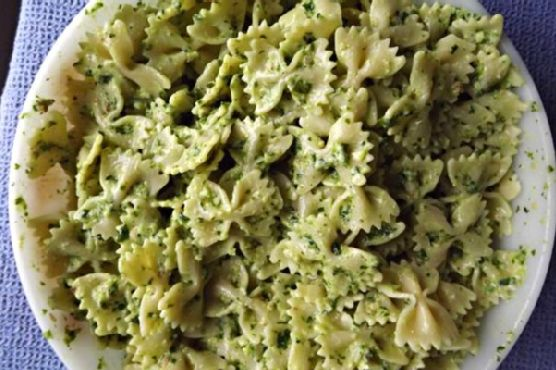
It was one of those evenings when I was standing in front of my open refrigerator, overwhelmed by the task of creating something delicious yet foolproof. You know, that state of mind where you can’t decide between ordering takeout or using up that random bunch of parsley and only-half-full container of yogurt. That’s when this Pesto & Yogurt Pasta was born. It’s a delightful mishmash of classic and unexpected, with the richness of pesto beautifully mellowed by the tang of yogurt. Trust me, it’s the kind of dish that hits the perfect balance between indulgent and refreshing. Plus, it comes together in the time it takes to scroll through Instagram a couple of times.
Jump to Recipe
What You’ll Need
Let’s be honest, there’s nothing worse than having to run to the store for an obscure ingredient. Luckily, this recipe leans heavily on pantry staples, so you might just find everything you need already in your kitchen.
- 8 oz of farfalle pasta
- 1 bunch of flat leaf parsley
- 3 cloves of garlic
- 1/2 cup of mixed nuts (walnuts, almonds, or whatever you’ve got on hand)
- 1/2 cup low fat plain yogurt
- 1/4 cup olive oil
- 1/2 cup parmesan cheese, grated
- Salt & pepper, to taste
How to Make Pesto & Yogurt Pasta
- Start by bringing a large pot of salted water to a boil. Toss in the farfalle and cook it until it’s al dente. This should be about 10-12 minutes, but keep an eye on it. You want it just slightly firm to the bite.
- While the pasta is cooking, grab your trusty food processor. In it, combine the parsley, garlic cloves, and mixed nuts. Pulse a few times until everything is coarsely chopped.
- With the processor running, slowly drizzle in the olive oil. You’re aiming for a smooth, pesto-like consistency. Pause to scrape down the sides if the stuff clings to the edges. Your kitchen should smell wonderfully garlicky and fresh at this point!
- Stir the yogurt into your pesto blend. It should look creamy and inviting. Then, mix in the parmesan cheese. Give it a taste and season with salt and pepper to your liking.
- By now, your pasta should be ready. Drain it, but don’t worry about being too thorough—a bit of pasta water is your friend here. Toss the warm pasta and pesto yogurt sauce together in a large bowl until each piece is well-coated in the creamy green goodness.
Cook’s Notes
Let’s keep it real: pesto can be a bit stiff if it sits too long, so if you’re not diving into this dish right away, save a splash of that pasta water to loosen it up before serving. The sauce will thicken as it cools, and a little warm water will bring it back to life. And hey, leftovers are your friend! Refrigerate them in an airtight container, and they’ll be just as tasty for up to three days. Just remember, a quick reheat is all it needs—not a full-blown nuke session—since the yogurt can separate if overheated.
Make It Your Own
- Go Nut-Free: Swap the mixed nuts for sunflower seeds or pumpkin seeds for a nut-free alternative that still gives you that satisfying crunch.
- Herb Swap: Not a fan of parsley? Basil or a mix of spinach and mint can step into the spotlight for a fresh twist.
- Cheese Choices: Love a stronger flavor? Try pecorino or even a sprinkle of feta for a tangy surprise.
- Protein Boost: Add some grilled chicken or shrimp to make it a more filling meal. Even crispy tofu would be a great addition for a vegetarian option.
If you try this, I’d love to hear how it turns out—drop a comment or tag me! This recipe’s been a weeknight hero for me, and I’m excited to see how it fits into your rotation. Enjoy the pasta magic!
Goes Well With
If you want to round out the meal, here’s what I’d pair it with over on meaghanmoineau.com:
Related update: Pesto & Yogurt Pasta
Related update: Boozy Bbq Chicken

The other night, as I found myself rummaging through my pantry, I hit jackpot with a can of tomatoes and a packet of penne. It was one of those evenings where I needed something quick, comforting, and just a little spicy to shake off the chill of the day. Enter Penne Arrabiata – my go-to for when I want something fiery, yet satisfying, without the fuss. Who knew a simple dish with such few ingredients could pack so much punch? Plus, if you’re like me and almost always have pasta, canned tomatoes, and garlic stashed away, you’re already halfway there. The magic really is in the simplicity.
Jump to Recipe
What You’ll Need
You might be surprised at how few ingredients are needed for this explosive dish. Chances are you already have most of these tucked away in your kitchen.
- Canned whole tomatoes (I adore those Pomi tomatoes that come in a box!)
- A packet of penne
- Fresh garlic (about 5 cloves, minced)
- Olive oil (3 tablespoons to be exact)
- About 1 teaspoon of dried red peppers
- Fresh Italian parsley, minced (2 tablespoons plus extra for garnish)
- Fresh basil, coarsely chopped, for that final flourish
How to Make Penne Arrabiata
- First, set a large pot of water on the stove and bring it to a rolling boil. You’ll want enough water so the penne has space to dance around.
- While waiting on the water, heat 3 tablespoons of olive oil in a pan over medium heat. Toss in about 1 teaspoon of dried red peppers. Let them mingle with the oil until they’re fragrant but not burning.
- Add the minced garlic and 2 tablespoons of fresh Italian parsley to the oil and peppers. Stir and watch carefully – you want the garlic golden, not brown.
- Next, introduce the star of the show: your canned tomatoes. Give them a good chop before adding them to the pan. Stir, cover, and let the sauce simmer until it’s heated through and inviting.
- By now, your water should be boiling. Toss in the penne and cook until it’s al dente. You know it’s ready when it has a slight bite but isn’t mushy.
- Once the pasta is perfect, drain it and add it directly to the sauce. Mix thoroughly, ensuring each piece of penne is luxuriously coated in that fiery sauce.
- Right before serving, sprinkle in some coarsely chopped fresh basil and a little more parsley for that fresh, earthy touch.
- Serve immediately, preferably with a side of crusty bread to mop up any leftover sauce.
Cook’s Notes
Let me give you a few insider tips to make sure your Penne Arrabiata is the talk of the dinner table. First, don’t overcook the garlic – it can turn bitter quickly. Always keep an eye on it while it’s in the pan. If you’re in the mood for a deeper flavor, let the sauce simmer longer on low heat. You can make the sauce ahead of time; just reheat gently before adding the pasta. And leftovers? They keep well in the fridge for a couple of days. Just make sure to cover them properly and add a splash of olive oil when reheating to keep things glossy.
Make It Your Own
Here’s where you can let your creativity or pantry dictate the dish:
- Swap the penne for rigatoni or another pasta you have on hand – just adjust the cooking time as needed.
- For a smoky twist, add a pinch of smoked paprika along with the dried red peppers.
- Incorporate some protein by tossing in cooked crispy tofu or grilled chicken right before serving.
- If you’re feeling indulgent, sprinkle some shaved Parmesan on top. It’s not traditional, but who can resist cheese?
If you try this, I’d love to hear how it turns out — drop a comment or tag me! There’s nothing better than a little fiery pasta to spice up your day. Enjoy every bite, my friends!
Goes Well With
If you want to round out the meal, here’s what I’d pair it with over on meaghanmoineau.com:
Related update: Penne Arrabiata
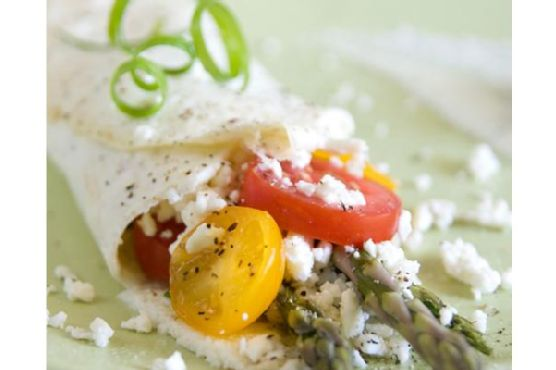
Picture this: It’s a crisp spring morning, the kind where the sun is just starting to warm the earth, and you’re craving something fresh yet comforting for breakfast. You peep into your fridge, and there they are — gorgeous green asparagus spears and a tub of tzatziki begging to be used. Enter the Greek Inspired Spring Omelet, a dish that feels like a mini-vacation on a plate, promising both simplicity and flair. This omelet is just the thing for when you want something light and packed with flavor, without spending ages in the kitchen. Whether you’re impressing brunch guests or sneaking in a quick solo breakfast, this recipe is a winner.
Jump to Recipe
What You’ll Need
Honestly, this ingredient list is a love letter to spring. You’ll likely find most of these staples in your fridge or pantry, making it not just delicious but convenient.
- Asparagus spears (because who can resist their crunch?)
- Egg whites (keeping things light and fluffy)
- Feta cheese (the tangy star of the show)
- Diced green onions (for a bit of zing)
- Salt and pepper (to taste, because you know your buds better than anyone)
- Tzatziki (our creamy secret weapon)
- Yellow and red diced cherry tomatoes (for a burst of color and sweetness)
How to Make Greek Inspired Spring Omelet
- Start by grabbing a medium skillet, and toss in your asparagus spears. Sauté them until they become tender and vibrant green, which should take about 7 minutes. This is when your kitchen starts smelling spring-fresh.
- Set the asparagus aside and let them cool off a bit. Meanwhile, in a small bowl, combine your egg whites with a good dollop of tzatziki. Stir until they’re well acquainted.
- Now, spray a non-stick skillet with cooking spray and bring it to medium heat. Pour your egg white mixture into the skillet and watch it spread like a satisfying blanket over the pan. Cook until the edges are firm and the surface turns white, about 2 minutes.
- Carefully slide the cooked omelet onto a waiting plate. Pile your sautéed asparagus, diced cherry tomatoes, green onions, and a crumble of feta right in the middle. It’s like you’re giving your omelet a delicious core.
- Fold the omelet into thirds, gently covering your vibrant fillings. This is when it starts to look like something out of a café menu.
- Serve it up hot, with an extra side of tzatziki because why not? Season with salt and pepper to your liking, and dig in!
Cook’s Notes
Let’s talk omelet mastery and leftover magic. First, when sautéing your asparagus, keep an eye to avoid overcooking; you want them vibrant, not mushy. If your omelet sticks to the pan, it’s likely because the pan wasn’t hot enough or lacked a proper coating of cooking spray.
Make-ahead tip: You can prep the veggies the night before to save time in the morning. As for leftovers, though this omelet is best fresh, you can store it in the fridge for up to two days. Just reheat it gently in the microwave or a warm skillet.
Make It Your Own
Variety is the spice of life, so let’s play with this recipe a bit.
- Swap the asparagus for zucchini ribbons if you’re feeling adventurous and want more veggie variety.
- Not a fan of feta? Try using crumbled goat cheese instead for a creamier texture.
- If you’re craving more protein, add diced cooked chicken breast for an extra hearty omelet.
- For a vegetarian twist with a nutty flavor, replace tzatziki with a pesto spread.
If you try this omelet, I’d love to hear how it turns out — drop a comment or tag me on social media! This recipe is like a breath of fresh spring air, and I hope it brings a little sunshine to your plate. Enjoy!
Goes Well With
If you want to round out the meal, here’s what I’d pair it with over on meaghanmoineau.com:
Related update: Greek Inspired Spring Omelet
Related update: Chorizo and egg bake

It was one of those Wednesday evenings where the clock seemed to sprint from 5 to 7 PM in the blink of an eye. My stomach was grumbling louder than my Spotify playlist, and all I could think about was something delicious yet uncomplicated. The kind of meal that makes you feel like a culinary wizard without actually breaking a sweat. Enter stage left: the Vegetable Tart with Goat Cheese. This tart is my secret weapon, perfect for when I want something that looks as good as it tastes with minimal fuss. It’s a colorful showstopper that tastes like you planned it all week, but shhhh… it’s our little secret!
Jump to Recipe
What You’ll Need
Trust me, if your pantry and fridge are anything like mine, you’re already halfway there. This tart comes together with just a few key stars and supporting players.
- Puff pastry (the freezer-friendly hero of this dish)
- Frozen spinach
- Mushrooms
- Red bell pepper
- Goat cheese (the creamy crown jewel)
- Salt and pepper
How to Make Vegetable Tart With Goat Cheese
- Preheat your oven to 350°F. This is the first step to turning your kitchen into a cozy haven.
- Grab your puff pastry from the freezer and roll it out onto a cookie sheet, keeping the parchment paper underneath to prevent any sticky situations.
- Spread the frozen spinach evenly over the pastry, but leave about an inch of edge untouched. This creates a beautiful border that puffs up like magic.
- Layer the mushrooms on top of the spinach. They’ll release their juices, adding depth to the flavor party.
- Next, scatter the red bell pepper slices over the mushrooms. This vibrant red layer will make your tart pop, both visually and taste-wise.
- Finally, sprinkle crumbled goat cheese over the top. As it bakes, it will melt into creamy pockets of tangy goodness.
- Season with a sprinkle of salt and a few cracks of fresh pepper to taste.
- Bake in the preheated oven for 15-20 minutes, or until the edges of the tart are golden brown and the cheese is bubbly and slightly caramelized.
Cook’s Notes
Alright, here’s the inside scoop: always make sure your puff pastry is still cold when you start rolling it out, as it puffs better. If your mushrooms seem a bit too wet after slicing, give them a quick pat with a paper towel to avoid sogginess. This tart is best enjoyed fresh out of the oven, but if you do have leftovers, store them in an airtight container in the fridge and reheat them in the oven to maintain that crispy crust. If you’re planning ahead, all the veggies can be prepped a day in advance, making the assembly a breeze when you’re ready to bake.
Make It Your Own
This tart is a blank canvas for your culinary whims. Here are some ideas to get those wheels turning:
- Switch the spinach for kale for a heartier texture.
- Love a bit of heat? Add sliced jalapeños on top for a spicy kick.
- Not a fan of goat cheese? No problem. Try it with feta cheese instead for a milder flavor.
- For a sweet twist, caramelize some onions and layer them under the spinach.
If you try this, I’d love to hear how it turns out — drop a comment or tag me! This is a dish that invites creativity, so feel free to experiment and make it truly yours. Happy cooking, friends!
Goes Well With
If you want to round out the meal, here’s what I’d pair it with over on meaghanmoineau.com:
Related update: Vegetable Tart With Goat Cheese
Related update: Penne Arrabiata
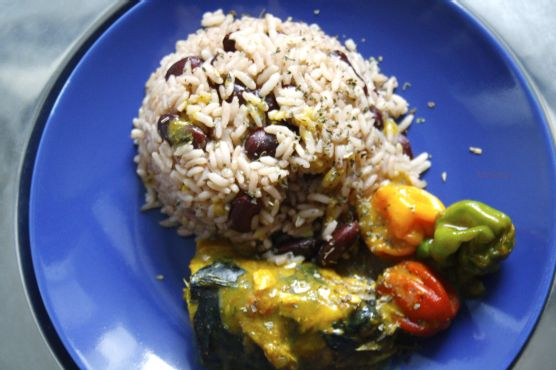
Picture this: It’s midweek, you’ve had one of those days where your to-do list seems to grow faster than you can cross things off, and the last thing you want to do is spend ages in the kitchen. You need something that hits that perfect balance — satisfying, flavorful, but not labor-intensive. Enter Rice and Peas with Coconut Curry Mackerel. This dish has become my trusty sidekick, swooping in to save dinner time with its creamy, spicy goodness. It’s like a little escape to the islands without even leaving your kitchen. Trust me, you’ll want to bookmark this one.
Jump to Recipe
What You’ll Need
So, let’s talk ingredients. The magic here is that you probably already have most of these hanging out in your pantry. We’re talking about a few key players that bring this dish together with minimal fuss.
- Coconut milk – This is your creamy base.
- Seasoning cubes – For that umami punch.
- Curry powder – Your spice hero here.
- Garlic – Essential for that savory depth.
- Mackerel – Fresh or canned, your call.
- A bulb of onion – Adds sweetness and texture.
- Red kidney beans – Packed with protein.
- Rice – The heart of the dish.
- Scotch bonnet peppers – For some fiery personality.
- Corn starch – Thickens the sauce to perfection.
How to Make Rice and Peas with Coconut Curry Mackerel
Ready to dive in? Let’s get cooking.
- Start by pouring 1 cup of coconut milk into a pot along with 1 seasoning cube. Bring it to a gentle boil; you’ll know it’s ready when the aroma starts to fill your kitchen.
- Add your rice and red kidney beans to the pot. Pour in 2 cups of water, give it a good stir, and let it all come to a boil, then reduce to low heat. Let it simmer until the rice and peas are tender and have soaked up the creamy coconut goodness.
- In another pot, combine the rest of the coconut milk, curry powder, and a bit of water. Give it a stir, then add your mackerel. Allow it to come to a boil, then reduce to medium heat.
- Toss in the chopped onion, scotch bonnet peppers, and minced garlic. Stir everything together and let it simmer. You’ll start to smell a wonderful mix of spices and sweetness.
- Once the fish is cooked through, sprinkle in the corn starch to thicken the sauce. Let it simmer for another 4 minutes on low heat until the sauce is rich and velvety.
- Serve the mackerel curry over your coconut-infused rice and peas. Enjoy the symphony of flavors!
Cook’s Notes
This dish is quite forgiving, which is perfect for those days when your mind is elsewhere. Just a few things to keep in mind:
– If you’re using canned mackerel, remember to reduce the salt since it usually comes pre-seasoned.
– The scotch bonnet peppers pack heat, so adjust to your spice tolerance. You can always start with half a pepper and add more if you’re feeling brave.
– Leftovers hold up well in the fridge for a couple of days. Just reheat gently and maybe add a splash of water or coconut milk to loosen up the sauce.
– If you like your beans a bit firmer, you can add them later in the cooking process.
Make It Your Own
Feeling adventurous or need to accommodate what’s in your pantry? Here are a few swaps and variations:
- Swap the mackerel for crispy tofu for a plant-based twist. Just sauté the tofu before adding it to the curry.
- Use quinoa instead of rice for a protein boost. Adjust the cooking time and liquid accordingly.
- Throw in some green peas along with the kidney beans for extra color and sweetness.
- If you’re not a fan of too much heat, try jalapeños instead of scotch bonnets for a milder kick.
If you try this, I’d love to hear how it turns out — drop a comment or tag me! Here’s to stress-free dinners and delicious moments. 🍽️
Goes Well With
If you want to round out the meal, here’s what I’d pair it with over on meaghanmoineau.com:
Related update: Rice and Peas with Coconut Curry Mackerel
Related update: Chicken Suya
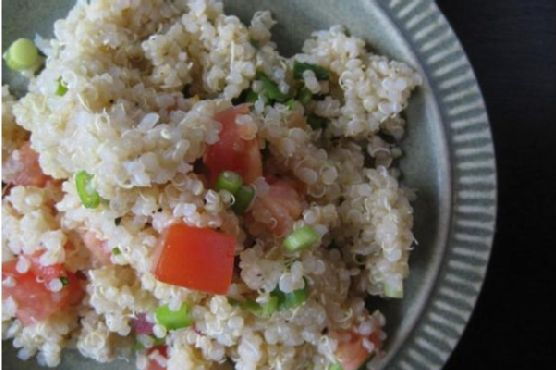
Picture this: It’s a Wednesday night, and I’m staring into the abyss of my fridge, hunting for something quick yet satisfying to whip up. I’m not in the mood for anything heavy, and the thought of a greasy takeout container is just not doing it for me. Then, I spot it: a bag of quinoa hidden behind some questionable leftovers. Suddenly, I’m inspired to throw together something fresh and vibrant. Enter the Quinoa, Tomato, Green Onion Side Salad. It’s one of those effortless dishes that surprises you with how delicious it is. Light, tangy, and with just the right amount of bite from the green onions, it’s the perfect sidekick to almost any meal. Plus, chances are, you already have most of these ingredients hanging out in your pantry or fridge.
Jump to Recipe
What You’ll Need
It’s amazing how such a simple ingredient list can come together into something so flavorful. Chances are you already have most of this.
- Quinoa – the nutty base that gives this salad heft and texture.
- Water – to cook the quinoa perfectly fluffy.
- Tomatoes – juicy and sweet, they bring freshness and color.
- Green Onions – for that bit of sharpness and crunch.
- Lemon – juice for tanginess that brightens up everything.
- Olive Oil – adds a smooth richness that ties the salad together.
- Salt and Pepper – to taste, because seasoning is everything!
How to Make Quinoa, Tomato, Green Onion Side Salad
- Start by rinsing your quinoa in a fine mesh strainer. This step is crucial to remove any bitterness from the grains.
- Combine the quinoa and water in a medium-sized pan. Heat over medium until it starts to bubble and simmer, then cover the pan and lower the heat to low. Let it cook for about 15 minutes, or until all the water is absorbed and the quinoa is fluffy.
- While your quinoa is cooking, wash the green onions and tomatoes well. Give them a rough chop—you want them in bite-sized pieces. The tomatoes should be juicy, and the onions pungent.
- Cut a lemon in half and squeeze the juice from one half into a bowl, taking care to fish out any seeds that escape.
- Once the quinoa is done, let it cool a bit. It can still be a little warm, but not piping hot—you don’t want to wilt the fresh ingredients.
- Incorporate the olive oil and lemon juice into the quinoa, then mix in the chopped tomatoes and green onions. Stir everything together gently.
- Season with salt and pepper to taste. You’ll know it’s right when the flavors pop but still feel balanced.
- Chill the salad in the refrigerator for a bit before serving, or serve it slightly warm if you’re in a hurry. It’s delicious either way!
Cook’s Notes
Once you’ve made this salad, you’ll see how forgiving and flexible it is. You can make the quinoa a day ahead and store it in the fridge, saving some time. Just bring it to room temperature before you mix everything together. If anything, the flavors meld even more deliciously after they’ve had time to chill. Leftovers can be stored in an airtight container in the fridge for up to three days, but trust me, it won’t last that long. Do keep an eye on the tomatoes, though—they can get a bit mushy past the second day.
Make It Your Own
This salad is like a blank canvas, and there are so many delicious ways to switch it up:
- Swap the quinoa for couscous or even farro for a different texture and flavor profile.
- Add some crumbled feta cheese for a tangy, creamy element.
- Mix in some chickpeas or black beans to boost the protein and make it a more filling main dish.
- Toss in a handful of fresh herbs like parsley or basil for an extra burst of freshness.
If you try this, I’d love to hear how it turns out—drop a comment or tag me on social media! Your kitchen adventures make my day. Happy cooking!
Goes Well With
If you want to round out the meal, here’s what I’d pair it with over on meaghanmoineau.com:
Related update: Quinoa, Tomato, Green Onion Side Salad

The other night, I found myself staring at a pack of chicken breasts in the fridge and a yawning canyon of culinary inspiration. It was one of those weeknights where time feels slippery, and your brain is too foggy to invent something elaborate. That’s when the idea of Chicken with White Wine Tarragon Cream Sauce popped into my mind like a light bulb moment. It’s one of those recipes that’s not only quick to whip up but also manages to feel like a warm hug wrapped in culinary sophistication. Seriously, it has that perfect balance of being simple enough for a Tuesday but impressive enough to trick your taste buds into thinking it’s a Saturday dinner party. The white wine and tarragon add a touch of elegance without requiring a culinary degree to execute.
Jump to Recipe
What You’ll Need
I bet you can already find most of these hidden gems in your pantry. That’s the beauty of this recipe — it transforms basic ingredients into a dish worthy of savoring.
- Butter
- Fresh mushrooms
- Onion
- Fresh garlic
- Skinless boneless chicken breasts
- White wine
- Worcestershire sauce
- Sour cream
- Tarragon
How to Make Chicken with White Wine Tarragon Cream Sauce
- In a large skillet, melt a pad of butter over medium heat. Add sliced onions, fresh mushrooms, and a few cloves of minced garlic. Sauté until everything turns lightly brown and the kitchen smells like you’ve summoned a chef’s ghost.
- Slide in the chicken breasts, turning the heat to medium-high. Cook for about 10 minutes, flipping halfway through, until the chicken is done — it should be firm, with no pink when you cut into it.
- Once done, remove the chicken and let it rest on a platter. Now for the fun part: pour in the white wine and watch it sizzle. Cook for about 2 minutes to let the alcohol burn off. You’ll know it’s ready when the sharp scent mellows into something deliciously fruity.
- Add a splash of Worcestershire sauce and a generous dollop of sour cream. Stir until everything is silky smooth and well combined. Taste and adjust — a little more Worcestershire never hurt anyone.
- Pour the luscious sauce over the resting chicken, and finish with a sprinkle of tarragon. Serve immediately, preferably with something to soak up all that sauce like biscuits, pasta, or rice.
Cook’s Notes
This dish is all about timing and layering flavors. Don’t rush the onions and mushrooms; they need time to caramelize and develop that beautiful golden brown color. If you find yourself with leftover sauce (lucky you!), it stores beautifully in the fridge for about 3 days. Just reheat gently on the stove with a splash of water or broth to loosen it up. And if you’re planning ahead, you can prep the sauce components in advance and store them separately, then just cook the chicken fresh when you’re ready.
Make It Your Own
If you’re feeling adventurous or simply need to adapt based on what you have, here are some swap ideas:
- Swap the chicken for crispy tofu if you’re going the vegetarian route. Just press and pan-fry tofu slices until golden before following the same steps.
- Try using shallots instead of onion for a slightly sweeter and more delicate flavor.
- Substitute the white wine with chicken broth if you’re avoiding alcohol. It adds a nice depth without the kick.
- For a lemony twist, add a squeeze of fresh lemon juice right before serving for a bright, citrusy finish.
If you try this, I’d love to hear how it turns out — drop a comment or tag me! Cooking should be fun and forgiving, so don’t stress if it doesn’t turn out perfect the first time. Each attempt is a step closer to making it your own. Happy cooking!
Goes Well With
If you want to round out the meal, here’s what I’d pair it with over on meaghanmoineau.com:
Related update: Chicken with White Wine Tarragon Cream Sauce
Related update: Rice and Peas with Coconut Curry Mackerel

It was a Tuesday night, one of those days where nothing seemed to go right. The kind of day where you just need a little something to turn the mood around — a quick pick-me-up that feels indulgent without the fuss. Enter: Bananas Foster. This dish is pure magic because it transforms a few simple ingredients into a theatrical dessert right at your stovetop. Plus, who doesn’t love a little bit of flame to spice things up? It’s the perfect dessert for when you want to impress your partner, your friends, or even just spoil yourself a bit. The best part? You’re likely to have most of what you need already in your pantry. Trust me, you’ll want to add this one to your regular rotation.
Jump to Recipe
What You’ll Need
The ingredient list is short and sweet — literally. Chances are, you already have most of these at home, just waiting to be transformed into something spectacular.
- Banana – Ripe but not mushy, perfectly speckled with brown spots.
- Banana liqueur – The secret weapon for that extra oomph.
- Brown sugar – For that deep, molasses-like sweetness.
- Butter – Because everything’s better with butter, right?
- Cinnamon – A pinch to enhance the warmth and aroma.
- White rum – To set the whole thing ablaze in the most delightful way.
How to Make Bananas Foster
- In a chafing dish or skillet, melt the butter over medium heat until it’s bubbly and slightly golden.
- Add the brown sugar and stir until it dissolves and forms a smooth caramel-like sauce. This should take about 2 minutes.
- Slice the banana into diagonal pieces and gently lay them into the buttery sugar mixture. Sauté them until they start to soften, about 1-2 minutes.
- Sprinkle a pinch of cinnamon over the bananas, letting the aroma fill the air.
- Carefully pour the banana liqueur and white rum over the bananas. If you’re feeling adventurous, tilt the pan slightly to ignite the alcohol, or use a long match. Keep basting the bananas with the flaming liquid until the flame goes out.
- Once the flames die down, your Bananas Foster is ready to serve. Enjoy it as is, or over a scoop of vanilla ice cream for that extra creaminess.
Cook’s Notes
Here’s the thing with Bananas Foster: it’s all about timing. Make sure your bananas aren’t too ripe, or they’ll turn to mush in the pan. Ripe ones with a few brown spots are perfect for that sweet spot between soft and firm. If you’re making this for a crowd, you can prep everything in advance and just do the flambé right before serving — it’s a show-stopper! Leftovers? Ha! But if you do have them, they won’t be as good cold. I’d suggest reheating gently in a pan with a bit more butter or making a decadent pancake topping the next day.
Make It Your Own
- Spice it up: Add a pinch of nutmeg or a few cloves for a spicier kick.
- Go nutty: Toss in some toasted pecans or walnuts for an added crunch.
- Switch the spirit: Use dark rum for a richer flavor or bourbon for a twist.
- Fruit swap: Try this with peaches or pineapple if you’re feeling tropical.
If you try this, I’d love to hear how it turns out — drop a comment or tag me on social media! The kitchen is all about experimenting and sharing, after all. Enjoy the flames!
Goes Well With
If you want to round out the meal, here’s what I’d pair it with over on meaghanmoineau.com:
Related update: Bananas Foster

Picture this: I’m standing in the kitchen, eyeing a bunch of fresh beets and wondering what on earth I’m going to make for dinner. It’s one of those days where time is tight, but my craving for something fresh and vibrant is even tighter. Enter my Citrus Beet Salad. It’s the kind of dish that feels fancy but is deceptively simple to whip up. We’re talking earthy beets paired with juicy grapefruit, creamy goat cheese, and a sprinkle of crunchy pumpkin seeds. It’s a harmony of flavors and textures that makes it the perfect side or light main course. And trust me, once you taste it, it’ll quickly become a staple in your kitchen lineup. Jump to Recipe
What You’ll Need
I love this recipe because the ingredient list is short and sweet, and you might already have a few of these in your kitchen. Here’s what you’ll need to make this vibrant salad come to life:
- Beets – Fresh is best, but pre-cooked can work in a pinch.
- Olive oil – A good quality one really makes a difference here.
- Balsamic vinegar – Adds a tangy depth to the sweet beets.
- Grapefruit – Juicy and adds a bright pop of flavor.
- Sprouts – I like alfalfa or radish sprouts for their peppery taste.
- Pumpkin seeds – Toasted for extra crunch.
- Goat cheese – Creamy and tangy, it ties everything together.
How to Make Citrus Beet Salad
Ready to get cooking? Let’s dive into the steps:
- Start by washing your beets and patting them dry. You don’t want any excess moisture when they hit the oven.
- Place the beets on a sheet of aluminum foil and give them a generous drizzle of olive oil. Seal them up in the foil to create a snug little pouch.
- Pop the pouch onto a cookie sheet and slide it into the oven. Bake until the beets are tender. This can take anywhere from 30 minutes to an hour, depending on their size. Start checking at the 30-minute mark.
- Once tender, let them cool enough to handle. Use your hands to slip off their skins — they should peel away easily.
- Slice the beets into bite-sized wedges and give them a good drizzle of balsamic vinegar. This is where the magic starts.
- Line the bottom of a large bowl with a bed of sprouts. Add your beets and grapefruit slices on top.
- Finish with a scatter of pumpkin seeds and a crumble of goat cheese. Serve immediately and enjoy the freshness!
Cook’s Notes
Okay, a few things to keep in mind! When roasting your beets, size matters. If they’re particularly large, give them a little extra time in the oven. You want that fork to slide in without much resistance. And about that grapefruit — try to segment it so you avoid the bitter pith. If you’re making the salad ahead, keep everything separate until just before serving to avoid soggy sprouts. Leftovers are best consumed within a day or two, but if you really want to stretch it, pack the beets and sprouts separately to keep them fresh.
Make It Your Own
Here’s how you can put your own spin on this classic:
- Swap the goat cheese for crumbled feta or blue cheese for an extra punch.
- Use blood oranges instead of grapefruit for a sweeter twist.
- Substitute sunflower seeds if pumpkin seeds aren’t your thing, or if you want to mix it up.
- Add a handful of arugula or baby spinach for extra greens and volume.
If you try this, I’d love to hear how it turns out — drop a comment or tag me in your food pics! This salad is one of my favorites to play around with, and I’m curious to see how you’ll make it your own. Happy cooking!
Goes Well With
If you want to round out the meal, here’s what I’d pair it with over on meaghanmoineau.com:
Related update: Citrus Beet Salad
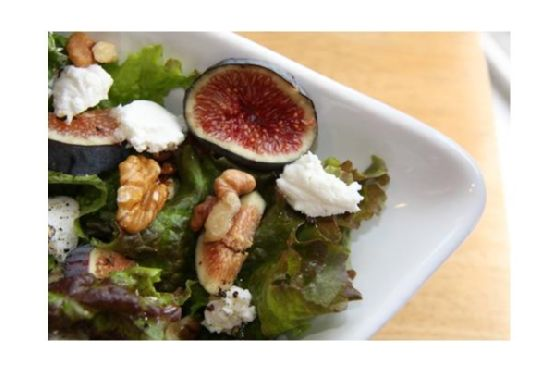
Last Tuesday, the afternoon sun cast a golden glow across my kitchen, and all I craved was something fresh and vibrant. You know those days when life gets a bit too overwhelming, and you just need a food hug? That was me. I opened the fridge and there they were—beautifully ripe figs, a half-eaten log of goat cheese, and a bag of mixed greens waiting to be transformed. And just like that, a Fig, Goat Cheese, and Walnut Salad came to life. This dish is like a cozy sweater—it’s comforting yet bright, with just the right amount of flair to make you feel fancy without the fuss. Trust me, this salad is a total game-changer, especially when you need something quick yet utterly delicious.
Jump to Recipe
What You’ll Need
This salad is all about simple ingredients that pack a punch. Chances are you already have most of this stuff lying around:
- Fresh figs – the star of the show
- Goat cheese – creamy goodness in every bite
- Lemon juice – for that zesty kick
- Mixed greens – a fresh and leafy base
- Olive oil – smooth and silky
- Salt and pepper – gotta season!
- Walnuts – for a crunchy contrast
How to Make Fig, Goat Cheese and Walnut Salad
- Start by rinsing your mixed greens. Spin them dry if you have a salad spinner or spread them out on a clean towel to air-dry. You want them crisp, not soggy.
- Tear the greens into bite-size pieces if they’re not already prepped. No one wants to wrestle with a giant leaf on their plate.
- Slice the figs delicately, savoring the sweet fragrance that fills the room. They should be tender yet firm enough to hold their shape.
- Roughly chop the walnuts. You’re aiming for a mix of larger chunks and smaller bits to keep things interesting.
- Gently scatter small spoonfuls of goat cheese over the salad. This is where the magic happens—creamy pockets of flavor await every bite.
- In a small bowl, mix olive oil and lemon juice to taste, or if you’re like me and love to freestyle, drizzle them directly over the salad.
- Season with salt and pepper to your liking. Toss everything together gently to keep all those beautiful components intact.
- Serve immediately and enjoy the delightful combination of flavors and textures.
Cook’s Notes
Here’s the deal: use the freshest figs you can find. Overripe ones can make the salad mushy, and underripe figs won’t give you that sweet juiciness. You can prepare the salad base and keep it in the fridge for a couple of hours, but only add the dressing and goat cheese right before serving to keep the greens vibrant and the cheese from getting lost in the mix. If you need to store leftovers, keep the dressing separate and consume within a day for best quality.
Make It Your Own
- Swap the goat cheese for feta if you’re feeling a bit more Mediterranean.
- Replace the walnuts with toasted almonds for an added crunch and a slightly different flavor profile.
- Add some crispy bacon bits if you want a smoky, savory note.
- Try arugula instead of mixed greens for a peppery punch.
If you try this, I’d love to hear how it turns out—drop a comment or tag me! There’s nothing like sharing the joy of a simple, delicious meal with friends. Bon appétit! 🍽️
Goes Well With
If you want to round out the meal, here’s what I’d pair it with over on meaghanmoineau.com:
Related update: Fig, Goat Cheese and Walnut Salad
Related update: Citrus Beet Salad
Related update: Vegetable Tart With Goat Cheese

On a chilly Tuesday morning last week, I found myself staring into my pantry, desperate for something other than my go-to toast routine. You know those mornings when you crave a little adventure but also need to keep it quick and wholesome? Enter my Healthy Southwestern Oatmeal. It’s like a warm hug with a zesty kick, perfect for waking up those taste buds and starting your day on a high note. You get the heartiness of oats, the warmth of chili powder, and the creamy goodness of cheese—all in one bowl. Plus, it’s a breeze to make. No fancy footwork in the kitchen, just straightforward comfort with a little flair.
Jump to Recipe
What You’ll Need
If your kitchen is anything like mine, you’re already halfway there with these ingredients! Simple, everyday staples with a couple of stars.
- 1 1/2 cups water
- 1 cup old fashioned oats
- 2 egg whites
- 1/4 cup reduced fat cheddar cheese
- 1/2 teaspoon chili powder
- 2 green white scallions, sliced
- Salt, to taste
How to Make Healthy Southwestern Oatmeal
- Start by bringing 1 1/2 cups of water to a rolling boil in a medium saucepan. Feel the steam rising and imagine the coziness awaiting you.
- Add the old fashioned oats to the water, giving them a gentle stir. Reduce the heat to a simmer and let them cook for about 10 minutes. You’ll know they’re ready when the mixture starts to look more like oats and less like water.
- Toss in the sliced scallions and chili powder. Cook together until the excess liquid has evaporated and the aroma of chili fills your kitchen, hinting at the southwestern flair.
- Pour in the egg whites, stirring constantly. Watch as they transform from clear to opaque, weaving themselves into the oats like magic.
- Spoon your creation into a serving bowl, sprinkle with salt and the reduced fat cheddar cheese. The cheese will melt slightly, adding a touch of creaminess and comfort.
Cook’s Notes
This dish is all about balance, so don’t be shy to adjust the chili powder for your spice preference. I find it best to enjoy this oatmeal fresh, but if you have leftovers, store them in an airtight container in the fridge for up to two days. When reheating, add a splash of water or milk to help bring it back to life. And if you find yourself in a rush in the morning, prep your scallions the night before to save some precious minutes.
Make It Your Own
- Swap the reduced fat cheddar for a little goat cheese for a tangy twist.
- For a protein boost, add black beans alongside the scallions.
- Try topping with a dollop of Greek yogurt for added creaminess and a bit of cool contrast.
- If you’re a meat lover, some crumbled turkey sausage would make a hearty addition.
If you try this, I’d love to hear how it turns out—drop a comment or tag me! Whether you stick to the recipe or tweak it to your liking, I hope this bowl brings a little extra joy to your morning routine.
Goes Well With
If you want to round out the meal, here’s what I’d pair it with over on meaghanmoineau.com:
Related update: Healthy Southwestern Oatmeal
Related update: Cheddar Polenta with Sun-dried Tomatoes & Shrimp

On a crisp autumn evening, after a particularly hectic day of juggling work calls and school pick-ups, I found myself staring into the abyss of my fridge, desperate for dinner inspiration. That’s when I spotted a forgotten pack of Italian sausages and a trio of peppers that were begging to be used. And just like that, a family favorite was born: Delicious Sausage & Peppers. It’s one of those dishes that hits all the right notes—hearty, satisfying, and perhaps most importantly, quick to whip up. Plus, it’s a one-pan wonder, which makes clean-up a breeze. Whether you’re wrangling kids or just want something comforting without the fuss, this dish has got you covered.
Jump to Recipe
What You’ll Need
I love that this recipe doesn’t require a trip to a specialty store. Chances are you already have most of these ingredients in your pantry or fridge.
- Italian sausages
- Italian sweet sausages
- Bell peppers (any color you like)
- Sweet onion
- Garlic – crushed
- Olive oil
- Fresh Italian parsley
- Salsa
- Jalapeño (if you like a little heat!)
- Sea salt
- Black fresh ground pepper
How to Make Delicious Sausage & Peppers
- Preheat your oven to 375°F (190°C). Place the Italian sausages on a baking tray and let them bake for about 20 minutes until they are cooked through and slightly golden.
- While the sausages are baking, heat a large frying pan over medium heat and drizzle in some olive oil. When the oil is shimmering, add the bell peppers and let them sizzle. You want them to soften just a bit and start to brown at the edges.
- Throw in the sweet onion, crushed garlic, and a handful of fresh parsley. Stir everything together and let it sauté for about 5 minutes until the onions are translucent and everything smells irresistible.
- Once the sausages are out of the oven, slice them lengthwise and add them to the pan with the veggies. Pour in a few tablespoons of salsa, and toss everything together so the flavors meld beautifully.
- Season with sea salt and fresh ground pepper to taste. If you’re feeling adventurous, add some minced jalapeño for a spicy kick. Let it all cook for another 5 minutes until the edges of the sausages are crisp and the salsa thickens slightly.
Cook’s Notes
Let’s keep it real—this dish is as forgiving as it gets. If your peppers are on their last leg, they’ll still shine here. Just make sure to cut them evenly so they cook uniformly. As for leftovers, they reheat like a dream. Store any extras in an airtight container in the fridge for up to 3 days. A quick zap in the microwave or a toss in a skillet will bring them back to life. And if you’re planning ahead, you can pre-cook the sausages and just finish everything in the pan when you’re ready to eat—perfect for those nights when time is not on your side.
Make It Your Own
Here are a few ways to switch things up based on your mood or what’s in the fridge:
- Swap the sausages: Try using chorizo or chicken sausage for a different flavor profile.
- Veggie delight: Add mushrooms or zucchini to the mix for an extra serving of veggies.
- Going green: Toss in a handful of spinach at the end for a burst of color and nutrition.
- Cheesy finish: Sprinkle some shredded mozzarella or parmesan on top before serving for a gooey, cheesy twist.
If you try this, I’d love to hear how it turns out—drop a comment or tag me on social media! I hope this dish finds a cozy spot in your meal rotation. Happy cooking!
Goes Well With
If you want to round out the meal, here’s what I’d pair it with over on meaghanmoineau.com:
Related update: Delicious Sausage & Peppers
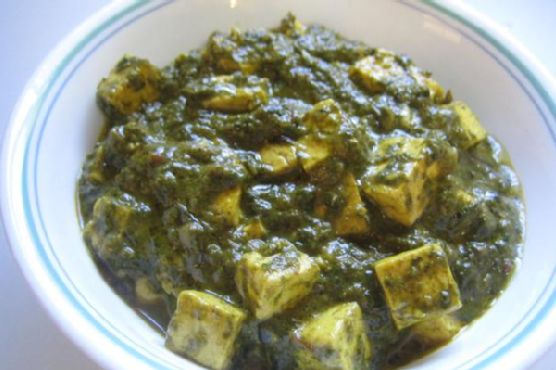
It was one of those chaotic Tuesday evenings, you know the kind, where the clock somehow ticks faster and the fridge looks like a barren desert. I was craving something comforting but also needed it to be quick and not require a last-minute grocery run. That’s when I stumbled upon my trusty block of tofu and a vibrant bunch of spinach sitting in the crisper looking like they might stage a protest if not used soon. Voila, it hit me—Palak-Tofu (or bean curd if you’re feeling fancy)! It’s the kind of dish that feels like a hug in a bowl, creamy yet packed with a punch of spices, and best of all, it comes together in a snap. It’s the perfect blend of Indian flavors that makes you feel like you’ve put in way more effort than you actually did. Ready to dive in?
Jump to Recipe
What You’ll Need
The beauty of this recipe is that you probably already have most of these staples lurking in your pantry or fridge. Here’s the lineup:
- 1 tbsp oil
- 2 onions, finely chopped
- 1 tbsp ginger-garlic paste
- 2-3 green chillies, chopped (adjust depending on how spicy you’re feeling)
- 1 tomato, chopped
- 3 cups palak (spinach), washed
- 1 block tofu, cut into cubes
- Salt to taste
- 1/2 tsp turmeric
- 1 tsp coriander powder
- 1/2 tsp cumin seeds
- 1 tsp kasuri methi (dried fenugreek leaves)
- 1/4 cup cream or milk
- 1 tbsp butter
- 1/2 tsp garam masala
How to Make Palak-tofu (bean curd)
- In a pan, heat 1 tablespoon of oil over medium heat. Add the chopped onions and sauté them until they’re golden brown. The aroma is the first hint you’re on the right track.
- Add the ginger-garlic paste to the onions and stir for about a minute until the raw smell disappears. Toss in the green chillies and chopped tomato, sautéing until the tomatoes soften and meld into the mix.
- Add the washed spinach leaves in their full glory. Sauté them for about 5 minutes until they wilt down, looking like a fraction of their former selves. Let this mixture cool.
- Once cooled, blend the spinach mixture to a coarse paste and set it aside.
- In the same pan, add another tablespoon of oil and sauté the tofu cubes. Sprinkle a pinch of salt and turmeric over them, stirring for about 2 minutes to give them a nice golden tan. Remove and set aside.
- Return the spinach paste to the pan, seasoning with salt and coriander powder. Let it cook slowly for about 10 minutes, allowing the flavors to deepen.
- Add the sautéed tofu cubes to the pan, mixing well. Crumble the kasuri methi between your palms to release its aroma before adding it to the pan.
- Pour in the cream or milk, stirring to combine. Cover the pan and let it simmer on a low flame for 5 minutes. The mixture should look creamy and inviting.
- Finish with a dollop of butter for richness and a sprinkle of garam masala for that final flavor burst. Serve hot with roti or paratha.
Cook’s Notes
Here’s the thing: you can make parts of this dish ahead if batch cooking is your jam. The spinach paste can be made a day ahead and stored in the fridge. Just warm it up and follow the rest of the recipe when you’re ready to serve.
- Don’t rush the sautéing of onions; it sets the flavor base.
- Make sure to cool the spinach mix before blending. Hot ingredients in a blender can be hazardous (hot splashes are no fun).
- Leftovers keep well in the fridge for up to 3 days. Just reheat gently, adding a splash of milk if it’s too thick.
Make It Your Own
- Swap the tofu for crispy paneer cubes for a decadent twist.
- Add a handful of green peas for a pop of color and sweetness.
- Use ghee instead of oil for a richer, buttery flavor.
- For a vegan version, swap the cream with coconut milk and omit the butter.
If you try this, I’d love to hear how it turns out — drop a comment or tag me in your kitchen adventures! Let’s make weeknight dinners exciting, one dish at a time!
Goes Well With
If you want to round out the meal, here’s what I’d pair it with over on meaghanmoineau.com:
Related update: Palak-tofu (bean curd)
Related update: Delicious Sausage & Peppers
Related update: One Bowl Jalapeno Cheddar Cornbread
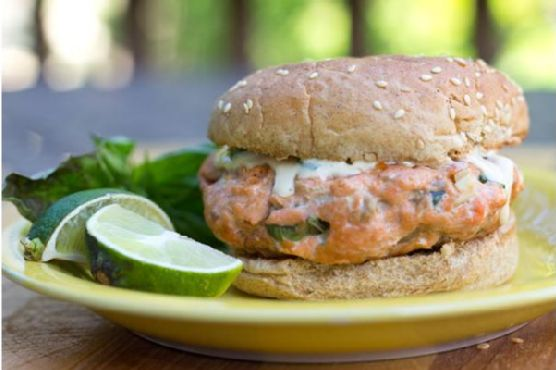
I found myself peering into the fridge on a Wednesday evening, struck by a sudden craving for something fresh yet satisfying. You know those nights when you’re just over the usual chicken and pasta routine? It was one of those. That’s when these Asian Salmon Burgers with Tangy Ginger Lime Sauce made their debut. Trust me, they’re a game changer — super easy to throw together and packed with flavors that’ll make you feel like a culinary genius, even if you’re just winging it like me most of the time.
Jump to Recipe
What You’ll Need
These burgers feature a blend of pantry staples and fresh ingredients — chances are you won’t need to run to the store for much!
- **Salmon**
- **Soy sauce**
- **Garlic**
- **Powdered ginger**
- **Oyster sauce**
- Green onion
- Fresh basil
- **Sesame oil**
- **Burger buns**
- **Lime juice**
- **Mayonnaise**
- Sour cream
How to Make Asian Salmon Burgers With Tangy Ginger Lime Sauce
- Cut the salmon into large hunks. Run it through a food processor until the mixture is uniform and there are no large pieces left.
- Add to the salmon the **soy sauce**, **garlic**, **ginger**, **oyster sauce**, **green onion**, and **basil**. Combine these ingredients well to make a flavorful mixture.
- Form this mixture into 4 large patties. Don’t worry if it’s a bit sticky — that’s where the flavor magic happens!
- Heat the **sesame oil** in a large frying pan over medium-high heat. Place the patties into the pan; they should sizzle slightly as they hit the oil.
- Cook for about 10 minutes, flipping once halfway through. The outside will turn golden and fragrant, and the center should be just cooked through.
- For the sauce, mix together the **lime juice**, **mayonnaise**, and **sour cream**. Stir until smooth and creamy. The tangy aroma will hit you right away!
- Toast your **burger buns** (trust me, it’s worth it), then place a salmon patty on each bun.
- Drizzle a spoonful of the sauce over the top of each burger before serving. Enjoy!
Cook’s Notes
Here are some tips to nail these burgers every time. First, make sure your salmon is cold before processing — it holds together better. When forming the patties, if the mixture’s sticking to your hands, dampen them slightly. You can make the sauce ahead of time and store it in the fridge for up to three days. If you end up with leftovers (though I doubt it!), the patties reheat well in a frying pan over medium heat. Just cover them to keep the moisture in.
Make It Your Own
- Switch up the herbs: No basil? Try fresh cilantro or parsley for a different twist.
- Spice it up: Add a pinch of red pepper flakes or a dash of sriracha to the salmon mixture for a kick.
- Go low-carb: Swap out the burger buns for lettuce wraps to keep things light and fresh.
- Try a different protein: Substitute the salmon with fresh tuna or even grated zucchini for a vegetarian version.
If you try this, I’d love to hear how it turns out — drop a comment or tag me! Cooking is all about experimenting and making it your own, so don’t be shy about putting your spin on these burgers. Enjoy the adventure!
Goes Well With
If you want to round out the meal, here’s what I’d pair it with over on meaghanmoineau.com:
Related update: Asian Salmon Burgers With Tangy Ginger Lime Sauce
Related update: Boeuf Bourgignon
Related update: Barbecued Pulled Beef Sandwiches
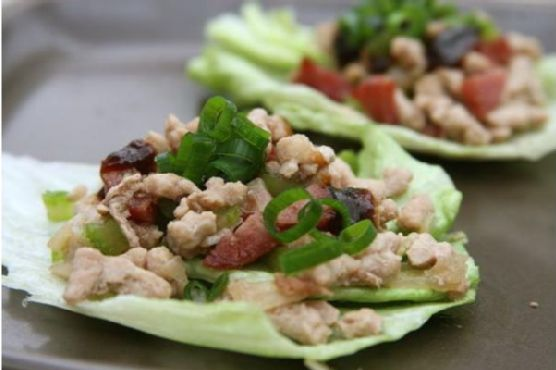
It was one of those Tuesdays when the fridge was filled with random odds and ends, and dinner had to be ready in less than 30 minutes. I was craving something fresh but filling, with just enough spice to make my taste buds dance. Enter the Mexican Chicken Lettuce Wraps. This dish is a hero on busy weeknights and a favorite for when I want to impress without the fuss. It’s quick yet satisfying, delivering a punch of flavor without weighing you down. Perfect for when you want a hearty meal that still feels light and vibrant. Plus, anything you can eat with your hands feels a little more fun, right?
Jump to Recipe
What You’ll Need
This ingredient list is beautifully uncomplicated. You might already have most of these at home! The magic is in the marinade and the fresh, crunchy lettuce that holds everything together.
- Chicken breast
- Lime juice – fresh is best for that zingy taste
- Ground cumin
- Ground chile powder
- Seasoned salt
- Garlic powder
- Olive oil
- Canned black beans – drained and rinsed
- Tomato
- Onion
- Red sweet bell pepper
- Avocado – the creamy topper
- Boston lettuce leaves – for wrapping it all up
How to Make Mexican Chicken Lettuce Wraps
- Start by giving your chicken breast a quick bath in a marinade of lime juice, ground cumin, ground chile powder, seasoned salt, garlic powder, and olive oil. Let it soak for about 30 minutes. This is where all that delightful flavor starts.
- Heat a skillet over medium. Once it’s nice and warm, place your marinated chicken in the skillet. Cook until the chicken is golden brown and cooked through, the scent alone is worth the effort.
- While the chicken is cooking, in a separate bowl, mix your canned black beans, diced tomato, chopped onion, and red sweet bell pepper. This adds a fresh crunch and a pop of color.
- Once the chicken is ready, remove it from the skillet and chop it into bite-sized pieces. Add it to your bean and veggie mix. Give everything a good stir and taste; adjust the seasoning if it needs a little more kick.
- When you’re ready to serve, slice that avocado into thin, luscious slices. Fill each Boston lettuce leaf with the chicken mixture and top with a slice of avocado.
Cook’s Notes
A few things I’ve learned along the way:
– If you’re in a rush, you can marinate the chicken for less time, but try to give it at least 15 minutes to soak up the flavors.
– Taste as you go! You can always add more spice but can’t easily take it away, so adjust that seasoning thoughtfully.
– These wraps are freshest on the day they’re made, but if you have leftovers, store the filling and lettuce separately to prevent sogginess. The filling will last in the fridge for two to three days.
Make It Your Own
Here are some variations if you feel like switching things up:
- Swap the chicken for crispy tofu to make it vegetarian. Just marinate and cook the tofu the same way.
- If you love heat, add some sliced jalapeños to the veggie mix or sprinkle some cayenne in the marinade.
- Try using ground turkey instead of chicken for a different protein profile.
- For an extra layer of flavor, add a sprinkle of fresh cilantro or a dollop of sour cream on top before serving.
And that’s it! If you try this, I’d love to hear how it turns out — drop a comment or tag me! Enjoy those lettuce wraps and the satisfied smiles they’ll bring.
Goes Well With
If you want to round out the meal, here’s what I’d pair it with over on meaghanmoineau.com:
Related update: Mexican Chicken Lettuce Wraps
Related update: Cheesy Chicken Enchilada Quinoa Casserole
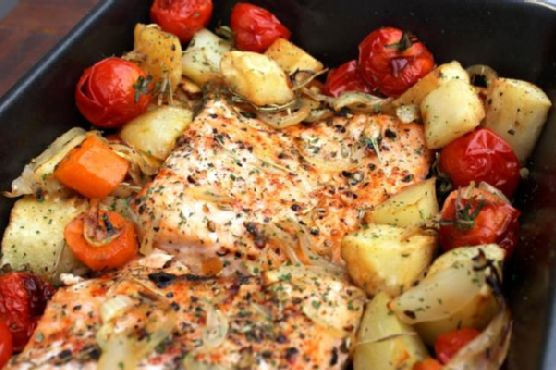
Picture this: it’s a chilly Tuesday evening, and I’m rummaging through my fridge, trying to figure out dinner with what’s left from the weekend. I spot a couple of salmon fillets buried under a mountain of veggies that are begging to be used before they decide to go rogue. Perfect! Salmon with roasted vegetables it is. This dish is my go-to when I need something quick, satisfying, and a little bit fancy without the fuss. The combination of herby, lemony salmon nestled among tender, caramelized veggies is comfort food with a splash of elegance. Plus, it’s a one-pan wonder that leaves me free to pour a glass of wine and relax while the oven does the magic.
Jump to Recipe
What You’ll Need
The great thing about this recipe is it requires no special trips to the grocery store. Chances are, you already have most of these in your kitchen:
- 2 large potatoes
- 2 parsnips
- 2 large carrots
- 1 large onion
- 1 cup cherry tomatoes
- 2 fillets of salmon
- 3 tablespoons olive oil
- Juice of 1 lemon
- Salt and freshly ground black pepper
- Fresh rosemary and thyme
How to Make Salmon with Roasted Vegetables
- First things first, season the salmon fillets with a sprinkle of salt, a dash of pepper, and just a tiny pinch of paprika for that smoky kick. Set them aside while you prep the veggies.
- Preheat your oven to a toasty 200°C (about 400°F). You want it nice and hot so those veggies get that delicious caramelization going.
- Grab your potatoes, parsnips, and carrots. Roughly dice them into bite-sized chunks and toss them into a sturdy roasting tray.
- Drizzle the veggies with olive oil, then season generously with salt and pepper. Use your hands to mix everything until the veggies are well coated. Pop them in the oven and let them roast for about 15 minutes.
- Once the initial roasting is done, add the onions to the tray. Give everything a good stir, and roast for another 10-15 minutes until the veggies start getting golden and toasty on the edges.
- Carefully nestle the salmon fillets and cherry tomatoes between the veggies. Drizzle the lemon juice over everything and sprinkle with the fragrant rosemary and thyme. Season lightly with salt and pepper.
- Return the tray to the oven and roast for an additional 10-15 minutes. You’ll know it’s done when the salmon is tender, and the veggies are cooked through with edges that are perfectly caramelized.
- Scoop everything onto a plate and serve it up with a crisp green salad if you’re feeling virtuous. Enjoy!
Cook’s Notes
Let’s talk about the little things that make a big difference. When it comes to chopping the veggies, aim for uniform sizes so they cook evenly. No one wants a burnt carrot alongside an undercooked potato. If you’re prepping ahead, you can chop the veggies the night before and store them in the fridge. Just keep them in water to prevent browning. Salmon tends to cook quickly, so keep an eye on it to avoid overcooking. Leftovers? Store them in an airtight container in the fridge for up to two days. They make a delightful lunch when tossed into a salad or a wrap.
Make It Your Own
Here are a few fun variations to switch things up:
- Swap the salmon for crispy tofu if you’re in the mood for a plant-based alternative. Just pan-sear the tofu before adding it to the veggies.
- Replace the parsnips with sweet potatoes for a touch of natural sweetness that pairs beautifully with the savory salmon.
- If you love heat, add a pinch of red pepper flakes to the olive oil before tossing it with the veggies.
- Go Mediterranean by adding olives and a sprinkle of feta cheese just before serving. It’s a flavor explosion!
If you try this, I’d love to hear how it turns out — drop a comment or tag me! Your kitchen adventures are always inspiring, and I’m all ears for your creative twists. Happy cooking!
Goes Well With
If you want to round out the meal, here’s what I’d pair it with over on meaghanmoineau.com:
Related update: Salmon with roasted vegetables
Related update: Mexican Chicken Lettuce Wraps

It was one of those bone-chilling, rainy Thursdays when all you want is to curl up with something warm and soul-soothing. I found myself rummaging through my pantry, longing for something vibrant and comforting that could whisk me away to somewhere warmer. That’s when the idea of Thai Coconut Curry Soup popped into my head. This dish is like a warm hug with its rich coconut base and tangy lime notes, and the best part? It’s a one-pot wonder that’s ready in under 30 minutes. Perfect for when you want something impressive yet easy, offering a burst of flavors without spending hours in the kitchen.
Jump to Recipe
What You’ll Need
The beauty of this recipe is its simplicity. You might find that many of these ingredients are already lounging in your pantry or fridge, just waiting to be turned into something magical.
- Canned light coconut milk
- Canned worth of water
- Red curry paste
- Fresh ginger paste
- Fresh snow peas
- String beans
- Diced carrot
- Fresh whole Thai basil leaves
- Lime juice
- Low sodium soy sauce
- A few dashes of sesame oil
- Chili powder
- Tofu
- Salt
- Red bell pepper
- Black pepper
How to Make Thai Coconut Curry Soup
- In a large pot, combine the canned light coconut milk and an equal amount of water. Bring this mixture just to a boil over medium-high heat, then reduce the heat to a gentle simmer. You want small bubbles and steam, not a volcanic eruption.
- Add in the red curry paste and fresh ginger paste. Whisk them until they’re well-incorporated—your nose should be greeted with a fragrant, spicy aroma.
- Toss in the diced carrot and sprinkle with salt and chili powder, reserving the basil for later. Cover the pot and let it simmer until the carrots are almost tender. Keep an eye on them; we want them to maintain a bit of bite.
- Add the tofu cubes. Allow them to soak up the curry flavor by covering the pot and simmering for a few more minutes.
- Introduce the fresh snow peas, string beans, lime juice, soy sauce, and sesame oil to the pot. Cover and let them mingle until the beans turn a vivid green and are still crisp to the bite. This only takes a few minutes.
- For garnishing, slice the red bell pepper into thin strips and sprinkle them along with freshly ground black pepper on top before serving. If you’re feeling extra, stir in a couple of tablespoons of coconut oil with the tofu for a richer coconut experience.
Cook’s Notes
This soup is all about balance. Keep the heat low when simmering to maintain the integrity of the vegetables—nobody wants a mushy mess. If you’re making it ahead, store it without the basil. Add it fresh when reheating to keep its vibrant flavor. The soup will keep well in the fridge for up to three days, making it an excellent meal prep option. When reheating, do so gently on the stovetop to avoid overcooking the veggies.
Make It Your Own
- Crispy Tofu Swap: Instead of simmering the tofu, try pan-frying it beforehand until golden and crispy. Then add it to the soup just before serving for an extra texture.
- Shrimp Upgrade: Swap tofu for shrimp if you’re in the mood for seafood. Add them with the snow peas and beans for a quick cook.
- Spicy Twist: If you love heat, add a finely chopped Thai chili or more chili powder to the pot with the carrots.
- Veggie Packed: Include other veggies like bell pepper strips earlier in the cooking process, or add mushrooms for an earthier depth.
If you try this, I’d love to hear how it turns out — drop a comment or tag me! Soup’s on, and I can’t wait to hear your thoughts on this cozy, Thai-inspired bowl of happiness.
Related update: Thai Coconut Curry Soup
Related update: A Post Thanksgiving “sopa De Tortilla”

It was one of those late summer evenings when the air is still warm, but you can feel the crispness of fall sneaking up on you. I was rummaging through my fridge, craving something that would capture this seasonal transition. That’s when I stumbled on a few ripe peaches, begging to be used, and a hunk of blue cheese just waiting for its moment. This Rustic Grilled Peaches Pizza was born out of necessity and a hint of culinary curiosity. It’s a little sweet, a little savory, and just the right amount of indulgent. The combination of juicy grilled peaches and the tangy sharpness of blue cheese, all on a crispy crust, is a total game-changer. Plus, this recipe is surprisingly easy and quick to throw together, making it perfect for a weeknight dinner that doesn’t feel rushed or routine.
Jump to Recipe
What You’ll Need
I’m willing to bet you have most of these ingredients hanging around your kitchen. The few you might need to grab are totally worth it for this sweet and savory masterpiece.
- Fresh arugula leaves
- Balsamic vinegar
- Blue cheese
- Fresh sage
- Low fat mozzarella cheese
- Onion
- Peach
- Whole wheat uncooked pizza crust
- Salt and pepper
- Walnuts
How to Make Rustic Grilled Peaches Pizza
- In a large skillet over medium heat, cook the onions with a pinch of salt and pepper. You’ll want them very soft and caramelized, which will take about 20-25 minutes. Stir occasionally and add tablespoons of water to deglaze the pan, but only after the previous batch has fully evaporated.
- Meanwhile, in a small saucepan, bring the balsamic vinegar to a boil. Reduce the heat and let it simmer until it transforms into about a tablespoon of syrupy goodness, roughly 15-20 minutes.
- Preheat your grill to medium-high heat. Roll or stretch your pizza dough into a 10-12 inch disc. Brush one side with olive oil so it’s all prepped and ready.
- Toss your pizza dough onto the hot grill, oil side down, and lower the heat to medium. Arrange your peach slices next to the pizza dough. Close the grill lid and let everything cook for about 2-3 minutes.
- Flip the pizza dough and cover it with the caramelized onions and a generous sprinkle of mozzarella cheese. Flip those peach slices, close the lid again, and cook for another 2-3 minutes, until the cheese is melty.
- Remove the pizza from the grill and artfully place those grilled peach slices on top. Crumble over the blue cheese, scatter toasted walnuts, and sprinkle fresh sage and arugula leaves.
- Finish it off with a drizzle of that balsamic reduction, slice into wedges, and savor each bite!
Cook’s Notes
Don’t rush the onions. Their sweet, caramelized nature is an absolute must for this recipe, and it’s worth every minute. If you’re prepping ahead, you can make the caramelized onions and balsamic reduction a day in advance. Just store them in the fridge and warm them slightly before using. Leftovers? They’re delicious cold or reheated. Just store the pizza in an airtight container in the fridge, and it’ll hold up for a couple of days. Keep in mind grilled pizza tends to lose its crispiness, but the flavors will still be spot on.
Make It Your Own
- Swap the blue cheese for goat cheese if you prefer something milder.
- Use crispy prosciutto instead of walnuts for a savory, salty touch.
- Substitute fresh basil for sage if that’s what you have on hand — it adds a lovely fresh note.
- Try a different stone fruit like nectarines or plums to mix it up.
If you try this, I’d love to hear how it turns out — drop a comment or tag me! This pizza is a little slice of late summer heaven, and I can’t wait for you to experience it. Enjoy every bite!
Related update: Rustic Grilled Peaches Pizza
Related update: Scotch Eggs
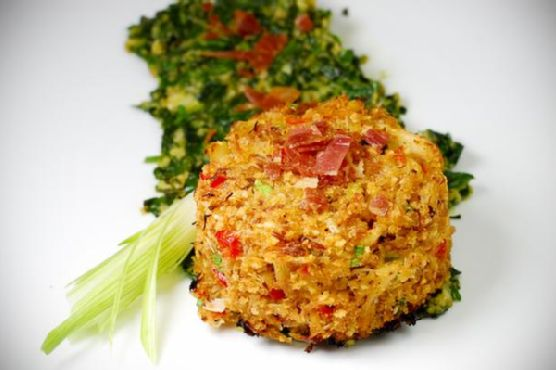
Picture this: It’s a crisp, chilly Sunday afternoon, and I’m standing in my cozy kitchen, trying to channel my inner chef with whatever ingredients I’ve got left. You know those weekends when grocery shopping just seems like too much of a chore? Well, I found myself staring at a can of crab meat, wondering what could possibly be made to brighten up a rather dreary day. And then it hit me — Crab Cakes Rockefeller! This dish is not just about the fancy name; it’s about turning a handful of pantry staples into something spectacular. It’s quick, comforting, and has that wow factor that feels like a mini celebration. Even if you’re working with a toaster oven, you’re in for a treat.
Jump to Recipe
What You’ll Need
This is one of those recipes where you might already have most ingredients lurking in your kitchen. It’s all about transforming simple components into something fabulous.
- Canned lump crab claw meat
- Red diced bell pepper
- Diced green onions
- Bread crumbs
- Honey
- Chili powder
- Unsalted butter
- Bacon
- Baby spinach
- Watercress stems
- Garlic
- Black salt & pepper
How to Make Crab Cakes Rockefeller
- Preheat your oven to 375°F and set the top rack to the middle position. If you’re like me and love using a toaster oven, this recipe is perfect for it too.
- Line a baking sheet with aluminum foil or a nonstick cooking mat. Less mess, more time to enjoy your masterpiece later!
- In a large bowl, combine the crab meat, diced red bell pepper, half of the diced green onions, and half of the bread crumbs. Mix in the honey and chili powder, then season to taste with salt and pepper. You want these flavors to marry beautifully.
- Form your crab cakes by pressing them into a 1/2 cup measure, squeezing tightly to maintain their shape. If molding by hand, be firm but gentle, like handling a delicate soap bubble.
- Arrange your crab cakes on the lined baking sheet, leaving at least an inch between each. This space ensures they brown evenly.
- Lightly coat the outside of each crab cake with olive oil using a sprayer or a drizzle. This little trick gives them a lovely golden crust.
- Bake for 25 minutes, or until golden brown and the aroma drives you wild with anticipation.
- Meanwhile, fry the bacon in a large skillet until crispy. Let it drain on paper towels, then crumble it into delightfully crunchy bits.
- Finely chop the spinach and watercress stems. In another skillet, melt the butter over medium heat. Add the garlic and sauté for about a minute until fragrant.
- Throw in the remaining green onions, bread crumbs, and watercress stems, sautéing for another minute.
- Finally, add the chopped spinach, cooking until wilted, about 1-2 minutes. Season with salt and pepper to your liking.
- To serve, gracefully nestle a crab cake atop a smear of the spinach mixture, and sprinkle with the crumbled bacon for that finishing touch.
Cook’s Notes
Just a few words of wisdom from my kitchen to yours. When forming the crab cakes, make sure they’re compact — it’s the key to them holding together beautifully. If you want to prep ahead, you can assemble the cakes and refrigerate them on the baking sheet for up to a day before baking. If you’ve got leftovers (a rare occurrence, trust me), they reheat well in the oven at 350°F for about 10 minutes. Just don’t microwave them unless you’re into soggy seafood — which I doubt!
Make It Your Own
Nothing is set in stone in my kitchen. Here are a few variations you might want to try:
- Swap the bacon for crispy prosciutto for an Italian twist.
- If you’re feeling fancy, add a sprinkle of parmesan cheese to the spinach mixture for an extra umami kick.
- Replace the watercress with arugula for a peppery punch.
- Try using panko instead of traditional bread crumbs for added crunch.
If you try this, I’d love to hear how it turns out — drop a comment or tag me! Let’s spread the joy of turning pantry staples into a gourmet delight. Here’s to cozy kitchens and culinary adventures!
Related update: Crab Cakes Rockefeller
Related update: Pork Carnitas with Chipotle BBQ Sauce and Slaw

It was one of those evenings when the fridge looked like it was solely hosting a Tupperware party — all containers, no food. I had a craving for something warm and crispy yet couldn’t muster the energy for a full-on cooking expedition. And there it was, a lone plantain on the counter, along with a ripe avocado looking all sorts of promising. These buttered plantain fries with seasoned avocado came to life quite by accident, but they’ve become a regular guest at my table ever since. They’re quick, comforting, and just a little bit playful — perfect for when you want something more than a snack but less than a meal. Trust me, you need this in your life. Jump to Recipe
What You’ll Need
This ingredient list is like a treasure hunt in your pantry — chances are, you’ve already got most of these goodies hiding in there.
- Plantain – Look for one that’s ripe but not mushy.
- Butter – Because everything’s better with butter, right?
- Vegetable oil – Helps the butter along so it doesn’t burn.
- Avocado – Go for ripe, it should feel slightly soft.
- Chili pepper – A bit of heat, because why not spice things up?
- Garlic – Just a clove, minced to aromatic perfection.
- Onions to garnish – Thin slices for a little crunch and color.
- Salt – Essential for seasoning.
How to Make Buttered Plantain Fries and Seasoned Avocado
- Peel the plantain with care; they can be surprisingly slippery. Slice it into thin, even strips so they cook uniformly.
- In a pan over medium heat, add a generous dollop of butter mixed with a splash of vegetable oil. Let it melt slowly, enjoying that heavenly buttery aroma.
- Toss in the plantain strips, ensuring they’re laid out in a single layer. Cook until each side is golden and crisp, flipping occasionally. You’ll know they’re ready when they look too good to resist.
- While the plantains do their thing, scoop out the avocado into a bowl. Mash it with a fork until it’s creamy but with a bit of texture still.
- Stir in a pinch of salt, the chopped chili pepper, and minced garlic. Mix until it’s all well combined and the garlic is fragrant.
- Serve the golden plantain fries alongside your seasoned avocado mash. Sprinkle with thin slices of onion for that final flourish.
Cook’s Notes
If you’re new to cooking plantains, remember they cook faster than you might think. Keep an eye on them to avoid burning. When storing leftovers (if there are any!), keep the plantains and avocado separate. The plantain fries are best enjoyed fresh but can be reheated in an oven to crisp them up again. As for the avocado, a little lime juice can help keep it from browning too quickly if you’re making it ahead.
Make It Your Own
- Swap the butter for coconut oil if you’re dairy-free or just love a hint of coconut flavor.
- Add a squeeze of lime juice to the avocado for a tangy twist.
- If you’re feeling extra, sprinkle some crumbled feta on the finished dish for a creamy, salty contrast.
- Switch out the chili pepper for a jalapeño if you prefer a different kind of heat.
If you try this, I’d love to hear how it turns out — drop a comment or tag me! Happy cooking, and remember: the best recipes often come from happy accidents!
Related update: Buttered Plantain Fries and Seasoned Avocado
Related update: Balsamic Roasted Vegetables