
So, there I was, staring at a slightly wilted eggplant in my fridge, contemplating how it had survived my week-long quest of ordering takeout. The poor thing had been neglected, and I felt that familiar culinary guilt creeping up. But then, inspiration struck — a crispy-on-the-outside, creamy-on-the-inside snack could be the redemption both I and the eggplant needed. Enter: Eggplant Fries with Tzatziki Sauce. This recipe is perfect for those gotta-have-a-snack moments and gives you major chef vibes while being secretly simple. Trust me, these fries are addictive, and the tangy tzatziki? A match made in snacking heaven.
Jump to Recipe
What You’ll Need
The beauty of this recipe? The ingredient list is a delightful mix of pantry staples and a few fresh bits. Chances are, you already have most of these lounging in your kitchen.
- 2 medium eggplants
- 1 cup bread crumbs
- 1 tablespoon Italian seasoning mix
- 1/2 teaspoon salt
- 1/2 teaspoon garlic powder
- 1/2 teaspoon paprika
- 1 cup low-fat plain yogurt
- 1 egg
How to Make Eggplant Fries with Tzatziki Sauce
- Preheat your oven to 450°F. As it warms up, your kitchen will turn into a cozy haven, with the anticipation of crispy delights in the air.
- Grab a bowl and combine the salt, garlic powder, Italian seasoning, and paprika. This is the flavor powerhouse that’ll make your eggplant irresistible.
- In a separate bowl, whisk together the yogurt and egg until smooth. This mixture is the secret to getting that perfect golden crust.
- Slice the eggplants into fry-like strips. Aim for consistency in size so they cook evenly. Think about the perfect fry you’d happily dip into ketchup!
- Dip each eggplant strip into the yogurt mixture, letting any excess drip off, then roll it in the bread crumb mixture. Ensure it’s coated evenly, like giving it a snug little bread crumb blanket.
- Place the coated strips on a baking pan lined with parchment paper or lightly greased. Don’t crowd them; they need their personal space to crisp up nicely.
- Bake for 10-15 minutes, rotating once to ensure even browning. You’re looking for slightly brown edges and a crispy exterior.
- While the fries bake, whip up a quick tzatziki sauce if you’re feeling fancy: Mix more yogurt with chopped cucumber, a squeeze of lemon, and a dash of salt.
Cook’s Notes
- When choosing your eggplants, go for ones that feel heavy for their size and have a smooth, glossy skin. These are signs of freshness.
- If your bread crumbs are on the coarse side, giving them a quick blitz in the food processor can help them adhere better to the eggplant.
- Store leftovers in an airtight container in the fridge. They’ll lose a bit of their crispness, but a quick reheat in the oven will revive them nicely.
- These fries are best enjoyed fresh, but if you must make them ahead, consider prepping the eggplant strips and coating them just before baking.
Make It Your Own
- Spice Swap: If you’re in the mood for a kick, swap the Italian seasoning for a Cajun mix.
- Cheesy Twist: Add a handful of grated parmesan to the bread crumb mix for an extra layer of flavor.
- Herb Lover’s Dream: Mix chopped fresh herbs like parsley or dill into the yogurt dip for a refreshing twist.
- Gluten-Free Option: Use gluten-free bread crumbs to make this snack suitable for everyone at the table.
If you give this recipe a whirl, I’d love to see how it turns out! Drop a comment to share your eggplant fry adventures or tag me in your crispy creations. Happy snacking! 🍆🍟
Goes Well With
If you want to round out the meal, here’s what I’d pair it with over on meaghanmoineau.com:
Related update: Eggplant Fries with Tzatziki Sauce
Related update: Southwest Egg Rolls with Cilantro Lime Pesto

The other night, I found myself staring into my pantry, hoping for some sort of culinary miracle to occur. You know those moments — all you really want is something that’s comforting yet feels just a tad fancier than your usual weeknight fare. Enter: Braised Chicken with Artichoke Hearts & Olives. It was one of those evenings where I wanted the kind of meal that could transport me straight to a sun-drenched Mediterranean patio, glass of wine in hand. Luckily, this dish does exactly that and without sending me into a grocery store frenzy. Plus, it’s deceptively easy, which is always a win in my book. Jump to Recipe
What You’ll Need
Don’t worry about hunting down specialty items; chances are you already have most of this lying around. Here’s what you’ll need:
- Skinless boneless chicken breasts
- Olive oil
- Salt & pepper
- 1 red onion
- White wine
- Artichoke hearts (canned or jarred are perfect!)
- Kalamata olives
- Chicken broth
- Juice of 1 lemon
- Fresh basil
How to Make Braised Chicken with Artichoke Hearts & Olives
- Start by lovingly seasoning your chicken breasts with a generous pinch of salt and pepper. Trust me, this makes a world of difference.
- Heat a large sauté pan over medium-low heat and add a couple of drizzles of olive oil. You’re aiming for a gentle sizzle when the chicken hits the pan.
- Place the chicken skin-side down in the pan. Let them cook until golden brown and your kitchen smells irresistible—about 5 minutes. Flip them over and cook for another couple of minutes. Remove them from the pan and set aside.
- If your pan looks a little parched, add a small drizzle of olive oil, then toss in the chopped red onion. Sauté until they become slightly softened and just start to caramelize.
- Carefully pour in the white wine, then use a spatula to scrape up all those delicious browned bits stuck to the bottom. Let the wine reduce by about half—your cue is when the aroma is rich and inviting.
- Stir in the artichoke hearts and olives, followed by the chicken broth. Nestle the chicken back into the pan, ensuring it’s surrounded by all those incredible flavors.
- Cover the pan and let it all simmer for about 20 minutes. This is when you get to kick back with a glass of that leftover wine.
- Once the chicken is cooked through, remove it from the pan again. Add in the lemon juice and fresh basil to the sauce and let it simmer for another 5 minutes, allowing the flavors to meld together beautifully.
- Finally, pour that fabulous sauce over the chicken, and you’re ready to serve. Enjoy the wafting aroma of your Mediterranean escape!
Cook’s Notes
- If you find your chicken isn’t browning well, it might need a little extra time without moving in the pan. Patience is key!
- This dish is fabulous for leftovers. Store it in an airtight container in the fridge, and it should be good for up to three days.
- Reheat gently on the stove, adding a splash of chicken broth if the sauce has thickened too much in the fridge.
- Don’t rush the simmering phase; it’s where all the magic happens, infusing the chicken with deep, savory flavors.
Make It Your Own
- Swap the chicken for some crispy tofu if you’re in the mood for a vegetarian delight, adjusting the simmer time as needed.
- If you love a little heat, throw in a pinch of red pepper flakes when sautéing the onions.
- No white wine? No problem! Use a splash of apple cider vinegar for a tangy twist.
- Feel free to add in some cherry tomatoes for a pop of color and sweetness.
If you try this, I’d love to hear how it turns out — drop a comment or tag me! I hope this becomes one of those go-to recipes that you turn to whenever you need a bit of culinary sunshine.
Goes Well With
If you want to round out the meal, here’s what I’d pair it with over on meaghanmoineau.com:
Related update: Braised Chicken with Artichoke Hearts & Olives

It was one of those Wednesday evenings where the clock seemed to sprint from 5 to 7 PM in the blink of an eye. My stomach was grumbling louder than my Spotify playlist, and all I could think about was something delicious yet uncomplicated. The kind of meal that makes you feel like a culinary wizard without actually breaking a sweat. Enter stage left: the Vegetable Tart with Goat Cheese. This tart is my secret weapon, perfect for when I want something that looks as good as it tastes with minimal fuss. It’s a colorful showstopper that tastes like you planned it all week, but shhhh… it’s our little secret!
Jump to Recipe
What You’ll Need
Trust me, if your pantry and fridge are anything like mine, you’re already halfway there. This tart comes together with just a few key stars and supporting players.
- Puff pastry (the freezer-friendly hero of this dish)
- Frozen spinach
- Mushrooms
- Red bell pepper
- Goat cheese (the creamy crown jewel)
- Salt and pepper
How to Make Vegetable Tart With Goat Cheese
- Preheat your oven to 350°F. This is the first step to turning your kitchen into a cozy haven.
- Grab your puff pastry from the freezer and roll it out onto a cookie sheet, keeping the parchment paper underneath to prevent any sticky situations.
- Spread the frozen spinach evenly over the pastry, but leave about an inch of edge untouched. This creates a beautiful border that puffs up like magic.
- Layer the mushrooms on top of the spinach. They’ll release their juices, adding depth to the flavor party.
- Next, scatter the red bell pepper slices over the mushrooms. This vibrant red layer will make your tart pop, both visually and taste-wise.
- Finally, sprinkle crumbled goat cheese over the top. As it bakes, it will melt into creamy pockets of tangy goodness.
- Season with a sprinkle of salt and a few cracks of fresh pepper to taste.
- Bake in the preheated oven for 15-20 minutes, or until the edges of the tart are golden brown and the cheese is bubbly and slightly caramelized.
Cook’s Notes
Alright, here’s the inside scoop: always make sure your puff pastry is still cold when you start rolling it out, as it puffs better. If your mushrooms seem a bit too wet after slicing, give them a quick pat with a paper towel to avoid sogginess. This tart is best enjoyed fresh out of the oven, but if you do have leftovers, store them in an airtight container in the fridge and reheat them in the oven to maintain that crispy crust. If you’re planning ahead, all the veggies can be prepped a day in advance, making the assembly a breeze when you’re ready to bake.
Make It Your Own
This tart is a blank canvas for your culinary whims. Here are some ideas to get those wheels turning:
- Switch the spinach for kale for a heartier texture.
- Love a bit of heat? Add sliced jalapeños on top for a spicy kick.
- Not a fan of goat cheese? No problem. Try it with feta cheese instead for a milder flavor.
- For a sweet twist, caramelize some onions and layer them under the spinach.
If you try this, I’d love to hear how it turns out — drop a comment or tag me! This is a dish that invites creativity, so feel free to experiment and make it truly yours. Happy cooking, friends!
Goes Well With
If you want to round out the meal, here’s what I’d pair it with over on meaghanmoineau.com:
Related update: Vegetable Tart With Goat Cheese
Related update: Penne Arrabiata
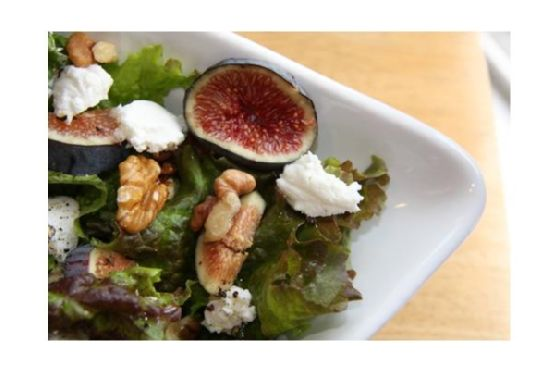
Last Tuesday, the afternoon sun cast a golden glow across my kitchen, and all I craved was something fresh and vibrant. You know those days when life gets a bit too overwhelming, and you just need a food hug? That was me. I opened the fridge and there they were—beautifully ripe figs, a half-eaten log of goat cheese, and a bag of mixed greens waiting to be transformed. And just like that, a Fig, Goat Cheese, and Walnut Salad came to life. This dish is like a cozy sweater—it’s comforting yet bright, with just the right amount of flair to make you feel fancy without the fuss. Trust me, this salad is a total game-changer, especially when you need something quick yet utterly delicious.
Jump to Recipe
What You’ll Need
This salad is all about simple ingredients that pack a punch. Chances are you already have most of this stuff lying around:
- Fresh figs – the star of the show
- Goat cheese – creamy goodness in every bite
- Lemon juice – for that zesty kick
- Mixed greens – a fresh and leafy base
- Olive oil – smooth and silky
- Salt and pepper – gotta season!
- Walnuts – for a crunchy contrast
How to Make Fig, Goat Cheese and Walnut Salad
- Start by rinsing your mixed greens. Spin them dry if you have a salad spinner or spread them out on a clean towel to air-dry. You want them crisp, not soggy.
- Tear the greens into bite-size pieces if they’re not already prepped. No one wants to wrestle with a giant leaf on their plate.
- Slice the figs delicately, savoring the sweet fragrance that fills the room. They should be tender yet firm enough to hold their shape.
- Roughly chop the walnuts. You’re aiming for a mix of larger chunks and smaller bits to keep things interesting.
- Gently scatter small spoonfuls of goat cheese over the salad. This is where the magic happens—creamy pockets of flavor await every bite.
- In a small bowl, mix olive oil and lemon juice to taste, or if you’re like me and love to freestyle, drizzle them directly over the salad.
- Season with salt and pepper to your liking. Toss everything together gently to keep all those beautiful components intact.
- Serve immediately and enjoy the delightful combination of flavors and textures.
Cook’s Notes
Here’s the deal: use the freshest figs you can find. Overripe ones can make the salad mushy, and underripe figs won’t give you that sweet juiciness. You can prepare the salad base and keep it in the fridge for a couple of hours, but only add the dressing and goat cheese right before serving to keep the greens vibrant and the cheese from getting lost in the mix. If you need to store leftovers, keep the dressing separate and consume within a day for best quality.
Make It Your Own
- Swap the goat cheese for feta if you’re feeling a bit more Mediterranean.
- Replace the walnuts with toasted almonds for an added crunch and a slightly different flavor profile.
- Add some crispy bacon bits if you want a smoky, savory note.
- Try arugula instead of mixed greens for a peppery punch.
If you try this, I’d love to hear how it turns out—drop a comment or tag me! There’s nothing like sharing the joy of a simple, delicious meal with friends. Bon appétit! 🍽️
Goes Well With
If you want to round out the meal, here’s what I’d pair it with over on meaghanmoineau.com:
Related update: Fig, Goat Cheese and Walnut Salad
Related update: Citrus Beet Salad
Related update: Vegetable Tart With Goat Cheese
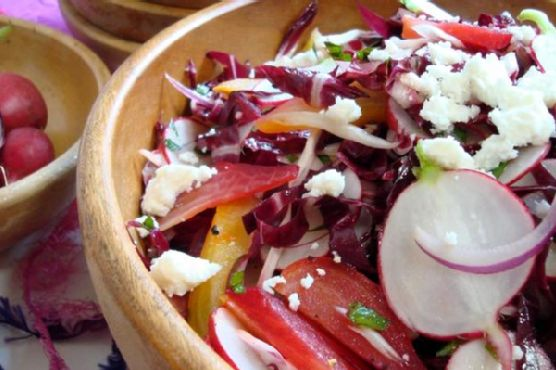
It was one of those evenings where the sun lazily dips behind the trees, casting a golden hue over everything, and the weather’s still warm enough to eat on the porch. I was staring into my fridge, thinking that I could either order takeout or transform the lonely bunch of beets staring back at me into something fabulous. The idea of a roasted beet and radicchio salad popped into my head, and suddenly I could taste it — earthy, a bit bitter, and wonderfully fresh. This dish isn’t just a salad; it’s a celebration of textures and flavors. The kind that makes you feel like you’ve pulled off a culinary magic trick with minimal effort.
Jump to Recipe
What You’ll Need
Chances are you already have most of this, but a quick trip to the store might be necessary for a few fresh flavors.
- Beets
- Olive oil
- Radicchio
- Red onion
- Radishes
- Fresh mint leaves
- Queso fresco
- Red wine vinegar
- Honey
- Garlic clove
- Salt
- Pepper
How to Make Roasted Beet and Radicchio Salad
- Preheat your oven to 400°F. This is the perfect time to catch up on that podcast you’ve been meaning to listen to.
- Trim the beets, placing them snugly in a baking dish. Drizzle with 1 tablespoon of olive oil, making sure each beet gets a glossy coat. Cover and roast for about 30-35 minutes, until they surrender easily to a fork’s pressure.
- While the beets are doing their thing, cut the radicchio into quarters and remove the core. Slice it into thin strips and let it chill in a bowl of ice water for 20-30 minutes. This little spa treatment mellows out its bitterness.
- Channel your inner chef as you slice the red onion and radishes paper-thin. This is where a sharp knife becomes your best friend.
- In a small bowl, whisk together 3 tablespoons of olive oil, red wine vinegar, honey, a minced garlic clove, a pinch of salt, and a few cracks of pepper. It should taste lively and balanced, with a little zing.
- By now, the beets should be cool enough to handle. Slip their skins off as if peeling a particularly stubborn sticker, then slice into elegant wedges.
- Toss the radicchio, beets, onions, radishes, and fresh mint leaves with the vinaigrette. It should look like a riot of colors and smell like a garden party.
- Top with crumbled queso fresco and serve to a chorus of “oohs” and “aahs.” You just made something beautiful.
Cook’s Notes
So, a few things I’ve learned while dancing through this recipe:
- Make sure to keep an eye on those beets. They can go from perfectly roasted to “oops, charcoal” pretty quickly.
- The ice bath for the radicchio really is a game-changer. Trust me, you don’t want to skip it.
- If you’re planning for leftovers, keep the dressing separate. The salad stays crisp and fresh for the next day.
Make It Your Own
Here are a few variations to keep things interesting:
- Swap the queso fresco for crumbled feta or goat cheese for a tangy twist.
- For more crunch, toss in a handful of toasted walnuts or slivered almonds.
- Not a fan of radicchio? Arugula or spinach would be great here too.
- Add some diced avocado for a creamy contrast.
If you try this, I’d love to hear how it turns out — drop a comment or tag me! Let’s see those gorgeous, colorful creations. Happy cooking!
Goes Well With
If you want to round out the meal, here’s what I’d pair it with over on meaghanmoineau.com:
Related update: Roasted Beet and Radicchio Salad
Related update: Fig, Goat Cheese and Walnut Salad

Last Tuesday, I found myself staring at a lonely can of chickpeas and two orange bell peppers that were on the brink of becoming compost material. It was one of those days where the fridge seemed to have more condiments than actual food. The thought of yet another peanut butter sandwich just wasn’t cutting it, so I decided to whip up something a bit more exciting. That’s how Hummus with Roasted Orange Peppers became the hero of my weeknight dinner. It’s a wonderfully creamy, zesty dip with a pop of roasted sweetness that’s as impressive as it is easy to make. Trust me, you’ll be hooked! Jump to Recipe
What You’ll Need
This ingredient list is as friendly as a warm hug. Chances are you already have most of these in your kitchen:
- Cooked chickpeas or canned chickpeas
- Orange bell peppers
- Cooking oil or olive oil
- Salt
- Garlic
- Roasted sesame seeds
- Sugar
- Red paprika or chili powder
- Lemon juice
- White vinegar
How to Make Hummus with Roasted Orange Peppers
- Preheat your oven to 400°F (200°C). Slice the orange bell peppers and place them on a baking sheet. Drizzle with olive oil and a sprinkle of salt. Roast for about 20 minutes, or until they’re soft and the edges have a slightly charred, caramelized look.
- While the peppers are roasting, drain and rinse the chickpeas if using canned. Add them to a food processor along with a dash of cooking oil, a clove of garlic, and the juice of a lemon. Give it a whirl until everything is roughly combined.
- Chuck in the roasted orange peppers now. Blend again until the mixture is smooth and creamy. You might need to scrape down the sides to make sure everything gets incorporated.
- Season your hummus with salt, a pinch of sugar, and red paprika or chili powder to taste. If you’re feeling fancy, toss in some roasted sesame seeds for an extra nutty flavor. Pulse everything together until it’s just right.
- Adjust the consistency with a splash of white vinegar and a bit more olive oil if needed. The final texture should be creamy but still have some body. Taste and tweak the seasoning until it’s irresistible.
Cook’s Notes
Don’t skimp on roasting those peppers; it’s where the magic happens! If you’re prepping ahead, this hummus can be stored in an airtight container in the fridge for up to a week. Just be sure to give it a good stir before serving, as it might thicken up a bit. Also, if you’re pressed for time, you can use jarred roasted peppers, though fresh is always best.
Make It Your Own
- Swap the orange bell peppers for red ones if you prefer a slightly sweeter flavor.
- Add a handful of fresh basil or cilantro for a herby twist.
- If you love heat, sprinkle in some crushed red pepper flakes.
- Skip the oil and use water instead for a lighter version, though you’ll miss out on some richness.
If you try this, I’d love to hear how it turns out — drop a comment or tag me! There’s nothing like seeing your delicious creations come to life. Enjoy the hummus adventure!
Goes Well With
If you want to round out the meal, here’s what I’d pair it with over on meaghanmoineau.com:
Related update: Hummus with roasted orange peppers
Related update: Slow Cooker Spicy Hot Wings
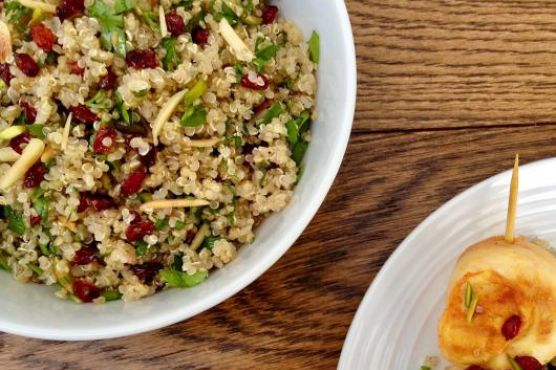
Picture this: It’s a Tuesday evening, and I’ve just emerged from a whirlwind day of meetings and errands. My energy is zapped, but my taste buds are clamoring for something a bit more exciting than my standard, last-minute pasta. I glance at my pantry, and there it is—a trusty bag of quinoa. This little grain (or seed, to be precise) is my go-to for nights like these when I want something nourishing yet packed with flavor. That’s where my Quinoa Salad with Barberries & Nuts comes into play. It’s a delightful dance of textures and tastes—fluffy quinoa, tangy barberries, and crunchy nuts, all mingling with fresh herbs. Bonus: It’s ready in a flash and makes me feel like a kitchen wizard every single time.
Jump to Recipe
What You’ll Need
Trust me, most of these ingredients are likely chilling in your pantry or fridge already. It’s the *bold* ones that make this dish pop, so don’t skip those!
- Quinoa – the base of our salad
- Water
- Salt
- Olive oil
- Barberries – these little gems add a tart kick
- Slivered almonds
- Slivered pistachios
- Coriander
- Mint
How to Make Quinoa Salad with Barberries & Nuts
- Start by rinsing the quinoa thoroughly in a sieve under cold running water. This step is crucial to remove that pesky bitterness. Drain well.
- Next, pour boiling water over the drained quinoa in a medium saucepan. Add a good pinch of salt, give it a stir, and cook over medium-low heat. You’re looking for the quinoa to be tender but with a slight bite. Drain it again using the sieve.
- While your quinoa is doing its thing, pick over the barberries, rinse them gently in a sieve, and dry them on some kitchen paper. Easy peasy.
- Now, let’s get those nuts toasted. Heat a tablespoon of olive oil in a saucepan over medium heat. Toss in the almond slivers first until they’re a light golden hue—then add the pistachios.
- With the nuts nicely toasted, add the rest of your olive oil and throw in the rinsed barberries. Cook them just until they’re shiny and looking a bit puffed up, which is when they release their tangy aroma.
- Reserve a tablespoon of the barberry and nut mixture, along with a tablespoon of the chopped coriander and mint, for our final flourish.
- Mix the remaining nut and barberry blend with the quinoa and herbs. Pop it all back into the pot and place over low heat. Cover it up and let it cook for about ten minutes until it’s steaming and thoroughly heated.
- Finally, turn your quinoa creation into a serving dish. Fluff it up with a fork, add a drizzle of olive oil, and a twist of black pepper if you’re feeling it. Sprinkle with the reserved barberry-nut mix and herbs. Serve it up either as a main or a side—your choice!
Cook’s Notes
Here’s the thing about this salad: it’s super forgiving and versatile. If you’ve never worked with barberries before, you might find them at a specialty grocery store or online. They’re worth the hunt, trust me. When it comes to leftovers, this salad holds up well for up to three days in the fridge. Just be sure to store it in an airtight container. If you’re planning to make it ahead, keep the garnish separate and mix it in just before serving to maintain that fresh, crunchy vibe.
Make It Your Own
Customizing this salad is a breeze. Here are a few ideas to get you started:
- Swap the barberries for dried cranberries or cherries if you prefer something sweeter.
- Try adding crispy tofu to make it a more filling main dish.
- Substitute the almonds and pistachios with hazelnuts and walnuts for a different nutty profile.
- If you’re into greens, throw in a handful of arugula or baby spinach for extra color and nutrients.
If you try this, I’d love to hear how it turns out—drop a comment or tag me! Let’s get cooking and make the everyday extraordinary.
Related update: Quinoa Salad with Barberries & Nuts
Related update: Brussels Sprouts with Bacon and Shallots
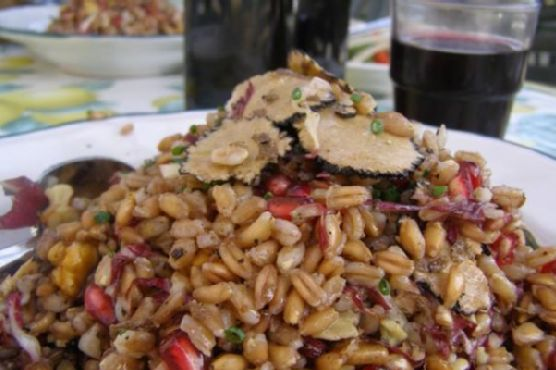
It was one of those evenings when the crisp air makes you crave something grounded yet bright—think cozy sweater vibes but on a plate. I had just returned from the farmers market, pomegranates in hand, and a desire for something different but not overly complicated. That’s how this Fall Farro Salad with Pomegranate, Walnut & Truffles was born. It’s the kind of dish that combines hearty farro with the tangy pop of pomegranate seeds, and the rich aroma of truffles—a little bit of everything deliciously fall. It’s a perfect weeknight meal that’s just as impressive for a weekend get-together, and the best part is how ridiculously easy it is to put together. I mean, we’re talking about strong flavors that do all the heavy lifting for you. Jump to Recipe
What You’ll Need
This salad’s ingredient list is refreshingly straightforward, yet it packs a punch with gourmet vibes. Chances are you already have most of these at home, except maybe the truffle mushroom, but trust me, it’s worth the small trip.
- Extra virgin olive oil
- Farro
- Parmesan (shaved into ribbons)
- Pomegranate (seeds)
- Radicchio (thinly sliced)
- Salt and pepper
- Truffle mushroom
- Vinegar
- Walnuts
How to Make Fall Farro Salad with Pomegranate, Walnut & Truffles
- Begin by rinsing the farro under cold water. In a large pot, bring plenty of cold water to a boil. Add a good pinch of salt along with the farro. If you have any vegetable scraps handy, toss them in for extra flavor. Cook until al dente, about 20-35 minutes. Taste a grain—it should be tender with a slight chew.
- While the farro cooks, prep the other ingredients. Shave the parmesan into delicate ribbons, thinly slice the radicchio, and remove the pomegranate seeds. You know you’re doing it right when your cutting board looks like a painter’s palette.
- In a small skillet, toast the walnuts over medium-low heat until they’re golden and fragrant. Keep an eye on them—they can go from toasty to burnt in a blink.
- Once the farro is ready, drain and let it cool slightly. Toss it into a big bowl with the radicchio, pomegranate seeds, walnuts, and parmesan ribbons.
- Drizzle with extra virgin olive oil, a splash of good vinegar, and season with salt and pepper. Mix gently, ensuring everything is well coated but not bruised.
- Finally, thinly slice the truffle mushroom and gently fold it into the salad. The aroma should start to bloom, lacing through the entire dish.
Cook’s Notes
Farro can be cooked ahead of time, making this salad a great option for meal prep. Just cool it completely before storing it in an airtight container in the fridge. When ready to assemble, allow it to return to room temperature for the best texture.
Watch out for overcooking the farro—it should retain some chewiness to balance the other textures of the salad. And remember, a little truffle goes a long way. You want it to complement, not overpower.
If you have leftovers, store the salad and dressing separately for up to two days to keep everything fresh and crunchy.
Make It Your Own
- Swap the truffle mushroom for a sprinkle of truffle oil if you’re in a pinch—it gives a similar aroma boost.
- Use feta cheese instead of parmesan for a tangier bite.
- Not a fan of radicchio? Substitute with baby kale or arugula.
- For a heartier version, add roasted butternut squash or sweet potato cubes.
If you give this recipe a whirl, I’d love to hear how it turned out—or any fun twists you added! Drop a comment or tag me on your food adventures. Happy cooking!
Related update: Fall Farro Salad with Pomegranate, Walnut & Truffles
Related update: Cauliflower and Broccoli Gratin With Camembert Cheese

So, picture this: It’s a Tuesday evening, and I’m standing in my kitchen feeling utterly uninspired. You know those days when you’ve got a fridge full of nothing and everything? Yeah, that was me. The weather hinted at the first signs of fall, and my lazy bones craved something cozy yet bright—something that would wrap me up like a warm blanket but not put me in a food coma. Enter this Lemon Chickpea & Tomato Stew. It’s the kind of dish that checks all the boxes: fast (you’ll have it on the table in under an hour), flavorful (hello, lemon zest), and so satisfying you’d think it took all day. Trust me, once you make it, your taste buds will thank you, and you might just find a new weeknight staple.
Jump to Recipe
What You’ll Need
This stew is a pantry hero—you probably have most of the ingredients hiding in your kitchen already.
- 2 tablespoons of olive oil
- 1 large shallot, chopped
- 3 garlic cloves, minced
- 2 cans of chickpeas, drained and rinsed
- 1 jalapeno chili, sliced
- 1 teaspoon of dried oregano
- 2 bay leaves, broken
- 1/2 teaspoon of crushed red pepper
- Salt & pepper to taste
- 4 cups of chicken broth
- Zest and juice of 1 fresh lemon
- 1 cup of dried oven tomatoes
- 2 cups of fresh spinach, loosely packed
How to Make Lemon Chickpea & Tomato Stew
- In a large saucepan, heat the olive oil over medium heat. You’ll know it’s ready when the oil starts shimmering like a mirage.
- Add the shallot and garlic, stirring them into the warm oil until they soften and become fragrant, about 5 minutes.
- Toss in the chickpeas, jalapeno, oregano, bay leaves, and crushed red pepper. Season with salt and pepper. Stir frequently, letting those chickpeas get a little crispy and golden, about 5-7 minutes. Keep an eye out—they might try to escape the pan!
- Pour in the chicken broth, lemon zest, and lemon juice. Bring everything to a happy boil, then reduce the heat and let it simmer until the broth is reduced by half, around 20 minutes.
- Stir in the oven-dried tomatoes, garlic, and spinach. Simmer for another 5 minutes, just until the spinach wilts into the stew. Goodbye, bay leaves—you’ve done your job, so remove them.
- Give it one last taste for seasoning, adjust if necessary, and serve hot with warm crusty bread to soak up every last drop.
Cook’s Notes
First things first, don’t rush the browning of your chickpeas. That’s where a lot of the flavor magic happens. If you can, make sure the broth you’re using is low-sodium so you can control the salt levels. This stew is even better the next day, so feel free to make it ahead and store it in the fridge for up to 3 days. Just reheat it gently on the stovetop. If it’s a bit too thick, splash in a little extra broth or water.
Make It Your Own
- Vegetarian version: Swap the chicken broth for vegetable broth, and you’re good to go.
- Spicy kick: Double the jalapeno if you’re feeling bold. You can also add a dash of cayenne.
- Protein boost: Stir in some cooked shredded chicken or crispy tofu just before serving.
- Herbal twist: Add fresh basil or cilantro at the end for an extra layer of flavor.
And there you have it! If you try this, I’d love to hear how it turns out—drop a comment or tag me. Enjoy your cozy bowl of goodness!
Related update: Lemon Chickpea & Tomato Stew
Related update: Enchiladas Verdes (Green Enchiladas)
Related update: Carrot and Coriander Soup
Related update: Cauliflower Chickpea Stew

Picture this: It’s a blustery Tuesday evening, and you’ve just gotten home from a day that was long enough to make watching paint dry sound thrilling. You’re craving something that’s easy enough to not require a kitchen degree, but still feels like a cozy hug in a bowl. Enter my Cavatappi pasta with salmon crab surimi. This dish is a delightful tangle of flavors that hits the sweet spot between comfort food and seafood sophistication. The pasta’s curly tubes are perfect for catching all the saucy goodness, and the combination of salmon and surimi gives you that savory, oceanic touch without the need for a second mortgage. It’s a recipe that comes together in a flash, so you can have your taste of the Mediterranean with just a little bit of kitchen magic and minimal fuss. Curious yet?
Jump to Recipe
What You’ll Need
The best part about this ingredient list is that it’s likely you’ve already got most of these at your disposal. A few pantry staples, a couple of fresh herbs, and you’re in business.
- 8 oz Cavatappi pasta
- 2 tablespoons olive oil
- 2 cloves garlic, minced
- 1 can (6 oz) salmon fillets, drained
- 4 oz surimi crab sticks, sliced
- 2 plum tomatoes, chopped
- 2 tablespoons tomato puree
- 1 tablespoon red wine
- 1 teaspoon dried basil
- 2 tablespoons fresh basil, chopped
- 2 tablespoons fresh parsley, chopped
- 1 teaspoon sugar
- Salt and pepper to taste
- Grated Parmesan cheese for serving
How to Make Cavatappi pasta with salmon crab surimi
- First, get that pasta going. Cook the Cavatappi according to the package instructions until it’s al dente. Drain it, but don’t be too hasty — reserve a bit of that starchy cooking water like the little secret weapon it is.
- In a large skillet, heat up the olive oil over medium heat. Add the minced garlic and sauté it for about a minute. Keep an eye out – you want it just fragrant, not the golden brown of regret.
- Add the canned salmon and surimi crab sticks to the pan. Stir them gently, and let them simmer together for just a couple of minutes, like a friendly neighborhood chat.
- Time for the juicy bits: toss in the chopped tomatoes, tomato puree, dried basil, and red wine. Mix everything so it all gets to know each other, and let it simmer gently. You should start seeing those edges bubble in about 2-3 minutes.
- Sprinkle in the sugar, and season with salt and pepper. Stir it all together, letting the flavors meld into a harmonious sauce.
- Now, bring the pasta back into the fold. Add the Cavatappi to your sauce, turning it through until everything is well coated. If things look a bit too thick, a spoonful of that reserved pasta water will smooth it out beautifully.
- Serve immediately, with a generous sprinkle of Parmesan cheese and a touch of fresh, chopped basil for that finishing flair.
Cook’s Notes
Don’t be tempted to rush the garlic; it can go from golden to bitter in the blink of an eye. When simmering the sauce, keep it gentle—you’re coaxing out flavors, not boiling them away. This pasta dish is best enjoyed fresh, but if you happen to have leftovers, they’ll keep well in the fridge for up to two days. Just reheat gently, adding a splash of water if needed to get the sauce back to its luscious texture.
Make It Your Own
- Want to mix up the protein? Try swapping the salmon for some succulent shrimp or even crispy tofu for a vegetarian twist.
- If you’re a spice lover, a pinch of red pepper flakes tossed in with the garlic can add a nice kick.
- No wine on hand? A splash of chicken or vegetable broth works in a pinch and still adds depth.
- For a creamier version, stir in a splash of cream or a dollop of mascarpone cheese just before serving.
So there you have it! This Cavatappi pasta with salmon crab surimi is a surefire way to elevate any evening with minimal effort. If you try this, I’d love to hear how it turns out — drop a comment or tag me! Happy cooking! 🍝
Related update: Cavatappi pasta with salmon crab surimi
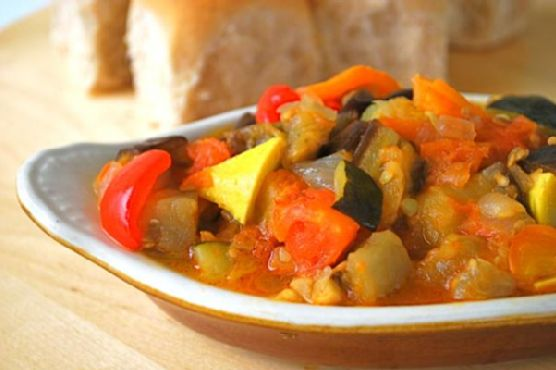
Last Wednesday, I found myself staring into the depths of my fridge, contemplating a lonely eggplant and a couple of sad zucchinis. It was one of those evenings when inspiration was as low as my vegetable crisper’s contents. But then, a little spark hit me—why not whip up a colorful and cozy Vegetarian Ratatouille? It’s one of those dishes that feels like a warm hug after a long day. Plus, it’s a melody of summer veggies that’s simple to throw together, making it a perfect midweek hero. Loaded with fresh flavors, it’s hearty without being heavy, and best of all, it can transform fridge odds and ends into something spectacular. So, if you’re ready to turn that produce drawer into a work of art, keep reading. Or, if you’re raring to get started—Jump to Recipe
What You’ll Need
This ingredient list is refreshingly straightforward. Chances are you already have most of these in your kitchen. Here’s what you’ll need for this vibrant veggie medley:
- Eggplant
- Zucchini
- Yellow squash
- Tomato
- Red bell pepper
- Orange bell pepper
- Onion
- Garlic
- Fresh basil
- Thyme
- Dried oregano
- Extra virgin olive oil
- Sea salt
How to Make Vegetarian Ratatouille
- Start by heating a good glug of extra virgin olive oil in a large saucepan over medium-low heat. Toss in the diced onion and minced garlic. Stir them around until the onions are translucent and the whole kitchen smells like a dream.
- Next, add in the chopped tomatoes. Give them a gentle stir and let them mingle with the onions and garlic until the flavors start to blend together.
- Now, it’s time to add the rest of the gang. Introduce the chopped eggplant, zucchini, yellow squash, red and orange bell peppers to the party. Sprinkle in some sea salt, a few sprigs of thyme, and a pinch of dried oregano.
- Lower the heat and let everything simmer gently for about 30 minutes. Stir occasionally, keeping an eye on the eggplant. You’ll know it’s done when it’s tender and the edges of the vegetables are starting to caramelize a bit.
- Before serving, toss in some freshly torn basil leaves for a burst of freshness. Give everything one last stir and get ready to dig in!
Cook’s Notes
Here’s the deal: Ratatouille is incredibly forgiving. If you have extra veggies on hand, like mushrooms or carrots, feel free to toss them in. Just keep an eye on the cooking time; firmer veggies might need a bit more time to tenderize.
- Worried about mushy vegetables? Make sure your heat is low enough to allow them to cook slowly and evenly.
- This dish can easily be made ahead of time. Store it in an airtight container in the fridge for up to three days. The flavors only deepen as it sits, making it an excellent leftover choice.
- If you’re serving this to guests, you can prepare it in advance and simply reheat gently on the stove before serving.
Make It Your Own
- For a protein boost, add in some chickpeas or white beans during the last 10 minutes of cooking.
- Swap the fresh basil for a handful of chopped parsley if that’s what you have on hand.
- Spice things up with a pinch of red pepper flakes for some heat.
- Transform it into a heartier meal by serving it over a bed of fluffy quinoa or couscous.
If you try this, I’d love to hear how it turns out — drop a comment or tag me! Your feedback means the world to me and keeps the inspiration flowing.
Related update: Vegetarian Ratatouille
Related update: Wildwood Ovens Bourbon Apple Glazed Cedar Plank Salmon

It was one of those chilly Tuesday evenings when the sun decided to call it quits early, and the only way to combat the creeping cold was with something warm and comforting. As I rummaged through my pantry, I stumbled upon a bag of carrots that had been waiting patiently for their turn to shine. It struck me right then — Moroccan Carrot Soup! A bowlful of this would feel like a cozy hug, yet it’s surprisingly easy to whip up on a weeknight when you’re not in the mood for fussing over a stove. This soup is perfect for those nights when you want something hearty but can’t be bothered with a long list of ingredients or complicated steps. Stick with me here, and you’ll be ladling this aromatic beauty in no time.
Jump to Recipe
What You’ll Need
Chances are, you already have most of this. It’s all about letting just a few ingredients shine.
- 2 tablespoons of butter
- 1 yellow onion, chopped
- 6 cups of carrots, peeled and chopped
- 4 cups of low sodium chicken stock
- 1 tablespoon of cumin seeds
- 1 tablespoon of honey
- 1 tablespoon of fresh lemon juice
- 1/4 teaspoon of allspice
- Salt and pepper to taste
- 1/2 cup of sour plain yogurt
How to Make Moroccan Carrot Soup
- In a large saucepan, melt the butter over medium-high heat. Once it’s bubbly and aromatic, toss in the chopped onion. Sauté for about 2 minutes until the onion starts turning translucent and your kitchen smells heavenly.
- Add the carrots and pour in the chicken stock. Bring this orange-hued mixture to a boil. Then, reduce the heat to low, cover the pot, and let it simmer. In about 20 minutes, the carrots should be tender enough to yield to a fork.
- Meanwhile, grab a small skillet and toast the cumin seeds over medium-high heat. Keep an eye on them, stirring occasionally, until they are golden and releasing their nutty aroma — about 4 to 5 minutes.
- Once toasted, finely grind the cumin seeds in a spice mill or with a mortar and pestle. The fresh grind makes a world of difference, trust me!
- Remove the soup from the heat. Carefully, in batches, purée it in a blender until it’s silky smooth. Return the blended soup to the saucepan.
- Whisk in the honey, lemon juice, and allspice, stirring until everything is well combined. Give it a taste and season with salt and pepper to your liking.
- To serve, ladle the soup into bowls. You can either sprinkle the ground cumin on top or, for an extra creamy finish, mix the cumin with sour cream and dollop that goodness right in the center of the soup. Enjoy!
Cook’s Notes
Let’s talk storage first: This soup keeps like a champ. Store it in an airtight container in the fridge, and you’ve got a delicious lunch or dinner for up to 4 days. If you’re meal prepping or just want to savor the flavors later, it freezes beautifully for up to 3 months. Just thaw and reheat gently on the stove.
Avoid the temptation to add the honey and lemon while it’s still boiling — you don’t want to lose those delicate flavors. And when blending the hot soup, please be cautious; do not overfill the blender as the steam can cause it to splatter. Patience is key here!
Make It Your Own
- Spice it up: Add a pinch of cayenne pepper or a swirl of harissa for a bit of heat.
- Veggie twist: Swap half of the carrots for sweet potatoes. It gives the soup an even richer texture.
- Herbaceous hit: Stir in some fresh chopped cilantro or mint just before serving for a fresh burst of flavor.
- Vegan swap: Use coconut oil instead of butter and vegetable broth in place of chicken stock. Skip the yogurt or use a plant-based alternative.
If you try this, I’d love to hear how it turns out — drop a comment or tag me! Happy cooking, and may your kitchen be filled with the warmth of this delightful Moroccan Carrot Soup.
Related update: Moroccan Carrot Soup
Related update: Spicy Lemongrass Soup

There I was, standing in my tiny kitchen on a Tuesday afternoon, staring at a leg of lamb I’d ambitiously bought during my last grocery run. It was one of those moments where you think, “What have I gotten myself into?” But then inspiration hit me like a delicious lightning bolt: Yogurt Marinated Lamb Skewers. It’s one of those recipes that sounds fancy enough to impress a dinner guest but is secretly simple enough for a weeknight. The magic is all in the marinade, full of spices that soak into the lamb, turning it tender and flavorful. So if you’re looking to impress someone (or just yourself), keep reading.
Jump to Recipe
What You’ll Need
I’m willing to bet you’ve already got most of this stuff hanging out in your pantry. The marinade is what truly makes this dish shine, infusing the lamb with a fragrant mix of spices and creamy yogurt.
- Vegetable oil
- Cumin
- Leg of lamb
- Nutmeg
- Paprika
- Plain yogurt
- Salt
- Turmeric
How to Make Yogurt Marinated Lamb Skewers
- Start by boning the leg of lamb, if it isn’t already done, and cut it into 1-inch cubes. This size is perfect for skewers and ensures even cooking.
- In a large bowl, combine the vegetable oil, cumin, nutmeg, paprika, plain yogurt, salt, and turmeric. Mix until everything is nicely blended and the mixture is aromatic.
- Add the lamb cubes to the marinade. Toss them until they’re well-coated. Cover the bowl and pop it into the refrigerator overnight. This is where the magic happens, as the lamb soaks up all those wonderful flavors.
- The next day, thread the marinated lamb cubes onto skewers. If you’re using wooden skewers, don’t forget to soak them in water for at least 30 minutes to prevent burning.
- Grill the skewers over charcoal, which gives them that beautiful smoky flavor. Cook them for about 7 minutes on each side, until they’re a rich, golden-brown and fragrant.
Cook’s Notes
So, here’s the thing: patience is key! Letting the lamb marinate overnight is what makes it so tender and flavorful. If you’re in a rush, a few hours will do, but try not to skimp on marinating time. As for grilling, charcoal gives the best flavor, but a grill pan on the stovetop works in a pinch. Once cooked, these skewers are best enjoyed fresh, but any leftovers can be stored in an airtight container in the fridge for up to three days. Reheat them gently to avoid drying out the meat.
Make It Your Own
Want to put your own spin on these skewers? Here are some ideas:
- Swap out the lamb for chicken thighs if you’re looking for a more budget-friendly option.
- Add a little lemon juice to the marinade for a citrusy kick that pairs beautifully with the spices.
- Try tossing in some fresh herbs like mint or cilantro at the end for a fresh pop of flavor.
- For a vegetarian twist, use crispy tofu instead of lamb, letting it marinate just as you would the meat.
If you give these Yogurt Marinated Lamb Skewers a go, I’d love to hear how they turned out for you. Drop a comment or tag me on social media. Let’s make deliciousness together!
Related update: Yogurt Marinated Lamb Skewers
Related update: Knockwurst with sauerkraut

It was one of those weeks where everything felt like a mad dash. The kind where your to-do list is longer than your patience, and the only thing you’re craving is something that feels like a warm hug on a plate. Enter: Moroccan Spiced Chicken Under A Brick. It sounds fancy, right? But trust me, it’s deceptively simple and perfect for when you want to impress without the stress. Plus, there’s something deeply satisfying about the way the flavors meld together, transporting you somewhere far more exotic than your messy kitchen. This dish is all about that crispy skin and bold, aromatic spices. You’ll see why it’s become a favorite weeknight escape for me.
Jump to Recipe
What You’ll Need
Let’s talk about the ingredient list. It’s one of those recipes where you’re likely to have most items already. And the ones you don’t? Well, they’re worth the trip to the store because they pack a punch.
- Whole chicken
- 3-4 garlic cloves
- Fresh cilantro leaves
- Sea salt
- Lemon zest
- Saffron threads
- Olive oil
- Paprika
- Ground cumin
- Black pepper
- Cayenne (if you like a little heat)
How to Make Moroccan Spiced Chicken Under A Brick
- First, grab your mortar and pestle. Combine the garlic, a handful of cilantro leaves, one teaspoon of salt, lemon zest, and a pinch of saffron. Smash it all into a fragrant paste. It should smell like a garden in full bloom.
- Stir in about 3 tablespoons of olive oil until everything is beautifully combined. This is your flavor-packed paste of dreams.
- Take your chicken and rub it all over with the paste. Don’t be shy — get it everywhere, even between the skin and breast meat. This is where the magic happens.
- Place the chicken on a tray or platter, skin side up, and cover it loosely with plastic wrap. Refrigerate for at least 2 hours. If you’ve got the time, let it go up to 6 hours. This step lets the flavors really sink in.
- About 30 minutes before you’re ready to roast, take the chicken out of the fridge. Let it come to room temperature; this helps it cook evenly.
- Preheat your oven to 450°F (230°C). While it heats, place a heavy pan (like cast iron) on top of the chicken to press it down. This is the “brick” part — it ensures that golden crispy skin you’re after.
- Roast the chicken for about 35-45 minutes. You’ll know it’s done when the skin is a deep, enticing golden brown, and the kitchen smells like you’ve been transported to the heart of a Moroccan spice market.
Cook’s Notes
Let’s keep it real: the saffron might be a splurge, but it’s worth it for that unique, earthy aroma. If you don’t have a mortar and pestle, a small food processor will do in a pinch. Just don’t overblend — we want a paste, not a smoothie! Store any leftovers in an airtight container in the fridge for up to 3 days. Reheat gently in the oven to keep that skin crisp. Pro tip: You can make the paste the day before, which is a real time-saver on a busy day.
Make It Your Own
- Swap the chicken for crispy tofu for a vegetarian take. Just press the tofu to remove excess water before marinating.
- Out of cilantro? Try parsley or even mint for a different herbaceous twist.
- If saffron’s not your thing, a pinch of turmeric will give you that lovely color and an earthy flavor.
- Want more heat? Double up on the cayenne or add a bit of smoked paprika for a smoky kick.
If you try this, I’d love to hear how it turns out — drop a comment or tag me! Cooking is all about sharing and experimenting, so let me know how you make this dish your own. Enjoy every bite!
Related update: Moroccan Spiced Chicken Under A Brick
Related update: Beef, Poblano & Cheese Tamales

Picture this: it’s a lazy Sunday afternoon, and I’m in my kitchen staring down a couple of eggplants that have been lounging in my crisper drawer for a bit too long. It’s one of those days where I desperately want something crispy and satisfying, but without the guilt that comes with a giant bowl of fries. Enter: Eggplant Fries with Tzatziki Sauce. These little guys are a revelation—they’re crunchy, flavorful, and come with a cool, tangy dipping sauce that just hits the spot. The best part? They’re baked, not fried, so you get all the crunch with none of the extra oil. They’re also perfect for when you’re hosting friends and need an appetizer that’s impressively delicious yet deceptively simple to make. Seriously, your friends will be raving about these.
Jump to Recipe
What You’ll Need
What’s great about this recipe is that it’s likely you already have most of these ingredients lounging in your pantry. The secret is in the mix of spices and the creamy yogurt that coats the eggplant before it bakes to crispy perfection. Here’s the crew you’ll need:
- Eggplants – the star of the show!
- Italian seasoning mix – for that herby kick.
- Bread crumbs – to give our fries that crispy crunch.
- Low fat plain yogurt – adds creaminess and tang.
- Egg – helps bind everything together.
How to Make Eggplant Fries with Tzatziki Sauce
- Preheat your oven to 450°F. This is key for achieving that glorious crunchy exterior on the fries. Trust me, a hot oven is your best friend here.
- Mix together a pinch of salt, garlic powder, Italian seasonings, and a dash of paprika in a bowl. This mixture will become your flavor-packed coating.
- In another bowl, whisk together the yogurt and egg until you have a smooth mixture. This will act as the glue to hold those delicious breadcrumbs.
- Slice your eggplants into strips—think classic fry shape. Dunk each strip into the yogurt and egg mix, allowing any excess to drip off.
- Roll the coated eggplant strips in the breadcrumb mix, making sure each piece is covered well. This is what’s going to give you that irresistible crunch.
- Place the breaded eggplant strips onto a parchment-lined or greased baking pan, making sure they have some breathing room. You want them to bake, not steam.
- Pop them into the oven and bake for about 10-15 minutes, rotating once halfway through. They’re done when they’re slightly brown and smell absolutely divine.
Cook’s Notes
- Don’t overcrowd your baking sheet. The eggplant needs space to crisp up, so if you’re making a big batch, use two sheets or bake in batches.
- If you find your eggplant fries aren’t browning as much as you’d like, you can pop them under the broiler for a minute or two—just keep a close eye to prevent burning.
- These fries are best enjoyed fresh out of the oven, but if you have leftovers, they can be stored in an airtight container in the fridge for up to two days. To reheat, just pop them back into the oven at 400°F for a few minutes.
Make It Your Own
- Want to go gluten-free? Swap out the bread crumbs for a gluten-free variety, or try crushed cornflakes for an extra crunch.
- For a spicy twist, add a teaspoon of cayenne pepper to the breadcrumb mix. It’ll give your fries a nice kick.
- If you’re out of Italian seasoning, get creative with what you have on hand—oregano, thyme, or even a hint of rosemary can work wonders.
- No yogurt? No problem. Buttermilk or a splash of milk with a squeeze of lemon can substitute in a pinch.
If you try this, I’d love to hear how it turns out—drop a comment or tag me! Your kitchen adventures always make my day. Happy cooking, friends!
Related update: Eggplant Fries with Tzatziki Sauce
Related update: Breaded Shrimp and Spicy Mayo Appetizer
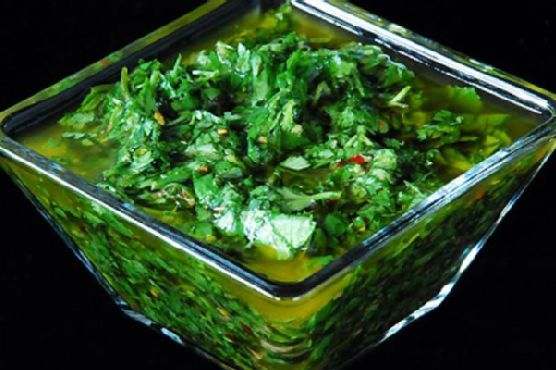
It was one of those evenings when the fridge light flickers on to reveal a collection of *almosts* — almost enough of this, almost enough of that. As I stood there contemplating the remnants of the weekend’s cooking adventures, the memory of a tangy, herby sauce came to mind, something quick yet transformative: Chimichurri. Perfect for those nights when you crave something more than just a meal — a bright, green punch of flavor to enliven whatever protein you can scrounge up. Plus, it’s one of those recipes that’s practically foolproof and endlessly adaptable. Trust me, your taste buds will thank you, and your fridge’s odds and ends might just disappear in the best way.
Jump to Recipe
What You’ll Need
I love this ingredient list because chances are, you already have most of these lying around! Here’s what you’ll need to whip up some magic:
- Parsley – the base of our green goodness
- Cilantro – for that citrusy zing
- Garlic cloves – because what’s a sauce without garlic?
- Red wine vinegar – sharp and tangy
- Olive oil – rich and smooth
- Salt – to balance and enhance
- Black fresh ground pepper – for a touch of warmth
- Red pepper flakes – a hint of heat
- Capers – optional, but they add a lovely brininess
How to Make Chimichurri
- Chop the parsley and cilantro until they’re finely minced, releasing a vibrant, fresh aroma. Toss them into a medium mixing bowl.
- Mince the garlic cloves and add them to the bowl, stirring until these aromatic delights are evenly distributed among the greenery.
- Pour in the red wine vinegar, then sprinkle in the salt, black pepper, and red pepper flakes. Stir gently, letting the fragrance of the vinegar meld with the herbs.
- Slowly drizzle in the olive oil, stirring as you go, until everything is well-coated and glistening. The mixture should be thick, not soupy, holding together beautifully.
- Let the chimichurri sit for about 30 minutes. As it rests, the flavors will meld together, creating that punchy, tangy blend that’s oh-so-addictive.
Cook’s Notes
Chimichurri is all about balance and personal preference. If you find the sauce too tangy, add a bit more olive oil. Too mild? A pinch more salt might do the trick. I like to make it ahead of time and let it sit in the fridge overnight — the flavors just seem to get better. Store any leftovers in a tightly sealed jar in the refrigerator; it should stay fresh for about a week. Just give it a good stir before using it again. And remember, this isn’t just a sauce for meats; drizzle it over roasted veggies or even mix it into your scrambled eggs for a herby twist.
Make It Your Own
- Swap the cilantro for fresh mint for a refreshing spin that’s perfect over lamb.
- Add a teaspoon of lemon zest for a citrusy burst that pairs beautifully with grilled fish.
- Incorporate some finely chopped shallots for a subtle sweetness and depth.
- Replace red wine vinegar with apple cider vinegar for a slightly sweeter, fruitier undertone.
If you try this, I’d love to hear how it turns out — drop a comment or tag me in your photos! Let’s see those creative tweaks and the delicious results. Happy saucing!
Related update: Chimichurri
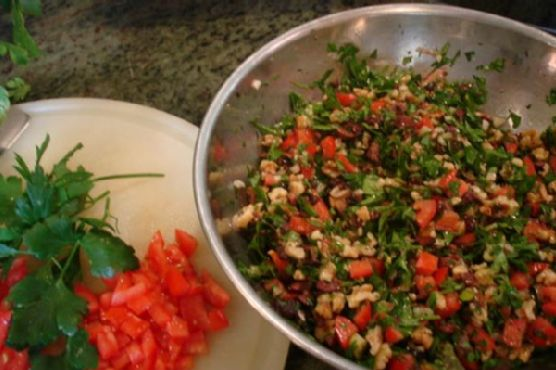
Oh, let me tell you about last Thursday. I was knee-deep in emails, the dog barking at god-knows-what, and all I could think about was how much I didn’t want to spend hours in the kitchen. You know those days, right? So, I opened the fridge and saw a half-empty bunch of parsley and some lonely tomatoes — the lightbulb went off. Middle Eastern Chopped Salad. Crisp, refreshing, and quick to throw together, it’s the perfect escape from the chaos. With the zesty lemon and a hint of cumin, this salad is a breath of fresh air on a hectic day. Ideal for those nights when you want something nourishing but can’t be bothered with a long recipe.
Jump to Recipe
What You’ll Need
The beauty of this salad is how simple and versatile it is. You might have most of these in your kitchen already:
- Walnuts – for a lovely crunch.
- Italian parsley – the star of the show, make sure it’s fresh!
- Niçoise olives – bring a briny depth.
- Scallion – adds a mild onion flavor.
- Tomato – adds juiciness and color.
- Extra virgin olive oil – for that luscious texture.
- Fresh squeezed lemon juice – a must for that zesty punch.
- Cumin powder – just a touch for warmth.
- Red chili flake – for a subtle kick.
- Black kosher salt and coarsely ground pepper – to taste.
How to Make Middle Eastern Chopped Salad
- Preheat your oven to 325°F and place the walnuts on a baking sheet. Toast them for about 10 minutes until you catch that delicious nutty aroma wafting through your kitchen. Let them cool completely before chopping.
- While the nuts are cooling, prep your parsley. Remove the stems and finely mince the leaves. If you’re using a food processor, pulse gently — we want fluffy, not mushy.
- Chop the niçoise olives, cooled walnuts, and scallions into a rough dice. This isn’t about perfection, it’s rustic and charming with its rough edges.
- Dice your tomatoes and give them a quick drain to avoid a watery salad. No soggy salads here!
- In a large wooden bowl (or any roomy bowl you’ve got), combine all your chopped ingredients. The colors should already be making you smile.
- Drizzle in olive oil and fresh lemon juice, then sprinkle with cumin and red chili flakes. Give it a gentle toss until everything’s coated and shiny.
- Finally, season to your liking with kosher salt and black pepper. Taste and adjust — don’t be shy!
Cook’s Notes
Okay, a few things I’ve learned making this salad a million times. First, don’t skip toasting the walnuts. It deepens their flavor and adds that wow factor. The parsley is the foundation, so fresh and finely minced is key. And, if you find your salad is a bit too lemony, balance it with a tad more olive oil. Leftovers? They hold up well for a day but are best fresh. If making ahead, keep the dressing and chopped ingredients separate until just before serving to keep it crisp.
Make It Your Own
Here’s where the fun begins. This salad is a canvas waiting for your personal touch:
- Swap the walnuts for almonds or pistachios for a different nutty vibe.
- If you’re not into olives, try diced cucumbers for a fresh crunch.
- Replace red chili flakes with smoked paprika for a smoky warmth.
- Add a sprinkle of feta cheese for a creamy, tangy finish.
So there you have it, a delightful salad that’s both a sidekick and a star on its own. If you try this, I’d love to hear how it turns out — drop a comment or tag me! Enjoy the little escape this salad offers, even if life’s a bit chaotic.
Related update: Middle Eastern Chopped Salad
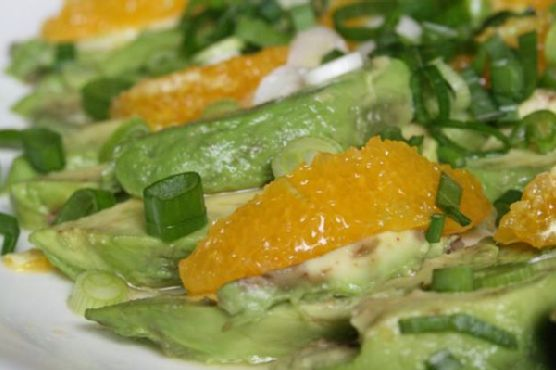
Imagine this: it’s midweek, and your brain is fried from a day full of emails and Zoom calls. You open the fridge, and there it is, an avocado teetering on the edge of overripeness and a couple of oranges sitting pretty but untouched. Suddenly, inspiration strikes—why not combine these beauties into a refreshing salad that screams “spring” without actually requiring a season change? This Avocado and Orange Salad, dressed with a zingy Orange-Ginger Dressing, is like a mini-vacation for your taste buds. It’s quick, colorful, and destined to make you fall in love with simple ingredients all over again. Jump to Recipe
What You’ll Need
The beauty of this ingredient list is how effortlessly it combines pantry staples with fresh produce to create something magical.
- Avocados – Perfectly ripe.
- Oranges – Sweet and juicy.
- Green onions – For a hint of sharpness.
- Orange juice – Freshly squeezed, for that extra punch.
- Lemon (juice) – To add a bit of zing.
- Fresh ginger paste – Trust me, it’s worth it.
- Agave syrup – For a touch of sweetness.
- Olive oil – Smooth and lush.
- Salt and pepper – To taste.
How to Make Avocado and Orange Salad With Orange-Ginger Dressing
- Begin by slicing your avocados and oranges. Let them overlap on a platter as if they’re chatting at a party.
- Don’t waste that orange carcass! Squeeze its juice over your arranged slices, letting it mingle and soften the edges of the avocado.
- Sprinkle green onions artfully over the top, like confetti, and add a pinch of salt to awaken those flavors.
- Cover the platter with cling film, tucking it into the fridge, so the salad chills out while you prepare the dressing.
- In a blender, combine orange juice, lemon juice, fresh ginger paste, agave syrup, and olive oil. Blend until the mixture is smooth and the ginger’s aroma wafts up deliciously.
- Season the dressing with salt and pepper, tasting it to find your perfect balance of sweet, spicy, and tangy.
- Just before serving, unveil your masterpiece from the fridge and drizzle the dressing generously over the salad.
Cook’s Notes
Here’s the lowdown on making this salad work like a charm:
- Make sure your avocados are ripe but firm enough to hold their shape when sliced.
- If you’re making this ahead, keep the dressing separate until just before serving to prevent the avocados from getting too mushy.
- Leftovers? Unlikely. But if you do have some, store them in an airtight container and consume within a day for best results.
- Be cautious with the salt. Remember, you can always add more, but you can’t take it out!
Make It Your Own
This salad is versatile enough to play with, so go ahead and shake things up:
- Swap the oranges for grapefruit slices if you’re after a slightly more tart flavor.
- Add some toasted almonds or walnuts for a crunchy contrast.
- For a spicy kick, sprinkle in some red pepper flakes to the dressing.
- Try a honey drizzle in place of agave if that’s more your style.
If you try this, I’d love to hear how it turns out—drop a comment or tag me! There’s nothing better than seeing your creations light up someone else’s table. Happy cooking!
Related update: Gluten Free Dairy Free Sugar Free Chinese Chicken Salad
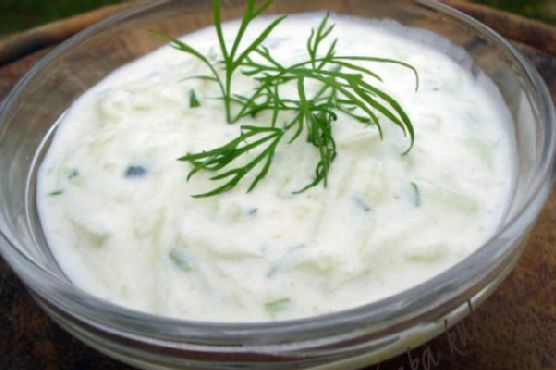
Oh, the joys of summer! Last week, I found myself standing in the kitchen, windows wide open, a warm breeze sneaking in with the scent of freshly cut grass. It was the kind of day that begged for something cool, creamy, and refreshing. That’s when it hit me—I needed tzadziki in my life, like, immediately. This is the kind of dish that doesn’t just fill your belly; it feels like a mini-vacation to the Mediterranean. It’s quick and straightforward but has that “made from scratch” vibe that’ll make you feel like a kitchen wizard. Seriously, if you’re looking for something to dollop on just about anything, tzadziki is your go-to. Jump to Recipe
What You’ll Need
You might already have most of these on hand, especially if you’re a fan of Greek cooking. Here’s what you’ll need:
- Cucumbers – The crunchy base of our dip.
- Sea salt – To draw out that extra moisture from the cuke.
- Yogurt – The creamy heart of the tzadziki.
- Sour cream – Adds a little tang and extra creaminess.
- Olive oil – Just a drizzle for richness.
- Vinegar – A splash to brighten up the flavors.
- Garlic – Because what’s tzadziki without garlic?
- White pepper – For a subtle heat that doesn’t overpower.
- Fresh dried dill – The herb that ties it all together.
How to Make Tzadziki
- Start by lightly salting the cucumbers. This isn’t just seasoning; it’ll help draw out the water. Let them sit for about 5 minutes.
- Once they’ve had a good cry, take small handfuls of the cucumbers and squeeze out as much water as you can. You’ll be surprised how much comes out!
- In a bowl, mix the yogurt, sour cream, olive oil, vinegar, garlic, and white pepper. You’re looking for a smooth, creamy blend here.
- Add the drained cucumbers and dill to your creamy mixture. Give it a good stir until everything’s well combined.
- Taste and adjust the seasoning. It might need a pinch more salt or a dash of vinegar to suit your taste.
- Chill the tzadziki in the fridge for at least two hours. This is where the magic happens as the flavors meld together.
Cook’s Notes
Ah, the art of tzadziki making! It’s all about getting those cucumbers nice and dry, so don’t skimp on the squeezing. Trust me, the less water, the creamier your dip. And while you’re at it, make sure you let it chill long enough. The flavors need time to develop, and patience is key here. Planning ahead? Make it the day before your gathering, and it’ll be even better! Store any leftovers in an airtight container in the fridge, and they’ll last a good three days. Just give it a stir before serving because the water might separate a bit.
Make It Your Own
- Spicy Kick – Add a pinch of cayenne pepper for a hint of heat.
- Herb Swaps – Try mint or parsley instead of dill for a different herbal note.
- Extra Creamy – Use full-fat Greek yogurt for an even richer texture.
- Vegan Twist – Swap the yogurt and sour cream for coconut yogurt to make it vegan-friendly.
If you give this a whirl, I’d absolutely love to hear how it turns out for you. Drop a comment or tag me in your creations. Happy dipping!
Related update: Tzadziki
Related update: Hummus with roasted orange peppers
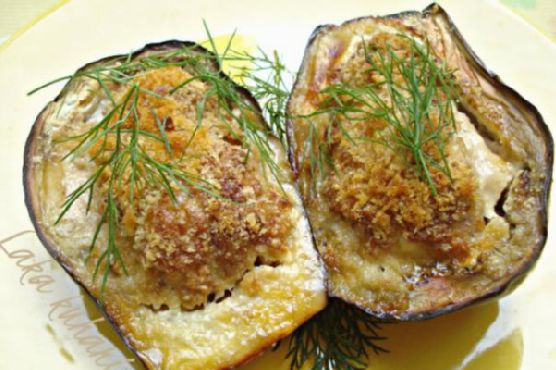
Picture this: It’s a Wednesday evening, and I’m staring at a couple of eggplants sitting forlornly in my fridge. They’re giving me that “use us before we wilt away” look. I had originally bought them with grand plans of making something elaborate, but let’s be real, life happened, and here we are. So, in the spirit of keeping things simple yet utterly delicious, I decided to whip up my go-to Mediterranean eggplants. This dish is like a warm hug—comforting yet bright, with the kind of flavors that make you feel like you’ve just dined at a cozy little seaside café. Plus, it’s a one-pan wonder that’ll save you from a pile of dish-nightmares.
Jump to Recipe
What You’ll Need
Chances are you already have most of this lying around, which is perfect because who wants to make a grocery run for a weeknight meal?
- Eggplants – the stars of the show, make sure they’re fresh and firm.
- Fresh sausage without the casing – it adds savoriness and richness.
- Almonds – for that unexpected crunch.
- Egg – to bring everything together.
- Feta cheese – for that tangy creaminess we all love.
- Mozzarella cheese – because melted cheese is life.
- Pepper – freshly ground, of course.
- Bread crumbs – gets all crispy and delightful on top.
- Olive oil – don’t skimp on this, it’s the liquid gold that makes everything better.
- Fresh dill – for a pop of freshness to finish.
How to Make Mediterranean Eggplants
- Start by washing the eggplants thoroughly. Cut off the stems and slice them in half lengthwise. You’ll want to scoop out the middle, leaving about a half-inch shell. It’s like carving a little canoe for all the tasty fillings.
- In a mixing bowl, combine the sausage meat, egg, feta cheese, mozzarella, almonds, and a few cracks of pepper. Use your hands to mix it all up until everything is just combined. It should smell irresistible already.
- With a spoon, generously stuff this mixture into your eggplant halves. Don’t worry about being too precise; rustic is charming, right?
- Sprinkle each stuffed eggplant with breadcrumbs, about a tablespoon each, then drizzle with olive oil. This will give your eggplants a delectable golden crust.
- Place them all on a baking sheet lined with parchment paper. Bake in a preheated oven at 230°C (that’s about 450°F) for 25 minutes. You’re looking for bubbling cheese, golden tops, and the edges of the eggplant to be slightly charred.
- Serve hot, sprinkled with fresh, chopped dill, or if you’ve got some chives or basil hanging out, they’ll work beautifully too.
Cook’s Notes
A couple of things to keep in mind: When scooping out the eggplant, don’t take too much flesh out, or else you’ll end up with a floppy mess. If you scoop out a bit of extra flesh, you can mix it into the sausage filling for zero waste. These eggplants are best eaten fresh out of the oven, but if you’ve got leftovers, store them in an airtight container in the fridge. They’ll keep for about 2-3 days, and you can reheat them in the oven or a skillet to keep that delightful crispiness intact.
Make It Your Own
- Swap the sausage for crispy tofu if you’re going the vegetarian route. Just crumble and sauté it with some smoked paprika for extra flavor.
- Switch out the almonds for walnuts if that’s what you have on hand. They add a lovely depth of flavor.
- If you’re out of feta, try using goat cheese for a similarly tangy kick.
- No dill? No worries! Parsley or cilantro can step in as a fresh finisher.
If you try this, I’d love to hear how it turns out — drop a comment or tag me! Happy cooking, and may your eggplants never languish in the fridge again. 🌿
Related update: Mediterranean eggplants
Related update: How Sweet It Is Sweet Potato Lasagne