
It was one of those mornings when everything seemed to go wrong from the moment I opened my eyes. You know the kind — when you accidentally hit snooze one too many times and suddenly you’re in a mad dash to get breakfast ready before the day slips away. As I rummaged through my fridge, I spotted a block of jack cheese and a carton of eggs, just waiting to be transformed. In that moment, Easy Cheesy Scrambled Eggs became my hero. This dish is like a warm hug in the form of breakfast, filling the kitchen with the comforting aroma of melting cheese and fluffy eggs. It’s the perfect quick fix for chaotic mornings, or really any time you need breakfast to feel like a cozy corner café.
Jump to Recipe
What You’ll Need
It’s likely you already have most of these ingredients hanging out in your fridge and pantry. Simple, yet magical when they come together. Here’s what you need:
- Eggs – the star of the show!
- Milk – adds creaminess
- Salt and pepper – for seasoning
- Shredded jack cheese – get ready for the melty goodness
How to Make Easy Cheesy Scrambled Eggs
- Crack the eggs into a bowl and add a splash of milk for extra creaminess. Season with a pinch of salt and a good grind of pepper. Whisk until everything is well blended and slightly frothy.
- Heat a nonstick skillet over medium heat. When the pan is just warm, pour in the egg mixture. Let it sit for a moment until the edges start to set and bubble gently.
- Using a spatula, gently stir the eggs, lifting the cooked bits from the bottom to the top. This helps them cook evenly and stay fluffy.
- When the eggs are almost set but still a bit runny, sprinkle in the shredded jack cheese. The cheese will melt into the eggs, creating little pockets of gooey delight.
- Cook for another 1-2 minutes, stirring occasionally, until the cheese is melted and the eggs are cooked to your liking. Serve immediately, whether it’s on toast, wrapped in a tortilla, or just as they are!
Cook’s Notes
These scrambled eggs are wonderfully forgiving, but there are a few tips to keep in mind. Use fresh eggs for the best texture and taste. If you have cream instead of milk, feel free to use it for an even richer result. The key is gentle heat; too hot, and the eggs can turn rubbery. If you like your eggs softer, take them off the heat while they’re still slightly runny — they’ll continue to cook from residual heat. Store any leftovers in an airtight container in the fridge and reheat gently on the stove or in the microwave, but let’s be honest, they’re best devoured fresh.
Make It Your Own
These eggs are a canvas for your culinary creativity. Here are a few ideas to get you started:
- Spicy Kick: Swap the jack cheese for pepper jack, and add a sprinkle of red pepper flakes for heat.
- Herby Delight: Stir in some chopped fresh chives or parsley just before serving for a burst of freshness.
- Veggie Boost: Sauté some diced bell peppers or spinach in the pan before adding the eggs for a veggie-packed breakfast.
- Mediterranean Twist: Use feta instead of jack cheese and add a handful of sun-dried tomatoes and olives.
If you try this, I’d love to hear how it turns out — drop a comment or tag me! Whether it saves your morning or adds a little deliciousness to your day, these Easy Cheesy Scrambled Eggs are a little piece of breakfast magic.
Goes Well With
If you want to round out the meal, here’s what I’d pair it with over on meaghanmoineau.com:
Related update: Easy Cheesy Scrambled Eggs

The first time I made Khachapuri, I was knee-deep in a cloud of flour on a rainy Tuesday evening, staring down at what looked like a failed science experiment. I had completely misjudged the amount of dough needed and ended up with a blob so sticky it could have doubled as glue. But as I pulled this cheesy, golden miracle from the oven, every bit of my earlier panic melted away. There’s something utterly magical about the transformation that happens with this dish—a blend of simple, everyday ingredients turning into a stunning centerpiece that’s equally at home on a special occasion table or a cozy weekend brunch. The best part? It’s deceptively easy to make, even if you manage to coat your entire kitchen in a light dusting of flour like I did.
Jump to Recipe
What You’ll Need
This delightful Georgian cheese bread is all about the cheese and a beautifully textured dough. Chances are, you already have most of these ingredients in your pantry:
- Dry yeast
- Sugar
- Water
- Milk
- Butter
- Salt
- 8 ounces White Swiss cheese
- Cheddar
- Eggs
- Muenster cheese
- Swiss cheese
- White cheddar
- Parsley
- White pepper
How to Make Khachapuri
- Dissolve the yeast and 1 teaspoon of sugar in 1/4 cup of water. Let it sit for 5-10 minutes until it’s foamy and has that comforting yeasty aroma.
- In a large mixing bowl, add the milk, 2 tablespoons of sugar, butter, and salt. Gradually mix in enough flour to create a soft, pliable dough—soft like a baby’s cheek.
- Place your dough in a greased bowl, turning to coat all sides. Cover and let it rise in a warm place until it has doubled in size. You want it to look like it’s about to burst with doughy pride.
- While your dough is rising, shred all your cheeses and mix them together with the rest of the filling ingredients. Pop this cheesy mix into the fridge for now.
- Grease a 9″ springform pan generously—no skimping here, you don’t want the dough to stick.
- Punch down the risen dough (the most satisfying part) and shape it into a ball. Roll it out into a 20″ circle.
- Ease the dough into the pan. Fold it in half to lift more easily, then unfold in the pan, letting the excess dough drape over the edges.
- Mound the cheese filling onto the dough inside the pan. Bring the dough up over the filling, folding it to create 8-12 evenly-spaced pleats. This is where your rustic bread art skills come into play!
- Twist and pinch the ends together at the top to create a rough knob. Cover with a buttered 12″ square of waxed paper and let rise until it’s doubled in bulk again.
- Brush your loaf with a glaze made from 1 egg white and 1 tablespoon of water—or margarine if you’re feeling indulgent.
- Bake at 375°F for 40-50 minutes until the loaf is a deep golden brown. Remove it from the pan and place directly on the oven rack for an additional 5 minutes to crisp up the bottom.
- Let your masterpiece cool on a rack for about 45 minutes before cutting into it. It’s worth the wait!
Cook’s Notes
As tempting as it is to dig right in, letting the Khachapuri cool allows the cheese to set and makes slicing much easier. If you’re planning ahead, you can prepare the dough and filling the night before and just assemble and bake the next day. Leftovers (if there are any!) can be wrapped in foil and reheated in the oven at a low temperature. Avoid the microwave; it tends to make the dough chewy instead of delightfully crisp.
Make It Your Own
- Spicy Twist: Add some diced jalapeños to the cheese filling for a little kick.
- Herbs Galore: Mix in chopped fresh dill or cilantro with the parsley for a herby aroma.
- Meaty Option: Toss in some crispy bacon bits to the cheese mixture for a smoky touch.
- Veggie Delight: Add sautéed mushrooms or spinach for an earthy, wholesome addition.
If you try this, I’d love to hear how it turns out—drop a comment or tag me! Happy baking, and here’s to your kitchen becoming just as flour-dusted as mine!
Goes Well With
If you want to round out the meal, here’s what I’d pair it with over on meaghanmoineau.com:
Related update: Khachapuri
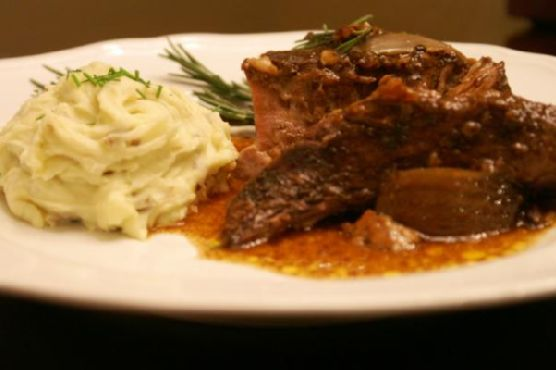
It was one of those lazy Sundays, where the sky threatened rain and my to-do list was as long as my arm. I wanted something that felt like a warm hug in a bowl, but the idea of spending my afternoon tied to the stove was as appealing as, well, spending my afternoon tied to the stove. That’s when my slow-cooker came to the rescue. I decided to try my hand at a No Fuss Sunday Slow-Cooker Balsamic Pot Roast. This dish is a lifesaver on days when you want your kitchen to smell like you’ve been working hard, but really, the slow-cooker is doing all the heavy lifting. Plus, it’s one of those dishes where the payoff is far greater than the effort you put in.
Jump to Recipe
What You’ll Need
The beauty of this pot roast is that you probably have most of these ingredients hanging out in your pantry or fridge. Simple, wholesome, and minimally fussy — just how I like it.
- Boneless beef chuck roast
- 1 onion (I like using a mix of red and white if I have them)
- Low sodium beef broth
- Balsamic vinegar
- Tomato paste
- Cooking tapioca (this helps thicken the sauce without any effort on your part)
- 3 garlic cloves, minced
- Italian seasoning
- Salt and pepper
How to Make No Fuss Sunday Slow-Cooker Balsamic Pot Roast
- Start by laying your onion slices at the bottom of the slow-cooker. They create a flavorful bed for the roast. I went with half a red onion and half a white because that’s what I had, and it added a nice depth of flavor.
- Place the boneless beef chuck roast directly on top of the onions. Season it generously with salt and pepper, massaging the seasonings into the meat.
- In a small bowl, whisk together the beef broth, balsamic vinegar, tomato paste, cooking tapioca, minced garlic, and Italian seasoning. Pour this aromatic mixture over the seasoned meat, letting it cascade over the sides.
- Cover the slow-cooker with its lid. Set it on low and let it work its magic for 8-10 hours. If you’re in a hurry, you can set it on high for 4-5 hours. Trust me, patience is rewarded with tenderness here.
- Resist the urge to check on it. Every time you lift the lid, you lose that precious heat. Though, if you’re like me and find your lid has somehow fallen in creating a constant leak, don’t panic, it’s likely to still turn out just fine.
- Once the roast is tender and practically falling apart, transfer it carefully to a serving dish. The onions and juices left in the slow-cooker double up as a gravy. Pour this delicious liquid into a gravy boat for serving.
- Plate it up and enjoy the moment of finally savoring a meal that smells as good as it tastes.
Cook’s Notes
The secret to this dish is to really let the slow-cooker do the work for you. If you want, you can sear the roast before placing it in the slow-cooker for an added depth of flavor, but I find it’s perfectly delicious without. Store any leftovers in an airtight container in the fridge for up to three days. Reheat gently over the stove or in the microwave with a splash of water or broth to keep it moist.
Make It Your Own
- Swap the beef for a pork shoulder for a slightly different, but equally tender experience.
- Add a handful of baby carrots and halved potatoes to the slow-cooker for a complete one-pot meal.
- For a little heat, toss in a pinch of red pepper flakes with the broth mixture.
- Replace the balsamic vinegar with red wine vinegar for a slightly tangier sauce.
If you try this, I’d love to hear how it turns out — drop a comment or tag me on social media! Whether it’s a rainy Sunday or not, this dish is bound to make your day a little cozier. Happy cooking!
Goes Well With
If you want to round out the meal, here’s what I’d pair it with over on meaghanmoineau.com:
Related update: No Fuss Sunday Slow-Cooker Balsamic Pot Roast
Related update: Chili chops with cauliflower salad
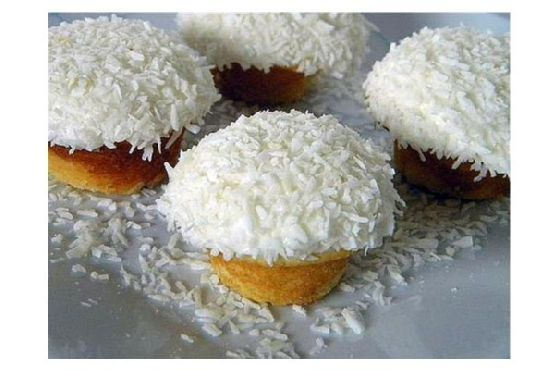
I remember the first time I decided to bake while the rain was drumming against the windows, and my kitchen was a cozy little haven. I was hit by this craving for something sweet and indulgent, but with a twist that felt like a mini-vacation. Enter: Vanilla Coconut Snowball Cupcakes. The name alone makes you want to run barefoot on a tropical beach, right? These cupcakes are my go-to when I want something that feels fancy but is surprisingly easy to whip up, even on a weeknight. They combine the dreamy, fragrant flavor of vanilla with the creamy richness of coconut—like a hug in cupcake form. The frosting is light, fluffy and has just the right amount of tang, thanks to a secret ingredient: sour cream. Trust me, these are worth every crumb.
Jump to Recipe
What You’ll Need
Before you start pulling ingredients out, you’ll be happy to know that this recipe relies on pantry staples, so there’s a good chance you already have most of what you need. Plus, there’s nothing super fancy required, making it perfect for a last-minute dessert decision.
- 1 1/4 cups all-purpose flour
- 1 1/4 teaspoons baking powder
- 1/4 teaspoon salt
- 1/2 cup (1 stick) butter, room temperature
- 3/4 cup sugar
- 1 teaspoon vanilla extract
- 2 large eggs
- 1/2 cup milk
- 1/4 cup sour cream
- 1 cup unsweetened coconut flakes
- 1/2 cup (1 stick) butter, room temperature (for frosting)
- 1/4 cup sour cream (for frosting)
- 1 teaspoon vanilla extract (for frosting)
- 2 to 3 cups confectioners’ sugar
How to Make Vanilla Coconut Snowball Cupcakes
- Start by preheating your oven to 350°F. Line a 12-cupcake pan with paper liners. If you’re not using liners, make sure to grease the pan lightly.
- In a small bowl, whisk together the flour, baking powder, and salt. Set this aside because we’re going to need it in a bit.
- In a large bowl, using an electric mixer on medium-high speed, beat the butter until it gets creamy and dreamy, about 2 minutes.
- Gradually add sugar to the butter, beating until the mixture gets light and fluffy. It should take about 3 minutes, and don’t forget to scrape down the bowl a couple of times.
- Mix in the vanilla extract. Then, beat in the eggs one at a time, ensuring each egg is fully mixed before adding the next.
- Add the flour mixture in 4 parts, alternating with the milk. Beat briefly after each addition, so everything is just combined, but not overmixed.
- Stir in the sour cream and coconut, making sure the batter looks like a creamy dream.
- Fill the cupcake wells about 3/4 of the way. Pop them into the oven and bake for about 18 minutes, or until a toothpick comes out clean (15 minutes if you’re going mini).
- Let the cupcakes cool in the pan on a wire rack for about 5 minutes. Then turn them out and let them chill on the wire rack until completely cool.
- To make the frosting, beat the butter, sour cream, and vanilla together until fluffy. Start on low speed, add 2 cups of confectioners’ sugar, and beat until combined.
- Continue adding confectioners’ sugar a little bit at a time until the frosting sticks to the beater without dripping off. If it gets too thick, add a bit more sour cream.
- Beat the frosting on low speed for an additional 3-4 minutes until it becomes light and airy—just like a cloud.
- Fill a small, shallow bowl with coconut flakes. Frost the cupcakes generously and then dip the frosted tops into the coconut flakes, pressing gently to help them stick.
Cook’s Notes
You can store these fluffy wonders in an airtight container at room temperature for about 3 days—good luck making them last that long! If you’re planning to make them ahead of time, bake the cupcakes and store them unfrosted in the fridge for up to 2 days or freeze them for up to a month. Just bring them to room temperature and frost the day you want to serve them. The frosting can be made a day in advance and stored in an airtight container in the fridge. Just give it a quick whip before using.
Make It Your Own
- Swap the coconut flakes for chopped nuts like pecans or almonds if you’re in the mood for a crunchier bite.
- Add a teaspoon of almond extract to the batter for a nuttier flavor that pairs amazingly with coconut.
- Top your frosted cupcakes with a maraschino cherry for a pop of color and a hint of retro charm.
- For a tropical twist, add a tablespoon of crushed pineapple to the frosting—just make sure it’s well-drained!
If you give these Vanilla Coconut Snowball Cupcakes a try, I’d love to hear how they turn out. Drop a comment below or tag me on social media with your coconutty creations! Enjoy every sweet, fluffy bite!
Goes Well With
If you want to round out the meal, here’s what I’d pair it with over on meaghanmoineau.com:
Related update: Vanilla Coconut Snowball Cupcakes

I was having one of those days where everything seemed to go wrong—laundry overflowing, work emails piling up, and I even managed to burn my toast in the morning. As I was staring into the pantry, hoping for inspiration, I stumbled upon an old can of evaporated milk. That’s when it hit me: chocolate fudge. There’s something so comforting about a sweet, creamy fudge that can turn any day around. This recipe isn’t just a treat; it’s like a warm hug that reminds me I’ve got this. Trust me, making flawless chocolate fudge is easier than you think, and it’s bound to be a hit, whether you’re cheering yourself up or impressing unexpected guests.
Jump to Recipe
What You’ll Need
Honestly, you probably have most of these goodies hiding in your kitchen already. This recipe is all about using pantry staples to create something magical.
- 1/2 cup butter
- 2/3 cup fat-free evaporated milk
- 1/4 teaspoon kosher salt
- 2 1/2 cups sugar
- 7 ounces marshmallow fluff
- 12 ounces semisweet chocolate chips
- 1 teaspoon real vanilla extract
- Butter flavored cooking spray
- Nuts (optional, but hey, if you’re nutty like me, go for it!)
How to Make Flawless Chocolate Fudge
- Start by combining the butter, fat-free evaporated milk, kosher salt, sugar, and marshmallow fluff in a large saucepan. Stir over low heat until the mixture is smooth and well-blended. You’ll know you’re on the right track when the fluff melts into a creamy concoction.
- Increase the heat to moderate and bring the mixture to a boil. Keep a close eye on it—a few sneaky bubbles might try to fool you into thinking it’s boiling. Wait until it’s a rolling boil before you start timing.
- Once boiling, let it do its thing for a full 5 minutes. Stir constantly to avoid any sneaky burning at the bottom of the pan. The mixture will thicken and get that rich, fudgy aroma.
- Remove the saucepan from the heat and quickly stir in the vanilla extract and semisweet chocolate chips until the chocolate is completely melted. If you’re adding nuts, now’s the time to fold them in.
- Pour the fudge into a 9 x 9 inch pan that you’ve prepped with butter flavored cooking spray. Smooth the top out with a spatula and let it cool completely. Patience is key here for the perfect set!
Cook’s Notes
– This fudge sets best at room temperature. If you rush and pop it in the fridge, it might turn gritty. So, just let it have its nap on the counter.
– Store any leftovers (if you have them!) in an airtight container for up to two weeks. It’s perfect for those midnight sweet tooth cravings.
– If you’re planning to make it ahead, you can wrap it up tightly and freeze it for up to three months. Just thaw it overnight in the fridge before serving.
Make It Your Own
- Nutty Fudge: Swap out the traditional walnuts for pecans or almonds for a different crunch.
- Spicy Chocolate: Add a pinch of cayenne pepper or a splash of cinnamon for an unexpected kick.
- Festive Flair: Sprinkle some crushed peppermint candies on top for a holiday-themed version.
- Vegan Twist: Use dairy-free chocolate chips and vegan marshmallow fluff to make this treat vegan-friendly.
If you try this, I’d love to hear how it turns out—drop a comment or tag me in your fudge-filled photos! I promise, this little batch of sweetness will make your day a bit better, just like it did mine.
Goes Well With
If you want to round out the meal, here’s what I’d pair it with over on meaghanmoineau.com:
Related update: Flawless Chocolate Fudge
Related update: Vanilla Coconut Snowball Cupcakes

It was one of those Fridays where the week had just dragged on and my sweet tooth was kicking in hard. You know the feeling, right? I was rummaging through the pantry, looking for something quick yet satisfying to bake, and I stumbled across an old index card scribbled with my go-to sugar cookie recipe. These cookies are the real deal — simple, comforting, and perfect for a spontaneous baking session. What makes them even better? The dough is incredibly forgiving and comes together faster than you can say “sugar rush.” Plus, a touch of lemon zest gives them that extra zing that makes them feel just a little bit special. Let’s dive into this delightful baking adventure together!
Jump to Recipe
What You’ll Need
You might already have most of these ingredients lounging in your kitchen, waiting to transform into something magical.
- 2 ¾ cups of flour
- ½ teaspoon of salt
- 1 teaspoon of baking powder
- 1 cup of unsalted butter, softened
- 1 ½ cups of sugar
- 2 large eggs
- 1 tablespoon of fresh lemon juice
- Zest of one lemon
How to Make Sugar Cookies
- In a large bowl, sift together the flour, salt, and baking powder. Set this aside for now; it’ll be the base of our dough.
- In another bowl, use an electric mixer to cream the butter and sugar until the mixture turns light and fluffy. You’re aiming for a texture that looks almost like whipped cream.
- Beat in the eggs one at a time until everything is well-combined. The mixture should be glossy and smooth.
- Add the flour mixture to the wet ingredients, mixing on low speed until everything is thoroughly combined. The dough will be soft but not sticky.
- Stir in the lemon juice and zest. This is where the magic happens — the aroma is simply irresistible!
- Wrap the dough in plastic wrap and let it chill in the refrigerator for about 30 minutes. This helps it firm up, making it easier to roll out.
- Preheat your oven to 350 degrees F. As the oven heats, prepare a floured surface and roll the dough out to about 1/4 inch thick.
- Cut the dough into your desired shapes. I love using simple circles or stars for a classic look.
- Transfer the cut-outs to ungreased baking sheets and refrigerate them until firm, around 15 minutes. This step helps the cookies maintain their shape.
- Bake in the preheated oven until the edges just start to brown, about 8-10 minutes. You’ll know they’re ready when the kitchen fills with a warm, buttery aroma.
- Let the cookies cool on wire racks. Feel free to decorate them as you wish, or enjoy them plain — they’re delicious either way!
Cook’s Notes
A few things to keep in mind: Make sure your butter is softened before you start. If it’s too cold, it won’t cream properly with the sugar, and your dough might end up too dense. Also, don’t skip the chilling steps. It’s tempting, I know, but chilling the dough and the cut-outs ensures your cookies are soft yet hold their shape. If you’re planning ahead, you can make the dough up to two days in advance. Just keep it tightly wrapped in the fridge. Leftover cookies (if there are any!) can be stored in an airtight container for up to a week — though I doubt they’ll last that long!
Make It Your Own
Here are some fun variations to try once you’ve mastered the classic version:
- Vanilla Twist: Swap the lemon juice and zest for 1 tablespoon of vanilla extract for a more traditional sugar cookie.
- Chocolate Chip: Fold in half a cup of mini chocolate chips just before chilling the dough for a delightful twist.
- Spiced Up: Add a teaspoon of ground cinnamon and a pinch of nutmeg for a warm, spiced cookie.
- Almond Joy: Replace lemon juice with almond extract and sprinkle a few slivers of almonds on top before baking.
If you try this, I’d love to hear how it turns out — drop a comment or tag me in your cookie creations! Happy baking, friends!
Goes Well With
If you want to round out the meal, here’s what I’d pair it with over on meaghanmoineau.com:
Related update: Sugar Cookies
Related update: Flawless Chocolate Fudge

I remember that Tuesday evening vividly. I was in the middle of cleaning out the fridge, fully intent on just hitting the local takeout joint because it was one of those days. But as I eyed the half-used butternut squash and the bell pepper looking to escape a tragic fate, the idea hit—frittata! This isn’t just any frittata though; it’s a Butternut Squash Frittata with a twist of creamy goat cheese magic. It’s one of those dishes that seems way fancier than it is, perfect for impressing your in-laws or just treating yourself on a weekday night. Plus, it’s a one-dish wonder, which means minimal cleanup. Score!
Jump to Recipe
What You’ll Need
Before we dive in, let me assure you—this ingredient list is pretty forgiving and likely not going to send you on a scavenger hunt. You might find that most of these items are already nestled in your pantry or fridge.
- Butternut squash (cubed, about 1 cup — the star of this show!)
- Goat cheese (crumbled, because who doesn’t love a creamy surprise?)
- Liquid egg substitute (about 1 cup – healthier but still delicious!)
- Non-fat milk (1/4 cup, keeps it light)
- Bell pepper (diced, adds a pop of color and crunch)
- Cooking spray (for non-sticky business)
How to Make Butternut Squash Frittata
- Preheat your oven to 350°F. You know how it is; the oven needs to be ready to play its part.
- Grab a 10 oz oven-safe dish and give it a good spray with cooking spray. We want a frittata, not a sticky mess.
- Add the cubed butternut squash to the dish. Spread them out so they have their own space to roast to perfection.
- In a measuring cup, mix together the liquid egg substitute and non-fat milk. Stir until they’re well acquainted.
- Pour the egg mixture over the butternut squash in the dish. Make sure it covers the squash evenly.
- Sprinkle your diced bell pepper over the top. The colors are already making this dish look like a masterpiece.
- Finish by topping it all with the crumbled goat cheese. This is where the magic happens.
- Place the dish in the preheated oven and bake for 30-35 minutes. You’ll know it’s done when the middle is slightly firm and the edges are a golden beauty.
- Let it cool for a few minutes before slicing in. Patience is a virtue, and it lets the flavors settle.
Cook’s Notes
Don’t worry if your butternut squash isn’t perfectly uniform in size—imperfection is charming. If you’re looking to prep ahead, you can cube the squash and dice the bell pepper the night before. The frittata keeps well in the fridge for about 2-3 days, making it a great make-ahead option. Leftovers are perfect for a quick breakfast the next day — just reheat gently in the microwave or enjoy it at room temperature. One common conundrum is over-baking. Remember, the center should be just set; it’ll continue cooking a bit even after you take it out of the oven.
Make It Your Own
- Swap the goat cheese for feta if you’re craving something a bit brinier.
- If you’re out of butternut squash, try using sweet potatoes for a different kind of sweet earthiness.
- Add a handful of fresh spinach for a pop of green and an extra nutrient boost.
- For a little heat, sprinkle in some red pepper flakes before baking.
If you try this, I’d love to hear how it turns out — drop a comment or tag me! The kitchen is all about sharing experiences and flavors, and I’m excited to see what you come up with. Happy cooking!
Goes Well With
If you want to round out the meal, here’s what I’d pair it with over on meaghanmoineau.com:
Related update: Butternut Squash Frittata

It was one of those Thursdays where the refrigerator looked like it had been pillaged by hungry teenagers—just a few peppers clinging to the veggie drawer and a lone lime rolling around. What can I whip up with this? I wondered, peering into the pantry. Black beans and corn winked at me from a half-open can, as if they knew exactly where they belonged. So, naturally, I thought of Southwest Egg Rolls, the kind that make you feel like a genius for turning scraps into something deliciously presentable. And when paired with a zesty Cilantro Lime Pesto? Pure joy. These egg rolls are perfect for when you want something comforting yet impressive, especially if you’re not in the mood for the usual taco night routine. Bonus: they’re baked, not fried, which means less mess and a lighter bite.
Jump to Recipe
What You’ll Need
I promise you won’t need any rare or exotic ingredients here. Chances are you already have most of this hanging around in your kitchen right now.
- Cilantro
- Garlic
- Almonds
- Lime (juice)
- Olive oil
- Salt & pepper
- Egg roll wrappers
- Red bell pepper
- Corn
- Black beans
How to Make Southwest Egg Rolls with Cilantro Lime Pesto
- Preheat the oven to 385 degrees. This is your golden crispy zone.
- Start by making the pesto. In a small food processor, add the garlic and almonds. Pulse until they’re finely chopped, almost like they’re whispering secrets to each other.
- Add the cilantro leaves and slowly drizzle in about 3-4 tablespoons of olive oil. The amount depends on how you like your pesto—thick like a spread or a bit looser like a dressing. Stir in the juice of half a lime, and season it with salt and pepper to taste.
- Heat a pan over medium-high heat with a drizzle of olive oil. Sauté the red bell peppers just until they’re slightly softened—think about two minutes. Mix them with corn and black beans in a bowl. The colors should make you smile.
- On a clean surface, lay out the egg roll wrappers. Smear the cilantro lime pesto generously on the end closest to you, leaving about an inch of the wrapper bare at the very tip.
- Spoon a hefty line of the veggie mix over the pesto. Think of it as tucking a cozy blanket around the veggies.
- Brush the edges of the wrapper lightly with water to help them seal properly. Fold the end nearest you over the veggies, then fold in the two sides. Roll it up snugly to the end, sealing it shut.
- Place each egg roll seam side down on a lined baking sheet that’s been brushed with olive oil. This little trick prevents sticking, which is the last thing you need.
- Brush the tops of the egg rolls lightly with olive oil. This is your secret weapon for getting that beautiful golden color without frying.
- Bake for about 18 minutes or until they’re golden and crispy. The aroma should tell you they’re ready before the timer does.
Cook’s Notes
Don’t stress if your pesto comes out thicker or thinner than expected; it’s a matter of preference. If making it ahead, store it in the fridge with a thin layer of olive oil on top to keep the green vibrant. The egg rolls are best enjoyed fresh out of the oven, but if you have leftovers, they can be warmed up in a toaster oven to regain their crispiness. Avoid the microwave unless you like them chewy instead of crispy!
Make It Your Own
- Swap the black beans for crispy tofu for a protein boost.
- Use spinach instead of cilantro for a milder pesto.
- Try adding some shredded cheese inside the rolls for a gooey surprise.
- Spice things up by adding a pinch of cayenne to the pesto.
If you try this, I’d love to hear how it turns out—drop a comment or tag me! These rolls have become a staple in my kitchen, and I can’t wait for you to love them too. Enjoy every crunchy, pesto-tinged bite!
Goes Well With
If you want to round out the meal, here’s what I’d pair it with over on meaghanmoineau.com:
Related update: Southwest Egg Rolls with Cilantro Lime Pesto

It was one of those rainy Saturday mornings when all you want is a cozy breakfast to start the day right. I was rummaging through my pantry, looking for something comforting yet simple, when it hit me: pancakes! These delightful rounds of joy are my go-to for an effortless morning treat that feels like a warm hug. The best part? You can whip them up with pantry staples. With just a few ingredients mixed in the right way, you’ll have a stack of fluffy goodness in no time. So, whether you’re looking to impress someone special with a homemade breakfast or just treating yourself, these pancakes are a must-try!
Jump to Recipe
What You’ll Need
The beauty of this recipe is in its simplicity, using ingredients that you probably already have on hand. Here’s what you’ll need:
- 1 cup flour
- 2 tablespoons sugar
- 1 teaspoon baking powder
- A pinch of salt
- 1 egg
- 1 cup milk
- 2 tablespoons margarine, melted
How to Make Pancakes
- Start by beating the egg in a mixing bowl until it’s nice and fluffy. You want it to look like a cloud of yellow happiness.
- Pour in the milk and melted margarine, mixing them into your fluffy egg. You’ll notice everything starts to come together, looking all creamy and smooth.
- Add in your dry ingredients: flour, sugar, baking powder, and that little pinch of salt. Stir until the batter is smooth; it should look like a lovely, thick cream.
- Grab your favorite heavy griddle or frying pan and heat it up. Test the heat by flicking a drop of water onto the surface; if it dances and divides, you’re good to go!
- Grease the pan with a touch of butter using a paper towel, just enough to add a slight sheen.
- Spoon about 1/4 cup of the batter onto the pan, spreading it lightly with the back of the spoon if needed.
- Watch as bubbles form on the surface of your pancake. Once they begin to burst, that’s your cue to flip it. Cook the other side until it’s a golden perfection.
Cook’s Notes
When it comes to pancakes, patience is your best friend. Resist the urge to flip too early; those bubbles are your secret signal. If you’re planning to make the batter ahead, you can store it in the fridge for up to a day, but bring it to room temperature before cooking. Leftover pancakes (if any!) can be kept in the fridge and warmed up in a toaster for a quick breakfast. Avoid using too much butter to grease the pan; a light touch is all you need for that ideal golden crust.
Make It Your Own
These pancakes are a perfect canvas for creativity. Here are a few tweaks to keep things exciting:
- Swap the milk for almond or oat milk to make it dairy-free.
- Fold in a handful of blueberries or chocolate chips into the batter for a fun twist.
- Replace margarine with coconut oil for a hint of tropical flavor.
- Add a teaspoon of vanilla extract for an aromatic boost.
If you try this, I’d love to hear how it turns out — drop a comment or tag me on social media with your pancake creations! Happy flipping!
Goes Well With
If you want to round out the meal, here’s what I’d pair it with over on meaghanmoineau.com:
Related update: Pancakes
Related update: Paella for Four; A Wonderful Spanish Mixed Seafood Stew
Related update: Easy Cheesy Scrambled Eggs

So, there I was, staring at a slightly wilted eggplant in my fridge, contemplating how it had survived my week-long quest of ordering takeout. The poor thing had been neglected, and I felt that familiar culinary guilt creeping up. But then, inspiration struck — a crispy-on-the-outside, creamy-on-the-inside snack could be the redemption both I and the eggplant needed. Enter: Eggplant Fries with Tzatziki Sauce. This recipe is perfect for those gotta-have-a-snack moments and gives you major chef vibes while being secretly simple. Trust me, these fries are addictive, and the tangy tzatziki? A match made in snacking heaven.
Jump to Recipe
What You’ll Need
The beauty of this recipe? The ingredient list is a delightful mix of pantry staples and a few fresh bits. Chances are, you already have most of these lounging in your kitchen.
- 2 medium eggplants
- 1 cup bread crumbs
- 1 tablespoon Italian seasoning mix
- 1/2 teaspoon salt
- 1/2 teaspoon garlic powder
- 1/2 teaspoon paprika
- 1 cup low-fat plain yogurt
- 1 egg
How to Make Eggplant Fries with Tzatziki Sauce
- Preheat your oven to 450°F. As it warms up, your kitchen will turn into a cozy haven, with the anticipation of crispy delights in the air.
- Grab a bowl and combine the salt, garlic powder, Italian seasoning, and paprika. This is the flavor powerhouse that’ll make your eggplant irresistible.
- In a separate bowl, whisk together the yogurt and egg until smooth. This mixture is the secret to getting that perfect golden crust.
- Slice the eggplants into fry-like strips. Aim for consistency in size so they cook evenly. Think about the perfect fry you’d happily dip into ketchup!
- Dip each eggplant strip into the yogurt mixture, letting any excess drip off, then roll it in the bread crumb mixture. Ensure it’s coated evenly, like giving it a snug little bread crumb blanket.
- Place the coated strips on a baking pan lined with parchment paper or lightly greased. Don’t crowd them; they need their personal space to crisp up nicely.
- Bake for 10-15 minutes, rotating once to ensure even browning. You’re looking for slightly brown edges and a crispy exterior.
- While the fries bake, whip up a quick tzatziki sauce if you’re feeling fancy: Mix more yogurt with chopped cucumber, a squeeze of lemon, and a dash of salt.
Cook’s Notes
- When choosing your eggplants, go for ones that feel heavy for their size and have a smooth, glossy skin. These are signs of freshness.
- If your bread crumbs are on the coarse side, giving them a quick blitz in the food processor can help them adhere better to the eggplant.
- Store leftovers in an airtight container in the fridge. They’ll lose a bit of their crispness, but a quick reheat in the oven will revive them nicely.
- These fries are best enjoyed fresh, but if you must make them ahead, consider prepping the eggplant strips and coating them just before baking.
Make It Your Own
- Spice Swap: If you’re in the mood for a kick, swap the Italian seasoning for a Cajun mix.
- Cheesy Twist: Add a handful of grated parmesan to the bread crumb mix for an extra layer of flavor.
- Herb Lover’s Dream: Mix chopped fresh herbs like parsley or dill into the yogurt dip for a refreshing twist.
- Gluten-Free Option: Use gluten-free bread crumbs to make this snack suitable for everyone at the table.
If you give this recipe a whirl, I’d love to see how it turns out! Drop a comment to share your eggplant fry adventures or tag me in your crispy creations. Happy snacking! 🍆🍟
Goes Well With
If you want to round out the meal, here’s what I’d pair it with over on meaghanmoineau.com:
Related update: Eggplant Fries with Tzatziki Sauce
Related update: Southwest Egg Rolls with Cilantro Lime Pesto

There I was, on a Tuesday evening, staring into my fridge like it was a crystal ball, hoping it would suggest something magical to satisfy my sweet tooth. The usual suspects were there—leftover pasta, a lonely carrot, and a couple of eggs. But then, like a beacon of green hope, I spotted two ripe avocados sitting pretty right next to a carton of whole-milk yogurt. An idea struck: Avocado Chocolate Bits Frozen Yogurt. It’s one of those happy accidents in the kitchen where a craving meets culinary curiosity. This frozen treat is creamy, rich, and oh-so-decadent, but it also has a refreshing quality thanks to the avocados. Plus, it’s easier to make than you’d think—promise.
Jump to Recipe
What You’ll Need
You might already have most of these ingredients on hand, which makes this recipe even more tempting to whip up on a whim. Here’s what you’ll need:
- Whole milk – the base of our creamy custard
- Sugar – for that touch of sweetness we all love
- Vanilla extract – to add a hint of fragrant warmth
- Egg yolks – these will thicken our custard beautifully
- Plain whole-milk yogurt – adds tanginess and body
- Firm-ripe avocados – make sure they’re just right, not too mushy, not too firm
- Lemon juice – keeps the avocados from turning brown and adds freshness
- 70% bittersweet chocolate – for those irresistible little bits of chocolatey goodness
- Sweetened condensed milk – for added creaminess and a touch of sweetness
How to Make Avocado Chocolate Bits Frozen Yogurt
- In a medium saucepan, gently heat the whole milk and sugar over medium heat. Stir occasionally until the mixture just comes to a boil, releasing that sweet, warm aroma. Stir in the vanilla extract.
- Prepare an ice bath by filling a large bowl with ice and setting a small metal bowl over it, placing a strainer on top. This will help cool the custard quickly later.
- In a medium bowl, lightly beat the egg yolks. Slowly ladle a bit of the hot milk into the yolks, whisking continuously to prevent curdling. This process is called tempering, and it’s crucial for a smooth custard.
- Pour the tempered egg yolk mixture back into the saucepan with the rest of the milk. Cook on low-medium heat, stirring constantly, until the mixture thickens enough to coat the back of a wooden spoon, about 4 to 8 minutes.
- Strain the hot mixture into the small bowl over the ice bath, then stir in the yogurt. Whisk the mixture over the ice until it’s completely cool to the touch.
- Scoop out the avocado flesh and blend it in a food processor with the lemon juice and some of the cooled custard. This helps to achieve a smooth, silky texture.
- Combine the avocado mixture with the remaining custard, blending until everything is thick, creamy, and a lovely shade of green.
- Pour the custard into an ice cream maker and churn according to the manufacturer’s instructions. Halfway through the churning, fold in the chopped bittersweet chocolate for those luscious bits in every bite.
- Transfer the frozen yogurt to a freezer-safe container and allow it to freeze until solid, at least 4 hours, though overnight is even better.
Cook’s Notes
A few things to keep in mind: when tempering the eggs, don’t rush it. Pour the hot milk slowly and whisk vigorously to prevent those pesky scrambled eggs! If you don’t have an ice cream maker, you can still make this—just pour the custard into a shallow dish, freeze, and stir every 30 minutes to break up ice crystals, folding in the chocolate halfway through. In terms of storage, this frozen yogurt keeps well in the freezer for about two weeks, though I doubt it’ll last that long once you taste it.
Make It Your Own
Here are a few ideas to tweak this recipe to your taste or based on what’s in your pantry:
- Nutty Delight: Swap the bittersweet chocolate for a mix of chopped dark chocolate and toasted nuts like pecans or almonds for a crunchy twist.
- Fruit Fusion: Add a swirl of raspberry or strawberry puree during the folding stage for a fruity burst.
- Spice it Up: Mix in a teaspoon of cinnamon or a dash of cayenne pepper to the custard for a surprising kick.
- Dairy-Free: Use coconut milk instead of whole milk and coconut yogurt for a tropical vibe with an avocado base.
If you try this, I’d love to hear how it turns out — drop a comment or tag me! Happy freezing and indulging in this creamy, dreamy dessert. 🍦🥑🍫
Goes Well With
If you want to round out the meal, here’s what I’d pair it with over on meaghanmoineau.com:
Related update: Avocado Chocolate Bits Frozen Yogurt
Related update: Sugar Cookies

So, picture this: It’s a Wednesday, and I’m standing in my kitchen, staring into my pantry like it’s going to reveal some hidden culinary masterpiece. All I really want is something fresh, light, and not another leftover-heavy midweek meal. Enter these Gluten Free Vegetarian Spring Rolls. They are like little bundles of joy you can whip up quickly, without trekking to the grocery store for obscure ingredients. And the best part? They come with a Thai-style peanut sauce that you’ll want to smother on everything. Trust me, once you bite into these, with their crunchy veggies and vibrant herbs, you’ll understand why this recipe is worth a permanent spot in your repertoire.
Jump to Recipe
What You’ll Need
Sure, there are a few fresh herbs here, but chances are you have most of what’s needed right in your pantry or fridge. Here’s what’s up:
- 1 package of dry rice vermicelli
- 1 cup of shredded carrots
- 1 cup of shredded cabbage
- 3 green scallions, sliced
- 1/4 cup of fresh basil leaves
- 1/4 cup of fresh mint leaves
- 1/4 cup of fresh cilantro
- 1/4 cup of peanuts, chopped
- 1 tablespoon of fresh ginger, grated
- 2 tablespoons of gluten free soy sauce
- 1 tablespoon of fresh lime juice
- 1 teaspoon of dark sesame seed oil
- 12 gluten free round spring roll wrappers
- Warm water
- 1 tablespoon of sugar
- 2 tablespoons of creamy peanut butter
- 1/2 cup of coconut milk
- 1 teaspoon of sweet chili paste (adjust to taste)
- 1 clove of garlic, minced
How to Make Gluten Free Vegetarian Spring Rolls With Thai-Style Peanut Sauce
- Bring a large pot of water to a boil over high heat. Once it’s boiling, remove from heat and add the rice noodles. Let them soak for 10 minutes, giving them a stir now and then, until they’re soft and opaque. Drain and rinse under cold water for about 30 seconds, then drain again. Chop them into 1-inch lengths and toss them into a large bowl.
- Add the shredded carrots, cabbage, sliced scallions, basil, mint, cilantro, peanuts, ginger, soy sauce, lime juice, and sesame oil to the noodles. Mix everything together until it’s well combined and looking vibrant.
- Fill a large bowl with warm water. Take one rice paper at a time and dip it in the water until it becomes pliable, around 8-10 seconds, but don’t let it get too soggy.
- Lay the softened rice paper on a flat surface. Quickly place about 1/4 cup of the filling on the lower third of the wrapper. Fold the bottom of the wrapper over the filling, then fold in the sides, and roll it up tightly from bottom to top. Wrap each roll in plastic wrap to prevent drying out.
- In a small bowl, whisk together the sugar, peanut butter, coconut milk, soy sauce, lime juice, sweet chili paste, and garlic until smooth and creamy. This is your addictive Thai-style peanut sauce.
Cook’s Notes
Okay, here’s the scoop: If your rice paper tears, don’t worry. Just start over with a new one. They can be delicate, and it’s all part of the learning curve. If you plan ahead, you can make the filling a day early and store it in the fridge, which makes the assembly way quicker when you’re ready. These spring rolls don’t keep well for too long once made because the rice paper can dry out, but if wrapped tightly, you can enjoy them for up to 2 days. Just rehydrate the wrappers a bit before eating.
Make It Your Own
Consider these variations to keep things fresh and exciting:
- Swap the peanuts for cashews to add a different nutty crunch.
- Use crispy tofu instead of rice noodles for a protein-packed twist.
- Add thin slices of avocado for a creamy element that pairs beautifully with the peanut sauce.
- Spice it up by adding a thinly sliced jalapeño to the filling for a little kick.
If you try this, I’d love to hear how it turns out — drop a comment or tag me! These are a great canvas for whatever veggies and herbs you have on hand. Enjoy the delicious chaos of making your own spring rolls and drizzle that peanut sauce to your heart’s content!
Goes Well With
If you want to round out the meal, here’s what I’d pair it with over on meaghanmoineau.com:
Related update: Gluten Free Vegetarian Spring Rolls With Thai-Style Peanut Sauce
Related update: Eggplant Fries with Tzatziki Sauce

Last Tuesday was one of those days. You know the kind where you open the fridge, stare blankly, and wonder if a meal will magically appear. It was chilly outside, the kind of weather that makes you crave something warm and comforting. That’s when the idea of a Chorizo and Egg Bake hit me — a dish that’s just the right balance of hearty and spicy. It’s perfect for those nights when you want something delicious without spending hours in the kitchen. Plus, there’s something incredibly comforting about the way chorizo sizzles in the oven, filling the house with its smoky aroma. Let’s dive in and get this bake going, shall we?
Jump to Recipe
What You’ll Need
This is one of those recipes where you might already have most of the ingredients sitting in your pantry or fridge. It’s all about those bold flavors that come together effortlessly.
- 6 large eggs
- 1 cup of grated cheddar cheese
- 250g of smoked chorizo sausage, sliced
- 1 medium onion, diced
- 2 cloves of garlic, minced
- 1 can of red and green chilli, chopped
- Salt and pepper to taste
How to Make Chorizo and Egg Bake
- Start by preheating your oven to 170°C (that’s about 340°F for my friends across the pond). This gives you just the right amount of time to prep everything.
- In a large bowl, crack your eggs and whisk them until they’re a vibrant, sunny yellow. This is your base, so make sure it’s well-combined.
- Add in the grated cheddar cheese, diced onion, sliced chorizo, minced garlic, and chopped chilli. The mix will be colorful and smell divine already.
- Season generously with salt and pepper, then give it a good stir to make sure everything is evenly distributed.
- Lightly grease a baking dish with a bit of oil or butter. This helps prevent sticking and makes cleanup a breeze.
- Pour your egg mixture into the dish, spreading it out so that it’s even on top. Trust me, you want every bite to have a bit of everything.
- Pop it in the preheated oven and bake for about 20 minutes. You’ll know it’s done when the edges are golden, and the center is set yet slightly jiggly. Keep an eye out for that cheesy bubbling action.
Cook’s Notes
This bake is pretty forgiving, but here are some tips to make it truly perfect:
- If your chorizo is particularly oily, you might want to cook it for a couple of minutes in a pan to render out some of that fat before adding it to the egg mixture.
- This dish keeps well in the fridge for up to three days. Just cover it well to prevent it from drying out. Reheat gently in the oven, or if you’re lazy like me, the microwave works too!
- If you’re making it ahead for a brunch or gathering, you can prep everything the night before and just pop it in the oven the next day.
Make It Your Own
- Spice it up: Add some extra sliced jalapeños or a dash of hot sauce if you like things fiery.
- Herby twist: Toss in some fresh basil or rosemary for a fragrant touch.
- Cheese swap: Try Monterey Jack or even a bit of feta for a different cheesy vibe.
- Vegetarian version: Swap the chorizo for crispy tofu or some sautéed mushrooms.
If you try this, I’d love to hear how it turns out — drop a comment or tag me! Cooking is all about sharing those little triumphs in the kitchen, right? Enjoy every savory, cheesy bite!
Goes Well With
If you want to round out the meal, here’s what I’d pair it with over on meaghanmoineau.com:
Related update: Chorizo and egg bake
Related update: Pancakes
Related update: Butternut Squash Frittata
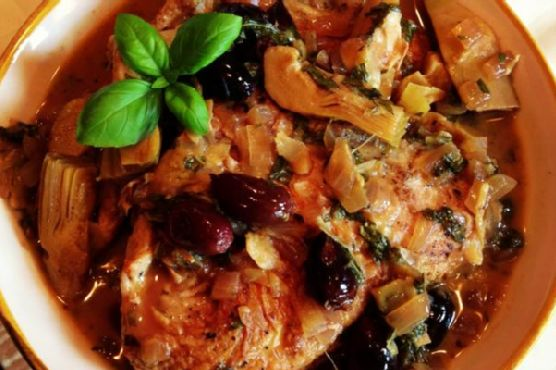
The other night, I found myself staring into my pantry, hoping for some sort of culinary miracle to occur. You know those moments — all you really want is something that’s comforting yet feels just a tad fancier than your usual weeknight fare. Enter: Braised Chicken with Artichoke Hearts & Olives. It was one of those evenings where I wanted the kind of meal that could transport me straight to a sun-drenched Mediterranean patio, glass of wine in hand. Luckily, this dish does exactly that and without sending me into a grocery store frenzy. Plus, it’s deceptively easy, which is always a win in my book. Jump to Recipe
What You’ll Need
Don’t worry about hunting down specialty items; chances are you already have most of this lying around. Here’s what you’ll need:
- Skinless boneless chicken breasts
- Olive oil
- Salt & pepper
- 1 red onion
- White wine
- Artichoke hearts (canned or jarred are perfect!)
- Kalamata olives
- Chicken broth
- Juice of 1 lemon
- Fresh basil
How to Make Braised Chicken with Artichoke Hearts & Olives
- Start by lovingly seasoning your chicken breasts with a generous pinch of salt and pepper. Trust me, this makes a world of difference.
- Heat a large sauté pan over medium-low heat and add a couple of drizzles of olive oil. You’re aiming for a gentle sizzle when the chicken hits the pan.
- Place the chicken skin-side down in the pan. Let them cook until golden brown and your kitchen smells irresistible—about 5 minutes. Flip them over and cook for another couple of minutes. Remove them from the pan and set aside.
- If your pan looks a little parched, add a small drizzle of olive oil, then toss in the chopped red onion. Sauté until they become slightly softened and just start to caramelize.
- Carefully pour in the white wine, then use a spatula to scrape up all those delicious browned bits stuck to the bottom. Let the wine reduce by about half—your cue is when the aroma is rich and inviting.
- Stir in the artichoke hearts and olives, followed by the chicken broth. Nestle the chicken back into the pan, ensuring it’s surrounded by all those incredible flavors.
- Cover the pan and let it all simmer for about 20 minutes. This is when you get to kick back with a glass of that leftover wine.
- Once the chicken is cooked through, remove it from the pan again. Add in the lemon juice and fresh basil to the sauce and let it simmer for another 5 minutes, allowing the flavors to meld together beautifully.
- Finally, pour that fabulous sauce over the chicken, and you’re ready to serve. Enjoy the wafting aroma of your Mediterranean escape!
Cook’s Notes
- If you find your chicken isn’t browning well, it might need a little extra time without moving in the pan. Patience is key!
- This dish is fabulous for leftovers. Store it in an airtight container in the fridge, and it should be good for up to three days.
- Reheat gently on the stove, adding a splash of chicken broth if the sauce has thickened too much in the fridge.
- Don’t rush the simmering phase; it’s where all the magic happens, infusing the chicken with deep, savory flavors.
Make It Your Own
- Swap the chicken for some crispy tofu if you’re in the mood for a vegetarian delight, adjusting the simmer time as needed.
- If you love a little heat, throw in a pinch of red pepper flakes when sautéing the onions.
- No white wine? No problem! Use a splash of apple cider vinegar for a tangy twist.
- Feel free to add in some cherry tomatoes for a pop of color and sweetness.
If you try this, I’d love to hear how it turns out — drop a comment or tag me! I hope this becomes one of those go-to recipes that you turn to whenever you need a bit of culinary sunshine.
Goes Well With
If you want to round out the meal, here’s what I’d pair it with over on meaghanmoineau.com:
Related update: Braised Chicken with Artichoke Hearts & Olives

So, last Thursday, I was staring into my fridge, contemplating the age-old dilemma of what to whip up for dinner. It was that kind of day where you just want something that’s quick but also feels like you’re treating yourself — you know what I mean? That’s when I stumbled upon some boneless pork chops and a lonely cauliflower that needed some love. The result? Chili chops with cauliflower salad. It’s a dish that’s not only comforting and satisfying but also surprisingly simple to make. Perfect for those weeknight dinners when you want something a bit special without spending hours in the kitchen.
Jump to Recipe
What You’ll Need
This recipe is all about balance and bold flavors, using some pantry staples and fresh ingredients that you probably have on hand!
- Boneless pork chops
- Salt and pepper
- Oil
- Italian canned tomatoes
- Green diced chilies
- Cumin
- Cauliflower
- Mayonnaise
- Fresh lemon juice
- Dried tarragon
- Jalapeño, for a little heat
- Fresh parsley
- Red green bell pepper
- Salt and pepper, again for seasoning
- Cream cheese
- Swiss cheese
How to Make Chili Chops with Cauliflower Salad
- Season those pork chops generously with salt and pepper. Heat your nonstick skillet over medium-high heat, add a splash of oil, and brown the chops for about 2 minutes per side. They should be golden and slightly crisp around the edges.
- In a bowl, combine the Italian canned tomatoes, green diced chilies, and cumin. Stir until it smells like a fiesta in a bowl. Pour this mixture over the browned chops.
- Reduce the heat to low, cover the skillet, and let those chops simmer for about 5 minutes or until they’re cooked through to perfection. You’ll know they’re done when they’re firm but juicy.
- While the chops are simmering, mix together your cream cheese and Swiss cheese in a small bowl. Once the chops are ready, divide this cheese mixture over them, cover, and let it melt for about a minute.
- For the cauliflower salad, bring a large pot of salted water to a boil. Toss in the cauliflower and cook until tender-crisp, somewhere between 5 to 10 minutes. Drain and give them a quick rinse under cold water.
- In a large bowl, whisk together the mayonnaise, fresh lemon juice, and dried tarragon. Add the cauliflower, a bit of jalapeño for some kick, salt, and pepper. Mix until every floret is lovingly coated in the dressing.
- Chill the cauliflower salad for at least 30 minutes so the flavors can mingle. Just before serving, sprinkle with fresh parsley for a pop of color and flavor.
Cook’s Notes
When browning the chops, make sure the skillet is hot enough to give them a nice sear without overcooking. This will lock in the juices, keeping them tender. If you’re making this ahead, the chop mixture and cauliflower salad can be stored separately in airtight containers in the fridge. The salad actually tastes even better after a day, so feel free to prepare it in advance. However, don’t leave it in the fridge for more than 24 hours to keep it fresh and crisp.
Make It Your Own
- Swap the pork chops for chicken breasts or thighs if you’re in the mood for chicken. Adjust the cooking time as needed.
- Try adding a dash of smoked paprika to the tomato-chili mixture for a smoky depth.
- If you’re dairy-free, substitute the cream cheese and Swiss cheese with your favorite plant-based cheeses.
- Spice up the cauliflower salad with some diced red onion or bell pepper for extra crunch and flavor.
If you try this, I’d love to hear how it turns out — drop a comment or tag me! Whether it’s a hit or a learning experience, let’s chat about it! 🍽️
Goes Well With
If you want to round out the meal, here’s what I’d pair it with over on meaghanmoineau.com:
Related update: Chili chops with cauliflower salad
Related update: Braised Chicken with Artichoke Hearts & Olives

There I was, standing in front of the fridge, craving something warm and comforting after a particularly hectic day. My brain was fuzzy, and my patience was thin. I needed something easy but satisfying — a culinary hug, if you will. Enter my Creamy Chicken Orzo Soup. It’s the kind of dish that comes together with minimal effort but delivers maximum comfort. Think of it as your trusty sidekick for those chilly evenings where you can’t be bothered with anything too complicated. In just under an hour, with a few pantry staples and a couple of fresh veggies, you’ll have a steaming pot of soul-soothing goodness.
Jump to Recipe
What You’ll Need
Here’s the kicker: you probably have a lot of this stuff already hanging around in your kitchen. We’re talking simple, straightforward ingredients that come together in the best way.
- 2 tablespoons of olive oil
- 2 stalks of celery, chopped
- 1 cup of chopped baby carrots
- 1 medium onion, diced
- 1 teaspoon of kosher salt
- 1/2 teaspoon of freshly ground black pepper
- 1 can of Swanson Premium Chicken, drained
- 1 can of Swanson Chicken Broth
- 2 cans of warm water
- 1 teaspoon of poultry seasoning
- 1 cup of orzo pasta
- 1 can of Cream of Chicken Condensed Soup
How to Make Creamy Chicken Orzo Soup
- In a large pot over medium heat, add the olive oil, then toss in the celery, carrots, and onion. Sauté these veggies for about 10 minutes until they’re tender and your kitchen smells like a cozy dream.
- Next, add the drained chicken to the pot. Give it a good stir, combining it with the softened vegetables.
- Season everything with kosher salt and black pepper, stirring to blend the flavors together.
- Increase the heat to medium-high and add the chicken broth along with 2 cans of warm water. Stir, and let the soup come to a gentle simmer.
- After about 15 minutes of simmering, add the uncooked orzo and poultry seasoning. Stir to make sure nothing sticks.
- Let the soup simmer for another 20 minutes, stirring occasionally. The orzo will swell and absorb all that delicious broth.
- Finally, stir in the cream of chicken condensed soup. Mix until the broth is creamy and everything looks inviting. Serve hot and enjoy!
Cook’s Notes
So, let’s talk pro tips. First off, be sure to keep an eye on your soup while the orzo is cooking. It likes to soak up the liquid, so give it a stir every now and then to prevent sticking. If the soup gets too thick, don’t panic — just splash in a bit more water or broth until you reach your desired consistency. Leftovers? Store them in an airtight container in the fridge, and they’ll be good for up to three days. When reheating, just add a bit of water to loosen things up. Trust me, this soup gets even better the next day.
Make It Your Own
Here are a few ways to switch things up if you’re feeling adventurous or just need to accommodate what’s in your pantry:
- Swap the chicken for crispy tofu for a vegetarian twist. Just fry up some tofu cubes until golden before adding them to the soup.
- Out of orzo? Use rice instead. It’ll give a slightly different texture but still be delicious.
- Add a handful of fresh spinach or kale at the end for some extra greens. Just stir them in until wilted.
- For a spicy kick, toss in a pinch of red pepper flakes when adding the poultry seasoning.
Whether you’re curling up on the couch or dishing up for family dinner, this soup is a winner. If you try this, I’d love to hear how it turns out — drop a comment or tag me!
Goes Well With
If you want to round out the meal, here’s what I’d pair it with over on meaghanmoineau.com:
Related update: Creamy Chicken Orzo Soup
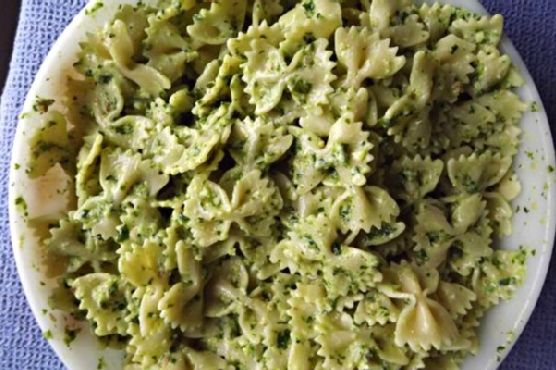
It was one of those evenings when I was standing in front of my open refrigerator, overwhelmed by the task of creating something delicious yet foolproof. You know, that state of mind where you can’t decide between ordering takeout or using up that random bunch of parsley and only-half-full container of yogurt. That’s when this Pesto & Yogurt Pasta was born. It’s a delightful mishmash of classic and unexpected, with the richness of pesto beautifully mellowed by the tang of yogurt. Trust me, it’s the kind of dish that hits the perfect balance between indulgent and refreshing. Plus, it comes together in the time it takes to scroll through Instagram a couple of times.
Jump to Recipe
What You’ll Need
Let’s be honest, there’s nothing worse than having to run to the store for an obscure ingredient. Luckily, this recipe leans heavily on pantry staples, so you might just find everything you need already in your kitchen.
- 8 oz of farfalle pasta
- 1 bunch of flat leaf parsley
- 3 cloves of garlic
- 1/2 cup of mixed nuts (walnuts, almonds, or whatever you’ve got on hand)
- 1/2 cup low fat plain yogurt
- 1/4 cup olive oil
- 1/2 cup parmesan cheese, grated
- Salt & pepper, to taste
How to Make Pesto & Yogurt Pasta
- Start by bringing a large pot of salted water to a boil. Toss in the farfalle and cook it until it’s al dente. This should be about 10-12 minutes, but keep an eye on it. You want it just slightly firm to the bite.
- While the pasta is cooking, grab your trusty food processor. In it, combine the parsley, garlic cloves, and mixed nuts. Pulse a few times until everything is coarsely chopped.
- With the processor running, slowly drizzle in the olive oil. You’re aiming for a smooth, pesto-like consistency. Pause to scrape down the sides if the stuff clings to the edges. Your kitchen should smell wonderfully garlicky and fresh at this point!
- Stir the yogurt into your pesto blend. It should look creamy and inviting. Then, mix in the parmesan cheese. Give it a taste and season with salt and pepper to your liking.
- By now, your pasta should be ready. Drain it, but don’t worry about being too thorough—a bit of pasta water is your friend here. Toss the warm pasta and pesto yogurt sauce together in a large bowl until each piece is well-coated in the creamy green goodness.
Cook’s Notes
Let’s keep it real: pesto can be a bit stiff if it sits too long, so if you’re not diving into this dish right away, save a splash of that pasta water to loosen it up before serving. The sauce will thicken as it cools, and a little warm water will bring it back to life. And hey, leftovers are your friend! Refrigerate them in an airtight container, and they’ll be just as tasty for up to three days. Just remember, a quick reheat is all it needs—not a full-blown nuke session—since the yogurt can separate if overheated.
Make It Your Own
- Go Nut-Free: Swap the mixed nuts for sunflower seeds or pumpkin seeds for a nut-free alternative that still gives you that satisfying crunch.
- Herb Swap: Not a fan of parsley? Basil or a mix of spinach and mint can step into the spotlight for a fresh twist.
- Cheese Choices: Love a stronger flavor? Try pecorino or even a sprinkle of feta for a tangy surprise.
- Protein Boost: Add some grilled chicken or shrimp to make it a more filling meal. Even crispy tofu would be a great addition for a vegetarian option.
If you try this, I’d love to hear how it turns out—drop a comment or tag me! This recipe’s been a weeknight hero for me, and I’m excited to see how it fits into your rotation. Enjoy the pasta magic!
Goes Well With
If you want to round out the meal, here’s what I’d pair it with over on meaghanmoineau.com:
Related update: Pesto & Yogurt Pasta
Related update: Boozy Bbq Chicken

Picture this: It’s a lazy summer afternoon, and I’m staring at the assortment of ice cream tubs in my freezer, wondering how I can combine my love for banana splits and ice cream cake into one glorious dessert. Enter the Banana Split Sundae Ice Cream Cake. It’s the perfect lazy-day dessert that feels like a celebration. This cake is a dream for anyone who loves the classic banana split, but with a twist that everyone will rave about. Bonus? It’s super easy to assemble, and you don’t even have to turn on the oven. Plus, you can make it ahead of time, so it’s ready to wow your friends and family anytime. Trust me, this is the kind of treat that brings smiles to faces.
Jump to Recipe
What You’ll Need
This ingredient list is like a pantry treasure hunt — chances are you already have most of it tucked away.
- Graham cracker crumbs
- Unsalted butter
- Bananas
- Strawberry ice cream
- Walnuts
- Chocolate chips
- Confectioner’s sugar
- Evaporated milk
- Vanilla extract
- Whipped topping
How to Make Banana Split Sundae Ice Cream Cake
- In a small bowl, mix the graham cracker crumbs and melted butter until they’re all cozy and blended. Hold back 1/4 cup of this mix because we’ll use it later. Press the rest firmly into the bottom of a 9 x 13 pan — this is our cake’s sturdy base.
- Slice those bananas and arrange them like sweet, yellow soldiers over the crust. They’ll be hiding under the ice cream, adding a burst of flavor in each bite.
- Spread the softened strawberry ice cream over the bananas. Be gentle and smooth it out like frosting a cake. Sprinkle the nuts on top because we’re all about that crunchy goodness.
- Wrap it up in plastic and let it chill in the freezer until it’s firm. This should take about 2 hours, just enough time for a Netflix binge.
- In a medium saucepan, melt together the chocolate chips and the remaining 1/4 cup butter. Stir until it’s smooth and glossy like a chocolate dream.
- Add the confectioner’s sugar and evaporated milk to the pan. Keep stirring over medium heat until it thickens slightly and becomes silky, around 8 minutes.
- Take it off the heat and stir in the vanilla. Let this heavenly chocolate mixture cool for about 30 minutes, giving it a gentle stir now and then.
- Pour the cooled chocolate sauce over the ice cream layer and pop it back in the freezer until firm, approximately 1 hour.
- Once firm, spread the whipped topping over the chocolate layer like a fluffy, sweet cloud.
- Sprinkle the reserved graham cracker crumbs on top for a little extra crunch. Freeze the whole masterpiece for at least 4 hours or overnight. When you’re ready to serve, take it out of the freezer 20 minutes beforehand to make slicing a breeze.
Cook’s Notes
Here’s the lowdown: This cake is best when made a day ahead, giving all those layers time to really chill out and set. Leftovers? Pop them back in the freezer, covered tightly, and they’ll keep for up to a week. Just know that the whipped topping might lose some of its fluffiness over time, but the taste? Still fab.
- Make sure your ice cream is soft but not melted for easy spreading. I’ve learned this the hard way, and trust me, it’s a sticky mess otherwise.
- When melting chocolate, stirring constantly is key to avoid any burnt bits, which no one wants.
- If you’re in a rush, use an electric mixer to speed up the whipped topping spreading process — I swear by this trick!
Make It Your Own
- Pecans Instead: Swap walnuts with pecans for a richer, buttery flavor.
- Chocolate Ice Cream Twist: Want more chocolate? Substitute strawberry ice cream with chocolate ice cream for an all-out chocolate banana split.
- Berry Nice: Add a layer of fresh strawberries between the bananas and ice cream for an extra fruity punch.
- No-Nut Alternative: Allergic to nuts? Use crushed pretzels for a salty-sweet crunch that’s just as delightful.
If you try this, I’d love to hear how it turns out — drop a comment or tag me! It’s one of those desserts that’s not just tasty but a real crowd-pleaser. Enjoy making it as much as eating it!
Goes Well With
If you want to round out the meal, here’s what I’d pair it with over on meaghanmoineau.com:
Related update: Banana Split Sundae Ice Cream Cake
Related update: Noodle Kugel with Pineapple-Gluten free, Dairy Free

It was one of those frantic Tuesday evenings, where work emails kept piling up and the clock was ticking closer to dinner time. You know the drill, right? Everyone’s hunger levels are rising, and you need something that feels like it took way more effort than it really did. Enter the “Blast Of Color Mexican Stuffed Bell Peppers,” because when you need to impress yourself and your family without breaking a sweat, these are your go-to. They’re vibrant, packed with flavor, and surprise — actually pretty easy! Plus, it’s likely that you have most of these ingredients lounging around in your kitchen already.
Jump to Recipe
What You’ll Need
I love this dish because it’s as easy as a quick fridge and pantry raid. Chances are you already have most of this:
- Bell peppers – the canvas for your culinary masterpiece.
- Black beans – for a hearty boost of protein.
- Rotisserie chicken breast – a weeknight lifesaver.
- Fire roasted green diced chile – for that smoky kick.
- Chili seasoning – because flavor is everything.
- Cooked brown rice – the glue that holds it all together.
- Frozen corn kernels – add a touch of sweetness.
- Garlic – because when isn’t garlic a good idea?
- Low fat shredded cheddar cheese – gooey goodness.
- Red diced onion – for a little zing.
- Roma tomato – because every fiesta needs a fresh twist.
- Sour light cream – the final creamy touch.
How to Make Blast Of Color Mexican Stuffed Bell Peppers
- Start by preheating your oven to 400 degrees. While it warms up, envision the colorful feast you’re about to create.
- In a large bowl, mix together the cooked brown rice, shredded rotisserie chicken, frozen corn, diced roma tomato, chopped red onion, black beans, 1/2 cup of cheddar cheese, minced garlic, diced green chile, and a sprinkle of chili seasoning. Stir until everything is looking speckled and colorful.
- Line a baking dish with foil (trust me, this makes cleanup a breeze) and give it a light spray with cooking spray.
- Grab those gorgeous bell peppers. Slice off the tops, remove the seeds, and stuff them generously with your chicken mixture. You want to really pack it in, then mound a little extra on top for good measure.
- Place your stuffed peppers into the prepared dish, and top each with 1/2 tablespoon of shredded cheese. As it bakes, this will melt into a deliciously golden crust.
- Bake for 30-40 minutes. Keep an eye on them — you’ll know they’re ready when the peppers are tender and the cheese is bubbling and golden.
- Once out of the oven, let them cool just slightly, then finish with a dollop of sour cream on each. It’s the creamy cherry on top!
Cook’s Notes
A couple of things to keep in mind: make sure your rice is cooked and cooled slightly before you start mixing — hot rice can make things a bit messy. If you find yourself with leftovers (not likely!), store them in an airtight container in the fridge. They make fantastic lunches and will last for about 3 days. Reheat them in the oven to keep them from getting soggy. If you’re planning ahead, you can make the stuffing mixture up to a day in advance, just cover and refrigerate until you’re ready to assemble the peppers.
Make It Your Own
Feeling adventurous? Here are some ideas to shake things up a bit:
- Swap the chicken for crispy tofu for a vegetarian twist that’s just as hearty.
- Try using quinoa instead of brown rice for a nutty flavor and a protein boost.
- Want it spicier? Add diced jalapeños or a splash of hot sauce to the stuffing mix.
- For a twist on the cheese, use pepper jack for an extra kick.
If you try this, I’d love to hear how it turns out — drop a comment or tag me! Happy cooking, and may your dinner be as colorful and delightful as these peppers.
Goes Well With
If you want to round out the meal, here’s what I’d pair it with over on meaghanmoineau.com:
Related update: Blast Of Color Mexican Stuffed Bell Peppers
Related update: Pesto & Yogurt Pasta

Easter was fast approaching, and like every year, I had a nagging feeling that I needed to whip up something special that not only screamed “spring” but was also indulgent enough to justify its place on the dessert table post-feast. But let’s be real, after juggling a full day of egg hunts and family chaos, the last thing I want is a complicated baking project. Enter this Easter Nest Sweet Cake with Sour Cream-Royal Icing and Pistachios. It’s a delightful mix of textures: a moist, buttery cake topped with a tangy, vibrant icing and the crunchy, nutty goodness of pistachios. Honestly, it’s like a little slice of heaven that doesn’t require you to sell your soul—or your afternoon—to make. It’s quick, it’s comforting, and it’s just the right amount of festive to make you look like you’ve got your life together at the Easter table.
Jump to Recipe
What You’ll Need
This ingredient list is a dream because chances are, you already have most of these tucked away in your pantry! Let’s gather up:
- Unsalted butter
- Brown sugar
- Eggs
- Sour cream
- All-purpose flour
- Baking powder
- Icing sugar
- Lemon juice
- Egg white
- Green food coloring
- Unshelled pistachios
How to Make Easter Nest Sweet Cake With Sour Cream-Royal Icing and Pistachios
- Start by preheating your oven to 190°C (375°F). Lightly grease a ring cake pan and set it aside; this will be your cake’s cozy little home.
- In a medium bowl, grab your trusty electric mixer and beat together the brown sugar, eggs, and butter until the mixture turns creamy and smooth. Picture a fluffy cloud here.
- Mix in the sour cream and flour, and give it a couple of minutes of your mixing love until everything looks well combined. Our batter should look like it’s ready to party.
- Pour this luscious mixture into your prepared cake pan, smoothing it out so it bakes evenly. Bake for 20 minutes, or until the cake is golden brown. A skewer inserted should come out clean—your sign it’s done!
- While the cake is baking, let’s tackle the icing. In another bowl, beat the egg white using a standard mixer until you see soft, stiff peaks. It’s a workout, but trust me, it’s worth it.
- Add the lemon juice, icing sugar, and a few drops of green food coloring to the egg white and beat for a few more seconds. You want a consistency that’s smooth and spreadable.
- Once the cake is out of the oven, let it cool on a wire rack for about 10 minutes. This is crucial to avoid a melted icing disaster.
- Pour the royal icing over the cooled cake, letting it drip down the sides in a whimsical, nest-like fashion. Sprinkle with chopped pistachios generously. Go wild with any additional decorations you fancy.
Cook’s Notes
This cake is best enjoyed the day it’s made, but if you have leftovers (unlikely as that may be!), store them in an airtight container for up to 3 days. The royal icing may lose some of its luster over time, but the flavors will still be there to delight. For a make-ahead strategy, bake the cake a day in advance and add the icing and pistachios just before you’re ready to serve. This way, you can enjoy a freshly decorated cake without the stress. And hey, if your icing ends up a little runnier than expected, just call it “artisan” and roll with it!
Make It Your Own
Here are a few fun twists you could try:
- Swap the pistachios for toasted coconut flakes for a tropical vibe.
- Use almond extract instead of lemon juice in the icing for a nutty edge.
- Skip the green food coloring and add a couple of drops of vanilla extract for a classic, elegant look and taste.
- Add a few tablespoons of cocoa powder to the cake batter for a chocolatey Easter nest.
If you try this, I’d love to hear how it turns out—drop a comment or tag me! Baking doesn’t have to be perfect, just delicious and a little bit fun. Happy Easter baking!
Goes Well With
If you want to round out the meal, here’s what I’d pair it with over on meaghanmoineau.com:
Related update: Easter Nest Sweet Cake With Sour Cream-Royal Icing and Pistachios
Related update: Banana Split Sundae Ice Cream Cake