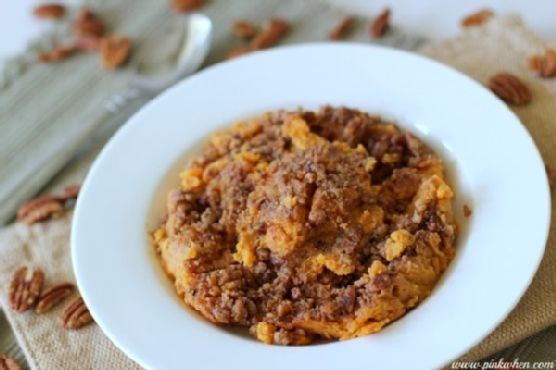
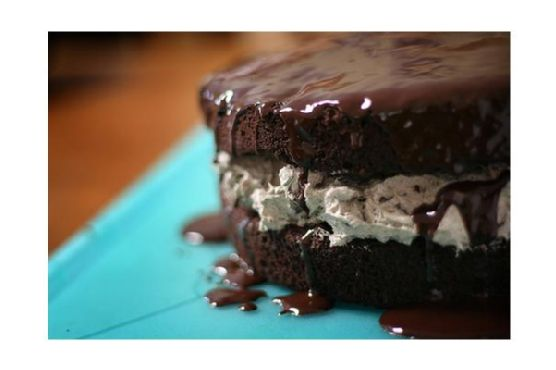
Blue Cheese Tartlets With Fig Jam and Walnuts | Made by Meaghan Moineau

Last Tuesday, I found myself staring into the fridge at 7 PM, wondering what on earth I could whip up for a little evening gathering with friends. You know those days when you just need a recipe that’s not only impressive but also stress-free? That’s when I stumbled upon the forgotten block of *blue cheese* nestled next to a jar of *fig jam*. A brainwave hit me: Blue Cheese Tartlets with Fig Jam and Walnuts! These beauties are the perfect blend of savory and sweet, and trust me, they’re much easier to make than you’d think. Each bite is a little symphony of flavors and textures. Plus, they’re great for making ahead and pop in the oven the moment your guests ring the doorbell.

Jump to Recipe

What You’ll Need

The ingredient list for these tartlets is refreshingly simple. Chances are you already have most of these in your pantry:

  • Blue cheese
  • Butter
  • Flour
  • Fig jam
  • Walnuts
  • Orange zest
  • (Optional) Fresh thyme leaves

How to Make Blue Cheese Tartlets With Fig Jam and Walnuts

  1. Preheat your oven to 350°F (175°C). Lightly grease the cups of your mini muffin pans unless they’re non-stick. No one wants a sticky situation!
  2. In a medium bowl, cream together the *blue cheese* and *butter*. The mixture should be smooth and creamy, with that unmistakable aroma of rich cheese.
  3. Add the flour to the bowl and use your hands to bring the dough together. It might take a little coaxing, but be patient — the dough will reward you with a tender crust.
  4. Divide the dough into 30 pieces and roll them into balls. If you prefer a more delicate shell, go for 36 pieces.
  5. Using lightly floured fingers, press each dough ball against the sides of the mini tart pan until the dough rises slightly above the rim. This ensures that lovely shell shape.
  6. Bake the shells for 15 minutes, until they are golden brown and smell like heaven. Let them cool in the pans for about 5 minutes, then transfer to a wire rack to finish cooling completely.
  7. Once cooled, spoon a dollop of *fig jam* into each tartlet shell. Top with a sprinkle of toasted *walnuts*, a touch of *orange zest*, and a few thyme leaves if you like.

Cook’s Notes

These tartlets are surprisingly versatile. You can prepare the tartlet shells ahead of time and store them in an airtight container. If you’re planning a party, they freeze beautifully — just bake frozen shells for 8 minutes at 325°F before filling them. Pro tip: when pressing the dough into the pan, keep a small bowl of flour nearby to dust your fingers and prevent sticking. And if you’re cooking for a big crowd, consider doubling the recipe because they disappear fast!

Make It Your Own

  • Swap the blue cheese for *goat cheese* if you prefer something milder.
  • Replace *fig jam* with a spicy *pepper jelly* for a kick.
  • Use *pecans* or *hazelnuts* instead of walnuts for a different nutty flavor.
  • Add a thin slice of prosciutto to each tartlet for a touch of saltiness.

If you try this, I’d love to hear how it turns out — drop a comment or tag me! These tartlets are really something special and I hope they bring a bit of joy to your kitchen and your taste buds. Enjoy every bite!

Related update: Blue Cheese Tartlets With Fig Jam and Walnuts

Ternus: Apple’s Return to Product Focus | Analysis by Brian Moineau

A new chapter at Apple: why John Ternus might revive Jobs‑era decisiveness

When Apple announced that longtime leader Tim Cook would be replaced by John Ternus, it published an image of the two executives walking side by side at the company’s campus in Cupertino, California. Apple Bets New CEO John Ternus Will Bring Back Jobs‑Era Decisiveness has become the shorthand for a big idea: the company is signaling a return to product‑first leadership under an engineer who rose through hardware ranks. The image was deliberate. It told us this handoff is both carefully planned and meant to reassure investors, employees and customers that core values — speed, focus and product rigor — remain intact.

Why the timing and optics matter

Cook’s 15‑year run transformed Apple from the company Steve Jobs left into a diversified tech empire: services, wearables, finance and a vastly larger balance sheet. Yet many observers have argued Apple’s operational discipline and product urgency softened over time. The decision to shift Cook to executive chairman while elevating Ternus — effective September 1, 2026 — reads like a strategic reset without theatrical upheaval.

  • The transition is orderly: Apple announced the change publicly and set a clear effective date.
  • The image of the two leaders walking together served to emphasize continuity.
  • Appointing a hardware engineering veteran highlights product execution as a renewed priority.

Those elements matter because Apple’s strength has always been the marriage of design, engineering and a ruthless focus on shipping great products. The messaging suggests leadership wants to recapture that formula.

Apple Bets New CEO John Ternus Will Bring Back Jobs‑Era Decisiveness

John Ternus is not a Silicon Valley outsider or a flashy media face. He’s the engineer who shepherded major hardware launches and who, in recent months, absorbed expanded responsibilities over design. That background is exactly the point: Apple appears to be betting that a leader with deep product chops will re‑center the company on decisions that favor speed, technical rigor and cross‑discipline coordination.

This is significant for three reasons:

  1. Product focus. Ternus’s pedigree — years in hardware engineering and recent oversight of design — signals priorities: fewer distractions, clearer product roadmaps.
  2. Institutional memory. He was part of the company during Apple’s most transformational moves (custom silicon transitions, AirPods, Watch). That experience buys him credibility internally.
  3. Cultural reset. Jobs’s era was defined by decisive product calls. Ternus’s technical leadership style suggests Apple wants decisions to be driven more by engineering conviction than by layered consensus.

What challenges Ternus inherits

Transitioning from SVP of hardware engineering to CEO of a $4‑trillion company is a leap. The role expands far beyond product and supply‑chain mastery into areas where Tim Cook has been especially active: regulatory relations, services growth, and global operations.

  • Services: Under Cook, Apple grew services into a business rivaling Fortune companies in size. Ternus will need to sustain that margin‑rich revenue engine while integrating it with hardware advantages.
  • AI and software strategy: The industry’s AI race demands investments that straddle hardware, software and cloud. Ternus must make bets that keep Apple relevant without abandoning its privacy and device‑centric ethos.
  • Talent and culture: Decisiveness means different things to different teams. He’ll need to balance speed with collaboration so novelty isn’t stifled.

Put simply, Ternus must be both the product visionary and the politician who manages regulators, shareholders and a global workforce.

The investor dilemma and product bets

Investors will watch two things closely: near‑term execution (new hardware launches, supply chain stability) and strategic direction (AI, mixed reality, and services integration). A hardware‑first CEO can reassure the market on reliability and product cadence, but the risk is underinvesting in platform plays where Apple lags competitors.

On the other hand, Ternus’s background could catalyze tighter integration across Apple’s stack — custom silicon, optimized OS releases, and hardware that showcases software advances. That synergy is where Apple historically outperformed peers. If he delivers on that promise, Apple’s moat could widen again.

How this compares to past transitions

Steve Jobs’s return to Apple in the late 1990s was a dramatic course correction that prioritized product excellence over short‑term profitability. Tim Cook’s succession in 2011 emphasized operational mastery and global scale. This latest handoff lands somewhere between: continuity with a recalibration toward faster, product‑led decision making.

Moreover, unlike surprises of the past, this transition looks planned and consensual. Cook’s move to executive chairman keeps institutional memory intact while handing the keys to someone who has been positioned to lead for a while.

Near‑term signs to watch

  • Product roadmap clarity at Apple’s next events and its September transition date.
  • Messaging from the new CEO: tone and frequency of public addresses will show whether he will be visible or prefer to lead from within.
  • Investment in AI and services: does Apple accelerate partnerships or build new infrastructure?
  • Executive shuffles: whether Ternus reshapes the leadership team will reveal how deeply he intends to change decision‑making.

These cues will indicate whether the company is simply swapping the titleholder or pursuing a substantive cultural shift.

What this means for users and employees

For customers, the bet is comforting: expect Apple to prioritize well‑crafted devices that feel cohesive across hardware and software. For employees, the message is mixed — renewed emphasis on product speed could sharpen execution demands, but it may also restore clarity of purpose.

As Apple approaches its 50th anniversary, the company must prove it can still surprise and delight. A product‑centric leader increases the odds that Apple’s next set of surprises will be tangible, useful devices rather than incremental services.

Final thoughts

This is a pivotal moment. Apple Bets New CEO John Ternus Will Bring Back Jobs‑Era Decisiveness is not just a headline; it’s a roadmap for how the company hopes to reassert its identity. Ternus’s strengths — engineering credibility, hardware sensibility, and design oversight — position him to steer Apple back toward the kind of decisive product leadership that built its legendary reputation.

Still, the transition carries tradeoffs. Balance will be everything: sustaining services growth, engaging in the AI era, and maintaining global operations while moving faster on product bets. If Ternus can hold those plates together, the image of him walking beside Tim Cook will be remembered as the start of a new, energetic chapter rather than a nostalgic photo op.

Key takeaways

  • Apple’s announcement and imagery emphasize continuity plus a product‑first reset.
  • John Ternus’s hardware and design background signals renewed focus on decisive product leadership.
  • Major challenges include sustaining services growth, competing in AI, and managing global regulatory pressures.
  • Near‑term indicators (product cadence, executive moves, messaging) will reveal whether this is symbolic or substantive.

Sources

Grilled Potato Skins | Made by Meaghan Moineau

I remember the first time I tried to grill potato skins. It was a balmy summer evening, and my friends and I had decided on an impromptu barbecue to celebrate the end of a long workweek. We were short on the usual grilling staples, and I found myself rummaging through the pantry, just hoping to find anything that could be charred over an open flame. In a stroke of serendipitous genius—or desperation, depending on how you look at it—I stumbled upon a bag of baking potatoes. And so began my love affair with crispy, gooey, and utterly addictive grilled potato skins. They’re the perfect combination of crispy potato goodness and creamy, cheesy decadence, making them a crowd-pleaser that’s surprisingly easy to throw together. You won’t believe how fast these disappear once they hit the table.

Jump to Recipe

What You’ll Need

The beauty of this recipe is its simplicity. Chances are you already have most of these ingredients on hand.

  • Baking potatoes
  • Cooked bacon or finely-chopped ham
  • Picante sauce
  • Shredded cheddar cheese
  • Sour cream
  • Unsalted butter

How to Make Grilled Potato Skins

  1. First, preheat your oven to 375 degrees. Prick your baking potatoes all over with a fork to let them vent, then bake them for 50 to 60 minutes until they’re tender and can be easily pierced.
  2. Once the potatoes are cool enough to handle, cut each one in half lengthwise. Scoop out most of the insides, leaving a sturdy 1/4-inch shell. Save the scooped-out potato for mash or soup later!
  3. Melt some unsalted butter and brush the inside of each potato shell generously. This will help them get that delicious golden crispiness we’re after.
  4. Spoon about 2 teaspoons of picante sauce into each shell, spreading it around to coat the bottom. This adds a delightful zesty kick.
  5. Next, sprinkle a hearty amount of shredded cheddar cheese into each potato, followed by bits of your cooked bacon or ham. Really pack it in there—no one likes a stingy potato skin.
  6. Fire up your grill to medium heat. Place the potato skins directly over the coals, and let them grill uncovered for 10 to 12 minutes. You’ll know they’re ready when the skins are crisp and the cheese is bubbly and golden.
  7. If you’re feeling fancy, sprinkle with diced tomato and green onions right before serving. Finish with a generous dollop of sour cream on top.

Cook’s Notes

Grilled potato skins are pretty forgiving, but here are a few things to keep in mind:

  • If you’re making these ahead of time, follow all the steps up to grilling and then store them in the fridge. When you’re ready to eat, pop them on the grill straight from the fridge. Just add a couple of extra minutes to the grill time.
  • Leftovers can be stored in an airtight container in the fridge for up to three days. Reheat them in a 350-degree oven or a toaster oven until they’re heated through and crispy again.
  • Make sure your grill is properly preheated before you start cooking. This ensures the skins get crispy rather than just drying out.

Make It Your Own

  • Swap the bacon for crispy tofu to make it vegetarian-friendly.
  • Use Monterey Jack or pepper jack cheese for a different flavor profile.
  • Try adding black beans or corn for a southwestern twist.
  • If you’re not a fan of picante sauce, substitute it with a mild salsa or even BBQ sauce for a smoky vibe.

If you try this, I’d love to hear how it turns out—drop a comment or tag me on social media! There’s nothing more satisfying than seeing your spin on these tasty potato skins. Enjoy every crispy, cheesy bite!

Related update: Grilled Potato Skins

Related update: Blue Cheese Tartlets With Fig Jam and Walnuts

Ginger Cookies- gluten free, soy free, vegan | Made by Meaghan Moineau

On a Tuesday evening, after a day that felt like it just couldn’t decide between rain or shine, I found myself in dire need of comfort. The kind of comfort that only a cozy kitchen and the warm scent of spices can provide. That’s when the idea of making ginger cookies hit me. But not just any ginger cookies—ones that would be kind to everyone around my table, regardless of food allergies or dietary needs. So I whipped up a batch of these delightful gluten-free, soy-free, vegan ginger cookies. They’re the perfect blend of spicy and sweet, crispy on the edges yet chewy in the middle, and trust me—these cookies are destined to become a staple in your baking repertoire. Whether it’s a last-minute treat or a planned indulgence, they never fail to impress with their simplicity and flavor. Jump to Recipe

What You’ll Need

This recipe is a pantry hero. Chances are, you already have most of these ingredients tucked away in your kitchen.

  • Dark brown sugar
  • Coconut oil
  • Molasses
  • Chunky applesauce
  • Red gluten-free flour
  • Ground cinnamon
  • Ground ginger
  • Ground cloves
  • Pumpkin spice blend
  • Baking soda
  • Cane sugar (for rolling)

How to Make Ginger Cookies – gluten free, soy free, vegan

  1. Preheat your oven to 350 degrees F. Line three half-sheet baking pans with parchment paper and set them aside.
  2. In a small shallow bowl, add cane sugar for rolling and set aside.
  3. In a small bowl, whisk together the flour, spices, and baking soda. Set this dry mixture aside.
  4. Using a stand mixer with a paddle attachment, or a bowl with a hand mixer, combine the dark brown sugar, coconut oil, molasses, and applesauce. Start on low speed to avoid a sugar storm, then increase to medium speed for about 2 minutes until everything is fully incorporated.
  5. Slowly add the flour mixture to the wet ingredients, a third at a time, ensuring a proper blend with each addition.
  6. Lay out a piece of wax or parchment paper, about a foot wide, to set the rolled cookies before their sugar bath.
  7. Roll the dough into 1-inch balls with light pressure, similar to how you’d roll a meatball.
  8. Transfer the cookie dough balls into the bowl with sugar, as many as you can fit at a time, and gently roll them to ensure all sides are coated. Repeat until all the dough is used.
  9. Place the sugared cookie dough balls onto the prepared baking sheets. Press down gently on each ball to just dent the top a bit.
  10. Bake in the preheated oven for 9-11 minutes. When done, let them cool on the baking sheets for 15 minutes before transferring them to a cooling rack to cool completely.

Cook’s Notes

These cookies are surprisingly adaptable yet truly shine in their original form. The dough can be made ahead of time and chilled for up to a day if needed. Just make sure to let it come back to room temperature before rolling into balls. Once baked, they store wonderfully in an airtight container in the refrigerator for up to a week. If you’re planning to make a large batch, these cookies freeze well for up to a month. Simply thaw them at room temperature, and they’ll be as good as fresh.

Make It Your Own

  • For a nutty twist, try adding a tablespoon of almond flour to the dry ingredients for extra flavor and texture.
  • If you’re not strictly vegan, replace the applesauce with an egg for a traditional cookie crumb.
  • Add a teaspoon of vanilla extract to the wet ingredients for a more complex flavor.
  • If you love a bit of heat, add a pinch of cayenne pepper to the spice mix for a surprising kick.

If you try this, I’d love to hear how it turns out — drop a comment or tag me! Whether you stick to the recipe or try some fun variations, these ginger cookies are sure to bring a smile to your face and a burst of warmth to your home.

Related update: Ginger Cookies- gluten free, soy free, vegan

Related update: Grilled Potato Skins

Which Samsung Phones Get Galaxy S26 AI | Analysis by Brian Moineau

All Samsung smartphones that are getting Galaxy S26 AI features with One UI 8.5

Samsung’s Galaxy S26 launch in early 2026 made headlines for one big reason: Galaxy AI. Now, with the One UI 8.5 update, Samsung is starting to bring some of those Galaxy S26 AI features to older devices — and that means millions of Galaxy owners could see genuinely useful AI tools without buying new hardware. This post breaks down which phones are getting the features, what those features actually do, and why this matters for the wider smartphone landscape.

Why One UI 8.5 matters

One UI 8.5 arrived as the software layer that packages many of the Galaxy S26’s AI advances. Rather than keeping those tools exclusive to the newest flagship, Samsung is extending parts of the suite to prior S- and Z-series phones through One UI 8.5. That move shifts the conversation: software-driven improvements now matter as much as silicon or camera hardware when deciding whether to upgrade.

In practice, One UI 8.5 isn’t a single “AI switch.” It’s a collection of features — some lightweight and broadly compatible, others tied to on-device performance or regional services — that Samsung is selectively enabling on supported phones.

What Galaxy S26 AI features are being ported

According to reporting and Samsung’s rollout details, One UI 8.5 brings four core Galaxy AI experiences from the S26 family to older devices. Broadly, these include:

  • Smarter call handling and assistant enhancements, such as improved Call Screening and AI-driven call summaries.
  • Generative editing and camera enhancements for cleaner photos and simpler retouching.
  • Contextual, proactive suggestions that surface at the right time (Now Nudge / Now Brief-style features in limited form).
  • Enhanced system-level assistant behavior (an updated, AI-aware Bixby experience).

Some features depend on device capability and region. The full “agentic” AI tools Samsung highlighted on the S26 — the ones that autonomously run multi-step workflows across apps — largely remain exclusive to the S26 lineup because they require greater on-device compute or stricter integration with Samsung’s cloud/agent systems.

Which phones are getting One UI 8.5 AI features

SamMobile compiled a list of models that will receive the Galaxy S26 AI features via One UI 8.5. While Samsung’s schedules vary by market and carrier, the headline recipients include:

  • Galaxy S25 series (S25, S25+, S25 Ultra) — full priority for the One UI 8.5 feature set.
  • Galaxy S24 series (S24, S24+, S24 Ultra) — many Galaxy AI features are arriving here.
  • Galaxy S25 FE and S24 FE variants — selected features depending on hardware.
  • Some Galaxy Z Fold and Z Flip models (recent Z-series releases) — selective support for camera and assistant features.

Additionally, Samsung has confirmed broader One UI 8.x rollouts across other Galaxy families (tablets and newer A-series in later phases), but the most immediate beneficiaries are last year’s and last-but-one S-series phones. Exact availability depends on carrier testing and regional releases; many devices entered beta programs in early April 2026 and have been moving to stable channels since mid-April. (sammobile.com)

How the experience will differ across devices

Not every phone will get the full S26 experience. Expect differences along these lines:

  • Performance: Features that rely on heavy on-device inference (real-time multitasking agents, advanced image generation) may be limited or run slower on older chips.
  • Feature parity: Some “agentic” automations and proactive services remain S26 exclusives, at least initially.
  • Region and carrier: Services that integrate with cloud-based assistants or telephony functions sometimes roll out selectively by country due to regulations and partnerships.
  • Updates cadence: Beta testers and unlocked models often see updates before carrier-locked phones.

So, while you’ll likely get the headline AI improvements (smarter call features, improved photo edits, assistant refinements), the most advanced autonomous AI functions may still be reserved for the S26 series. (sammobile.com)

Why Samsung is doing this — and why it matters

There are strategic and user-centric reasons behind the move:

  • Value retention: Extending attractive software features to previous-generation phones reduces upgrade churn and keeps users on Samsung’s ecosystem.
  • Differentiation: At a time when Apple and Google are also investing in mobile AI, Samsung can claim wider availability of practical AI features across its devices.
  • Ecosystem lock-in: Useful AI features that tie into Samsung apps and services increase friction for users to switch platforms.

For users, the practical payoff is immediate. If your S24 or S25 device gets One UI 8.5, you gain tangible improvements — fewer annoying calls, smarter camera edits, and a more helpful assistant — without buying new hardware.

What to watch for next

Rollouts like this tend to happen in stages. Watch for these signals:

  • Carrier announcements and changelogs in your region (these pinpoint exact dates).
  • Beta program notes (they often reveal which features are gated by hardware).
  • Samsung’s official One UI 8.5 pages and support notes for compatibility lists.

Expect the stable rollout to continue through Q2 2026, with regional timing staggered by carrier testing and localization. (news.samsung.com)

What this means for buyers and upgraders

If you own an eligible S24 or S25 phone, you should feel comfortable skipping an immediate upgrade if the S26’s headline AI capabilities are your main draw — many of them are coming to your device via One UI 8.5. Conversely, if you crave the most advanced, agentic AI automations (autonomous multi-step workflows and deeper on-device agents), the S26 hardware and its exclusive features still hold an edge.

In short:

  • Keep your current phone if you value most Galaxy AI features and want lower cost.
  • Consider upgrading if you want bleeding-edge agentic AI or the best possible on-device performance.

My take

Samsung’s decision to bring core Galaxy S26 AI features to older devices via One UI 8.5 is a smart balancing act. It rewards existing customers, reduces upgrade pressure, and signals that Samsung views software — not just silicon — as a major competitive battleground. For consumers, that means meaningful improvements without the premium price tag. For the industry, it pressures rivals to think beyond hardware-first narratives and focus on software longevity.

Sources


Related update: We recently published an article that expands on this topic: read the latest post.

Coin Flips Reshape 2026 NBA Draft Order | Analysis by Brian Moineau

When a coin flip matters: Ties broken for order of selection in NBA Draft 2026 - NBA

The headline "Ties broken for order of selection in NBA Draft 2026 - NBA" reads clinical, but what it describes is the delicate, nervy moment every front office, scout and fan dreads or celebrates: a random drawing — essentially a coin flip — that can nudge a franchise’s future by one or two draft spots. These random drawings resolved six ties and set the tentative order for the 2026 NBA Draft, giving the Utah Jazz, New Orleans Pelicans, Phoenix Suns, Toronto Raptors, Houston Rockets and New York Knicks the edge in those matchups. (nba.com)

Draft-order tiebreakers are tiny events with outsized consequences. They don’t get the confetti of the lottery, but they quietly rewrite odds, asset values and trade calculus across the league.

How the tiebreakers were decided and why that matters

When teams finish the regular season with identical records, the NBA uses random drawings to break ties for draft order — not head-to-head results or strength of schedule. Those drawings take place before the draft lottery and determine who claims the higher slot among tied clubs. In 2026, six ties between teams with identical records were resolved this way, changing a handful of draft positions and which teams hold certain conveyable picks. (sportingnews.com)

That sounds procedural, but the stakes are practical: a swap from pick 7 to pick 8 or pick 22 to 23 can be the difference between a draft-and-stash prospect, a rotation-ready guard, or a player who becomes a cornerstone. For teams on the margins — playoff hopefuls, trade-bait rebuilds, or clubs protecting traded picks — every position in the order affects bargaining power.

Ties broken for order of selection in NBA Draft 2026

  • Utah Jazz won a tiebreaker with the Sacramento Kings, keeping their pick higher in the order. (nba.com)
  • New Orleans Pelicans prevailed over the Dallas Mavericks in their drawing, shifting the lottery odds for both. (basketball.realgm.com)
  • Phoenix Suns won tiebreakers involving Orlando and Philadelphia scenarios that affected late-lottery and early-second-round positioning. (nba.com)
  • Toronto Raptors beat the Atlanta Hawks in a draw to determine their respective positions. (basketball.realgm.com)
  • Houston Rockets won their tiebreaker over the Cleveland Cavaliers. (nbcphiladelphia.com)
  • New York Knicks won a tiebreaker with the Los Angeles Lakers to settle their picks late in the first round. (basketball.realgm.com)

These outcomes finalize the draft order from pick 15 through pick 30 and help set the stage for the draft lottery — which will still determine the top 14 picks. The draft itself will be held in late June at Barclays Center in Brooklyn, with the exact lottery and draft-dates and broadcast details confirmed by the league schedule. (nba.com)

Why front offices sweat the coin flip

First, perception shapes value. A pick that’s one slot higher is often presented as “better” in trade talks, even if the real difference is marginal. Second, roster construction and fit matter: a team targeting a specific skill set might have multiple realistic prospects clustered in the same scouting tier, where one spot higher increases the odds of landing the preferred player. Third, pick conveyances — protections written into trades — can hinge on exact positions. A protected pick that conveys only if it’s not a top-10 selection becomes a binary outcome after these drawings. (sportingnews.com)

Add in the intangible: morale. For a rebuilding franchise, winning a tiebreaker creates buzz; for a playoff or near-playoff team, losing one can sting as they watch a rival improve its odds.

The bigger picture: lottery, tanking and competitive balance

Random drawings for tie-breaking sit at the intersection of two NBA goals: fairness and competitive balance. The lottery exists to deter intentional losing, but randomized tie resolution is pure luck — a microcosm of the broader tension between promoting parity and rewarding excellence.

This year’s tiebreakers also highlight another modern reality: draft value is currency. Teams use picks to rebuild, to package in trades, or as chips to secure complementary veterans. When a small random event adjusts who holds a pick, it ripples into trade negotiations and long-range planning. Recent academic and policy discussions about lottery design reflect this friction — how to discourage tanking without making the draft order too deterministic or too random. (arxiv.org)

Key takeaways

  • Random drawings resolved six ties and finalized much of the 2026 draft order, affecting teams from the Jazz to the Knicks. (nba.com)
  • Even a one-spot movement matters: protections, trade value and target prospects can be impacted. (sportingnews.com)
  • The tiebreakers are a reminder that both chance and strategy shape roster building in the NBA. (nba.com)

What to watch next

Now that the tie drawings are done, eyes shift to the NBA Draft Lottery, where the top 14 picks are decided. Watch how teams that won tiebreakers approach pre-draft workouts and trade conversations — they may feel emboldened to stand pat or leverage their newly improved position. Conversely, teams that lost tiebreakers might pivot toward packaging picks or targeting safer, higher-floor prospects.

Finally, monitor protected-pick language in prior trades. The precise order produced by these drawings will determine whether certain selections convey, stay with the original team, or transform into second-rounders — and that can alter futures.

Final thoughts

There’s poetry in the randomness: a single slip of fate can make or break a plan crafted over months. The NBA’s tiebreaker drawings are tiny, formal rituals that ripple through scouting reports, trade pitches and summer workout invites. They remind us that while analytics and evaluations dominate modern decision-making, basketball still recognizes the role of chance.

Sources

Venison Stew | Made by Meaghan Moineau

I was in the middle of a chilly Tuesday evening, the kind where you’re just craving something warm and hearty, and I found myself staring at a package of venison stew meat in my fridge. You know those days, right? The ones where you want comfort food without all the fuss? That was me. I didn’t want to wait forever for flavors to meld, and I certainly wasn’t in the mood for a culinary marathon. Enter this venison stew — it’s that perfect blend of savory goodness, with tender chunks of venison and veggies that practically hug you from the inside. It’s simple enough to throw together on a weeknight, but tastes like it’s been simmering all day.

Jump to Recipe

What You’ll Need

I love how this recipe doesn’t require a grocery cart full of fancy ingredients. Chances are, you’ve already got most of these at home, especially if you’re a fan of hearty stews!

  • Venison stew meat
  • 4 stalks celery
  • 1 can mushrooms
  • 1 green bell pepper
  • 1 cup flour plus 3 tbsp
  • 2 tablespoons beef bouillon
  • Water
  • Potatoes
  • Onion
  • Baby carrots

How to Make Venison Stew

  1. Begin by cutting all your veggies and the venison into 1-inch pieces. Grab a bowl and dredge the venison in a mix of flour, salt, and pepper until it’s nicely coated.
  2. Heat a splash of vegetable oil in a large pot over medium-high heat. Add the venison and let it brown on all sides. You’re looking for a nice, golden crust here — that’s flavor!
  3. Once browned, add the beef bouillon and enough water to cover the meat. Bring it to a boil, then reduce the heat and let it simmer for about 2 hours. This is where the magic happens, and the meat gets tender.
  4. After 2 hours, toss in all the veggies: carrots, celery, mushrooms, potatoes, and bell pepper. Let everything simmer together for another 30 minutes, until the veggies are nice and tender.
  5. Mix 3 tablespoons of flour with 1 cup of cold water. Stir it into the stew to thicken. Give it a few minutes, and you’ll see it transform into a rich, heartwarming dish.

Cook’s Notes

Okay, here’s the thing — patience really is a virtue with this stew. Letting the venison simmer for a full two hours ensures it’s melt-in-your-mouth tender. If you’re in a pinch, you can reduce the simmering time, but it won’t be as tender. As for storage, this stew actually tastes even better the next day. Just keep it in an airtight container in the fridge, and it’ll last for about 3 days. You can also freeze it for up to 3 months. Just make sure to let it cool completely before freezing.

Make It Your Own

  • Swap the venison for beef if that’s what you have on hand — just as delicious!
  • For a veggie twist, replace the meat with chickpeas and add extra mushrooms for a hearty vegetarian version.
  • Add a splash of red wine while simmering for an extra depth of flavor.
  • Throw in some parsnips or turnips if you’re in the mood for an earthy undertone.

If you try this, I’d love to hear how it turns out — drop a comment or tag me! It’s one of those dishes that just feels like a warm hug, and I hope it brings you as much comfort as it does me. Happy cooking!

Related update: Venison Stew

AJ Brown’s Absence Fuels Eagles Trade Talk | Analysis by Brian Moineau

Hook: The quiet that roars louder than a holdout

The current belief around the NFL is that A.J. Brown is not expected to attend the Eagles’ offseason program — and that absence, on Monday April 20, 2026, speaks louder than a press conference ever could. When one of your top playmakers doesn't show up for voluntary work while trade chatter swirls, it's less a single act than a chapter in an unfolding story: roster decisions, cap math, and a franchise deciding what kind of identity it wants next season.

A.J. Brown is not expected to attend the Eagles’ offseason program

This is the concrete moment: Eagles voluntary offseason workouts began on April 20, 2026, and reports from league insiders indicated A.J. Brown did not attend as he "awaits clarity" on his future with the team. Multiple outlets relayed the same core: Brown's absence is tied to ongoing trade discussions and the practical reality that nothing mandatory happens before June 1, the dollar-and-dead-cap hinge that often dictates whether teams move big contracts. (nfl.com)

The optics are obvious. Brown, a three-time Pro Bowler and one of the league’s premier boundary threats, has publicly expressed frustration with his role in the offense in recent seasons. That tension, combined with the Eagles' front office maneuvering and reported interest from other clubs (the Patriots have repeatedly been mentioned), turns a no-show into a high-stakes negotiation tactic — or a polite way of saying both sides need time and space to sort things out. (nfl.com)

Why the timing matters

Teams rarely trade star players without considering the salary-cap calendar. Trading Brown before June 1 would cost Philadelphia significant dead money against the 2026 cap; waiting can shift financial pain into the next league year. That creates a natural pause in talks until the calendar lines up with both roster flexibility and accounting sense. Meanwhile, Brown sitting out voluntary workouts is legally safe (those workouts are optional), but strategically powerful. (aol.com)

Also, the voluntary program is where offenses build chemistry, reintroduce schemes, and set expectations. A.J.’s absence pulls a thread: it forces coaches to prototype the offense without him, gives younger or newly-signed receivers more reps, and gives the front office leverage — or at least the illusion of it — when talking to suitors.

The human element: more than numbers

It’s easy to reduce this to trade chips and cap hits. But players are people with pride, career timelines, and workplaces they want to trust. A.J. Brown has been vocal about wanting a clearer role and more consistent usage. When a player of his caliber feels marginalized, sitting out is sometimes the last lever to get attention — from coaches, from management, and from the market.

That said, most of the reporting suggests neither side is burning bridges publicly. Coaches have largely said A.J. is still an Eagle, while front-office voices say they’re listening to the market. Those parallel narratives are standard: teams try to protect value, players try to protect status. The dance looks messy, but it’s familiar. (sports.yahoo.com)

What this means for the Eagles’ offense

  • The Eagles will start installing or refining offseason plans without Brown present, at least for voluntary work.
  • That creates an opportunity for DeVonta Smith, Jahan Dotson, John Metchie, and recent additions to carve out roles and for Nick Sirianni to test more diversified looks.
  • If Brown is traded, replacing his production is expensive in both draft capital and salary; the Eagles may pivot to a more committee-driven passing attack or lean harder on the run/pass balance.

In short, the offense is in a short-term state of adaptation: coaches must prepare both for "A.J. returns" and "A.J. leaves." That uncertainty is draining for scheming but clarifying for roster decisions. (si.com)

The trade market and narrative framing

Reports indicate conversations will likely pick back up on or before June 1, when the cap math becomes friendlier to a trade. The Patriots, among others, have been mentioned as interested parties in various outlets. Whether those talks actually produce a deal depends on valuation: is Philadelphia chasing draft capital and cap relief, or are they holding for a haul that justifies moving a centerpiece? (aol.com)

Media coverage also shapes the market. When national insiders like Tom Pelissero, Ian Rapoport, and Mike Garafolo report a player's absence and link it to trade clarity, other teams take notice and either kick tires or step back. For the Eagles, letting the rumor engine run may be a strategy to maximize return — or, conversely, an awkward stage on the way to reconciliation.

Possible scenarios to watch

  • Scenario A: Brown returns after talks stall; the team moves forward with repairs to the relationship and a renewed plan for the offense.
  • Scenario B: Brown is traded on or after June 1 for a high pick or a young asset, changing the Eagles' offseason priorities and draft strategy.
  • Scenario C: Talks leak and stall, leading to extended absence, which could affect team culture and preseason preparations.

Each path has roster, cap, and locker-room consequences. The one constant: the Eagles will have to balance short-term competitiveness with long-term roster architecture.

What fans should feel (and not panic about)

Emotions run high when a star player’s future is uncertain. But this is also the business of the NFL, where player movement and posturing are part of the landscape. Absences during voluntary work do not guarantee a trade — they do, however, sharpen the storylines that will define the rest of the offseason. Patience and critical reading of reports (date, source, and context matter) will help separate hype from real change.

What to watch next

  • Official statements from the Eagles (GM Howie Roseman, coach Nick Sirianni) and A.J. Brown.
  • Any resumed dialogue reported around June 1, when trade flexibility shifts.
  • Who takes the most snaps in the organized drills while Brown remains absent.

Final thoughts

This moment — a star not showing up for an optional program — is deceptively powerful. It compresses months of tension into a single, visible act and forces all parties to either clear the air or double down. Whether this becomes a pivot toward a trade or a reset within Philadelphia, it’s a reminder that NFL seasons are as much about management and relationships as they are about talent. The coming weeks will reveal whether A.J. Brown’s no-show becomes a headline or a footnote.

Sources


Related update: We recently published an article that expands on this topic: read the latest post.

Traditional Panzanella | Made by Meaghan Moineau

Picture this: It’s the kind of sweltering summer day where the thought of turning on the oven makes you break into a sweat. My garden was overgrown with tomatoes begging to be picked, and the loaf of Tuscan bread on the counter was a day away from becoming an even more petrified artifact of the kitchen. That’s when I remembered the glory of Panzanella. This Tuscan bread salad is not only a perfect way to beat the heat, but it’s also a deliciously resourceful way to use up what you might already have at home. The magic of it lies in its simplicity: juicy tomatoes, aromatic basil, and chewy-crunchy bread brought to life with a glug of olive oil and a tangy splash of vinegar. It’s a dish that’s as comforting as it is impressive, and trust me, the flavors are anything but humble.

Jump to Recipe

What You’ll Need

The beauty of Panzanella is its simplicity. Chances are you already have most of these ingredients cozying up in your kitchen:

  • Six slices of day-old Tuscan bread
  • Extra virgin olive oil
  • Fresh basil leaves
  • Red onion
  • Red wine vinegar
  • Salt and pepper
  • Tomatoes (as ripe as you can find, trust me!)

How to Make Traditional Panzanella

  1. First up, grab a large bowl and submerge your day-old bread in water. Let it lounge in its little pool for about 20 minutes. You’re aiming for soft, but not soggy.
  2. Once soaked, drain the bread and give it a good squeeze to get rid of all that water. Crumble the bread into a serving bowl; think large, rustic chunks rather than breadcrumbs.
  3. Now, scatter your chopped tomatoes, thinly sliced red onion, and fragrant basil leaves over the bread. The colors should already be making you smile.
  4. Dress the salad with a generous drizzle of extra virgin olive oil and a splash of red wine vinegar. Salt and pepper to taste, then toss everything together like you’re giving it a gentle hug.
  5. Give it a taste and adjust with more oil, salt, or vinegar as your taste buds demand. Let the Panzanella sit for 15 minutes to let the flavors mingle and serve it up at room temperature.

Cook’s Notes

So here’s the deal: Panzanella is all about that bread absorbing the tomato juices and dressing. Use the sturdiest day-old bread you can find for the best texture—soggy bread is a no-go. If you can, make this a bit ahead of time; the flavors only get better as they sit together. Store any leftovers in the fridge, but honestly, Panzanella is best on the day it’s made. If you need to refresh it the next day, add a bit more olive oil and vinegar to bring it back to life.

Make It Your Own

Here are a few ideas to switch things up while still keeping that classic Panzanella vibe:

  • Swap the red onion for thinly sliced shallots for a milder flavor.
  • Add cucumbers for extra crunch and freshness.
  • Throw in some capers for a briny kick that plays nicely with the tomatoes.
  • For a bit of protein, toss in some creamy mozzarella balls or crispy tofu.

If you try this, I’d love to hear how it turns out — drop a comment or tag me! Your kitchen stories make my day. Here’s to celebrating simple ingredients and the joy of letting them shine.

Related update: Traditional Panzanella

Strawberry Shortcake Pancakes | Made by Meaghan Moineau

It was one of those chaotic Tuesday mornings when everything seemed to be on fast forward. The email inbox was overflowing, the laundry was giving me side-eye, and breakfast needed to be something more inspiring than a bowl of cereal. Enter Strawberry Shortcake Pancakes. They’re like a breakfast dessert that feels a little indulgent but is grounded enough in wholesome ingredients to keep the weekday guilt at bay. These pancakes are the perfect blend of light and fluffy, with a burst of strawberry goodness that just screams “summer.” Whether you’re trying to impress your brunch guests or just need a pick-me-up to tackle the day, this dish has got you covered. Plus, it’s quick enough to throw together before that first Zoom call.

Jump to Recipe

What You’ll Need

You’d be surprised at how many of these ingredients are already sitting in your pantry, just waiting to be transformed into something fabulous.

  • Greek yogurt
  • Egg whites
  • Whole-wheat flour
  • Baking soda
  • Almond extract
  • Sugar
  • Salt
  • Dried freeze strawberries
  • Fresh strawberries
  • Sugar
  • Fat-free whip cream

How to Make Strawberry Shortcake Pancakes

  1. In a small bowl, mix together the Greek yogurt, egg whites, and a splash of almond extract. The aroma of the almond extract will make you want to dive right in, but resist—it’s worth the wait.
  2. In another bowl, whisk together the whole-wheat flour, baking soda, sugar, and salt. This mixture should feel light and airy, the foundation of pancake perfection.
  3. Combine the wet and dry ingredients, whisking until just mixed. You want a smooth batter, but don’t overdo it. Stir in the dried strawberries—these little gems will add an unexpected pop of flavor in every bite.
  4. In a small saucepan, cook the fresh strawberries with a teaspoon of sugar over medium heat. Stir occasionally until they’re thawed and juicy, about 5-7 minutes. The kitchen will start to smell like a strawberry field and you’ll feel like a domestic goddess.
  5. Meanwhile, heat a skillet over medium heat and lightly coat with cooking spray. Pour 1/4 cup of batter onto the skillet. Once you see bubbles forming on the surface, it’s time to flip—aim for about 1-2 minutes per side. Flatten the batter slightly with a spatula for even cooking.
  6. Top your stacks with that luscious strawberry sauce, a drizzle of maple syrup, and a generous dollop of fat-free whip cream. You’ve just created a masterpiece in about 20 minutes.

Cook’s Notes

Let’s get real: even a pro can end up with a few duds in the bunch. If your pancakes are sticking, lower the heat a notch. If you’re prepping for the week, these pancakes freeze like a dream. Just make sure they’re cool before you stack them between sheets of parchment paper and seal them up for the freezer. Need a quick breakfast fix later? Pop them in the toaster to reheat!

Make It Your Own

If you’re feeling adventurous, here are a few tweaks to personalize your pancakes:

  • Swap the almond extract with vanilla extract for a more classic flavor profile.
  • Make it tropical with dried mango instead of strawberries and top with coconut whip.
  • Add a handful of mini chocolate chips to the batter for a sweet surprise.
  • For a nutty twist, toss in some crushed almonds or walnuts for added crunch.

If you try this, I’d love to hear how it turns out—drop a comment or tag me in your pancake selfies! There’s nothing better than sharing a bit of kitchen magic. Enjoy!

Related update: Strawberry Shortcake Pancakes

Why I’m Done Buying Kindles Permanently | Analysis by Brian Moineau

I'm never buying another Kindle, and neither should you

I used to think a Kindle was the easiest way to carry a library in my pocket — until my device stopped being built for readers. "I'm never buying another Kindle, and neither should you" isn't just clickbait; it's the honest reaction of someone who’s watched a device I trusted become more about corporate control than quiet, private reading. Recent firmware changes, DRM tweaks, forced updates, and reports of devices becoming effectively useless have made me rethink the whole premise of buying into Amazon’s e-reader ecosystem. (androidauthority.com)

What changed: from thoughtful gadget to locked-down appliance

Kindles pioneered e-ink reading, long battery life, and a genuinely book-like experience. Over the last few years, though, Amazon has tightened the screws: new firmware has introduced stronger DRM, removed features some users relied on, and in certain cases left devices struggling after updates. The result feels less like thoughtful product stewardship and more like product control. (pocket-lint.com)

Forced updates and buggy firmware have bricked or destabilized multiple devices, according to user reports. When a device that once simply displayed text can suddenly fail because of an overzealous update, you stop seeing it as a durable tool and start seeing it as a service tethered to a corporation’s whims. (wired.com)

Why control matters for readers

Reading is a private, low-friction activity. We choose e-readers to remove distractions, extend battery life, and preserve a single-minded focus on the text. That expectation breaks down when:

  • The manufacturer can silently push updates that change functionality.
  • DRM prevents you from backing up the books you paid for.
  • Amazon can remove or alter access to features or formats without meaningful recourse. (pocket-lint.com)

When your books are tied to an ecosystem that can alter device behavior remotely, ownership becomes ambiguous. You may own the hardware, but you don't fully own the reading experience.

Alternatives that respect readers

Not every e-reader treats you like a license holder. Devices and ecosystems like Kobo and Android-based readers (Boox, etc.) prioritize open file formats, library integration, and — in many cases — local management of files. That means you can borrow from libraries, load ebooks directly, and keep local backups without jumping through Amazon-sized hoops. For people who value interoperability and control, these options are more appealing. (laptopmag.com)

Transitioning away from Kindle may involve a learning curve — Calibre and EPUB support are foreign to some Kindle-only users — but the trade-off is a system where your purchases and local files feel genuinely yours.

The DRM problem: more than inconvenience

Amazon’s recent firmware updates introduced stronger DRM layers that make backing up content harder and complicate transferring books between devices. That’s not just inconvenient; it’s a long-term risk. If support for older devices ends (as Amazon recently announced for devices from 2012 and earlier), users can lose features or compatibility overnight, increasing e-waste and effectively forcing upgrades. (pocket-lint.com)

If you value longevity and the ability to archive purchases locally, heavy-handed DRM is a red flag. It means your “library” may vanish into formats and servers you can’t control.

The human cost: frustration, lost time, and distrust

This isn’t abstract. Real readers report waking up to bricked devices, losing access to sideloaded books, or spending hours on support calls that don’t resolve the core problem. That friction chips away at trust. Once the relationship between buyer and device shifts toward paternalistic control, the emotional value of the product drops. People don’t just want features — they want reliability and respect for ownership. (reddit.com)

What Amazon could do (but hasn’t)

There are straightforward, reader-first moves Amazon could make:

  • Stop forced updates that can brick devices or remove core features without clear opt-in.
  • Provide a robust offline-side-load and backup path for purchased content.
  • Limit DRM to the minimum necessary and make archival/export tools available.
  • Offer clear, dated support timelines so buyers can make informed choices.

Until Amazon anchors its strategy around reader rights and device longevity, skepticism is rational.

Alternatives and practical next steps

If you’re fed up and thinking of switching, here’s a quick roadmap:

  • Try a Kobo if you want straightforward EPUB support and library integration.
  • Consider Android-based e-ink devices (Boox, Onyx) if you want apps and flexibility.
  • Use Calibre to manage local libraries and maintain backups of any DRM-free files.
  • When buying, prefer sellers that clearly state region and support policies to avoid warranty headaches. (laptopmag.com)

These options aren’t perfect, but they foreground user control over corporate convenience.

My take

I still love the idea of a dedicated e-reader: the tactile simplicity, the long battery life, the focus. But a device that can be subtly reshaped by the company behind it — sometimes to the detriment of the user — no longer earns my loyalty. For me, “I’m never buying another Kindle, and neither should you” captures a larger point: buy tools that respect your ownership, not products that treat you as a subscription to be managed.

Closing thoughts

We buy gadgets to make our lives richer, not to become pawns in product strategies. Reading should be low-friction, private, and durable. When a platform that once delivered that experience starts prioritizing control over readers, it’s time to look away and support alternatives that preserve the simple joy of turning a page.

Sources


Related update: We recently published an article that expands on this topic: read the latest post.



Related update: We recently published an article that expands on this topic: read the latest post.
NSA Uses Anthropic Despite Pentagon Rift | Analysis by Brian Moineau

When national security meets corporate feud: why the government's cybersecurity needs are outweighing the Pentagon's feud with Anthropic

The government's cybersecurity needs are outweighing the Pentagon's feud with Anthropic — and that blunt contradiction is the headline worth unpacking. On April 19–20, 2026 reporting from Axios (later echoed by other outlets) revealed the National Security Agency was using Anthropic’s powerful Mythos Preview model even though the Defense Department has labeled the company a “supply chain risk.” That tension — between institutional caution and operational necessity — is reshaping how Washington balances security policy, procurement politics, and the raw utility of frontier AI.

Quick orientation: what happened and why it matters

  • Anthropic released Mythos as a highly capable model the company has warned is too risky for broad public release.
  • The Pentagon formally designated Anthropic a supply-chain risk in March 2026 after a dispute over the company’s refusal to accede to certain DoD demands about use cases.
  • Despite that designation, the NSA reportedly obtained access to Mythos Preview and began using it for cybersecurity or other internal purposes.
  • The White House has engaged Anthropic executives in recent days, indicating broader government interest despite official friction.

This story matters because it’s not just about one company and one label. It’s about how agencies on the front lines of national defense and intelligence make pragmatic choices when capabilities matter more than policy purity.

Main implications to keep in mind

  • Capability trumps policy when the threat is immediate.
  • Inter-agency dynamics (NSA vs. Pentagon leadership) can produce mixed signals.
  • The blacklisting debate is as much about governance and ethics as it is about tactical advantage.

The technical draw: why Mythos is irresistible

Anthropic has positioned Mythos as a leap forward in generative AI safety and capability. Reported strengths include exceptional code reasoning and the ability to rapidly uncover software vulnerabilities — the exact skills defenders and red teams prize.

When agencies face sophisticated adversaries that probe networks and exploit zero-days, tools that can speed vulnerability discovery, triage alerts, and automate defensive playbooks become invaluable. For the NSA, that kind of edge can mean the difference between containing an intrusion and losing critical data. So even if the Pentagon leadership calls Anthropic a supply-chain risk, an operational unit focused on cryptologic and cyber missions may still adopt whatever works.

The policy paradox: blacklist on paper, use in practice

Blacklists and risk designations serve several purposes: they send political signals, protect supply chains, and set procurement guardrails. But policy instruments can collide with on-the-ground needs.

  • The Pentagon’s March 2026 designation of Anthropic as a supply-chain risk was intended to pressure vendors and enforce safeguards around military applications.
  • Yet the intelligence community often operates with different trade-offs and handling authorities. Agencies like the NSA sometimes have statutory missions and classified workflows that permit selective compromises.
  • The result: a public posture of restriction paired with private, controlled use of the very tools deemed risky.

This dichotomy erodes policy clarity. If agencies pick and choose when to honor a blacklist, the designation becomes less a categorical ban and more a political lever, which complicates accountability and oversight.

The governance problem: safety, trust, and oversight

There are three governance threads tangled in this episode.

  • Safety: Anthropic itself has argued for restrained release of Mythos to avoid misuse. That position complicates both commercial access and government requests.
  • Trust: The Pentagon’s designation reflects concerns about supply-chain exposure, potential backdoors, or policy noncompliance. But selective internal use by agencies like NSA suggests trust — or at least a pragmatic tolerance — where it counts.
  • Oversight: When tools cross into classified use, congressional and public oversight gets harder. The public debate about blacklists assumes consistent enforcement; inconsistent use invites questions about who decides, and on what basis.

If the government wants both capability and principled procurement, it must build transparent exception processes, rigorous evaluation pipelines, and clear accountability for when and why exceptions are made.

The broader strategic picture

This episode signals a few larger shifts.

  • Governments will prioritize operational advantage when national security is at stake, even if that undercuts broader policy goals.
  • Tech vendors will find themselves squeezed between safety commitments to the public and demands from powerful government clients. That squeeze creates legal, ethical, and commercial headaches.
  • Rivalry between agencies can produce mixed communications to the public and vendors, muddying incentives and making consistent policy harder.

Meanwhile, industry players will watch closely. Companies that refuse broad concessions to military use may gain moral credibility but also risk losing contracts or facing political pushback. Conversely, vendors that comply might secure market access but face internal and external criticism.

What comes next

Expect three near-term developments:

  • More interagency conversations and possible carve-outs that formalize how classified units can access restricted models under strict controls.
  • Legal and oversight pressure: Congress and watchdogs will likely push for clarity about who authorized use and how risks are mitigated.
  • Vendor positioning: Anthropic and peers will continue to shape narratives about safe deployment, arguing for guarded, auditable access rather than unrestricted use.

Taken together, these moves will determine whether the current patchwork becomes a managed exception regime or a repeating source of controversy.

My take

This story captures a pragmatic truth about modern defense: tools that materially improve defense or intelligence tasks will get used. Policy labels like “blacklist” matter — but they don’t always override mission imperatives. That tension isn’t new, but it’s sharper now because generative AI can rapidly amplify both benefit and harm.

If Washington wants consistent, ethical governance of transformative AI, it needs rules that recognize operational realities. That means formal exception pathways, rigorous red-team testing, and public-accountability mechanisms that survive classification. Otherwise, we’ll keep seeing public edicts that drift into private exceptions — and public trust will erode one exception at a time.

Things to watch

  • Official statements from the Pentagon, NSA, and Anthropic clarifying scope and safeguards.
  • Congressional inquiries or hearings on the use of restricted AI models by intelligence agencies.
  • Any published guidelines for controlled access to dangerous models across federal agencies.

Sources


Related update: We recently published an article that expands on this topic: read the latest post.

Related update: We recently published an article that expands on this topic: read the latest post.

Vegan Stuffed Portobello Mushroom over Quinoa | Made by Meaghan Moineau

Picture this: It’s a Tuesday evening, and I’m staring into my fridge, hunting for inspiration. It’s been a chaotic day with back-to-back meetings and a toddler who thinks naptime is optional. I need something quick, something comforting. My eyes land on a pack of portobello mushrooms and a forgotten block of tofu in the freezer. A lightbulb moment! Vegan Stuffed Portobello Mushrooms over Quinoa. It’s not only going to save dinner but also my sanity. This dish is a godsend on nights like these. It’s hearty, packed with flavor, and gives me that little victory dance moment because it feels way fancier than the effort it demands.

Jump to Recipe

What You’ll Need

This recipe is a pantry hero — chances are, you already have most of this on hand.

  • Cooked quinoa
  • Large portobello mushrooms
  • Frozen tofu
  • Diced tomato
  • Fresh spinach
  • Red diced onion
  • Garlic
  • Dried oregano
  • Dried basil
  • Nutritional yeast
  • Lemon juice
  • Daiya vegan mozzarella “cheese”
  • Olive oil
  • Balsamic vinaigrette
  • Salt and pepper

How to Make Vegan Stuffed Portobello Mushroom over Quinoa

  1. Start off by cooking your quinoa according to package instructions and set it aside. This will be your bed of deliciousness.
  2. Thaw the tofu, then drain and squeeze out all that excess water. You want it as dry as possible to soak up all the flavors.
  3. Gently brush off any dirt from the portobello mushrooms and remove the stems. Set them aside for stuffing.
  4. Whip up a quick marinade for the mushrooms: mix together 3 tablespoons of olive oil, 3 tablespoons of balsamic vinaigrette, and season it with salt and pepper. Taste as you go — you want a balance of tangy and salty.
  5. In a pan, heat 3 tablespoons of olive oil over medium heat. Add diced onions, minced garlic, a pinch of dried oregano, and basil. Cook until the onions are soft and fragrant.
  6. Now, crumble the tofu with your hands directly into the pan. Stir it around, letting it cook on medium heat for about 15 to 20 minutes. This step fills your kitchen with a mouthwatering aroma.
  7. Add nutritional yeast, fresh spinach, diced tomato, and a splash of lemon juice to the tofu. Stir everything together, cooking for just another minute, then set aside.
  8. Dip each mushroom cap into the marinade, ensuring it’s nicely coated, and place them top side down on a baking pan.
  9. Stuff each mushroom with the tofu and veggie mixture. This is where the magic happens — don’t be shy, pack them full!
  10. Top it all off with a generous sprinkle of vegan mozzarella cheese. Because why not?
  11. Preheat your oven to 370 degrees Fahrenheit. Once it’s ready, bake the stuffed mushrooms for 15 to 20 minutes, until the cheese is melty and bubbly.
  12. Serve your glorious stuffed mushrooms over a fluffy bed of quinoa and take a moment to admire your creation.

Cook’s Notes

Here are a few nuggets of wisdom to keep this dish a breeze. The marinade is key — don’t skimp on it; it infuses the mushrooms with so much flavor. Cooking the tofu until it’s golden and crispy is another must-do for an added texture contrast. If you’re planning ahead, you can stuff the mushrooms in advance, then bake them right before serving. Leftovers keep well for a couple of days in the fridge, and they reheat beautifully in the oven.

Make It Your Own

Here are some fun swaps and additions to keep things interesting:

  • Swap the frozen tofu for crispy baked chickpeas for a different texture.
  • Add a sprinkle of pine nuts on top before baking for a nutty crunch.
  • Use zucchini ribbons instead of spinach if you’re in the mood for something a bit different.
  • For a spicy kick, mix some sriracha or your favorite hot sauce into the tofu mixture.

If you try this, I’d love to hear how it turns out — drop a comment or tag me! Cooking for you is like sharing a piece of my heart, and I hope you feel that love in every bite.

Related update: Venison Stew

Windows 11 KB5083826 Strengthens WinRE | Analysis by Brian Moineau

When recovery matters: Microsoft released Windows 11 KB5083826 update for OS recovery – Neowin

Microsoft released Windows 11 KB5083826 update for OS recovery – Neowin — and while that headline sounds like tech press routine, what landed in mid‑April 2026 matters more than you might think. This Safe OS dynamic update targets the Windows Recovery Environment (WinRE) for recent Windows 11 branches (24H2 and 25H2), patching behind‑the‑scenes plumbing that only shows its value when things go wrong.

Updates that improve recovery rarely make splashy headlines. Yet when your PC won’t boot, WinRE is the last lifeline. KB5083826 is one of the April 2026 dynamic updates Microsoft pushed to repair and harden that lifeline across supported Windows 11 versions.

Why this update arrived and what it changes

  • Microsoft has shipped a series of Safe OS (WinRE) and Setup dynamic updates this year to address issues with recovery, reset, and setup flows.
  • KB5083826 is a Safe OS Dynamic Update aimed at Windows 11 versions 24H2 and 25H2. It brings fixes and stability work for WinRE — the recovery environment used for Reset, Startup Repair, Command Prompt, and other rescue tools.
  • These updates don’t add user‑facing features. Instead, they repair the code that runs before the full OS boots — precisely the place where earlier updates have occasionally caused failures or device lockouts.

Put simply: this update is about ensuring that when Windows needs to fix itself, the toolkit actually works. That’s the sort of maintenance that saves hours of frustration for IT teams and ordinary users alike.

The broader context — why WinRE updates matter now

Over the past year Microsoft has repeatedly released emergency and dynamic updates for recovery and setup components after several incidents where recovery tools misbehaved following cumulative changes. Those incidents revealed how easy it is for a security or quality update to inadvertently impact recovery drivers, input devices in WinRE, or the setup path used during repairs.

  • Administrators reported recovery tools losing keyboard/mouse support or failing to launch after certain October/November 2025 updates.
  • Microsoft responded with targeted Safe OS/Setup dynamic updates and documentation on release‑health pages to help IT pros track fixes and known issues.

So KB5083826 is part of a continuing effort: not a one‑off, but a steady hardening of the recovery surface. That’s reassuring — but it also highlights how fragile preboot and setup paths can be when many moving parts (drivers, secure boot, OEM tooling) interact.

What users and IT admins should know

  • This is a Safe OS dynamic update: it installs into the WinRE image and is applied where and when the recovery environment is used. Expect it to be small and focused.
  • You may see KB5083826 referenced in Windows Update logs or deployment systems as a WinRE/Safe OS update for 24H2/25H2 devices.
  • For managed environments, verify your update tooling (WSUS, Intune, Configuration Manager) picks up the dynamic update as needed; Microsoft’s release pages list availability and guidance for enterprise deployment.
  • If you had prior issues with recovery tools (unresponsive Reset, missing input support in WinRE, or failed Startup Repair), apply the update and test recovery scenarios on a small set of machines before broad rollout.

Transitioning from patch notes to action: if you administer Windows fleets, add WinRE tests to your validation checklist after dynamic updates. For home users, ensure Windows Update installs the offered updates and keep a recent full image or backup, because recovery tools are insurance — but backups are the real safety net.

A closer look at Microsoft’s approach

Microsoft’s use of Safe OS and Setup dynamic updates is pragmatic. Instead of waiting for monthly cumulative updates to fix preboot problems, the company can push small targeted fixes to the recovery image itself. That lowers the wait time for fixes that matter when systems won’t boot.

However, this approach comes with responsibilities:

  • It requires solid telemetry and rapid testing across hardware variations. WinRE interacts closely with firmware and vendor drivers, which can vary wildly across PCs.
  • It raises the bar for validation by enterprises: administrators should simulate recovery flows (boot to WinRE, run Reset, use Startup Repair, check input devices) after dynamic updates, not just rely on normal boot testing.

In short, the model is better for faster fixes, but it forces better validation discipline.

A few practical tips

  • If you’ve experienced recovery issues: check Windows Update history for recent Safe OS or Setup updates (you may see KB5083826 or similar entries). Then, test WinRE functionality (keyboard, mouse, Reset, Command Prompt).
  • Create and verify a bootable recovery or installation USB periodically. Dynamic updates to WinRE don’t replace the value of a tested external rescue media.
  • For enterprises: include recovery flow checks in your update ring testing, and consult Microsoft’s release‑health pages for known issues and guidance.

What this means for the average user

Most people will never notice KB5083826 beyond a line in their update history. But when their PC refuses to boot or Reset fails, this kind of update is the difference between a quick self‑repair and a full reinstall.

That invisible work — tightening the bolts on the rescue toolbox — keeps the whole platform resilient. And in a world where firmware, drivers, and security updates interact in complex ways, those invisible fixes are quietly important.

Final thoughts

Updates like KB5083826 aren’t glamorous, but they’re the kind of maintenance that matters when your system is at its most vulnerable. Microsoft’s continued focus on Safe OS and Setup dynamic updates shows they’ve learned the hard lesson: recovery tooling must be treated with the same care as the running OS. For IT pros and vigilant users alike, the practical takeaway is simple — keep systems patched and validate recovery paths. When the inevitable issue arrives, you’ll be glad the rescue tools actually work.

Sources


Related update: We recently published an article that expands on this topic: read the latest post.

Beet Greens and Poached Eggs | Made by Meaghan Moineau

Picture this: it’s a lazy Sunday morning, and the sun’s rays are just starting to peek through your kitchen window. You’re in the mood for something special, something that feels like a treat but won’t have you slaving away in the kitchen. Enter my Beet Greens and Poached Eggs recipe. It’s one of those dishes that looks impressive but is surprisingly easy to whip up. The combination of fresh, vibrant beet greens and perfectly poached eggs is both comforting and elegant — a win-win! Plus, it’s a great way to use up those pesky beet greens that always seem to end up forgotten in the fridge. Whether you’re treating yourself or impressing a loved one, this dish will hit the spot.

Jump to Recipe

What You’ll Need

We’re keeping this simple and fresh. Chances are, you already have most of these on hand, and if not, they’re worth the grocery run.

  • Eggs – go for the freshest ones you can find.
  • Vinegar – just a splash for the poaching water.
  • Water – enough to fill a skillet for poaching.
  • Coconut oil – gives the greens a lovely depth.
  • Leek – thinly sliced for a subtle oniony flavor.
  • Baby beet greens – the star of the show, chopped.
  • Garlic – minced for that irresistible aroma.
  • Lemon (juice) – for a bright hit of acidity.
  • Shredded Parmesan cheese – because cheese makes everything better.

How to Make Beet Greens and Poached Eggs

  1. Heat a small skillet over medium-low heat and add about 2 inches of water. Wait until tiny bubbles start to gently rise to the surface. This is your cue to add a pinch of salt and a splash of vinegar.
  2. Carefully crack the eggs into the water, one at a time, slowly sliding each into its own corner of the pan. Cover the skillet and allow to simmer gently for 8 to 10 minutes. You’re aiming for whites that are set with yolks still runny — that’s the magic moment.
  3. While the eggs are poaching, heat a large nonstick skillet over medium heat and add the coconut oil. Once the oil has melted and filled the kitchen with its nutty aroma, toss in the sliced leeks and beets.
  4. Cook the leeks and beets for about 5 to 8 minutes, stirring occasionally, until they’re tender and their natural sweetness is coaxed out.
  5. Add the minced garlic, letting it do its aromatic dance for about a minute before introducing the chopped baby beet greens. Stir everything together for another two minutes, then remove from heat. Toss in a splash of lemon juice and keep stirring gently until the greens are just wilted.
  6. Divide the greens mixture between two plates. When the eggs are ready, carefully lift them out with a slotted spoon, letting the excess water drain away, and place one egg on each pile of greens.
  7. Finish each plate with a tablespoon of shredded Parmesan cheese, letting it melt slightly from the heat of the eggs. Serve immediately and enjoy the glorious marriage of flavors and textures.

Cook’s Notes

A few quick tips to make your cooking experience smoother than a perfectly poached egg. When poaching, don’t rush the process. Patience is key, and those few extra minutes will make all the difference. If your skillet lid doesn’t fit perfectly, that’s okay — just do your best to cover the pan. As for leftovers, good luck having any! But if you do, store the greens and eggs separately in the fridge and reheat gently. The greens are quite forgiving, but reheating poached eggs is a delicate dance — a quick dip in hot water can do the trick if needed.

Make It Your Own

This dish is a canvas ripe for personalization. Here are some variations to get you started:

  • Switch up the greens: Try swapping beet greens for Swiss chard or spinach for a slightly different flavor profile.
  • Add some heat: Sprinkle a pinch of red pepper flakes over the greens for a little kick.
  • Mix up the cheese: Replace Parmesan with crumbled feta for a tangy twist.
  • Protein boost: Top with crispy bacon bits or slices of smoked salmon for added texture and flavor.

If you give this recipe a try, I’d love to hear how it turns out for you! Drop a comment below or tag me in your kitchen adventures. Happy cooking, friends!

Related update: Beet Greens and Poached Eggs

Related update: Strawberry Shortcake Pancakes

Fall Fruit Compote | Made by Meaghan Moineau

Picture this: It’s a crisp Saturday morning in late October, and the air smells like fallen leaves and the promise of something delicious bubbling on the stove. I’d just come back from the local farmers’ market with a basket full of honeycrisp apples and ripe pears, when I had this sudden inspiration to make something that feels like a warm hug for your taste buds. That’s how this Fall Fruit Compote came to life! It’s the perfect combination of sweet and tangy with a hint of spice from the cinnamon, making it a cozy companion for just about any dish. Whether you’re spooning it over pancakes, pairing it with savory potato latkes, or just nibbling it straight from the jar (guilty as charged), this compote is a must-try for the season.

Jump to Recipe

What You’ll Need

This recipe is all about embracing the flavors of fall, with ingredients that are probably hanging out in your pantry already or easy to snag at the store.

  • Butter – for that rich, dreamy base
  • Diced honeycrisp apples – sweet and crispy, the star of this show
  • Diced pears – a soft, juicy partner for the apples
  • Dried cherries – they add a pop of color and tartness
  • Apple cider vinegar – just a splash to bring out the flavors
  • Apple juice – keeps everything juicy and flavorful
  • Brown sugar – for a deep, molasses-y sweetness
  • Cinnamon stick – the essential fall spice

How to Make Fall Fruit Compote

  1. Melt the butter in a medium saucepan over high heat until it starts to bubble and sizzle. You want that nutty aroma to fill the air.
  2. Toss in the diced apples, pears, and dried cherries, followed by the apple cider vinegar, apple juice, brown sugar, and cinnamon stick. Give it all a good stir to make sure everyone’s getting along in the pot.
  3. Cook this fruit medley for about 5 minutes. The apples and pears should start to soften, and the cherries will begin plumping up.
  4. Lower the heat to medium. Let it cook for a few minutes more, keeping a watchful eye as the liquid reduces and the fruit becomes tender. Stir occasionally to prevent sticking.
  5. If the mixture looks like it’s drying out too quickly, trickle in a bit more apple juice. You want the fruit tender and the liquid mostly gone, leaving a thick, syrupy goodness.

Cook’s Notes

Alright, here’s the scoop on perfecting this compote. First off, keep an eye on your heat levels. It’s easy for the sugars to burn if the heat’s too high, especially towards the end when the liquid is nearly evaporated. If you’re making this ahead, know that it keeps wonderfully in the fridge for up to a week. Just pop it in a jar or airtight container. When you’re ready for a warm serving, a quick zap in the microwave or a gentle reheat on the stove works like a charm. And remember, if you find yourself with leftovers (rare, but it happens), this compote is a dream swirled into yogurt or spread over toast.

Make It Your Own

Get creative and switch things up with these ideas:

  • Swap the dried cherries for dried cranberries for a tarter twist.
  • Add a splash of bourbon or rum for a grown-up, boozy version.
  • For a spicier kick, throw in a pinch of ground ginger or nutmeg with the cinnamon.
  • Use maple syrup instead of brown sugar for a different layer of sweetness.

If you try this, I’d love to hear how it turns out — drop a comment or tag me! Enjoy the cozy vibes, and happy cooking! 🍎🍐

Related update: Fall Fruit Compote

Related update: Ginger Cookies- gluten free, soy free, vegan

From SF Classic to Bay Area Powerhouse | Analysis by Brian Moineau

How Original Joe’s grew from a San Francisco classic into a Bay Area restaurant empire, with Walnut Creek emerging as its latest hit

Original Joe’s is that kind of place you tell friends about the moment you smell the garlic and hear the clink of leather booths: warm, unapologetically retro, and stubbornly delicious. How Original Joe’s grew from a San Francisco classic into a Bay Area restaurant empire, with Walnut Creek emerging as its latest hit, is a story of heritage, careful expansion, and a family willing to bet big on local taste — even when the math looked risky.

The Duggan family didn’t invent the classic Italian-American diner in San Francisco, but they’ve become its most visible steward. Their choices over the last decade transformed a single-city institution into a multi-location operation that still reads as authentic. The Walnut Creek chapter, after fits and starts, is proof that a historic brand can scale without losing its soul.

Why the story matters

  • It’s a textbook example of preserving identity while pursuing growth.
  • It shows how legacy restaurants can tap suburban demand without becoming a caricature.
  • It offers a lens on Bay Area dining today: people want familiarity, theater, and big portions — often all at once.

The roots: a San Francisco original

Original Joe’s began in 1937 as a modest counter in San Francisco’s Tenderloin. Over decades it became synonymous with what many locals call “Joe’s Special” — egg-scramble comfort food, hearty steaks, red-sauce plates and cocktails served in rooms that feel like family basements made elegant.

Rather than chase trends, the restaurant doubled down on its DNA: open kitchens, leather booths, and the exact portion sizes that keep late-night customers and long-time regulars coming back. That fidelity to a recognizable experience turned the brand into cultural capital — something the Duggans could leverage.

The expansion dilemma: preserve or proliferate?

Growth often forces a brand to choose between dilution and authenticity. Original Joe’s faced a particularly tricky version of that question: expand and risk losing the old-guard charm, or stay small and miss a wave of regional opportunity.

The Duggan siblings opted for controlled expansion. They re-opened and refreshed historic locations, kept family leadership close to operations, and maintained menu staples while allowing limited innovation. The result was growth that looked deliberate rather than opportunistic.

Transitioning from a single iconic site to a regional presence required more than a good recipe. It required investment in operations, design, and — crucially — an ability to read neighborhood rhythms beyond San Francisco.

Walnut Creek: the gamble that paid attention

Walnut Creek wasn’t chosen at random. As suburbs like Walnut Creek revitalize downtown cores and malls, they attract diners craving full-service experiences they used to travel to the city for. Original Joe’s spent years planning the move into the East Bay, renovating a large space at Broadway Plaza to create a 300-seat destination that could handle both lunch crowds and weekend waits.

The Walnut Creek opening wasn’t drama-free — early setbacks like a kitchen fire briefly shuttered the new spot — but the reopening confirmed a truth: the appetite for nostalgia-forward, reliably executed comfort food extends beyond city limits. The Walnut Creek location, with its busy patios and long waits, quickly became the chain’s latest hit.

What they got right

  • Location sizing: a larger footprint let Joe’s host big parties and high-volume service without sacrificing the theatricality of the open kitchen.
  • Design that honors the past: new sites echo the San Francisco original with booths and vintage touches, which helps guests feel they’re part of the story.
  • Family leadership: having ownership tightly involved in operations kept the menu and service consistent.
  • Patient timing: years of planning and capital investment rather than rushed franchising avoided brand erosion.

What to watch next

Original Joe’s has proven it can transplant itself successfully, but scaling beyond the Bay Area poses new tests. Can the brand sustain quality while increasing speed and volume? Will new neighborhoods accept a retro Italian-American script, or will tastes shift toward lighter, faster formats? Their next moves will show whether this is a regional empire in the making or a carefully managed cluster of beloved outposts.

Lessons for other legacy restaurants

  • Preserve a core signature experience; it’s what people pay to revisit.
  • Invest in the guest experience, not just square footage. Design and theater matter.
  • Expand where demand is proven and demographics match the brand’s audience.
  • Expect hiccups. How you handle them — transparently, quickly, and with service recovery — defines long-term reputation.

A few data-backed notes

  • Original Joe’s traces back to 1937 and grew under the Duggan family’s stewardship in recent decades. (Original Joe’s official history documents this lineage.)
  • The Walnut Creek location opened after multiple planning years and major renovation, becoming the brand’s first East Bay outpost in 2025. (Local coverage and the city announcement documented the timeline.)
  • Early operational setbacks, including a brief closure due to a kitchen fire days after the grand opening, delayed a continuous run but didn’t stop the location from becoming popular after reopening. (Local news outlets covered the incident and reopening.)

My take

This story isn’t just about a menu or a storefront. It’s about cultural continuity: a family-owned restaurant recognizing that authenticity can scale when you invest in design, people, and timing. Walnut Creek’s love affair with Original Joe’s shows that modern diners still crave the comfort of classics done well. For restaurateurs, the lesson is clear: guard what makes you beloved, but be brave enough to go where the diners are.

Sources

AI Fuels a New Mobile App Renaissance | Analysis by Brian Moineau

The App Store is booming again — and AI might be the spark that lit the fire

New data from Appfigures shows a swell of new app launches in 2026, suggesting AI tools could be fueling a mobile software boom. It’s a tidy sentence that captures a surprising reversal: after years of slow or flat growth in new app releases, the App Store (and Google Play) kicked off 2026 with a dramatic surge. The headlines say “boom.” The details show something more interesting — a mix of enthusiasm, new tooling, and growing pains.

Developers, journalists, and app‑store veterans are asking the same question: is this a genuine renaissance in mobile creativity — or just an AI‑enabled assembly line churning out lightweight apps? Both answers matter, and both probably contain a kernel of truth.

Why the surge matters

  • It changes discovery dynamics. More new apps mean more noise in rankings, more competition for keyword spots, and more pressure on app store algorithms to surface quality.
  • It affects platform economics. If even a slice of the new apps find paying users, App Store commissions and subscription revenues continue to grow.
  • It raises product and security questions. Rapid, AI‑driven development can accelerate experimentation — but can also magnify quality, privacy, and safety gaps.

What the numbers say

Appfigures’ analysis — highlighted in recent TechCrunch coverage — found global app releases up roughly 60% year‑over‑year in Q1 2026, with iOS alone reportedly up even more. That’s not a small blip: it’s the kind of swing that changes how developers and marketers think about launches and user acquisition. Platforms that once seemed saturated are suddenly seeing fresh momentum. (techcrunch.com)

The AI angle: tooling, templates, and “vibe coding”

There are three plausible mechanisms by which AI could be driving the swell:

  • Low barriers to creation. Generative code assistants and app builders let people spin up prototypes or whole apps with far less manual coding than before. Where launching an app once required a team and months of engineering, a solo founder can string together a useful app in days.
  • Template and scaffolding marketplaces. A growing ecosystem of templates, SDKs, and pre‑built agents focused on AI tasks (chat interfaces, image generation UIs, niche assistants) reduces development time and lowers risk for creators experimenting with small, targeted apps.
  • Rapid iteration and discovery. AI makes it cheap and fast to iterate on features and copy. That fuels experimentation: test many little ideas, keep the winners, abandon the rest.

Put together, these mechanics recreate, in 2026, a familiar cycle: tooling lowers the cost of entry, more people ship, stores fill up, and the platforms — and users — sort the wheat from the chaff.

Not everything being launched is high quality

One immediate consequence is visible in developer communities: a lot of the new releases look like micro‑utilities, single‑interaction AI assistants, or thin wrappers around existing APIs. Some are helpful; many are repetitive or poorly maintained.

This isn’t new — app booms historically come with a wave of low‑effort submissions. What’s new is the speed and scale. AI can produce a working app skeleton and basic content in minutes, but it can’t guarantee secure default configurations, robust data handling, or long‑term product strategy. That raises risk:

  • Security and privacy errors scale. Misconfigured APIs or weak data handling patterns in thousands of apps would amplify breaches or data leakage.
  • Store review and moderation strain. Platforms must decide how strictly to police AI content, spam, and clones without blocking legitimate experimentation.
  • User churn risk. Early metrics from AI‑first apps suggest strong initial interest but fast subscriber drop‑off for many offerings, especially where novelty fades. (forbes.com)

How platform economics and policy respond

Apple and Google have incentives to monetize growth while protecting user trust. In recent months analysts and reporters flagged rising App Store revenues tied to AI apps and subscriptions, which complicates the calculus for stricter policing.

Expect three likely platform responses:

  1. Better detection and moderation tools for low‑quality AI apps.
  2. New guidance or review categories for generative‑AI features (prompt safety, content provenance, data handling).
  3. Incentives for quality: discovery boosts, editorial features, or stricter metadata requirements for apps that claim AI capabilities.

For developers and creators, those shifts matter. If platforms tighten submission rules, the advantage swings back to teams that can invest in product quality and compliance, not just speed.

A parallel with past platform waves

It’s easy to draw parallels: app gold rushes in 2008–2010, the ARKit spike in 2016–2017, or the post‑pandemic surge in 2020. Each wave began with novelty, followed by a chaotic sea of one‑off experiments, and then consolidated into a smaller set of durable products.

This cycle looks similar but compressed. AI accelerates iteration and lowers costs even more than past tooling shifts. That could mean faster consolidation: the field of useful, sticky apps will emerge faster — or it could mean a prolonged period of churn if platforms and users struggle to filter offerings.

Practical implications for builders and product people

  • Ship with intention. If you use AI tools, invest at least some of the time saved into user flows, privacy, and monitoring.
  • Design for retention, not just downloads. Novelty gets installs; utility keeps users.
  • Watch store signals and adapt. With more launches, early review velocity and keyword dynamics may be noisier — so diversify acquisition channels.
  • Assume scrutiny. Platforms will adapt. Prepare for tighter metadata, review notes, and possible content provenance requirements.

Transitions matter — from “can we build it fast?” to “will it sustain?”

My take

The App Store’s surge is a good problem to have. A wave of creators experimenting at scale fuels diversity and could surface surprising hits. But unchecked, it risks becoming a churny, low‑quality marketplace that annoys users and forces stricter platform controls.

I’m optimistic that the useful, well‑designed AI apps will rise quickly because the economics favor them: discovery algorithms and paying users reward value, not volume. Still, anyone building with AI should treat speed as an opportunity, not an excuse. Ship fast, yes — but ship responsibly.

Sources


Related update: We recently published an article that expands on this topic: read the latest post.
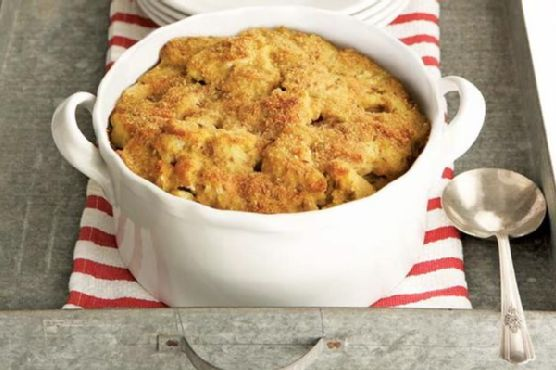
Vegetarian Ratatouille | Made by Meaghan Moineau

I remember that evening vividly. It was a Wednesday, and the kind of humid that makes your hair curl up at the edges. I was standing in my kitchen, staring at the half-empty fridge, and wondering what on earth I could throw together without making a trip to the grocery store. That’s when I spotted the zucchini and eggplant I’d been meaning to use. The idea clicked like a lightbulb switching on—vegetarian ratatouille! It’s the kind of dish that feels like a warm hug at the end of a long day: rustic, hearty, and packed with seasonal veggies. Plus, it’s surprisingly simple, with most ingredients already hanging out in the pantry or crisper drawer. Let’s dive in!

Jump to Recipe

What You’ll Need

This recipe is blessedly straightforward. Chances are, you already have most of these in your kitchen. Here’s what you’ll gather:

  • 1 eggplant, diced
  • 2 zucchinis, sliced
  • 1 yellow squash, sliced
  • 3 large tomatoes, chopped
  • 1 red bell pepper, diced
  • 1 orange bell pepper, diced
  • 1 onion, finely chopped
  • 3 cloves of garlic, minced
  • A handful of fresh basil leaves, torn
  • 1 tsp thyme
  • 1 tsp dried oregano
  • 2 tbsp extra virgin olive oil
  • Sea salt, to taste

How to Make Vegetarian Ratatouille

  1. Heat the extra virgin olive oil in a large saucepan over medium-low heat. Toss in the chopped onion and minced garlic. Sauté until the onions turn translucent and the garlic is fragrant, about 5 minutes.
  2. Add the chopped tomatoes to the pan and give it a good stir, letting them meld with the onion and garlic for about 2 minutes.
  3. Add the diced eggplant, zucchini, yellow squash, and both bell peppers to the pan. Stir everything together and lower the heat to low.
  4. Sprinkle in the thyme, dried oregano, and sea salt. Stir to coat all the veggies in the herby goodness.
  5. Cover the saucepan and let it all simmer for about 30 minutes, stirring occasionally. You’ll know it’s ready when the eggplant is tender and the flavors have melded beautifully.
  6. Finish it off with those fresh torn basil leaves right before serving, for a burst of fresh flavor.

Cook’s Notes

Here’s the thing about ratatouille — it’s a forgiving dish. You can let it simmer a bit longer if you prefer your veggies softer, just keep an eye on the moisture level. If it starts to dry out, add a splash of water or stock. Store any leftovers in an airtight container in the fridge, and they’ll be even more flavorful the next day. Just reheat on the stove over low heat or enjoy it cold as a salad topping — it’s surprisingly versatile. If you’re planning ahead, you can chop the veggies the night before and store them in the fridge, so you just have to toss them in the pan when you’re ready.

Make It Your Own

Feeling adventurous or just need a change? Here are a few ways to mix things up:

  • Add some heat: Throw in a pinch of red pepper flakes when adding the spices for a little kick.
  • Protein punch: Toss in a can of drained chickpeas with the tomatoes for extra protein and heartiness.
  • Herb swap: If you’re out of fresh basil, a touch of fresh parsley or even cilantro can give it a unique twist.
  • Cheesy finish: Sprinkle some crumbled feta or grated Parmesan on top when serving for a tangy finish.

If you try this, I’d love to hear how it turns out — drop a comment or tag me! Whether you stick to the basics or put your own spin on it, I hope this ratatouille brings a little warmth and simplicity to your table. Enjoy!

Related update: Vegetarian Ratatouille

Related update: Fall Fruit Compote

AL East Injury Ripples: Lineups Shift | Analysis by Brian Moineau

AL East Injury Notes: Why a few small setbacks feel big right now

The phrase AL East Injury Notes probably doesn't get pulses racing — until it does. Right now, a handful of injuries and rehab updates around the division have ripple effects for lineups, pitching depth, and the roster chess teams play when the margin for error is thin. From Jackson Holliday resuming a rehab assignment to Trey Yesavage's cautious ramp-up, these are the little news items that can shape weeks — even months — in a tightly packed division.

What’s happening around the AL East

  • Jackson Holliday has resumed a rehab assignment as the Orioles manage his recovery from hamate/wrist surgery. This restart is cautious: the club wants him physically ready and mentally confident before activating him. (mlbtraderumors.com)

  • Trey Yesavage will begin the season on the injured list with a right-shoulder impingement. Toronto appears to be building him up slowly, prioritizing long-term health and innings control over a rushed debut. (mlbtraderumors.com)

  • George Springer left a recent game and is being monitored; the Blue Jays are gauging how much time he might miss and how to plug the holes while he recovers. Short absences from a veteran bat can force lineup shuffles and role changes. (sports.yahoo.com)

  • There are other notes in the division — spot starts, bullpen shuffles, and rehab timelines — all part of the same story: teams balancing short-term needs with long-term development. (mlbtraderumors.com)

Now let’s unpack why these updates matter and what to watch next.

Why Jackson Holliday’s rehab matters beyond the box score

Holliday’s return-to-action headlines because of who he is: a top prospect with clear offensive upside and a profile that can change how the Orioles construct a lineup and defense. When a highly touted young player needs extra rehab time, it isn’t just lost at-bats — it’s a calendar decision that affects roster moves, matchups, and who sees regular reps at second base or shortstop.

Importantly, the Orioles are being methodical. A renewed or extended rehab assignment suggests they’re prioritizing swing mechanics and wrist strength over a quick activation. That’s smart. Players coming off hamate/wrist surgery often need repetition to re-establish power and timing. Rushing him back risks a setback that could cost weeks instead of days. Recent coverage indicates Holliday resumed his High-A/Triple-A rehab work this April rather than jumping straight to the big-league roster. (milb.com)

Short-term implication:

  • The Orioles’ infield lineup will stay fluid for now.
  • Bench depth and utility players gain value until Holliday is cleared for regular duty.

Longer-term implication:

  • A fully healthy Holliday could be a midseason jolt; teams often prefer that over a half-healthy early return.

Trey Yesavage: patience with pitchers pays off

Yesavage’s shoulder impingement is a textbook example of modern workload management. The Blue Jays opted to place him on the injured list to let him build arm strength without immediately exposing him to the weekly grind of a big-league rotation.

This approach does three things:

  • It protects the young pitcher’s long-term health and mechanics.
  • It gives the staff time to evaluate depth options and avoid emergency moves.
  • It preserves Yesavage’s effectiveness as a possible high-leverage arm later in the season.

From a roster-planning perspective, the Jays can shuffle a veteran or depth starter into the early rotation and bring Yesavage back once he can handle consistent innings. That’s a small short-term compromise for potentially bigger midseason gains. (mlbtraderumors.com)

Springer and the ripple effect of short absences

When a veteran like George Springer misses time, the effect is immediate even if the absence is brief. Springer is a steady source of on-base skills and power; replacing that production is rarely seamless. Teams will mix internal options and platoon tweaks, which can benefit depth pieces and test young players in real game situations.

For fantasy managers and front offices alike, short-term moves to cover Springer’s absence alter lineup construction, pinch-hitting decisions, and how managers play matchups. Keep an eye on the nature of the injury and the club’s language — day-to-day tends to be optimistic, but repeated “day-to-day” updates can become weeks of missed time. (sports.yahoo.com)

Roster ripple effects and opportunities

Injuries and rehab moves create space for role players, and that’s the silver lining:

  • Utility players can lock down steady minutes and show they belong.
  • Middle relievers and long men can earn higher-leverage work.
  • Prospects on the cusp might get a taste of big-league reps that accelerate their development.

For example, a Holliday delay means more reps for current middle infielders or bench bats. Yesavage’s IL stint opens a rotation spot for a depth arm, who — with good results — could become a veteran option or trade chip.

What to watch in the next two weeks

  • Concrete rehab results: Does Holliday come back with power and plate discipline, or is his contact still tentative? MiLB performance will be telling. (milb.com)

  • Pitch count and velocity: For Yesavage, the key metrics are his arm slot, velocity trending, and how his shoulder responds to multi-inning work. Expect the Jays to be conservative. (mlbtraderumors.com)

  • Team language on Springer: If the Blue Jays use optimistic but vague phrasing, mentally prepare for a longer absence. Concrete timelines (e.g., “day-to-day” vs. “out X days”) matter. (sports.yahoo.com)

Early conclusions

  • Teams in the AL East are walking a fine line: protect long-term upside while filling immediate needs.
  • Small injuries and rehabs are less about catastrophe and more about calendar management and timing.
  • For fans and fantasy players, these moments are opportunities — both to be patient and to pounce on short-term roster openings.

Final thoughts

Baseball’s long season magnifies small decisions. A rehab assignment here, an IL stint there — they all compound. Yet the modern approach to injuries, especially with young players and pitchers, leans toward patience. That’s sensible. The AL East is deep, competitive, and unforgiving; teams that balance urgency with prudence can turn these moments into advantages rather than setbacks.

Sources


Related update: We recently published an article that expands on this topic: read the latest post.


Related update: We recently published an article that expands on this topic: read the latest post.