AJ Brown’s Absence Fuels Eagles Trade Talk | Analysis by Brian Moineau

Hook: The quiet that roars louder than a holdout

The current belief around the NFL is that A.J. Brown is not expected to attend the Eagles’ offseason program — and that absence, on Monday April 20, 2026, speaks louder than a press conference ever could. When one of your top playmakers doesn't show up for voluntary work while trade chatter swirls, it's less a single act than a chapter in an unfolding story: roster decisions, cap math, and a franchise deciding what kind of identity it wants next season.

A.J. Brown is not expected to attend the Eagles’ offseason program

This is the concrete moment: Eagles voluntary offseason workouts began on April 20, 2026, and reports from league insiders indicated A.J. Brown did not attend as he "awaits clarity" on his future with the team. Multiple outlets relayed the same core: Brown's absence is tied to ongoing trade discussions and the practical reality that nothing mandatory happens before June 1, the dollar-and-dead-cap hinge that often dictates whether teams move big contracts. (nfl.com)

The optics are obvious. Brown, a three-time Pro Bowler and one of the league’s premier boundary threats, has publicly expressed frustration with his role in the offense in recent seasons. That tension, combined with the Eagles' front office maneuvering and reported interest from other clubs (the Patriots have repeatedly been mentioned), turns a no-show into a high-stakes negotiation tactic — or a polite way of saying both sides need time and space to sort things out. (nfl.com)

Why the timing matters

Teams rarely trade star players without considering the salary-cap calendar. Trading Brown before June 1 would cost Philadelphia significant dead money against the 2026 cap; waiting can shift financial pain into the next league year. That creates a natural pause in talks until the calendar lines up with both roster flexibility and accounting sense. Meanwhile, Brown sitting out voluntary workouts is legally safe (those workouts are optional), but strategically powerful. (aol.com)

Also, the voluntary program is where offenses build chemistry, reintroduce schemes, and set expectations. A.J.’s absence pulls a thread: it forces coaches to prototype the offense without him, gives younger or newly-signed receivers more reps, and gives the front office leverage — or at least the illusion of it — when talking to suitors.

The human element: more than numbers

It’s easy to reduce this to trade chips and cap hits. But players are people with pride, career timelines, and workplaces they want to trust. A.J. Brown has been vocal about wanting a clearer role and more consistent usage. When a player of his caliber feels marginalized, sitting out is sometimes the last lever to get attention — from coaches, from management, and from the market.

That said, most of the reporting suggests neither side is burning bridges publicly. Coaches have largely said A.J. is still an Eagle, while front-office voices say they’re listening to the market. Those parallel narratives are standard: teams try to protect value, players try to protect status. The dance looks messy, but it’s familiar. (sports.yahoo.com)

What this means for the Eagles’ offense

  • The Eagles will start installing or refining offseason plans without Brown present, at least for voluntary work.
  • That creates an opportunity for DeVonta Smith, Jahan Dotson, John Metchie, and recent additions to carve out roles and for Nick Sirianni to test more diversified looks.
  • If Brown is traded, replacing his production is expensive in both draft capital and salary; the Eagles may pivot to a more committee-driven passing attack or lean harder on the run/pass balance.

In short, the offense is in a short-term state of adaptation: coaches must prepare both for "A.J. returns" and "A.J. leaves." That uncertainty is draining for scheming but clarifying for roster decisions. (si.com)

The trade market and narrative framing

Reports indicate conversations will likely pick back up on or before June 1, when the cap math becomes friendlier to a trade. The Patriots, among others, have been mentioned as interested parties in various outlets. Whether those talks actually produce a deal depends on valuation: is Philadelphia chasing draft capital and cap relief, or are they holding for a haul that justifies moving a centerpiece? (aol.com)

Media coverage also shapes the market. When national insiders like Tom Pelissero, Ian Rapoport, and Mike Garafolo report a player's absence and link it to trade clarity, other teams take notice and either kick tires or step back. For the Eagles, letting the rumor engine run may be a strategy to maximize return — or, conversely, an awkward stage on the way to reconciliation.

Possible scenarios to watch

  • Scenario A: Brown returns after talks stall; the team moves forward with repairs to the relationship and a renewed plan for the offense.
  • Scenario B: Brown is traded on or after June 1 for a high pick or a young asset, changing the Eagles' offseason priorities and draft strategy.
  • Scenario C: Talks leak and stall, leading to extended absence, which could affect team culture and preseason preparations.

Each path has roster, cap, and locker-room consequences. The one constant: the Eagles will have to balance short-term competitiveness with long-term roster architecture.

What fans should feel (and not panic about)

Emotions run high when a star player’s future is uncertain. But this is also the business of the NFL, where player movement and posturing are part of the landscape. Absences during voluntary work do not guarantee a trade — they do, however, sharpen the storylines that will define the rest of the offseason. Patience and critical reading of reports (date, source, and context matter) will help separate hype from real change.

What to watch next

  • Official statements from the Eagles (GM Howie Roseman, coach Nick Sirianni) and A.J. Brown.
  • Any resumed dialogue reported around June 1, when trade flexibility shifts.
  • Who takes the most snaps in the organized drills while Brown remains absent.

Final thoughts

This moment — a star not showing up for an optional program — is deceptively powerful. It compresses months of tension into a single, visible act and forces all parties to either clear the air or double down. Whether this becomes a pivot toward a trade or a reset within Philadelphia, it’s a reminder that NFL seasons are as much about management and relationships as they are about talent. The coming weeks will reveal whether A.J. Brown’s no-show becomes a headline or a footnote.

Sources


Related update: We recently published an article that expands on this topic: read the latest post.
Tigers Parker Meadows Injured in Collision | Analysis by Brian Moineau

A jarring moment in the outfield

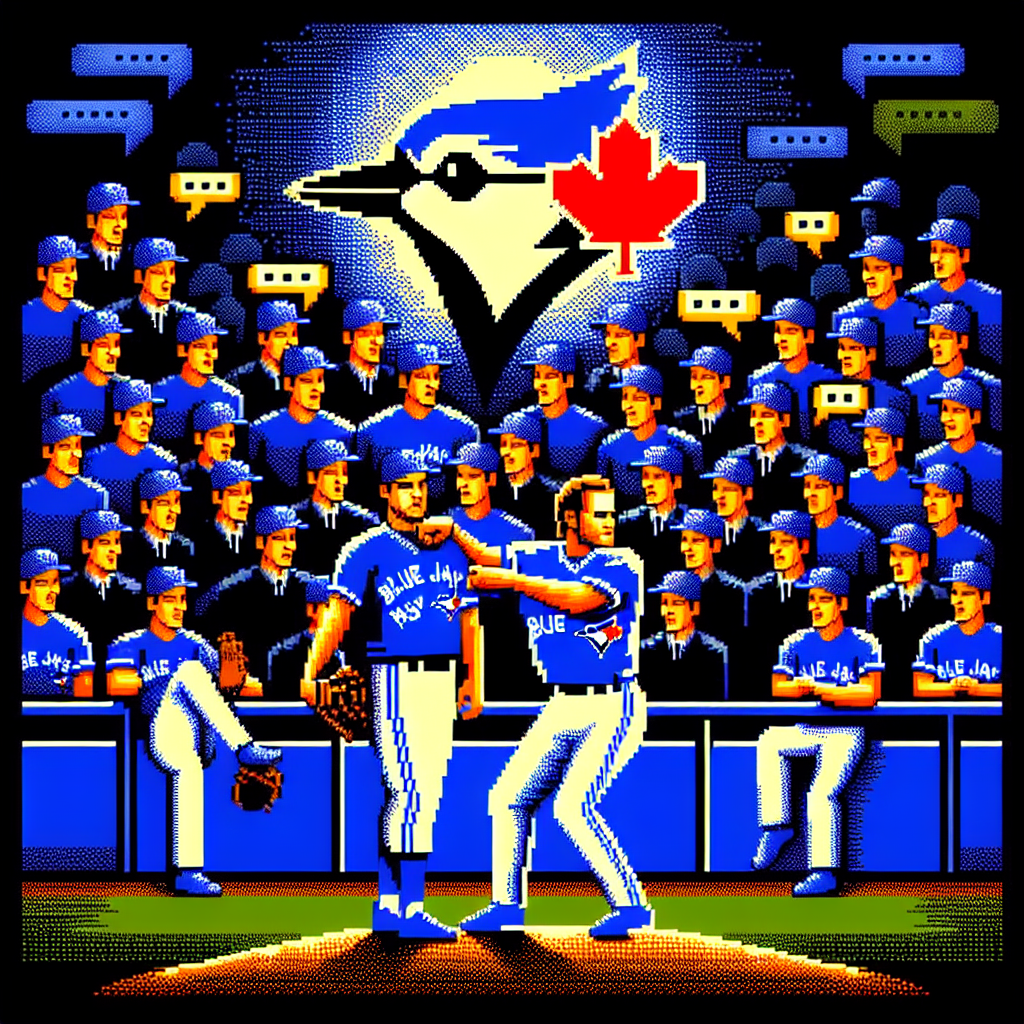
Tigers center fielder Parker Meadows has a broken bone in his left arm and a concussion after an outfield collision with teammate Riley Greene. The image of Meadows being carted off Target Field on April 9, 2026 — stunned, bleeding, and cradling his arm — is one of those sports moments that leaves a clubhouse and a fanbase reeling. (espn.com)

The collision happened late in the eighth inning as both players converged on a fly ball. What began as routine defensive hustle turned into a frightening reminder of how fragile the human body is, even for professional athletes who train for these exact moments. (nbcsports.com)

What happened to Parker Meadows

Meadows and Greene sprinted toward the ball, and their paths crossed in a violent, head-to-head impact. Meadows bore the brunt: medical evaluations showed a fracture of the left radius (a forearm bone), a concussion, and internal facial lacerations that required stitches. He was hospitalized overnight for observation and later placed on the Tigers’ 10-day injured list as the team begins to map his recovery. (mlb.com)

Greene walked away from the collision and remained in the game, but the optics were unsettling — teammates checking on one another, a trainer’s urgency at the edge of the grass, and fans watching the play rewind in slow motion. In many ways, that split-second play raises bigger questions about positioning, communication, and the emotional toll of injuries in team sports. (sports.yahoo.com)

Why this matters for the Tigers now

  • The immediate challenge is roster logistics. Detroit will have to shuffle outfield minutes and lineup construction while Meadows recovers.
  • Beyond numbers, losing a young everyday center fielder affects clubhouse chemistry, outfield coverage, and the subtle defensive metrics that don’t show up on a box score.
  • There’s also the concussion timeline: even when the fracture heals, teams must be cautious — brain injuries aren't measured only in days. Recovery is individualized and can linger. (mlb.com)

Transitioning from strategy to personnel, the Tigers’ decision-makers will weigh short-term replacements and long-term prudence. Conservative timelines for concussions combined with a forearm fracture suggest Meadows could miss substantial time; this isn’t a quick in-and-out placement.

What the injury reveals about outfield play

Outfield collisions are rare but always dramatic because they are preventable through communication — or so we tell ourselves after the fact. Yet even with signals and practice, split-second decisions under speed and angle create risky moments.

  • Players must chase the play; passivity often costs runs.
  • But overcommitment without a clear call invites disaster.
  • Modern teams invest in situational reps and communication protocols, yet human instinct still plays the starring role when a ball hangs in the sky.

This incident will likely spur conversations inside and outside the Tigers’ clubhouse about who calls off whom, whether crew chiefs (center fielders) are being respected, and how teams can better train for these converging-speed scenarios. It also underscores the brutal reality that baseball, often portrayed as less violent than contact sports, can deliver injury with no warning.

The human side: beyond the tally of days

Numbers matter — days on the IL, batting averages, WAR — but the human side is what lingers. Meadows is a young player with promise; this kind of setback can test mental resilience as much as physical healing.

Teammates, coaches, and fans will watch the process: hospital reports, concussion protocol updates, and rehab milestones. The team’s public comments have emphasized caution and full evaluations first, treatment timelines second. That measured approach is important. Rushing a player back — especially after head trauma — has consequences that ripple into careers. (washingtonpost.com)

What fans and fantasy managers should expect

  • Short term: expect Meadows to be unavailable for several weeks, if not longer, because of the broken forearm plus concussion protocols.
  • For fantasy players: Meadows should be moved off active rosters; replacements will see more at-bats and opportunities.
  • For fans: the focus should be on recovery updates and respecting both medical confidentiality and the emotional impact on the players involved.

Moving forward, the Tigers will try to steady the outfield rotation and maintain momentum while giving Meadows the space he needs to heal.

What teams can learn going forward

First, invest in communication drills and clarify who “owns” the center. Second, emphasize neck-strength and awareness training — small advantages that can reduce whiplash-like effects in collisions. Third, ensure concussion protocols and follow-up care are non-negotiable. These steps won't eliminate accidents, but they can reduce harm and improve responses when bad luck strikes.

Finally, the public replay of the play reminds organizations that player safety and public perception are linked. Teams must show competence in both treatment and transparency without turning a medical situation into a media spectacle.

My take

This collision was a hard, visceral jolt — for Meadows, for Greene, and for Tigers fans. The immediate focus has to be on careful, patient medical care and a realistic recovery timetable. On the baseball side, the Tigers will be tested in how they adapt roster-wise and how they maintain cohesion. On the human side, the organization and fanbase will measure their support by how they respond in the weeks ahead.

For now, wish Parker Meadows a full recovery: a healed arm, cleared concussion tests, and a return to playing without hurry. The game will wait; the player’s long-term health should not.

Sources


Related update: We recently published an article that expands on this topic: read the latest post.


Related update: We recently published an article that expands on this topic: read the latest post.
Dre Greenlaw: Why Denver Failed His Fit | Analysis by Brian Moineau

What was once buried is now coming to light: Dre Greenlaw Reveals Why He 'Just Wasn't Happy' with Broncos

The headline — Dre Greenlaw Reveals Why He "Just Wasn't Happy" with Broncos — lands like the confession in the middle of a long, awkward conversation. It’s the sort of line that promises more than a grievance: it promises context, closure, and a peek behind the curtain at how an NFL marriage unraveled in plain sight. Greenlaw said it plainly on Terron Armstead’s podcast and then again in interviews: he wasn’t himself in Denver, he didn’t feel healthy, and splitting reps on a defense that had been playing well left him unsettled.

That simple admission cuts through spin. It reframes his 2025 season not as a failure of character but as a story of timing, injury, and fit — and it helps explain why the Broncos ultimately moved on. This post walks through the key moments, what they reveal about NFL roster decisions, and why a player’s “happiness” can matter as much as stats.

The arc: from redemption hope to quick release

When Greenlaw signed a three-year, $31.5 million deal with the Broncos, the expectation was clear: a veteran inside linebacker returning to form, helping stabilize Denver’s defense. Instead, injuries — and an NFL suspension — limited him to eight games and disrupted the continuity both he and the team hoped for.

Greenlaw’s comments — “For me, it was like, the fact that I'm not healthy… it kind of makes you not happy” — are candid and specific. He described lacking the “twitch” and the gear he needed to feel like himself on the field, and he described the mental friction of easing back in and splitting reps with teammates who were playing well. That combination of reduced performance, shifting role, and personal frustration made his return to the field feel hollow.

  • He played eight games with modest production.
  • He missed time due to injury and suspension.
  • The Broncos re-signed other linebackers and reshaped their depth chart, creating fewer clear-cut reps for him.

Together, those facts help explain why Denver designated his release post–June 1 and created salary-cap relief by moving on early.

Dre Greenlaw and the fit problem

Greenlaw’s situation is a useful case study in fit. Teams buy players for skill sets and experience, but they also buy an expectation: that the player can execute, stay healthy, and slot into a role that advances the team’s plan. When those expectations and reality diverge, friction grows fast.

Greenlaw’s complaint wasn’t about money or relationship drama. It was about not being the player he expected to be and having to reconcile that with teammates who were thriving. That split — feeling like a square peg in a round hole — is different from outright failure. It’s about identity and agency: Greenlaw wanted to be a leader and a starter, not someone easing in and hoping to reclaim old form week-to-week.

Sean Payton’s reaction at the NFL owners meetings was enlightening, too. Payton called the decision “tough,” praised Greenlaw’s passion, and acknowledged a coach’s responsibility when signings don’t work out. That sympathy is important: it recognizes the human side of roster moves without excusing strategic choices.

Why the 49ers reunion made sense

Greenlaw’s quick move back to San Francisco on a one-year deal underscores two things: NFL franchises value fit and relationships, and players often find the right environment faster than they find new form.

The 49ers are the team where Greenlaw spent his first six NFL seasons. He cited relationships — with the coaching staff, management, and teammates like Fred Warner — as central to his return. That familiarity offers a psychological reset: known schemes, trusted teammates, and a culture where he previously thrived.

From a team perspective, the 49ers gain a seasoned linebacker who understands the locker room and the Xs and Os they run. From Greenlaw’s perspective, returning to a place where he felt competent and connected gives him the best shot at reclaiming the “twitch” he described missing in Denver.

What this says about health, role clarity, and the modern NFL

Greenlaw’s candor highlights several broader truths about the league today:

  • Health isn’t binary. Players might be cleared to play but still feel physically off, and that subtle decline can cascade into lost confidence.
  • Role clarity matters. Veteran acquisitions only work when the team carves a role that aligns with both the scheme and the player’s current ability.
  • Money doesn’t buy assurance. A large contract creates expectations, but it doesn’t guarantee performance or fit; it may even amplify scrutiny when things go wrong.

In short, the league’s human dynamics — recovery from injury, ego management, and fit within a defensive rotation — matter as much as analytics when outcomes diverge from plans.

What to remember

  • Greenlaw’s “I just wasn’t happy” was rooted in health, role uncertainty, and a feeling of not playing like himself.
  • The Broncos’ decision reflected a calculus of performance, cost, and depth, not malice.
  • The 49ers reunion offers Greenlaw familiarity and a clearer path back to the player he was pre-injury.

My take

Athletes are storytellers of their own careers, and Greenlaw chose to be honest about his season in Denver. That honesty benefits everyone: teams get clearer signals about fit, fans get a more nuanced picture than headlines provide, and Greenlaw gets the chance to reset in a place that suits him.

In a league that rarely gives players a second chance to rehabilitate both body and reputation, returning to the 49ers feels like the right next chapter. Whether he rediscovers his form will depend on a mixture of health, opportunity, and how well the 49ers integrate him into their defensive plan. But the most important element — his own buy-in — looks healthier now than it did amid the splitting reps and quiet frustration in Denver.

Sources


Related update: We recently published an article that expands on this topic: read the latest post.

Related update: We recently published an article that expands on this topic: read the latest post.
Mendoza Bros. Spotlight: Alberto to GT | Analysis by Brian Moineau

Georgia Tech lands Alberto Mendoza: the portal move that keeps the Mendoza name in the ACC spotlight

You know that feeling when a plot twist lands faster than the final seconds of a close game? One day Indiana is celebrating a Heisman winner and a national title, the next day Georgia Tech announces a commitment from the Heisman winner’s younger brother. Alberto Mendoza’s decision to transfer to the Yellow Jackets is the kind of offseason moment that redraws depth charts and sparks instant “what if” conversations.

Why this matters beyond a single roster move

  • Alberto isn’t just “Fernando’s little brother.” He’s a 6-2, athletic QB who showed real promise in relief at Indiana — efficient passing, a few timely throws and the kind of dual-threat flashes ACC coaches covet.
  • Georgia Tech just finished 9–4 in 2025 and needs a quarterback to replace Haynes King. Adding a young QB with game experience and a winning pedigree accelerates their timeline.
  • For Georgia Tech, this is both a talent pickup and a recruiting signal: Brent Key is willing to be aggressive in the portal to speed the program’s trajectory.

A quick snapshot of Alberto’s background

  • High school: Christopher Columbus (Miami, FL), the same South Florida pipeline that produced his brother Fernando.
  • At Indiana: Played mostly as a backup in 2025, appearing in nine games. Notable stat line: completed 18-of-24 for 286 yards, five TDs and one interception, plus 190 rushing yards and a rushing TD. Those numbers came in limited opportunities but showed accuracy and playmaking instincts.
  • Transfer timeline: Entered the transfer portal in the winter window following Indiana’s national title run and committed to Georgia Tech on January 20, 2026.

What Georgia Tech gets (and what to watch)

  • Immediate competition: Alberto arrives with college reps and a winning culture close to home. He won’t be an automatic starter — Georgia Tech still has returning players and incoming transfers — but he presents a realistic path to the job if he adapts to the system quickly.
  • Mobility and efficiency: In spot duty, Alberto demonstrated a high completion rate and the ability to pick up yards with his legs. That profile fits well with modern ACC offenses that prize quick decision-making and the threat of QB movement.
  • Development upside: At 6-2 and still young, Mendoza has room to add polish. Georgia Tech’s coaching staff will be judged on how quickly they can turn those flashes into consistent performance against ACC defenses.

Ripple effects for Indiana and the Mendoza family narrative

  • Indiana’s offseason quarterback carousel keeps spinning. With Fernando expected to turn pro after capturing the Heisman and the national title, Indiana had already added portal talent (Josh Hoover). Alberto looking elsewhere is understandable — he’s chasing playing time and a chance to build his own legacy.
  • Storylines sell. Fernando’s Heisman and the Hoosiers’ Cinderella run dominate headlines, and Alberto’s move feeds into the human interest angle: two brothers, two different paths after a shared season of ultimate success.

Where the risk and reward lie

  • Risk for Georgia Tech: Portal commits aren’t guaranteed fits. Chemistry, learning a new offense and adapting to ACC speed are immediate hurdles. If Alberto doesn’t win the job, Tech still needs to replace production at QB.
  • Reward for Georgia Tech: If he develops into a reliable starter, this could be a low-friction, high-upside win — a player with practice-room familiarity with a championship-winning culture and the confidence that comes from being part of a top program.

The broader college-football lens

  • The Mendoza story is another illustration of how transfers and family ties shape roster construction today. Power is shifting toward players who can move for opportunity, and programs that move quickly in the portal gain competitive advantage.
  • It’s also a reminder that star seasons (and Heismans) don’t freeze rosters. Momentous wins often spark roster churn — players reassess their roles, coaches retool, and the cycle repeats.

Final thoughts

Alberto Mendoza’s commitment to Georgia Tech is more than a neat offseason headline. It’s a strategic play by the Jackets to add a young, experienced quarterback with a winning background — and it offers Mendoza a clearer path to carve his own identity away from an inevitable comparison to Fernando. If the coaching staff can accelerate his comfort in the offense, this could be an understated offseason win for both player and school. Either way, the Mendoza name will continue to be one to watch in 2026.

Sources


Related update: We recently published an article that expands on this topic: read the latest post.

Related update: We recently published an article that expands on this topic: read the latest post.
Cowboys Late Push: Building Something | Analysis by Brian Moineau

Closing the Year with Purpose: The Cowboys’ Unexpected Summer of Hope

There’s a particular kind of stubborn optimism in football — the kind that refuses to let the season end quietly even when the playoffs are out of reach. After the Dallas Cowboys were officially eliminated from playoff contention in late December 2025, head coach Brian Schottenheimer didn’t send the veterans home early or pivot fully into audition mode. Instead he doubled down on one message: they’re still building something special.

This is not the self-delusion of an owner desperate for headlines or a coach covering for mistakes. It’s a deliberate cultural stance, a claim about identity and process when the scoreboard stings the most.

Why Schottenheimer’s stance matters

  • It reframes the end of a disappointing season as an investment period rather than an admission of failure.
  • The approach protects the delicate balance between player development, veteran stewardship, and organizational continuity.
  • It gives the franchise a narrative heading into 2026: learning, accountability, and sustained standards.

Schottenheimer has been clear: this is year one of a project. That matters for teams that want to avoid the “blow-it-up” cycle and instead create long-term winning habits.

What Schottenheimer actually said

  • He emphasized the immediate focus — “playing the Commanders” and taking each game seriously.
  • He stressed that players still want to play, want to win, and care about one another.
  • He framed culture as intact: practice effort, locker-room cohesion and accountability remain, even if the win-loss column doesn’t show it yet.
  • He acknowledged coaching and execution need fixing, calling out that the record shows “we’re not playing good enough football” and “I’m not coaching good enough football,” while insisting culture is not the problem. (DallasCowboys.com)

This mix of accountability and faith in the locker room is a classic leadership posture — own the failures, but insist on the foundations that will allow you to fix them.

The practical choices behind the rhetoric

  • Managing veterans: Schottenheimer signaled cautious handling of veteran stars (like Dak Prescott) when games get out of hand, balancing player health with momentum-building.
  • Division focus: He pointed out the realistic chance to “go potentially 5‑1 in the division,” reframing the remaining slate into a tangible target that matters to fans and players.
  • Play and practice standards: He highlighted that the team continues to practice and prepare hard — the kind of consistency that helps teams rebound faster in Year Two.

These are not poetic platitudes — they’re operational decisions that shape roster usage, coaching priorities in the offseason, and how the front office evaluates progress.

The broader context

  • This was Schottenheimer’s first year as head coach, a season with notable roster moves and upheavals (including high-profile trades earlier in 2025) and uneven results on defense and offense.
  • Owner Jerry Jones has been publicly intent on “competing now,” which adds pressure to turn culture into wins quickly.
  • Despite the misses, Dallas still landed notable individual recognition (e.g., Pro Bowl nods), underscoring that talent exists even if synergy didn’t consistently follow.

Taken together, the season reads like a classic transitional campaign: flashes of high-level play, recurrent structural issues (especially on defense), and a coach trying to install a long-term identity while under immediate-results pressure.

Nuggets for fans and skeptics

  • This stance isn’t an excuse: Schottenheimer explicitly took coaching responsibility where due. That kind of candor can buy credibility if next season shows measurable improvement.
  • Culture alone won’t win games. The Cowboys will need tangible fixes — schematics, personnel, situational coaching — to translate the “special” rhetoric into wins.
  • The remaining games of the 2025 season were being framed as momentum-building opportunities, not consolation prizes. That matters when evaluating offseason momentum and front-office decisions.

What to watch in 2026

  • Coaching adjustments: Will Schottenheimer change his staff or scheme emphases to stop the defensive slide?
  • Roster moves: Will the front office prioritize pass rush and secondary help to address persistent defensive shortcomings?
  • Player development: Can young and new pieces (and veteran leaders) convert late-season effort into early-season cohesion next year?

If the organization truly believes this is a sustainable build, those are the levers they’ll pull.

A short verdict

You can be skeptical — and you should be. “We’re building something special” is a bold claim from a first-year coach whose team missed the postseason. But there’s credibility in Schottenheimer’s blend of ownership and optimism: he admitted coaching shortcomings, praised the locker-room culture, and set practical goals for the remaining games. If Dallas converts that cultural bedrock into clearer strategic fixes (especially on defense), the phrase won’t sound like wishful thinking next fall.

Final thoughts

Good culture is necessary and messy stuff is inevitable. The true test for the Cowboys will be whether the lessons of 2025 produce measurable change in 2026. Fans don’t just want hope — they want progress. For now, Schottenheimer has given the locker room a direction and the franchise a baseline: finish strong, protect the core, and turn culture into consistent execution. That’s a start worth watching.

Sources


Related update: We recently published an article that expands on this topic: read the latest post.

Bland’s Foot Injury Threatens Cowboys Run | Analysis by Brian Moineau

When a Season Tilts: DaRon Bland, the Cowboys’ Corner, and the Fragility of Momentum

A gut-punch moment for Cowboys fans: DaRon Bland — the All-Pro corner who altered games with his ball-hawking instincts — is now a realistic injured‑reserve candidate because of a foot issue that surfaced during preparations for the Week 16 matchup against the Los Angeles Chargers. That single sentence carries ripple effects for Dallas’s defense, roster decisions and the feel of the locker room the rest of the way.

Quick hits you should know

  • DaRon Bland was added to the Cowboys’ practice/injury reports Dec. 18, 2025, after a foot problem that sidelined him during midweek practice and made him unlikely to play Sunday versus the Chargers. (dallascowboys.com)
  • The team signaled the injury could be serious enough to require placing Bland on season‑ending injured reserve, which would end his 2025 campaign with three games remaining. (dallascowboys.com)
  • Bland’s availability has been a recurring storyline since 2024, when a foot stress fracture forced him to miss significant time; durability is becoming a concern for a player on a big contract and with All‑Pro pedigree. (dallasnews.com)

The context: why this matters beyond one roster move

Bland is not just “a corner” for the Cowboys — he’s a playmaker with a history of flipping field position and generating turnovers. In 2023 he exploded onto the national radar, leading the league with nine interceptions and returning an unprecedented five for touchdowns. The Cowboys leaned on that playmaking ability as a cornerstone of their secondary identity.

When a player like Bland becomes unavailable late in the season, several things happen at once:

  • Opposing offenses adjust, targeting the side away from the team’s most disruptive defender. That can force the Cowboys to rotate coverages more or rely on less‑proven teammates.
  • The coaching staff suddenly faces pressure to retool matchups and potentially increase Trevon Diggs’ snaps (if/when he’s available), or to accelerate the development of younger corners. Reports indicate the Cowboys were already juggling Diggs’ status and other cornerback windows. (dallascowboys.com)
  • The front office and medical staff must balance short‑term competitiveness against long‑term health. Putting Bland on IR could protect his recovery and the team’s future investment, but it also concedes immediate defensive continuity.

What the roster implications look like

  • If Bland lands on injured reserve: Dallas must hollow out a starting-caliber role across the secondary for the remaining three games, or shuffle Diggs and backups into heavier duty. The team has options — returning players from the practice squad window, flipping nickel personnel, or leaning on coverage schematics that mask inexperience — but none are perfect substitutes for an All‑Pro. (dallascowboys.com)
  • If Bland avoids IR and misses only a few games: the Cowboys preserve a matchup advantage for the playoffs (in a healthy scenario), but risk aggravating the injury and possible surgery/longer absence later. Given Bland’s recent foot history, conservative management is a rational path. (dallasnews.com)

What this means for the Chargers game — and the rest of the month

Even if Bland is inactive Sunday, the Cowboys can still defend well on schematic strength and pass rush. Still, his absence compresses margin for error: coverages that rely on tight single‑coverage outside could be more vulnerable, and Dallas may have to trust inexperienced alignments in crucial moments.

For the Chargers game specifically, expect the Cowboys to:

  • Mix zone and help over the top to keep receivers away from the sideline where young corners can get isolated.
  • Increase safety rotation and safety‑to‑slot matchups to account for mismatches.
  • Consider elevating practice‑squad or depth corners to provide fresh legs and special‑teams value.

My take

It’s disappointing on a human level — no player wants to see a season end in a quiet medical room rather than the bright lights of a game. For the Cowboys, this moment reveals two hard truths: elite playmakers are also fragile, and a good roster is built not only with stars but with dependable depth plans. I’d rather see the team make the prudent medical call even if it costs the next three games. Protecting Bland’s long‑term health preserves the investment and gives Dallas a chance to start 2026 with one of its best defenders healthy.

Final thoughts

Injuries are the cruel equalizer of the NFL. The way Dallas responds — schematically and in roster moves — will show whether the organization learned from past seasons about building sustainable depth. Fans should brace for a few imperfect weeks, but also remember that smart, measured decisions now could be the difference between a recovered All‑Pro next fall and a chronic problem that lingers beyond one campaign.

Sources


Related update: We recently published an article that expands on this topic: read the latest post.

Related update: We recently published an article that expands on this topic: read the latest post.

Pesce Returns: Devils vs. Golden Knights | Analysis by Brian Moineau

Devils vs. Golden Knights: Pesce’s Return and a Week of Ripples Across the NHL

A game-changing lineup note can feel small on paper — a defenseman sketching his name back onto the roster sheet — but it can also tilt momentum, chemistry and confidence. That’s the vibe coming out of the NHL’s latest status report: Brett Pesce is back with the New Jersey Devils for their showdown with the Vegas Golden Knights, while elsewhere the league is navigating absences that matter — Darcy Kuemper to injured reserve for the Los Angeles Kings and Jack Eichel and Shea Theodore sidelined for Vegas.

Why this matters beyond one game

  • The Devils get a reliable, puck-moving right-shot defenseman back in their top-four pairing; that’s not just defensive depth, it’s a strategic reset for breakout plays and power-play support.
  • For Vegas, missing Eichel and Theodore in the same night forces lineup shifts and tests the depth that has been their identity since the club’s first run.
  • The Kings’ placing Darcy Kuemper on IR is a reminder of how fragile goaltending depth can be — and how quickly team plans pivot when a veteran netminder hits the shelf.

These pieces interact league-wide: a returned defenseman affects matchups; a star out changes the opponent’s scouting report; a goalie on IR forces AHL call-ups and can reshape division standings over a month.

The immediate headlines

  • Brett Pesce returned from a hand injury and was in the Devils’ lineup for their game against Vegas after practicing earlier in the week. He hadn’t played since October 26 and had been paired with Luke Hughes when active. (NHL.com) (nhl.com)
  • The Golden Knights were missing Jack Eichel (illness) and Shea Theodore (upper-body injury) for that matchup, a significant dent given Eichel’s role as the team’s driving offensive center and Theodore’s importance on the right side of the Vegas blue line. Coach Bruce Cassidy labeled both as day-to-day. (Reuters / The Hockey News) (reuters.com)
  • Darcy Kuemper of the Kings was placed on injured reserve after taking a blow to the head in a game vs. Dallas; the IR designation sidelines him for at least seven days and prompted the Kings to recall depth goaltenders. (Reuters) (reuters.com)

How Pesce’s return changes the Devils

  • Stabilizes a top-four role: Pesce brings a steady right-side presence who can log heavy minutes against opponents’ top lines.
  • Improves transition play: Pesce’s mobility and outlet passing help New Jersey move the puck quickly out of danger — important against teams that pressure high and force turnovers.
  • Short-term boost to confidence and matchup flexibility: even a single healthy defenseman returning lets the coach stagger minutes differently, shelter younger d-men and create fresher matchups late in games.

If Pesce can pick up where he left off — averaging close to 20 minutes a night this season before injury — the Devils get a measurable upgrade in both five-on-five defense and special teams options.

What Vegas loses (and how they cope)

  • Losing Jack Eichel for a game or two creates an immediate offensive vacuum. He’s not only a point producer but a center who controls tempo and draws opponents’ top defenders.
  • Shea Theodore’s absence undermines Vegas’ transitional game and their power-play quarterbacking from the right point.
  • Coach Bruce Cassidy’s “shuffle the lines” approach (moving veterans into different roles, sliding other blueliners up) is sensible short-term, but sustained absences would force long-term lineup changes and increased minutes for depth pieces like Braeden Bowman or retooled forward lines.

Depth is the Golden Knights’ historical strength, but stars like Eichel and Theodore are the difference-makers in tight games and playoff scenarios.

The Kings and the ripple effects of goaltender injuries

  • Kuemper’s IR placement after a head blow leaves Los Angeles relying on backups who haven’t carried the same workload or statistical consistency this season.
  • Goaltending injuries create immediate roster churn: recalls, emergency starts, and, at worst, a stretch where defensive systems must compensate for a less consistent netminder.
  • The Kings’ short-term objectives become preserving points while protecting their starter’s recovery timeline — and that can influence in-game risk tolerance (less aggressive pinch play, more conservative breakouts).

Even when the skater landscape feels noisy, the goaltender’s health often determines whether a team can stay competitive through a streaky month.

A few practical reading points for fans and bettors

  • Watch first-period matchups: With Pesce back, Devils’ defensive zone pairings and matchup decisions will change. That affects puck possession and early shot suppression metrics.
  • Track Vegas’ special teams: Without Theodore and Eichel, see how the Golden Knights reassign power-play duties and who quarterbacking from the point — that will indicate whether they can maintain their penalty efficiency.
  • Monitor Kings’ netminder starts: Kuemper’s return-to-play date is not fixed; short-term results under the backup can swing LA’s place in the standings quickly.

Quick takeaways

  • Pesce’s return gives the Devils an upgrade on the right side of their defense and immediate matchup flexibility. (nhl.com)
  • Vegas missing Eichel and Theodore in the same game is significant; their day-to-day status could affect short-term results and lineup chemistry. (reuters.com)
  • Kuemper on IR forces the Kings to rely on depth goalies, which can expose defensive vulnerabilities until he’s cleared to return. (reuters.com)

My take

This is the kind of week that separates team depth from team identity. The Devils get a measured upgrade with Pesce back — it won’t single-handedly change their season, but it makes life easier for Luke Hughes and the forwards relying on steady exits. Vegas’ versatility will be tested without Eichel and Theodore, and how they respond will tell us whether their depth remains as formidable as advertised. As for the Kings, protecting Kuemper’s recovery is priority one; riding a backup through December can be survivable, but the calendar doesn’t pause for goaltender injuries.

Sources


Related update: We recently published an article that expands on this topic: read the latest post.

Parsons Trade That Broke Dallas Season | Analysis by Brian Moineau

How a Late-August Trade Echoed All Season Long

The Cowboys lost in Detroit on a Thursday night and suddenly playoff math felt brutal. But if you peel back the immediate mistakes and misfortunes — fumbles, a concussion to CeeDee Lamb, an ugly defensive night — there’s a single, avoidable pivot that shaped Dallas’s 2025 arc: the Micah Parsons trade. That move didn’t just change a roster; it rewired a defensive plan, forced tactical improvisation, and turned a Week 4 overtime tie into a season-long scar.

Why one tie matters more than it should

  • Week 4: Cowboys vs. Packers ended 40–40 in overtime. Micah Parsons, traded to Green Bay just before the season, sacked Dak Prescott in overtime at the goal line. That play ended a drive that could’ve produced a Cowboys win and instead produced a tie. A single half-win became half a loss in the standings.
  • Fast-forward to December: Dallas sits on the knife edge of the wild-card chase. That Week 4 tie — and the lost chance to convert it into a win — looms because margins in the NFC were razor-thin. A win there would have changed seedings, tiebreakers and the feel of late-season matchups.

The Sports Illustrated piece that sparked this post frames the trade as the turning point: Detroit may have delivered the final blow, but Jerry Jones’s decision to move Parsons set the Cowboys back months before the Lions ever took the field. (si.com)

The tactical ripple: scheme, pressure and personnel

  • Micah Parsons wasn’t just a pass rusher; he was the fulcrum of the defensive game plan Matt Eberflus had been installing. When Dallas sent Parsons to Green Bay, Eberflus had to rethink pressure packages and cover responsibilities on the fly.
  • Dallas tried to plug the hole with later trades — adding Quinnen Williams and Logan Wilson — but those reinforcements arrived after several early losses and a 3–5–1 stretch that left the Cowboys scrambling. The defense improved with the additions, but the deficit had already been built. (inkl.com)
  • The Packers game is a neat microcosm: Parsons’s presence in Green Bay’s scheme allowed him to impact that overtime drive directly. That single sack in OT stands out as a tangible moment where the trade changed an outcome. The Packers’ own writeup of the Week 4 matchup highlights Parsons’ return-to-Dallas narrative and his late pressures. (packers.com)

The human element: timing, leverage and clubhouse dynamics

Trades don’t happen in a vacuum. The Parsons saga involved contract negotiations, public friction, and optics that mattered inside the locker room. Dallas’ leadership chose a path — prioritize long-term flexibility and move a star — and the timing (weeks before the opener) compounded the fallout.

  • A star departing days before the season forces schematic changes in real time.
  • A defense built around one player must either reinvent itself or suffer early growing pains.
  • Even when new pieces arrive, they need time to integrate; Dallas’ midseason reinforcements helped but couldn’t erase the lost ground. (profootballrumors.com)

What the box score doesn’t show

  • The Parsons trade’s real damage wasn’t just the stat sheet when examining that one sack. It was the lost continuity — game plans practiced with Parsons in mind, instincts tuned to his blitzes and containments that no longer existed.
  • Every defensive call thereafter had to account for absence: fewer obvious rushers, altered blitz timing, and more pressure on the secondary. Those intangible changes yielded points against Dallas in games that, in a different world, might have been wins.

Near-term implications and path forward

  • Dallas still has talent and, with four games left, could mount a late run. But the margin for error is small and the NFC is deep.
  • The franchise faces questions about decision-making cadence: trade timing, negotiating posture with stars, and whether midseason fixes can realistically erase early-season strategic deficits.
  • If the Cowboys want to avoid similar self-inflicted wounds, patience and clearer internal communication in contract talks might be as important as the next trade. Sports franchises win and lose on the margins — and on the choices made when time is short. (si.com)

Quick points to remember

  • The Week 4 tie vs. Green Bay (40–40) was pivotal; Parsons’ OT sack ended a potential game-winning drive for Dallas. (packers.com)
  • Trading Parsons weeks before the opener forced schematic changes that left Dallas vulnerable early in the year. (si.com)
  • Midseason additions (Quinnen Williams, Logan Wilson) helped, but they arrived too late to fully reverse the early damage. (inkl.com)

Final thoughts

Fans love neat narratives — the Lions knocked the Cowboys out, or Jerry Jones made the wrong move. Reality is messier: the Parsons trade wasn’t a single act that destroyed a season, but it was a strategic choice whose timing amplified other problems. When a season is decided by a few plays, those early choices matter more than headlines suggest. For Dallas, this year should be a lesson that roster moves are chess pieces, not quick fixes, and that the cost of haste can be measured in ties that become the difference between contention and collapse.

Sources


Related update: We recently published an article that expands on this topic: read the latest post.


Related update: We recently published an article that expands on this topic: read the latest post.

Saints Choose Cade York Over Justin Tucker | Analysis by Brian Moineau

When a Kickoff Workout Became a Story: Saints Try Justin Tucker, Sign Cade York Instead

Justin Tucker got a workout with the New Orleans Saints — but the club ultimately signed Cade York to replace Blake Grupe. What looked like a dramatic midseason audition for the best kicker of the last decade instead turned into a reminder that talent, timing, and off-field context all matter as much as the swing of a leg.

Why the moment mattered

  • The Saints were reeling from a shaky kicking performance: Blake Grupe missed two field goals in a recent loss, and New Orleans decided to explore alternatives.
  • Justin Tucker is the marquee name — one of the most accurate kickers in NFL history, a record-holder and routine game-winner — but he arrived with baggage. In 2025 he served a 10-game suspension under the NFL’s personal conduct policy and had been released by the Baltimore Ravens earlier in the year.
  • Cade York, a former LSU kicker who’s bounced around the league, earned the immediate opportunity: the team signed him to the practice squad and will have him compete for the job.

Quick snapshot of the situation

  • Saints’ change: Blake Grupe will be released; Cade York was signed to the practice squad on November 25, 2025. (nbcsports.com)
  • Justin Tucker worked out for the Saints but was not signed. His first workout since a 10-game suspension did not overcome the off-field concerns the team weighed. (reuters.com)
  • Cade York’s résumé: a 2022 college pedigree (LSU) and multiple short stints with NFL teams; his career pro FG percentage and experience make him an experienced journeyman choice to bridge the gap. (nbcsports.com)

What the Saints likely weighed

  • Performance vs. reputation
    • Tucker’s on-field résumé is elite, but teams now factor in public perception, locker-room dynamics, and league discipline when making signings.
  • Short-term stability
    • The Saints needed a quick, low-friction fix while evaluating options; a younger, less controversial kicker who can be coached and slotted into a competition is attractive.
  • Media and fan reaction
    • Bringing Tucker aboard would have been headline-grabbing and polarizing. Signing York keeps the focus on on-field competition rather than off-field headlines.

Why Cade York makes pragmatic sense

  • Familiarity with high-pressure environments: He kicked at LSU and has remained in NFL orbit, which matters when you need someone who can step in quickly.
  • Low immediate risk: York on the practice squad gives the Saints time to evaluate him against Charlie Smyth and avoid the optics and complications of signing a high-profile player with recent suspension history.
  • Roster flexibility: The Saints can still reassess later in the season — if performance or circumstances change, the team can pivot.

What this says about the NFL today

  • Talent alone isn’t always enough. Teams are balancing winning now with organizational values, PR risks, and league discipline.
  • High-profile players returning from suspension face an uphill climb to find landing spots, regardless of past excellence.
  • The kicker market remains volatile — one missed kick can change a job, and teams are willing to cycle through options rather than commit immediately to headline-grabbing names.

Takeaways for fans and casual observers

  • Signing York is a low-drag, short-term move; it keeps the Saints focused on play and competition rather than off-field headlines. (nbcsports.com)
  • Tucker’s workout showed he’s still sought after for his talent, but broader considerations influenced the Saints’ decision. (reuters.com)
  • The episode highlights how teams manage risk and optics in real time during a season that already stretches rosters thin.

My take

There’s something bittersweet about this one. On pure kicking merit, Justin Tucker would make a lot of teams better overnight. But the NFL isn’t a vacuum: reputational issues, league discipline, and timing change the calculus. For the Saints, signing Cade York feels like the sensible, cautious move — it buys time, limits distractions, and puts the job back into a competition rather than a headline. For Tucker, the audition with New Orleans signals he’s still in the conversation; whether he finds a home likely depends on timing, team willingness to accept the baggage, and how the rest of the season unfolds.

Sources


Related update: We recently published an article that expands on this topic: read the latest post.


Related update: We recently published an article that expands on this topic: read the latest post.

Rangers Reset: Semien Traded for Nimmo | Analysis by Brian Moineau

A changing of the guard: Marcus Semien heads to the Mets, Brandon Nimmo to Texas

Baseball trades always come with a little drama — nostalgia for what was, curiosity about what’s next, and an inventory of both dollars and intangibles changing hands. The Rangers’ decision to send Marcus Semien to the New York Mets in exchange for outfielder Brandon Nimmo (plus cash) feels like all of that wrapped into one roster-clearing, future-facing move.

A hook: why this trade stopped me

Semien signed a seven-year, $175 million deal with Texas before the 2022 season and spent four seasons anchoring the middle infield. That kind of commitment usually signals a long-term identity: this is “our” player, our leader on and off the field. Trading him now — while he still has three years left on that deal and fresh off another Gold Glove — signals the Rangers are more interested in reshaping their roster and payroll structure than preserving continuity for its own sake.

What happened — the essentials

  • Marcus Semien, 35, goes to the New York Mets.
  • The Rangers receive Brandon Nimmo (32) and cash considerations in return.
  • Semien had signed a seven-year, $175 million contract with Texas before 2022 and spent four seasons there.
  • Nimmo waived his no‑trade clause to facilitate the deal and still has several years left on his extension with a significant salary commitment.

(Details and reporting on the transaction appeared across major outlets on Nov. 23–24, 2025.)

Why the Rangers made the move

  • Roster reset: Texas went all‑in around the Corey Seager–Semien middle infield earlier in the decade and won the franchise’s first World Series in 2023. But the team has been trying to translate that into sustained contention. Moving Semien frees the Rangers to reshape that core and allocate roster spots and playing time differently.
  • Payroll flexibility and timelines: Semien still carries guaranteed money for multiple seasons. Swapping him for Nimmo — plus cash considerations flowing the other way in some versions of the deal — changes positional needs and the mix of guaranteed salary; it might also be a bid to balance present competitiveness with longer-term roster flexibility.
  • Defensive and clubhouse value for New York: Semien is still an elite defender up the middle. For the Mets, adding a sure-handed, veteran presence at second base improves run prevention and covers holes the team wants to fix without waiting for development.

What the Mets gain (and gamble on)

  • Improved run prevention: Marcus Semien remains one of the better defensive middle infielders in baseball — the kind of player who can cut opponent scoring and stabilize an infield.
  • Veteran leadership: Semien brings championship experience and steady daily play. For a Mets roster that has chased pitching and run prevention, that’s a natural fit.
  • Offense is a question mark: Semien’s best offensive years were earlier in the decade (notably 2019 and 2021). His production dipped in recent seasons, so the Mets are betting that his defense and remaining offensive tools provide enough net value to justify the acquisition.

What the Rangers get (and what they’re counting on)

  • A left-handed outfielder with pop and on-base skills: Nimmo is a steady, well-regarded presence who has produced strong counting numbers in recent seasons. He offers a different offensive profile than Semien.
  • A clubhouse change and lineup shuffle: Nimmo's addition shifts lineup construction — more emphasis on outfield defense and plate discipline, less on middle‑infield offense. It also gives the Rangers the flexibility to explore internal options or free agency for middle infielders.
  • A longer-term contract to manage: Nimmo still has years left on his deal, meaning the Rangers are swapping one multi-year commitment for another with different timing and risk.

Bigger picture: what this says about both teams

  • The Rangers are moving from nostalgia toward pragmatism. Even players who helped deliver a championship aren’t immune to strategic retooling when the front office believes a different mix gives the best chance to return to the postseason.
  • The Mets are prioritizing run prevention and veteran stability. They signaled that defense up the middle and reliable at-bats are worth trading a longtime fan favorite to try to improve their short-term chances.

A few things to watch next season

  • Who plays second in Texas? Semien’s departure opens the door to prospects, trade market pickups, or internal solutions. How the Rangers replace his defense will be telling.
  • How Semien ages in New York. Can he remain a defensive anchor while providing enough offense to help the Mets push for a playoff spot?
  • Nimmo’s role in Arlington. Will the Rangers get consistent production from him in the middle of the lineup, and how will his contract years affect future roster moves?

What I’m taking away

Trades like this are rarely purely about on-field performance. They’re chess moves that account for payroll, contract horizons, clubhouse culture, and a team’s timeline for contention. Moving Marcus Semien — a recent World Series contributor and $175 million signee — is a clear statement from the Rangers: they’re willing to reconfigure the pieces that brought them success to chase a different path forward. The Mets, meanwhile, are saying they want a veteran defensive upgrade now rather than waiting for a longer, riskier rebuild in the infield.

This deal won’t be judged in headlines; it will be judged in April and September — in runs saved, clubhouse cohesion, and whether either front office got the long-term math right. Either way, it reminds us why the offseason is the most fascinating part of baseball: fortunes (and fan feelings) can pivot on a single phone call.

Final thoughts

Baseball’s churn can feel merciless — beloved players move, fan rituals shift, and narratives reset. But that churn is also the sport’s creative engine. The Semien–Nimmo swap reshapes two contenders and sets the table for another season of surprises. Expect emotions in the short term, and analytic verdicts in the long term.

Sources


Related update: We recently published an article that expands on this topic: read the latest post.


Related update: We recently published an article that expands on this topic: read the latest post.

The Opener: Glasnow, Cardinals, Yankees, Orioles – MLB Trade Rumors | Analysis by Brian Moineau

The Opener: Glasnow, Cardinals, Yankees, Orioles - MLB Trade Rumors | Analysis by Brian Moineau

The Opener: A Day in the Life of MLB Drama

Welcome to the world of Major League Baseball, where each day unfolds like a new chapter in a soap opera filled with twists, turns, and the occasional cliffhanger. Today, we're diving into the latest MLB happenings involving Tyler Glasnow, the St. Louis Cardinals, the New York Yankees, and the Baltimore Orioles, as reported by MLB Trade Rumors. Let's add a sprinkle of context and a dash of humor to these events, shall we?

Tyler Glasnow: The Pitching Marvel

Let's start with Tyler Glasnow, the towering right-handed pitcher for the Tampa Bay Rays. Glasnow has been making waves with his impressive velocity and deceptive breaking balls, but as any baseball aficionado knows, players with such prowess often walk the tightrope of injury. Today's news brings an update on Glasnow's injury status. Injuries in sports are as unpredictable as a toddler's mood, and Glasnow's health has been a hot topic among fans and analysts alike. It's like waiting for the next season of your favorite Netflix series, hoping that your favorite character doesn't get written off.

Injuries aside, Glasnow's journey is nothing short of inspiring. Drafted by the Pittsburgh Pirates, he initially struggled to find his footing in the majors. However, after being traded to the Rays, he blossomed into one of the league's most intimidating pitchers. His story is a testament to resilience, a theme as prevalent in sports as it is in life. It's the classic underdog tale, reminding us that sometimes a change of scenery is all it takes to unleash one's potential.

The St. Louis Cardinals: Roster Moves and Rebounds

Moving on to the St. Louis Cardinals, a team that embodies the spirit of the Gateway to the West. Known for their rich history and passionate fan base, the Cardinals are making roster moves that have fans buzzing like bees in a summer garden. Every roster change is like a chess move, strategic and potentially game-changing. For the Cardinals, who have had their share of ups and downs this season, these moves are crucial in their pursuit of playoff glory.

The Cardinals' ability to bounce back from adversity is reminiscent of their 2011 World Series run, where they defied the odds to claim the championship. It's a reminder that in baseball, as in life, perseverance often pays off. As the Cardinals adjust their lineup, fans are hopeful that this is the spark needed to reignite their postseason ambitions.

The Yankees and Orioles: A Series to Remember

Finally, let's talk about the series between the New York Yankees and the Baltimore Orioles. The Yankees, often compared to the New York City skyline itself—towering, iconic, and occasionally overshadowed by clouds—are facing off against the Orioles, a team that has been on a quest to rise from the ashes. The Orioles' recent resurgence is akin to a phoenix story, capturing the hearts of fans who have long awaited their return to competitiveness.

This matchup is more than just a series; it's a collision of narratives. The Yankees, with their history of dominance, are like the seasoned chess grandmaster, while the Orioles, the young upstart, are eager to prove that they belong on the same chessboard. It's this dynamic that makes baseball so captivating—a game of tradition versus innovation, experience versus youthful exuberance.

Final Thoughts

In the world of baseball, each day brings new stories, new heroes, and new challenges. Tyler Glasnow's resilience, the Cardinals' strategic maneuvers, and the Yankees-Orioles showdown are just a few threads in the rich tapestry of MLB. As fans, we're not just spectators; we're part of a grand narrative that unfolds with each pitch, each swing, and each miraculous catch.

So whether you're a die-hard fan or a casual observer, remember that baseball, much like life, is about embracing the journey. It's about celebrating the victories, learning from the defeats, and cherishing every moment in between. Here's to another day of baseball drama, where the only certainty is uncertainty, and that's precisely what makes it so thrilling.

Read more about AI in Business

Read more about Latest Sports Trends

Read more about Technology Innovations