Donovan Sounds Like He’s Here to Stay | Analysis by Brian Moineau

Meeting is still everything, but Bulls coach Billy Donovan sounded sold

Introduction: a hook

There are moments in sports where a single sentence changes the mood of a room. When the Chicago Sun-Times wrote that "Meeting is still everything, but Bulls coach Billy Donovan sounded sold," it captured one of those moments — Donovan, who has often been cast as the steady hand in a turbulent Bulls organization, spoke like a man who’s already part of the solution even as he waits for an ownership sit-down to formalize it.

Context and what just happened

The Bulls are in a transition phase. Ownership recently fired top basketball executives, and Michael Reinsdorf has made clear that the next front-office hire must be “sold on” keeping Billy Donovan as head coach. Donovan has said he wants a formal meeting with the Reinsdorfs after the season to discuss the future. Yet in public comments leading up to that meeting he sounded less like someone on the outside looking in and more like a principal already helping sketch the next chapter.

That tension — between procedure and momentum — is important. On one hand, Donovan wants the scheduled, substantive conversation with ownership. On the other, his language suggested buy-in with ownership’s desired trajectory: keep continuity on the sideline while reshaping the front office and roster. That combination matters in a league that values both trust and decisive moves.

Why Donovan’s tone matters

  • Continuity matters in the NBA. Teams that flip coaches every couple seasons rarely reach peak cohesion. Donovan has a resume with college championships and deep NBA playoff runs; his retention provides a proven voice for players and potential executives.
  • Leadership optics are powerful. Reinsdorf’s insistence that new executives must be "sold on" Donovan signals who the franchise trusts. Donovan speaking like he’s already in the loop strengthens Chicago’s public narrative: this isn’t a full reset, it’s a recalibration.
  • It affects personnel searches. If ownership wants a GM who embraces the coach, candidates who want turnkey control or their own coach may self-select out. That narrows the search and clarifies the kind of operator Chicago will recruit.

A closer look at the dynamics

Donovan’s willingness to wait for the meeting is a respectful play. He’s not forcing a public ultimatum; he’s signaling patience and professionalism. At the same time, his public tone — focused, optimistic, and collaborative — suggests he’d back a plan that gives him the resources and trust to deliver results.

Contrast that with the recent front-office drama: the firing of top executives was swift and signaled urgency from ownership. That urgency could have produced friction if Donovan had sounded defensive or indifferent. But he didn’t. Instead he sounded sold — a useful phrase because it implies belief and willingness to invest personal capital in the franchise’s future.

What the players and fans should notice

  • For players: continuity in coaching means playbook stability and consistent expectations. That can help young pieces develop and preserve the culture Donovan has tried to build.
  • For fans: the next wave of decisions will likely be about roster construction and scouting. Donovan’s stance gives fans a clearer picture: expect moves that align with his coaching philosophy rather than a wholesale stylistic change.
  • For prospective front-office hires: the job is now explicitly collaborative. Candidates will be judged not only on vision but on whether they can work under a coach the owner wants to keep.

Transition: so what are the possible outcomes?

  1. Ownership meets with Donovan, they agree to a plan, and the front-office search prioritizes compatibility. That outcome preserves coaching continuity and gives Donovan influence over roster construction.
  2. The meeting reveals deeper disagreements over direction. Donovan might remain but with reduced influence — a less desirable scenario that could produce friction down the road.
  3. Donovan walks away or ownership decides a new coach is needed. This would be the most disruptive path, but it’s less likely given public comments about wanting him to stay.

Why this moment is bigger than one meeting

Meetings between owners and coaches are often procedural, but they’re also symbolic. They define authority, set expectations, and create accountability. In this instance, Donovan's tone — sold yet patient — pushes Chicago toward a narrative of collaborative rebuild rather than chaotic purge. That matters in the NBA, where perceptions drive free-agent interest, front-office recruiting, and even the tenor of media coverage.

Key points worth remembering

  • Donovan’s public rhetoric suggests he’s aligned with ownership’s desire to keep him, which narrows the type of GM Chicago can hire.
  • Continuity at the coaching position can stabilize player development and culture, especially for younger pieces on the roster.
  • The scheduled post-season meeting still matters; words build momentum, but formal agreements create accountability.

My take

I find Donovan’s stance refreshingly strategic. He’s chosen to let process play out while signaling commitment. That’s smart leadership: it preserves leverage, fosters trust with ownership, and reassures players. Chicago’s next steps should capitalize on that equilibrium — hire a front-office leader who respects Donovan’s role and build around a coherent roster philosophy.

Final thoughts

This franchise has long suffered from conflicting messages and stop-start decision-making. Right now, the thread of continuity Donovan represents could be an asset if ownership wraps it in a clear, accountable plan. The meeting remains critical — but if Donovan truly sounded sold, the Bulls may already be halfway to the kind of measured reset they need.

Sources


Related update: We recently published an article that expands on this topic: read the latest post.

Dusty May and Players After Title Win | Analysis by Brian Moineau

A night to remember: Everything Dusty May, players said after winning the National Championship

The headline — "Everything Dusty May, players said after winning the National Championship" — feels fittingly literal and celebratory. Within 24 hours of Michigan’s 69–63 victory over UConn, coaches and players spilled the kind of postgame honesty that sticks: relief, gratitude, vivid memory, and the inevitable déjà vu of a journey that suddenly ends with a banner and a parade. This piece pulls together the notable lines and the meaning behind them, and frames what those words tell us about a team that wrote itself into college basketball lore. (maizenbrew.com)

What they said on the surface

  • Dusty May emphasized the collective work and the staff behind the program — not just the players’ talent, but the people who built the environment that produced a national champion. He credited the staff’s preparation and the players’ willingness to embrace roles. (maizenbrew.com)

  • Elliot Cadeau, named the tournament’s Most Outstanding Player, highlighted resilience. He carried the scoring load in the second half and talked about staying composed when the game tightened. His pivot after halftime was the engine for Michigan’s late surge. (actionnewsjax.com)

  • Yaxel Lendeborg, who fought through a sprained MCL and other leg issues, reflected on the team-first mentality and the pain he pushed through to give Michigan spacing and veteran poise. His season-long transformation into a consensus All-American was a recurring theme in how teammates described him. (foxsports.com)

  • Trey McKenney’s late free throws and physical, hustle plays drew praise; he talked about trusting the preparation and making the plays that matter when the clock winds down. (foxsports.com)

Taken together, those lines read like a short-form playbook: preparation, role acceptance, resilience, and trust. (maizenbrew.com)

Reading the subtext: what those comments actually mean

Transitioning from quotes to context, the postgame remarks do more than praise teammates — they reveal what this Michigan team values. Dusty May’s repeated nods to staff and environment signal a program-first identity, not a one-year flash built around portal pickups. That message matters for long-term stability: recruits and transfers hear that success here isn’t accidental. (maizenbrew.com)

Elliot Cadeau stepping up in the second half and earning MOP indicates that Michigan’s floor is deep enough to weather injuries and off-nights from star players. Cadeau’s calmness under pressure isn’t a surprise; it’s an output of the coaching and the team’s hierarchical trust. Lendeborg’s willingness to play through injury reinforces that the group’s chemistry is intrinsic — players are ready to alter their game for the team. (actionnewsjax.com)

The coach’s signature: Dusty May’s messaging

Dusty May’s postgame tone blended gratitude and a longer view. Instead of an all-consuming celebration, his language emphasized construction: “we built this” rather than “we were lucky.” That’s a marketer’s dream for a head coach because messaging shapes perception among boosters, the Big Ten, and potential recruits. In press-rooms, coaches often oscillate between hyperbole and humility; May chose the latter, and it made the win look sustainable. (maizenbrew.com)

There’s another layer: May’s consistent credit to role players undercuts narratives that championship teams are just collections of high-IQ scorers. He pointed to defense, details, and the staff’s ability to tweak matchups — the invisible gears of a title team. Those are the things that keep a program competitive after personnel turnover. (maizenbrew.com)

Momentum, injuries, and the championship arc

No postgame roundup escapes the elephant in the room: injuries. Lendeborg’s sprained MCL and a rolled ankle in the Final Four were discussion points, and his measurable drop in shooting in the final prompted Cadeau and others to fill the gap. That sequence — star limited, role players elevating — is the kind of narrative that defines champions. It’s not the perfect game that wins a title; it’s the ability to survive adversity and rediscover composure. (foxsports.com)

From a macro perspective, Michigan’s path to the title involved consistent defense and clutch free-throw shooting late (Trey McKenney’s makes being a concrete example). Those micro-moments were what the players described when they told reporters about the game-closers that mattered most. (foxsports.com)

Why the quotes matter beyond the final buzzer

These postgame quotes will be replayed in highlight packages and will shape the offseason conversation. For the program, the messaging:

  • Creates a recruiting narrative centered on development and roles. (maizenbrew.com)
  • Frames Dusty May as a coach who builds culture, not just collects talent. (maizenbrew.com)
  • Confirms that this team’s identity is resilient defense and situational offense, useful for future scouting and conference rivalries. (foxsports.com)

In short, the words spoken at the podium are working on multiple audiences at once: fans, recruits, rivals, and the broader college basketball media ecosystem.

Where this leaves Michigan and its stars

Looking ahead, expect Michigan to lean into the narrative Dusty and his players laid down. Cadeau’s MOP accolade elevates his profile for pro scouts and marketing, while Lendeborg’s All-American season — despite injuries — cements his college legacy. May’s consistent crediting of the staff suggests retention will be a priority; losing architects after a title can destabilize momentum. (actionnewsjax.com)

And for fans? Those quotes are the glue for memories: the humility of the coach, the grit of the injured star, the poise of the MOP, and the clutch free throws that iced the game. Those are the lines that will hang in the rafters long after the confetti is swept up.

Final thoughts

Postgame soundbites are often ephemeral, but these felt like honest snapshots of a program in equilibrium. Dusty May and his players didn’t grandstand; they explained. That restraint — and the clear through-line of preparation and shared responsibility — may be the real takeaway. Championships are about talent, yes, but also about structures that let that talent perform when it matters most. The quotes from the podium show a team that did just that. (maizenbrew.com)

Sources


Related update: We recently published an article that expands on this topic: read the latest post.

Capitals Lose Locker-Room North Star John | Analysis by Brian Moineau

A locker-room compass walks out the door: the end of John Carlson’s Washington story

The bus rolled into the arena like any other morning, but inside the Washington Capitals locker room something felt different — quieter, weightier. After 17 seasons, decades of late-night practices, playoff marches and championship celebration, John Carlson was no longer a Capital. The trade to Anaheim landed before the NHL’s March 6, 2026 deadline and, for a franchise that built seasons around a handful of locker-room pillars, it felt like a small seismic shift.

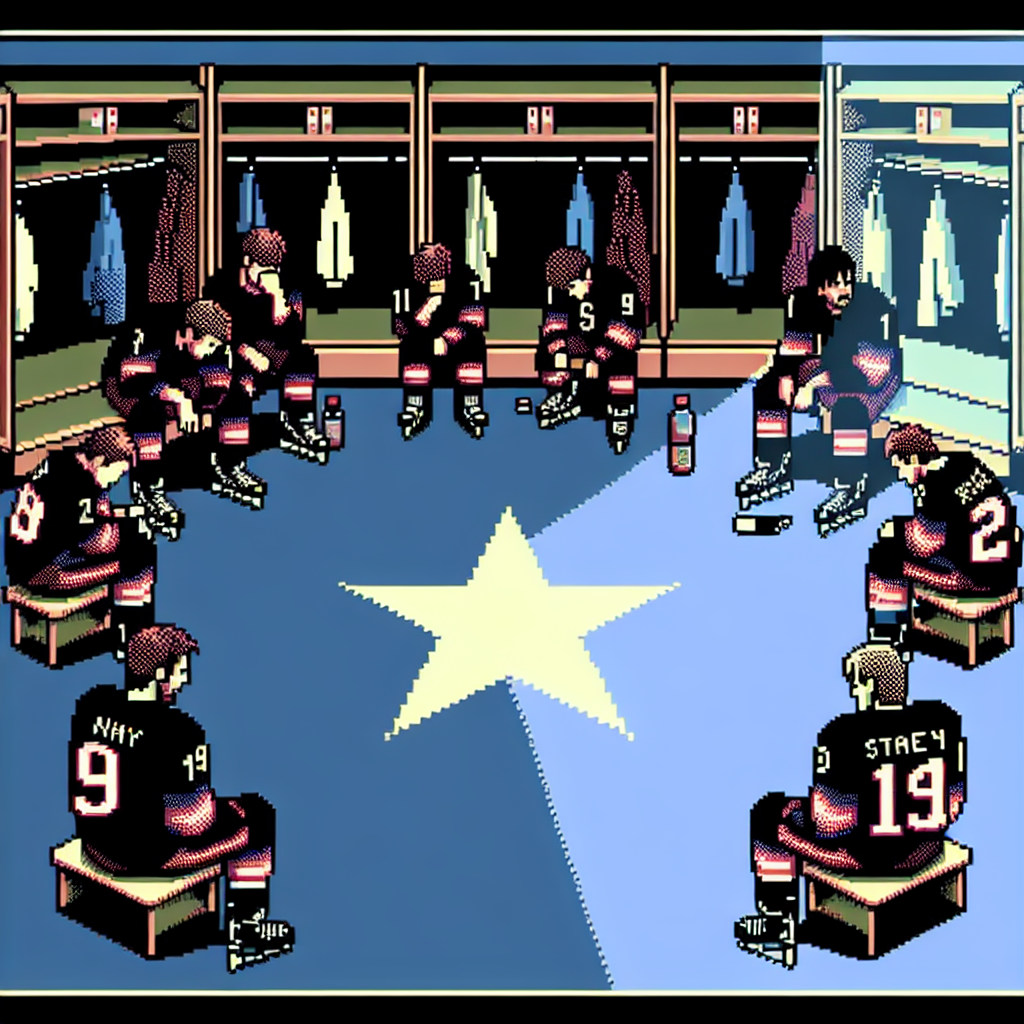
There’s sports drama and then there’s the human drama that follows longtime teammates when a “North Star” is moved. The reactions — teary-eyed players, stunned staff, a community of fans searching for the right words — captured the tug between competitive reality and deep emotional ties.

Why this matters beyond the box score

  • John Carlson wasn’t just a top-pair defenseman; he was a cultural anchor. He played 17 seasons in Washington, helped lift the franchise’s lone Stanley Cup, and led the blue line in all-time games, goals and points for the team.
  • The trade — Anaheim gave Washington a conditional first-round pick (2026 or 2027) and a 2027 third-round pick — is both cap- and roster-management logic and a symbolic break with the past. Teams in transition trade veterans like Carlson to accelerate a rebuild or restock future assets.
  • The immediate aftermath shows how leadership can’t be measured only in assists or time on ice. When a locker-room “North Star” leaves, the ripple effects are emotional, tactical and strategic.

What happened (concise timeline)

  • March 6, 2026: The Capitals traded John Carlson to the Anaheim Ducks for a conditional first-round pick in 2026 or 2027 and a 2027 third-round pick. (nhl.com)
  • Reaction: Teary goodbyes and locker-room interviews revealed teammates describing Carlson as foundational to the team’s identity — a family man, a mentor and a steady presence. RMNB captured those raw reactions. (russianmachineneverbreaks.com)
  • Media/context: Coverage from national outlets framed the move as part of the Capitals’ pivot at the deadline and a rare modern example of a player being traded after nearly two decades with one franchise. (nhl.com)

The locker-room lens: leadership that numbers don’t capture

Sports analytics do wonders for evaluating on-ice value, but they don’t quantify the quiet, daily leadership — the veteran voice in the pre-game skate, the dad who organizes team family nights, the player who models how to be a pro when things go sideways. Teammates called Carlson a “North Star” for a reason:

  • He was consistent. Seventeen seasons under one banner build habits that younger players copy.
  • He modeled loyalty and accountability, a living lesson that matters when a franchise is teaching its next generation.
  • His presence carried meaning in moments: playoff pushes, media storms, and the everyday grind.

That cultural capital is why trading long-tenured leaders is never purely transactional. It rearranges relationships and expectations inside the locker room.

The trade logic: why the Capitals did it

  • Asset accumulation: A conditional first-round pick is premium currency for a team evaluating a longer-term rebuild or retool. Draft capital gives flexibility to restock the pipeline. (nhl.com)
  • Roster timeline: At 35 (per reporting), Carlson’s peak years were behind him. Teams weigh current performance against future cost and fit; Washington appears to have chosen the future route.
  • Market dynamics: Offers for veteran leaders are rare. If a team can turn an aging core piece into high-value picks, the front office may see the move as necessary, even if wrenching emotionally. (thehockeynews.com)

What this means for Washington’s season and culture

  • Short term: The Capitals lose an all-situation defenseman and a stabilizing presence. On-ice adjustments and minutes redistribution will be necessary immediately.
  • Long term: The draft picks strengthen the franchise’s ability to add young talent or flip picks in other transactions. That’s the strategic payoff for letting go of a beloved veteran.
  • Cultural test: With a leadership vacuum, other players must step forward. The club’s identity will shift from one centered on long-tenured stalwarts to whatever new faces fill those roles.

Voices from the room

  • Teammates were emotional and candid, describing Carlson’s family-first approach and his habit of quietly setting the standard. Those human reactions underscored that this was not just a tactical move — it was the closing of a chapter for players and fans alike. (russianmachineneverbreaks.com)
  • Coverage from the Capitals’ organization acknowledged the era and celebrated Carlson’s legacy, while emphasizing belief in the current roster and the future the picks could buy. (nhl.com)

What to watch next

  • How Washington replaces Carlson’s minutes and power-play role.
  • Whether the Caps use the newfound draft capital to trade up, draft high-impact talent, or acquire a younger, NHL-ready defender.
  • The human follow-up: Will Carlson and Washington find a reunion path (short-term return or offseason free-agent conversations) or will his legacy remain a bittersweet chapter elsewhere? Media chatter suggests a Carlson reunion isn’t impossible, but nothing is certain. (washingtonpost.com)

Takeaways for fans and the casual observer

  • Trades like this are inevitable in cap-era hockey, but they hurt because they are personal. Fans mourn not only the player but the memories and the sense of continuity.
  • Smart roster building balances respect for legacy with strategic planning. Washington’s front office made a decision that favors future flexibility over present sentiment.
  • Leadership is replicable but not interchangeable; it will take time and intentional culture-building to replace a 17-year Capitol of the franchise.

Final thoughts

Watching a locker room process the exit of a player like John Carlson is a reminder that sports are storytelling as much as competition. Teams are living, changing things — and sometimes the toughest calls are the ones that reshape a franchise’s identity overnight. Carlson leaves Washington with a Chamber of memories, a Stanley Cup and a record of leadership few players match. For Capitals fans, the practical gains of draft capital won’t instantly fill the hole he leaves in the room. But in hockey as in life, endings open space for a new chapter to begin.

Sources


Related update: We recently published an article that expands on this topic: read the latest post.


Related update: We recently published an article that expands on this topic: read the latest post.

Harbaugh and Schoen: Building Trust | Analysis by Brian Moineau

Harbaugh and Schoen: Learning to “Agree to Agree” at the Combine

The NFL Scouting Combine is where prospects run, jump and answer the questions every scout already knows the answers to. This year, though, the real intrigue in Indianapolis wasn’t a 40-yard dash — it was the developing partnership between John Harbaugh and Joe Schoen. Their message was simple and oddly reassuring: they are figuring out how to work together, and they’re willing to “agree to agree.”

Below I pull apart what that phrase means for the New York Giants, why it matters going into the 2026 draft and free agency, and how this new leadership chemistry could shape the franchise’s near future.

Why the Combine mattered beyond prospects

  • The Combine gave Harbaugh and Schoen a public forum to show alignment after a high-profile coaching hire that altered the team’s power dynamics.
  • Harbaugh arrived with a clear identity shaped by 18 seasons in Baltimore; Schoen brings the front-office continuity and institutional knowledge of the Giants’ scouting and roster work.
  • Both men repeatedly emphasized collaboration — not a surrender of roles or a power struggle, but a practical, united front as the organization rebuilds around young QB Jaxson Dart and the No. 5 pick in the 2026 draft. (bigblueview.com)

The phrase that stole the headlines

“Agree to agree” isn’t slick PR — it’s a management philosophy with roots in Harbaugh’s time in Baltimore. It signals a few things:

  • A shared decision-making baseline where coach and GM align on player traits and organizational direction.
  • A willingness to avoid public infighting by finding collective clarity on priorities early.
  • Recognition that successful franchises marry coaching vision with roster construction, not a sole dictator making every call. (aol.com)

This approach won’t remove hard disagreements, but it sets a pattern: define the desired player profile together, then let scouts and evaluators find the best fits.

Five immediate takeaways from the Combine coverage

  • Harbaugh is taking a commanding role in organizational design. His contract and reporting lines (including the hire of Dawn Aponte in a senior operations role) indicate he’ll heavily influence how football operations are organized. (bigblueview.com)
  • Schoen is publicly upbeat and collaborative. He stressed that the structure on paper “doesn’t matter” compared with the work they’ll do together, even as the realities of decision-making evolve. (newsweek.com)
  • The leadership duo is aligning on player traits. Harbaugh and his staff have communicated the kinds of physical and mental attributes they want; Schoen’s scouting apparatus now has to translate that into draft targets. (aol.com)
  • The PR posture matters. With fans and media scrutinizing any perceived imbalance, both men used the Combine to project unity and blunt narratives of a power struggle. That’s important for locker-room stability and free-agent recruiting. (bigblueview.com)
  • Having multiple experienced play-callers and staffers isn’t a weakness if roles are clear. Harbaugh emphasized systems and role clarity to make sure collaboration among coaches becomes a strength, not a source of friction. (bigblueview.com)

What this means for the 2026 draft and offseason

  • Expect more coach input in the scouting process. Harbaugh wants the staff aligned on the “player we’re drafting” — that’s a head coach shaping evaluation criteria early. (aol.com)
  • The Giants’ top-5 pick will be evaluated not just by athletic upside but by fit within a Harbaugh system. Offensive linemen or playmakers who match the coaching staff’s traits will rise in importance.
  • Free agency conversations will likely be framed by a shared plan: plug immediate holes with veterans who fit the culture and athletic profile the coaches want, while keeping draft capital for foundational pieces.

What could go wrong — and how they can prevent it

  • Risk: Blurred accountability. If “agree to agree” becomes code for vague responsibility, decisions slow and mixed messages follow.
  • Fix: Clear decision gates. Define who has final say in specific domains (e.g., contract signings vs. draft day calls) and communicate them internally and to players.
  • Risk: Cultural clash between long-tenured scouts and a new coaching lens.
  • Fix: Joint evaluations, shared tape sessions, and concrete metrics that translate coach preferences into scout language.

My take

The soundbite “agree to agree” is a mature way to describe the messy work of collaborative leadership. For fans, it’s comforting to see both men choosing public unity over headline-grabbing tension. For the franchise, the real test will be whether that unity produces consistent drafts, coherent roster moves, and on-field improvement. If the Giants can convert talk into disciplined process — one where coach and GM blend vision with roster-building craft — this season’s Combine will look like the moment things started to click.

Where to watch next

  • Pay attention to how the Giants’ boardroom meetings translate into the pre-draft visit lists and pro days.
  • Watch early free-agent signings for players who clearly match Harbaugh’s stated preferences.
  • Track whether the scouting reports start using the same descriptors Harbaugh emphasized at the Combine — that’s where “agree to agree” becomes measurable.

Sources


Related update: We recently published an article that expands on this topic: read the latest post.


Related update: We recently published an article that expands on this topic: read the latest post.

Falcons Quiet GM Search: Long Game Plan | Analysis by Brian Moineau

The Falcons’ GM Search: A Quiet Shuffle with Big Stakes

Hook: The Atlanta Falcons are playing the long game — and the latest from NFL insider Tom Pelissero suggests that what looks like a whisper of interviews today could be the blueprint for the franchise’s next decade.

The short version: the Falcons are methodically interviewing GM candidates while Matt Ryan’s new role atop football operations helps shape the process. Tom Pelissero’s recent update confirms interviews are underway and underscores that Atlanta is being deliberate about pairing a general manager with the new leadership structure.

Where we are and why it matters

  • The Falcons parted ways with Terry Fontenot after the 2025 season, creating one of the NFL’s most consequential front-office openings.
  • Matt Ryan — the former franchise quarterback — is expected to be installed as president of football operations (or head of football operations), which shifts the power dynamic and makes the GM hire as much about chemistry as it is about résumé.
  • The team is interviewing candidates publicly reported (and confirmed by team communications) as part of a process led by Ryan and aided by executive search firms.

Why this matters:

  • A GM hires coaches, builds the roster and controls the draft strategy; with Ryan overseeing football operations, the GM will need to complement Ryan’s vision rather than clash with it.
  • The Falcons already made a headline coaching hire (Kevin Stefanski), so the GM decision is the next major lever that will determine roster construction and the team’s trajectory.

What Pelissero reported

  • Tom Pelissero provided a concise update on NFL Network’s “The Insiders”: the Falcons’ interview process for GM candidates is active and moving forward. The coverage emphasized process and fit over a quick hire. (nfl.com)

  • Local reporting from the Falcons confirmed interviews with at least one candidate (Josh Williams) and framed the search as being guided by Matt Ryan and supported by external search partners. That article highlights the organization’s stated focus on working relationships and alignment as priorities. (atlantafalcons.com)

  • Outside coverage has linked names into the process (reports noting interviews or interest in experienced executives such as Joe Douglas in the broader media cycle), indicating Atlanta is considering both established front-office figures and newer executives. (nypost.com)

The real question: fit over flash

  • The Falcons don’t need a headline-grabbing hire as much as a complementary partner for Ryan and Stefanski.

  • With Stefanski already in place as head coach, the GM must:

    1. Build synergy with Stefanski’s schematic needs (e.g., offensive priorities, roster flexibility).
    2. Share or be adaptable to Ryan’s strategic vision for the roster and organizational culture.
    3. Execute drafts and free-agent strategy that can accelerate competitiveness without destabilizing the cap or long-term plan.
  • That’s why Pelissero’s emphasis on process — interviews, vetting, and fit — is worth noting. The team appears to prefer a careful selection that reduces friction at the top of the organization.

Candidates and context to watch

  • Expect the Falcons to consider:

    • Veterans who’ve previously run or assisted in running a roster (they bring proven processes).
    • Talent evaluators who can identify immediate contributors and long-term building blocks in the draft.
    • Executives who are comfortable in a shared-power structure with a president of football operations (that’s a key filter now).
  • Publicly named interviewees (like Josh Williams) and reported names in the media signal Atlanta is casting a wide net — from league-tested GMs to sharp evaluators who can execute a Stefanski-friendly roster plan. (atlantafalcons.com)

What to expect next

  • More interviews and vetting steps announced in short order (weeks, not months).
  • A hire that will be framed publicly around “fit” — expect statements about alignment with Matt Ryan and Kevin Stefanski.
  • Immediate focus post-hire on roster evaluation, draft board alignment, and free-agent strategy for the coming offseason.

Key points to watch:

  • How closely the GM’s public philosophy matches Stefanski’s scheme.
  • Whether the Falcons clearly define the president/GM boundaries in public communications.
  • Any quick staff moves that hint at the new GM’s priorities (personnel staff hires, scouting structure changes).

My take

Atlanta seems to be learning the lesson many franchises have learned the hard way: putting personalities in compatible seats matters as much as pedigree. Tom Pelissero’s update — short and process-driven — is a signal the Falcons want this right rather than fast. With Matt Ryan now in a leadership role and Stefanski coaching, the GM will likely be judged on how well they knit those pieces together into a coherent, sustainable plan.

If Atlanta lands someone who can both evaluate talent and collaborate at the executive level, this search could be the subtle turning point the franchise needs. If not, tensions at the top could blunt the potential Stefanski brings on the field.

Sources


Related update: We recently published an article that expands on this topic: read the latest post.


Related update: We recently published an article that expands on this topic: read the latest post.


Related update: We recently published an article that expands on this topic: read the latest post.

Steelers’ Next Coach: Continuity or Reset | Analysis by Brian Moineau

The end of an era and the next play: who should the Steelers hire after Mike Tomlin?

The Rooney family just flipped the script on a franchise that has been startlingly stable for decades. Mike Tomlin’s decision to step down after 19 seasons — announced January 13, 2026 — suddenly makes the Pittsburgh Steelers one of the NFL’s rare open head-coaching jobs. If you love Steelers football, this feels like both a hinge moment and a déjà vu: rare, risky and full of possibility.

Why this matters: the Steelers haven’t hired a new head coach since 2007, and they’ve had only three head coaching transitions in nearly six decades. The choice now will say a lot about whether Pittsburgh wants continuity, a reset, or a blend of the two.

What follows is a readable guide to the candidate types being discussed, the priorities the front office should weigh, the hazards involved, and my take on the smartest direction for the franchise.

Quick snapshot of the situation

  • Mike Tomlin stepped down on January 13, 2026 after 19 seasons and a Super Bowl title; the Steelers begin their first coaching search since 2007. (reuters.com)
  • Because Tomlin resigned while still under contract, Pittsburgh retains his rights and could receive compensation if he returns to coaching before his contract ends. (reuters.com)
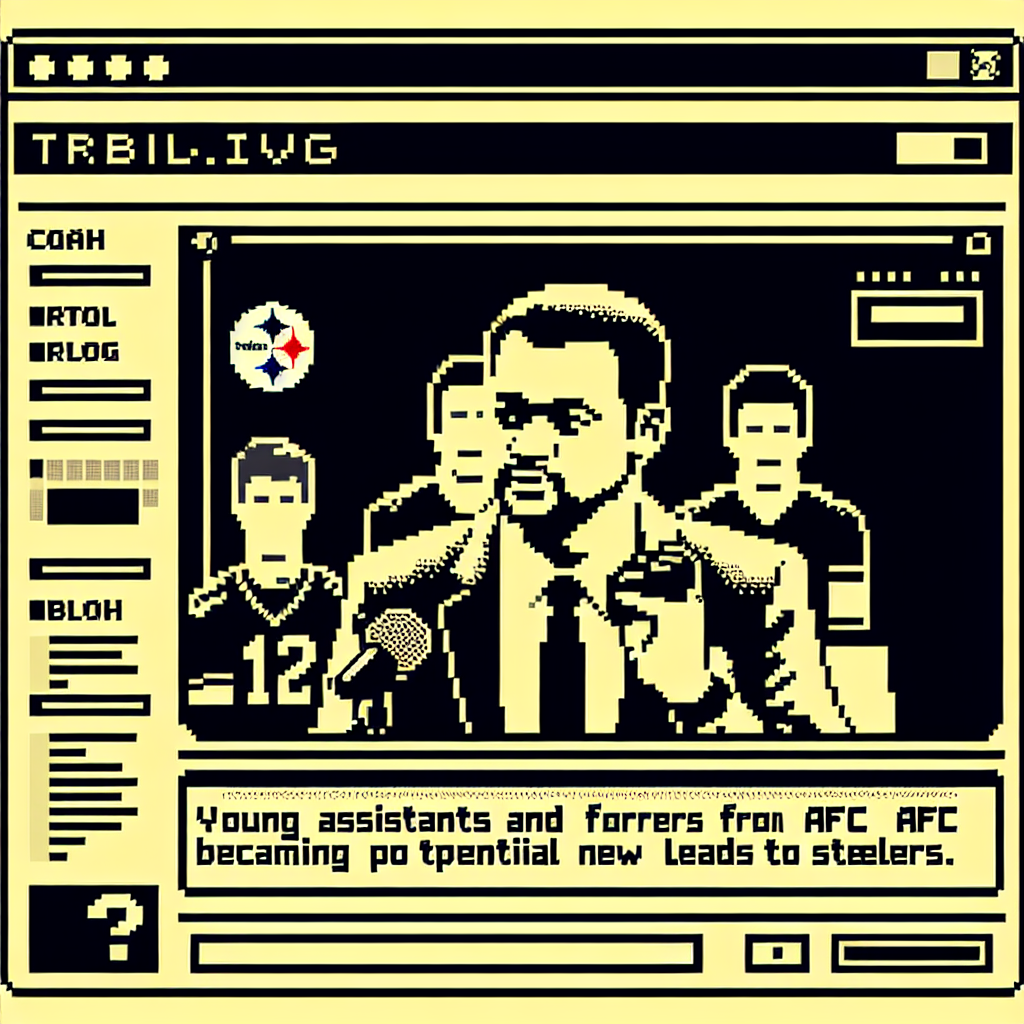
  • Early chatter around candidates centers on three broad types: young NFL assistants, seasoned coordinators and familiar AFC North names who know the division’s DNA. (steelersdepot.com)

Why this hires matters more than a typical offseason move

  • Stability is part of Pittsburgh’s brand. The Rooney family runs an organization that historically values continuity, identity and culture. Replacing a 19-year steward is not a cosmetic swap — it’s a cultural inflection point.
  • Roster reality will shape the pick. The Steelers have defensive stars, cap considerations, and quarterback uncertainty. Whoever gets the job must balance short-term competitiveness and the longer rebuild or retooling that might be necessary.
  • Optics and fit matter in Pittsburgh. Ownership wants a coach who matches the city’s gritty identity and can navigate a passionate fanbase and demanding regional media.

The categories of candidates you’ll hear about

  • Young assistants and rising coordinators

    • Why they appeal: energy, modern schemes, player relatability and long runway. Pittsburgh fans remember the impact of Cowher and Tomlin — both hires aimed at injecting youth and edge. Names like promising defensive coordinators or scheming NFL assistants fit this mold. (steelersdepot.com)
    • Upside: potential franchise-altering leadership, new ideas, ability to connect with younger players.
    • Risk: inexperience managing staff, game-day choices and heavy media scrutiny.
  • Established coordinators and former head coaches

    • Why they appeal: experience running game plans, staff management and in-season problem solving.
    • Upside: less of a learning curve and greater predictability in Year One.
    • Risk: potential lack of long-term ceiling or resistance to adapt to Pittsburgh’s specific roster needs.
  • AFC North or regional familiar faces

    • Why they appeal: knowledge of divisional rivals, familiarity with the terroir of the league’s toughest division and what it takes to win here.
    • Upside: hit-the-ground-running advantage and credibility in the rivalry-heavy environment.
    • Risk: baggage from previous rivalries, and sometimes lineage doesn’t translate to organizational chemistry.

What the Steelers should prioritize when they interview candidates

  • Vision for the quarterback position
    • The Steelers’ quarterback future is crucial. The coach must present a realistic plan for either developing a young QB or maximizing an experienced one — and be honest about timelines.
  • Defensive identity plus adaptability
    • Pittsburgh’s identity has been defense-first for decades. New leadership should preserve a hard-nosed approach while being flexible schematically to modern offenses.
  • Culture and player development
    • The Rooney family and front office like culture-fit hires. Priority should be placed on a coach who develops talent and communicates well with veterans and rookies alike.
  • Staff-building ability
    • Hiring the right assistants will be as important as the head coach. Look for candidates who can attract quality coordinators and retain key position coaches.
  • Ownership relationship and patience
    • This franchise historically allows its coach time to build. The ideal hire respects that timeline while promising progress and accountability.

Potential pitfalls the Steelers must avoid

  • Chasing a headline name over fit
    • It’s easy to get swept up in media favorites and betting odds. Fit matters more than flash.
  • Overvaluing short-term results
    • A hire made to “win now” without a sustainable plan could backfire, leaving the team in limbo for seasons.
  • Ignoring staff/room continuity
    • Wholesale staff turnover can destabilize roster development. Preserve useful institutional knowledge where possible.

Timeline and process realities

  • Expect a concentrated interview cycle. With Tomlin leaving mid-January, the Steelers and rival teams will move quickly during the coaching carousel, conducting multiple interviews and weighing college and NFL candidates alike. (reuters.com)
  • Because Tomlin is under contract, teams considering him would need to negotiate with Pittsburgh; for the Steelers, that preserves leverage and continuity options if Tomlin changes his mind.

Who’s being talked about (illustrative, not exhaustive)

  • Young defensive coordinators and assistants linked to modern, aggressive defenses.
  • Established coordinators with strong track records in run-defense and pass-rush scheming.
  • College coaches with ties to the region or a track record of developing pro-style systems.
  • Local and AFC North-connected names who know the division’s temper and rivalries. (steelersdepot.com)

My take

Pittsburgh should favor a coach who blends the best parts of Tomlin’s tenure — cultural steadiness, competitive toughness and player-first leadership — while bringing fresh schematic ideas. That means:

  • Prioritize candidates who can show both a clear plan for the quarterback situation and a defensively sound, flexible philosophy.
  • Lean toward a leader who has a record of developing coaches and players rather than someone who demands a roster makeover out of the gate.
  • Be unafraid to take a calculated risk on a younger coordinator if he shows concrete leadership experience, or choose a seasoned coordinator who embraces a multi-year building plan.

This is a rare kind of decision for a rare franchise. The right hire won’t just be about Xs and Os — it will define how the Steelers present themselves to a new era of NFL play and scrutiny.

Final thoughts

Change is uncomfortable, especially in a place where coaches become almost institutional. But transitions are also opportunities to sharpen identity and correct course. Whoever the Rooneys and Omar Khan pick will inherit a proud roster, a tough division and a fanbase that expects grit. The smartest hire will be the one that balances Pittsburgh’s legacy with a credible roadmap for the next five years.

Sources


Related update: We recently published an article that expands on this topic: read the latest post.

From Bat Boy to Winter Classic GM | Analysis by Brian Moineau

From bat boy to Winter Classic: how Bill Zito’s Brewers memories shaped a Stanley Cup-winning GM

There’s something deliciously cinematic about a kid who once chased foul balls behind an outfield chain-link turning up decades later to stack fresh ice where grass once grew. Bill Zito’s path—from a Milwaukee Brewers clubhouse attendant in the early 1980s to the general manager of the Florida Panthers—feels less like a straight line and more like a braided rope: different experiences woven together until the tensile strength is unmistakable. With the Panthers scheduled to play the 2026 Winter Classic at loanDepot park (the Marlins’ ballpark) on January 2, 2026, that braid has been brought vividly into focus.

A hook you can picture

Imagine a 16-year-old kid getting ambushed by a laser throw from Reggie Jackson and blowing the return over the outfielder’s head—three times. Rather than dinging his confidence, Jackson stayed, played catch, and mentored him through it. That moment, which Zito still recalls with emotion, is small and human — and it’s the kind of moment that seeds a leadership philosophy more than any playbook ever could.

How a baseball summer taught hockey leadership lessons

  • Attention to standards matters.
    • As a clubhouse attendant Zito learned the “first-class” routine: keep uniforms clean, supplies stocked, and the environment professional. Those operational standards are the connective tissue of winning franchises.
  • Preparation and contingency are everything.
    • Baseball’s long seasons teach you to plan for wear-and-tear and surprise problems. Zito credits that mentality for helping the Panthers withstand early-season injuries and other curveballs.
  • Culture isn’t loud; it’s consistent.
    • Zito watched Brewers players balance irreverence with dignity. The lesson: build a team where chemistry exists under pressure, not just in highlight clips.
  • Mentorship turns embarrassment into growth.
    • Reggie Jackson’s patience with a nervous kid became a blueprint for how leaders can teach competence without crushing confidence.

These are practical, almost tactile lessons — how to run a room, how to keep things professional under chaos, and how to treat people so they can become their best. Zito didn’t learn them from a seminar; he learned them hauling jerseys, firing up laundry machines at odd hours, and watching pros behave when the lights were brightest.

The Winter Classic as a narrative fulcrum

  • Full-circle symbolism.
    • The game is literally being played in a ballpark, the same kind of place where Zito once worked. Bringing the Stanley Cup to Milwaukee in 2024 and now hosting an outdoor game in a baseball stadium ties personal history to franchise achievement.
  • Cross-sport learning is underrated.
    • Front offices in hockey borrow from baseball, basketball and soccer all the time — in scouting, analytics, and operations. Zito’s story makes that borrowing explicit and human.
  • Events of this scale reward organizational polish.
    • Building an outdoor rink at an MLB venue requires meticulous logistics. The Panthers’ ability to deliver reflects the same operational mindset Zito spent summers cultivating.

Why this matters beyond a feel-good backstory

This isn’t only nostalgia. Zito’s arc is a case study in transferable leadership. Sports organizations frequently fetishize “hockey people,” but the best leaders synthesize culture, systems, and people-smarts from many sources. Zito’s Brewers lessons are evidence that humility, attention to detail, and mentorship are portable assets — whether you’re handing out cleats or negotiating contracts.

  • For fans: it reframes the Winter Classic. It’s not just spectacle; it’s a stage that reveals how organizations operate.
  • For team executives: Zito’s story underscores investing in operations and culture as competitive edges.
  • For young staffers: starting low doesn’t mean staying small; early, close-up exposure to pros can shape future leadership.

Lessons you can apply in any team or workplace

  • Do the small things well — they compound.
  • Create rituals that standardize quality (prep, cleanliness, readiness).
  • Teach patiently when someone falters; mentorship builds capacity.
  • Treat contingency planning as a core function, not a checkbox.

Those lessons are easy to summarize and harder to execute consistently. Zito’s advantage is that he learned them in the daily grind, not in theory — and that makes them durable.

My take

There’s a romantic thread here — a kid humbled by Reggie Jackson, later welcomed back with the Stanley Cup — but the romance isn’t what matters most. What matters is how ordinary experiences shape extraordinary leadership. The Winter Classic at loanDepot park is a neat backdrop for that arc: a visible, public symbol of the overlapping seasons of Zito’s career. If you watch the game thinking only about the score, you’ll miss the other victory line: the institutional craftsmanship that makes such moments possible.

Notes for readers tracking the event

  • The game is scheduled for January 2, 2026, at 8 p.m. ET.
  • Broadcasters and streaming partners include HBO Max, truTV, TNT and regional networks listed in coverage. (Check local listings for final channels.)

Sources


Related update: We recently published an article that expands on this topic: read the latest post.


Related update: We recently published an article that expands on this topic: read the latest post.

Cowboys Late Push: Building Something | Analysis by Brian Moineau

Closing the Year with Purpose: The Cowboys’ Unexpected Summer of Hope

There’s a particular kind of stubborn optimism in football — the kind that refuses to let the season end quietly even when the playoffs are out of reach. After the Dallas Cowboys were officially eliminated from playoff contention in late December 2025, head coach Brian Schottenheimer didn’t send the veterans home early or pivot fully into audition mode. Instead he doubled down on one message: they’re still building something special.

This is not the self-delusion of an owner desperate for headlines or a coach covering for mistakes. It’s a deliberate cultural stance, a claim about identity and process when the scoreboard stings the most.

Why Schottenheimer’s stance matters

  • It reframes the end of a disappointing season as an investment period rather than an admission of failure.
  • The approach protects the delicate balance between player development, veteran stewardship, and organizational continuity.
  • It gives the franchise a narrative heading into 2026: learning, accountability, and sustained standards.

Schottenheimer has been clear: this is year one of a project. That matters for teams that want to avoid the “blow-it-up” cycle and instead create long-term winning habits.

What Schottenheimer actually said

  • He emphasized the immediate focus — “playing the Commanders” and taking each game seriously.
  • He stressed that players still want to play, want to win, and care about one another.
  • He framed culture as intact: practice effort, locker-room cohesion and accountability remain, even if the win-loss column doesn’t show it yet.
  • He acknowledged coaching and execution need fixing, calling out that the record shows “we’re not playing good enough football” and “I’m not coaching good enough football,” while insisting culture is not the problem. (DallasCowboys.com)

This mix of accountability and faith in the locker room is a classic leadership posture — own the failures, but insist on the foundations that will allow you to fix them.

The practical choices behind the rhetoric

  • Managing veterans: Schottenheimer signaled cautious handling of veteran stars (like Dak Prescott) when games get out of hand, balancing player health with momentum-building.
  • Division focus: He pointed out the realistic chance to “go potentially 5‑1 in the division,” reframing the remaining slate into a tangible target that matters to fans and players.
  • Play and practice standards: He highlighted that the team continues to practice and prepare hard — the kind of consistency that helps teams rebound faster in Year Two.

These are not poetic platitudes — they’re operational decisions that shape roster usage, coaching priorities in the offseason, and how the front office evaluates progress.

The broader context

  • This was Schottenheimer’s first year as head coach, a season with notable roster moves and upheavals (including high-profile trades earlier in 2025) and uneven results on defense and offense.
  • Owner Jerry Jones has been publicly intent on “competing now,” which adds pressure to turn culture into wins quickly.
  • Despite the misses, Dallas still landed notable individual recognition (e.g., Pro Bowl nods), underscoring that talent exists even if synergy didn’t consistently follow.

Taken together, the season reads like a classic transitional campaign: flashes of high-level play, recurrent structural issues (especially on defense), and a coach trying to install a long-term identity while under immediate-results pressure.

Nuggets for fans and skeptics

  • This stance isn’t an excuse: Schottenheimer explicitly took coaching responsibility where due. That kind of candor can buy credibility if next season shows measurable improvement.
  • Culture alone won’t win games. The Cowboys will need tangible fixes — schematics, personnel, situational coaching — to translate the “special” rhetoric into wins.
  • The remaining games of the 2025 season were being framed as momentum-building opportunities, not consolation prizes. That matters when evaluating offseason momentum and front-office decisions.

What to watch in 2026

  • Coaching adjustments: Will Schottenheimer change his staff or scheme emphases to stop the defensive slide?
  • Roster moves: Will the front office prioritize pass rush and secondary help to address persistent defensive shortcomings?
  • Player development: Can young and new pieces (and veteran leaders) convert late-season effort into early-season cohesion next year?

If the organization truly believes this is a sustainable build, those are the levers they’ll pull.

A short verdict

You can be skeptical — and you should be. “We’re building something special” is a bold claim from a first-year coach whose team missed the postseason. But there’s credibility in Schottenheimer’s blend of ownership and optimism: he admitted coaching shortcomings, praised the locker-room culture, and set practical goals for the remaining games. If Dallas converts that cultural bedrock into clearer strategic fixes (especially on defense), the phrase won’t sound like wishful thinking next fall.

Final thoughts

Good culture is necessary and messy stuff is inevitable. The true test for the Cowboys will be whether the lessons of 2025 produce measurable change in 2026. Fans don’t just want hope — they want progress. For now, Schottenheimer has given the locker room a direction and the franchise a baseline: finish strong, protect the core, and turn culture into consistent execution. That’s a start worth watching.

Sources


Related update: We recently published an article that expands on this topic: read the latest post.

Depleted Suns Roll On, Habits Carry Win | Analysis by Brian Moineau

The Suns’ Habits Win Games — Even When They’re Depleted

There’s something satisfying about watching a team make the ordinary look inevitable. Monday’s 125–108 win in Los Angeles wasn’t the most glamorous Suns victory — Devin Booker left early with a groin issue — but it was one of the most revealing. Phoenix didn’t just survive without its star; it imposed a style of play and a set of habits that turned the Lakers’ mistakes into a blowout. The bigger message: the Suns will keep rolling teams that don’t match their energy, regardless of who’s available.

Why this mattered beyond one box score

  • The Suns beat the Lakers on December 1, 2025, 125–108, snapping L.A.’s seven-game win streak. Despite Booker exiting late in the first quarter, Phoenix never let the game slip. (espn.com)
  • This was more than “next man up” theatrics. It was the result of identity: relentless pressure, transition scoring, and an insistence on competing for every loose ball and turnover. Those aren’t cliches — they’re repeatable habits that win games. (sports.yahoo.com)

The habits that decided the game

  • Defensive disruption
    The Suns forced 22 turnovers and turned those into fast-break points. When an opponent hands you extra possessions, you don’t need your superstar to capitalize — you need a system that punishes mistakes. Phoenix’s defense did exactly that, converting turnovers into a 28–2 fast-break advantage that swung the game. (sports.yahoo.com)

  • Unselfish scoring from role players
    Dillon Brooks exploded for 33 points and Collin Gillespie poured in a career night (including an eight-3s barrage reported in game recaps). When bench pieces and role players shoot with confidence and purpose, the team doesn’t miss the absent star as much. That’s depth, and it’s habit-driven: shots are earned within the flow of the offense, not hoarded. (espn.com)

  • Pace and physicality
    Phoenix attacked in transition and played with urgency on loose balls and on defense. They swamped the Lakers physically — a deliberate choice that strains teams who hope to win with half-measures. When one team wants every 50/50 ball more, it often wins the second-chance battle and the momentum swings. (sports.yahoo.com)

  • Readiness even when depleted
    Losing Booker two minutes before the end of the first quarter would derail most teams’ game plans. The Suns adapted. That adaptability is a habit cultivated in practice and coaching: role clarity, situational preparation, and the expectation that everyone will step up. (espn.com)

Why the Lakers’ performance amplified the point

Los Angeles had been riding a seven-game streak and looked like a team with rhythm. But Phoenix forced turnovers, rushed the Lakers out of comfort, and turned what may have looked like a tight matchup into a decisive win. Credit to the Suns’ game plan — and a reminder that a team’s baseline effort and habits can neutralize star talent on any given night.

What this suggests about the Suns going forward

  • The Suns’ ceiling is no longer just about health; it’s about consistency. When they play with the same tenacity and structure they showed against L.A., they become hard to beat — even for teams with top-level stars.
  • Opponents can’t simply game-plan for Devin Booker and dismiss the rest. Phoenix’s depth and the culture to exploit turnovers mean teams must respect every rotation player.
  • Short-term bumps (injuries, nights when a starter is off) matter less for Phoenix if the habits stay intact. That’s the kind of repeatable resilience coaches dream about.

A few illustrative numbers

  • Forced 22 Lakers turnovers, a key driver of the scoring swing. (espn.com)
  • Suns finished with a large fast-break advantage (reported as a 28–2 swing in transition scoring in some recaps). (sports.yahoo.com)
  • Dillon Brooks led the Suns with 33 points; Collin Gillespie added a big scoring night off the bench. Devin Booker scored 11 before exiting. (espn.com)

My take

This wasn’t a fluke. It was a demonstration of culture over circumstance. Phoenix has built — or re-found — a set of habits that allow the roster to function when the luxury of having every star available isn’t guaranteed. That’s more valuable than any single highlight reel. If the Suns keep treating fundamentals as non-negotiable, they’ll keep pressuring teams to show up ready to match their energy. When opponents don’t, the result will look a lot like Monday night.

Sources


Related update: We recently published an article that expands on this topic: read the latest post.


Related update: We recently published an article that expands on this topic: read the latest post.