Zahabi Urges Chimaev to Train with GSP | Analysis by Brian Moineau

A coach’s open door: Firas Zahabi thinks he can revive Khamzat Chimaev after UFC 328

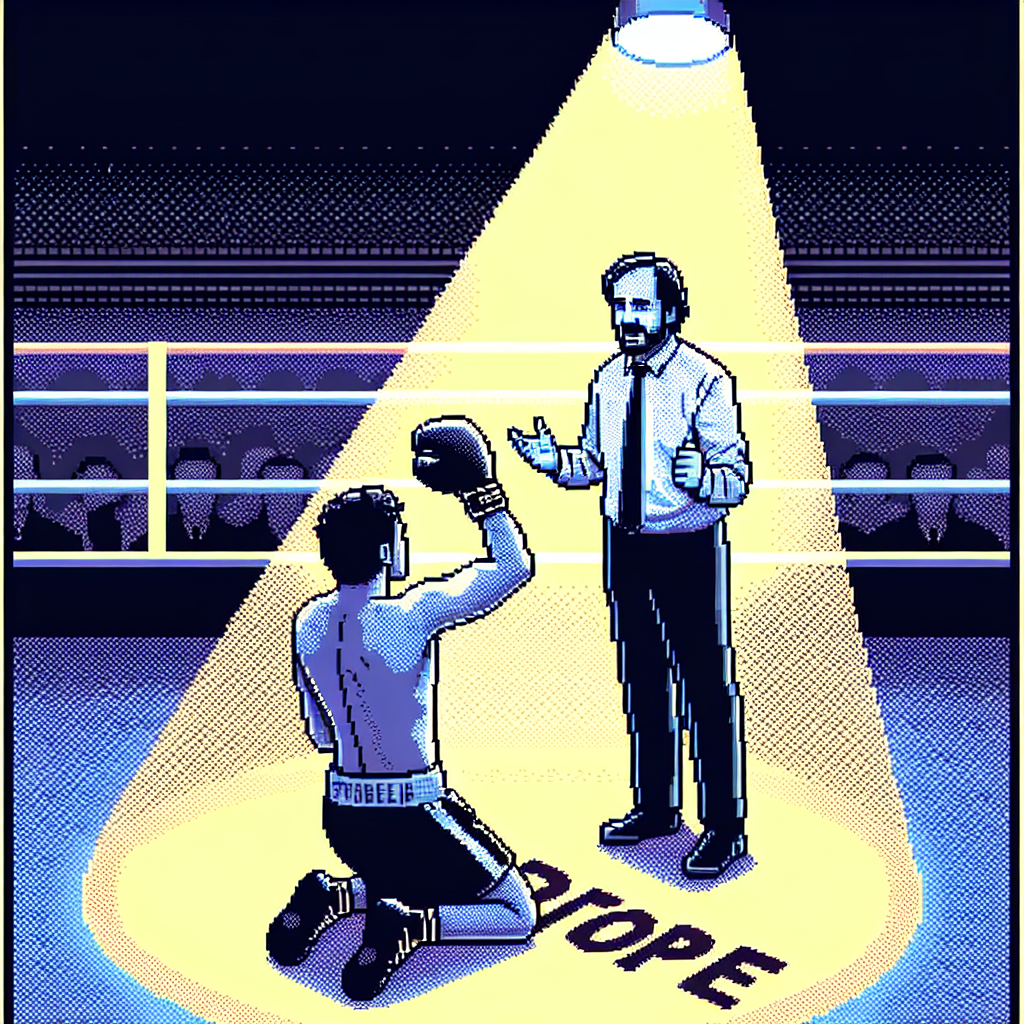
The morning after UFC 328, Firas Zahabi was blunt and public: Firas Zahabi believes he is the man to revitalize Khamzat Chimaev's career after UFC 328. It wasn't a passive tweet or a wink — Zahabi, head coach at Tristar Gym and longtime mentor to Georges St‑Pierre, openly begged Chimaev to come to Montreal and train with him and GSP. The timing — immediately following Chimaev’s first professional loss to Sean Strickland on May 9, 2026 — shaped the offer into something part diagnosis, part lifeline.

This felt different from the usual post-fight hot takes. Zahabi wasn’t critiquing from the couch; he was extending a practical fix: a coaching environment where stamina, strategy and movement get rebuilt deliberately. For a fighter like Chimaev — explosive, relentless, but visibly gassed and tactically narrow against Strickland — that kind of surgical help can be career-defining.

What happened at UFC 328 and why Zahabi reacted

UFC 328 in Newark saw Sean Strickland edge out Khamzat Chimaev via split decision, taking back the middleweight belt and handing Chimaev his first pro defeat. Official scorecards were 48-47, 48-47, 47-48 in favor of Strickland. Coverage and replay showed a five-round war that turned on conditioning, pacing, and late-round control — areas Zahabi repeatedly cited as fixable with the right camp and planning. (ufc.com)

Zahabi’s message — paraphrased and quoted in outlets that picked up his YouTube remarks — was direct: “Come train with me and Georges St‑Pierre. I promise you won’t fade. I promise you this will never happen to you again.” He doubled down on specifics: improved fitness, refined striking and footwork, and a smarter gameplan that preserves energy across five rounds. Those are exactly the marginal gains that separate a dominant grappler from a complete elite champion. (bjpenn.com)

Transitioning from peak hype to the humility of a loss is messy. For Chimaev, who built his aura on relentless takedown pressure and suffocating intensity, the Strickland fight exposed a hard truth: when plan A stalls, there needs to be a plan B that doesn’t bankrupt your energy reserves.

Why Tristar and Zahabi might actually help

  • Zahabi’s coaching résumé is built on polishing elite-level fighters, most famously Georges St‑Pierre. Tristar’s approach is methodical: technical drilling, pacing strategies, and fight IQ that prioritizes winning rounds over dramatic single moments. That aligns with what Chimaev lacked at UFC 328. (en.wikipedia.org)
  • Tristar offers high-level partners and a blueprint for mid- to long-term rebuilding. It’s not a quick fix — it’s hard, repetitive, and tactical work. For a mercurial, high-energy grappler, that regimen can smooth out the edges and add the endurance to stop burning out after explosive openings.
  • Beyond physical prep, Zahabi promises mental reframing. Losses expose habits; a coach who can retool mental approach — when to press, when to reset, how to steal rounds on points — is worth as much as conditioning.

That’s not to romanticize the move. Fighters are human and ecosystems are complicated. Changing camps or absorbing new coaching philosophies takes time, trust, and buy-in from managers and support teams. But Zahabi’s line about “this will never happen to you again” reads less like bravado and more like confidence born of process. The question is whether Chimaev wants structural help or prefers to double down on his existing methods.

Obstacles and real-world frictions

  • Logistics and loyalties matter. Chimaev trains in a specific crew and has close ties to coaches and teammates. Moving to Montreal or even embedding with Tristar temporarily would require wide agreement from his handlers.
  • Style compatibility isn’t guaranteed. Chimaev’s strength is his ferocious, downhill pressure. Some coaches want to retain that identity while adding nuance; others try to remodel fundamentally. The best outcome would be complementary coaching, not a wholesale identity shift.
  • Public perception and ego play roles. A fighter coming off a loss is already on a narrative knife-edge. Accepting overtures from a legendary coach helps on the optics front, but it also signals vulnerability. That’s fine, and often necessary, but it can be politically delicate.

Still, the upside is large. If Zahabi helps Chimaev add gas tank management, better lateral movement and a selective striking game to complement takedowns, the result could be a more durable—and more dangerous—champion.

Practical ways a Tristar camp could change Chimaev’s trajectory

  • Drill-paced sparring that replicates five rounds at fight-intensity but teaches energy preservation.
  • Footwork and separation work to create entries for takedowns that don’t cost massive bursts every minute.
  • Strategic scenarios: what to do when takedowns aren’t landing, how to secure rounds with positional control or effective striking.
  • Cross-disciplinary conditioning (not just wrestling cardio) to maintain output without sacrificing power.

Those aren’t theoretical. Zahabi’s track record shows teams who emphasize cerebral work and pacing can convert fighters from specialists to well-rounded champions. For Chimaev, that conversion would go a long way toward sustaining a title reign. (en.wikipedia.org)

Quick points to remember

  • Zahabi publicly offered to host Chimaev and bring GSP into the process, emphasizing fitness, striking, and footwork. (bjpenn.com)
  • UFC 328’s official scorecards confirm the split-decision result that ended Chimaev’s undefeated streak. (ufc.com)
  • The path forward is practical but requires buy-in from Chimaev’s camps and a willingness to adapt identity as a fighter.

My take

There’s theater in Zahabi’s plea — the optics of a legendary coach extending a hand to a fallen, charismatic star. But beyond theater is a useful reality: elite athletes rarely plateau because they won’t change; they falter because they can’t adapt fast enough. Zahabi’s offer is the kind of adaptive option Chimaev needs if he’s committed to a long-term run at the top.

If Chimaev accepts, the most interesting outcome won’t be a miracle transformation overnight. It will be a quieter, steadier version of him: smarter pacing, cleaner entries, and the stamina to make seismic takedowns feel like the coup de grâce rather than a desperate bid for survival. That version would be harder to predict — and more dangerous when he does decide to explode.

Sources


Related update: We recently published an article that expands on this topic: read the latest post.

Related update: We recently published an article that expands on this topic: read the latest post.

Cursed Blues: Stamford Bridge Nightmare | Analysis by Brian Moineau

We might be cursed: Stamford Bridge, nightmares and a 1-3 defeat that stings

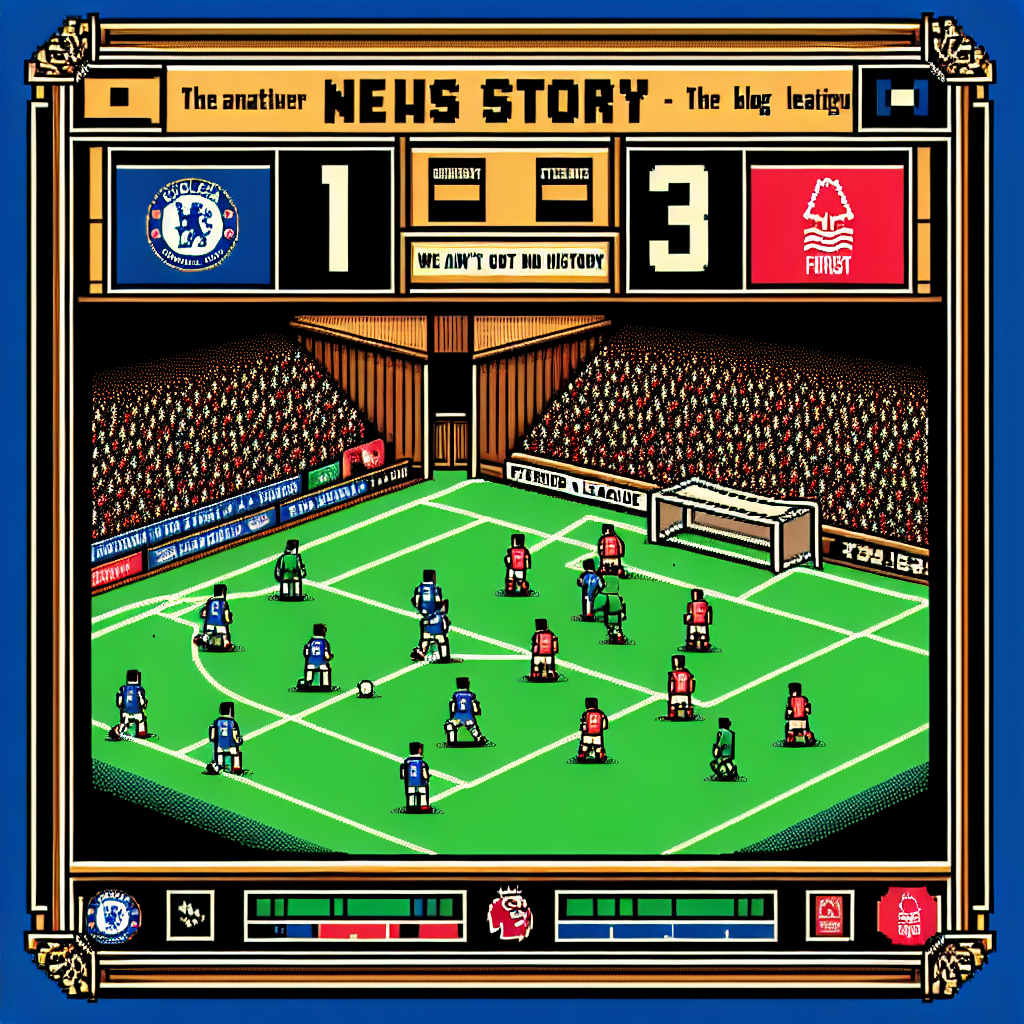
Something about Monday night felt poisonous. Stamford Bridge — a ground that’s seen glory and gut punches — watched Chelsea lose 1-3 to Nottingham Forest, and as fans spilled out disbelief into the London drizzle you could almost hear the chant of inevitability: we might be cursed. The phrase captured the mood perfectly — a mix of frustration, bewilderment and the sort of dark humour supporters use when things go from bad to bizarre.

This blog digs into why this result feels more than just three missed points. We’ll look at the match, the wider context for Chelsea’s season, and why the “cursed” theory has traction right now.

How the game turned: simple yet savage

Chelsea came into the match with rotation and questions. Nottingham Forest, with real survival stakes, played like a team with nothing to lose. The early moments told the story: Forest’s Bakwa whipped a perfect cross and Taiwo Awoniyi peeled off his marker to head home — clinical and clean. Suddenly Chelsea were chasing.

Awoniyi’s brace and a later Igor Jesus strike gave Forest a two-goal cushion they’d defend doggedly. Chelsea’s consolation — João Pedro late on — felt like cold comfort. Moments that should have shifted momentum against Forest instead went awry: Enzo Fernández hit the post, Cole Palmer missed a penalty, and defensive moments were poorly defended at the back post. Small margins, big consequences. (Match coverage and reaction provide details and player ratings.) (skysports.com)

Why “we might be cursed” isn’t just theatrics

Losses happen. But a few patterns amplify that dread:

  • Repetition of the same failings: defensive lapses in set or cross situations, stalled attacking rhythms, and late-game mental lapses have become recurring headlines.
  • Important moments go the wrong way: woodwork, penalties missed, offside whistles — all at times when a swing could have helped. Those events stack and feed the narrative of bad luck.
  • Fan psychology: when a club with Chelsea’s history drops results like this, supporters look for patterns (and scapegoats). “Cursed” is shorthand for systemic issues — chaotic management, shaky recruitment, or tactical confusion.

Watching Forest treat Stamford Bridge like any away pitch and leave with three points fuels that feeling. The result wasn’t a fluke isolated to one bad half — it reflected broader instability across a season. (goal.com)

Tactical cracks exposed

Chelsea’s setup showed good intentions but poor execution. Some of the recurring tactical issues stood out:

  • Vulnerability to crosses: Forest exploited the back post repeatedly. Defending those moments is a mix of coordination and will — both looked absent. (skysports.com)
  • Lack of control in midfield: Without consistent control, Chelsea were predictable. When Enzo had a sight of goal the frame denied them; elsewhere the team struggled to string pressure together. (skysports.com)
  • Rotational headaches: With changes for fixture congestion, cohesion suffered. Debutants and rotated players didn’t knit into a functioning whole, so moments of brilliance from individuals were not enough.

These are fixable problems — but they require a steady plan and clear leadership. Short-term motivational speeches don’t rewrite structural problems.

The fan reaction and the narrative of doom

Fans responded with a mixture of anger, sorrow and gallows humour. Social feeds were awash with disbelief: booing at full-time, memes about the club’s decisions, and chants that blended nostalgia with fury. The “we might be cursed” line spread because it captured something wider than this single defeat: the sense that decisions off the pitch are producing results on it.

That perception matters. Club morale, public confidence and player psychology are mutually reinforcing. When supporters believe the club is adrift, those narratives leak into media and can even affect player performance. It becomes harder to break the cycle. (reddit.com)

What this means for the rest of the season

Pause and breathe: one loss doesn’t end seasons, but its timing can be toxic. A home defeat like this:

  • Damages hopes of a top finish or European qualification.
  • Puts pressure on the manager and the board if the results pattern continues.
  • Forces tactical and squad reassessments before the summer.

If ownership and coaching staff respond with coherent fixes — clear transfer targets, tactical clarity, and a commitment to stability — this can be a wake-up call rather than a crisis. If not, the “cursed” vibe hardens into institutional rot.

Takeaways from a messy night

  • Momentum and intent mattered: Forest played with survival-level focus; Chelsea did not match that intensity.
  • Small margins defined the match: woodwork, a missed penalty and poor defensive reads amplified the scoreboard.
  • The story is systemic: repeated patterns this season make the loss feel like more than bad luck.

My take

“We might be cursed” is a dramatic but useful shorthand. It captures emotions when fans see the same mistakes over and over. But luck only explains so much. What’s most worrying is the repeatability of these errors — tactical confusion, poor defending of crosses, and moments where the team looks short on belief.

Fixing this requires clarity and consistency: a tactical identity that players understand, smarter game management, and recruitment that addresses real weaknesses. Fans might use the curse line to cope, but the cures are mundane and managerial.

Final thoughts

Football has a way of turning narratives on their head in weeks: confidence can return, and a run of form can make this loss a blip. Equally, inertia and poor decision-making can make the same pattern persist. For Chelsea, the urgent task is to turn the “we might be cursed” chat into a list of concrete fixes — one training session, one clear instruction, one transfer at a time. Until then, Stamford Bridge will feel prickly after nights like this.

Sources


Related update: We recently published an article that expands on this topic: read the latest post.


Related update: We recently published an article that expands on this topic: read the latest post.

Dusty May and Players After Title Win | Analysis by Brian Moineau

A night to remember: Everything Dusty May, players said after winning the National Championship

The headline — "Everything Dusty May, players said after winning the National Championship" — feels fittingly literal and celebratory. Within 24 hours of Michigan’s 69–63 victory over UConn, coaches and players spilled the kind of postgame honesty that sticks: relief, gratitude, vivid memory, and the inevitable déjà vu of a journey that suddenly ends with a banner and a parade. This piece pulls together the notable lines and the meaning behind them, and frames what those words tell us about a team that wrote itself into college basketball lore. (maizenbrew.com)

What they said on the surface

  • Dusty May emphasized the collective work and the staff behind the program — not just the players’ talent, but the people who built the environment that produced a national champion. He credited the staff’s preparation and the players’ willingness to embrace roles. (maizenbrew.com)

  • Elliot Cadeau, named the tournament’s Most Outstanding Player, highlighted resilience. He carried the scoring load in the second half and talked about staying composed when the game tightened. His pivot after halftime was the engine for Michigan’s late surge. (actionnewsjax.com)

  • Yaxel Lendeborg, who fought through a sprained MCL and other leg issues, reflected on the team-first mentality and the pain he pushed through to give Michigan spacing and veteran poise. His season-long transformation into a consensus All-American was a recurring theme in how teammates described him. (foxsports.com)

  • Trey McKenney’s late free throws and physical, hustle plays drew praise; he talked about trusting the preparation and making the plays that matter when the clock winds down. (foxsports.com)

Taken together, those lines read like a short-form playbook: preparation, role acceptance, resilience, and trust. (maizenbrew.com)

Reading the subtext: what those comments actually mean

Transitioning from quotes to context, the postgame remarks do more than praise teammates — they reveal what this Michigan team values. Dusty May’s repeated nods to staff and environment signal a program-first identity, not a one-year flash built around portal pickups. That message matters for long-term stability: recruits and transfers hear that success here isn’t accidental. (maizenbrew.com)

Elliot Cadeau stepping up in the second half and earning MOP indicates that Michigan’s floor is deep enough to weather injuries and off-nights from star players. Cadeau’s calmness under pressure isn’t a surprise; it’s an output of the coaching and the team’s hierarchical trust. Lendeborg’s willingness to play through injury reinforces that the group’s chemistry is intrinsic — players are ready to alter their game for the team. (actionnewsjax.com)

The coach’s signature: Dusty May’s messaging

Dusty May’s postgame tone blended gratitude and a longer view. Instead of an all-consuming celebration, his language emphasized construction: “we built this” rather than “we were lucky.” That’s a marketer’s dream for a head coach because messaging shapes perception among boosters, the Big Ten, and potential recruits. In press-rooms, coaches often oscillate between hyperbole and humility; May chose the latter, and it made the win look sustainable. (maizenbrew.com)

There’s another layer: May’s consistent credit to role players undercuts narratives that championship teams are just collections of high-IQ scorers. He pointed to defense, details, and the staff’s ability to tweak matchups — the invisible gears of a title team. Those are the things that keep a program competitive after personnel turnover. (maizenbrew.com)

Momentum, injuries, and the championship arc

No postgame roundup escapes the elephant in the room: injuries. Lendeborg’s sprained MCL and a rolled ankle in the Final Four were discussion points, and his measurable drop in shooting in the final prompted Cadeau and others to fill the gap. That sequence — star limited, role players elevating — is the kind of narrative that defines champions. It’s not the perfect game that wins a title; it’s the ability to survive adversity and rediscover composure. (foxsports.com)

From a macro perspective, Michigan’s path to the title involved consistent defense and clutch free-throw shooting late (Trey McKenney’s makes being a concrete example). Those micro-moments were what the players described when they told reporters about the game-closers that mattered most. (foxsports.com)

Why the quotes matter beyond the final buzzer

These postgame quotes will be replayed in highlight packages and will shape the offseason conversation. For the program, the messaging:

  • Creates a recruiting narrative centered on development and roles. (maizenbrew.com)
  • Frames Dusty May as a coach who builds culture, not just collects talent. (maizenbrew.com)
  • Confirms that this team’s identity is resilient defense and situational offense, useful for future scouting and conference rivalries. (foxsports.com)

In short, the words spoken at the podium are working on multiple audiences at once: fans, recruits, rivals, and the broader college basketball media ecosystem.

Where this leaves Michigan and its stars

Looking ahead, expect Michigan to lean into the narrative Dusty and his players laid down. Cadeau’s MOP accolade elevates his profile for pro scouts and marketing, while Lendeborg’s All-American season — despite injuries — cements his college legacy. May’s consistent crediting of the staff suggests retention will be a priority; losing architects after a title can destabilize momentum. (actionnewsjax.com)

And for fans? Those quotes are the glue for memories: the humility of the coach, the grit of the injured star, the poise of the MOP, and the clutch free throws that iced the game. Those are the lines that will hang in the rafters long after the confetti is swept up.

Final thoughts

Postgame soundbites are often ephemeral, but these felt like honest snapshots of a program in equilibrium. Dusty May and his players didn’t grandstand; they explained. That restraint — and the clear through-line of preparation and shared responsibility — may be the real takeaway. Championships are about talent, yes, but also about structures that let that talent perform when it matters most. The quotes from the podium show a team that did just that. (maizenbrew.com)

Sources


Related update: We recently published an article that expands on this topic: read the latest post.

Big East Rivalry Returns for Final Four | Analysis by Brian Moineau

An old Big East rivalry renewed — and a trip to the Final Four on the line

UConn women vs Notre Dame live: Winner advances to Final Four — that headline says it all, and it couldn’t feel more rightful. Two programs that built modern women’s college basketball out of grit, guard play and championship expectations met again with a Final Four berth dangling like the ultimate prize. The rivalry between Connecticut and Notre Dame has texture: shared history, coaching mind games, and moments that have rewritten the sport’s narrative. Tonight, it’s about legacy meeting the present.

Why this matchup still matters

First, some context. UConn and Notre Dame spent decades as Big East neighbors before conference realignment scattered schedules and storylines. Even after moving to different leagues, their games remained marquee events — partly because of the coaches (think Geno Auriemma and Muffet McGraw’s era), partly because both programs produced stars and teams that routinely chased national titles.

Now, fast-forward to this NCAA Tournament meeting: both teams arrived having earned respect all season — UConn undefeated for long stretches and Notre Dame battle-tested in the ACC. The stakes could not be higher: win and you’re in the Final Four; lose and a season’s dream evaporates.

Transitioning to the present matters because this matchup is more than a single-elimination game. It’s a referendum on program identity. Will UConn’s trademark offensive movement and depth carry the day? Or will Notre Dame’s defense and tenacity, plus their knack for rising in big moments, flip the script?

The storylines to watch

  • Momentum and roster balance. UConn’s run this season has combined veteran leadership with standout guard play. Notre Dame counters with disciplined execution and players who show up late in games.
  • Coaching chess. Geno Auriemma’s adjustments and Notre Dame’s game-planning are both historically elite. When these two meet, the halftime tweaks often decide the outcome.
  • Matchup edges. Inside-out combinations, transition defense, and who controls the glass will be decisive. Small advantages — a timely steal, an offensive rebound, a cold shooting stretch — become the difference in knockout play.
  • The rivalry factor. Pressure magnifies when history is present. Players feel it; crowd and media feed it. That emotional element occasionally births surprising performances.

UConn women vs Notre Dame live: what the numbers hint at

Looking at recent results, UConn carried a dominant regular-season performance that included a convincing win over Notre Dame earlier this year. That game underscored the Huskies’ firepower and cohesion. Notre Dame, however, has shown the habit of peaking in tournament settings — and in prior seasons they’ve been the kind of team that can flip momentum with defensive stops and efficient scoring.

Statistically, UConn’s offense tends to generate high-percentage looks through ball movement and cutting. Notre Dame’s defense thrives on contesting shots and forcing turnovers that create transition opportunities. So expect an ebb and flow where possession-by-possession execution matters more than flashy plays.

Transitioning from numbers to intangibles: experience in late-game situations and bench depth could tilt things. In elimination games, reliable secondary scorers and bench minutes that don’t collapse are invaluable.

Players to keep your eye on

  • UConn’s lead guards and veterans who initiate the offense and set tempo.
  • Notre Dame’s primary ball handlers and defensive stoppers who can take over possession play.
  • Role players: the midrange shooters and rebounders who quietly determine whether a team can sustain a run or weather adversity.

These are the types of contributors who don’t always make the highlight reels but dictate the narrative by the end of regulation.

How the game might unfold

Expect UConn to push to create early rhythm, using motion and quick passes to manufacture open shots. Notre Dame will likely be willing to trade baskets if it means keeping their defense intact and waiting for late-game opportunities.

If UConn builds an early lead, Notre Dame’s comeback history says not to count them out. Conversely, if Notre Dame controls transition and the boards, UConn will have to shorten the game and rely on halfcourt efficiency.

Either way, this game should deliver texture: momentum swings, coaching adjustments, and a finish that could hinge on free throws and defensive discipline.

What this means beyond one game

The immediate prize is obvious — a Final Four berth. But these games reverberate. For recruits, alumni, and program reputation, a win here reinforces national standing. For the sport, a classic between two blue-blood programs renews interest, media attention, and the sense that women’s college basketball still produces the kind of drama fans hunger for.

Moreover, the match highlights how old rivalries remain relevant even after conference shifts. They carry history into modern narratives and remind us that college sports are about continuity as much as change.

Key takeaways

  • Rivalry + stakes = heightened drama; this matchup is built for a classic.
  • UConn’s offense versus Notre Dame’s defense frames the tactical battle.
  • Depth, late-game poise, and coaching adjustments will probably decide the outcome.
  • A win has program-level effects beyond a single season — Final Four access is a platform for legacy.

My take

There’s an emotional tug when two former conference foes meet with so much on the line. The history adds a flavor you don’t get in neutral matchups. While UConn’s regular-season dominance makes them feel like favorites on paper, Notre Dame’s tournament savvy makes them dangerous. Ultimately, I expect a tight game decided in the last five minutes — maybe even by a single possession. That’s the kind of contest that turns moments into memories and players into folklore.

Sources


Related update: We recently published an article that expands on this topic: read the latest post.


Related update: We recently published an article that expands on this topic: read the latest post.