A locker-room compass walks out the door: the end of John Carlson’s Washington story
The bus rolled into the arena like any other morning, but inside the Washington Capitals locker room something felt different — quieter, weightier. After 17 seasons, decades of late-night practices, playoff marches and championship celebration, John Carlson was no longer a Capital. The trade to Anaheim landed before the NHL’s March 6, 2026 deadline and, for a franchise that built seasons around a handful of locker-room pillars, it felt like a small seismic shift.
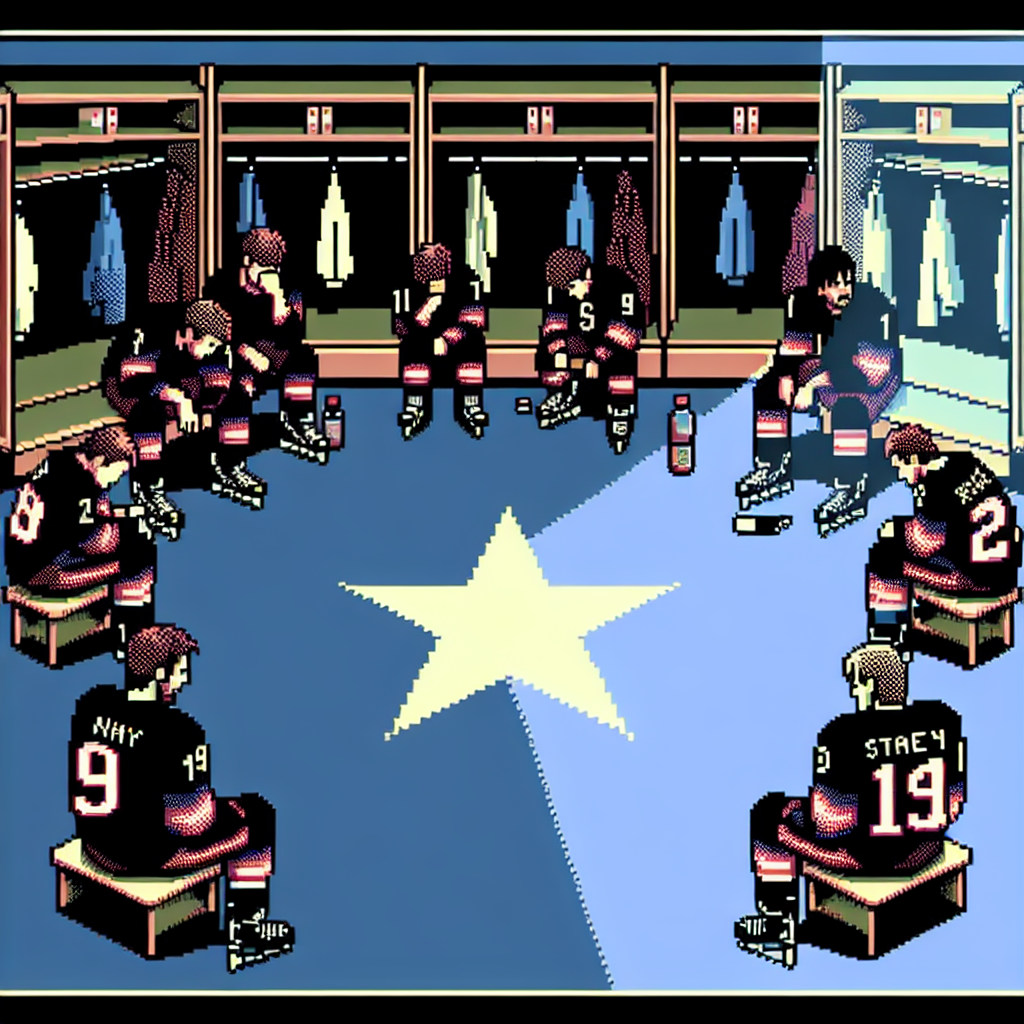
There’s sports drama and then there’s the human drama that follows longtime teammates when a “North Star” is moved. The reactions — teary-eyed players, stunned staff, a community of fans searching for the right words — captured the tug between competitive reality and deep emotional ties.
Why this matters beyond the box score
- John Carlson wasn’t just a top-pair defenseman; he was a cultural anchor. He played 17 seasons in Washington, helped lift the franchise’s lone Stanley Cup, and led the blue line in all-time games, goals and points for the team.
- The trade — Anaheim gave Washington a conditional first-round pick (2026 or 2027) and a 2027 third-round pick — is both cap- and roster-management logic and a symbolic break with the past. Teams in transition trade veterans like Carlson to accelerate a rebuild or restock future assets.
- The immediate aftermath shows how leadership can’t be measured only in assists or time on ice. When a locker-room “North Star” leaves, the ripple effects are emotional, tactical and strategic.
What happened (concise timeline)
- March 6, 2026: The Capitals traded John Carlson to the Anaheim Ducks for a conditional first-round pick in 2026 or 2027 and a 2027 third-round pick. (nhl.com)
- Reaction: Teary goodbyes and locker-room interviews revealed teammates describing Carlson as foundational to the team’s identity — a family man, a mentor and a steady presence. RMNB captured those raw reactions. (russianmachineneverbreaks.com)
- Media/context: Coverage from national outlets framed the move as part of the Capitals’ pivot at the deadline and a rare modern example of a player being traded after nearly two decades with one franchise. (nhl.com)
The locker-room lens: leadership that numbers don’t capture
Sports analytics do wonders for evaluating on-ice value, but they don’t quantify the quiet, daily leadership — the veteran voice in the pre-game skate, the dad who organizes team family nights, the player who models how to be a pro when things go sideways. Teammates called Carlson a “North Star” for a reason:
- He was consistent. Seventeen seasons under one banner build habits that younger players copy.
- He modeled loyalty and accountability, a living lesson that matters when a franchise is teaching its next generation.
- His presence carried meaning in moments: playoff pushes, media storms, and the everyday grind.
That cultural capital is why trading long-tenured leaders is never purely transactional. It rearranges relationships and expectations inside the locker room.
The trade logic: why the Capitals did it
- Asset accumulation: A conditional first-round pick is premium currency for a team evaluating a longer-term rebuild or retool. Draft capital gives flexibility to restock the pipeline. (nhl.com)
- Roster timeline: At 35 (per reporting), Carlson’s peak years were behind him. Teams weigh current performance against future cost and fit; Washington appears to have chosen the future route.
- Market dynamics: Offers for veteran leaders are rare. If a team can turn an aging core piece into high-value picks, the front office may see the move as necessary, even if wrenching emotionally. (thehockeynews.com)
What this means for Washington’s season and culture
- Short term: The Capitals lose an all-situation defenseman and a stabilizing presence. On-ice adjustments and minutes redistribution will be necessary immediately.
- Long term: The draft picks strengthen the franchise’s ability to add young talent or flip picks in other transactions. That’s the strategic payoff for letting go of a beloved veteran.
- Cultural test: With a leadership vacuum, other players must step forward. The club’s identity will shift from one centered on long-tenured stalwarts to whatever new faces fill those roles.
Voices from the room
- Teammates were emotional and candid, describing Carlson’s family-first approach and his habit of quietly setting the standard. Those human reactions underscored that this was not just a tactical move — it was the closing of a chapter for players and fans alike. (russianmachineneverbreaks.com)
- Coverage from the Capitals’ organization acknowledged the era and celebrated Carlson’s legacy, while emphasizing belief in the current roster and the future the picks could buy. (nhl.com)
What to watch next
- How Washington replaces Carlson’s minutes and power-play role.
- Whether the Caps use the newfound draft capital to trade up, draft high-impact talent, or acquire a younger, NHL-ready defender.
- The human follow-up: Will Carlson and Washington find a reunion path (short-term return or offseason free-agent conversations) or will his legacy remain a bittersweet chapter elsewhere? Media chatter suggests a Carlson reunion isn’t impossible, but nothing is certain. (washingtonpost.com)
Takeaways for fans and the casual observer
- Trades like this are inevitable in cap-era hockey, but they hurt because they are personal. Fans mourn not only the player but the memories and the sense of continuity.
- Smart roster building balances respect for legacy with strategic planning. Washington’s front office made a decision that favors future flexibility over present sentiment.
- Leadership is replicable but not interchangeable; it will take time and intentional culture-building to replace a 17-year Capitol of the franchise.
Final thoughts
Watching a locker room process the exit of a player like John Carlson is a reminder that sports are storytelling as much as competition. Teams are living, changing things — and sometimes the toughest calls are the ones that reshape a franchise’s identity overnight. Carlson leaves Washington with a Chamber of memories, a Stanley Cup and a record of leadership few players match. For Capitals fans, the practical gains of draft capital won’t instantly fill the hole he leaves in the room. But in hockey as in life, endings open space for a new chapter to begin.
Sources
- Capitals trade John Carlson to Ducks for two picks. NHL.com. https://www.nhl.com/news/topic/trade-coverage/john-carlson-traded-to-anaheim-ducks-by-washington-capitals. (nhl.com)
- Capitals announce acquisition of conditional first-round pick for John Carlson. Washington Capitals (team release). https://www.nhl.com/capitals/news/capitals-acquire-a-conditional-first-round-pick-in-either-2026-or-2027-and-a-2027-third-round-pick-from-anaheim-for-john-carlson. (nhl.com)
- Teary-eyed Capitals grapple with John Carlson trade: ‘There’s certain guys in the locker room that are kind of the North Star’. RMNB. https://russianmachineneverbreaks.com/2026/03/06/teary-eyed-capitals-john-carlson-trade/. (russianmachineneverbreaks.com)
- John Carlson shakes off shock of trade from Capitals to Ducks, joining practice with his new team. The Washington Post. https://www.washingtonpost.com/sports/nhl/2026/03/07/ducks-capitals-john-carlson-trade/. (washingtonpost.com)
Related update: We recently published an article that expands on this topic: read the latest post.
Related update: We recently published an article that expands on this topic: read the latest post.