
Bucky Brooks’ Bold 2026 NFL Mock Draft | Analysis by Brian Moineau

A mock draft with teeth: why Bucky Brooks 2026 NFL mock draft 3.0 matters

If you’ve been following draft season, you know mock drafts are fun — and telling. Bucky Brooks 2026 NFL mock draft 3.0 flashes that mix of whimsy and sharp evaluation that turns casual water-cooler chatter into something closer to roster blueprints. In this version Brooks envisions a team outside the top 10 pouncing on edge menace Rueben Bain Jr., while the Kansas City Chiefs give Patrick Mahomes an explosive pass catcher. That pairing — a game-breaking defender sliding out of the top tier and a perennial contender addressing an immediate, obvious need — is what makes this mock worth unpacking.

The draft is theater, but it also reveals scouts’ thinking: who’s rising, who’s falling and how team priorities shift after the combine and pro days. Brooks’ third projection reflects the current draft narrative: a premium on edge rushers and boundary playmakers, with a thinner-than-expected group of unquestioned first-round tackles and wide receivers.

What Brooks’ third mock says about Rueben Bain Jr. and edge value

  • Rueben Bain Jr. keeps showing up in early-to-mid first-round scenarios because he brings rare power-plus-length traits and consistent production against top competition.
  • If Bain falls to a team outside the top 10, it signals two things: evaluators still worry about measurable quirks (arm length, agility testing) and teams with later picks are willing to prioritize high-upside pass rushers even if they risk a relative “reach.”

That dynamic is part of the reason Brooks’ projection — which places Bain in a spot where a contending franchise could take him — feels realistic. The edge market in 2026 looks top-heavy: a couple of surefire early locks, then a group of candidates with varying ceilings. A team landing Bain after the top 10 would be buying elite upside at a price that can change playoff trajectories.

Transitioning from defense to offense, Brooks’ mock also leans into the narrative that the Chiefs must re-stock Mahomes’ weapons.

Why the Chiefs adding a tight end makes sense in this mock

Brooks’ projection of the Chiefs picking a tight end to bolster Patrick Mahomes’ arsenal checks several boxes:

  • Mahomes is returning from an ACL recovery and the offense will benefit from perimeter and intermediate threats who can operate in the seams.
  • Travis Kelce’s future remains a storyline; whether he plays in 2026 or not, Kansas City needs vertical and matchup-capable pass catchers.
  • A tight end who can split the seam or stress linebackers creates matchup-driven read simplifications for Mahomes and offsets pressure on the wide receiver corps and running game.

Analysts across the mock-draft circuit have echoed similar logic: with Mahomes’ return and Kelce’s uncertain trajectory, the Chiefs should use premium picks to secure reliable targets who can produce early. The idea isn’t radical; it’s pragmatic roster management for a team in win-now mode.

Round 1 patterns to watch (what this mock highlights)

  • Edge rushers dominate conversations in the top half of the first round. Demand for pass rushers remains high because pressure wins playoff games.
  • Receivers and tight ends with explosiveness and contested-catch ability are getting pushed into the first round sooner than some expected.
  • Offensive line remains a need for many teams, but consensus first-round tackles are fewer; interior linemen may be undervalued in early projections.
  • Teams in the 11–20 range become draft-day sweet spots: they can land premium players who slip and still keep core starter timelines intact.

Brooks’ mock reflects these trends and helps explain why a player like Bain — a rotational game-changer at worst and an every-down terror at best — would be coveted by clubs willing to pounce when the board permits.

The Cowboys angle — stacking defense without surrendering offense

Across mocks, including those contemporaneous with Brooks’ work, the Cowboys repeatedly show up as a defense-first draftee. The logic is straightforward: when expensive offense pieces are already in place, teams with multiple early picks often double down on the defensive talent pool.

  • Adding two impact defenders in the first round accelerates a rebuild that needs immediate on-field improvement.
  • The Cowboys’ approach — fortify the trenches and edge, protect the secondary with length and athleticism — reflects a belief that defense creates more consistent win probability than splash offensive picks for certain roster windows.

Brooks’ third projection leans into that conservative, long-term construction philosophy while still acknowledging the value of explosive offensive playmakers elsewhere in the board.

How to read mock drafts like Brooks’ (a short guide)

  • Treat third mocks as snapshot updates, not gospel. They’re responses to combine results, pro days, and shifting team narratives.
  • Look for consensus trends across multiple mocks. If Bain, for example, appears in the 10–20 window across several analysts, that’s a stronger signal than a lone projection.
  • Pay attention to “fit” more than pure talent rankings. Teams draft for scheme compatibility and roster needs, not just the best player available.
  • Remember draft day trades. Many mocks assume no trades; a single move can cascade and re-order entire positional runs.

Those practices make consuming mock drafts less about who “wins” and more about what the market is pricing in.

My take

Bucky Brooks 2026 NFL mock draft 3.0 gives us both drama and a useful lens. The Bain storyline is the classic draft romance: a high-upside disruptor who could flip games and who might slip because of measurable concerns. The Chiefs picking a tight end is the pragmatic counterpoint — a contender using draft capital to protect a championship window.

Mocks are maps, not GPS. They help us see possible routes to the destination but don’t account for every detour. With the draft less than a month away and teams still refining visits and medicals, Brooks’ projection is a lively, defensible snapshot of how clubs might allocate value in 2026.

Sources


Related update: We recently published an article that expands on this topic: read the latest post.

Related update: We recently published an article that expands on this topic: read the latest post.
Commanders Ready to Spend Big in Free | Analysis by Brian Moineau

Washington’s all-in moment: why the Commanders are expected to spend big in free agency

There’s an energy around the Washington Commanders that feels different this winter — not the slow-burn rebuild whispers of past years, but a louder, bolder hum that says: let’s win now. With ample cap space and clear holes on the roster, Washington is widely expected to be aggressive in free agency, targeting edge rushers, wide receivers and cornerbacks to give Dan Quinn’s defense and the offense immediate, high-impact upgrades. (espn.com)

Why this off-season matters

  • The Commanders enter the offseason with meaningful salary-cap flexibility and a front office that signaled a willingness to spend to accelerate the team’s timeline. That combination naturally points to heavy activity in March’s free-agent market. (washingtonpost.com)
  • The roster has glaring needs where veteran, top-of-market signings can move the needle quickly: an edge rusher who consistently pressures quarterbacks, a reliable outside receiver to complement the existing weapons, and a starting-caliber corner to stabilize pass defense. These are precisely the positions most analysts expect Washington to pursue. (espn.com)
  • Free agency lets a team buy proven production immediately — crucial for a franchise that has burned draft capital in recent years and now needs results rather than long-term projects. Expect the Commanders to target players who can contribute Week 1. (espn.com)

What the Commanders need, in plain terms

  • Edge rusher: A true consistent pass-rush presence to relieve pressure on the secondary and flip game-planning for opponents. A high-end edge signing would change opposing protections and help the entire defense perform better. (espn.com)
  • Wide receiver: A reliable outside threat who can draw coverage, create separation and finish contested catches — an upgrade that would open the field for the offense. (fanduel.com)
  • Cornerback: Either a veteran lockdown option or a versatile starter who can coexist with the team’s other corners and simplify defensive matchups. (washingtonpost.com)

How Washington might spend — scenarios to watch

  • Top-of-market move(s): With cap space, the Commanders could pursue one or two marquee free agents (for example, a high-grade edge rusher and a starting corner), accepting premium contracts to land immediate difference-makers. That’s the “splash” approach many pundits expect. (espn.com)
  • Mix of veteran signings + draft: Another path is signing one or two proven veterans and using the draft to fill complementary roles, balancing cost and roster depth. This reduces risk but still upgrades key spots. (fanduel.com)
  • Targeted bargains: If the market inflates and bidding wars push prices sky-high, Washington could pivot to younger, cheaper free agents with upside — trading immediate star power for more manageable long-term cap flexibility. Recent coverage notes both the temptation and the danger of overpaying in an inflated market. (atozsports.com)

The ripple effects on roster construction

  • Spending big at edge or corner affects draft strategy. If the Commanders lock up a premier pass rusher in free agency, their first-round pick could go to offense or to a different defensive need. Conversely, staying conservative in free agency would increase pressure to draft impact players early. (espn.com)
  • Financially, committing large sums to veteran free agents shortens flexibility in future windows. That’s fine if the signings push the team into contention; it’s risky if the players underperform or suffer injuries — a classic win-now tradeoff. (washingtonpost.com)
  • Culture and coaching fit matter. Dan Quinn’s scheme values pass rush and tight corner play; bringing in players who fit the scheme and locker-room culture will be as important as raw stats. Analysts have emphasized that the front office appears ready to prioritize scheme fits this offseason. (espn.com)

Possible names and market dynamics

  • The actual targets will depend on who reaches the market and how bidding wars unfold. Names have circulated in mock lists and local coverage — from established edge talents to starting corners and mid-level receiver options — but the bigger story is the Commanders’ willingness to be “top of market” for players who can make an immediate impact. Expect competition from other teams with similar needs, which tends to drive up contract values. (sportsnaut.com)

A few practical betting points to follow as the window opens:

  • Watch whether Washington bids aggressively early or dials in offers late — early splashes suggest confidence in a championship window; late buys suggest opportunism. (espn.com)
  • Track cap moves and restructures — they reveal how committed the front office is to spending now versus preserving flexibility. (washingtonpost.com)
  • Pay attention to positional signings league-wide; a handful of high-priced deals at edge or corner will define the market and affect Washington’s ability to land targets. (atozsports.com)

A quick snapshot for fans (TL;DR)

  • The Commanders have money and urgency. Expect big swings in free agency, particularly for edge rushers, wide receivers and cornerbacks. (espn.com)
  • The team could chase one or two marquee veterans or combine a couple of high-impact signings with draft solutions. (fanduel.com)
  • Outcomes will hinge on market inflation, bidding wars and whether Washington prioritizes immediate results over long-term flexibility. (atozsports.com)

My take

If Washington truly wants to pivot from hopeful rebuild to legitimate contender, this is the offseason to stop nibbling at the edges and invest where it counts. An elite edge rusher and a dependable boundary corner can transform the defense overnight; a consistent outside receiver can change the offense’s play-calling balance. Smart deals that emphasize fit — not just star power — will matter most. The risk of overpaying exists, but so does the upside of vaulting into contention. For fans, buckle up: the next few weeks should be lively.

Sources


Related update: We recently published an article that expands on this topic: read the latest post.

Related update: We recently published an article that expands on this topic: read the latest post.
Gutekunst’s Indy Takeaway for Packers | Analysis by Brian Moineau

What Gutekunst Said in Indy — and What It Means for the Packers' Next Move

The NFL Scouting Combine is where drills meet diplomacy: prospects earn headlines with 40-yard dash times, and front-office leaders trade candid soundbites into a media frenzy. When Packers GM Brian Gutekunst took the podium in Indianapolis, he did what he usually does — guarded optimism with a clear blueprint. His comments touched on receivers, pass rush, special teams and the salary-cap landscape. For fans trying to read the tea leaves, Gutekunst’s tone in Indy felt like part reassurance, part challenge: the roster is close, but key upgrades remain necessary.

Quick hits from the podium

  • Gutekunst shrugged off clubhouse friction from Josh Jacobs’ public comments, emphasizing private conversations and Jacobs’ team-first mentality. (packers.com)
  • The GM still prefers developing in-house receivers rather than making a splash external addition — but he’s not blind to the need for a proven No. 1. (packers.com)
  • Health updates: Christian Watson’s ACL rehab is progressing; Romeo Doubs’ concussion history doesn’t appear to be a long-term red flag. (packers.com)
  • Pass-rush production and kicker reliability are explicit offseason priorities. Gutekunst said the pass rush “has to get better” and confirmed competition at kicker. (packers.com)
  • The higher-than-expected salary cap gives flexibility, but Gutekunst framed it as breathing room rather than a license to overspend. (packers.com)

Why the receiver conversation matters (and why Gutekunst sounded measured)

The optics were interesting: running back Josh Jacobs openly said the Packers need a “proven, No. 1” receiver, and that line quickly became the storyline out of Super Bowl week. Gutekunst’s response in Indy defused the drama without dismissing the issue. He reiterated that he’s had private conversations with Jacobs and believes the RB’s comments were rooted in a desire to win, not discord. At the same time, Gutekunst made his evaluation priorities clear: the front office would prefer one or more players on the current roster to step up rather than immediately flipping resources for an established star. That signals two things:

  • Gutekunst trusts the development pipeline and values internal continuity (drafted players getting opportunities). (packers.com)
  • The door remains open for external moves if the right high-value option appears — but not at the cost of destabilizing long-term roster construction. The GM’s posture is pragmatic, not reactionary. (packers.com)

From an SEO perspective: fans searching “Packers receiver need 2025”, “Gutekunst Combine receivers” or “Josh Jacobs comments” will find that Indy didn’t change Green Bay’s strategy — it clarified it.

Pass rush, the hidden keystone

If receivers are the high-profile ask, pass rush is the structural one. Gutekunst explicitly said producing more pressure is crucial if the Packers want to meet their stated championship aims. The Combine is the early-stage marketplace for edge talent, and Gutekunst’s remarks suggest he’s prepared to use draft capital or trades to upgrade that front. Expect the Packers to weigh:

  • Drafting edge help (possibly trading up if a premier rusher is available). (packers.com)
  • Prioritizing players with both size and versatility, fitting the defensive vision Jeff Hafley wants. (packers.com)

For fans, the implication is clear: look for moves that boost pressure generation next to improving coverage. A better pass rush feeds the secondary, masks rough patches at corner, and gives Jordan Love more clean pockets.

Roster depth, contracts, and the salary-cap reality

A surprise jump in the salary cap created headlines around the league. Gutekunst described the windfall as helpful breathing room but didn’t suggest Green Bay will suddenly behave differently in free agency. Key notes:

  • Jordan Love’s contract talks were expected to begin around combine-time, but formal extension rules limit when teams can complete deals. Gutekunst said initial conversations are part of the combine rhythm. (packers.com)
  • Several impending free-agent decisions — from offensive line starters to rotational players — will shape draft and signing priorities. Gutekunst framed the cap boost as flexibility, not a wholesale change in philosophy. (packers.com)

This is smart conservative management: keep flexible while targeting high-impact upgrades rather than overpaying for short-term fixes.

Special teams and other nitty-gritty areas Gutekunst flagged

Two specific small-market but high-leverage items rose in his talk:

  • Kicker Anders Carlson will face competition after a shaky rookie year; Gutekunst expects improvement but also competition. Kicking matters in close games — the Packers are addressing it. (packers.com)
  • Running back depth and role definition: Gutekunst wants a “bigger back” behind Aaron Jones for short-yardage and late-game scenarios, especially if AJ Dillon departs. That’s a targeted roster need that can influence mid-round draft choices or free-agent looks. (packers.com)

These are the kinds of small decisions that swing tight games; Gutekunst’s comments show he’s not ignoring them.

What to expect next — a short roadmap

  • Draft: Look for an emphasis on pass rush and depth — possibly a late-round developmental QB and an OL insurance piece. (packers.com)
  • Free agency/trades: Gutekunst will use the extra cap room judiciously. Big splashes are possible but not guaranteed; priority will be on fit and value. (packers.com)
  • Development: The staff will continue to create opportunities for younger receivers and defensive backs to earn roles — Gutekunst repeatedly credited opportunity as a driver of recent draft ROI. (packers.com)

Midseason checklist for skeptics and optimists

  • Skeptics: Watch for whether Green Bay actually adds a true No. 1 receiver or simply leans on roster development; whether pass-rush production measurably improves; and if kicking issues are resolved. (packers.com)
  • Optimists: Lean into the fact that the cap boost and internal depth give Gutekunst options; a few well-timed moves (edge rusher + reliable kicker) could convert a very good roster into a championship one. (packers.com)

My take

Gutekunst’s Combine appearance felt less like a reveal and more like a status report from a GM who believes the roster is close but incomplete. He balanced faith in homegrown talent with an honest acceptance that targeted upgrades matter — especially in pass rush and at the receiver position. If Green Bay can pair smart additions with the growth already visible on the roster, this offseason could be the bridge between contention and genuine title expectation.

Sources


Related update: We recently published an article that expands on this topic: read the latest post.


Related update: We recently published an article that expands on this topic: read the latest post.

Stefanski Keeps Ulbrich for Defense Plan | Analysis by Brian Moineau

When continuity meets change: Why the Falcons kept Jeff Ulbrich after hiring Kevin Stefanski

A crisp weekend in Atlanta brought big headlines: Kevin Stefanski was introduced as the Falcons’ new head coach on January 17, 2026 — and two days later the franchise quietly made another important decision. Jeff Ulbrich, the architect behind Atlanta’s sudden pass-rush renaissance, will stay on as defensive coordinator under Stefanski on a new three‑year deal. The pairing is one part bold reset and one part deliberate continuity — and that mix could define the next chapter for the Falcons. (atlantafalcons.com)

Why this matters right now

  • The Falcons hired Kevin Stefanski as head coach on January 17, 2026, handing him the keys to a roster with clear weapons but lingering questions at quarterback and continuity questions on staff. (atlantafalcons.com)
  • Ulbrich’s defense produced a franchise‑record 57 sacks in 2025 and improved Atlanta’s pass rush from a chronic weakness into a clear strength — a turnaround that owner Arthur Blank and new leadership wanted to preserve. Keeping Ulbrich preserves momentum on that side of the ball. (espn.com)
  • Stefanski comes from an offensive, run‑centric background; retaining Ulbrich signals a two‑pronged approach: refresh the offense while keeping the defensive foundation intact. (atlantafalcons.com)

The narrative at play

Think of the Falcons’ offseason so far as a chess move followed by a safety blanket. Atlanta hired a coach known for play‑calling discipline, offensive structure and quarterback management. Stefanski’s résumé includes two AP Coach of the Year awards and sustained emphasis on a physical rushing attack. That’s the chess move — a clear directional choice for the offense and culture. (atlantafalcons.com)

Keeping Jeff Ulbrich is the safety blanket. Ulbrich’s 2025 defense flipped a stubborn team weakness into a real asset: younger edge rushers like James Pearce Jr. and Jalon Walker broke out, and the unit posted numbers that made opponents respect Atlanta’s ability to pressure quarterbacks. Owner and new president-level leadership preferred not to hit the reset button on a defense that finally looked like it had identity and upward trajectory. (espn.com)

What this could mean on the field

  • Defensive identity stays: With Ulbrich in place, expect the Falcons to keep aggressive pass-rush concepts and continue prioritizing edge development. That helps simplify defensive planning while Stefanski installs his offensive concepts. (espn.com)
  • Offense refresh under Stefanski: Stefanski will likely bring trusted assistants and an emphasis on a strong rushing foundation and clean QB mechanics; how he meshes with Atlanta’s quarterback situation (Kirk Cousins vs. Michael Penix Jr. recovery timeline) will be a key storyline. (atlantafalcons.com)
  • Balance of power in the building: Retaining Ulbrich — with a new three‑year contract reported — suggests owner and president want collaboration, not wholesale staff purge. That can speed up roster construction and offseason program planning. (nbcsports.com)

Things to watch this offseason

  • Which Stefanski assistants follow him to Atlanta, and how their offensive philosophy integrates with the existing roster and Bijan Robinson’s skill set. (atlantafalcons.com)
  • How the Falcons manage the QB timeline for Michael Penix Jr.’s recovery versus a potential veteran plan — Stefanski’s past experience with rotating quarterbacks is relevant context. (theguardian.com)
  • Whether Ulbrich’s defensive scheme remains the same or is adapted to better complement Stefanski’s offensive tempo and personnel demands. (espn.com)

Notes on fit and risk

  • The upside: Continuity on defense buys Stefanski breathing room to implement offensive systems without sacrificing recent defensive gains. Young pass-rushers already on the roster give Ulbrich real tools to build with. (espn.com)
  • The risk: If Stefanski and Ulbrich’s philosophies clash in practice planning, game planning, or personnel priorities — especially in how draft/FA resources are allocated between offense and defense — the “best of both worlds” approach could devolve into mixed messaging. Alignment up front will be essential. (atlantafalcons.com)

My take

This move reads as savvy and pragmatic. The Falcons could have made a clean sweep and risked losing the defensive momentum that finally emerged in 2025. Instead, they paired a proven offensive-minded head coach with the defensive architect who gave them a sudden identity. Success won’t be automatic — quarterback clarity and staff alignment are the heavy lifts — but the franchise has at least given itself a real shot at stabilizing both sides of the ball. If Stefanski and Ulbrich can coordinate a coherent plan that values complementary strengths, the Falcons might be building toward consistency instead of another reboot.

Final thoughts

Coaching changes are often loud and disruptive. The quiet, deliberate retention of Jeff Ulbrich after hiring Kevin Stefanski suggests Atlanta’s leadership prefers a hybrid approach: change where they need it most (offense/head coach) and continuity where it actually worked (defense). That’s a promising formula — provided everyone is rowing the same way.

Sources


Related update: We recently published an article that expands on this topic: read the latest post.

Related update: We recently published an article that expands on this topic: read the latest post.


Related update: We recently published an article that expands on this topic: read the latest post.

Chargers’ Injury Watch: Hampton and 7 | Analysis by Brian Moineau

Chargers vs. Patriots: Who’s banged up and what it means for Wild Card Sunday

The Chargers opened Wild Card week with a splashy — and a little alarming — injury report. Eight players didn’t practice on Wednesday, including running back Omarion Hampton, and a handful of starters took either veteran rest or limited reps as Los Angeles prepares for a tense trip to New England. That nugget matters: in playoff matchups, small availability swings turn into tactical advantages (or headaches) overnight. (chargers.com)

Quick snapshot

  • The Chargers listed eight players as DNP (did not participate) on Wednesday: Omarion Hampton (ankle), Bud Dupree (hamstring), KeAndre Lambert-Smith (hamstring), Kendall Williamson (ankle), Austin Deculus (oblique), plus veteran-rest DNPs for Keenan Allen and Khalil Mack. Jamaree Salyer, Elijah Molden and Donte Jackson were limited. Justin Herbert practiced fully. (chargers.com)
  • The Patriots’ report included a few notable absences and limited players (Thayer Munford Jr., Garrett Bradbury, Vederian Lowe among DNPs), but their key defenders have been trending toward participation. The Patriots posted their own update on Thursday that fleshed out those details. (patriots.com)

Why Omarion Hampton’s DNP matters

  • Depth at running back is suddenly a storyline. Hampton has been a part of the Chargers’ rotation after returning from a fractured ankle earlier in the season. His absence in practice — particularly with an ankle designation — raises questions about how involved he’ll be on game day, and whether special-teams duties or short-yardage snaps shift to others like Kimani Vidal or Hassan Haskins. (chargers.com)
  • In a matchup where the Patriots have shown strength against the run this season, any reduction in the Chargers’ ground-game availability could push the Bolts to rely more on Justin Herbert’s arm and Greg Roman’s passing concepts. Herbert practiced fully, which is an encouraging counterpoint for Los Angeles’ offense. (patriots.com)

Other Chargers to watch

  • Bud Dupree (hamstring) — Edge rush depth is critical against a Patriots offensive line that can lean on power runs and play-action. Dupree’s absence would affect pass-rush packages and rotational stamina. (chargers.com)
  • KeAndre Lambert-Smith (hamstring) — A younger receiver whose snaps matter in third-down and special-teams packages; a DNP here tightens Keenan Allen/other targets’ workload. (chargers.com)
  • Jamaree Salyer & Donte Jackson (limited) — Even limited practice for a left tackle or a cornerback matters: protection and coverage reps are the heartbeat of a game plan. Their statuses over the next couple of days will guide matchups and blocking calls. (patriots.com)

Patriots’ side: stability and nagging issues

  • New England’s Wednesday/Thursday reports show several players sidelined by illness and lingering injuries (including Khyiris Tonga still out with a foot issue). But several defensive leaders like Harold Landry and Robert Spillane logged limited work, which hints at a higher likelihood they’ll be close to game-ready. Home-field advantage and healthier participation days give the Pats some margin for error. (patriots.com)

Tactical ripple effects to expect

  • Offensive game-planning: If Hampton’s role is reduced, expect more two- and three-receiver sets, as well as early tempo to try to get the Patriots’ linebackers moving sideline-to-sideline. Chargers might lean on quick passes and Herbert’s mobility to create chunks. (patriots.com)
  • Special teams: Hampton’s value includes return and coverage snaps; his limited availability could shift responsibilities and slightly alter field-position battles in a game where every yard counts. (nbcsports.com)
  • Defensive rotations: Bud Dupree’s absence would change who rushes on obvious passing downs and could mean more snaps for rotational rushers — which affects how the Chargers rush four vs. bring extra blitzers. That shapes how the Patriots’ offensive line chooses protections. (chargers.com)

Things to watch between now and kickoff

  • Friday’s and Saturday’s practice reports — coaches will use the remaining days to make final injury designations and game-day decisions. Small changes (limited → full, or DNP → limited) can flip plan priorities. (patriots.com)
  • Special-teams depth chart announcements — these usually come late but are especially telling in playoff games when depth is tested. (nbcsports.com)
  • Matchup adjustments: If the Chargers are notably shorthanded on the edge or at running back, look for increased usage of quick passes, screens and pre-snap motion to create favorable matchups.

A few practical takeaways

  • Expect a Chargers offense that will try to protect Herbert’s left hand by emphasizing timing throws, quick reads and schemed run looks if Hampton’s role shrinks. (patriots.com)
  • The Patriots will try to exploit any wear in the Chargers’ front seven and could push tempo if they sense limited depth at edge rush or in the backfield. (patspulpit.com)
  • Final rosters and active lists on game day will tell the real story; reports now are useful but fluid. (patriots.com)

My take

This injury report is less about panic and more about contingency planning. The Chargers still have the superstar pieces they need — Justin Herbert practiced fully — but playoff football punishes thinness. If Hampton is limited on Sunday, the Chargers’ coaching staff will need to be creative and protect their offensive rhythm while keeping defenses guessing. On the Patriots’ end, incremental health wins for linebackers and key linemen tilt the edge toward New England’s game-control style at Gillette. Bottom line: availability is itself a tactical advantage in the postseason, and both teams are jockeying for that edge right now. (chargers.com)

Sources


Related update: We recently published an article that expands on this topic: read the latest post.


Related update: We recently published an article that expands on this topic: read the latest post.

Cowboys Late Push: Building Something | Analysis by Brian Moineau

Closing the Year with Purpose: The Cowboys’ Unexpected Summer of Hope

There’s a particular kind of stubborn optimism in football — the kind that refuses to let the season end quietly even when the playoffs are out of reach. After the Dallas Cowboys were officially eliminated from playoff contention in late December 2025, head coach Brian Schottenheimer didn’t send the veterans home early or pivot fully into audition mode. Instead he doubled down on one message: they’re still building something special.

This is not the self-delusion of an owner desperate for headlines or a coach covering for mistakes. It’s a deliberate cultural stance, a claim about identity and process when the scoreboard stings the most.

Why Schottenheimer’s stance matters

  • It reframes the end of a disappointing season as an investment period rather than an admission of failure.
  • The approach protects the delicate balance between player development, veteran stewardship, and organizational continuity.
  • It gives the franchise a narrative heading into 2026: learning, accountability, and sustained standards.

Schottenheimer has been clear: this is year one of a project. That matters for teams that want to avoid the “blow-it-up” cycle and instead create long-term winning habits.

What Schottenheimer actually said

  • He emphasized the immediate focus — “playing the Commanders” and taking each game seriously.
  • He stressed that players still want to play, want to win, and care about one another.
  • He framed culture as intact: practice effort, locker-room cohesion and accountability remain, even if the win-loss column doesn’t show it yet.
  • He acknowledged coaching and execution need fixing, calling out that the record shows “we’re not playing good enough football” and “I’m not coaching good enough football,” while insisting culture is not the problem. (DallasCowboys.com)

This mix of accountability and faith in the locker room is a classic leadership posture — own the failures, but insist on the foundations that will allow you to fix them.

The practical choices behind the rhetoric

  • Managing veterans: Schottenheimer signaled cautious handling of veteran stars (like Dak Prescott) when games get out of hand, balancing player health with momentum-building.
  • Division focus: He pointed out the realistic chance to “go potentially 5‑1 in the division,” reframing the remaining slate into a tangible target that matters to fans and players.
  • Play and practice standards: He highlighted that the team continues to practice and prepare hard — the kind of consistency that helps teams rebound faster in Year Two.

These are not poetic platitudes — they’re operational decisions that shape roster usage, coaching priorities in the offseason, and how the front office evaluates progress.

The broader context

  • This was Schottenheimer’s first year as head coach, a season with notable roster moves and upheavals (including high-profile trades earlier in 2025) and uneven results on defense and offense.
  • Owner Jerry Jones has been publicly intent on “competing now,” which adds pressure to turn culture into wins quickly.
  • Despite the misses, Dallas still landed notable individual recognition (e.g., Pro Bowl nods), underscoring that talent exists even if synergy didn’t consistently follow.

Taken together, the season reads like a classic transitional campaign: flashes of high-level play, recurrent structural issues (especially on defense), and a coach trying to install a long-term identity while under immediate-results pressure.

Nuggets for fans and skeptics

  • This stance isn’t an excuse: Schottenheimer explicitly took coaching responsibility where due. That kind of candor can buy credibility if next season shows measurable improvement.
  • Culture alone won’t win games. The Cowboys will need tangible fixes — schematics, personnel, situational coaching — to translate the “special” rhetoric into wins.
  • The remaining games of the 2025 season were being framed as momentum-building opportunities, not consolation prizes. That matters when evaluating offseason momentum and front-office decisions.

What to watch in 2026

  • Coaching adjustments: Will Schottenheimer change his staff or scheme emphases to stop the defensive slide?
  • Roster moves: Will the front office prioritize pass rush and secondary help to address persistent defensive shortcomings?
  • Player development: Can young and new pieces (and veteran leaders) convert late-season effort into early-season cohesion next year?

If the organization truly believes this is a sustainable build, those are the levers they’ll pull.

A short verdict

You can be skeptical — and you should be. “We’re building something special” is a bold claim from a first-year coach whose team missed the postseason. But there’s credibility in Schottenheimer’s blend of ownership and optimism: he admitted coaching shortcomings, praised the locker-room culture, and set practical goals for the remaining games. If Dallas converts that cultural bedrock into clearer strategic fixes (especially on defense), the phrase won’t sound like wishful thinking next fall.

Final thoughts

Good culture is necessary and messy stuff is inevitable. The true test for the Cowboys will be whether the lessons of 2025 produce measurable change in 2026. Fans don’t just want hope — they want progress. For now, Schottenheimer has given the locker room a direction and the franchise a baseline: finish strong, protect the core, and turn culture into consistent execution. That’s a start worth watching.

Sources


Related update: We recently published an article that expands on this topic: read the latest post.

Jackson vs. Flores: Blitz Test in Week 10 | Analysis by Brian Moineau

Lamar Jackson vs. Brian Flores: A Blitzing Chess Match in Week 10

The noise at U.S. Bank Stadium, the hum of horns, and the flash of purple on every sideline — Week 10 brings more than a matchup. It’s another test of development for Lamar Jackson, who’ll face a Vikings defense built to pester quarterbacks with one of the league’s heaviest blitzing diets under defensive coordinator Brian Flores. Four years after Jackson’s difficult night in Miami against a Flores scheme that leaned on repeated pressure, the storyline is no longer just about survival — it’s about how much he’s grown.

Why this matchup matters

  • Brian Flores has been aggressive in his approach to pressure quarterbacks, and his Vikings have blitzed at one of the highest rates in the league this season.
  • Jackson’s growth against blitz-heavy fronts has been a clear theme of the last two seasons: quicker reads, more accurate intermediate throws, and better decisions when the pocket collapses.
  • The Ravens offense must execute silent, crisp communication (U.S. Bank is famously loud), quick-release passing concepts, and creative protections to blunt Minnesota’s attack.

The backstory: Miami, 2021 and the turning point

On Nov. 11, 2021, Lamar Jackson endured one of the roughest outings of his career when Brian Flores — then coaching Miami — dialed up obsessive blitz packages. Jackson faced an extraordinary number of defensive-back blitzes and the Dolphins’ pressure scheme disrupted his rhythm, resulting in a low-scoring outing for Baltimore. That game is often referenced in discussions about how opposing coaches can try to force Jackson into uncomfortable, tight-pocket situations.

What’s different now is clear: Jackson isn’t the same young quarterback from 2021. He and the Ravens have refined the offense, improved protection schemes, and added a more reliable receiving corps and intermediate passing game to punish over-aggression.

How Jackson has evolved against the blitz

  • Faster reads and streamlined progressions — Jackson takes what the defense gives, often getting the ball out quickly to exploit vacated zones.
  • Improved intermediate accuracy — rather than trying to force deep shots when pressure arrives, Jackson’s comfort throwing between the numbers and to tight ends/hot reads has improved.
  • Mobility as a complement, not crutch — his legs threaten scrambling lanes and buy time, but the offense now emphasizes quick passes and spacing to neutralize blitzing defenders.

Recent game data and reporting show Jackson performing at a high level against blitzes since 2024: strong passer ratings, positive expected points added (EPA), and favorable touchdown-to-interception numbers when teams send extra rushers. That’s not luck — it’s a combination of offensive coaching, scheme tweaks, and Jackson’s own growth in processing pressure.

What the Vikings will do (and why it works)

  • High blitz rate: Minnesota ranks among the league leaders in blitz percentage, often sending different personnel and looks to disguise where pressure is coming from.
  • Scheme variety: Flores mixes man and zone pressures, DB blitzes and linebacker stunts, aiming to create confusion pre-snap and force communication errors.
  • Situational aggression: The Vikings leverage crowd noise and situational pressure (early downs, third-and-medium) to try to get the Ravens off rhythm.

If Flores can consistently beat Baltimore’s protections or force false starts/communication breakdowns in the loud U.S. Bank environment, the blitzes will pay dividends. But high-volume blitzing leaves vulnerabilities — namely soft middle zones, quick-developing hot routes, and fewer players in deep coverage.

Keys for the Ravens to neutralize the blitz

  1. Quick game and timing throws

    • Emphasize screens, slants, and two- to five-step drop timing routes so Jackson can release before pressure arrives.
  2. Maximize pre-snap alignment and silent signals

    • With U.S. Bank’s noise, crisp visuals and hand signals are essential so the offense isn’t misaligned when the snap comes.
  3. Use personnel and motion to reveal blitzes

    • Motion and formation shifts can identify where pressure is likely to originate and let Jackson adjust protections or the play-call.
  4. Trust the intermediate passing game and short-area separations

    • Tight ends and slot receivers can punish linebackers vacating zones when they pour rushers.
  5. Keep the edge threat contained

    • If the Ravens can prevent immediate edge pressure, Jackson has more room to manipulate the pocket or find the hot option.

What to watch during the game

  • How often Flores sends DB/linebacker blitzes compared to zone pressure.
  • Jackson’s pre-snap cadence: are the Ravens using silent signals successfully?
  • Third-down conversions against blitz looks — will Lamar complete quick, high-value throws?
  • Which matchups Vikings linebackers or safeties struggle to cover in space after blitzes are sent.

A few tactical matchups that could decide the game

  • Lamar vs. disguised pressure — his ability to diagnose and adjust is crucial.
  • Mark Andrews / slot targets vs. blitzing linebackers — exploiting vacated zones could be the margin.
  • Ravens offensive line communication vs. raw blitz frequency — minimizing stunts and unexpected free rushers.

My take

This isn’t simply a rematch of a bad night in 2021. It’s an important measuring point for Lamar Jackson’s development as an all-weather, pressure-resistant QB. The Vikings will bring noise — literal and schematic — but the Ravens offense has more tools now: a cleaner intermediate passing game, clearer pre-snap signaling, and a quarterback who has repeatedly shown he can turn blitzing aggression into opportunity.

If Baltimore executes quick, decisive plays and avoids self-inflicted mental errors in a loud stadium, Jackson should turn this blitz-heavy test into an advantage. If Minnesota’s pressure creates confusion up front or forces turnovers, the game tilts the other way. It’s a chess match built on timing, discipline, and the ability to turn heat into holes.

Highlights to remember

  • Flores’ blitz-heavy identity is the central storyline.
  • Jackson’s growth against pressure has been real and measurable.
  • Execution in communication, quick passing, and exploiting vacated zones will likely determine the outcome.

Final thoughts

Football at this level is a continuous evolution. Lamar Jackson’s journey from the difficult night in 2021 to now shows how an elite athlete and a responsive coaching staff can adapt and turn an opposing strength into an exploitable pattern. Week 10 will be a fresh evaluation — not because the past dictates the future, but because it frames the adjustments both teams bring to the field.

Sources


Related update: We recently published an article that expands on this topic: read the latest post.


Related update: We recently published an article that expands on this topic: read the latest post.

Steelers Home Edge Could Roil AFC Playoffs | Analysis by Brian Moineau

If the Steelers Catch Fire in January, the AFC Is in Trouble

The sight of Acrisure Stadium going feral after a turnover is something else — and after the Pittsburgh Steelers forced six of them to beat the Indianapolis Colts, former cornerback Aqib Talib didn’t mince words. “If we let them get the number three seed or the number four seed and they get to be in Pittsburgh for these home games? The AFC gonna be in fucking trouble,” he said on The Arena. That line isn’t just hot take theater — it taps into a real, old-school truth about Pittsburgh football: a turnover-hungry defense, passionate crowd, and cold-weather home-field edge can derail the best offenses.

Below I unpack why Talib’s warning matters, what happened against Indianapolis, and whether the Steelers are a legitimate playoff threat or still too boom-or-bust to be feared in January.

The hook: one game, big implications

  • A 27-20 win over the AFC’s top seed (the Colts) doesn’t just move a record — it changes narratives.
  • Pittsburgh’s defense, long criticized for inconsistency, forced six turnovers and had five sacks — the kind of game that makes veteran commentators picture playoff chaos.
  • Turnovers are the great equalizer. Ask any coach: you can be outgained and still win if you take the ball away.

What happened in Pittsburgh (quick context)

  • On Sunday at Acrisure Stadium the Steelers turned a flashy Colts offense inside out by creating six turnovers (three interceptions, two fumbles, plus a muffed punt recovery) and generating five sacks. The Colts still outgained Pittsburgh by a large margin, but the turnover margin (and points off turnovers) decided the game. (steelers.com)
  • Pittsburgh held Jonathan Taylor to just 45 rushing yards on 14 carries and used timely pressure to rattle Colts QB Daniel Jones into mistakes. The Steelers scored 24 points off turnovers. (steelers.com)
  • Aqib Talib’s reaction — a blunt message to the rest of the AFC — came after watching that performance and picturing postseason Pittsburgh, where noise, weather and a restless crowd magnify mistakes. (steelersdepot.com)

Why Talib’s warning has teeth

  • Turnover-dependent defenses can look average most weeks and elite in the postseason. In playoff football, possessions shrink and mistakes are punished. A team that generates takeaways — especially with a pass rush that can turn safe throws into turnovers — is inherently dangerous.
  • Acrisure Stadium (cold, loud, hostile) amplifies defensive advantages. Visiting offenses trying to execute a timing-based passing game are more likely to slip up late in the year when weather and crowd noise increase.
  • Pittsburgh’s roster still has proven playmakers — pass-rushers who can flip a game, and young defensive backs like Joey Porter Jr. who can make splash plays. When those elements align, the Steelers look like a classic playoff spoiler. (nfl.com)

But there’s a cautionary asterisk

  • The Steelers’ identity this season has been volatile: when they win the turnover battle they win, when they don’t they lose. That’s not a resume that inspires predictable postseason success. Consistency matters in January. (steelersdepot.com)
  • Turnovers are, by nature, streaky and sometimes random. You can’t bank on forcing six giveaways every week. Opposing coaches will game-plan for ball security, screen out the rush, and adjust protections to minimize splash plays.
  • A few elite squads (think Chiefs, Bills, or others) pair high-octane offenses with disciplined ball security and can neutralize a hot defense with sustained drives and clock control.

How the rest of the AFC should think about Pittsburgh

  • Respect the threat: if the Steelers earn a home playoff game, they’re not a team to take lightly. A pass rush and takeaways can swing a wild-card game fast.
  • Don’t overreact: one signature defensive outing doesn’t reshape a season. Teams that prepare and execute fundamentals — protect the ball, win the line of scrimmage, and avoid risky throws — can blunt Pittsburgh’s best traits.
  • Matchups matter: cold-weather home games favor defensive, physical clubs. Teams that rely on timing routes and gadgetry are more vulnerable; teams built to run and possess the ball should feel better.

A few strategic adjustments opponents might make

  • Prioritize ball security: clean exchanges on handoffs, conservative play calls on early downs, and tight punt coverage to avoid muffed kicks.
  • Quick, decisive throws to neutralize the rush and get the ball out before pressure forces errors.
  • Run-game emphasis to chew clock and limit the Steelers’ opportunistic chances.

What this means for Pittsburgh’s playoff hopes

  • If the Steelers can tighten up the base fundamentals (less reliance on random turnovers and more consistent pressure without giving up explosive plays), they become a scary postseason club.
  • If they remain streaky — brilliant one week, leaky the next — they’re more likely to be a first-round headline than a deep contender.

My take

I love Talib’s confidence because it names a real dynamic: certain defenses become exponentially more dangerous in playoff atmospheres. Pittsburgh has the pieces to be that kind of team, but the difference between “spoiler” and “contender” is consistency. For now, the Steelers are a plausible January nightmare for teams that stroll into Acrisure expecting clean execution. They’re not a guaranteed wrecking ball — but they’re a matchup opponents can’t afford to underestimate.

Notes worth remembering

  • Turnovers won’t save you every week; they tilt games but don’t substitute for steady execution.
  • Home-field intensity is a multiplier in cold-weather cities — getting the seed that keeps playoff games in Pittsburgh could matter more than it looks on paper.
  • One high-profile win can shift perception quickly; the challenge for the Steelers is to make it a pattern rather than a moment.

Sources


Related update: We recently published an article that expands on this topic: read the latest post.

Six Takeaways from Titans vs. Chargers | Analysis by Brian Moineau

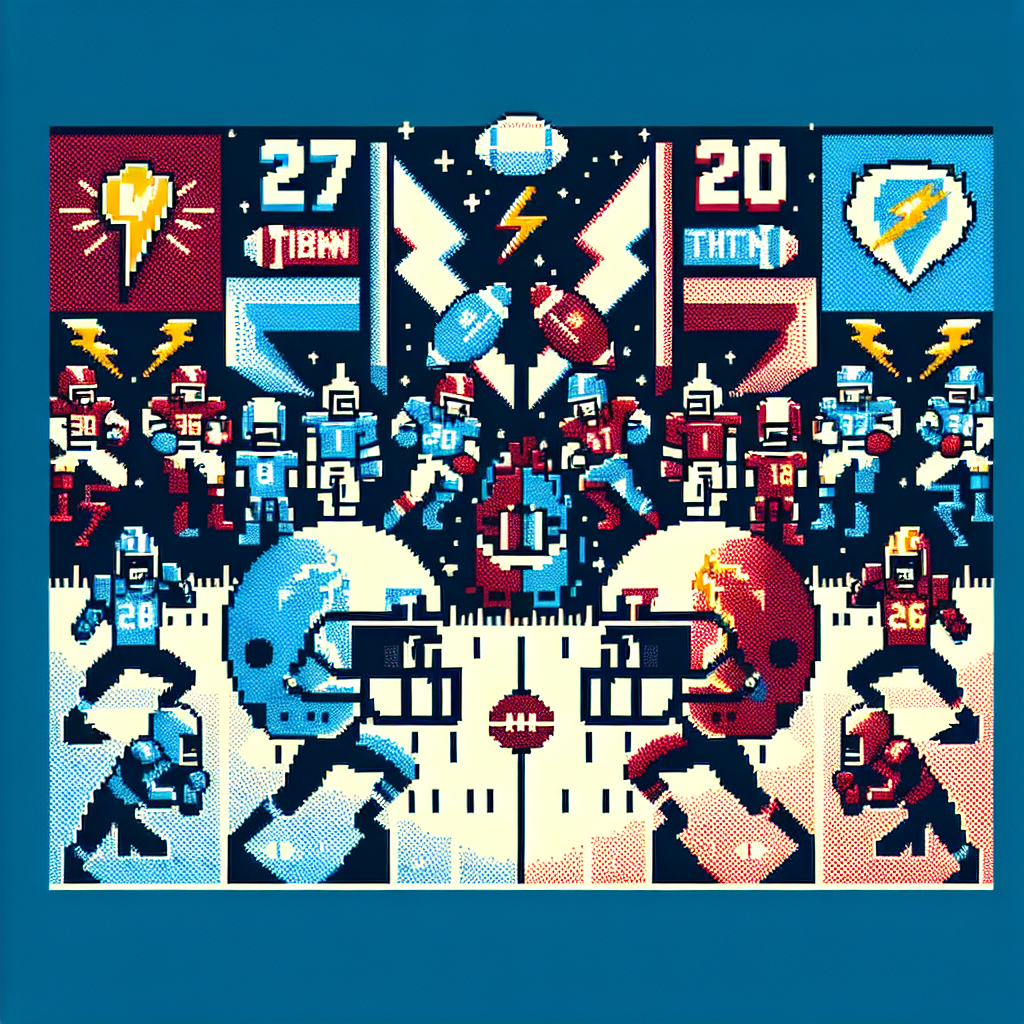
A bruising night at Nissan: Six takeaways from the Titans’ 27-20 loss to the Chargers

The roar at Nissan Stadium felt different on Sunday — gritty, punctuated by big defensive plays and special-teams fireworks, but undercut by missed chances and self-inflicted mistakes. The final score said 27-20, but the narrative was more complicated: a defense that sacked Justin Herbert six times and a rookie returner who exploded for a TD, yet an offense that couldn’t finish the job inside the 1. Here’s a closer, conversational look at the six things that stood out and what they mean for the Titans moving forward. (tennesseetitans.com)

What happened, in one paragraph

Tennessee had momentum via a 67-yard punt-return touchdown from rookie Chimere Dike and frequent pressure on Chargers QB Justin Herbert (six sacks), but missed a crucial chance at the goal line late in the third quarter. That stop — followed by a 99-yard Chargers drive — swung the game. Penalties and offensive inefficiency ultimately kept the Titans from converting big defensive and special-teams plays into a win. (tennesseetitans.com)

Highlights that mattered

  • Chimere Dike’s 67-yard punt return gave the building a lift and turned special teams into a game-changing unit early. That kind of explosive return ability is rare and valuable. (tennesseetitans.com)
  • The defense’s relentless pass rush — six sacks and 11 QB hits — showed this unit can generate havoc even when the offense stalls. Jihad Ward and Dre’Mont Jones were particularly disruptive. (tennesseetitans.com)
  • Penalties (seven for 60 yards in the first half) repeatedly eroded momentum, forcing the Titans into longer down-and-distances and killing drives. Discipline remains a glaring area to fix. (tennesseetitans.com)

The turning point: stopped at the 1

Midway through the third quarter Tennessee drove to the Chargers’ 1-yard line and failed to score on consecutive rushes by Tony Pollard. Instead of going ahead, they watched the Chargers answer with a 15-play, 99-yard march capped by a Herbert one-yard TD. Momentum flipped in about two minutes — that sequence encapsulates the difference between a team that grinds out wins and one that finds ways to come up short. (tennesseetitans.com)

Discipline and situational football

Penalties were more than annoying — they were costly. The Titans’ seven first-half flags (60 yards) made already difficult drives harder, and poor situational execution — especially near the goal line and on third downs — prevented the offense from capitalizing on field position and defensive stands. Clean, situational football would have changed the texture of this game. (tennesseetitans.com)

Defense: ball-hawking and pressure — a real positive

If there’s a silver lining, it’s that the Titans’ defense played like the unit fans expect: consistent pressure, turnover creation, and streaky playmakers. The line’s six sacks and the team’s forced turnovers kept Tennessee competitive. That kind of defensive performance is a foundation to build on, but it needs offensive partners to turn stops into scoreboard advantage. (tennesseetitans.com)

Offense: promising flashes, persistent shortcomings

From red-zone inability to third-down struggles, the offense didn’t do enough. While special teams and defense produced highlight plays, the offense couldn’t finish the drives that mattered most. Whether it’s playcalling, protection, or execution in short-yardage, the Titans must solve their end-zone efficiency problem — especially with divisional standings tightening. (tennesseetitans.com)

The standings effect

This wasn’t just a single loss — it’s a momentum and playoff-seeding concern. With the AFC South getting tighter, each game becomes heavier in consequence. The Titans’ slide toward .500 (and the threat from teams chasing them) means urgency is warranted; lots of season-defining moments remain in front of them. (tennesseetitans.com)

Quick strategic notes

  • Lean into the pass rush: the front seven proved they can win games with pressure. More creative blitz packages and tempo might force turnovers and short fields. (tennesseetitans.com)
  • Fix situational offense: short-yardage and goal-line packages must be cleaner and more decisive; failing at the one-yard line is a teachable — and costly — moment. (tennesseetitans.com)
  • Reduce penalties: early-game discipline issues are compounding mistakes. A focus on fundamentals could add a few wins over the season. (tennesseetitans.com)

Key takeaways for fans tracking the season

  • The defense can still carry the team — but it can’t do it alone.
  • Special teams (hello, Dike) are suddenly a real advantage.
  • Offensive execution in the red zone and penalty discipline will likely determine whether the Titans finish strong.

Final thoughts

Sunday’s loss felt like a microcosm of a team at a crossroads: flashes of championship-caliber defense and special-teams heroics, paired with an offense that needs to learn how to close. The Titans showed grit and explosive plays, yet still left too much on the field. If they can clean up penalties and convert in short-yardage situations, the defensive foundation and special-teams dynamism give them a shot in tight games. Until then, expect more close calls and a fanbase hungry for consistency. (tennesseetitans.com)

Sources


Related update: We recently published an article that expands on this topic: read the latest post.


Related update: We recently published an article that expands on this topic: read the latest post.