TL;DR
- In ESPN’s 2026 Fantasy Football Marathon mock (10-team PPR), running backs went in 13 of the first 20 picks, and most drafters waited on quarterbacks; the room priced bell-cow scarcity over weekly WR stability. [1]
- Across the broader market, Round 1 isn’t that RB-heavy—composite ADP shows roughly a 6 RB/6 WR split—so the Marathon’s RB inflation looks like a televised-room effect, not a league-wide shift. [2][3]
- If your league drafts like ESPN’s room, zag: secure one elite RB in the first two rounds, then hammer WRs while others chase the last “maybe” RBs; late-round QB remains viable in 10-team PPR. [1][3][5]
What the source said
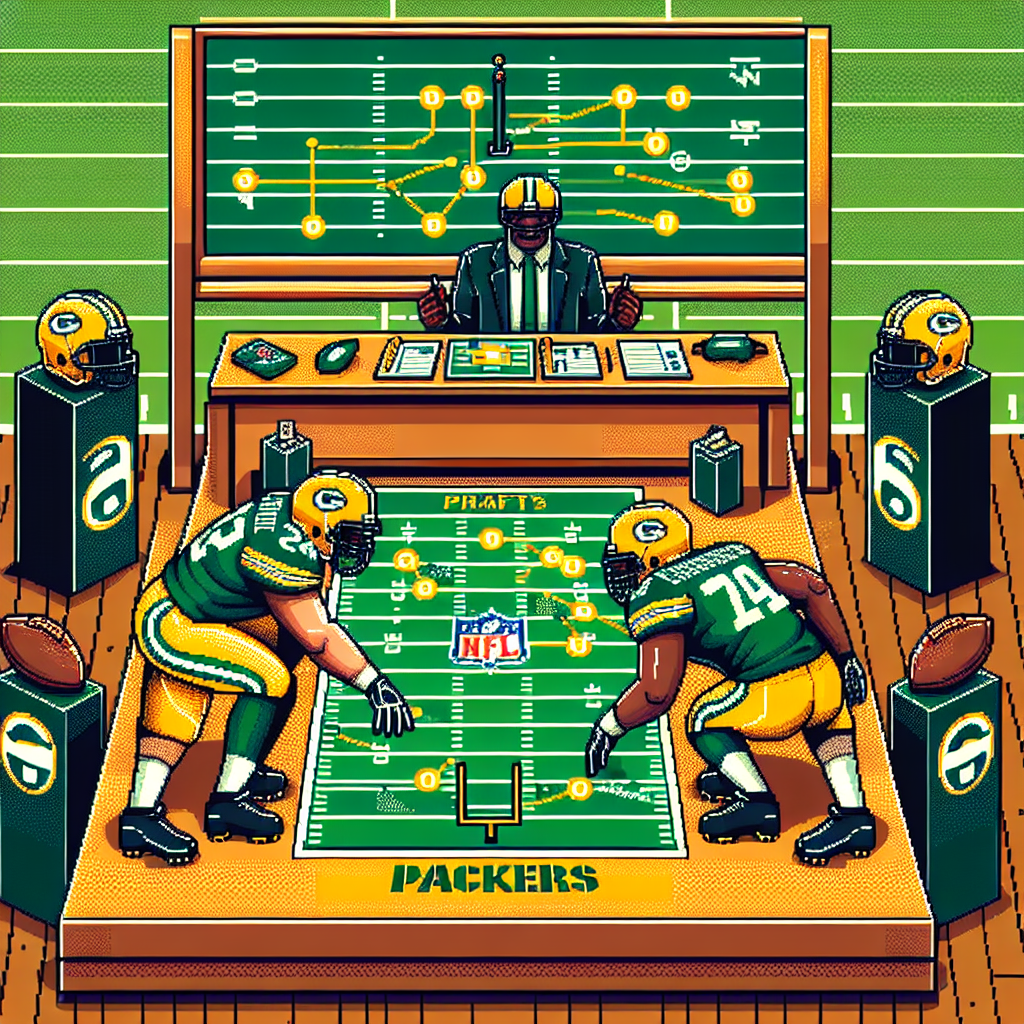
ESPN’s 2026 Fantasy Football Marathon closed with a 10-team PPR mock in which 13 of the first 20 selections were RBs, and most managers punted quarterback into the middle rounds. The exercise featured ESPN Fantasy analysts and on-air personalities, reinforcing two Marathon staples: premium pricing on feature backs and patience at QB in a 1-QB format. The headline was clear: early-round RB scarcity, not WR or TE urgency, drove decisions. ESPN positioned the mock as a rehearsal for home-league behavior heading into late-August draft weekends. [1]
Why it matters
The primary stakeholders are 10- and 12-team home-league managers drafting on ESPN, Sleeper, and Yahoo, plus the platforms whose default ranks shape ADP. Early RB runs push rooms into fear trades—paying Round-2 prices for Round-4 roles—especially when site queues float “next best RB” names to the top. The platforms’ rank nudges can accelerate those runs in real time. [2][5]
Content creators and best-ball rooms care as well. A nationally televised mock can shift sentiment for 48–72 hours, long enough to move a few ADP spots on bubble players. If viewers mimic “RBs early, QBs later,” expect mini-bubbles: top-18 RBs tick up ~0.5 rounds, WR tiers in Rounds 3–5 get cheaper, and elite QBs slide 8–12 picks in casual 10-team leagues. [1][3]
Original analysis
Back-of-envelope: how a 10-team PPR room creates an RB scarcity premium
- ESPN’s default lineup is 1 QB, 2 RB, 2 WR, 1 TE, 1 FLEX. In a 10-team league, that’s:
- RB starters: 2 × 10 = 20
- FLEX usage: assume 50% RB at FLEX ⇒ +5 RBs
- Practical weekly demand ≈ 25 RB starters for 10 teams. [5]
- Supply: composite ranks typically identify only ~12–14 “workload-secure” backs entering Week 1 based on projected snap share and touches. [2][3]
When an ESPN room spends 13 of the first 20 picks on RBs, it’s cornering those ~12 secure roles plus one or two projection bets. The 25-demand vs. ~12–14-supply gap forces a premium on the tier break between “every-down” and “committee,” which is how RB15 can get priced like WR9 in that specific room. [1][2][3]
A 2×2 on early-round logic: Scarcity × Predictability
- High scarcity, high predictability: almost never exists in seasonal formats.
- High scarcity, low predictability: RBs; few true workhorses, plus usage and TD volatility week to week.
- Low scarcity, high predictability: elite WRs; multiple 160–180-target candidates anchor scoring with route/target stability.
- Low scarcity, medium predictability: QB in 1-QB; after the elite tier, options flatten in weekly points.
The Marathon prioritized scarcity (RB) and accepted variance, while broad-market ADP keeps Round 1 closer to a 6 RB/6 WR equilibrium to balance scarcity and predictability. [3]
Contrarian read
Consensus says, “RB early is back; double-tap RB by Pick 20.” My pushback: the Marathon’s tilt is not the market. FantasyPros’ composite ADP (updated Aug. 26, 2026) aggregates ESPN, Sleeper, CBS, Fantrax, and RTSports and does not show RBs monopolizing the first two rounds to this degree, while Footballguys reports Round 1 near 50/50 RB-WR. Treat the televised draft as a position-run amplifier. If your room chases RBs, the plus-EV pivot is one anchor RB early, then hoard WR1/WR2 profiles while others pay retail for committee backs. [2][3]
Historical analogue: the Marathon’s brand of “wait on QB”
In the 2025 Marathon mock, the “Big 4” QBs didn’t go until Round 3, and the room felt no urgency at 1-QB. A year later, the 2026 mock repeated the patience, which aligns with shallow 10-team leagues where replacement-level QB scoring stays compressed. Use that discount to fund premium WRs after securing one RB. The Marathon is right on QB timing; it’s just too aggressive about vacuuming RBs in the first 20 picks. [1][7]
Named-stakeholder breakdown
- ESPN Fantasy: On-air RB runs nudge weekend sentiment and can inflate early RB ADPs by ~0.5 rounds on ESPN-hosted leagues between broadcast and Labor Day. [1][2]
- Platform composites (FantasyPros): The ballast; multi-site ADP smooths single-room overreactions and should anchor your board the week of your draft. [2]
- Veteran studs (example: Christian McCaffrey): High catch floors sustain early-first value; 2025 stat lines like 1,202 rushing yards, 10 rushing TDs, plus 102 receptions for 924 receiving yards keep him in the PPR elite when healthy. [4][6]
- Rankers/analysts (e.g., Footballguys): Their consensus keeps WRs sticky in Round 1, which prevents a wholesale RB stampede outside unique rooms like the Marathon. [3]
What others are missing
The Marathon isn’t a silent lobby of strangers; it’s a TV show featuring ESPN personalities who know ADP, depth charts, and camp reports. In 2025, Adam Schefter leaned on information edges in the televised mock, which made for great segments but pushed picks in ways a typical home-league room wouldn’t. That production value can seed copycat RB runs in ESPN-hosted leagues the next 48 hours, leaving elite WRs discounted in Rounds 3–5 for anyone checking composite ADP before they’re on the clock. [7][2]
What to watch next
-
By September 5, 2026, composite ADP will show at least two elite QBs gaining 5 or more overall spots as drafters correct after RB-sprint broadcasts. (Track via archived composite ADP snapshots.)
-
By Week 3 of the 2026 season, at least three consensus Round-3/4 WRs will rank top-12 in PPR points per game, confirming mid-round WR value in RB-run rooms. (Verify via weekly PPR leaderboards.)
-
By October 15, 2026, at least one Marathon top-12 drafted RB will miss multiple games, and his backup will record two top-15 PPR weeks—quantifying the opportunity cost of overpaying fragile touch profiles. (Confirm via injury reports and weekly finishes.)
My take
I’ll draft straight into the Marathon’s RB premium by taking one anchor RB in the first two rounds, then pounding WRs through Rounds 3 and 4 while others chase RB18 at Pick 20. In 10-team PPR, I’ll continue to wait on QB because replacement-level scoring narrows after the top tier, and I can use that budget to buy target earners where ADP softens. If my room mirrors ESPN’s 13-of-20 RB start, I want the WR value pockets it creates and a bench full of contingent backs for RB2 outcomes. The Marathon showed its hand on TV; it still fears missing the bell-cow, and that bias is exploitable in August 2026 drafts. [1][2]
Sources
[1] Fantasy Football Marathon mock draft: RBs taken in 13 of first 20 picks — ESPN (https://www.espn.com/fantasy/football/story/_/page/FFMockDraft26-49711682/2026-fantasy-football-marathon-mock-draft-ppr) — Confirms the 13-of-20 RB start, the 10-team PPR format, and the room’s QB patience.
[2] 2026 Average Draft Position (ADP): PPR RB — FantasyPros (https://www.fantasypros.com/nfl/adp/ppr-rb.php?year=2026) — Composite ADP baseline across hosts; used to contrast the Marathon with the broader market and to time corrections.
[3] 2026 Fantasy Draft Strategy Guide: Running Backs — Footballguys (https://www.footballguys.com/article/2026-fantasy-draft-strategy-guide-running-backs) — Documents the near 6 RB/6 WR Round 1 balance and contextualizes scarcity vs. predictability.
[4] Christian McCaffrey — PFF player page (https://www.pff.com/nfl/players/christian-mc-caffrey/11763) — Adds film/grade context to an elite RB profile anchoring early-round decisions.
[5] 2026 ESPN Fantasy Football Draft Kit (PPR Cheat Sheet) — ESPN (https://g.espncdn.com/s/ffldraftkit/26/NFL26_CS_PPR.pdf?adddata=2026CS_PPR) — Establishes default roster settings (1 QB, 2 RB, 2 WR, 1 TE, 1 FLEX) used in the scarcity math.
[6] Christian McCaffrey Stats — Pro-Football-Reference (https://www.pro-football-reference.com/players/M/McCaCh01.htm) — Confirms 2025 receiving totals (102 catches, 924 yards) and rushing volume supporting his PPR floor.
[7] Fantasy Football Marathon mock draft: ‘Big 4’ quarterbacks all go in Round 3 — ESPN (https://www.espn.com/fantasy/football/story/_/id/45943500/2025-fantasy-football-marathon-mock-draft-ppr) — Establishes the 2025 “wait on QB” precedent and the on-air information-edge dynamic.
Related update: We recently published an article that expands on this topic: read the latest post.
Related update: We recently published an article that expands on this topic: read the latest post.