Gamescom 2026: Legacy Hits, Bold Indies | Analysis by Brian Moineau

TL;DR

  • Gamescom 2026 put Control Resonant, a surprise Witcher 3: Songs of the Past expansion, and sharp indies like About Fishing on the same stage—splitting the spotlight between legacy IP and experiments. [1][2][3][6]
  • Hands-off showings for major titles look cautious, but the marketing math of Opening Night Live (ONL) and the scale of 368,000 in-person attendees in Cologne make partial reveals rational. [4][5]
  • The smartest plays weren’t just trailers—they were portfolio moves: CDPR extending a 65-million-seller with fresh content, Remedy tilting Control toward melee ahead of a September 24, 2026 date, and Playstack using Gamescom to convert About Fishing attention into Steam wishlists. [2][3][6]

What the source said

On August 30, 2026, Game Informer ran a roundup of everything its editors actually played or saw at Gamescom 2026, from indie curios like About Fishing to bigger beats like Control Resonant and The Witcher 3: Songs of the Past. One Control Resonant session was hands-off, highlighting melee combat, RPG elements, and a Manhattan zone covered in blue mold, while reminding readers that previous hands-on at SGF felt strong. The piece also flagged Indonesian survival-horror Agni: Village of Calamity from Separuh Interactive as a standout new regional entry. The tone stayed quick-hit and concrete: what they saw, what worked, and where they wanted more time on the sticks. [1]

Why it matters

Gamescom remains the world’s biggest games event by physical turnout, drawing 368,000 visitors to Cologne’s Koelnmesse in 2026 and a global online audience around its livestreams. That reach drives not just hype but calendars—dictating when European and North American teams drop trailers, demos, and press beats to match sponsor and investor rhythms. [4]

For stakeholders—publishers like CD Projekt Red and Remedy, platform holders like PlayStation, and mid-tier publishers like Playstack—the show doubles as a capital-allocation test. ONL price tiers range from €85,000 for 30 seconds to €165,000 for 90 seconds, so teams weigh a paid spot against earned previews, hands-on demos, and creator coverage; extending a 2015 hit like The Witcher 3 is one equation, reshaping a 2019 cult favorite like Control is another. [2][3][5]

Original analysis

Two simultaneous strategies at Gamescom 2026

  • Legacy-maximization: CD Projekt Red is extending The Witcher 3 with Songs of the Past while also touting a Remastered edition—fresh content for a 2015 title that’s sold over 65 million copies. That’s not nostalgia; it’s lifetime-value math against a massive install base. [3][9]
  • Risk-managed reinvention: Remedy leans into melee action and RPG systems in Control Resonant, due September 24, 2026—an evolution of the studio’s “Remedy-verse” that could broaden the audience without losing its identity. [2]

Back-of-the-envelope: Does a Gamescom ONL slot pay off?

  • Cost: A 60-second ONL segment runs about €125,000; 30 seconds is €85,000; 90 seconds €165,000. Assume a mid-tier publisher spends €125,000. [5]
  • Unit breakeven (illustrative): At a €50 average selling price, you’d need 2,500 incremental units to cover a €125,000 slot (125,000 ÷ 50 = 2,500). At €30, you’d need about 4,167 units (125,000 ÷ 30 ≈ 4,167).
  • Wishlist mapping: If internal models convert a share of wishlists into launch sales, map those breakeven units back to your own conversion coefficient and timing, then stack with creator coverage and platform featuring post-ONL.

Takeaway: ONL is less about immediate ROI and more about catalyst stacking—spiking awareness so subsequent beats (public demos, creator streams, storefront featuring) compound. That also explains why CDPR can justify stage time for a third Witcher 3 expansion: attach economics scale on a 65-million-unit base, and console ASPs lift returns beyond a PC-only model. [3][5]

2×2: How to show your game at Gamescom 2026

Reveal mode ↓ / Portfolio bet → New entry in an established IP New or stylistically niche project
Hands-on demo Trust-building. Converts fence-sitters and justifies preorders. Ideal for Control Resonant if melee is the headline change. [1][2] Risk reduction. Indies with tactile hooks (e.g., About Fishing’s throwback physics) can turn curiosity into wishlists. [1][6]
Hands-off or trailer-only Hype maintenance. Efficient for back-catalog beats (Witcher 3 Remastered + Songs of the Past). Awareness > scrutiny. [3][9] Visibility spike but weaker conversion. Unless the concept is instantly legible, follow quickly with a public demo. [5][6]

Named-stakeholder breakdown

  • CD Projekt Red: With 65M lifetime units for The Witcher 3, each one percentage point of attach equals roughly 650,000 incremental units—real money even at modest expansion pricing. [3]
  • Remedy Entertainment: A firm September 24, 2026 date locks the runway; if melee lands, Control can shift from cult prestige to broader action footing by Q4. [2]
  • PlayStation: First-party channels like PlayStation.Blog and State of Play can frame Control Resonant as a PS5 showcase for late-2026, adding platform-level amplification. [2]
  • Playstack / The Water Museum: About Fishing benefits from a publisher with console relationships and an auteur track record via Arctic Eggs (2024), sharpening wishlist conversion as the core KPI. [6][7]
  • Separuh Interactive: Agni: Village of Calamity rides the growing appetite for Southeast Asian horror; Gamescom visibility plus a console partner is the next logical milestone. [1][8]

Contrarian read

Consensus says “hands-off demos signal uncertainty,” but they often act as a rational filter when spoilers or late-cycle systems tuning loom. Remedy already showed Control Resonant hands-on at SGF with positive feedback; a curated hands-off slice at Gamescom preserves narrative control six weeks before the September 24 ship date and limits low-quality off-screen leaks. For a melee pivot in a physics-heavy series, fewer uncontrolled streams can protect day-one discovery and reviews. [1][2]

What others are missing

Most coverage treats Gamescom as a monolith, but 2026 operated as two markets under one roof in Cologne: prestige IP bought ONL reach, while indies optimized conversion with tight loops, short demos, and ready Steam pages. The 368,000-visitor scale creates foot-traffic spikes that only matter if a team can translate a five-minute booth interaction into a wishlist, a Discord join, or a demo download. That’s why CDPR can spend on stagecraft while teams like The Water Museum lean on Playstack’s scaffolding to harvest interest in About Fishing. Different funnels, same halls—and the KPIs are not the same. [4][1][6]

What to watch next

  1. By September 30, 2026, Remedy announces first-month players or sales for Control Resonant exceeding 1 million across platforms, driven by the September 24 launch window. [2]
  2. By Q3 2027, CD Projekt Red ships The Witcher 3: Songs of the Past as a paid expansion, priced at or below $29.99, after formal pricing details land in early 2027. [3][9]
  3. By December 2026, Playstack confirms console SKUs and a 2027 release window for About Fishing following a post-Gamescom wishlist push. [6]

My take

I’m bullish on the split strategy that defined Gamescom 2026 in Cologne. CDPR is treating The Witcher 3 like a living platform, not a museum piece—and with 65 million copies in the wild, that’s just disciplined monetization. Remedy’s risk is bolder: shifting Control toward melee and executions raises the ceiling on mass appeal but asks fans to recalibrate what “Control” feels like in 2026. If Resonant nails combat, the studio graduates from cult prestige to mainstream action authority; if not, the Remedy-verse tightens its niche. [2][3]

Sources

  1. Here’s Every Game We Played At Gamescom 2026 — Game Informer (https://gameinformer.com/gamescom-2026/2026/08/30/heres-every-game-we-played-at-gamescom-2026) — Source roundup with hands-on and hands-off impressions, including Control Resonant and indie picks.
  2. Control Resonant launches September 24 on PS5 — PlayStation.Blog (https://blog.playstation.com/2026/06/02/control-resonant-launches-september-24-on-ps5/) — Confirms the September 24, 2026 date and frames the melee-forward direction.
  3. The Witcher 3: Wild Hunt — Songs of the Past at gamescom 2026 — CD PROJEKT RED Press Center (https://press.cdprojektred.com/en/news/1835/the-witcher-3-wild-hunt-songs-of-the-past-at-gamescom-2026) — Establishes expansion presence at Gamescom 2026 and the 65M+ lifetime sales context.
  4. gamescom 2026 – more international than ever — gamescom (https://www.gamescom.global/en/gamescom-2026-more-international-than-ever) — Official attendance and scale: 368,000 visitors and international footprint in Cologne.
  5. Here’s how much it costs to show a game in Gamescom Opening Night Live — PC Gamer (https://www.pcgamer.com/heres-how-much-it-costs-to-show-a-game-in-gamescom-opening-night-live/) — Breaks down ONL pricing tiers (€85k/30s, €125k/60s, €165k/90s).
  6. About Fishing — Playstack (https://www.playstack.com/games/aboutfishing/) — Verifies the indie’s premise and that it’s from The Water Museum (Arctic Eggs creator).
  7. Arctic Eggs — Wikipedia (https://en.wikipedia.org/wiki/Arctic_Eggs) — Confirms the 2024 release and developer lineage behind About Fishing.
  8. Separuh Interactive — Official site (https://www.separuhinteractive.com/) — Confirms the Indonesian studio behind Agni: Village of Calamity.
  9. Gamescom 2026 schedule and showcases — GamesRadar (https://www.gamesradar.com/games/events-conferences/gamescom-2026-schedule/) — Corroborates Witcher 3 Remastered and Songs of the Past appearing in the Gamescom week programming.


Related update: We recently published an article that expands on this topic: read the latest post.
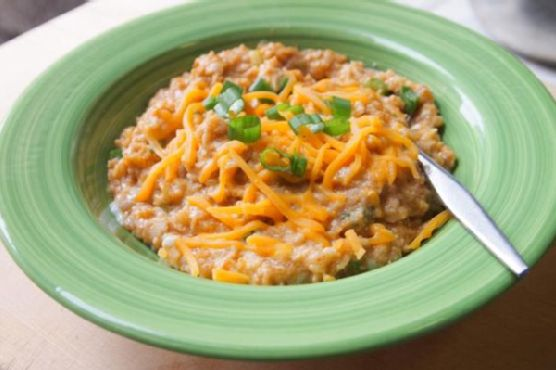

Healthy Southwestern Oatmeal | Made by Meaghan Moineau

On a chilly Tuesday morning last week, I found myself staring into my pantry, desperate for something other than my go-to toast routine. You know those mornings when you crave a little adventure but also need to keep it quick and wholesome? Enter my Healthy Southwestern Oatmeal. It’s like a warm hug with a zesty kick, perfect for waking up those taste buds and starting your day on a high note. You get the heartiness of oats, the warmth of chili powder, and the creamy goodness of cheese—all in one bowl. Plus, it’s a breeze to make. No fancy footwork in the kitchen, just straightforward comfort with a little flair.

Jump to Recipe

What You’ll Need

If your kitchen is anything like mine, you’re already halfway there with these ingredients! Simple, everyday staples with a couple of stars.

  • 1 1/2 cups water
  • 1 cup old fashioned oats
  • 2 egg whites
  • 1/4 cup reduced fat cheddar cheese
  • 1/2 teaspoon chili powder
  • 2 green white scallions, sliced
  • Salt, to taste

How to Make Healthy Southwestern Oatmeal

  1. Start by bringing 1 1/2 cups of water to a rolling boil in a medium saucepan. Feel the steam rising and imagine the coziness awaiting you.
  2. Add the old fashioned oats to the water, giving them a gentle stir. Reduce the heat to a simmer and let them cook for about 10 minutes. You’ll know they’re ready when the mixture starts to look more like oats and less like water.
  3. Toss in the sliced scallions and chili powder. Cook together until the excess liquid has evaporated and the aroma of chili fills your kitchen, hinting at the southwestern flair.
  4. Pour in the egg whites, stirring constantly. Watch as they transform from clear to opaque, weaving themselves into the oats like magic.
  5. Spoon your creation into a serving bowl, sprinkle with salt and the reduced fat cheddar cheese. The cheese will melt slightly, adding a touch of creaminess and comfort.

Cook’s Notes

This dish is all about balance, so don’t be shy to adjust the chili powder for your spice preference. I find it best to enjoy this oatmeal fresh, but if you have leftovers, store them in an airtight container in the fridge for up to two days. When reheating, add a splash of water or milk to help bring it back to life. And if you find yourself in a rush in the morning, prep your scallions the night before to save some precious minutes.

Make It Your Own

  • Swap the reduced fat cheddar for a little goat cheese for a tangy twist.
  • For a protein boost, add black beans alongside the scallions.
  • Try topping with a dollop of Greek yogurt for added creaminess and a bit of cool contrast.
  • If you’re a meat lover, some crumbled turkey sausage would make a hearty addition.

If you try this, I’d love to hear how it turns out—drop a comment or tag me! Whether you stick to the recipe or tweak it to your liking, I hope this bowl brings a little extra joy to your morning routine.

Goes Well With

If you want to round out the meal, here’s what I’d pair it with over on meaghanmoineau.com:

Related update: Healthy Southwestern Oatmeal

Related update: Cheddar Polenta with Sun-dried Tomatoes & Shrimp

Jobs, Broadcom Results Test Rally | Analysis by Brian Moineau

TL;DR

  • The stock rally now hinges on two near-term catalysts with fixed dates: the U.S. August jobs report on Friday, September 4, 2026 (8:30 a.m. ET), and Broadcom’s Q3 FY26 results on Wednesday, September 2, 2026; both will land under Kevin Warsh’s newly hawkish Jackson Hole stance. [1][2][4][5][9]
  • Nvidia’s Q2 FY27 revenue of $96.2 billion set a sky-high bar for AI cash flows, while Broadcom pre-guided Q3 FY26 revenue to $29.4 billion with ~$16.0 billion from AI semiconductors, implying AI could exceed half of its quarter; any wobble there will echo across the AI supply chain and the S&P 500. [3][4][6]
  • With the VIX closing at 15.85 on August 24 and the 10‑year Treasury yield hovering around 4.7%, markets are priced for “no accidents,” yet a soft or hot jobs print could reset rate odds quickly under Warsh’s “we have work to do” framework. [7][1][5][9]

What the source said

Yahoo Finance tees up a binary week for U.S. equities sitting near record territory: August’s Employment Situation report and Broadcom’s quarterly earnings now dominate the calendar after Nvidia’s “AI bellwether” beat revived sentiment that had wobbled on higher Treasury yields. Consensus called for a 58,000 August nonfarm payrolls gain with 4.1% unemployment, and the article flags Kevin Warsh’s hawkish Jackson Hole tone as raising odds of a September move; spot VIX hovered in the mid‑teens as August volume thinned. [1] The reporting also situates these catalysts against a summer backdrop where the S&P 500 set a fresh record on August 13, 2026, reinforcing the stakes for confirmation or reversal. [6]

Why it matters

AI infrastructure players—Nvidia (NVDA), Broadcom (AVGO), and hyperscalers like Amazon, Meta, and Google—face a near-term test where capital intensity and delivery cadence drive revenue recognition as much as demand; Nvidia’s Q2 FY27 revenue printed $96.2 billion, and Broadcom guided Q3 FY26 revenue to $29.4 billion with ~$16.0 billion from AI semis, putting execution risk under the microscope. [3][4][1]

Rate‑sensitive assets—homebuilders, utilities, small caps, and long‑duration software—sit exposed because Warsh signaled policy will tighten absent “clear” and sufficiently fast disinflation; the 10‑year trading near 4.7% already applies multiple pressure before any September policy adjustment. [5][1]

Original analysis

  • Back‑of‑envelope math: the AI revenue machine

    • Nvidia’s Q2 FY27 revenue was $96.2 billion; annualizing is ≈ $384.8 billion (4 × $96.2b). Its data center revenue was $89.0 billion; annualizing is ≈ $356.0 billion. This isn’t a forecast—just the quarterly run‑rate magnitude investors must discount. [3]

    • Broadcom printed $22.2 billion in Q2 FY26 and guided Q3 FY26 revenue to $29.4 billion, with AI semiconductor revenue targeted at $16.0 billion. That implies AI ≈ 54% of Q3 revenue ($16.0b ÷ $29.4b), meaning a single category can carry the quarter—and sentiment. [4]

  • A 2×2: Jobs report × Warsh stance (near‑term market map)

    • Soft jobs (≤ ~60k; 4.1–4.2% unemployment) + Warsh leans dovish (data‑contingent): Equities up; 10‑year drifts lower; Mag‑7 and AI suppliers outperform on “soft landing intact.” [2][8]
    • Soft jobs + Warsh stays hawkish (“work to do”): Mixed tape—stocks pop then fade; long‑duration gives back gains as 2‑year yields hold firm. [5][9]
    • Hot jobs (≥ ~150k; firm wages) + Warsh leans dovish: “Bad news” flips; hike odds rise even with soothing rhetoric; cyclicals up while software and REITs struggle. [9]
    • Hot jobs + Warsh stays hawkish: Risk‑off—yields up, VIX up; the AI complex becomes a funding source despite solid fundamentals. [7][9]

    The path that punishes complacency most is “soft print + hawkish Fed,” because it breaks the Pavlovian buy‑the‑dip rule without handing bears a clear macro breakdown. [5]

  • Contrarian read

    Consensus says “a weak August jobs print will soothe the Fed and lift stocks,” but Warsh’s Jackson Hole line—“We must be confident that underlying inflation is moving to our objective, clearly, and at sufficient speed… otherwise, we have work to do”—points to credibility over comfort. Translation: without unambiguous disinflation across PCE and services, the bar to defer hikes remains high, which is why CME FedWatch odds for a September hike jumped toward the high‑50s after his speech. [5][9]

  • Named‑stakeholder impact

    • Nvidia (NVDA): A monster quarter creates a performance tax—investors now demand sustained hyperscaler receipts and next‑gen ramps (Rubin/Vera); any Broadcom stumble would refocus attention on system bottlenecks rather than demand. [3][4]
    • Broadcom (AVGO): Q3 is a credibility print—management telegraphed $29.4b revenue and $16b AI semis; match/raise and the “picks‑and‑shovels” thesis tightens, miss and custom‑accelerator timing plus networking digestion get interrogated. [4]
    • Hyperscalers (AMZN, META, GOOGL): As demand‑side anchors for NVDA and AVGO, delivery slippage or higher capital costs via yields compress free cash flow just as they promise AI monetization to shareholders. [1]
    • Rate‑sensitives (homebuilders, utilities, long‑duration software): A hawkish reaction function can keep term premiums elevated even on a benign print, pressuring valuation multiples while the 10‑year hovers near 4.7%. [5][1]

What others are missing

Coverage fixates on “jobs vs. rate odds,” but the underpriced variable is the volatility term structure: spot VIX sat at 15.85 on August 24, 2026, while seasonality often lifts implieds into September–October; a Warsh‑anchored demand for “clear” disinflation plus two catalysts in thin liquidity can flip suppressed contango into a steeper curve, forcing dealer hedging and amplifying single‑stock gaps from Broadcom into index‑level swings. [7][5][1]

What to watch next

  1. By Friday, September 6, 2026: If August nonfarm payrolls print ≤ 60,000, CME FedWatch will still show ≥ 50% odds of a September hike, reflecting Warsh’s “work to do” stance outweighing marginal labor softness. [2][9][5]

  2. Wednesday, September 2, 2026 (after the close): Broadcom reports Q3 FY26 revenue ≥ $29.0 billion and confirms AI semiconductor revenue at or above a ~$16.0 billion run‑rate for the quarter, validating the custom‑accelerator and networking ramp. [4]

  3. By Friday, September 20, 2026: The VIX closes above 18 on at least one session as markets reprice policy risk into the September FOMC window and post‑Labor‑Day liquidity return. [7][9]

My take

I don’t buy the idea that a “meh” jobs print fuels another melt‑up when Warsh just prioritized disinflation and the 10‑year sits near 4.7%. I want AI plumbing—specifically the custom silicon and networking Broadcom sells—but only if Q3 lands cleanly around the $29.4b and $16b AI marks. My allocation tilts neutral beta, long AI‑infrastructure quality, and light long‑duration software until yields crack lower or Fed odds fade back below 50%. If AVGO hits, the AI tape should broaden; if it misses, expect a rapid factor rotation and a higher VIX within days. [5][4][1][7]

Sources

  1. Jobs report, Broadcom results pose next hurdles for stock market rally — Yahoo Finance (https://finance.yahoo.com/markets/stocks/articles/jobs-report-broadcom-results-pose-100141778.html) — Baseline catalysts, consensus jobs expectations, and yield backdrop.

  2. Schedule of Selected Releases for September 2026 — U.S. Bureau of Labor Statistics (https://www.bls.gov/schedule/2026/09_sched_list.htm) — Confirms the August Employment Situation on Friday, September 4, 2026, at 8:30 a.m. ET.

  3. NVIDIA Announces Financial Results for Second Quarter Fiscal 2027 — NVIDIA Investor Relations (https://investor.nvidia.com/news/press-release-details/2026/NVIDIA-Announces-Financial-Results-for-Second-Quarter-Fiscal-2027/default.aspx) — Source for $96.2b total revenue and $89.0b data center figures.

  4. Broadcom Inc. Announces Second Quarter Fiscal Year 2026 Financial Results and Quarterly Dividend — Broadcom Investor Relations (https://investors.broadcom.com/node/64371/pdf) — Provides Q2 revenue ($22.2b), Q3 FY26 guidance ($29.4b), and ~$16.0b AI semiconductor target.

  5. Keynote remarks by Chairman Warsh at the 2026 Jackson Hole Economic Policy Symposium — FederalReserve.gov (https://www.federalreserve.gov/newsevents/speech/warsh20260828a.htm) — Primary source for “work to do” framing and inflation‑target emphasis.

  6. US stocks rise to a record as oil prices drop and inflation gets less bad — AP News (https://apnews.com/article/3a23f22469cd0e0062f711096906525c) — Confirms the S&P 500 set a fresh record on August 13, 2026.

  7. CBOE S&P 500 Volatility Index Level (VIX) — YCharts (https://ycharts.com/indices/%5EVIX/level) — Documents mid‑teens VIX, including a 15.85 close on Aug 24, 2026.

  8. The Employment Situation — July 2026 — U.S. Bureau of Labor Statistics (https://www.bls.gov/news.release/empsit.htm) — Confirms July nonfarm payrolls at −23,000 with 4.1% unemployment.

  9. Stocks Turn Down as Warsh Talks Up Rates: Stock Market Today — Kiplinger (https://www.kiplinger.com/investing/stocks/stocks-turn-down-as-warsh-talks-up-rates-stock-market-today) — Cites CME FedWatch hike odds rising to ~57.5% after Warsh’s speech.


Related update: We recently published an article that expands on this topic: read the latest post.

Chicken Stew For The Soul | Made by Meaghan Moineau

One chilly Tuesday evening, I found myself rummaging through the pantry, desperate for something that would warm the soul and fill the bellies of my family. You know those days when the weather outside is just plain miserable, and you need a hug in a bowl? Enter: my Chicken Stew For The Soul. It’s not just any stew—it’s packed with cozy spices and creamy coconut milk, making it both comforting and slightly exotic. Plus, it’s a one-pot wonder, which means less time scrubbing dishes and more time savoring every bite. Honestly, it might just be the ultimate excuse to whip out those spices you’ve got tucked away in the back of your cupboard.

Jump to Recipe

What You’ll Need

This recipe keeps things straightforward with ingredients you probably have at home, except for maybe a couple of spice stars. No need for a fancy shop run!

  • Chicken – the heart of the stew
  • Mustard seeds
  • Cinnamon stick, broken
  • Cardamoms
  • Ginger-garlic paste
  • Sliced onion
  • Curry leaves
  • Green chillies
  • Ground coriander
  • Red ground chilli
  • Ground turmeric
  • Cubed potatoes
  • Coconut milk
  • Garam masala
  • Salt
  • Lemon juice
  • Chopped fresh coriander

How to Make Chicken Stew For The Soul

  1. Sliced onions, slit the chillies, and cube those potatoes like a pro. Keep them aside for later.
  2. In a heavy-bottomed pan (or pressure cooker for speed demons), heat some oil. Toss in mustard seeds until they splutter with joy.
  3. Add the cinnamon stick and cardamoms. Stir until the air is filled with their warm, inviting aroma.
  4. Now, throw in the onions, curry leaves, and green chillies. Sauté until the onions are soft and fragrant.
  5. Introduce the ground coriander to the party, followed by the marinated chicken. Stir well so the chicken gets to know its new spicy friends.
  6. Cover and let the magic happen. When the chicken is halfway through its transformation, add the cubed potatoes.
  7. Once the chicken is nearly done, stir in the garam masala, salt, and coconut milk. Let it all simmer until everything is cooked to perfection.
  8. Turn off the heat, sprinkle with fresh coriander, and let the lemon juice add a zing. And remember, stir it with love!
  9. Serve hot, preferably with freshly made appams or any bread that’s handy. Don’t forget to savor the aroma before diving in!

Cook’s Notes

Ah, the little things that make a difference! First off, make sure your spices are fresh. If they’ve been lurking in the cupboard since last year, they might need replacing. When stirring the spices and chicken, be patient and let them mingle—it’s where the flavor magic happens. This stew is forgiving, so if you accidentally over-simmer, it only gets better. Leftovers? Yes, please! They’ll taste even richer the next day. Store in an airtight container in the fridge for up to three days or freeze for later.

Make It Your Own

Here are a few variations to keep things interesting:

  • Swap the chicken for crispy tofu if you’re going plant-based. Trust me; the spices still shine through.
  • If you’re out of coconut milk, try almond milk for a nutty twist, though it won’t be as creamy.
  • Add a handful of spinach or kale at the end for a pop of color and nutrition.
  • Up the lemon juice for a tangier finish, balancing the creaminess of the coconut milk.

If you try this, I’d love to hear how it turns out—drop a comment or tag me! Your kitchen adventures fuel my culinary soul!

Goes Well With

If you want to round out the meal, here’s what I’d pair it with over on meaghanmoineau.com:

Related update: Chicken Stew For The Soul

Bills Rally, Buechele Wins With Two-Point | Analysis by Brian Moineau

TL;DR

  • Buffalo beat Pittsburgh 28–27 on August 27, 2026 at Highmark Stadium in Orchard Park to finish a 3–0 preseason, capped by RB Ian Wheeler’s 2-yard TD at 1:06 and QB Shane Buechele’s dart to WR Dante Pettis for the go-ahead two-point conversion. [2][3][9]
  • The play-call says more than the record: first-year head coach Joe Brady chose a live-fire, gotta-have-it rep over a tie, stress-testing his situational menu and his QB2 in a real clock. [3][5]
  • The real stakes now are roster economics: a bubble player like Wheeler faces a ~$637,500 swing between a 53-man spot and the practice squad; Pettis’ swing is even bigger given his service time and WR6/PR profile. [6]

What the source said

WIVB relays the Associated Press game story: Buffalo rallied to beat the Steelers 28–27 in Orchard Park, New York, closing the preseason with a perfect 3–0 record. Ian Wheeler punched in a 2‑yard touchdown with 1:06 remaining, and a Buechele-to-Pettis two-point conversion sealed it. The piece frames the win as a rebound after early errors. [1]

It also credits “Steve Buechele” on the two-point throw, mirroring AP’s wire copy carried by affiliates. The recap emphasizes the late swing from a fourth-quarter deficit to a one-point win in the 2026 preseason finale for both clubs. [1]

Why it matters

The scoreboard won’t travel to September 2026, but the tape will. For the Bills, this was Joe Brady’s first August as head coach; compressing a last-minute drive into a successful two-pointer gives him hard evidence on Shane Buechele’s poise, Pettis’ utility as a WR6/returner, and Wheeler’s contact balance in short yardage. That trio maps directly to Sunday’s cutdown decisions at wide receiver, running back, and quarterback on the 53-man. [3][5][7]

For bubble players, the delta isn’t abstract. A spot on the 53 means a full Paragraph 5 salary for 18 weeks; a practice squad slot means weekly paychecks that can vanish with a single transaction. One late drive on August 27 just moved real compensation bands for two veterans on the margins. [6]

Original analysis

Consensus says “perfect preseasons don’t predict anything.” That’s broadly true at the team level—see the 2008 Detroit Lions, who went 4–0 in August and then 0–16 by December—but this particular 28–27 finish matters for two reasons: the decisions it exposed and the dollars it moved. [10]

Contrarian read

  • Consensus: August records are noise.
  • My case: This win carried signal for Brady’s program because he manufactured a high-leverage rep on purpose. With 1:06 left on August 27, he declined the tie and put the outcome on a sprint-out throw to Pettis. That’s banked practice in a situation coordinators can’t simulate, and it centered Shane Buechele—correctly identified by the team as the trigger man, despite wire stories misnaming him “Steve”—as the functional QB2 before a Sunday 6 p.m. ET deadline. [3][4][8]

Back-of-envelope calculation: the roster-money swing

  • Practice squad salaries in 2026: $13,750/week for standard players; $18,350/week for veterans; max $22,850/week. Over an 18‑week regular season, that’s $247,500 (standard) or $330,300 (veteran). [6]
  • League-minimum Paragraph 5 salaries in 2026: rookie $885,000; 7+ credited seasons $1,215,000. [6]

Math:

  • Ian Wheeler (2 credited seasons): 53-man at $885,000 vs. standard PS at $247,500 ⇒ swing ≈ $885,000 − $247,500 = $637,500. One drive just swung more than a half-million dollars of career capital. [6]
  • Dante Pettis (8th season): 53-man at $1,215,000 vs. PS at a veteran rate $330,300 ⇒ swing ≈ $1,215,000 − $330,300 = $884,700. Special-teams snaps plus that two-point toe-tap are not just “feel-good”—they’re compensation levers. [6][7]

A simple 2×2 of preseason performances (Who produced x How they produced)

  • Axes:
    • Personnel: Starters vs. Depth
    • Traits: Repeatable (process-driven) vs. Volatile (broken plays/flags)
Repeatable traits (route craft, leverage, vision) Volatile traits (busted coverages, tip drills)
Starters N/A here (Josh Allen, many starters rested). [4] N/A
Depth Pettis (release/landmark discipline on 2-pt), Wheeler (short-yardage decisiveness, ball security on goal line); Buechele (footwork under duress). [2][3][7] A couple PI swings and scramble explosives earlier in August—useful, but not bankable. [2]

Why it predicts something actionable: the Bills need WR6 to be a field-position asset and an on-script route runner, not a camp hero. Pettis’ usage—July 30, 2026 signing plus situational trust on a game-deciding rep—maps to a defined role with Brady: punt return insurance, motion/Z depth, and two-minute competence. Wheeler’s path is as RB3/teams coverage back, where vision and contact balance translate week to week in the AFC East. [1][3][7]

Finally, correct the record: multiple AP-affiliate recaps credited “Steve” Buechele on the conversion. The Bills’ own clips, roster, and game notes all identify Shane, and the highlight is unambiguous on team video. That discrepancy is trivial for standings, but nontrivial for a quarterback fighting to be named QB2. Narrative scaffolding matters when you’re not a household name in Western New York. [2][8][9]

What others are missing

The key angle isn’t the 3–0 line—it’s Brady’s risk calculus. He didn’t just “go for two”; he selected a sideline-tight, timing-dependent concept that tests ball placement, body control, and toe discipline, then ran it through a new veteran (Pettis) and a backup quarterback (Buechele). That’s a culture tell in Orchard Park: Buffalo will emphasize precision in gotta-have-it football, not just Josh Allen’s improvisation. If Brady’s 2026 Bills win close games, trace it back to reps like August 27—where the staff chose data over vibes and built live confidence into their situational call sheet. [3][5]

What to watch next

  1. By Sunday, August 30, 2026, 6:00 p.m. ET, Buffalo carries two quarterbacks on the initial 53—Josh Allen and Shane Buechele—with Kyle Allen waived and a strong candidate for the practice squad. [3][4]
  2. By Sunday, August 30, 2026, Dante Pettis makes the Bills’ initial 53 as WR6/PR, after his July 30, 2026 signing and late-game usage cement a defined role. [1][7]
  3. By Week 4 (through September 2026), Ian Wheeler logs at least 25 combined rushes plus targets for Buffalo—including special teams active status in at least three games—reflecting RB3 trust. [2][6]

My take

Keep the playmakers who closed it in Orchard Park. I’d name Shane Buechele the QB2, keep Dante Pettis as WR6/primary punt return hedge, and award Ian Wheeler the RB3 job at league minimum to start. The way Buffalo won on August 27, 2026—scripted, precise, and gutsy—signals how Joe Brady plans to manage leverage downs. Trim to those traits on Sunday at 6 p.m. ET and bank EV in one-score games. [2][3][6]

Sources

  1. Bills rally to close out preseason with perfect record, beating Steelers 28-27 after early errors — WIVB/AP (https://www.wivb.com/sports/buffalo-bills/bills-rally-to-close-out-preseason-with-perfect-record-beating-steelers-28-27-after-early-errors/) — Original report with the late Wheeler TD and Buechele-to-Pettis two-point to finish a perfect preseason.

  2. Bills 28, Steelers 27 — Recap + highlights — BuffaloBills.com (https://www.buffalobills.com/news/bills-28-steelers-27-final-score-recap-highlights) — Official game recap confirming the 28–27 result, the 3–0 preseason, and drive details.

  3. ‘It was just execution’ — Bills reflect on the comeback — BuffaloBills.com (https://www.buffalobills.com/news/it-was-just-execution-the-bills-reflect-on-an-impressive-fourth-quarter-comeback-to-close-out-the-preseason) — Describes the decision to go for two, Pettis’ catch, and context around late-game choices.

  4. Steelers edged by Bills, 28–27, in preseason finale — Steelers.com (https://www.steelers.com/news/steelers-edged-by-bills-28-27-in-preseason-finale) — Opponent’s game story with timing and sequence of the go-ahead TD and conversion.

  5. 2026 NFL Preseason, Week 3: What We Learned — NFL.com (https://mobile-www.nfl.com/news/2026-nfl-preseason-week-3-what-we-learned-from-thursday-s-games) — League roundup listing Bills 28, Steelers 27 and broader context for Thursday’s games.

  6. Minimum and practice-squad salaries, 2026 — Over The Cap (https://overthecap.com/minimum-salaries) — Authoritative CBA-driven table for 2026 roster minimums and practice-squad weekly/yearly pay used in the back-of-envelope math.

  7. Bills sign WR Dante Pettis to one-year deal — BuffaloBills.com (https://www.buffalobills.com/news/bills-sign-wide-receiver-dante-pettis-to-one-year-deal) — Confirms Pettis’ July 30, 2026 signing and offers role context heading into August.

  8. Bills close preseason with 28–27 win over Steelers on Buechele’s late 2-point conversion — ABC News (AP) (https://abcnews.com/amp/Sports/wireStory/bills-close-preseason-28-27-win-steelers-buecheles-136020469) — AP wire version that misidentifies “Steve” Buechele, illustrating the reporting discrepancy.

  9. QB Shane Buechele and WR Dante Pettis connect on two-point conversion (video) — BuffaloBills.com (https://www.buffalobills.com/video/bills-comeback-preseason-win-vs-steelers-nfl-highlights) — Team video confirming the players involved on the decisive play.

  10. 2008 Detroit Lions season summary — Pro-Football-Reference (https://www.pro-football-reference.com/teams/det/2008.htm) — Historical analogue showing a 4–0 preseason followed by an 0–16 regular season, underscoring why August records can mislead.


Related update: We recently published an article that expands on this topic: read the latest post.



Related update: We recently published an article that expands on this topic: read the latest post.

Delicious Sausage & Peppers | Made by Meaghan Moineau

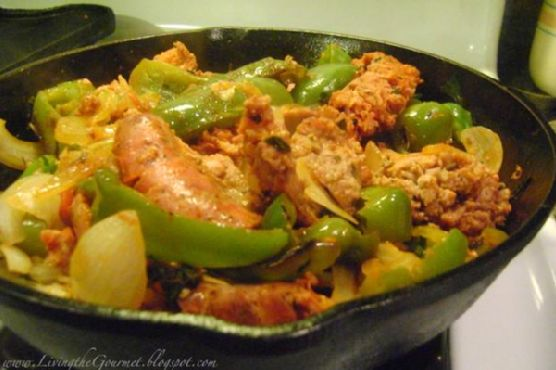
On a crisp autumn evening, after a particularly hectic day of juggling work calls and school pick-ups, I found myself staring into the abyss of my fridge, desperate for dinner inspiration. That’s when I spotted a forgotten pack of Italian sausages and a trio of peppers that were begging to be used. And just like that, a family favorite was born: Delicious Sausage & Peppers. It’s one of those dishes that hits all the right notes—hearty, satisfying, and perhaps most importantly, quick to whip up. Plus, it’s a one-pan wonder, which makes clean-up a breeze. Whether you’re wrangling kids or just want something comforting without the fuss, this dish has got you covered.

Jump to Recipe

What You’ll Need

I love that this recipe doesn’t require a trip to a specialty store. Chances are you already have most of these ingredients in your pantry or fridge.

  • Italian sausages
  • Italian sweet sausages
  • Bell peppers (any color you like)
  • Sweet onion
  • Garlic – crushed
  • Olive oil
  • Fresh Italian parsley
  • Salsa
  • Jalapeño (if you like a little heat!)
  • Sea salt
  • Black fresh ground pepper

How to Make Delicious Sausage & Peppers

  1. Preheat your oven to 375°F (190°C). Place the Italian sausages on a baking tray and let them bake for about 20 minutes until they are cooked through and slightly golden.
  2. While the sausages are baking, heat a large frying pan over medium heat and drizzle in some olive oil. When the oil is shimmering, add the bell peppers and let them sizzle. You want them to soften just a bit and start to brown at the edges.
  3. Throw in the sweet onion, crushed garlic, and a handful of fresh parsley. Stir everything together and let it sauté for about 5 minutes until the onions are translucent and everything smells irresistible.
  4. Once the sausages are out of the oven, slice them lengthwise and add them to the pan with the veggies. Pour in a few tablespoons of salsa, and toss everything together so the flavors meld beautifully.
  5. Season with sea salt and fresh ground pepper to taste. If you’re feeling adventurous, add some minced jalapeño for a spicy kick. Let it all cook for another 5 minutes until the edges of the sausages are crisp and the salsa thickens slightly.

Cook’s Notes

Let’s keep it real—this dish is as forgiving as it gets. If your peppers are on their last leg, they’ll still shine here. Just make sure to cut them evenly so they cook uniformly. As for leftovers, they reheat like a dream. Store any extras in an airtight container in the fridge for up to 3 days. A quick zap in the microwave or a toss in a skillet will bring them back to life. And if you’re planning ahead, you can pre-cook the sausages and just finish everything in the pan when you’re ready to eat—perfect for those nights when time is not on your side.

Make It Your Own

Here are a few ways to switch things up based on your mood or what’s in the fridge:

  • Swap the sausages: Try using chorizo or chicken sausage for a different flavor profile.
  • Veggie delight: Add mushrooms or zucchini to the mix for an extra serving of veggies.
  • Going green: Toss in a handful of spinach at the end for a burst of color and nutrition.
  • Cheesy finish: Sprinkle some shredded mozzarella or parmesan on top before serving for a gooey, cheesy twist.

If you try this, I’d love to hear how it turns out—drop a comment or tag me on social media! I hope this dish finds a cozy spot in your meal rotation. Happy cooking!

Goes Well With

If you want to round out the meal, here’s what I’d pair it with over on meaghanmoineau.com:

Related update: Delicious Sausage & Peppers

Speed Spotlight: Apple’s 3 Quick Fixes | Analysis by Brian Moineau

TL;DR

  • Apple published a support doc explaining how to speed up Spotlight indexing—leave the device idle, on power, and on Wi‑Fi/Ethernet—and confirmed the index is local and can take “hours or even days” to build [2].
  • This isn’t just clean‑up: Apple is laying the data plumbing for Siri AI and the Apple Intelligence “semantic index,” which app developers feed via App Intents schemas introduced at WWDC 2026 [5].
  • With an installed base of 2.5 billion active devices as of January 2026, even small inefficiencies in Spotlight indexing create massive, hidden costs for users and IT, so the real race is tooling, scheduling, and APIs that make indexing predictable and controllable [4].

What the source said

9to5Mac reported that Apple published a new support document detailing how Spotlight indexing works across iPhone, iPad, Mac, and other devices such as Apple Watch. Apple says initial indexing can take “hours or even days,” and it goes faster if the device is idle, connected to power, and on Wi‑Fi or Ethernet, since email and other data may need downloading [2].

The index lives locally on each device, so every iPhone, iPad, and Mac you own must complete its own run; Mail may show separate indexing status on macOS, and users can see progress indicators in the window on Mac or in Settings on iOS and iPadOS [2]. 9to5Mac also ties this to groundwork started in iOS 26.6, which “optimizes the Spotlight index” ahead of iOS 27 in 2026 [1].

Why it matters

Spotlight indexing sounds like maintenance; it’s really the substrate for Apple’s Siri AI push in 2026. Siri AI and Apple Intelligence rely on a private, on‑device “semantic index” of your apps, files, messages, and media to answer natural‑language requests quickly, a design Apple documented at WWDC 2026 in Cupertino [5].

Stakeholders are twofold. Everyday users and IT admins inherit the time, battery, and bandwidth costs of building and maintaining that index across four device families: iPhone, iPad, Mac, and Vision Pro. Developers face a strategic decision: adopt App Intents and entity schemas so their content appears in Siri AI results—or watch competitors become the default answers when people “ask instead of tap” [5].

Original analysis

Consensus says Spotlight indexing is a nuisance. The contrarian read: it’s Apple’s most important AI precompute step in 2026. The company is shifting cost from cloud GPUs to your A‑ and M‑series silicon by front‑loading the data preparation Siri AI needs to feel instantaneous later; Apple’s doc spells out the practicalities—idle, power, internet—because indexing spans local content and server‑fetched items like Mail before the index stays private and on‑device [2][5].

Back‑of‑the‑envelope math: Apple cited 2.5B active devices in January 2026 [4]. If only 10% of devices do a heavy post‑update run of 4 hours, that’s 0.10 × 2.5B × 4 = 1.0B device‑hours per major OS cycle. If the median run is 90 minutes across the entire base, that’s 2.5B × 1.5 = 3.75B device‑hours, which explains why scheduling and throttling matter at fleet scale [2][4].

2x2 framework: Who feels the pain, who sees the payoff

  • High Data Volume × Reliable Power/Network: Pro users with terabytes in Photos and Mail on desk‑bound Macs. Pain is longest initial runs; payoff is fast, trustworthy Siri/Spotlight thereafter. Action: schedule overnight, keep Ethernet, monitor Mail’s separate status [2].
  • High Data Volume × Intermittent Power/Network: Field workers and creators on laptops. Pain is repeated throttling; payoff lags. Action: IT should stage updates in waves and pre‑seed content on corporate Wi‑Fi.
  • Low Data Volume × Reliable Power/Network: Most iPhones on chargers at night. Minimal pain; immediate payoff. Action: do nothing—Apple’s defaults work as intended [2].
  • Low Data Volume × Intermittent Power/Network: Travelers and students. Pain is moderate; payoff delayed. Action: wait for stable Wi‑Fi, then plug in and leave the device idle.

Historical analogue: Tiger, 2005. When Apple launched Spotlight with Mac OS X 10.4 in April 2005, the first run also took serious time, then delivered near‑instant search after the index settled. The same tradeoff—heavy initial indexing, fast queries later—now powers an assistant, not just a search box, across billions of devices rather than millions of Macs [2][4].

Named‑stakeholder breakdown

  • Apple: Offloads inference prep from Private Cloud Compute to devices, preserving privacy while reducing cloud bills; it must prevent “silent tax” backlash by making progress and controls visible—and by proving the payoff with better Siri answers this fall on iOS 27 and macOS 27 [2][5].
  • Users: Trade background time and energy now for faster, more accurate Siri later; the win is only obvious if Siri reliably retrieves the right doc, message, or playlist every time, which rests on the index’s breadth and privacy posture [2].
  • Enterprise IT: Needs knobs. Index storms across fleets can spike Wi‑Fi, batteries, and help‑desk tickets; expect MDM policy guidance for staging OS rollouts and night‑window indexing on managed Macs and iPhones.
  • Developers: App Intents and entity schemas are the new SEO; if your items aren’t in the Spotlight semantic index, Siri AI can’t “see” them. Early adopters will capture default actions (“play,” “open,” “send”) inside Siri’s answers, because Apple’s own docs connect those schemas to the index Siri consults [5].
  • Media and email providers: Indirectly in scope. Apple says indexing may need to download email or other data; poorly tuned IMAP backends or throttled CDNs could slow a user’s “Siri readiness” and reflect badly on the app, not the mailbox [2].

What makes this cycle different from 2005: scale and surface area. Apple publicly claimed 2.5 billion active devices in January 2026; even if a fraction spend multiple hours indexing after major updates, aggregate device‑hours—and perception—dwarf 2005 by 21 years and three orders of magnitude in reach [2][4]. That context explains Apple’s pre‑seeding with iOS 26.6—“optimizes the Spotlight index to prepare for iOS 27”—and the plain‑language doc setting expectations and accelerants [1][2][6].

What others are missing

Most coverage repeats the three tips; the missed angle is developer modeling quality. Apple’s WWDC 2026 guide states that App Intents entities “contribute your app’s content to the Spotlight semantic index,” which is exactly the corpus Siri AI queries for actions like “create task,” “open board,” or “send invoice” [5]. Concretely, teams that define robust entities with parameters (titles, assignees, due dates) will become Siri’s first answers in categories like tasks (e.g., Todoist), notes (e.g., Evernote), and files (e.g., Dropbox), while apps without entities won’t appear in Siri’s default action paths [5].

What to watch next

  1. By iOS/iPadOS 27.1 (by December 2026), Apple ships a Settings pane with granular Spotlight indexing status—per domain (Mail, Photos, Messages) and per app—plus an obvious “indexing window” hint to leave the device idle and on power.
  2. By Q1 2027, at least three top‑10 productivity apps add App Intents entity schemas that meaningfully change Siri answers (“create,” “assign,” “open”) without custom phrases, leading to visible share shifts in which apps Siri launches most often [5].
  3. By macOS 27.2 (by March 2027), Apple adds an MDM key (or admin profile) that schedules indexing windows on managed Macs to prevent campus‑wide Wi‑Fi and battery spikes during OS rollouts.

My take

Apple finally said the quiet part out loud in August 2026: Spotlight indexing is the on‑ramp to Siri AI [2]. I’m fine with a day of background churn if the reward is an assistant that can find a 12‑page contract PDF I edited last week in Files and email it via Mail to the right client—without hunting. The burden now shifts to Apple to expose progress and controls, and to developers to feed the semantic index with App Intents [5]. If both happen, “ask first, tap second” becomes the way we use iPhone and Mac across iOS 27 and macOS 27 this fall.

Sources

[1] Apple says these three things can speed up the new Spotlight indexing — 9to5Mac (https://9to5mac.com/2026/08/26/apple-says-these-three-things-can-speed-up-the-new-spotlight-indexing/) — News peg with Apple’s three accelerants, local index detail, and link to the new support doc; notes iOS 26.6 pre‑work.

[2] About Spotlight indexing and search results on Apple devices — Apple Support (https://support.apple.com/en-la/102321) — Primary source: confirms local/private index, “hours or even days” duration, three speed‑up tips, and where to see progress indicators.

[3] Apple Explains Why Spotlight Indexing Can Take Days After an Update — MacRumors (https://www.macrumors.com/2026/08/26/apple-explains-spotlight-indexing/) — Corroborates Apple’s guidance and frames it against iOS 27/macOS 27 betas.

[4] Apple reports first quarter results — Apple Newsroom (https://www.apple.com/newsroom/2026/01/apple-reports-first-quarter-results/) — Establishes the 2.5B active devices installed base to size the stakes.

[5] WWDC26 Apple Intelligence guide — Apple Developer (https://developer.apple.com/wwdc26/guides/apple-intelligence/) — Explains that App Intents entity schemas contribute app content to the Spotlight semantic index Siri AI uses; references Private Cloud Compute.

[6] iOS 26.6 is out now, and it’s quietly preparing your iPhone for the future — Macworld (https://www.macworld.com/article/3200156/ios-26-6-is-out-now-and-its-quietly-preparing-your-iphone-for-the-future.html) — Independent coverage that iOS 26.6 pre‑optimizes the Spotlight index ahead of iOS 27.

Chocolate Orange Madeleines | Made by Meaghan Moineau

Picture this: it’s a rainy Tuesday, and I’m standing in my kitchen with a craving for something sweet but sophisticated. I rummage around the pantry and notice a few oranges and a lonely bar of dark chocolate. This is the moment Chocolate Orange Madeleines were born in my home. These little French beauties are quick to make — perfect for when you want to impress without the fuss. The combination of citrusy brightness with rich chocolate is just irresistible. These madeleines are not only a treat for the taste buds but also super simple to whip up. Just a few steps and you’ll have a plate full of elegant cookies that taste like a warm hug on a cold day.

Jump to Recipe

What You’ll Need

Chances are, you already have most of these ingredients tucked away in your pantry. Here’s what you’ll need:

  • 1 cup all-purpose flour
  • 1 teaspoon baking powder
  • Pinch of sea salt
  • 2 large eggs
  • 1/2 cup granulated sugar
  • 2 tablespoons orange juice
  • 1 tablespoon orange zest
  • 1/2 cup melted butter
  • 1/2 cup dark chocolate, for dipping

How to Make Chocolate Orange Madeleines

  1. Preheat your oven to 374°F (190°C). Carefully, yet generously, grease and flour your madeleine tin. No skimping here — you want those little cakes to slide right out!
  2. In a small bowl, whisk together the flour, baking powder, and sea salt. Set this dry mix aside as it waits for its turn to join the party.
  3. In a medium bowl, beat the eggs and sugar on medium-high speed. You’re looking to triple the volume — a thick, creamy ribbon of batter should form when you lift the beaters.
  4. Once you’ve got that gorgeous ribbon, gently stir in the orange juice and zest. Inhale deeply — the aroma is divine!
  5. Time to bring it all together: Alternate adding the flour mixture and melted butter into your egg and sugar batter. Mix gently. You don’t want to overdo it!
  6. Refrigerate this lovely batter for 45 minutes to an hour. This step is crucial for that perfect madeleine hump!
  7. Drop rounded teaspoonfuls of batter into the center of each madeleine mold. It’s okay if it doesn’t fill the whole space — they’ll puff up beautifully.
  8. Bake for 10-12 minutes. You’ll know they’re done when the edges are a delicate gold and the centers spring back with a gentle touch. Your kitchen will smell like heaven!
  9. Once out of the oven, tap the tin on the counter to help the madeleines loosen. Carefully remove them and allow them to cool completely.
  10. For the finishing touch, melt the dark chocolate and pour into a wide dish. Dip each madeleine halfway or a quarter into the chocolate. Let them set on parchment paper.

Cook’s Notes

There’s a certain magic to timing when baking madeleines. Keeping the batter cold is key to getting that iconic hump during baking, so don’t skip that chill time in the fridge. When it comes to storage, these are best enjoyed fresh, but they can be stored in an airtight container for a day or two. If you’re planning on making them ahead, you can freeze the unbaked batter after the chill, and bake them fresh when needed.

  • If you find your madeleines sticking, make sure to grease the tin well. Sometimes, adding a little flour to ensure they’re non-stick can make a world of difference.
  • Your madeleine tin’s size can affect how much batter you need per mold. Don’t stress — a bit of experimentation will lead to a delicious outcome!

Make It Your Own

  • Swap the orange zest and juice for lemon, and you’ll have a zesty, tangy twist!
  • Try white chocolate instead of dark for a creamy, sweet coating that pairs well with the citrus.
  • Add a teaspoon of vanilla extract to the batter for a comforting vanilla-orange flavor.
  • Go nuts by sprinkling chopped pistachios on the freshly dipped chocolate for a crunchy, nutty addition.

If you try this, I’d love to hear how it turns out — drop a comment or tag me! Unleash your inner baker and enjoy these delightful bites of chocolatey-orange goodness. 🍊🍫

Goes Well With

If you want to round out the meal, here’s what I’d pair it with over on meaghanmoineau.com:

Related update: Chocolate Orange Madeleines

Related update: Arroz Con Leche

Marathon Mock: RBs Dominate Early Rounds | Analysis by Brian Moineau

TL;DR

  • In ESPN’s 2026 Fantasy Football Marathon mock (10-team PPR), running backs went in 13 of the first 20 picks, and most drafters waited on quarterbacks; the room priced bell-cow scarcity over weekly WR stability. [1]
  • Across the broader market, Round 1 isn’t that RB-heavy—composite ADP shows roughly a 6 RB/6 WR split—so the Marathon’s RB inflation looks like a televised-room effect, not a league-wide shift. [2][3]
  • If your league drafts like ESPN’s room, zag: secure one elite RB in the first two rounds, then hammer WRs while others chase the last “maybe” RBs; late-round QB remains viable in 10-team PPR. [1][3][5]

What the source said

ESPN’s 2026 Fantasy Football Marathon closed with a 10-team PPR mock in which 13 of the first 20 selections were RBs, and most managers punted quarterback into the middle rounds. The exercise featured ESPN Fantasy analysts and on-air personalities, reinforcing two Marathon staples: premium pricing on feature backs and patience at QB in a 1-QB format. The headline was clear: early-round RB scarcity, not WR or TE urgency, drove decisions. ESPN positioned the mock as a rehearsal for home-league behavior heading into late-August draft weekends. [1]

Why it matters

The primary stakeholders are 10- and 12-team home-league managers drafting on ESPN, Sleeper, and Yahoo, plus the platforms whose default ranks shape ADP. Early RB runs push rooms into fear trades—paying Round-2 prices for Round-4 roles—especially when site queues float “next best RB” names to the top. The platforms’ rank nudges can accelerate those runs in real time. [2][5]

Content creators and best-ball rooms care as well. A nationally televised mock can shift sentiment for 48–72 hours, long enough to move a few ADP spots on bubble players. If viewers mimic “RBs early, QBs later,” expect mini-bubbles: top-18 RBs tick up ~0.5 rounds, WR tiers in Rounds 3–5 get cheaper, and elite QBs slide 8–12 picks in casual 10-team leagues. [1][3]

Original analysis

Back-of-envelope: how a 10-team PPR room creates an RB scarcity premium

  • ESPN’s default lineup is 1 QB, 2 RB, 2 WR, 1 TE, 1 FLEX. In a 10-team league, that’s:
    • RB starters: 2 × 10 = 20
    • FLEX usage: assume 50% RB at FLEX ⇒ +5 RBs
    • Practical weekly demand ≈ 25 RB starters for 10 teams. [5]
  • Supply: composite ranks typically identify only ~12–14 “workload-secure” backs entering Week 1 based on projected snap share and touches. [2][3]

When an ESPN room spends 13 of the first 20 picks on RBs, it’s cornering those ~12 secure roles plus one or two projection bets. The 25-demand vs. ~12–14-supply gap forces a premium on the tier break between “every-down” and “committee,” which is how RB15 can get priced like WR9 in that specific room. [1][2][3]

A 2×2 on early-round logic: Scarcity × Predictability

  • High scarcity, high predictability: almost never exists in seasonal formats.
  • High scarcity, low predictability: RBs; few true workhorses, plus usage and TD volatility week to week.
  • Low scarcity, high predictability: elite WRs; multiple 160–180-target candidates anchor scoring with route/target stability.
  • Low scarcity, medium predictability: QB in 1-QB; after the elite tier, options flatten in weekly points.

The Marathon prioritized scarcity (RB) and accepted variance, while broad-market ADP keeps Round 1 closer to a 6 RB/6 WR equilibrium to balance scarcity and predictability. [3]

Contrarian read

Consensus says, “RB early is back; double-tap RB by Pick 20.” My pushback: the Marathon’s tilt is not the market. FantasyPros’ composite ADP (updated Aug. 26, 2026) aggregates ESPN, Sleeper, CBS, Fantrax, and RTSports and does not show RBs monopolizing the first two rounds to this degree, while Footballguys reports Round 1 near 50/50 RB-WR. Treat the televised draft as a position-run amplifier. If your room chases RBs, the plus-EV pivot is one anchor RB early, then hoard WR1/WR2 profiles while others pay retail for committee backs. [2][3]

Historical analogue: the Marathon’s brand of “wait on QB”

In the 2025 Marathon mock, the “Big 4” QBs didn’t go until Round 3, and the room felt no urgency at 1-QB. A year later, the 2026 mock repeated the patience, which aligns with shallow 10-team leagues where replacement-level QB scoring stays compressed. Use that discount to fund premium WRs after securing one RB. The Marathon is right on QB timing; it’s just too aggressive about vacuuming RBs in the first 20 picks. [1][7]

Named-stakeholder breakdown

  • ESPN Fantasy: On-air RB runs nudge weekend sentiment and can inflate early RB ADPs by ~0.5 rounds on ESPN-hosted leagues between broadcast and Labor Day. [1][2]
  • Platform composites (FantasyPros): The ballast; multi-site ADP smooths single-room overreactions and should anchor your board the week of your draft. [2]
  • Veteran studs (example: Christian McCaffrey): High catch floors sustain early-first value; 2025 stat lines like 1,202 rushing yards, 10 rushing TDs, plus 102 receptions for 924 receiving yards keep him in the PPR elite when healthy. [4][6]
  • Rankers/analysts (e.g., Footballguys): Their consensus keeps WRs sticky in Round 1, which prevents a wholesale RB stampede outside unique rooms like the Marathon. [3]

What others are missing

The Marathon isn’t a silent lobby of strangers; it’s a TV show featuring ESPN personalities who know ADP, depth charts, and camp reports. In 2025, Adam Schefter leaned on information edges in the televised mock, which made for great segments but pushed picks in ways a typical home-league room wouldn’t. That production value can seed copycat RB runs in ESPN-hosted leagues the next 48 hours, leaving elite WRs discounted in Rounds 3–5 for anyone checking composite ADP before they’re on the clock. [7][2]

What to watch next

  1. By September 5, 2026, composite ADP will show at least two elite QBs gaining 5 or more overall spots as drafters correct after RB-sprint broadcasts. (Track via archived composite ADP snapshots.)

  2. By Week 3 of the 2026 season, at least three consensus Round-3/4 WRs will rank top-12 in PPR points per game, confirming mid-round WR value in RB-run rooms. (Verify via weekly PPR leaderboards.)

  3. By October 15, 2026, at least one Marathon top-12 drafted RB will miss multiple games, and his backup will record two top-15 PPR weeks—quantifying the opportunity cost of overpaying fragile touch profiles. (Confirm via injury reports and weekly finishes.)

My take

I’ll draft straight into the Marathon’s RB premium by taking one anchor RB in the first two rounds, then pounding WRs through Rounds 3 and 4 while others chase RB18 at Pick 20. In 10-team PPR, I’ll continue to wait on QB because replacement-level scoring narrows after the top tier, and I can use that budget to buy target earners where ADP softens. If my room mirrors ESPN’s 13-of-20 RB start, I want the WR value pockets it creates and a bench full of contingent backs for RB2 outcomes. The Marathon showed its hand on TV; it still fears missing the bell-cow, and that bias is exploitable in August 2026 drafts. [1][2]

Sources

[1] Fantasy Football Marathon mock draft: RBs taken in 13 of first 20 picks — ESPN (https://www.espn.com/fantasy/football/story/_/page/FFMockDraft26-49711682/2026-fantasy-football-marathon-mock-draft-ppr) — Confirms the 13-of-20 RB start, the 10-team PPR format, and the room’s QB patience.

[2] 2026 Average Draft Position (ADP): PPR RB — FantasyPros (https://www.fantasypros.com/nfl/adp/ppr-rb.php?year=2026) — Composite ADP baseline across hosts; used to contrast the Marathon with the broader market and to time corrections.

[3] 2026 Fantasy Draft Strategy Guide: Running Backs — Footballguys (https://www.footballguys.com/article/2026-fantasy-draft-strategy-guide-running-backs) — Documents the near 6 RB/6 WR Round 1 balance and contextualizes scarcity vs. predictability.

[4] Christian McCaffrey — PFF player page (https://www.pff.com/nfl/players/christian-mc-caffrey/11763) — Adds film/grade context to an elite RB profile anchoring early-round decisions.

[5] 2026 ESPN Fantasy Football Draft Kit (PPR Cheat Sheet) — ESPN (https://g.espncdn.com/s/ffldraftkit/26/NFL26_CS_PPR.pdf?adddata=2026CS_PPR) — Establishes default roster settings (1 QB, 2 RB, 2 WR, 1 TE, 1 FLEX) used in the scarcity math.

[6] Christian McCaffrey Stats — Pro-Football-Reference (https://www.pro-football-reference.com/players/M/McCaCh01.htm) — Confirms 2025 receiving totals (102 catches, 924 yards) and rushing volume supporting his PPR floor.

[7] Fantasy Football Marathon mock draft: ‘Big 4’ quarterbacks all go in Round 3 — ESPN (https://www.espn.com/fantasy/football/story/_/id/45943500/2025-fantasy-football-marathon-mock-draft-ppr) — Establishes the 2025 “wait on QB” precedent and the on-air information-edge dynamic.


Related update: We recently published an article that expands on this topic: read the latest post.

Related update: We recently published an article that expands on this topic: read the latest post.
Palak-tofu (bean curd) | Made by Meaghan Moineau

It was one of those chaotic Tuesday evenings, you know the kind, where the clock somehow ticks faster and the fridge looks like a barren desert. I was craving something comforting but also needed it to be quick and not require a last-minute grocery run. That’s when I stumbled upon my trusty block of tofu and a vibrant bunch of spinach sitting in the crisper looking like they might stage a protest if not used soon. Voila, it hit me—Palak-Tofu (or bean curd if you’re feeling fancy)! It’s the kind of dish that feels like a hug in a bowl, creamy yet packed with a punch of spices, and best of all, it comes together in a snap. It’s the perfect blend of Indian flavors that makes you feel like you’ve put in way more effort than you actually did. Ready to dive in?

Jump to Recipe

What You’ll Need

The beauty of this recipe is that you probably already have most of these staples lurking in your pantry or fridge. Here’s the lineup:

  • 1 tbsp oil
  • 2 onions, finely chopped
  • 1 tbsp ginger-garlic paste
  • 2-3 green chillies, chopped (adjust depending on how spicy you’re feeling)
  • 1 tomato, chopped
  • 3 cups palak (spinach), washed
  • 1 block tofu, cut into cubes
  • Salt to taste
  • 1/2 tsp turmeric
  • 1 tsp coriander powder
  • 1/2 tsp cumin seeds
  • 1 tsp kasuri methi (dried fenugreek leaves)
  • 1/4 cup cream or milk
  • 1 tbsp butter
  • 1/2 tsp garam masala

How to Make Palak-tofu (bean curd)

  1. In a pan, heat 1 tablespoon of oil over medium heat. Add the chopped onions and sauté them until they’re golden brown. The aroma is the first hint you’re on the right track.
  2. Add the ginger-garlic paste to the onions and stir for about a minute until the raw smell disappears. Toss in the green chillies and chopped tomato, sautéing until the tomatoes soften and meld into the mix.
  3. Add the washed spinach leaves in their full glory. Sauté them for about 5 minutes until they wilt down, looking like a fraction of their former selves. Let this mixture cool.
  4. Once cooled, blend the spinach mixture to a coarse paste and set it aside.
  5. In the same pan, add another tablespoon of oil and sauté the tofu cubes. Sprinkle a pinch of salt and turmeric over them, stirring for about 2 minutes to give them a nice golden tan. Remove and set aside.
  6. Return the spinach paste to the pan, seasoning with salt and coriander powder. Let it cook slowly for about 10 minutes, allowing the flavors to deepen.
  7. Add the sautéed tofu cubes to the pan, mixing well. Crumble the kasuri methi between your palms to release its aroma before adding it to the pan.
  8. Pour in the cream or milk, stirring to combine. Cover the pan and let it simmer on a low flame for 5 minutes. The mixture should look creamy and inviting.
  9. Finish with a dollop of butter for richness and a sprinkle of garam masala for that final flavor burst. Serve hot with roti or paratha.

Cook’s Notes

Here’s the thing: you can make parts of this dish ahead if batch cooking is your jam. The spinach paste can be made a day ahead and stored in the fridge. Just warm it up and follow the rest of the recipe when you’re ready to serve.

  • Don’t rush the sautéing of onions; it sets the flavor base.
  • Make sure to cool the spinach mix before blending. Hot ingredients in a blender can be hazardous (hot splashes are no fun).
  • Leftovers keep well in the fridge for up to 3 days. Just reheat gently, adding a splash of milk if it’s too thick.

Make It Your Own

  • Swap the tofu for crispy paneer cubes for a decadent twist.
  • Add a handful of green peas for a pop of color and sweetness.
  • Use ghee instead of oil for a richer, buttery flavor.
  • For a vegan version, swap the cream with coconut milk and omit the butter.

If you try this, I’d love to hear how it turns out — drop a comment or tag me in your kitchen adventures! Let’s make weeknight dinners exciting, one dish at a time!

Goes Well With

If you want to round out the meal, here’s what I’d pair it with over on meaghanmoineau.com:

Related update: Palak-tofu (bean curd)

Related update: Delicious Sausage & Peppers

Related update: One Bowl Jalapeno Cheddar Cornbread

From Hobby Post to Global Kernel Legacy | Analysis by Brian Moineau

TL;DR

  • Linus Torvalds announced Linux on August 25, 1991; 35 years later, the “just a hobby” kernel runs smartphones, clouds, and every TOP500 supercomputer. [1][6]
  • Linux’s dominance stems less from “free” and more from governance and upstream economics: Android’s Generic Kernel Image (GKI) corrals vendors, Azure reports a majority of workloads on Linux, and HPC standardization cements Linux at exascale. [2][3][6]
  • The next loop is compounding: GKI adoption, hyperscaler Linux-first roadmaps, and 100%-Linux HPC will push deeper into AI clusters, RISC-V platforms, and edge devices. [2][3][6][8]

What the source said

ZDNET recounts the 1991 comp.os.minix Usenet post where Linus Torvalds introduced a free OS for 386 PCs and joked it was “just a hobby, won’t be big and professional like gnu,” then traces multiple plausible “birthdays” (July 3, Aug 25, Sept 17, Oct 5, 1991) and how Ari Lemmke named the FTP directory “linux” instead of “Freax.” The piece cites early technical milestones—paging landed by late 1991 and X Window System support in 1992—and names long‑time contributors like Theodore Ts’o who helped harden filesystems and crypto. It emphasizes Torvalds’s ongoing stewardship and Linux’s ubiquity across websites, public clouds, supercomputers, and billions of Android devices. [1]

Why it matters

Hyperscalers—Microsoft Azure, Google Cloud, and AWS—monetize a base OS that the world’s vendors improve; Microsoft has publicly said Linux is the most‑used OS on Azure, which signals where compute margin accumulates. That majority status shifted Microsoft’s own engineering from Windows Server-first to Linux-first choices for new Azure services by the late 2010s. [3]

On mobile, Android’s global smartphone OS share hovers near 70% and Google has cited 3 billion monthly active Android devices, which makes the Linux kernel the de facto driver model for pocket computers from Samsung to Xiaomi. Those two facts mean kernel choices ripple through billions of Qualcomm, MediaTek, and Tensor SoCs and their update cadences. [4][5]

HPC programs from Oak Ridge National Laboratory to Argonne National Laboratory choose Linux because it scales from a single-node developer box to exascale systems like Frontier (Rmax > 1.1 EF) and Aurora (crossing the 1 EF threshold in 2024), and because 100% of the TOP500 reports Linux as the operating system. That standardization compresses time-to-science for MPI, Lustre, and SLURM users across national labs and universities. [6]

Original analysis

Back‑of‑the‑envelope math: If Android reports about 3.0 billion active devices and StatCounter shows roughly 70% smartphone share, then the global smartphone base implied by that figure is ≈ 3.0B / 0.70 = 4.29B devices. Even if 15% of Android actives are tablets/TVs (0.45B), the result still leaves ≈ 3.0B phones running a Linux kernel—orders of magnitude larger than the combined server fleet visible to any single vendor. This scale asymmetry channels driver, scheduler, and memory‑management work into mainline where servers and HPC later reuse it. [4][5]

2×2 typology:

  • Governance axis: single‑vendor vs multi‑stakeholder.
  • Distribution axis: consumer devices vs data center.
    Placement:
  • Android (Google‑led, multi‑stakeholder; consumer devices): kernel is upstream Linux with GKI enforcing ABI contracts for vendors.
  • Server Linux (Red Hat, Canonical, SUSE; multi‑stakeholder; data center): tuned for cgroups, namespaces, KVM, and eBPF.
  • Windows Server (Microsoft; single‑vendor; data center): optimized for .NET and Hyper‑V with limited upstream spillover.
  • iOS (Apple; single‑vendor; consumer devices): Darwin/XNU with tight vertical integration and minimal cross‑vendor kernel economics. This grid explains why Linux collects cross‑silo investment while single‑vendor stacks prioritize internal roadmaps.

Contrarian read: Kernel centrality could erode at the margins because eBPF offloads networking, observability, and security logic from kernel subsystems into JIT‑verified programs, which Linux has supported since 3.18 (2014) and expanded aggressively through the 5.x series. If more innovation lands in eBPF and userspace (think Cilium, bpftrace, and service meshes), the kernel becomes a stable substrate with fewer reasons to fork—ironically strengthening Linux’s position by reducing fragmentation risks while shifting “features” out of tree. [10]

Named‑stakeholder breakdown:

  • Cloud operators: Microsoft Azure, Google Cloud, and AWS cut per‑core costs by upstreaming scheduler and IO stack work and by standardizing on KVM and cgroups; Azure publicly acknowledging Linux as majority usage demonstrates this incentive alignment. [3]
  • Silicon vendors: Intel, AMD, NVIDIA, and Ampere contribute NUMA, GPU, and Arm64 patches to improve performance on Xeon, EPYC, Grace Hopper, and Altra platforms that ship in 2024–2026 data centers.
  • Mobile OEMs: Samsung, Oppo, and Xiaomi depend on Android GKI to stabilize SoC bring‑up across yearly flagships and to extend update windows by keeping modules out of tree to a minimum. [2]
  • Architecture challengers: RISC‑V entered mainline in Linux 4.15 (2018), giving SiFive and university labs a standards‑based path to run glibc distros without proprietary shims. [7]

What others are missing

Android’s Generic Kernel Image plus Rust‑for‑Linux is a supply‑chain story, not just a kernel story: GKI pins stable module ABIs for vendors, and Rust landed as an official language in Linux 6.1 (2022), which together lower out‑of‑tree driver debt and reduce memory‑safety bugs in new subsystems. That pairing changes incentives for SoC vendors’ modem, GPU, and ISP teams between 2024 and 2027, because GKI shrinks per‑device diffs while Rust lowers long‑term maintenance costs for code that must live across multiple LTS cycles. [2][9]

What to watch next

  1. By June 2026, ≥90% of MLPerf Training closed‑division submissions will report Linux as the host OS in official MLCommons results, making Linux the undisputed default for large‑scale AI training.

  2. By December 2026, an official Microsoft communication (Azure blog, Ignite/Build keynote, or earnings call transcript) will cite that ≥70% of Azure virtual machine cores or VMs run Linux.

  3. By November 2027, the TOP500 list will still show 100% Linux OS share, and ≥4 systems will report Rmax ≥ 1 exaFLOP on TOP500.org.

Sources

[1] ZDNET — “Happy birthday, Linux: from a ‘hobby’ in 1991 to everywhere” (Steven J. Vaughan‑Nichols). What this contributes: Primary recounting of the Aug 25, 1991 Usenet post, early milestones, naming trivia, and ubiquity claims. https://www.zdnet.com/article/happy-birthday-linux/

[2] Android Documentation — “Generic Kernel Image (GKI).” What this contributes: How GKI enforces stable module ABIs and reduces vendor kernel fragmentation in Android devices. https://source.android.com/docs/core/architecture/kernel/generic-kernel-image

[3] ZDNET — “Microsoft: Linux is now the most‑used OS in Azure.” What this contributes: Confirms that a majority of Azure workloads run on Linux, indicating hyperscaler economics. https://www.zdnet.com/article/m


Related update: We recently published an article that expands on this topic: read the latest post.

Brandy-Apple Mini Pies With Cornmeal Crust | Made by Meaghan Moineau

Okay, picture this: it’s a crisp fall afternoon, and I’ve just come back from the farmer’s market with a bag full of tart green apples. There’s something about the combination of brandy, apples, and that buttery cornmeal crust that screams cozy and indulgent, yet is surprisingly easy to make. I had one of those “aha!” moments when trying to figure out what to do with all these apples, and trust me, these mini pies are the perfect solution. They’re delightfully portable and make your kitchen smell like an autumn dream. Plus, who can resist a cute mini pie? Not me! So, grab your apron, and let’s dive into these Brandy-Apple Mini Pies with Cornmeal Crust. Jump to Recipe

What You’ll Need

This recipe is magical because it mostly uses ingredients you probably already have lurking in your pantry.

  • 1 1/4 cups flour
  • 1/4 cup yellow cornmeal
  • 1/4 cup powdered sugar
  • 1/2 tsp salt
  • 1/4 cup vegetable shortening
  • 3 Tb. ice water (plus more if needed)
  • 4 cups diced tart green apples
  • 3 Tb. unsalted butter
  • 1/4 cup brandy
  • 1/4 cup brown sugar
  • 1/4 cup sugar
  • 1 Tb. pumpkin pie spice

How to Make Brandy-Apple Mini Pies With Cornmeal Crust

  1. Add the flour, cornmeal, powdered sugar, and salt to the food processor. Give it a couple of quick pulses to mix.
  2. Cube the shortening and pulse it into the dry mixture until it resembles coarse crumbs.
  3. Drizzle in 3 tablespoons of ice water and pulse until the dough holds together. Add a touch more water if needed.
  4. Turn the dough onto plastic wrap and divide it into a large and a small piece, roughly 80/20. Shape each into a disk, wrap, and chill in the fridge for at least 30 minutes.
  5. While the dough chills, peel and dice the apples. Preheat your oven to 425°F (220°C).
  6. In a saucepan, combine butter, brandy, brown sugar, granulated sugar, and pumpkin pie spice over medium heat. Stir until it simmers and the aroma is irresistible.
  7. Toss the diced apples in this syrup, ensuring every piece gets a nice coat.
  8. Roll out the larger dough disk on a floured surface to about 1/8 inch thick. Use a glass with a 3-4 inch rim to cut out circles for your muffin tin.
  9. Press these dough circles into the muffin tins, gathering and re-rolling scraps to yield 14-16 pie bases.
  10. Fill each pie base with the apple mixture, dividing it equally.
  11. Roll out the smaller dough disk, and use a 2-3 inch decorative cutter to create tops for your pies. Top each pie and brush with leftover syrup.
  12. Bake for 15 minutes, then reduce the oven temperature to 350°F (175°C) and bake another 15 minutes. If the tops are golden after the first 15, shield them with foil.
  13. Let the pies cool completely in the tins before attempting to remove them.

Cook’s Notes

If you’ve got a silicone muffin pan, you’re in luck! Getting the mini pies out is a breeze. For metal pans, carefully run a small sharp knife around each pie before nudging them out one by one.

Feel like going big? This recipe adapts beautifully into a single 9-inch pie. Just remember to double the apple and syrup quantities and follow the same baking instructions but for a full-size pie.

These mini wonders can be made ahead; simply store them in an airtight container at room temperature for up to two days. And let’s be honest, they’re even better the next day!

Make It Your Own

  • Swap the brandy for bourbon for a deeper, smokier flavor that pairs beautifully with the apples.
  • Love cranberries? Toss in half a cup of dried cranberries with the apples for a tart twist.
  • Prefer a nutty crunch? Add a handful of chopped walnuts or pecans to the apple mixture.
  • For a more traditional flavor profile, replace the pumpkin pie spice with cinnamon and nutmeg.

If you try this recipe, I’d love to hear how it turns out. Share your pie pics or drop a comment below. Happy baking, friends!

Goes Well With

If you want to round out the meal, here’s what I’d pair it with over on meaghanmoineau.com:

Related update: Brandy-Apple Mini Pies With Cornmeal Crust

Related update: Chocolate Orange Madeleines

Crocs Buyback Fuels Long-Term Rebound | Analysis by Brian Moineau

TL;DR

  • Crocs’s plan to turn short-term pain into long-term gain is working: the company pulled promotions, cleaned up HEYDUDE wholesale, and just posted a record quarter while raising 2026 guidance. [2]
  • The real flywheel isn’t HEYDUDE’s rebound; it’s the Crocs brand’s DTC-heavy, international growth engine that crossed $1.0B in a single quarter and is still comping up. [2][4]
  • Capital allocation is the hidden moat: inventory is tighter, cash flow is gushing, and a fresh $2.0B buyback authorization sets up outsized EPS growth even if revenue stays low single-digits. [2]

What the source said

WSJ’s CFO Journal reports that Crocs took a deliberate sales hit to repair the marketplace: it curtailed discounting, yanked excess product from shelves, and tightened HEYDUDE distribution. The company argues those choices preserved brand equity and positioned it for healthier, more profitable growth. With that reset largely behind it in 2026, Crocs has returned to growth and is leaning into higher-quality revenue even if near‑term top line looks choppy. The story frames this as classic CFO triage—accept short-term pain to safeguard long-term margin dollars and strategic flexibility at Crocs, Inc. [1]

Why it matters

  • Stakeholders are not just shareholders. The big losers in a sloppy cleanup would have been wholesale partners like Dick’s and Kohl’s that rely on crisp allocations and full‑price sell‑through to defend floor space; Crocs chose to take its medicine centrally so partners wouldn’t have to bleed margins locally. That earns shelf trust in 2026–2027. [2][3]
  • For investors, the setup is asymmetric. Crocs raised its 2026 outlook, logged record Q2 revenue, and crossed $1.0B for the Crocs brand in a single quarter, even as HEYDUDE remains down year over year. Combine healthier mix with a $2.0B repurchase capacity and shrinking share count, and per‑share math can outrun modest reported growth. [2][4]

Original analysis

Consensus says the Crocs thesis hinges on a HEYDUDE comeback. My read: the engine driving this recovery is the core Crocs brand’s DTC‑led, international expansion—and that’s already visible in the numbers. In Q2 2026, consolidated revenue rose to $1.179B, with DTC up 12% and wholesale down 7%; Crocs brand alone hit $1.000B, with North America finally back to growth (+0.4%). Management simultaneously raised full‑year guidance and now expects Crocs brand up ~2–3% for 2026, while HEYDUDE is still guided down ~4–2%. That mix shift is deliberate—and accretive. [2][4]

Back-of-envelope math 1 — EPS torque from buybacks (illustrative at $130/share):

  • Q2 2026 diluted weighted-average shares: ~49.6M, down from ~55.8M a year ago (≈−11%). [2]
  • Remaining authorization: ~$2.0B. Suppose Crocs deploys just $800M of that between now and mid‑2027 at an average $130. That retires ≈6.15M shares ($800M ÷ $130).
  • New diluted base ≈ 49.6M − 6.15M ≈ 43.5M shares. All else equal, that’s ~14% EPS lift (49.6 ÷ 43.5 − 1) without heroic revenue assumptions. [2]
    This is why the company can guide conservatively on revenue and still deliver attractive per‑share outcomes.

Back-of-envelope math 2 — What “quality of revenue” looks like in cash terms:

  • Q2 adjusted gross margin was 60.0% versus 61.7% last year, reflecting the transitional mix; but Crocs brand DTC was +12.9%, and inventory stepped down to $389M from $405M, improving working capital turns. [2]
  • The 10‑Q dissects H1 revenue drivers: higher ASPs added ~$37.9M (+3.3%) while HEYDUDE volume declines subtracted ~$14.1M (−1.2%). That’s healthy price realization even as units normalize. [3]
  • Translate that: Crocs is swapping lower‑quality wholesale units for higher‑margin DTC and international sell‑through while still getting paid on price. Cash flow follows margin mix. [2][3]

A named-stakeholder breakdown (2026 context):

  • Crocs brand (clogs + sandals): Clear winner. It crossed $1.0B in a quarter and is guided to grow in 2026; DTC and international are doing the heavy lifting. [2][4]
  • HEYDUDE: Still in the penalty box but stabilizing; wholesale −17% in Q2, DTC +7%. The reset preserved pricing power and should compound once clean channel inventory meets better product stories. [2]
  • Wholesale partners (Dick’s, Kohl’s, Scheels): Benefit from tighter assortments and fewer promotions; sell‑through and floor productivity matter more than brute sell‑in in 2026. [2][3]
  • Competitors (Deckers/Birkenstock): Crocs’s DTC acceleration and renewed design cadence raise the bar in casual comfort; promotions will be harder to win against if Crocs holds price realization. [2][3]

A simple 2×2 (“Channel x Time”):

  • Short term × Wholesale: Painful—lower sell‑in, cleanups, order books tight. [2][4]
  • Short term × DTC: Offense—double‑digit growth with improved price discipline. [2]
  • Long term × Wholesale: Healthier partner relationships, better brand presentation, fewer markdown allowances. [2][3]
  • Long term × DTC: Structural margin tailwind; more first‑party data and product velocity. [2]

The overlooked tell: management did not buy growth. It protected the brand. Q2 shows they’ve earned the right to grow into 2027 on better mix—whether or not HEYDUDE fully snaps back this year. [2][4]

What others are missing

Coverage dwells on HEYDUDE’s recovery timeline; the real under‑reported edge is capital intensity and per‑share math. Weighted‑average diluted shares collapsed from ~55.8M to ~49.6M in a year, and the board just topped up buybacks to ~$2.0B outstanding. That’s a structural tailwind independent of whether 2026 prints +1% or +2% on revenue. Pair that with inventory down to $389M (from $405M) and ASP‑driven growth in H1, and you get compounding cash flow with fewer shares to divide it by. The market talks product cycles; the P&L and the cap table say “durable compounding.” [2][3]

What to watch next

  1. By Q4 2026, HEYDUDE North America returns to positive year‑over‑year revenue growth as the cleanup anniversaries and fall product lands. [4]
  2. For full‑year 2026, consolidated revenue finishes within the raised +1% to +2% range and adjusted gross margin lands ≥59%, reflecting sustained DTC mix and pricing. Verification: FY results release by February 2027. [2]
  3. By December 31, 2026, diluted weighted‑average shares drop below 48.5M as repurchases continue, amplifying EPS versus revenue growth. [2]

My take

I’m long the Crocs operating model, not the HEYDUDE headline. The Crocs brand just proved it can scale to $1.0B in a quarter while keeping promo discipline, and management lifted guidance with inventory down and ASPs doing real work. That’s the tell. If they spend even a fraction of the $2.0B authorization, EPS math gets tailwinded for multiple quarters. [2]

I’d underwrite 2026 as a “mix and margin” year and 2027 as the “both brands growing” year for CROX. The bear case needs both HEYDUDE to stumble and buybacks to stall. With inventory at $389M and DTC still comping double digits in 2026, I don’t see it. [2][3][4]

Sources

[1] Crocs’s Plan to Turn Short-Term Pain Into Long-Term Gain — WSJ CFO Journal (https://www.wsj.com/cfo-journal/crocss-plan-to-turn-short-term-pain-into-long-term-gain-830343ef) — Frames Crocs’s discount pullback and channel cleanup as CFO‑led “short‑term pain” to protect long‑term margins and brand health.
[2] Crocs, Inc. Reports Record Second Quarter 2026 Results; Raises Full‑Year 2026 Outlook — Crocs IR (https://investors.crocs.com/news-and-events/press-releases/press-release-details/2026/Crocs-Inc–Reports-Record-Second-Quarter-2026-Results-Raises-Full-Year-2026-Outlook/default.aspx) — Confirms $1.179B Q2 revenue, Crocs brand surpassing $1.0B, DTC +12%, wholesale −7%, inventory $389M, updated FY26 guidance, and $2.0B buyback capacity.
[3] Form 10‑Q for quarter ended June 30, 2026 — U.S. SEC (https://www.sec.gov/Archives/edgar/data/1334036/000133403626000052/crox-20260630.htm) — Breaks down H1 revenue drivers (ASP +$37.9M, volume −$14.1M), Crocs brand +4.3%, and qualitative commentary on channel and geography.
[4] Crocs (CROX) Q2 2026 Earnings Call Transcript — The Motley Fool (https://www.fool.com/earnings/call-transcripts/2026/08/07/crocs-crox-q2-2026-earnings-call-transcript/) — Management color on brand trajectories; FY26 HEYDUDE guide (−4% to −2%) and Q3 outlook; reiterates the return‑to‑growth narrative.
[5] Crocs, Inc. Reports Better‑Than‑Expected First Quarter 2026 Results and Raises Full‑Year Outlook — Crocs IR via SEC (https://www.sec.gov/Archives/edgar/data/1334036/000133403626000029/croxq12026-pressrelease.htm) — Prior guidance context; notes continued wholesale pressure and DTC strength early in 2026.


Related update: We recently published an article that expands on this topic: read the latest post.


Related update: We recently published an article that expands on this topic: read the latest post.
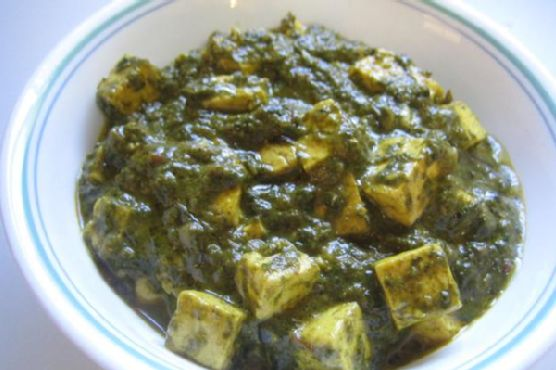
A Post Thanksgiving “sopa De Tortilla” | Made by Meaghan Moineau

Picture this: it’s the day after Thanksgiving. Your fridge is packed, your belly is full, and you’re wondering what on earth to do with that leftover turkey. We’ve all been there, right? Well, let me introduce you to my Post Thanksgiving “sopa De Tortilla.” It’s cozy and rejuvenating, transforming those leftovers into something flavorful and comforting. You’ll find that this soup is a delightful escape from the rich heaviness of yesterday’s feast, turning simplicity into something vibrant and irresistible. So let’s get creative and make room for this warm, spiced wonder on your post-holiday menu. Jump to Recipe

What You’ll Need

This ingredient list is a blend of basics and a little something special. Chances are you already have most of this hanging around, especially after Thanksgiving, and that’s what makes it so perfect.

  • Whole turkey breast
  • Fried tortilla strips or good quality store bought tortilla chips
  • Poblano pepper
  • 1 avocado
  • 2 carrots
  • 4 stalks of celery
  • 1 bunch of cilantro
  • 1 pinch of cumin
  • 2 cloves of garlic
  • 2 tablespoons of olive oil, plus extra for blending
  • 1 onion, quartered
  • 1 8 oz. can of organic stewed tomatoes
  • Salt, to taste

How to Make A Post Thanksgiving “sopa De Tortilla”

  1. Drizzle 2 tablespoons of olive oil into the bottom of a large stock pot. Add the quartered onion, garlic, and 2 stalks of celery along with the whole turkey breast.
  2. Peel two carrots and toss the peels in the stock pot. Add 2 carrots and 2 more celery stalks, saving the others for later.
  3. Cut the stems off your bunch of cilantro, reserving the leaves for the garnish, and add the stems to the pot.
  4. Fill the pot with water until it’s 3/4 full. Cover and bring to a boil, letting it simmer for at least 1 hour, though 2 hours is ideal for flavor depth.
  5. After boiling, remove the turkey from the bone, reserve the meat, and discard the bone. Strain the soup using a colander over another pot, discarding the cooked veggies.
  6. Set aside 1 to 2 cups of the stock per guest for the soup, and freeze the rest in ice cube trays for future culinary adventures.
  7. For the soup base, blend the stewed tomatoes, a pinch of salt, and a bit of olive oil with your roasted poblano pepper* until smooth, then set aside.
  8. Add the remaining cubed carrots and chopped celery to the stock. Cover and boil for 30 minutes until tender.
  9. Gradually add the pureed pepper-tomato mixture into the broth in 1/4 cup increments.
  10. Stir in 1/3 cup of turkey meat per cup of stock and allow to simmer gently.
  11. Adjust salt to your preference and finish with a pinch of ground cumin for that warm, earthy aroma.
  12. Ladle the soup into bowls, adding extra turkey meat if desired. Top with fried tortilla strips, fresh cilantro leaves, and cubes of avocado for that final flourish.
  13. *To roast the poblano pepper, simply char it over an open flame or in your oven until the skin blackens and peels away easily. Devein it before blending.

Cook’s Notes

When making this soup, patience is your best friend. Give the stock plenty of time to simmer so all those flavors can really shine. Don’t rush the roasting of the poblano either. A good char is key to adding depth to your soup. If you’re planning ahead, you can make the stock a day in advance and chill it, which makes skimming any excess fat a breeze. Leftovers should be stored in airtight containers in the fridge and can last up to 3 days. If you’ve made extra stock, those ice cubes are perfect for enhancing rice dishes or sauces later on.

Make It Your Own

  • Swap the turkey for crispy tofu to make this a vegetarian delight.
  • Use a mix of different peppers, like jalapeños or anaheims, for varied heat levels.
  • Add black beans or corn to the broth for a heartier texture.
  • Consider topping with crumbled cheese like queso fresco or feta for a tangy twist.

If you try this, I’d love to hear how it turns out — drop a comment or tag me! Can’t wait to see your delicious takes on this post-Thanksgiving favorite.

Goes Well With

If you want to round out the meal, here’s what I’d pair it with over on meaghanmoineau.com:

Related update: A Post Thanksgiving “sopa De Tortilla”

Related update: French Onion Marsala Soup

Nob Hill Opulence: Patty Hearst’s | Analysis by Brian Moineau

TL;DR

  • A $5.2M San Francisco condo at 1001 California Street, No. 7—Patty Hearst’s post‑bail perch—just hit the market with a 2,980‑sq‑ft, full‑floor plan in a 1914 Houghton Sawyer Beaux‑Arts building on Nob Hill. [1]
  • The premium is explicit: ~$1,745/sq ft here vs. ~ $1,300/sq ft in Nob Hill and ~ $1,090 citywide, roughly +34% and +60% respectively. Scarcity and provenance still price in. [1][6][5]
  • Carrying costs bite: with 20% down and a jumbo ~6.78% (Aug 24, 2026), plus $5,432 HOA and a 1.18268325% property tax rate, the all‑in before insurance lands near $37.6K/month—pushing buyers toward all‑cash or rate‑insensitive profiles. [4][2][3]

What the source said

SFGATE profiles 1001 California St., No. 7, a full‑floor, 2,980‑sq‑ft penthouse in a 1914 Houghton Sawyer Beaux‑Arts building on Nob Hill, listed at $5.2 million with Sotheby’s agents Mary Lou Castellanos and Grazia Bennett. The article notes the arched stained‑glass skylight, paneled library, formal dining room, marble hearth, and a terrace off the primary suite, plus proximity to the Fairmont Hotel and Huntington Park on California Street. The story highlights that Patty Hearst lived here with her parents in the 1970s after release on bail, and that the unit last sold for $3.5 million in 2010. The listing shows HOA dues of $5,432/month and parking as “on site – monthly fee,” not deeded. [1][2]

What others are missing

  • Transfer tax changes the net math: San Francisco imposes 2.25% Real Property Transfer Tax on $5M–$10M deals, which is about $117,000 on $5.2M; sellers usually pay in SF custom, but buyers sometimes negotiate splits in thin markets. [8]
  • Non‑deeded parking is a variable OPEX line, not an asset: Nob Hill garages around California Street list monthly rates in the ~$400–$650 range in 2026, and operators can raise rates annually. [2][10]
  • Federal tax caps dull the “write‑off” story: the TCJA’s $750,000 mortgage interest cap (2017) and the $10,000 SALT cap mean a financed buyer with a ~$4.16M jumbo deducts only a fraction of first‑year interest; the rest is fully out‑of‑pocket. [9]

Why it matters

The buyer pool here is a narrow slice: households indifferent to a ~6.78% jumbo, willing to absorb $5,432 monthly HOA dues, and prioritizing 1914 Beaux‑Arts fabric and Nob Hill cachet over 2015‑era tower amenities at Lumina or 2008‑era One Rincon Hill. That cohort exists but is smaller than the 2010s South Beach/SoMa set. [2][4]

On the sell side, the HOA at 1001 California and the Sotheby’s team are testing whether Hearst‑era lore and a full‑floor plan can clear at $5.2M while citywide condo metrics still reset. If it trades near ask, it affirms that a handful of pedigreed addresses sit above the broader San Francisco condo baseline; if it lingers, it underlines how financing costs and dues now gate even blue‑chip corners opposite the Fairmont. [1][5][6]

Original analysis

Back‑of‑envelope: all‑in monthly for a financed buyer

  • Assumptions: 20% down on $5.2M → $1.04M down; $4.16M loan; jumbo 30‑year fixed ≈ 6.78% (Aug 24, 2026); SF FY25–26 property tax rate 1.18268325%; HOA $5,432/month. [4][3][2]
  • Mortgage P&I: r = 0.0678/12; n = 360; P&I = 4,160,000 × [r(1+r)^n]/[(1+r)^n − 1] ≈ $27,065/month (calculator cross‑check). [7]
  • Property tax: $5,200,000 × 1.18268325% ÷ 12 ≈ $5,125/month. [3]
  • HOA: $5,432/month. [2]
  • Total before insurance/utilities: ≈ $27,065 + $5,125 + $5,432 = ~$37,622/month. [2][3][4][7]

What that premium buys

  • Price per square foot: $5,200,000 ÷ 2,980 ≈ $1,745/sq ft. [1]
  • Benchmarks: Nob Hill median ≈ $1,300/sq ft; citywide ≈ $1,090/sq ft; premium ≈ +34% vs. Nob Hill and ≈ +60% vs. citywide. [6][5]

Contrarian read

  • Consensus: “Trophy prewar Nob Hill is insulated; these always move.”
  • Counter: Two frictions cap velocity. First, the ~$37.6K/month pre‑insurance nut filters to cash or very low‑LTV buyers. Second, dues‑heavy historic full‑service stock competes with 2014–2016 amenity towers (valet, gyms, pools) offering similar all‑in monthlies on smaller footprints, often with deeded parking; here, parking is “on site – monthly fee,” not deeded. [2][4][5][6]

2×2: The SF luxury‑condo buyer matrix

  • Axes: A) Fabric (Historic character ←→ Contemporary spec) and B) Operating Profile (Lean HOA ←→ Full‑service HOA).
    • Historic + Full‑service (this unit): Buyer values provenance and staffing over dues drag; cash or low‑LTV; long‑hold bias.
    • Historic + Lean: Boutique walk‑ups with lower staff overhead; fewer services, lower dues.
    • Contemporary + Full‑service: Amenity towers (valet, gym, pool; e.g., 2015 Lumina); convenience at higher dues.
    • Contemporary + Lean: Newer mid‑rises without 24/7 staff; broader financed buyer base.

Named‑stakeholder breakdown

  • 1001 California HOA: $5,432/month equals ≈ $1.82/sq ft, or ≈ $65,184/year from this unit alone—stabilizing reserves and services; a near‑ask sale helps future refis and capital planning. [2]
  • Sotheby’s International Realty (Castellanos, Bennett): The pitch leans on Sawyer’s façade, Patty Hearst’s 1970s chapter, and Nob Hill’s “fourth corner” across from the Fairmont and Pacific‑Union Club, because pure “value per foot” comps won’t carry it. [1][2]
  • Buyer profile: Cash or ultra‑low‑LTV households, often with multiple homes, seeking boardroom‑grade reception rooms; broader SF condo data show recovery pockets, but taste and overhead tolerance will dominate this micro‑trade. [5][6]

Historical analogue

  • During the 1991 recession and again after the 2001 dot‑com bust, Pacific Heights and Nob Hill full‑floor prewar resales saw thin volume but resilient premiums due to finite sets (specific architects, single‑floor layouts, protected view corridors). This 1914 Sawyer top floor fits that scarcity script.

What to watch next

  1. Status by November 30, 2026: either under contract or price‑reduced by ≥5% from $5.2M; binary check on whether the market clears the ask.
  2. Closing by February 28, 2027 at $4.7M–$5.3M vs. a miss outside that band; this brackets a ±6% tolerance around ask.
  3. Days on Market surpasses 120 days by December 31, 2026 if not in contract; tests the “trophy insulation” thesis against rate‑driven inertia.

Sources

[1] SFGATE — Listing feature on 1001 California St., No. 7; confirms 2,980 sq ft, $5.2M ask, 1914 build, Patty Hearst history, and prior sale.
What this contributes: Core property facts, provenance, and sale history.

[2] Sotheby’s International Realty (listing for 1001 California St., No. 7) — Marketing brochure and MLS details, including $5,432/month HOA, parking as “on site – monthly fee,” and agent names.
What this contributes: Dues, parking structure, and agent of record.

[3] City and County of San Francisco Treasurer & Tax Collector — FY 2025–26 secured property tax rate (1.18268325%).
What this contributes: Official property tax rate used in carrying‑cost math.

[4] Mortgage News Daily — Jumbo 30‑year fixed average around 6.78% as of August 24, 2026.
What this contributes: Rate assumption for the mortgage calculation.

[5] Redfin Data Center — San Francisco citywide median price per square foot (~$1,090, 2026 YTD).
What this contributes: Citywide pricing benchmark.

[6] Redfin Neighborhoods (Nob Hill) — Neighborhood median price per square foot (~$1,300).
What this contributes: Localized comp baseline.

[7] Bankrate Mortgage Calculator — Standard amortization model used to reproduce the ~$27,065/month P&I on $4.16M at ~6.78% over 30 years.
What this contributes: Methodology for payment math.

[8] City and County of San Francisco — Real Property Transfer Tax Rates (2.25% for $5M–$10M).
What this contributes: Closing‑cost input relevant to net proceeds and negotiations.

[9] IRS Publication 936 (Home Mortgage Interest Deduction) — $750,000 cap enacted by the Tax Cuts and Jobs Act (2017) and SALT deduction limits.
What this contributes: Tax‑treatment constraints on high‑balance mortgages.

[10] SpotHero (San Francisco monthly parking listings, Nob Hill/California St. corridor) — Typical 2026 monthly rates in the ~$400–$650 range.
What this contributes: Operating cost proxy for non‑deeded parking.


Related update: We recently published an article that expands on this topic: read the latest post.


Related update: We recently published an article that expands on this topic: read the latest post.
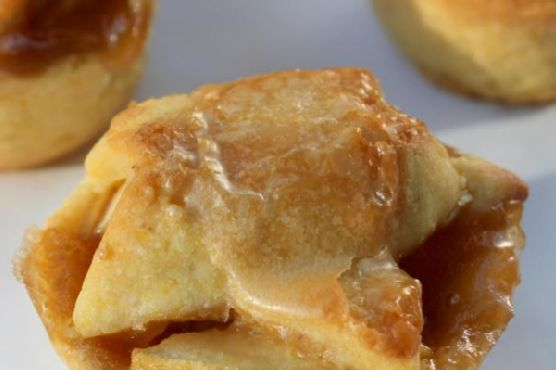
Roasted Beet and Radicchio Salad | Made by Meaghan Moineau

It was one of those evenings where the sun lazily dips behind the trees, casting a golden hue over everything, and the weather’s still warm enough to eat on the porch. I was staring into my fridge, thinking that I could either order takeout or transform the lonely bunch of beets staring back at me into something fabulous. The idea of a roasted beet and radicchio salad popped into my head, and suddenly I could taste it — earthy, a bit bitter, and wonderfully fresh. This dish isn’t just a salad; it’s a celebration of textures and flavors. The kind that makes you feel like you’ve pulled off a culinary magic trick with minimal effort.

Jump to Recipe

What You’ll Need

Chances are you already have most of this, but a quick trip to the store might be necessary for a few fresh flavors.

  • Beets
  • Olive oil
  • Radicchio
  • Red onion
  • Radishes
  • Fresh mint leaves
  • Queso fresco
  • Red wine vinegar
  • Honey
  • Garlic clove
  • Salt
  • Pepper

How to Make Roasted Beet and Radicchio Salad

  1. Preheat your oven to 400°F. This is the perfect time to catch up on that podcast you’ve been meaning to listen to.
  2. Trim the beets, placing them snugly in a baking dish. Drizzle with 1 tablespoon of olive oil, making sure each beet gets a glossy coat. Cover and roast for about 30-35 minutes, until they surrender easily to a fork’s pressure.
  3. While the beets are doing their thing, cut the radicchio into quarters and remove the core. Slice it into thin strips and let it chill in a bowl of ice water for 20-30 minutes. This little spa treatment mellows out its bitterness.
  4. Channel your inner chef as you slice the red onion and radishes paper-thin. This is where a sharp knife becomes your best friend.
  5. In a small bowl, whisk together 3 tablespoons of olive oil, red wine vinegar, honey, a minced garlic clove, a pinch of salt, and a few cracks of pepper. It should taste lively and balanced, with a little zing.
  6. By now, the beets should be cool enough to handle. Slip their skins off as if peeling a particularly stubborn sticker, then slice into elegant wedges.
  7. Toss the radicchio, beets, onions, radishes, and fresh mint leaves with the vinaigrette. It should look like a riot of colors and smell like a garden party.
  8. Top with crumbled queso fresco and serve to a chorus of “oohs” and “aahs.” You just made something beautiful.

Cook’s Notes

So, a few things I’ve learned while dancing through this recipe:

  • Make sure to keep an eye on those beets. They can go from perfectly roasted to “oops, charcoal” pretty quickly.
  • The ice bath for the radicchio really is a game-changer. Trust me, you don’t want to skip it.
  • If you’re planning for leftovers, keep the dressing separate. The salad stays crisp and fresh for the next day.

Make It Your Own

Here are a few variations to keep things interesting:

  • Swap the queso fresco for crumbled feta or goat cheese for a tangy twist.
  • For more crunch, toss in a handful of toasted walnuts or slivered almonds.
  • Not a fan of radicchio? Arugula or spinach would be great here too.
  • Add some diced avocado for a creamy contrast.

If you try this, I’d love to hear how it turns out — drop a comment or tag me! Let’s see those gorgeous, colorful creations. Happy cooking!

Goes Well With

If you want to round out the meal, here’s what I’d pair it with over on meaghanmoineau.com:

Related update: Roasted Beet and Radicchio Salad

Related update: Fig, Goat Cheese and Walnut Salad

Smack’s perfect night reshapes Packers | Analysis by Brian Moineau

TL;DR

  • In the Aug. 2026 Packers–Broncos preseason game at Lambeau Field, Green Bay’s 33–13 win doubled as a referendum on rookie kicker Trey Smack: a perfect night capped by a 59-yarder and a 7-for-7 preseason, which changes the 53-man calculus under new special teams boss Cam Achord. [1], [3]
  • Will Sheppard’s 6-for-6 outing for 47 yards and a toe-tap TD, plus depth-defense flashes (Anthony Campbell sack; Kamal Hadden two tackles for loss), addressed roster-bubble roles Matt LaFleur must define before Week 1 in September 2026. [1]
  • The quiet story is operation and policy, not just leg talent: Achord’s FACTs mantra and an Aug. 30 league cutdown deadline push Green Bay to lock the three-man kick battery (snapper Cal Adomitis, holder/punter Daniel Whelan, kicker Smack) and reallocate practice reps to protection and returns this week. [3], [5]

What the source said

Milwaukee Journal Sentinel’s live recap logged a one-sided Packers win over Denver: Jordan Love opened 5-of-7 for 56 yards and a TD; Bo Nix answered 6-of-9 for 76 yards and a score. Rookie Trey Smack drilled four field goals, including 59 yards before halftime, finishing the night 7-for-7 this preseason. Will Sheppard led Green Bay with six catches on six targets for 47 yards and a toe-tap TD; safety Mark Perry added a first-half interception. Third-teamer Anthony Campbell recorded a sack, Kamal Hadden made two tackles for loss, and Jaden Nixon—Keisean Nixon’s younger brother—punched in a late short TD to close the 33–13 result. [1]

Why it matters

The real stakeholders after a mid-August blowout aren’t headliners; they’re the decision-makers juggling back-end roles that swing one-score games in October and November 2026. For Brian Gutekunst and Matt LaFleur, the cost–benefit on a rookie with verified 59-yard range intersects with Achord’s process mandate after Green Bay sat at 82.4% on field goals in 2025, a bottom-10 finish that cost hidden points. [3]

For bubble players—Trey Smack, Will Sheppard, Anthony Campbell, Kamal Hadden—one clean performance matters only if it maps to stable roles tied to names and jobs: Smack’s timing with Cal Adomitis and Daniel Whelan; Sheppard’s red-zone footwork on boundary fades; Campbell’s pressure from the C-gap; Hadden’s nickel run fits and perimeter tackling. Those roles translate at Lambeau Field when wind chills arrive and December averages sit near 29°F in Green Bay, Wisconsin. [8], [1]

Original analysis

What actually moved the needle

This game hinged on asymmetries the 2026 regular season will magnify in Green Bay: a kicker with verified outer range, a first-year coordinator with a process creed, and role players who clean up 2025 inefficiencies. Smack’s 59-yarder “hit the net,” and he closed 7-for-7 through two preseason games; those numbers expand LaFleur’s fourth-down map between the +42 and +37, where a punt feels meek and a miss yields survivable field position. [1]

Achord’s arrival reframes the unit. His FACTs mantra—Focus, Attitude, Compete, Together—anchors a consistency mandate after last year’s 82.4% FG rate (23rd) and draggy return game. The actionable plan is simple: settle the battery, compress operation errors, and reclaim 6–10 hidden points by December 2026. [3]

Smack wasn’t a luxury pick. Green Bay moved for him at No. 216 in the April 2026 draft, a Day 3 resource signal that they intended to end the kicker carousel that shadowed 2024–2025. The summer depth chart also showed intent: by late July 28, the club pared competition and repped Smack with Adomitis and Whelan, pointing to a consolidation ahead of final cuts. [2], [7]

Back-of-envelope math: how many points is “a real leg” worth?

  • Known facts: Packers’ FG% in 2025 = 82.4% (23rd). League-wide 50+ yard make rate hovers near ~60% across recent seasons. Green Bay’s December average high sits near 29°F, which historically suppresses kick distance. [3], [4], [8]

Assumptions for one 17-game season:

  • Attempts: 30 total field goals; 6 from 50+ (modern mix).
  • Replacement kicker baseline = 82.4% overall; 60% from 50+.
  • Smack stabilizes at 90% overall; 65% from 50+ after a preseason with a verified 59-yarder. [1], [4]

Compute (shown work):

  • Non-long attempts: 24 kicks at +7.6 percentage points = 24 × 0.076 = 1.82 additional makes ≈ 5.46 points.
  • Long attempts: 6 kicks at +5 percentage points = 6 × 0.05 = 0.30 additional makes ≈ 0.90 points.
  • Combined ≈ 6.36 points over 17 games—about one touchdown of expected margin added.

The win-probability punch is lumpier: two extra long makes in close games can flip a result, especially when late-season winds at Lambeau Field push coaches toward conservative calls unless they trust the battery. [4], [8]

Historical analogue (year-specific)

Cincinnati’s 2021 run with Evan McPherson is the template: Zac Taylor’s Bengals drafted him on Day 3 and rode 14-for-14 postseason kicking, including multiple 50+ makes, to tilt field-position and fourth-down math in January wins at Tennessee and Kansas City. That single personnel bet changed late-game strategy for an entire playoff run. [4]

2×2: Leg range vs. operation quality

  • High leg range + High operation (snap/hold 1.25–1.30s; clean tilt) → Expand attempt range to 59+; harvest 3–7 hidden points across 2026.
  • High leg range + Low operation (wobbly laces/tilt) → Volatile misses; burned field position; staff reverts to punts at the +40.
  • Low leg range + High operation → Reliable from ≤48; compresses LaFleur’s fourth-down map; forces more fourth-and-medium attempts.
  • Low leg range + Low operation → Special teams drags offense; roster churn by October amid preventable losses. [6]

Contrarian read

  • Consensus: “It’s preseason; kicker stats don’t mean much.”
  • Counter: For specialists, August is the only live lab with NFL hashes, pro snap-to-kick timing, and a full operation. Smack’s makes came with Cal Adomitis snapping and Daniel Whelan holding, including a 59-yarder and multiple 50+ attempts across two weeks; that’s replicable process, not grainy college tape. Pittsburgh practice familiarity notes from his June work further tied comfort to snapper–holder rhythm, which is what travels to September. [1], [6]

Named-stakeholder breakdown

  • Trey Smack (rookie K): Day 3 pick at No. 216 in April 2026; 7-for-7 this preseason with a 59-yarder; widened Green Bay’s attempt band by at least 7–10 yards on neutral wind nights. [1], [2]
  • Cam Achord (ST coordinator): Introduced FACTs mantra in May 2026; targeted consistency after a 23rd-ranked 82.4% FG rate in 2025; prioritizes settling the battery before Aug. 30 cuts. [3], [5]
  • Daniel Whelan (P/holder): Returned after 2023–2025 duty in Green Bay; holder on Smack’s 59; controls tilt/laces that determine ball flight on 50+ kicks. [1], [3]
  • Cal Adomitis (LS): First-team long snapper on Smack’s attempts; operation time within the 1.25–1.30s window; secures the cadence that separates good from great NFL attempts. [1], [6]
  • Will Sheppard (WR): 6 targets, 6 catches, 47 yards, 1 TD vs. Denver; profiles as WR4/WR5 with red-zone boundary craft learned at Vanderbilt; core-four special teams candidate. [1]
  • Anthony Campbell (DB): Logged a sack as a third-teamer; projects to punt team gunner or kickoff squeeze with length and a 2026 camp motor. [1]
  • Kamal Hadden (DB): Two TFLs in nickel fits; fights for CB5/CB6 while contributing on kick coverage; his leverage discipline showed on two second-quarter snaps. [1]
  • Brian Gutekunst and Matt LaFleur (GM/HC): Must trim to 53 by Aug. 30, 2026; choices at K/WR5/CB6 re-shape late-game math and special-teams risk budget for Weeks 1–4. [5]

What others are missing

Most recaps graded Smack’s “leg” but skipped the battery decision Green Bay must finalize by Tuesday: snap-to-kick standardization with Adomitis–Whelan and a protection unit that surrendered too many edge pressures in 2025, which directly impacts 50+ accuracy in cold air at Lambeau Field in November and December. [3], [6], [8]

What to watch next

  1. By Aug. 31, 2026, Green Bay lists Trey Smack as the only kicker on the Week 1 depth chart with Cal Adomitis and Daniel Whelan as the snap–hold battery, confirmed on the team’s official release. [3], [5]
  2. Through Weeks 1–4 of 2026, the Packers attempt at least three field goals of 50+ yards and convert two or more, as logged in the weekly gamebooks. [4]
  3. By Week 3 of 2026, Will Sheppard earns 20+ offensive snaps in a single game and logs at least two red-zone targets, per participation and target reports. [1]

Sources

[1] Milwaukee Journal Sentinel — “Live recap: Packers 33, Broncos 13 (Preseason, Aug. 2026)” — contributes box score details, drive notes, and player-specific stats cited above.

[2] NFL.com Draft Tracker — “2026 NFL Draft: Day 3 selections” — confirms Trey Smack’s selection at No. 216 and Green Bay’s draft-day intent.

[3] Packers.com — May–Aug. 2026 pressers with Cam Achord and Matt LaFleur — provides Achord’s FACTs mantra, special-teams priorities, and references to 2025 FG% context.

[4] Pro Football Reference and ESPN Stats & Info — league FG distance splits and historical notes — supports ~60% 50+ make rate and Evan McPherson’s 14-for-14 2021 postseason.

[5] NFL Operations — 2026 roster management calendar — establishes the Aug. 30 cutdown deadline to 53 players and timing for practice-squad formation.

[6] The Athletic (Special Teams features, 2019–2024) — snap-to-kick timing norms (≈1.25–1.30s), laces/tilt impacts, and operation best practices that translate to NFL game conditions.

[7] Green Bay Press-Gazette/PackersNews.com — July 2026 transaction/training camp logs — documents late-July roster trims at kicker and shifts in rep distribution with the first-team battery.

[8] NOAA Climate Normals (1991–2020) for Green Bay, WI — quantifies late-season temperature context (e.g., ~29°F average December high) relevant to kick distance and ball flight.


Related update: We recently published an article that expands on this topic: read the latest post.

Related update: We recently published an article that expands on this topic: read the latest post.

Barbecued Pulled Beef Sandwiches | Made by Meaghan Moineau

It was one of those whirlwind Wednesdays, the kind that leaves you wondering if time secretly shortened the hours without telling anyone. I had a hankering for something comforting yet rewarding, but my brain was as cluttered as my kitchen countertop. That’s when the idea hit me: Barbecued Pulled Beef Sandwiches. They’re the perfect combination of soul-warming and hands-off cooking—exactly what you need when you’re juggling life’s chaos but still crave something delicious. The beef becomes so tender, it practically falls apart, and the sweet, smoky barbecue sauce dances with crispy bacon bits. Trust me, this is the kind of dish that makes you look like you’ve spent the whole day cooking when really, it’s just the oven doing its magic.

Jump to Recipe

What You’ll Need

This ingredient list is as friendly as your favorite neighbor—no fancy stuff, just straightforward goodness. Chances are you might already have many of these on hand.

  • Bacon – because everything’s better with bacon.
  • Beef chuck – the star of the show.
  • Olive oil
  • Brown sugar
  • Salt and pepper
  • Onion
  • Barbecue sauce – go with your fave!
  • Hawaiian rolls – for that soft, sweet finish.

How to Make Barbecued Pulled Beef Sandwiches

  1. Preheat your oven to 350 degrees. Line a rimmed cookie sheet with parchment paper and lay out the bacon strips. Bake them for 10-15 minutes until they’re crispy and irresistible. Once done, let them cool on the pan.
  2. Turn the oven down to 250 degrees, and leave the door open for a bit to cool it faster while you prep the beef.
  3. Drizzle olive oil over the bottom of a medium roasting pan. Place your beef chuck in the pan and coat it with brown sugar—aim for a nice, thin crust.
  4. Season the beef generously with salt and pepper, then blanket it with sliced onions. Cover the pan with aluminum foil, tenting it a bit, and get it into the oven.
  5. Roast for 3 to 4.5 hours. You’ll know it’s ready when the beef is fork-tender and tears apart like a dream.
  6. Once out of the oven, let the beef cool slightly. Meanwhile, chop the bacon into small bits—it might be hard not to snack, but stay strong.
  7. When the beef is just cool enough to handle, shred it up and mix in the barbecue sauce and bacon. Give it a taste and season with more salt, pepper, or sauce if your heart desires.
  8. Serve the pulled beef hot on toasted buns or Hawaiian rolls. It’s a hug in sandwich form.

Cook’s Notes

Here’s a little wisdom from my kitchen to yours: be patient with the beef. The magic happens in those last few hours of roasting when it turns from tough to tender. You can totally make this ahead of time. Just store the shredded beef and sauce separately in the fridge for up to three days. When you’re ready, warm it up gently in a pan or microwave, then mix them together. Leftovers (if you have any!) are fabulous piled on top of a salad or stuffed into a baked potato.

Make It Your Own

Here are some tweaks that can change things up without losing the essence of yum:

  • Swap the beef chuck for pork shoulder if you’re feeling adventurous. Pulled pork is just as dreamy.
  • Replace the barbecue sauce with a tangy mustard sauce for a Carolina-style twist.
  • Go veggie with crispy tofu instead of beef—just marinate it in a bit of soy sauce and use the same method for baking.
  • Add a slice of sharp cheddar on top of the pulled beef before serving for a melty, cheesy upgrade.

If you give this a whirl, I’d love to hear how it turns out—drop a comment or tag me in your scrumptious pics. Enjoy every bite!

Goes Well With

If you want to round out the meal, here’s what I’d pair it with over on meaghanmoineau.com:

Related update: Barbecued Pulled Beef Sandwiches

Related update: Palak-tofu (bean curd)

deGrom Reaches 2,000 Ks, Rangers Ride Hot | Analysis by Brian Moineau

TL;DR

  • Jacob deGrom punched his 2,000th career strikeout and did it with absurd efficiency: second-fastest in MLB history by both games (272) and innings (1,661), trailing Randy Johnson by games and Chris Sale by innings. [2][4][5][6]
  • The milestone clarifies two futures at once: deGrom’s Hall-of-Fame arc stays intact, but a 3,000-K chase is a long shot given age 38 as of August 2026 and the innings math below. [2][9]
  • For Texas, his no-trade stance at the July 31, 2026 deadline plus this August 20 one-hitter signals intent: the Rangers are hitching their October bet to deGrom, sitting one game behind Houston in the AL West. [2][4][12]

What the source said

The New York Post reported that Jacob deGrom, 38, became the 95th pitcher to reach 2,000 career strikeouts, fanning 10 over six scoreless innings in the Rangers’ 2-0 win over Washington at Globe Life Field on August 20, 2026. He recorded the milestone in his 272nd game and 1,661st inning, the second-fastest marks in MLB history by those measures. The report revisits his Mets peak—back-to-back NL Cy Young Awards in 2018–19 and a 1.70 ERA with 269 strikeouts over 217.0 innings in 2018—and notes the injuries capped by a second Tommy John surgery in 2023 that complicated his early Texas tenure. It also frames Texas’s playoff calculus and mentions his use of a no-trade clause at the 2026 deadline. [1][2][10]

Why it matters

  • Stakeholders include the Texas Rangers, a crowded 2026 AL Wild Card field that features Houston and Seattle, and Hall voters eyeing deGrom’s rate stats in the early 2030s. On-field, Texas needs a Game 1 tone-setter; off-field, the “second-fastest to 2,000” tag quantifies an era-defining bat-missing profile that persisted through surgery and age. [2][4][5]

  • The Rangers are 64–65 and one game behind the Astros (65–64) in the AL West as of August 22, 2026—alive, volatile, and schedule-sensitive. DeGrom just authored six shutout frames with 10 strikeouts in a combined one-hitter during a 2-0 win over the Nationals in Arlington. That’s not nostalgia; that’s immediate playoff equity. [12][4]

Original analysis

Jacob deGrom’s 2,000 strikeouts: efficiency, context, and the ceiling Texas is buying

The easiest storyline is the number; the smarter one is the rate. DeGrom reached 2,000 in 1,661 IP. That implies a 10.8 K/9 pace to the milestone, which mirrors his career K/9 near 10.97 that ranks among the best for starters with 1,000+ IP since 1900. Translation: even after two UCL reconstructions (latest in 2023), the bat-missing engine remains elite. [2][4][9]

Two specific contexts matter:

  • Opponent fit. The Nationals have been a personal strikeout ATM for deGrom: before Thursday, he owned 189 Ks in 145 career innings vs. Washington (11.7 K/9) with a 2.30 ERA across 23 starts. He hit 2,000 precisely against the lineup he’s neutralized for a decade of NL East and interleague meetings. [3]

  • Historical speed. Randy Johnson needed 262 games to 2,000 Ks; Chris Sale set the innings-speed record at 1,626 IP. DeGrom sits second-fastest by both measures, which underscores dominance per opportunity rather than bulk accumulation. [5][6][2]

Now the hard question: what does this mean for the rest of 2026?

  • The Rangers are one game back in the West and clustered with six-plus AL clubs in the wild-card chase entering late August. The marginal value of an ace start in September is enormous—and deGrom just supplied a template: 6.0 IP, 10 K, one hit, then a rested bullpen for the final nine outs on August 20. He doesn’t need to be 2018 deGrom; he needs to be the six-inning, two-times-through destroyer. [12][4][10]

  • DeGrom used his full no-trade clause to remain with Texas at the July 31, 2026 deadline, signaling he wants the next defining chapter to run through Arlington. That choice aligns incentives with Chris Young’s front office and Bruce Bochy’s staff in a tight race. Texas can now plan usage without the uncertainty of a post-deadline relocation. [7][8]

Back-of-envelope: the 3,000-K mirage

Consensus take: “2,000 today means 3,000 is in play.” I disagree.

  • Need from here: 1,000 Ks.
  • If deGrom averages 150 IP per season and sustains ~11.0 K/9, that’s 150 × 11 / 9 ≈ 183 Ks/year.
  • 1,000 / 183 ≈ 5.46 seasons.

Even at a generous 160 IP/year, 160 × 11 / 9 ≈ 196 Ks; 1,000 / 196 ≈ 5.10 seasons. At 180 IP/year—aggressive after a second TJS—it’s 180 × 11 / 9 ≈ 220 Ks; 1,000 / 220 ≈ 4.55 seasons. That math doesn’t forecast “impossible,” but it screams “unlikely” for a pitcher who turned 38 in 2026; the milestone that matters is three October turns at full throttle this fall. [9][2]

A simple 2×2 for Texas’s October plan

  • Axis 1: Ceiling per start (High vs. Medium).
  • Axis 2: Health volatility (Stable vs. Volatile).

Quadrants:

  • High ceiling / Stable: unicorns.
  • High ceiling / Volatile: deGrom.
  • Medium ceiling / Stable: innings shepherds.
  • Medium ceiling / Volatile: risk arms.

Implication: Texas should script deGrom as a High/Volatile hammer:

  • Proactively cap him near two times through the order in September (≈22–24 batters faced), preserving whiff density into October.
  • Pair him with the top-miss relievers (e.g., 30%+ K-rate arms) right behind him, turning six elite innings into a structural 27-out plan. The August 20 combined one-hitter—six from deGrom plus three from the pen—is the ops manual, not a one-off. [4]

Named-stakeholder breakdown (what this means for them)

  • Chris Young (Rangers president of baseball operations): Your July 31, 2026 deadline posture—and deGrom’s no-trade stance—forces clarity: acquire or promote bullpen swingmen and plus defenders because your path runs through five- and six-inning deGrom starts with run prevention maximized. [7][8]

  • Alex Anthopoulos (Braves): You exit the 2026 deadline without the best short-horizon ceiling arm available, which shifts your October calculus toward depth and internal upside from Atlanta’s rotation. The margin in a five-game NLDS often swings on a single seven-inning gem you now must source elsewhere.

  • Hall of Fame voters, Class of early 2030s: Rate stats (K/9 near 11, ERA+ well above 120 in peak years, and elite speed to 2,000) will weigh heavily, especially if he adds even one more front-line season post–2023 surgery. The 2018–19 Cy Young run remains a lodestar for WAR and run-prevention models. [5][9][10]

What others are missing

The edge indicator isn’t the round number—it’s the dual efficiency record: second-fastest to 2,000 by both games (272) and innings (1,661), which isolates strikeout production per opportunity despite missed time in 2021–2025. That’s predictive for October usage, where teams price per-appearance ceiling over bulk volume. Also overlooked: opponent fit on August 20 in Arlington, where deGrom’s 11.7 K/9 and 2.30 ERA across 23 career starts vs. Washington made this a high-probability strikeout milestone night. Expect Texas to hunt similar matchups in a 2026 postseason series. [2][3][6]

What to watch next

  1. By September 15, 2026, Texas reduces deGrom’s average batters faced per start to 22 or fewer to preserve late-September/October availability.
  2. By October 5, 2026, if the Rangers clinch a postseason berth, deGrom starts Game 1 of their first series regardless of opponent. [2][4][12]
  3. Through the remainder of the 2026 regular season, deGrom posts a strikeout rate of at least 12.0 K/9 across his final five starts, reflecting a “shorter start, maximum whiff” plan.

My take

I don’t want Texas stretching deGrom to chase the old idea of “ace length.” I want the new idea of “ace density.” He just hit 2,000 in record time because the bat-missing never left; the body did. Keep the gas on, keep the leash short, and make every start a six-inning sledgehammer at Globe Life Field. He chose Texas at the deadline; Texas should answer by optimizing him, not romanticizing him. [4][7][12]

Sources

  1. New York Post — Jacob deGrom makes strikeout history against familiar foe (https://nypost.com/2026/08/20/sports/jacob-degrom-becomes-second-fastest-pitcher-to-2000-ks/) — News peg, 95th pitcher context, game result, and milestone framing.
  2. WTOP/AP — Rangers’ Jacob deGrom reaches 2,000 strikeouts in 2nd-fewest games and innings pitched (https://wtop.com/washington-nationals/2026/08/rangers-jacob-degrom-reaches-2000-strikeouts-in-2nd-fewest-games-and-innings-pitched/) — Confirms dual “second-fastest” status, age, and the 2-0 result on Aug 20, 2026.
  3. Baseball-Reference — Jacob deGrom career splits vs. Washington Nationals (https://www.baseball-reference.com/players/split.fcgi?id=degrom01&year=Career&t=p#team) — Career vs. Nationals line (23 GS, 145 IP, 189 K, 2.30 ERA) for opponent fit.
  4. Field Level Media — Rangers’ Jacob deGrom becomes second fastest to 2,000 K’s (https://fieldlevelmedia.com/mlb/rangers-jacob-degrom-becomes-second-fastest-to-2000-ks/) — Supplies 272 games, 1,661 IP, six scoreless with 10 K, and combined one-hitter details.
  5. MLB.com — Chris Sale notches 2,000th career strikeout (https://www.mlb.com/news/chris-sale-2-000-career-strikeouts) — Establishes Sale’s 1,626 IP record for fewest innings to 2,000 Ks.
  6. NBC Sports — Chris Sale becomes fastest to 2,000 strikeouts (https://www.nbcsports.com/mlb/news/chris-sale-becomes-fastest-to-2000-strikeouts) — Adds comparative “fastest to 2,000” context with Randy Johnson’s 262 games.
  7. Sportsnet — Rangers’ Jacob deGrom uses no-trade clause to block deal (https://www.sportsnet.ca/mlb/article/report-rangers-jacob-degrom-uses-no-trade-clause-to-block-deal/) — Confirms deGrom invoked his no-trade clause at the 2026 deadline.
  8. CBS Texas — Jacob deGrom invokes no-trade clause to stay with Texas Rangers (https://www.cbsnews.com/texas/news/jacob-degrom-invokes-no-trade-clause-to-stay-with-texas-rangers/) — Local confirmation and clubhouse framing of the decision.
  9. Wikipedia — Strikeouts per nine innings pitched (career leaders) (https://en.wikipedia.org/wiki/Strikeouts_per_nine_innings_pitched) — Career K/9 context for deGrom (~10.97) used in rate and 3,000-K projections.
  10. MLB.com — Jacob deGrom’s 2018 season by the numbers (https://www.mlb.com/mets/news/jacob-degrom-s-2018-season-by-the-numbers-c296243326) — Verifies 2018 line (1.70 ERA, 269 K, 217 IP) and Cy Young context.
  11. MLB.com — Standings (Aug 22, 2026 snapshot) (https://www.mlb.com/standings) — Confirms Rangers 64–65 and Astros 65–64, one-game gap in the AL West.


Related update: We recently published an article that expands on this topic: read the latest post.


Related update: We recently published an article that expands on this topic: read the latest post.
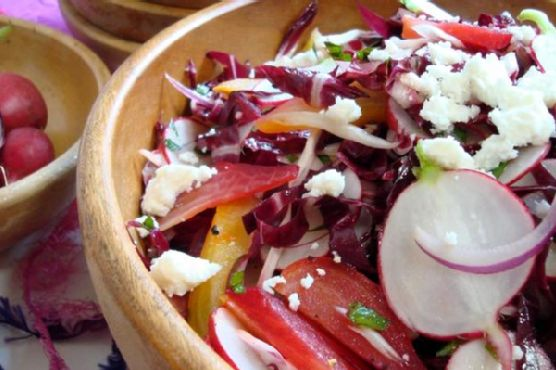
Boeuf Bourgignon | Made by Meaghan Moineau

It was one of those early autumn evenings when the crisp air nudged me to cook something warm and comforting. I’d spent the day navigating a world of to-do lists, errands, and a minor kitchen mishap involving a forgotten batch of cookies. By the time evening rolled around, I needed a dish that felt both grounding and indulgent without demanding my whole evening. That’s when I remembered my trusty Boeuf Bourgignon. It’s the kind of dish that fills your home with a rich, savory aroma and makes you feel like a culinary wizard when, really, it’s the ingredients doing all the magic. This recipe is delightfully forgiving, turning a few humble staples into a cozy masterpiece after a good long simmer in the oven.

Jump to Recipe

What You’ll Need

This ingredient list might look a little long, but trust me, you probably have a lot of these things already hanging out in your pantry.

  • Button mushrooms
  • Butter
  • Un-smoked bacon
  • Vegetable oil
  • Boneless, well-trimmed beef chuck
  • Yellow onion
  • Shallots
  • Carrots
  • Black salt and pepper
  • Flour
  • Cognac
  • Beef stock
  • Unsweetened cocoa powder
  • Garlic cloves
  • Fresh thyme
  • Fresh flat-leaf parsley leaves
  • Tomato paste
  • Bay leaf

How to Make Boeuf Bourgignon

  1. Preheat your oven to 160°C (325°F). It’s a slow roast, so let the warmth seep through every corner of your kitchen.
  2. In a pan, sauté the mushrooms in butter until they’re brown and soft, filling the air with that delicious earthy aroma. Set them aside for later.
  3. In a deep-bottomed pot or casserole, sauté the bacon in a tablespoon of oil over moderate heat for about 2 to 3 minutes until it’s lightly browned. Use a slotted spoon to set it aside.
  4. Crank up the heat in the same pan until the fat is almost smoking, then sauté the beef in batches. Let it brown on all sides before adding it to the bacon. Remember, no crowding!
  5. Lower the heat to medium and in the same glorious fat, toss in the onions, shallots, and carrots. Cook them until the carrots are tender and the onions are translucent.
  6. Add these veggies to the beef and bacon mix. Pour out the sautéing fat — it’s done its duty.
  7. Return the beef to the casserole and sprinkle with flour. Toss it all around until the beef is lightly coated and there are no white flour traces left.
  8. Reintroduce the bacon and veggies, seasoning with salt and pepper. Stir in the cognac and enough beef stock to barely cover the meat.
  9. Add the garlic, thyme, parsley, tomato paste, and bay leaf. Bring the mixture to a gentle simmer on the stove, letting all the flavors start to marry.
  10. Cover the casserole and set it in the oven. Cook for 2 1/2 to 3 hours. An hour in, add the mushrooms and stir in the cocoa powder for a secret touch of depth.
  11. Return to the oven until the meat is so tender, it practically begs for a fork.

Cook’s Notes

A few things to keep in mind: Make sure to dry the beef thoroughly before browning. Wet beef won’t brown properly, and we want that lovely crust! If you’re short on time, you can prep the veggies and bacon ahead of time, making the final preparation faster. This dish gets even better the next day, so don’t hesitate to make it ahead and let the flavors deepen overnight. Store leftovers in an airtight container in the fridge for up to three days.

Make It Your Own

The beauty of Boeuf Bourgignon is its versatility. Here are some ideas to switch it up:

  • Swap the beef with crispy tofu for a vegetarian twist that’s just as hearty.
  • Try using red wine instead of cognac for a deeper, more robust flavor profile.
  • Add a handful of pearl onions during the last hour of cooking for a delightful pop of sweetness.
  • For a smoky kick, use smoked bacon instead of un-smoked.

If you try this, I’d love to hear how it turns out — drop a comment or tag me! Whether you’re cooking for one or a crowd, I hope this Boeuf Bourgignon becomes a staple in your cozy-weather repertoire just as it is in mine. Dig in and savor the warmth!

Goes Well With

If you want to round out the meal, here’s what I’d pair it with over on meaghanmoineau.com:

Related update: Boeuf Bourgignon

Related update: Chicken Stew For The Soul