Pixel HiLight Unleashed by Indie App | Analysis by Brian Moineau

TL;DR

  • Google’s Pixel 11 Pro HiLight is an RGB ring that, at launch in August 2026, only handles calls from favorites and a glow during Gemini chats; the open‑source HiLight Studio app by Dhananjay Bhosale adds per‑app rules, colors, and animated patterns like comet, pulse, and rainbow. [1][2][3]
  • The deeper story is policy: Google prioritized safety, supportability, and brand risk over openness, while an indie developer demonstrated a viable feature set with duty‑cycle caps and Shizuku‑based permissions. [1][2][8]
  • Expect a tug‑of‑war through late 2026 between user demand for per‑app signals and Google’s caution; that balance decides whether HiLight becomes Android’s “Glyph‑style” signaling layer or another Pixel curio. [3][7][8]

What the source said

Android Authority’s August 2026 write‑up confirms the Pixel 11 Pro’s rear HiLight LED only does two things out of the box: it pulses for calls from starred contacts and it glows during Gemini interactions; Google’s own help page limits official app eligibility to Phone and WhatsApp at launch on Pixel 11 Pro, Pro XL, and Fold. HiLight Studio, released as open source by Dhananjay Bhosale, adds per‑app notification triggers, custom RGB colors, and patterns (comet, pulse, rainbow), plus Quick Settings tiles and safety guards like auto‑dimming after 10 seconds and a global 5‑minutes‑per‑10‑minutes cap to avoid overheating or glare. Setup requires sideloading an APK and granting core permissions via Shizuku’s wireless debugging path, which the publication flags as non‑trivial for mainstream users. Once configured, the app worked as promised in testing, which raises the obvious question: why didn’t Google ship a comparable Settings surface or API at launch. [1][2]

Why it matters

Pixel 11 Pro buyers in 2026 are paying for novel hardware that behaves like a tech demo, as Google’s help page explicitly lists only Phone and WhatsApp support for HiLight and warns about interactions with Flash notifications and Do Not Disturb. That narrow scope means many owners will see just a couple of glows, which undersells a marquee feature introduced alongside the Pixel 11 family in August 2026. [2][3]

Google bears the liability and support burden in the U.S., EU, and elsewhere, and early reviews from Tom’s Guide call HiLight promising yet half‑baked during the critical post‑launch window. If a third‑party app can show safe, delightful use with built‑in caps and DND awareness, pressure shifts to Mountain View to provide an official path or cede the narrative to sideloaded tools maintained on GitHub and APKMirror. [8][1][5]

Original analysis

Pixel 11 Pro HiLight: control vs. openness (2×2)

  • Axes:
    • X: Platform posture — Controlled (Google/OEM‑only) to Open (Android SDK/API for 2026+ devices).
    • Y: Utility — Novelty to Daily driver for notifications across Phone, WhatsApp, Telegram, and more.
Example Posture Utility today Why it sits there
Pixel 11 Pro HiLight (stock) Controlled Low Only calls + Gemini; no general notification API or per‑app settings at launch. [2][3]
Pixel 11 Pro + HiLight Studio “Unofficially Open” Medium–High (for tinkerers) Per‑app rules, effects, presets; setup friction via Shizuku and sideloading. [1][6]
Nothing Phone 2 Glyph Semi‑Open Medium Reviewers described Glyph as “cool but underutilized,” despite more LED zones in 2023. [7]

Consensus in August 2026 says, “Open HiLight for everyone.” The contrarian read: Google’s caution is rational until Android formalizes an OS‑level contract with enforceable limits. Unbounded LED access risks glare, distractions in cars and theaters, and support tickets when apps misbehave, which echoes why HiLight Studio itself enforces a 10‑second dim and a five‑minutes‑per‑ten duty cycle because the array isn’t intended for continuous illumination. The right solution looks like a system service with caps, DND hooks, and user‑visible controls, not laissez‑faire access via notification listeners. [1]

Historical analogue: Nothing’s Glyph (2022–2023)

Nothing’s Phone 1 and Phone 2 showed there’s appetite for a back‑of‑phone light language, but novelty plateaued without deep system tie‑ins; TechRadar’s 2023 Phone 2 review called the Glyph interface “cool” yet “underutilized,” even after expanding LED zones and features like “Glyph Composer.” The lesson for 2026: unless Google wires notification semantics, DND precedence, and permissions into Android settings, HiLight risks the same “fun, then forgotten” curve. [7]

What an Android‑level “Notification Light Service” must include

  • A single runtime permission (“Use hardware notification light”) in Android Settings > Apps > Special access, with per‑app toggles, category granularity, and timeboxing; Google’s current doc already scopes eligible apps to Phone and WhatsApp and explains DND interactions. [2]
  • Enforced guardrails: maximum on‑time per interval, face‑down‑only behavior by default, and Quiet Hours/DND override; HiLight Studio’s 10‑second dim and five‑minutes‑per‑ten cap prove usable defaults that avoid heat and eye fatigue. [1]
  • Pattern safety: cap brightness and animation frequency, block seizure‑risk strobes unless the user opts in with a health warning, and require “attention‑grabbing” profiles to respect DND and Bedtime modes set in Android 14–18.
  • Clear precedence with camera flash and flash notifications; Google’s help page states Flash notifications disable HiLight for calls, so the framework must arbitrate conflicts deterministically. [2]

The punchline: Android can ship what HiLight Studio demonstrates, but as a first‑party framework that scales across Pixel 11 Pro, Pro XL, and Fold units shipping in 2026 while keeping support load predictable and brand risk contained. The third‑party app proves feasibility; the OS should institutionalize it with policy and tooling. [1][2]

Named-stakeholder breakdown

  • Google (Pixel hardware/software): Ship an SDK and policy this cycle or let enthusiasts define defaults via sideloading while mainstream reviews keep labeling HiLight half‑done in Q3–Q4 2026. [2][8]
  • Dhananjay Bhosale (developer): Clear PMF among power users on GitHub/APKMirror; if Google opens an API, he becomes the “Pro mode” client; if not, he owns the niche with first‑mover mindshare into 2027. [1][5]
  • App developers (Telegram, Signal, DoorDash, Uber): A sanctioned API would let them encode urgency by channel (e.g., calls vs. messages vs. deliveries) without accessibility hacks; few will support sideload‑only behavior.
  • Competing OEMs (Nothing, Samsung): Nothing can claim it pioneered light‑based signaling in 2022–2023, while Samsung could add a guarded API in One UI and pressure Google to standardize in AOSP. [7]
  • Users: Power users win now via Shizuku and sideloading; mainstream buyers on carriers like Verizon and EE remain limited to two stock behaviors until Google expands official support. [1][2][6]

What others are missing

The bottleneck is trust and distribution, not animation variety: HiLight Studio requires sideloading and Shizuku over wireless debugging, which triggers Play Protect warnings, ADB prompts, and re‑permission after reboots that many buyers on the Play Store ecosystem won’t accept. Android Authority flags the friction in its hands‑on, and Shizuku’s docs show the atypical setup path for granting elevated permissions without root. Until Google publishes a formal Android permission and a Play‑policy‑compliant API, every clever demo remains a niche for enthusiasts rather than something WhatsApp, Telegram, or DoorDash can support at scale in 2026. [1][6]

What to watch next

  1. By the November 2026 Pixel Feature Drop, Google expands HiLight beyond Phone and WhatsApp or adds a Settings surface for category‑level behaviors (e.g., Messages: Direct vs. Promotions), no sideloading required.
  2. By December 2026, Google publishes an Android 17/18 developer preview or AOSP change proposing a hardware‑notification‑light manager with enforced duty‑cycle caps and DND hooks.
  3. By Q1 2027, at least one major third‑party app (e.g., Telegram, Signal, Uber, or DoorDash) ships official HiLight support via a sanctioned API rather than an accessibility or notification‑listener workaround.

My take

Google should stop debuting delightful hardware like HiLight and then treating it as a lab toy through 2026. Either commit to a Notification Light Service with strict guardrails this year, or don’t ship the ring on the Pixel 11 line. HiLight Studio already demonstrates what users want—per‑app semantics, patterns, and quiet hours—while Google retains platform power to make it safe and boring by default. Ship the API, set conservative limits, and let the ecosystem paint within the lines; otherwise HiLight becomes another clever flourish reviewers dismiss and owners forget. [1][2][8]

Sources

  1. This app does with Pixel 11 Pro’s HiLight what Google should have done in the first place — Android Authority (https://www.androidauthority.com/google-pixel-11-pro-hilight-studio-3700860/) — Confirms stock HiLight limits, details HiLight Studio features, setup via Shizuku, and built‑in safety caps.
  2. Use HiLight to stay informed on your phone — Google Pixel Phone Help (https://support.google.com/pixelphone/answer/17455810?hl=en) — Documents official HiLight behaviors at launch (supported on Pixel 11 Pro/XL/Fold; works with Phone and WhatsApp; interactions with flash notifications and DND).
  3. HiLight on the Pixel 11 Pro has two features at launch — 9to5Google (https://9to5google.com/2026/08/12/pixel-11-pro-hilight/) — Corroborates that HiLight shipped with only two supported uses and explains Google’s framing of the feature.
  4. Pixel 11 Gets HiLight App That Does What Google Couldn’t — Droid‑Life (https://www.droid-life.com/2026/08/20/pixel-11-gets-hilight-app-that-does-what-google-couldnt/) — Independent confirmation that HiLight Studio adds per‑app notifications, effects, and requires sideloading.
  5. HiLight Studio 1.0.4 beta APK — APKMirror (https://www.apkmirror.com/apk/dhananjaybhosale/hilight-studio-github-version/hilight-studio-1-0-4-release/hilight-studio-1-0-4-android-apk-download/) — Lists supported devices (Pixel 11 Pro/XL/Fold), distribution, and notes open‑source build instructions and Shizuku/ADB transport.
  6. User manual | Shizuku — Official Docs (https://shizuku.rikka.app/guide/setup/) — Explains Shizuku setup via wireless debugging, providing the basis for the permission model HiLight Studio employs.
  7. Nothing Phone 2 review — TechRadar (https://www.techradar.com/phones/nothing-phones/nothing-phone-2-review) — Establishes that a back‑of‑phone LED interface can be “cool but underutilized,” a useful analogue for HiLight’s adoption risk.
  8. Google Pixel 11 Pro and Pro XL review — Tom’s Guide (https://www.tomsguide.com/phones/google-pixel-phones/google-pixel-11-pro-pro-xl-review) — A mainstream review calling HiLight interesting yet half‑baked, illustrating the reputational risk of keeping it closed.


Related update: We recently published an article that expands on this topic: read the latest post.

Related update: We recently published an article that expands on this topic: read the latest post.

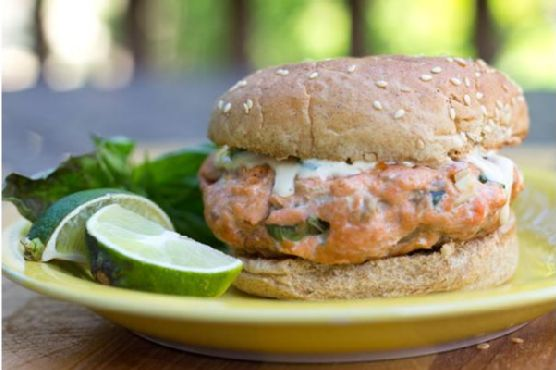
Asian Salmon Burgers With Tangy Ginger Lime Sauce | Made by Meaghan Moineau

I found myself peering into the fridge on a Wednesday evening, struck by a sudden craving for something fresh yet satisfying. You know those nights when you’re just over the usual chicken and pasta routine? It was one of those. That’s when these Asian Salmon Burgers with Tangy Ginger Lime Sauce made their debut. Trust me, they’re a game changer — super easy to throw together and packed with flavors that’ll make you feel like a culinary genius, even if you’re just winging it like me most of the time.

Jump to Recipe

What You’ll Need

These burgers feature a blend of pantry staples and fresh ingredients — chances are you won’t need to run to the store for much!

  • **Salmon**
  • **Soy sauce**
  • **Garlic**
  • **Powdered ginger**
  • **Oyster sauce**
  • Green onion
  • Fresh basil
  • **Sesame oil**
  • **Burger buns**
  • **Lime juice**
  • **Mayonnaise**
  • Sour cream

How to Make Asian Salmon Burgers With Tangy Ginger Lime Sauce

  1. Cut the salmon into large hunks. Run it through a food processor until the mixture is uniform and there are no large pieces left.
  2. Add to the salmon the **soy sauce**, **garlic**, **ginger**, **oyster sauce**, **green onion**, and **basil**. Combine these ingredients well to make a flavorful mixture.
  3. Form this mixture into 4 large patties. Don’t worry if it’s a bit sticky — that’s where the flavor magic happens!
  4. Heat the **sesame oil** in a large frying pan over medium-high heat. Place the patties into the pan; they should sizzle slightly as they hit the oil.
  5. Cook for about 10 minutes, flipping once halfway through. The outside will turn golden and fragrant, and the center should be just cooked through.
  6. For the sauce, mix together the **lime juice**, **mayonnaise**, and **sour cream**. Stir until smooth and creamy. The tangy aroma will hit you right away!
  7. Toast your **burger buns** (trust me, it’s worth it), then place a salmon patty on each bun.
  8. Drizzle a spoonful of the sauce over the top of each burger before serving. Enjoy!

Cook’s Notes

Here are some tips to nail these burgers every time. First, make sure your salmon is cold before processing — it holds together better. When forming the patties, if the mixture’s sticking to your hands, dampen them slightly. You can make the sauce ahead of time and store it in the fridge for up to three days. If you end up with leftovers (though I doubt it!), the patties reheat well in a frying pan over medium heat. Just cover them to keep the moisture in.

Make It Your Own

  • Switch up the herbs: No basil? Try fresh cilantro or parsley for a different twist.
  • Spice it up: Add a pinch of red pepper flakes or a dash of sriracha to the salmon mixture for a kick.
  • Go low-carb: Swap out the burger buns for lettuce wraps to keep things light and fresh.
  • Try a different protein: Substitute the salmon with fresh tuna or even grated zucchini for a vegetarian version.

If you try this, I’d love to hear how it turns out — drop a comment or tag me! Cooking is all about experimenting and making it your own, so don’t be shy about putting your spin on these burgers. Enjoy the adventure!

Goes Well With

If you want to round out the meal, here’s what I’d pair it with over on meaghanmoineau.com:

Related update: Asian Salmon Burgers With Tangy Ginger Lime Sauce

Related update: Boeuf Bourgignon

Related update: Barbecued Pulled Beef Sandwiches

Crow-Armstrong’s Defensive Edge vs Ohtani | Analysis by Brian Moineau

TL;DR

  • The Crow-Armstrong vs. Ohtani NL MVP race has shifted from vibe to variance: sportsbooks now price Pete Crow-Armstrong as a slight favorite over Shohei Ohtani as of August 19, 2026, reflecting defensive value and Ohtani’s uncertain pitching volume. [2][5]
  • Statcast has Crow-Armstrong leading MLB outfielders at +23 Outs Above Average in 2026; if you translate those runs to wins, his glove alone is contributing roughly two-plus wins — a hidden edge in a close ballot. [3][6]
  • Unless Ohtani meaningfully returns to the mound in September, the two-way tiebreaker evaporates; LA’s own updates suggest opener-style stints rather than full starts are likelier down the stretch. [4][5]

What the source said

ESPN frames the National League MVP debate as a daily coin flip between two elite but radically different stars in 2026: Dodgers phenom Shohei Ohtani and Cubs center fielder Pete Crow-Armstrong. The feature contrasts Ohtani’s two-way upside with Crow-Armstrong’s contact-speed-defense stack, using evaluator quotes and on-field examples from Los Angeles and Chicago. It stresses how voters must weigh a DH’s thunderous bat (plus a possible pitching return) against a center fielder’s run prevention and baserunning, with Statcast feeds shaping the case on both coasts. The tone: a tightening race with divergent value components under a 2026 microscope. [1]

Why it matters

The real stakeholders aren’t only Cubs and Dodgers fans. The BBWAA electorate must reconcile modern tracking data (OAA, baserunning runs) with traditional MVP heuristics; VegasInsider’s lines already react to updates on Ohtani’s mound timeline; national TV partners want a September arc that keeps neutral fans watching. A mispriced narrative — “Ohtani if he pitches, otherwise PCA” — can distort betting markets, media framing, and even late-season usage decisions. [2]

Chicago’s front office built a run-prevention roster around Wrigley’s expansive outfield; a Crow-Armstrong MVP validates that 2026 strategy in a league drifting back toward athletic defense. For Los Angeles, the calculus is postseason-first at Dodger Stadium: they’re chasing a World Series three‑peat, and a healthy Ohtani on the mound matters more than an August odds swing — but that same opener-style choice could tip the award margin in September. [4][5]

Original analysis

Crow-Armstrong vs. Ohtani NL MVP race: value matrix

  • A named typology (Value Matrix)

    • Visible Offense, High Volume: Ohtani’s nightly DH thunder; the case most fans perceive in real time.
    • Visible Offense, Multirole: Ohtani’s two‑way ceiling if he returns to the mound with real innings.
    • Hidden Prevention, High Frequency: Crow-Armstrong vacuuming singles in center; every tracked route trims expected runs.
    • Hidden Prevention, Momentum Plays: Extra bases denied, 5‑star catches, “don’t test that arm” deterrence — the runs no box score credits but Statcast tallies. [3]
  • Back‑of‑envelope calculation (with the math)

    • Crow-Armstrong’s 2026 Statcast OAA: +23, MLB-best among outfielders as of August 19, 2026. [3]
    • Rule of thumb: roughly 10 runs ≈ 1 win (the conversion varies with run environment; FanGraphs outlines the method). [6]
    • If we treat OAA as a proxy for defensive runs saved (intuition aid): +23 OAA ≈ ~+2.3 wins.
    • Add his 2026 baserunning “Baserunning Runs” of +5 on Savant (component-level estimate) and you’re near +0.5 wins more; together, that’s roughly three wins of non-bat contribution before the slash line enters the chat. [3][6]
  • The pitching variable that props up Ohtani’s case has softened

    • Dodgers updates from late July and early August cite knee-driven caution, bullpen sessions, and a likely “multi‑inning opener” path rather than 5–6 inning starts before October. That caps pitching WAR accumulation and, crucially, the narrative torque of “two‑way” in voters’ eyes. [4][5]
    • If he logs opener stints, Ohtani’s offense must carry the rest. That recasts the race as bat-only Ohtani versus two‑phase Crow-Armstrong (defense + baserunning), not true two-way versus glove-first CF. [4][5]
  • Markets are already tilting

    • As of August 19, VegasInsider’s consolidated board lists PCA at roughly -160 and Ohtani in the +125 to +150 range (books vary), implying a ~61–65% chance for PCA versus ~40–44% for Ohtani before juice. [2]
  • Stakeholder breakdown (one‑liners)

    • Dodgers (Dave Roberts, front office): Prioritize October; opener stints protect health but surrender the regular-season two-way aura that sways MVP votes. [4][5]
    • Cubs (Craig Counsell, Jed Hoyer): Keep PCA in center daily; defense and baserunning compound even when the bat cools at Wrigley Field.
    • BBWAA voters: This is the cleanest test yet of whether Statcast‑driven prevention (OAA, extra bases prevented) earns equal billing with HR/RBI in MVP math. [3]
    • Sportsbooks: Price risk around Ohtani’s mound timeline more than day‑to‑day wRC+ splits; status updates move lines faster than a single 3‑for‑4. [2][4]
    • MLB broadcast partners: The split‑screen September — Ohtani’s bullpen cams vs. PCA’s nightly jumps — fuels prime‑time segments in Los Angeles and Chicago.
  • A contrarian read

    • Consensus: “If Ohtani throws even a handful of September starts, the MVP is his to lose.”
    • The case against: LA’s public posture makes full-length starts unlikely before October; the likelier opener usage doesn’t create enough delta in pitching WAR or narrative to overcome PCA’s day‑to‑day prevention lead and Chicago’s highlight‑caliber plays in a playoff chase. Betting markets — cold-blooded aggregators of that probability tree — already reflect this shift. [2][4][5]

What others are missing

Coverage keeps circling WAR totals but undersells the play-by-play mechanics giving Crow-Armstrong his edge: Statcast’s “Extra Bases Prevented” and “Outfielder Jump.” In 2026, PCA sits at +23 OAA with elite jump components (reaction +1.9 ft, route +4.6 ft vs. average on tracked plays) and positive “Fielder Runs” in outfield defense; that mix slashes liners in front and gashes in the gaps while shrinking first‑to‑third attempts (four runs credited in baserunner deterrence). Those micro-denials reduce stressful pitches and shorten innings for a Cubs bullpen that benefits at Wrigley Field every night. [3]

What to watch next

  1. By September 25, 2026, the Dodgers will use Ohtani only in opener-style regular-season pitching appearances (≤3 IP each), with no traditional 5+ inning start before the postseason. [4]
  2. By September 30, 2026, Crow-Armstrong will finish the regular season with ≥20 OAA and rank first among all MLB outfielders in OAA. [3]
  3. By September 20, 2026, NL MVP odds will widen to PCA -250 or shorter at at least one major book aggregator if Ohtani has not logged a 5+ inning start by then. [2][4]

My take

Give me Crow-Armstrong for NL MVP in 2026. The two-way tiebreaker that usually hands Ohtani the crown won’t materialize if Los Angeles keeps him on an opener leash — and they should, because October at Dodger Stadium matters more than plaques. Meanwhile, PCA’s Statcast record is a metronome: +23 OAA, top‑tier jump, and real baserunning runs that change innings. In a season where the margins are thin, the right answer isn’t the loudest bat — it’s the player who erases the most runs while adding enough with the stick. [3][6][4][2]

Sources

  1. Crow-Armstrong vs. Ohtani NL MVP race — ESPN MLB (https://www.espn.com/mlb/) — The debate setup: contrasting PCA’s defense/speed with Ohtani’s two‑way ceiling through opponent/evaluator perspectives in 2026.

  2. 2026 MLB Most Valuable Player Odds — VegasInsider (https://www.vegasinsider.com/mlb/odds/mvp/) — Current market pricing as of August 19, 2026: PCA favored over Ohtani across major books; establishes the live tilt.

  3. Pete Crow-Armstrong — Baseball Savant Statcast page (https://baseballsavant.mlb.com/savant-player/pete-crow-armstrong-691718?season=2026) — Verifies +23 OAA (rank 1 among OF), 2026 outfielder jump components, sprint speed, and 2026 fielding/baserunning run values.

  4. Dodgers/Ohtani pitching status updates — MLB.com Dodgers news (https://www.mlb.com/dodgers/news/) — Late July–early August notes: bullpen sessions resumed; regular-season workload framed toward multi‑inning opener stints.

  5. Shohei Ohtani’s return to the mound remains unclear — Los Angeles Times (https://www.latimes.com/sports/dodgers) — Independent reporting that LA had not reached a shut‑down decision but acknowledged uncertainty around regular-season pitching volume.

  6. Converting Runs to Wins — FanGraphs Sabermetrics Library (https://library.fangraphs.com/misc/war/converting-runs-to-wins/) — Explains the runs‑to‑wins conversion and the “~10 runs per win” rule of thumb used in the back‑of‑envelope calculation.


Related update: We recently published an article that expands on this topic: read the latest post.

Related update: We recently published an article that expands on this topic: read the latest post.

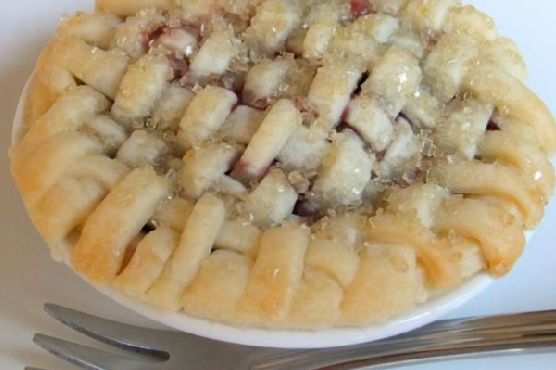
Mini-Cherry Pies | Made by Meaghan Moineau

It was one of those late-summer afternoons when the air was just starting to hint at autumn, but the sun was still holding onto its golden warmth. I found myself with a surplus of sour cherries, thanks to an overly ambitious trip to the farmer’s market. Faced with a mountain of cherries and not much time, the answer was clear: mini-cherry pies. They’re the perfect little treat that balances the tartness of the cherries with a buttery, flaky crust. Plus, they’re just the right size for a sweet pick-me-up without the commitment of a full pie. These pies come together surprisingly quickly, and their rustic charm makes them just as impressive as they are easy to put together. So, let’s dive in and make some magic with those cherries.

Jump to Recipe

What You’ll Need

Good news: chances are you already have most of this at home. These mini-cherry pies rely on simple ingredients that pack a punch.

  • Sour cherries – the star of the show, bringing that perfect tart bite
  • Cornstarch – to thicken the cherry filling
  • Flour – for that tender, flaky crust
  • Granulated sugar – just a dash to balance the cherries
  • Heavy whipping cream – for brushing that gives a beautiful golden finish
  • Fresh lemon juice – a little zing to elevate the flavors
  • Pecans – optional, for a bit of crunch if you fancy it
  • Turbinado sugar – for sprinkling on top, adding sweetness and texture
  • Unsalted butter – because butter is life
  • Vanilla extract – a splash for warmth and depth
  • Water – to bring the dough together

How to Make Mini-Cherry Pies

  1. In a food processor, add butter to the flour mixture and pulse until you see a crumbly texture, about 30 seconds. You want those bits of butter to still be visible.
  2. With the processor running, slowly add 2/3 cup of cold water through the lid opening until the dough forms a ball. Flatten dough into two disks, wrap in plastic, and refrigerate for an hour.
  3. Preheat your oven to 350°F (175°C). Roll one pastry disk on a lightly floured surface to about 1/8-inch thickness. Fit the dough into twelve 2-1/2-inch mini pie plates, trimming the edges. Freeze them until firm, around 10 minutes.
  4. Prick the bottoms and sides of the dough with a fork and bake until they’re golden, about 6 to 8 minutes. Let the aroma guide you—it should smell toasty but not burnt.
  5. In a small bowl, stir together cornstarch and the remaining 2 tablespoons of cold water until blended. In a large saucepan, combine cherries, cornstarch mixture, sugar, and a pinch of salt. Cook over medium heat until cherries soften and the mixture thickens. Stir in lemon juice and vanilla.
  6. Now, for the fun part! Roll out the remaining pastry disk to 1/8-inch thickness. Cut dough into thin strips, about 1/8 to 1/4-inch wide, and weave them into lattice tops for the pies.
  7. Carefully transfer the lattice tops onto each pie and trim the edges. Gently press to seal. Brush the tops and edges with a bit of cream, then sprinkle generously with turbinado sugar.
  8. Bake until the crusts turn a gorgeous golden brown, about 18 to 24 minutes. They should be fragrant and inviting. Serve warm with a scoop of vanilla ice cream, if you’re feeling indulgent.

Cook’s Notes

If you’re like me and tend to rush through things, resist the urge to skip chilling the dough. It’s crucial for that perfect flaky texture. Also, when making the lattice tops, it’s more about the rustic charm than perfection, so don’t worry if they’re a bit uneven. These mini pies are best enjoyed fresh, but they can be stored in an airtight container for up to two days. You can also prepare the dough a day in advance, just be sure to let it sit out for a bit to soften before rolling it out.

Make It Your Own

  • Swap the sour cherries for blueberries or raspberries for a berry twist.
  • Mix in some cinnamon or nutmeg to the cherry filling for a spiced variation.
  • Top with streusel instead of lattice for a crumbly topping.
  • For a nutty flavor, add chopped pecans to the dough or sprinkle them on top before baking.

If you whip up these mini-cherry pies, I’d love to hear how they turn out! Drop a comment below or tag me on social media. Your kitchen adventures make my day!

Goes Well With

If you want to round out the meal, here’s what I’d pair it with over on meaghanmoineau.com:

Related update: Mini-Cherry Pies

Related update: Brandy-Apple Mini Pies With Cornmeal Crust

Insurer Deals Entangle Dodgers Owner | Analysis by Brian Moineau

TL;DR

  • The federal probe involving Dodgers owner Mark Walter centers on life insurers (Delaware Life and Clear Spring Life), private credit intermediaries, and whether billions in affiliated loans were masked by structures; the Dodgers and Lakers are collateral to a balance‑sheet fight. [1][2][3]
  • The fulcrum is regulatory math: after Feb. 2026 subpoenas, Delaware Life reclassified about $17B as related‑party, lifting affiliated holdings to roughly 39–40% of assets, where certain affiliate equities can carry a 30% NAIC RBC factor. That shift can swing required capital by billions. [2][6][8]
  • Walter’s quick move from a 2025 Lakers control deal at ~$10B to a 2026 exit at a $12.5B valuation reads like emergency liquidity to fund an insurer “remediation plan” that the Delaware Department of Insurance must approve. [4][6]

What the source said

The Wall Street Journal reports that Mark Walter used Delaware Life and related insurers to fund Walter‑linked investments while building a global sports portfolio, including the 2012 Dodgers purchase and an $85 million Malibu home, a model now under federal scrutiny. The story recounts a 2025 agreement to take control of the Lakers near a $10 billion valuation and the scramble to restructure by 2026. Investigators and state regulators are probing interlinked loans—some via intermediaries—while Walter seeks cash and approvals to unwind. TWG Global (Walter’s holding company) says it is cooperating and acted in good faith. [1][4]

Why it matters

The core stakeholders are annuity holders at Delaware Life and Clear Spring Life, ratings agencies (S&P, AM Best, Fitch), and Delaware’s insurance regulator in Wilmington; if affiliated exposures remain high, RBC capital charges jump and capacity to write new business shrinks, pressuring rates and distribution in 2026–2027. [2][3][8]

Leagues carry second‑order risk. MLB and the NBA must enforce owner‑suitability standards without destabilizing two flagship Los Angeles franchises on Vin Scully Avenue and Figueroa Street, which is why Delaware DOI approvals on asset transfers suddenly matter in New York league offices. [4][6]

Original analysis

Contrarian read. Conventional wisdom says “The Dodgers are fine; this is disclosure housekeeping.” The gating item is solvency math, not PR: after Feb. 2026 grand jury subpoenas, Delaware Life’s affiliated holdings jumped on paper from ~3% to at least ~39% (≥$17B) of invested assets in YE‑2024 disclosures, prompting negative outlooks from S&P and AM Best and a regulator‑blessed “remediation plan.” [2][7][6]

Back‑of‑envelope calculation (illustrative). NAIC materials show certain common‑stock affiliate exposures carry a 30% C‑1 RBC factor. If $17B sits in that bucket, required capital tied to that slice alone is ~0.30 × $17B ≈ $5.1B; even if portions are loans with lower bespoke factors, the load is still multiples of A‑bond charges—hence the rush to de‑affiliate or upstream assets. [2][8]

Liquidity map. In the week of Aug. 18, 2026, Delaware Life disclosed TWG Global will buy up to $6.5B of affiliated assets; Clear Spring said it cut related transactions by $90M and restated $4.6B. Fitch pegs Delaware Life’s affiliated share near 40% as of Dec. 31, 2024; the plan targets a rapid reduction by YE‑2026, subject to Delaware DOI approval. The Lakers exit at a $12.5B valuation—roughly 65% to the Kushner/Iger group—tracks with raising holdco cash to fund those purchases and meet capital tests. [6][2][4]

Named‑stakeholder breakdown.

  • Delaware Life and Clear Spring policyholders: Seek fast exposure reduction without haircutting credited rates on existing annuities; outcomes hinge on Delaware DOI clearance of TWG’s asset purchases in 2026. [6]
  • Delaware Department of Insurance: Acts as gatekeeper for affiliated‑asset sales and can dictate pace and terms via approvals and examination findings filed in Wilmington. [6]
  • Ratings agencies (S&P, AM Best, Fitch): Already moved outlooks to negative and will scrutinize YE‑2026 statutory filings and execution on the remediation plan before any 2027 outlook reversal. [2][7][6]
  • MLB/NBA: Manage optics and continuity in Los Angeles; both leagues retain suitability levers if probes escalate but prefer ring‑fencing that keeps on‑field operations steady through 2026 playoffs. [1][4]
  • Private‑credit ecosystem: Intermediaries that warehoused loans between an insurer and an affiliate face more transparency and tighter NAIC RBC treatment as collateral damage, which could reprice warehouse lines in 2026–2027. [2][5]

Historical analogue. The 2018 Sports Business Journal coverage of the Dodgers’ 2012 financing described insurer‑linked capital and safe‑harbor backstops in the stack. The through‑line since 2012: insurer balance sheets have funded trophy assets for a decade; 2026 restatements don’t invent a playbook, they expose it at scale. Expect structural separation, tighter affiliate limits, and pricier related funding—not automatic forced team sales. [9][1]

What others are missing

The decisive variable is calendar risk. NAIC’s RBC calendar means mid‑2026 factor tweaks or affiliate‑investment instructions flow into YE‑2026 reporting, which Delaware Life must publish by Q1 2027 to stabilize outlooks. That’s why TWG’s bid to buy $6.5B of assets—subject to Delaware DOI approval before November 2026—is mission‑critical. Most coverage lingers on Lakers headlines; the overlooked angle is the sequencing of Delaware approvals, NAIC RBC math, and statutory filing dates that either validate the unwind or trap the insurers in regulatory purgatory into YE‑2027. [6][8]

What to watch next

  1. By November 30, 2026, the Delaware Department of Insurance approves TWG Global’s plan to purchase up to $6.5B of affiliated assets from Delaware Life, with reporting and concentration conditions attached. [6]
  2. By December 31, 2026 (and reflected in YE‑2026 statutory statements released by Q1 2027), Delaware Life’s related‑party share falls to 25% or lower of invested assets, down from ~40% at YE‑2024. [6][2]
  3. By December 31, 2026, the NBA Board of Governors approves the sale of roughly 65% of the Lakers to the Kushner/Iger group at a $12.5B franchise valuation. [4]

My take

This is a balance‑sheet problem with a sports logo on top, not a Hollywood scandal. I expect Walter to sell Lakers control for cash, buy down affiliated exposures at Delaware Life and Clear Spring in 2026, and coax ratings back toward “stable.” The cost is the end of the 2012–2026 era when insurer float quietly funded empire‑building. Expect tougher disclosure, stricter NAIC RBC treatment for anything that smells like an affiliate, and owners who finance teams with verifiable, arm’s‑length capital. [2][6][8]

Sources

  1. The Web of Hidden Deals That Snared the Dodgers Owner in a Federal Probe — Wall Street Journal (https://www.wsj.com/finance/walter-dodgers-lakers-investigation-3e114ef9) — Reconstructs Walter’s financing playbook, the intermediated loans, and his scramble to unwind as investigators close in.

  2. Mark Walter’s Insurers, Guggenheim Probed by Prosecutors — Bloomberg Law (https://news.bloomberglaw.com/insurance/billionaire-mark-walters-firms-probed-by-federal-prosecutors) — Adds the subpoena timeline (Feb. 2026), FBI device seizure, S&P outlook shift, and the ~$17B affiliated restatement to ~39% of assets.

  3. Dodgers, Lakers owner’s financial empire reportedly a target of federal loan fraud investigation — Los Angeles Times (https://www.latimes.com/business/story/2026-07-28/dodgers-lakers-owner-mark-walter-companies-probed) — Summarizes the $16B–$17B disclosure swing, the regulators involved, and how affiliated loans intersect with the Dodgers/Lakers deals.

  4. Jeanie Buss to contest siblings’ plan to sell Lakers minority ownership stake to Kushner, Iger — AP News (https://apnews.com/article/lakers-buss-sale-8ff70d314cfebcb8ca6b2cc7ac3754f6) — Establishes the $10B 2025 Lakers control deal and the new $12.5B sale valuation and board‑approval path.

  5. Why the Mark Walter news matters — Axios (https://www.axios.com/2026/08/19/private-credit-insurance-walter) — Places the probe in the broader trend of life insurers funding private credit and affiliated deals, with regulators zeroing in.

  6. Dodgers’ owner Mark Walter to buy $6.5 billion in assets from troubled insurer — Los Angeles Times (https://www.latimes.com/business/story/2026-08-18/dodgers-owner-mark-walter-to-buy-6-5-billion-in-assets-from-troubled-insurer) — Details TWG’s plan to purchase up to $6.5B of affiliated assets, Fitch’s ~40% figure, and the Delaware DOI approval trigger.

  7. AM Best Revises Outlooks to Negative for Subsidiaries of Group 1001 Insurance Holdings — StreetInsider (https://markets.financialcontent.com/streetinsider/article/bizwire-2026-7-31-am-best-revises-outlooks-to-negative-for-subsidiaries-of-group-1001-insurance-holdings-llc) — Captures AM Best’s outlook changes tied to the affiliated reclassification.

  8. NAIC Capital Adequacy resources: Affiliated investment RBC treatment — NAIC (https://content.naic.org/sites/default/files/inline-files/cmte_e_lrbc_exposure_2018_11_l_life_rbc_tax_prop.pdf) — Documents the 30% RBC factor applied to certain affiliated common‑stock exposures used in the back‑of‑envelope capital math.

  9. Convoluted Insurance Plan Helped Dodgers Owners Buy Team In ’12 — Sports Business Journal (https://www.sportsbusinessjournal.com/Daily/Issues/2018/11/26/Franchises/Dodgers/) — Historical context that insurer‑linked funds helped finance the 2012 Dodgers acquisition, foreshadowing today’s scrutiny.


Related update: We recently published an article that expands on this topic: read the latest post.

Related update: We recently published an article that expands on this topic: read the latest post.

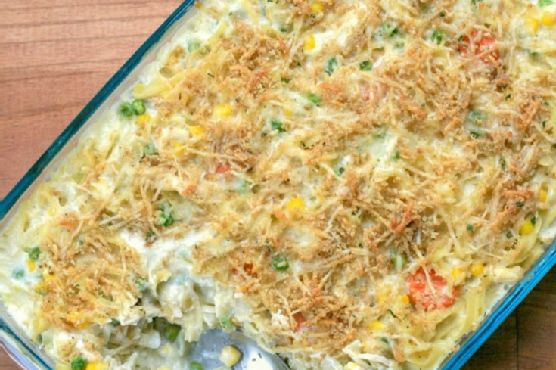
Chicken Noodle Casserole Dish | Made by Meaghan Moineau

It was one of those frantic Tuesday evenings, you know the kind—where you’re trying to juggle work emails, a pile of laundry, and a kid who’s determined to turn the living room into an art studio. I was staring into the abyss of my pantry, desperately seeking weeknight dinner inspiration, when it hit me: Chicken Noodle Casserole! This dish is like a cozy, warm hug in the form of food. It’s one of those recipes that’s both comforting and deceptively easy, perfect for when you need something satisfying but don’t have hours to spend in the kitchen. Plus, it’s a great way to use up some of those leftover veggies hiding in your freezer. Let’s dive in, shall we?

Jump to Recipe

What You’ll Need

You’ll love this ingredient list because, chances are, you already have most of these staples lurking in your kitchen:

  • Italian bread crumbs
  • Butter
  • Frozen carrots
  • Chicken broth
  • Cooked egg noodles
  • Flour
  • Frozen corn
  • Garlic powder
  • Italian seasoning
  • Milk
  • Shredded parmesan cheese
  • Frozen peas
  • Salt and pepper
  • Cooked shredded chicken
  • Shredded mozzarella
  • Sour cream
  • Sweet diced onion

How to Make Chicken Noodle Casserole Dish

  1. Start by preheating your oven to 350°F. This way, it’s ready to go once you’ve assembled everything.
  2. In a large skillet, sauté the sweet diced onion in 2 tablespoons of olive oil over medium heat. Cook until the onion is soft and translucent, filling your kitchen with that irresistible aroma.
  3. Pour in the chicken broth and add the frozen carrots, corn, and peas. Bring everything to a boil, then reduce the heat and let it simmer for about 2 minutes. You want the veggies to just start softening.
  4. Slowly whisk in the flour, ensuring there are no lumps, then gradually add the milk, stirring constantly to create a smooth sauce.
  5. Stir in the sour cream, shredded parmesan, and mozzarella until everything is nicely melted and combined. Toss in the cooked shredded chicken and season with garlic powder, Italian seasoning, salt, and pepper.
  6. Mix in the cooked egg noodles, making sure they’re evenly coated with the creamy mixture.
  7. Pour the entire mixture into a 13×9-inch casserole dish that you’ve generously buttered to prevent sticking.
  8. In a separate bowl, combine the remaining parmesan, Italian bread crumbs, and a bit more butter. Sprinkle this mixture evenly over the top of the casserole. It’ll give you that crave-worthy crunchy topping.
  9. Bake in the preheated oven for about 25 minutes, until the top is golden and the edges start to bubble. Your kitchen will smell amazing!
  10. Serve hot and enjoy every comforting bite!

Cook’s Notes

This casserole is pretty forgiving, which is one of the many reasons I love it. You can store leftovers in an airtight container in the fridge for up to three days. Just reheat in the oven or microwave until heated through. If you’re planning ahead, you can make and assemble the casserole a day in advance; just cover it tightly and store it in the fridge until you’re ready to bake it. Avoid adding too much flour too quickly to prevent lumps. A gentle stream and continuous whisking are your best friends here.

Make It Your Own

Here are some fun swaps to make this dish fit your taste buds or pantry supplies:

  • Switch out the chicken for crispy tofu for a vegetarian twist.
  • Use cheddar or gouda in place of mozzarella for a different cheese experience.
  • Try adding a dash of sriracha or red pepper flakes if you like it spicy.
  • For a gluten-free version, swap in gluten-free noodles and breadcrumbs.

If you try this, I’d love to hear how it turns out—drop a comment or tag me! There’s nothing better than sharing a dish that brings a little comfort to the chaos. Happy cooking!

Goes Well With

If you want to round out the meal, here’s what I’d pair it with over on meaghanmoineau.com:

Related update: Chicken Noodle Casserole Dish

Related update: Asian Salmon Burgers With Tangy Ginger Lime Sauce

Packaging Ruling Melts Rebel Creamerys | Analysis by Brian Moineau

TL;DR

  • An ice cream brand bankruptcy isn’t about melted margins—it’s about a $23.8 million trade‑dress loss that turned packaging into a balance‑sheet liability overnight. [2][3]
  • Rebel Creamery, a keto/low‑sugar label sold in Target, Kroger, and Walmart, filed after a July 16, 2026 ruling ordered it to disgorge profits and redesign its pints. [1][2]
  • The real ripple: grocers will reshuffle freezer facings, and CPG founders will treat “look‑alike minimalism” as legal risk, not design trend. [2][3]

What the source said

AL.com reported that Rebel Creamery, a nationally distributed keto ice cream sold in Target, Kroger, and Walmart, filed for bankruptcy following a packaging‑infringement ruling. The Eastern District of New York decision, signed by Judge Eric Komitee on July 16, 2026, awarded $23.785 million and imposed a permanent injunction on Rebel’s prior packaging. The piece frames the filing as a direct response to the judgment and flags potential shelf gaps for shoppers in those banners. [1][2]

Why it matters

This isn’t just a boutique dessert spat; it hits the high‑turn “better‑for‑you” freezer set where brands like Halo Top, Yasso, and Van Leeuwen fight for facings at Walmart, Target, and Kroger. When a ruling from E.D.N.Y. forces a redesign, retailers must rebalance planograms to avoid confusion and protect category dollars. The mix shift can move to private label or to the winning plaintiff, Van Leeuwen, within the next reset window. [2][3][5]

There’s also a precedent signal. Van Leeuwen’s win—an injunction plus $23.785 million in disgorged profits—shows that minimalist, pastel, script‑forward packaging can be protectable trade dress when shoppers are likely to be confused. That will change how founders, co‑packers, and design firms cost, document, and govern packaging decisions across CPG in 2026–2027. [2][3]

Original analysis

  • Back‑of‑envelope math

    • The court awarded $23.785 million in Rebel’s profits and permanently enjoined the infringing packaging as of July 16, 2026. [2]
    • If a typical manufacturer’s net revenue per pint after trade and freight sits around $3.00–$3.75 (assumption), the judgment equals roughly 6.3–7.9 million pints ($23.785M ÷ $3.75 ≈ 6.3M; $23.785M ÷ $3.00 ≈ 7.9M). The scale matches multiple months of throughput for a national better‑for‑you brand.
    • Add redesign costs: new dielines, prepress, plate changes, inventory write‑offs, and retailer reset fees can land in mid‑six to low‑seven figures depending on SKU count and co‑packer MOQs (assumption). The cash burn while off‑shelf compounds the hit.
  • A 2×2 on CPG packaging risk (Design distinctiveness vs. Legal/process rigor)

    • High distinctiveness + High legal/process rigor: “Safe originals.” Example: Van Leeuwen’s Pentagram‑styled system that the court deemed distinctive and enforceable. [2][3]
    • High distinctiveness + Low rigor: “Artists without alibis.” Great aesthetics, weak clearance—vulnerable when challenged.
    • Low distinctiveness + High rigor: “Generic fortresses.” Boring by intent, backed by searches and memos.
    • Low distinctiveness + Low rigor: “Copycat hazard zone.” The court found Rebel intentionally copied Van Leeuwen’s overall look; that’s this quadrant. [2][4]
  • Historical analogue (1992)

    • Two Pesos, Inc. v. Taco Cabana, Inc. held that inherently distinctive trade dress is protectable without secondary meaning, long before DTC brands embraced minimalism. That Supreme Court ruling in 1992 establishes a foundation for 2026 decisions that guard the “overall look and feel,” not just a logo or a pantone chip. [6]
  • Named‑stakeholder breakdown

    • Walmart, Target, Kroger: Fewer Rebel facings mean immediate reallocation to private label, Halo Top, Yasso, or Van Leeuwen, with quarterly reset windows dictating speed. AL.com and Rebel’s site confirm national distribution across these banners, so the hole is material. [1][5]
    • Van Leeuwen: A brand‑safety win—cash award, an injunction that prunes a confusing shelf neighbor, and legal validation for its national expansion system. [2][3]
    • Rebel’s founders and creditors: DIP financing will price in litigation overhang, packaging write‑offs, and the risk of appeal. A fast compliant redesign could preserve some enterprise value; a slow one hands share to rivals. [2]
    • Design agencies and in‑house marketers: Documentation becomes a first‑class asset. The court’s findings of intentional infringement raise the cost of “vibes‑only” development without research files and clearance trails. [2][4]
  • Contrarian read

    • Consensus: “This was about owning pastel colors and cursive—design trends everyone uses.”
    • Counter: The order hinges on the full “look and feel” and evidence of likely confusion, not any single element, which is why it pairs a permanent injunction with disgorgement. That combination signals misappropriation of a coherent brand system rather than a fight over colors. [2][3]
  • What the money signals

    • Disgorgement (not Van Leeuwen’s lost profits) strips Rebel’s gains tied to the infringing get‑up and sets a sharper deterrent than a running royalty. For founder‑led CPGs, the message in 2026 is blunt: a design decision can carry eight‑figure downside plus months of lost shelf momentum. [2][3]

What others are missing

Coverage is fixated on “pastels vs. pastels.” The under‑reported angle is planogram and inventory physics: retailers buy packaging months ahead, co‑packers set MOQs for printed pints and lids, and resets follow fixed calendars. A permanent injunction in July freezes shipments in peak summer, forces a rapid re‑plate or an outage, and converts legal loss into a shelf‑share transfer during the most valuable selling weeks. That timing, not just the judgment dollars, is what shifts repeat purchases to rivals like Van Leeuwen in 2026. [2][3]

What to watch next

  1. By Q4 2026, at least one national grocer will expand Van Leeuwen facings or add a low‑sugar line in Rebel’s vacated slots across 250+ stores. [2][3]
  2. By Q1 2027, Rebel will either secure DIP financing tied to a packaging relaunch or pursue a 363 sale of IP/SKUs to a strategic that can shoulder redesign and retailer reintros. [2]
  3. By mid‑2027, two or more CPG trade‑dress suits citing Van Leeuwen v. Rebel will surface in food/beverage, as brands test enforcement of minimalist systems post‑judgment. [2][3]

My take

Rebel survives only if it treats design like food safety: a governed, audited process with dated paper trails in 2026 and 2027. The July 16 ruling turned “vibes‑based branding” into a liability with cash costs and lost facings. If I’m a grocery buyer at a chain like Kroger, I’d rather hand slots to Van Leeuwen or private label than wait on a Chapter 11 relaunch under injunction. If I’m a founder, I’d fund original systems and clearance before influencers, because packaging is collateral that courts and planograms will price. [2][3][5]

Sources

  1. Ice cream brand sold at Target, Kroger and Walmart files for bankruptcy after judge’s ruling — AL.com (https://www.al.com/news/2026/08/ice-cream-brand-sold-at-target-kroger-and-walmart-files-for-bankruptcy-after-judges-ruling.html) — Breaks the bankruptcy news and ties it to the court ruling.
  2. MEMORANDUM & ORDER (July 16, 2026) — Justia Dockets (https://docs.justia.com/cases/federal/district-courts/new-york/nyedce/1%3A2021cv02356/463399/125) — Confirms the $23.785M profits award, injunction, judge (Eric Komitee), and findings of intentional infringement; notes Rebel’s national retail footprint.
  3. Court Awards $23.8 Million Over Trade Dress Infringement Claims — Loeb & Loeb (https://www.loeb.com/en/insights/passle/2026/07/court-awards-238-million-over-trade-dress-infringement-claims) — Explains why the packaging “look and feel” was protectable and the scope of the injunction.
  4. Van Leeuwen Just Won $24 Million in a Trademark Copying Case — Inc. (https://www.inc.com/georgia-fearn/van-leeuwen-million-ice-cream-trademark-case-copying-rebel-lawsuit/91376767) — Adds context on founders, timeline, and the court’s reasoning on copying and disgorgement.
  5. Where to Buy — Rebel Creamery (https://rebelcreamery.com/pages/where) — Shows distribution into Walmart, Target, and Kroger banners, underscoring the mainstream shelf exposure at issue.
  6. Two Pesos, Inc. v. Taco Cabana, Inc. (1992) — Oyez (https://www.oyez.org/cases/1991/91-971) — Establishes that inherently distinctive trade dress is protectable without secondary meaning, a key legal backdrop for modern packaging disputes.


Related update: We recently published an article that expands on this topic: read the latest post.

Related update: We recently published an article that expands on this topic: read the latest post.


Related update: We recently published an article that expands on this topic: read the latest post.
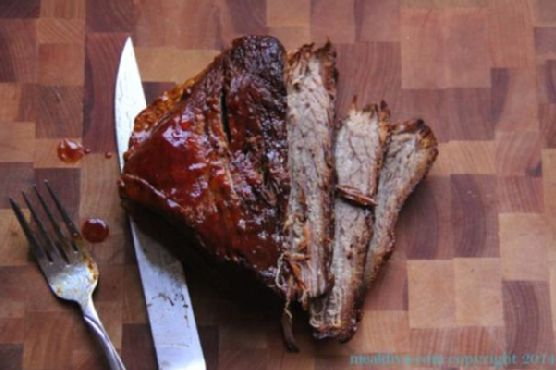
BBQ Beef Brisket | Made by Meaghan Moineau

One chilly Sunday afternoon, I found myself staring at a brisket in my fridge, the last remnant of an ambitious grocery plan that didn’t quite pan out. You know those weeks where you aim to cook every single meal at home, and then life happens? Yeah, it was one of those. I needed something warm, comforting, and preferably, something that could double as leftovers for the days ahead. That’s how this BBQ Beef Brisket came to save the week. It’s the kind of recipe that feels like a hug in food form, and you won’t believe how the slow cooker does all the heavy lifting for you. Imagine succulent, fall-apart meat smothered in a rich, smoky sauce. Plus, it smells like a dream as it cooks!

Jump to Recipe

What You’ll Need

This recipe leans on pantry staples, so you might already have most of these on hand, especially if you’re a fan of smoky, flavorful dishes. Here’s what you’ll need:

  • Brisket (about 3-4 pounds)
  • Salt and pepper
  • Oil
  • Onion powder
  • Garlic powder
  • Smoked paprika
  • Cumin
  • Cayenne pepper
  • Smoky barbecue sauce
  • Brown sugar
  • Cornstarch

How to Make BBQ Beef Brisket

  1. Start by trimming any large, thick pieces of fat from the brisket, but don’t go overboard. You want to keep some fat because it keeps the meat moist and adds flavor.
  2. Season the brisket with a generous sprinkle of salt and pepper. Mix together the onion powder, garlic powder, smoked paprika, cumin, and cayenne pepper in a small bowl.
  3. Rub the seasoning mixture all over the brisket, ensuring every inch is covered. This dry rub will be your secret weapon for flavor.
  4. Heat oil in a pan over medium-high heat and sear the brisket on both sides until it’s got a nice, brown crust. This should take about 2-3 minutes per side.
  5. Remove the seared brisket from the heat and set it aside. Stir together the smoky barbecue sauce with the brown sugar. The sauce should be sweet and tangy.
  6. Pour half of the sauce into the bottom of your slow cooker, then place the brisket, fatty side up, into the cooker. This ensures that the meat bathes in flavor as it cooks.
  7. Cover the top of the brisket with the remaining sauce, put the lid on the slow cooker, and set the heat to low. Let it cook for about 9 hours, or until the brisket is fork-tender.
  8. Once done, carefully remove the brisket from the slow cooker and transfer it to a cutting board. It’s tender, so handle with care!
  9. Pour the sauce from the slow cooker into a saucepan and let it cool for a bit. Skim off the fat that rises to the top; it will look like droplets of oil.
  10. In a small bowl, mix the cornstarch with 1 tablespoon of water until smooth. Stir this into the saucepan with the skimmed sauce.
  11. Simmer the sauce on the stovetop for about 10 minutes to thicken it. Pour this rich sauce over the brisket before serving.

Cook’s Notes

Slow cooking is your friend here; it breaks down the brisket fibers, making them melt-in-your-mouth tender. If you’re planning ahead, you can season the brisket the night before and let it marinate in the fridge. When skimming the fat, don’t stress about getting every last drop — a little bit left can enhance the flavor. Store any leftovers in an airtight container in the fridge for up to four days. I love tossing leftover slices into sandwiches or using them as a topping for baked potatoes.

Make It Your Own

  • Spicy Kick: Swap out the smoky barbecue sauce for a spicy BBQ sauce to add some heat.
  • Sweet & Tangy: Add a tablespoon of apple cider vinegar to the sauce mix for a little extra tang.
  • Herbaceous Twist: Mix some dried thyme and rosemary into the dry rub for an herby note.
  • Southwestern Flair: Add some chipotle powder instead of cayenne for a smoky, southwestern vibe.

If you try this, I’d love to hear how it turns out — drop a comment or tag me! Your kitchen’s going to smell amazing, and I bet you’ll have some happy taste-testers. Enjoy every tender, saucy bite!

Goes Well With

If you want to round out the meal, here’s what I’d pair it with over on meaghanmoineau.com:

Related update: BBQ Beef Brisket

Related update: Chicken Noodle Casserole Dish

When Gmail’s AI Tips Drove Me to Samsung | Analysis by Brian Moineau

TL;DR

  • Gmail vs Samsung Email isn’t a trivial preference fight in 2026; Google’s AI‑forward inbox now collides with a cohort that wants fast, reliable mail and clean notifications on Android, according to Android Police’s Jade Bryan Jardinico. [1]
  • Google fused Gemini into Gmail’s core mobile UI in 2024–2025 via “Summarize this email,” side‑panel prompts, and ambient cards, and the opt‑out ties into broader Workspace settings that complicate per‑app control. [2][3][4]
  • If even 2% of Samsung’s Q1 2026 buyers default to Samsung Email, that’s roughly 1.248 million users in one quarter—small in share, large in absolute loss of Gemini upsell surface area for Google. [6]

What the source said

Jade Bryan Jardinico at Android Police describes switching from Gmail to Samsung Email after two pain points: Gmail’s AI prompts (“Summarize,” “Help me write”) and missed push notifications that broke daily triage. [1][8] Disabling Gemini wasn’t a simple Gmail‑only toggle; the controls linked into Google’s broader “smart features,” affecting other Workspace apps like Docs and Chat. [3] On a Galaxy phone, Samsung Email felt faster and more predictable, with concrete perks like a VIPs tab, a unified inbox with color labels, and Secure Folder isolation that keeps a second mailbox separate. [1][5] The author concedes Samsung Email lacks advanced filters, but prefers redundant alerts over silent failures and says going back to Gmail seems unlikely in 2026. [1]

Why it matters

Google treats Gmail as a funnel into Gemini, Google One AI Premium, and Workspace upgrades, and its June 2024 UI changes pushed AI into daily reading flows on Android and iOS. [2] When the mobile client feels heavier and less controllable, daily exposure to prompts drops, which weakens conversion paths for paid AI features. [2][4] The risk isn’t an immediate revenue cliff; it’s the loss of countless micro‑impressions that nudge sign‑ups across months.

Samsung ships a first‑party client that respects Android plumbing—Exchange ActiveSync, IMAP/POP, S/MIME, and Knox Secure Folder—which tilts some Galaxy owners toward Samsung’s stack. [5] Each user who defaults to Samsung Email instead of Gmail marginally reduces Google’s control point across an installed base measured in the hundreds of millions, amplified by Samsung’s 21.2% share in Q1 2026 shipments. [6]

Original analysis

2×2: Gmail vs Samsung Email

  • Axes:
    • Horizontal: AI‑forward UI vs AI‑optional UI
    • Vertical: Ecosystem‑first (suite‑tied) vs Standards‑first (client‑first)
Client AI posture Ecosystem tie What that yields
Gmail (2024–2026) AI‑forward: “Summarize,” “Help me write,” Q&A Deeply tied to Workspace and Gemini Cross‑app context, but heavier UI and shared toggles. [2][3][4]
Samsung Email AI‑optional: classic triage Standards‑first (IMAP/POP/EAS, S/MIME) + Knox Speed, predictable notifications, Secure Folder isolation. [5]
Outlook (Android) AI‑forward via Copilot Microsoft 365 tie Focused Inbox, but heavier suite pull; mixed Android integration.
Spark/Edison/etc. Light AI add‑ons Minimal suite tie Fast triage, but less OS‑deep integration (policies, Knox).

Consensus view: “AI summaries and generative replies make everyone more productive in email.”
Contrarian read: Power users who triage 50–200 messages per day often gain more from latency cuts, stable notifications, and predictable gestures than from on‑message AI, especially when AI chips occupy visual space on every thread. [2] Google shipped the summarize chip in June 2024 and then made AI more ambient on mobile, which introduced friction for users who rely on muscle memory. [2][4]

Historical analogue: Google over‑inserted Google+ identity into products like YouTube, faced user pushback, and later unwound the cross‑tie; utility apps punish overreach that isn’t cleanly optional.

Back‑of‑the‑envelope: scale of a “small” defection

  • IDC reports Samsung shipped 62.4 million smartphones in Q1 2026, or 21.2% share. [6]
  • If 2% of those quarterly buyers set up Samsung Email first or later switch from Gmail, that’s 1.248 million users in a quarter (62.4M × 0.02 = 1.248M).
  • Even at 0.5%, the quarterly shift is ~312,000 users; rolling four quarters at similar volumes yields multi‑million annual additions to Samsung Email’s primary user base. [6]
  • For Google, each defector equals one fewer daily Gemini prompt and one fewer potential AI upsell touchpoint inside Gmail’s mobile UI. [2][4]

Named‑stakeholder breakdown

  • Google (Gmail/Workspace): Ship an app‑level “AI off” and a lean mode so users can keep Docs/Chat AI while muting Gmail AI; current help text implies global effects when disabling smart features. [3]
  • Samsung (MX/Knox): Market Secure Folder and standards compliance (EAS/S/MIME) to consumers, not just B2B, and highlight “it just notifies me” reliability on Galaxy S‑series devices. [5]
  • Microsoft (Outlook/365): Gains from Gmail churn if Focused Inbox and Copilot land well, but must harden Android notifications and account policy handling to satisfy 365 tenants.
  • Independent clients (Spark, Edison, Thunderbird mobile): Win at the margin if they master push reliability and avoid banner‑heavy AI that clutters triage.
  • Enterprise IT: If Gmail’s interop with Exchange/Office 365 hiccups or if app‑scope controls stay murky, admins will recommend clients like Samsung Email that integrate cleanly with native contacts/calendars. [5]

What others are missing

The governance problem is app scope: Gmail’s Gemini and “smart features” controls aren’t truly local to Gmail, and Google’s own help text warns that turning them off affects other Workspace apps. [3] That design breaks the locality‑of‑control principle for a utility tool people check 20–50 times per day. A user who wants AI in Docs for drafting but not in Gmail for triage shouldn’t face collateral effects across the suite. Because inboxes are interruption surfaces, centralized AI toggles create fatigue where it hurts most, pushing power users to clients like Samsung Email where no suite‑wide switch exists. [1][5]

What to watch next

  1. By Q4 2026, Google will ship an explicit, Gmail‑only toggle on Android and iOS that collapses or hides Gemini prompts by default; this will appear in Gmail release notes and not alter Docs/Chat AI settings.
  2. By H1 2027, Samsung will feature “Samsung Email + Secure Folder” in a consumer‑facing channel (e.g., Galaxy Unpacked keynote or a front‑page promo on samsung.com) and add at least one VIP/priority control to reduce notification overload. [5]
  3. By January 2027, as Gmail retires POP/Gmailify/“Send as” pathways, alternative Android mail apps will break into the top‑10 Communication category in the U.S. Play Store for ≥4 weeks, indicating migration of multi‑provider users. [7]

My take

I’d keep Gmail’s AI—but only on my terms. An inbox is a queue you clear, not a canvas for ambient experiments. When banners, cards, and pulsing chips compete for attention, I switch to the tool that respects muscle memory—on a Galaxy phone in 2026, that’s Samsung Email. Google can fix this with a true Minimal Gmail mode, strictly on‑demand Gemini, and per‑app controls; without that, users will form habits that are hard to reverse. [2][3][4][5]

Sources

  1. I planned to use Gmail forever, until one email app quietly replaced it for good — Android Police (https://www.androidpolice.com/i-planned-to-use-gmail-forever-until-one-email-app-replaced-it/) — First‑person account of switching to Samsung Email due to AI clutter and notification failures.

  2. Gemini in the side panel of Gmail is rolling out now — Google Workspace Updates (https://workspaceupdates.googleblog.com/2024/06/gemini-in-side-panel-of-gmail.html) — Confirms the June 2024 rollout of Gemini prompts like “Summarize this email” on mobile.

  3. Catch up on email threads with AI Overview conversation summaries — Google Help (https://support.google.com/mail/answer/16561387) — Documents Gmail’s AI summaries and notes that disabling smart features impacts other Workspace apps.

  4. New Gemini summary cards now available in the Gmail app on Android and iOS devices — Google Workspace Updates (https://workspaceupdates.googleblog.com/2025/05/gemini-summary-cards-gmail-app.html) — Describes more ambient AI in mobile Gmail via summary cards in 2025.

  5. Use the Secure Folder on your Galaxy phone or tablet — Samsung Support (https://www.samsung.com/us/support/answer/ANS10001401/) — Explains Knox Secure Folder and how Samsung Email can run an isolated inbox.

  6. IDC Smartphone Market Share, Q1 2026 — IDC (https://www.idc.com/promo/smartphone-market-share/) — Provides shipment totals and shares (Samsung at 62.4M units; 21.2% share in Q1 2026) for scale math.

  7. Gmail Is Killing POP and Gmailify Access. Here’s What It Means for You — WIRED (https://www.wired.com/story/gmail-killing-pop-and-gmailify-access-what-it-means-for-you/) — Details Gmail’s deprecation of POP/Gmailify/“Send as,” signaling tighter control over power‑user workflows.

  8. Gmail app suddenly stopped sending me notifications — Gmail Community (https://support.google.com/mail/thread/322379715/gmail-app-suddenly-stopped-sending-me-notifications) — Shows user reports of Android notification failures that undermine Gmail trust.


Related update: We recently published an article that expands on this topic: read the latest post.

Related update: We recently published an article that expands on this topic: read the latest post.
Hummus with roasted orange peppers | Made by Meaghan Moineau

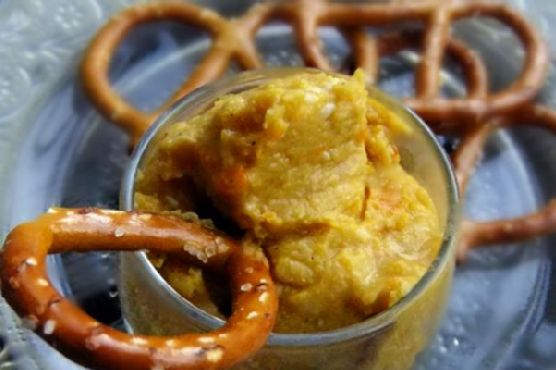
Last Tuesday, I found myself staring at a lonely can of chickpeas and two orange bell peppers that were on the brink of becoming compost material. It was one of those days where the fridge seemed to have more condiments than actual food. The thought of yet another peanut butter sandwich just wasn’t cutting it, so I decided to whip up something a bit more exciting. That’s how Hummus with Roasted Orange Peppers became the hero of my weeknight dinner. It’s a wonderfully creamy, zesty dip with a pop of roasted sweetness that’s as impressive as it is easy to make. Trust me, you’ll be hooked! Jump to Recipe

What You’ll Need

This ingredient list is as friendly as a warm hug. Chances are you already have most of these in your kitchen:

  • Cooked chickpeas or canned chickpeas
  • Orange bell peppers
  • Cooking oil or olive oil
  • Salt
  • Garlic
  • Roasted sesame seeds
  • Sugar
  • Red paprika or chili powder
  • Lemon juice
  • White vinegar

How to Make Hummus with Roasted Orange Peppers

  1. Preheat your oven to 400°F (200°C). Slice the orange bell peppers and place them on a baking sheet. Drizzle with olive oil and a sprinkle of salt. Roast for about 20 minutes, or until they’re soft and the edges have a slightly charred, caramelized look.
  2. While the peppers are roasting, drain and rinse the chickpeas if using canned. Add them to a food processor along with a dash of cooking oil, a clove of garlic, and the juice of a lemon. Give it a whirl until everything is roughly combined.
  3. Chuck in the roasted orange peppers now. Blend again until the mixture is smooth and creamy. You might need to scrape down the sides to make sure everything gets incorporated.
  4. Season your hummus with salt, a pinch of sugar, and red paprika or chili powder to taste. If you’re feeling fancy, toss in some roasted sesame seeds for an extra nutty flavor. Pulse everything together until it’s just right.
  5. Adjust the consistency with a splash of white vinegar and a bit more olive oil if needed. The final texture should be creamy but still have some body. Taste and tweak the seasoning until it’s irresistible.

Cook’s Notes

Don’t skimp on roasting those peppers; it’s where the magic happens! If you’re prepping ahead, this hummus can be stored in an airtight container in the fridge for up to a week. Just be sure to give it a good stir before serving, as it might thicken up a bit. Also, if you’re pressed for time, you can use jarred roasted peppers, though fresh is always best.

Make It Your Own

  • Swap the orange bell peppers for red ones if you prefer a slightly sweeter flavor.
  • Add a handful of fresh basil or cilantro for a herby twist.
  • If you love heat, sprinkle in some crushed red pepper flakes.
  • Skip the oil and use water instead for a lighter version, though you’ll miss out on some richness.

If you try this, I’d love to hear how it turns out — drop a comment or tag me! There’s nothing like seeing your delicious creations come to life. Enjoy the hummus adventure!

Goes Well With

If you want to round out the meal, here’s what I’d pair it with over on meaghanmoineau.com:

Related update: Hummus with roasted orange peppers

Related update: Slow Cooker Spicy Hot Wings

Allar’s Mechanics Spark Steelers Momentum | Analysis by Brian Moineau

TL;DR

  • Drew Allar’s preseason debut for the Pittsburgh Steelers produced three touchdown drives in three second‑half possessions, but the more meaningful win was cleaner footwork under head coach Mike McCarthy and quicker, calmer decisions under duress. [1] (nfl.com)
  • In a quarterback room topped by a 42‑year‑old Aaron Rodgers who has said 2026 is his last ride, Allar’s jump from “rebuild the mechanics” to “run the offense” reframes Pittsburgh’s succession plan from 2028 insurance to 2027 contention. [6] (nfl.com)
  • Because the opponent and context matter, I treat Allar’s three TD drives as a diagnostic, not a coronation: proof the floor is rising fast enough that he can be a useful NFL backup immediately and a viable 2027 starter if the arc holds. [2][4] (nfl.com)

What the source said

Steelers Depot reported that third‑round rookie Drew Allar, whose feet and consistency dogged him at Penn State and early camp, strung together three second‑half touchdown drives in his preseason debut vs. Green Bay. Beat writer Mark Kaboly told 93.7 The Fan that Allar flashed accuracy, pocket movement, and decision‑making that weren’t present “three months ago” or even “a week ago.” The piece credits Pittsburgh’s “tear it down to the studs” approach under head coach Mike McCarthy for the mechanical cleanup, especially footwork, which had driven ball‑placement issues. Film work by Josh Carney echoed that the improved base led to more consistent throws, even if the night wasn’t perfect. [1]

Why it matters

The real stakeholders are (1) the 2026 Steelers front office that must balance Rodgers’ now‑or‑never window with 2027–2029 roster value, and (2) the AFC North’s defensive coordinators evaluating whether Pittsburgh’s developmental depth can actually win games if Rodgers misses time. If Allar is already a functional backup in August, Omar Khan can roster‑build more aggressively at premium positions (corner, pass‑rush) instead of hunting veteran QB insurance at the trade deadline. [6][7] (nfl.com)

Fans are stakeholders too, but less for hype than for signal. On August 13, 2026, Pittsburgh beat Green Bay 28–9 at Acrisure Stadium; the score will fade, the tape won’t. The Steelers need a post‑Rodgers identity that coheres with McCarthy’s structure‑and‑rhythm offense; Allar’s debut suggested he can execute a pared‑down version of that identity without the latent chaos that marred his Penn State film. [2][5] (nfl.com)

Original analysis

Drew Allar’s preseason debut: signal vs. noise

The consensus read: “It’s only preseason; Allar picked on third‑stringers.” True and lazy. The question for a developmental QB isn’t who he beat, but how: base, sequencing, timing, and answers versus simple post‑snap movement. You can’t fake those, even against vanilla Cover‑3.

What changed Thursday was less the stat line and more the operating system. The Steelers drafted Allar 76th overall as a traits bet—arm talent without repeatable feet—and immediately put him in a demolition‑and‑rebuild under McCarthy’s staff. Seeing three consecutive end‑zone trips led by that same player, within a pro progression structure, is strong evidence that the new biomechanics are sticking under live bullets. That carries predictive weight across opponent tiers. [3][4] (steelers.com)

  • A contrarian read
    Consensus: “No takeaways until he faces starters.” My case: mechanics are opponent‑agnostic. If your base width is consistent and your stride lands on‑line, your ball arrives on time, regardless of CB3 vs. CB1. The opponent calibrates the ceiling; the base establishes the floor. Allar’s floor rose Thursday because the link between feet and ball stayed intact under NFL timing. That matters more than who wore the green dot. [1]

  • A 2×2 that actually predicts outcomes
    Axes: Mechanics (clean ↔ messy) vs. Processing (fast ↔ slow).

    • Clean/Fast: Rodgers (2026), the model for McCarthy’s offense. [6] (nfl.com)
    • Clean/Developing: Allar (post‑rebuild). This is where Thursday’s tape placed him—cleaner base and a first‑read rhythm that looked coached, not improvised. [1]
    • Messy/Fast: Young arms who create but spray—where Allar lived too often at Penn State. [1]
    • Messy/Slow: Camp‑arm purgatory.

    Movement across quadrants is rare mid‑camp; Allar appeared to jump one box right (messy→clean) and a half box up (slow→developing). If he locks that in through August 2026, he becomes a playable QB2 by November 2026, independent of opponent quality.

  • Back‑of‑envelope calculation
    Suppose footwork cleanup trims an illustrative 5 percentage points from Allar’s off‑target rate when he becomes a starter in 2027 (e.g., 15% → 10%). Over 350 attempts, that’s ~17–18 fewer uncatchable balls. If even a third convert into first downs at ~0.6 WPA on fourth‑quarter scoring drives over a season, you bank ~3–4 win‑swinging plays—exactly the margin that turns a 9–8 wild card into an 11–6 division shot in the AFC North. That’s the scale of value footwork fixes can produce in McCarthy’s structure.

  • Named‑stakeholder breakdown
    • Mike McCarthy: Proof of concept that his staff can accelerate QB development without live‑game chaos. That strengthens his case to keep a “four QBs we love” room intact through Week 1. [7] (nfl.com)
    • Aaron Rodgers: A clearer runway to manage reps and preserve arm health if the staff trusts Allar with second‑half preseason and emergency regular‑season snaps during his final campaign. [6] (nfl.com)
    • Omar Khan (GM): Optionality. If Allar is real QB2 by October 2026, Khan can spend mid‑round capital on OL depth or CB rather than a veteran backup rental.
    • Mason Rudolph: The steady bridge. If he holds QB2 early, Allar’s rise still pressures the staff to tilt QB3 packages or two‑minute drills toward the rookie by preseason Week 3. [7]
    • Will Howard: The developmental clock speeds up. If Allar’s baseline is higher than expected, Howard’s August must produce a counter‑thesis—pocket command or red‑zone sequencing—or he risks becoming the odd man out in weekly actives. [7]

Bottom line: The debut did not crown a starter; it validated a process. In an organization that just changed head coaches and doubled down on a veteran starter for one last run, that’s the “win behind the win.” [2][4][6] (nfl.com)

What others are missing

The real lens is scheme carryover. McCarthy’s pass game still majors in timing—quick perimeter access throws and high‑percentage ISO routes married to under‑center play‑action. That world demands two things from a young QB: controlled lower‑half and willingness to be on‑schedule. Media recaps of Allar’s touchdowns fixate on outcomes, not the machinery: consistent base width on quick game, a hitch that doesn’t drift the launch point, and resets that keep shoulders square on extended plays. Those traits travel week to week; they don’t depend on whether the corner is Green Bay’s CB2 or CB6. If they persist vs. the Jets and at the Bills this month, Pittsburgh can treat Allar as a live NFL option sooner than planned. [8] (steelers.com)

What to watch next

  1. By August 21, 2026, Allar gets the first full third quarter vs. the Jets and produces at least one scoring drive built on a 6‑plus‑play sequence, not a single shot play. [8] (steelers.com)
  2. By August 27, 2026, at Buffalo, Pittsburgh tests Allar with at least three under‑center snaps and two designed movement throws (boot/play‑action), a litmus for scheme carryover. [8] (steelers.com)
  3. By Week 6 of the regular season (October 2026), the Steelers keep four quarterbacks on the 53 at least twice, signaling organizational commitment to in‑house succession over a veteran rental. [7] (nfl.com)

My take

I’m buying the signal. Three touchdown drives don’t change a quarterback’s destiny; three mechanically clean touchdown drives do. In one August night, Drew Allar moved from “traits bet that needs a redshirt” to “functional backup with a 2027 starter’s path,” and that’s a massive strategic shift for Pittsburgh. With Rodgers publicly on the clock and McCarthy rebuilding the room in his own image, the Steelers don’t need Allar to be a revelation; they need him to be repeatable. If this is the new baseline, he should be QB2 by Halloween 2026 and the unquestioned heir by spring 2027. [6] (nfl.com)

Sources

  1. ‘Stuff You Didn’t See From Him’: Beat Writer Evaluates Drew Allar’s Debut — Steelers Depot (https://steelersdepot.com/2026/08/drew-allar-showed-stuff-you-didnt-see-from-him-consistently-a-week-ago-in-debut-beat-writer-says/) — The starting point: Kaboly’s on‑air assessment and Steelers Depot’s framing of Allar’s mechanical progress.

  2. Packers at Steelers, 2026 Preseason Week 1 — NFL.com Game Center (https://www.nfl.com/games/packers-at-steelers-2026-pre-1) — Confirms the Aug. 13 game at Acrisure Stadium and the 28–9 final.

  3. Steelers select Allar in third round — Pittsburgh Steelers (https://www.steelers.com/news/steelers-select-allar-in-third-round) — Official confirmation that Pittsburgh drafted Drew Allar No. 76 overall in 2026.

  4. Steelers to hire Mike McCarthy as next head coach — NFL.com (https://www.nfl.com/news/steelers-plan-to-hire-mike-mccarthy-as-next-head-coach) — Establishes McCarthy’s arrival in January 2026 and the organizational context.

  5. Packers finalize preseason schedule (Week 1 at Steelers, Aug. 13) — Packers.com (https://www.packers.com/news/packers-finalize-preseason-schedule-2026) — Verifies opponent, date, and venue from the Green Bay side.

  6. Steelers’ Aaron Rodgers says 2026 will be final season — NFL.com (https://www.nfl.com/news/steelers-aaron-rodgers-says-zero-debate-2026-will-be-final-season-in-nfl) — Documents Rodgers’ stated timeline, the backdrop for Pittsburgh’s succession plan.

  7. Mike McCarthy: “Steelers have four QBs that we love” — NFL.com (https://www.nfl.com/news/mike-mccarthy-steelers-have-four-qbs-that-we-love) — Confirms the room composition (Rodgers, Rudolph, Howard, Allar) and the developmental intent.

  8. Steelers 2026 Schedule (preseason vs. Jets, at Bills) — Pittsburgh Steelers (https://www.steelers.com/schedule/?campaign=pit-tg-iw-edi-2071459) — Establishes the rest of the August test cases that contextualize Allar’s next reps.


Related update: We recently published an article that expands on this topic: read the latest post.


Related update: We recently published an article that expands on this topic: read the latest post.

Risotto With Fresh Peas | Made by Meaghan Moineau

It was one of those unpredictable Tuesdays when everything at work ran late, and by the time I got home, I was craving something comforting yet sophisticated. My pantry didn’t have much, but the bare essentials were there—arborio rice, a bag of frozen peas, and some chicken stock. You know that feeling when you’re just too tired for anything elaborate, yet you want something that feels like a warm hug on your plate? That’s when I knew a creamy risotto with fresh peas would be perfect. This dish has that magical ability to elevate your everyday ingredients into something kinda fancy, without the three-hour prep time. Let’s dive in, shall we?

Jump to Recipe

What You’ll Need

I love how risotto makes you feel like a chef without needing a ton of exotic ingredients. Chances are you already have most of this—except for maybe the arborio rice if you’re not a risotto regular.

  • 4 cups of HOT chicken stock
  • 2 tablespoons of butter
  • 2 tablespoons of extra virgin olive oil
  • 1 chopped onion
  • 2 minced garlic cloves
  • 1 cup of arborio rice
  • 1/2 cup of dry white wine
  • 1 cup of peas (fresh or thawed frozen)
  • 1/2 cup of grated parmesan
  • 1 bay leaf
  • Salt and pepper to taste

How to Make Risotto With Fresh Peas

  1. Melt the butter in a heavy large saucepan over medium heat. Add the olive oil, bay leaf, and onions. Season with salt and pepper. Cook until the onions are translucent, filling your kitchen with that irresistible oniony aroma, around 5 minutes.
  2. Stir in the minced garlic, letting it sauté until tender, roughly 3 more minutes. You’ll know it’s perfect when the garlic starts to mellow and sweeten.
  3. Add the arborio rice to the pan, stirring it through the buttery onions and garlic. Toast the rice until the grains are glistening, about 2 minutes. It helps develop that nutty flavor we all love.
  4. Pour in the dry white wine and let it sizzle and cook until the liquid is completely absorbed, stirring often, about 2 minutes. This adds a subtle depth and aroma that’s just dreamy.
  5. Now, slowly add the hot chicken broth, one cup at a time. Make sure the liquid is absorbed before adding more, stirring often. It’s a bit like babysitting, but it’s worth it. This whole process takes about 28 minutes over medium-low heat. Each addition should take roughly 3 minutes.
  6. When the rice is tender and the texture is creamy, stir in the peas and parmesan. Watch as the cheese melts into the risotto, making it oozy and silky. Season with more salt and pepper to your liking.
  7. Cook until the mixture has absorbed all the liquid and has doubled in size. Let it sit for a minute before diving in; I promise it’s worth the wait!

Cook’s Notes

This risotto is pretty forgiving, but here are a few tips to make it foolproof. Always have your chicken stock hot; this helps the rice cook evenly and prevents it from becoming mushy. Got leftover risotto? Lucky you! It can be transformed into risotto cakes the next day. Just form the cold risotto into patties, dust them with flour, and fry them in a little olive oil until crispy and golden. Also, avoid using regular rice; it won’t give you that creamy texture that arborio is famous for.

Make It Your Own

Everyone’s taste is a bit different, and that’s what makes cooking so fun! Here are some ways to play around with this risotto recipe:

  • Swap the peas for crispy prosciutto for a salty, meaty twist.
  • Replace the parmesan with a tangy goat cheese for something wonderfully creamy and unexpected.
  • Add a handful of sautéed mushrooms for an earthy depth that complements the risotto’s creaminess.
  • Use vegetable stock instead to make it vegetarian-friendly without losing flavor.

If you try this, I’d love to hear how it turns out — drop a comment or tag me! There’s a special joy in seeing others enjoy a dish that’s become a staple in my kitchen. Happy cooking!

Goes Well With

If you want to round out the meal, here’s what I’d pair it with over on meaghanmoineau.com:

Related update: Risotto With Fresh Peas

Related update: BBQ Beef Brisket

iPhone 18 Pro Reveal Moved to Sept 9 | Analysis by Brian Moineau

TL;DR

  • The iPhone 18 Pro event is tipped for Wednesday, September 9, 2026—Apple’s usual “second Tue/Wed of September,” shifted by U.S. Labor Day on Monday the 7th. [1][3]
  • Expect Apple to skip Friday, September 11 for preorders and move to Saturday, September 12, echoing the 2015 iPhone 6s plan. [1][2]
  • A Saturday preorder compresses reviews and PR but doesn’t change revenue timing; first deliveries likely land Friday, September 18, which still books into Apple’s fiscal Q4 that ends Saturday, September 26, 2026. [6][3]

What the source said

Forbes reports Apple is aiming for an iPhone 18 Pro keynote on Wednesday, September 9, 2026, a choice influenced by the U.S. Labor Day holiday on Monday, September 7, and consistent with Mark Gurman’s “Power On” guidance. The report says Apple avoids events immediately after a holiday to allow travel and setup, and it predicts preorders will shift off Friday, September 11 to Saturday, September 12, just as they did for the iPhone 6s in 2015. The same piece sketches an iOS 27 public release target of Monday, September 14, with reviewer content rolling out mid‑week after the keynote at Apple Park in Cupertino, California. [1]

Why it matters

Carriers and retailers—specifically AT&T, Verizon, T‑Mobile, Best Buy, and Apple Retail—tie staffing rosters, promo windows, and ad flights to Apple’s exact preorder minute, which has typically been 5:00 a.m. Pacific since 2019. A Saturday switch forces weekend scheduling, revised social spend pacing, and different foot‑traffic patterns in U.S. malls and carrier stores. [5][1]

For press and creators, a Wednesday keynote plus a Saturday preorder erases a weekday from the classic review cadence, cutting hands‑on time and video production windows between September 9 and September 12. That shift elevates the first credible camera and battery tests in influencing color and storage picks during the opening preorder hours. [1]

Original analysis

The calendar logic behind a Sept 9 keynote

  • Apple clusters iPhone keynotes around the second Tuesday/Wednesday of September; 2020’s COVID delay was the major recent exception. In 2026, Labor Day falls on Monday, September 7, which makes Wednesday, September 9 a cleaner in‑person or hybrid slot after a one‑day buffer on Tuesday the 8th. That aligns with Gurman’s call and Apple’s 2015 playbook. [1][3][2]
  • When September 11 lands on a Friday—as it does in 2026—Apple has precedent for avoiding that preorder date: in 2015, the iPhone 6s/6s Plus opened preorders on Saturday, September 12 at 12:01 a.m. PT. The 25‑year milestone of 9/11 in 2026 strengthens the optics case for a Saturday shift. [2][3]

A quick framework: Optics vs. Operations (2×2)

Low optics sensitivity High optics sensitivity
Low operations risk Classic Tuesday event + Friday preorders (typical years). Tuesday event + Thursday preorders (rare, complicates channel).
High operations risk Wednesday event (post‑holiday) + Friday preorders (normal Labor Day week). Wednesday event + Saturday preorders (2026’s likely path—avoids 9/11 and eases post‑holiday logistics).

This year fits “High optics sensitivity/High operations risk” because Labor Day lands Monday, September 7 and Friday is September 11; hence a Wednesday keynote and Saturday preorders. [3]

Back‑of‑envelope math: What a Saturday preorder actually moves

  • Since iPhone 11 in 2019, Apple has standardized a 5:00 a.m. PT preorder opening, which sets carrier call‑center staffing and ad‑auction spikes by time zone. [5]
  • Shift analysis (modeled): Let D(t) be the preorder demand rate over time t (hours) after open. A Friday→Saturday shift translates D(t) by +24 hours; the integral ∫D(t)dt over the first 90 minutes stays constant, so volume is unchanged while ad‑auction timing and weekend support availability move to Saturday morning.
  • 2015 precedent: Popular iPhone 6s SKUs on Apple.com slipped to 2–3 week shipping within hours of Saturday, September 12 preorders, indicating no demand drag from a weekend open. [2]
  • Revenue days calc: If on‑sale day is Friday, Sept 18, and Apple recognizes revenue on delivery, days recognized in fiscal Q4 2026 = (Sept 26 − Sept 18) + 1 = 9 calendar days, because Apple’s fiscal year ends on the last Saturday of September. [6][3]

In short: Saturday preorders don’t dent demand; they reallocate the operational load to a weekend and slightly tighten the mid‑September review cycle. Expect busier AppleCare and carrier chat queues on September 12–13, followed by the standard Monday–Thursday logistics sprint for Friday, September 18 deliveries. [5][3]

Named‑stakeholder breakdown

  • Apple Retail + AppleCare: Weekend surge in order exceptions and Apple Card financing questions; staffing pivots from a Friday early shift to a Saturday 5:00 a.m. PT open. Net sales effect: neutral; support load: higher on September 12–13. [5]
  • Carriers (AT&T, Verizon, T‑Mobile): Rebook store rosters, paid social, and SEM for a Saturday spike; weekend CPMs and CPAs may differ, improving efficiency for upgrade‑driven queries. [1]
  • Accessory makers (Belkin, Nomad, Casetify): Saturday preorders shift “will my 2025 case fit?” traffic to the weekend; first‑to‑publish compatibility charts siphon affiliate clicks on September 12.
  • Media/Creators (The Verge, MKBHD, WSJ): One fewer weekday between a Wednesday keynote and a Saturday preorder compresses lab testing and B‑roll; outlets with in‑house camera ranges in New York or Cupertino gain an edge. [1]
  • Samsung: August Galaxy Z Fold/Flip cycles hit peak coverage in week 32–33; Apple’s week‑37 cadence siphons tech attention just as Korean carriers push late‑summer promos. [4]

Historical analogue: 2015’s 9/11 problem

  • 2015: Apple held the keynote on Wednesday, Sept 9; preorders opened Saturday, Sept 12 at 12:01 a.m. PT; many iPhone 6s SKUs slipped to multi‑week shipping by morning. That choreography balanced September 11 optics with full‑throttle demand, a template that cleanly maps to 2026. [2]

Contrarian read

  • Consensus: “A Saturday preorder is bad for momentum.”
  • Counter: Saturday preorders amplify scarcity theater because more consumers are awake, ready, and posting at 8:00 a.m. local time; the social “got mine” wave hits earlier and snowballs mainstream coverage, as 2015’s rapid sell‑outs demonstrated. [2]

What others are missing

The hinge is the downstream timing on iOS 27 and the review embargo, not the keynote slot itself. A Wednesday, September 9 keynote plus a Saturday, September 12 preorder narrows deep‑dive testing, so first camera and battery calls will steer Saturday’s configuration choices within the first two hours. If Apple ships iOS 27 on Monday, September 14, developers and carriers get three business days—Tue 15, Wed 16, Thu 17—to patch apps and certify eSIM flows before Friday, September 18 deliveries begin. [1][3]

What to watch next

  1. By Thursday, August 27, 2026, Apple sends media invites confirming a September 9 event at Steve Jobs Theater, with video‑first production and on‑site press in Cupertino. [4]
  2. On Saturday, September 12, 2026 at 5:00 a.m. PT, preorders open; at least two iPhone 18 Pro Max SKUs on Apple.com US slip to October delivery within two hours. [5]
  3. On Monday, September 14, 2026 between 8:00–10:00 a.m. PT, Apple releases iOS 27 publicly; Apple’s status page shows elevated download traffic for 6+ hours the same day. [1]

My take

Apple will pick optics over routine and push preorders to Saturday, September 12, 2026. That choice respects the 25‑year anniversary of 9/11, keeps the keynote on a Wednesday rhythm, and turns 5:00 a.m. PT Saturday into a global shopping pulse without affecting recognized revenue in fiscal Q4. If Apple also teases an “Ultra” or foldable concept, the compressed PR window becomes a feature that heightens FOMO and drains rival mindshare that Samsung built in August. [1][4][5][6]

Sources

  1. iPhone 18 Pro Event Tipped As Apple Shifts Key Release Schedule Date — Forbes (https://www.forbes.com/sites/davidphelan/2026/08/14/iphone-18-pro-event-tipped-as-apple-shifts-key-release-schedule-date/) — Baseline: Sept 9 event expectation, Saturday Sept 12 preorder rationale, iOS 27 timing, and review window.
  2. ‘Hey Siri’ Event Roundup: iPhone 6s, iPad Pro, New Apple TV and More — MacRumors (https://www.macrumors.com/2015/09/09/apple-september-2015-media-event-roundup/) — Confirms 2015’s Saturday, Sept 12 preorders after a Wednesday keynote and rapid shipping slips.
  3. Labor Day 2026 in the US — Timeanddate (https://www.timeanddate.com/holidays/us/labor-day#obs) — Verifies Labor Day on Monday, September 7, 2026, anchoring the post‑holiday buffer logic.
  4. iPhone Ultra and iPhone 18 Pro pre-order date just tipped — Tom’s Guide (https://www.tomsguide.com/phones/iphones/iphone-ultra-and-iphone-18-pro-pre-order-date-just-tipped-heres-when-you-can-get-yours) — Summarizes Gurman’s Wednesday, Sept 9 expectation and outlines the broader product slate.
  5. iPhone 11 Lineup Has New 5 A.M. Pacific Pre-Order Time on Friday — MacRumors (https://www.macrumors.com/2019/09/10/iphone-11-lineup-5am-preorder-time/) — Establishes Apple’s 5:00 a.m. PT preorder standard since 2019.
  6. 2015 Form 10‑K — Apple (https://s2.q4cdn.com/470004039/files/doc_financials/2015/annual/2015_Form_10-K_As-filed.pdf) — States Apple recognizes revenue upon delivery and that its fiscal year ends on the last Saturday of September.


Related update: We recently published an article that expands on this topic: read the latest post.


Related update: We recently published an article that expands on this topic: read the latest post.
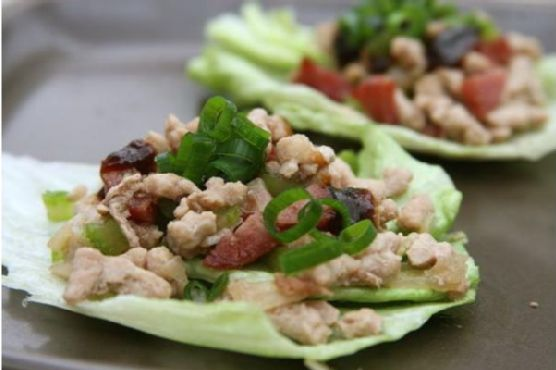
Cheesy Chicken Enchilada Quinoa Casserole | Made by Meaghan Moineau

Picture this: It’s a random Tuesday night, and I’m standing in my kitchen, staring blankly at the fridge, wondering how to turn a motley assortment of leftovers and pantry staples into something that doesn’t scream “desperation dinner.” That’s when inspiration struck, as I spied a lonely can of verde enchilada sauce next to last night’s cooked quinoa. What followed was a happy accident of flavors and textures, culminating in my new favorite go-to comfort dish: Cheesy Chicken Enchilada Quinoa Casserole. It’s creamy, cheesy, and bursting with zesty flavors — perfect for those nights when you need something easy but crave-worthy. You’ll be shocked at how quickly it comes together and how it leaves the whole family asking for seconds. Or thirds.

Jump to Recipe

What You’ll Need

This recipe is a pantry hero! If you’ve got a well-stocked spice rack and some leftover chicken, you’re halfway there.

  • Cooked quinoa – the fluffy base of this casserole
  • Cooked skinless boneless shredded chicken breast – feel free to use rotisserie chicken for a shortcut
  • Canned verde enchilada sauce – the tangy key player
  • Shredded cheese – use your favorite melting cheese
  • Canned tomatoes with chilis
  • Canned black beans
  • Canned sweet corn
  • Salt
  • Black pepper
  • White pepper
  • Chili powder
  • Cumin
  • Fresh cilantro
  • Green onion tops
  • Roma tomato
  • Avocado

How to Make Cheesy Chicken Enchilada Quinoa Casserole

  1. Preheat your oven to 350°F and grab an 8×8 inch baking dish. Make sure it’s ready for action.
  2. Cook the quinoa according to the package instructions. If you haven’t shredded your chicken yet, now’s the time to boil and shred it too.
  3. In a medium-sized mixing bowl, combine 2 tablespoons of chopped cilantro, 1 cup of shredded cheese, cooked quinoa, canned tomatoes with chilis, black beans, half a can of sweet corn, verde enchilada sauce, cumin, chili powder, white pepper, black pepper, and salt to taste. Stir everything together until well mixed and harmonious.
  4. Pour your well-mixed concoction into the prepared baking dish, spreading it out evenly. Top with the remaining cup of shredded cheese, covering the surface generously.
  5. Bake in the preheated oven for about 15 minutes, or until the cheese is delightfully melty and bubbling at the edges. The smell will be irresistible at this point!
  6. Remove from the oven and let it cool slightly for about 5 minutes. This helps everything set a bit so you can serve neat slices.
  7. Top your casserole with freshly chopped Roma tomato, avocado chunks, green onion tops, and the remaining 2 teaspoons of cilantro. Serve immediately and bask in the glory of your culinary creation!

Cook’s Notes

This dish is pretty forgiving, but here are a few tips to ensure success. If your quinoa is a bit on the wet side, let it sit in a sieve for a few minutes to drain excess moisture — nobody likes a soggy casserole! When adding salt, remember that the canned ingredients and cheese already bring their own saltiness, so taste as you go. Store any leftovers in an airtight container in the fridge for up to 3 days. It reheats beautifully in the microwave or oven. If you’re planning to make this ahead, assemble everything but wait to add the cheese topping until you’re ready to bake.

Make It Your Own

  • Swap the chicken for crispy tofu to make it vegetarian. Just cube the tofu, toss it in a bit of cornstarch, and sauté until golden.
  • Add some heat by including a diced jalapeño or a sprinkle of crushed red pepper flakes into the mix.
  • If you’re not a fan of cilantro, try using fresh parsley or chives for a milder pop of green.
  • More veggies? Toss in some sautéed bell peppers or zucchini to make it even more wholesome.

If you try this, I’d love to hear how it turns out — drop a comment or tag me! This casserole was a happy accident in my kitchen, and I’m excited to see it work its magic in yours. Enjoy every cheesy, tangy bite! 🥑🌿🍅

Goes Well With

If you want to round out the meal, here’s what I’d pair it with over on meaghanmoineau.com:

Related update: Cheesy Chicken Enchilada Quinoa Casserole

Related update: Risotto With Fresh Peas

Anthropic’s $2T IPO Poised to Reshape AI | Analysis by Brian Moineau

TL;DR

  • Fortune reports that Anthropic is targeting an October 2026 IPO at a $2 trillion valuation—larger than Saudi Aramco’s $1.7 trillion debut in 2019 and set up to overshadow SpaceX’s float chatter. [1][3][4]
  • At $2T, Anthropic must turn rapid model adoption into durable free cash flow in a market constrained by power and grid gear; PJM’s interconnection queue surpassed 300 GW in 2024 and U.S. transformer lead times stretched past 100 weeks. [7][8]
  • If the deal prices near $2T, the center of gravity in enterprise AI shifts toward cloud partners, chip vendors, and utilities—namely AWS, Google Cloud/TPU, NVIDIA, and regional grid operators—not just app developers. [2][5][7]

What the source said

Fortune says Anthropic is preparing a $2 trillion IPO in October 2026, which would make it the largest listing on record and a capstone to a year of venture-backed exits. The piece ties the bid to enterprise AI traction, positions it against SpaceX’s own IPO timeline, and frames the listing as a test of how public markets price foundational AI vendors. It emphasizes the record-setting nature of the target and the potential market impact on tech indices. [1]

Why it matters

A $2 trillion Anthropic IPO would reset how markets price vertically integrated compute businesses that span models, training clusters, and power contracts. The decisive stakeholders include AWS and Google (distribution and pre-buys), NVIDIA and memory suppliers (unit costs), PJM and CAISO (capacity and interconnection), and CIOs negotiating multi‑year AI commitments in 2026 budgets. [2][5][7]

If pricing lands near $2T, pension funds and sovereigns must decide whether AI infrastructure behaves like software (70%+ gross margins) or like utilities (capital cycles and regulatory bottlenecks). That call will influence index weights, rivals’ capital costs at OpenAI and xAI, and whether Wall Street treats model providers as cash machines or as projects tied to megawatts and substations. [3][7]

Original analysis

Anthropic $2 trillion IPO: back-of-the-envelope math

  • Required return framing: At a 10% cost of capital, a $2T valuation implies ~$200B in steady-state annual free cash flow (FCF) to justify price (2,000 ÷ 10%).
  • Margin bridge: At a 25% FCF margin, that back-solves to ~$800B in annual revenue at maturity ($200B ÷ 0.25). Even if Anthropic reaches $100B revenue by 2030, it would need to 8x from there, unless margins rise or capex falls.
  • Sensitivity: At a 30% FCF margin and 9% required return, implied FCF falls to ~$180B ($2,000B × 0.09), which still demands multi‑hundred‑billion revenue. Buyers will scrutinize gross margins versus chip, power, and datacenter costs, alongside enterprise pricing pushback already flagged by Axios in 2024. [6]

These are assumptions, not forecasts, but they spotlight what “$2T” demands operationally: multi‑hundred‑billion revenue plus infrastructure discipline and cash conversion.

Historical analogue: Saudi Aramco, 2019

Saudi Aramco listed at ~$1.7T in December 2019 and raised $25.6B, underpinned by state backing, dividend commitments, and stable upstream economics. [4] Anthropic faces the inverse profile in 2026: regulatory flux, component scarcity, and learning curves in flux. Aramco offered bond‑like cash flows; Anthropic offers growth tied to compute and power cycles. Expect narrative‑driven trading and higher volatility in the first 12–18 months after listing.

Contrarian read

  • Consensus: A $2T IPO would crown Anthropic as the default enterprise AI platform, with hyperscaler distribution supporting margins.
  • Contra: The gating factor is not GPUs; it’s the grid. Reuters detailed U.S. transformer and switchgear bottlenecks and utility interconnection delays as AI data centers balloon, driving multi‑year queues and capex bloat that compress unit economics—right when public investors demand operating leverage. [8]

Named-stakeholder breakdown

  • Amazon (AWS Bedrock): Gains consumption and marquee workloads if Anthropic grows; risks margin pressure if Anthropic negotiates preferential GPU and power allocations or commits to multi‑year reserved instances. [2]
  • Google Cloud/TPU: Strengthens multi‑sourcing leverage with TPUs and cloud credits; Anthropic disclosures could reveal the degree of subsidy required to win training jobs in 2026. [5]
  • NVIDIA: Anthropic’s scale supports demand for H200/HX and Blackwell shipments through 2027, but power and interconnection limits may cap effective utilization, extending order backlogs. [8]
  • SpaceX: A $2T Anthropic would overshadow a rumored $1.75T SpaceX target, intensifying pressure to prove satellite, launch, and AI adjacency synergies at IPO. [3]
  • Fortune 500 CIOs: Better disclosure on cost of goods sold, reserved capacity, and energy contracts could standardize enterprise AI pricing and strengthen procurement leverage in 2027 renewals. [6]

A simple 2×2: What the IPO is really pricing

Capital intensity (datacenters, power) Pricing power (enterprise AI contracts) What investors are buying
High High “AI utility” with software margins—requires hyperscaler concessions and reliable power
High Low Margin squeeze—valuation mean reversion risk
Low High Software dream scenario—unlikely at Anthropic’s 2026 scale
Low Low Bubble case—unsustainable at $2T

Anthropic’s current reality sits in the top-left cell. The $2T question is whether it can stay there long enough for operating leverage to appear.

What others are missing

Most coverage centers on GPUs and supply allocations, but the tighter choke point is electrical balance‑of‑plant and utility interconnection. Reuters has documented 100+ week transformer lead times and switchgear shortages, while PJM’s 2024 queue shows triple‑digit gigawatts of pending load and generation awaiting study. [7][8] The overlooked angle is substation readiness and 230–500 kV build cycles that determine when new training clusters can actually energize. [7][8]

What to watch next

  1. By December 31, 2026, at least two U.S. utilities in PJM or ERCOT will disclose AI data center interconnection deferrals exceeding 12 months due to transformer or switchgear constraints, in rate filings or public board updates. [7][8]
  2. By March 31, 2027, Anthropic will report, in S‑1 or first 10‑K, a minimum of one multi‑year energy or capacity agreement (PPA or equivalent) exceeding 200 MW nameplate tied to training operations.
  3. By June 30, 2027, at least one hyperscaler (AWS or Google Cloud) will revise enterprise AI pricing or discount structures publicly to address unit‑economics pushback, citing cost transparency or contractual minimums. [2][5][6]

Sources

[1] Fortune — Report on Anthropic’s planned October 2026 IPO and $2T target valuation; establishes the headline claim and timing.
[2] Amazon — 2023–2024 announcements on AWS Bedrock and Amazon’s up-to-$4B investment in Anthropic; details distribution, credits, and capacity commitments.
[3] Reuters — Coverage of SpaceX/Starlink IPO timing and valuation speculation circa 2025–2026; provides the comparative benchmark for “eclipse SpaceX.”
[4] Saudi Aramco — 2019 IPO disclosures and financial reporting; supplies the $1.7T listing and $25.6B raise for historical comparison.
[5] Google/Alphabet — 2023–2024 disclosures on Google Cloud, TPU strategy, and investments in Anthropic; supports claims on distribution and compute economics.
[6] Axios — 2024 reporting on enterprise AI sticker shock and CIO budget pushback; informs pricing and adoption friction.
[7] PJM Interconnection — 2024 interconnection queue and long-term planning materials; quantifies grid and study backlogs relevant to AI load.
[8] Reuters — Reporting on U.S. transformer and switchgear shortages and utility interconnection delays; substantiates power and equipment bottlenecks.


Related update: We recently published an article that expands on this topic: read the latest post.
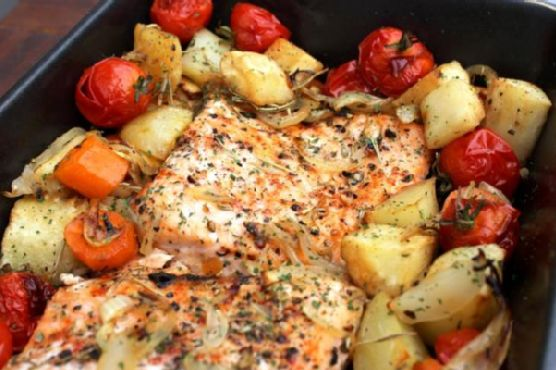

Related update: We recently published an article that expands on this topic: read the latest post.


Related update: We recently published an article that expands on this topic: read the latest post.


Related update: We recently published an article that expands on this topic: read the latest post.

Polish Rugelach | Made by Meaghan Moineau

So, picture this: it’s a drizzly Tuesday evening, the kind that makes you want to curl up with something sweet and comforting. I’m rifling through my pantry, hoping for inspiration, when I spot a bag of walnuts and some dried cranberries tucked behind the flour. Cue the lightbulb moment: Polish Rugelach! This delightful pastry is just the pick-me-up needed—a mix of rich, buttery dough and a warm, spiced filling that feels like a hug for your taste buds. It’s the perfect activity to turn a dreary day into a cozy baking session. Plus, it’s easier than it sounds, trust me. By the end, your kitchen will smell like a slice of heaven.

Jump to Recipe

What You’ll Need

This ingredient list is pretty forgiving—nothing too fancy here. You probably have most of it lounging in your pantry already.

  • All purpose flour
  • Cocoa powder
  • Cream cheese
  • Dried cranberries
  • Dried raisins
  • Ground cinnamon
  • Nutmeg
  • Sugar
  • Unsalted butter
  • Walnuts

How to Make Polish Rugelach

  1. Start by making the dough. In a large bowl, beat the unsalted butter and cream cheese together until the mixture turns light and fluffy—it’ll look like the soft inside of a cloud.
  2. Add sugar slowly, continuing to beat until everything is well combined and fluffy.
  3. Gradually mix in the all purpose flour and cocoa powder until the dough starts to come together. It should be smooth but not sticky.
  4. Divide the dough into quarters, wrap each in plastic, and chill in the fridge for at least an hour. You’re aiming for a dough that’s firm enough to roll out easily.
  5. Preheat your oven to 350°F (175°C) and line a baking sheet with parchment paper.
  6. For the filling, mix together the dried cranberries, raisins, walnuts, ground cinnamon, nutmeg, and a little extra sugar for sweetness.
  7. Roll out each dough quarter into a circle, about 1/8 inch thick. Spread a thin layer of the filling over the dough, pressing it gently to adhere.
  8. Cut the dough into 8 wedges, like you’re slicing a pizza. Roll each wedge from the wide end to the tip, forming a crescent shape.
  9. Place the rugelach on the prepared baking sheet, point side down, and bake for 20-25 minutes, until they’re golden and the fillings are bubbling and fragrant.
  10. Let them cool slightly (but not all the way—you’ll want to experience that warm gooey magic), and then enjoy!

Cook’s Notes

Don’t be intimidated by the chilling step! It makes rolling the dough so much easier and prevents the rugelach from spreading too much in the oven. If you’re in a rush, you can pop the dough in the freezer for about 20 minutes, just enough to firm it up.

  • Store your rugelach in an airtight container at room temperature for up to a week. I doubt they’ll last that long, though!
  • If you’re planning ahead, you can prepare the dough a day in advance. Just keep it wrapped tightly in the fridge until you’re ready to fill and bake.
  • Common mistake: overstuffing the rugelach. A little filling goes a long way, so don’t feel like you have to use all of it if it starts overflowing.

Make It Your Own

  • Swap the walnuts for pecans if you’re feeling nutty.
  • Try dried apricots or cherries in place of the cranberries for a bit of a tangy twist.
  • For a chocolatey version, add some mini chocolate chips to the filling mix. Chocolate lovers, rejoice!
  • Use some orange zest in the filling for a fresh, citrusy punch.

If you give this Polish Rugelach a try, I’d love to hear how it turns out for you! Drop a comment below or tag me in your baking adventures on social media. Let’s keep those dreary days at bay, one pastry at a time!

Goes Well With

If you want to round out the meal, here’s what I’d pair it with over on meaghanmoineau.com:

Related update: Polish Rugelach

Related update: Mini-Cherry Pies

Unwell Scores $500M Investment Boost | Analysis by Brian Moineau

TL;DR

  • Alex Cooper’s Unwell accepted its first outside capital from Patrick Whitesell’s WTSL at a $500 million valuation and says it’s profitable and eyeing acquisitions in 2026. [1][5]
  • The valuation only works if Unwell converts SiriusXM’s “up to $125 million” multi‑year pact and its Google partnership into durable, multi‑format cash flows that outlast Cooper’s on‑mic time. [2][3][4]
  • WTSL’s Silver Lake–backed war chest points to a roll‑up of female‑skewing creator IP, but 2026 workplace‑culture allegations raise integration and brand‑safety risk. [5][6][7]

What the source said

The Hollywood Reporter states that WTSL, led by Patrick Whitesell and backed by Silver Lake, made a strategic investment in Alex Cooper’s Unwell at a $500 million valuation. It is Unwell’s first outside capital since the company launched the Unwell brand in 2023. [1][5]

THR quotes Cooper claiming “seventy million women a month” engage with Unwell content and positioning “trust” as the distribution moat for the brand’s slate. The company says the funds will support expansion, including acquisitions in women’s lifestyle and wellness. [1]

THR also notes Unwell has been profitable for three consecutive years and now spans podcasts (Call Her Daddy, Pretty Lonesome), merch and beverages, live events, and film/TV projects, alongside a multiyear Google deal and the launch of The Unwell Creative Agency in 2025. [1][4][10]

Separately, SiriusXM announced a new multi‑year arrangement covering Call Her Daddy and Unwell network shows; third‑party reporting pegs the deal at up to $125 million across a little more than three years beginning in 2024. THR references recent controversy around staff turnover and management issues, which Bloomberg and Vanity Fair detailed in April–June 2026. [2][3][6][7]

Why it matters

A $500 million sticker is a referendum on whether a creator‑led shop can professionalize into a studio with recurring, cross‑format revenue. The number sits between The Ringer’s roughly $196 million sale to Spotify in 2020 and Hello Sunshine’s $900 million sale to Candle‑backed investors in 2021, implying Unwell must operate closer to an IP incubator than a single‑show franchise. [8][9]

Stakeholders with clear upside or downside include WTSL/Silver Lake (validating a creator M&A thesis with ~$250 million of committed capital), SiriusXM (proving its 2024 creator push attracts younger women), Google (turning a multiyear partnership into agency SOWs), and would‑be targets in women’s health, beauty, and wellness. Execution and culture remain the swing factors given the 2026 allegations of churn and leadership friction. [5][3][4][6][7]

Original analysis

The $500 million valuation: back‑of‑envelope

  • Implied revenue hurdle: If the price reflects modern studio multiples, Unwell needs $60–$125 million of annual revenue to justify $500 million at 8×–4× sales.
    • At 8× sales: $500M ÷ 8 ≈ $62.5M revenue.
    • At 4× sales: $500M ÷ 4 = $125M revenue.
    • Hello Sunshine’s ~$900M sale in 2021 was widely framed as ~7× revenue; an 8× scenario for premium IP with non‑ad income is aggressive but not unprecedented. [9]
  • SiriusXM floor: “Up to $125 million” over a little more than three years implies ~$33–$38M/year of gross consideration across Call Her Daddy and Unwell shows starting in 2024. If only half flows to Unwell corporate after talent comp and production, that’s ~$16–$19M/year “base,” leaving a ~$45–$110M gap to close to look reasonable on 8×–4× sales—possible only with agency fees, TV/film, events, and DTC. [2][3]

Contrarian read

  • Consensus: “$500 million is frothy for a personality‑driven shop; pull out Call Her Daddy and the castle collapses.”
  • Pushback: Three institutional anchors reduce single‑title risk and add demand and reach—SiriusXM handles ad sales and distribution, Google funds multiyear agency scope, and WTSL supplies packaged projects and M&A. That stack looks more like a studio‑services model than a solo podcast P&L. [3][4][5]

Named‑stakeholder breakdown

  • WTSL (Patrick Whitesell, Jason Lublin): Tests a creator roll‑up with a ~$250M Silver Lake commitment; expect co‑development, packaging, and minority stakes in female‑led IP. [5]
  • SiriusXM: Justifies its 2024 creator acquisitions if Unwell lifts female MAUs and ad ARPU; watch app integrations, video, and live commerce pilots. [3]
  • Google: Gains a field lab for Pixel/YouTube work with built‑in social creators, plus faster creative cycles than typical agency AORs. [4][10]
  • Prospective targets (women’s health pods, beauty creators with DTC SKUs, micro‑networks around dating/mental health): Either sell to Unwell or compete with a buyer that brings an ad stack, events, and agency demand to the table.
  • Competitors: The Ringer‑style horizontal networks and Barstool‑style culture shops must defend female demos where podcast CPMs and retention matter for 2026–2027 budgets.

A 2×2: Moat vs. Distribution

  • Quadrant A (High trust, owned distribution): Rare—Hello Sunshine’s book club plus Reese Witherspoon’s audience paired with Candle’s studio machine shows the template. [9]
  • Quadrant B (High trust, rented distribution): Unwell today—trust with Gen Z/millennial women, but distribution rented via SiriusXM, YouTube, and TikTok; the bet is migration to owned memberships, events, and IP. [1][3][4]
  • Quadrant C (Low trust, owned distribution): Traditional media with reach but weak creator affinity; conversion lags.
  • Quadrant D (Low trust, rented distribution): Commodity pods and influencer agencies; CPMs race to the bottom.

Growth math the board will actually watch

  • If Unwell truly reaches “70 million women a month” and converts 1% into a $60/year membership or recurring spend across events/merch, that’s 700,000 customers × $60 = $42M annual gross from direct channels. At a 30% blended margin after fulfillment and events, contribution would be ~$12.6M—meaningful progress against the 8× revenue gap. [1]

Historical analogue

  • Spotify acquired The Ringer for roughly €170M (~$196M) upfront in 2020, with reported earn‑outs that could take the total near ~$250M. Hello Sunshine sold for ~$900M in 2021. Pricing Unwell at $500M says WTSL values a female‑skewed, social‑first studio at ~2× The Ringer headline and ~0.55× Hello Sunshine, consistent with a post‑2020 premium for scalable creator IP. [8][9]

Execution risk you can’t shrug off

  • Bloomberg and Vanity Fair reported staff churn, leadership friction, and slate hiccups in spring 2026. The operational question is stark: can Unwell integrate acquisitions without an independent operating layer? WTSL can insert production veterans and HR frameworks in 2026; doing so quickly would convert reputational risk into acquisition‑ready discipline. [6][7]

What others are missing

The hidden asset is the agency. The multiyear Google partnership converts Unwell’s “creator intuition” into contracted SOWs with Fortune 50 budgets, which means fee income that isn’t solely impression‑priced. [4][10]

Agencies also provide privileged access to product roadmaps and media calendars across 2026–2027. That access lets Unwell pre‑sell sponsors for new IP, tours, and even beverage SKUs, turning pitch data into underwriting for acquisitions. [10]

If WTSL ties agency conversion data—categories, creatives, and CAC/LTV by cohort—to M&A models, the roll‑up shifts from talent vibes to demand‑led targeting, which supports a 4×–8× revenue multiple. [5][10]

What to watch next

  1. By December 31, 2026, Unwell announces at least one acquisition or minority investment in a women‑led podcast network or consumer brand, with WTSL named as a co‑investor. [1][5]
  2. By Q3 2027, SiriusXM either renews/expands its Unwell arrangement to include video distribution and live event co‑promotions in the SiriusXM app, or discloses a retrenchment from creator megadeals in filings—one of these outcomes will be public. [3]
  3. By June 30, 2027, Unwell launches a paid membership/community offering (or a bundle with a partner) that reaches at least 250,000 paying subscribers as disclosed via PR or partner remarks, or publicly pivots to commerce‑led monetization without a membership SKU.

My take

I’d buy the thesis—at a studio multiple, not a unicorn one. The $500 million figure can work if Unwell runs a demand‑factory: agency retainers seeding content pilots, commerce that monetizes parasocial trust, and packaging that turns Alex Cooper from star to rainmaker. WTSL’s capital and Silver Lake’s backing are real assets. [1][5]

But the model needs an operator with authority to professionalize culture in 2026 and to scale beyond the founder’s shadow. If that layer arrives, the price will look closer to Hello Sunshine logic than The Ringer optics; if it doesn’t, it will feel like The Ringer price with Hollywood expectations. [8][9]

Sources

[1] Alex Cooper’s Unwell Receives Investment From Patrick Whitesell’s Firm at $500 Million Valuation — The Hollywood Reporter (https://www.hollywoodreporter.com/business/digital/alex-cooper-unwell-investment-patrick-whitesell-500-million-1236671737/) — Valuation, “first outside investment,” profitability, Cooper’s “seventy million women a month” quote, and expansion plan.

[2] Alex Cooper’s Unwell lands $500M valuation from WTSL — Axios (https://www.axios.com/2026/08/12/alex-cooper-unwell-500-million-valuation-investment) — Independent confirmation of the round, pre‑money framing, and “up to $125M” deal context.

[3] SiriusXM Inks New Multi‑Year Agreement with Alex Cooper — SiriusXM press release (https://investor.siriusxm.com/news-events/press-releases/detail/2096/siriusxm-inks-new-multi-year-agreement-with-alex-cooper) — Scope of the Unwell/Call Her Daddy arrangement and SiriusXM’s ad‑sales role.

[4] Google, Alex Cooper and her Unwell Network announce new partnership — Google Blog (https://blog.google/company-news/inside-google/company-announcements/alex-cooper-unwell-network-google-partnership/) — Multiyear partnership details and confirmation of The Unwell Creative Agency launch.

[5] Working Capital Partners closes Series A funding round with WTSL investment — Sports Business Journal (https://www.sportsbusinessjournal.com/Articles/2026/03/23/working-capital-partners-closes-funding-round-with-wtsl-investment/) — Identifies WTSL as Whitesell’s firm with an estimated $250M Silver Lake commitment.

[6] Inside Alex Cooper’s Unwell: Tears, Screaming and Employees Looking for the Exit — Bloomberg (https://www.bloomberg.com/news/articles/2026-04-20/alix-earle-feud-isn-t-alex-cooper-s-only-problem-as-unwell-network-struggles) — Reports on turnover, internal discord, and slate issues in 2026.

[7] Daddy Issues: Trouble Behind the Scenes of Alex Cooper’s Unwell Media Empire — Vanity Fair (https://www.vanityfair.com/story/alex-coopers-mean-girl-problem) — Corroborates workplace allegations and leadership questions with sourced accounts.

[8] Spotify 6‑K/Annual filings; The Ringer price — SEC/Spotify (https://www.sec.gov/Archives/edgar/data/1639920/000156459020034409/ck0001639920-6k_20200729.htm) — Establishes The Ringer’s €170M ($196M) consideration in 2020 and earn‑out structure.

[9] Reese Witherspoon sells majority stake in Hello Sunshine for $900 million — Fortune (https://fortune.com/2021/08/02/reese-witherspoon-sells-majority-stake-in-hello-sunshine-to-former-disney-execs-blackstone/) — Benchmarks Hello Sunshine’s ~$900M valuation in 2021 and contextualizes premium IP multiples.

[10] An Unwell addition: What Alex Cooper’s creative agency is bringing to the celebrity advertising world — Marketing Brew (https://www.marketingbrew.com/stories/2025/10/29/an-unwell-addition-what-alex-cooper-s-creative-agency-is-bringing-to-the-celebrity-advertising-world) — Early reporting on The Unwell Creative Agency’s positioning and Google‑linked workstreams.


Related update: We recently published an article that expands on this topic: read the latest post.


Related update: We recently published an article that expands on this topic: read the latest post.


Related update: We recently published an article that expands on this topic: read the latest post.

Mexican Chicken Lettuce Wraps | Made by Meaghan Moineau

It was one of those Tuesdays when the fridge was filled with random odds and ends, and dinner had to be ready in less than 30 minutes. I was craving something fresh but filling, with just enough spice to make my taste buds dance. Enter the Mexican Chicken Lettuce Wraps. This dish is a hero on busy weeknights and a favorite for when I want to impress without the fuss. It’s quick yet satisfying, delivering a punch of flavor without weighing you down. Perfect for when you want a hearty meal that still feels light and vibrant. Plus, anything you can eat with your hands feels a little more fun, right?

Jump to Recipe

What You’ll Need

This ingredient list is beautifully uncomplicated. You might already have most of these at home! The magic is in the marinade and the fresh, crunchy lettuce that holds everything together.

  • Chicken breast
  • Lime juice – fresh is best for that zingy taste
  • Ground cumin
  • Ground chile powder
  • Seasoned salt
  • Garlic powder
  • Olive oil
  • Canned black beans – drained and rinsed
  • Tomato
  • Onion
  • Red sweet bell pepper
  • Avocado – the creamy topper
  • Boston lettuce leaves – for wrapping it all up

How to Make Mexican Chicken Lettuce Wraps

  1. Start by giving your chicken breast a quick bath in a marinade of lime juice, ground cumin, ground chile powder, seasoned salt, garlic powder, and olive oil. Let it soak for about 30 minutes. This is where all that delightful flavor starts.
  2. Heat a skillet over medium. Once it’s nice and warm, place your marinated chicken in the skillet. Cook until the chicken is golden brown and cooked through, the scent alone is worth the effort.
  3. While the chicken is cooking, in a separate bowl, mix your canned black beans, diced tomato, chopped onion, and red sweet bell pepper. This adds a fresh crunch and a pop of color.
  4. Once the chicken is ready, remove it from the skillet and chop it into bite-sized pieces. Add it to your bean and veggie mix. Give everything a good stir and taste; adjust the seasoning if it needs a little more kick.
  5. When you’re ready to serve, slice that avocado into thin, luscious slices. Fill each Boston lettuce leaf with the chicken mixture and top with a slice of avocado.

Cook’s Notes

A few things I’ve learned along the way:

– If you’re in a rush, you can marinate the chicken for less time, but try to give it at least 15 minutes to soak up the flavors.
– Taste as you go! You can always add more spice but can’t easily take it away, so adjust that seasoning thoughtfully.
– These wraps are freshest on the day they’re made, but if you have leftovers, store the filling and lettuce separately to prevent sogginess. The filling will last in the fridge for two to three days.

Make It Your Own

Here are some variations if you feel like switching things up:

  • Swap the chicken for crispy tofu to make it vegetarian. Just marinate and cook the tofu the same way.
  • If you love heat, add some sliced jalapeños to the veggie mix or sprinkle some cayenne in the marinade.
  • Try using ground turkey instead of chicken for a different protein profile.
  • For an extra layer of flavor, add a sprinkle of fresh cilantro or a dollop of sour cream on top before serving.

And that’s it! If you try this, I’d love to hear how it turns out — drop a comment or tag me! Enjoy those lettuce wraps and the satisfied smiles they’ll bring.

Goes Well With

If you want to round out the meal, here’s what I’d pair it with over on meaghanmoineau.com:

Related update: Mexican Chicken Lettuce Wraps

Related update: Cheesy Chicken Enchilada Quinoa Casserole

Salmon with roasted vegetables | Made by Meaghan Moineau

Picture this: it’s a chilly Tuesday evening, and I’m rummaging through my fridge, trying to figure out dinner with what’s left from the weekend. I spot a couple of salmon fillets buried under a mountain of veggies that are begging to be used before they decide to go rogue. Perfect! Salmon with roasted vegetables it is. This dish is my go-to when I need something quick, satisfying, and a little bit fancy without the fuss. The combination of herby, lemony salmon nestled among tender, caramelized veggies is comfort food with a splash of elegance. Plus, it’s a one-pan wonder that leaves me free to pour a glass of wine and relax while the oven does the magic.

Jump to Recipe

What You’ll Need

The great thing about this recipe is it requires no special trips to the grocery store. Chances are, you already have most of these in your kitchen:

  • 2 large potatoes
  • 2 parsnips
  • 2 large carrots
  • 1 large onion
  • 1 cup cherry tomatoes
  • 2 fillets of salmon
  • 3 tablespoons olive oil
  • Juice of 1 lemon
  • Salt and freshly ground black pepper
  • Fresh rosemary and thyme

How to Make Salmon with Roasted Vegetables

  1. First things first, season the salmon fillets with a sprinkle of salt, a dash of pepper, and just a tiny pinch of paprika for that smoky kick. Set them aside while you prep the veggies.
  2. Preheat your oven to a toasty 200°C (about 400°F). You want it nice and hot so those veggies get that delicious caramelization going.
  3. Grab your potatoes, parsnips, and carrots. Roughly dice them into bite-sized chunks and toss them into a sturdy roasting tray.
  4. Drizzle the veggies with olive oil, then season generously with salt and pepper. Use your hands to mix everything until the veggies are well coated. Pop them in the oven and let them roast for about 15 minutes.
  5. Once the initial roasting is done, add the onions to the tray. Give everything a good stir, and roast for another 10-15 minutes until the veggies start getting golden and toasty on the edges.
  6. Carefully nestle the salmon fillets and cherry tomatoes between the veggies. Drizzle the lemon juice over everything and sprinkle with the fragrant rosemary and thyme. Season lightly with salt and pepper.
  7. Return the tray to the oven and roast for an additional 10-15 minutes. You’ll know it’s done when the salmon is tender, and the veggies are cooked through with edges that are perfectly caramelized.
  8. Scoop everything onto a plate and serve it up with a crisp green salad if you’re feeling virtuous. Enjoy!

Cook’s Notes

Let’s talk about the little things that make a big difference. When it comes to chopping the veggies, aim for uniform sizes so they cook evenly. No one wants a burnt carrot alongside an undercooked potato. If you’re prepping ahead, you can chop the veggies the night before and store them in the fridge. Just keep them in water to prevent browning. Salmon tends to cook quickly, so keep an eye on it to avoid overcooking. Leftovers? Store them in an airtight container in the fridge for up to two days. They make a delightful lunch when tossed into a salad or a wrap.

Make It Your Own

Here are a few fun variations to switch things up:

  • Swap the salmon for crispy tofu if you’re in the mood for a plant-based alternative. Just pan-sear the tofu before adding it to the veggies.
  • Replace the parsnips with sweet potatoes for a touch of natural sweetness that pairs beautifully with the savory salmon.
  • If you love heat, add a pinch of red pepper flakes to the olive oil before tossing it with the veggies.
  • Go Mediterranean by adding olives and a sprinkle of feta cheese just before serving. It’s a flavor explosion!

If you try this, I’d love to hear how it turns out — drop a comment or tag me! Your kitchen adventures are always inspiring, and I’m all ears for your creative twists. Happy cooking!

Goes Well With

If you want to round out the meal, here’s what I’d pair it with over on meaghanmoineau.com:

Related update: Salmon with roasted vegetables

Related update: Mexican Chicken Lettuce Wraps

Wealth, Waves, and Maritime Duty Debate | Analysis by Brian Moineau

TL;DR

  • Mark Zuckerberg’s yacht incident near Alaska is less about a single radio call and more about how billion-dollar brands manage maritime norms versus legal obligations when the cameras aren’t rolling. [1][2][5]
  • This story spotlights a gap between what the law requires during a Marine Assistance Request Broadcast and what the public expects from a 387‑foot, $300 million symbol of status. [2][5][6]
  • Winners and losers emerge fast: UnCruise burnishes its “good Samaritan” brand, yacht managers scramble to harden SOPs, and Meta inherits reputational blowback it didn’t need. [2][6][9]

What the source said

CBS News reports that the crew of Mark Zuckerberg’s 387‑foot superyacht, Launchpad, “didn’t hear” a maritime assistance request after a nearby 21‑foot skiff ran out of fuel between Petersburg and Juneau, Alaska. By the time the yacht received the call—allegedly because it was on a different channel—another vessel, the small cruise ship Wilderness Legacy, had already towed the skiff to Farragut Bay to refuel. A spokesperson said neither Zuckerberg nor his family were aboard and emphasized the Coast Guard’s view that the skiff was not “in distress.” CBS references Launchpad’s 2024 build and ~$300 million cost. [1]

Why it matters

There are three real stakeholders here. First, Meta’s CEO is now linked to a narrative about ignoring mariners near Juneau in 2026, which ricochets into trust, employer brand, and the public mood around tech billionaires in the U.S. political arena. [2][6]

Second, the maritime micro‑economy around Southeast Alaska—operators like UnCruise Adventures, harbor communities from Petersburg to Juneau, and the U.S. Coast Guard—relies on a lived code: monitor, respond, assist. The Coast Guard deemed this a non‑distress assist (a MARB), but passengers heard “refused,” and social feeds amplified that wording within hours. The delta between legal duty and social expectation is the reputational hazard for every superyacht owner who transits Alaska’s Inside Passage each summer. [2][7]

Original analysis

The consensus view: “Zuckerberg’s yacht refused to help.” The contrarian read: this was a non‑distress Marine Assistance Request Broadcast; the legal trigger to “proceed with all speed” under SOLAS V/33 and 46 U.S.C. §2304 wasn’t met—yet the seamanship norm to monitor and acknowledge still applies, especially for a professionally crewed 118‑meter vessel. In other words, the law likely didn’t require action; the court of public opinion did. [2][5][10][3][6]

Two mechanics drive the gap.

  • Legal versus social duty: When the Coast Guard concludes “not in distress,” it issues a MARB to solicit voluntary help. That’s different from an Urgent Marine Information Broadcast or a Mayday scenario that triggers firm obligations under international and U.S. rules. Most readers don’t parse that nuance; mariners do. [2][7]
  • Watchkeeping reality: U.S. rules allow a DSC‑equipped recreational vessel to monitor Channel 70 (DSC) rather than an aural watch on VHF 16; modern practice on large yachts is to dual‑watch and log. On a 387‑foot superyacht with professional crew, failing to hear a MARB reads as process, training, or culture failure—even if it’s technically compliant. [4][8][6]

Back‑of‑envelope math clarifies the reputational arbitrage. If a tender sits 1.0 nautical mile away and can plane at 20 knots, time to intercept equals distance/speed = 1.0 nm / 20 kn = 0.05 hours ≈ 3 minutes. Even if the tender must slow to 8 knots in traffic, 1.0 nm / 8 kn = 0.125 hours ≈ 7.5 minutes. That single‑digit‑minute response buys outsized goodwill compared to the cost of diesel and crew time.

Mark Zuckerberg’s yacht: the radio/obligation 2×2

Crew was monitoring Ch.16/DSC Crew was not effectively monitoring
Distress (Mayday/UMIB) Legal: respond if able; reputational upside for helping fast. Legal risk (SOLAS V/33, 46 U.S.C. §2304), severe reputational damage. [5][10]
Non‑distress (MARB) No strict legal duty; high social expectation to acknowledge/coordinate; easy goodwill. Likely compliant, but reads callous; internet outrage risk; sponsor/brand fallout. [2][7]

Named‑stakeholder breakdown

  • Meta and Mark Zuckerberg: Even if legally in the clear, the optics are awful—a $300 million, Marshall Islands‑flagged symbol parked near Farragut Bay while a small expedition ship tows a skiff to safety; that pairing travels instantly on X and Instagram. Expect this to resurface during any 2026–2027 Meta controversy. [2][6]
  • UnCruise Adventures: The Wilderness Legacy’s tow is worth more than any ad buy in Southeast Alaska’s July–September window. Expect the company to reference its “good Samaritan” bona fides in earned and owned media—and quietly win bookings from travelers who prize values over velvet. [2]
  • Yacht management firms and captains: New SOPs incoming across 100‑meter‑class boats. Dual‑watch enforcement, logged radio checks at watch turnover, and pre‑canned MARB response trees (“acknowledge, assess, dispatch tender, or stand by on station”) will become standard on large yachts. [4][7]
  • U.S. Coast Guard and Marine Exchange ecosystem: The incident validates MARB as a fast, pragmatic tool; it also shows how gaps in monitoring (or public understanding of MARB) can spiral into narratives that the Coast Guard must clarify swiftly in future cases. [2][7]
  • Alaska ports and tourism boards (Juneau, Petersburg): The 2026 season’s storyline just tied superyachts to “not helping” while small‑ship operators assisted. Local operators who routinely help—fishing guides, small cruise lines—now own the moral high ground in destination marketing. [9][2]

What actually happened, reconstructed from reporting: in early August 2026, a 21‑foot skiff ran out of fuel between Petersburg and Juneau; the Coast Guard concluded it was not in distress and issued a MARB; the Wilderness Legacy responded and towed the skiff to Farragut Bay; Zuckerberg’s spokesperson said Launchpad had been operating on a different channel and didn’t hear the call; the family wasn’t aboard. The Guardian framed this as “reportedly declined,” amplifying a passenger’s post; AP leaned into the legal ambiguity around MARB versus distress. Either way, the reputational hit attached to the owner’s name, not the master’s log. [2][3][1]

The lesson portfolio managers preach to founders applies here: operational hygiene beats apology tours. A yacht’s bridge is a control room; on a 118‑meter vessel carrying a global brand, your SOPs must anticipate the headline and include an aural watch on VHF 16 during transits. Dual‑watch, acknowledge every broadcast you reasonably hear, and, when possible, send a tender—even if someone else is closer. The marginal minutes and diesel are trivial compared to the reputational ROI. [4][6]

What others are missing

The missing angle is the communication taxonomy itself in U.S. SAR practice. A Marine Assistance Request Broadcast (MARB) is the Coast Guard’s way to crowdsource non‑emergency help; it is not a distress directive, which is handled via UMIB or Mayday with different legal consequences under 46 U.S.C. §2304 and SOLAS V/33. This confusion made it easy for social feeds to punish “refused to respond,” while AP correctly emphasized that the skiff was “not in distress.” Superyacht operators who treat MARBs like reputational tripwires—not mere advisories—will avoid becoming the next case study in maritime PR. [7][5][10][2]

What to watch next

  1. By September 30, 2026, at least one major yacht management firm (or a captain’s association) will publish updated guidance emphasizing dual‑watch and MARB acknowledgment protocols for large yachts.
  2. By October 31, 2026, UnCruise or another Alaska small‑ship line will feature “assists rendered” in marketing or press to differentiate from megayacht culture.
  3. By December 31, 2026, a U.S. Coast Guard sector public affairs office will release an explainer that explicitly contrasts MARB versus UMIB/Mayday to reduce media confusion in future incidents.

My take

I don’t buy the “wrong channel” defense as a strategic answer. On a 118‑meter yacht with professional crew and a brand magnet on the transom, not hearing a MARB is a process miss, not a blameless shrug. Legally, this wasn’t distress; reputationally, it was. If you can dispatch a tender, you do it—and you log the acknowledgment even if another vessel is already en route. The cost is minutes and diesel; the payoff is narrative control. [2][4][7][6]

Sources

  1. Mark Zuckerberg's yacht didn't hear boat's call for help off Alaska coast, spokesperson says — CBS News (https://www.cbsnews.com/news/mark-zuckerberg-yacht-alaska-distress-call/) — Baseline report: “different channel,” family not aboard, Wilderness Legacy tow, non‑distress framing.

  2. Zuckerberg spokesperson says his yacht did not hear call for maritime assist — AP News (https://apnews.com/article/81b4a1337cf6959da39397df719adbc5) — Confirms Coast Guard viewed skiff as “not in distress,” explains MARB context, and places the Wilderness Legacy tow in time.

  3. Zuckerberg faces questions over why superyacht reportedly declined to help stranded boat — The Guardian (https://www.theguardian.com/us-news/2026/aug/09/zuckerberg-superyacht-boat-alaska) — Captures the “declined to assist” narrative and the passenger account fueling social reaction.

  4. 47 CFR § 80.310 — Watch required by voluntary vessels — LII/Cornell Law (https://www.law.cornell.edu/cfr/text/47/80.310) — Clarifies modern VHF/DSC watchkeeping rules relevant to “we were on a different channel.”

  5. 46 U.S.C. §2304 — Duty to provide assistance at sea — U.S. Code (https://uscode.house.gov/view.xhtml?edition=prelim&num=0&req=granuleid%3AUSC-prelim-title46-section2304) — States the legal obligation to render assistance to persons “in danger of being lost.”

  6. Mallorca, the destination chosen by Mark Zuckerberg to debut his $300 million megayacht — El País English (https://english.elpais.com/culture/2024-06-19/mallorca-the-destination-chosen-by-mark-zuckerberg-to-debut-his-300-million-megayacht.html) — Confirms 118 m (387 ft) length, ~$300m price, 24‑guest capacity, and professional crew scale.

  7. U.S. Coast Guard Addendum to the National SAR Supplement (COMDTINST 16130.2H) — USCG (https://www.dco.uscg.mil/Portals/9/CG-5R/MassRescueOps/CGADD%20COMDINST%2016130_2H.pdf?ver=tYaRnfVEGQhBxk3HXkimww%3D%3D) — Defines MARB and contrasts it with distress communications in U.S. SAR doctrine.

  8. Rescue 21 for Boaters — USCG Acquisition (https://www.dcms.uscg.mil/Our-Organization/Assistant-Commandant-for-Acquisitions-CG-9/Programs/C4ISR-Programs/Rescue-21/Rescue-21-for-Boaters/) — Explains DSC and why modern radios reduce missed alerts when watchstanding is configured correctly.

  9. Mark Zuckerberg’s mega yacht docks in Seattle in the wake of Meta layoffs — KUOW (https://m.kuow.org/stories/mark-zuckerberg-s-mega-yacht-docks-in-seattle-in-the-wake-of-layoffs) — Places Launchpad in the Pacific Northwest in May 2026, consistent with an Alaska routing.

  10. SOLAS Chapter V, Regulation 33 — International Maritime Organization (https://www.imo.org/en/About/Conventions/Pages/International-Convention-for-the-Safety-of-Life-at-Sea-(SOLAS).aspx) — Establishes the master’s duty to proceed with all speed to assist persons in distress at sea.


Related update: We recently published an article that expands on this topic: read the latest post.


Related update: We recently published an article that expands on this topic: read the latest post.