
Last Tuesday, I found myself staring at a lonely can of chickpeas and two orange bell peppers that were on the brink of becoming compost material. It was one of those days where the fridge seemed to have more condiments than actual food. The thought of yet another peanut butter sandwich just wasn’t cutting it, so I decided to whip up something a bit more exciting. That’s how Hummus with Roasted Orange Peppers became the hero of my weeknight dinner. It’s a wonderfully creamy, zesty dip with a pop of roasted sweetness that’s as impressive as it is easy to make. Trust me, you’ll be hooked! Jump to Recipe
What You’ll Need
This ingredient list is as friendly as a warm hug. Chances are you already have most of these in your kitchen:
- Cooked chickpeas or canned chickpeas
- Orange bell peppers
- Cooking oil or olive oil
- Salt
- Garlic
- Roasted sesame seeds
- Sugar
- Red paprika or chili powder
- Lemon juice
- White vinegar
How to Make Hummus with Roasted Orange Peppers
- Preheat your oven to 400°F (200°C). Slice the orange bell peppers and place them on a baking sheet. Drizzle with olive oil and a sprinkle of salt. Roast for about 20 minutes, or until they’re soft and the edges have a slightly charred, caramelized look.
- While the peppers are roasting, drain and rinse the chickpeas if using canned. Add them to a food processor along with a dash of cooking oil, a clove of garlic, and the juice of a lemon. Give it a whirl until everything is roughly combined.
- Chuck in the roasted orange peppers now. Blend again until the mixture is smooth and creamy. You might need to scrape down the sides to make sure everything gets incorporated.
- Season your hummus with salt, a pinch of sugar, and red paprika or chili powder to taste. If you’re feeling fancy, toss in some roasted sesame seeds for an extra nutty flavor. Pulse everything together until it’s just right.
- Adjust the consistency with a splash of white vinegar and a bit more olive oil if needed. The final texture should be creamy but still have some body. Taste and tweak the seasoning until it’s irresistible.
Cook’s Notes
Don’t skimp on roasting those peppers; it’s where the magic happens! If you’re prepping ahead, this hummus can be stored in an airtight container in the fridge for up to a week. Just be sure to give it a good stir before serving, as it might thicken up a bit. Also, if you’re pressed for time, you can use jarred roasted peppers, though fresh is always best.
Make It Your Own
- Swap the orange bell peppers for red ones if you prefer a slightly sweeter flavor.
- Add a handful of fresh basil or cilantro for a herby twist.
- If you love heat, sprinkle in some crushed red pepper flakes.
- Skip the oil and use water instead for a lighter version, though you’ll miss out on some richness.
If you try this, I’d love to hear how it turns out — drop a comment or tag me! There’s nothing like seeing your delicious creations come to life. Enjoy the hummus adventure!
Goes Well With
If you want to round out the meal, here’s what I’d pair it with over on meaghanmoineau.com:
Related update: Hummus with roasted orange peppers
Related update: Slow Cooker Spicy Hot Wings

It was one of those bone-chilling, rainy Thursdays when all you want is to curl up with something warm and soul-soothing. I found myself rummaging through my pantry, longing for something vibrant and comforting that could whisk me away to somewhere warmer. That’s when the idea of Thai Coconut Curry Soup popped into my head. This dish is like a warm hug with its rich coconut base and tangy lime notes, and the best part? It’s a one-pot wonder that’s ready in under 30 minutes. Perfect for when you want something impressive yet easy, offering a burst of flavors without spending hours in the kitchen.
Jump to Recipe
What You’ll Need
The beauty of this recipe is its simplicity. You might find that many of these ingredients are already lounging in your pantry or fridge, just waiting to be turned into something magical.
- Canned light coconut milk
- Canned worth of water
- Red curry paste
- Fresh ginger paste
- Fresh snow peas
- String beans
- Diced carrot
- Fresh whole Thai basil leaves
- Lime juice
- Low sodium soy sauce
- A few dashes of sesame oil
- Chili powder
- Tofu
- Salt
- Red bell pepper
- Black pepper
How to Make Thai Coconut Curry Soup
- In a large pot, combine the canned light coconut milk and an equal amount of water. Bring this mixture just to a boil over medium-high heat, then reduce the heat to a gentle simmer. You want small bubbles and steam, not a volcanic eruption.
- Add in the red curry paste and fresh ginger paste. Whisk them until they’re well-incorporated—your nose should be greeted with a fragrant, spicy aroma.
- Toss in the diced carrot and sprinkle with salt and chili powder, reserving the basil for later. Cover the pot and let it simmer until the carrots are almost tender. Keep an eye on them; we want them to maintain a bit of bite.
- Add the tofu cubes. Allow them to soak up the curry flavor by covering the pot and simmering for a few more minutes.
- Introduce the fresh snow peas, string beans, lime juice, soy sauce, and sesame oil to the pot. Cover and let them mingle until the beans turn a vivid green and are still crisp to the bite. This only takes a few minutes.
- For garnishing, slice the red bell pepper into thin strips and sprinkle them along with freshly ground black pepper on top before serving. If you’re feeling extra, stir in a couple of tablespoons of coconut oil with the tofu for a richer coconut experience.
Cook’s Notes
This soup is all about balance. Keep the heat low when simmering to maintain the integrity of the vegetables—nobody wants a mushy mess. If you’re making it ahead, store it without the basil. Add it fresh when reheating to keep its vibrant flavor. The soup will keep well in the fridge for up to three days, making it an excellent meal prep option. When reheating, do so gently on the stovetop to avoid overcooking the veggies.
Make It Your Own
- Crispy Tofu Swap: Instead of simmering the tofu, try pan-frying it beforehand until golden and crispy. Then add it to the soup just before serving for an extra texture.
- Shrimp Upgrade: Swap tofu for shrimp if you’re in the mood for seafood. Add them with the snow peas and beans for a quick cook.
- Spicy Twist: If you love heat, add a finely chopped Thai chili or more chili powder to the pot with the carrots.
- Veggie Packed: Include other veggies like bell pepper strips earlier in the cooking process, or add mushrooms for an earthier depth.
If you try this, I’d love to hear how it turns out — drop a comment or tag me! Soup’s on, and I can’t wait to hear your thoughts on this cozy, Thai-inspired bowl of happiness.
Related update: Thai Coconut Curry Soup
Related update: A Post Thanksgiving “sopa De Tortilla”

It was one of those days when everything felt like chaos. You know the kind — the laundry isn’t done, your phone won’t stop buzzing, and you’re pretty sure there’s a science experiment growing in the back of your fridge. I wanted something comforting but not the kind that puts you in a food coma. Enter this Spicy Black-Eyed Pea Curry with Swiss Chard and Roasted Eggplant, a dish that’s fiery, hearty, and soul-soothing without requiring a culinary degree. You start with roasted eggplant that practically melts in your mouth and pair it with earthy black-eyed peas. The spices? Oh, they’re just the thing to lift any gloomy day. Let’s not even talk about how good your kitchen will smell. Trust me, you’ll want to make this more than once.
Jump to Recipe
What You’ll Need
Just a handful of ingredients, really, and chances are you already have most of them tucked away in your pantry. Here’s what you’ll need:
- Cooked dried black-eyed peas
- Curry powder
- Garam masala
- Italian globe eggplant
- Ground coriander
- Ground cumin
- Ground mustard powder
- Lemon (juice)
- Olive oil
- Red and green chilies
- Sea salt
- Shallots
- Trimmed Swiss chard
- Tomato
- Water
How to Make Spicy Black-Eyed Pea Curry with Swiss Chard and Roasted Eggplant
- Rinse the black-eyed peas and soak them in several inches of water for at least 6 hours or overnight. When ready, drain and rinse them, then put them in a large saucepan and cover with fresh water. Bring it to a boil, reduce to a simmer, cover, and let them cook for 40 to 60 minutes. Aim for tender beans that aren’t mushy.
- As your beans are cooking, prep your eggplant. Cut off the stem and bottom edge, then halve it lengthwise. Score each half diagonally without cutting through the skin, sprinkle with salt, and let it sit to release water for 40 minutes. Rinse and gently squeeze out excess moisture.
- Brush the eggplant with olive oil and place in a roasting pan. Bake in a preheated 400°F oven until it looks collapsed and wrinkly. This should take about 25-30 minutes. Once done, let it cool a bit, scoop out the flesh, and drain any excess water it may have.
- In the same pot you used for the peas, heat some olive oil over medium heat. Toss in the shallots and chilies, sautéing for about 2-3 minutes until aromatic and just slightly caramelized.
- Add your spices: curry powder, garam masala, ground coriander, cumin, and mustard powder. Stir constantly for about a minute until the mixture is fragrant, a warm, spicy aroma that fills your kitchen.
- Add the chopped tomato and cook for a few minutes until it starts to break down and meld with the spices. Now, add the roasted eggplant and black-eyed peas, stirring to combine everything.
- Pour in a few tablespoons of water, then gradually add in the Swiss chard. Stir and cook until the greens are wilted and everything is well combined.
- Add lemon juice and sea salt to taste, letting everything simmer for just a couple more minutes. Take it off the heat, cover, and let it rest for a few minutes before serving.
Cook’s Notes
If you’re new to cooking with black-eyed peas, be patient with the soaking and cooking process. It’s easy to overcook them, so keep an eye out for that perfect tenderness. For the eggplant, salting it beforehand removes bitterness and excess moisture, making the roasting process more efficient. If making this dish ahead, note that the flavors deepen overnight, making leftovers something to look forward to. I usually store it in an airtight container in the fridge for up to three days. Reheat on the stove with a splash of water to revive its saucy goodness.
Make It Your Own
Feel free to riff on this recipe with these variations:
- Swap the Swiss chard for kale or spinach if that’s what you have on hand.
- Turn up the heat by adding more chilies or a pinch of cayenne pepper.
- For a creamier texture, stir in a bit of coconut milk right before serving.
- Use chickpeas instead of black-eyed peas for a slightly different, yet equally delicious, experience.
If you try this, I’d love to hear how it turns out — drop a comment or tag me! Each time you make it, it might just end up tasting a little different, but that’s the beauty of home cooking, don’t you think? Enjoy your cozy bowl of goodness!
Related update: Spicy Black-Eyed Pea Curry with Swiss Chard and Roasted Eggplant
Related update: Easy Chicken Tikka Masala
Related update: Italian Tomato and Mozzarella Caprese

Picture this: it’s Easter Sunday morning, and I was in the kitchen trying to assemble a last-minute dessert that was festive enough to impress my friends but easy enough to make in my barely-awake state. I found myself eyeing the abundance of fresh fruit and a surplus of vegan-friendly pantry staples. That’s when the idea for Easter Bunny’s Vegan Ambrosia Salad popped into my head. This salad is a delightful mix of sweet and tangy, with a cloud-like creaminess that makes it feel like a treat straight from a springtime dream. It’s perfect for those times when you want something impressive but don’t have hours to fuss over it. Plus, who can resist its nostalgic charm?
Jump to Recipe
What You’ll Need
Most of these ingredients might already be lounging around in your kitchen, especially if you’re a fan of tropical flavors and vegan treats.
- Plain vegan heavy cream
- Sugar
- Sour vegan cream
- Vegan marshmallows
- Clementine orange segments
- Fresh pineapple
- Coconut
- Pecans
- Maraschino cherries
How to Make Easter Bunny’s Vegan Ambrosia Salad
- Grab your stand mixer and toss in the plain vegan heavy cream and sugar. Whip them together until you see those glorious stiff peaks forming. It’s like magic happening right before your eyes.
- Add in the sour vegan cream and whisk again until everything is smoothly combined. You’ll know it’s ready when it looks like a fluffy cloud of deliciousness.
- Now, in goes the fun: gently stir in the vegan marshmallows, clementine orange segments, fresh pineapple, coconut, and pecans. Mix until everything is evenly coated and well-distributed. It should look colorful and festive!
- Transfer your creation into a beautiful glass serving bowl. Cover it with a lid or some cling wrap, and let it chill in the refrigerator for about two hours. This helps all the flavors meld together beautifully.
- Finally, just before serving, top it off with those bright maraschino cherries. They add a pop of color and a sweet finishing touch!
Cook’s Notes
This ambrosia salad is pretty forgiving, but here are some tips to make sure you nail it every time:
- It’s best to use fresh pineapple rather than canned—it offers a better texture and flavor punch.
- If you’re making this ahead, it can be prepared up to a day in advance. Just remember to give it a quick stir before serving, as some ingredients might settle at the bottom.
- If you don’t have a stand mixer, a hand mixer will do just fine. Just make sure to whip the cream until those stiff peaks stand proud.
Make It Your Own
Want to put your own spin on this classic? Here are some ideas:
- Swap the pecans for walnuts or almonds for a different nuttiness.
- Add a handful of diced mango for an extra tropical twist.
- If you’re a fan of berries, throw in some fresh raspberries or blueberries for added color and tang.
- For a chocolate version, mix in a handful of vegan chocolate chips. Chocolate and oranges are a match made in heaven!
If you try this, I’d love to hear how it turns out — drop a comment or tag me! Your creativity in the kitchen is what makes cooking fun and memorable. Enjoy your Easter treat!
Related update: Easter Bunny’s Vegan Ambrosia Salad
Related update: Butterscotch Pie
Related update: Classic Creamy Coleslaw

Picture this: It’s a chilly autumn afternoon, the kind where the crisp air practically begs you to be cozy. I’m staring at a can of pumpkin puree I’ve had since last fall (I know, I know), and a craving for something sweet hits me like a ton of bricks. But I want something special—something that feels like a big warm hug in cake form. Enter the Pumpkin Pecan Streusel Cake. It’s gluten-free, soy-free, vegan, and everything in between. You’ll love how it fills your kitchen with the warm spices of fall and bakes into a stunning centerpiece that’s almost too beautiful to eat. Almost.
Jump to Recipe
What You’ll Need
I bet you already have most of these ingredients hanging out in your pantry, just waiting to be transformed into this autumnal delight. Here’s what you’ll need:
- Roasted pumpkin puree
- Pecans
- Gluten free oat flour
- Sorghum flour
- White rice flour
- Red brown rice flour
- Earth Balance soy free spread
- Light firmly packed brown sugar
- Ground cinnamon
- Ground ginger
- Ground nutmeg
- Apple cider vinegar
- Mashed bananas
- Aluminum free baking powder
- Aluminum free baking soda
- Kosher salt
- Enjoy Life brand chocolate chips
- Coconut yogurt
- Tapioca flour
How to Make Pumpkin Pecan Streusel Cake – gluten free, soy free, vegan
- Start by making the streusel. Combine the flours, brown sugar, cinnamon, and kosher salt in a small bowl. Gently work the Earth Balance spread into the mix with your hands until you get coarse crumbs. Toss in the pecans and give it a good stir. Set this mixture aside.
- For the batter, measure your coconut milk and add the apple cider vinegar. Don’t stir, just let it transform into a sour-cream-like concoction.
- In a separate medium bowl, sift or whisk together your flours, baking powder, baking soda, cinnamon, ginger, nutmeg, and kosher salt.
- Grab the bowl of your electric mixer and beat together the Earth Balance spread with brown sugar until they’re well acquainted. Add in the mashed banana, scraping the sides of the bowl as you go.
- Mix in the pumpkin puree and your now-thickened coconut milk mixture. Keep the mixer on low speed and gradually add your flour mixture. The batter should be thick and luxurious.
- Spread half of this thick batter into your prepared baking pan. Sprinkle half of the streusel evenly over the batter, then top with the remaining batter. Smooth it out evenly and finish with the rest of the streusel on top.
- Bake for 55-60 minutes, or until a toothpick inserted into the center comes out clean. Let the cake cool on your stovetop for about 40 minutes.
- Once cooled, gently work a knife around the edges of the cake to release it from the pan. Chill the cake in the fridge for about an hour to firm up.
- For the chocolate glaze, melt the chocolate chips with some Earth Balance spread in a glass bowl over simmering water. Stir until glossy, then let it cool for a bit before drizzling over your cake. Serve chilled or at room temperature.
Cook’s Notes
Okay, real talk: don’t skip that chilling step before the glaze. It makes all the difference in getting a clean cut when serving. If your batter isn’t as thick as you’d like, just add a bit more white rice flour until it reaches the right consistency. And for leftovers (if there are any), store the cake in an airtight container in the fridge for up to a week—it’s even better the next day, I swear!
Make It Your Own
Want to put a personal spin on this cake? Here are a few ideas:
- Swap the pecans for walnuts if you’re feeling nutty.
- Try adding a handful of dried cranberries to the batter for a sweet-tart twist.
- For a spicier cake, increase the ginger and nutmeg to your taste.
- If you prefer a sweeter glaze, mix in a tablespoon of maple syrup with the melted chocolate.
If you try this, I’d love to hear how it turns out — drop a comment or tag me! Your kitchen deserves to smell like fall, and this cake is your ticket. Happy baking, my friend! 🍂🍰
Related update: Pumpkin Pecan Streusel Cake – gluten free, soy free, vegan
Related update: Carrot Raisin Chocolate Chip Cookies

It was one of those Tuesday evenings when everything seemed to be spinning at a million miles an hour. You know the vibe — the kind of chaos where the idea of cooking dinner feels like a Herculean task. I peeked into my pantry, hoping for inspiration, and that’s when it hit me: Thai Savory Brown Fried Rice. A dish that’s quick to whip up but feels like a comforting hug in a bowl. It’s packed with flavor and gives off that takeout vibe without the takeout guilt. Plus, there’s something about the combination of spicy chili, crunchy cashews, and zesty lime that just sings. Let me tell you, this is a dish that transforms ordinary brown rice into something worth savoring.
Jump to Recipe
What You’ll Need
A lot of this stuff is pantry-friendly, which means you can dodge a grocery trip. You’ll likely have most of these ingredients lounging around already.
- Extra virgin olive oil
- 3 garlic cloves, minced
- 2 red fresh chili peppers, sliced
- Raw cashew nuts
- 1/4 cup dry unsweetened shredded coconut, toasted
- 1 teaspoon stevia powder
- 2 tablespoons Bragg Liquid Aminos
- 1 tablespoon apple cider vinegar
- 1 flax egg (1 tablespoon flaxseed meal + 2.5 tablespoons water)
- 1 cup fresh green beans, trimmed and cut into pieces
- 2 cups shredded regular bok choy
- 2 cups cooked brown rice
- Lime wedges for serving
How to Make Thai Savory Brown Fried Rice
- Start by making my Perfect Brown Rice. In a pot, sauté 1 cup of uncooked brown rice in 1 teaspoon of olive oil until it’s lightly browned. Toss in 2 basil leaves, then pour in 2 cups of filtered water. Quickly cover, bring to a boil, then simmer until all water has evaporated, about 40 minutes.
- As the rice cooks, heat a splash of olive oil in a wok or large frying pan. Add the minced garlic and sizzle until it’s lightly golden and fragrant. Be careful not to burn it — nobody likes bitter garlic.
- Toss in the sliced chili peppers, raw cashews, and toasted coconut. Let them dance around in the pan and get cozy for a good minute.
- In a small bowl, whisk together the stevia powder, Bragg Liquid Aminos, and apple cider vinegar. Pour this into the pan, blending it into your aromatic mix.
- Push everything to one side of the pan, making space for the flax egg. Pour it in and stir, cooking for about a minute until it firms up a bit, then mix it back into the stir-fry party.
- Add the green beans, bok choy, and your cooked brown rice to the pan. Stir well on medium heat for another minute. You want the bok choy wilted but those green beans still a bit snappy.
- Spoon your creation into a serving dish, and don’t forget to add a lime wedge on the side for that final zing.
Cook’s Notes
This dish is a lifesaver on busy nights! Toast the shredded coconut beforehand in a dry pan over low heat — trust me, it’s worth the extra step for that nutty aroma. If you’re prepping ahead, cook the brown rice the day before and keep it in the fridge. Cold rice works wonders for fried rice, soaking up all those flavors. Leftovers? They make for a fantastic lunch the next day. Just reheat in a pan with a splash of water to revive its moist goodness.
Make It Your Own
- Swap the green beans for crispy tofu if you’re feeling a plant-based protein moment.
- Throw in some sliced bell peppers for a pop of color and sweetness.
- Want it extra spicy? Add more chili peppers or a drizzle of sriracha at the end.
- Feel free to switch out the lime for lemon if that’s what you have on hand.
If you try this, I’d love to hear how it turns out — drop a comment or tag me! This dish is a little escape to Thailand in your own kitchen, without the need for a passport. Enjoy!
Related update: Thai Savory Brown Fried Rice
It was one of those weeks where everything seemed a bit too chaotic, and the weather was veering into that crisp, cozy fall vibe that just screams for comfort food. I was rummaging through my pantry, trying to figure out what on earth I could throw together without needing a last-minute grocery run. There it was, a can of chickpeas and some cauliflower that had been patiently waiting for their moment to shine. Enter the Cauliflower Chickpea Stew: a dish that’s hearty, full of flavor, and surprisingly easy to whip up. It’s one of those recipes that feels like a warm hug after a long day, plus it’s packed with spices that make your kitchen smell absolutely divine. Definitely a go-to for those nights when you need something nourishing but not overwhelming to make.
Jump to Recipe
What You’ll Need
I love this recipe because it relies on pantry staples but still feels a bit exotic thanks to the spices. Chances are you already have most of this hanging around your kitchen.
- Olive oil
- Brown rice
- Twice the amount of water to rice
- Garlic cloves
- Turmeric
- Salt & pepper
- Onion
- Canned tomatoes
- Tomato puree
- Fresh cm ginger
- Fresh chili
- Cinnamon
- Garam masala
- Paprika
- Sweet potatoes
- Lemon (juice)
- Additional water
- Cauliflower
- Canned chickpeas
How to Make Cauliflower Chickpea Stew
- Start by heating some olive oil in a large saucepan over high heat. You’ll want it shimmering but not smoking.
- Crush your garlic cloves and toss them in the pan with a generous pinch of turmeric, salt, and pepper. Fry for about a minute until everything is golden and fragrant.
- Add the brown rice, stirring occasionally. Let it fry for 4-5 minutes until the grains become slightly translucent.
- Pour in water (twice the amount of your rice) and bring it to a boil. Once boiling, reduce the heat to low-medium and let it simmer for 30 minutes. The rice should be tender and the water absorbed.
- While the rice does its thing, chop your onion, sweet potatoes, and cauliflower into bite-sized pieces. Grate the ginger and finely slice the chili.
- In another pot, heat more olive oil and sauté the onion until it’s soft and just starting to brown.
- Add the canned tomatoes, tomato puree, grated ginger, chili, cinnamon, garam masala, and paprika. Stir this mix for a couple of minutes until it’s well blended and aromatic.
- Throw in the sweet potatoes and stir them to coat in the sauce. Let them cook for about 5 minutes.
- Add the cauliflower and canned chickpeas, followed by a splash of water to help everything come together. Simmer for about 15 minutes until the veggies are tender but not mushy.
- Squeeze in the juice of a lemon, give it one last stir, and taste to adjust the seasoning as needed.
- Serve the stew over the cooked brown rice, and you’re ready to dig in!
Cook’s Notes
This stew is pretty forgiving, which is what makes it perfect for busy weeknights. A couple of things to keep in mind:
- Be sure not to rush cooking the garlic and spices at the beginning. This step is key for building flavor.
- Leftover stew keeps beautifully in the fridge for up to three days. Just reheat gently on the stove or microwave.
- If you’re prepping ahead, you can chop the veggies and have them ready to go in the fridge—makes the actual cooking a breeze!
- Remember that simmering times can vary depending on the size of your veggie chunks, so keep an eye on them to achieve that perfect tender texture.
Make It Your Own
This stew is a canvas for your creativity. Here are a few ways to switch it up:
- Swap the sweet potatoes for butternut squash if that’s more your style.
- Use coconut milk instead of water for a creamier, richer stew.
- Add spinach or kale at the end for some extra greens.
- Top with a dollop of Greek yogurt for a tangy finish.
If you try this, I’d love to hear how it turns out—drop a comment or tag me! Your feedback makes my day and helps others find their new favorite cozy meal. Happy cooking!
Related update: Cauliflower Chickpea Stew
Related update: Classic Boeuf Bourguignon
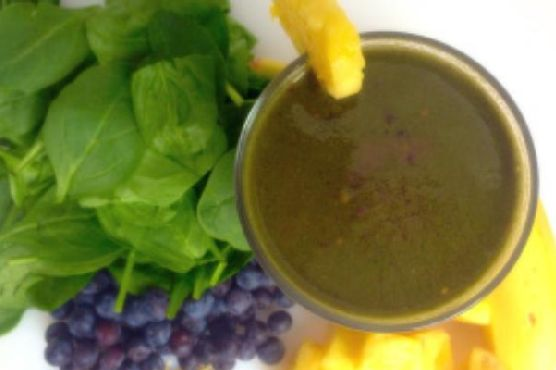
Okay, picture this: It’s a Wednesday morning, you hit snooze one too many times, and now you’re rushing around trying to make it out the door on time. You want something quick, healthy, and delicious to kick-start your day. That’s exactly how I stumbled upon this Tropical Banana Green Smoothie. I was in dire need of something refreshing and energizing, yet easy enough to throw together in less than five minutes. This smoothie checks all those boxes and more. It’s like a mini tropical vacation in a glass, and while it sounds fancy, it’s really just a few simple ingredients blended into creamy perfection. Trust me, one sip of this and you’ll forget all about your hectic morning. Jump to Recipe
What You’ll Need
This smoothie is all about using what you have on hand and embracing the refreshing flavors of the tropics. Chances are you already have most of this in your kitchen.
- 1 ripe banana
- 1 cup pineapple, fresh or frozen
- 1 cup coconut water
- 1/2 cup blueberries, fresh or frozen
- 1 scoop protein powder (vanilla works great!)
- 1 handful mixed spinach
How to Make TROPICAL BANANA GREEN SMOOTHIE
- Peel and slice the banana. If you’re using frozen pineapple, you can skip this step for now. If fresh, chop it into chunks. This will add to the creaminess.
- In a blender, add the banana slices and pineapple chunks. Pour in the coconut water. This will be the base of your smoothie, giving it that tropical flair.
- Throw in the blueberries and the scoop of protein powder. The blueberries add a pop of color and a hint of sweetness that complements the tropical vibes.
- Top it off with a generous handful of mixed spinach. Don’t worry; the taste is so mild, you won’t even notice it’s there (your body will, though!).
- Blend on high until the mixture is smooth and creamy. You’ll know it’s ready when there are no more visible chunks and the blend is a beautiful, vibrant green.
- Pour into your favorite glass, pop in a fun straw, and savor your mini-vacation in a cup.
Cook’s Notes
This smoothie is incredibly forgiving, so feel free to adjust the ingredient quantities to suit your taste. If you prefer a thicker smoothie, use frozen fruit or add a couple of ice cubes before blending. For those with a sweet tooth, a splash of honey or agave nectar can take it to another level.
It’s best enjoyed fresh, but if you’re in a time crunch, you can make it the night before. Just give it a quick stir or shake in the morning. As for leftovers, store in an airtight container in the fridge for up to one day; beyond that, it tends to lose its vibrancy and freshness.
Make It Your Own
- Swap the coconut water with almond milk for a creamier texture and a nutty undertone.
- Add a tablespoon of chia seeds before blending for an extra boost of fiber and omega-3s.
- Replace the spinach with kale for a more robust green flavor.
- For a tropical twist, throw in a few mint leaves during blending.
If you try this, I’d love to hear how it turns out — drop a comment or tag me! Let’s turn those chaotic mornings into something a bit more delightful, one smoothie at a time!
Related update: TROPICAL BANANA GREEN SMOOTHIE
Related update: Protein Strawberry Smoothie

So there I was, rummaging through my pantry on a Sunday night, searching for something—anything—that could pass as a make-ahead breakfast for the hectic week ahead. You know how it is, right? That moment when you realize you’ve spent a little too much time on the couch binge-watching your favorite series and now the thought of meal-prepping feels like climbing Everest. Enter: chia seed pudding. Honestly, it’s like a little miracle in a bowl. Quick to put together, almost zero cleanup, and it somehow feels like a treat even though it’s packed with all the good stuff. And did I mention it requires zero effort in the morning? Just grab and go. Trust me, once you try this, you’ll wonder how you ever lived without it.
Jump to Recipe
What You’ll Need
This chia seed pudding is all about simplicity, and chances are you already have most of these in your kitchen.
- 2 tablespoons black chia seeds
- 1 cup almond milk
- 1 tablespoon raw agave syrup
- 1/4 teaspoon vanilla extract
- Pinch of salt
- Garnish: raspberries or your favorite berries
How to Make Chia Seed Pudding
- Start by grabbing a small bowl or a mason jar—whatever works for you. Pour in the almond milk, then add the chia seeds, giving them a gentle stir to ensure they begin to soak up the liquid.
- Add the raw agave syrup to the mix. Stirring slowly, add the vanilla extract and a pinch of salt. The salt might seem odd, but trust me, it balances the sweetness perfectly.
- Keep stirring until everything’s combined and the chia seeds are evenly distributed. Cover the bowl or jar, and place it in the fridge overnight. This is when the magic happens—let the chia seeds work their gelling wonder.
- In the morning, check the consistency. If it’s too thick for your liking, stir in a bit more almond milk. Top with fresh raspberries or any berries you fancy, and voilà—breakfast is served!
Cook’s Notes
Here’s the deal: chia seeds can be a little finicky when it comes to absorbing liquid. If you find your pudding too runny, just add a bit more chia seed, stir, and let it sit for another hour. For those of us who love a thicker consistency, you might try reducing the almond milk slightly. And if mornings are as hectic for you as they are for me, make a couple of these at once—they keep well in the fridge for up to four days.
Make It Your Own
- Coconut Dream: Swap almond milk for coconut milk and top with shredded coconut and pineapple chunks.
- Chocolate Indulgence: Mix in a tablespoon of cocoa powder and finish with dark chocolate shavings on top.
- Nutty Flavor: Replace almond milk with cashew milk and add a handful of chopped nuts on top.
- Berry Bonanza: Go wild with mixed berries for a burst of color and flavor.
If you try this, I’d love to hear how it turns out—drop a comment or tag me! Can’t wait to see your delicious creations and don’t forget to enjoy every spoonful. Happy breakfast prepping!
Related update: Chia Seed Pudding
Related update: Dried Fruit and Ginger Scones
Related update: Baked Oatmeal with Dried Cranberries

Last Tuesday, I found myself staring at a pair of plantains languishing on my counter, ripe and just waiting for their moment in the culinary sun. You know those evenings when you’re craving something salty, crunchy, and just a tad spicy, but the thought of another bowl of popcorn just seems so… meh? Enter: Garlic & Spice Plantain Chips. They come together ridiculously fast, are addictive in the best way, and bring the heat without sending you running for a glass of milk. They’re perfect for those late-evening cravings or to impress your friends at a casual get-together. Trust me, once you’ve made them, you’ll be hooked.
Jump to Recipe
What You’ll Need
These ingredients are simple yet punchy. Chances are, you already have most of these sitting in your pantry, just waiting to shine.
- 2 plantains – Look for ones that are more yellow than green for that perfect balance of sweetness and starch.
- 2 tablespoons olive oil – A good drizzle will coat the plantains perfectly.
- 1 teaspoon garlic powder – This adds a savory depth without being overpowering.
- 1 teaspoon paprika
- ½ teaspoon cumin
- ¼ teaspoon cayenne pepper – Adjust to your heat preference, but don’t skip it entirely. It’s the kick you didn’t know you needed.
- Salt, to taste
How to Make Garlic & Spice Plantain Chips
- Preheat your oven to 400°F (205°C). This is the magic temperature where the plantains get crispy but not burnt.
- Line a baking sheet with parchment paper or silicone mats to ensure nothing sticks and cleanup is a breeze.
- Take each plantain and cut off both ends. Make a slit along the entire length of the plantain, and peel off the skin. Don’t worry if it gets a little messy.
- Slice the plantains into thin rounds. Aim for consistency, but don’t stress if they’re not perfect. It adds character!
- In a medium-sized bowl, toss the plantain slices with olive oil, garlic powder, paprika, cumin, cayenne pepper, and a good pinch of salt. Stir until every slice is well-coated with this aromatic mixture.
- Lay the plantain slices on the baking sheets in a single layer. Overlapping leads to chewy rather than crispy chips.
- Bake for 15-20 minutes, flipping them at around 8 or 9 minutes. They’re done when the edges turn a nice golden brown. I like to swap the baking sheets between the top and bottom racks halfway through for even crispiness.
- Remove from the oven and let them cool slightly before diving in. The cooling process is where they really crisp up.
Cook’s Notes
A few things I’ve learned along the way:
- If your plantains are too green, they’ll be tough to peel and less sweet. Too ripe (almost black), and they’ll be overly sweet and not crisp up as much.
- If you’re making a large batch, work in batches so every slice gets proper attention in the oven. Overcrowding is the enemy of crispy chips.
- These chips are best enjoyed fresh, but if you need to store them, let them cool completely and keep in an airtight container. They’ll last for a couple of days, but who am I kidding—they never last that long in my house.
Make It Your Own
Here are a few ways to tweak the basic recipe and make it sing for your taste buds:
- Sweet and Spicy: Add a teaspoon of brown sugar to the spice mix for a sweet heat combo.
- Herbaceous Twist: Swap out the cumin for dried oregano or thyme for a herby hint.
- Citrus Zing: A little lime zest added before baking can give these chips a fresh twist.
- Cheesy Delight: Sprinkle some nutritional yeast for a cheesy flavor without the cheese.
If you give these a try, I’d love to hear how they turn out for you! Drop a comment or tag me in your crunchy chip moments. Enjoy every spicy, crispy bite!
Related update: Garlic & Spice Plantain Chips
Related update: Party Sausage Bites With Pine Nuts

Picture this: It’s a rainy Tuesday evening, and my craving for something warm, spicy, and comforting kicks in. The kind of craving that hits you like a hug when you’ve had one of those long days. I glance around my kitchen and spot the usual suspects — a can of coconut milk, some soy sauce, and a lonely block of tofu that’s been waiting for its moment. It’s the perfect setup for my Thai Coconut Curry Soup. This soup is a game-changer. Quick to whip up, it’s one of those recipes that feels a touch exotic but is totally doable on a weeknight. It’s cozy, fragrant, and brings just the right amount of heat. Trust me, it’s the kind of dish you’ll be daydreaming about long after your bowl is empty.
Jump to Recipe
What You’ll Need
The beauty of this recipe is that it doesn’t require a mile-long list of specialty ingredients. Chances are you already have most of these in your pantry or fridge:
- Canned light coconut milk
- One can’s worth of water
- Red curry paste
- Fresh ginger paste
- Fresh snow peas
- String beans
- Diced carrot
- Fresh whole Thai basil leaves
- Lime juice
- Low sodium soy sauce
- A few splashes of sesame oil
- Chili powder
- Tofu
- Salt
- Red bell pepper
- Black pepper
How to Make Thai Coconut Curry Soup
- Start by bringing the coconut milk and a can’s worth of water just to a boil. You’ll know it’s ready when it’s steaming and about to bubble over, so keep an eye on it.
- Reduce the heat to a low simmer. Add in the red curry paste and fresh ginger paste. Give it a good whisk until both are well-incorporated, and your kitchen is filled with that heavenly aroma.
- Now, toss in the diced carrots and spices, except for the basil leaves. Cover and let them simmer until the carrots are almost soft. Keep them a bit firm — nobody likes a mushy carrot!
- Add the tofu. Cover your pot again and let it all simmer for a few more minutes. The tofu will soak up all those delicious flavors.
- Time to add the remaining ingredients — snow peas, string beans, lime juice, soy sauce, sesame oil, and chili powder. Cover again and simmer just until the beans turn bright green but stay crisp.
- Garnish with strips of red bell pepper and freshly ground black pepper. If you’re feeling indulgent, add a couple of tablespoons of coconut oil when you put in the tofu. That extra coconut flavor is truly amazing!
Cook’s Notes
When making this soup, remember that the texture of your vegetables matters. You want them crisp and vibrant, not overcooked. If you plan to make it ahead, stop cooking just before adding the snow peas and string beans, and finish it off when you’re ready to serve. Store leftovers in an airtight container in the fridge for up to three days. Reheat gently on the stovetop, adding a splash of water if the soup thickens too much.
Make It Your Own
- Swap the tofu for crispy baked chicken if you’re not feeling the plant-based vibes.
- Add a handful of shrimp in the last few minutes of cooking for a pescatarian twist.
- Stir in a spoonful of peanut butter with the curry paste and ginger for a nutty depth of flavor.
- Throw in a cup of cooked rice noodles at the end for a heartier meal.
If you try this, I’d love to hear how it turns out — drop a comment or tag me! I’m always excited to see your delicious creations. Happy cooking!
Related update: Thai Coconut Curry Soup
Related update: Lemon Chickpea & Tomato Stew

It was one of those chilly evenings when I was ransacking through my pantry and fridge, desperately trying to piece together something warm and spicy. You know the feeling, right? When you want something cozy but you’re in no mood to go out for groceries. That’s when this Spicy Lemongrass Soup was born. It’s a comforting bowl that’s surprisingly easy to whip up with just a few special ingredients, like the invigorating lemongrass and bold red dried peppers. The process might seem like a little kitchen adventure, but I promise, it’s one worth embarking on.
Jump to Recipe
What You’ll Need
If you’re anything like me, you’ll be thrilled to find that you probably have most of the ingredients already lounging in your kitchen. The stars of the show are these bold, aromatic components that bring a delightful zing to this dish.
- Fresh lemongrass – gives it that unmistakable citrusy aroma
- Red dried peppers – these pack the punch
- Ginger – fresh is best for that sharp, spicy edge
- Garlic – because when is garlic not invited?
- Vegetable broth – the canvas for all those flavors
- Canned fresh coconut milk – if you can find it, it’s game-changing
- Tofu cubes – protein power
- Snow peas – for a bit of crunch and color
- Mushrooms – umami goodness
- Rice noodles – the slurp factor
- Lime (juice) – the zesty finish
How to Make Spicy Lemongrass Soup
- Start by chopping the lemongrass into 2-inch pieces. Slice each piece down the center. This will release the oils that give the soup its signature fragrance.
- In a large soup pot, combine the lemongrass, vegetable broth, coconut milk, garlic, and ginger. Bring it to a boil over medium-high heat. You’ll know it’s ready when the aroma makes you want to dive right in.
- Once boiling, reduce the heat to low and let it simmer for 30 minutes. The broth should become a golden, aromatic bath of deliciousness.
- After simmering, strain the broth through a cheesecloth to remove the lemongrass stalks. Trust me, they’re not the chewable kind!
- Return the strained broth to a simmer. Add the tofu, mushrooms, snow peas, and rice noodles. Stir them gently so they mingle and absorb all that flavor.
- Squeeze in the lime juice whenever the mood strikes—early on for a tangy infusion, or at the end for a fresh kick. I like a bit at the start and a bit at the end.
- Simmer until the noodles are soft and the snow peas still have a slight crunch. You’ll see the edges of the pot starting to bubble as the aroma fills the room.
- Serve hot, garnishing with a sprinkle of grated ginger or some fresh scallions if you have them.
Cook’s Notes
Oh, the lemongrass! It’s the heart and soul but remember, it’s not meant to be chewed. Straining it out is crucial unless you enjoy a mouthful of fibrous stalks. This soup can be prepped a day ahead; just store the broth separately and add the noodles when reheating. Leftovers? They keep well in the fridge for a couple of days, but the noodles will get softer, so maybe add those fresh if you’re planning a day-two soup fest.
Make It Your Own
- Swap the tofu for crispy tofu or even shredded cooked chicken for a different texture.
- Throw in some sliced bell peppers for extra color and crunch.
- Use zucchini noodles instead of rice noodles for a lighter, veggie-packed version.
- If you love heat, add an extra handful of red dried peppers or a dash of chili oil on top before serving.
So, there you have it! If you try this Spicy Lemongrass Soup, I’d love to hear how it turns out—drop a comment below or tag me on social media. Happy cooking, my kitchen adventurers!
Related update: Spicy Lemongrass Soup
Related update: Thai Coconut Curry Soup

I remember the first time I tried to make Bing’s Mango Salsa. It was one of those sweltering summer days where the air conditioner is doing its best but you’re still considering just living in the fridge. I was craving something refreshing yet spicy to liven up my grilled chicken, and I had a bunch of mangoes sitting on the counter looking a bit too ripe. So, I dove into making this salsa, which turned out to be not only insanely delicious but also incredibly easy to whip up. It’s the kind of recipe you love because it makes you look like a culinary rock star with minimal effort—and it’s perfect for those last-minute BBQ invites. The combination of the sweet mangoes, zesty lime, and spicy chilis is like a little tropical vacation in a bowl. You know you need this in your life.
Jump to Recipe
What You’ll Need
The best part? Chances are you already have most of these ingredients, and they’re all about celebrating fresh, vibrant flavors.
- Sweet mangoes — the star of the show, ripe but not mushy
- Lime zest and juice — for that zesty punch
- A handful of mint leaves — or swap with coriander if you’re feeling rebellious
- 1-2 shallots or a small red onion — sliced paper-thin
- Salt and black pepper — to taste
- A sprinkle of sugar — just a pinch to balance things out
- Fresh chili — dial up the heat as per your taste
How to Make Bing’s Mango Salsa
- Start by dicing the mangoes into small cubes, about 1.5cm each. This size is perfect for ensuring every bite is juicy and flavorful.
- Toss the mango cubes into a large mixing bowl and grate the zest of one lime over them. The fragrance will hit you immediately — heaven!
- Squeeze the juice from half a lime into the bowl. Stir well, and remember, a little more lime juice can be added later if needed.
- Finely chop a bunch of mint leaves (or coriander if you’re in that camp). Add these to the bowl and give it a good mix.
- Slice the shallots or red onion as thin as you can and mix them into the mango concoction. Stir after each addition, trust me, it’s magical.
- Season with 1/2 teaspoon of salt and black pepper. Add 1 teaspoon of sugar, then stir and taste. Adjust these to your liking — it should be a delightful balance of savory, sweet, and tangy.
- Finally, chop the chillis and add them cautiously. Mix well, and taste as you go to achieve your preferred spice level.
- Cover the bowl with cling wrap and let it chill in the fridge for at least 30 minutes. This chilling time lets the flavors meld beautifully.
- Keep it chilled until you’re ready to serve. It’s best enjoyed fresh!
Cook’s Notes
Here’s a few things I’ve learned along the way:
- If you make this ahead of time, give it a good stir before serving as the juices tend to settle at the bottom.
- Leftovers can be stored in the fridge for up to 2 days, but trust me, it rarely lasts that long!
- Be mindful of the type of chili you use. Some can be much spicier than others, so add them slowly until you reach your desired heat level.
- This salsa is versatile. While it’s heavenly with grilled chicken or fish, it also makes a fantastic topping for tacos or a dip with tortilla chips.
Make It Your Own
Want to switch things up? Here are some fun variations:
- Swap the mint leaves with cilantro if you’re a fan of its bold flavor.
- Try adding some diced avocado for an extra creamy texture.
- Use pineapple or peach instead of mango for a different sweet twist.
- If you’re not a fan of heat, replace chilis with bell peppers for a milder version.
If you try this, I’d love to hear how it turns out—drop a comment or tag me! Let’s keep the kitchen adventures going. 🍍🌶️
Related update: Bing's Mango Salsa

It was one of those days where I stood in front of the open fridge, hoping dinner would magically appear. You know the type, right? The sun had made a surprise appearance after a string of dreary days, and suddenly all I wanted was something fresh, vibrant, and maybe a little unexpected. That’s when the neglected oranges rolled into view, nestled next to a couple of perfectly ripe avocados. Bingo! Avocado and Orange Salad with Orange-Ginger Dressing was on the menu. It’s a salad that feels like sunshine on a plate — quick to prepare, yet impressive enough that you’ll feel like you’ve done something special. It’s got that killer combo of creamy and tangy, with the zing of ginger giving it an extra twist. Seriously, this salad is a game-changer for those nights when you want something different but can’t be bothered with too much fuss.
Jump to Recipe
What You’ll Need
This salad is all about the ingredients speaking for themselves. Chances are you already have most of this hanging around your kitchen.
- Avocados – ripe but still firm
- Oranges – sweet and juicy
- Green onions
- Orange juice – fresh is best
- Lemon juice
- Fresh ginger paste
- Agave syrup
- Olive oil
- Salt and pepper
How to Make Avocado and Orange Salad With Orange-Ginger Dressing
- Start by peeling your oranges. Cut them into segments, saving any extra juice for the dressing. Arrange the orange segments and avocado slices so they’re overlapping slightly on a platter. It should look effortlessly gorgeous.
- Take the leftover orange carcass and give it a good squeeze all over the salad, letting that sweet juice mingle with the creamy avocado. This is what dreams are made of.
- Next, slice up some green onions and sprinkle them over the salad. A pinch of salt here too to bring everything together.
- Cover the platter with cling film and pop it in the fridge. Let it chill out until you’re ready to serve.
- For the dressing, blend together orange juice, lemon juice, fresh ginger paste, agave syrup, and olive oil. Make sure to taste it — you want it balanced, so add salt and pepper as needed.
- Right before serving, pour the dressing generously over the salad. Watch as it glistens and coats everything beautifully, inviting you to dig in.
Cook’s Notes
If you’re prepping this ahead of time, keep the salad and dressing separate until you’re ready to serve. The citrus will keep the avocados from browning, but it’s always best fresh. Leftovers can be stored in the fridge for a day, but the avocados might get a bit soft. I recommend making just enough for the meal to keep everything at its peak. One more tip: make sure the ginger paste is as fresh as possible — it’s key to that lovely zing!
Make It Your Own
- Swap out the green onions for thinly sliced red onions if you prefer a bit more bite and color.
- Add some toasted almonds or walnuts for crunch. They pair beautifully with the creamy avocado.
- If you’re feeling adventurous, try adding thin slices of fennel for a mild anise flavor and an extra bit of crunch.
- For a bit of spice, sprinkle some chili flakes over the salad before drizzling with the dressing.
If you try this, I’d love to hear how it turns out — drop a comment or tag me! There’s something about this salad that just feels like a little bit of sunshine in a bowl, and I hope it brings some brightness to your table too. Enjoy, friends!
Related update: Avocado and Orange Salad With Orange-Ginger Dressing
Related update: Citrus Arugula Salad with Seared Scallops

Picture this: it’s a sweltering summer afternoon, and you’re yearning for something refreshing yet a little out of the ordinary. You’ve already got one foot in the kitchen, rifling through the freezer, when you stumble upon a forgotten stash of frozen raspberries. Suddenly, inspiration hits you like a cool breeze. Why not whip up a sorbet that’s as tart as your mood and just a tad mischievous, with a spicy kick to keep things interesting? This Tart Raspberry Sorbet with a Hint of Heat is exactly what you need. It’s the kind of recipe that doesn’t just cool you down but also gives your taste buds a little wake-up call. Plus, it’s ridiculously easy to make—perfect for those moments when you want to impress but can’t be bothered with a culinary masterpiece.
Jump to Recipe
What You’ll Need
You might already have most of these tucked away in your pantry and freezer, which makes this sorbet a breeze to throw together on a whim.
- Frozen raspberries – The star of the show, bringing their tart and vibrant flavor.
- Raspberry jam – For an extra burst of raspberry goodness and a bit of sweetness.
- White grape juice – To lend a subtle sweetness and some liquid gold.
- Cardamom powder – Adds an exotic warmth that pairs beautifully with the raspberries.
- Green chili – Just a little, for that unexpected kick.
- Lime juice – To enhance the tartness and add a citrusy zing.
How to Make Tart Raspberry Sorbet with a Hint of Heat
- In your food processor, combine the frozen raspberries, raspberry jam, and white grape juice. Add a pinch of cardamom powder, a small piece of green chili, and a generous squeeze of lime juice.
- Process the mixture until it’s smooth and vibrant. Listen for the change in sound as the chunks of raspberry become a luscious puree.
- Push the mixture through a fine strainer to remove most of the seeds. This part might seem tedious, but trust me, your teeth will thank you later.
- Transfer the silky mixture to a container, cover, and pop it in the freezer. Every couple of hours, check on it and give it a good stir. This keeps the texture smooth and prevents large ice crystals from forming.
- As the sorbet nears the end of its freezing journey, consider shaping it into enticing balls using an ice cream scoop or a large spoon. It’s not just about looks—it helps the sorbet melt evenly when served.
- Once frozen, let your sorbet thaw for a few minutes before serving. This little pause is crucial, especially if your freezer tends to be overzealous.
Cook’s Notes
Let’s talk about some nuances that can take this sorbet from good to unforgettable. First off, if you’re worried about the heat, start by adding just a sliver of green chili. You can always add more, but you can’t take it out. As for storage, this sorbet keeps well in the freezer for up to two weeks, though it’s best enjoyed within the first few days when the flavors are at their peak.
If you’re planning ahead, make the sorbet the day before you want to serve it. This allows it to firm up perfectly. If you end up with leftovers (unlikely, but it happens), let them soften a bit before diving back in.
Make It Your Own
This sorbet is a canvas for your creativity. Here are a few ideas to make it uniquely yours:
- Swap the raspberries for frozen strawberries for a sweeter, less tart version.
- If you’re a mint fan, add a handful of fresh mint leaves to the food processor for a refreshing twist.
- Looking for an adult-only version? Replace the white grape juice with a splash of Prosecco or a sweet white wine.
- For a nutty contrast, sprinkle a handful of toasted pistachios over your sorbet before serving.
If you try this, I’d love to hear how it turns out—drop a comment or tag me! Your adventures in sorbet-land might just inspire someone else to give it a whirl. Enjoy your chill time!
Related update: Tart Raspberry Sorbet with a Hint of Heat
Related update: S’mores-n-berry Bars for National S’mores Day – August 10
Related update: Pumpkin gnocchi with basil and Parmesan
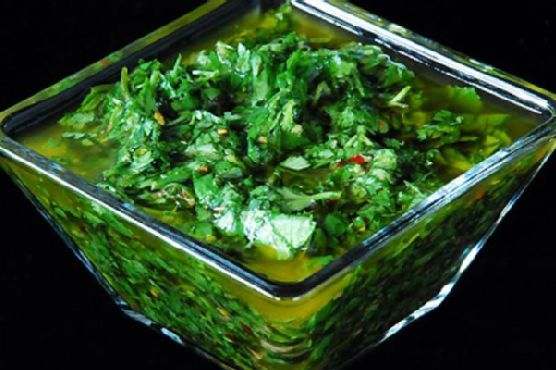
It was one of those evenings when the fridge light flickers on to reveal a collection of *almosts* — almost enough of this, almost enough of that. As I stood there contemplating the remnants of the weekend’s cooking adventures, the memory of a tangy, herby sauce came to mind, something quick yet transformative: Chimichurri. Perfect for those nights when you crave something more than just a meal — a bright, green punch of flavor to enliven whatever protein you can scrounge up. Plus, it’s one of those recipes that’s practically foolproof and endlessly adaptable. Trust me, your taste buds will thank you, and your fridge’s odds and ends might just disappear in the best way.
Jump to Recipe
What You’ll Need
I love this ingredient list because chances are, you already have most of these lying around! Here’s what you’ll need to whip up some magic:
- Parsley – the base of our green goodness
- Cilantro – for that citrusy zing
- Garlic cloves – because what’s a sauce without garlic?
- Red wine vinegar – sharp and tangy
- Olive oil – rich and smooth
- Salt – to balance and enhance
- Black fresh ground pepper – for a touch of warmth
- Red pepper flakes – a hint of heat
- Capers – optional, but they add a lovely brininess
How to Make Chimichurri
- Chop the parsley and cilantro until they’re finely minced, releasing a vibrant, fresh aroma. Toss them into a medium mixing bowl.
- Mince the garlic cloves and add them to the bowl, stirring until these aromatic delights are evenly distributed among the greenery.
- Pour in the red wine vinegar, then sprinkle in the salt, black pepper, and red pepper flakes. Stir gently, letting the fragrance of the vinegar meld with the herbs.
- Slowly drizzle in the olive oil, stirring as you go, until everything is well-coated and glistening. The mixture should be thick, not soupy, holding together beautifully.
- Let the chimichurri sit for about 30 minutes. As it rests, the flavors will meld together, creating that punchy, tangy blend that’s oh-so-addictive.
Cook’s Notes
Chimichurri is all about balance and personal preference. If you find the sauce too tangy, add a bit more olive oil. Too mild? A pinch more salt might do the trick. I like to make it ahead of time and let it sit in the fridge overnight — the flavors just seem to get better. Store any leftovers in a tightly sealed jar in the refrigerator; it should stay fresh for about a week. Just give it a good stir before using it again. And remember, this isn’t just a sauce for meats; drizzle it over roasted veggies or even mix it into your scrambled eggs for a herby twist.
Make It Your Own
- Swap the cilantro for fresh mint for a refreshing spin that’s perfect over lamb.
- Add a teaspoon of lemon zest for a citrusy burst that pairs beautifully with grilled fish.
- Incorporate some finely chopped shallots for a subtle sweetness and depth.
- Replace red wine vinegar with apple cider vinegar for a slightly sweeter, fruitier undertone.
If you try this, I’d love to hear how it turns out — drop a comment or tag me in your photos! Let’s see those creative tweaks and the delicious results. Happy saucing!
Related update: Chimichurri

Last Tuesday, I found myself staring into the abyss of my fridge after what felt like the longest day ever. You know the kind — the kind where your brain feels like mush and you just want something cozy and satisfying. That’s when I concocted this dreamy dish: Creamy Mushrooms Over Soba Noodles. It’s a lifesaver for those nights when you crave comfort without the fuss. This recipe is incredibly creamy, perfectly garlicky, and has just the right amount of freshness from the lemon and thyme. Plus, it’s all vegan! Trust me, this is one you’ll want to keep in your back pocket for any occasion.
Jump to Recipe
What You’ll Need
I bet you already have most of these on hand. It’s all about those mushrooms and the creamy sauce that makes this dish sing.
- Earth Balance buttery spread – 2 tablespoons, divided
- Cremini and white mushrooms – a mix, sliced
- Garlic – 3 cloves, minced
- All-purpose flour – 1 tablespoon
- Unsweetened soy milk – 1 cup
- White wine – 1/4 cup (optional, but highly recommended!)
- Fresh thyme – a few sprigs plus more for garnish
- Lemon juice – from half a lemon
- Salt and pepper – to taste
- Soba noodles – 8 ounces
How to Make Creamy Mushrooms Over Soba Noodles (Vegan)
- Start by melting 1 tablespoon of the Earth Balance in a large sauté pan over medium heat. Toss in the mushrooms and garlic, stirring occasionally until the mushrooms are dark, reduced, and oh-so-fragrant. This should take about 5-7 minutes.
- Set those lovely mushrooms aside. In the same pan, melt the remaining tablespoon of Earth Balance. Sprinkle in the flour and stir continuously for about a minute to form a roux. It should smell slightly nutty and golden.
- Slowly pour in the soy milk, whisking as you go to avoid any lumps. Keep stirring until the mixture is smooth and has thickened into a luscious sauce.
- Return the mushrooms to the pan, and add the lemon juice, thyme, salt, and pepper. Pour in the white wine and let the sauce simmer until it’s reduced and has reached a consistency that coats the back of a spoon.
- Meanwhile, cook your soba noodles according to the package instructions. Drain and divide them among your bowls.
- Ladle the creamy mushroom sauce over the noodles, garnish with extra thyme if you’re feeling fancy, and dig in!
Cook’s Notes
Here’s the deal: this dish is forgiving, so don’t stress too much. If you accidentally add too much soy milk, just let it reduce a bit longer. It might be tempting to skip the white wine, but it really adds depth to the sauce. If you’re cooking for one, the leftovers are a blessing — the flavors meld beautifully overnight. Just store them in an airtight container in the fridge, and reheat gently on the stove or microwave with a splash of soy milk to loosen the sauce.
Make It Your Own
- Swap the soba noodles for zucchini noodles if you’re keeping it low-carb.
- Add a handful of spinach or arugula when you add the mushrooms back to the sauce for extra greens.
- If you’re out of white wine, a splash of vegetable broth can add that needed umami punch.
- For a nutty twist, sprinkle toasted sesame seeds over the finished dish.
If you try this, I’d love to hear how it turns out — drop a comment or tag me! Happy cooking, and remember that sometimes the best dishes come from those moments of pure inspiration in front of an open fridge. Enjoy!
Related update: Creamy Mushrooms Over Soba Noodles (Vegan)
Related update: Polenta Pie With Italian Toppings

Picture this: it’s the peak of summer, and I’m standing in my kitchen, trying to figure out a way to cool off and use up the abundance of strawberries I overzealously picked at the farm last weekend. That was the moment when the idea of roasted strawberry coconut milk ice cream popped into my head. This recipe is a savior when the sun is relentless, with its creamy texture and the lush, roasted notes of strawberries and vanilla that take me to a blissful place. Plus, it’s a dairy-free treat that doesn’t skimp on flavor. One bite, and it’s like a mini-vacation!
Jump to Recipe
What You’ll Need
Chances are you already have most of this in your pantry or fridge. We’re keeping it simple, yet the flavors are anything but.
- 1 pound fresh strawberries
- 1/2 cup raw cane sugar, divided
- 1 can full-fat coconut milk
- 1 teaspoon ground cardamom
- 1 vanilla bean
How to Make Roasted Strawberry Coconut Milk Ice Cream
- Preheat your oven to 350°F (175°C). Hull and halve the strawberries, then toss them with 1/4 cup of the raw cane sugar. Spread them out on a baking sheet lined with parchment paper. Roast in the oven for about 25 minutes, until they’re soft, syrupy, and a little caramelized around the edges.
- In a saucepan over medium heat, combine the full can of coconut milk, the remaining 1/4 cup of raw cane sugar, and the cardamom. Using a small knife, split the vanilla bean lengthwise and scrape the seeds into the coconut milk mixture. Toss in the vanilla pod too, because why not? Let it heat gently until it’s steaming and the sugar dissolves completely.
- Remove the saucepan from the heat and let the mixture steep for about 10 minutes, allowing the vanilla to infuse through the coconut milk. Remove the vanilla bean pod after steeping.
- Once the strawberries have cooled slightly, blend them until smooth (a few chunky bits are fine if you like texture). Stir the strawberry puree into the coconut milk mixture, giving it a pretty pink hue.
- Transfer the mixture to a bowl and refrigerate until thoroughly chilled, at least a couple of hours. If you’re impatient like me, you can speed this up by placing the bowl in the freezer and stirring every 15 minutes.
- Pour the chilled mixture into an ice cream maker and churn according to the manufacturer’s instructions until it reaches a soft-serve consistency.
- Transfer to an airtight container and freeze for at least four hours or until firm enough to scoop.
Cook’s Notes
This ice cream is best made a day in advance to allow the flavors to meld and develop. If you find yourself without an ice cream maker, no worries! You can pour the chilled mixture into a loaf pan, freeze it, and stir every 30 minutes for a few hours until it starts to freeze evenly. Just keep in mind that the texture won’t be as creamy as churned. Store leftovers (if there are any!) in the freezer for up to two weeks, but it’s so good, I doubt it’ll last that long.
Make It Your Own
- Swap the strawberries for raspberries or blackberries for a tangy twist.
- Add a tablespoon of balsamic vinegar with the strawberries before roasting for a sophisticated touch.
- Stir in some chopped dark chocolate right before the ice cream sets for a delightful crunch.
- Boost the flavor with a tablespoon of rum or bourbon in the coconut milk mixture before chilling.
If you try this, I’d love to hear how it turns out — drop a comment or tag me! Making this ice cream is like hitting pause on summer’s heat, and I hope it brings you as much joy as it does me. Enjoy! 🍓🌴
Related update: Roasted Strawberry Coconut Milk Ice Cream
Related update: Vanilla Cream Cakes, Easy and Fluffy Holiday Cakes

Last Tuesday morning was one of those days where I just needed a little something extra to kickstart the day. You know the ones — when your brain is stuck somewhere between sleep and waking, your mug of coffee is feeling more like a warm hug than a caffeine fix, and breakfast needs to be something special but not overly demanding. That’s when these Blueberry, Chocolate & Cacao Superfood Pancakes came to the rescue. They’re those perfect pancakes that feel like you’re treating yourself to something really indulgent, yet they’re totally guilt-free. Plus, they’re gluten-free, paleo, and vegan! It’s like a breakfast trifecta. Ready to dive in? Trust me, these are worth the short time it takes to whip them up.
Jump to Recipe
What You’ll Need
Here’s the best part: chances are you already have most of these goodies hanging out in your pantry. No need for a special trip to the store when the craving hits!
- Almond flour
- Coconut flour
- Tapioca or arrowroot flour
- Nut, hemp, or coconut milk
- Baking powder
- Vanilla bean paste or extract
- Himalayan sea salt
- Frozen blueberries
- Cacao nibs
- Dark chocolate
How to Make Blueberry, Chocolate & Cocao Superfood Pancakes – Gluten-Free/Paleo/Vegan
- Grab a mixing bowl and combine the almond flour, coconut flour, and tapioca or arrowroot flour with the baking powder and a pinch of Himalayan sea salt. Give it a good mix until everything is nicely blended.
- Pour in the nut, hemp, or coconut milk along with the vanilla bean paste or extract, and whisk it all together until you have a smooth, dreamy batter. Let this beauty sit for 10-15 minutes. It’s like letting the batter take a mini-vacation to thicken up.
- Heat a smidge of coconut oil in your favorite skillet over medium heat. Once it’s warm and cozy, pour just enough batter into the center to form a pancake.
- Cook until the edges start to brown and you see bubbles gracing the surface. This is your cue to sprinkle a few blueberries on the pancake.
- Flip the pancake with confidence, cook for another minute or two, then immediately sprinkle cacao nibs and dark chocolate on the top. Let them melt and meld into pure bliss.
- Remove the pancake once fully cooked and repeat with the rest of the batter. Stack them up, drizzle with a little agave if you’re feeling it, and savor the moment!
Cook’s Notes
These pancakes are wonderfully adaptable, so don’t stress if you’re missing an ingredient. You can even mix the dry ingredients the night before to save a few precious minutes in the morning rush. Storing leftovers? Just pop them in an airtight container in the fridge, and they’re good for a couple of days. Reheat in a skillet over low heat or simply enjoy them cold. Making a larger batch and freezing them is also an option; just layer parchment paper between each pancake to keep them from sticking together.
Make It Your Own
- Swap out the frozen blueberries for fresh raspberries or chopped strawberries for a berry twist.
- Substitute the cacao nibs with crushed pecans or walnuts for a nutty crunch.
- If you’re not strictly vegan, a spoonful of Greek yogurt with honey makes an unbeatable topping.
- For a tropical flair, toss in a handful of shredded coconut before flipping.
If you try this, I’d love to hear how it turns out — drop a comment or tag me! Enjoy every delicious bite of these pancakes, knowing you’re starting the day in the best way possible. 😊
Related update: Blueberry, Chocolate & Cocao Superfood Pancakes – Gluten-Free/Paleo/Vegan
Related update: Breakfast Biscuits and Gravy

It was one of those dreary, chilly afternoons when all I wanted was to bury myself under a blanket with something sweet and comforting. My pantry was a hodgepodge of half-empty flours, a lonely can of pumpkin puree, and the remnants of a bag of chocolate chips. But somehow, out of that chaos, a masterpiece was born: the Pumpkin Pecan Streusel Cake. It’s like fall in every bite and the best part? You won’t find any gluten, soy, or animal products here. This cake is not only ridiculously delicious but also caters to almost every dietary restriction. And let’s be honest, anything with a streusel that’s crunchy with pecans and a drizzle of chocolate glaze is bound to be a crowd-pleaser.
Jump to Recipe
What You’ll Need
You probably have most of these ingredients lurking around your kitchen already. It’s a collection of pantry staples and a few key items, so grab your measuring spoons and let’s dive in.
- **Red brown rice flour**
- **Gluten free oat flour**
- White rice flour
- Sorghum flour
- Tapioca flour
- Light firmly brown sugar
- **Roasted pumpkin puree**
- Coconut yogurt
- Bananas
- Earth Balance soy-free spread
- **Pecans**
- Enjoy Life brand chocolate chips
- **Ground ginger**
- **Ground nutmeg**
- **Aluminum-free baking soda**
- **Aluminum-free baking powder**
- Kosher salt
- Apple cider vinegar
How to Make Pumpkin Pecan Streusel Cake – gluten free, soy free, vegan
- First things first, preheat your oven to 350°F (175°C). Let’s get this cake going!
- Mix the flours, brown sugar, cinnamon, and kosher salt in a small bowl. Add the Earth Balance spread and get your hands in there until the mix looks like coarse crumbs. Toss in the pecans and mix. Set aside this delightful streusel topping.
- Next up, measure your coconut milk and add the apple cider vinegar. Let it sit and work its magic till it looks all sour-creamy.
- In a medium bowl, whisk together the remaining flours, baking powder, baking soda, ground ginger, ground nutmeg, and kosher salt.
- In your mixer bowl, beat the Earth Balance and brown sugar together until they’re best friends, fluffy and well-mixed. Add the mashed banana, scraping down the sides of the bowl as needed. Follow with the pumpkin puree and your sour cream-esque coconut milk mixture. Mix on low speed till smooth.
- Throw in your flour mixture and stir until combined. The batter’s going to be thick, but that’s what we’re aiming for here.
- Spread half of this gloriously thick batter into a prepared cake pan. Sprinkle with half of that irresistible streusel. Layer on the remaining batter and spread it out evenly before topping with the rest of the streusel.
- Bake for 55-60 minutes. You’re looking for a clean toothpick when inserted into the center. Cool in the pan on a stovetop for 40 minutes. Patience, my friend.
- Once cooled, gently loosen the sides of the cake with a non-scratch knife, lift it out, and let it chill in the fridge for an hour.
- Meanwhile, melt the chocolate chips with Earth Balance over simmering water for a glossy glaze. Let it cool for a bit before drizzling over the cake.
- Remove the protective parchment paper and voila! You’ve got yourself a cake that’s ready to be devoured. Serve chilled or at room temp — your call!
Cook’s Notes
Now here’s the scoop: this cake loves a good chill in the fridge. It helps the flavors meld and makes slicing a breeze. Got leftovers? Keep them wrapped up in the fridge and they’ll stay fabulous for up to five days. If you prefer to prepare in parts, make the streusel in advance and keep it in the fridge for up to two days. Just don’t try to rush the cooling process. Trust me, it’s worth the wait for that perfect slice.
Make It Your Own
These swaps will keep things interesting, so don’t be shy about experimenting:
- Swap out the pecans for walnuts if you’re feeling nutty in a different way.
- Use mashed sweet potatoes instead of pumpkin for a twist on flavor.
- Try adding a teaspoon of espresso powder to the glaze for a mocha flair.
- If chocolate chips aren’t your thing, drizzle with a simple sugar glaze instead.
If you try this, I’d love to hear how it turns out — drop a comment or tag me! This cake has become a personal favorite, and I hope it brings as much joy to your table as it does to mine. Happy baking!
Related update: Pumpkin Pecan Streusel Cake – gluten free, soy free, vegan
Related update: Cranberry-Orange Pistachio Chip Cookies