
One chilly Tuesday evening, I found myself rummaging through the pantry, desperate for something that would warm the soul and fill the bellies of my family. You know those days when the weather outside is just plain miserable, and you need a hug in a bowl? Enter: my Chicken Stew For The Soul. It’s not just any stew—it’s packed with cozy spices and creamy coconut milk, making it both comforting and slightly exotic. Plus, it’s a one-pot wonder, which means less time scrubbing dishes and more time savoring every bite. Honestly, it might just be the ultimate excuse to whip out those spices you’ve got tucked away in the back of your cupboard.
Jump to Recipe
What You’ll Need
This recipe keeps things straightforward with ingredients you probably have at home, except for maybe a couple of spice stars. No need for a fancy shop run!
- Chicken – the heart of the stew
- Mustard seeds
- Cinnamon stick, broken
- Cardamoms
- Ginger-garlic paste
- Sliced onion
- Curry leaves
- Green chillies
- Ground coriander
- Red ground chilli
- Ground turmeric
- Cubed potatoes
- Coconut milk
- Garam masala
- Salt
- Lemon juice
- Chopped fresh coriander
How to Make Chicken Stew For The Soul
- Sliced onions, slit the chillies, and cube those potatoes like a pro. Keep them aside for later.
- In a heavy-bottomed pan (or pressure cooker for speed demons), heat some oil. Toss in mustard seeds until they splutter with joy.
- Add the cinnamon stick and cardamoms. Stir until the air is filled with their warm, inviting aroma.
- Now, throw in the onions, curry leaves, and green chillies. Sauté until the onions are soft and fragrant.
- Introduce the ground coriander to the party, followed by the marinated chicken. Stir well so the chicken gets to know its new spicy friends.
- Cover and let the magic happen. When the chicken is halfway through its transformation, add the cubed potatoes.
- Once the chicken is nearly done, stir in the garam masala, salt, and coconut milk. Let it all simmer until everything is cooked to perfection.
- Turn off the heat, sprinkle with fresh coriander, and let the lemon juice add a zing. And remember, stir it with love!
- Serve hot, preferably with freshly made appams or any bread that’s handy. Don’t forget to savor the aroma before diving in!
Cook’s Notes
Ah, the little things that make a difference! First off, make sure your spices are fresh. If they’ve been lurking in the cupboard since last year, they might need replacing. When stirring the spices and chicken, be patient and let them mingle—it’s where the flavor magic happens. This stew is forgiving, so if you accidentally over-simmer, it only gets better. Leftovers? Yes, please! They’ll taste even richer the next day. Store in an airtight container in the fridge for up to three days or freeze for later.
Make It Your Own
Here are a few variations to keep things interesting:
- Swap the chicken for crispy tofu if you’re going plant-based. Trust me; the spices still shine through.
- If you’re out of coconut milk, try almond milk for a nutty twist, though it won’t be as creamy.
- Add a handful of spinach or kale at the end for a pop of color and nutrition.
- Up the lemon juice for a tangier finish, balancing the creaminess of the coconut milk.
If you try this, I’d love to hear how it turns out—drop a comment or tag me! Your kitchen adventures fuel my culinary soul!
Goes Well With
If you want to round out the meal, here’s what I’d pair it with over on meaghanmoineau.com:
Related update: Chicken Stew For The Soul
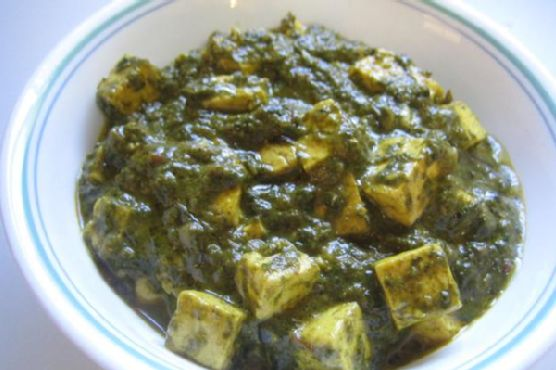
It was one of those chaotic Tuesday evenings, you know the kind, where the clock somehow ticks faster and the fridge looks like a barren desert. I was craving something comforting but also needed it to be quick and not require a last-minute grocery run. That’s when I stumbled upon my trusty block of tofu and a vibrant bunch of spinach sitting in the crisper looking like they might stage a protest if not used soon. Voila, it hit me—Palak-Tofu (or bean curd if you’re feeling fancy)! It’s the kind of dish that feels like a hug in a bowl, creamy yet packed with a punch of spices, and best of all, it comes together in a snap. It’s the perfect blend of Indian flavors that makes you feel like you’ve put in way more effort than you actually did. Ready to dive in?
Jump to Recipe
What You’ll Need
The beauty of this recipe is that you probably already have most of these staples lurking in your pantry or fridge. Here’s the lineup:
- 1 tbsp oil
- 2 onions, finely chopped
- 1 tbsp ginger-garlic paste
- 2-3 green chillies, chopped (adjust depending on how spicy you’re feeling)
- 1 tomato, chopped
- 3 cups palak (spinach), washed
- 1 block tofu, cut into cubes
- Salt to taste
- 1/2 tsp turmeric
- 1 tsp coriander powder
- 1/2 tsp cumin seeds
- 1 tsp kasuri methi (dried fenugreek leaves)
- 1/4 cup cream or milk
- 1 tbsp butter
- 1/2 tsp garam masala
How to Make Palak-tofu (bean curd)
- In a pan, heat 1 tablespoon of oil over medium heat. Add the chopped onions and sauté them until they’re golden brown. The aroma is the first hint you’re on the right track.
- Add the ginger-garlic paste to the onions and stir for about a minute until the raw smell disappears. Toss in the green chillies and chopped tomato, sautéing until the tomatoes soften and meld into the mix.
- Add the washed spinach leaves in their full glory. Sauté them for about 5 minutes until they wilt down, looking like a fraction of their former selves. Let this mixture cool.
- Once cooled, blend the spinach mixture to a coarse paste and set it aside.
- In the same pan, add another tablespoon of oil and sauté the tofu cubes. Sprinkle a pinch of salt and turmeric over them, stirring for about 2 minutes to give them a nice golden tan. Remove and set aside.
- Return the spinach paste to the pan, seasoning with salt and coriander powder. Let it cook slowly for about 10 minutes, allowing the flavors to deepen.
- Add the sautéed tofu cubes to the pan, mixing well. Crumble the kasuri methi between your palms to release its aroma before adding it to the pan.
- Pour in the cream or milk, stirring to combine. Cover the pan and let it simmer on a low flame for 5 minutes. The mixture should look creamy and inviting.
- Finish with a dollop of butter for richness and a sprinkle of garam masala for that final flavor burst. Serve hot with roti or paratha.
Cook’s Notes
Here’s the thing: you can make parts of this dish ahead if batch cooking is your jam. The spinach paste can be made a day ahead and stored in the fridge. Just warm it up and follow the rest of the recipe when you’re ready to serve.
- Don’t rush the sautéing of onions; it sets the flavor base.
- Make sure to cool the spinach mix before blending. Hot ingredients in a blender can be hazardous (hot splashes are no fun).
- Leftovers keep well in the fridge for up to 3 days. Just reheat gently, adding a splash of milk if it’s too thick.
Make It Your Own
- Swap the tofu for crispy paneer cubes for a decadent twist.
- Add a handful of green peas for a pop of color and sweetness.
- Use ghee instead of oil for a richer, buttery flavor.
- For a vegan version, swap the cream with coconut milk and omit the butter.
If you try this, I’d love to hear how it turns out — drop a comment or tag me in your kitchen adventures! Let’s make weeknight dinners exciting, one dish at a time!
Goes Well With
If you want to round out the meal, here’s what I’d pair it with over on meaghanmoineau.com:
Related update: Palak-tofu (bean curd)
Related update: Delicious Sausage & Peppers
Related update: One Bowl Jalapeno Cheddar Cornbread
It was one of those evenings when the rain was coming down hard, and I was craving something that felt like a warm hug — that’s when I decided to whip up my go-to Easy Chicken Tikka Masala. You know those nights when takeout sounds tempting, but you also feel like cooking something that’s a little bit special? This dish is perfect for that. It’s like a midweek savior: indulgent enough to feel like a treat but simple enough that you won’t be left with a mountain of dishes. Plus, the aroma of spices simmering on the stove is pure magic. Let’s get you sorted with everything you need to make this cozy delight.
Jump to Recipe
What You’ll Need
This ingredient list is a mix of pantry staples and some spices that really make the magic happen. Chances are you already have most of this on hand, but a trip to the spice aisle might be in order if you’re missing some key players.
- Chicken breasts – about two or three, cubed
- Grape seed oil – or any neutral oil
- Onion – finely chopped
- Garlic – four cloves, minced
- Garam masala
- Cumin
- Coriander
- Turmeric
- Cardamom
- Cinnamon
- Fresh ginger – grated
- Cayenne pepper
- Paprika
- Tomato paste
- Chopped tomatoes – fresh or canned
- Water
- Plain yogurt
- Fresh coriander – for garnish
- Salt – to taste
How to Make Easy Chicken Tikka Masala
- In a small bowl, mix together all the spices, including the grated ginger. This is the magic blend that will bring everything to life.
- Heat the grape seed oil in a large saucepan over medium heat. Add the chopped onion and cook until they turn a beautiful golden brown, releasing their sweetness.
- Add the minced garlic to the pan, and cook for just about a minute until it becomes fragrant. Make sure not to burn it!
- Stir in your pre-mixed spices. Let them cook for a minute or two to infuse the oil with all those wonderful flavors. Your kitchen should smell amazing by now.
- Mix in the tomato paste, stirring until everything is well combined. The paste will deepen in color and start clinging to the onions and garlic.
- Add the chopped tomatoes and pour in the water. Let this simmer gently, and season with salt to taste. You’ll see the sauce start to thicken.
- Introduce the chicken pieces to the pan, stirring well to coat them thoroughly with the sauce. Allow everything to simmer until the chicken is cooked through and the sauce has thickened even more, which should take around 12 minutes.
- Stir in the plain yogurt and continue to simmer for an additional 5 minutes. The yogurt adds a lovely creaminess that ties everything together.
- Garnish with freshly chopped coriander and serve hot, ideally with a fluffy pile of basmati rice to soak up all that goodness.
Cook’s Notes
Okay, let’s talk shop. First off, if you can, prep your ingredients before you start cooking — it makes everything flow so much smoother. This dish loves to be made ahead of time because the flavors deepen as it sits. Just store it in the fridge for up to three days and reheat gently. If it thickens too much, a splash of water or extra yogurt will loosen it right up.
A common pitfall is rushing the onion step — give them the time they deserve to turn that perfect golden brown. Also, feel free to adjust the cayenne pepper to your heat preference; it’s your dinner, after all.
Make It Your Own
Let’s personalize this bad boy a bit:
- Swap the chicken for crispy tofu for a vegetarian twist. Just press and cube your tofu, then fry until crispy before adding it into the sauce.
- Use coconut milk instead of yogurt for a dairy-free version that brings a subtle sweetness to the mix.
- Add a handful of spinach to the sauce right before serving for a pop of color and some extra nutrients.
- For a richer sauce, toss in some cashew cream – simply soak cashews in water, then blend until smooth.
If you try this, I’d love to hear how it turns out — drop a comment or tag me on social media with your delicious creations! Enjoy every bite, friends.
Related update: Easy Chicken Tikka Masala
Related update: Valentine's Chicken Marsala

It was one of those days when everything felt like chaos. You know the kind — the laundry isn’t done, your phone won’t stop buzzing, and you’re pretty sure there’s a science experiment growing in the back of your fridge. I wanted something comforting but not the kind that puts you in a food coma. Enter this Spicy Black-Eyed Pea Curry with Swiss Chard and Roasted Eggplant, a dish that’s fiery, hearty, and soul-soothing without requiring a culinary degree. You start with roasted eggplant that practically melts in your mouth and pair it with earthy black-eyed peas. The spices? Oh, they’re just the thing to lift any gloomy day. Let’s not even talk about how good your kitchen will smell. Trust me, you’ll want to make this more than once.
Jump to Recipe
What You’ll Need
Just a handful of ingredients, really, and chances are you already have most of them tucked away in your pantry. Here’s what you’ll need:
- Cooked dried black-eyed peas
- Curry powder
- Garam masala
- Italian globe eggplant
- Ground coriander
- Ground cumin
- Ground mustard powder
- Lemon (juice)
- Olive oil
- Red and green chilies
- Sea salt
- Shallots
- Trimmed Swiss chard
- Tomato
- Water
How to Make Spicy Black-Eyed Pea Curry with Swiss Chard and Roasted Eggplant
- Rinse the black-eyed peas and soak them in several inches of water for at least 6 hours or overnight. When ready, drain and rinse them, then put them in a large saucepan and cover with fresh water. Bring it to a boil, reduce to a simmer, cover, and let them cook for 40 to 60 minutes. Aim for tender beans that aren’t mushy.
- As your beans are cooking, prep your eggplant. Cut off the stem and bottom edge, then halve it lengthwise. Score each half diagonally without cutting through the skin, sprinkle with salt, and let it sit to release water for 40 minutes. Rinse and gently squeeze out excess moisture.
- Brush the eggplant with olive oil and place in a roasting pan. Bake in a preheated 400°F oven until it looks collapsed and wrinkly. This should take about 25-30 minutes. Once done, let it cool a bit, scoop out the flesh, and drain any excess water it may have.
- In the same pot you used for the peas, heat some olive oil over medium heat. Toss in the shallots and chilies, sautéing for about 2-3 minutes until aromatic and just slightly caramelized.
- Add your spices: curry powder, garam masala, ground coriander, cumin, and mustard powder. Stir constantly for about a minute until the mixture is fragrant, a warm, spicy aroma that fills your kitchen.
- Add the chopped tomato and cook for a few minutes until it starts to break down and meld with the spices. Now, add the roasted eggplant and black-eyed peas, stirring to combine everything.
- Pour in a few tablespoons of water, then gradually add in the Swiss chard. Stir and cook until the greens are wilted and everything is well combined.
- Add lemon juice and sea salt to taste, letting everything simmer for just a couple more minutes. Take it off the heat, cover, and let it rest for a few minutes before serving.
Cook’s Notes
If you’re new to cooking with black-eyed peas, be patient with the soaking and cooking process. It’s easy to overcook them, so keep an eye out for that perfect tenderness. For the eggplant, salting it beforehand removes bitterness and excess moisture, making the roasting process more efficient. If making this dish ahead, note that the flavors deepen overnight, making leftovers something to look forward to. I usually store it in an airtight container in the fridge for up to three days. Reheat on the stove with a splash of water to revive its saucy goodness.
Make It Your Own
Feel free to riff on this recipe with these variations:
- Swap the Swiss chard for kale or spinach if that’s what you have on hand.
- Turn up the heat by adding more chilies or a pinch of cayenne pepper.
- For a creamier texture, stir in a bit of coconut milk right before serving.
- Use chickpeas instead of black-eyed peas for a slightly different, yet equally delicious, experience.
If you try this, I’d love to hear how it turns out — drop a comment or tag me! Each time you make it, it might just end up tasting a little different, but that’s the beauty of home cooking, don’t you think? Enjoy your cozy bowl of goodness!
Related update: Spicy Black-Eyed Pea Curry with Swiss Chard and Roasted Eggplant
Related update: Easy Chicken Tikka Masala
Related update: Italian Tomato and Mozzarella Caprese

Picture this: It’s a gloomy Wednesday evening, and the rain has been tapping on the windows since noon. I’m scouring the pantry for something interesting but comforting, and there it is—an unopened bag of dried fenugreek leaves. This is the perfect excuse to whip up a batch of warm, aromatic Fenugreek Roti. It’s one of those recipes that’s a total lifesaver when you want something homemade but don’t feel like spending hours in the kitchen. The subtle bitterness of the fenugreek combined with the spices makes this dish irresistibly flavorful and oh-so-satisfying. You’ll be hooked at the first bite, I promise.
Jump to Recipe
What You’ll Need
I bet you’ve got most of these goodies stashed away in your spice cabinet. Here’s what you’ll need:
- 1 cup whole wheat flour
- 1/2 cup chickpea flour
- 1/2 teaspoon baking soda
- 1 teaspoon sea salt
- 1/2 teaspoon chili powder
- 1/4 teaspoon cayenne
- 1/2 teaspoon ground cumin
- 1/2 teaspoon ground coriander
- 1 teaspoon ajwain seeds
- 1/4 teaspoon asafetida
- 1 cup dried fenugreek leaves
- 1/2 cup plain yogurt
- Ghee or oil for cooking
How to Make Fenugreek Roti
- Start by soaking the dried fenugreek leaves in some warm water for about 5 to 10 minutes. This will soften them up a bit. Once they’re ready, drain and give them a good squeeze to get rid of excess water.
- In a medium bowl, sift together the whole wheat flour, chickpea flour, and baking soda. This helps keep the batter smooth and lump-free.
- Stir in the sea salt, chili powder, cayenne, cumin, coriander, ajwain seeds, and asafetida. The aroma at this point is already promising!
- Add the soaked fenugreek leaves and plain yogurt to the dry ingredients. Mix everything up nicely.
- Gradually add about 1/4 cup of water to the mixture to form a semi-hard batter. Cover the bowl and let it sit at room temperature for an hour. The rest is crucial for the flavors to meld together.
- After the resting period, dust your hands with some flour and divide the dough into 10 to 12 small balls.
- Roll out each ball into a roughly 3-inch circle. It doesn’t have to be perfect—think rustic charm!
- Heat a non-stick pan over medium heat and brush it lightly with ghee or oil. When it’s hot, place a rolled-out roti on the pan.
- Cook for about 4 minutes or until the bottom is beautifully browned. You’ll start to see some bubbles forming on the surface.
- Sprinkle a little more oil or ghee, flip, and fry for another 2 to 3 minutes until both sides are nicely browned.
- Transfer the cooked roti to a plate and keep it warm in a 150°F oven. Repeat with the remaining dough.
Cook’s Notes
Don’t skip the rest time! It’s tempting to rush, but allowing the dough to rest lets the flavors deepen. You can keep leftovers wrapped in foil and stored in an airtight container in the fridge for up to 3 days. When reheating, a quick toss on a hot pan will bring them back to life. Avoid using too much flour when rolling out, or it might mess with the taste. If you’re making these ahead, par-cook them and finish them off just before serving for the freshest taste.
Make It Your Own
- Spice it up: Add a teaspoon of garam masala for an extra kick.
- Herby twist: Swap fenugreek for freshly chopped cilantro if you want a less bitter flavor.
- Gluten-free option: Use a gluten-free flour blend instead of whole wheat flour, and you’re good to go.
- Cheesy love: Add some grated paneer or cheddar to the dough for a cheesy delight!
If you try this, I’d love to hear how it turns out—drop a comment or tag me! Your kitchen adventures inspire me, and I hope this cozy dish becomes a new favorite in your home. Happy cooking!
Related update: Fenugreek Roti
Related update: Flemish Style Asparagus Side Dish
Related update: Whole Wheat Dinner Rolls

Picture this: it’s a bustling Tuesday evening and I’m standing in my kitchen, rifling through the pantry for dinner inspiration when I stumble upon a bunch of cute, little eggplants. A light bulb moment hits—Hyderabadi baghara Baingan! This dish is like a warm hug, perfect for when you’re craving something rich and tangy yet surprisingly easy to whip up. The eggplants soak up the spiced, nutty goodness, leaving you with a delicious meal that feels like it took hours, but really didn’t. Trust me, even on the busiest days, this is a dish that delivers on flavor with every bite.
Jump to Recipe
What You’ll Need
This isn’t one of those crazy ingredient lists that sends you to five different stores. Chances are you already have most of these at home.
- 10-12 baby eggplants
- 3-4 red Kashmiri chilies
- Coconut
- Coriander seeds
- Cumin seeds
- 8-10 curry leaves
- Garlic
- 1 piece of ginger
- Tamarind, about a lime-sized ball
- Oil
- Onion
- Salt
- Nigella seeds
- Sesame seeds
- Turmeric
- Jaggery
- Peanuts
- Cashews
How to Make Hyderabadi baghara Baingan
- First things first—wash those baby eggplants and pat them dry. You’re going to slit them lengthwise into fours, but keep the stems intact. This way, they hold together nicely in the dish.
- In a separate pan, heat a teaspoon of oil. Toss in the cumin seeds, peanuts, and cashews and fry them for a few seconds until fragrant.
- Add in the ginger, garlic, and chopped onion. Cook this down for about a minute until everything turns soft and golden.
- Sprinkle in the turmeric, coriander seeds, coconut, and Kashmiri red chilies. Keep frying till the mixture turns a lovely brown. Let this cool completely and then blend it into a fine paste with a little water.
- Now, in a thick-bottomed pan, heat some oil and fry the eggplants until they’re brown and tender. This is where they get all soft and lovely. Remove them and set aside.
- In the same oil, add the nigella seeds and let them crackle before stirring in those aromatic curry leaves. Fry for a few seconds to release their flavors.
- Add the ground paste you prepared, along with the tamarind pulp, salt, and jaggery. Mix it all up until it becomes a fragrant, bubbling sauce.
- Gently add the sautéed eggplants and about half a cup of water. Cover the pan and let everything simmer over low heat until the eggplants are cooked through and super soft.
- Serve this hot with rice or rotis, and savor each mouthful of that rich, tangy curry.
Cook’s Notes
Cooking Hyderabadi baghara Baingan is a breeze if you keep a few things in mind. First, ensure the eggplants are fresh and firm for the best taste. If you don’t have Kashmiri red chilies, substitute with any mild red chili for that vibrant color, but be mindful of the spice level. This dish is great the next day too as the flavors deepen overnight, so don’t hesitate to make it ahead of time. Store leftovers in an airtight container in the fridge for up to 3 days. Reheat gently, adding a splash of water if needed to loosen the sauce.
Make It Your Own
Looking to shake things up a bit? Here are a few ways to switch up this recipe:
- Swap the eggplants for zucchini or baby bell peppers for a different twist.
- For a nut-free version, omit the peanuts and cashews and add a tablespoon of almond butter to the paste for richness.
- Dial up the heat by adding a green chili or two to the paste if you’re in the mood for something spicier.
- For a heartier meal, toss in some boiled potatoes along with the eggplants.
If you try this, I’d love to hear how it turns out—drop a comment or tag me! Your feedback makes my day and helps fellow food lovers. Enjoy the cooking adventure!
Related update: Hyderabadi baghara Baingan
Related update: Lamb & Sweet Potato Pot Pie

It was one of those chilly evenings when I found myself standing in front of the fridge, staring at a lonely head of cauliflower. It was one of those days when you crave something warm and cozy but can’t muster the energy for an elaborate meal. That’s when it hit me: Curried Cauliflower Gratin. It’s the perfect union of creamy, spicy, and crispy. This dish is like a comforting hug on a plate, yet it’s surprisingly easy to put together. Plus, it turns the humble cauliflower into something extraordinary, making it a weeknight favorite. Trust me, your taste buds will thank you later.
Jump to Recipe
What You’ll Need
You probably have most of these ingredients in your pantry already. The magic comes from how they all come together to elevate a simple vegetable.
- Cauliflower – the star of the show!
- Canned coconut milk
- Peanut oil
- Shallot
- Fresh ginger
- Garlic
- Curry powder
- Ground cumin
- Ground cardamom
- Ground nutmeg
- Cinnamon
- Flour
- Kosher salt
- Unsalted butter
- Breadcrumbs
- Cumin seeds
- Fresh garnish: cilantro
How to Make Curried Cauliflower Gratin
- Preheat your oven to 400°F. Grease an 8×8-inch baking dish with a bit of butter and set it aside. This will help with easy cleanup later and ensure nothing sticks.
- Steam the whole cauliflower until it’s tender but still holds its shape, about 15 minutes. Once done, let it cool a bit and then slice horizontally into thick slabs.
- In a saucepan over medium heat, warm the peanut oil. Toss in the ginger, shallot, and garlic, and sauté them until they’re soft and aromatic, around 3 to 4 minutes. Your kitchen should start smelling amazing about now!
- Add in the dry spices: curry powder, cumin, cardamom, nutmeg, and cinnamon. Sauté these for another 3 minutes until the spices are fragrant and toasty.
- Sprinkle the flour over the spice mixture and stir it in, cooking for about 2 minutes. This forms the base of your sauce.
- Slowly whisk in the coconut milk and salt. Keep stirring until the mixture simmers and thickens, about 3 to 5 minutes. You’ll want it to be creamy but not too thick.
- Arrange a layer of cauliflower slices in your prepared baking dish. Pour about half of your curry cream over this layer. Repeat with remaining cauliflower and curry cream.
- In a small bowl, mix the breadcrumbs and cumin seeds. Sprinkle this over the top of the dish, then drizzle with melted butter for that crispy finish.
- Bake in the preheated oven for 25 to 30 minutes. You’ll know it’s done when the top is golden brown and the edges are bubbly.
- Once out of the oven, sprinkle with fresh cilantro for an extra pop of color and flavor. Serve warm and dig in!
Cook’s Notes
This dish is pretty forgiving, so feel free to adjust the spice levels to your liking. If you want a bit more heat, you could add a pinch of cayenne or chili flakes with the other spices. Leftovers can be stored in an airtight container in the fridge for up to three days. Reheat in the oven to bring back the crispiness rather than using the microwave, which can make it soggy. You can also make the curry cream a day ahead. Just keep it refrigerated and assemble the dish when you’re ready to bake.
Make It Your Own
- Swap the cauliflower for broccoli if you want a different flavor profile or if that’s what you have on hand.
- For a nut-free version, replace the peanut oil with olive oil.
- If you’re not a fan of coconut milk, heavy cream can be used as a substitute, though it will change the flavor slightly.
- Add a layer of sautéed mushrooms between the cauliflower slices for an earthy twist.
If you try this, I’d love to hear how it turns out — drop a comment or tag me! I’m always excited to see how you make these recipes your own. Happy cooking!
Related update: Curried Cauliflower Gratin

It was one of those rainy afternoons when the only thing that could rival the soothing sound of raindrops was the comfort of a warm, spicy dish. I found myself staring at a bunch of baby eggplants in my kitchen, and that’s when the craving hit me—Hyderabadi baghara Baingan. It’s the kind of dish that feels like a warm hug, rich in flavor yet deceptively simple to make. This recipe is a lifesaver on days when you want to impress without spending hours in the kitchen. The combination of spices and the texture of the eggplants creates a symphony of flavors that dance around your taste buds. Trust me, this is one recipe you’ll find yourself going back to, rain or shine. Jump to Recipe
What You’ll Need
The ingredient list is delightfully short and sweet. Chances are you already have most of this in your pantry, which means fewer trips to the grocery store.
- Baby eggplants – 10-12
- Red Kashmiri chilies – 3-4
- Coconut
- Coriander seeds
- Cumin seeds
- Curry leaves – 8-10
- Garlic
- Ginger – 1 piece
- Tamarind – a lime-sized ball
- Oil
- Onion
- Salt
- Nigella seeds
- Sesame seeds
- Turmeric
- Jaggery
- Peanuts
- Cashew nuts
How to Make Hyderabadi baghara Baingan
- First, wash the baby eggplants and pat them dry. Carefully slit each one lengthwise into four sections, ensuring the stems are still intact. This gives the dish its signature look where the eggplants remain joined at the stem.
- In a pan, heat a teaspoon of oil and toss in the cumin seeds, peanuts, and cashew nuts. Sauté for a few seconds until you can smell their toasty aroma.
- Add in the ginger, garlic, and chopped onion. Sauté for about a minute until the onion becomes translucent and the mixture is fragrant.
- Now, add the turmeric, coriander seeds, coconut, and red Kashmiri chilies. Fry this mixture until it turns a rich brown color. Your kitchen will smell absolutely divine!
- Allow this aromatic mixture to cool completely before blending it into a fine paste, adding just a little water to get the right consistency. Set the paste aside.
- Heat some oil in a thick-bottomed pan. Fry the eggplants until they are brown and tender. Remove them carefully and set aside.
- In the same oil, add the nigella seeds and let them crackle. Toss in the curry leaves and fry briefly for a few seconds.
- Stir in the prepared ground paste, tamarind pulp, salt, and jaggery. Mix everything well before adding the fried eggplants back to the pan.
- Add half a cup of water, cover, and let it cook over low heat until the eggplants are thoroughly cooked and soft. This should take a few minutes.
- Serve this delectable curry hot, paired perfectly with either rice or rotis.
Cook’s Notes
This dish is all about balancing flavors. The tanginess from the tamarind and the sweetness from the jaggery complement the spicy, nutty base perfectly. Be sure not to rush the roasting of the spices and nuts; it’s this step that builds the foundation of the dish’s flavor. If you’re preparing it ahead of time, the curry can be stored in the refrigerator for up to three days. Simply reheat it gently on the stove before serving. And the best part? The flavors intensify overnight, making for even tastier leftovers!
Make It Your Own
- For a nuttier flavor, swap peanuts for almonds. Just make sure to toast them lightly for that extra crunch.
- Not a fan of eggplants? Use zucchini as an alternative, though they cook faster, so keep an eye on them.
- Add a handful of raisins for an unexpected pop of sweetness that complements the spices beautifully.
- If you want to up the spice level, include some green chilies along with the red ones for a fiery kick.
If you try this, I’d love to hear how it turns out — drop a comment or tag me! Nothing makes me happier than seeing different takes on my favorite recipes. Enjoy cooking and savor every bite!
Related update: Hyderabadi baghara Baingan
Related update: Chorizo and egg bake

Picture this: It’s a blustery Tuesday evening, and I’ve just come home from work, craving something warm and savory to take the chill off. The kind of dish that fills the house with tantalizing aromas and makes you feel like you’re getting a hug from the inside. Enter my baked Indian samosas — golden, flaky, and just spicy enough to keep things interesting. These little parcels of joy are surprisingly easy to whip up, even on a weeknight, thanks to the magic of puff pastry. And trust me, your taste buds won’t know what hit them. Plus, they’re baked, not fried, so we can feel a little virtuous, right? These samosas have become my go-to comfort food, especially when I want to impress without too much hassle. Jump to Recipe
What You’ll Need
The ingredient list is refreshingly straightforward, and chances are you already have most of this in your pantry.
- Puff pastry
- 1 egg
- Water
- 1 russet potato, peeled and diced
- Salt
- 2 bay leaves
- 1 teaspoon coriander seeds, divided
- 1 teaspoon black peppercorns
- 1 teaspoon red chili flakes
- 1 skinless boneless chicken breast
- 1/2 cup diced mango
- 1/4 cup peas
- Juice of 1 lime
- 2 tablespoons chipotle sauce
- 1 teaspoon cumin seeds
- 1/4 cup chopped cilantro leaves
- Black salt and pepper, to taste
How to Make Baked Indian Samosas
- Preheat your oven to 425 degrees F. This is your golden ticket to perfectly baked samosas.
- In a small saucepan, combine the diced potato and enough cold water to cover. Add a generous pinch of salt. Bring it to a boil over medium heat, then reduce to a simmer until the potato is tender, about 12 to 15 minutes.
- In another pot, bring 4 cups of water to a simmer. Toss in a pinch of salt, the bay leaves, 1 teaspoon of coriander seeds, peppercorns, chili flakes, and the chicken breast. Let it simmer until the chicken is cooked through, about 8 to 10 minutes.
- Drain the cooked potato and mash it until smooth. Shred the chicken finely. Combine both in a large mixing bowl.
- Add the peas, diced mango, lime juice, chipotle sauce, remaining coriander seeds, cumin, cilantro, and salt and pepper to the bowl. Mix everything together until well incorporated, using a spoon or your hands. Taste and adjust the seasoning as needed.
- Roll out the puff pastry slightly to flatten the seams. Use a paring knife to cut the dough into 8 (7-inch wide) rounds. Cut each round into 2 semicircles.
- Place a tablespoon of filling in the center of each semicircle. Keep a small bowl of water nearby. Dip your finger in the water and run it along the edges of the dough.
- Fold the left corner over the filling in a triangular motion, landing the corner on the bottom right. Repeat with the other corner, then squeeze the bottom shut. Seal with water and press with a fork for good measure.
- Arrange the samosas on a lightly greased baking sheet. In a small bowl, whisk together the egg with 1 teaspoon of water. Brush the tops of the samosas with this egg wash.
- Bake for 15 minutes at 425 degrees F, then lower the heat to 375 degrees F and bake for another 10 minutes. If you’re feeling adventurous, flip them just before turning the heat down.
- Serve warm with your favorite chutney and bask in the deliciousness.
Cook’s Notes
The magic of these samosas is in their versatility. You can make the filling a day in advance, which makes assembly a breeze on a busy day. Just keep it chilled in an airtight container. As for leftovers, if there are any, you can store them in the fridge for up to three days. Reheat them in the oven to restore their crispness — microwaving makes them soggy, and nobody wants that. One common mistake is overfilling the samosas, which can lead to leaks. Less is more here, trust me.
Make It Your Own
- Swap the chicken breast for crispy tofu for a vegetarian version that’s equally satisfying.
- Replace the mango with diced apples for a subtly sweet twist.
- Add a handful of chopped spinach to sneak in some greens.
- For a spicier kick, mix in some diced jalapeños with the filling.
If you try this, I’d love to hear how it turns out — drop a comment or tag me! Nothing makes my day like seeing your kitchen adventures. Enjoy your samosa-making journey!
Related update: Baked Indian Samosas