Foundayo’s Modest Debut Amid GLP-1 Race | Analysis by Brian Moineau

Hook: a modest debut, a big story

Eli Lilly's oral weight-loss drug, Foundayo, nabbed 1,390 prescriptions in its first week on the market — a headline number that landed with a mix of “not bad” and “not yet beaten” reactions across Wall Street and the health press. The tally is real, but the story beneath it has texture: timing, distribution, patient eligibility, and how you measure a “successful” launch for a new GLP‑1 pill in a fast-moving market. (wtaq.com)

Early numbers, and how to read them

  • The reported 1,390 prescriptions for Foundayo come from IQVIA data cited by analysts for the week ended April 10. That’s the stat that launched a thousand headlines. (biospace.com)
  • By contrast, Novo Nordisk’s oral Wegovy recorded roughly 3,071 U.S. prescriptions during its first four days after launch in early January — a faster first-week cadence. But launches aren’t apples-to-apples. Timing matters. (wtaq.com)

Why that matters: prescription capture in the first week reflects more than just patient demand. It captures logistics (did shipments arrive early in the week?), prescribing channels (retail pharmacy vs. telehealth), and whether insurers have prior‑authorization rules in place. Those variables can compress or expand early numbers dramatically.

The competitive context

The race for oral GLP‑1 dominance is now a sprint with many lanes. Novo Nordisk’s Wegovy pill had the advantage of being first to market and benefitted from consumer awareness built by its injectable cousins (Wegovy and Ozempic). Lilly’s entry arrives into a landscape where prescribers and patients already have strong brand associations — but it also brings differentiators that could matter long-term. (washingtonpost.com)

  • Differentiator: Foundayo’s dosing flexibility. Lilly emphasizes that Foundayo can be taken any time of day without food or water constraints, which may appeal to people who found Wegovy’s fasting/empty-stomach requirement awkward. That’s a practical advantage for adherence. (investor.lilly.com)
  • Pricing and access: Lilly has highlighted low list-price options for commercially insured patients (as low as $25/month with coverage, with self-pay options also publicized), signaling an aggressive access push. Payer policies, co‑pays, and prior authorizations will be decisive for scale. (investor.lilly.com)

Launch nuance: why “lagging” can be misleading

Numbers taken without context can make Foundayo look like it fizzled. But several operational and strategic realities can temper that conclusion:

  • Shipment timing: Some analysts noted the IQVIA capture window likely included only the first two days of shipments for Foundayo, which compresses the apparent first-week total. That artificially understates demand compared with a full seven-day capture. (biospace.com)
  • Channel strategy: Novo leaned heavily on large pharmacy chains and telehealth partnerships for Wegovy’s launch. If Lilly’s initial distribution emphasized different channels (specialty pharmacies, mail order, provider shipment programs), early retail script counts won't tell the whole story. (washingtonpost.com)
  • Patient eligibility and stock: Prescribing for obesity drugs often follows payer reviews and step‑therapy rules. If some insurers take time to update coverage language for a new molecule, prescriptions can be delayed even when patient interest is high.

Taken together, early-week prescription counts are directional — useful — but not definitive. They’re a snapshot, not the whole launch movie.

Clinical positioning and patient choice

Beyond logistics, the clinical differences and perceived efficacy matter. Trials for different oral GLP‑1s show varying average weight-loss percentages and safety profiles. Patients and prescribers will weigh convenience, side-effect profiles, and real-world effectiveness when choosing between pills and injectables — and between brands. Early adopters often try what’s easiest to access; long-term adherence and outcomes will determine market share. (finance.yahoo.com)

Transitioning from a one‑line launch metric to a fuller view, keep an eye on these signals in coming months:

  • Month‑to‑month prescription growth rates.
  • Payer coverage decisions and prior‑authorization timelines.
  • Real-world discontinuation and switching patterns.
  • Direct-to-consumer marketing and telehealth partnerships.

What investors and patients should watch next

  • Scale and sustainability: A single-week figure is noise unless it becomes a trend. Look for steady growth, broad payer coverage, and refill/continuation rates.
  • Price and access moves: If Lilly extends low co-pay programs or secures preferred formulary spots, that can accelerate adoption.
  • Manufacturing and supply: Past shortages with GLP‑1 injectables left an industry memory; ensuring consistent supply is table stakes now.
  • Head-to-head signals: Comparative effectiveness data, post‑market safety signals, and real-world weight‑loss outcomes will shift prescriber preference over 6–12 months.

A few quick takeaways

  • Early prescriptions for Foundayo are respectable — but lower than Novo’s early Wegovy run — and context explains much of the gap. (wtaq.com)
  • Operational factors (shipment timing, channels, and payer uptake) can compress or stretch first-week numbers, so don’t overinterpret a single datapoint. (biospace.com)
  • Foundayo’s dosing flexibility and Lilly’s pricing/access programs give it real competitive tools that could shift market dynamics over months rather than days. (investor.lilly.com)

My take

The GLP‑1 market has graduated from novelty to category — and that means the battle will be won by execution as much as by the molecule. Foundayo’s 1,390 prescriptions are a credible start, not a verdict. If Lilly moves quickly on access, keeps supply steady, and real-world outcomes match trial promise, the company can turn a quieter first week into sustained momentum.

Right now, the headline number is attention‑grabbing. The follow-through — payer playbooks, refill rates, and real-world effectiveness — will tell us whether Foundayo is a flash in the pan or a long-term contender.

Sources


Related update: We recently published an article that expands on this topic: read the latest post.


Fitbit Adds Food and Water Tracking | Analysis by Brian Moineau

Hook: Fitbit gets hungrier — and thirstier — for your data

Today’s Fitbit update is more than a fresh coat of paint. The Fitbit Public Preview adds food & water logging, joining a broader app redesign and AI-powered personal health coach that Google has been rolling out in preview form. If you’ve been watching the gradual migration of Fitbit into Google’s ecosystem, this is one of those moments where the product starts to feel like the future Google described — and also like the kind of change that will stir conversation among longtime users.

What just landed in the Public Preview

  • The app now includes built-in food logging and water tracking so users can set calorie targets, log meals, and track hydration directly in the Fitbit app.
  • The Public Preview — originally focused on Premium subscribers and select Android users — is expanding access so free-tier users can try the redesigned interface and these nutrition features.
  • This expands a broader push: the redesigned app pairs a Material 3-inspired UI with a Gemini-powered “personal health coach” that uses your activity, sleep, and (now) nutrition data to give suggestions.

Why this matters: nutrition and hydration are two of the largest behavioral levers for health outcomes. Bringing those logs into Fitbit’s new coaching experience is an obvious next step — it helps the AI see the whole picture, not just steps and sleep.

Why the timing and the rollout matter

Google started previewing the AI-powered Personal Health Coach last year, first to Premium users and a limited set of devices. The rollout has been gradual: Android users saw the earliest access, then iOS, and now more people on the free tier are being invited into the Public Preview.

That phased approach is pragmatic. It lets Google collect feedback, quiet bugs, and iterate on features that touch sensitive user data — especially when the product starts to take in things like nutrition entries and (in other recent previews) medical records or continuous glucose monitor data.

Still, phased rollouts create friction: some users will see new nutrition and water screens immediately; others will wait days or weeks. And historically, Fitbit’s food/water logging has been a touchy subject for users when it’s buggy or when sync behavior with third-party apps breaks.

The redesign: not just cosmetics

  • Material 3 visuals, smoother animations, and a reorganized home experience aim to make daily logging simpler.
  • The Personal Health Coach (Gemini-based) turns logs into conversational guidance: it can suggest adjustments, summarize patterns, and help set targets.
  • Beyond nutrition, Google is adding resilience and sleep improvements, and plans to let eligible users link clinical records for a fuller health snapshot.

Put simply: Fitbit now wants to be both the place you record what you do and the place that explains what it means. That double role increases the product’s value — and the stakes.

What users should watch for

  • Data continuity: If you have historic food and water entries, confirm those sync correctly. Some preview users historically reported migration hiccups after big app updates.
  • Privacy and permissions: New features that ingest nutrition, hydration, and (in other previews) medical data mean you should double-check which Google/Fitbit account type is linked and which permissions you’ve granted.
  • Feature parity: The Public Preview sometimes exposes a UI before all back-end pieces are in place. Expect some functionality to behave differently or appear later.
  • Integration with third-party food trackers: If you rely on MyFitnessPal, Lose It!, or a smart scale to feed Fitbit, watch whether those integrations continue to sync smoothly.

A quick user checklist

  • Update the Fitbit app to the latest version from your app store.
  • Open Settings → Profile → Join Public Preview (if available) to get access.
  • Back up or note important historical data if you depend on it daily.
  • Review app permissions and the account linked to Fitbit (Google vs. legacy Fitbit account).

The broader picture

This update is a predictable but meaningful step in Fitbit’s evolution under Google. AI coaching without context is limited; nutrition and hydration bring context. Google is clearly aiming to stitch together device data, user-entered behavior, and — at times — clinical data to create a more personalized experience.

But that integration raises familiar trade-offs: convenience versus control, helpful nudges versus surprising recommendations, and the long-standing tension between new platform design and the muscle memory of long-term users. Some will love having one place to log a meal and ask an AI why their readiness score dropped; others will bemoan changes to workflows that used to be simple and reliable.

My take

I’m encouraged by Fitbit bringing food and water logging into the Public Preview — the product only becomes useful if it measures the things that actually move the needle. That said, Google will need to keep listening. Small quality-of-life details (quick add buttons, barcode scanning, consistent units for water, and reliable third-party sync) often determine whether people actually keep logging.

If Google gets those details right and keeps the privacy guardrails clear, this could be one of the stronger examples of practical, helpful AI in wellness. If not, it’ll feel like a shiny interface on top of the same old friction.

Sources


Related update: We recently published an article that expands on this topic: read the latest post.


Related update: We recently published an article that expands on this topic: read the latest post.
Lillys Retatrutide: Next Obesity | Analysis by Brian Moineau

A new heavyweight enters the ring: retatrutide and Lilly’s obesity play

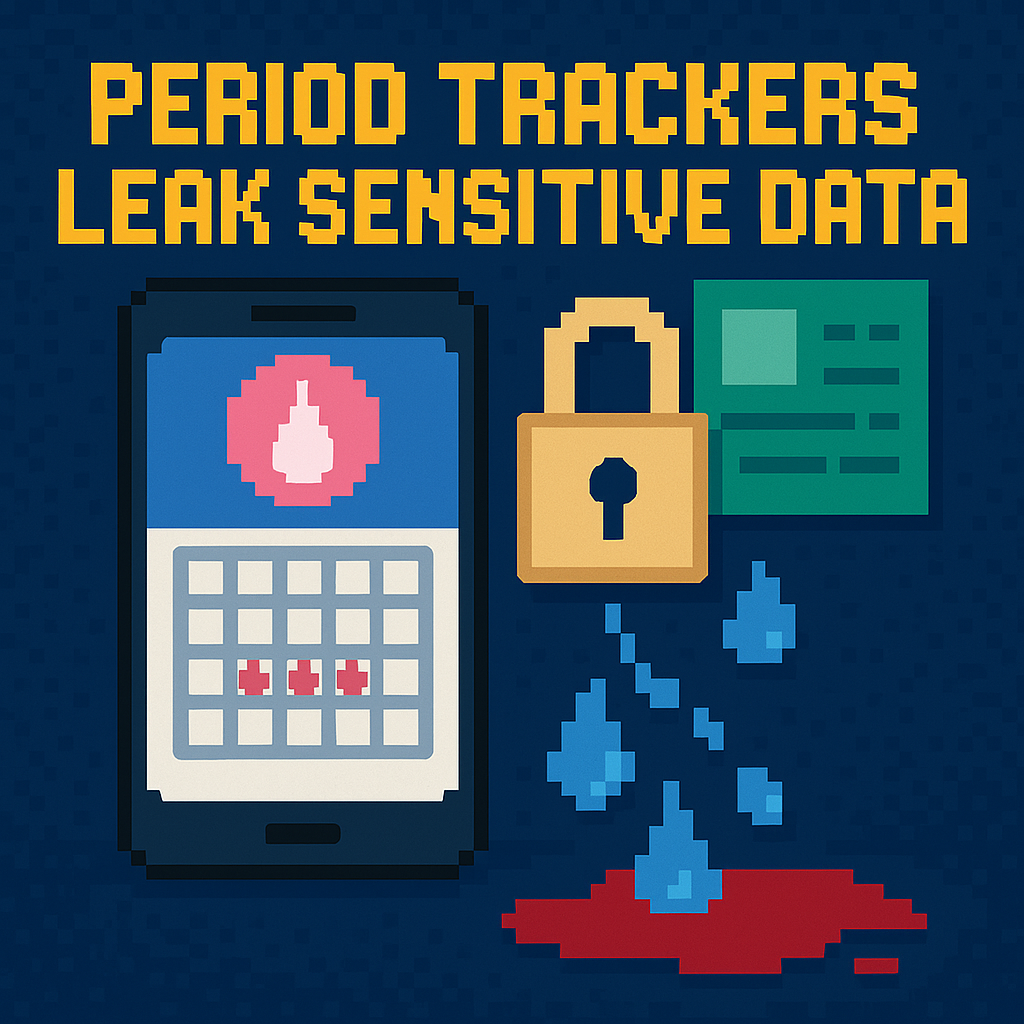
When Eli Lilly dropped the news that retatrutide — its next‑generation obesity drug — cleared a first late‑stage diabetes trial, the headlines didn’t just hum; they roared. Retatrutide is suddenly the conversation starter across clinics, investor decks, and patient forums because it promises to be the newest pillar in Lilly’s obesity portfolio alongside the injection Zepbound and the upcoming oral candidate, orforglipron. This isn’t incremental progress; it’s a strategic bet to widen Lilly’s lead in a market that keeps redefining itself.

What just happened

Lilly announced that a late‑stage study of retatrutide met its primary and key secondary endpoints, showing meaningful benefits for patients with obesity and related cardiometabolic conditions. That readout is the first of several late‑stage trials testing retatrutide across different indications — from obesity with osteoarthritis to type 2 diabetes — and it signals that the molecule is moving from promise toward potential approval and clinical use. (finance.yahoo.com)

Transitioning from trial results to market reality will take time, but this milestone is important: it validates the concept behind retatrutide as a “triple‑agonist” engineered to target multiple metabolic pathways, and it gives Lilly data to lean on as it positions the drug against both its own products and competitors.

Why retatrutide matters now

  • Lilly already has momentum. Zepbound (tirzepatide) shifted prescribing patterns and grabbed share from older GLP‑1 therapies. Adding retatrutide to that lineup could give clinicians and patients a stronger set of options for different needs and tolerances. (cnbc.com)
  • Orforglipron, Lilly’s oral GLP‑1 candidate, aims to broaden access for people who prefer pills over injections. Together, orforglipron, Zepbound and retatrutide form a diversified portfolio that addresses both convenience and efficacy. (cnbc.com)
  • The clinical data for retatrutide have shown unusually large weight‑loss signals in earlier studies, raising expectations that it could deliver more profound reductions than current standards. If sustained and safe in broader populations, that’s a game changer for severe obesity and its comorbidities. (finance.yahoo.com)

These factors help explain why investors, clinicians and competitors are watching closely: Lilly is stacking multiple approaches — injectable, oral, and a next‑gen triple agonist — all aimed at capturing distinct slices of a massive market.

Retatrutide in context of Lilly’s strategy

Lilly is deliberate here. Rather than relying on a single blockbuster, the company is building a suite of options:

  • Zepbound: a weekly injectable (tirzepatide) that already demonstrated strong weight‑loss outcomes and broad adoption.
  • Orforglipron: an oral GLP‑1 candidate targeting the convenience segment and potentially bringing more patients into treatment.
  • Retatrutide: a next‑generation, multi‑receptor agent designed to push efficacy higher for patients who need or want more substantial results.

That three‑pronged approach hedges commercial risk and addresses different patient preferences and clinical needs. It also positions Lilly to respond to pricing pressures and payer negotiations by offering differentiated products across efficacy and route‑of‑administration. Recent policy moves and pricing agreements in the U.S. (including government negotiations and payer covers) make having alternatives strategically valuable. (time.com)

The science: why a triple approach might be better

Retatrutide is engineered to act on multiple hormonal pathways involved in appetite, satiety and metabolism. The idea is simple: combine mechanisms to produce larger, sustained weight loss than single‑pathway drugs alone. Early results have been impressive in magnitude, but the real test is durability, safety, and performance across diverse, real‑world patients.

That’s why the ongoing late‑stage program — which spans obesity with comorbid conditions, type 2 diabetes, and organ‑specific indications like chronic kidney disease — matters. If retatrutide proves safe and effective across these studies, clinicians could gain a potent tool for patients with complex metabolic disease.

The competition and what’s at stake

Novo Nordisk remains a formidable competitor with Ozempic and Wegovy in the market and its own pipeline work. But Lilly’s aggressive pipeline and the breadth of indications it’s pursuing have shifted the competitive landscape. A broadly effective retatrutide would raise the bar on weight‑loss expectations — and force payers and clinicians to rethink treatment algorithms.

At the same time, the emergence of oral GLP‑1s (including other companies’ efforts) will change access dynamics. Pills are easier to distribute and may lower barriers for many patients. Lilly’s portfolio — injectable, pill, and next‑gen triple agonist — is designed to capture patients at multiple points along that adoption curve. (cnbc.com)

What to watch next

  • Upcoming readouts from the other TRIUMPH trials and indications, especially those focused on diabetes and organ‑specific outcomes.
  • Safety and tolerability data across larger and more diverse populations.
  • How payers respond: pricing, coverage decisions, and whether combinations of these drugs alter formularies.
  • Real‑world adoption patterns once orforglipron and (if approved) retatrutide become available.

Key points to remember

  • Retatrutide just cleared a meaningful late‑stage milestone, marking a significant step toward broader clinical use. (finance.yahoo.com)
  • Lilly is combining three product types — injection, pill, and a next‑gen triple agonist — to cover convenience and efficacy needs. (cnbc.com)
  • The stakes are high: safety, durability, access and payer decisions will determine whether retatrutide reshapes care or becomes another option among many.

My take

This is a pivotal moment for metabolic medicine. Retatrutide’s initial late‑stage win is the kind of data that shifts expectations, but the broader impact will depend on replicated results, safety, and how the market digests another powerful tool. Lilly’s multi‑product strategy is smart: it reduces single‑product risk and gives physicians flexibility. Still, success will require more than impressive trial numbers — it will require thoughtful rollout, accessible pricing, and clear guidance on where retatrutide fits in a crowded and evolving treatment landscape.

Sources


Related update: We recently published an article that expands on this topic: read the latest post.

Cruise Norovirus Outbreak Hits 153 | Analysis by Brian Moineau

When a Caribbean cruise turned into a floating outbreak story

More than 150 passengers and crew fell ill with norovirus during a Caribbean voyage aboard Princess Cruises’ Star Princess, the CDC says. The headline landed with a mix of sympathy and a familiar groan — norovirus on a cruise ship is a trope at this point, but the reality is still unpleasant: vomiting, diarrhea, missed excursions and an immediate scramble by ship staff and public-health officials.

Outbreaks like this are reminders that travel magic can be fragile. They also show how modern responses — from shipboard protocols to CDC Vessel Sanitation Program involvement — try to limit damage quickly. Let’s unpack what happened, why norovirus keeps showing up on ships, and what travelers and the industry can realistically do next.

The Star Princess outbreak and how it unfolded

  • The Centers for Disease Control and Prevention reported that 153 people — a mix of passengers and crew — reported gastrointestinal illness during the Star Princess’s March voyage.
  • Princess Cruises acknowledged a “limited number of individuals” who experienced mild gastrointestinal illness, and said the line took enhanced cleaning and isolation steps.
  • The CDC’s Vessel Sanitation Program (VSP) monitors and assists in outbreaks on ships that call at U.S. ports; in cases like this, the VSP can remotely monitor or deploy staff to investigate and guide sanitation efforts.

Outbreak data on cruise ships are publicly tracked by the CDC because cruises meet specific conditions (vessel size, voyage length, and percentage of people reporting symptoms) that make certain incidents reportable. When an outbreak crosses thresholds or is of public-health concern, the VSP steps in to help investigate the cause and the ship’s response.

Why cruise ships are vulnerable

Cruise ships aren’t dirty by default — they’re just high-density, high-contact environments. A few facts to keep in mind:

  • Norovirus spreads easily via contaminated food, water, surfaces, and person-to-person contact.
  • Ships are enclosed spaces where large numbers of people mingle daily in dining rooms, theaters, pools and gyms. That makes transmission fast once the virus is onboard.
  • Even rigorous cleaning and staff training can be challenged when crew members themselves become ill, reducing capacity for routine sanitizing and service.

Historically, norovirus is the most common cause of cruise-ship gastrointestinal outbreaks. It’s not unique to one cruise line, and outbreaks often start when an ill passenger boards or a contaminated item slips through food-prep controls.

What the ship and public-health officials typically do

When cases rise, there’s a predictable playbook that aims to stamp out spread and protect vulnerable passengers:

  • Isolate symptomatic individuals in their cabins and provide medical care as needed.
  • Increase cleaning frequency and use disinfectants effective against norovirus on high-touch surfaces.
  • Review food-preparation and handling processes, and sometimes suspend self-service buffets.
  • Notify health authorities and, when required, report to the CDC’s Vessel Sanitation Program, which can offer guidance and investigation support.

Transparency about numbers and measures matters — both for passenger trust and for public-health follow-up. The VSP’s public reporting helps researchers and travelers understand trends and ship responses over time.

Practical advice for travelers

If you love cruising (or plan to), a little preparation reduces the odds you’ll be hit hard by an outbreak:

  • Wash your hands with soap and water frequently; hand sanitizer is helpful but less effective against norovirus than thorough handwashing.
  • Avoid touching your face and skip self-serve stations when illness is reported onboard.
  • Pack basic supplies: oral rehydration sachets, over-the-counter anti-nausea meds you tolerate, and extra hand soap.
  • If you feel sick, stay in your cabin and notify the ship’s medical team promptly — early isolation helps stop spread.
  • Consider flexible bookings or travel insurance that covers interruptions caused by illness or mandatory quarantines.

These steps aren’t guarantees, but they tilt the odds in your favor and make life easier if you do get sick.

What this means for cruise lines and public health

Outbreaks like this test operational systems and public confidence. They also spotlight broader challenges:

  • Crew illness can hobble response capacity, requiring backup plans and cross-training.
  • Passenger expectations for transparency and quick remediation are higher since the pandemic.
  • Public-health agencies rely on accurate, timely reporting to identify patterns and advise preventive measures across the industry.

The good news is that established protocols and VSP oversight exist, and most outbreaks are contained through routine infection-control measures. The bad news is norovirus is stubbornly transmissible and will likely continue to surface whenever large groups converge in close quarters.

What to watch going forward

  • Whether the VSP conducts a field response and what its environmental assessment finds.
  • Any additional measures Princess Cruises adopts fleetwide (enhanced cleaning, modified dining services, or crew policies).
  • Patterns in seasonal norovirus activity — both on land and at sea — which can influence the frequency of shipboard outbreaks.

Tracking these items helps passengers make informed choices and pushes the industry toward better preventive strategies.

My take

Outbreaks on cruise ships draw headlines because they’re dramatic and inconvenient. But they’re also manageable when passengers, crew and public-health officials cooperate. The Star Princess incident is a blunt reminder: viruses don’t respect vacation plans. Preparation, honest communication and basic hygiene remain the most reliable defenses we have — whether you’re on the high seas or at home.

Quick reminders for travelers

  • Wash hands with soap and water often.
  • Stay in your cabin and report symptoms if you start feeling unwell.
  • Pack small medical and hygiene essentials.
  • Pay attention to ship announcements and follow crew guidance.

These small actions help protect you and those around you — and keep your vacation from becoming a cautionary tale.

Sources


Related update: We recently published an article that expands on this topic: read the latest post.

Inside the $160K Ammortal Recovery Chamber | Analysis by Brian Moineau

Step inside the high-tech, futuristic-looking Ammortal chamber

I lay down, the lid curved like a spaceship overhead, and within seconds a warm red light flooded the cabin. Step inside the high-tech, futuristic-looking Ammortal chamber and you don’t just get light—you get a carefully choreographed stack of therapies: red and near‑infrared photobiomodulation, pulsed electromagnetic fields, vibroacoustics, guided breathwork, and even a sip of molecular hydrogen delivered by a tiny nasal tube. The first time I tried it, the room hummed, a steady vibration threaded through the mattress, and my whole body began to buzz in a way I hadn’t expected.

The Ammortal chamber (reported price around $159–160K) has been showing up in luxury spas, athletic recovery centers, and wellness suites. It’s designed to condense hours of separate modalities into one guided session—25 to 50 minutes of what its makers call “human optimization.” The experience feels cinematic: audio cues, dimming lights, tactile resonance, and a gentle voice that shepherds you through breathwork and relaxation.

Why the buzz? The science inside the Ammortal chamber

Several distinct technologies are layered in the chamber—and each has a research footprint of varying strength.

  • Photobiomodulation (red and near‑infrared light) is the centerpiece. Controlled exposure to these wavelengths can stimulate mitochondrial activity and has evidence supporting skin repair, reduced inflammation, and improved circulation.
  • Pulsed electromagnetic fields (PEMF) claim to influence cellular signaling and blood flow. Some studies suggest benefits for recovery and pain reduction, though results vary by protocol.
  • Vibroacoustics and synchronized sound can promote relaxation, modulate heart rate variability, and change perceived pain or stress.
  • Molecular hydrogen inhalation is offered as an antioxidant adjunct; preliminary studies hint at anti‑inflammatory effects but large clinical trials are limited.

Stacking these modalities may produce additive—or even synergistic—effects, but that’s also the trick: because multiple inputs happen at once it’s harder to isolate which element is doing the work. Expectation, environment, and the guided breathwork likely amplify outcomes via the nervous system’s top‑down influence.

What it actually feels like

The session begins with a mild mechanical hum. The red glow washes over your skin; vibrations travel through the bed; a voice asks you to breathe slowly. For many users the immediate sensation is a profound relaxation coupled with heightened sensation—the “buzz” people report. That buzzing can be physical (vibroacoustics + PEMF) and perceptual (your nervous system shifting from fight/flight toward parasympathetic calm).

Post‑session effects often described in reviews and first‑hand accounts include:

  • A sustained feeling of calm and mental clarity ("caffeinated calm").
  • Reduced muscle soreness or quicker perceived recovery.
  • Subtle changes in skin tone or texture after repeated use (attributed to red/NIR exposure).

These are promising but largely anecdotal outside carefully controlled studies. Still, for athletes and high‑performers willing to pay per session, the chamber’s immersive format is an attractive time‑saving convenience.

Who is the Ammortal chamber for?

  • Professional athletes and performance teams who value incremental recovery advantages.
  • Luxury spas and clinics that can amortize the hardware cost across many clients.
  • Biohackers and early adopters who prioritize novelty and are comfortable with premium pricing.

For most consumers, buying a full $160K unit is unrealistic. Fortunately, the model is showing up as per‑session offerings in select facilities, letting curious people test it without the full price tag.

The business and ethical angle

Ammortal’s price point places it firmly in high‑end wellness. The company has attracted investment from athlete backers and wellness entrepreneurs, and it’s exploring lower‑cost variants to broaden access. The flip side: a high price plus polished marketing can drive expectation biases. Wellness tech companies must be cautious not to overpromise while research continues to catch up.

There’s also a practical safety note: stacked therapies mean stacked risk considerations. Users with implanted electronic devices, certain medical conditions, or pregnancy should consult clinicians before trying electromagnetic or inhalation components.

A short list of practical questions before you try it

  • Do you have any implanted devices or medical conditions that could interact with PEMF or oxygen/hydrogen delivery?
  • Is the facility transparent about protocols, training, and emergency procedures?
  • Can you try a single session first to judge subjective effects before committing to a package?

Answering these will help reduce surprises and keep the experience restorative rather than unsettling.

The Ammortal chamber experience

I left feeling oddly energized and calm—an alertness without jitters. The buzzing faded over a few hours but a lighter, buoyant clarity stayed with me into the next day. That combination of restorative relaxation plus a perceptible “lift” is what many reviewers report: a short session that feels like pressed reset.

That said, a single immersion is unlikely to replace consistent sleep, nutrition, and movement. Think of the chamber as a high‑spec tool in the recovery toolbox: useful for targeted sessions, especially when paired with a broader lifestyle plan.

My take

The Ammortal chamber is striking because it packages multiple plausible wellness technologies into a single, polished experience. It’s equal parts engineering, psychology, and design. For people chasing marginal gains—athletes, celebrity clients, and affluent biohackers—the chamber offers a compelling, time‑efficient ritual. For everyone else, the novelty and reported benefits are interesting, but the science needs larger, controlled trials to parse what’s real, what’s synergistic, and what’s placebo.

If you get the chance to try one at a spa, bring curiosity and healthy skepticism. Lie down, breathe with the guide, and notice what shifts. The buzz might be the machine—or your body finally getting permission to relax. Either way, it’s futurescape wellness: roomy, red, and a little bit electric.

Sources


Related update: We recently published an article that expands on this topic: read the latest post.


Related update: We recently published an article that expands on this topic: read the latest post.


Related update: We recently published an article that expands on this topic: read the latest post.

Related update: We recently published an article that expands on this topic: read the latest post.

Stir Fried Quinoa, Brown Rice and Chicken Breast | Made by Meaghan Moineau

Stir Fried Quinoa, Brown Rice, and Chicken Breast

Intro

There’s something about the smell of sizzling chicken and vegetables that transports me back to my childhood kitchen. I remember standing on tiptoe to peek over the counter as my mom expertly tossed ingredients into her trusty pan, her laughter mingling with the sound of the spatula scraping the bottom of the pan. This Stir Fried Quinoa, Brown Rice, and Chicken Breast recipe is a tribute to those cherished memories, bringing together wholesome ingredients and vibrant flavors for a dish that’s both nourishing and delicious.

Why You’ll Love It

This recipe is a winner for so many reasons. First, it’s a one-pan wonder, meaning less cleanup and more time to relax. It’s also incredibly versatile; whether you’re an experienced cook or a kitchen newbie, you’ll find this dish straightforward and rewarding to make. The combination of quinoa and brown rice offers a hearty, nutritious base, while the chicken breast provides a lean source of protein. The dish is further elevated by the aromatic suya spice and a medley of fresh vegetables, creating a symphony of flavors and textures.

Ingredients

  • Suya spice
  • Quinoa and brown rice mix
  • Butter
  • Carrots
  • Whole cherry tomatoes
  • Chicken breast
  • Garlic
  • Seasoning cubes
  • Green bell pepper
  • Roma tomato
  • Scotch bonnet pepper
  • Spring onion
  • Vegetable oil
  • Water

Instructions

  1. In a bowl, season the chicken breast with the seasoning cubes and suya spice and allow to marinate for 2 hours, or if you are really hungry, you can use it immediately.
  2. In a pot of boiling water (1 cup), pour in your quinoa mix and the teaspoon of oil and allow to boil till soft, which should take about 5-7 minutes. Pour into a bowl and set aside.
  3. In a pan, heat up the melted butter and pan fry on medium heat the chicken breast, constantly flipping it over so it browns on both sides. Reduce the heat, cover the pan, and allow the chicken to cook properly. If the pan becomes too dry, add 2 tablespoons of water.
  4. Stir in the chopped vegetables into the pan of frying chicken and finally add the quinoa/brown rice mix. Serve hot!

Tips

For the best results, use fresh, high-quality ingredients. Make sure to marinate the chicken for at least two hours if time allows, to let the flavors seep in thoroughly. If you prefer a bit of a crunch, lightly sauté the vegetables instead of cooking them through completely. This will add texture and keep the veggies vibrant.

Variations & Substitutions

If you want to switch things up, try using shrimp or tofu instead of chicken for a different protein option. For a vegetarian version, simply omit the chicken and double up on the vegetables. You can also play around with the spice levels by adjusting the amount of suya spice or adding extra scotch bonnet pepper if you’re a fan of heat.

Storage

This dish keeps well in the refrigerator for up to 3 days. Store in an airtight container and reheat in a pan over medium heat, stirring occasionally to ensure even heating. Add a splash of water if needed to prevent it from drying out.

FAQ

Can I use only quinoa or only brown rice instead of a mix?

Absolutely! You can use only quinoa or only brown rice if you prefer. Just ensure to adjust the cooking time accordingly, as brown rice typically takes longer to cook than quinoa.

Is there a way to make this dish spicier?

Yes, if you love spicy food, consider adding more scotch bonnet pepper or a dash of cayenne pepper. You can also increase the suya spice for an added kick.

Nutrition

This dish is rich in protein from the chicken and packed with fiber and essential amino acids from the quinoa and brown rice. The vegetables add vitamins and minerals, making it a well-rounded meal that supports a balanced diet.

Conclusion

Stir Fried Quinoa, Brown Rice, and Chicken Breast is more than just a meal; it’s an experience that brings together the warmth of home cooking and the excitement of bold flavors. Whether you’re cooking for family or friends, or just treating yourself, this dish is sure to become a favorite. Enjoy every bite, and don’t forget to share the love!

Related update: Stir Fried Quinoa, Brown Rice and Chicken Breast

Related update: Easy Garlic Roast Leg Of Lamb With Rosemary and Parsley


Related update: We recently published an article that expands on this topic: read the latest post.


Related update: We recently published an article that expands on this topic: read the latest post.

Moderna Settlement Clears Path for Growth | Analysis by Brian Moineau

A clean break for Moderna — and why investors cheered

It felt like a legal cloud that wouldn’t lift: years of headline-grabbing patent fights over the lipid nanoparticle (LNP) delivery systems that made mRNA COVID vaccines effective. On March 3–4, 2026 Moderna announced a settlement that resolves the high-profile litigation with Roivant/Genevant and Arbutus, and markets reacted quickly. Stocks jumped, balance-sheet math shifted, and a central question landed squarely on the table: does settling a legacy pandemic dispute free Moderna to focus on growth, or did the company just write a very large check for certainty?

Below I unpack the settlement, why traders liked it, and what long-term investors should consider next.

Fast summary you can scan

  • Deal headline: Moderna agreed to resolve global litigation with Genevant (Roivant subsidiary) and Arbutus for up to $2.25 billion, with $950 million payable upfront and up to $1.3 billion contingent on a separate appellate outcome. (globenewswire.com)
  • Market move: Moderna shares rose sharply on the news as the settlement removes a major legal overhang that had shadowed the company’s vaccine franchise. (wbur.org)
  • Structural win: The deal reportedly includes no future royalties for Moderna’s future vaccines, which investors saw as preserving long-term gross margins on the company’s infectious-disease portfolio. (bignewsnetwork.com)

Why the settlement mattered (beyond the headline number)

  • Legal overhangs are expensive even when you don’t pay them. For years the uncertainty around LNP patent claims added a risk premium to Moderna’s valuation. Removing that overhang makes future cash flows—and the odds of pipeline monetization—easier to model. (investing.com)
  • The structure is important: $950 million upfront (reported for Q3 2026 timing) and an additional contingent payment tied to an appeal. That means Moderna recognized a near-term charge while keeping a cap on potential future liability. Analysts quoted in coverage framed the payment as material but manageable relative to historical COVID-era revenues. (investing.com)
  • No ongoing royalties for future vaccine use is the strategic nugget. If accurate, Moderna buys freedom to use its platform across upcoming respiratory programs (COVID/flu combos, seasonal vaccines) without a royalty tax on each dose sold—valuable if those programs scale. (bignewsnetwork.com)

What the market priced in (and the immediate reaction)

  • Short-term: equity pop. Traders rewarded clarity; Moderna shares rallied after-hours and into the next session as the legal risk premium evaporated. Coverage noted moves of ~6–10% on the news. (wbur.org)
  • Mid-term: balance-sheet hit, but offset by clarity. Moderna expects to book a $950 million charge in Q1 2026 tied to the settlement; yet management forecasts year-end liquidity that still supports late-stage oncology and respiratory programs. Investors appear to prefer certainty and predictable cash needs over lingering legal risk. (barchart.com)

The investor dilemma: growth runway vs. legacy liabilities

  • Positive case:
    • Clears a multisided legal distraction so management can refocus on regulatory milestones (flu + COVID filings, other vaccine approvals) and clinical readouts. (investing.com)
    • No royalties on future vaccines preserves upside for profitable launches.
    • One-time charge is finite; it’s a controlled cost to eliminate open-ended litigation risk.
  • Cautionary case:
    • The headline figure is large. If contingent payments are triggered or additional litigation emerges (other LNP owners, or parallel suits), the total bill could rise.
    • Paying to end a dispute does not change execution risk on pipeline programs—regulatory setbacks, clinical failures, or slow uptake of new respiratory vaccines would still hurt valuation.
    • The settlement resolves one set of claims but doesn’t eliminate competition or broader IP fights (other players like Pfizer/BioNTech have had their own disputes). (statnews.com)

How different investor types might think about this

  • Short-term traders: the headline is a clean catalyst. The post-announcement rally reflects relief; momentum traders could ride the immediate volatility but should watch upcoming liquidity guidance and any analyst revisions.
  • Long-term investors: focus on the payoff—the settlement reduces a persistent tail risk. The more important drivers remain pipeline success, commercial uptake of future respiratory vaccines, and margin expansion without royalty burdens.
  • Risk-averse holders: analyze cash guidance and balance-sheet effects. Moderna indicated expected year-end liquidity projections that still fund development priorities even after the charge. Verify management’s updated guidance in the next reporting cycle. (barchart.com)

Big-picture takeaways for the biotech space

  • Patent wars over platform technologies (like LNPs) are costly—and their resolution reshapes competitive dynamics. When platform ownership is clarified, winners can invest in scale rather than legal defense.
  • Settlements can be strategically smart: paying to remove a multi-year uncertainty can unlock value that dwarfs the payment itself if it enables faster commercialization of high-margin products.
  • Investors should continue watching IP developments across the industry (including analogous suits involving other vaccine makers), since one settlement doesn’t reset the sector’s legal landscape. (statnews.com)

My take

Moderna’s settlement reads like a pragmatic corporate move: a meaningful but finite payment to replace open-ended legal risk with a cleaner runway for product development and commercialization. For long-term investors the key question is execution—can Moderna convert this clearer path into approved, widely adopted products (seasonal respiratory vaccines, oncology readouts, etc.) that justify the current valuation multiple? If the answer is yes, the settlement will look like a sensible insurance premium; if not, it will be an expensive but ultimately cosmetic fix.

Sources

(Note: this post was inspired by coverage of the Barron's business article headline and synthesized from non-paywalled reporting and the parties' press information cited above.)


Related update: We recently published an article that expands on this topic: read the latest post.


Related update: We recently published an article that expands on this topic: read the latest post.

Healthy Mint Brownies | Made by Meaghan Moineau

Healthy Mint Brownies

Intro

There’s something magical about the combination of chocolate and mint. It always takes me back to my childhood when my grandmother and I would bake together during the chilly winter months. We’d bundle up, sip on hot cocoa, and indulge in decadent mint-flavored desserts. Those days were filled with laughter and warmth, and these Healthy Mint Brownies remind me of those cherished moments. Not only are these brownies a nostalgic nod to my past, but they also offer a healthier twist, making them a guilt-free indulgence for you and your loved ones.

Why You’ll Love It

These Healthy Mint Brownies are a delightful treat that you can enjoy without any guilt. They are packed with wholesome ingredients like black beans and avocado, providing a rich and fudgy texture. The mint filling adds a refreshing twist, while the chocolate layer on top brings everything together. Whether you’re baking for a special occasion or simply want a sweet treat, these brownies are sure to impress. They’re gluten-free, can be made sugar-free, and are perfect for anyone looking to enjoy a healthier dessert option.

Ingredients

  • 1/4 cup almond milk
  • 1/2 cup applesauce
  • 1 ripe avocado
  • 1 teaspoon baking powder
  • 1/2 teaspoon baking soda
  • 1/2 cup frozen blueberries
  • 1 teaspoon natural butter extract
  • 1 can (15 oz) black beans, drained and rinsed
  • 1/2 cup dark chocolate chunks
  • 1/3 cup cocoa powder
  • 3/4 cup coconut sugar
  • 1/2 cup dark chocolate, melted
  • 1-2 drops green natural food coloring
  • 1/4 cup grape seed oil
  • 2 tablespoons ground flax
  • 1/4 cup heavy cream or full-fat coconut milk
  • 1 tablespoon oil
  • 1 whole unsweetened jar pear, drained
  • 1 teaspoon peppermint extract
  • 1/4 teaspoon pink salt
  • 3/4 cup white rice flour
  • 1/4 cup white spelt flour
  • 1 teaspoon vanilla extract
  • 1/3 cup powdered xylitol

Instructions

  1. Combine the ground flax, applesauce, and almond milk together in a small bowl. Set aside to allow it to thicken.
  2. In a food processor, combine the frozen blueberries, pear, black beans, and grape seed oil. Pulse until the mixture becomes very smooth.
  3. Add the vanilla and butter extracts to the mixture in the processor and blend until fully combined.
  4. Transfer the contents from the processor into a medium-sized mixing bowl.
  5. Add the coconut sugar, cocoa powder, baking powder, baking soda, and pink salt to the mixture and mix well.
  6. Add the white rice flour and white spelt flour along with the dark chocolate chunks. Mix until just combined.
  7. Pour the batter into a prepared baking dish and bake at 350°F (175°C) for 44-45 minutes.
  8. Remove from the oven and allow to cool for at least 50 minutes. For faster cooling, place in the fridge for 20-30 minutes.
  9. While the brownies cool, prepare the mint filling. In a small bowl, combine the ripe avocado with heavy cream or full-fat coconut milk. Beat on high for about 5 minutes until fluffy and smooth.
  10. Add the powdered xylitol, peppermint extract, and green food coloring (if desired) to the avocado mixture and mix well.
  11. Once the mixture is perfectly fluffy and creamy, add the white spelt flour and mix until just combined.
  12. Spread the mint filling evenly over the cooled brownies and place in the fridge for 10 minutes to firm up.
  13. Melt the dark chocolate and mix with the oil. Stir to combine.
  14. Quickly pour the melted chocolate over the mint filling, spreading it evenly to cover the top.
  15. Return the brownies to the fridge for another 5 minutes until the chocolate is set.
  16. Cut the brownies with a sharp knife and serve chilled or at room temperature. Store any leftovers in an airtight container in the refrigerator.

Tips

To ensure the best texture and flavor, follow these tips:

  • Use ripe avocados for the creamiest filling.
  • Ensure the black beans are thoroughly drained and rinsed to avoid any bean flavor.
  • Work quickly when spreading the chocolate to achieve an even layer.

Variations & Substitutions

If you’re looking to switch things up a bit, here are some variations and substitutions:

  • You can use any kind of chocolate you like, but dark chocolate gives a wonderful flavor to the peppermint.
  • For those who are not concerned with gluten content, wheat or white flour works well. For wheat, decrease the amount by 1 tablespoon.
  • Feel free to adjust the level of peppermint extract according to your taste preferences.

Storage

Store any leftover brownies in an airtight container in the refrigerator. They will keep well for up to a week. These brownies can also be frozen for up to 3 months. To freeze, cut them into squares, wrap each piece in plastic wrap, and place them in a freezer-safe bag. Thaw in the refrigerator before serving.

FAQ

Can I use regular sugar instead of coconut sugar?

Yes, you can substitute coconut sugar with equal amounts of regular granulated sugar or another natural sweetener of your choice.

Is there a substitute for avocado in the mint filling?

If you don’t have avocado on hand, you can use softened cream cheese or Greek yogurt for a creamy texture, but it will alter the flavor slightly.

How do I make this recipe vegan?

To make these brownies vegan, use full-fat coconut milk instead of heavy cream and ensure your chocolate is dairy-free. The rest of the ingredients are already vegan-friendly.

Nutrition

These Healthy Mint Brownies are rich in fiber and healthy fats from the black beans and avocado. They are lower in sugar compared to traditional brownies, especially if you opt for sugar-free chocolate and powdered xylitol. While they are a healthier version, they still offer indulgent flavors, so enjoy them in moderation.

Conclusion

These Healthy Mint Brownies are a perfect blend of nostalgia and modern, healthy eating. They offer a delicious and guilt-free way to enjoy a classic flavor combination. Whether you’re looking to relive fond memories or create new ones with your family, these brownies are sure to become a beloved favorite. Enjoy baking, sharing, and most importantly, savoring each bite!

Related update: Healthy Mint Brownies

Related update: Buttermilk Pound Cake

When Love Enables: Ending Family | Analysis by Brian Moineau

When Love Enables Stagnation: Helping an Unmotivated Adult Grandson

A grandfather watches his 26-year-old grandson, fresh with a master’s degree, spend nights gaming and days sleeping while his daughter quietly keeps him afloat. He worries that helping has become enabling — and asks how to break the cycle without wrecking family ties. That exact letter ran in R. Eric Thomas’s “Asking Eric” column in The Washington Post on March 1, 2026, and it’s a situation many families recognize: good intentions that accidentally shop for someone’s excuses.

Below I unpack that dilemma, offer practical ways to hold boundaries with compassion, and suggest next steps families can use to move from enabling to empowering.

Why enabling happens (and why it’s so sticky)

  • Emotional loyalty and love: A parent (or grandparent) often believes shielding a loved one from discomfort is kindness — especially if the child once struggled or is seen as “different.”
  • Fear of fallout: Saying “no” feels like risking rejection, guilt, or family conflict.
  • Immediate relief, long-term harm: Paying bills, excusing behavior, or covering consequences reduces immediate stress but removes incentives for growth.
  • Cultural and economic friction: Today’s job market, mental-health strains, and online lifestyles (overnight gaming, gig economy norms) complicate simple comparisons to earlier generations.

R. Eric Thomas’s advice to the grandfather is practical: start with curiosity and a conversation, ask about goals and obstacles, and work as a coach rather than a commander. He also cautions against simply removing support without a jointly agreed plan — that risks conflict without progress. (R. Eric Thomas, Washington Post, March 1, 2026.)

Practical steps: what the grandfather (and his daughter) can try now

  • Open with curiosity, not accusation
    • Ask specific questions: “What are you trying to do next? What’s gotten in the way of job hunting? What would you like help with this week?”
    • Listen without immediate fixes. People are more responsive when they feel heard.
  • Set clear, limited supports — not blank checks
    • Replace vague “help” with concrete offers (example: “I’ll pay for a resume rewrite if you apply to five jobs this month”).
    • Tie assistance to measurable steps and timelines.
  • Define household expectations
    • If he lives at home, require contributions: chores, job-search hours, partial rent, or a reasonable household role.
    • Create a written, short agreement so expectations are unambiguous.
  • Use natural consequences, not shame
    • Let consequences reflect reality: missed rent means losing privileges; not looking for work may mean a plan to move out.
    • Frame consequences as learning tools, not punishment.
  • Encourage small wins and structure
    • Replace “find a career” pressure with bite-sized goals: apply to X jobs this week, attend one networking event, join a course or volunteer role.
    • Celebrate incremental progress to build confidence.
  • Offer coaching and resources, not rescue
    • Help with practical job-hunt steps (resume, LinkedIn, mock interviews) but don’t submit applications for him.
    • Suggest counseling if there are signs of depression, anxiety, or addiction — mental health often underlies motivation issues.
  • Keep the daughter included and aligned
    • The grandfather and mother should present a united, consistent approach. Mixed signals (one enabling, one enforcing) undermine any plan.
    • Encourage the daughter to set boundaries for her own wellbeing, perhaps starting with a small, enforceable change.

What to avoid

  • Sudden, total withdrawal with no plan — abrupt cutoffs may sever trust and provoke conflict.
  • Rewarding avoidance — paying for leisure, bailing out of obligations, or doing work the grandson can and should do.
  • Moralizing or shaming — lecturing about character rarely motivates sustained change.

Ways to structure a short “family agreement”

  • Duration: 30 or 90 days, then reassess.
  • Responsibilities: hours per week devoted to job search, daily household tasks, and a modest financial contribution if feasible.
  • Support offered: two coaching sessions for resume/CV, one budget review, help researching training programs.
  • Consequences: loss of certain privileges (car use, gaming time, additional allowance) if milestones aren’t met.
  • Check-ins: weekly 20–30 minute progress conversation with one consistent family member acting as coach.

A note on gaming, degrees, and expectations

A master’s degree doesn’t guarantee immediate employment, and the rise of online gaming or nocturnal schedules can be both a symptom and a trap. Distinguish between:

  • Legitimate obstacles (mental-health issues, systemic hiring challenges, skill mismatches) that need support and services.
  • Avoidant patterns (using gaming to escape job search) that need boundary-based redirection.

If the grandson claims he’s applied but isn’t, request proof (copies of applications, timestamps). Tracking progress removes fuzzy excuses and gives everyone factual footing.

Helpful resources and expert perspectives

  • Guidance on moving from enabling to empowering often emphasizes boundaries, measurable expectations, and consistency. Practical guides and therapy-oriented summaries suggest similar steps: set limits, require contribution, and help with skill-building resources. (SkillsYouNeed; BetterHelp.)
  • If mental-health concerns arise, a clinician can check for depression, ADHD, or other conditions that frequently reduce motivation. Professional evaluation is not an admission of failure — it’s a tool.

What to expect: pushback and a path forward

  • Expect resistance at first. Changing learned dynamics triggers guilt, anger, or manipulation attempts.
  • Stay steady. One relaxed boundary breach often erodes progress. Small, consistent enforcement wins over time.
  • Be prepared that change may be slow or incomplete. The family can still reclaim peace and reduce enabling even if the grandson’s trajectory takes time.

What matters most

  • Preserve the relationship, but stop being the only safety net for harmful habits.
  • Turn “help” into a partnership for growth rather than a maintenance contract for stagnation.
  • Keep compassion and accountability in balance.

Three quick reminders

  • Boundaries are acts of love when they teach responsibility.
  • Support can be conditional and still be kind.
  • Professional help (career services or mental-health care) often accelerates progress.

My take

The Washington Post letter is a familiar, aching scenario: the line between help and harm blurs when love tries too hard to protect. The best move usually isn’t dramatic withdrawal but a deliberate, compassionate reframe — from bailing someone out to training them up. That means clear expectations, measurable steps, and the willingness to feel uncomfortable for a while. Over the long run, that discomfort is the bridge to self-reliance and healthier family dynamics.

Sources

Easy Gluten Free Vegetarian Pasta Salad | Made by Meaghan Moineau

Easy Gluten Free Vegetarian Pasta Salad

Intro

There’s something incredibly heartwarming about the simplicity of a well-made pasta salad. Growing up, summer gatherings at my grandmother’s house were never complete without her famous pasta salad. As kids, we would run around the garden, while the adults chatted over glasses of iced tea, and I can still remember the excitement of finally sitting down to a big bowl of her refreshing creation. With my Easy Gluten Free Vegetarian Pasta Salad, I hope to bring a slice of that nostalgia to your table, offering a dish that’s not only delicious but also mindful of dietary choices.

Why You’ll Love It

This gluten-free vegetarian pasta salad is a delightful blend of flavors and textures that will surely become a staple in your home. Here’s why you’re going to love it:

  • Simple Ingredients: Made with everyday ingredients that are easy to find, this salad is as accessible as it is delicious.
  • Quick to Make: With minimal prep and cooking time, you can have this salad ready in under 30 minutes.
  • Diet-Friendly: Perfect for those following a gluten-free or vegetarian diet, ensuring everyone can enjoy a serving.
  • Versatile: Easily adaptable with various ingredients or substitutions to suit your taste and pantry.
  • Perfectly Balanced: The creamy yogurt dressing, sweet grapes, and zesty citrus create a harmonious flavor profile that’s both refreshing and satisfying.

Ingredients

  • 8 ounces gluten-free pasta
  • 1 cup plain Greek yogurt
  • Zest of one orange
  • 1/4 cup fresh orange juice
  • 2 tablespoons olive oil
  • 1 cup fresh grapes, halved
  • 1/4 cup fresh cilantro, chopped
  • 1 teaspoon sea salt
  • 1/2 teaspoon black pepper

Instructions

  1. Cook the gluten-free pasta according to the package directions. Once cooked, drain the pasta and set it aside to cool for about 10 minutes.
  2. In a large mixing bowl, combine the plain Greek yogurt, orange zest, fresh orange juice, and olive oil. Whisk these ingredients together until you have a smooth dressing.
  3. Add the cooled pasta to the bowl. Then, add the fresh grapes, chopped cilantro, sea salt, and black pepper.
  4. Gently toss all the ingredients together until the pasta is well coated with the dressing, and the ingredients are evenly distributed.
  5. Transfer the pasta salad to four serving bowls. Serve chilled for the best flavor.

Tips

To ensure you get the best results with your pasta salad, consider these helpful tips:

  • Cook Pasta Al Dente: This helps maintain a firmer texture, preventing the pasta from becoming mushy when mixed with the dressing.
  • Cool Pasta Properly: Letting the pasta cool before mixing it with the dressing ensures that the yogurt doesn’t become oily or lose its creaminess.
  • Fresh Ingredients: Use fresh grapes and cilantro for the best flavor and texture. Avoid canned or frozen substitutes.
  • Adjust Seasoning: Taste the salad before serving and adjust the salt and pepper according to your preference.

Variations & Substitutions

This pasta salad is quite versatile, and you can easily customize it to your liking:

  • Fruit Swap: Try using diced apples or pears instead of grapes for a different sweet crunch.
  • Herb Alternatives: If cilantro isn’t your favorite, fresh basil or parsley make excellent alternatives.
  • Dairy-Free Option: Substitute the Greek yogurt with a dairy-free yogurt to make this salad completely dairy-free.
  • Add Protein: For an extra boost, add some chickpeas or chopped nuts like almonds or walnuts.

Storage

This pasta salad stores well and can be made ahead of time. Here’s how to store it:

  • Store the pasta salad in an airtight container in the refrigerator for up to 3 days.
  • If making ahead, you might want to reserve some dressing to mix in just before serving to refresh the flavors.
  • For best results, allow the salad to come to room temperature for about 10 minutes before serving if it’s been chilled for a while.

FAQ

Can I use regular pasta instead of gluten-free pasta?

Absolutely! If you don’t need a gluten-free option, feel free to use your favorite regular pasta. The salad will be just as delicious.

How can I prevent the salad from becoming too dry?

To keep your salad moist and flavorful, ensure the pasta is not overcooked and that you have enough dressing to coat all ingredients. Reserving a bit of dressing to add just before serving can also help refresh the dish.

What can I serve with this pasta salad?

This salad is versatile and pairs well with a variety of dishes. Consider serving it alongside grilled vegetables, a light soup, or as part of a picnic spread with sandwiches and fresh fruit.

Nutrition

While exact nutritional values can vary based on the specific products used, a serving of this gluten-free vegetarian pasta salad is generally a healthy choice, offering a balance of carbohydrates, healthy fats, and proteins. The yogurt provides a good source of probiotics, and the fresh fruits and herbs add nutrients and antioxidants. Always consider portion sizes to align with your dietary needs.

Conclusion

This Easy Gluten Free Vegetarian Pasta Salad is more than just a dish; it’s a reminder of the joy that comes from simple, comforting meals shared with loved ones. Whether you’re looking to recreate a cherished family recipe with a modern twist or seeking a quick and healthy meal option, this salad is sure to please. Serve it at your next gathering, and watch as it becomes a favorite among your family and friends, just as it has in mine. Enjoy the vibrant flavors and the satisfaction of a meal well-made!

Related update: Easy Gluten Free Vegetarian Pasta Salad

Related update: Caramelized Tofu & Gala Apple Salad

Psilocybin Breakthrough: COMP360 Nears | Analysis by Brian Moineau

A potential first: COMP360 and the promise of a psilocybin medicine for severe depression

The headline landed with the particular mix of hope and caution that defines much of modern psychedelics reporting: Compass Pathways says its psilocybin candidate, COMP360, produced meaningful improvements for people with treatment‑resistant depression in two Phase 3 trials. If regulators agree, COMP360 could become the first approved psilocybin‑based medicine — and only the second psychedelic‑derived drug after Johnson & Johnson’s Spravato. That’s a big deal, but it’s also the start of another complicated conversation about efficacy, safety, access, and what “success” really means for people who have run out of options.

What matters most right now

  • Compass announced two positive Phase 3 readouts showing statistically significant improvements on the MADRS depression scale at Week 6. (statnews.com)
  • The trials show a rapid onset of effect (some patients reporting improvement by the day after dosing) and some durability through later follow‑up in at least one study arm. (ir.compasspathways.com)
  • Compass has requested an FDA meeting and intends to pursue a rolling NDA submission, targeting completion of the filing later in the year. (ir.compasspathways.com)

A little background that frames the excitement

  • Treatment‑resistant depression (TRD) generally means a patient hasn’t responded to two or more antidepressant treatments. TRD is common, debilitating, and costly — clinically and personally. Novel approaches that deliver rapid relief would be transformative.
  • COMP360 is a synthetic, proprietary formulation of psilocybin administered in a controlled, therapeutic context (dosing sessions plus psychological support). Compass has been running two parallel Phase 3 trials: COMP005 (single‑dose design) and COMP006 (two doses three weeks apart). (ir.compasspathways.com)
  • This program builds on prior Phase 2 work and growing evidence that classic psychedelics, paired with therapy, can produce meaningful changes in mood and cognition for some patients. But psychedelics aren’t a universal fix — and clinical trials face unique blinding and placebo challenges. (theguardian.com)

Reading the results with sensible optimism

What Compass reported is encouraging but not unequivocal. Here are the key technical points that shape how to interpret the news:

  • Statistically significant but modest mean differences: The primary endpoint in the most recent trial showed a mean MADRS difference of about -3.8 points (25 mg vs 1 mg) at Week 6 — statistically significant, and described by Compass as “clinically meaningful.” Context matters: group mean differences in depression trials can underestimate benefit for individual responders, but regulators weigh both average effect and responder/remission rates. (ir.compasspathways.com)
  • Rapid effects: Multiple reports emphasize a fast onset — some patients reporting improvement by the day after dosing — which is distinct from conventional antidepressants that typically take weeks. Rapid relief can be especially important in severe, suicidal, or highly incapacitating depression. (ir.compasspathways.com)
  • Durability and retreatment: Compass reported durability through Week 26 for many participants in COMP005 and suggested that a second dose helped some people who had not fully remitted by six weeks. Durability of benefit without frequent repeat dosing will be crucial for adoption and payer decisions. (ir.compasspathways.com)
  • Safety profile: Compass reports no unexpected safety findings and that adverse events were generally mild to moderate and transient. Still, the psychedelics space must remain alert to rare but serious psychiatric adverse events and to the challenges of scaling therapy‑intensive treatments safely. (ir.compasspathways.com)

How regulators and clinicians will look at this

  • Regulators want both robust statistical evidence and clinically meaningful benefits for patients. The FDA will review full datasets, not headlines — that includes remission and responder rates, subgroup analyses, safety signals, durability, and real‑world feasibility considerations. Compass has asked for a meeting and is planning a rolling NDA submission. (ir.compasspathways.com)
  • Clinicians and payers will ask: who benefits most? How durable is the effect? How many supervised sessions and trained therapists are required? What are the risks in real‑world settings? Answers to those questions will determine whether COMP360 becomes a narrowly used specialty treatment or a broadly accessible option. (statnews.com)

The access and implementation puzzle

Even if COMP360 wins approval, substantial obstacles remain before many patients benefit:

  • Delivery model: Psilocybin treatment, as tested, pairs drug administration with extended therapeutic support. That requires trained facilitators, clinic space, monitoring, and billing pathways — all of which add cost and complexity.
  • Workforce and training: There’s a practical shortage of clinicians trained to deliver psychedelic‑assisted therapy at scale. Building that workforce will take time, standardized curricula, and possibly new professional roles.
  • Cost and coverage: Payers will weigh the drug cost plus therapy sessions against clinical benefit and alternative treatments (including Spravato and standard antidepressants). Demonstrating durable remission and reduced overall health costs will strengthen the case for coverage.
  • Equity concerns: If early access remains primarily private or clinic‑based, underserved patients may be left behind, worsening disparities in mental‑health care. (washingtonpost.com)

Where COMP360 fits in the broader psychedelic landscape

  • COMP360 could be the first approved classic psilocybin medicine, which would be a regulatory milestone and likely accelerate investment and research across the field. But one approval doesn’t settle debates about indications, dosing strategies, or the therapeutic model. (statnews.com)
  • Other psychedelics (ketamine derivatives like Spravato, MDMA for PTSD, DMT trials) are advancing along parallel tracks. Each compound has a different pharmacology, therapeutic profile, and logistical footprint — meaning multiple psychedelic options could coexist, each suited to distinct patients and settings. (theguardian.com)

My take

This is a meaningful step. The consistency of two positive Phase 3 readouts moves COMP360 from hopeful experiment toward a plausible treatment option. The truly consequential questions now aren’t just whether regulators will approve COMP360, but who will be able to access it, how durable its benefits are in routine care, and whether health systems can deliver it safely and equitably. Hype is easy; the hard work is operationalizing evidence into care that reaches the people who need it most.

What to watch next

  • The FDA meeting and the timing/details of Compass’s NDA rolling submission. (ir.compasspathways.com)
  • Full trial publications or datasets showing remission and responder rates, subgroup analyses (e.g., by severity, comorbidity), and safety details beyond Week 6. (statnews.com)
  • Real‑world pilots and payer decisions that will reveal how accessible and sustainable psilocybin therapy can be outside trials.

Sources

Final note: these developments are unfolding quickly. The next weeks — regulatory meetings, full data disclosures, and peer‑reviewed publications — will be the best place to revisit whether COMP360’s promise holds up in the detailed numbers and in real‑world practice.

Gluten Free Almond Blueberry Coffee Cake | Made by Meaghan Moineau

Gluten Free Almond Blueberry Coffee Cake

Intro

There’s something incredibly special about the aroma of a freshly baked coffee cake wafting through the house. It takes me back to my childhood, when my grandmother would bake her famous blueberry coffee cake every Sunday morning. We’d gather around the kitchen table, the sun streaming through the windows, and savor each bite of that tender, sweet cake. Today, I’m thrilled to share a gluten-free version inspired by those cherished memories: Gluten Free Almond Blueberry Coffee Cake. It’s a delightful treat that’s sure to become a favorite in your home too.

Why You’ll Love It

This Gluten Free Almond Blueberry Coffee Cake is a perfect blend of flavors and textures. It’s moist and tender, with a hint of nuttiness from the almonds and a burst of juicy sweetness from the blueberries. Whether you’re gluten-free or not, this cake is sure to delight. It’s easy to make, and the ingredients are simple and wholesome. Plus, the rustic topping of turbinado sugar and almonds adds a delightful crunch that makes this cake truly special.

Ingredients

  • 2 cups gluten free flour
  • 1 cup frozen blueberries
  • 1 tablespoon gluten free flour
  • 1/2 cup canola oil
  • 1 large egg
  • 1/2 cup vanilla yogurt
  • 1/2 cup whole milk
  • 1 cup granulated sugar
  • 2 teaspoons baking powder
  • 1/2 teaspoon xanthan gum
  • 1/2 teaspoon fine sea salt
  • 1/4 cup raw turbinado sugar
  • 1/4 cup sliced almonds

Instructions

  1. Preheat your oven to 375 degrees F and spray a 9″ springform pan with nonstick spray. Set aside.
  2. In a large bowl, whisk together the egg, whole milk, vanilla yogurt, and canola oil. Set aside.
  3. In a separate medium bowl, whisk together 2 cups of the flour, granulated sugar, baking powder, xanthan gum, and fine sea salt.
  4. Add the dry ingredients to the wet and mix to combine until just moistened. Do not overmix.
  5. In a small bowl, combine 1 cup of the blueberries with the remaining 1 tablespoon flour. Fold the blueberries into the batter very gently until dispersed evenly. It is OK if they bleed just a little bit.
  6. Pour the batter into the prepared pan and flatten and even out with a spatula. Top with the remaining blueberries.
  7. In a small bowl, toss the turbinado sugar and almonds together. Sprinkle on top of the cake.
  8. Transfer the cake to the oven and bake for 30-35 minutes or until a toothpick comes out with just a few crumbs.
  9. Remove from heat and let cool in the pan for 15 minutes. Release the sides and transfer the cake to a wire rack to cool the rest of the way.
  10. Enjoy immediately or cover with plastic wrap and eat within 2 days.

Tips

For best results, make sure all your ingredients are at room temperature before beginning. This helps them to incorporate smoothly into the batter. Also, when folding in the blueberries, do so gently to avoid breaking them and turning your batter blue.

Variations & Substitutions

You can substitute the blueberries for other berries like raspberries or chopped strawberries. If you don’t have vanilla yogurt, plain yogurt with a splash of vanilla extract works just fine. For a dairy-free version, use almond milk and coconut yogurt.

Storage

This cake is best enjoyed fresh, but it can be stored in an airtight container at room temperature for up to 2 days. For longer storage, refrigerate it for up to 5 days or freeze for up to 3 months. Thaw overnight in the refrigerator and bring to room temperature before serving.

FAQ

Can I use fresh blueberries instead of frozen?

Yes, absolutely! If using fresh blueberries, there’s no need to coat them with flour. Just fold them into the batter gently and proceed with the recipe as directed.

What is xanthan gum and is it necessary?

Xanthan gum is a common additive in gluten-free baking that helps provide structure and elasticity. It mimics the binding effects of gluten, which is absent in gluten-free flours. For this recipe, it is recommended to maintain the texture of the cake.

Can I make this cake vegan?

To make this cake vegan, you can substitute the egg with a flax egg (1 tablespoon flaxseed meal mixed with 2.5 tablespoons water) and use plant-based milk and yogurt alternatives. Ensure all other ingredients, like your flour mix, are vegan-friendly.

Nutrition

This recipe makes approximately 8 servings. Each serving contains approximately:

  • Calories: 320
  • Carbohydrates: 45g
  • Protein: 5g
  • Fats: 15g
  • Fiber: 3g
  • Sugar: 20g

Please note that these values are approximate and can vary based on specific brands and measurements used.

Conclusion

This Gluten Free Almond Blueberry Coffee Cake is more than just a delightful treat; it’s a nod to cherished memories and a celebration of flavors and textures that everyone can enjoy. Whether you’re looking for a sweet addition to your brunch menu or a comforting afternoon snack, this cake is sure to impress. I hope you love this recipe as much as I do, and that it brings a touch of warmth and nostalgia to your kitchen.

Related update: Gluten Free Almond Blueberry Coffee Cake

Bobby Wagner: From Tackles to Service | Analysis by Brian Moineau

Bobby Wagner’s Moment: From Tackles to True Impact

There’s a scene I keep replaying: Bobby Wagner, eyes steady, voice low but shaking with gratitude, honoring the woman whose memory has shaped his life and work. On the evening the NFL handed out its Walter Payton Man of the Year award, the on-field legend who’s piled up tackles for more than a decade reminded everyone that greatness isn’t just measured in stats — it’s measured in service.

Why this matters right now

  • The Walter Payton NFL Man of the Year is the league’s highest honor for character and community impact, given to a player who combines on-field excellence with meaningful off-field contributions.
  • Bobby Wagner — a veteran linebacker now with the Washington Commanders — was named the 2025 Walter Payton Man of the Year during NFL Honors on February 5–6, 2026.
  • Wagner has been a finalist multiple times; this recognition crowns years of sustained community work and a personal campaign to turn family tragedy into public good.

Quick highlights from the night

  • Wagner accepted the award at NFL Honors and spoke about his mother, Phenia Mae, who died from stroke complications and inspired his charitable focus.
  • His FAST54 / Phenia Mae Fund partners with hospitals and health systems to raise stroke awareness, support patients, and provide resources for families.
  • The award includes a significant donation to the nonprofit of the winner’s choice, amplifying Wagner’s existing community investment.

The backstory: how tackles turned into a platform

Bobby Wagner’s football résumé is familiar to anyone who watches the league: multiple Pro Bowls and All-Pro nods, seasons stacked with 100-plus tackles, and a reputation as one of the most consistent linebackers of his generation. But the Man of the Year award spotlights a different arc — one that begins with a personal loss.

Wagner’s mother died young from stroke complications. He’s used that experience to build FAST54 and the Phenia Mae Fund, working with medical partners (including prominent children’s hospitals and health systems) to educate communities about stroke signs, provide financial assistance and increase access to care. Over time, his off-field initiatives expanded to include work on mental health, social justice, and local community programming in Washington, D.C., and beyond.

Repeated nominations for the Walter Payton award show this wasn’t a sudden pivot; it’s the long-tail effect of consistent engagement. Being a finalist multiple times before finally winning only reinforced the sense that Wagner’s community work had become as durable as his play on the field.

What the award signals for the league and the Commanders

  • It reinforces the NFL’s push to promote player-led social impact initiatives — not as PR moments, but as long-term investments linked to real partners and measurable outcomes.
  • For the Commanders, Wagner’s profile elevates the franchise’s community presence and connects fans to the human stories behind the roster.
  • For younger players, it sets a template: leverage visibility for causes with personal meaning, partner with credible institutions, and commit long-term.

Lessons in leadership from Wagner’s journey

  • Authenticity wins: Wagner’s work is rooted in personal experience, which gives the initiatives credibility and staying power.
  • Consistency matters: Small, repeated acts of service build toward recognition and, more importantly, real impact.
  • Use the platform: Athletic achievement creates access — Wagner turns that access into funding, awareness, and institutional partnerships.

What to watch next

  • The concrete effects of the prize donation — which nonprofit Wagner designates will receive the award’s funds, and how that money gets used locally.
  • How the Commanders amplify and scale Wagner’s initiatives within the D.C. area and in partnership with the NFL’s community programs.
  • Whether more veteran players follow Wagner’s model of sustained, personally rooted philanthropy rather than one-off campaigns.

My take

There’s something quietly radical about a superstar linebacker winning the NFL’s character award. It flips a stereotype: the game’s bruising, physical side and its softer side are not opposites but complements. Bobby Wagner’s story is a reminder that elite athletes can be fierce competitors and deeply committed civic leaders at once. That duality is increasingly the new standard — and Wagner earning the Walter Payton Man of the Year shows how far that standard has come.

Notable takeaways

  • Wagner was named the 2025 Walter Payton NFL Man of the Year during NFL Honors on Feb. 5–6, 2026.
  • His FAST54 / Phenia Mae Fund focuses on stroke awareness and patient support, born from the loss of his mother.
  • The award recognizes long-term, credible community impact paired with professional excellence.

Sources


Related update: We recently published an article that expands on this topic: read the latest post.


Related update: We recently published an article that expands on this topic: read the latest post.

Lilly Surges as Novo Nordisk Falters | Analysis by Brian Moineau

When two giants diverge: why Eli Lilly raced ahead while Novo Nordisk stumbled

It felt like a tilt-shift moment on the pharma leaderboard: one title-holder sprinting forward and another who’d dominated the same lane suddenly slowing to a stumble. On Wednesday, Eli Lilly’s share price surged after a bullish earnings call and an outsized 2026 revenue outlook, while Novo Nordisk’s stock slid on a gloomy forecast and mounting competitive pressures. The result is a widening gap between the two companies that had been racing in lockstep for the GLP‑1 weight-loss boom. (finance.yahoo.com)

Quick hits: what moved the market

  • Eli Lilly raised expectations for 2026 revenue — targeting roughly $80–$83 billion — and beat Q4 estimates, giving investors confidence in continued growth. (finance.yahoo.com)
  • Novo Nordisk surprised the market with guidance that implied a 5%–13% sales decline for 2026, signaling pressure from competition, pricing changes and regulatory headwinds. (finance.yahoo.com)
  • Broader disruptions — cheaper compounded products, new entrants, and political scrutiny over drug pricing — accelerated the split between the two stocks. (investopedia.com)

How we got here: background and recent events

  • The context is the GLP‑1 revolution. Drugs like Lilly’s tirzepatide (Zepbound/Mounjaro family) and Novo’s semaglutide (Wegovy/Ozempic) redefined treatment for obesity and type 2 diabetes and produced rapid revenue growth for both companies in recent years. That boom set up intense competition and sky‑high expectations. (financialcontent.com)

  • Eli Lilly’s recent performance combined strong quarterly revenue (Q4 revenue above estimates) with a bold 2026 outlook — and investors interpreted that as evidence Lilly’s manufacturing, distribution and product mix are scaling well. The company’s oral GLP‑1 candidate and expanding market share in obesity care add to the narrative. (finance.yahoo.com)

  • Novo Nordisk’s outlook, by contrast, acknowledged a “painful transition” in a market facing price pressure and growing competition. Management signaled slower growth and even a potential sales decline next year — a message that markets punished quickly. Compounding this, cheaper and sometimes legally contested alternatives (and talk of regulatory intervention) have created noise and uncertainty around pricing and volume. (finance.yahoo.com)

Why the stocks diverged — the investor read

  • Forecasts matter: investors rewarded Lilly for projecting aggressive top‑line growth and beating quarterly expectations; they punished Novo for guiding to weaker sales. Forecast direction can change how a company is priced more than current-year results. (finance.yahoo.com)

  • Product positioning and pipeline: Lilly’s expanding GLP‑1 franchise (including oral programs) and its ability to ramp supply were read as durable advantages. Novo still leads in semaglutide brand recognition, but its comments suggest pricing and uptake will be tougher in 2026. (investing.com)

  • Pricing and politics: the U.S. spotlight on drug costs and moves by payers and regulators to curb prices change the math for high‑price specialty drugs. Lower list prices or tougher reimbursement reduce revenue even if patient demand remains large. That dynamic hit Novo’s outlook hard. (financialcontent.com)

  • Competitive noise: cheaper compounded formulations and new entrants (or an oral competitor) compress margins and create headline risk; investors reacted to both actual guidance and the possibility of faster price erosion. (investopedia.com)

What this means for investors and the market

  • Valuation repricing may be real. Stocks that once moved together now reflect differentiated risk profiles: Lilly seen as growth‑accelerating, Novo viewed as facing short‑term revenue headwinds. That opens trading and allocation decisions for investors who prefer growth vs stability. (marketbeat.com)

  • Short‑term volatility will likely persist. Headlines about pricing policies, regulatory rulings on compounded products, trial readouts for oral GLP‑1s, and quarterly guidance will swing sentiment quickly. (investopedia.com)

  • Longer-term winners will be decided by execution, not narrative. Lower prices could expand access and volume, which benefits whichever company controls manufacturing, distribution and payer relationships most effectively. Conversely, sharp margin erosion without offsetting volume gains would hurt profits. (financialcontent.com)

Risks and unanswered questions

  • Will government and payer pressure force materially lower U.S. prices, and if so, can either company offset that with volume gains? (financialcontent.com)
  • Which oral GLP‑1 or alternative delivery platforms will gain market share, and how will side‑effect profiles and adherence affect real‑world outcomes? (investing.com)
  • Can either company defend pricing through patented delivery technologies, programmatic partnerships or by driving superior clinical outcomes? (investing.com)

My take

The split between Eli Lilly and Novo Nordisk isn’t a moral victory for one and a knockout for the other — it’s a re‑rating. Markets are reacting to forward guidance, pipeline signals and a changing regulatory environment. Lilly’s optimistic 2026 outlook and operational momentum bought it a premium; Novo’s candid warning about tougher times cost it investor confidence. Over the long run, scale, patient access and pricing mechanics will determine which company translates the GLP‑1 opportunity into sustainable profits. For now, expect headline‑driven moves and a lot of noise as the industry reshuffles.

Sources


Related update: We recently published an article that expands on this topic: read the latest post.

Sixers Win Overshadowed by George | Analysis by Brian Moineau

A wild Saturday in Philly: a win that feels secondary to Paul George’s suspension

The Wells Fargo Center celebrated a 25th-anniversary reunion, fans soaked up the nostalgia, and the scoreboard showed a narrow Sixers victory. But by the time the confetti dried, the story that will linger was not the comeback or the reunion — it was the shock of Paul George’s 25-game suspension. For a team trying to build consistency, Saturday’s win suddenly reads like a footnote.

What happened — quick recap

  • The Sixers eked out a late victory against the Pelicans, a game that had its share of tense possessions and clutch moments.
  • Minutes after the final buzzer, news broke that Paul George was suspended 25 games for violating the NBA’s anti-drug policy. George released a statement saying he “made the mistake of taking an improper medication” while seeking treatment for a mental health issue and accepted responsibility. (phillyvoice.com)

Why this matters more than the box score

  • Paul George’s suspension isn’t just the temporary loss of a scorer. He’s a two-way piece who affects matchups, spacing, perimeter defense and late-game lineups.
  • The timing is brutal: it starts now, when the Sixers are jockeying for playoff positioning and when Coach Nick Nurse was just beginning to settle rotation minutes. With trade deadline noise and the regular season’s final stretch approaching, losing 25 games of a veteran wing alters the team’s short-term math. (apnews.com)
  • There’s also a human side: George framed the mistake in the context of mental-health treatment, which complicates the public conversation and the team’s internal support responsibilities. That context matters for public perception, locker-room chemistry, and how the organization responds.

Coach’s read: calm, practical, honest

Nick Nurse’s immediate response was measured: disappointment, sure, but also an emphasis on structure and next-person-up. He confirmed George can still be at the facility and practice, and highlighted names who will get more run — Jordan Barlow, Monte Morris, Miles McBride, Kelly Oubre, and others — while admitting matchups will drive decisions. Nurse’s posture: protect the team’s process and adapt. (phillyvoice.com)

Who steps up (and how big the gap is)

  • Offensive production: George has been averaging double-digit scoring and reliable spacing. Expect more shots and playmaking responsibility to cascade toward Tyrese Maxey and Joel Embiid, with role players asked to make the extra perimeter shots.
  • Defense and wing versatility: George’s ability to guard multiple positions had a direct impact on rotations. That responsibility will be shared among a mix of wings (Oubre, Grimes, Watford) and guards sliding up defensively on tougher matchups.
  • Ball movement and minutes: This is an opportunity to test bench depth — both short-term (cover these 25 games) and long-term (who can be a dependable rotational piece going forward).

The broader franchise calculus

  • Financial wrinkle: The suspension costs George roughly $11–12 million in salary; it also creates a small luxury-tax breathing room for the Sixers. That financial detail may influence front-office thinking ahead of the Feb. 5 trade deadline. (local10.com)
  • Trade deadline implications: With a sizeable chunk of the season without George, Philly might be incentivized to add short-term reinforcements (wing/3-and-D depth) or double-down on internal solutions. Conversely, the front office could choose to stand pat to preserve flexibility later in the season.
  • Team identity question: The Sixers were carving out a newer rhythm under Nurse. Losing a high-IQ veteran like George forces an identity check: do they lean more into Embiid-centric offense, Maxey’s isolation scoring, or a more collective approach?

The media and public conversation

  • Reactions will vary: some will call for leniency given the mental-health context; others will stress the letter of the policy. Public figures and analysts are already picking sides about whether the punishment fits the circumstances. The NBA’s decision to withhold the exact substance leaves room for debate. (nypost.com)

What to watch next (short-term checklist)

  • Who gets consistent minutes at the 2/3 spots over the next 10–15 games.
  • How Tyrese Maxey and Joel Embiid handle increased usage nights (look at assist rate, efficiency, foul trouble).
  • Whether the Sixers make a deadline move to replace wing defense or three-point shooting.
  • The team’s home/road splits during George’s absence — can they maintain seed positioning through chemistry and matchup management?

Perspective and context

This isn’t the first time an NBA season has been reshaped off the court, but it’s a reminder that a roster is both a competitive machine and a human ecosystem. Paul George’s admission that this came during mental-health treatment adds a layer of complexity — accountability is required, yes, but so is support. The Sixers now need to be precise about both: how they win games and how they care for a teammate.

Small set of takeaways

  • Saturday’s win will be remembered more for what happened after the buzzer than the result itself. (phillyvoice.com)
  • Losing George for 25 games creates immediate tactical and rotation gaps on both ends of the floor. (apnews.com)
  • The team’s front office and coaching staff face a compressed timeline to decide whether to plug the hole internally or in the market ahead of the trade deadline. (local10.com)

Final thoughts

Basketball is inherently fragile — a single injury or suspension can flip momentum and narratives overnight. The Sixers have talent and a coach who emphasizes adaptability; they also face a critical run of games that will test their depth and decision-making. If Saturday taught us anything, it’s that wins are still important, but how an organization responds to unexpected personal and structural challenges often defines the season more than any one buzzer-beater.

Sources


Related update: We recently published an article that expands on this topic: read the latest post.


Related update: We recently published an article that expands on this topic: read the latest post.

Caribbean black bean and sweet potato soup | Made by Meaghan Moineau

Caribbean Black Bean and Sweet Potato Soup

Intro

There’s something magical about a bowl of soup that can transport you to another place. For me, this Caribbean Black Bean and Sweet Potato Soup does just that. I remember my first encounter with this delightful dish during a family trip to a little coastal village in Jamaica. The aroma of spices wafted through the air as we sat by the beach, the sun setting in the horizon, painting the sky with hues of orange and pink. The rich, comforting flavor of the soup was a perfect complement to the cool ocean breeze. Every time I prepare this soup, I’m reminded of that cherished memory, and I hope it brings a touch of the Caribbean warmth to your home as well.

Why You’ll Love It

This Caribbean Black Bean and Sweet Potato Soup is more than just a delightful culinary experience; it’s a bowl of comfort and warmth. Here are a few reasons why you’ll fall in love with it:

  • Rich in Flavor: The combination of spices like ginger and allspice gives this soup a unique and robust flavor profile that’s both comforting and exotic.
  • Nutritious: Packed with protein-rich black beans and nutrient-dense sweet potatoes, this soup is as healthy as it is delicious.
  • Versatile: It’s perfect for any occasion, whether you’re looking for a hearty lunch or a warming dinner.
  • Easy to Make: With simple steps and readily available ingredients, you can bring a taste of the Caribbean to your kitchen with ease.

Ingredients

  • 1 cup dry black turtle beans
  • 2 tablespoons coconut oil
  • 1 large yellow sweet onion, diced
  • 2 jalapenos, seeded and minced
  • 1 teaspoon ground ginger
  • 1 teaspoon ground allspice
  • 1 teaspoon dried thyme
  • 1 tablespoon coarse sea salt, plus more to taste
  • 6 cups vegetable broth
  • 2 large sweet potatoes, peeled and cubed
  • 1 tablespoon brown sugar
  • 1/4 cup chopped green onions
  • 1/4 cup fresh cilantro, chopped

Instructions

  1. Rinse the black beans thoroughly and place them in a large bowl. Cover the beans with about 4 inches of water and allow them to soak overnight or for at least 8 hours.
  2. Once soaked, strain and rinse the black beans again.
  3. In a large soup pot, heat the coconut oil over medium heat. Add the diced onion and minced jalapenos, sautéing for about 10 minutes until soft and fragrant.
  4. Add the soaked black beans and pour in the vegetable broth. Stir in ground ginger, allspice, thyme, and sea salt.
  5. Bring the mixture to a boil, then reduce the heat and let it simmer for approximately 1 hour and 30 minutes.
  6. Add the cubed sweet potatoes and brown sugar to the pot. Continue to simmer for an additional 30 minutes, or until the beans and sweet potatoes are tender.
  7. Remove 1 cup of the soup and puree it in a blender, then return it to the pot to add creaminess to the soup.
  8. Stir in the chopped cilantro and green onions, and season with additional salt and pepper to taste. Serve warm, and enjoy!

Tips

  • Bean Soaking: If you’re short on time, use the quick soak method by boiling the beans for 2 minutes, then letting them sit for 1 hour before proceeding with the recipe.
  • Spice Level: Adjust the number of jalapenos to your taste preference. For a milder soup, use only one jalapeno or remove the seeds.
  • Texture: For a thicker soup, puree more than a cup of the mixture, or use an immersion blender directly in the pot for desired consistency.

Variations & Substitutions

  • Protein Boost: Add cooked chicken or shrimp for an extra protein punch.
  • Vegan Option: Ensure that the vegetable broth is vegan-friendly and consider adding a squeeze of lime for zest.
  • Spice Swap: If you don’t have allspice, a blend of cinnamon, nutmeg, and cloves can be used as a substitute.

Storage

This soup keeps well, making it perfect for meal prep or enjoying throughout the week. Store any leftovers in an airtight container in the refrigerator for up to 5 days. The flavors will continue to meld and deepen, making it even more delicious the next day. For longer storage, freeze the soup in individual portions for up to 3 months. Thaw overnight in the refrigerator before reheating.

FAQ

Can I use canned black beans instead of dried?

Yes, you can use canned black beans as a convenient alternative. If you choose to use canned beans, drain and rinse them well. You can skip the soaking step and proceed directly to sautéing the onions and jalapenos. Since canned beans are already cooked, adjust the simmering time accordingly and add the beans during the last 30 minutes of cooking.

What can I serve with this soup?

This Caribbean Black Bean and Sweet Potato Soup is quite filling on its own, but it pairs wonderfully with a side of crusty bread or warm tortillas. A fresh green salad with citrus dressing can also complement the soup beautifully, adding a refreshing contrast to the rich flavors.

Is this soup suitable for freezing?

Absolutely! This soup freezes exceptionally well. Allow it to cool completely before transferring it to freezer-safe containers. It can be frozen for up to 3 months. To reheat, thaw overnight in the refrigerator and warm on the stove over medium heat. You may need to add a splash of broth or water to loosen the consistency as it heats.

Nutrition

This soup is not only delicious but also nutritious. Each serving is rich in fiber, vitamins, and minerals, making it a hearty and healthy choice. Black beans provide an excellent source of plant-based protein, while sweet potatoes are loaded with vitamin A and potassium. The use of coconut oil adds healthy fats, and the array of spices brings antioxidant properties to the table. Enjoy this wholesome meal knowing it’s both good for your taste buds and your body.

Conclusion

Incorporating the tropical flair of the Caribbean, this Black Bean and Sweet Potato Soup is a delightful and nourishing dish that can be enjoyed year-round. Whether you’re reminiscing about past travels or simply craving a comforting meal, this soup is sure to warm your heart and satisfy your palate. I hope you enjoy making this recipe as much as I do, and that it brings a little bit of the Caribbean sunshine into your home. Bon appétit!

Related update: Caribbean black bean and sweet potato soup

Related update: Lamb & Sweet Potato Pot Pie

Related update: Kale and Chickpea Soup with Lemon

Almond Butter Slices | Made by Meaghan Moineau

Almond Butter Slices: A Delightful Treat

Intro

There’s something magical about the aroma of freshly baked almond butter slices wafting through the house. It takes me back to my grandmother’s cozy kitchen, where I would spend countless afternoons watching her expertly mix ingredients. Her baking tin, slightly worn but full of stories, was always ready for another batch of these delightful slices. This recipe, a cherished family tradition, combines the comforting flavors of almonds and butter with a hint of nostalgia. Today, I’m thrilled to share this beloved recipe so you can create your own warm memories and enjoy these delicious treats with your loved ones.

Why You’ll Love It

These Almond Butter Slices are incredibly easy to make and perfect for any occasion. Whether you’re hosting a tea party or simply craving a sweet treat, this recipe is a crowd-pleaser. Here’s why you’ll fall in love with this dessert:

  • Quick and Easy: With simple ingredients and minimal prep time, you’ll have delicious slices ready in under an hour.
  • Delightfully Crunchy: The almond topping provides a satisfying crunch, perfectly complementing the buttery dough.
  • Versatile: This recipe allows for creative variations and substitutions to suit your taste preferences or dietary needs.
  • Nostalgic Flavor: The combination of almonds and butter creates a timeless taste reminiscent of traditional European bakeries.

Ingredients

  • 100g almond slices
  • 1 teaspoon saffron baking powder
  • 150g Kerrygold butter, softened
  • 300g German #405 flour
  • 200g German Quark
  • 2 tablespoons safflower oil
  • 1/4 teaspoon salt
  • 100g sugar
  • 1 packet vanilla sugar
  • 50ml whole milk

Instructions

  1. Preheat the oven to 180°C (350°F). Line a 30x40cm baking tray with baking paper.
  2. In a small bowl, combine the sugar, vanilla sugar, and almond slices for the topping. Set aside.
  3. Sift the flour and baking powder into a large mixing bowl.
  4. Add the Quark, milk, safflower oil, sugar, and salt to the flour mixture.
  5. Mix all the ingredients with a hand mixer fitted with dough hooks for 1 minute on high speed. Be careful not to over-mix, as this will make the dough sticky.
  6. Transfer the dough onto the prepared tray and roll it out evenly.
  7. Spread the softened Kerrygold butter all over the surface of the dough.
  8. Sprinkle the almond topping mixture evenly over the dough.
  9. Bake on the upper rack of the preheated oven for about 20 minutes, until the slices are golden and crispy.

Tips

Here are some tips to ensure your Almond Butter Slices turn out perfectly every time:

  • Softened Butter: Make sure the butter is softened to room temperature for easy spreading over the dough.
  • Even Rolling: Roll the dough evenly on the baking tray to ensure consistent baking and a uniform texture.
  • Don’t Overmix: Mix the dough just until combined to prevent it from becoming sticky and difficult to handle.

Variations & Substitutions

This recipe is quite versatile, allowing for numerous variations and substitutions:

  • Flour: Substitute German #405 flour with all-purpose flour if it’s not available.
  • Quark: Replace Quark with Greek yogurt or ricotta cheese for a slightly different texture.
  • Oil: Use sunflower oil or melted coconut oil instead of safflower oil for a different flavor profile.
  • Sugar Alternatives: Swap sugar with coconut sugar or other sweeteners for a healthier option.

Storage

Store any leftover Almond Butter Slices in an airtight container at room temperature for up to 3 days. For longer storage, keep them in the refrigerator for up to a week. If you wish to enjoy them warm, reheat the slices in a preheated oven at 150°C (300°F) for about 5 minutes.

FAQ

Can I make these slices gluten-free?

Yes, you can substitute the German #405 flour with a gluten-free all-purpose flour blend. Ensure that the blend includes a binding agent like xanthan gum for best results.

What can I use instead of Quark?

If you don’t have access to Quark, you can use Greek yogurt or ricotta cheese as a substitute. These will provide a similar texture and flavor to the dough.

How can I make this recipe vegan?

To make this recipe vegan, you can replace the Kerrygold butter with a plant-based butter and use a dairy-free yogurt as a substitute for Quark. Ensure that all other ingredients are also vegan-friendly.

Nutrition

The Almond Butter Slices are not only delicious but also provide some nutritional benefits. Each slice contains a good amount of protein and healthy fats from almonds, making them a satisfying treat. However, they do contain sugar and butter, so it’s best to enjoy them in moderation as part of a balanced diet.

Conclusion

Baking these Almond Butter Slices is a delightful experience, filling your kitchen with warmth and the inviting aroma of almonds and butter. Whether you’re a seasoned baker or just starting, this recipe is straightforward and rewarding. I hope these slices bring as much joy to your home as they have to mine. So, gather your ingredients, preheat your oven, and enjoy the process of creating a delicious treat that echoes the nostalgia of cherished family traditions.

Related update: Almond Butter Slices

Homemade Muesli Breakfast Cereal | Made by Meaghan Moineau

Homemade Muesli Breakfast Cereal

Introduction

There’s something truly special about waking up to a bowl of homemade muesli, especially when it’s made with love and care. I remember visiting my grandmother’s house every summer, and one of my favorite memories was the aroma of freshly toasted muesli wafting through the kitchen. She had a knack for creating the perfect blend of ingredients, and now, I’m excited to share my version of this delightful breakfast cereal with you.

Why You’ll Love It

This homemade muesli is not just a breakfast cereal; it’s a versatile, nutritious, and delicious way to start your day. You’ll love it because:

  • Customizable: You can adjust the ingredients to match your dietary needs or flavor preferences.
  • Nutritious: Packed with fiber, healthy fats, and natural sweetness, this muesli is a wholesome start to your day.
  • Easy to make: With just a few simple steps, you can prepare this muesli and enjoy it for days.
  • Cost-effective: Making your own muesli is often cheaper than buying pre-packaged versions.

Ingredients

  • 1 cup rolled oats
  • 1/2 cup corn flakes or bran flakes
  • 1/4 cup cashews
  • 1/4 cup craisins (dried cranberries)
  • 1/4 cup apple chunks
  • 2 tablespoons honey
  • 2 tablespoons olive oil
  • 1 tablespoon sesame seeds
  • 2 tablespoons wheat bran
  • 2 tablespoons wheat germ

Instructions

  1. Preheat your oven to 250 degrees Fahrenheit.
  2. In a small bowl, mix the olive oil and honey. Warm this mixture slightly until it blends smoothly.
  3. In a large oven-proof dish, combine all the other ingredients.
  4. Pour the warmed oil-honey mixture over the dry ingredients.
  5. Give everything a brisk stir to ensure even coating.
  6. Place the dish in the oven and bake for 30 minutes. Stir the mixture occasionally to promote even toasting.
  7. Once toasted, remove from the oven and let it cool for about an hour. The muesli will crisp up as it cools.

Tips

To make the most out of your homemade muesli, consider these helpful tips:

  • Stir frequently: Stirring during baking helps to ensure even toasting and prevents any clumping.
  • Cool completely: Allow the muesli to cool completely for the best texture and crunch.
  • Store properly: Keep your muesli in an airtight container to maintain its freshness.

Variations & Substitutions

This muesli recipe is incredibly flexible. Here are some ideas for variations and substitutions:

  • Nut-free: Swap cashews for sunflower seeds if you’re avoiding nuts.
  • Gluten-free: Use certified gluten-free oats and corn flakes to make this recipe gluten-free.
  • Sweetener alternatives: Replace honey with maple syrup or agave nectar for a different flavor.
  • Fruit swaps: Use dried apricots, raisins, or chopped dates instead of craisins for a new twist.

Storage

To keep your muesli fresh and crunchy, store it in an airtight container at room temperature. It should last for up to two weeks. For longer storage, consider refrigerating it, which can extend its shelf life to about a month.

FAQ

Can I make this muesli without an oven?

Yes, you can toast the muesli on the stovetop. Use a large skillet over medium-low heat and stir frequently until the ingredients are golden and fragrant.

How do I serve homemade muesli?

Homemade muesli can be served with milk, yogurt, or your favorite non-dairy alternative. You can also top it with fresh fruits like berries or banana slices for added flavor and nutrition.

Is muesli the same as granola?

While similar, muesli and granola have some differences. Muesli is typically less sweet and not as clumpy as granola. Granola is often baked with sweeteners and oil to form clusters, while muesli is generally a looser mixture.

Nutrition

This homemade muesli is a nutritious blend of whole grains, nuts, and dried fruits. It’s high in fiber, offers healthy fats from the nuts, and provides natural sweetness without too much added sugar. A serving (about 1/2 cup) contains approximately:

  • Calories: 180
  • Fat: 8g
  • Carbohydrates: 23g
  • Protein: 4g
  • Fiber: 3g

Conclusion

Homemade muesli is a wonderful way to enjoy a healthy and satisfying breakfast. With its customizable ingredients and easy preparation, it can become a staple in your morning routine. I hope this recipe brings a touch of nostalgia and warmth to your kitchen, just as it has to mine. Enjoy your wholesome breakfast journey!

Related update: Homemade Muesli Breakfast Cereal

J&J Deal Lowers Drug Costs, Boosts U.S | Analysis by Brian Moineau

Johnson & Johnson’s deal with the U.S. government: what it means for drug prices, tariffs, and American manufacturing

A deal that’s equal parts policy, public relations, and industrial strategy landed on January 8, 2026: Johnson & Johnson announced a voluntary agreement with the U.S. government to lower medicine costs for millions of Americans while securing an exemption from potential tariffs — and pledging new domestic manufacturing investments. It’s one of several recent pacts between major drugmakers and the administration, and it touches on three hot-button issues at once: affordability, trade policy, and reshoring of pharmaceutical production. (jnj.com)

Why this caught headlines

  • The company says millions of Americans will be able to buy J&J medicines at “significantly discounted rates” through a direct purchasing pathway described in the announcement. (jnj.com)
  • In exchange, J&J’s pharmaceutical products receive an exemption from tariffs under the administration’s Section 232 trade scrutiny — a form of regulatory certainty that can materially affect margins and strategy. (jnj.com)
  • The firm also confirmed further U.S. investment: two additional manufacturing facilities (cell therapy in Pennsylvania; drug product manufacturing in North Carolina) as part of its previously announced $55 billion U.S. investment plan. (jnj.com)

Those three elements—price concessions, tariff relief, and capital commitments—create a compact meant to satisfy both political and business imperatives. But beneath the headlines are subtler trade-offs and questions about scope, transparency, and longer-term impact.

Quick takeaways for readers scanning this

  • J&J will offer discounted medicines to Americans via a direct-purchase program; exact drugs and discount levels were not disclosed in the press release. (jnj.com)
  • The agreement provides a tariff exemption tied to continued U.S. investment in manufacturing, echoing similar arrangements other pharma firms have struck. (pharmamanufacturing.com)
  • J&J is moving forward on domestic capacity: new sites in North Carolina and Pennsylvania add to its ongoing $55 billion commitment to U.S. manufacturing and R&D. (jnj.com)

Context: where this fits into the bigger picture

Drug pricing has been a political lightning rod for years. Policymakers are pushing for lower out-of-pocket costs and for the U.S. to stop shouldering a disproportionate share of global drug prices. At the same time, the administration’s tariff and trade posture has created uncertainty for multinational pharma companies that import materials or finished products. The recent flurry of voluntary agreements — in which companies promise price concessions or program participation in exchange for regulatory certainty and encouragement to invest domestically — is an attempt to square those circles. (reuters.com)

From industry perspective, the carrot of tariff relief plus a runway for U.S.-based manufacturing can be persuasive. From public interest and policy angles, voluntary deals leave open questions about which medicines are affected, how savings are passed to patients and taxpayers, and what accountability measures exist. Several recent announcements from peers show similar frameworks; secrecy around specific terms is a recurring criticism. (pharmamanufacturing.com)

What to watch next

  • Specific drug list and discount details: The J&J release did not name which medicines would be included or the depth of discounts. Those details determine whether the move benefits a broad population or a narrower set of patients. (jnj.com)
  • Timeline and duration of the tariff exemption: Other agreements have included multi-year grace periods; the length and conditionality matter for corporate planning and taxpayer exposure. (pharmamanufacturing.com)
  • Job creation and plant timelines: J&J projects thousands of construction and manufacturing jobs from its investments; tracking actual hiring and capital deployment will show how much reshoring is real vs. aspirational. (jnj.com)
  • Regulatory and legislative interplay: Ongoing Medicare negotiation rules, state-level reforms, and future trade actions could change incentives and the real-world effect of voluntary pacts. (apnews.com)

The investor dilemma

For investors, these deals can be double-edged:

  • Positive: tariff certainty and clearer regulatory backdrop can reduce downside risk and encourage capital spending that strengthens future growth. (jnj.com)
  • Negative: pricing concessions and participation in discount platforms could compress margins, especially if applied to high-revenue drugs or expand over time. Transparency around which products are included will be crucial to modeling impacts. (reuters.com)

My take

This agreement is smart politics and pragmatic business strategy wrapped together. It’s pragmatic because it buys the company regulatory breathing room and a path to expand domestic capacity—both defensible corporate goals. It’s political because offering discounted access addresses immediate public anger over drug prices, even if the long-term structural drivers of U.S. drug costs are not fully resolved by voluntary deals alone. What matters now is follow-through: clear lists of included medicines, measurable patient savings, and verifiable timelines for the manufacturing investments. Without those, good press risks becoming little more than a headline. (jnj.com)

Final thoughts

Deals like this will likely keep appearing as administrations try to lower healthcare costs without upending the pharmaceutical innovation engine. For patients, any program that lowers out-of-pocket costs is welcome — provided the discounts are meaningful and accessible. For policymakers and watchdogs, the job is to demand the transparency and metrics that turn press releases into policy outcomes: who benefits, by how much, and for how long.

Sources

Chargers’ Injury Watch: Hampton and 7 | Analysis by Brian Moineau

Chargers vs. Patriots: Who’s banged up and what it means for Wild Card Sunday

The Chargers opened Wild Card week with a splashy — and a little alarming — injury report. Eight players didn’t practice on Wednesday, including running back Omarion Hampton, and a handful of starters took either veteran rest or limited reps as Los Angeles prepares for a tense trip to New England. That nugget matters: in playoff matchups, small availability swings turn into tactical advantages (or headaches) overnight. (chargers.com)

Quick snapshot

  • The Chargers listed eight players as DNP (did not participate) on Wednesday: Omarion Hampton (ankle), Bud Dupree (hamstring), KeAndre Lambert-Smith (hamstring), Kendall Williamson (ankle), Austin Deculus (oblique), plus veteran-rest DNPs for Keenan Allen and Khalil Mack. Jamaree Salyer, Elijah Molden and Donte Jackson were limited. Justin Herbert practiced fully. (chargers.com)
  • The Patriots’ report included a few notable absences and limited players (Thayer Munford Jr., Garrett Bradbury, Vederian Lowe among DNPs), but their key defenders have been trending toward participation. The Patriots posted their own update on Thursday that fleshed out those details. (patriots.com)

Why Omarion Hampton’s DNP matters

  • Depth at running back is suddenly a storyline. Hampton has been a part of the Chargers’ rotation after returning from a fractured ankle earlier in the season. His absence in practice — particularly with an ankle designation — raises questions about how involved he’ll be on game day, and whether special-teams duties or short-yardage snaps shift to others like Kimani Vidal or Hassan Haskins. (chargers.com)
  • In a matchup where the Patriots have shown strength against the run this season, any reduction in the Chargers’ ground-game availability could push the Bolts to rely more on Justin Herbert’s arm and Greg Roman’s passing concepts. Herbert practiced fully, which is an encouraging counterpoint for Los Angeles’ offense. (patriots.com)

Other Chargers to watch

  • Bud Dupree (hamstring) — Edge rush depth is critical against a Patriots offensive line that can lean on power runs and play-action. Dupree’s absence would affect pass-rush packages and rotational stamina. (chargers.com)
  • KeAndre Lambert-Smith (hamstring) — A younger receiver whose snaps matter in third-down and special-teams packages; a DNP here tightens Keenan Allen/other targets’ workload. (chargers.com)
  • Jamaree Salyer & Donte Jackson (limited) — Even limited practice for a left tackle or a cornerback matters: protection and coverage reps are the heartbeat of a game plan. Their statuses over the next couple of days will guide matchups and blocking calls. (patriots.com)

Patriots’ side: stability and nagging issues

  • New England’s Wednesday/Thursday reports show several players sidelined by illness and lingering injuries (including Khyiris Tonga still out with a foot issue). But several defensive leaders like Harold Landry and Robert Spillane logged limited work, which hints at a higher likelihood they’ll be close to game-ready. Home-field advantage and healthier participation days give the Pats some margin for error. (patriots.com)

Tactical ripple effects to expect

  • Offensive game-planning: If Hampton’s role is reduced, expect more two- and three-receiver sets, as well as early tempo to try to get the Patriots’ linebackers moving sideline-to-sideline. Chargers might lean on quick passes and Herbert’s mobility to create chunks. (patriots.com)
  • Special teams: Hampton’s value includes return and coverage snaps; his limited availability could shift responsibilities and slightly alter field-position battles in a game where every yard counts. (nbcsports.com)
  • Defensive rotations: Bud Dupree’s absence would change who rushes on obvious passing downs and could mean more snaps for rotational rushers — which affects how the Chargers rush four vs. bring extra blitzers. That shapes how the Patriots’ offensive line chooses protections. (chargers.com)

Things to watch between now and kickoff

  • Friday’s and Saturday’s practice reports — coaches will use the remaining days to make final injury designations and game-day decisions. Small changes (limited → full, or DNP → limited) can flip plan priorities. (patriots.com)
  • Special-teams depth chart announcements — these usually come late but are especially telling in playoff games when depth is tested. (nbcsports.com)
  • Matchup adjustments: If the Chargers are notably shorthanded on the edge or at running back, look for increased usage of quick passes, screens and pre-snap motion to create favorable matchups.

A few practical takeaways

  • Expect a Chargers offense that will try to protect Herbert’s left hand by emphasizing timing throws, quick reads and schemed run looks if Hampton’s role shrinks. (patriots.com)
  • The Patriots will try to exploit any wear in the Chargers’ front seven and could push tempo if they sense limited depth at edge rush or in the backfield. (patspulpit.com)
  • Final rosters and active lists on game day will tell the real story; reports now are useful but fluid. (patriots.com)

My take

This injury report is less about panic and more about contingency planning. The Chargers still have the superstar pieces they need — Justin Herbert practiced fully — but playoff football punishes thinness. If Hampton is limited on Sunday, the Chargers’ coaching staff will need to be creative and protect their offensive rhythm while keeping defenses guessing. On the Patriots’ end, incremental health wins for linebackers and key linemen tilt the edge toward New England’s game-control style at Gillette. Bottom line: availability is itself a tactical advantage in the postseason, and both teams are jockeying for that edge right now. (chargers.com)

Sources


Related update: We recently published an article that expands on this topic: read the latest post.


Related update: We recently published an article that expands on this topic: read the latest post.