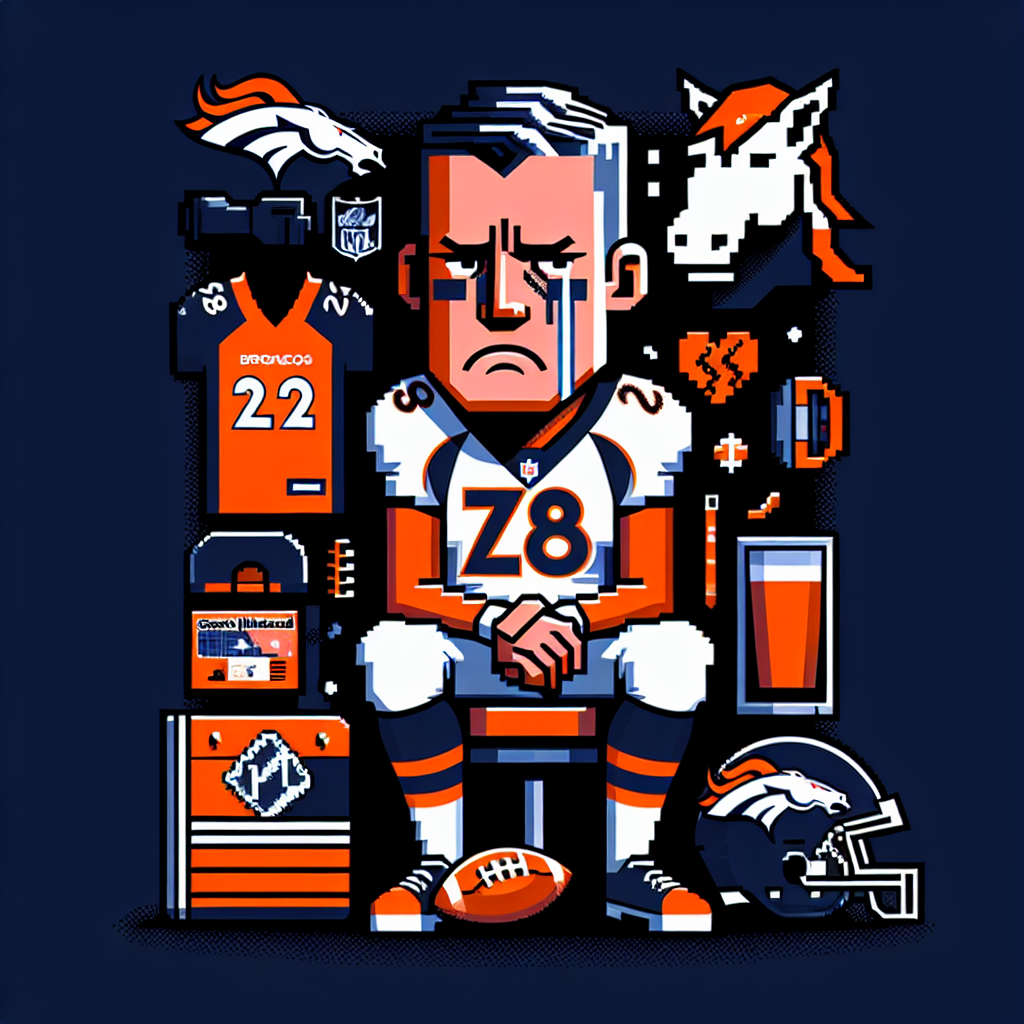
Dre Greenlaw: Why Denver Failed His Fit | Analysis by Brian Moineau

What was once buried is now coming to light: Dre Greenlaw Reveals Why He 'Just Wasn't Happy' with Broncos

The headline — Dre Greenlaw Reveals Why He "Just Wasn't Happy" with Broncos — lands like the confession in the middle of a long, awkward conversation. It’s the sort of line that promises more than a grievance: it promises context, closure, and a peek behind the curtain at how an NFL marriage unraveled in plain sight. Greenlaw said it plainly on Terron Armstead’s podcast and then again in interviews: he wasn’t himself in Denver, he didn’t feel healthy, and splitting reps on a defense that had been playing well left him unsettled.

That simple admission cuts through spin. It reframes his 2025 season not as a failure of character but as a story of timing, injury, and fit — and it helps explain why the Broncos ultimately moved on. This post walks through the key moments, what they reveal about NFL roster decisions, and why a player’s “happiness” can matter as much as stats.

The arc: from redemption hope to quick release

When Greenlaw signed a three-year, $31.5 million deal with the Broncos, the expectation was clear: a veteran inside linebacker returning to form, helping stabilize Denver’s defense. Instead, injuries — and an NFL suspension — limited him to eight games and disrupted the continuity both he and the team hoped for.

Greenlaw’s comments — “For me, it was like, the fact that I'm not healthy… it kind of makes you not happy” — are candid and specific. He described lacking the “twitch” and the gear he needed to feel like himself on the field, and he described the mental friction of easing back in and splitting reps with teammates who were playing well. That combination of reduced performance, shifting role, and personal frustration made his return to the field feel hollow.

  • He played eight games with modest production.
  • He missed time due to injury and suspension.
  • The Broncos re-signed other linebackers and reshaped their depth chart, creating fewer clear-cut reps for him.

Together, those facts help explain why Denver designated his release post–June 1 and created salary-cap relief by moving on early.

Dre Greenlaw and the fit problem

Greenlaw’s situation is a useful case study in fit. Teams buy players for skill sets and experience, but they also buy an expectation: that the player can execute, stay healthy, and slot into a role that advances the team’s plan. When those expectations and reality diverge, friction grows fast.

Greenlaw’s complaint wasn’t about money or relationship drama. It was about not being the player he expected to be and having to reconcile that with teammates who were thriving. That split — feeling like a square peg in a round hole — is different from outright failure. It’s about identity and agency: Greenlaw wanted to be a leader and a starter, not someone easing in and hoping to reclaim old form week-to-week.

Sean Payton’s reaction at the NFL owners meetings was enlightening, too. Payton called the decision “tough,” praised Greenlaw’s passion, and acknowledged a coach’s responsibility when signings don’t work out. That sympathy is important: it recognizes the human side of roster moves without excusing strategic choices.

Why the 49ers reunion made sense

Greenlaw’s quick move back to San Francisco on a one-year deal underscores two things: NFL franchises value fit and relationships, and players often find the right environment faster than they find new form.

The 49ers are the team where Greenlaw spent his first six NFL seasons. He cited relationships — with the coaching staff, management, and teammates like Fred Warner — as central to his return. That familiarity offers a psychological reset: known schemes, trusted teammates, and a culture where he previously thrived.

From a team perspective, the 49ers gain a seasoned linebacker who understands the locker room and the Xs and Os they run. From Greenlaw’s perspective, returning to a place where he felt competent and connected gives him the best shot at reclaiming the “twitch” he described missing in Denver.

What this says about health, role clarity, and the modern NFL

Greenlaw’s candor highlights several broader truths about the league today:

  • Health isn’t binary. Players might be cleared to play but still feel physically off, and that subtle decline can cascade into lost confidence.
  • Role clarity matters. Veteran acquisitions only work when the team carves a role that aligns with both the scheme and the player’s current ability.
  • Money doesn’t buy assurance. A large contract creates expectations, but it doesn’t guarantee performance or fit; it may even amplify scrutiny when things go wrong.

In short, the league’s human dynamics — recovery from injury, ego management, and fit within a defensive rotation — matter as much as analytics when outcomes diverge from plans.

What to remember

  • Greenlaw’s “I just wasn’t happy” was rooted in health, role uncertainty, and a feeling of not playing like himself.
  • The Broncos’ decision reflected a calculus of performance, cost, and depth, not malice.
  • The 49ers reunion offers Greenlaw familiarity and a clearer path back to the player he was pre-injury.

My take

Athletes are storytellers of their own careers, and Greenlaw chose to be honest about his season in Denver. That honesty benefits everyone: teams get clearer signals about fit, fans get a more nuanced picture than headlines provide, and Greenlaw gets the chance to reset in a place that suits him.

In a league that rarely gives players a second chance to rehabilitate both body and reputation, returning to the 49ers feels like the right next chapter. Whether he rediscovers his form will depend on a mixture of health, opportunity, and how well the 49ers integrate him into their defensive plan. But the most important element — his own buy-in — looks healthier now than it did amid the splitting reps and quiet frustration in Denver.

Sources


Related update: We recently published an article that expands on this topic: read the latest post.
Related update: We recently published an article that expands on this topic: read the latest post.

49ers Land Mike Evans in Smart Deal | Analysis by Brian Moineau

The 49ers just pulled off a savvy free‑agency move with Mike Evans

The headlines landed fast: veteran wide receiver Mike Evans is leaving Tampa Bay after 12 seasons and landing in San Francisco on a reported three‑year deal — but the real story isn’t the length or the headline number. It’s the structure. The 49ers are said to have given Evans roughly $16.3 million in guarantees, turning what looks like a big splash into an exceptionally team‑friendly move.

Why this matters right now

  • Mike Evans is a proven, durable No. 1 target — 11 straight 1,000‑yard seasons to start his career, multiple Pro Bowls, and a reputation for winning contested catches.
  • The 49ers add a true vertical threat and red‑zone presence to an offense that already hums with playmakers.
  • But more importantly for roster construction, the guarantees are modest relative to the reported potential value of the deal, giving San Francisco optionality and limiting long‑term cap exposure.

What the contract structure says (and why it matters)

Numbers reported across outlets show a three‑year pact with upside (reports cite up to ~$60.4M) while the guaranteed money sits near $16.3M — or roughly one full, significant season of commitment up front. That implies:

  • The 49ers can get real production year one without banking on years two and three.
  • The team retains flexibility to move on after one season if Evans’ play, health, or fit isn’t what they expect — or to rework the deal later if both sides want to extend.
  • A lower guarantee reduces dead‑cap risk and lets San Francisco preserve resources to address other roster needs.

This is the difference between buying a player and buying flexibility: you still get the on‑field upside, but you don’t mortgage the future if things go sideways.

How Evans fits the 49ers’ offense

  • Scheme fit: San Francisco operates an offense heavy on pre snap motion, play action, and manipulating coverages for big plays. Evans’ contested‑catch DNA and physical play on the boundary line up well with that approach.
  • Complement, not replacement: The 49ers’ receiving room already includes dynamic route‑runners and YAC specialists. Evans brings size, catch radius, and red‑zone finishing that diversify the passing tree.
  • Quarterback situation: Whether Brock Purdy (or another starter) is throwing, adding a target who can reliably win 50/50 balls helps in high‑leverage moments — third‑downs and the end zone.

Why many see this as a “steal”

  • Market context: For a receiver with Evans’ resume, $16.3M guaranteed across a multi‑year agreement is modest by modern WR market standards. That’s why many outlets and fans called it a bargain for the Niners.
  • Risk‑reward balance: The 49ers essentially bought a high floor (Evans’ production potential in Year 1) while capping their long‑term downside.
  • Team leverage: By structuring guarantees this way, San Francisco preserved payroll flexibility to handle cap nuances, restructure later, or pivot if the roster needs shift.

Counterpoints and what to watch

  • Age and decline risk: Evans is a veteran. Production trends, speed profiles, and injury history should be monitored. One low‑snap season could change the value equation.
  • Chemistry and route distribution: Getting targets to mesh — route trees, timing, and coverage responsibilities — takes time. The 49ers will have to integrate Evans without cannibalizing other playmakers.
  • Cap accounting nuance: Signing bonuses and voidable years can mask future cap hits. The guarantee figure is a headline; the full cap picture will be clearer once the contract is filed with the league.

What this means for Tampa Bay and the wider market

  • For the Buccaneers, losing a franchise mainstay is a roster and cultural shift; Tampa reportedly made a strong offer but Evans wanted a new chapter.
  • For the receiver market: this deal might reset thinking on how to secure veteran receivers — shorter, incentive‑heavy offers with modest guarantees can be attractive to teams wanting upside without long‑term exposure.

Where this ranks among recent 49ers moves

  • The 49ers have a pattern of aggressive-but-calculated signings: adding proven pieces while managing guarantees and cap flexibility.
  • In that light, Evans looks like a textbook “win now” acquisition that still respects future roster planning.

A few practical takeaways

  • Short term: Expect the 49ers’ passing game to gain a reliable contested‑catch target and red‑zone finisher.
  • Roster building: The guarantees suggest the team prioritized flexibility over committing big guaranteed money for multiple years.
  • Fantasy/prop impact: Evans’ immediate fantasy value will depend on target share early — but pairing him with the 49ers’ scheme could quickly pay off.

Final thoughts

This isn’t just a splashy headline signing. It’s a lesson in modern roster construction: get the player you want for the here and now, but build the deal so you aren’t tied to uncertain futures. If Mike Evans still plays like the elite red‑zone target he’s been, San Francisco will have extracted huge value. If age or fit become concerns, the team kept an escape hatch. Either way, that blend of upside and fiscal prudence is why many are already calling this a steal.

Sources


Related update: We recently published an article that expands on this topic: read the latest post.
Eagles 2026 Free Agency Tracker Update | Analysis by Brian Moineau

Opening the ledger: why this matters now

Free agency is the NFL’s theater of possibilities — and this year, the Eagles 2026 free agency tracker - PhillyVoice is the ticket many Philly fans are refreshing between coffee and commute. The offseason calendar reached a new chapter as the 2026 league year opened, and Philadelphia’s moves (or strategic pauses) tell us a lot about roster intent: re-signments, cap maneuvering, and where Howie Roseman is willing to invest. (phillyvoice.com)

What the tracker is showing (and why it’s useful)

  • The tracker compiles who the Eagles will likely lose, who’s set to hit unrestricted free agency, and which younger players might be awarded qualifying offers — all of which feed into the team’s compensation and long-term plan. (phillyvoice.com)
  • It’s also a live indicator of strategy: early quietness often means patience (avoid overpaying early), while active spending signals urgency to fill a glaring need. Spotrac and cap analyses show where real dollars can be freed or squeezed. (spotrac.com)

Transitioning from summary to specifics, let’s break down the most consequential storylines emerging from the tracker.

Eagles 2026 free agency tracker - PhillyVoice: the big storylines

  • Defensive line and edge rush: The Eagles have several impending decisions on edge and interior defenders. Re-signing home-grown pass-rush help would preserve core continuity; letting veterans test the market could generate compensatory picks down the road. PhillyVoice’s previews highlight names likely to draw league interest. (phillyvoice.com)

  • Tight end and depth-chart balance: The tight end room has been under the microscope since last season. The tracker notes who’s unrestricted and who might be targeted in free agency if the Eagles don’t extend their own. This impacts both short-yardage play-calling and red-zone design. (phillyvoice.com)

  • Cap space vs. patience: Public cap trackers estimate the Eagles with modest room early in the cycle, which explains a tendency to wait for value or rotate from within. That quiet early in free agency doesn’t mean inactivity; it often signals planned, surgical additions rather than headline splashes. (sports.betmgm.com)

How the comp-pick calculus plays into decisions

The tracker also flags potential compensatory draft-pick outcomes based on which players depart and how the Eagles spend in free agency. Losing mid-level starters can net the team late-round compensation; signing big-money free agents can blunt that return.

  • Practical implication: Letting veterans walk for good offers elsewhere could be preferable if Philly gains picks and preserves the core. Conversely, extending select players before the market opens can keep elite talent in-house but reduces comp pick odds. (phillyvoice.com)

What the team’s current actions imply about 2026 roster construction

  • Preference for internal development: The Eagles have shown a pattern of promoting young talent and using the draft as a primary engine for upgrades. The tracker’s roster and futures updates indicate a healthy pipeline and activity in reserve/futures signings. (philadelphiaeagles.com)

  • Strategic patience in the early window: Early free agency usually lures teams into overpaying for name recognition. Philadelphia’s initial quiet — reflected in the tracker — suggests a plan to pick spots later or make trades when values more closely match their evaluation. (phillyfrontoffice.com)

Moving forward, the decisions made in the next weeks will illuminate whether Philly doubles down on the current core or retools around key positions.

What to watch this week

  • Any extension or long-term offer to top-tier pending free agents; those change the narrative immediately. (phillyvoice.com)
  • Signings from outside help at edge or tight end — these would signal targeted need-filling rather than sweeping roster overhaul. (spotrac.com)
  • Cap moves and contract restructures that free late-year flexibility and hint at midseason reinforcements. (sports.betmgm.com)

Things the tracker doesn’t capture (but you should)

  • Chemistry and coaching preferences: a player’s fit within Nick Sirianni’s scheme can matter as much as raw stats.
  • Injury risk assessments and medical subtleties aren’t fully reflected in public trackers.
  • The market’s psychological component: sometimes a single surprising overpay by another team shifts the whole market.

Midseason consequences of these early choices

If Philadelphia holds pat and trusts draft/development, their early-season depth will be tested but they’ll preserve draft capital. If they pay for immediate upgrades, expect a shorter leash for the backend of the roster but potentially a faster window to contend.

A few quick takeaways

  • The tracker is a real-time thermometer for organizational philosophy and roster priorities. (phillyvoice.com)
  • Expect measured moves: early quiet doesn’t equal inactivity; it often equals strategy. (phillyfrontoffice.com)
  • Comp picks are a subtle but material outcome of how Philly conducts free agency — sometimes more valuable than a marginal contract. (phillyvoice.com)

My take

I’m bullish on the idea that Philadelphia will use this period to protect its strongest building blocks while waiting for value. The Eagles’ historical willingness to develop and trade smartly suggests a preference for surgical additions over headline-grabbing overpays. That approach can be frustrating in real time, but it often preserves flexibility for later in the year — and for a team already near contention, flexibility can win playoff games.

Sources

Lions’ Interior O-Line Free Agency Targets | Analysis by Brian Moineau

Where Detroit should plug the gap: a free-agency look at centers and guards

The Lions have been built around offense-first philosophy — a turbocharged passing game, heavy investment at tackle, and a roster that expects protection and continuity up front. Yet as free agency 2026 opens, the clearest hole on Detroit’s roster is stubbornly interior: who snaps the ball and who keeps the middle lanes clean? Let’s walk through what matters, which names you’ll hear about, and the fits that make sense for the Lions’ roster and salary picture.

Why the interior matters more than you think

  • The center is the quarterback’s on-field lieutenant: he calls adjustments, smooths line communication, and anchors the run/pass balance.
  • Guards win the trenches that free up Jahmyr Gibbs and keep Jared Goff clean on intermediate throws.
  • The Lions have spent on tackle and skill positions; the smartest moves now are about value and fit rather than headline splash signings.

This isn’t just theoretical — recent coverage from Pride of Detroit frames interior O-line as Detroit’s “biggest need,” and league-wide evaluations show a thin but interesting market for centers and guards entering 2026. (prideofdetroit.com)

Quick takeaways for busy fans

  • -Detroit’s top priority should be finding a reliable center who can run the line calls and integrate quickly.
  • -A short-term, mid-priced veteran center plus competition (internal or via draft) is preferable to an expensive long-term bet that limits flexibility.
  • -Quality guards are available, but value matters: target versatile interior linemen who can kick inside or play C/G depending on need.

The state of play: who’s available and why it matters

Coverage across Lions-focused sites and free-agent trackers highlights a handful of names and themes for 2026:

  • -Veteran centers and rotation guards will headline the market — teams that need day-one reliability will pay up, while contenders like Detroit can sometimes win by blending mid-market vets with internal development. (prideofdetroit.com)
  • -Analytics shops (PFF) and salary trackers (Spotrac) flag players such as proven starting centers who could command meaningful money; conversely, longer-term upside guards exist but may not match Detroit’s win-now window. (pff.com)

Pride of Detroit’s preview (March 6, 2026) is explicit: center and guard are Detroit’s biggest free-agency needs, and there are fits that balance cost, scheme, and readiness. (prideofdetroit.com)

Best fits for the Lions — short-list and rationale

Note: these are strategic fit-types rather than guaranteed signing predictions. The goal is what makes sense for the roster, cap, and coaching staff.

  • Reliable veteran center (two- to three-year deal, mid-market)

    • Why: Detroit needs line calls and steady snaps. A vet who can communicate with Goff and teach younger linemen buys the team time in the draft.
    • What to look for: consistent snap counts, low penalty rate, good PFF/film grades on interior pass sets. (pff.com)
  • Versatile guard who can play center in a pinch

    • Why: roster flexibility matters — injuries happen and offensive line depth is tested over a season.
    • What to look for: starts at both interior positions, ability to pull on zone runs, and chemistry in movement-blocking schemes. (spotrac.com)
  • Internal competition + low-cost veteran backup

    • Why: Detroit’s salary structure is crowded at certain spots. Adding a competent backup and creating competition for the starting job (rookie or second-year player) is often the most cost-effective path.

Fit examples (types you’ll see in rumors and coverage)

  • The “day-one center” signing

    • Teams sign an established center to be the starter immediately. This is ideal if the Lions decide they cannot wait for a draft prospect or internal fix. Expect a multi-year deal in the mid-to-high single-digit millions per year for many realistic options. (spotrac.com)
  • The “guard-then-train-center” approach

    • Sign a high-floor guard who can start immediately and groom a younger center behind him. This preserves immediate run/pass balance while buying time for a developmental center.
  • The “budget rotation” approach

    • Add two lower-cost interior veterans who split duties and create competition. Less elegant but preserves cap flexibility, useful if Detroit plans to pursue help elsewhere.

How this shapes draft and roster decisions

  • If Detroit signs a clear day-one center, the draft can be used to invest elsewhere (edge, secondary, or a swing tackle).
  • If Detroit prefers to keep cap space, expect more emphasis on interior line in the draft or on cheap veteran depth.
  • Coaching/communication fit matters: the center must mesh with the scheme and Jared Goff’s cadence — not every statistically-strong center fits play-caller responsibilities equally well. (prideofdetroit.com)

My take

Detroit sits at the intersection of contending now and needing interior reliability. The sensible path is a balanced one: sign a trustworthy, not necessarily headline-grabbing center on a team-friendly deal, add a versatile guard who can slide across as needed, and keep a draft pick or two lined up for long-term answers. That keeps the offense stable for 2026 while preserving flexibility for future roster construction.

Sources


Related update: We recently published an article that expands on this topic: read the latest post.


Related update: We recently published an article that expands on this topic: read the latest post.

Commanders Ready to Spend Big in Free | Analysis by Brian Moineau

Washington’s all-in moment: why the Commanders are expected to spend big in free agency

There’s an energy around the Washington Commanders that feels different this winter — not the slow-burn rebuild whispers of past years, but a louder, bolder hum that says: let’s win now. With ample cap space and clear holes on the roster, Washington is widely expected to be aggressive in free agency, targeting edge rushers, wide receivers and cornerbacks to give Dan Quinn’s defense and the offense immediate, high-impact upgrades. (espn.com)

Why this off-season matters

  • The Commanders enter the offseason with meaningful salary-cap flexibility and a front office that signaled a willingness to spend to accelerate the team’s timeline. That combination naturally points to heavy activity in March’s free-agent market. (washingtonpost.com)
  • The roster has glaring needs where veteran, top-of-market signings can move the needle quickly: an edge rusher who consistently pressures quarterbacks, a reliable outside receiver to complement the existing weapons, and a starting-caliber corner to stabilize pass defense. These are precisely the positions most analysts expect Washington to pursue. (espn.com)
  • Free agency lets a team buy proven production immediately — crucial for a franchise that has burned draft capital in recent years and now needs results rather than long-term projects. Expect the Commanders to target players who can contribute Week 1. (espn.com)

What the Commanders need, in plain terms

  • Edge rusher: A true consistent pass-rush presence to relieve pressure on the secondary and flip game-planning for opponents. A high-end edge signing would change opposing protections and help the entire defense perform better. (espn.com)
  • Wide receiver: A reliable outside threat who can draw coverage, create separation and finish contested catches — an upgrade that would open the field for the offense. (fanduel.com)
  • Cornerback: Either a veteran lockdown option or a versatile starter who can coexist with the team’s other corners and simplify defensive matchups. (washingtonpost.com)

How Washington might spend — scenarios to watch

  • Top-of-market move(s): With cap space, the Commanders could pursue one or two marquee free agents (for example, a high-grade edge rusher and a starting corner), accepting premium contracts to land immediate difference-makers. That’s the “splash” approach many pundits expect. (espn.com)
  • Mix of veteran signings + draft: Another path is signing one or two proven veterans and using the draft to fill complementary roles, balancing cost and roster depth. This reduces risk but still upgrades key spots. (fanduel.com)
  • Targeted bargains: If the market inflates and bidding wars push prices sky-high, Washington could pivot to younger, cheaper free agents with upside — trading immediate star power for more manageable long-term cap flexibility. Recent coverage notes both the temptation and the danger of overpaying in an inflated market. (atozsports.com)

The ripple effects on roster construction

  • Spending big at edge or corner affects draft strategy. If the Commanders lock up a premier pass rusher in free agency, their first-round pick could go to offense or to a different defensive need. Conversely, staying conservative in free agency would increase pressure to draft impact players early. (espn.com)
  • Financially, committing large sums to veteran free agents shortens flexibility in future windows. That’s fine if the signings push the team into contention; it’s risky if the players underperform or suffer injuries — a classic win-now tradeoff. (washingtonpost.com)
  • Culture and coaching fit matter. Dan Quinn’s scheme values pass rush and tight corner play; bringing in players who fit the scheme and locker-room culture will be as important as raw stats. Analysts have emphasized that the front office appears ready to prioritize scheme fits this offseason. (espn.com)

Possible names and market dynamics

  • The actual targets will depend on who reaches the market and how bidding wars unfold. Names have circulated in mock lists and local coverage — from established edge talents to starting corners and mid-level receiver options — but the bigger story is the Commanders’ willingness to be “top of market” for players who can make an immediate impact. Expect competition from other teams with similar needs, which tends to drive up contract values. (sportsnaut.com)

A few practical betting points to follow as the window opens:

  • Watch whether Washington bids aggressively early or dials in offers late — early splashes suggest confidence in a championship window; late buys suggest opportunism. (espn.com)
  • Track cap moves and restructures — they reveal how committed the front office is to spending now versus preserving flexibility. (washingtonpost.com)
  • Pay attention to positional signings league-wide; a handful of high-priced deals at edge or corner will define the market and affect Washington’s ability to land targets. (atozsports.com)

A quick snapshot for fans (TL;DR)

  • The Commanders have money and urgency. Expect big swings in free agency, particularly for edge rushers, wide receivers and cornerbacks. (espn.com)
  • The team could chase one or two marquee veterans or combine a couple of high-impact signings with draft solutions. (fanduel.com)
  • Outcomes will hinge on market inflation, bidding wars and whether Washington prioritizes immediate results over long-term flexibility. (atozsports.com)

My take

If Washington truly wants to pivot from hopeful rebuild to legitimate contender, this is the offseason to stop nibbling at the edges and invest where it counts. An elite edge rusher and a dependable boundary corner can transform the defense overnight; a consistent outside receiver can change the offense’s play-calling balance. Smart deals that emphasize fit — not just star power — will matter most. The risk of overpaying exists, but so does the upside of vaulting into contention. For fans, buckle up: the next few weeks should be lively.

Sources


Related update: We recently published an article that expands on this topic: read the latest post.


Related update: We recently published an article that expands on this topic: read the latest post.
Harbaugh and Schoen: Building Trust | Analysis by Brian Moineau

Harbaugh and Schoen: Learning to “Agree to Agree” at the Combine

The NFL Scouting Combine is where prospects run, jump and answer the questions every scout already knows the answers to. This year, though, the real intrigue in Indianapolis wasn’t a 40-yard dash — it was the developing partnership between John Harbaugh and Joe Schoen. Their message was simple and oddly reassuring: they are figuring out how to work together, and they’re willing to “agree to agree.”

Below I pull apart what that phrase means for the New York Giants, why it matters going into the 2026 draft and free agency, and how this new leadership chemistry could shape the franchise’s near future.

Why the Combine mattered beyond prospects

  • The Combine gave Harbaugh and Schoen a public forum to show alignment after a high-profile coaching hire that altered the team’s power dynamics.
  • Harbaugh arrived with a clear identity shaped by 18 seasons in Baltimore; Schoen brings the front-office continuity and institutional knowledge of the Giants’ scouting and roster work.
  • Both men repeatedly emphasized collaboration — not a surrender of roles or a power struggle, but a practical, united front as the organization rebuilds around young QB Jaxson Dart and the No. 5 pick in the 2026 draft. (bigblueview.com)

The phrase that stole the headlines

“Agree to agree” isn’t slick PR — it’s a management philosophy with roots in Harbaugh’s time in Baltimore. It signals a few things:

  • A shared decision-making baseline where coach and GM align on player traits and organizational direction.
  • A willingness to avoid public infighting by finding collective clarity on priorities early.
  • Recognition that successful franchises marry coaching vision with roster construction, not a sole dictator making every call. (aol.com)

This approach won’t remove hard disagreements, but it sets a pattern: define the desired player profile together, then let scouts and evaluators find the best fits.

Five immediate takeaways from the Combine coverage

  • Harbaugh is taking a commanding role in organizational design. His contract and reporting lines (including the hire of Dawn Aponte in a senior operations role) indicate he’ll heavily influence how football operations are organized. (bigblueview.com)
  • Schoen is publicly upbeat and collaborative. He stressed that the structure on paper “doesn’t matter” compared with the work they’ll do together, even as the realities of decision-making evolve. (newsweek.com)
  • The leadership duo is aligning on player traits. Harbaugh and his staff have communicated the kinds of physical and mental attributes they want; Schoen’s scouting apparatus now has to translate that into draft targets. (aol.com)
  • The PR posture matters. With fans and media scrutinizing any perceived imbalance, both men used the Combine to project unity and blunt narratives of a power struggle. That’s important for locker-room stability and free-agent recruiting. (bigblueview.com)
  • Having multiple experienced play-callers and staffers isn’t a weakness if roles are clear. Harbaugh emphasized systems and role clarity to make sure collaboration among coaches becomes a strength, not a source of friction. (bigblueview.com)

What this means for the 2026 draft and offseason

  • Expect more coach input in the scouting process. Harbaugh wants the staff aligned on the “player we’re drafting” — that’s a head coach shaping evaluation criteria early. (aol.com)
  • The Giants’ top-5 pick will be evaluated not just by athletic upside but by fit within a Harbaugh system. Offensive linemen or playmakers who match the coaching staff’s traits will rise in importance.
  • Free agency conversations will likely be framed by a shared plan: plug immediate holes with veterans who fit the culture and athletic profile the coaches want, while keeping draft capital for foundational pieces.

What could go wrong — and how they can prevent it

  • Risk: Blurred accountability. If “agree to agree” becomes code for vague responsibility, decisions slow and mixed messages follow.
  • Fix: Clear decision gates. Define who has final say in specific domains (e.g., contract signings vs. draft day calls) and communicate them internally and to players.
  • Risk: Cultural clash between long-tenured scouts and a new coaching lens.
  • Fix: Joint evaluations, shared tape sessions, and concrete metrics that translate coach preferences into scout language.

My take

The soundbite “agree to agree” is a mature way to describe the messy work of collaborative leadership. For fans, it’s comforting to see both men choosing public unity over headline-grabbing tension. For the franchise, the real test will be whether that unity produces consistent drafts, coherent roster moves, and on-field improvement. If the Giants can convert talk into disciplined process — one where coach and GM blend vision with roster-building craft — this season’s Combine will look like the moment things started to click.

Where to watch next

  • Pay attention to how the Giants’ boardroom meetings translate into the pre-draft visit lists and pro days.
  • Watch early free-agent signings for players who clearly match Harbaugh’s stated preferences.
  • Track whether the scouting reports start using the same descriptors Harbaugh emphasized at the Combine — that’s where “agree to agree” becomes measurable.

Sources


Related update: We recently published an article that expands on this topic: read the latest post.

Related update: We recently published an article that expands on this topic: read the latest post.

Gutekunst’s Indy Takeaway for Packers | Analysis by Brian Moineau

What Gutekunst Said in Indy — and What It Means for the Packers' Next Move

The NFL Scouting Combine is where drills meet diplomacy: prospects earn headlines with 40-yard dash times, and front-office leaders trade candid soundbites into a media frenzy. When Packers GM Brian Gutekunst took the podium in Indianapolis, he did what he usually does — guarded optimism with a clear blueprint. His comments touched on receivers, pass rush, special teams and the salary-cap landscape. For fans trying to read the tea leaves, Gutekunst’s tone in Indy felt like part reassurance, part challenge: the roster is close, but key upgrades remain necessary.

Quick hits from the podium

  • Gutekunst shrugged off clubhouse friction from Josh Jacobs’ public comments, emphasizing private conversations and Jacobs’ team-first mentality. (packers.com)
  • The GM still prefers developing in-house receivers rather than making a splash external addition — but he’s not blind to the need for a proven No. 1. (packers.com)
  • Health updates: Christian Watson’s ACL rehab is progressing; Romeo Doubs’ concussion history doesn’t appear to be a long-term red flag. (packers.com)
  • Pass-rush production and kicker reliability are explicit offseason priorities. Gutekunst said the pass rush “has to get better” and confirmed competition at kicker. (packers.com)
  • The higher-than-expected salary cap gives flexibility, but Gutekunst framed it as breathing room rather than a license to overspend. (packers.com)

Why the receiver conversation matters (and why Gutekunst sounded measured)

The optics were interesting: running back Josh Jacobs openly said the Packers need a “proven, No. 1” receiver, and that line quickly became the storyline out of Super Bowl week. Gutekunst’s response in Indy defused the drama without dismissing the issue. He reiterated that he’s had private conversations with Jacobs and believes the RB’s comments were rooted in a desire to win, not discord. At the same time, Gutekunst made his evaluation priorities clear: the front office would prefer one or more players on the current roster to step up rather than immediately flipping resources for an established star. That signals two things:

  • Gutekunst trusts the development pipeline and values internal continuity (drafted players getting opportunities). (packers.com)
  • The door remains open for external moves if the right high-value option appears — but not at the cost of destabilizing long-term roster construction. The GM’s posture is pragmatic, not reactionary. (packers.com)

From an SEO perspective: fans searching “Packers receiver need 2025”, “Gutekunst Combine receivers” or “Josh Jacobs comments” will find that Indy didn’t change Green Bay’s strategy — it clarified it.

Pass rush, the hidden keystone

If receivers are the high-profile ask, pass rush is the structural one. Gutekunst explicitly said producing more pressure is crucial if the Packers want to meet their stated championship aims. The Combine is the early-stage marketplace for edge talent, and Gutekunst’s remarks suggest he’s prepared to use draft capital or trades to upgrade that front. Expect the Packers to weigh:

  • Drafting edge help (possibly trading up if a premier rusher is available). (packers.com)
  • Prioritizing players with both size and versatility, fitting the defensive vision Jeff Hafley wants. (packers.com)

For fans, the implication is clear: look for moves that boost pressure generation next to improving coverage. A better pass rush feeds the secondary, masks rough patches at corner, and gives Jordan Love more clean pockets.

Roster depth, contracts, and the salary-cap reality

A surprise jump in the salary cap created headlines around the league. Gutekunst described the windfall as helpful breathing room but didn’t suggest Green Bay will suddenly behave differently in free agency. Key notes:

  • Jordan Love’s contract talks were expected to begin around combine-time, but formal extension rules limit when teams can complete deals. Gutekunst said initial conversations are part of the combine rhythm. (packers.com)
  • Several impending free-agent decisions — from offensive line starters to rotational players — will shape draft and signing priorities. Gutekunst framed the cap boost as flexibility, not a wholesale change in philosophy. (packers.com)

This is smart conservative management: keep flexible while targeting high-impact upgrades rather than overpaying for short-term fixes.

Special teams and other nitty-gritty areas Gutekunst flagged

Two specific small-market but high-leverage items rose in his talk:

  • Kicker Anders Carlson will face competition after a shaky rookie year; Gutekunst expects improvement but also competition. Kicking matters in close games — the Packers are addressing it. (packers.com)
  • Running back depth and role definition: Gutekunst wants a “bigger back” behind Aaron Jones for short-yardage and late-game scenarios, especially if AJ Dillon departs. That’s a targeted roster need that can influence mid-round draft choices or free-agent looks. (packers.com)

These are the kinds of small decisions that swing tight games; Gutekunst’s comments show he’s not ignoring them.

What to expect next — a short roadmap

  • Draft: Look for an emphasis on pass rush and depth — possibly a late-round developmental QB and an OL insurance piece. (packers.com)
  • Free agency/trades: Gutekunst will use the extra cap room judiciously. Big splashes are possible but not guaranteed; priority will be on fit and value. (packers.com)
  • Development: The staff will continue to create opportunities for younger receivers and defensive backs to earn roles — Gutekunst repeatedly credited opportunity as a driver of recent draft ROI. (packers.com)

Midseason checklist for skeptics and optimists

  • Skeptics: Watch for whether Green Bay actually adds a true No. 1 receiver or simply leans on roster development; whether pass-rush production measurably improves; and if kicking issues are resolved. (packers.com)
  • Optimists: Lean into the fact that the cap boost and internal depth give Gutekunst options; a few well-timed moves (edge rusher + reliable kicker) could convert a very good roster into a championship one. (packers.com)

My take

Gutekunst’s Combine appearance felt less like a reveal and more like a status report from a GM who believes the roster is close but incomplete. He balanced faith in homegrown talent with an honest acceptance that targeted upgrades matter — especially in pass rush and at the receiver position. If Green Bay can pair smart additions with the growth already visible on the roster, this offseason could be the bridge between contention and genuine title expectation.

Sources


Related update: We recently published an article that expands on this topic: read the latest post.


Related update: We recently published an article that expands on this topic: read the latest post.
Bulls’ Roster Teardown: Dosunmu Traded | Analysis by Brian Moineau

The Bulls’ latest roster demolition: why trading Ayo Dosunmu hurts and makes sense

There’s a particular sting when a hometown player you’ve watched grow into a reliable pro is packed into a trade bag and sent away before you’ve finished your mid-morning coffee. That’s what happened Thursday when the Chicago Bulls — in the middle of a blitz of deadline moves — shipped Ayo Dosunmu out of town, along with Julian Phillips, while Dalen Terry had already been moved earlier in the day. It felt less like a nudge in a new direction and more like a wholesale teardown.

Below I unpack the context, the logic from both sides, and what this cascade of trades means for the Bulls’ short- and long-term identity.

Why this felt like a gut punch

  • Dosunmu is a hometown success story. Drafted in the second round out of Illinois in 2021, he’d steadily built a reputation as a gritty two-way guard who could defend, create shots, and provide energy off the bench or in spot starts. The emotional attachment runs deep for Chicago fans. (chicago.suntimes.com)
  • The timing. The Bulls had already moved other recognizable pieces (Kevin Huerter, Nikola Vučević, Coby White in earlier deals reported around the deadline), so Dosunmu’s exit felt like another brick pulled from the house rather than a strategic remodel. The narrative shifted from “retool” to “rebuild.” (chicago.suntimes.com)
  • Certainty of departure. Dosunmu was on an expiring deal, meaning the Bulls’ front office faced a classic decision: try to hold onto a fan favorite for a modest chance at a playoff push, or flip him now for longer-term assets. They chose the latter. (foxsports.com)

The trade details (the essentials)

  • Minnesota Timberwolves received: Ayo Dosunmu and Julian Phillips. (espn.com)
  • Chicago Bulls received: Rob Dillingham, Leonard Miller and four future second-round draft picks (reports vary slightly by outlet on exact package timing but the core pieces are consistent). (espn.com)

Dalen Terry, a former first-round pick who never quite locked a long-term role in Chicago, was moved earlier to New York in a deal that brought back Guerschon Yabusele — a move the Sun‑Times framed as partly bookkeeping and partly an admission of development misfires. (chicago.suntimes.com)

The front-office logic: accelerating a rebuild

  • Asset accumulation: The Bulls picked up young prospects and multiple second‑rounders. For a team that’s now clearly pivoting away from the current competitive window, extra picks and young talent are valuable currency. Getting Rob Dillingham (a former lottery pick) and Leonard Miller + draft capital gives Chicago lottery upside and trade chips down the line. (foxsports.com)
  • Avoiding forced re-signs: Dosunmu was an expiring salary and likely would test free agency in the summer. Rather than risk losing him for nothing, the Bulls monetized his value now. That’s pragmatic, even if it’s unpopular with the fanbase. (wsls.com)
  • Clearing confusion: The Bulls’ roster had a jumble of veterans and young wings — moving several established players creates clarity: this is a reset. Artūras Karnisovas has repeatedly said the roster would change; this is the literal fulfillment of that promise. (chicago.suntimes.com)

What Minnesota gains (and why they made the move)

  • Immediate two-way depth: Dosunmu brings energy, defense, and 3‑point shooting that can slide into bench lineups beside Anthony Edwards and boost the Wolves’ perimeter options for a playoff push. He was averaging career-high scoring numbers and shooting efficiently this season — traits playoff teams covet for bench scoring. (foxsports.com)
  • Short-term upgrade: For a contender trying to solidify a seed, adding a polished, affordable rotation guard for the stretch run is low-risk, high-return — especially if Dosunmu fills a role and hits free agency as hoped.

The cost: what Chicago might be sacrificing

  • Fan goodwill and identity: The Bulls are shedding hometown and popular players in rapid succession. That erodes continuity and makes it harder to sell future rebuilds to a passionate local fanbase. (chicago.suntimes.com)
  • Developmental risk: Rob Dillingham and Leonard Miller are young, but neither is a guarantee. Turning proven role players into prospects and picks carries the usual gamble: will those assets become meaningful rotation pieces? (foxsports.com)
  • Perception of incompetence vs. intentionality: Critics will point to busts or mis-picks (the Sun‑Times referenced Dalen Terry not meeting expectations) to paint the front office as flawed. But that critique sits beside a competing narrative: smart teams sometimes need to cut losses and gather flexibility. (chicago.suntimes.com)

Quick wins and longer arcs

  • Short-term: The Bulls will be worse this season on paper — fewer proven scorers and continuity. That may help draft positioning.
  • Medium-term: If Chicago’s evaluators hit on their lottery/later picks and Dillingham/Miller develop, the franchise could swap mid-tier veterans for younger controllable talent and reload cap flexibility.
  • Long-term: This is a multi-year bet. The scoreboard pain now could pay out only if the front office nails scouting, player development, and later acquisitions.

What to watch next

  • How Rob Dillingham and Leonard Miller are deployed — are they given minutes or flipped for different assets?
  • The Bulls’ summer strategy: will they chase a franchise-level swing in free agency, or keep stockpiling picks and hope for a high draft position?
  • Dosunmu’s role in Minnesota and whether he re-signs in free agency — his performance there will color how this deadline trade is judged.

Key takeaways for Bulls fans

  • This was a decisive, not incremental, pivot: the front office is embracing a rebuild and sacrificing immediate familiarity for future optionality. (chicago.suntimes.com)
  • The Bulls gained prospects and picks in exchange for proven role players — a tradeoff between certainty today and upside tomorrow. (foxsports.com)
  • How the club executes on development and future draft decisions will determine whether these moves become celebrated or regretted.

My take

I get the frustration. Trading a hometown player like Ayo Dosunmu stings because it’s personal — he represented a connective thread between the team and the city. But the NBA is a market of windows. The Bulls’ leadership appears to have decided that clinging to incremental competitiveness this season was less valuable than clearing a path to a new core. That’s defensible, even if it’s ugly in the moment.

If Chicago’s brain trust can translate those second‑rounders and young pieces into real talent or smart trades, this chapter will read like a necessary reset. If they don’t, this will look like an avoidable demolition. For now, it’s a bold bet — and bold bets are always polarizing.

Sources


Related update: We recently published an article that expands on this topic: read the latest post.

Shedeur’s Pro Bowl Boost, Browns | Analysis by Brian Moineau

Shedeur Sanders’ Pro Bowl nod: a bright feather in a still-uncertain cap for the Browns

A late-January surprise: Shedeur Sanders — a fifth-round rookie who started seven games down the stretch for the Cleveland Browns — has been added to the AFC Pro Bowl roster. It’s the kind of headline that makes highlight reels and social timelines light up: a young quarterback, son of a Hall of Famer, earning a league recognition after an abbreviated audition at the position. But beneath the feel-good moment there’s a complicated story about opportunity, optics, and a quarterback room still waiting for clarity.

Why this matters right now

  • The Pro Bowl addition is both an accolade and an exclamation point on Sanders’ seven-game run as Cleveland’s starter. It gives him a résumé line — “Pro Bowler” — that few rookies obtain.
  • The Browns, however, have not settled on a head coach for the 2026 season. That means there’s no guarantee Sanders will enter next year as the unquestioned starter; a new coach could bring a new plan.
  • Sanders’ stat line (roughly 1,400 passing yards, seven touchdowns and 10 interceptions in eight appearances) reflects flashes of potential and the kind of growing pains coaches expect from a rookie QB thrust into live NFL games.

The audition: what Sanders showed in seven starts

  • Upside: Sanders produced moments of playmaking and late-season wins — including a noteworthy victory over the Bengals — and demonstrated poise that earned him the week-to-week starting nod down the stretch. His completion rate and a handful of big-yard games suggested a quarterback with arm talent and timing with at least some weapons around him. (clevelandbrowns.com)
  • Inexperience: Turnovers and pressure sacks were real issues. The interception total and timing mistakes are reminders that rawness still exists; he wasn’t a finished product, just a rapid-education student. (nbcsports.com)
  • Narrative boost: The Pro Bowl selection — technically as a replacement — elevates Sanders’ profile in a way raw stats alone might not. Whether voters saw promise, popularity, or both, the selection is an external validation that can influence perception inside and outside the Browns’ building. (nbcsports.com)

The coaching vacancy looms large

  • The Browns’ lack of a settled head coach for 2026 is the single biggest variable in Sanders’ immediate future. New head coaches often bring different QB preferences, scheme fits, and evaluation criteria. Even an internal candidate could reset how the team evaluates the position. (nbcsports.com)
  • Sanders’ fate is therefore tied to two conversations: what the front office wants long-term at QB, and what the incoming coach’s offensive philosophy demands. A coach that prioritizes experience or a particular skill set might look elsewhere, while one committed to developing a young passer could keep Sanders as the centerpiece.

What the Pro Bowl nod actually buys Sanders

  • Confidence and marketability: “Pro Bowler” is a durable credential. It helps the player’s brand and can be a subtle psychological edge during evaluation meetings.
  • Not a guaranteed job: The nod does not equal a sealed starting role. It’s a bright mark on a resume, not an ironclad job offer. Management and a new coach will weigh film, interviews, roster construction, and draft/FA possibilities before declaring a long-term QB plan. (nbcsports.com)

Takeaways for Browns fans (and NFL watchers)

  • The Browns have a young QB who flashed enough to be noticed league-wide — that’s meaningful even if it’s just a first step.
  • Organizational uncertainty at head coach makes the next few months critical. Sanders’ future will be decided as much by front-office vision and coaching preference as by his on-field flashes.
  • Pro Bowl selection can influence narrative momentum, but it won’t replace the hard work of development, scheme fit, and roster upgrades the Browns must pursue to turn promise into sustained success.

My take

Sanders’ Pro Bowl nod is a headline that matters because it changes conversations. It gives him a credential and a louder voice in the debate over Cleveland’s quarterback future, but it doesn’t write the final chapter. The Browns need more than a feel-good media moment — they need a coherent plan: a coach who trusts their QB, a supporting cast that limits turnovers and pressure, and a patient development path. If the organization wants Sanders to be its future, this offseason needs purposeful moves that match that message. If not, this Pro Bowl will stand as a promising but brief interlude in a rolling rebuild.

Sources


Related update: We recently published an article that expands on this topic: read the latest post.

Falcons Quiet GM Search: Long Game Plan | Analysis by Brian Moineau

The Falcons’ GM Search: A Quiet Shuffle with Big Stakes

Hook: The Atlanta Falcons are playing the long game — and the latest from NFL insider Tom Pelissero suggests that what looks like a whisper of interviews today could be the blueprint for the franchise’s next decade.

The short version: the Falcons are methodically interviewing GM candidates while Matt Ryan’s new role atop football operations helps shape the process. Tom Pelissero’s recent update confirms interviews are underway and underscores that Atlanta is being deliberate about pairing a general manager with the new leadership structure.

Where we are and why it matters

  • The Falcons parted ways with Terry Fontenot after the 2025 season, creating one of the NFL’s most consequential front-office openings.
  • Matt Ryan — the former franchise quarterback — is expected to be installed as president of football operations (or head of football operations), which shifts the power dynamic and makes the GM hire as much about chemistry as it is about résumé.
  • The team is interviewing candidates publicly reported (and confirmed by team communications) as part of a process led by Ryan and aided by executive search firms.

Why this matters:

  • A GM hires coaches, builds the roster and controls the draft strategy; with Ryan overseeing football operations, the GM will need to complement Ryan’s vision rather than clash with it.
  • The Falcons already made a headline coaching hire (Kevin Stefanski), so the GM decision is the next major lever that will determine roster construction and the team’s trajectory.

What Pelissero reported

  • Tom Pelissero provided a concise update on NFL Network’s “The Insiders”: the Falcons’ interview process for GM candidates is active and moving forward. The coverage emphasized process and fit over a quick hire. (nfl.com)

  • Local reporting from the Falcons confirmed interviews with at least one candidate (Josh Williams) and framed the search as being guided by Matt Ryan and supported by external search partners. That article highlights the organization’s stated focus on working relationships and alignment as priorities. (atlantafalcons.com)

  • Outside coverage has linked names into the process (reports noting interviews or interest in experienced executives such as Joe Douglas in the broader media cycle), indicating Atlanta is considering both established front-office figures and newer executives. (nypost.com)

The real question: fit over flash

  • The Falcons don’t need a headline-grabbing hire as much as a complementary partner for Ryan and Stefanski.

  • With Stefanski already in place as head coach, the GM must:

    1. Build synergy with Stefanski’s schematic needs (e.g., offensive priorities, roster flexibility).
    2. Share or be adaptable to Ryan’s strategic vision for the roster and organizational culture.
    3. Execute drafts and free-agent strategy that can accelerate competitiveness without destabilizing the cap or long-term plan.
  • That’s why Pelissero’s emphasis on process — interviews, vetting, and fit — is worth noting. The team appears to prefer a careful selection that reduces friction at the top of the organization.

Candidates and context to watch

  • Expect the Falcons to consider:

    • Veterans who’ve previously run or assisted in running a roster (they bring proven processes).
    • Talent evaluators who can identify immediate contributors and long-term building blocks in the draft.
    • Executives who are comfortable in a shared-power structure with a president of football operations (that’s a key filter now).
  • Publicly named interviewees (like Josh Williams) and reported names in the media signal Atlanta is casting a wide net — from league-tested GMs to sharp evaluators who can execute a Stefanski-friendly roster plan. (atlantafalcons.com)

What to expect next

  • More interviews and vetting steps announced in short order (weeks, not months).
  • A hire that will be framed publicly around “fit” — expect statements about alignment with Matt Ryan and Kevin Stefanski.
  • Immediate focus post-hire on roster evaluation, draft board alignment, and free-agent strategy for the coming offseason.

Key points to watch:

  • How closely the GM’s public philosophy matches Stefanski’s scheme.
  • Whether the Falcons clearly define the president/GM boundaries in public communications.
  • Any quick staff moves that hint at the new GM’s priorities (personnel staff hires, scouting structure changes).

My take

Atlanta seems to be learning the lesson many franchises have learned the hard way: putting personalities in compatible seats matters as much as pedigree. Tom Pelissero’s update — short and process-driven — is a signal the Falcons want this right rather than fast. With Matt Ryan now in a leadership role and Stefanski coaching, the GM will likely be judged on how well they knit those pieces together into a coherent, sustainable plan.

If Atlanta lands someone who can both evaluate talent and collaborate at the executive level, this search could be the subtle turning point the franchise needs. If not, tensions at the top could blunt the potential Stefanski brings on the field.

Sources


Related update: We recently published an article that expands on this topic: read the latest post.


Related update: We recently published an article that expands on this topic: read the latest post.


Related update: We recently published an article that expands on this topic: read the latest post.

Puka Nacuas Post Fuels NFL Officiating | Analysis by Brian Moineau

Puka Nacua: From Beloved Overachiever to Social Media Headline

A 24‑year‑old receiver goes for 225 yards and two touchdowns in a heartbreaker at Lumen Field — and instead of leaving the story with the stat line, he adds a deleted X post and a league fine to the narrative. The result: a fast, messy reminder that modern athletes live—and sometimes err—out loud.

Why this mattered right away

  • The game: Los Angeles Rams at Seattle Seahawks, December 18, 2025 — a 38–37 Seahawks overtime win at Lumen Field.
  • The performance: Puka Nacua hauled in 12 catches for 225 yards and two touchdowns, his best single-game yardage total to date.
  • The firestorm: Moments after the loss Nacua posted (then deleted) a provocative X message criticizing the officials and echoed earlier comments he made during a livestream. The NFL has since fined him $25,000 for criticizing officiating. (reuters.com)

A hook: greatness on the stat sheet, judgement off it

There’s something magnetic about an underdog turned breakout star — the humble kid who becomes indispensable. Nacua’s on‑field leap this season turned him into that player for the Rams. But in the span of 48 hours he went from celebrated overachiever to an athlete whose social media missteps threaten to become the off‑field subplot to his breakout year. The clash between elite performance and impulsive public moments is the modern NFL’s recurring drama.

The sequence of events (clear, specific dates)

  • December 16–17, 2025: During a livestream with internet personalities, Nacua criticized NFL officials, saying “the refs are the worst” and accusing them of making calls for attention. That comment drew scrutiny. (nfl.com)
  • December 18, 2025: In the Rams’ 38–37 overtime loss at Lumen Field, Nacua recorded 12 receptions for 225 yards and two TDs. After the game he posted on X: “Can you say i was wrong. Appreciate you stripes for your contribution. Lol.” The post was deleted soon after. (sports.yahoo.com)
  • December 19, 2025: The NFL announced a $25,000 fine for his comments criticizing officiating; media outlets reported his explanation that the deleted post was “a moment of frustration.” (reuters.com)

What’s at stake

  • Reputation: Nacua is widely liked for his work ethic and humility. Repeated high‑profile missteps risk changing his public image from “lovable overachiever” to someone more polarizing. (latimes.com)
  • Discipline and finances: The NFL enforces rules against public criticism of officials. Fines are immediate, and repeated incidents can draw stiffer penalties or suspension risk in escalatory scenarios. (nfl.com)
  • Contract leverage: Nacua is approaching free‑agency and extension conversations. Off‑field behavior is part of the evaluation for teams and public perception can influence negotiations and endorsements. (latimes.com)

The bigger picture: athletes, social media, and instant consequence

We’re living in an era where a locker room rant, a live stream, or a scowl in postgame footage becomes permanent content. That dynamic compresses the window for reflection between an emotional moment (say, the gut‑wrenching last play of a loss) and a tasteless social post. For young stars, the learning curve now includes not only game film study but platform management.

  • Athletes’ impulses are real and human; the platform effect is instantaneous and amplifying.
  • Teams increasingly expect media savvy and restraint from marquee players.
  • Leagues will fine to enforce perceived integrity of officiating and to deter public undermining of officials.

Not the first, won’t be the last

Every season produces a handful of high‑profile social media misfires. What matters is the follow‑through: sincere apology, corrective behavior, and time. Nacua apologized about a related incident earlier in the week and characterized the deleted tweet as a brief lapse; coach Sean McVay offered public support while also underscoring the need for growth. How Nacua responds over December and into the offseason will shape whether this becomes a minor bump or a recurring storyline. (washingtonpost.com)

What fans and media should watch next

  • How Nacua conducts himself in upcoming media availability and whether he offers a clearer public acknowledgement of mistake.
  • Any follow‑up action by the NFL beyond the $25,000 fine.
  • Whether the Rams emphasize media training as part of player development, especially for young stars entering contract seasons.

Practical keywords for searching fresh updates: Puka Nacua deleted tweet, Rams Seahawks December 18 2025, NFL fines Nacua $25,000, Nacua officiating comments.

Key points to remember

  • Nacua’s performance at Lumen Field (225 yards, 12 catches) was elite on December 18, 2025. (sports.yahoo.com)
  • He made critical comments about officials during a livestream, then posted and deleted a mocking X message after the Rams’ 38–37 overtime loss. (nbcsports.com)
  • The NFL fined him $25,000 for his public criticism of officiating. (nfl.com)

Final thoughts

Talent opens doors, but judgment keeps them open. Puka Nacua’s on‑field rise this season is undeniable; his instant popularity came from state‑of‑mind football and relatable humility. The current controversy is a teachable moment: for Nacua, for the Rams, and for a league balancing player expression with the integrity of the game. If he learns and adapts, this will be a footnote to a spectacular season. If not, it could become a pattern that distracts from what he does best — making plays.

Sources


Related update: We recently published an article that expands on this topic: read the latest post.


Related update: We recently published an article that expands on this topic: read the latest post.

NHL Free Agent Tracker – NHL.com | Analysis by Brian Moineau

NHL Free Agent Tracker - NHL.com | Analysis by Brian Moineau

Title: Navigating the NHL Free Agency: A Season of Surprises and Strategy

Ah, the exhilarating time of year when hockey fans eagerly hit the refresh button on their browsers, hoping for the latest scoop on who’s moving where in the NHL. Yes, it's free agency season, my friends, and NHL.com’s comprehensive Free Agent Tracker is the treasure map guiding us through the labyrinth of signings, available players, and the ever-dynamic strategies being employed across the league.

As we delve into the intricacies of this year’s NHL free agency, let’s take a moment to appreciate the strategy and suspense that come with it. It's a bit like playing chess, but instead of knights and bishops, we have enforcers and snipers. Teams are not just filling gaps; they're crafting masterpieces, hoping their new additions will lead them to the Stanley Cup.

Take the Toronto Maple Leafs, for example. A team perennially under the microscope, they’re looking to bolster their blue line and add some grit to their forward lines. With signings like Tyler Bertuzzi, known for his fearless play and tenacity, the Leafs are clearly aiming to add more bite to their bark. It's like when you’re hosting a dinner party and you decide that, yes, you do need just one more cheese for the platter—everything needs to be just right.

Meanwhile, the New York Rangers are playing a game of high-stakes poker. With a mix of seasoned veterans and promising young talent, their off-season moves will determine if they can capitalize on the momentum built last season. Their situation reminds me of the broader economic landscape—where emerging startups challenge established giants, and the right strategic moves can lead to unprecedented success.

And speaking of challenges, isn’t it interesting how the sports world often mirrors the larger global narrative? Just as countries are navigating post-pandemic realities, NHL teams are adapting to new salary cap constraints and the ever-evolving style of play. It's a dance of adaptation and foresight, whether you're managing a national economy or a hockey team roster.

Let’s not forget the stories behind the players themselves. Many are making moves not just for contracts, but for a chance to be part of something bigger—a championship run, a career renaissance, or simply the joy of playing in a hockey-crazed market. Players like Patrick Kane, a free agent this year, embody this spirit. Kane, with his dazzling stickhandling and scoring prowess, is not just looking for a team—he’s looking for the right fit, a place where his talents can shine brightest.

As we follow the free agent tracker, it’s also worth remembering the human side of these transactions. For every trade or signing, there’s a player uprooting their life, a family adjusting to a new city, and fans welcoming—or bidding farewell to—a beloved athlete. It’s a reminder that sports, at its core, is about community and connection.

In conclusion, the NHL Free Agency period is more than just a shuffle of names and numbers; it's a testament to the strategic brilliance and emotional depth of the sport. Whether you're a die-hard fan dissecting every move or a casual observer enjoying the spectacle, there’s something undeniably thrilling about this season of change. So, as the signings roll in and the rosters reshape, let’s sit back, enjoy the ride, and look forward to the puck dropping on another unforgettable NHL season. After all, in hockey, just like in life, the only constant is change.

Read more about AI in Business

Read more about Latest Sports Trends

Read more about Technology Innovations

Every NFL team’s free-agent signing with the most upside – Pro Football Focus | Analysis by Brian Moineau

Every NFL team's free-agent signing with the most upside - Pro Football Focus | Analysis by Brian Moineau

Title: Navigating the NFL Free Agency Waters: A Look at the High-Upside Signings of 2025

With the dust now settling on the bustling 2025 NFL free agency period, fans and analysts alike are diving into the offseason moves with the enthusiasm akin to unwrapping gifts on a brisk Christmas morning. Pro Football Focus recently spotlighted each team's free-agent signing with the most potential, a fascinating exercise that blends hope with strategy as teams look to bolster their rosters for the upcoming season.

The concept of "upside" in free agency is akin to investing in a startup—there's risk, but the potential rewards are tantalizing. Consider the case of the New York Jets, who signed a promising linebacker whose performance in college was nothing short of electric. This move mirrors the kind of strategic boldness that saw the Jets' fanbase rally behind the team in 2024, as they reached the playoffs for the first time in over a decade. Just like the tech world, where startups such as OpenAI and SpaceX are pushing the boundaries, NFL teams are also looking to innovate and take calculated risks for a brighter future.

Over in the NFC, the Green Bay Packers made waves by signing a versatile running back known for his ability to catch passes out of the backfield, a skill set reminiscent of NFL great Marshall Faulk. This strategic move not only addresses the Packers' need for a dynamic offensive weapon but also capitalizes on the evolving nature of the game, where dual-threat running backs are increasingly valuable. This is much like the current trend in the world of fitness, where hybrid workouts combining strength and cardio are becoming the norm, reflecting a shift towards multifunctionality.

Meanwhile, in a nod to the global stage, the Dallas Cowboys have secured a European-born kicker whose powerful leg has drawn comparisons to legends like Sebastian Janikowski. This signing not only strengthens their special teams but also highlights the NFL's growing international appeal. Just as soccer continues to gain popularity in the U.S., the NFL expands its reach across the pond, exemplified by successful international games in London and Munich.

Speaking of global connections, the NFL's embrace of diverse talent from around the world mirrors a broader trend in various industries, where diversity and inclusion are not just buzzwords but catalysts for innovation and growth. The NFL International Player Pathway Program, which aims to provide elite international athletes the opportunity to compete at the NFL level, is a testament to this ethos.

As we reflect on these strategic signings, it's evident that the 2025 NFL free agency period was more than just a flurry of transactions; it was a chessboard of calculated risks and potential rewards. Each team's highest-upside signing represents not just a player added to the roster, but a story of ambition, hope, and a commitment to future success.

In closing, as we eagerly anticipate the kickoff of the 2025 NFL season, these high-upside signings remind us of the beauty of sports—a realm where past achievements set the stage for future possibilities. Here's to the new additions who are poised to make an impact and the thrilling narratives that lie ahead on the NFL gridiron. Stay tuned, because if there's one thing we know about football, it's that the only certainty is unpredictability.

Read more about AI in Business

Read more about Latest Sports Trends

Read more about Technology Innovations

Cooper Kupp tops list of available free agent WR3 options for Vikings – Sports Illustrated | Analysis by Brian Moineau

Cooper Kupp tops list of available free agent WR3 options for Vikings - Sports Illustrated | Analysis by Brian Moineau

Title: Chasing Dreams: Could Cooper Kupp Be the Missing Piece for the Vikings?

In the ever-turning carousel of NFL free agency, the Minnesota Vikings find themselves on the hunt for the elusive WR3, the player who could seamlessly slide into their offense and elevate it to new heights. The Sports Illustrated article, "Cooper Kupp tops list of available free agent WR3 options for Vikings," presents a tantalizing proposition: Could Cooper Kupp be the dream addition the Vikings need?

Cooper Kupp: More Than Just a Dream

Cooper Kupp, the Los Angeles Rams standout, is nothing short of a football prodigy. Known for his precise route running, sticky hands, and uncanny ability to find the end zone, Kupp has been a cornerstone of the Rams' offense. Imagine him lining up alongside Justin Jefferson and Adam Thielen—it's enough to make any defensive coordinator break into a cold sweat.

Kupp brings more than just stats to the table; he offers leadership and a team-first mentality. In the era of diva wide receivers, Kupp is a breath of fresh air. His humble nature and work ethic resonate with fans and teammates alike. But, can the Vikings turn this dream into reality?

Exploring Other Avenues

While Kupp would be an ideal fit, the Vikings have other options to consider. The free-agent market is peppered with talent that can complement their existing roster. Players like T.Y. Hilton, known for his speed and experience, or the versatile Jamison Crowder, could also fit the bill. Each of these players brings a unique skill set that could mesh with the Vikings' offensive schemes.

A Wider Lens: NFL and Beyond

In today's NFL, where passing reigns supreme, the importance of having a strong receiving corps cannot be overstated. The Vikings are not alone in their quest for offensive firepower. Teams across the league are seeking that perfect blend of talent and chemistry to propel their offenses forward. This pursuit is reminiscent of other sectors, like tech companies vying for top-tier talent to drive innovation.

This is not just a football story—it's a reflection of a broader trend. In sports, as in business, the right addition can transform a good team into a great one. It's about finding a piece that not only fits but also enhances the existing structure.

Final Thoughts

As the Vikings explore their options, the allure of Cooper Kupp remains strong. His potential impact on the team is undeniable. Yet, the reality of free agency is complex, with financial constraints and team dynamics playing crucial roles. Whether Kupp dons the purple and gold or another receiver steps into the limelight, the Vikings' pursuit of excellence continues.

In the world of sports, dreams are what drive teams forward. The possibility of what could be fuels fans' imaginations and keeps us all coming back for more. Here's to hoping that the Vikings' dream addition is just around the corner, ready to propel them to new heights in the upcoming season. Skol!

Read more about AI in Business

Read more about Latest Sports Trends

Read more about Technology Innovations