Beet Greens and Poached Eggs | Made by Meaghan Moineau

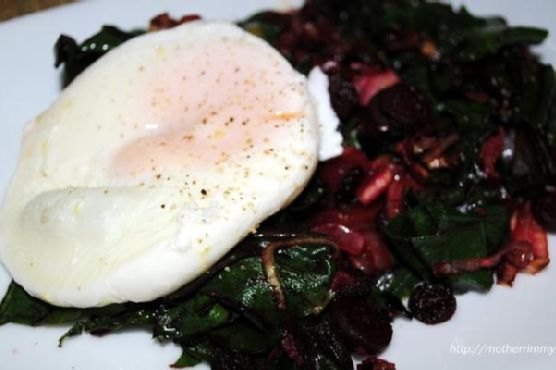
Picture this: it’s a lazy Sunday morning, and the sun’s rays are just starting to peek through your kitchen window. You’re in the mood for something special, something that feels like a treat but won’t have you slaving away in the kitchen. Enter my Beet Greens and Poached Eggs recipe. It’s one of those dishes that looks impressive but is surprisingly easy to whip up. The combination of fresh, vibrant beet greens and perfectly poached eggs is both comforting and elegant — a win-win! Plus, it’s a great way to use up those pesky beet greens that always seem to end up forgotten in the fridge. Whether you’re treating yourself or impressing a loved one, this dish will hit the spot.

Jump to Recipe

What You’ll Need

We’re keeping this simple and fresh. Chances are, you already have most of these on hand, and if not, they’re worth the grocery run.

  • Eggs – go for the freshest ones you can find.
  • Vinegar – just a splash for the poaching water.
  • Water – enough to fill a skillet for poaching.
  • Coconut oil – gives the greens a lovely depth.
  • Leek – thinly sliced for a subtle oniony flavor.
  • Baby beet greens – the star of the show, chopped.
  • Garlic – minced for that irresistible aroma.
  • Lemon (juice) – for a bright hit of acidity.
  • Shredded Parmesan cheese – because cheese makes everything better.

How to Make Beet Greens and Poached Eggs

  1. Heat a small skillet over medium-low heat and add about 2 inches of water. Wait until tiny bubbles start to gently rise to the surface. This is your cue to add a pinch of salt and a splash of vinegar.
  2. Carefully crack the eggs into the water, one at a time, slowly sliding each into its own corner of the pan. Cover the skillet and allow to simmer gently for 8 to 10 minutes. You’re aiming for whites that are set with yolks still runny — that’s the magic moment.
  3. While the eggs are poaching, heat a large nonstick skillet over medium heat and add the coconut oil. Once the oil has melted and filled the kitchen with its nutty aroma, toss in the sliced leeks and beets.
  4. Cook the leeks and beets for about 5 to 8 minutes, stirring occasionally, until they’re tender and their natural sweetness is coaxed out.
  5. Add the minced garlic, letting it do its aromatic dance for about a minute before introducing the chopped baby beet greens. Stir everything together for another two minutes, then remove from heat. Toss in a splash of lemon juice and keep stirring gently until the greens are just wilted.
  6. Divide the greens mixture between two plates. When the eggs are ready, carefully lift them out with a slotted spoon, letting the excess water drain away, and place one egg on each pile of greens.
  7. Finish each plate with a tablespoon of shredded Parmesan cheese, letting it melt slightly from the heat of the eggs. Serve immediately and enjoy the glorious marriage of flavors and textures.

Cook’s Notes

A few quick tips to make your cooking experience smoother than a perfectly poached egg. When poaching, don’t rush the process. Patience is key, and those few extra minutes will make all the difference. If your skillet lid doesn’t fit perfectly, that’s okay — just do your best to cover the pan. As for leftovers, good luck having any! But if you do, store the greens and eggs separately in the fridge and reheat gently. The greens are quite forgiving, but reheating poached eggs is a delicate dance — a quick dip in hot water can do the trick if needed.

Make It Your Own

This dish is a canvas ripe for personalization. Here are some variations to get you started:

  • Switch up the greens: Try swapping beet greens for Swiss chard or spinach for a slightly different flavor profile.
  • Add some heat: Sprinkle a pinch of red pepper flakes over the greens for a little kick.
  • Mix up the cheese: Replace Parmesan with crumbled feta for a tangy twist.
  • Protein boost: Top with crispy bacon bits or slices of smoked salmon for added texture and flavor.

If you give this recipe a try, I’d love to hear how it turns out for you! Drop a comment below or tag me in your kitchen adventures. Happy cooking, friends!

Related update: Beet Greens and Poached Eggs

Related update: Strawberry Shortcake Pancakes

Hard-Boiled Egg Gratin In A Bechamel Sauce | Made by Meaghan Moineau

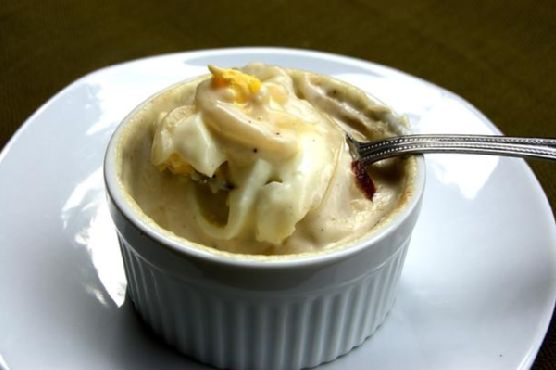
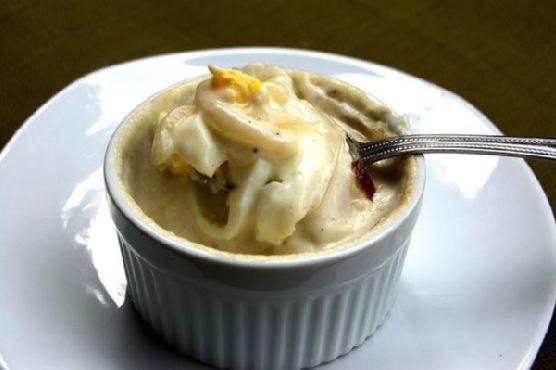
It was one of those rainy Tuesday evenings when the thought of another takeout meal just didn’t appeal. You know those nights, right? When you crave something warm and comforting that feels like a hug on a plate? That’s when this Hard-Boiled Egg Gratin in a Béchamel Sauce came to life in my kitchen. It’s the kind of dish that’s deceptively simple yet incredibly satisfying, with a creamy sauce and a crispy, cheesy top. It’s perfect for when you want something a bit special but don’t want to spend hours in the kitchen. Plus, chances are, you already have most of the ingredients lurking in your pantry or fridge.

Jump to Recipe

What You’ll Need

Imagine pulling together a dish without a last-minute grocery run. That’s the beauty of this recipe. Here’s what you’ll need:

  • Eggs – the stars of the show, of course!
  • Butter – for that rich, comforting flavor.
  • Flour – to thicken up our luscious sauce.
  • Gruyère cheese – because what’s a gratin without a cheesy top?
  • Milk – to create the creamy béchamel.
  • Nutmeg – just a dash for warmth.
  • Onion – adds a subtle sweetness.
  • White salt and pepper – to season everything just right.

How to Make Hard-Boiled Egg Gratin In A Bechamel Sauce

Ready to dive in? Here’s how to bring this cozy dish to life:

  1. Start by hard-boiling the eggs. Bring a saucepan of salted water to a rolling boil, then gently add the eggs. Lower the heat and let them simmer for 10 minutes.
  2. Once the eggs are done, place them into cold water until they’re just cool enough to handle. Here’s a little trick: roll them with your palm on a hard surface to crack the shell, then peel under a slow stream of running water. It works like a charm!
  3. In a small frying pan, melt some butter over low heat. Add the onion and cook, stirring frequently, until they’re tender but not browned. Set aside.
  4. Next, let’s make the béchamel sauce. In a medium heavy-bottomed saucepan, melt more butter over low heat. Stir in the flour and whisk for around 2 minutes without letting it color.
  5. Whisk in the milk, bringing it to a boil while whisking constantly to avoid lumps. Season with nutmeg, salt, and pepper, then reduce the heat and let it simmer for 10 minutes. Keep whisking and scraping the pan to ensure nothing sticks.
  6. Stir the cooked onions into the béchamel and let it all cook together for an additional 5 minutes.
  7. Preheat your grill. Slice the eggs into 1 cm (0.4 inch) slices and start assembling. Spread a thin layer of the béchamel sauce at the bottom of your gratin dish.
  8. Layer the egg slices over this sauce, covering them with the remaining béchamel. Sprinkle generously with grated Gruyère cheese.
  9. Place the dish under the grill. Keep an eye on it and turn the dish if necessary to ensure an evenly golden, bubbly top. Serve immediately and enjoy the deliciousness!

Cook’s Notes

Let’s talk practical tips. First, don’t rush the béchamel sauce; whisk it patiently to avoid lumps. If you find the bechamel is too thick, a splash more milk can help loosen it up. This dish is best served right away when the cheese is melty and gooey, but if you do have leftovers, they can be stored in an airtight container in the fridge for up to two days. Reheat gently in the oven or microwave until warmed through.

Make It Your Own

This recipe is delicious as is, but here are a few ways to make it your own:

  • Swap the Gruyère cheese for sharp cheddar for a more pronounced flavor.
  • Add a layer of sautéed spinach between the eggs and the sauce for some greens.
  • Substitute half of the milk with cream for an even richer béchamel.
  • Sprinkle some crispy bacon bits on top before grilling for a smoky kick.

If you try this, I’d love to hear how it turns out — drop a comment or tag me! Whether it’s your first time making a gratin or you’re an old pro, I hope this becomes a comforting staple in your kitchen. Happy cooking!

Related update: Hard-Boiled Egg Gratin In A Bechamel Sauce

Related update: Caramelised Onion and Mushroom Quiche

Tuna Stuffed Hard-Boiled Eggs | Made by Meaghan Moineau

Last Tuesday, I found myself staring into the fridge at 6 p.m. with a growling stomach and no dinner plans. You know the feeling, right? That weeknight scramble where you’re just trying to conjure up something quick yet satisfying. Lucky for me, an almost forgotten can of tuna and some leftover boiled eggs saved the day. Enter these deliciously simple Tuna Stuffed Hard-Boiled Eggs—a perfect blend of creamy and tangy, ready in a flash and impressive enough that you might actually look forward to making them again. Whether you’re crafting a light lunch or a snack for a spontaneous get-together, these little bites are exactly what you need.

Jump to Recipe

What You’ll Need

The beauty here is that you probably have all these ingredients lounging in your kitchen. It’s a simple yet delightful list that packs a punch.

  • 6 hard-boiled eggs
  • 1 can of tuna, drained
  • 1/4 cup finely chopped onion
  • 1/4 cup grated carrot
  • 2 tablespoons chopped parsley
  • 1 tablespoon fresh lemon juice
  • 1/4 cup corn kernels for garnish

How to Make Tuna Stuffed Hard-Boiled Eggs

  1. Start by peeling those perfectly boiled eggs and slicing them in half lengthwise. Scoop the yolks into a bowl and place the whites on a plate.
  2. In the bowl with the yolks, add the drained tuna, chopped onion, grated carrot, parsley, and a squeeze of fresh lemon juice. Mash everything together with a fork until it’s well combined and creamy.
  3. Spoon or pipe the tuna mixture back into the egg whites, filling each hollow generously. You’ll want the filling to have a slightly mounded look.
  4. To finish, sprinkle the tops with corn kernels. They add a sweet pop and a dash of color—plus, who doesn’t love a little crunch?

Cook’s Notes

If you’re boiling the eggs specifically for this recipe, a 9-minute boil should give you that perfect firm yolk. To prevent overcooking them (nobody likes a green-tinged yolk!), immediately plunge them into an ice bath after boiling.

  • For a smoother filling, try blending the mixture in a food processor. It’s not necessary, but it adds a touch of elegance.
  • You can make the filling a day ahead—just store it in an airtight container in the fridge. Stuff the eggs just before serving for the freshest result.
  • Leftovers can be stored in the fridge for up to 2 days, but honestly, they’re so good, you probably won’t have any!

Make It Your Own

  • Swap the tuna for canned salmon or even shredded chicken for a different flavor profile.
  • Love a bit of heat? Add a spoonful of sriracha or a pinch of cayenne pepper to the tuna mixture for a spicy kick.
  • If you’re a fan of herbs, try swapping parsley for dill or basil for a fresh twist.
  • For added creaminess, mix in a tablespoon of mayo or Greek yogurt with the tuna filling.

If you try this, I’d love to hear how it turns out—drop a comment or tag me! These eggs might just become your new go-to when you’re in a pinch. Happy cooking!

Related update: Tuna Stuffed Hard-Boiled Eggs

Related update: Warm Spinach Artichoke Dip

Baked Eggs and Bacon Cream In Spinach Fettuccine Nests | Made by Meaghan Moineau

Baked Eggs and Bacon Cream In Spinach Fettuccine Nests

Intro

There’s something incredibly comforting about a dish that combines the richness of cream, the salty crispiness of bacon, and the smooth, silky texture of perfectly cooked pasta. This recipe for Baked Eggs and Bacon Cream in Spinach Fettuccine Nests is one that I hold dear to my heart. It reminds me of lazy Sunday mornings in my grandmother’s kitchen, where the aroma of sizzling bacon and freshly baked bread filled the air. My grandmother, with her gentle hands and warm smile, would let me help with the pasta, showing me how to shape the nests just right. It’s a memory I cherish, and every time I make this dish, I feel like I’m back in her cozy kitchen, enveloped in her love.

Why You’ll Love It

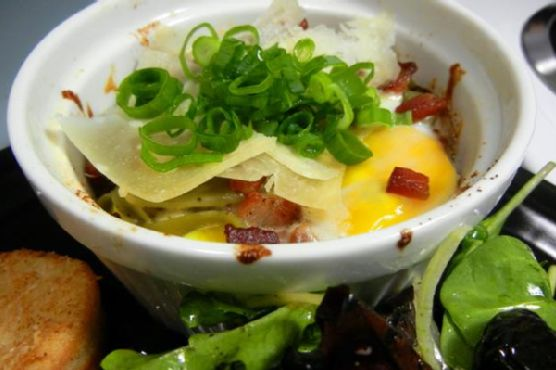
This dish is a celebration of flavors and textures. The creamy sauce, enriched with Parmigiano-Reggiano, wraps around the spinach fettuccine like a warm hug, while the crisp bacon adds a delightful crunch. The pièce de résistance is the whole egg nestled in the center, its yolk just waiting to be broken and mixed into the pasta. It’s elegant enough for a dinner party yet comforting enough for a quiet night in. Plus, it’s a one-dish wonder that’s easy to prepare and sure to impress!

Ingredients

  • Bacon
  • Butter
  • Parmigiano-Reggiano
  • Heavy cream
  • Fresh eggs
  • Nests of spinach fettuccine
  • Salt and pepper
  • Scallions

Instructions

  1. Chop the bacon into small cubes and fry until crispy. Set aside 3/4 of the bacon for the sauce, reserving a few pieces for garnish.
  2. Boil the spinach fettuccine nests in salted water for 10 minutes until slightly undercooked. Reserve a tablespoon of pasta water.
  3. Melt butter in a wok over high heat. Add the heavy cream and bring to a simmer.
  4. Stir in 3/4 of the shredded Parmigiano-Reggiano, salt, and pepper. Simmer until the sauce thickens and is smooth.
  5. Add 3/4 of the cooked bacon to the sauce and blend well.
  6. Transfer the pasta to the sauce using tongs and a meshed spoon. Toss well, adding a bit of reserved pasta water to keep the sauce wet.
  7. Divide the pasta and sauce evenly into two buttered ceramic ramekins.
  8. Sprinkle the remaining bacon over the pasta and nestle a whole egg in the center of each dish.
  9. Bake in a preheated oven at 350°F for 15 minutes, until the egg whites are set but the yolks remain runny.
  10. Garnish with the reserved bacon and shaved Parmigiano-Reggiano before serving.

Tips

For the best results, use fresh eggs and high-quality bacon. If you prefer a spicier kick, add a pinch of red pepper flakes to the sauce. Also, make sure to keep an eye on the eggs while baking to achieve the perfect runny yolk.

Variations & Substitutions

If you’re looking for a lighter version, you can substitute half-and-half for the heavy cream. For a vegetarian option, replace the bacon with sautéed mushrooms or sun-dried tomatoes. You could also use whole wheat fettuccine instead of spinach for a different flavor profile.

Storage

While this dish is best enjoyed fresh, you can store leftovers in an airtight container in the fridge for up to two days. To reheat, place the nests in a preheated oven at 350°F until warmed through.

FAQ

Can I make this dish ahead of time?

Yes, you can prepare the pasta and sauce ahead of time and assemble the nests just before baking. Keep the components separate in the fridge and bring them to room temperature before assembling and baking.

What can I serve with this dish?

A simple green salad with a light vinaigrette complements the rich flavors of the pasta nests beautifully. Additionally, you can serve some crusty bread on the side to soak up the delicious sauce.

Conclusion

Baked Eggs and Bacon Cream in Spinach Fettuccine Nests is more than just a meal; it’s an experience. It combines the best of comfort food with an elegant presentation, making it perfect for both casual and special occasions. With each bite, you’re transported to a place of warmth and satisfaction, much like the cherished memories of my grandmother’s kitchen. I hope this recipe brings the same joy to your home as it does to mine, and that it becomes a favorite in your culinary repertoire. Enjoy!

Related update: Baked Eggs and Bacon Cream In Spinach Fettuccine Nests

Related update: Cajun Seafood and Andouille Sausage Gumbo

Pittata – Pizza Frittata | Made by Meaghan Moineau

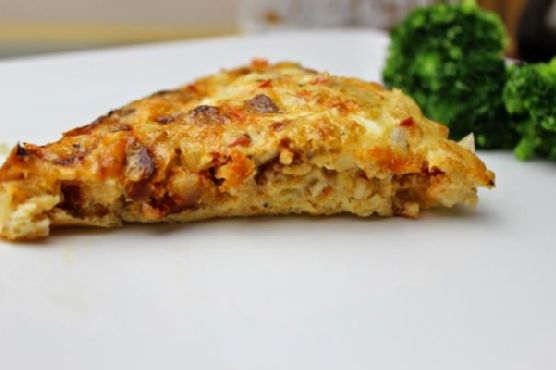
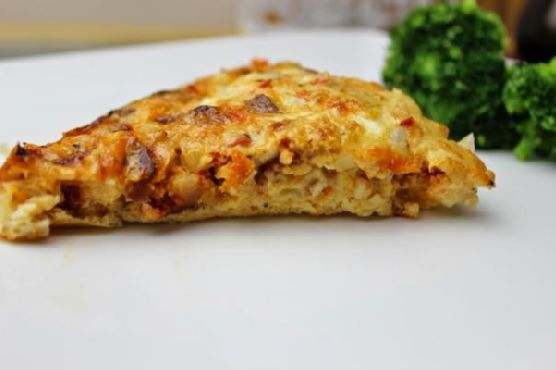
Pittata – Pizza Frittata: A Delicious Twist on Classic Breakfast

Intro

Growing up, Sunday mornings were a sacred time in our household. The aroma of freshly brewed coffee mingled with the sounds of sizzling bacon, creating a comforting symphony that signaled the start of a leisurely day. My mother, with her extraordinary culinary skills, would whisk together the most delightful dishes, but there was one that always stood out – the pittata. A clever blend of pizza and frittata, this dish was the embodiment of indulgence and creativity. Today, I’m thrilled to share this cherished recipe with you, bringing a piece of my family tradition to your kitchen.

Why You’ll Love It

The pittata is a versatile dish that combines the best of two worlds: the savory satisfaction of pizza and the fluffy, protein-packed delight of a frittata. It’s perfect for breakfast, brunch, or even a light dinner, offering a filling meal that’s both quick to prepare and utterly delicious. Whether you’re hosting a gathering or simply looking to treat yourself, this dish is sure to impress with its simple ingredients and depth of flavor.

Ingredients

  • 6 large eggs
  • 1/4 cup fresh basil, chopped
  • 1/4 cup milk (optional)
  • 1/2 cup grated parmesan cheese
  • 1/4 cup sliced pepperoni
  • 1/2 cup shredded mozzarella cheese
  • Salt and pepper to taste
  • Cooking fat (e.g., olive oil, butter)

Instructions

  1. Preheat your oven to ~450°F (230°C), using the top heat setting only.
  2. On the stove, heat your choice of cooking fat in a large oven-safe skillet over medium heat.
  3. In a bowl, beat the eggs with milk, salt, pepper, and any herbs or spices you desire.
  4. Add any additional ingredients (except cheese) to the skillet. For this recipe, we keep it simple, but feel free to include cooked or quick-cooking vegetables like bell peppers.
  5. Pour the egg mixture into the skillet, tilting it to evenly distribute around any add-ins.
  6. Distribute the shredded mozzarella cheese and pepperoni slices over the egg mixture.
  7. Allow the eggs to cook on the stove until the edges are set, leaving the center slightly jiggly.
  8. Generously top with parmesan cheese.
  9. Transfer the skillet to the preheated oven and bake until the eggs are puffed, browned, and the center is firm.
  10. Remove from the oven and let the pittata cool for a couple of minutes before slicing into wedges.

Tips

For the best results, ensure that your skillet is well-greased to prevent sticking. Keep an eye on the pittata as it bakes; it can go from perfectly puffed to overcooked quickly. Use a toothpick to check that the center is set if you’re unsure. Lastly, let it rest slightly before serving; this makes cutting it into neat wedges much easier.

Variations & Substitutions

One of the joys of a pittata is its adaptability. Feel free to experiment with different herbs, spices, or cheeses. Swap pepperoni for sausage, or go vegetarian with mushrooms and spinach. For a dairy-free option, skip the milk and use a plant-based cheese alternative. The possibilities are endless, ensuring every pittata is a unique creation.

Storage

Store any leftover pittata in an airtight container in the refrigerator for up to three days. To reheat, warm it in the oven or a skillet over low heat until heated through, or microwave individual slices for about 30 seconds. For longer storage, freeze individual portions and reheat directly from frozen for a quick and easy meal.

FAQ

Can I make the pittata ahead of time?

Yes, you can prepare the pittata a day in advance. Simply follow the instructions until baking, then cover and refrigerate the skillet. When ready to bake, allow it to come to room temperature before placing it in the oven.

What can I serve with pittata?

Pittata pairs beautifully with a simple green salad, fresh fruit, or crusty bread. For a heartier meal, consider serving it with roasted potatoes or a side of bacon or sausage.

Is there a way to make it spicier?

For a spicier kick, add crushed red pepper flakes, diced jalapeños, or a splash of your favorite hot sauce to the egg mixture before cooking.

Nutrition

While the exact nutritional content will vary with portion sizes and specific ingredients used, a typical slice of pittata (1/6 of the whole) provides approximately 200 calories, 15g of protein, and 15g of fat, making it a hearty, satisfying dish that’s also relatively low in carbohydrates.

Conclusion

The pittata is more than just a meal; it’s a nod to creativity and the joy of cooking. Whether you’re reliving cherished memories or creating new ones, this dish is sure to become a staple in your recipe repertoire. I hope you find as much comfort and joy in making and sharing this dish as I have over the years. Bon appétit!

Related update: Pittata – Pizza Frittata

Related update: Mixed Berry Yogurt with Almonds

Hard-Boiled Egg Gratin In A Bechamel Sauce | Made by Meaghan Moineau

Hard-Boiled Egg Gratin In A Bechamel Sauce | Made by Meaghan Moineau

A Nostalgic Twist on Comfort Food: Hard-Boiled Egg Gratin in a Bechamel Sauce


Discover the Heartwarming Delight of a Family Favorite


In the world of culinary delights, few dishes evoke a sense of nostalgia quite like a good old-fashioned gratin. Today, we're diving into a recipe that has stood the test of time in my family: Hard-Boiled Egg Gratin in a Bechamel Sauce. This comforting, flavorful dish is not only a feast for the taste buds but also a journey down memory lane. With its creamy bechamel sauce, rich gruyère cheese, and perfectly hard-boiled eggs, this recipe is sure to become a staple in your home as it is in mine.


Ingredients


- Butter


- Eggs


- Flour


- Gruyère cheese


- Milk


- Nutmeg


- Onion


- White salt and pepper


Instructions


1. Hard-Boil the Eggs: Start by bringing a saucepan of salted water to a boil. Gently add the eggs, reduce the heat, and let them simmer for 10 minutes. Once done, transfer the eggs to cold water until they are just cool enough to handle. This makes peeling them a breeze. A little trick I learned from my grandmother: roll the eggs with the palm of your hand on a hard surface to crack the shell, then peel them under a slow stream of running water. Reserve the eggs in a bowl of warm water.
2. Cook the Onion: Melt some butter in a saucepan or small frying pan over low heat. Add the onion and cook, stirring frequently, until it's tender but not colored.
3. Prepare the Bechamel Sauce: In a medium heavy-bottomed saucepan, melt the butter over low heat. Add the flour and whisk for about 2 minutes, being careful not to let it color. Gradually whisk in the milk and bring to a boil, whisking constantly to prevent lumps. Season with nutmeg, salt, and pepper to taste. Reduce the heat and simmer for 10 minutes, whisking constantly and scraping the bottom and sides of the pan to keep the sauce smooth. Stir in the cooked onions and let it cook for an additional 5 minutes.
4. Assemble the Gratin: Preheat your grill. Slice the eggs into 1 cm (0.4 inch) thick slices. Spread a thin layer of the bechamel sauce over the bottom of your gratin dish. Layer the egg slices over the sauce and coat them with the remaining sauce. Sprinkle with grated gruyère cheese, then grill, turning the dish if necessary to ensure an evenly golden-brown top. Serve immediately.

A Family Memory


This dish always takes me back to Sunday afternoons at my grandmother's house. She would prepare her kitchen with the aroma of melted butter and onions, a scent that still makes me feel at home. My siblings and I would gather around, watching her every move, eager to learn the secrets of her cooking. The moment she pulled the gratin from the oven, with its golden-brown crust and bubbling cheese, we knew we were in for a treat. Sharing this meal brought us closer, and each bite was a reminder of the warmth of family and tradition.


Difficulty: 6/10


Classification: Main Dish


Hard-Boiled Egg Gratin in a Bechamel Sauce is more than just a meal—it's a journey back to simpler times, a celebration of comfort and family. Whether you're looking for a hearty main dish or a nostalgic culinary adventure, this recipe is sure to delight both the palate and the heart. So, gather your loved ones, roll up your sleeves, and create your own cherished memories with this timeless classic.

Read more about Appetizers

Read more about Main Dishes

Read more about Desserts