
It was one of those evenings where the chill in the air seemed to seep into my bones, demanding something warm and comforting. I found myself standing in front of the pantry, eyes skimming over cans and jars, when I spotted a lonely can of diced tomatoes. That’s when it hit me—creamy tomato soup. It’s the kind of dish that wraps you up like a cozy blanket, perfect for those nights when you crave something homemade without spending hours in the kitchen. It’s incredibly simple, yet feels like a luxurious treat. Plus, I’ve got a little trick with evaporated milk that makes it extra creamy without the heaviness of cream.
Jump to Recipe
What You’ll Need
I bet you have most of these at home already. This ingredient list is all about simplicity meeting a punch of flavor.
- Olive oil
- Diced onion
- Fresh dried basil
- Fresh dried thyme
- Canned diced fresh tomatoes
- Tomato paste
- Flour
- Chicken broth
- Splenda
- Evaporated milk
- Salt
- Black pepper
How to Make Creamy Tomato Soup
- In a large saucepan, heat the olive oil over medium heat. Once it shimmers, add the diced onion, dried basil, and thyme. Cook until the onion is tender and golden, stirring occasionally — you’ll know it’s ready when the kitchen smells amazing.
- Add the canned diced tomatoes and tomato paste to the pan. Stir everything together and let it simmer for about 10 minutes. You’ll see the mixture start to thicken and deepen in color.
- In a small bowl, whisk together the flour with 1/4 cup of the chicken broth until smooth. This will help thicken the soup without any lumps.
- Pour the flour mixture into the tomato mixture, stirring until everything is well blended. Add the rest of the chicken broth, and bring it to a gentle simmer. Let it cook for about 30 minutes, stirring frequently. The edges will start to bubble.
- Now comes the fun part: using an immersion blender, puree the soup until it’s smooth. If you don’t have an immersion blender, carefully transfer the soup to a countertop blender in batches.
- Stir in the Splenda and evaporated milk, mixing until everything is heated through. Taste and adjust the seasoning with salt and black pepper to your liking.
Cook’s Notes
Don’t rush the onions. It’s tempting, but letting them get golden and fragrant is what builds the foundation of flavor. If you’re making this ahead of time, stop before adding the Splenda and evaporated milk. You can refrigerate the base soup and just add the final touches when you’re ready to serve. Leftovers? This soup holds up well in the fridge for a few days, and you can freeze it too—just leave out the milk until you’re ready to eat.
Make It Your Own
- Add a kick: Stir in a pinch of red pepper flakes with the onions for a spicy twist.
- Go vegan: Swap the chicken broth for vegetable broth and use coconut milk instead of evaporated milk.
- Herby delight: Add a handful of fresh basil leaves right before blending for a burst of freshness.
- Cheesy goodness: Stir in a handful of shredded cheddar cheese just before serving for extra creaminess and a hint of sharpness.
If you try this, I’d love to hear how it turns out — drop a comment or tag me on social media! Your kitchen adventures make my day.
Goes Well With
If you want to round out the meal, here’s what I’d pair it with over on meaghanmoineau.com:
Related update: Creamy Tomato Soup
Related update: Creamy Chicken Orzo Soup

Picture this: It’s a chaotic Wednesday evening. You’ve just returned from work, and the last thing you want to do is spend hours in the kitchen. But, you crave something comforting and satisfying; something that feels like a hug on a plate. That’s when my go-to BBQ Chicken recipe swoops in to save the day! This dish is the epitome of easy yet impressive cooking. With minimal ingredients that you probably already have in your pantry, you’ll whip up a dinner that’ll have everyone licking their fingers and asking for seconds. Trust me, the blend of sweet, tangy, and smoky flavors makes it a must-try. Plus, your kitchen will smell absolutely amazing!
Jump to Recipe
What You’ll Need
One of the best things about this recipe is how simple the ingredient list is. Chances are you already have most of these lying around, just waiting to be turned into something magical.
- Brown sugar
- Catsup
- Chicken pieces (your choice of cuts)
- Dry mustard
- Soy sauce
- Worcestershire sauce
How to Make Bbq Chicken
- Start by combining the brown sugar, catsup, dry mustard, soy sauce, and Worcestershire sauce in a bowl. Stir until the mixture is smooth and the sugar has dissolved. This is your luscious BBQ sauce.
- Preheat your broiler. Trust me, this high heat is where the magic happens, caramelizing the sauce onto the chicken.
- Place your chicken pieces on a broiler pan or a baking sheet lined with foil. Baste the chicken generously with half of the sauce, making sure every piece is well-coated.
- Broil for 20 minutes. You’ll know it’s time to flip when the edges of the chicken start to bubble and caramelize. It’ll smell irresistible!
- Turn the chicken pieces over and baste with the remaining sauce. Return to the broiler for another 20 minutes, until the chicken is cooked through, and the sauce is sticky and slightly charred.
Cook’s Notes
This recipe is pretty forgiving, but here are some tips to nail it every time. First, make sure your chicken pieces are of similar size for even cooking. If they’re too large, they might need a bit more time to cook through. Also, keep a close eye on the chicken while it’s broiling—things can go from perfectly caramelized to burnt quickly under such high heat. If you’re prepping ahead, you can make the sauce a day in advance and store it in the fridge. Once cooked, leftovers can be stored in an airtight container in the fridge for up to three days. Simply reheat in the oven or microwave, although the broiler will help crisp it back up a bit!
Make It Your Own
- Swap the chicken for crispy tofu for a vegetarian twist. Follow the same broiling steps for a delicious result.
- Add a teaspoon of smoked paprika to the sauce for an extra smoky flavor boost.
- Use honey instead of brown sugar for a different kind of sweetness and a slightly stickier sauce.
- For a spicy kick, mix in some hot sauce or a pinch of cayenne pepper to the sauce.
If you try this, I’d love to hear how it turns out — drop a comment or tag me! Your kitchen adventures are always inspiring, and who knows, you might even teach me a new twist on this classic!
Goes Well With
If you want to round out the meal, here’s what I’d pair it with over on meaghanmoineau.com:
Related update: Bbq Chicken
Related update: Blast Of Color Mexican Stuffed Bell Peppers
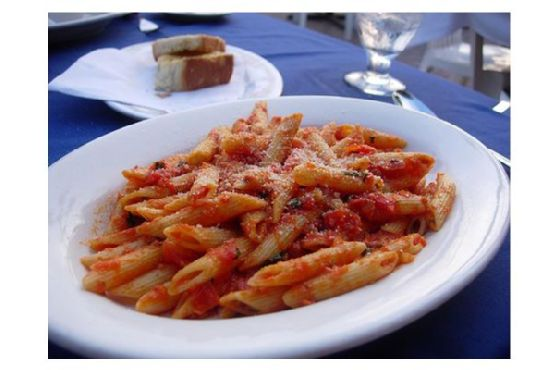
The other night, as I found myself rummaging through my pantry, I hit jackpot with a can of tomatoes and a packet of penne. It was one of those evenings where I needed something quick, comforting, and just a little spicy to shake off the chill of the day. Enter Penne Arrabiata – my go-to for when I want something fiery, yet satisfying, without the fuss. Who knew a simple dish with such few ingredients could pack so much punch? Plus, if you’re like me and almost always have pasta, canned tomatoes, and garlic stashed away, you’re already halfway there. The magic really is in the simplicity.
Jump to Recipe
What You’ll Need
You might be surprised at how few ingredients are needed for this explosive dish. Chances are you already have most of these tucked away in your kitchen.
- Canned whole tomatoes (I adore those Pomi tomatoes that come in a box!)
- A packet of penne
- Fresh garlic (about 5 cloves, minced)
- Olive oil (3 tablespoons to be exact)
- About 1 teaspoon of dried red peppers
- Fresh Italian parsley, minced (2 tablespoons plus extra for garnish)
- Fresh basil, coarsely chopped, for that final flourish
How to Make Penne Arrabiata
- First, set a large pot of water on the stove and bring it to a rolling boil. You’ll want enough water so the penne has space to dance around.
- While waiting on the water, heat 3 tablespoons of olive oil in a pan over medium heat. Toss in about 1 teaspoon of dried red peppers. Let them mingle with the oil until they’re fragrant but not burning.
- Add the minced garlic and 2 tablespoons of fresh Italian parsley to the oil and peppers. Stir and watch carefully – you want the garlic golden, not brown.
- Next, introduce the star of the show: your canned tomatoes. Give them a good chop before adding them to the pan. Stir, cover, and let the sauce simmer until it’s heated through and inviting.
- By now, your water should be boiling. Toss in the penne and cook until it’s al dente. You know it’s ready when it has a slight bite but isn’t mushy.
- Once the pasta is perfect, drain it and add it directly to the sauce. Mix thoroughly, ensuring each piece of penne is luxuriously coated in that fiery sauce.
- Right before serving, sprinkle in some coarsely chopped fresh basil and a little more parsley for that fresh, earthy touch.
- Serve immediately, preferably with a side of crusty bread to mop up any leftover sauce.
Cook’s Notes
Let me give you a few insider tips to make sure your Penne Arrabiata is the talk of the dinner table. First, don’t overcook the garlic – it can turn bitter quickly. Always keep an eye on it while it’s in the pan. If you’re in the mood for a deeper flavor, let the sauce simmer longer on low heat. You can make the sauce ahead of time; just reheat gently before adding the pasta. And leftovers? They keep well in the fridge for a couple of days. Just make sure to cover them properly and add a splash of olive oil when reheating to keep things glossy.
Make It Your Own
Here’s where you can let your creativity or pantry dictate the dish:
- Swap the penne for rigatoni or another pasta you have on hand – just adjust the cooking time as needed.
- For a smoky twist, add a pinch of smoked paprika along with the dried red peppers.
- Incorporate some protein by tossing in cooked crispy tofu or grilled chicken right before serving.
- If you’re feeling indulgent, sprinkle some shaved Parmesan on top. It’s not traditional, but who can resist cheese?
If you try this, I’d love to hear how it turns out — drop a comment or tag me! There’s nothing better than a little fiery pasta to spice up your day. Enjoy every bite, my friends!
Goes Well With
If you want to round out the meal, here’s what I’d pair it with over on meaghanmoineau.com:
Related update: Penne Arrabiata

Okay, imagine this: it’s a random Tuesday evening, and you’re sitting on your couch, wrapped up in a cozy blanket, craving something sweet but just a tad bit different. Your pantry is a treasure chest, begging to be explored, and you’ve got a hankering for something light, bright, and a little quirky. Enter Pink Lemonade Crinkle Cookies! They’re the perfect blend of zesty and sweet, with a playful pink hue that’s sure to turn any average day into an Instagram story-worthy moment. Plus, they’re super easy, so you’re not stuck in the kitchen forever—because who has time for that? These cookies bring a little sunshine to your snack lineup, and they’re as fun to make as they are to eat. Let’s get baking!
Jump to Recipe
What You’ll Need
These cookies are a bit of a kitchen magician’s delight, with ingredients you likely already have on hand—except maybe the pink lemonade Kool-Aid, which might just become your new secret weapon.
- 1/2 teaspoon baking powder
- 1/4 teaspoon baking soda
- 1/2 cup unsalted butter, softened
- 1 tablespoon cornstarch
- 1 large egg
- 1 1/2 cups all-purpose flour
- 1-2 drops pink food coloring (optional, for extra pizzazz)
- 1 packet pink lemonade Kool-Aid mix
- 1 cup powdered sugar, for rolling
- 3/4 cup granulated sugar
How to Make Pink Lemonade Crinkle Cookies
- Preheat your oven to 350°F (175°C). While it’s warming up, prepare your cookie sheet with a light coating of non-stick cooking spray—trust me, you’ll thank me later!
- In a mixer, cream together your softened butter and sugar until it looks like fluffy clouds. Don’t forget to scrape down the sides of the bowl to make sure everything’s getting in the mix.
- Beat in the egg until it’s fully incorporated, giving your batter that extra creamy look.
- Add the baking powder, baking soda, Kool-Aid mix, and cornstarch. As you mix, watch for that magical moment when the dough turns pink—such a delight!
- If you’re feeling extra fancy, add a drop or two of pink food coloring for a more vibrant pop of color.
- Start adding the flour half a cup at a time. Mix slowly so you don’t end up with a floury mess—been there, done that!
- Once the dough is ready, roll it into walnut-sized balls. Give them a sweet powdered sugar bath, making sure each ball is lightly coated.
- Place each ball about 2 inches apart on your prepared cookie sheet. If you’re making multiple batches, let your cookie sheet cool in between—hot sheets can mess with your bake!
- Bake for 9-10 minutes. Keep an eye on them since they won’t brown much. Over-baking turns these beauties into crunchy rocks, which we definitely don’t want.
Cook’s Notes
These cookies are pretty forgiving, but a few tips can help you achieve perfection:
- Store the cookies in an airtight container, and they’ll stay fresh for up to a week (if they last that long!).
- If you want to make the dough ahead of time, store it in the fridge for up to 3 days. Just let it come to room temp before baking.
- Watch your oven closely—since these cookies don’t brown much, it’s easy to accidentally leave them in too long.
Make It Your Own
Customize these cookies to suit your mood or pantry:
- Swap the pink lemonade Kool-Aid for another flavor, like cherry or lime, for a different twist.
- Add white chocolate chips to the dough for a little extra sweetness and texture.
- Roll the dough balls in granulated sugar before the powdered sugar for a double sugar coating.
- For a citrusy punch, zest a lemon into the dough for added flavor.
If you try this, I’d love to hear how it turns out—drop a comment or tag me! These cookies are a little piece of happiness, ready to be shared. Happy baking!
Goes Well With
If you want to round out the meal, here’s what I’d pair it with over on meaghanmoineau.com:
Related update: Pink Lemonade Crinkle Cookies
Related update: Easter Nest Sweet Cake With Sour Cream-Royal Icing and Pistachios

It was one of those Wednesday evenings where the clock seemed to sprint from 5 to 7 PM in the blink of an eye. My stomach was grumbling louder than my Spotify playlist, and all I could think about was something delicious yet uncomplicated. The kind of meal that makes you feel like a culinary wizard without actually breaking a sweat. Enter stage left: the Vegetable Tart with Goat Cheese. This tart is my secret weapon, perfect for when I want something that looks as good as it tastes with minimal fuss. It’s a colorful showstopper that tastes like you planned it all week, but shhhh… it’s our little secret!
Jump to Recipe
What You’ll Need
Trust me, if your pantry and fridge are anything like mine, you’re already halfway there. This tart comes together with just a few key stars and supporting players.
- Puff pastry (the freezer-friendly hero of this dish)
- Frozen spinach
- Mushrooms
- Red bell pepper
- Goat cheese (the creamy crown jewel)
- Salt and pepper
How to Make Vegetable Tart With Goat Cheese
- Preheat your oven to 350°F. This is the first step to turning your kitchen into a cozy haven.
- Grab your puff pastry from the freezer and roll it out onto a cookie sheet, keeping the parchment paper underneath to prevent any sticky situations.
- Spread the frozen spinach evenly over the pastry, but leave about an inch of edge untouched. This creates a beautiful border that puffs up like magic.
- Layer the mushrooms on top of the spinach. They’ll release their juices, adding depth to the flavor party.
- Next, scatter the red bell pepper slices over the mushrooms. This vibrant red layer will make your tart pop, both visually and taste-wise.
- Finally, sprinkle crumbled goat cheese over the top. As it bakes, it will melt into creamy pockets of tangy goodness.
- Season with a sprinkle of salt and a few cracks of fresh pepper to taste.
- Bake in the preheated oven for 15-20 minutes, or until the edges of the tart are golden brown and the cheese is bubbly and slightly caramelized.
Cook’s Notes
Alright, here’s the inside scoop: always make sure your puff pastry is still cold when you start rolling it out, as it puffs better. If your mushrooms seem a bit too wet after slicing, give them a quick pat with a paper towel to avoid sogginess. This tart is best enjoyed fresh out of the oven, but if you do have leftovers, store them in an airtight container in the fridge and reheat them in the oven to maintain that crispy crust. If you’re planning ahead, all the veggies can be prepped a day in advance, making the assembly a breeze when you’re ready to bake.
Make It Your Own
This tart is a blank canvas for your culinary whims. Here are some ideas to get those wheels turning:
- Switch the spinach for kale for a heartier texture.
- Love a bit of heat? Add sliced jalapeños on top for a spicy kick.
- Not a fan of goat cheese? No problem. Try it with feta cheese instead for a milder flavor.
- For a sweet twist, caramelize some onions and layer them under the spinach.
If you try this, I’d love to hear how it turns out — drop a comment or tag me! This is a dish that invites creativity, so feel free to experiment and make it truly yours. Happy cooking, friends!
Goes Well With
If you want to round out the meal, here’s what I’d pair it with over on meaghanmoineau.com:
Related update: Vegetable Tart With Goat Cheese
Related update: Penne Arrabiata

Okay, so picture this: It’s a lazy Sunday morning, and I’m still in my pajama pants, hair doing its own thing, craving something that’s going to make me feel like I have my life together. But I definitely do not have my life together right now. I glance over at my kitchen counter, and there’s a basket of mulberries just sitting there, giving me the “use me or lose me” eyes. Rhubarb stalks are peeking out from the fridge door like they’re trying to escape to find their life purpose. And that’s when it hit me: Dutch Babies with Mulberry-Rhubarb Compote. This recipe is one of those magical ones where you get to feel fancy without actually doing anything fancy. It’s not just about the taste—though, trust me, it’s a hug on a plate—but it’s also about how it looks like you put in way more effort than you actually did. Plus, it gets me extra points with anyone who’s lucky enough to be around when it comes out of the oven.
Jump to Recipe
What You’ll Need
This recipe is all about using what you probably already have in your kitchen, with a couple of stars that make it shine.
- Butter
- Cornstarch
- Eggs
- Flour
- Milk
- Mint leaves
- Mulberries
- Orange juice
- Rhubarb
- Salt
- Sugar
- Vanilla sugar
How to Make Dutch Babies With Mulberry-Rhubarb Compote
- First, let’s tackle the compote. Pulse the rhubarb in a food processor about 5-6 times until it’s diced but not mushy. Then give the mulberries a quick 3-4 pulses until they’re nicely chopped.
- In a saucepan, combine the diced rhubarb, chopped mulberries, orange juice, sugar, salt, and cornstarch. Let this mixture simmer over medium heat for about 10-15 minutes, stirring occasionally. You’ll know it’s done when it smells like a fruity dream and is slightly thickened.
- Once off the heat, stir in the fresh mint leaves. This is where the magic happens, trust me. Set it aside—it’ll thicken a bit more as it cools.
- Now, preheat your oven to 375°F. This is the perfect time to grab a coffee and do a little dance because it’s all happening!
- In a blender, throw in the flour, sugar, salt, milk, and eggs. Blend for a solid 10 seconds to get everything nice and smooth. Then, add 2 tablespoons of melted butter and give it another quick blitz.
- Brush the remaining 4 tablespoons of melted butter into a 24-cup muffin tin, ensuring every nook and cranny is coated. This is what gives the Dutch babies their golden crispiness.
- Pour the batter slowly into each muffin cup, filling about halfway. Pop them into the oven and bake for 12-14 minutes until the edges are golden brown and the centers are all puffed up and proud.
- Remove those Dutch babies immediately from the muffin tins to avoid any sticking issues, and top generously with your mulberry-rhubarb compote. Serve them up while they’re still warm and watch them disappear!
Cook’s Notes
These Dutch babies are best eaten fresh out of the oven, but if you have leftovers (ha, as if!), they can be stored in an airtight container in the fridge for up to two days. Just reheat them in the oven for a few minutes to regain some of that crispiness.
When making the compote, keep an eye on the heat. You want a gentle simmer, not a vigorous boil, to avoid turning everything into a fruit soup.
- If you’re short on mulberries, you can easily swap in another berry. Blackberries or blueberries work wonders here.
- For a richer flavor, try browning the butter before you add it to the muffin tins—trust me, it’s a game-changer.
- If you’re feeling adventurous, add a dash of cinnamon or nutmeg to the batter for a warm spice twist.
Make It Your Own
- Swap the mulberries for blackberries if you’re feeling a bit wild, or raspberries for a nice tart kick.
- Want a savory version? Skip the compote and serve with a dollop of crème fraîche and smoked salmon.
- No rhubarb? No problem! Substitute with an equal amount of strawberries for a sweeter compote.
- For a nutty twist, add a tablespoon of almond extract to the batter and top with slivered almonds before baking.
If you try this, I’d love to hear how it turns out—drop a comment or tag me on social media! I’m always excited to see your creations and hear your tweaks. Happy baking!
Goes Well With
If you want to round out the meal, here’s what I’d pair it with over on meaghanmoineau.com:
Related update: Greek Inspired Spring Omelet
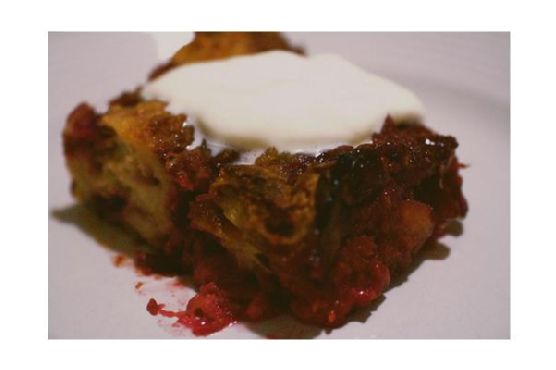
It was one of those lazy Sunday afternoons when I realized I had a half-eaten loaf of brioche sitting on my countertop, looking a bit forlorn. You know the kind of afternoon I’m talking about, right? The kind where you’re torn between wanting to nap and wanting to whip up something comforting and indulgent. That’s when the idea struck — Brioche Bread Pudding. What better way to transform stale bread into something delightful? It’s rich, creamy, and just sweet enough to satisfy that mid-afternoon sugar craving, but it’s also simple enough that you don’t feel like you’ve run a marathon by the time it hits the table. It’s all about that balance between indulgence and ease.
Jump to Recipe
What You’ll Need
Chances are you already have most of these ingredients lurking in your kitchen, just waiting to be combined into something magical. Here’s what you’ll need:
- Brioche bread loaf, crusts reserved
- Eggs
- Sugar
- Vanilla extract
- Whipping cream
- Whole milk
- Frangelico (plus extra for reserve)
- Almond extract
How to Make Brioche Bread Pudding
- Begin by placing the cubed brioche bread in a 13- by 9- by 2-inch baking pan. I always find that the softer the bread, the better the pudding.
- In a large bowl, whisk together the eggs, whipping cream, milk, sugar, Frangelico, vanilla extract, and almond extract until well blended. This is your custard base, and it should smell like heaven.
- Pour the custard mixture over the bread cubes, making sure each piece gets a good soak. Let it stand for about 30 minutes, pressing the bread down occasionally to help it absorb the liquid.
- Preheat your oven to 350°F (175°C). Meanwhile, arrange the reserved crusts on a baking sheet and bake until they’re dry and crispy, about 10 minutes. Let them cool before the next step.
- Transfer the cooled crusts to a food processor and blitz until you have fine crumbs. Sprinkle about 1 cup of these crumbs over the pudding before it goes into the oven.
- Bake the pudding until it is set in the center, around 40 minutes. You’ll know it’s ready when the top is golden and the edges are just beginning to pull away from the sides of the pan.
- Let it cool slightly before serving warm. Trust me, it’s worth the wait.
Cook’s Notes
This bread pudding is pretty forgiving, which is why I love making it. If you need to prep ahead, the mixture can be refrigerated for up to two hours before baking. Just remember to cover it. Also, don’t skip the step of toasting and grinding the crusts; it adds such a lovely, crunchy contrast to the creamy pudding. Leftovers? Keep them in the fridge and they’ll stay good for a couple of days — just reheat in a warm oven before serving again.
Make It Your Own
Want to put your own spin on this classic? Here are a few ideas:
- Swap the Frangelico for a splash of rum or amaretto if you prefer a different flavor.
- For a fruity twist, add a handful of raisins or chopped apricots to the bread mixture before soaking.
- If nuts are your thing, sprinkle some toasted almonds or pecans on top along with the crust crumbs for extra crunch.
- Feeling chocolatey? Toss in some chocolate chips with the bread cubes for pockets of melty goodness.
If you try this, I’d love to hear how it turns out — drop a comment or tag me! Enjoy the comfort of this sweet, custardy delight, and remember, lazy Sundays are for indulgence. 😊
Goes Well With
If you want to round out the meal, here’s what I’d pair it with over on meaghanmoineau.com:
Related update: Brioche Bread Pudding
Related update: Pink Lemonade Crinkle Cookies
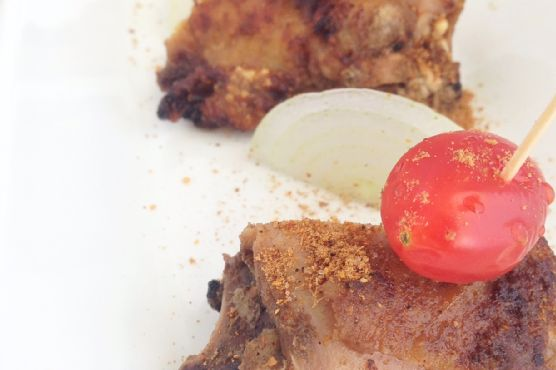
On a particularly rushed Tuesday evening, I found myself staring at a pack of chicken thighs in the fridge and a very hungry family pacing the kitchen. With the usual takeout feeling mundane and uninspiring, I remembered a burst of flavor from a trip to Nigeria—Chicken Suya. Imagine spicy, smoky goodness, and you’re halfway there. This dish is a game-changer: the kind that feels impressive enough for company but is straightforward enough for a frantic weeknight. The spice mix does all the heavy lifting, and the oven takes care of the rest. By the time the chicken is sizzling and golden, you’ll be salivating from the aromas filling your kitchen.
Jump to Recipe
What You’ll Need
Just a handful of ingredients stand between you and this flavor-packed delight. You might even have most of these at hand already. Here’s what you’ll need:
- Suya spice
- Chicken (thighs, drumsticks, whatever you prefer)
- Chilli powder
- Cooking spoon of groundnut oil
- Seasoning cubes
- Onions and tomatoes
- Salt
How to Make Chicken Suya
- Preheat your oven to a blistering 500°F. This high heat is crucial for that perfect charred exterior.
- While the oven is heating, wash your chicken pieces and pat them dry. In a large bowl, coat them generously with the Suya spice, chilli powder, seasoning cubes, and a pinch of salt. The chicken should have a nice reddish hue from the spices.
- Drizzle a cooking spoon of groundnut oil over the spiced chicken, ensuring each piece is glistening. The oil helps achieve a beautiful crispy skin.
- Arrange the chicken pieces on a baking tray in a single layer. Pop them into the preheated oven.
- Grill for about 40 minutes, flipping the chicken halfway through. You’ll know it’s ready when the edges start to brown and the aroma becomes irresistible.
- While the chicken is grilling, slice the onions and tomatoes. These will serve as a fresh garnish to complement the spicy chicken.
- Once cooked, serve the chicken hot, garnished with the fresh onions and tomatoes, and a sprinkle of extra Suya spice for good measure.
Cook’s Notes
Don’t be tempted to skimp on the Suya spice; it’s the soul of the dish! If you’re making this for the first time, keep an eye on the chicken as it grills. Oven temperatures can vary, and you want that perfect balance of cooked-through and crispy edges. If you have leftovers (a big “if” because it’s that good!), store them in an airtight container in the fridge. They make for a fabulous cold lunch, or you can rewarm them in a low oven. This dish can be made ahead up to the point of grilling; just marinate the chicken with the spices and store it in the fridge for up to 24 hours.
Make It Your Own
- Swap the chicken for crispy tofu for a vegetarian version. Just press the tofu first to remove excess moisture.
- Add a squeeze of lime before serving for an extra zing that cuts through the richness.
- For a milder version, dial back on the chilli powder and let the Suya spice shine on its own.
- Love it extra spicy? Add some chopped fresh chili alongside the onions and tomatoes for garnish.
If you try this, I’d love to hear how it turns out—drop a comment or tag me! Whether it’s for a bustling weeknight or a special gathering, Chicken Suya is bound to become a favorite in your home too. Enjoy every spicy, juicy bite!
Goes Well With
If you want to round out the meal, here’s what I’d pair it with over on meaghanmoineau.com:
Related update: Chicken Suya
Related update: Bbq Chicken
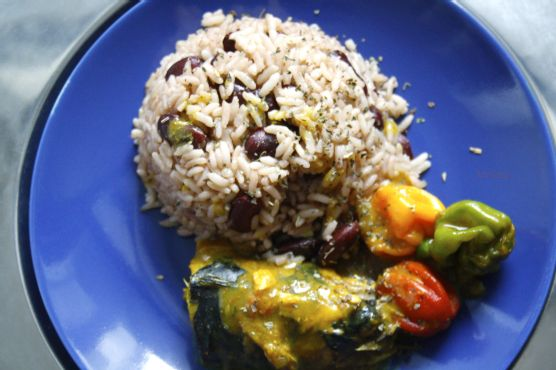
Picture this: It’s midweek, you’ve had one of those days where your to-do list seems to grow faster than you can cross things off, and the last thing you want to do is spend ages in the kitchen. You need something that hits that perfect balance — satisfying, flavorful, but not labor-intensive. Enter Rice and Peas with Coconut Curry Mackerel. This dish has become my trusty sidekick, swooping in to save dinner time with its creamy, spicy goodness. It’s like a little escape to the islands without even leaving your kitchen. Trust me, you’ll want to bookmark this one.
Jump to Recipe
What You’ll Need
So, let’s talk ingredients. The magic here is that you probably already have most of these hanging out in your pantry. We’re talking about a few key players that bring this dish together with minimal fuss.
- Coconut milk – This is your creamy base.
- Seasoning cubes – For that umami punch.
- Curry powder – Your spice hero here.
- Garlic – Essential for that savory depth.
- Mackerel – Fresh or canned, your call.
- A bulb of onion – Adds sweetness and texture.
- Red kidney beans – Packed with protein.
- Rice – The heart of the dish.
- Scotch bonnet peppers – For some fiery personality.
- Corn starch – Thickens the sauce to perfection.
How to Make Rice and Peas with Coconut Curry Mackerel
Ready to dive in? Let’s get cooking.
- Start by pouring 1 cup of coconut milk into a pot along with 1 seasoning cube. Bring it to a gentle boil; you’ll know it’s ready when the aroma starts to fill your kitchen.
- Add your rice and red kidney beans to the pot. Pour in 2 cups of water, give it a good stir, and let it all come to a boil, then reduce to low heat. Let it simmer until the rice and peas are tender and have soaked up the creamy coconut goodness.
- In another pot, combine the rest of the coconut milk, curry powder, and a bit of water. Give it a stir, then add your mackerel. Allow it to come to a boil, then reduce to medium heat.
- Toss in the chopped onion, scotch bonnet peppers, and minced garlic. Stir everything together and let it simmer. You’ll start to smell a wonderful mix of spices and sweetness.
- Once the fish is cooked through, sprinkle in the corn starch to thicken the sauce. Let it simmer for another 4 minutes on low heat until the sauce is rich and velvety.
- Serve the mackerel curry over your coconut-infused rice and peas. Enjoy the symphony of flavors!
Cook’s Notes
This dish is quite forgiving, which is perfect for those days when your mind is elsewhere. Just a few things to keep in mind:
– If you’re using canned mackerel, remember to reduce the salt since it usually comes pre-seasoned.
– The scotch bonnet peppers pack heat, so adjust to your spice tolerance. You can always start with half a pepper and add more if you’re feeling brave.
– Leftovers hold up well in the fridge for a couple of days. Just reheat gently and maybe add a splash of water or coconut milk to loosen up the sauce.
– If you like your beans a bit firmer, you can add them later in the cooking process.
Make It Your Own
Feeling adventurous or need to accommodate what’s in your pantry? Here are a few swaps and variations:
- Swap the mackerel for crispy tofu for a plant-based twist. Just sauté the tofu before adding it to the curry.
- Use quinoa instead of rice for a protein boost. Adjust the cooking time and liquid accordingly.
- Throw in some green peas along with the kidney beans for extra color and sweetness.
- If you’re not a fan of too much heat, try jalapeños instead of scotch bonnets for a milder kick.
If you try this, I’d love to hear how it turns out — drop a comment or tag me! Here’s to stress-free dinners and delicious moments. 🍽️
Goes Well With
If you want to round out the meal, here’s what I’d pair it with over on meaghanmoineau.com:
Related update: Rice and Peas with Coconut Curry Mackerel
Related update: Chicken Suya
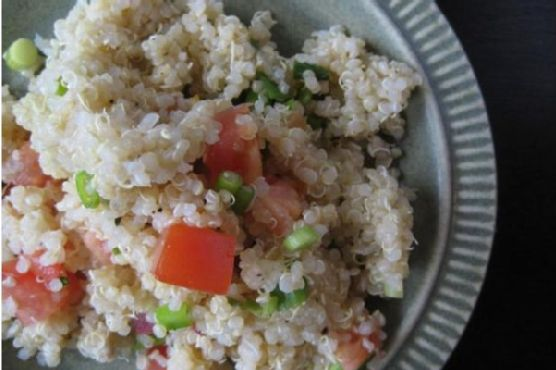
Picture this: It’s a Wednesday night, and I’m staring into the abyss of my fridge, hunting for something quick yet satisfying to whip up. I’m not in the mood for anything heavy, and the thought of a greasy takeout container is just not doing it for me. Then, I spot it: a bag of quinoa hidden behind some questionable leftovers. Suddenly, I’m inspired to throw together something fresh and vibrant. Enter the Quinoa, Tomato, Green Onion Side Salad. It’s one of those effortless dishes that surprises you with how delicious it is. Light, tangy, and with just the right amount of bite from the green onions, it’s the perfect sidekick to almost any meal. Plus, chances are, you already have most of these ingredients hanging out in your pantry or fridge.
Jump to Recipe
What You’ll Need
It’s amazing how such a simple ingredient list can come together into something so flavorful. Chances are you already have most of this.
- Quinoa – the nutty base that gives this salad heft and texture.
- Water – to cook the quinoa perfectly fluffy.
- Tomatoes – juicy and sweet, they bring freshness and color.
- Green Onions – for that bit of sharpness and crunch.
- Lemon – juice for tanginess that brightens up everything.
- Olive Oil – adds a smooth richness that ties the salad together.
- Salt and Pepper – to taste, because seasoning is everything!
How to Make Quinoa, Tomato, Green Onion Side Salad
- Start by rinsing your quinoa in a fine mesh strainer. This step is crucial to remove any bitterness from the grains.
- Combine the quinoa and water in a medium-sized pan. Heat over medium until it starts to bubble and simmer, then cover the pan and lower the heat to low. Let it cook for about 15 minutes, or until all the water is absorbed and the quinoa is fluffy.
- While your quinoa is cooking, wash the green onions and tomatoes well. Give them a rough chop—you want them in bite-sized pieces. The tomatoes should be juicy, and the onions pungent.
- Cut a lemon in half and squeeze the juice from one half into a bowl, taking care to fish out any seeds that escape.
- Once the quinoa is done, let it cool a bit. It can still be a little warm, but not piping hot—you don’t want to wilt the fresh ingredients.
- Incorporate the olive oil and lemon juice into the quinoa, then mix in the chopped tomatoes and green onions. Stir everything together gently.
- Season with salt and pepper to taste. You’ll know it’s right when the flavors pop but still feel balanced.
- Chill the salad in the refrigerator for a bit before serving, or serve it slightly warm if you’re in a hurry. It’s delicious either way!
Cook’s Notes
Once you’ve made this salad, you’ll see how forgiving and flexible it is. You can make the quinoa a day ahead and store it in the fridge, saving some time. Just bring it to room temperature before you mix everything together. If anything, the flavors meld even more deliciously after they’ve had time to chill. Leftovers can be stored in an airtight container in the fridge for up to three days, but trust me, it won’t last that long. Do keep an eye on the tomatoes, though—they can get a bit mushy past the second day.
Make It Your Own
This salad is like a blank canvas, and there are so many delicious ways to switch it up:
- Swap the quinoa for couscous or even farro for a different texture and flavor profile.
- Add some crumbled feta cheese for a tangy, creamy element.
- Mix in some chickpeas or black beans to boost the protein and make it a more filling main dish.
- Toss in a handful of fresh herbs like parsley or basil for an extra burst of freshness.
If you try this, I’d love to hear how it turns out—drop a comment or tag me on social media! Your kitchen adventures make my day. Happy cooking!
Goes Well With
If you want to round out the meal, here’s what I’d pair it with over on meaghanmoineau.com:
Related update: Quinoa, Tomato, Green Onion Side Salad

The other night, I found myself staring at a pack of chicken breasts in the fridge and a yawning canyon of culinary inspiration. It was one of those weeknights where time feels slippery, and your brain is too foggy to invent something elaborate. That’s when the idea of Chicken with White Wine Tarragon Cream Sauce popped into my mind like a light bulb moment. It’s one of those recipes that’s not only quick to whip up but also manages to feel like a warm hug wrapped in culinary sophistication. Seriously, it has that perfect balance of being simple enough for a Tuesday but impressive enough to trick your taste buds into thinking it’s a Saturday dinner party. The white wine and tarragon add a touch of elegance without requiring a culinary degree to execute.
Jump to Recipe
What You’ll Need
I bet you can already find most of these hidden gems in your pantry. That’s the beauty of this recipe — it transforms basic ingredients into a dish worthy of savoring.
- Butter
- Fresh mushrooms
- Onion
- Fresh garlic
- Skinless boneless chicken breasts
- White wine
- Worcestershire sauce
- Sour cream
- Tarragon
How to Make Chicken with White Wine Tarragon Cream Sauce
- In a large skillet, melt a pad of butter over medium heat. Add sliced onions, fresh mushrooms, and a few cloves of minced garlic. Sauté until everything turns lightly brown and the kitchen smells like you’ve summoned a chef’s ghost.
- Slide in the chicken breasts, turning the heat to medium-high. Cook for about 10 minutes, flipping halfway through, until the chicken is done — it should be firm, with no pink when you cut into it.
- Once done, remove the chicken and let it rest on a platter. Now for the fun part: pour in the white wine and watch it sizzle. Cook for about 2 minutes to let the alcohol burn off. You’ll know it’s ready when the sharp scent mellows into something deliciously fruity.
- Add a splash of Worcestershire sauce and a generous dollop of sour cream. Stir until everything is silky smooth and well combined. Taste and adjust — a little more Worcestershire never hurt anyone.
- Pour the luscious sauce over the resting chicken, and finish with a sprinkle of tarragon. Serve immediately, preferably with something to soak up all that sauce like biscuits, pasta, or rice.
Cook’s Notes
This dish is all about timing and layering flavors. Don’t rush the onions and mushrooms; they need time to caramelize and develop that beautiful golden brown color. If you find yourself with leftover sauce (lucky you!), it stores beautifully in the fridge for about 3 days. Just reheat gently on the stove with a splash of water or broth to loosen it up. And if you’re planning ahead, you can prep the sauce components in advance and store them separately, then just cook the chicken fresh when you’re ready.
Make It Your Own
If you’re feeling adventurous or simply need to adapt based on what you have, here are some swap ideas:
- Swap the chicken for crispy tofu if you’re going the vegetarian route. Just press and pan-fry tofu slices until golden before following the same steps.
- Try using shallots instead of onion for a slightly sweeter and more delicate flavor.
- Substitute the white wine with chicken broth if you’re avoiding alcohol. It adds a nice depth without the kick.
- For a lemony twist, add a squeeze of fresh lemon juice right before serving for a bright, citrusy finish.
If you try this, I’d love to hear how it turns out — drop a comment or tag me! Cooking should be fun and forgiving, so don’t stress if it doesn’t turn out perfect the first time. Each attempt is a step closer to making it your own. Happy cooking!
Goes Well With
If you want to round out the meal, here’s what I’d pair it with over on meaghanmoineau.com:
Related update: Chicken with White Wine Tarragon Cream Sauce
Related update: Rice and Peas with Coconut Curry Mackerel

It was one of those mid-week evenings where everything was a bit of a scramble. You know the type — when you open your fridge and your brain’s a blank canvas, and all you’ve got is a carton of milk, some half-wilted greens, and a bunch of rhubarb staring back at you. My sweet tooth was relentless though, demanding something a little more exciting than a bowl of cereal. That’s when the idea of making Crispy Rhubarb Pockets hit me like a lightbulb moment. They’re quick, just the right mix of tangy and sweet, and have this magical way of making your kitchen smell like a bakery. Jump to Recipe
What You’ll Need
Chances are, you already have most of these tucked away in your kitchen. Let’s make some magic with these simple, but powerful ingredients:
- 1 cup of diced rhubarb
- 1/2 cup of granulated sugar
- 1 tablespoon cornstarch
- Pinch of salt
- 1/2 teaspoon vanilla extract
- 4 phyllo sheets
- Melted butter for brushing
How to Make Crispy Rhubarb Pockets
- Start by tossing your diced rhubarb, sugar, cornstarch, and salt into a medium saucepan. Place over medium-low heat and stir occasionally. You’ll want to keep an eye on it, as the rhubarb releases its liquid and breaks down into a thick, chunky sauce — about 10 minutes.
- Once it’s looking all lovely and jam-like, remove the pan from the heat. Stir in the vanilla extract for that extra fragrant kick, and let it cool to room temperature. Patience, my friend, it’s worth it.
- While the filling cools, layer your phyllo sheets. Brush each sheet with melted butter like you’re painting a masterpiece. Then, preheat your oven to a cozy 350°F.
- With a sharp knife, cut four 4-inch squares from the phyllo stack. It’s okay if they aren’t perfect — rustic is in.
- Place about 2 teaspoons of the rhubarb filling in the center of each square. Brush a little water from the edge of the filling to each point of the square. Now, gather the points and pinch together just above the filling to create a cute pouch.
- Brush each pouch with more butter (because why not?) and place them on an ungreased baking sheet, making sure they’re at least an inch apart.
- Bake in your preheated oven for 12 to 15 minutes. You’re looking for a golden brown color and a house smelling deliciously sweet.
- Once golden, remove the pouches and let them cool on a wire rack for about 5 minutes. They’re ready to serve warm or at room temperature, whichever tempts you more.
Cook’s Notes
Don’t rush the cooling process for the filling; hot phyllo and hot filling don’t mix well. If the filling is too hot, it might burst open your lovely creations. If you want to prep ahead, you can make the rhubarb filling a day in advance and store it in the fridge. Just bring it to room temperature before using.
Make It Your Own
- Berry Bliss: Swap out half of the rhubarb for your favorite berries. Strawberries or raspberries would add a nice twist.
- Creamy Dream: Add a dollop of cream cheese to the filling for a richer texture.
- Nuts About It: Sprinkle some chopped almonds or walnuts over the filling before sealing the pouch for a crunchy surprise.
- Spice It Up: Add a pinch of cinnamon or nutmeg to the filling for an extra layer of warmth.
If you try this, I’d love to hear how it turns out — drop a comment or tag me! Let’s keep the sweet adventures rolling in our kitchens.
Goes Well With
If you want to round out the meal, here’s what I’d pair it with over on meaghanmoineau.com:
Related update: Quinoa, Tomato, Green Onion Side Salad
Related update: Brioche Bread Pudding
Picture this: It’s a Tuesday, and the week’s already feeling like a never-ending to-do list. After a day full of meetings that could’ve been emails, I found myself craving something cozy but a tad bit fancy for dinner. Enter Bruschetta Stuffed Potatoes. I stumbled upon this idea when I had a bunch of potatoes and a fresh batch of basil that needed to be used before I found them looking sad in the back of the fridge. These potatoes are your best weeknight friend—they’re comforting, satisfyingly crispy, and the kind of dish that makes you feel like a kitchen wizard without breaking a sweat. Plus, who doesn’t love a good bruschetta twist?
Jump to Recipe
What You’ll Need
It’s likely you’ve already got most of this in your pantry, and if not, the list is short enough for a quick grocery run.
- 4 large dried baking potatoes
- Olive oil
- 1 small red onion, finely chopped
- 2 cups diced tomato
- 3 cloves garlic, minced
- Fresh basil, chopped
- 1 cup shredded mozzarella cheese
- 1/2 cup cultured dairy (sour cream or Greek yogurt work great)
- Butter
- Sea salt & freshly ground pepper
How to Make Bruschetta Stuffed Potatoes
- Preheat your oven to 350°F (175°C). While you wait, give your potatoes a good scrub. Generously coat their skins with olive oil to ensure they get that irresistible crispy finish.
- Place the potatoes directly on the oven rack and bake for 1 to 1 1/2 hours, or until they’re tender when poked with a fork. This is your chance to catch up on that series you’ve been meaning to binge!
- While the potatoes are doing their thing, toss together the red onion, diced tomatoes, garlic, fresh basil, and mozzarella cheese in a small bowl. The mixture should smell like a summer garden—just divine. Set it aside.
- Once your potatoes are tender, carefully cut a small slice off the top of each one. Scoop out the soft, fluffy flesh and transfer it into a large bowl. Be gentle so you don’t tear the skins—those are going back in the oven.
- Place the empty potato shells back on a baking sheet and turn the oven down to 150°F (65°C) to keep them warm.
- In the bowl with the potato flesh, add the cultured dairy, a pat of butter, and a splash more olive oil. Mash it all together until smooth and creamy. The mixture should be velvety with a slight sheen from the butter.
- Fold the bruschetta mixture into your mashed potatoes. The cheese will start to melt a little, binding everything together. Season with sea salt and freshly ground pepper to taste.
- Spoon the mixture back into the potato shells, mounding it high. Pop them in the oven just to warm through—if you don’t reheat them too much, the enzymes in the dairy will keep it tasting fresh and tangy.
Cook’s Notes
You’ll want to use baking potatoes like russets as they have the perfect consistency for this recipe. Don’t skimp on the olive oil when coating your potato skins—it’s the secret to getting that perfect crisp. Leftovers (if any!) can be stored in the fridge for up to two days. Just reheat them in the oven to maintain texture. If you’re making these ahead, you can prepare the bruschetta and potato filling separately and stuff the potatoes just before serving.
Make It Your Own
- Caprese Style: Swap the mozzarella for fresh buffalo mozzarella and add a drizzle of balsamic glaze just before serving.
- Spicy Kick: Add a diced jalapeño to the bruschetta mixture for some heat. You can also sprinkle some red pepper flakes on top.
- Mediterranean Twist: Incorporate some chopped olives and a sprinkle of feta cheese into your bruschetta mix for a Greek-inspired flavor.
- Vegan Version: Use vegan cheese and a plant-based yogurt instead of dairy. A touch of nutritional yeast can mimic the buttery flavor.
If you try this, I’d love to hear how it turns out—drop a comment or tag me! These Bruschetta Stuffed Potatoes have become a staple in my kitchen, and I hope they find a spot in yours too. Enjoy every delicious bite!
Goes Well With
If you want to round out the meal, here’s what I’d pair it with over on meaghanmoineau.com:
Related update: Bruschetta Stuffed Potatoes

It was a Tuesday night, one of those days where nothing seemed to go right. The kind of day where you just need a little something to turn the mood around — a quick pick-me-up that feels indulgent without the fuss. Enter: Bananas Foster. This dish is pure magic because it transforms a few simple ingredients into a theatrical dessert right at your stovetop. Plus, who doesn’t love a little bit of flame to spice things up? It’s the perfect dessert for when you want to impress your partner, your friends, or even just spoil yourself a bit. The best part? You’re likely to have most of what you need already in your pantry. Trust me, you’ll want to add this one to your regular rotation.
Jump to Recipe
What You’ll Need
The ingredient list is short and sweet — literally. Chances are, you already have most of these at home, just waiting to be transformed into something spectacular.
- Banana – Ripe but not mushy, perfectly speckled with brown spots.
- Banana liqueur – The secret weapon for that extra oomph.
- Brown sugar – For that deep, molasses-like sweetness.
- Butter – Because everything’s better with butter, right?
- Cinnamon – A pinch to enhance the warmth and aroma.
- White rum – To set the whole thing ablaze in the most delightful way.
How to Make Bananas Foster
- In a chafing dish or skillet, melt the butter over medium heat until it’s bubbly and slightly golden.
- Add the brown sugar and stir until it dissolves and forms a smooth caramel-like sauce. This should take about 2 minutes.
- Slice the banana into diagonal pieces and gently lay them into the buttery sugar mixture. Sauté them until they start to soften, about 1-2 minutes.
- Sprinkle a pinch of cinnamon over the bananas, letting the aroma fill the air.
- Carefully pour the banana liqueur and white rum over the bananas. If you’re feeling adventurous, tilt the pan slightly to ignite the alcohol, or use a long match. Keep basting the bananas with the flaming liquid until the flame goes out.
- Once the flames die down, your Bananas Foster is ready to serve. Enjoy it as is, or over a scoop of vanilla ice cream for that extra creaminess.
Cook’s Notes
Here’s the thing with Bananas Foster: it’s all about timing. Make sure your bananas aren’t too ripe, or they’ll turn to mush in the pan. Ripe ones with a few brown spots are perfect for that sweet spot between soft and firm. If you’re making this for a crowd, you can prep everything in advance and just do the flambé right before serving — it’s a show-stopper! Leftovers? Ha! But if you do have them, they won’t be as good cold. I’d suggest reheating gently in a pan with a bit more butter or making a decadent pancake topping the next day.
Make It Your Own
- Spice it up: Add a pinch of nutmeg or a few cloves for a spicier kick.
- Go nutty: Toss in some toasted pecans or walnuts for an added crunch.
- Switch the spirit: Use dark rum for a richer flavor or bourbon for a twist.
- Fruit swap: Try this with peaches or pineapple if you’re feeling tropical.
If you try this, I’d love to hear how it turns out — drop a comment or tag me on social media! The kitchen is all about experimenting and sharing, after all. Enjoy the flames!
Goes Well With
If you want to round out the meal, here’s what I’d pair it with over on meaghanmoineau.com:
Related update: Bananas Foster

Picture this: I’m standing in the kitchen, eyeing a bunch of fresh beets and wondering what on earth I’m going to make for dinner. It’s one of those days where time is tight, but my craving for something fresh and vibrant is even tighter. Enter my Citrus Beet Salad. It’s the kind of dish that feels fancy but is deceptively simple to whip up. We’re talking earthy beets paired with juicy grapefruit, creamy goat cheese, and a sprinkle of crunchy pumpkin seeds. It’s a harmony of flavors and textures that makes it the perfect side or light main course. And trust me, once you taste it, it’ll quickly become a staple in your kitchen lineup. Jump to Recipe
What You’ll Need
I love this recipe because the ingredient list is short and sweet, and you might already have a few of these in your kitchen. Here’s what you’ll need to make this vibrant salad come to life:
- Beets – Fresh is best, but pre-cooked can work in a pinch.
- Olive oil – A good quality one really makes a difference here.
- Balsamic vinegar – Adds a tangy depth to the sweet beets.
- Grapefruit – Juicy and adds a bright pop of flavor.
- Sprouts – I like alfalfa or radish sprouts for their peppery taste.
- Pumpkin seeds – Toasted for extra crunch.
- Goat cheese – Creamy and tangy, it ties everything together.
How to Make Citrus Beet Salad
Ready to get cooking? Let’s dive into the steps:
- Start by washing your beets and patting them dry. You don’t want any excess moisture when they hit the oven.
- Place the beets on a sheet of aluminum foil and give them a generous drizzle of olive oil. Seal them up in the foil to create a snug little pouch.
- Pop the pouch onto a cookie sheet and slide it into the oven. Bake until the beets are tender. This can take anywhere from 30 minutes to an hour, depending on their size. Start checking at the 30-minute mark.
- Once tender, let them cool enough to handle. Use your hands to slip off their skins — they should peel away easily.
- Slice the beets into bite-sized wedges and give them a good drizzle of balsamic vinegar. This is where the magic starts.
- Line the bottom of a large bowl with a bed of sprouts. Add your beets and grapefruit slices on top.
- Finish with a scatter of pumpkin seeds and a crumble of goat cheese. Serve immediately and enjoy the freshness!
Cook’s Notes
Okay, a few things to keep in mind! When roasting your beets, size matters. If they’re particularly large, give them a little extra time in the oven. You want that fork to slide in without much resistance. And about that grapefruit — try to segment it so you avoid the bitter pith. If you’re making the salad ahead, keep everything separate until just before serving to avoid soggy sprouts. Leftovers are best consumed within a day or two, but if you really want to stretch it, pack the beets and sprouts separately to keep them fresh.
Make It Your Own
Here’s how you can put your own spin on this classic:
- Swap the goat cheese for crumbled feta or blue cheese for an extra punch.
- Use blood oranges instead of grapefruit for a sweeter twist.
- Substitute sunflower seeds if pumpkin seeds aren’t your thing, or if you want to mix it up.
- Add a handful of arugula or baby spinach for extra greens and volume.
If you try this, I’d love to hear how it turns out — drop a comment or tag me in your food pics! This salad is one of my favorites to play around with, and I’m curious to see how you’ll make it your own. Happy cooking!
Goes Well With
If you want to round out the meal, here’s what I’d pair it with over on meaghanmoineau.com:
Related update: Citrus Beet Salad
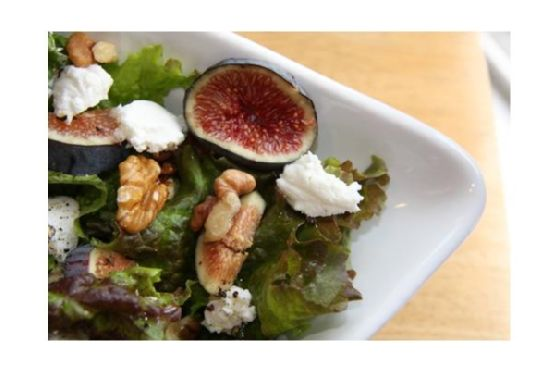
Last Tuesday, the afternoon sun cast a golden glow across my kitchen, and all I craved was something fresh and vibrant. You know those days when life gets a bit too overwhelming, and you just need a food hug? That was me. I opened the fridge and there they were—beautifully ripe figs, a half-eaten log of goat cheese, and a bag of mixed greens waiting to be transformed. And just like that, a Fig, Goat Cheese, and Walnut Salad came to life. This dish is like a cozy sweater—it’s comforting yet bright, with just the right amount of flair to make you feel fancy without the fuss. Trust me, this salad is a total game-changer, especially when you need something quick yet utterly delicious.
Jump to Recipe
What You’ll Need
This salad is all about simple ingredients that pack a punch. Chances are you already have most of this stuff lying around:
- Fresh figs – the star of the show
- Goat cheese – creamy goodness in every bite
- Lemon juice – for that zesty kick
- Mixed greens – a fresh and leafy base
- Olive oil – smooth and silky
- Salt and pepper – gotta season!
- Walnuts – for a crunchy contrast
How to Make Fig, Goat Cheese and Walnut Salad
- Start by rinsing your mixed greens. Spin them dry if you have a salad spinner or spread them out on a clean towel to air-dry. You want them crisp, not soggy.
- Tear the greens into bite-size pieces if they’re not already prepped. No one wants to wrestle with a giant leaf on their plate.
- Slice the figs delicately, savoring the sweet fragrance that fills the room. They should be tender yet firm enough to hold their shape.
- Roughly chop the walnuts. You’re aiming for a mix of larger chunks and smaller bits to keep things interesting.
- Gently scatter small spoonfuls of goat cheese over the salad. This is where the magic happens—creamy pockets of flavor await every bite.
- In a small bowl, mix olive oil and lemon juice to taste, or if you’re like me and love to freestyle, drizzle them directly over the salad.
- Season with salt and pepper to your liking. Toss everything together gently to keep all those beautiful components intact.
- Serve immediately and enjoy the delightful combination of flavors and textures.
Cook’s Notes
Here’s the deal: use the freshest figs you can find. Overripe ones can make the salad mushy, and underripe figs won’t give you that sweet juiciness. You can prepare the salad base and keep it in the fridge for a couple of hours, but only add the dressing and goat cheese right before serving to keep the greens vibrant and the cheese from getting lost in the mix. If you need to store leftovers, keep the dressing separate and consume within a day for best quality.
Make It Your Own
- Swap the goat cheese for feta if you’re feeling a bit more Mediterranean.
- Replace the walnuts with toasted almonds for an added crunch and a slightly different flavor profile.
- Add some crispy bacon bits if you want a smoky, savory note.
- Try arugula instead of mixed greens for a peppery punch.
If you try this, I’d love to hear how it turns out—drop a comment or tag me! There’s nothing like sharing the joy of a simple, delicious meal with friends. Bon appétit! 🍽️
Goes Well With
If you want to round out the meal, here’s what I’d pair it with over on meaghanmoineau.com:
Related update: Fig, Goat Cheese and Walnut Salad
Related update: Citrus Beet Salad
Related update: Vegetable Tart With Goat Cheese

I was standing in my kitchen, staring at the fridge, with that all-too-familiar feeling creeping in — dinner indecision. It was one of those chilly autumn evenings where you just want something hearty and satisfying but don’t want to spend hours slaving away. And then, like a beacon of light, I spotted the knockwurst I’d picked up on a whim. A quick rummage through the pantry revealed a can of sauerkraut, and inspiration struck! This dish is a delightful mash-up of tangy, savory, and just the right amount of sweetness. It’s the perfect one-pot wonder for those nights when you want something cozy and impressive without the fuss.
Jump to Recipe
What You’ll Need
You might be pleasantly surprised to find out that you probably have a lot of these ingredients already hanging around in your pantry and fridge. Here’s what you’ll need:
- 1 medium onion, chopped
- 1 cup beer (your choice, but I love a good lager for this)
- 1/2 cup water
- 2 tablespoons cornstarch
- 1 tablespoon brown mustard
- 1 tablespoon molasses
- 1 teaspoon caraway seed
- 1/2 teaspoon ground allspice
- 1/4 teaspoon pepper
- 1 medium rutabaga, peeled and diced
- 1 pound cooked knockwurst, sliced
- 2 cooking apples, cored and cut into wedges
- 1 can (about 14 ounces) sauerkraut, drained and rinsed
- Butter for frying
How to Make Knockwurst with Sauerkraut
- Start by buttering a medium frying pan and heating it up over medium heat. Add the knockwurst slices and cook them until they’re beautifully browned and crispy on the edges, about 10-12 minutes.
- While the knockwurst is cooking, rinse and drain your sauerkraut well. This step is key to ensuring it’s not overly salty.
- In a large pot, add a bit more butter and the chopped onion. Sauté until the onion is tender and translucent but not browned.
- Pour in the beer, letting it bubble up and sizzle for a minute. The aroma is going to be amazing!
- In a separate 2-cup glass measure, combine the water, cornstarch, brown mustard, molasses, caraway seed, allspice, and pepper. Stir this mixture into your pot with the onions and beer, and continue cooking and stirring until the sauce is thick and bubbly.
- Add the diced rutabaga to the pot. Cover and let it cook for about 15 minutes, or until the rutabaga starts to soften.
- Now, stir in the browned knockwurst, apple wedges, and the well-drained sauerkraut. Cover and cook for another 15-20 minutes. You’ll know it’s done when the apples are tender and everything’s melded together in saucy harmony.
Cook’s Notes
Let’s talk about some tips to make sure your Knockwurst with Sauerkraut turns out just right. First off, make sure to really rinse that sauerkraut. Skipping this step can lead to an overly salty dish. Also, don’t rush the thickening process — let the sauce come to a full bubble before you add the rutabaga. It helps everything blend together perfectly. If you’re planning ahead, you can make the base sauce with the onion and beer a day in advance. Just store it in the fridge and pick up from step 6 when you’re ready to finish off dinner. Leftovers? Store them in an airtight container for up to three days. Reheat gently on the stove or microwave.
Make It Your Own
Feel free to put your own spin on this classic. Here are a few ideas to get you started:
- Swap the knockwurst for a hearty veggie sausage if you’re going for a vegetarian version.
- Try using sweet potatoes instead of rutabaga for an extra hint of sweetness.
- Add a spoonful of horseradish to the sauce for a little kick.
- Use pear wedges in place of apples for a twist on the fruit component.
If you try this, I’d love to hear how it turns out — drop a comment or tag me! Whether you stick to the script or make it your own, I hope this dish brings some warmth and joy to your table.
Goes Well With
If you want to round out the meal, here’s what I’d pair it with over on meaghanmoineau.com:
Related update: Knockwurst with sauerkraut
Related update: Rack of Lamb With Parsley

It was one of those rainy Tuesday evenings where the thought of venturing outside for groceries felt as appealing as stepping into a cold shower. I rummaged through my fridge, crossing my fingers for inspiration, and stumbled upon a collection of humble ingredients: eggs, a half-used loaf of bread, some mushrooms teetering on the edge of usable, and a pack of bacon bits. And thus, the Figure Friendly Mushroom and Bacon Strata was born. This dish is a lifesaver — it’s like the comforting embrace of a breakfast-for-dinner vibe but dressed up enough to impress even the picky eaters. Whether you’re in the mood for a cozy brunch or a quick weeknight dinner, this strata offers that magic mix of minimal effort and maximum flavor.
Jump to Recipe
What You’ll Need
This recipe is wonderful because chances are you already have most of these ingredients lurking in your kitchen. Here’s what you’ll need:
- Eggs (whole and whites)
- Low fat milk
- Bread (preferably a little stale)
- Onion
- Red bell pepper
- Yellow bell pepper
- Mushrooms (the more, the merrier)
- Fresh basil
- Bacon bits
- Olive oil
- Cheese (pick your favorite kind for a magical melt)
How to Make Figure Friendly Mushroom and Bacon Strata
- Heat a non-stick skillet over medium heat. Toss in the olive oil, and when it’s shimmering, add the chopped onion and bell peppers. Sauté them for about 5 minutes until they’re soft and starting to get a bit of color.
- Next, add the mushrooms. Stir them around for another 5 minutes until they release their juices and start to brown. The kitchen will smell amazing by now, just wait.
- Grab a baking dish and give it a good spray with cooking spray. Add your bread cubes, spreading them out so they’re in an even layer.
- Pour the sautéed veggie and mushroom mixture over the bread cubes. Add fresh basil, a sprinkle of salt, and a dash of pepper to suit your taste preferences. Scatter those bacon bits and generous handfuls of cheese over the top.
- In a separate bowl, whip together the eggs and low-fat milk until they’re well combined. Pour this eggy goodness over the bread mixture in the dish. Pop it in the fridge for at least an hour or up to overnight — it needs time for the bread to soak up all the flavors.
- When you’re ready to bake, preheat your oven to 350°F. Cover the dish with foil and bake for 20 minutes.
- Remove the foil and let it bake for another 10 minutes until it’s puffed, golden, and lightly browned. The edges might bubble a bit — this is your cue!
Cook’s Notes
Here’s the scoop: the longer you let the strata sit before baking, the better the flavors meld. If you’re a planner, make it the night before. This dish also freezes well, so consider doubling the recipe and saving one for a rainy day. Just pop it in a sealed container and it’ll keep for about a month. Also, be mindful when adding salt since the bacon bits are pretty savory on their own.
Make It Your Own
Want to riff on this recipe and make it your own? Here are some ideas:
- Swap the bacon bits for crispy tofu to keep it vegetarian without losing the savory punch.
- For a bit of a kick, add some chopped jalapeños to the veggie mix.
- Try using whole grain bread for a nuttier flavor and extra fiber.
- Switch out basil for fresh thyme or rosemary for an earthy twist.
If you give this Figure Friendly Mushroom and Bacon Strata a whirl, I’d love to hear how it turns out for you! Drop a comment below or tag me in your mouthwatering brunch photos. Let’s keep the kitchen adventures rolling!
Goes Well With
If you want to round out the meal, here’s what I’d pair it with over on meaghanmoineau.com:
Related update: Figure Friendly Mushroom and Bacon Strata
Related update: Knockwurst with sauerkraut

One chilly evening, I found myself standing in the kitchen, the rain tapping softly against my window, craving something warm and creamy to chase away the lingering cold. I peeked into my pantry and spotted the perfect answer to my comfort food craving—Arroz Con Leche. This luscious rice pudding has a way of wrapping you in a cozy hug with its creamy texture and fragrant cinnamon aroma. It’s one of those deceptively simple recipes that feels fancy but comes together in a snap. Plus, it uses ingredients you’re likely to already have on hand. Trust me, if you’re in need of a little comfort in a bowl, this one’s a keeper. Jump to Recipe
What You’ll Need
If your pantry is anything like mine, you’re already halfway there with these ingredients:
- 2 cups heavy cream
- 2 cups milk
- 1 cup arborio rice
- 2 cinnamon sticks
- 1 tablespoon lemon zest
- Pinch of salt
- 1 cup sugar
- Ground cinnamon, for sprinkling
How to Make Arroz Con Leche
- Grab a medium-sized saucepan and toss in 2 cups of heavy cream, 2 cups of milk, the cup of arborio rice, cinnamon sticks, lemon zest, and a pinch of salt. Bring this fragrant concoction to a gentle boil over medium heat. You want those aromas to greet you like an old friend.
- Once it hits a boil, reduce the heat and let it simmer gently. Stir occasionally, enjoying the wafting scent of cinnamon, until the rice is tender. This should take about 30 minutes. Keep an eye on it—if the mixture gets too thick, add a splash of milk or cream to loosen it up.
- Remove the pan from heat and stir in the sugar until it’s fully dissolved. It should feel like velvet on your spoon.
- Fish out those cinnamon sticks before serving. Scoop the creamy rice pudding into bowls and give it a generous sprinkle of ground cinnamon for that extra warm-spice kick.
Cook’s Notes
Here’s the scoop: Arroz Con Leche is all about the creamy texture. Arborio rice is my go-to because it’s so good at soaking up all that dairy goodness. Keep the heat low and slow once you’ve hit that initial boil. If you’re not careful, the bottom might scorch or it might thicken too quickly, so don’t wander off too far!
Leftovers? You bet! This pudding keeps well in the fridge for up to three days. Just seal it in an airtight container. When you’re ready to reheat, you might need to add a splash of milk to bring it back to life.
Make It Your Own
- Swap out the lemon zest for orange zest if you’re feeling citrusy.
- Throw in a handful of raisins or dried cranberries during the last 10 minutes of cooking for a fruity twist.
- If you’re a vanilla fan, add a splash of vanilla extract just before serving for an added layer of flavor.
- Try using coconut milk for a tropical take—just replace half the milk and heavy cream with coconut milk.
If you try this, I’d love to hear how it turns out—drop a comment or tag me! There’s nothing like sharing a little comfort, one bowl at a time. Enjoy the warmth, my friends!
Goes Well With
If you want to round out the meal, here’s what I’d pair it with over on meaghanmoineau.com:
Related update: Arroz Con Leche
Related update: Fresh Fig, Walnut, Rosemary Upside Down Cake And A Crisp Citrusy Chardonnay

Have you ever had one of those days where you’re staring blankly into your pantry at 6 PM, hoping dinner might somehow magically prepare itself? I had one of those days last week, feeling uninspired and ready to resort to a bowl of cereal. But then, tucked away behind the canned beans, I spotted a tube of polenta. That’s when the idea hit me—Cheddar Polenta with Sun-dried Tomatoes & Shrimp. It’s one of those dishes that sounds fancy but is secretly really easy to whip up. Plus, it’s comforting enough to chase away the end-of-day grumbles without demanding hours of your evening. Warm, cheesy polenta topped with juicy shrimp and tangy sun-dried tomatoes? Perfect for those nights when you want your food to taste like it took a lot more effort than it actually did.
Jump to Recipe
What You’ll Need
This dish is like a kitchen scavenger hunt with a delicious prize at the end. You might already have most of these sitting in your pantry or fridge:
- 1 tube of precooked polenta
- 1 cup shredded cheddar cheese
- 1 medium red onion, sliced
- 12 large shrimp, peeled and deveined
- 1/2 cup sun-dried tomatoes, julienned
- 2 tablespoons olive oil
- 1 teaspoon garlic powder
- 1 tablespoon chopped chives
- Juice of 1 lemon
- Salt and pepper to taste
How to Make Cheddar Polenta with Sun-dried Tomatoes & Shrimp
- Slice the polenta into rounds and cook according to the package directions. As you approach the end of cooking, sprinkle in the shredded cheddar cheese, allowing it to melt slowly. Stir until the cheese is fully incorporated and the polenta is creamy.
- While the polenta cooks, heat olive oil in a skillet over medium heat. Add the sliced red onion and sauté until they turn translucent, filling your kitchen with their sweet aroma.
- Add the sun-dried tomatoes to the skillet. Let them soften and release their flavors for about 2-3 minutes, stirring occasionally.
- Toss in the shrimp. Cook, stirring frequently, until they turn pink and are firm to the touch. This should take about 3-4 minutes.
- Season the mixture generously with salt, pepper, and garlic powder. Stir everything together to ensure the flavors meld beautifully. Remove from heat.
- Plate the creamy polenta and top it with the shrimp and sun-dried tomato mixture. Drizzle with fresh lemon juice and finish with a sprinkle of chopped chives. Serve warm and enjoy every bite!
Cook’s Notes
A couple of things to keep in mind: be gentle when stirring the polenta. You want it creamy but not overworked. If you find it thickening too much as the cheese melts, feel free to add a splash of milk or water to loosen it up. When it comes to shrimp, don’t overcook them — they should be just pink and tender. If you’re preparing this in advance, the polenta can be cooked and refrigerated up to a day ahead; simply reheat gently with a bit of water or milk to restore its creamy texture. The shrimp and tomato topping is best enjoyed fresh, but trust me, leftovers taste just as delightful.
Make It Your Own
Here’s the fun part—playing with the flavors and making this dish uniquely yours:
- Swap the shrimp for crispy tofu for a vegetarian twist.
- Add a handful of fresh spinach to the skillet with the sun-dried tomatoes for some extra greens.
- Kick up the heat by adding a pinch of red pepper flakes when sautéing the onions.
- Try using a sharp white cheddar or a smoked cheese for a different flavor profile.
If you give this recipe a spin, I’d love to hear how it turns out—drop a comment or tag me in your delicious creations! Whatever tweaks you make, I hope this dish brings you warmth and satisfaction, just like it did for me on that otherwise uninspired evening.
Goes Well With
If you want to round out the meal, here’s what I’d pair it with over on meaghanmoineau.com:
Related update: Cheddar Polenta with Sun-dried Tomatoes & Shrimp