Prediction Markets vs. Sportsbooks | Analysis by Brian Moineau

When prediction markets and sportsbooks collide: who’s really playing, and who’s trading?

Imagine scrolling your phone between the box score and a live order book — one tap lets you buy a contract that pays $1 if Team A covers the spread, the next shows the market price drifting like a stock after a big piece of news. That tension — between “betting” and “trading” — is where prediction markets and sportsbooks are currently duking it out, and Kalshi’s CEO gave a crisp take on the differences that helps explain why both regulators and bettors are paying attention.

Prediction markets and sportsbooks have similar mechanics on the surface: both let people put money on outcomes. But Kalshi’s CEO, Tarek Mansour, argues the two operate on fundamentally different business models, risk profiles, and regulatory logics — and those differences are reshaping how we think about wagering on sports, politics, and real-world events. (Kalshi’s remarks were summarized in NBC Sports and discussed on The Axios Show.) (nbcsports.com)

What the Kalshi CEO said about prediction markets and sportsbooks

  • Mansour frames sportsbooks as “designed for customers to lose.” The house sets prices and collects a vigorish; if customers win too often, sportsbooks may limit them or use promotions to keep them engaged. That’s the classic casino model: your losses are the operator’s inventory. (nbcsports.com)

  • By contrast, prediction markets like Kalshi run peer-to-peer exchanges. Users trade contracts against one another; the platform facilitates the trades and collects fees rather than underwriting the risk itself. In Mansour’s view, that makes prediction markets functionally closer to a regulated financial market than a betting shop. (nbcsports.com)

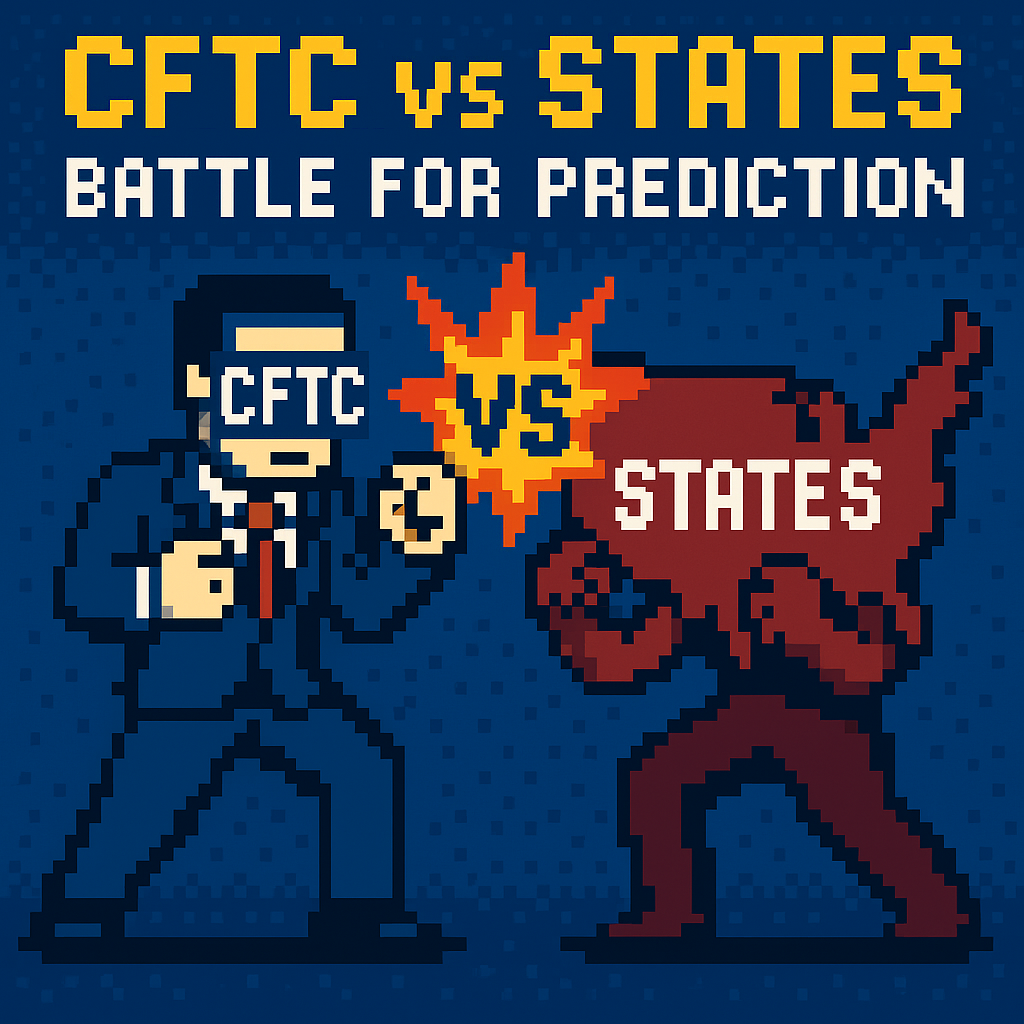
  • Those structural differences fuel an ongoing legal and regulatory debate: are outcome-based contracts sports wagering (state-regulated) or financial derivatives (federal oversight via the CFTC)? Recent coverage shows both courts and state attorneys general grappling with the question. (apnews.com)

Transitioning from the CEO’s soundbites to real-world impact helps make sense of why this matters beyond tech press talk.

Why the distinction matters

First, user experience and incentives change the moment you move from a sportsbook to an exchange.

  • On a sportsbook, odds and lines come from the house; promotions, limits, and loyalty schemes are tools to manage customers’ behavior. The business has skin in the game. That can create adversarial dynamics: winners get limited; losers get promotions. (nbcsports.com)

  • On an exchange, the platform’s profit comes from fees and liquidity provision. Successful traders don’t get blocked by the operator because the operator isn’t the counterparty. That can encourage more active, short-term participants who treat outcomes like assets to buy and sell. (nbcsports.com)

Second, regulation and consumer protections follow different tracks.

  • State gaming commissions historically regulate sportsbooks. Their mandates include consumer protection, problem-gambling measures, and enforcing gaming laws. States vary widely in their rules and prohibitions. (apnews.com)

  • Federally, if prediction markets qualify as derivatives, they fall under Commodity Futures Trading Commission (CFTC) oversight. That triggers a different toolkit — market surveillance, reporting standards, and a framework used for futures and options rather than localized gambling statutes. The legal line is blurry and actively litigated. (nbcsports.com)

Finally, market integrity and insider-risk profiles change.

  • Sportsbooks worry about match-fixing, wagers by those with insider knowledge, and the integrity of the game itself. Regulation and monitoring focus on those harms.

  • Prediction exchanges expand into politics, economics, and entertainment — arenas where insider trading risk looks more like securities fraud than sports corruption. Operators have started policing who can trade certain markets; lawmakers are already proposing rules in response. (apnews.com)

How participants behave differently

If you’ve ever used a sportsbook, you’ve probably hidden an app during halftime and kept chasing a parlay. In prediction markets, activity looks more like day trading:

  • Traders watch prices move on news and adjust positions quickly.
  • Liquidity (other traders willing to take the opposite side) matters more than a house’s willingness to pay.
  • Strategies include hedging, scalping, and event-driven trades rather than single-wager parlays.

That shift attracts a different crowd — people who want to monetize information or viewpoints, not just root for a team. It also creates a more intense regulatory spotlight because those information asymmetries resemble the conditions that financial regulators police. (si.com)

Broader context and recent events

Prediction markets grew fast in 2025–2026, with Kalshi and rivals handling billions in volume and expanding beyond U.S.-only users. That growth pushed debates into public view: courts have weighed whether the CFTC has exclusive jurisdiction over sports-related contracts; state attorneys general have filed suits alleging illegal gambling operations; and exchanges have begun tightening insider-trading rules themselves. The energy is real, and it’s pulling in investors, lawmakers, and sporting institutions. (fortune.com)

These clashes are both economic and philosophical: is prediction trading a market for information and risk transfer, or a form of wagering that should be limited by state gambling laws? Expect more court decisions and legislation that try to draw that line.

What to watch next

  • Legal rulings that clarify whether event contracts fall under federal derivatives law or state gambling statutes.
  • How major leagues, the NCAA, and sports governing bodies respond to exchanges listing sports-related markets.
  • Operational changes by exchanges — stricter anti-insider rules, geofencing, and transparency tools — that attempt to blunt regulators’ arguments and shore up legitimacy.

Key takeaways

  • Prediction markets and sportsbooks both let people put money on outcomes, but their business models differ: sportsbooks typically underwrite bets; prediction markets facilitate peer-to-peer trading and collect fees. (nbcsports.com)
  • Regulation is at the heart of the battle: state gambling laws versus federal derivatives oversight (CFTC). Court rulings and enforcement actions will shape the industry’s future. (nbcsports.com)
  • Participant behavior shifts from betting to trading — bringing different risks (insider trading, market manipulation) and attracting different user types. (si.com)

My take

This isn’t just a turf war between industries — it’s a test of how we classify financial risk and human behavior in an era where apps blur old boundaries. Prediction markets can democratize price discovery on events that matter, but they also import the hard problems of surveillance, regulation, and ethics that come with financial markets. If operators, regulators, and sports leagues can align incentives around integrity and transparency, the result could be a new, regulated information marketplace. If they don’t, expect fragmented rules, more litigation, and markets that bounce between innovation and prohibition.

Sources


Related update: We recently published an article that expands on this topic: read the latest post.


Related update: We recently published an article that expands on this topic: read the latest post.


Related update: We recently published an article that expands on this topic: read the latest post.

Polymarket Probes: Guarding Markets | Analysis by Brian Moineau

When prediction markets smell like insider trading: why it matters and what we can do

We all like a good contrarian bet. But when those bets land suspiciously often, alarm bells should ring. Insider trading is a big problem. But how do you protect against it? That question has become urgent after a spate of high-dollar, well-timed wagers on Polymarket — bets that drew attention from researchers, journalists and even prosecutors. The headlines (and the chatter on crypto X threads) suggest prediction markets have moved from quirky forecasting tools into a new frontier for potential misuse.

Prediction markets like Polymarket let people trade on real-world events — everything from product launches to military actions. They promise two things: profit for savvy traders, and better aggregated forecasts for everyone. Trouble starts when the “savvy” traders are actually insiders with access to nonpublic information. When that happens, the markets stop being information aggregators and start functioning as clandestine profit machines that erode trust.

What happened on Polymarket and why people are worried

In recent months, researchers and journalists flagged a pattern: a small number of accounts placing large bets just before major developments — from a Venezuelan leadership change to U.S. military actions — and cashing out handsomely. Gizmodo chronicled how analytics tools and observers began tracking these suspiciously accurate trades and turning them into signals other traders copied. Meanwhile, mainstream outlets reported platforms hurriedly rewriting rules to ban trading on privileged or influenceable information. Those changes came after public pressure, congressional interest and regulators’ renewed attention. (gizmodo.com)

Why is this different from normal “edge” trading? Two important factors:

  • Scale and timing. When bets cluster immediately before an event that wasn’t publicly signaled, it’s a classic red flag for nonpublic knowledge.
  • Anonymity and on-chain plumbing. Many prediction markets allow crypto wallets and opaque account setups that make linking trades to specific insiders difficult. That obfuscation both invites and hides wrongdoing. (gizmodo.com)

The result: users who expect a fair marketplace begin to doubt the platform, lawmakers consider curbs, and regulators ask whether enforcement or new rules are necessary.

Insider trading is not just illegal finance — it’s an integrity problem

Insider trading on public securities is illegal for good reasons: it undermines investor fairness, distorts prices, and erodes confidence in markets. Prediction markets feel different to some because they’re often framed as “gambling” or opinion aggregation rather than finance. But the core harm is the same — privileged knowledge producing private gain at others’ expense and skewing the informational value of the market.

When insiders can monetize leaks or policy moves, two harms follow:

  • Immediate unfairness: ordinary users lose against someone who had secret knowledge.
  • Secondary harms to public goods: markets can become misinformation vectors (for example, traders leaking plans or manipulating headlines to move prices), or they can create incentives to suppress information for profit. (gizmodo.com)

Because prediction markets can touch on national security or high-stakes political events, the stakes can be higher than for a biotech earnings surprise — which is why you’re seeing state and federal attention.

How prediction markets and regulators are responding

Platforms and policymakers have started to act, and their approaches fall into two buckets:

  • Platform-side changes. Polymarket and others have updated rules to forbid trading on markets where participants have confidential information or the ability to influence outcomes. They’re also deploying surveillance tools to flag suspicious trades and freezing accounts while investigating. Some exchanges have signed integrity pacts with third parties (sports leagues, for instance) to manage conflicts of interest. (apnews.com)
  • Regulatory and legislative pressure. Congress and state regulators are scrutinizing whether prediction markets should be treated like gambling or regulated derivatives, and whether existing agencies (especially the CFTC) have the authority and will to police insider-like behavior on these platforms. The CFTC’s growing role in recent months has already reshaped how big prediction-market players operate in the U.S. (coindesk.com)

Those moves help, but they’re imperfect. Rule changes are only as good as enforcement, and enforcement is tricky when wallets, VPNs, and coordinated account-splitting hide who is trading.

Practical ways to guard against insider trading on prediction markets

Platforms, regulators and users each have roles to play. Here are practical defenses — some technical, some policy — that could reduce the problem.

  • Stronger identity and KYC measures. Requiring verified identities for significant trades or suspicious markets makes it harder for insiders to hide behind anonymous wallets. It also creates audit trails for investigators.
  • Transaction monitoring and anomaly detection. Use on-chain analytics and behavioral models to flag patterns like wallet splitting, concentrated buys minutes before event resolution, or repeated alpha from a single cluster of accounts.
  • Position limits and resolution safeguards. Caps on single-account exposure and clearer rules for how and when markets resolve reduce the incentive to exploit nonpublic moves.
  • Whistleblower incentives and disclosure rules. Create safe channels and rewards for insiders who report misuse, and consider requiring employees of sensitive institutions to recuse themselves from trading related contracts.
  • Cross-platform cooperation. Markets should share suspicious-activity signals with each other and with regulators to avoid moving abuse from one platform to another.
  • Clear legal penalties and public transparency. Legislatures and regulators can spell out consequences for abusing privileged knowledge on these platforms — making deterrence real, not theoretical. (apnews.com)

None of these steps are silver bullets. But layered, coordinated defenses — technical detection + identity + legal teeth — make it much costlier to profit from insider knowledge.

The investor dilemma

There’s a paradox at the heart of prediction markets. Their value comes from aggregating diverse private opinions; that same openness makes them vulnerable to cloaked insiders. For regular users who prize honest, reliable signals, the path forward is to demand higher standards: transparency about anti-abuse systems, public reporting when suspicious trades are investigated, and platform accountability when rules are broken.

My take

Prediction markets can be powerful forecasting tools — when they’re fair. But fairness requires tradeoffs: less anonymity for big bets, smarter monitoring, and stronger legal frameworks. If platforms, regulators and users don’t make those tradeoffs, we risk turning a useful experiment in collective intelligence into a playground for the well-connected.

If you care about the integrity of markets — whether security-sensitive events or the next product launch — push for transparency and enforcement. The future of prediction markets depends on building trust that profits should reward insight, not secrecy.

Sources


Related update: We recently published an article that expands on this topic: read the latest post.


Related update: We recently published an article that expands on this topic: read the latest post.

Meta’s Resilience Cracks After Court | Analysis by Brian Moineau

When a Giant Stumbles: Meta Finally Shows Weakness and What It Means

The phrase Meta Finally Shows Weakness landed in my head the morning markets opened after two consecutive landmark legal losses. For years investors treated Meta’s stock like a rubber band: it could stretch through regulatory storms, advertising slowdowns, and costly bets on the metaverse — and then snap back. But a bad year caught up to that resilience, and now investors, policymakers, and the company itself face a new, less forgiving reality.

The core topic — Meta Finally Shows Weakness — isn’t just a headline. It’s the moment when legal pressure moved from a nagging background risk into a visible, quantifiable drag on the company’s prospects.

Why the recent losses matter

  • Juries in separate, high-profile trials found Meta liable or negligent in cases alleging harm to children and failures to protect users, producing multi-hundred-million dollar awards and renewed regulatory attention.
  • Those rulings arrived after a year of mixed signals: strong ad revenue and user growth on one hand, but rising legal costs, unsettled insurance coverage, and big strategic spending (Reality Labs, AI) on the other.
  • Markets hate uncertainty. When legal outcomes start to look less like one-off setbacks and more like systemic liabilities, investor sentiment can swing hard and fast.

Transitioning from reputation risk to balance-sheet consequences is what turns an operational challenge into a structural one. The recent verdicts pushed that transition.

The court defeats in plain terms

Recent jury decisions — including a New Mexico verdict ordering Meta to pay roughly $375 million and a separate California bellwether finding against Meta and YouTube for negligent design that harmed a plaintiff — have turned up the volume on a long-running wave of litigation alleging that social platforms harmed minors and misled users. These rulings matter not only for the dollar amounts but because they set precedent and embolden other plaintiffs and states.

At the same time, other legal fronts remain active: appeals, a revived advertisers’ class action, and regulatory probes in the U.S. and EU. A loss in a handful of trials doesn’t bankrupt Meta, but it raises the probability of more settlements, higher compliance costs, and stricter rules that could change business choices around product design and advertising.

How investors had been willing to look the other way

For much of the last two years, investors gave Meta the benefit of the doubt. Reasons included:

  • A powerful advertising engine that continued to grow revenue despite macro volatility.
  • Strong user engagement and product improvements tied to AI and Reels-style short video formats.
  • Confidence that management could absorb fines and legal costs while still delivering free cash flow.

That tolerance came with an implicit assumption: legal and regulatory issues were manageable, episodic, and unlikely to materially constrain growth. Recent rulings puncture that assumption.

The investor dilemma

Investors now face three hard questions:

  1. How much of Meta’s future cash flow is at risk from litigation and regulation?
  2. Will rising legal costs and potential design changes erode the ad targeting that underpins revenue?
  3. Is the company’s pivot to AI and hardware enough to justify the current valuation if regulatory headwinds tighten?

Answers differ based on risk appetite. Growth investors might still prize Meta’s monetization engine and discounted long-term AI bet. Value and risk-focused investors will demand higher margins of safety, citing amplified legal exposure and the possibility of regulatory measures that limit targeted ads or force design changes that reduce engagement.

What regulators and lawmakers are watching next

Momentum from jury verdicts breeds attention on Capitol Hill and in statehouses. Legislators who have long pushed for platform accountability now have fresh political cover to pursue laws addressing algorithmic design, child protection, or advertising transparency. For Meta, that means legal risk now comes alongside the real risk of structural, policy-driven changes to the business model.

Regulatory action could take many shapes: fines, design mandates, or restrictions on data-driven advertising. Each carries different financial and operational costs, but together they add a layer of uncertainty investors can’t ignore.

The company’s possible responses

Meta has several levers it can pull:

  • Appeal aggressively and fight precedent-setting rulings to limit contagion.
  • Increase spending on compliance, safety design, and product changes to reduce future liabilities.
  • Shift product and ad strategies to reduce reliance on controversial targeting methods.
  • Lean into new growth engines (AI-driven features, hardware) to diversify revenue.

None of these are cheap. Appeals can be lengthy; product redesigns can depress engagement; new growth initiatives require capital and time. The question for markets is whether Meta can absorb those costs without compromising its core profit engine.

A few practical takeaways for investors

  • Expect volatility. Legal verdicts and related headlines will drive short-term swings.
  • Watch regulatory signals closely — bills, FTC actions, and state attorney general moves can alter risk calculus.
  • Reassess valuation assumptions: factor in higher potential costs for litigation, compliance, and product redesign.
  • Diversify exposures across ad-driven tech names to avoid concentrated betting on a single regulatory outcome.

My take

Meta has shown it can recover from shocks before, but resilience isn’t infinite. When court losses stop being isolated and start looking systemic, the market’s tolerance thins. That’s the crux of why Meta Finally Shows Weakness matters: it signals a potential inflection point where legal and policy risk bite into valuation in a way that past earnings beats did not fully offset.

Meta remains a massive, profitable company with enviable assets. But investors and policymakers are now recalibrating: strong results won’t automatically trump structural risks. For those watching — whether as shareholders, regulators, or users — the coming months will reveal whether these legal defeats are a temporary bruising or the beginning of a longer, costly adjustment.

Final thoughts

Big companies often survive big problems, yet not all recoveries are equal. Meta’s path forward will come down to legal outcomes, regulatory responses, and how effectively the company adapts product and monetization strategies. The market’s verdict — swift and sometimes unforgiving — will reflect not only earnings and growth but how credible Meta’s plan looks for a world increasingly focused on safety, transparency, and regulation.

Sources


Related update: We recently published an article that expands on this topic: read the latest post.


Related update: We recently published an article that expands on this topic: read the latest post.

Will Lawyers Embrace AI or Resist Change | Analysis by Brian Moineau

Two questions haunting lawyers about AI — and why the industry still moves slowly

I walked into a packed legal-conference ballroom expecting a tech pep talk. Instead I left wondering the same thing the Business Insider reporter did after 17 hours of panels: how many lawyers are actually using the tools? That core question — how many lawyers are actually using the tools? — sits at the center of billions of dollars of investment, a handful of discipline-worthy courtroom errors, and a simmering debate about the future of legal work.

The mood in the room was equal parts excitement and anxiety. Vendors promised speed and margin; partners worried about billing models; regulators and bar leaders warned about responsibility and hallucinations. Those conversations reduced to two persistent questions that every panelist, judge, and GC seemed to be circling back to.

The first question: Is the AI good enough — and safe enough — to use on client matters?

This is about accuracy, explainability, and risk. Lawyers aren’t just writing marketing copy — they’re giving advice that can cost clients millions or expose them to sanctions. So a model that hallucinates a case citation or invents a legal doctrine isn’t a novelty; it’s malpractice risk.

Recent reporting shows this tension plainly: firms have faced real sanctions when attorneys relied on generative models that produced fake cases, and vendors are racing to add hallucination checks and provenance features. That high-stakes context means many lawyers treat AI like an unclassified chemical: promising in the lab, suspect in the courtroom. (archive.ph)

But accuracy isn’t the only technical worry. Lawyers also ask whether tools reliably surface the whole legal universe they need — not just the most convenient answer — and whether outputs can be audited for conflicts, privilege, and source provenance. Firms longing for “copilot” productivity also need guardrails that turn AI from a black box into a supervised assistant. Studies testing legal copilots suggest progress but underscore important limits. (fortune.com)

The second question: Who pays when AI makes lawyers faster?

This is the business question that keeps partners awake. The legal economy is structured around the billable hour, and AI changes that math. If a task that used to take an associate 10 hours now takes 90 minutes with AI plus 30 minutes of review, how do firms price their services? Do they lower rates, keep rates and increase margin, or move toward value-based fees?

The answer matters because it determines incentives for adoption. If partners believe AI will hollow out revenue, they’ll stall investment and restrict use. If clients demand lower-priced, faster results, firms will be forced to pivot — but that pivot still faces cultural and billing inertia. The industry’s confusion shows in surveys: personal experimentation with generative tools often outpaces firm-level policies and billing strategies. (americanbar.org)

Transitioning from those two questions brings us to the real adoption dilemma: enthusiasm vs. institutional readiness.

So how many lawyers are actually using the tools?

Short answer: it depends which survey you read and which “use” you count. Personal, informal use of ChatGPT or other assistants is widespread; firm-sanctioned, regular use for client work is far less uniform.

  • Large, tech-forward firms and in-house legal teams report higher adoption rates and dedicated copilots, while many solos and small firms lag. (americanbar.org)
  • Some surveys show a modest minority using generative AI daily (roughly 20–30% in certain snapshots), while others report broader “some use” figures (30–60% depending on methodology). (news.bloomberglaw.com)

Put another way: a lot of lawyers have tried the tools, but fewer have woven them into audited, firm-wide workflows that handle privilege, provenance, and billing. That gap — between curiosity and trusted operational use — is where most of the money and friction live.

What’s holding the profession back?

Several practical and cultural brakes show up repeatedly at conferences.

  • Ethical and regulatory uncertainty. Bars and courts still debate disclosure, competence, and supervision rules for AI-assisted work. That uncertainty chills firm-wide rollouts. (americanbar.org)
  • Risk of hallucinations and errors. High-profile sanctions stories make partners risk-averse. The lesson: AI needs human checks, and those checks cost time. (archive.ph)
  • Billing and business-model friction. The billable-hour legacy makes firms ask whether to profit from AI efficiency or pass savings to clients — and that debate slows adoption. (lawyerist.com)
  • Data hygiene and integration. Many firms’ document ecosystems are messy; effective AI needs clean, well-governed data, which requires investment. (sbo.consulting)

These are solvable problems — but they require governance, training, and leadership decisions that many firms haven’t fully made.

Where investors and vendors fit in

Venture capital and vendors see a huge runway: legal AI deals and product launches have attracted billions. Investors are betting that once the ethical and billing knots are untied, adoption will accelerate and generate substantial efficiency gains across litigation, corporate work, and compliance. That’s why conferences feel equal parts product demo and sales pitch. (allaboutai.com)

But vendor enthusiasm must pair with sober legal risk management. The winning products will be those that embed verifiable sources, offer audit trails, and mesh with law firms’ billing and records systems — not just flashy drafting demos.

My take

AI in law is already real, but it’s not yet ubiquitous in the professional, accountable sense that matters for clients and courts. The two questions haunting lawyers — “Is it safe?” and “Who benefits financially?” — are practical, not philosophical. Answer those, and the rest follows.

We should expect uneven adoption for a few more years: rapid uptake among in-house teams and large firms that can invest in governance; slower movement among smaller shops where the billing model and compliance risk cut differently. The real measure of success won’t be how many firms claim to “use AI,” but how many can show audited, client-safe workflows that improve outcomes without inviting sanctions.

Final thoughts

When billions of dollars are riding on lawyers moving faster with AI, the overriding challenge isn’t the models themselves — it’s the profession’s risk calculus and business incentives. Conferences are useful because they surface those debates, but the practical work happens back at the firm: cleaning data, writing policies, training people, and rethinking pricing.

If the industry solves the two questions — safety and billing alignment — adoption will accelerate. Until then, expect a lot of pilots, a few headline failures, and steady, incremental progress.

Sources


Related update: We recently published an article that expands on this topic: read the latest post.

Nvidias $2B Bet to Build AI Data Centers | Analysis by Brian Moineau

Hook: When the chipmaker becomes the cloud-builder

Nvidia Invests $2 Billion in Nebius for New Data Center Deal – Bloomberg — those eight words landed like an industry earthquake: Nvidia is once again writing huge checks, this time committing $2 billion to Nebius to build out AI data centers. The move signals more than a capital infusion; it’s a bet on an ecosystem where chip vendors, cloud operators, and hyperscalers lock arms to control not just the silicon but the stacks that run the AI revolution.

Why this matters now

Nvidia’s investment in Nebius arrives after a year in which demand for large-scale GPU capacity has exploded. Training and running modern generative AI models require specialized hardware and dense, power-hungry data centers. By taking an ownership stake and forming a strategic partnership, Nvidia reduces friction between chip supply and infrastructure deployment — and positions itself to capture value at multiple layers of the stack.

Transitioning from chips to compute services is a natural evolution. Nvidia has already invested in or partnered with several infrastructure players; this deal underscores how the company is shifting from a parts supplier to an architect of AI ecosystems.

What the deal actually is

  • Nvidia will invest $2 billion in Nebius through a strategic placement tied to a partnership to develop AI-focused data centers.
  • Nebius is a cloud and data center operator that has been scaling GPU capacity and signing multibillion-dollar contracts with large cloud consumers.
  • The partnership ties Nebius’ data center deployments closely to Nvidia’s accelerated computing platforms, including next-generation GPUs and networking.

This combination gives Nebius access to capital and prioritized tech, while giving Nvidia a more direct channel to monetize increased GPU demand and to influence the design of future data-center offerings.

A closer look: the industry choreography

First, the supply-side squeeze. GPU manufacturing is capital-intensive and capacity is limited. Companies that can promise committed demand and long-term partnerships often get preferential access to the newest hardware. By investing in Nebius, Nvidia helps ensure there’s a motivated buyer for its next-gen chips — and it helps shape how those chips are configured in real-world data centers.

Second, the margin story. Selling chips is lucrative. Selling whole racks, networking, and managed AI services is potentially even more lucrative and sticky. Nvidia’s move resembles vertical integration: it doesn’t replace cloud providers, but it creates third-party “neoclouds” that lock in workload demand for Nvidia hardware.

Third, the competition. Hyperscalers (Amazon, Microsoft, Google) still dominate the cloud market, but specialized neoclouds like Nebius — and peers such as CoreWeave and Lambda — have carved niches delivering high-density GPU capacity and specialized services. Large chipmakers investing in these operators accelerates their growth and changes competitive dynamics.

Implications for customers, partners, and markets

  • Customers could see faster availability of cutting-edge GPU-backed services and more turnkey AI infrastructure options.
  • Cloud incumbents may face sharper competition on price and specialized configurations tailored to AI training and inference.
  • Investors will watch Nebius’ valuation and stock volatility closely; strategic capital from Nvidia usually carries both a growth premium and questions about control and dilution.

Moreover, when an upstream supplier takes a stake in a downstream operator, governance and commercial tensions can appear. Expect close scrutiny from customers and regulators about preferential access to hardware, pricing, and whether such deals tilt markets.

A quick historical context

Nvidia has been increasingly active beyond GPU sales — investing in software, partnerships, and infrastructure deals that push adoption of its architecture. Nebius itself has recently announced major contracts (including large deals with hyperscalers) and has been rapidly expanding data-center footprints in North America and Europe.

This isn’t the first time Nvidia placed big bets: earlier investments in infrastructure providers and strategic collaborations have aimed at securing demand for its chips while shaping the cloud ecosystems that run modern AI.

Key takeaways

  • Nvidia’s $2 billion investment accelerates a trend: chipmakers moving downstream into infrastructure to capture more value.
  • The partnership reduces friction between GPU supply and large-scale deployments, potentially speeding time-to-market for advanced AI services.
  • The deal strengthens Nebius financially and technologically but raises competitive and governance questions for customers and rivals.
  • For the market, look for faster hardware rollouts, tighter chip-to-data-center integration, and renewed attention from regulators and large cloud customers.

My take

This deal feels like a logical — and inevitable — next step. The economics of modern AI favor vertical cooperation: companies that design chips want those chips to be used at scale, and companies that build data centers need reliable access to the latest silicon and the capital to deploy it. Nvidia’s move into Nebius stitches those needs together.

That said, the long-term winners will be the organizations that translate raw compute into differentiated services and tightly controlled cost structures. Capital plus silicon doesn’t guarantee superior software, platform adoption, or customer trust. Nebius now has resources and a preferred vendor; success depends on execution, customer relationships, and the ability to scale sustainably.

Looking ahead

Expect to see:

  • Rapid deployments of next-gen Nvidia hardware inside Nebius facilities.
  • More strategic investments by chipmakers into infrastructure players.
  • Increased scrutiny — both commercial and regulatory — over preferential supply arrangements.

These shifts will reshape how enterprises procure AI infrastructure. The convenience of dedicated, optimized AI clouds may win many customers, but hyperscalers won’t cede ground easily.

Final thoughts

Nvidia’s $2 billion leap into Nebius is less an isolated headline than a signpost: the AI value chain is consolidating around a few powerful alliances between silicon designers and infrastructure builders. For businesses, that could mean faster access to world-class compute. For the industry, it raises the stakes for competition, governance, and who ultimately controls the architecture of tomorrow’s intelligence.

Sources


Related update: We recently published an article that expands on this topic: read the latest post.

Mark Zuckerberg’s recent decision triggers social media backlash – TheStreet | Analysis by Brian Moineau

Mark Zuckerberg’s recent decision triggers social media backlash - TheStreet | Analysis by Brian Moineau

**Title: Mark Zuckerberg's Latest Move: A Digital Domino Effect?**

In the ever-evolving realm of social media, Mark Zuckerberg has once again found himself at the center of a digital storm. The Meta CEO's latest decision, as reported by TheStreet, has sparked a significant backlash across social media platforms, with users and tech enthusiasts alike questioning the implications of his actions. But what exactly did Zuckerberg do to stir the pot this time, and could this move indeed come back to haunt him?

To understand the gravity of the situation, let's dive into the heart of the controversy. Zuckerberg's decision involved a strategic shift within Meta, formerly known as Facebook, that many perceive as a bold, albeit risky, maneuver. While the specifics of the decision weren't detailed in TheStreet's article, it's clear that the move has resonated negatively with a significant portion of the online community.

This isn't the first time Zuckerberg has faced public scrutiny. His 2018 testimony before Congress about Facebook's data privacy practices is still fresh in the minds of many, reminding us of the delicate balance tech giants must maintain between innovation and user trust. Zuckerberg's journey from a Harvard dorm room to the helm of a global tech empire is a testament to his visionary approach to social networking. However, it's also a reminder of the heavy responsibilities that come with such influence.

Interestingly, Zuckerberg's recent decision coincides with broader debates about tech industry ethics and accountability. Just last year, the whistleblower Frances Haugen made headlines by leaking internal documents that suggested Facebook prioritized profit over public good, reigniting discussions about the moral obligations of tech companies. This backdrop makes Zuckerberg's current predicament even more poignant, as the digital world grapples with balancing innovation with ethical responsibility.

Moreover, the timing of Zuckerberg's move is worth noting. As the world becomes increasingly reliant on digital platforms, especially in the wake of the COVID-19 pandemic, tech leaders like Zuckerberg are under unprecedented pressure to ensure their platforms serve as forces for good. This pressure is compounded by the rise of new players in the tech space, such as TikTok, which continue to challenge Meta's dominance and push the boundaries of digital interaction.

In the context of these dynamics, Zuckerberg's latest decision is more than just a business strategy; it's a reflection of the ongoing tension between technological advancement and societal values. While it's too early to predict the long-term consequences of this move, it's clear that the stakes are high.

As we watch this situation unfold, it's worth considering the broader implications for the tech industry. Will this backlash prompt other tech leaders to reevaluate their strategies? Could it lead to increased regulation and oversight? Only time will tell.

In the meantime, one thing is certain: Mark Zuckerberg's journey is far from over. As he navigates this latest challenge, the world watches with bated breath, eager to see how one of the most influential figures in tech will respond to yet another critical moment in his storied career.

**Final Thought:**

In the fast-paced world of technology, change is the only constant. Mark Zuckerberg's recent decision is a reminder that even the most established leaders must continuously adapt to remain relevant. As users, stakeholders, and digital citizens, it's up to us to engage critically with these changes and hold tech giants accountable. After all, the future of the digital landscape is not just in the hands of a few; it's a collective responsibility.

Read more about AI in Business

Read more about Latest Sports Trends

Read more about Technology Innovations

DOGE Is Coming for Your Social Security, States Prepare to Sue – Gizmodo | Analysis by Brian Moineau

DOGE Is Coming for Your Social Security, States Prepare to Sue - Gizmodo | Analysis by Brian Moineau

**Title: When Meme Coins Meet Bureaucracy: The DOGE-Driven Drama Unfolding**

In the ever-evolving world of cryptocurrency, the line between the absurd and the revolutionary often blurs. Enter DOGE, the meme-inspired cryptocurrency that has captured imaginations and wallets alike. According to a recent Gizmodo article, "DOGE Is Coming for Your Social Security, States Prepare to Sue," things are heating up as Elon Musk's team makes moves that are raising eyebrows—and legal challenges—across various agencies.

**The DOGE Dilemma**

It was all fun and games when DOGE was just the Shiba Inu meme that became a digital currency. But now, with Musk's group reportedly pushing DOGE into more formal financial spaces, states are starting to get nervous. The idea of a meme coin being involved in something as serious as social security is enough to make anyone do a double take. While the specifics of how DOGE could intertwine with such systems weren't fully detailed, the prospect alone has been enough to stir legal waters.

**Elon Musk: The Ringmaster of the Crypto Circus**

Elon Musk, the enigmatic billionaire and tech mogul, seems to thrive in chaos and controversy. Whether he's launching rockets with SpaceX, revolutionizing electric cars with Tesla, or sending Dogecoin's value on a rollercoaster ride with a single tweet, Musk is no stranger to making headlines. His involvement with DOGE has been particularly notable, with his tweets alone often causing dramatic spikes or dips in the coin's value.

Musk's influence over DOGE has drawn both admiration and criticism. On one hand, he's made cryptocurrency accessible and fun for the masses; on the other, his unpredictable whims can destabilize markets. His apparent push to integrate DOGE into more structured systems is yet another bold, albeit contentious, move in his playbook.

**Crypto and the Broader Picture**

The drama surrounding DOGE and social security isn't happening in a vacuum. The entire cryptocurrency landscape is undergoing significant shifts. Governments worldwide are grappling with how to regulate digital currencies, while central banks are exploring their own digital options. For instance, China's digital yuan and the European Central Bank's digital euro are both responses to the crypto craze, aiming to harness the benefits of digital currency while maintaining regulatory oversight.

Furthermore, the United States has been seeing a surge in discussions around cryptocurrency regulation. The Securities and Exchange Commission (SEC) has been particularly active, with Chairman Gary Gensler frequently emphasizing the need for comprehensive regulatory frameworks to protect investors and maintain market integrity.

**A Lighthearted Look at a Serious Subject**

While the idea of DOGE meddling with social security might sound like the plot of a satirical novel, it highlights the real and urgent need for clarity in the crypto space. It's a reminder that as technology evolves, so too must our laws and societal structures. The comedic nature of DOGE's origins doesn't negate the serious implications of its integration into mainstream systems.

In the words of the late Douglas Adams, author of "The Hitchhiker's Guide to the Galaxy," "Don't Panic." The world of cryptocurrency might feel chaotic and unpredictable, but it's also filled with potential and innovation. As states prepare to sue and legal teams gear up for battle, one can't help but watch with a mix of amusement and anticipation.

**Final Thought**

As this saga unfolds, remember that the world of cryptocurrency is still in its early days. Mistakes will be made, lessons will be learned, and hopefully, a balanced approach will emerge that harnesses the benefits of digital currencies while safeguarding vital societal structures. In the meantime, keep your digital wallets close and your sense of humor closer—because in the world of DOGE, anything is pawsible.

Read more about AI in Business

Read more about Latest Sports Trends

Read more about Technology Innovations