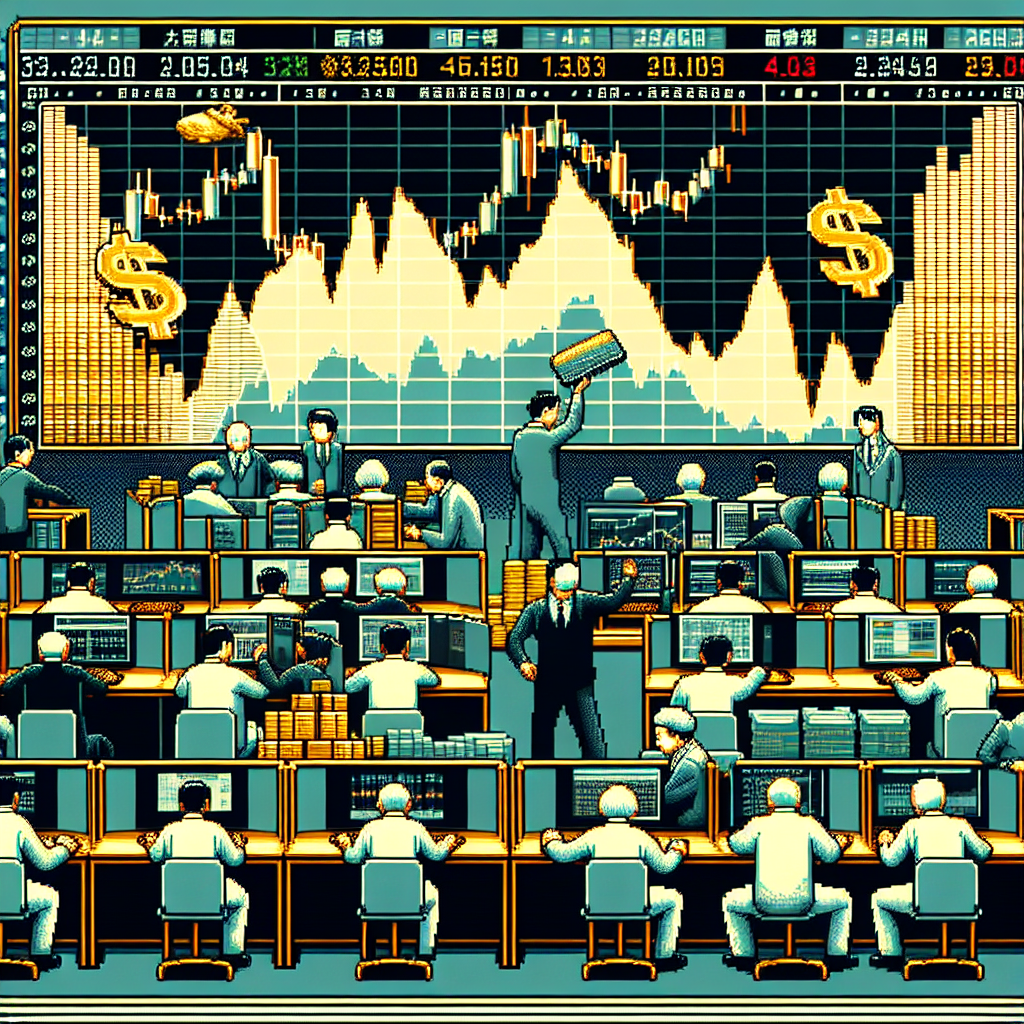
When prediction markets and sportsbooks collide: who’s really playing, and who’s trading?
Imagine scrolling your phone between the box score and a live order book — one tap lets you buy a contract that pays $1 if Team A covers the spread, the next shows the market price drifting like a stock after a big piece of news. That tension — between “betting” and “trading” — is where prediction markets and sportsbooks are currently duking it out, and Kalshi’s CEO gave a crisp take on the differences that helps explain why both regulators and bettors are paying attention.
Prediction markets and sportsbooks have similar mechanics on the surface: both let people put money on outcomes. But Kalshi’s CEO, Tarek Mansour, argues the two operate on fundamentally different business models, risk profiles, and regulatory logics — and those differences are reshaping how we think about wagering on sports, politics, and real-world events. (Kalshi’s remarks were summarized in NBC Sports and discussed on The Axios Show.) (nbcsports.com)
What the Kalshi CEO said about prediction markets and sportsbooks
-
Mansour frames sportsbooks as “designed for customers to lose.” The house sets prices and collects a vigorish; if customers win too often, sportsbooks may limit them or use promotions to keep them engaged. That’s the classic casino model: your losses are the operator’s inventory. (nbcsports.com)
-
By contrast, prediction markets like Kalshi run peer-to-peer exchanges. Users trade contracts against one another; the platform facilitates the trades and collects fees rather than underwriting the risk itself. In Mansour’s view, that makes prediction markets functionally closer to a regulated financial market than a betting shop. (nbcsports.com)
-
Those structural differences fuel an ongoing legal and regulatory debate: are outcome-based contracts sports wagering (state-regulated) or financial derivatives (federal oversight via the CFTC)? Recent coverage shows both courts and state attorneys general grappling with the question. (apnews.com)
Transitioning from the CEO’s soundbites to real-world impact helps make sense of why this matters beyond tech press talk.
Why the distinction matters
First, user experience and incentives change the moment you move from a sportsbook to an exchange.
-
On a sportsbook, odds and lines come from the house; promotions, limits, and loyalty schemes are tools to manage customers’ behavior. The business has skin in the game. That can create adversarial dynamics: winners get limited; losers get promotions. (nbcsports.com)
-
On an exchange, the platform’s profit comes from fees and liquidity provision. Successful traders don’t get blocked by the operator because the operator isn’t the counterparty. That can encourage more active, short-term participants who treat outcomes like assets to buy and sell. (nbcsports.com)
Second, regulation and consumer protections follow different tracks.
-
State gaming commissions historically regulate sportsbooks. Their mandates include consumer protection, problem-gambling measures, and enforcing gaming laws. States vary widely in their rules and prohibitions. (apnews.com)
-
Federally, if prediction markets qualify as derivatives, they fall under Commodity Futures Trading Commission (CFTC) oversight. That triggers a different toolkit — market surveillance, reporting standards, and a framework used for futures and options rather than localized gambling statutes. The legal line is blurry and actively litigated. (nbcsports.com)
Finally, market integrity and insider-risk profiles change.
-
Sportsbooks worry about match-fixing, wagers by those with insider knowledge, and the integrity of the game itself. Regulation and monitoring focus on those harms.
-
Prediction exchanges expand into politics, economics, and entertainment — arenas where insider trading risk looks more like securities fraud than sports corruption. Operators have started policing who can trade certain markets; lawmakers are already proposing rules in response. (apnews.com)
How participants behave differently
If you’ve ever used a sportsbook, you’ve probably hidden an app during halftime and kept chasing a parlay. In prediction markets, activity looks more like day trading:
- Traders watch prices move on news and adjust positions quickly.
- Liquidity (other traders willing to take the opposite side) matters more than a house’s willingness to pay.
- Strategies include hedging, scalping, and event-driven trades rather than single-wager parlays.
That shift attracts a different crowd — people who want to monetize information or viewpoints, not just root for a team. It also creates a more intense regulatory spotlight because those information asymmetries resemble the conditions that financial regulators police. (si.com)
Broader context and recent events
Prediction markets grew fast in 2025–2026, with Kalshi and rivals handling billions in volume and expanding beyond U.S.-only users. That growth pushed debates into public view: courts have weighed whether the CFTC has exclusive jurisdiction over sports-related contracts; state attorneys general have filed suits alleging illegal gambling operations; and exchanges have begun tightening insider-trading rules themselves. The energy is real, and it’s pulling in investors, lawmakers, and sporting institutions. (fortune.com)
These clashes are both economic and philosophical: is prediction trading a market for information and risk transfer, or a form of wagering that should be limited by state gambling laws? Expect more court decisions and legislation that try to draw that line.
What to watch next
- Legal rulings that clarify whether event contracts fall under federal derivatives law or state gambling statutes.
- How major leagues, the NCAA, and sports governing bodies respond to exchanges listing sports-related markets.
- Operational changes by exchanges — stricter anti-insider rules, geofencing, and transparency tools — that attempt to blunt regulators’ arguments and shore up legitimacy.
Key takeaways
- Prediction markets and sportsbooks both let people put money on outcomes, but their business models differ: sportsbooks typically underwrite bets; prediction markets facilitate peer-to-peer trading and collect fees. (nbcsports.com)
- Regulation is at the heart of the battle: state gambling laws versus federal derivatives oversight (CFTC). Court rulings and enforcement actions will shape the industry’s future. (nbcsports.com)
- Participant behavior shifts from betting to trading — bringing different risks (insider trading, market manipulation) and attracting different user types. (si.com)
My take
This isn’t just a turf war between industries — it’s a test of how we classify financial risk and human behavior in an era where apps blur old boundaries. Prediction markets can democratize price discovery on events that matter, but they also import the hard problems of surveillance, regulation, and ethics that come with financial markets. If operators, regulators, and sports leagues can align incentives around integrity and transparency, the result could be a new, regulated information marketplace. If they don’t, expect fragmented rules, more litigation, and markets that bounce between innovation and prohibition.
Sources
-
Kalshi CEO outlines the difference between prediction markets and sportsbooks — NBC Sports.
https://www.nbcsports.com/nfl/profootballtalk/rumor-mill/news/kalshi-ceo-outlines-the-difference-between-prediction-markets-and-sportsbooks/ -
Growth of prediction markets gets mixed response in sports — AP News.
https://apnews.com/article/kalshi-polymarket-nfl-nba-mlb-nhl-663ec7f5da78aeed7d7c145bb9cb65ca -
The legal battles continue over prediction markets — NBC Sports.
https://www.nbcsports.com/nfl/profootballtalk/rumor-mill/news/the-legal-battles-continue-over-prediction-markets -
Prediction markets love sports, but the feeling isn't exactly mutual — AP News.
https://apnews.com/article/663ec7f5da78aeed7d7c145bb9cb65ca
Related update: We recently published an article that expands on this topic: read the latest post.
Related update: We recently published an article that expands on this topic: read the latest post.
Related update: We recently published an article that expands on this topic: read the latest post.