Suzuka Shockers: F1 Qualifying Winners & | Analysis by Brian Moineau

Winners and losers from F1 qualifying at the Japanese Grand Prix — Suzuka snapshot

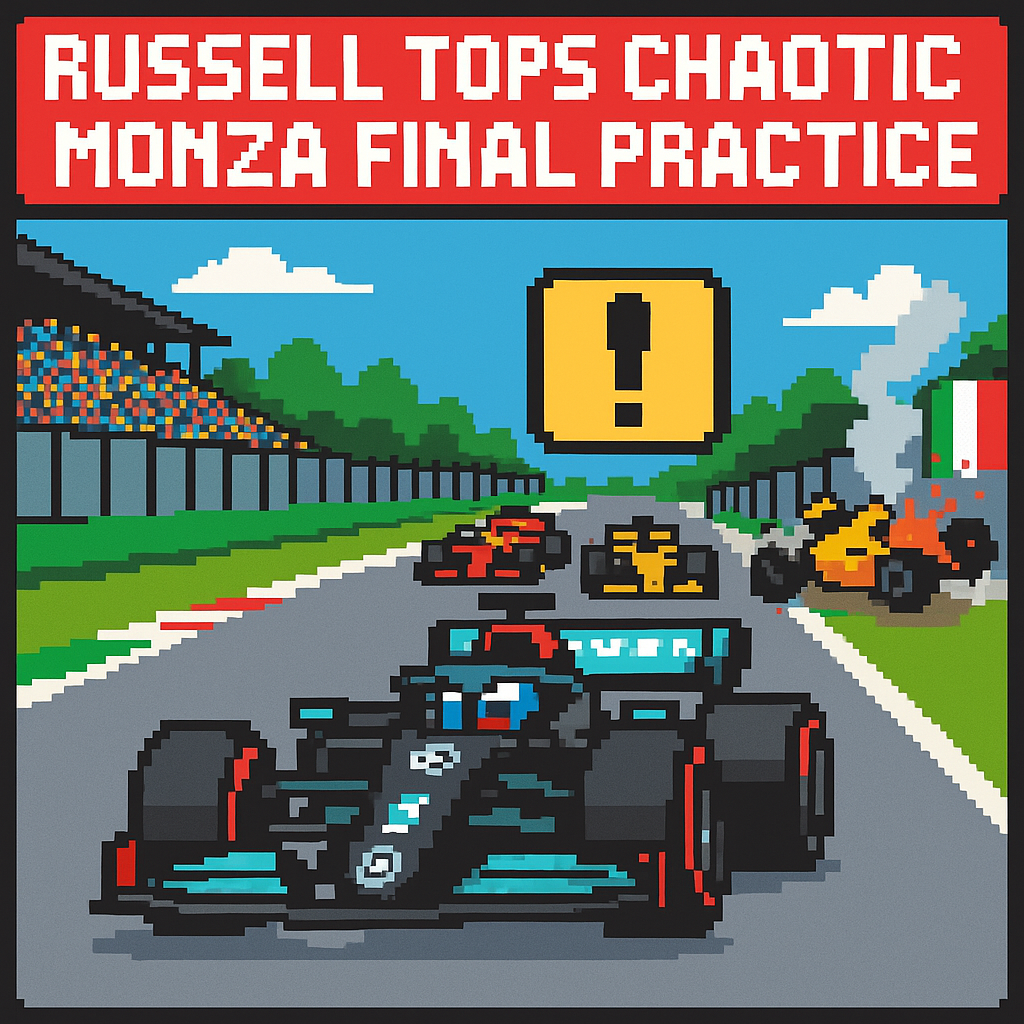
There’s something about Suzuka that teases the unexpected out of drivers and machines alike. Qualifying at the Japanese Grand Prix once again delivered drama, surprise and the brief, bright moments that make Formula 1 addictive. In this piece I pick through the winners and losers from F1 qualifying at the Japanese Grand Prix, explain why a few headline names rose or fell, and why those grid positions actually matter for Sunday’s race.

Quick scene-setting

Suzuka’s figure-eight layout rewards precision and bravery. Small errors are punished by time and traction loss, while the right set-up can yield pole from nowhere. The recent qualifying session (held on March 28, 2026) saw established stars and rising talents trading punches: a young fast gun grabbed attention, a perennial front-runner stumbled, and a couple of midfield outfits suddenly looked a lot more competitive.

What happened in qualifying (short summary)

  • Q1–Q2–Q3 played out under stable conditions, but traffic, tyre usage and tiny mistakes reshuffled expectations.
  • A breakout performance put a teenager or young driver on the front row (and in some coverage that man was Kimi Antonelli), while at least one top name failed to extract a clean Q3 lap.
  • Midfield teams that have been quietly developing their 2026 packages showed real pace in single-lap trim.

Now let’s dig into the winners and losers — and why their results matter beyond the immediate scoreboard.

Winners: the bold and the surprising

  • Young guns who delivered when it counted
    A rising driver converted practice promise into pure-lap pace when it mattered. Grabbing a front-row slot at Suzuka isn’t just media gold; it gives a real strategic advantage because overtaking here is hard and track position is precious. That kind of qualifying result can turn a rookie’s weekend into a podium-or-bust weekend.

  • Mercedes (tactical gains despite mixed signs)
    One Mercedes driver looked sharp in single-lap pace and extracted a top-three grid spot, salvaging a weekend that earlier sessions suggested might be tricky. Mercedes’ ability to deliver in qualifying shows the car still has one-lap performance, and starting up front helps mask race-pace or tyre-wear questions during the race.

  • A few midfield teams who found a setup sweet spot
    Suzuka can amplify small aero or balance gains. Teams that have been inching forward all season found themselves into Q3 or on the verge of it; that’s valuable for momentum, sponsor headlines, and importantly, points opportunities on Sunday.

Losers: the ones who misfired at the worst moment

  • Big names who left laps on the table
    A couple of well-known drivers failed to produce a clean Q3 lap — whether from traffic, a small mistake, or being held in the pits for an incoming car — and paid the price with a compromised grid slot. At Suzuka, missing out by a few tenths can drop you from prime podium contention to an uphill recovery.

  • Red Bull’s inconsistency in single-lap trim (if applicable)
    If the frontrunner team didn’t quite match its usual qualifying excellence, it becomes a talking point. Suzuka’s medium- and high-speed corners expose balance weaknesses; when Red Bull or another top team struggles in qualifying, rivals smell opportunity for the race.

  • Drivers who used tyre sets badly or burned a tyre allocation early
    Strategy around tyre sets and running in Q1–Q2 is deceptively complex. Those who found themselves short of fresh rubber in Q3 — or who’d wasted sets in earlier sessions — ended up with limp final-lap attempts and grid positions that don’t reflect their race pace.

Why qualifying here matters more than you might think

  • Track position is king at Suzuka. There are overtaking spots, but a clean run through the esses and a controlled exit from 130R are priceless. Starting on the front two rows reduces exposure to first-lap incidents and gives control of strategy.
  • The psychological edge: a strong qualifying puts pressure on rivals and gives the team clear tactical options (undercut, overcut, or playing the tyre game differently).
  • For rookies and lower-budget teams, Q3 or a surprise front-row spot is a trophy in itself — it attracts attention, placates sponsors, and can change the tone of a season.

Notable moments that shaped the order

  • A mechanical or traffic issue in Q3 for a top driver changed the podium landscape. Even a brief hold in the pit lane can equal a lost lap and a lost chance.
  • Some teams elected to be conservative with tyres early and paid for it later when track evolution made late laps faster. That’s a classic Suzuka trap: run too early and you miss the improving track.

My take

Suzuka’s qualifying served a reminder: single-lap speed still matters. It’s not always the team with the fastest race package that headlines Saturday — sometimes it’s the driver who finds the perfect combination of commitment and precision for one lap. The grid reshuffle we saw adds spice to Sunday: races at Suzuka often reward controlled aggression and strategic clarity, so expect teams that qualified lower but with strong race pace to push hard early.

Qualifying also underlined the sport’s shifting narrative — younger drivers are not just learning, they’re delivering when asked. That’s healthy for F1: it keeps the storylines fresh and makes Saturdays must-watch television.

Sources

(If you want to re-check any individual lap times or see the full Q1–Q2–Q3 timing sheet, the official Formula1.com qualifying page listed above has the detailed timing sheets.)


Related update: We recently published an article that expands on this topic: read the latest post.
Related update: We recently published an article that expands on this topic: read the latest post.

Suzuka’s One-Lap Crisis After F1 2026 | Analysis by Brian Moineau

The one-lap headache at Suzuka: why a last-minute F1 rule change didn’t fix everything

There is still a glaring problem over one lap at Suzuka despite the last-minute F1 rule change, and it’s the kind of technical, tactical tangle that fans notice before the sport’s administrators can swap talking points. Suzuka is one of the few circuits that still feels like a driver’s challenge — flowing, unforgiving and iconic — yet the new 2026 power-unit and energy-management rules have exposed a single-lap fragility that a hurried tweak couldn’t cure.

Suzuka’s charms make the problem louder. It’s a track where a single perfect lap rewards bravery and rhythm, but the new energy and qualifying realities mean “perfect” is suddenly unstable: one lap can be significantly faster or slower than the next depending on battery state and how teams manage new electric boost systems. The result is qualifying and short, crucial stints that feel fragile, artificial and — at times — unfair.

What changed for 2026 and why Suzuka feels it hardest

  • 2026 power-unit changes shift the electric/ICE balance toward a much more powerful MGU-K and a bigger, more usable battery. Teams can recover and deploy far more electrical energy than before. This creates a multi-dimensional optimisation problem: you need battery for one hot lap in qualifying but also to sustain e-lift across a race stint. (RacingNews365 explains the rule changes and the battery/MGU-K shift.) (racingnews365.com)

  • Teams discovered race strategies under the updated rules can hinge on a single lap’s worth of energy. A one-lap mismanage in qualifying — or an extra lap of deployment in the wrong place — can blow an entire session’s timing or a race strategy. That “one lap” sensitivity is particularly exposed at Suzuka, where there’s little margin for error and where lap time variance between good and bad battery usage shows up instantly. PlanetF1 lists Suzuka among the tracks where battery regeneration and deployment will challenge teams most. (planetf1.com)

  • In-season and late rule changes — sometimes announced close to race weekends — aim to blunt loopholes or react to a single-event issue (Monaco’s experiment with extra mandatory pit stops is one example from recent seasons). But last-minute clarifications rarely erase the underlying technical mismatch between what the tyres, aerodynamics and new electrical systems want on a lap-by-lap basis. Teams can be left firefighting rather than solving the strategic imbalance. (sports.yahoo.com)

Transitioning from what happened to why it matters helps explain the frustration in the paddock and the stands.

There is still a glaring problem over one lap at Suzuka despite the last-minute F1 rule change

That sentence sums up the issue: the sport tried a rapid fix — or a tweak — to blunt a tactical loophole or an unfair edge, but the underlying “one-lap volatility” remains. At Suzuka, lap-to-lap consistency has become a casualty of:

  • Battery state swings that change the character of a lap (attack mode/boost availability vs. conservation).
  • Qualifying strategies where you might fatally burn battery for one flying lap and then be left with suboptimal energy for following attempts or race starts.
  • Pirelli tyre behaviour combined with new energy deployment maps that make finding a stable window for an all-out lap trickier. Autosport recently highlighted how qualifying preparation has become more complicated because tyre and battery requirements can contradict each other. (autosport.com)

The practical upshot is ugly: sessions where drivers leave big time on the table through no conventional fault of car balance or driving skill, but because the car simply cannot produce a repeatable “ideal” lap under the new electrical constraints.

How this plays out on race weekend

  • Qualifying becomes a high-variance lottery. One perfect deployment lap can put a driver on pole, while the next session the same driver might struggle to extract performance because the battery’s earlier use changed the thermal and charge profile.
  • Races can feel processional even when the cars are closer on paper. If teams are forced to conserve or stagger battery usage, opportunities for wheel-to-wheel attack narrow — that’s not Suzuka’s natural theatrical style.
  • Strategic games (pitting early, using a full battery boost on an opening lap) can be decisive in ways that feel engineered rather than earned — and that makes fans and drivers grumpy in equal measure.

Transitioning again: there are fixes, but they require patience.

What would actually help — pragmatic fixes, not theatre

  • Clear, consistent rules about qualifying battery allocation that are published well in advance of race weekends. Consistency beats ad-hoc changes. (thejudge13.com)
  • Technical windows in which teams can use maximum battery for a single lap in qualifying — but only if that allocation is identical for everyone, removing the “one team gambit” advantage.
  • Better alignment between tyre working windows and energy deployment maps, co-designed with Pirelli so a tyre phase doesn’t punish an aggressive electric push.
  • Simulation and testing time for all teams to validate race-energy allocations on specific circuits; Suzuka demands bespoke calibration because of how rapidly lap times can change with small set-up changes. RacingNews365 and the technical coverage across outlets underline that the 2026 regulations created novel multi-factor trade-offs teams are still learning. (racingnews365.com)

What fans should expect in the near term

Expect more noisy debate and occasional Saturday qualifying dramas where lap 1 is king. Expect teams to learn — and adapt — but also expect a few more races where Suzuka’s natural rhythm is interrupted by the sport’s new energy game. Over time teams will find equilibrium, but that equilibrium may look different from the Suzuka that many remember.

My take

Suzuka hasn’t lost its soul; the problem is procedural and technical, not architectural. The flow and challenge of the circuit remain unique, but F1’s latest technical pivot has created edge cases that show up magnified at a track that rewards precision. A last-minute rule change can paper over an unfair outcome for a weekend, but it won’t fix the deeper misalignment between how qualifying is structured, how energy is managed, and how tyres behave — especially on circuits like Suzuka.

Fixing it properly means clear, stable rules and careful co-ordination between the FIA, F1, Pirelli and teams. Fans deserve a version of Suzuka where laps feel earned because of driver skill and car balance — not because a battery map happened to be kinder on one lap than the next.

Sources


Related update: We recently published an article that expands on this topic: read the latest post.


Related update: We recently published an article that expands on this topic: read the latest post.
Marina F1 Free-Run: Spectacle and Mayhem | Analysis by Brian Moineau

When a Free F1 Showrun Became a Neighborhood Free-for-All

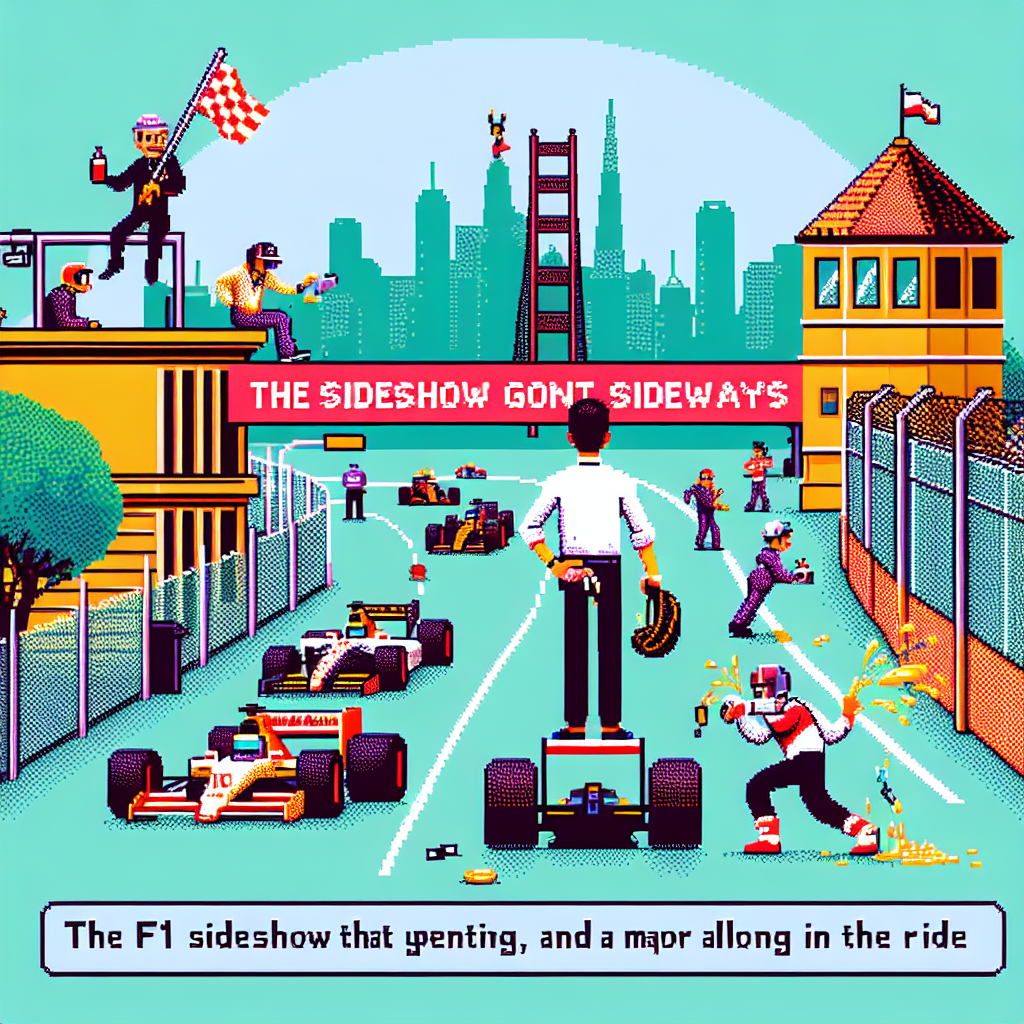
The roar of an F1 engine turned a Sunday in the Marina into a magnet for tens of thousands — and for a few hours the neighborhood looked less like a carefully managed showcase and more like the edges of a music festival that never got its permits. Red Bull’s free Showrun on February 21, 2026, delivered high-speed spectacle and social-media moments: donuts, skids, and an extra helping of chaos as people climbed roofs, trespassed onto private property, and — yes — urinated in yards. San Francisco police ultimately reported no arrests and called the event “extremely safe,” but neighbors’ accounts and local reporting tell a messier story about planning, public space, and how cities host blockbuster events.

Why everyone showed up (and why that matters)

  • Free access + Formula 1 hype = huge turnout. The Red Bull Showrun in the Marina was advertised as an open, public showcase featuring real F1 cars and drivers, which lowered barriers for attendance and raised expectations for spectacle.
  • The Marina is visually perfect for an F1 promo: waterfront views, a straight stretch of road (Marina Blvd.), and dense urban population nearby. That makes it attractive for organizers — and irresistible for thousands of onlookers.
  • What was missing was infrastructure: elevated viewing platforms, adequate restroom and trash facilities, clear crowd flows, and more visible, active crowd control — all the details that turn a pop-up spectacle into a safely run public event.

Neighborhood accounts vs. official line

  • Residents describe roof-climbing, trampling of landscaping, broken tiles and planters, damaged windows, and people relieving themselves on private property. Multiple accounts to local outlets said the scale of the crowd overwhelmed nearby streets and left behind visible damage. (sfstandard.com)
  • SFPD’s public statement to The San Francisco Standard: “Overall, the event was extremely safe, and there were no major public safety incidents.” The department said it responded to calls but made no arrests. That contrast — a calm official assessment versus vivid resident complaints — is at the heart of the controversy. (sfstandard.com)
  • Social media and neighborhood threads amplified the sense that planning and resource allocation were insufficient: limited policing presence at critical choke points, overwhelmed cell service, and a lack of amenities and signage. (reddit.com)

The mayor’s role and optics

  • Mayor Daniel Lurie donned a branded suit and appeared in promotional clips, a move some called a PR-friendly photo op. He later characterized such disruptions as part of the city’s comeback momentum. That framing — prioritize big events and accept some inconveniences — sits uneasily with residents who faced property damage and sanitation issues. (sfstandard.com)
  • When city officials embrace headline events, they also inherit responsibility for ensuring public-safety planning and neighborhood protections. The lack of clear pre-event coordination and post-event accountability has drawn criticism from local supervisors and community leaders. (sfstandard.com)

What went wrong — and what could have helped

  • Insufficient crowd management: no visible, phased entry points or dedicated bleachers meant people improvised with ladders, signs, balconies, and roofs.
  • Not enough public services: portable toilets, trash capacity, first-aid stations, and on-the-ground marshals were reportedly minimal or poorly signposted.
  • Communications and coordination gaps: residents said they received little advance notice and saw a limited on-site presence of city leadership directing logistics.
  • Traffic and emergency access: gridlock stretched across multiple neighborhoods, raising real concerns about ambulance access and urgent response capability. (axios.com)

Takeaway bullets

  • The formula for a successful free public spectacle requires as much logistics as it does hype — sightlines, sanitation, crowd flows, and emergency planning matter.
  • Official assessments that focus on arrests or major incidents don’t always capture the everyday harms neighbors experience (property damage, unsanitary conditions, feeling unheard).
  • High-profile events offer civic benefits — economic activity, tourism, global visibility — but those must be balanced with advance planning and local protections.
  • City leaders and promoters share responsibility: one provides the platform and visibility, the other must ensure the neighborhood survives the afterparty intact.

My take

Large-scale urban events are a test of civic muscle. The Marina Showrun proved that excitement and spectacle are easy to manufacture; the harder part is engineering for tens of thousands of unpredictable humans in a tight space. Calling the day “extremely safe” because there were no arrests feels incomplete. Safety isn’t just arrests avoided — it’s protecting property, ensuring sanitary conditions, preserving access for emergencies, and leaving neighborhoods as intact as they were before the party.

If San Francisco wants the benefits of world-class, headline-making events, the city needs to match that ambition with event infrastructure: meaningful advance coordination with neighbors, clear sightline solutions (paid or free elevated platforms), designated stewarding crews, and contingencies for crowd overflow. Otherwise the story repeats: thrillers on camera, headaches at home.

Sources


Related update: We recently published an article that expands on this topic: read the latest post.

Related update: We recently published an article that expands on this topic: read the latest post.

Related update: We recently published an article that expands on this topic: read the latest post.
Las Vegas GP Night Race: Stats & Strategy | Analysis by Brian Moineau

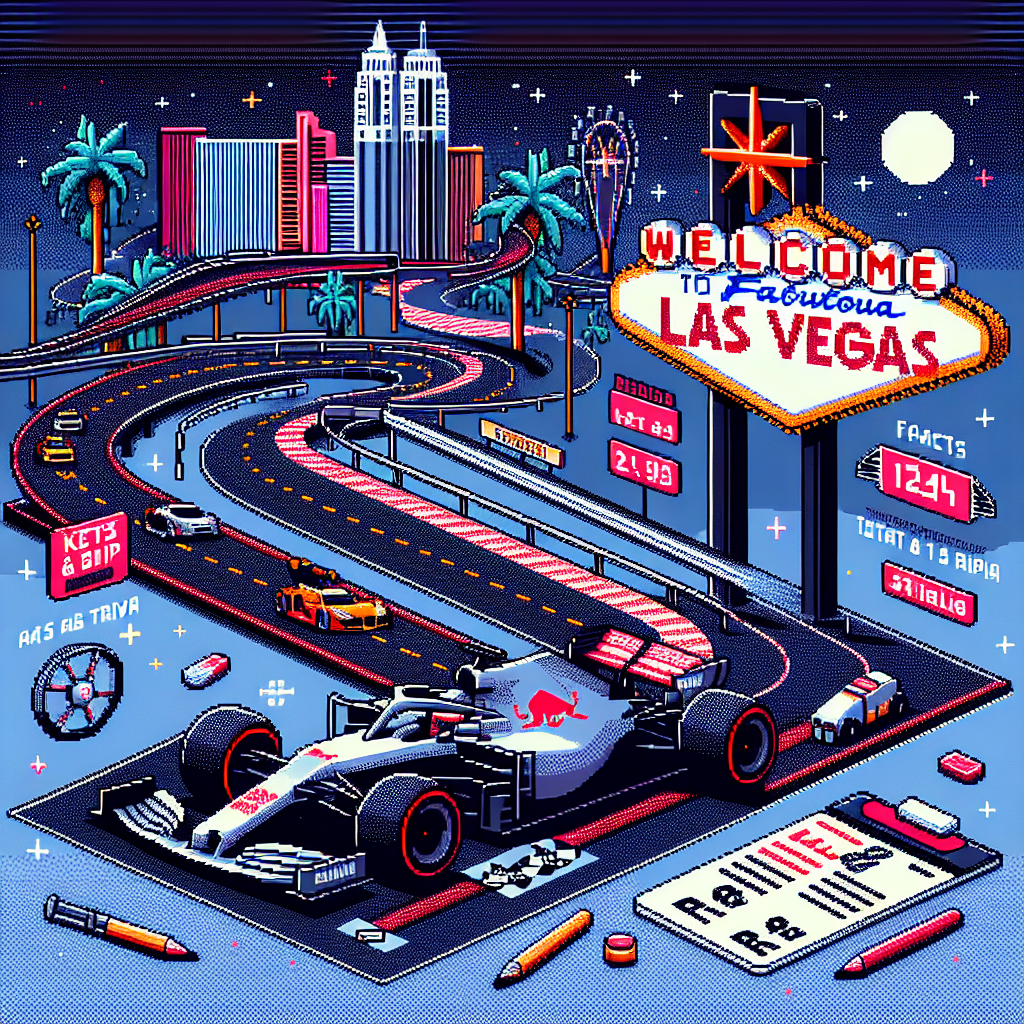
Neon, brakes and big-picture drama: why Las Vegas matters for the 2025 finale

There’s something intoxicating about a street circuit that runs down the Strip: the lights, the straights that make your stomach drop, and the knowledge that one small mistake can echo through an entire championship. The 2025 Las Vegas Grand Prix arrives as the first race of the season’s final triple-header, and it’s built to serve fireworks — on-track and in the standings. This guide walks through the stats, the setup, and the tactical thinking you’ll see under the neon for the Las Vegas night race.

Snapshot — what to watch this weekend

  • Date and format: Las Vegas is a night race on the 6.201 km Las Vegas Strip Circuit. Free Practice 1 and 2 are scheduled for Thursday evening (Nov 20), FP3 and Qualifying on Friday (Nov 21), and the 50-lap Grand Prix on Saturday (Nov 22). (formula1.com)
  • Race position in season: Round 22 of a 24-race calendar — the start of the final triple-header (Las Vegas → Qatar → Abu Dhabi). (formula1.com)
  • Key championship context: Lando Norris arrives in form after back-to-back poles and wins; there are still 83 points available across the three remaining events, so the title fight is alive. (formula1.com)

Quick facts that shape the weekend

  • Track length: 6.201 km — one of the longest on the calendar. (formula1.com)
  • Lap record: 1:34.876 (Lando Norris, McLaren, 2024). (formula1.com)
  • Safety Car and VSC probabilities: listed high (both around 50%), reflecting the tight walls and potential street-circuit incidents. (formula1.com)
  • Typical pit-stop time loss: ~20 seconds (including the stationary 2.5s). (formula1.com)

These numbers aren’t trivia — they’re the inputs teams use when deciding how aggressive to be on tyre choice, fuel load and overtaking strategy.

What the drivers and engineers will be sweating

  • Tyre warm-up: cold evening air plus long straights makes bringing tyres into the working window hard — especially for qualifying laps. Pirelli and the teams stress tyre warm-up and management as the main challenge. Short prep laps before a flying lap become invaluable. (formula1.com)
  • Low downforce demand: the long straights encourage trimmed setups, which increases the car’s sensitivity and makes braking zones trickier; traction out of corners becomes paramount. (formula1.com)
  • Braking hotspots: Turn 6→7 and Turn 12 were highlighted as heavy-braking, make-or-break areas where locking up or poor exits cost big time. Expect drivers to sacrifice apexes for exit speed. (formula1.com)
  • Track surface & street-circuit quirks: manhole covers and surface transitions are not theoretical — the Las Vegas layout has produced sessions disrupted by shifting covers in past events, and teams will be hyper-aware of debris and kerb behaviour. (Event-day reporting from practice sessions has shown such risks remain real.) (talksport.com)

Strategy primers — how the race could play out

  • One-stop vs. two-stop: with a 20s pit loss and relatively high straight-line speed, teams will weigh degraded grip vs. track position. If tyre degradation is moderate (as Pirelli’s C3–C5 selection and compound updates suggest), a one-stop is feasible — but safety car interruptions or graining could force strategies to diverge. (formula1.com)
  • Qualifying premium: the difficulty warming tyres for a hot lap makes qualifying position extra valuable — a clean run is worth more here than at many permanent circuits. Expect high emphasis on nailing the final run in Q3. (formula1.com)
  • Safety car leverage: given the elevated SC/VSC probabilities, opportunistic pit stops under neutralized conditions could reshuffle the order. Teams will have contingency plans to exploit any mid-race interruption. (formula1.com)

Drivers and teams to keep an eye on

  • Lando Norris / McLaren: hot form heading in; if McLaren can nail qualifying and manage tyres into the race, Norris will be the benchmark. (formula1.com)
  • Oscar Piastri / McLaren: close in the fight but inconsistent recently — a weekend swing for or against him could decide the title. (formula1.com)
  • Max Verstappen / Red Bull: out of the lead by points but still supremely dangerous — Red Bull will chase race pace and strategy to claw ground back. (formula1.com)
  • Mercedes and Ferrari: fighting for P2 in the constructors’ table; Las Vegas could offer a big pay-off if they balance performance with reliability and risk management. (formula1.com)

Race-day narrative threads to watch

  • Can tyre upgrades and compound choices reduce last year’s graining and allow more aggressive strategies? Pirelli’s notes suggest improved mechanical properties in the 2025 tyres, which could make medium compounds more viable. (formula1.com)
  • Who handles the cold-track tyre window better at night? The sessions are running earlier this year, which should slightly ease cold conditions — but cold remains a limiter. (formula1.com)
  • How teams respond to on-track disruptions (manhole covers, debris, safety cars) will reveal operational strength. Quick decisions under caution could swing the race. Recent practice interruptions underline this fragile element. (talksport.com)

What the numbers suggest about the championship

  • With 83 points left across three events, nothing’s settled. A strong Las Vegas haul could put a driver on the verge of sealing the title in Qatar or Abu Dhabi; a poor weekend and the pendulum swings the other way. Expect calculated aggression from those who need to claw points back. (formula1.com)

My take

Las Vegas is a cocktail of extremes: raw speed down the Strip married to the unforgiving intimacy of a street track. That mix rewards the precise, punishes the overeager, and creates strategic chaos when the safety car comes out — which it often will. For fans, that makes for one of the most entertaining and consequential rounds of the year: expect drama, late-race gambits, and a championship narrative that could be rewritten under neon.

Sources


Related update: We recently published an article that expands on this topic: read the latest post.

Related update: We recently published an article that expands on this topic: read the latest post.
Norris Tops FP3, Sets Stage for Mexico GP | Analysis by Brian Moineau

Lando Norris Leads the Pack in FP3 Ahead of Mexico City GP: What to Expect

As the engines roar to life in the vibrant atmosphere of Mexico City, Formula 1 fans are buzzing with excitement. With the Mexico City Grand Prix just around the corner, the final practice session (FP3) has set the tone for what promises to be a thrilling race. In a surprising turn of events, McLaren’s Lando Norris topped the timing sheets, edging out the legendary Lewis Hamilton of Ferrari by more than three-tenths of a second. This FP3 session has raised eyebrows and heightened anticipation for the race ahead.

A Quick Look at the Mexico City GP Context

The Mexico City Grand Prix has always been a spectacle, renowned for its high-altitude challenges and passionate fans. Nestled in the heart of Mexico City, the Autódromo Hermanos Rodríguez offers a unique blend of speed and technicality, making it a favorite among drivers and spectators alike. As we gear up for the race, it’s essential to understand the implications of FP3, which not only tests the cars but also sets the stage for strategy and performance.

In recent races, we’ve seen a fierce battle among the top teams, with Ferrari and Mercedes pushing each other to the limits. However, McLaren’s resurgence this season has caught many off guard. Norris’s impressive performance in FP3 serves as a reminder that the competition is always evolving, and surprises are part of the thrill of F1 racing.

Key Takeaways

Lando Norris’s Dominance: McLaren’s Lando Norris topped FP3, proving that he and his team are serious contenders for the Mexico City GP.

Hamilton’s Strong Performance: Lewis Hamilton, driving for Ferrari, finished just behind Norris, highlighting the competitiveness between the two teams.

George Russell Rounds Out the Top Three: Mercedes’ George Russell finished third, indicating that the Silver Arrows are still in the mix for a podium finish.

High-Altitude Challenges: The unique altitude of the Mexico City circuit poses distinct challenges for teams, especially in terms of aerodynamics and engine performance.

Excitement for Race Day: With the grid shaping up and teams fine-tuning their strategies, race day promises to deliver thrilling high-speed action.

Conclusion: A Race to Remember

As we look ahead to the Mexico City Grand Prix, Lando Norris’s performance in FP3 has set the stage for an electrifying race. With the likes of Hamilton and Russell breathing down his neck, it’s anyone’s guess who will take the top step on the podium. The unpredictable nature of Formula 1 means that anything can happen, and that’s what makes this sport so captivating. Buckle up, fans—this is going to be a race to remember!

Sources

– Formula 1 News: “Norris leads Hamilton in FP3 ahead of Mexico City GP” [Formula 1](https://www.formula1.com)


Related update: We recently published an article that expands on this topic: read the latest post.

Related update: We recently published an article that expands on this topic: read the latest post.

Leclerc claims shock pole position in Hungary – Formula 1 | Analysis by Brian Moineau

Leclerc claims shock pole position in Hungary - Formula 1 | Analysis by Brian Moineau

Title: Charles Leclerc's Hungarian Masterclass: A Pole Position to Remember

The Hungarian Grand Prix Qualifying session delivered a thrilling spectacle, with Charles Leclerc emerging as the surprise star. Against all odds and the formidable McLaren duo of Oscar Piastri and Lando Norris, Leclerc clinched pole position in dramatic fashion. It was a moment that left the Formula 1 world buzzing and demonstrated once again the unpredictable nature of this sport.

Leclerc: The Rising Star


Charles Leclerc, the Monegasque driver for Scuderia Ferrari, has been a beacon of hope for the team since his debut. Known for his raw talent and fierce determination, Leclerc has consistently pushed the limits of his car, often punching above his weight. His pole position in Hungary is a testament to his skill and tenacity. Despite the challenges Ferrari has faced in recent seasons, Leclerc's performances have provided fans with moments of brilliance and a glimpse of the team's potential resurgence.

The McLaren Challenge


Chasing Leclerc were the McLaren drivers, Oscar Piastri and Lando Norris, both of whom have shown tremendous promise this season. McLaren, a team with a rich history in Formula 1, has been steadily climbing back up the ranks with their young and talented lineup. While Piastri, the rookie sensation, has been turning heads with his adaptability and speed, Norris remains a consistent force, often delivering results when it matters most. The battle between Ferrari and McLaren is reminiscent of classic rivalries in the sport, adding an extra layer of excitement to each race weekend.

Beyond the Track


Leclerc's stunning performance in Hungary is not just a victory for himself and Ferrari but also a source of inspiration beyond the racetrack. In a world where unexpected outcomes and underdog victories are celebrated, Leclerc's pole position embodies the spirit of perseverance and surprise. This mirrors other happenings around the globe, such as the recent success stories in tech startups, where small companies have managed to outshine established giants through innovation and grit.

A Moment to Savor


As we reflect on this dramatic pole position, it's essential to appreciate the broader context of Formula 1. The sport is not just about speed; it's a complex dance of strategy, skill, and sometimes, a touch of serendipity. Leclerc's achievement in Hungary serves as a reminder of why we love this sport – for its unpredictability and the sheer joy of witnessing a driver at the peak of their powers.

Final Thoughts


In the grand tapestry of Formula 1, moments like these are woven into the sport's rich history. Charles Leclerc's pole position in Hungary will undoubtedly be remembered as one of those extraordinary instances where talent, opportunity, and destiny converged. As we look forward to the race itself, fans can only hope for more of the same electrifying action that keeps the heart of Formula 1 beating strong.

Whether you're a die-hard fan or a casual observer, Leclerc's performance is a reminder that in sports, just as in life, anything is possible. So, buckle up and enjoy the ride, because in Formula 1, the next surprise is always just around the corner.

Read more about AI in Business

Read more about Latest Sports Trends

Read more about Technology Innovations

IndyCar paddock ‘kinda sad’ to be back at Iowa Speedway. Series tries to improve races since repave – IndyStar | Analysis by Brian Moineau

IndyCar paddock 'kinda sad' to be back at Iowa Speedway. Series tries to improve races since repave - IndyStar | Analysis by Brian Moineau

Revving Up Nostalgia: IndyCar’s Emotional Return to Iowa Speedway

In a world where speed meets strategy, the IndyCar series is often seen as a thrilling dance of precision, power, and performance. Yet, amidst the roar of engines and the blur of colors on the track, there's a human element that often gets overshadowed: the emotional connection between racers and their tracks. This sentiment was palpable as the IndyCar paddock found itself back at Iowa Speedway, a venue that has been a beloved, albeit challenging, chapter in the series' history.

The Iowa Speedway Saga

Nestled in the heart of the Midwest, Iowa Speedway has been a staple for IndyCar fans and drivers alike. Known for its short oval track that demands high skill and concentration, it has been both a proving ground and a source of frustration. The recent repaving efforts have been part of a broader initiative to improve race conditions and safety, yet not everyone is convinced that these changes have captured the essence of the old track. The feeling in the paddock was, as some described, "kinda sad."

This sense of melancholy might be familiar to anyone who has ever revisited a childhood haunt, only to find it altered by time. It’s a reminder that while progress is essential, it often comes with a bittersweet price. The repave aims to enhance the racing experience, but for many, it’s the memories of past races that fuel their passion.

The Broader Racing Landscape

IndyCar’s return to Iowa is not just an isolated event. It resonates with a larger narrative in motorsports where tradition meets innovation. Similar sentiments were observed with Formula 1's return to Zandvoort in the Netherlands, a track that underwent significant changes to accommodate modern racing. Fans and drivers alike grappled with the balance between preserving history and embracing necessary advancements.

In the world of NASCAR, the revival of tracks like North Wilkesboro Speedway echoes this same emotional dichotomy. These venues are more than mere asphalt; they’re hallowed grounds where legends were born and stories were written.

A Connection Beyond the Track

The racers themselves are not immune to these emotions. Take, for example, Josef Newgarden, a prominent figure in the IndyCar series, known for his strategic prowess and charisma. For drivers like him, tracks like Iowa Speedway hold personal significance, akin to a seasoned pianist returning to a beloved concert hall. The vibrations of the engine are matched by the pounding of the heart.

Newgarden, known for his adaptability and keen sense of the track, once remarked on the importance of understanding a track's character—a sentiment that rings true as the series adapts to changes in Iowa. His journey is a testament to the resilience and adaptability required in this high-stakes sport.

Final Thoughts: Embracing Change While Honoring Tradition

As the engines roar back to life at Iowa Speedway, there’s an underlying acknowledgment that change is inevitable. The challenge lies in embracing these changes while honoring the traditions and memories that define the sport. For fans and drivers alike, returning to Iowa is a poignant reminder of the delicate balance between progress and nostalgia.

In the ever-evolving world of motorsports, it’s this blend of heart and horsepower that keeps the spirit of racing alive. As we look forward to the future, let’s cherish the memories of the past and the tracks that have shaped the legends we admire today. Whether you’re a die-hard fan or a casual viewer, there's no denying the unique magic that Iowa Speedway brings to the IndyCar series—repaved or not.

Read more about AI in Business

Read more about Latest Sports Trends

Read more about Technology Innovations

Red Bull team principal Christian Horner fired after 20 years with team – CNN | Analysis by Brian Moineau

Red Bull team principal Christian Horner fired after 20 years with team - CNN | Analysis by Brian Moineau

Title: Shifting Gears: The End of an Era for Red Bull Racing and Christian Horner

In a surprising turn of events that has left the motorsport world abuzz, Christian Horner, a stalwart of Red Bull Racing, has been dismissed from his role as team principal after a remarkable two-decade tenure. This news, confirmed by a team spokesperson to CNN Sports, marks the end of an era for the team and the man who has been a pivotal figure in its rise to prominence in Formula 1.

Horner's journey with Red Bull Racing reads like a script from a high-octane sports drama. Joining the team in 2005, he was the youngest team principal in the paddock at the time, just 31 years old. Under his leadership, Red Bull transformed from a plucky underdog into a dominant force, clinching four consecutive Constructors' Championships between 2010 and 2013. Drivers like Sebastian Vettel and Max Verstappen flourished under his guidance, with Vettel securing four Drivers' Championships during those golden years.

In many ways, Horner's story parallels other high-profile leadership changes in the sporting world. Consider the recent shift at FC Barcelona, where club icon Lionel Messi's departure not only signaled the end of an era but also forced the club into a new chapter of rebuilding. Similarly, Horner's exit might signify a period of recalibration for Red Bull Racing—a chance to innovate and adapt in the fast-evolving landscape of Formula 1.

Horner's influence extended beyond the racetrack. Known for his charismatic yet sometimes controversial presence, he was often a prominent voice in paddock politics, sparring with rivals like Mercedes' Toto Wolff. Yet, his passion for the sport and his team was never in doubt. As Red Bull now looks to the future, it will be interesting to see who steps into the void left by Horner's departure.

In the broader context, Horner's firing is a reminder of the relentless pace of change in sports and beyond. Just as tech companies pivot and evolve with market demands, sports teams must also adapt to remain competitive. Red Bull's decision might be driven by the need to inject fresh energy and ideas into the team as Formula 1 heads into a new era with evolving regulations and a growing emphasis on sustainability.

As we witness this seismic shift, one can draw parallels with other industries where leadership changes often herald new directions and strategies. The automotive industry, for instance, is undergoing its own transformation with the rise of electric vehicles and autonomous driving technologies. Similarly, Red Bull Racing might seek to innovate and redefine itself in the post-Horner era, balancing its rich legacy with the need to embrace the future.

In conclusion, while Christian Horner's departure marks the end of a significant chapter in Red Bull Racing's history, it also opens the door to new possibilities. As fans and analysts alike speculate on what comes next, one thing is certain: the world of Formula 1, much like life itself, is ever-evolving, full of unexpected turns and thrilling challenges. Here's to the next chapter in the high-speed saga of Red Bull Racing—may it be as exhilarating as the last.

Read more about AI in Business

Read more about Latest Sports Trends

Read more about Technology Innovations

Ferrari’s 2025 breakthrough? Mark Hughes on Silverstone pace – The Race | Analysis by Brian Moineau

Ferrari's 2025 breakthrough? Mark Hughes on Silverstone pace - The Race | Analysis by Brian Moineau

Ferrari’s 2025 Breakthrough? A Silverstone Tease

Ah, Silverstone! The hallowed ground where motorsport legends are born and where the sound of roaring engines is music to the ears. It’s here, amidst the rolling hills and unpredictable British weather, that Ferrari decided to drop a bombshell—or should we say, an updated Austria floor. The result? A fiery pace that’s got the paddock buzzing.

In the world of Formula 1, where milliseconds can make the difference between hero and zero, Ferrari’s recent performance in Silverstone has raised more than a few eyebrows. According to Mark Hughes at The Race, the "Ferrari's 2025 breakthrough" might have begun right here on this iconic circuit. The Prancing Horse was galloping almost as swiftly as McLaren, marking a significant leap forward for the Scuderia. For a team often caught in the crossfire of high expectations and past glories, this surge in performance is not just a technical achievement; it’s a tantalizing promise for the future.

The Floor is Lava (Fast)

The updated Austria floor, the pièce de résistance of Ferrari’s Silverstone setup, is a testament to the relentless innovation that defines Formula 1. While the intricate details of its aerodynamic genius might require a Ph.D. to fully appreciate, the results are plain to see. Faster laps, sharper turns, and that unmistakable sense of, "Did you just see that?" If the floor is indeed the foundation, then Ferrari has laid the groundwork for something spectacular.

The McLaren Benchmark

Let’s not forget the context. McLaren, with its own impressive strides in recent times, has been setting the pace. For Ferrari to be snapping at its heels is no small feat. This is the sort of rivalry that fans live for. It’s reminiscent of the classic Ferrari vs. McLaren battles of the early 2000s, when legends like Schumacher and Häkkinen went wheel-to-wheel, leaving fans breathless and wanting more. Could we be on the brink of a new era of such epic duels? The thought alone is exhilarating.

Echoes Beyond the Track

Interestingly, the timing of Ferrari’s resurgence offers an amusing parallel to other happenings in the world. Consider the tech industry, where the pace of innovation is just as frenetic. Companies like Apple and Samsung are constantly outdoing each other with new gadgets and features, much like Ferrari and McLaren with their latest upgrades. Or look to the world of fashion, where trends shift with the seasons, and yesterday's designs are today’s must-haves. In every sphere, the race to be the best is relentless, echoing the competition seen on the track.

A Rosso Future?

So, what does this mean for Ferrari moving forward? The Silverstone performance is a glimpse into what could be a formidable 2025 season. The team’s engineers and drivers, fueled by this newfound speed, are likely already plotting their next move. For fans of the Scuderia, it’s a moment to dream. Imagine a season where the red cars are not just contenders but champions, where the tifosi can once again flood the circuits with flags and fervor.

In conclusion, while it’s premature to declare a Ferrari renaissance just yet, the signs are promising. The Silverstone pace, with its Austria floor magic, has set the stage for what could be an electrifying journey to 2025. So, as we sip our espressos and indulge in a bit of motorsport daydreaming, let’s keep an eye on the Prancing Horse. After all, in the world of Formula 1, anything can happen—and it usually does.

Read more about AI in Business

Read more about Latest Sports Trends

Read more about Technology Innovations

iPhone customers upset by Apple Wallet ad pushing ‘F1’ movie – TechCrunch | Analysis by Brian Moineau

iPhone customers upset by Apple Wallet ad pushing ‘F1’ movie – TechCrunch | Analysis by Brian Moineau

Title: When Your Wallet Starts Talking Movies: Apple’s Unwanted Advertising Adventure

In a world where our phones are an extension of ourselves, it’s not surprising that the latest Apple Wallet update has left users feeling a little too close for comfort. Recently, iPhone users were surprised to find an ad for an upcoming “F1” movie nestled within their digital wallet. While the film itself may be a thrilling ride through the high-octane world of Formula 1 racing, the reception to this digital marketing strategy has been less than enthusiastic.

Apple’s Little Surprise

Imagine opening your wallet to find a movie ticket you didn’t buy. That’s how some iPhone users felt when they discovered an unsolicited movie ad in their Apple Wallet. Apple, a company known for its slick design and user experience, might have overstepped a boundary here. After all, our digital wallets are akin to private spaces where we store essentials like credit cards, boarding passes, and more recently, COVID vaccination cards—not a billboard for the latest cinema releases.

The Marketing Misstep

Apple is no stranger to promoting its products and services through its devices. However, there’s a thin line between helpful suggestions and invasive marketing. Just as we wouldn’t appreciate our leather wallets whispering about the latest blockbuster, digital wallets should also maintain a sense of decorum. This incident raises an interesting question about consumer expectations and privacy in the digital age.

A Bigger Picture

This marketing misstep is not occurring in isolation. It mirrors a broader trend where companies are embedding ads into the very fabric of their products. Amazon, for example, offers a version of its Kindle with “special offers” (read: ads) at a lower price point. Similarly, Samsung has been known to push notifications that promote its own services or partners. It seems the digital landscape is becoming a battleground for consumer attention, and personal devices are the new frontier.

The F1 Angle

On the brighter side, the “F1” movie itself promises to be a spectacle. Formula 1 has been gaining popularity worldwide, thanks in part to Netflix’s “Drive to Survive” series, which has brought the adrenaline-pumping sport closer to fans. The new film could further propel interest in F1, offering a cinematic experience that captures the thrill and precision of high-speed racing. However, Apple might have underestimated how much interest they could generate through more traditional marketing channels.

Final Thoughts

While Apple may have intended this as an innovative marketing strategy, it serves as a reminder of the delicate balance between innovation and intrusion. As consumers, we cherish the utility and privacy our devices offer. Companies should remember that with great power comes great responsibility—not just to innovate, but to respect the personal space of their users.

In a world increasingly driven by digital interactions, perhaps it’s time for tech giants to rethink their approach to advertising. Here’s hoping that our digital wallets can stick to what they do best—holding our essentials without the side of cinematic persuasion.

Read more about AI in Business

Read more about Latest Sports Trends

Read more about Technology Innovations


Related update: We recently published an article that expands on this topic: read the latest post.

McLaren announces surprise driver change months in advance – racingnews365.com | Analysis by Brian Moineau

McLaren announces surprise driver change months in advance - racingnews365.com | Analysis by Brian Moineau

Title: Driving Change: McLaren's Bold Move Ahead of the Mexico City Grand Prix

In a move that has left the motorsport world buzzing, McLaren has announced a surprise driver change for the upcoming Mexico City Grand Prix in October. While the granular details can be found in the original article from RacingNews365.com, it's worth exploring what this shift signifies not just for McLaren, but for Formula 1 as a whole—and perhaps even beyond the racing circuit.

McLaren's Strategic Play


For those familiar with the high-octane world of Formula 1, McLaren's announcement might seem both daring and strategic. Known for their innovation and risk-taking, McLaren has a storied history that includes legends like Ayrton Senna and Lewis Hamilton. This latest decision is a testament to their forward-thinking approach, aiming to fine-tune their competitive edge as the season races towards its climax.

While the specifics of who will replace whom are meticulously covered in the original article, the essence of this decision lies in McLaren's long-term vision. It's not just about winning a single race; it's about positioning themselves as perennial contenders. In a sport where every millisecond counts, a fresh perspective behind the wheel could make all the difference.

A Wider Lens: Racing and Resilience


Interestingly, this change comes at a time when adaptability and resilience are critical themes across various sectors. Just as McLaren is tweaking its lineup to stay ahead, businesses worldwide are re-evaluating their strategies post-pandemic. The world is learning that flexibility can be a strength, not a weakness. Whether it's in the boardroom or the pit lane, the ability to pivot quickly and efficiently is increasingly valued.

The Human Element


At the heart of this decision are the drivers themselves—athletes who are not just skilled but embody the spirit of perseverance and passion. If we draw parallels with other sports, this change is reminiscent of a coach substituting a key player to inject fresh energy into a team. Whether it's football, basketball, or Formula 1, the impact of a new dynamic can be profound.

Connecting the Dots


Beyond the racing world, this announcement resonates with current global narratives. Consider the recent focus on climate change and sustainability—Formula 1 is no stranger to these conversations. With initiatives like the push towards hybrid engines and sustainable fuels, the sport is shifting gears towards a greener future. McLaren's decision could be seen as a microcosm of this broader transformation—a willingness to innovate and adapt for the greater good.

Final Thoughts


As McLaren gears up for the Mexico City Grand Prix, their bold driver change serves as a reminder that in sports, as in life, change is the only constant. Embracing it can lead not only to success on the track but also to growth and innovation in the larger world. So, whether you're a die-hard Formula 1 fan or someone who simply appreciates a good story of evolution and strategy, McLaren's latest move is one to watch.

In the end, McLaren's decision isn't just about who will take the wheel in October; it's about steering the future of racing itself. As we await the roar of engines and the thrill of the race, let's buckle up for what promises to be an exhilarating ride.

Read more about AI in Business

Read more about Latest Sports Trends

Read more about Technology Innovations

Watches and Wonders: 45 New Watches You Missed from Grand Seiko, TAG Heuer and More – Gear Patrol | Analysis by Brian Moineau

Watches and Wonders: 45 New Watches You Missed from Grand Seiko, TAG Heuer and More – Gear Patrol | Analysis by Brian Moineau

Title: Time Well Spent: A Playful Peek into Watches and Wonders 2025

*Tick-tock, tick-tock.* That’s the sound of time marching on, but in the world of high-end horology, it’s more like *tick-tock-glitter-sparkle*. The Watches and Wonders 2025 event in Geneva was nothing short of a glittering gala for timepiece enthusiasts. If you missed it, don’t worry—we’ve got you covered with a roundup of the most dazzling debuts from the likes of Grand Seiko, TAG Heuer, and more.

Every year, Watches and Wonders is akin to the Oscars for watch aficionados. Brands pull out all the stops, unveiling creations that are not just instruments for telling time, but masterpieces that tell stories. This year was no exception, with 45 new watches making their grand entrance under the spotlight.

Grand Seiko’s Grand Entrance

Grand Seiko, known for its dedication to precision and beauty, stepped onto the stage with a collection that marries tradition with innovation. This brand, which has been quietly perfecting its craft since 1960, showcased pieces that blend its signature Spring Drive technology with designs that pay homage to nature’s beauty. It’s a reminder that while technology races forward, there’s always room for a nod to the natural world—a theme that’s increasingly relevant as we navigate the challenges of climate change.

TAG Heuer’s Time to Shine

Meanwhile, TAG Heuer brought the heat with watches that pack a punch of sporty elegance. Known for its avant-garde design and association with motorsports, TAG Heuer’s newest releases capture the thrill of speed and precision. It’s a timely (pun intended) reflection on our society’s love affair with racing, from Formula 1 circuits to the rise of electric vehicle grand prix events like Formula E.

The World Beyond Watches

Interestingly, while these watchmakers are crafting pieces that measure every second, the world outside is also racing against time on various fronts. Whether it’s the countdown to achieving sustainability goals or the ticking clock of technological advancements, the theme of time is universally resonant.

The watch industry itself is not immune to the pressures of modernity. As we see a rise in smartwatches and tech-driven wearables, traditional watchmakers are compelled to innovate while preserving the art of horology. This delicate balance mirrors larger societal trends—where industries must adapt but also hold onto their roots.

Final Thoughts

Watches and Wonders 2025 was not just a showcase of horological artistry; it was a celebration of time itself. As we admire these incredible timepieces, we are reminded to cherish the moments they mark. Whether you’re a watch enthusiast or someone who simply appreciates the beauty of craftsmanship, these releases offer something for everyone.

In a world where time often feels like a luxury, there’s something profoundly satisfying about a well-crafted watch. So, whether you’re in the market for a new timepiece or just admiring from afar, remember: the best moments in life are often the ones we take the time to appreciate.

*Time well spent, indeed.*

Read more about AI in Business

Read more about Latest Sports Trends

Read more about Technology Innovations


Related update: We recently published an article that expands on this topic: read the latest post.

Piastri tops the timesheets during final practice in Bahrain – Formula 1 | Analysis by Brian Moineau

Piastri tops the timesheets during final practice in Bahrain - Formula 1 | Analysis by Brian Moineau

Piastri's Breakout in Bahrain: A New Star Rises in Formula 1

In the electrifying world of Formula 1, where speed meets precision, new talents occasionally burst onto the scene and capture the imagination of fans and pundits alike. Such was the case during the final practice session for the Bahrain Grand Prix, where Oscar Piastri, the young Australian sensation, topped the timesheets with an impressive display of skill and speed. Piastri led by a remarkable margin of more than half a second over fellow competitor Lando Norris, with Charles Leclerc securing the third spot. This performance has everyone in the paddock talking, and for good reason.

Oscar Piastri, a name that has been on the radar for motorsport enthusiasts for some time, is no stranger to success. The 22-year-old has been carving a path through the racing ranks, showcasing his talent in Formula 2, where he clinched the championship in 2021. His transition to Formula 1 was eagerly anticipated, and if Bahrain's practice session is any indication, he's ready to make waves on the grandest stage of them all.

Piastri's ascent is not just a personal triumph; it represents a broader trend within the sport. The influx of young, dynamic drivers is reshaping Formula 1, bringing fresh energy and fostering fierce competition. With names like Max Verstappen, Charles Leclerc, and now Oscar Piastri leading the charge, the sport is undergoing a thrilling evolution. These young drivers are not only challenging the established order but are also pushing the boundaries of what is possible on the track.

Beyond the racetrack, Piastri’s rise parallels developments in other arenas. In the world of tech, for instance, we’ve seen how young innovators are revolutionizing industries traditionally dominated by seasoned veterans. Just as Piastri is redefining expectations in Formula 1, tech entrepreneurs are reshaping the landscape of Silicon Valley, proving that age is no barrier to making a significant impact.

Moreover, Piastri’s journey is a testament to the importance of nurturing talent. Much like how academy systems in football develop future stars, the feeder series in motorsports, such as Formula 2 and Formula 3, are critical in preparing young drivers for the pinnacle of racing. Piastri’s seamless transition into Formula 1 underscores the effectiveness of these development programs, highlighting the importance of investing in youth to secure the future of any sport.

As for Piastri himself, he remains grounded, with his eyes firmly set on the road ahead. Known for his calm demeanor and razor-sharp focus, Piastri's approach to racing is as methodical as it is exhilarating. His performance in Bahrain is a clear signal that he’s not just here to compete but to challenge for victories and perhaps even championships in the near future.

In the grand tapestry of Formula 1, Oscar Piastri’s Bahrain breakthrough is a vibrant new thread, promising to add depth and excitement to the unfolding narrative of the 2023 season. As fans, we eagerly anticipate his next moves, knowing well that the circuits of the world are stages upon which legends are born.

Final Thought: Oscar Piastri's performance in Bahrain is not just a win in a practice session; it's a statement. It signals the dawn of a new chapter in Formula 1, where young talent takes center stage and reshapes the future of the sport. As we gear up for what promises to be an exhilarating season, Piastri is certainly a name to watch. Whether you're a seasoned F1 fan or a newcomer drawn in by the thrill of the race, it's clear that Piastri and his contemporaries are set to redefine racing excellence for years to come.

Read more about AI in Business

Read more about Latest Sports Trends

Read more about Technology Innovations

Our impressions from Tsunoda’s first public Red Bull appearance – The Race | Analysis by Brian Moineau

Our impressions from Tsunoda's first public Red Bull appearance - The Race | Analysis by Brian Moineau

Revving Up with Yuki Tsunoda: A New Chapter at Red Bull Racing

The world of Formula 1 is a thrilling, high-octane spectacle that never fails to deliver drama, speed, and a touch of glamour. Recently, the buzz surrounding Yuki Tsunoda's first public appearance as a Red Bull F1 driver at the Honda Welcome Plaza added a fresh layer of excitement to the sport. Our friend Luke Hinsull, The Race’s Video Production Manager, was on the ground to capture the vibe, and it was nothing short of electric.

Yuki Tsunoda: The Rising Star

Yuki Tsunoda, a name that has quickly risen through the ranks of motorsport, is no stranger to the spotlight. Born in Sagamihara, Japan, Tsunoda has been an inspiring figure in F1 since his debut with AlphaTauri in 2021. His aggressive driving style and fearless approach have earned him a reputation as one of the most promising talents on the grid. Now, with his new role at Red Bull Racing, Tsunoda is poised to take his career to the next level.

This transition is not just a personal achievement for Tsunoda but also a significant moment for Japanese motorsport. Having a Japanese driver in a top F1 team resonates deeply with fans in Japan and across the globe, as it rekindles memories of past legends like Takuma Sato and Kamui Kobayashi.

A Celebration of Culture and Motorsport

Tsunoda’s debut appearance at Honda's Welcome Plaza wasn’t just a routine introduction. It was a celebration of Japanese culture and engineering excellence. The Honda Connection adds a layer of heritage and pride, considering Honda’s storied history and success in F1. It's a partnership that makes Tsunoda's move to Red Bull even more symbolic.

The atmosphere was charged with anticipation and excitement, as fans and media gathered to witness this pivotal moment. Tsunoda, with his characteristic humility and charm, engaged with the crowd, reflecting the values that have endeared him to fans worldwide.

A Global Motorsport Phenomenon

Connecting this event to the broader landscape of motorsport, we can observe a growing trend in the global appeal of F1. With Netflix's "Drive to Survive" creating a new wave of F1 enthusiasts, the sport is experiencing a renaissance. The series has brought the personalities of drivers like Tsunoda into the living rooms of millions, showcasing not just their skills on the track but their stories and struggles off it.

Moreover, the focus on sustainable racing and technological innovation in F1 mirrors global trends. As the world shifts towards electric vehicles and eco-friendly technologies, F1 races ahead with hybrid engines and a pledge to become net-zero by 2030. This progressiveness aligns with Honda’s own commitment to sustainability, making Tsunoda’s Red Bull debut at their venue even more fitting.

A Final Lap: The Road Ahead for Tsunoda

As Yuki Tsunoda steps into his new role with Red Bull Racing, the motorsport world watches with bated breath. His journey is not just about racing but breaking barriers and inspiring a new generation of fans. With his talent and determination, the sky's the limit for what he can achieve.

In the ever-evolving world of F1, Tsunoda's story is a reminder of the excitement and unpredictability that make the sport so captivating. We look forward to seeing how his career unfolds and the impact he will undoubtedly have, both on and off the track. Whether you're a seasoned F1 fan or a newcomer to the sport, Yuki Tsunoda is a name to keep an eye on as he races towards greatness.

For the latest updates and to catch a glimpse of Tsunoda in action, check out [The Race's coverage](https://the-race.com) and stay tuned for more thrilling moments in the world of Formula 1!

Read more about AI in Business

Read more about Latest Sports Trends

Read more about Technology Innovations

Liam Lawson moving up at Red Bull | Generated by Blogacular


Liam Lawson’s Ascent: A New Chapter at Red Bull Racing

In the high-octane world of Formula 1, where milliseconds determine fate and fortune, the emergence of young talent is both a spectacle and a strategic necessity. Liam Lawson, the promising New Zealand driver, has recently made headlines with his pivotal promotion in the Red Bull Racing hierarchy. This development not only highlights Lawson’s burgeoning potential but also underscores Red Bull’s commitment to nurturing future champions.


The Journey to the Pinnacle

Liam Lawson’s journey to prominence is a testament to his relentless dedication and remarkable skill set. Having honed his craft in the Formula 2 circuit, Lawson has consistently demonstrated a rare blend of technical acumen and racing instinct. His performances have not only caught the eye of talent scouts but have also resonated with a global audience eager for the next generation of racing stars.

Lawson’s progression within the Red Bull Racing ecosystem is a strategic move that aligns with the team’s broader vision. Red Bull has a storied history of identifying and cultivating young talent, a philosophy that has yielded multiple world champions. Lawson’s elevation is a continuation of this tradition, reflecting the team’s confidence in his ability to deliver under pressure.


Technical Proficiency and Adaptability

One of Lawson’s standout attributes is his technical proficiency. In a sport where car setup and tire management can make or break a race, Lawson’s meticulous approach to these elements has set him apart from his contemporaries. His ability to adapt to different track conditions and optimize performance under varying circumstances is indicative of a seasoned driver well beyond his years.

Moreover, Lawson’s adaptability extends beyond the technical realm. His seamless transition from Formula 2 to the more demanding environment of Formula 1 is a testament to his mental fortitude and resilience. Lawson has shown an impressive capacity to learn and evolve, absorbing feedback and implementing it with precision—an essential trait for success at the highest level of motorsport.


The Strategic Implications for Red Bull

Red Bull Racing’s decision to elevate Lawson is not merely a gamble on potential; it is a calculated investment in the future. With seasoned drivers like Max Verstappen setting the benchmark, Lawson’s integration into the team dynamics offers a fresh perspective and an opportunity for growth. His presence adds depth to the team’s lineup, ensuring a robust competitive edge.

From a strategic standpoint, Lawson’s promotion is also a signal to the wider racing community. It underscores Red Bull’s commitment to innovation and excellence, reinforcing their position as a leader in developing racing talent. This move could potentially inspire other teams to revisit their talent development strategies, fostering a competitive environment that benefits the sport as a whole.


A Thoughtful Conclusion

As Liam Lawson embarks on this new chapter with Red Bull Racing, the motorsport world watches with bated breath. His journey is emblematic of a broader narrative within Formula 1—a narrative where talent, opportunity, and strategic foresight intersect to shape the future of racing. Lawson’s ascent is not just a personal triumph; it is a reflection of the evolving dynamics of the sport, where young drivers are no longer mere prospects but pivotal agents of change.

In conclusion, Liam Lawson’s rise within Red Bull Racing is a harbinger of exciting possibilities. It challenges conventional wisdom, suggesting that the future of Formula 1 lies in the hands of the young, ambitious, and technically gifted. As Lawson takes to the track, the world will be watching, not just to witness his individual success, but to see how his journey influences the broader landscape of Formula 1. Whether he becomes a world champion or a catalyst for change, Lawson’s story is one of potential realized and possibilities yet to be explored.

Ferrari reveal radical F1 changes for first Hamilton car – Racingnews365.com | Analysis by Brian Moineau

Ferrari reveal radical F1 changes for first Hamilton car - Racingnews365.com | Analysis by Brian Moineau

**Ferrari's New Frontier: A Bold Step with Hamilton in 2025**

In a move that has set the motorsport world abuzz with excitement, Ferrari has unveiled their bold new design for the 2025 Formula 1 season, which will be piloted by none other than the legendary Lewis Hamilton. This announcement, covered in detail by RacingNews365's technical analyst Paolo Filisetti, showcases Ferrari's commitment to innovation and their desire to reclaim their place at the pinnacle of Formula 1 glory.

### A Radical Redesign

Ferrari's 2025 car is not just an evolution of its predecessors but a revolutionary leap forward. The design changes are radical, aiming to optimize aerodynamics, reduce weight, and enhance overall performance. This aggressive approach highlights Ferrari's intent to break free from the constraints that have held them back in recent years. With Hamilton behind the wheel, the potential for this car is exhilarating.

One of the most striking features of the new design is the integration of advanced materials and technologies, which have been inspired by cutting-edge advancements in aerospace engineering. This aligns with the broader trend of industries, such as automotive and aviation, converging in their technological pursuits. As we see developments like the rise of electric vehicles and sustainable aviation fuel, it's exciting to witness how these innovations trickle down into sports like F1, where speed and efficiency reign supreme.

### Lewis Hamilton: The Perfect Driver for a New Era

Lewis Hamilton's move to Ferrari is a storyline that could have been scripted in Hollywood. With seven World Championships under his belt, Hamilton's career has been nothing short of extraordinary. His switch to Ferrari represents a new chapter, not only for him but for the team as well. Known for his relentless pursuit of excellence and his ability to extract every ounce of performance from a car, Hamilton is undoubtedly equipped to handle the radical changes Ferrari is implementing.

Beyond his prowess on the track, Hamilton has been an influential figure off it as well. His advocacy for diversity, sustainability, and social justice has made him a role model and a powerful voice in the sporting world. As he joins Ferrari, it will be interesting to see how he continues to leverage his platform to drive positive change, perhaps even influencing the iconic team’s culture and outreach.

### The Broader Context

Ferrari's ambitious redesign comes at a time when Formula 1 itself is undergoing significant transformations. The sport has been actively working to enhance sustainability, with initiatives like the introduction of biofuels and a push towards a net-zero carbon footprint by 2030. Ferrari’s innovative approach fits well within this framework, as they seek to balance performance with environmental responsibility.

Additionally, the world of motorsport is becoming increasingly competitive, with new teams and manufacturers entering the fray. Ferrari's bold moves are a clear indication that they are not content with resting on their laurels and are ready to face the challenges head-on.

### Final Thoughts

The unveiling of Ferrari's 2025 car is more than just a technical announcement; it's a statement of intent. With Lewis Hamilton at the helm, Ferrari is poised to embark on a new journey, one that promises to be thrilling for fans and formidable for competitors. As we look forward to the 2025 season, this partnership between Ferrari and Hamilton could very well redefine the landscape of Formula 1, blending tradition with innovation to create something truly spectacular.

In the end, whether you're a die-hard Ferrari fan, a Hamilton supporter, or just a casual observer, there's no denying that the future of Formula 1 looks incredibly exciting. Fasten your seatbelts, because 2025 is going to be a year to remember.

Read more about AI in Business

Read more about Latest Sports Trends

Read more about Technology Innovations

The top shots from F1 75 extravaganza at The O2 – Formula 1 | Analysis by Brian Moineau

The top shots from F1 75 extravaganza at The O2 - Formula 1 | Analysis by Brian Moineau

**Revving Up the Celebrations: The F1 75 Extravaganza at The O2**

Ladies and gentlemen, start your engines! The 75th season of Formula 1 has kicked off with a bang, or should we say, a roar at London's iconic The O2. In an event that was more red carpet than pit lane, all 20 drivers and their team principals gathered to unveil this year’s liveries in a dazzling display of speed and style. With thousands in attendance and even more tuning in from around the globe, this groundbreaking spectacle was nothing short of an automotive Oscars.

The glitz and glamour of the event were palpable, reminiscent of the grandeur of the Met Gala. However, instead of haute couture, this runway was all about horsepower. Each team presented their car liveries with the flair and drama that only F1 can deliver. From Mercedes' sleek silver to Ferrari's iconic red, the liveries were as much a statement of intent as they were a nod to the sport’s rich history.

As the drivers took to the stage, one couldn't help but draw parallels to another significant event happening just across the pond—the Super Bowl. Much like the NFL's biggest night, the F1 75 extravaganza was a celebration of talent, teamwork, and tenacity. Both events serve as reminders of how sport, in its various forms, has an unparalleled ability to unite us in anticipation and excitement.

Speaking of anticipation, one driver who has caught the eye of both fans and pundits alike is Lewis Hamilton. The seven-time world champion, who is no stranger to the spotlight, continues to be a central figure in F1. His influence extends beyond the track, as he uses his platform to advocate for diversity and inclusion in motorsport. Hamilton’s role in the F1 75 extravaganza was not just as a competitor, but as an ambassador for the sport’s future direction.

This celebration at The O2 also highlighted the remarkable evolution of F1 over the decades. From the cigar-shaped cars of the 1950s to today’s technological marvels, the sport has been on a constant journey of innovation. This mirrors the rapid advancements we see in other sectors, such as electric vehicles in the automotive industry. With sustainability becoming a focal point, F1 is also steering towards a greener future, aiming for net-zero carbon emissions by 2030.

In a world where innovation and tradition often find themselves at odds, the F1 75 extravaganza struck a harmonious chord. It honored the past while embracing the future, showcasing not just the cars, but the people and passion that fuel this sport. As the drivers gear up for another thrilling season, fans can look forward to more than just races; they can anticipate stories of rivalry, redemption, and remarkable feats of engineering.

In closing, the F1 75 extravaganza was more than just a celebration of a milestone; it was a testament to the enduring allure of Formula 1. As the engines roar and the lights go out on the starting grid, here’s to a season filled with speed, spectacle, and perhaps, a few surprises along the way. Buckle up, because this is going to be one exhilarating ride!

Read more about AI in Business

Read more about Latest Sports Trends

Read more about Technology Innovations