UNC Coaching Search: Day 4 Update | Analysis by Brian Moineau

UNC Basketball Search Update – Day 4 – 247Sports: What’s Really Happening in Chapel Hill

The headline “UNC Basketball Search Update – Day 4 – 247Sports” has been lighting up feeds, and if you’ve been following this story, you know the urgency behind it. UNC’s search for the next basketball coach to lead its fabled program finished day four on Friday night, and the conversation has moved from speculation to serious candidate sorting. This post breaks down the mood in Chapel Hill, why the timing matters, and what the program is likely weighing as it tries to turn a frenetic weekend of reporting into a clear plan.

The scene: why Day 4 feels like a hinge moment

The Tar Heels’ coaching situation didn’t happen in a vacuum. A historic first‑round collapse in the NCAA Tournament and mounting pressure from big‑time boosters pushed UNC’s athletic department into rapid assessment mode. By Day 4 of the search, sources were talking — some privately hoping the program could keep continuity, others prepared to spend to reset everything.

That split is important. UNC isn’t choosing a coach in isolation; it’s choosing a strategy for recruiting, NIL partnerships, and long‑term identity. On Day 4, those conversations begin to harden into lists: insiders, finalists, and deal breakers.

Who’s being discussed and why names stick

There’s always a mix of profiles in a high‑stakes search: established blue‑blood names, rising mid‑major winners, and program builders with recruiting heft. Right now, the chatter centers on a few types of candidates:

  • Proven ACC or national names who bring immediate credibility and a track record in recruiting.
  • Younger coaches with strong transfer‑portal and player‑development resumes.
  • Alumni or Carolina‑linked figures who could preserve institutional DNA while offering fresh energy.

The tension is obvious. A big hire buys short‑term prestige but often carries enormous buyouts (and sometimes contractual buyouts from current employers). A younger hire may deliver modern systems and portal savvy but could struggle under the immediate pressure of Chapel Hill expectations.

Recruiting and money: the unseen levers

One insight that keeps coming up in coverage is the transactional reality behind coaching moves. Donor groups and boosters aren’t just opinionating — they often provide the funding UNC would need to both buy out a coach and fund an NIL and roster budget that keeps elite recruits in Chapel Hill.

On Day 4, that calculus becomes operational. If boosters are willing to underwrite a big buyout and roster spend, UNC can credibly court top names. If not, the athletic department has to be creative: emphasize Carolina tradition, sell a vision of long‑term stability, or target a rising coach whose buyout is feasible.

Transitioning from rumor to reality requires aligning three things: the athletic director’s plan, the university’s board/administration comfort, and donor willingness to back the chosen path.

The Carolina family vs. outside energy

One of the program’s unique constraints — and strengths — is the “Carolina family” pipeline. Historically, UNC has favored continuity: assistants, former players, or coaches steeped in The Carolina Way. That approach preserves identity and appeases parts of the fanbase.

Yet there’s a countervailing force: sometimes an outside voice is what a legacy program needs. Day 4 discussions often revolve around whether UNC wants to stay inside its lineage or go outside for a fresh perspective. The choice says a lot about the program’s priorities: tradition and steady stewardship, or immediate, aggressive retooling.

What Day 4 signals about timeline and urgency

The fourth day of a high‑profile search is more than symbolic. It’s when the process typically shifts from “who would we like?” to “who can we realistically hire in the next two weeks?” The tournament calendar, recruiting windows, and transfer timelines compress decisions.

  • Expect shortlists to be finalized.
  • Expect NDAs and preliminary terms to be floated.
  • Expect media leaks and counter‑leaks as camps jockey for position.

If UNC wants to land a top name, they’ll have to move quickly and decisively. If they prefer a measured process, Day 4 is the point where they accept recruitment risk for governance certainty.

What the reporting is telling us (and what it isn’t)

Coverage over the first few days has a pattern: strong reporting about booster sentiment, credible leaks about names being considered, and a cautionary lack of detail about formal offers. That’s normal. Early reporting reliably surfaces the temperature of conversations, not their contractual end results.

Reliable threads to watch:

  • Who publicly meets with the athletic director.
  • Whether the school positions any interim decision‑makers.
  • Any donor pledges tied explicitly to a hire.

These signals matter more than speculative name lists.

A plausible road map for UNC

Given the pressures and the timelines, here’s a practical series of steps UNC could take next:

  1. Finalize a vetted short list (3–5 names) that balance buyout feasibility and program fit.
  2. Secure donor commitments for immediate roster needs if pursuing a high‑profile coach.
  3. Open formal interviews with a firm timeline, while naming an interim leader for day‑to‑day operations.
  4. Close with a hire that aligns on recruiting philosophy and program culture, not just pedigree.

That last point is crucial: the Tar Heels’ next coach must be someone who can recruit at an elite level and manage expectations at a program that views anything short of national contention as underperformance.

What fans should pay attention to next

  • Formal announcements from the athletic director or university officials.
  • Clear signals about donor backing; that determines who’s realistically in play.
  • The next week’s recruiting and portal activity; early momentum there clues us in on the hire’s potential.

Above all, remember that while media cycles rush, program stability and long‑term vision should drive the decision.

Final thoughts

Day 4 of the UNC coaching search feels like the moment the program stops guessing and starts choosing. That’s both exciting and nerve‑racking for a fanbase used to national‑title aspirations. Whether UNC leans into its Carolina family or reaches outward for new blood, the incoming coach will inherit high expectations and immediate scrutiny.

This process will shape recruiting, the portal class, and the tone of Tar Heel basketball for years. For better or worse, decisions made this weekend will ripple across the ACC and the national landscape — and that’s why Day 4 matters.

Sources


Related update: We recently published an article that expands on this topic: read the latest post.

Related update: We recently published an article that expands on this topic: read the latest post.

Kristy Curry Named USF Women’s Coach | Analysis by Brian Moineau

A fresh start in Tampa: USF hires Kristy Curry as their next head women’s basketball coach

There’s a ripple through women’s college basketball this week as USF hires Kristy Curry as their next head women’s basketball coach. The move—reported by On3 and quickly picked up across social feeds—signals a new chapter for a USF program that wants to climb in the AAC pecking order and for Curry, a veteran leader who has rebuilt programs before.

Curry arrives in Tampa with deep experience, a steady hand and a résumé that includes stints at Purdue, Texas Tech and Alabama. That combination makes this an intriguing fit: a Group-of-Five school getting a proven, blue-chip leader who knows how to recruit, coach and stabilize a roster while building a culture that can win consistently.

Why this matters now

  • Programs across women’s college basketball are increasingly competitive; hiring stability and coaching pedigree matter.
  • USF's decision suggests the athletics department wants an immediate cultural reset and someone who can sell recruits on a long-term vision.
  • Curry’s hire highlights a trend of veteran Power Five coaches moving to ambitious mid-major jobs where they can reshape a program with fewer headline expectations and potentially more autonomy.

A coach you already know (and respect)

Kristy Curry’s career is familiar to many hoops fans. She’s guided programs in multiple conferences, collected hundreds of career wins, and been praised for player development and program-building. At Alabama she brought the Crimson Tide back into postseason conversations; at Purdue she coached in the NCAA tournament and helped sustain a winning culture.

Those credentials are the primary currency USF just spent. What comes with experience is not just Xs and Os but relationships—recruiting pipelines, transfer-market credibility, and the sort of steadiness that helps athletic departments avoid long rebuilds. For a program like USF, that boosts both short-term competitiveness and long-term recruiting prospects.

What USF inherits (and what’ll be on Curry’s to-do list)

  • Roster evaluation: Expect quick assessments of current players and an active presence in the transfer portal. Curry has navigated roster churn before and will likely prioritize players who fit her system and culture.
  • Staff hires: Bringing in assistants she trusts—coaches who can recruit the Southeast and work the portal—will be a priority. Those staff decisions will shape the team’s identity fast.
  • Recruiting the Tampa market: Curry now controls access to a fertile recruiting area. Success depends on how persuasively she sells USF’s vision versus nearby power programs.
  • Program identity: Whether Curry opts for defense-first, tempo-driven offense, or a balanced approach, she’ll need to craft an identity that suits her personnel and the AAC slate.

A sensible risk for USF

On paper, this is a smart, high-upside move for the Bulls. For coaches, moving from an established Power Five job to a Group-of-Five program can look risky—less money, smaller budgets, less built-in prestige. But it can also be liberating: more patience, a chance to shape a program with fewer national pressure points, and the ability to become the architect of a lasting identity.

USF gains a coach who knows how to win with limited resources and how to make the most of them. For Curry, it’s a chance to build something possibly longer-lasting and to leave a legacy beyond conference wins and losses.

A few things to watch next season

  • Transfer portal activity: Will Curry bring in a few high-level transfers to accelerate competitiveness? That will be the fastest way to change expectations for the upcoming season.
  • Non-conference scheduling: Smart scheduling helps with confidence, RPI/NET, and recruiting. Expect a blend of winnable home games and a few named opponents to test the group.
  • Fan engagement and resources: How USF supports Curry—facilities, travel, coaching salaries, and marketing—will significantly affect how quickly the program can rise.
  • Conference dynamics: The AAC is volatile; a well-coached, hungry USF side can move up quickly if it nails roster construction and avoids injuries.

Looking back to look forward

Curry has been through rebuilding cycles and postseason runs. That history suggests patience, process and player-first coaching will be emphasized. She’s not the flashiest hire, but she’s the kind who can deliver sustainable results.

That steadiness matters in a sport where coaching turnover and transfer swings can create dramatic short-term movement. For USF, hiring someone with a long track record reduces the risk of a quick trainwreck hire and increases the odds of consistent improvement.

My take

This hire feels like a clear statement: USF wants to be taken seriously in women’s basketball. They picked experience and process over a headline-grabbing name, and that choice can pay off if given time and resources. Kristy Curry is the sort of veteran coach who builds programs, not just seasons. If USF commits—financially and culturally—they may have found the coach to lead that rise.

One season won’t define this hire. Instead, expect to see incremental wins, tighter recruiting classes, and a clearer identity on the court as the early signals. For Bulls fans, patience plus reasonable expectations will be rewarded more often than not.

Sources


Related update: We recently published an article that expands on this topic: read the latest post.


Related update: We recently published an article that expands on this topic: read the latest post.

Bevacqua vs. Yormark: Notre Dame Fallout | Analysis by Brian Moineau

Notre Dame’s Public Meltdown and the Cost of Burning Bridges

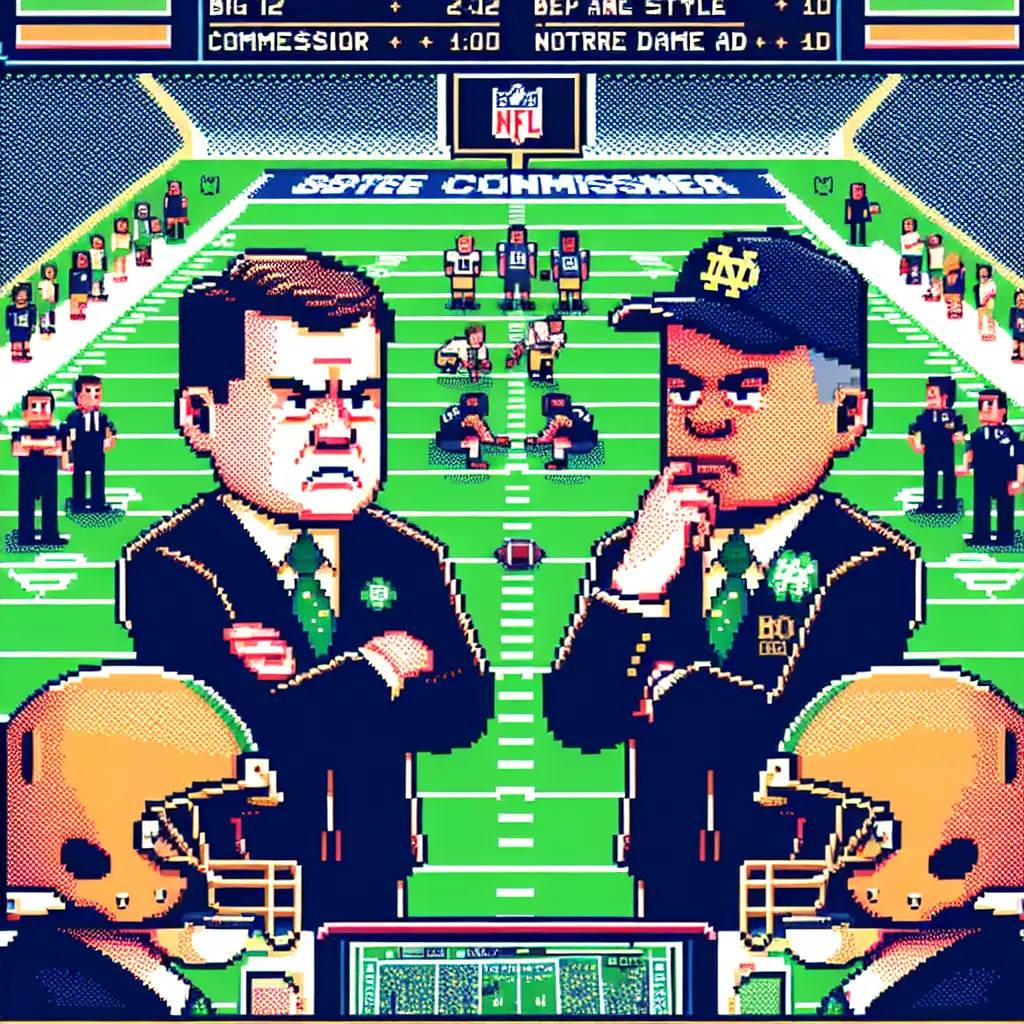
The college-football offseason rarely delivers on drama like a rivalry game — yet here we are: Notre Dame’s athletic director, Pete Bevacqua, publicly calling out the ACC after the Fighting Irish were left out of the 2025 College Football Playoff, and Big 12 commissioner Brett Yormark answering back by calling Bevacqua’s actions “egregious.” The exchange is more than headline fodder. It’s a study in modern power dynamics in college sports: brand protection, conference alliances, and the long memory of favors.

Why this row matters more than just pride

  • Notre Dame is unique: football independent in practice but tied to the ACC in most sports and scheduling agreements. Its network of relationships matters more than ever in an expanded 12-team playoff world.
  • Public finger-pointing isn’t just awkward — it can cost future scheduling, revenue, and political capital when the sport’s power players make decisions about expansion, access, and TV money.
  • Brett Yormark’s rebuke highlights an important theme: institutions that benefit from alliances don’t always get to publicly scold their partners without consequences.

What happened (plain and simple)

  • After the CFP selection favored Miami over Notre Dame (Miami had the head-to-head win), Pete Bevacqua publicly criticized the ACC, accusing it of undermining Notre Dame’s case by pushing Miami in league messaging and social media.
  • Notre Dame officials also signaled the relationship with the ACC had been “strained,” and Bevacqua suggested the league’s actions did “permanent damage.”
  • At the Sports Business Journal Intercollegiate Athletics Forum, Big 12 commissioner Brett Yormark called Bevacqua’s conduct “egregious” and “totally out of bounds,” noting the ACC had “saved” Notre Dame during the COVID-19 season in 2020 by giving them a full conference schedule and access to the conference championship.
  • The episode opened talk of potential reprisals from other athletic directors (scheduling aversion), and renewed speculation about where Notre Dame fits in the evolving conference landscape. (bleacherreport.com)

A closer look at the players and incentives

  • Pete Bevacqua (Notre Dame AD)

    • Incentives: Protect Notre Dame’s brand, fight for access to the playoff and its financial upside, and signal to fans and donors that the program will push back.
    • Risk: Alienating conference allies, compromising behind-the-scenes relationships that matter for scheduling and future political support.
  • Jim Phillips (ACC commissioner)

    • Incentives: Advocate for all ACC members and preserve the league’s credibility when promoting its teams.
    • Risk: Accusations of favoritism, even if the league was acting within normal advocacy duties.
  • Brett Yormark (Big 12 commissioner)

    • Incentives: Defend conference solidarity and discourage public feuds that could destabilize the broader system.
    • Risk: Appearing partisan or discouraging legitimate transparency about selection processes.

Bigger context: governance, memory, and leverage

  • College sports is a relationship economy. Conferences and independents trade scheduling, revenue sharing, and access. Publicly criticizing a partner is not just emotional — it’s strategic malpractice if you need that partner again.
  • Yormark’s point about the 2020 season is a reminder: favors are remembered. The ACC allowed Notre Dame a 10-game conference slate in COVID-impacted 2020; that accommodation had long-term competitive consequences and built goodwill.
  • The CFP’s expanded format and the myriad memorandums and understandings that govern access mean that political capital and perceived fairness matter almost as much as wins and losses.

Key takeaways

  • Publicly calling out a partner rarely wins loyalty; it often costs leverage.
  • Short-term PR satisfaction (rallying the fanbase) can come with long-term strategic losses (fewer high-quality opponents, strained negotiations).
  • Transparency in selection criteria is crucial — but the way institutions air grievances matters just as much as the grievance itself.
  • The Notre Dame–ACC–CFP spat is a microcosm of college sports’ transition: bigger stakes, more politics, and less room for emotional outbursts without consequences.

My take

Bevacqua’s frustration is understandable — missing the CFP stings, and athletic directors are tasked with fiercely protecting institutional interests. But stewardship in college athletics requires a balance between defending your program and preserving the relationships that make future success possible. Publicly accusing a conference partner of undermining you burns trust. Yormark’s rebuke isn’t just rhetorical theater; it’s a reminder that in the post-expansion era, relationships are currency. Notre Dame’s leadership needed a different channel: a private, strategic response that preserved options rather than narrowed them.

Sources


Related update: We recently published an article that expands on this topic: read the latest post.


Related update: We recently published an article that expands on this topic: read the latest post.