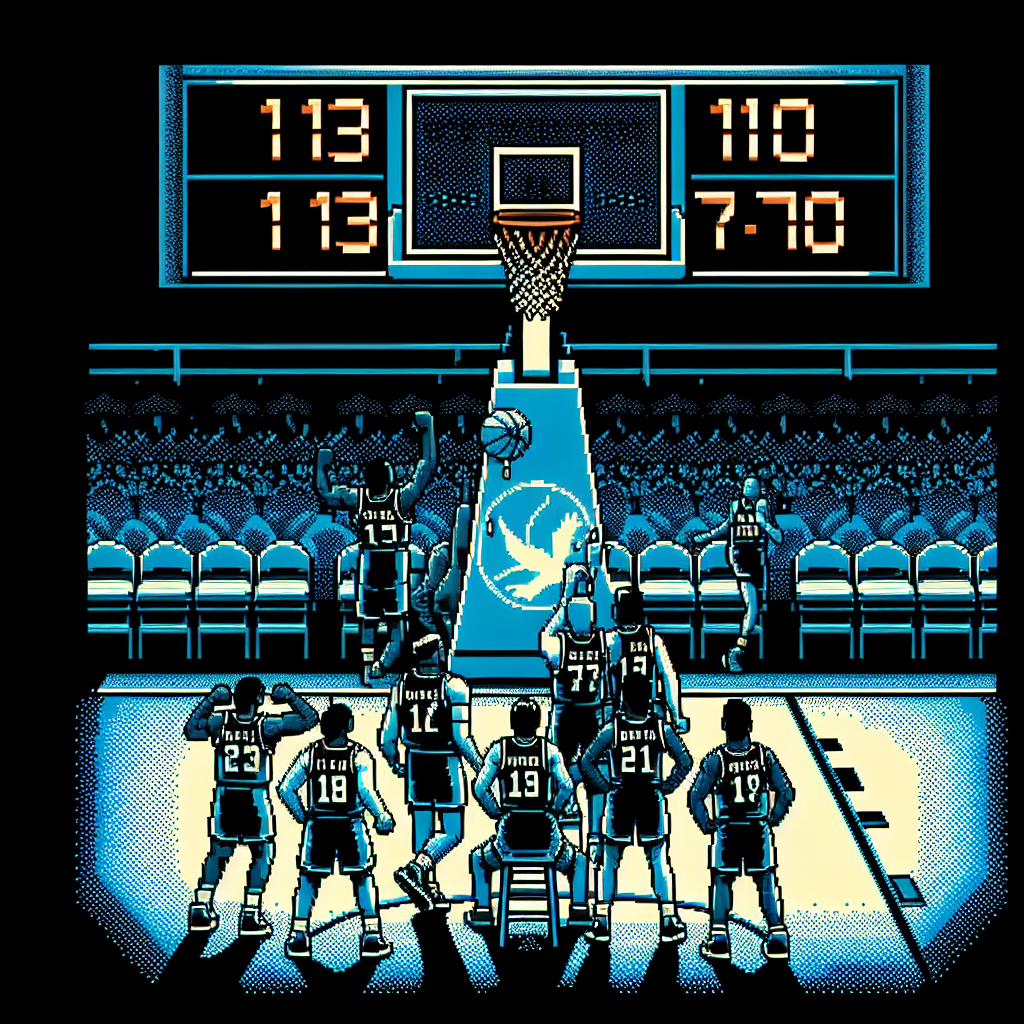
A long wait ends: Illini advance to Final Four and bring March Madness back to Champaign
Twenty-one years is a long time to keep a city waiting, but on March 28, 2026 the Illini advance to Final Four dreams became reality. Freshman Keaton Wagler and sophomore Andrej Stojakovic took over in the second half, Illinois turned the game into a physical frontcourt statement and the result was a 71-59 win over Big Ten rival Iowa that sent Brad Underwood’s team to Indianapolis for the first time since 2005.
The headline feels right: this was a team effort with a storybook twist. Wagler’s aggressiveness inside, Stojakovic’s steady finishing and a brutal rebounding edge combined to flip a game that felt jittery in the first half. If you were an Illini fan, you felt the tension, then the swing, and finally the catharsis.
Why this game mattered
- It ended a 21-year Final Four drought for Illinois (last appearance: 2005).
- The win came in the South Region final of the NCAA Tournament — essentially the Elite Eight — and booked Illinois a spot in the national semifinals in Indianapolis.
- The Illini leaned on size, toughness and second-half execution rather than outside shooting, a style that suggests a different blueprint for deep tournament runs.
The context matters. Illinois arrived in Houston with a roster that blends Eastern European bigs (the so-called “Balkan Bloc”) with high-upside guards. For much of the season they’ve been able to bully opponents on the glass and punish teams that can’t match their length. Against Iowa, that advantage was the defining factor: Illinois outrebounded the Hawkeyes 38-21 and outscored them 40-12 in the paint. Those numbers tell the story of a team that used its identity to win when shots weren’t falling.
Illini advance to Final Four: how the second half unfolded
The first half was a little chaotic. Iowa opened with energy and a double-digit lead early; the Toyota Center added its own weirdness with a buzzer malfunction and a dead jumbotron. Still, Illinois trailed by only four at halftime despite an awful night from long range (3-for-17).
Then the Illini flipped the script. Key elements:
- Keaton Wagler’s interior aggression: The freshman finished with 25 points and imposed himself at the rim, especially in the second half when Illinois needed a closer.
- Andrej Stojakovic’s balance and toughness: The guard — with a famous basketball pedigree — scored 17 and did the little things that mattered: drawing attention, finishing drives and keeping the offense calm.
- Dominance on the glass: Tomislav and Zvonimir Ivisic, plus David Mirkovic, helped create 16 offensive rebounds and constant second-chance pressure.
- Defensive adjustments: Illinois tightened its paint defense and forced tougher looks from Iowa’s perimeter creators late.
A late run — led by the Ivisic twins’ interior presence and a Wagler bucket in the lane — swung the lead to seven with under five minutes remaining. From there Illinois closed the door, converting trips to the line and converting offensive rebounds into points.
What this team represents beyond the scoreboard
Illinois’ run isn’t just a flash of March magic. It’s a validation of a program identity built around size, toughness and smart recruiting. Brad Underwood’s emphasis on international and particularly Eastern European recruiting has paid off in the postseason: the Ivisic twins and David Mirkovic gave Illinois a distinct physical profile that few teams could match.
At the same time, Keaton Wagler’s breakout as a freshman shows that Illinois can mix youth and expectation. Wagler’s poise — called “tougher than nails” by his coach — and his South Region Most Outstanding Player honor suggest he’s ready for a big stage.
There’s also a narrative arc: Andrej Stojakovic, son of former NBA All-Star Peja Stojakovic, coming into his own on a national stage; a program reconnecting with a storied past; and a fanbase finally getting the Final Four party it’s been dreaming about for more than two decades.
Matchup implications and what to watch next
Heading into the Final Four, Illinois will face a different kind of test. The field’s other participants include teams with elite guard play and different tempo preferences. Illinois’ keys for the national semifinals:
- Control the glass. Continue the rebounding pressure that turned this game.
- Avoid foul trouble and free-throw regression. Physical teams have to stay out of foul trouble to sustain defensive intensity.
- Find efficient ways to score when the perimeter isn’t falling. Against Iowa, Illinois leaned on interior offense and offensive rebounds; that formula must translate against other top opponents.
- Stay composed against late-game chaos. Tournament games create moments of noise; this team showed resilience in Houston and will need it in Indianapolis.
If Illinois can keep imposing its physical style while getting steady production from Wagler and Stojakovic, they’ll be dangerous. The Final Four stage rewards teams that know who they are — and this Illinois team seems to.
Moments that mattered
- Wagler’s second-half buckets that blended power and calmness.
- The Ivisic twins’ alley-oop and hook shots that punctuated the run.
- A sustained rebounding beatdown — the Illini finished with 38 boards to Iowa’s 21.
- A late sequence where offensive rebounding turned into a multi-possession lead and sealed the game.
Those are the plays that will live on highlight reels, but they also highlight the team’s character: persistent, physically imposing, and decisively clutch when the margin tightened.
Final thoughts
There’s an old-school quality to this Illinois squad — a team that doesn’t rely on one superstar threes-and-dribble iso but rather pounds the glass, shares the ball, and grinds out possessions. That approach has a timelessness that fits the tournament: physical teams with depth and discipline often do well in April.
The weight of a 21-year wait has been lifted. The Illini advance to Final Four not as a surprise but as a logical payoff for a roster built with a plan — and for a coaching staff willing to lean into a distinctive identity. Whether they can take the next two wins and end the program’s national-title drought remains to be seen. For now, Champaign gets to celebrate a team that returned the Final Four to Illinois, and the rest of college basketball gets to watch how this rugged, international-flavored roster handles the sport’s brightest stage.
A few quick takeaways
- Keaton Wagler (25 points) and Andrej Stojakovic (17) paced Illinois in the second half.
- Illinois dominated the paint and the boards — outscoring Iowa 40-12 in the paint and outrebounding them 38-21.
- The win sends Illinois to its first Final Four since 2005, marking a major milestone for the program and its fans.
Sources
-
AP News — UConn will play Illinois and Arizona to face Michigan in Final Four
https://apnews.com/article/final-four-uconn-illinois-arizona-michigan-b146dc719122508a18bc7a6be808790c -
Chicago Sun-Times — Illinois Final Four-bound for first time since 2005 after beating Iowa in South Region final
https://chicago.suntimes.com/college-sports/2026/03/28/illinois-iowa-final-four-wagler-stirtz-underwood-mccollum-ncaa-tournament-elite-eight-march-madness -
Houston Chronicle / AP — Illinois powers its way to its first Final Four in 21 years, beating Iowa 71-59
https://www.chron.com/sports/article/illinois-powers-its-way-to-its-first-final-four-22157646.php -
ESPN — Illinois 75, Iowa 69 (game recaps and season context)
https://www.espn.com/mens-college-basketball/ (see March 28, 2026 Elite Eight recap)
Related update: We recently published an article that expands on this topic: read the latest post.
Related update: We recently published an article that expands on this topic: read the latest post.