Suzuka’s One-Lap Crisis After F1 2026 | Analysis by Brian Moineau

The one-lap headache at Suzuka: why a last-minute F1 rule change didn’t fix everything

There is still a glaring problem over one lap at Suzuka despite the last-minute F1 rule change, and it’s the kind of technical, tactical tangle that fans notice before the sport’s administrators can swap talking points. Suzuka is one of the few circuits that still feels like a driver’s challenge — flowing, unforgiving and iconic — yet the new 2026 power-unit and energy-management rules have exposed a single-lap fragility that a hurried tweak couldn’t cure.

Suzuka’s charms make the problem louder. It’s a track where a single perfect lap rewards bravery and rhythm, but the new energy and qualifying realities mean “perfect” is suddenly unstable: one lap can be significantly faster or slower than the next depending on battery state and how teams manage new electric boost systems. The result is qualifying and short, crucial stints that feel fragile, artificial and — at times — unfair.

What changed for 2026 and why Suzuka feels it hardest

  • 2026 power-unit changes shift the electric/ICE balance toward a much more powerful MGU-K and a bigger, more usable battery. Teams can recover and deploy far more electrical energy than before. This creates a multi-dimensional optimisation problem: you need battery for one hot lap in qualifying but also to sustain e-lift across a race stint. (RacingNews365 explains the rule changes and the battery/MGU-K shift.) (racingnews365.com)

  • Teams discovered race strategies under the updated rules can hinge on a single lap’s worth of energy. A one-lap mismanage in qualifying — or an extra lap of deployment in the wrong place — can blow an entire session’s timing or a race strategy. That “one lap” sensitivity is particularly exposed at Suzuka, where there’s little margin for error and where lap time variance between good and bad battery usage shows up instantly. PlanetF1 lists Suzuka among the tracks where battery regeneration and deployment will challenge teams most. (planetf1.com)

  • In-season and late rule changes — sometimes announced close to race weekends — aim to blunt loopholes or react to a single-event issue (Monaco’s experiment with extra mandatory pit stops is one example from recent seasons). But last-minute clarifications rarely erase the underlying technical mismatch between what the tyres, aerodynamics and new electrical systems want on a lap-by-lap basis. Teams can be left firefighting rather than solving the strategic imbalance. (sports.yahoo.com)

Transitioning from what happened to why it matters helps explain the frustration in the paddock and the stands.

There is still a glaring problem over one lap at Suzuka despite the last-minute F1 rule change

That sentence sums up the issue: the sport tried a rapid fix — or a tweak — to blunt a tactical loophole or an unfair edge, but the underlying “one-lap volatility” remains. At Suzuka, lap-to-lap consistency has become a casualty of:

  • Battery state swings that change the character of a lap (attack mode/boost availability vs. conservation).
  • Qualifying strategies where you might fatally burn battery for one flying lap and then be left with suboptimal energy for following attempts or race starts.
  • Pirelli tyre behaviour combined with new energy deployment maps that make finding a stable window for an all-out lap trickier. Autosport recently highlighted how qualifying preparation has become more complicated because tyre and battery requirements can contradict each other. (autosport.com)

The practical upshot is ugly: sessions where drivers leave big time on the table through no conventional fault of car balance or driving skill, but because the car simply cannot produce a repeatable “ideal” lap under the new electrical constraints.

How this plays out on race weekend

  • Qualifying becomes a high-variance lottery. One perfect deployment lap can put a driver on pole, while the next session the same driver might struggle to extract performance because the battery’s earlier use changed the thermal and charge profile.
  • Races can feel processional even when the cars are closer on paper. If teams are forced to conserve or stagger battery usage, opportunities for wheel-to-wheel attack narrow — that’s not Suzuka’s natural theatrical style.
  • Strategic games (pitting early, using a full battery boost on an opening lap) can be decisive in ways that feel engineered rather than earned — and that makes fans and drivers grumpy in equal measure.

Transitioning again: there are fixes, but they require patience.

What would actually help — pragmatic fixes, not theatre

  • Clear, consistent rules about qualifying battery allocation that are published well in advance of race weekends. Consistency beats ad-hoc changes. (thejudge13.com)
  • Technical windows in which teams can use maximum battery for a single lap in qualifying — but only if that allocation is identical for everyone, removing the “one team gambit” advantage.
  • Better alignment between tyre working windows and energy deployment maps, co-designed with Pirelli so a tyre phase doesn’t punish an aggressive electric push.
  • Simulation and testing time for all teams to validate race-energy allocations on specific circuits; Suzuka demands bespoke calibration because of how rapidly lap times can change with small set-up changes. RacingNews365 and the technical coverage across outlets underline that the 2026 regulations created novel multi-factor trade-offs teams are still learning. (racingnews365.com)

What fans should expect in the near term

Expect more noisy debate and occasional Saturday qualifying dramas where lap 1 is king. Expect teams to learn — and adapt — but also expect a few more races where Suzuka’s natural rhythm is interrupted by the sport’s new energy game. Over time teams will find equilibrium, but that equilibrium may look different from the Suzuka that many remember.

My take

Suzuka hasn’t lost its soul; the problem is procedural and technical, not architectural. The flow and challenge of the circuit remain unique, but F1’s latest technical pivot has created edge cases that show up magnified at a track that rewards precision. A last-minute rule change can paper over an unfair outcome for a weekend, but it won’t fix the deeper misalignment between how qualifying is structured, how energy is managed, and how tyres behave — especially on circuits like Suzuka.

Fixing it properly means clear, stable rules and careful co-ordination between the FIA, F1, Pirelli and teams. Fans deserve a version of Suzuka where laps feel earned because of driver skill and car balance — not because a battery map happened to be kinder on one lap than the next.

Sources


Related update: We recently published an article that expands on this topic: read the latest post.


Related update: We recently published an article that expands on this topic: read the latest post.

Green Beans with Pearl Onions and Salmon | Made by Meaghan Moineau

Picture this: it’s a Wednesday evening, halfway through the week, and my energy is fading faster than the daylight. The fridge is a bit barren, just the usual suspects left to fend for themselves. That’s when I remember this quick and comforting recipe that feels like a mini victory every time: Green Beans with Pearl Onions and Salmon. This dish is a total lifesaver — it’s elegant enough to make me feel like a culinary genius yet simple enough for my tired brain to handle. Plus, the mix of green beans and pearl onions gives me that cozy, satisfying vibe I crave without having to spend hours in the kitchen.

Jump to Recipe

What You’ll Need

Before we dive in, let me just say that this ingredient list is as friendly as it gets — you might not even need a grocery run! Here’s what you’ll gather:

  • Frozen green beans
  • Frozen pearl onions
  • Olive oil
  • Unsalted butter
  • Chicken stock
  • Brown sugar
  • Salt and pepper
  • Skinless salmon steaks

How to Make Green Beans with Pearl Onions and Salmon

  1. Start by grabbing a large pot and filling it with some water. Toss in those trusty frozen green beans and pearl onions, cover it up, and let them cook over medium heat until they’re tender — you’ll know they’re ready when they give a little bit under a fork. Drain away the water and set them aside for their moment to shine.
  2. Now, heat up a large skillet with one tablespoon of butter and the olive oil over medium-high heat. When the butter is melted and the oil is shimmering, add the green beans and pearl onions. Sauté for about a minute until they start to sizzle and get that lovely sheen.
  3. Add the chicken stock to the party and let it cook for another minute until it’s all evaporated. This step brings out a deeper flavor in the veggies.
  4. Lower the heat to low and stir in another tablespoon of butter with the brown sugar. Mix gently until the veggies are slightly caramelized with a sweet glaze. Remove from the heat and keep them warm and cozy.
  5. Without washing the skillet (we love saving dishes!), return it to medium-high heat and melt a teaspoon of butter right in the center. Place the salmon steaks over the melted butter, season them generously with salt and pepper, and let them cook for 3-5 minutes. You’re looking for a golden crust that’s the envy of all salmon.
  6. Flip each salmon steak and cook for another 3 minutes until they’re cooked through but still tender. You know it’s ready when it flakes easily with a fork.
  7. To serve, lay the green beans and pearl onions on plates, then lovingly place a salmon steak on top. Voila! Dinner is served.

Cook’s Notes

Here’s a little secret: this dish is all about timing and listening to those sweet sizzles. Make sure to keep an eye on the salmon to avoid overcooking — you want that crispy outside and tender inside. As for the green beans and onions, the key is not to rush the caramelization. Let them take their time to get that nice color.

If you’re thinking ahead, you can totally make the green beans and onions a day in advance and store them in an airtight container in the fridge. Just reheat them gently before serving. Leftovers? Sure thing! They’re a dream for lunch the next day or even a fancy brunch with a poached egg on top.

Make It Your Own

This dish is a canvas for creativity! Here are some ideas to mix things up:

  • Swap the salmon for crispy tofu if you’re going for a plant-based option. Just pan-fry the tofu until golden on both sides.
  • Use maple syrup instead of brown sugar for a different kind of sweetness that pairs beautifully with the veggies.
  • Add a handful of toasted almonds or pine nuts for some crunch and extra flavor.
  • Try a splash of balsamic vinegar at the end for a tangy twist that brightens up the dish.

If you try this, I’d love to hear how it turns out — drop a comment or tag me on social media! Your kitchen adventures are the best part of sharing recipes. Enjoy every bite!

Related update: Green Beans with Pearl Onions and Salmon

Related update: Valentine's Chicken Marsala

Roasted Butternut Squash and Sage Dip | Made by Meaghan Moineau

It was one of those chilly fall afternoons when the leaves were swirling outside, and my pantry was looking a bit sparse. I was craving something cozy but hadn’t done a proper grocery run. Luckily, I did have a few seasonal staples on hand, including a couple of butternut squashes that had been staring at me every time I opened the pantry door. A quick rummage through the fridge and spice rack, and voilà! This Roasted Butternut Squash and Sage Dip was born. It’s a creamy, savory dip with just a hint of sweetness from the roasted squash and an earthy touch from the sage. Perfect for those moments when you want to impress without the fuss. Plus, it makes your kitchen smell divine.

Jump to Recipe

What You’ll Need

The beauty of this dip is that it relies on simple, fresh ingredients that you might already have. The key is in the roasting, which brings out all the deep, wonderful flavors.

  • Two butternut squash
  • Olive oil
  • Fresh sage
  • Garlic powder
  • Fresh ground pepper
  • Sea salt
  • Onion
  • Garlic
  • Anchovy (trust me on this one!)
  • Goat cheese

How to Make Roasted Butternut Squash and Sage Dip

  1. Preheat your oven to 350 degrees. This is the perfect time to cozy up and let your kitchen get warm and inviting.
  2. In a big bowl, mix together some olive oil, fresh sage, a few dashes of salt, pepper, and garlic powder. Toss in the butternut squash cubes, making sure each piece is well-coated with the herby goodness.
  3. Spread the squash out on a large baking sheet. You want them in a single layer, so they roast up nice and caramelized. Bake for about 30 minutes, or until they are tender and golden at the edges.
  4. While the squash is doing its thing, sauté chopped onion, anchovy fillets, and garlic in a bit of extra virgin olive oil. Cook them until the onion is soft and the anchovy has melted into the mix. The aroma is heavenly.
  5. Once the squash is done, let it cool just enough to handle. This way, you’re not nuking your fingers when you move to the next step.
  6. In a food processor, combine the roasted squash, onion mixture, and about 1/4 cup of crumbled goat cheese. Blend until smooth and creamy. You may need to scrape down the sides a couple of times to get everything evenly mixed.
  7. Transfer the dip into a pretty bowl because presentation matters! Serve it up with pita wedges, breadsticks, or a colorful array of veggies.

Cook’s Notes

This dip is pretty forgiving and flexible, perfect for those “let’s wing it” cooking sessions. If you’re prepping in advance, you can roast the squash and make the sautéed onion mixture the day before. Just keep them in separate containers in the fridge and blend them up with the cheese when you’re ready to serve. It will keep well in the fridge for about 3 days, though it never lasts that long at my house! If the dip thickens too much after chilling, a splash of olive oil or a bit of warm water stirred in should bring it back to life.

Make It Your Own

This is where the fun begins—don’t be afraid to play around with this recipe!

  • Swap the goat cheese for feta if you want a saltier, tangier vibe.
  • For a vegan version, skip the anchovy and goat cheese, subbing in roasted red peppers for extra depth.
  • Add a pinch of red pepper flakes to the roasting mix for a bit of heat.
  • Use sweet potatoes instead of butternut squash for an earthier sweetness.

If you try this, I’d love to hear how it turns out—drop a comment or tag me! Nothing makes me happier than seeing all the delicious ways you bring these recipes to life. Enjoy!

Related update: Roasted Butternut Squash and Sage Dip

Related update: Breaded Shrimp and Spicy Mayo Appetizer

Android 17 Beta 3 Embraces Frosted Blur | Analysis by Brian Moineau

A frosted sequel: Android 17 Beta 3 leans harder into blur

If you pulled your notification shade on a Pixel running Android 17 Beta 3 and thought, “Hey — that’s more… frosty,” you weren’t imagining things. Android 17 Beta 3 continues the translucency trend that Android 16 started, rolling out blur and frosted-glass effects across more system surfaces to create a deeper, layered UI experience. This shift is subtle in screenshots but immediately noticeable in motion: backgrounds peek through panels, volume controls and menus feel lifted from the wallpaper, and the whole UI gains a softer, more tactile appearance. (9to5google.com)

What Android 17 Beta 3 is changing (and why it matters)

  • Android 16 introduced translucency to areas like the notification shade, Quick Settings, and app drawer as part of Material 3 Expressive. Android 17 Beta 3 expands that vocabulary, applying blur more widely to system menus such as the volume panel, recents/overview, and other transient surfaces. (9to5google.com)

  • The visual aim is to add depth and context: instead of solid blocks of color, UI layers let you maintain a faint sense of what’s behind a panel. That guides focus without removing ambient cues — a design choice that can improve readability and polish when executed well. (9to5google.com)

  • Practically, these changes come via internal builds and leaked screenshots rather than an official announcement, so the final appearance and which elements get blurred could still shift before the stable release. (9to5google.com)

Transitioning from flat to frosted visuals is a design decision that influences more than aesthetics. It affects performance, battery use, accessibility, and how third-party apps should harmonize with system chrome.

Looking closer: the visual and technical trade-offs

Designers love blur because it creates hierarchy without hiding context. Users, meanwhile, will focus on three practical things: performance, consistency, and control.

  • Performance: Gaussian blur and real-time translucency can be GPU-heavy. On modern Pixels and flagship SoCs, this is usually fine, but older or budget devices may see frame drops or battery impacts when the system applies blur everywhere. Early beta reports from testers have already flagged occasional visual banding and inconsistent blur behavior during transitions. (reddit.com)

  • Consistency: Android’s strength is diversity — many OEMs skin and extend the platform. If Google bakes blur and translucency deeper into core APIs, OEMs and third-party apps may adopt it inconsistently, resulting in a fragmented look across devices. Conversely, a clearer Material guidance could unify the ecosystem. (androidauthority.com)

  • Control and accessibility: Not everyone wants motion, translucency, or extra visual effects. Accessibility settings (reduce motion, high contrast) must be respected, and users should be able to toggle or tone down blur without losing functionality. The beta conversations show mixed feelings from users: some praise the polish, others miss sharper contrast or report that blur sometimes disappears unexpectedly. (reddit.com)

Why this feels a lot like trends elsewhere

It’s not accidental that commentators are likening Android’s frosted look to Apple’s Liquid Glass and to UI flourishes from manufacturers like Samsung and OnePlus. Design trends ripple: once a visual approach proves clear and appealing, others iterate on it. Material 3 Expressive opened the door, and Android 17 feels like Google exploring where that language can go — while balancing the line between inspiration and imitation. Many outlets and design observers have already pointed out the resemblance. (tomsguide.com)

That said, Google’s execution matters: because Android supports so many hardware and software combinations, the company needs robust fallbacks and performance profiles so the same design language can translate across devices without slowing older hardware down.

What to watch in the coming months

  • Will blur be optional? Ideally, Android should expose a system-level toggle for blur intensity or a simple on/off, plus respect existing accessibility options.

  • Will Google provide developer guidance? If Material components and system surfaces begin to rely on translucency, developers will need clear guidelines for contrast, legibility, and animation timing.

  • How will the final build balance battery and GPU load? Expect iterative QPR (Quarterly Platform Release) updates or optimizations before the stable Android 17 to smooth performance and reduce artifacts like banding. Early tester reports already hint at such quirks. (reddit.com)

Android 17 Beta 3: what this means for everyday users

For most people who upgrade to Android 17 when it lands, the change will be mostly visual: settings panels, volume sliders, and other transient surfaces will feel softer and more "layered." That can make the OS feel fresher without changing workflows.

However, users of lower-specced devices or power-conscious folks should pay attention to early benchmarks and battery reports before upgrading, especially on betas. If blur becomes the default everywhere with no user control, that could frustrate a section of the user base. Early beta chatter suggests Google is still iterating. (9to5google.com)

My take

Design evolution is a balancing act. Android 17 Beta 3’s expanded blur is a logical next step after Android 16’s Material 3 Expressive work: it adds nuance, context, and a modern sheen that many users will appreciate. At the same time, Google must be pragmatic — offering opt-outs, ensuring smooth performance, and providing clear developer guidance. If it gets those elements right, Android will look cleaner and feel more cohesive; if not, the effect could come off as gratuitous fluff or create uneven experiences across devices.

Overall, I welcome the polish — but I’m watching for the controls and performance optimizations that will make that polish sustainable for everyone.

Sources


Related update: We recently published an article that expands on this topic: read the latest post.

IOC Mandates Genetic Tests for Women | Analysis by Brian Moineau

Hook: A new line at the starting gate

Imagine stepping up to an Olympic start line knowing that, to qualify, you will be asked to give a cheek swab or saliva sample — not for doping, but to prove your sex. The International Olympic Committee’s new policy requiring genetic testing for anyone seeking entry into women’s events has just shifted the finish line for fairness, privacy and human dignity. This post digs into what the IOC announced, why genetic testing is at the center of the debate, and what it could mean for athletes and sport as we head toward the 2028 Los Angeles Games.

Why genetic testing for women's events matters now

The IOC announced a policy, taking effect for the 2028 Summer Games, that limits eligibility for the female category to “biological females,” determined by a one-time genetic screen that looks for the SRY gene (a Y‑chromosome marker linked to male sex development). The move follows similar steps by some international federations — notably World Athletics — that have already reintroduced chromosome or gene screening for female-category eligibility.

This is not just a technical tweak. It touches on history (sex‑testing stretches back to the mid-20th century), law (national executive orders and federation rules), science (how sex and variation are defined biologically), and ethics (privacy and discrimination concerns). Transition words matter here: consequently, many athletes, advocates and scientists are asking whether this is fair, feasible, or even legally sound.

Quick takeaways

  • The IOC requires a one‑time genetic test (SRY gene screen) for athletes wishing to compete in women’s events beginning with the 2028 Olympics.
  • Several international sports bodies have already moved toward chromosome or gene-based eligibility checks; this is part of a broader trend.
  • The policy raises complex scientific, privacy and human-rights issues — especially for intersex athletes and those with differences of sex development (DSD).
  • Expect legal challenges, federation-level confusion, and practical enforcement questions before Los Angeles 2028.

How the policy works and the science behind it

In plain terms, the genetic test the IOC plans to use screens for the SRY gene — a DNA segment typically located on the Y chromosome that plays a central role in directing male sex development in utero. A positive SRY result is treated as evidence of “biological male” for eligibility purposes; a negative result would allow entry into the female category.

However, biology is messier than a binary test result. There are naturally occurring variations — such as androgen insensitivity, mosaicism, or conditions like Swyer syndrome — that complicate neat classification. Importantly, the presence or absence of SRY is not the whole story when it comes to physical performance, hormone levels, or athletic advantage.

Consequently, critics point out that a single genetic marker is an imperfect proxy for athletic fairness and that blanket screens risk excluding or stigmatizing athletes with rare but legitimate biological differences.

The practical and ethical ripple effects

  • Privacy and medical confidentiality: Genetic testing collects highly sensitive data. Who stores it, who can access it, and how long it is kept are immediate concerns.
  • Impact on intersex athletes: Many intersex variations would be conflated with unfairness by a blunt SRY screen, yet those athletes often have no competitive advantage or may already face medical scrutiny.
  • Legal and human-rights challenges: National laws and international human-rights frameworks could collide with federation rules. Expect court cases and appeals.
  • Administrative burden: Federations and national Olympic committees must implement testing logistics, appeals processes, and adjudication mechanisms — a complicated, costly enterprise.
  • Sporting fairness vs. inclusion: Supporters argue the policy protects fairness for cisgender women; opponents argue it institutionalizes exclusion and harms vulnerable athletes.

Where this policy sits in a broader landscape

This IOC decision didn’t appear in isolation. Over the past few years, several sports governing bodies have tightened policies around transgender athletes and DSD, with some reintroducing chromosome testing. Political pressures and national directives have also pushed changes — for example, national executive orders and letters from political figures urging stricter rules for the 2028 Olympics.

Still, the international sports community has historically relied on federations to set eligibility rules. The IOC’s move to set a universal genetic requirement creates a new central standard, but it will collide with different legal systems, cultural expectations, and scientific opinions around the world.

What to watch between now and Los Angeles 2028

  • Legal challenges and appeals: Cases could reach national courts or sport’s arbitration bodies.
  • Implementation details: Who will conduct tests, how results are verified, and what appeals look like are all open questions.
  • Federation responses: Some sports may add sport-specific rules; others might push back or seek exemptions.
  • Public and athlete reaction: Protests, athlete statements, and media scrutiny will shape public perception and policy adjustments.

My take

Athletics is inherently about finely measured edges — fractions of a second, centimeters, grams of force. But not every edge should be decided by a DNA test. Reintroducing genetic screening as a universal prerequisite for competing in women’s events is understandable from a certain fairness‑first perspective, yet it leans on an oversimplified view of sex and performance. The result risks penalizing intersex athletes, violating medical privacy, and putting sports bodies in the untenable position of policing biology rather than performance.

A better path would combine careful, evidence‑based sport-specific rules with robust privacy protections and individualized review processes. Biology is complicated; policy should reflect that complexity rather than defaulting to blunt screening.

Final thoughts

The IOC’s genetic‑testing requirement marks a major inflection point in modern sport. It forces us to ask: what do we mean by fairness, who gets to decide, and what price are we willing to pay to preserve one set of values over another? Between now and the 2028 Games, expect fierce debate, legal wrangling, and difficult human stories. Whatever unfolds, the decision underscores that sport remains a mirror for our broader social conflicts — and that answers grounded in science, compassion and clear legal guardrails will matter more than ever.

Sources


Related update: We recently published an article that expands on this topic: read the latest post.


Related update: We recently published an article that expands on this topic: read the latest post.

Related update: We recently published an article that expands on this topic: read the latest post.

Oxtail Ragout | Made by Meaghan Moineau

It was one of those chilly, rainy afternoons when the sky couldn’t quite decide if it wanted to drizzle or pour, and I found myself leaning into the kind of comfort cooking that warms you from the inside out. I’d been craving something rich and flavorful, the kind of dish that makes your whole home smell like a cozy hug. Enter: Oxtail Ragout. Trust me, this recipe is a keeper. It’s the kind of meal that feels like a culinary project, but it’s actually more about letting the ingredients do their thing while you kick back. You get meltingly tender meat and a sauce that’s so good you’ll want to sop it up with a hunk of crusty bread. Plus, the prep is minimal, so it’s perfect for those days when you want something special without spending the whole day in the kitchen.

Jump to Recipe

What You’ll Need

One of the best parts? You might already have most of these goodies hanging out in your pantry or fridge. Here’s what you’ll need to gather:

  • Oxtails
  • Flour
  • 1 teaspoon of salt
  • Pepper
  • Paprika
  • Hot fat (like vegetable oil or lard)
  • 1 large onion, chopped
  • 2 cloves of garlic, minced
  • 1 bell pepper, chopped
  • Tomato juice
  • 1 whole bay leaf
  • 1 whole allspice berry
  • Water
  • Lemon juice

How to Make Oxtail Ragout

  1. In a shallow dish, combine 1 teaspoon of salt, a few grinds of pepper, paprika, and some flour. This seasoned flour is where the magic starts, giving the oxtails a flavorful crust.
  2. Roll the oxtails in the seasoned flour until they’re well coated. Shake off any excess so you get a nice, even crust.
  3. Heat some hot fat in a large pot over medium-high heat. Brown the oxtails thoroughly on all sides. You want them deeply caramelized — think golden and fragrant.
  4. Once browned, add the chopped onion, minced garlic, and bell pepper to the pot. Stir them around, scraping up any delicious bits stuck to the bottom, until they start to soften and smell amazing.
  5. Pour in enough tomato juice to cover the oxtails, then add the whole bay leaf and allspice. Top it off with a splash of water to ensure everything is nicely submerged.
  6. Bring the mixture to a gentle simmer, then cover the pot. Let it do its thing for about 3 hours, checking occasionally to ensure it stays at a low simmer.
  7. When the meat is fall-off-the-bone tender, remove the bay leaf and allspice berry. Stir in a splash of lemon juice to brighten the flavors, adjusting seasoning to taste.

Cook’s Notes

This dish is pretty forgiving, but here are a few tips to make things even smoother:

  • Don’t rush the browning process. It’s where a lot of the flavor comes from, so take your time.
  • If you don’t have tomato juice, you can use crushed tomatoes or even a bit of tomato paste mixed with water.
  • This ragout tastes even better the next day, so feel free to make it ahead. It stores well in the fridge for up to 3 days.
  • If you’re wondering about leftovers, they freeze beautifully for up to 3 months. Just reheat gently on the stove.

Make It Your Own

  • Swap the oxtails for short ribs if you’re in the mood for something different but equally delicious.
  • Add a handful of chopped carrots or celery for extra veg power and a bit of sweetness.
  • If you like a bit of heat, throw in a pinch of red pepper flakes with the garlic and onions.
  • For a smoky twist, use smoked paprika instead of regular paprika.

If you try this, I’d love to hear how it turns out — drop a comment or tag me! Nothing makes my day like seeing your creations. Enjoy every rich, saucy bite!

Related update: Oxtail Ragout

Related update: Green Beans with Pearl Onions and Salmon

SpaceX IPO Hype: Investors, Beware | Analysis by Brian Moineau

The SpaceX IPO Is Coming — But Don't Let FOMO Lift You Off Without a Parachute

SpaceX IPO chatter is back in headlines, and this time the conversation feels different: the company that disrupted rocket manufacturing is reportedly preparing to file for an initial public offering, and big private-holders — from Cathie Wood’s ARK Venture Fund to smaller interval funds — look ready to ride the rocket. The idea of owning a sliver of Elon Musk’s aerospace empire is intoxicating, and headlines that suggest valuations in the trillions have retail and institutional investors rethinking how to get exposure.

But before you let excitement drive your allocation, pause. There are real reasons prices for funds holding private SpaceX stakes jumped on the news — and equally real reasons to read the fine print.

What just happened

  • Late 2025 and early 2026 reporting from several outlets said SpaceX is weighing a 2026 IPO and has taken steps such as permitting insider share sales and lining up banks. Reports suggested the offering could be enormous: raising tens of billions and valuing the company at well over $1 trillion. (investing.com)
  • Investors that already had private stakes (for example, interval/venture-style funds that can hold unlisted securities) saw inflows and NAV bumps as the prospect of a public exit became plausible. Cathie Wood’s ARK Venture Fund — which lists SpaceX among its private holdings — was highlighted frequently as a retail-accessible route to SpaceX exposure. (fortune.com)
  • The chatter intensified when Musk and SpaceX actions (including corporate moves like acquiring xAI) added coherence to the narrative that a public listing could be part of a broader strategy. (apnews.com)

Transitioning from rumor to reality, however, is often slippery in the private-company-to-IPO pipeline. SpaceX has long resisted going public; the timing, size, and structure (full company vs. Starlink spun-out, percentage of float, pricing strategy) will materially shape outcomes.

Why funds that own SpaceX stakes surged

  • Liquidity hope: Many closed-end and interval funds that can legally hold private shares (ARK Venture Fund, certain boutique private-shares funds) became a de facto retail-friendly on-ramp. News of an IPO converts theoretical private-value into a near-term liquidity catalyst. (finance.yahoo.com)
  • Revaluation effects: When major outlets report an impending IPO or insider share sale at a higher implied valuation, NAV estimates for funds holding those private securities often jump. That attracts inflows and media attention, which feeds the loop. (investing.com)
  • Narrative momentum: Firms like ARK sell a vision — Starlink, AI integration, and eventual Mars-scale markets — and investors who buy that future will pile into any vehicle that promises access. That narrative inflow can amplify price movements beyond fundamentals. (fortune.com)

The investor dilemma

  • Small float risk: Early indications suggest SpaceX might only sell a modest portion of equity in an IPO. If true, public investors could end up paying sky-high prices for shares that still trade thinly, while large shareholders retain control and most upside. Thin public floats can mean high volatility and poor price discovery at first. (investing.com)
  • Valuation stretches: Trillion-dollar valuations are headline-grabbing but hinge on optimistic revenue scenarios for Starlink, future data-center-in-space projects, and other ventures. Execution risk is real — regulatory hurdles, competition, and capital intensity all matter. (theguardian.com)
  • Fund mechanics differ: Buying an interval fund that holds SpaceX is not the same as buying a stock. Fee structures, redemption windows, NAV-to-market price discrepancies, and concentration limits can make these funds behave very differently from public equities. Investors should read prospectuses closely. (finance.yahoo.com)

How savvy investors should think about this

  • Differentiate access from value. Buying an ARK-like fund gives access to SpaceX as a private asset in a managed vehicle; it doesn’t guarantee easy, immediate liquidity at IPO pricing. Understand how much of the fund is actually exposed and what the fund’s redemption mechanics are. (cnbc.com)
  • Anticipate structure and timing. Watch for details: will SpaceX file confidentially, will it spin out Starlink, how much new equity will it issue, and when will insiders be allowed to sell? These choices determine whether the IPO is a capital-raising event, a liquidity event for insiders, or both. (investing.com)
  • Keep portfolio sizing conservative. Even if you believe in the long-term upside, a sensible allocation caps the downside from valuation shock or early trading volatility. Treat any pre-IPO exposure as a high-conviction but higher-risk sleeve of a portfolio.
  • Expect headline volatility. Media coverage will swing funds and related public names (chip suppliers, launch partners). If you trade on headlines, plan for whipsaw. (heygotrade.com)

SpaceX IPO: short-term winners and longer-term questions

  • Winners in the near term are likely to be funds that already held private stakes and firms providing supply-chain exposure (e.g., satellite components, launch-parter suppliers). Those positions can re-rate quickly when an IPO looks imminent. (observer.com)
  • Longer-term, the critical questions remain: can Starlink scale profitably in a competitive orbital-internet market? Will capital needs for AI-in-space or mega-data-centers justify the lofty price tags? And how much governance and insider control will public investors actually get? These questions determine whether the IPO is a historic market event or a short-lived media spectacle.

My take

An impending SpaceX IPO is a landmark moment for markets and technology investing — if it happens at the reported scale, it will change index composition and investor access to the satellite-and-rocket economy. That excitement is understandable. But the prudent move is not to chase headlines; it’s to study structure, read fund disclosures, and size positions to reflect both the upside and a meaningful chance of early disappointment. For most investors, indirect exposure through diversified vehicles or modest allocations makes more sense than concentrated bets on a single private company during an emotionally charged run-up.

Sources

(Note: the original Barron’s piece you referenced influenced the framing for this post; the reporting above synthesizes multiple open sources that covered the potential SpaceX IPO and the flows into funds holding private stakes.)


Related update: We recently published an article that expands on this topic: read the latest post.


Related update: We recently published an article that expands on this topic: read the latest post.

Warm Spinach Artichoke Dip | Made by Meaghan Moineau

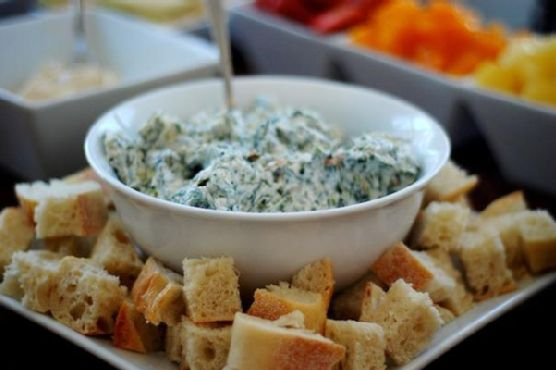
It was one of those evenings when the wind had a bite to it, and all I wanted was something warm and comforting that didn’t require a trip to the store. I peeked into my pantry and there it was — a can of artichoke hearts, a block of cream cheese, and some fresh spinach that had seen better days. It was like they were whispering, “Make something delicious out of us.” And thus, this Warm Spinach Artichoke Dip was born. It’s the kind of dish that’s easy to throw together when you need a little pick-me-up, perfect for snacking or impressing friends without breaking a sweat. The rich, creamy texture and the burst of garlicky goodness is just what you need at the end of a long day.

Jump to Recipe

What You’ll Need

I bet you’ve got most of this stuff in your kitchen already. It’s all about the handful of key players that bring everything together into a cozy, irresistible dip.

  • Olive oil
  • Artichoke hearts
  • Garlic
  • Red chili flakes
  • Salt
  • Baby spinach
  • Cream cheese
  • Parmesan cheese
  • Lemon juice
  • Black pepper

How to Make Warm Spinach Artichoke Dip

  1. Start by placing the olive oil, artichoke hearts, garlic, red chili flakes, and a pinch of salt in a small pot. Cover it up and let it simmer on low heat for an hour. Your kitchen will smell fantastic, a hint that you’re on the right track.
  2. Once the artichokes are fragrant, add the baby spinach to the pot. Cover it again and steam the leaves for about 2 minutes, just until they wilt and turn a vibrant green.
  3. Transfer everything from the pot into a food processor. Add the cream cheese, parmesan cheese, and a splash of lemon juice. Pulse until the mixture is chunky but well-combined, a texture that promises every scoop will be packed with flavor.
  4. Finally, garnish with a sprinkle of black pepper and serve it up with some warm, crusty bread — because trust me, you’ll want something sturdy to scoop up all that goodness.

Cook’s Notes

This dip is pretty forgiving, but here are some tips to keep it extra tasty. Make sure to simmer the artichokes long enough to really let the flavors meld. You can make this dip ahead of time and store it in the fridge for a couple of days. When you’re ready to serve, just reheat gently on the stove. If you find yourself with leftovers (unlikely, but possible), they make a killer sandwich spread or a pasta sauce with a bit of extra cream or milk.

Make It Your Own

  • Swap the artichoke hearts for marinated artichokes if you want a little extra zing to your dip.
  • Mix in some crispy bacon bits for a smoky touch that complements the creamy base.
  • Use feta cheese instead of parmesan for a tangy twist.
  • Add a handful of chopped sun-dried tomatoes for a burst of sweetness and color.

If you try this, I’d love to hear how it turns out — drop a comment or tag me! Whether it becomes your go-to for cozy nights in or a star at your next gathering, I hope this dip brings a little warmth and joy to your table.

Related update: Warm Spinach Artichoke Dip

Related update: Roasted Butternut Squash and Sage Dip

Lemon Bars | Made by Meaghan Moineau

It was one of those sticky summer afternoons when the sun refused to set and the heat clung to every corner of my kitchen. I had just about given up on finding a dessert that felt right for the weather — something light and refreshing that wouldn’t require me to turn my kitchen into a sauna. That’s when the idea for these Lemon Bars hit me. They’re a sunshine-packed treat that’s as easy as they are impressive, giving you that sweet-tart zing without the fuss. Plus, they’re perfect for prepping ahead, which means more time for sipping iced tea on the porch. Whether you’re looking to whip up something special for a summer BBQ or just craving a burst of citrus, these Lemon Bars are your golden ticket.

Jump to Recipe

What You’ll Need

Chances are you already have most of this in your kitchen, making these bars a snap to put together.

  • Butter, melted
  • Cream cheese
  • Flour
  • Regular size containers of lemon pudding
  • Milk
  • Cool whip
  • Nuts, chopped
  • Powdered sugar

How to Make Lemon Bars

  1. Preheat your oven to 350°F. Mix the flour and melted butter together with a beater until combined. You’ll know it’s ready when it resembles coarse crumbs.
  2. Press this mixture firmly into the bottom of a 13 x 9 inch pan, creating a base layer. Bake it for about 20 minutes, or until it’s golden and fragrant.
  3. Remove from the oven and let it cool completely. Patience is key here!
  4. In a separate bowl, beat the cream cheese and powdered sugar until smooth and creamy. Blend in one cup of whipped topping. You’ll want a silky, spreadable texture.
  5. Once the pastry is cool, smoothly spread the cream cheese mixture over it, ensuring an even layer.
  6. Next, beat the instant pudding with milk until it thickens. Spread this lemony goodness over the cream cheese layer.
  7. Top everything with the remaining whipped topping, spreading it gently across the surface.
  8. Finish with a sprinkle of chopped nuts for a bit of crunch. Refrigerate overnight or for at least 3 hours. Let these bars chill until firm before serving.
  9. When ready to indulge, cut into 24 bars and enjoy the sunshine on a plate!

Cook’s Notes

These Lemon Bars are pretty forgiving, but there are a few things to keep in mind. Make sure the crust has time to cool completely before adding the cream cheese layer, as rushing this part can lead to a melty mess. For those moments when time isn’t on your side, pop your pan in the fridge to speed things up. If you’re planning ahead, rest assured these bars keep wonderfully in the fridge for up to three days. Just be sure to cover them tightly to keep them fresh.

Make It Your Own

  • Swap the nuts for toasted coconut to give it a tropical twist.
  • Use lime pudding instead of lemon for a zesty variation that’s equally delicious.
  • Add a layer of fresh raspberries between the cream cheese and pudding layers for a burst of berry flavor.
  • For a nut-free version, simply omit the nuts or replace them with white chocolate shavings.

If you try this, I’d love to hear how it turns out — drop a comment or tag me! There’s something magical about sharing food, and I hope these Lemon Bars bring a little sunshine to your day. Happy baking!

Related update: Lemon Bars

Related update: Oven Roasted Pears With Blackberry Sauce

Wind Power Momentum Outsmarts Politics | Analysis by Brian Moineau

Wind power will continue to grow, despite Trump administration's attempts to halt renewable energy

Wind power will continue to grow, despite Trump administration's attempts to halt renewable energy — that’s the striking conclusion experts keep repeating as policy fights and court battles play out. Even when federal decisions pause leases or revoke permits, the economics, demand for electricity, and state-level commitments are pushing wind forward. This is a story of momentum meeting politics: project pipelines wobble, but the larger forces that favor wind keep nudging the industry ahead.

Why the headlines matter

Over the past year, the federal government has taken aggressive steps to pause or reverse wind-energy approvals — from suspending offshore wind leases to attempting broad orders halting wind projects on federal lands and waters. Those moves grabbed headlines and rattled developers, workers and coastal communities that were banking on new jobs and tax revenue.

Yet courts, market signals, and practical realities complicate a simple narrative of “government stops renewables.” Federal judges have struck down some orders as arbitrary and unlawful, supply chains are recovering, and corporate buyers and utilities still sign long-term power contracts. As a result, many experts say policy attacks will slow growth but not stop it.

The forces driving wind growth

  • Strong economics. Costs for wind generation — especially onshore wind and increasingly larger, more efficient offshore turbines — have fallen dramatically in the past decade. Investors and utilities chase cheaper electricity, and wind often delivers.
  • Rising electricity demand. Data centers, manufacturing, and electrification of transport and heating are increasing power needs. That demand creates more room for new wind capacity.
  • State and corporate commitments. Many states maintain clean-energy mandates or targets, and corporations sign renewable energy deals to reduce emissions. These commitments create predictable demand that underpins projects.
  • Legal and institutional checks. Courts and regulatory processes have sometimes blocked or slowed administration attempts to cancel projects, allowing many developments to proceed.

Together, these factors create “institutional inertia” toward renewables. Policies can nudge the pace, but they rarely rewrite market fundamentals overnight.

Political headwinds, real and immediate

That said, the Trump administration’s actions are not symbolic fluff — they carry real consequences.

  • Offshore projects face uniquely acute uncertainty when federal leases and permitting are paused. Developers delay construction and contracts become harder to finance.
  • Revoking permits after years of review can spook private investors, increasing perceived political risk and the cost of capital for future projects.
  • Short-term job losses and supply-chain impacts are already occurring in some regions where construction stalled.

Therefore, while wind’s trajectory stays upward in many scenarios, the path will be bumpier and more expensive if federal resistance persists.

Wind power will continue to grow, despite Trump administration's attempts to halt renewable energy: the evidence

Several recent developments back the experts’ optimism:

  • Federal court rulings have overturned at least one broad executive order aimed at halting wind development, citing legal problems. That creates precedent and slows administration efforts to unilaterally stop projects. (Source: ABC News and AP reporting.)
  • Industry data and independent analysts project continued additions to wind capacity because demand and economics remain favorable. (Source: NPR and industry analyses.)
  • Major companies and state utilities continue signing long-term power purchase agreements (PPAs) and investing in transmission upgrades that favor large-scale renewables over the long run.

These elements mean the industry can absorb political blows and still expand — though not without friction.

The investor dilemma

Investors now face a calculus of navigating political risk versus long-term returns.

  • Short-term: Uncertainty can raise financing costs, stall projects, and shift investor appetite to regions or technologies perceived as safer.
  • Long-term: The global trend — falling costs, electrification, and corporate demand — makes wind an attractive asset class over decades.

Consequently, many institutional investors diversify geographically and across technologies, while developers seek stronger contractual protections to insulate projects from policy whiplash.

Regional resilience and uneven impacts

Not all parts of the wind industry are affected equally.

  • Onshore wind: Generally more resilient because it’s cheaper to build and benefits from state-level policies.
  • Offshore wind: More vulnerable due to greater reliance on federal leases, maritime approvals and larger upfront capital commitments.
  • State-led markets (e.g., those with binding Renewable Portfolio Standards) continue to provide secure pipelines even if federal policy is hostile.

Thus, the administration’s moves shift the distribution of growth rather than erase it.

What to watch next

  • Legal outcomes: Continued court challenges will shape whether federal attempts to pause projects hold or collapse.
  • State policy responses: Some states may accelerate their own permitting and incentive programs to counter federal pushback.
  • Corporate procurement: Large buyers — tech companies, utilities, manufacturers — can lock in projects through PPAs, effectively bypassing political obstacles.
  • Financing trends: If capital remains available at scale, many projects can continue despite federal uncertainty.

Together, these indicators will reveal whether the industry merely slows or pivots and accelerates in other directions.

Key points to remember

  • Policy shocks can delay projects and raise costs, but they rarely reverse structural demand and cost advantages.
  • Offshore wind is most exposed to federal actions; onshore wind and state-led initiatives are comparatively robust.
  • Investors, utilities, and corporations play a decisive role — their commitments can counterbalance federal resistance.
  • Court rulings have already checked some federal actions, underscoring the importance of legal and institutional constraints.

My take

Politics will always be part of the energy story, but remember that energy systems are built on economics and demand as much as policy. When cheaper, scalable technologies meet growing electricity needs, momentum becomes hard to stop. The Trump administration’s efforts may reshape timelines, create regional winners and losers, and raise costs — but the structural tailwinds behind wind power remain strong. Expect a more complex, contested transition rather than an abrupt reversal.

Sources


Related update: We recently published an article that expands on this topic: read the latest post.


Related update: We recently published an article that expands on this topic: read the latest post.
Grilled Chicken Hunter Style | Made by Meaghan Moineau

On a Tuesday evening, not too long ago, I found myself staring into the fridge, contemplating yet another night of uninspired dinner options. It was one of those weeks where everything felt like it was on fast-forward, and the idea of cooking anything complicated sent me straight to visions of takeout menus. But then, I spotted those lonely boneless chicken breasts tucked away in the fridge and suddenly remembered a recipe that’s delightfully simple yet tastes like you’ve been at it for hours — Grilled Chicken Hunter Style. The beauty of this dish lies in its comforting flavors, reminiscent of a cozy Italian bistro, but with the ease suited for a hectic weeknight. Trust me, this is comfort food that’s as flavorful as it is straightforward to whip up.

Jump to Recipe

What You’ll Need

If your pantry is anything like mine, you probably have most of these ingredients already. This recipe is all about using what you’ve got and letting a few key ingredients really shine.

  • Boneless chicken breasts
  • Extra virgin olive oil
  • Green bell pepper
  • Mamma Lombardi’s marinara sauce
  • Mushrooms
  • Red bell pepper
  • Romano cheese
  • Black salt and pepper

How to Make Grilled Chicken Hunter Style

  1. First, let’s get those chicken breasts soaking up some flavor. Coat them well in 1 ounce of extra virgin olive oil and set them aside. This will keep them juicy and give them a lovely sear on the grill.
  2. Next, grab a 2-quart sauce pot and heat up 2 ounces of extra virgin olive oil over medium heat. Toss in the green bell pepper, red bell pepper, and mushrooms. Cook these until they begin to brown slightly, releasing a sweet aroma that fills the kitchen.
  3. Once the veggies are just right, add in the Mamma Lombardi’s marinara sauce. Sprinkle in some salt and freshly ground black pepper to taste. Let it all simmer together for about 12 minutes, stirring occasionally. The sauce should become rich and aromatic.
  4. While the sauce is simmering, fire up your grill. Grill the chicken breasts until they’re thoroughly cooked through and juicy, with those beautiful charred grill marks — about 6-8 minutes per side depending on thickness.
  5. To finish, arrange the grilled chicken on a serving tray. Ladle that beautiful, fragrant sauce generously over the top and sprinkle with grated Romano cheese. Serve it hot and enjoy!

Cook’s Notes

Here’s the thing about this dish: it’s forgiving. Forgot the mushrooms? No problem. Only have yellow bell peppers? They’ll work too. The essence of this meal is in the grill-marked chicken and that savory sauce. For leftovers, store the chicken and sauce separately in airtight containers in the fridge for up to 3 days. Reheat gently on the stove with a splash of water or broth if the sauce has thickened. This dish can also be prepped ahead; just make the sauce a day early and grill the chicken fresh.

Make It Your Own

  • For a vegetarian twist, swap the chicken for crispy tofu. Just press and grill it the same way, soaking it in the olive oil first.
  • Add a kick by stirring in some red pepper flakes or a dash of hot sauce to the marinara.
  • Experiment with cheese! Replace Romano with Parmesan or even a sharp cheddar for a different flavor profile.
  • Mix in some sautéed onions with the peppers and mushrooms for extra sweetness and depth.

If you try this, I’d love to hear how it turns out — drop a comment or tag me! Whether it’s a busy Tuesday or a lazy Sunday, this Grilled Chicken Hunter Style might just become your new go-to. Enjoy every delicious bite!

Related update: Grilled Chicken Hunter Style

Kristy Curry Named USF Women’s Coach | Analysis by Brian Moineau

A fresh start in Tampa: USF hires Kristy Curry as their next head women’s basketball coach

There’s a ripple through women’s college basketball this week as USF hires Kristy Curry as their next head women’s basketball coach. The move—reported by On3 and quickly picked up across social feeds—signals a new chapter for a USF program that wants to climb in the AAC pecking order and for Curry, a veteran leader who has rebuilt programs before.

Curry arrives in Tampa with deep experience, a steady hand and a résumé that includes stints at Purdue, Texas Tech and Alabama. That combination makes this an intriguing fit: a Group-of-Five school getting a proven, blue-chip leader who knows how to recruit, coach and stabilize a roster while building a culture that can win consistently.

Why this matters now

  • Programs across women’s college basketball are increasingly competitive; hiring stability and coaching pedigree matter.
  • USF's decision suggests the athletics department wants an immediate cultural reset and someone who can sell recruits on a long-term vision.
  • Curry’s hire highlights a trend of veteran Power Five coaches moving to ambitious mid-major jobs where they can reshape a program with fewer headline expectations and potentially more autonomy.

A coach you already know (and respect)

Kristy Curry’s career is familiar to many hoops fans. She’s guided programs in multiple conferences, collected hundreds of career wins, and been praised for player development and program-building. At Alabama she brought the Crimson Tide back into postseason conversations; at Purdue she coached in the NCAA tournament and helped sustain a winning culture.

Those credentials are the primary currency USF just spent. What comes with experience is not just Xs and Os but relationships—recruiting pipelines, transfer-market credibility, and the sort of steadiness that helps athletic departments avoid long rebuilds. For a program like USF, that boosts both short-term competitiveness and long-term recruiting prospects.

What USF inherits (and what’ll be on Curry’s to-do list)

  • Roster evaluation: Expect quick assessments of current players and an active presence in the transfer portal. Curry has navigated roster churn before and will likely prioritize players who fit her system and culture.
  • Staff hires: Bringing in assistants she trusts—coaches who can recruit the Southeast and work the portal—will be a priority. Those staff decisions will shape the team’s identity fast.
  • Recruiting the Tampa market: Curry now controls access to a fertile recruiting area. Success depends on how persuasively she sells USF’s vision versus nearby power programs.
  • Program identity: Whether Curry opts for defense-first, tempo-driven offense, or a balanced approach, she’ll need to craft an identity that suits her personnel and the AAC slate.

A sensible risk for USF

On paper, this is a smart, high-upside move for the Bulls. For coaches, moving from an established Power Five job to a Group-of-Five program can look risky—less money, smaller budgets, less built-in prestige. But it can also be liberating: more patience, a chance to shape a program with fewer national pressure points, and the ability to become the architect of a lasting identity.

USF gains a coach who knows how to win with limited resources and how to make the most of them. For Curry, it’s a chance to build something possibly longer-lasting and to leave a legacy beyond conference wins and losses.

A few things to watch next season

  • Transfer portal activity: Will Curry bring in a few high-level transfers to accelerate competitiveness? That will be the fastest way to change expectations for the upcoming season.
  • Non-conference scheduling: Smart scheduling helps with confidence, RPI/NET, and recruiting. Expect a blend of winnable home games and a few named opponents to test the group.
  • Fan engagement and resources: How USF supports Curry—facilities, travel, coaching salaries, and marketing—will significantly affect how quickly the program can rise.
  • Conference dynamics: The AAC is volatile; a well-coached, hungry USF side can move up quickly if it nails roster construction and avoids injuries.

Looking back to look forward

Curry has been through rebuilding cycles and postseason runs. That history suggests patience, process and player-first coaching will be emphasized. She’s not the flashiest hire, but she’s the kind who can deliver sustainable results.

That steadiness matters in a sport where coaching turnover and transfer swings can create dramatic short-term movement. For USF, hiring someone with a long track record reduces the risk of a quick trainwreck hire and increases the odds of consistent improvement.

My take

This hire feels like a clear statement: USF wants to be taken seriously in women’s basketball. They picked experience and process over a headline-grabbing name, and that choice can pay off if given time and resources. Kristy Curry is the sort of veteran coach who builds programs, not just seasons. If USF commits—financially and culturally—they may have found the coach to lead that rise.

One season won’t define this hire. Instead, expect to see incremental wins, tighter recruiting classes, and a clearer identity on the court as the early signals. For Bulls fans, patience plus reasonable expectations will be rewarded more often than not.

Sources


Related update: We recently published an article that expands on this topic: read the latest post.


Related update: We recently published an article that expands on this topic: read the latest post.

Tuna Stuffed Hard-Boiled Eggs | Made by Meaghan Moineau

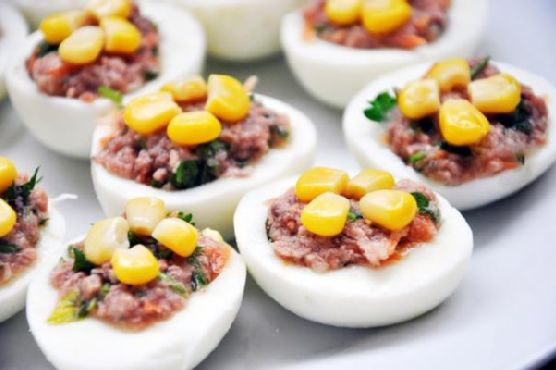
Last Tuesday, I found myself staring into the fridge at 6 p.m. with a growling stomach and no dinner plans. You know the feeling, right? That weeknight scramble where you’re just trying to conjure up something quick yet satisfying. Lucky for me, an almost forgotten can of tuna and some leftover boiled eggs saved the day. Enter these deliciously simple Tuna Stuffed Hard-Boiled Eggs—a perfect blend of creamy and tangy, ready in a flash and impressive enough that you might actually look forward to making them again. Whether you’re crafting a light lunch or a snack for a spontaneous get-together, these little bites are exactly what you need.

Jump to Recipe

What You’ll Need

The beauty here is that you probably have all these ingredients lounging in your kitchen. It’s a simple yet delightful list that packs a punch.

  • 6 hard-boiled eggs
  • 1 can of tuna, drained
  • 1/4 cup finely chopped onion
  • 1/4 cup grated carrot
  • 2 tablespoons chopped parsley
  • 1 tablespoon fresh lemon juice
  • 1/4 cup corn kernels for garnish

How to Make Tuna Stuffed Hard-Boiled Eggs

  1. Start by peeling those perfectly boiled eggs and slicing them in half lengthwise. Scoop the yolks into a bowl and place the whites on a plate.
  2. In the bowl with the yolks, add the drained tuna, chopped onion, grated carrot, parsley, and a squeeze of fresh lemon juice. Mash everything together with a fork until it’s well combined and creamy.
  3. Spoon or pipe the tuna mixture back into the egg whites, filling each hollow generously. You’ll want the filling to have a slightly mounded look.
  4. To finish, sprinkle the tops with corn kernels. They add a sweet pop and a dash of color—plus, who doesn’t love a little crunch?

Cook’s Notes

If you’re boiling the eggs specifically for this recipe, a 9-minute boil should give you that perfect firm yolk. To prevent overcooking them (nobody likes a green-tinged yolk!), immediately plunge them into an ice bath after boiling.

  • For a smoother filling, try blending the mixture in a food processor. It’s not necessary, but it adds a touch of elegance.
  • You can make the filling a day ahead—just store it in an airtight container in the fridge. Stuff the eggs just before serving for the freshest result.
  • Leftovers can be stored in the fridge for up to 2 days, but honestly, they’re so good, you probably won’t have any!

Make It Your Own

  • Swap the tuna for canned salmon or even shredded chicken for a different flavor profile.
  • Love a bit of heat? Add a spoonful of sriracha or a pinch of cayenne pepper to the tuna mixture for a spicy kick.
  • If you’re a fan of herbs, try swapping parsley for dill or basil for a fresh twist.
  • For added creaminess, mix in a tablespoon of mayo or Greek yogurt with the tuna filling.

If you try this, I’d love to hear how it turns out—drop a comment or tag me! These eggs might just become your new go-to when you’re in a pinch. Happy cooking!

Related update: Tuna Stuffed Hard-Boiled Eggs

Related update: Warm Spinach Artichoke Dip

Vietnamese Pancakes with Vegetables, Herbs and a Fragrant Dipping Sauce (Bánh Xèo) | Made by Meaghan Moineau

One Thursday evening, I found myself staring at my pantry, hoping for culinary inspiration to jump out at me. You know how it goes — those nights when you’re craving something more exciting than a sandwich but don’t want to spend hours in the kitchen. That’s when my memory flashed back to a street food adventure in Vietnam. I remembered devouring these crispy, savory pancakes called Bánh Xèo, filled with fresh veggies and a fragrant dipping sauce that tingled the senses. It was the perfect balance of crispy, soft, and tangy. So, I decided to recreate that magic. This recipe is both comforting and impressive without demanding too much of your time. Perfect for when you want to feel like you’ve traveled the world from your kitchen!

Jump to Recipe

What You’ll Need

Ever had one of those moments when you think you have nothing to cook, but then realize you actually have the makings of a feast? This is one of those recipes. Chances are you already have most of this in your kitchen, and the rest are worth adding to your pantry!

  • Brown rice flour – the backbone for a gluten-free batter.
  • Coconut milk – for that creamy texture and subtle sweetness.
  • Tamari sauce – adds depth to the dipping sauce.
  • Egg – helps bind the batter.
  • Sea salt
  • Turmeric – for color and a hint of earthiness.
  • Cayenne – just a pinch for a touch of heat.
  • Green fresh chili – adds freshness and zing.
  • Carrot, daikon radish, and snow peas – for the filling, adding crunch and nutrition.
  • Mung bean sprouts – because they make everything better.
  • Fresh basil, mint, and parsley leaves – an aromatic, herbal trio.
  • Trimmed enoki mushrooms – delicate and perfect for texture.
  • Garlic and fresh ginger – because no good dish is complete without them.
  • Red fresh chilies – for a spicy kick in the sauce.
  • Lime juice – lifts everything with its citrusy zest.
  • Rice vinegar – for a tang in the sauce.
  • Sesame oil – for richness in the sauce.

How to Make Vietnamese Pancakes with Vegetables, Herbs and a Fragrant Dipping Sauce (Bánh Xèo)

  1. Start by making the pancake batter: In a mixing bowl, whisk together the rice flour, egg, sea salt, turmeric, cayenne, and green chili. Gradually add the coconut milk, whisking as you go. Aim for a smooth, pourable consistency. If it’s too thick, a splash of water does wonders. Cover the bowl and set it aside to rest.
  2. Now, onto the sauce: Combine the tamari sauce, lime juice, rice vinegar, minced garlic, grated ginger, chopped red chilies, and a drizzle of sesame oil. Whisk until all the flavors meld together and set aside. This fragrant sauce will take your pancakes to another level.
  3. For the filling, mix the julienned carrot, daikon radish, thinly sliced green onions, chopped green chilies, and sliced snow peas in a bowl. In another bowl, gather the chopped fresh herbs and have the mung bean sprouts and enoki mushrooms ready to go.
  4. Time to cook the pancakes! Heat a teaspoon of sesame oil in a non-stick skillet over medium heat. Once hot, pour in about 1/2 cup of batter. Use the bottom of the ladle to spread it into a 6 to 8-inch circle. Cook for 6 to 8 minutes, waiting for small bubbles to pop and the edges to turn crispy and golden brown. Flip and cook the other side for another couple of minutes. Repeat with the remaining batter, keeping the cooked pancakes warm in a 150°F oven.
  5. To serve, layer a portion of the vegetable mixture and herbs on one half of the pancake. Drizzle with some sauce, fold the pancake over, and give it another light drizzle of sauce. Voilà, your culinary journey to Vietnam is served!

Cook’s Notes

Don’t rush the pancake batter; a little rest allows the flour to hydrate fully, giving you that perfect texture. When cooking the pancakes, medium heat is your best friend. Too high, and you’ll burn them before they’re cooked through. If making ahead, the batter can rest in the fridge for a few hours, just give it a gentle stir before using. Leftover pancakes are a treat; reheat them in a hot pan to regain the crispiness. The sauce and filling can be prepped in advance, making your cooking process even smoother.

Make It Your Own

  • Swap the enoki mushrooms for shiitake if you like a meatier texture.
  • Use crispy tofu instead of, or alongside, the veggies for a protein-packed version.
  • For a spicier kick, add an extra green chili or some Sriracha to the batter.
  • Play with the herbs: cilantro lovers, feel free to add it into the mix!

If you try this, I’d love to hear how it turns out — drop a comment or tag me! Making Bánh Xèo is like taking a mini vacation right from your kitchen. Enjoy every crispy, savory bite.

Related update: Vietnamese Pancakes with Vegetables, Herbs and a Fragrant Dipping Sauce (Bánh Xèo)

Related update: Grilled Chicken Hunter Style

Firefox adds free 50GB built‑in VPN | Analysis by Brian Moineau

A pleasant surprise in your toolbar: Firefox now has a free built‑in VPN with 50GB monthly data limit

Firefox just got a privacy upgrade that’s hard to ignore: a free, built‑in VPN that gives users up to 50GB of monthly traffic. This addition lands in Firefox 149 and is delivered as a browser‑level VPN — no separate app required — which makes privacy easier for casual users and gives power users another tool in their kit. (firefox.com)

Why this matters now

Browsers have become battlegrounds for user trust. As adtech and cross‑site tracking grow more sophisticated, companies like Mozilla are trying to regain ground by leaning into privacy features. Adding a built‑in VPN is a clear, visible signal: Firefox isn’t just blocking trackers — it’s offering to hide your IP and mask location from sites you visit. Mozilla’s rollout of this feature with Firefox 149 marks a shift from optional, paid VPN products toward making privacy a default, discoverable browser capability. (firefox.com)

  • It’s a browser‑only VPN — it protects web traffic inside Firefox, not all traffic on your machine. (ghacks.net)
  • The free tier caps usage at 50GB per month, enough for typical browsing, light streaming, and everyday anonymity. (firefox.com)
  • The rollout is phased by region, and account sign‑in may be required to track the 50GB usage. (firefox.com)

What Firefox’s built‑in VPN actually does

This is a browser‑level proxy that routes your Firefox web requests through Mozilla’s VPN backend, obfuscating your IP address and encrypting the connection between the browser and the VPN server. It’s not a system‑wide VPN, so apps outside Firefox (like games, email clients, or torrent clients) won’t use it. That makes it less of a catch‑all privacy tool, but also simpler and less intrusive for users who mainly want private browsing without installing extra software. (ghacks.net)

The practical tradeoffs:

  • Pros: Quick setup, no third‑party client, easy to toggle, and generous 50GB monthly allowance for a free offering. (firefox.com)
  • Cons: Browser‑only protection, potential performance variance depending on server load, and limitations compared with paid, system‑wide VPNs. (ghacks.net)

How Mozilla’s move fits the larger browser landscape

Mozilla isn’t inventing the wheel here — other browsers (Opera, Vivaldi, Brave) have offered integrated VPN/proxy features for years. But Mozilla brings something different: a long track record of privacy messaging and an independent non‑profit ethos that many users trust. That trust matters, because "free VPN" has a fraught history; shady providers have been caught collecting data or inserting trackers under the guise of privacy. Mozilla’s approach—integrated, account‑managed usage and transparency about how usage is measured—aims to avoid those pitfalls. (techradar.com)

At the same time, the move looks strategic. With Firefox’s global market share small compared to Chromium‑based rivals, a high‑profile privacy feature gives Mozilla a marketing hook to woo users who prioritize privacy but don’t want to fiddle with extensions or third‑party services. (techradar.com)

Practical tips if you want to try it

If you see the feature in your Firefox toolbar or settings, here’s how to treat it:

  • Sign in with your Mozilla account if prompted — the account tracks the 50GB allowance. (firefox.com)
  • Remember it’s browser‑only: if you need system‑level privacy (e.g., protecting a torrent client or a game), keep using a full VPN app. (ghacks.net)
  • Expect gradual rollout: not every Firefox 149 install will see the VPN right away; Mozilla is enabling it by region and in phases. (firefox.com)

Safety and privacy: what to ask before trusting any “free VPN”

A free VPN can be a huge convenience, but privacy is not just about a locked padlock icon. When evaluating the new Firefox option, consider:

  • Logging policy: what connection metadata is recorded and for how long? Mozilla has historically published transparency details for services; look for those statements. (theregister.com)
  • Who runs the servers? Some privacy services partner with third parties for infrastructure. Knowing the operator helps when assessing jurisdiction and data risks. (ghacks.net)
  • Is the protection audited? Independent audits and technical writeups increase confidence in a VPN’s claims. (theregister.com)

The user experience — a quick read

The beauty of a built‑in, browser‑level VPN is simplicity. Toggle it on, surf with a masked IP, and the browser handles the rest. For many users, that will be "good enough" privacy without extra installs or subscription signups. For power users, it won’t replace a full VPN, but it’s a welcome tool in the privacy toolbox. And the 50GB monthly cap is far more generous than many free VPNs’ paltry allowances, making the feature practical for real use. (firefox.com)

My take

Mozilla’s built‑in VPN is a smart, pragmatic step. It lowers the barrier to stronger browsing privacy and aligns with Firefox’s brand. It also signals a shift in how browsers compete: not just on speed or features, but on trust and default protections. If you’re an occasional user who wants better privacy without complexity, this is worth exploring. If your needs include system‑wide traffic or heavy streaming and downloads, keep a dedicated VPN on standby.

Sources


Related update: We recently published an article that expands on this topic: read the latest post.

Bucky Brooks’ Bold 2026 NFL Mock Draft | Analysis by Brian Moineau

A mock draft with teeth: why Bucky Brooks 2026 NFL mock draft 3.0 matters

If you’ve been following draft season, you know mock drafts are fun — and telling. Bucky Brooks 2026 NFL mock draft 3.0 flashes that mix of whimsy and sharp evaluation that turns casual water-cooler chatter into something closer to roster blueprints. In this version Brooks envisions a team outside the top 10 pouncing on edge menace Rueben Bain Jr., while the Kansas City Chiefs give Patrick Mahomes an explosive pass catcher. That pairing — a game-breaking defender sliding out of the top tier and a perennial contender addressing an immediate, obvious need — is what makes this mock worth unpacking.

The draft is theater, but it also reveals scouts’ thinking: who’s rising, who’s falling and how team priorities shift after the combine and pro days. Brooks’ third projection reflects the current draft narrative: a premium on edge rushers and boundary playmakers, with a thinner-than-expected group of unquestioned first-round tackles and wide receivers.

What Brooks’ third mock says about Rueben Bain Jr. and edge value

  • Rueben Bain Jr. keeps showing up in early-to-mid first-round scenarios because he brings rare power-plus-length traits and consistent production against top competition.
  • If Bain falls to a team outside the top 10, it signals two things: evaluators still worry about measurable quirks (arm length, agility testing) and teams with later picks are willing to prioritize high-upside pass rushers even if they risk a relative “reach.”

That dynamic is part of the reason Brooks’ projection — which places Bain in a spot where a contending franchise could take him — feels realistic. The edge market in 2026 looks top-heavy: a couple of surefire early locks, then a group of candidates with varying ceilings. A team landing Bain after the top 10 would be buying elite upside at a price that can change playoff trajectories.

Transitioning from defense to offense, Brooks’ mock also leans into the narrative that the Chiefs must re-stock Mahomes’ weapons.

Why the Chiefs adding a tight end makes sense in this mock

Brooks’ projection of the Chiefs picking a tight end to bolster Patrick Mahomes’ arsenal checks several boxes:

  • Mahomes is returning from an ACL recovery and the offense will benefit from perimeter and intermediate threats who can operate in the seams.
  • Travis Kelce’s future remains a storyline; whether he plays in 2026 or not, Kansas City needs vertical and matchup-capable pass catchers.
  • A tight end who can split the seam or stress linebackers creates matchup-driven read simplifications for Mahomes and offsets pressure on the wide receiver corps and running game.

Analysts across the mock-draft circuit have echoed similar logic: with Mahomes’ return and Kelce’s uncertain trajectory, the Chiefs should use premium picks to secure reliable targets who can produce early. The idea isn’t radical; it’s pragmatic roster management for a team in win-now mode.

Round 1 patterns to watch (what this mock highlights)

  • Edge rushers dominate conversations in the top half of the first round. Demand for pass rushers remains high because pressure wins playoff games.
  • Receivers and tight ends with explosiveness and contested-catch ability are getting pushed into the first round sooner than some expected.
  • Offensive line remains a need for many teams, but consensus first-round tackles are fewer; interior linemen may be undervalued in early projections.
  • Teams in the 11–20 range become draft-day sweet spots: they can land premium players who slip and still keep core starter timelines intact.

Brooks’ mock reflects these trends and helps explain why a player like Bain — a rotational game-changer at worst and an every-down terror at best — would be coveted by clubs willing to pounce when the board permits.

The Cowboys angle — stacking defense without surrendering offense

Across mocks, including those contemporaneous with Brooks’ work, the Cowboys repeatedly show up as a defense-first draftee. The logic is straightforward: when expensive offense pieces are already in place, teams with multiple early picks often double down on the defensive talent pool.

  • Adding two impact defenders in the first round accelerates a rebuild that needs immediate on-field improvement.
  • The Cowboys’ approach — fortify the trenches and edge, protect the secondary with length and athleticism — reflects a belief that defense creates more consistent win probability than splash offensive picks for certain roster windows.

Brooks’ third projection leans into that conservative, long-term construction philosophy while still acknowledging the value of explosive offensive playmakers elsewhere in the board.

How to read mock drafts like Brooks’ (a short guide)

  • Treat third mocks as snapshot updates, not gospel. They’re responses to combine results, pro days, and shifting team narratives.
  • Look for consensus trends across multiple mocks. If Bain, for example, appears in the 10–20 window across several analysts, that’s a stronger signal than a lone projection.
  • Pay attention to “fit” more than pure talent rankings. Teams draft for scheme compatibility and roster needs, not just the best player available.
  • Remember draft day trades. Many mocks assume no trades; a single move can cascade and re-order entire positional runs.

Those practices make consuming mock drafts less about who “wins” and more about what the market is pricing in.

My take

Bucky Brooks 2026 NFL mock draft 3.0 gives us both drama and a useful lens. The Bain storyline is the classic draft romance: a high-upside disruptor who could flip games and who might slip because of measurable concerns. The Chiefs picking a tight end is the pragmatic counterpoint — a contender using draft capital to protect a championship window.

Mocks are maps, not GPS. They help us see possible routes to the destination but don’t account for every detour. With the draft less than a month away and teams still refining visits and medicals, Brooks’ projection is a lively, defensible snapshot of how clubs might allocate value in 2026.

Sources


Related update: We recently published an article that expands on this topic: read the latest post.


Related update: We recently published an article that expands on this topic: read the latest post.

Cinnamon & Sugar Roasted Chickpeas | Made by Meaghan Moineau

Picture this: It’s a breezy Sunday afternoon, my playlist is on shuffle, and I’m craving something snacky yet a little indulgent. I open the pantry, and there they are, my trusty canned chickpeas staring back at me like they know they’re about to be transformed. Last week, I had a major kitchen mishap with a new bread recipe that turned out more like a weapon than a loaf, so today I’m sticking to something foolproof and fabulous—Cinnamon & Sugar Roasted Chickpeas. These little morsels are not only super easy to whip up, but they also bring that sweet, crunchy magic that’s like a hug for your taste buds, without any of the guilt. Plus, they make my whole kitchen smell like a cinnamon wonderland, which is a win-win for everyone involved.

Jump to Recipe

What You’ll Need

What’s great about this recipe is that you likely already have most of these gems hanging around in your kitchen. We’re talking pantry staples with a sweet twist!

  • 1 can of garbanzo beans (aka chickpeas)
  • 1 tablespoon olive oil
  • 1 tablespoon maple syrup
  • 1 teaspoon cinnamon
  • 1 tablespoon cane sugar

How to Make Cinnamon & Sugar Roasted Chickpeas

  1. First things first, preheat your oven to 425°F. Trust me, having it nice and hot is key for the perfect crunch.
  2. Line a baking sheet with parchment paper or a silicone mat. It makes cleanup super easy and keeps the chickpeas from sticking.
  3. Drain and rinse the chickpeas thoroughly. This is your chance to say goodbye to that canning liquid!
  4. Take two sheets of paper towels, lay one down, spread the chickpeas out, and use the other to gently pat them dry. You want them as dry as possible to achieve that crispy texture.
  5. While you’re drying, pick out any skins that have come loose. It’s not a big deal if you can’t get them all—just do your best!
  6. In a small bowl, mix the dried chickpeas with olive oil, maple syrup, and cinnamon until every little bean is well-coated and looking scrumptious.
  7. Spread the chickpeas on your prepared baking sheet in a single layer. Bake for 15 minutes, enjoy a dance break or clean up the kitchen.
  8. After 15 minutes, stir the chickpeas to ensure even baking. Return them to the oven, baking in 3-4 minute increments until they’re beautifully browned and dried to your liking. Remember, the longer they roast, the crunchier they’ll get, but keep an eye out to prevent burning.
  9. Once out of the oven, let them cool for a bit. Then, sprinkle the cane sugar over them while they’re still warm but not hot. Toss them gently to coat.
  10. Now, dig in and enjoy these delightful nuggets of crunchy sweetness!

Cook’s Notes

If you’re anything like me, you’ll want to store these in an airtight container if they last longer than a day (spoiler: they might not!). They generally stay fresh and crunchy for a couple of days, but after that, they tend to soften up. No worries though—they’re still tasty! For the impatient snackers, remember the necessity of drying the chickpeas; moisture is the enemy of crunch. Also, I wouldn’t recommend skipping the parchment paper unless you want a sticky mess on your hands.

Make It Your Own

  • Feeling spicy? Add a pinch of cayenne pepper to the mix for a sweet and spicy combo that’ll keep you on your toes.
  • Swap the maple syrup for honey if you’re after a deeper, richer sweetness.
  • Use coconut oil instead of olive oil for a subtle tropical twist that pairs beautifully with the cinnamon.
  • For a festive flair, sprinkle a bit of nutmeg or pumpkin pie spice into the mix. Hello, holiday vibes!

If you try this, I’d love to hear how it turns out—drop a comment or tag me in your snack-tastic creations! Your oven and chickpeas await, my friend. Snack on!

Related update: Cinnamon & Sugar Roasted Chickpeas

Related update: Tuna Stuffed Hard-Boiled Eggs

Volkanovski Demands Real Test from Evloev | Analysis by Brian Moineau

Hook: No excuses, no reruns

Alexander Volkanovski doesn't want any excuses when he faces Movsar Evloev. That sentence lands heavy because it speaks to more than a matchup — it’s a demand for clarity, for validation, for a fight that settles debate instead of dodging it. After Evloev’s hard-fought win over Lerone Murphy and the continued chatter about matchmaking, Volk’s message is simple: don’t bring smoke and mirrors; bring the real test.

Why this matchup matters

The featherweight picture has felt like a slow-burn drama for a while. Volkanovski — the relentless, cerebral champion who has beaten elite names and kept reinventing himself — has never been interested in easy narratives. Movsar Evloev arrives with an unblemished record, a methodical chain-wrestling base and an ability to smother momentum. That style has driven critics to ask whether Evloev is the kind of fighter who “makes” champions look a certain way, or whether he’s the kind of challenge that actually elevates them.

Volkanovski’s comment followed Evloev’s recent win over Lerone Murphy, a bout that reminded fans how different stylistic matchups can dominate the storyline. Evloev’s performance renewed his claim for a title shot, and Volk’s insistence that he wants Evloev next signals a willingness to settle the stylistic argument head-on. (Sources: MMA News, AS.)

The stylistic conundrum

  • Evloev’s toolkit: compact, positionally dominant wrestling, clutch control and enough striking to make you pay if you panic.
  • Volkanovski’s toolkit: nonstop pressure, scrambling savvy, elite fight IQ and the ability to adapt mid-fight.

On paper, that reads like a chess match with real punches. The debate around Evloev often centers on entertainment value — some fans and pundits call his style “boring” or “clinical” — but Volkanovski’s point cuts deeper: if you get booked to challenge the champ, don’t make excuses about style preventing a decisive contest. Fight like you believe you can win, not like you’re trying only to tilt an agenda.

What happened vs. Lerone Murphy — and why Volk took notice

In his win over Lerone Murphy, Evloev leaned into the parts of his game that have produced success: control, cage placement and grinding away opportunities for short, explosive moments. Murphy is a dynamic striker with pop and timing; the way Evloev navigated that bout suggested he’s comfortable dictating pace and neutralizing flashes of risk.

Volkanovski watched that and saw two things: one, Evloev is for real as a No. 1 contender; and two, if Evloev chooses to play that exact script against Volk, it could create talking points after the fact that obscure the truth. Hence the plea: show up to fight, not to check a box.

The champion’s perspective: legacy and legitimacy

Volkanovski isn’t just aiming to pad a résumé. He’s thinking legacy. He’s talked before about wanting the biggest plausible tests, the fights that history remembers. Beating an undefeated contender with a distinctive style would add to the narrative that Volk’s reign isn’t just sustained by avoidance of threats, but by confronting them directly.

There’s also a promotional reality: not every fight that makes sense competitively is an easy sell commercially. Names like Jean Silva have flash and fan appeal, and the UFC’s matchmaking calculus is never purely athletic. Volk’s public insistence nudges that calculus: if he’s willing to face Evloev, the onus shifts to the promoters to make it happen — or to explain why they won’t.

Possible outcomes and stylistic keys

  • Evloev controls range and pace: Expect lots of clinch work, takedown attempts and positional scrambles. If Evloev successfully converts control minutes into top-heavy dominance, decisions or late finishes are possible.
  • Volkanovski imposes pressure and pace: Volk can disrupt Evloev’s rhythm by turning scraps into frantic, explosive exchanges where his cardio and adaptability shine.
  • The middle ground: both men adjust. This is the most intriguing scenario — technical chess turning into sudden violence. It’s also the most satisfying for neutral fans.

Either way, the fight is compelling because it’s not a mirror match. It’s a stylistic collision that forces each man to solve problems he hasn’t fully been tested on against the other.

Fan expectations and the entertainment question

Here’s the rub: some fans care most about fireworks; others about the “who’s best” ledger. Evloev’s measured approach frustrates highlight-hungry viewers, while purists applaud his efficiency. Volkanovski’s stance reframes the conversation — he’s not asking for a dance-off, he’s asking for an honest fight where the outcome can be debated on merit, not process.

That matters in a sport that thrives on both narrative and spectacle. A clean, competitive fight between Volk and Evloev would satisfy both camps: it would either validate Evloev’s rise or reinforce Volkanovski’s adaptability, and it would do so without the familiar caveats.

The wider implications for the division

If the UFC books Volkanovski vs. Evloev, the winner likely becomes the face of featherweight for the next stretch, shaping matchmaking and title defenses. A Volk win over an undefeated Evloev adds a historic notch to his belt; an Evloev win upends expectations and forces the champion to chase him. Beyond rankings, the fight would influence how styles are valued — whether grinding mastery or dynamic aggression earns priority in future matchmaking.

Transitioning from that, the mental game also matters: fighters who refuse to offer excuses tend to be the ones who define eras. Volkanovski is signaling he wants a definitive era.

My take

This isn’t just a belt-versus-belt scenario (yet) — it’s a moment that could either quiet the stylistic naysayers or amplify them. Volkanovski’s insistence that there be “no excuses” is a welcome stance in a sport where narrative can sometimes outpace results. Put two top-tier fighters in the Octagon with everything on the line and let the conclusion speak for itself.

Final thought: a fight that settles questions is a gift to the sport. Whether the UFC listens and makes it happen is another story. Either way, the public position Volkanovski has taken shows a champion determined to defend more than a title — he wants his legacy free of caveats.

Sources

Mini Spinach and Feta Quiches | Made by Meaghan Moineau

So there I was, staring at the contents of my fridge, wondering how I could whip up something that felt more like a brunch celebration and less like a “what’s-left-in-the-fridge” scramble. It was one of those days when you crave something cozy yet impressive, especially when your best friend calls and says she’s popping over in half an hour. Enter: Mini Spinach and Feta Quiches. They’re this magical combination of simplicity and elegance, bursting with savory flavors and just the right amount of cheese. Plus, they bake up quickly, so you can spend more time chatting and less time cooking. Trust me, these little quiches are worth every moment spent waiting for them to puff up in the oven. Perfect for a casual get-together or a solo treat with a cup of coffee.

Jump to Recipe

What You’ll Need

What’s great about these quiches is that they’re made with ingredients you probably have on hand or are easy to grab on a quick grocery run. Here’s the lineup:

  • Eggs – because what is a quiche without eggs?
  • Half-and-half – for that creamy, luscious texture.
  • Garlic – a subtle kick with lots of flavor.
  • Frozen spinach – convenient and just right for this dish.
  • Onion – for a touch of sweetness and depth.
  • Basil – fresh and aromatic, a lovely herbaceous note.
  • Low-fat shredded cheddar cheese – because cheese is life.
  • Feta cheese – tangy, crumbly, and oh-so-delicious.
  • Salt and pepper – essential for balancing flavors.

How to Make Mini Spinach and Feta Quiches

  1. Preheat your oven to 375°F (190°C). This is your time to collect your thoughts and maybe sip on some coffee, knowing deliciousness is coming soon.
  2. Set a large skillet over medium heat and coat it well with olive oil spray. Wait until the oil shimmers like a little lake under the sun.
  3. Add the garlic. Stir it around for about 30 seconds, just until it releases that irresistible aroma. No burnt garlic here!
  4. Add the chopped onion with a sprinkle of salt and pepper. Turn the heat up slightly to medium-high and cook, stirring often, until the onion turns a light golden brown.
  5. Now, fold in the spinach, chopped basil, and another pinch of salt and pepper. Lower the heat to medium and let it all mingle for about 10 to 15 minutes, stirring occasionally. Taste and adjust the seasoning if needed.
  6. Meanwhile, in a large bowl, whisk together the eggs, feta cheese, half-and-half, some more salt and pepper. Make sure it’s well blended, like a team of flavors ready to win.
  7. Spray your mini muffin pans generously with more olive oil spray. You don’t want any quiches sticking around here when it’s time to serve.
  8. Distribute the spinach mixture evenly among the muffin cups, about a tablespoon each. Follow this up with a tablespoon of the egg mixture in each cup.
  9. Bake in your preheated oven for 15 minutes, until the edges start to set and the tops look a little puffy.
  10. Pull out the pans and sprinkle each quiche with a touch of reserved shredded cheddar. Pop them back in the oven for about 5 more minutes, until the cheese on top is a beautiful golden brown.
  11. Let them cool slightly before serving. They’re delightful warm or at room temperature, with the flavors singing together perfectly.

Cook’s Notes

These quiches are ultra flexible, which is what I love most about them. You can make them a day ahead if you’re planning for a brunch or party. Just store them in an airtight container in the fridge and reheat gently in the oven or microwave. They stay good for about 3 days, though they rarely last that long at my house!

  • Don’t overfill the muffin cups. The filling puffs up a bit during baking, so leave a little space to avoid spillage.
  • If you’re chopping onions and they make you cry, try chilling them in the fridge for a bit beforehand. It helps, promise!

Make It Your Own

  • Protein Punch: Swap out the spinach for sautéed mushrooms and add some cooked, crumbled bacon for a heartier bite.
  • Spice it Up: Sprinkle a little smoked paprika or cayenne into the egg mixture for an unexpected kick.
  • Go Green: Use kale or Swiss chard instead of spinach for a different leafy green vibe.
  • Cheese Swap: Try sharp cheddar or even a nutty Gruyère if you’re out of feta. It’ll change the flavor profile in the best way.

If you try this, I’d absolutely love to hear how it turns out — drop a comment or tag me! May your kitchen be filled with the aroma of baking goodness and the satisfaction of a job deliciously done. 🍴✨

Related update: Mini Spinach and Feta Quiches

Baked Caramel Custard | Made by Meaghan Moineau

It was one of those chilly evenings when the wind seemed to sneak its way into my kitchen despite all the windows being tightly shut. I had a craving for something sweet but not overly indulgent, the kind of dessert that feels luxurious without leaving you with a sugar hangover. Rummaging through my pantry and fridge, I realized I had everything I needed to make this Baked Caramel Custard. It’s one of those recipes that sounds fancy enough to impress but is simple enough to whip up on a weeknight. A little bit of whisking, a touch of caramelizing, and you’ve got yourself a smooth, silky dessert that hits the spot.

Jump to Recipe

What You’ll Need

Trust me, you might already have most of these ingredients lounging around in your kitchen. Here’s what you’ll need to gather:

  • Egg substitute
  • 1 egg yolk
  • Evaporated skim milk
  • Port wine
  • Skim milk
  • Sugar plus extra for caramelizing
  • Vanilla extract

How to Make Baked Caramel Custard

  1. First things first, preheat your oven to 350 degrees. Your kitchen will be all toasty and inviting in no time.
  2. In a heavy saucepan, scald the evaporated skim milk and skim milk together. You’ll want to heat them until tiny bubbles form around the edge — don’t let it boil!
  3. Now, let’s get caramelizing. In a skillet over medium heat, let the extra sugar melt until it becomes a golden brown liquid, like liquid gold. Keep an eye on it so it doesn’t burn.
  4. Slowly add your scalded milk to the caramel. Stir constantly until the sugar is completely dissolved. The mixture will bubble and foam a bit, just keep stirring until it calms down.
  5. In a medium bowl, beat together the egg substitute and egg yolk until they’re a lovely lemon color. This is where the magic begins!
  6. Pour the milk mixture into the bowl with the eggs. Add in the port wine and vanilla extract, mixing until smooth and well combined.
  7. Divide this creamy dream into six custard cups. Place the cups in a baking dish, then pour boiling water into the dish until it reaches halfway up the sides of the cups.
  8. Bake the custard in the oven for about 35 to 40 minutes. You’ll know it’s done when you give a little jiggle to the cups, and the centers just barely wobble.
  9. Remove the custard cups from the oven and let them cool completely in the refrigerator. Patience is key here — you want them nice and chilled.
  10. When ready to serve, place a dessert plate on top of each custard cup, then boldly invert. The custard should slide out with a little coaxing, revealing its luscious caramel top.

Cook’s Notes

Want to make this ahead of time? You totally can! This custard keeps well in the fridge for up to two days, which makes it a perfect make-ahead dessert for entertaining. Just remember to pop them out of their cups right before serving. And hey, don’t rush the caramelizing process — it’s tempting to crank up the heat, but slow and steady wins the race here. If your caramel seizes up when you add the milk, just return it to the heat and stir until smooth.

Make It Your Own

Feel like switching things up? Here are a few variations to try:

  • Swap the port wine for a splash of rum for a slightly different boozy note.
  • For a non-alcoholic version, omit the port wine and add a teaspoon of orange zest for a citrusy kick.
  • Use whole milk instead of skim for a richer custard if you’re feeling indulgent.
  • For a nutty twist, sprinkle the top with toasted chopped hazelnuts before serving.

If you try this, I’d love to hear how it turns out — drop a comment or tag me on social media! Happy baking, and may your custard always be silky and your caramel perfectly golden.

Related update: Lemon Bars