Android Auto Fails on Pixel and Samsung | Analysis by Brian Moineau

When your phone won’t play nice with your car: Android Auto is breaking for Pixel and Samsung users, and no one knows why

I plugged my Pixel into the car expecting music, maps, and the usual morning calm. Instead, Android Auto froze, disconnected, and came back with the kind of shrug you get from a gadget that suddenly remembers it's on break. Android Auto is breaking for Pixel and Samsung users, and no one knows why — and that’s exactly the frustrating story many drivers are living through right now.

This isn’t a one-off glitch. Over the past few weeks users — especially those with Pixel and recent Samsung flagships — have reported Android Auto failing to connect or stay connected, with wired connections appearing most affected. The problem shows up in different ways: connections that drop after a minute, systems that refuse to launch unless the phone is unlocked, and sessions that flicker between wired and Bluetooth states without warning.

What’s happening and how it’s showing up in real life

  • Many users report wired connections failing to initialize or dropping shortly after starting, even though the phone charges and the head unit recognizes the cable.
  • Others see Android Auto refuse to launch unless they unlock their phone after plugging it in — a change that broke a previously smooth, one-step experience.
  • Wireless sessions aren’t immune: some folks see frequent disconnects or intermittent audio and navigation loss when using wireless Android Auto.
  • Reports are concentrated among Pixel and Samsung devices, but anecdotes from other Android phones exist, making this feel broader than a single OEM bug.

The details matter because they hint at where the problem might live: USB negotiation, power-management rules, or interactions between OEM software layers (like One UI) and Google’s Android Auto stack. Some users point fingers at recent system updates. Others suspect the Android Auto app or underlying Google Play Services changes. But there’s no single confirmed cause yet.

Android Auto is breaking for Pixel and Samsung users — why this matters

We tend to treat phone-car integration as boring infrastructure: it should just work. When it doesn’t, the consequences are immediate and irritating.

  • Safety and convenience degrade: rerouting to a separate phone app, manually mounting a device, or relying on voice prompts that lag all reduce driving comfort and can be distracting.
  • Owners of newer phones feel cheated: flagship devices that cost a lot should at least pair reliably with a car made months or years ago.
  • For people who rely on Android Auto for navigation and hands-free messaging during work commutes, the bug breaks workflow and can feel like a step backward.

Because wired connections often carry audio, data and power, a failure there leaks into the whole user experience. It’s not just a fleeting annoyance; it’s an everyday disruption.

Theories, patches, and the messy middle ground

Right now, the community has cobbled together a set of plausible explanations — none definitive.

  • USB handshake or USB audio negotiation: some reports say the USB negotiation between head unit and phone fails, which would cause wired sessions to drop after a short timeout.
  • Power and wireless stacks: other posts suggest aggressive power-management on newer Android builds suspends Wi‑Fi or Bluetooth modules in a way that kills Android Auto’s wireless sessions.
  • App or service updates: Android Auto and Google Play Services can push updates independently; when one piece changes and the others don’t, compatibility problems result.
  • OEM firmware layers: Samsung’s One UI and Google’s Pixel software add custom layers that sometimes alter default behaviors, and those layers can interact unexpectedly with car systems.

Manufacturers and Google have not published a broad, public root-cause statement as of this writing, which leaves users guessing. In the meantime some people find partial relief by rolling back updates, trying different USB cables, or toggling Wi‑Fi/Bluetooth and app permissions. Those are stopgaps, not solutions.

Practical steps if Android Auto breaks for you

  • Try a different high-quality USB-C cable (short, well-made cables often matter).
  • Clear cache and data for Android Auto and related services; then reboot the phone.
  • Make sure Android Auto, Google Play Services, and Maps are up to date.
  • Test with wireless Android Auto if wired fails, and vice versa — sometimes one mode behaves better.
  • If Android Auto won’t start while the screen is locked, try unlocking the phone after plugging it in; annoying, but sometimes necessary.
  • Report the issue with detailed logs to Google and your OEM’s support (phone model, Android version, car/head unit model, wired/wireless). The more systematic reports they get, the faster an investigation can start.

These tips come from the usual troubleshooting playbook, but they’re worth trying because they’re low-effort and sometimes effective.

What companies have said — and what they haven’t

So far there’s no single official patch-note that reads, “We fixed connectivity issues affecting Pixels and Samsung phones.” Coverage from outlets tracking the situation shows that affected users are plentiful, and manufacturers are investigating. But public, authoritative communication has been sparse.

That gap matters. When a large swath of users is disrupted, an official acknowledgement and a clear timeline for a fix would calm things down. Companies can’t always reveal internal details, but basic transparency — “we’re looking into reports and expect a fix in this timeframe” — helps cut down the rumor mill.

A closer look at the ecosystem dynamics

This problem highlights a broader truth: our cars increasingly depend on a fragile chain of compatibility between phone OS updates, vendor UI layers, app updates, and legacy head units in millions of vehicles.

  • Phone manufacturers push updates to improve security and features.
  • OEM software tweaks behavior (power, USB handling) for battery and privacy reasons.
  • Automakers and third-party head units often move slowly on firmware updates.
  • Android Auto acts as the translator. When any link mutates, the chain strains.

That’s why a software update that improves battery life or security on a phone can — unintentionally — break an otherwise stable car integration scenario. It’s a reminder that our devices live in systems, not in isolation.

My take

I’m sympathetic to engineers juggling security, battery, and new features on one side and a giant field of older, diverse car head units on the other. But that doesn’t excuse the poor user experience. We need quicker feedback loops: phone makers and Google should treat important connectivity features like critical infrastructure. That means timely fixes and clearer communication.

For now, if your Pixel or Samsung phone is misbehaving with Android Auto, document it, try the practical workarounds above, and nudge support channels with specifics. The silver lining is that when enough users report a problem, updates tend to follow — even if the waiting is maddening.

Where I looked for answers

  • Android Authority — roundup of reported Android Auto and Pixel/Samsung connectivity problems.
  • Tom’s Guide and TechRadar — coverage of user reports and practical troubleshooting notes.
  • Community threads on Reddit and OEM support forums — ground-level symptom reports and user workarounds.

Sources


Related update: We recently published an article that expands on this topic: read the latest post.

Toyota’s $1B U.S. Boost: Jobs and Strategy | Analysis by Brian Moineau

Why Toyota’s $1 billion U.S. push matters — and what it signals for American manufacturing

Toyota to invest $1 billion to increase U.S. production in Kentucky, Indiana plants — that headline lands like a familiar drumbeat, but it’s worth listening to closely. Beyond the dollars, the move is a window into how the world’s largest automaker is balancing electrification, hybrid demand, political pressure to reshore, and the economics of making cars in America. This post unpacks the news, the context, and what it could mean for workers, communities, and the broader auto market.

A quick snapshot of the announcement

  • Toyota said it would invest roughly $1 billion to expand production at its Kentucky and Indiana plants as part of a broader commitment to boost U.S. manufacturing.
  • The investment is tied to Toyota’s multi-pathway approach: increasing hybrid capacity now while preparing for more battery-electric vehicle (BEV) production over time.
  • The move sits alongside a larger pledge — Toyota announced plans to invest up to $10 billion in U.S. manufacturing over the next five years — and a string of other recent investments in U.S. battery and assembly operations. (Sources below.)

Now let’s zoom out and connect the dots.

The bigger picture: why Toyota is accelerating U.S. plant investments

There are at least three big forces pushing Toyota’s decision.

  • Demand dynamics. Hybrid vehicles still command strong buyer interest in the U.S., and Toyota leads in hybrid tech. Investing in U.S. plants to increase hybrid production shortens supply chains and helps meet local demand faster.
  • Policy and geopolitics. Governments on both sides of the Pacific have nudged automakers toward local production and domestic battery supply, from tax credits to trade rhetoric. A visible U.S. footprint helps Toyota remain aligned with incentives and reduce tariff or political risk.
  • Long-term electrification strategy. Toyota’s “multi-pathway” approach — investing in hybrids, BEVs, hydrogen, and battery tech — requires flexible, modernized plants. Some of the funds go to retooling and capacity that can serve hybrid and future electrified models.

Transitioning into electrification while keeping hybrids competitive is an expensive balancing act. The $1 billion is one piece of that puzzle.

What this means for Kentucky and Indiana

  • Job stability and creation. Expansions typically bring both direct manufacturing hires and upstream supplier work. Communities that host Toyota plants can expect a short-to-medium-term boost in economic activity.
  • Plant evolution. Facilities in Kentucky and Indiana have already received substantial past investments; this new money will often target hybrid assembly lines, powertrain machining, paint and body upgrades, and battery pack assembly lines. That makes the plants more flexible for different vehicle architectures.
  • Local economies. Increased plant investment tends to ripple outward — local suppliers, logistics, and service sectors often see gains. State and local governments usually support these moves with tax incentives or workforce training programs.

Yet it’s not an automatic win. Automation trends mean that not every dollar translates into proportionate new hiring, and the type of skills required is shifting toward electrified systems and software.

How Toyota’s strategy differs from rivals

Many automakers have publicly committed massive BEV build-outs. Toyota, by contrast, has been more cautious with an explicit multi-pathway stance. Two differences stand out:

  • Hybrid-first emphasis. While players such as Ford, GM, and Hyundai have accelerated pure BEV programs, Toyota continues to view hybrids as a transitional technology with sustained market demand — hence investment in hybrid capacity at U.S. plants.
  • Measured BEV expansion. Toyota has invested in large U.S. battery facilities and BEV assembly plans, but it hasn’t pivoted overnight. The company is layering BEV investments (battery plants, new assembly lines) on top of expanding hybrid production.

That hedging may feel conservative — but it reduces exposure to a single technological bet as consumer adoption and battery supply chains continue evolving.

Risks and open questions

  • Timing and execution. Announcing dollars is one thing; getting lines retooled, suppliers aligned, and product ramped is another. Delays or cost overruns could blunt the impact.
  • Labor dynamics. Automakers are modernizing plants with more automation; the jobs added may be fewer or require different skills than traditional assembly roles. Workforce training will be pivotal.
  • Market shifts. If BEV adoption accelerates faster than expected, investments tilted toward hybrids could lose value; conversely, if hybrids remain dominant in many buyer segments, Toyota’s emphasis could pay off handsomely.

These uncertainties make each investment a strategic bet, not just an economic one.

Toyota to invest $1 billion to increase U.S. production in Kentucky, Indiana plants — a closer read

This specific $1 billion move is best viewed as tactical within a far larger playbook. It strengthens Toyota’s near-term ability to supply the U.S. market with electrified vehicles that consumers are still buying today (hybrids), while keeping the door open to scale BEV production as battery supply and customer adoption mature.

  • It reduces logistics friction by localizing production.
  • It signals to policymakers and consumers that Toyota is committed to U.S. manufacturing.
  • It preserves product flexibility at key North American plants.

Taken together, the dollars both respond to immediate market needs and buy Toyota time to execute longer-term electrification goals.

My take

Automotive transitions are multi-decade endeavors, not quarterly decisions. Toyota’s latest investment is pragmatic: it shores up capacity where demand exists today while continuing to lay groundwork for tomorrow’s BEV reality. Economically, it’s smart risk management. Politically and socially, it helps anchor manufacturing jobs in U.S. communities that have been partners for decades.

For the regions involved, the announcement is welcome news — but communities, workers, and policymakers will need to push the conversation beyond headlines. Workforce training, supplier development, and local infrastructure planning will determine whether the investment translates into durable prosperity.

Final thoughts

The headline — Toyota to invest $1 billion to increase U.S. production in Kentucky, Indiana plants — captures the money, but the more interesting story is strategy. Toyota is threading a needle: scaling hybrids now, investing in batteries and BEVs for the future, and doing both on U.S. soil. That layered approach won’t satisfy every investor or activist, but it reflects a company trying to manage technology risk, political realities, and market demand all at once.

If the past few years taught us anything, it’s that the auto industry will continue changing fast. Bets like this one reveal which way the wind is blowing — and which communities might ride it.

Sources


Related update: We recently published an article that expands on this topic: read the latest post.



Related update: We recently published an article that expands on this topic: read the latest post.

Related update: We recently published an article that expands on this topic: read the latest post.

Related update: We recently published an article that expands on this topic: read the latest post.

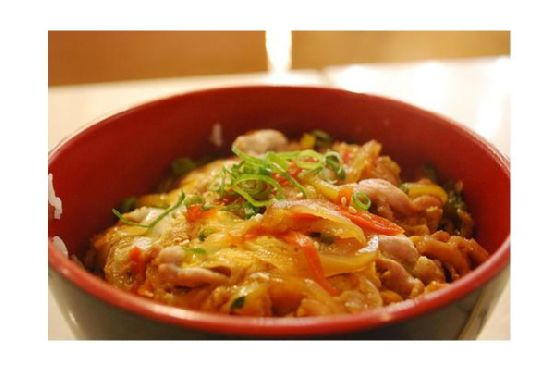
Japanese Chicken Donburi | Made by Meaghan Moineau

It was one of those evenings where the fridge seemed to be giving me the silent treatment—half-empty, a bunch of odds and ends staring back at me. I was craving something warm and comforting, but not the usual suspects. Enter: Japanese Chicken Donburi. It’s the kind of dish that feels luxurious but is secretly a weeknight warrior, ready in under 30 minutes. Plus, it’s a one-pan wonder, which means less time scrubbing pots and more time enjoying a cozy meal. The mix of tender chicken, silky eggs, and a touch of soy sauce can turn any ordinary evening into a mini celebration. Spoiler: It’s about to become your new dinner staple.

Jump to Recipe

What You’ll Need

Here’s the kicker—chances are, you’ll find most of these ingredients in your kitchen already. This recipe is all about bringing simple items together for a meal that’s anything but ordinary.

  • 2 tablespoons salad oil
  • 1 small onion, chopped
  • 1 tablespoon fresh ginger, minced
  • 2 cups **fat-skimmed chicken broth**
  • 2 tablespoons **soy sauce**
  • 1 tablespoon sugar
  • 1 pound **boned, skinned chicken breast**, cut into bite-size pieces
  • 4 cups baby spinach leaves
  • 4 large eggs
  • 2 cups **cooked rice**
  • 1 **diced roma tomato**

How to Make Japanese Chicken Donburi

  1. In a deep 10-inch or 12-inch frying pan over high heat, stir the salad oil, onion, and ginger until the onion is lightly browned and fragrant, about 2 minutes.
  2. Add the chicken broth, soy sauce, and sugar to the pan. Stir until the sugar dissolves.
  3. Gently introduce the chicken pieces to the pan. Bring the mixture to a boil, ensuring the chicken is cooked through yet tender.
  4. Add the baby spinach on top, cover the pan, and cook until wilted, about 1 minute.
  5. While waiting, beat the eggs in a small bowl until blended.
  6. Reduce the heat to low. Evenly distribute the mixture in the pan and pour in the eggs. Use a spatula to nudge the vegetables and chicken slightly so the egg can seep through the sauce.
  7. Cover and cook until the eggs are softly set, about 2 to 2 1/2 minutes.
  8. Spoon the cooked rice into bowls, creating a cozy bed.
  9. Top each bowl with the egg-spinach mixture, making sure to include some of that savory sauce.
  10. For a fresh finish, sprinkle the diced roma tomato over each serving.

Cook’s Notes

This dish is a dance of flavors and textures, and it’s pretty forgiving. If you like your eggs a little firmer, let them cook just a bit longer under the lid. And if you’re making this ahead, store the components separately; the rice, chicken, and egg mixture will keep well in the fridge for up to two days. When you’re ready to enjoy, just heat them up and assemble. A quick note: If your chicken pieces are on the thicker side, make sure they’re cooked through by cutting into the largest piece to check.

Make It Your Own

Consider these variations to fit your mood or what you have on hand:

  • Swap the **chicken** for crispy tofu to keep it vegetarian but still satisfying.
  • Use **quinoa** instead of rice for a protein-packed twist.
  • For a spicier kick, mix a bit of **sriracha** into the broth before adding the chicken.
  • Replace **baby spinach** with bok choy for a more traditional touch.

If you try this, I’d love to hear how it turns out — drop a comment or tag me! Cooking is about creativity and connection, and I’m excited to see how Japanese Chicken Donburi finds a spot at your table. 🍚🥢

Related update: Japanese Chicken Donburi

Related update: Vietnamese Pancakes with Vegetables, Herbs and a Fragrant Dipping Sauce (Bánh Xèo)

Related update: Oxtail Ragout

Darling’s Buzzer Beater Sends St. John’s | Analysis by Brian Moineau

A buzzer beater that rewrote a 27-year script

Dylan Darling hit a driving layup at the buzzer — his only basket of the game — and with that single, decisive act St. John’s sent the Red Storm back to the Sweet 16 for the first time since 1999. It was the kind of March Madness moment that feels both improbable and inevitable: a player who’d struggled all night collecting himself, taking the shot he’d called for himself, and flipping a frantic game into legend.

There was more than drama on the line. St. John’s blew a 13-point lead in the final minutes, Kansas clawed back, and two Hall of Fame coaches — Rick Pitino and Bill Self — faced off in another chapter of college basketball history. In the end, it wasn’t the star-heavy stat line or the late free throws that decided the game. It was a gutsy decision and an old-fashioned finish.

What happened — the play, the comeback, the context

With 3.9 seconds left in a tie game, St. John’s had possession at midcourt. Dylan Darling, who had missed his first four field-goal attempts, decided he wanted the ball. He attacked the rim, banked a right-handed layup in — the only bucket he’d make all night — and was swarmed by teammates and fans as the final horn sounded.

Earlier, the Johnnies built a 13-point cushion, spearheaded by Zuby Ejiofor and Bryce Hopkins, each scoring 18 points. But late-game defense faltered, Kansas tightened the screws, and the momentum shifted hard. Still, when it mattered most, Pitino’s team made the play that counted.

This result sends St. John’s (30-6) into the Sweet 16 and marks a turning point for a program that has been rebuilding its national reputation under Pitino. For Kansas, a program used to deep tournament runs, the loss is another early exit that will invite questions about execution in pressure moments.

Why the finish matters beyond the highlight

  • It capped a narrative arc. St. John’s began the season with questions and has grown into a resilient, physical squad. Returning to the second weekend of the NCAA Tournament ends a drought that stretched back to the late 1990s.
  • It highlights team identity. The Johnnies’ season has been defined by defense, toughness, and complementary scoring. Darling’s heroics came after Ejiofor and Hopkins carried much of the load, showing the depth and buy-in of the roster.
  • It underscores the human element of March. Tournament basketball rewards confidence and decisiveness. Darling’s choice to “want the ball” despite cold shooting exemplifies the blend of bravado and belief that fuels postseason lore.

Darling’s shot: confidence over logic

Statistically, Darling had no business being the focal point at the end. He was 0-for-4 from the floor and had struggled to find rhythm. Yet he called for the play, attacked decisively, and used the element of surprise — and maybe a coach’s trust — to generate the game-winner.

That tension between form and faith is what makes moments like this addictive. Coaches will tell you to ride your hot hand; sometimes you ride the cold hand because the player displays poise. Pitino’s public praise afterward — amused and proud — captured that balance: a coach who trusts his players, even when the numbers argue otherwise.

The coaching subplot: Pitino vs. Self, generations and storylines

This matchup also offered a novelty: Rick Pitino and Bill Self, both Hall of Famers and long-time adversaries in the sport, squared off in March Madness for only the second time. The game felt like a passing-of-eras piece of theater — older, decorated minds coaching youthful, hungry rosters in a tournament where reputations are both used and remade.

Pitino’s St. John’s has steadily rebuilt credibility; this win fast-forwards the program’s narrative. Meanwhile, Kansas will have to recalibrate, asking how a late collapse and a buzzer-beater can be prevented next season.

Momentum and what comes next for St. John’s

Advancing to the Sweet 16 isn’t just a headline. It’s a recruiting boost, a program-defining weekend, and an emotional release for a fan base that has waited nearly three decades. The Red Storm now have a chance to prove this win wasn’t a singular moment but part of a sustainable rise.

That said, Sweet 16 matchups are pressure-cooker affairs. Opponents will study how St. John’s navigated late-game chaos and will test whether Darling’s heroics are repeatable clutch or a one-night miracle. The team’s interior strength with Ejiofor and the scoring of Hopkins give them a foundation, but consistency — especially in closing minutes — will be the true test.

Lessons from the chaos

  • Momentum can swing violently. A 13-point lead evaporated; timeout usage, fouling strategy, and defensive focus in the final minutes matter more than a lead’s size.
  • Leadership shows in unlikely ways. Darling’s willingness to take the decisive shot speaks to the culture Pitino has fostered: players confident to make decisions when the lights are brightest.
  • March rewards belief. Upsets and buzzer-beaters are not anomalies as much as they are the product of preparation matched with nerve.

Final thoughts

There’s a reason March Madness is shorthand for unpredictability. On any given night, the player with the quiet stat line can become the story’s center with a single play. Darling’s buzzer-beating layup will be replayed, GIF’d, and tattooed into the memories of St. John’s fans for years. But beyond the spectacle is a reminder: tournaments are built on moments of daring, and sometimes the bravest thing is to keep believing in yourself when the numbers say otherwise.

No matter how long a program waits, a single play can rewrite its narrative. For St. John’s, that rewiring happened in 3.9 seconds.

What to remember

  • St. John’s returned to the Sweet 16 for the first time since 1999.
  • Zuby Ejiofor and Bryce Hopkins each scored 18 points and anchored the game before Darling’s finish.
  • Dylan Darling’s driving layup at the buzzer was his only field goal of the night.
  • The win highlights team depth, coaching trust, and the mercurial magic of March.

Sources


Related update: We recently published an article that expands on this topic: read the latest post.


Related update: We recently published an article that expands on this topic: read the latest post.
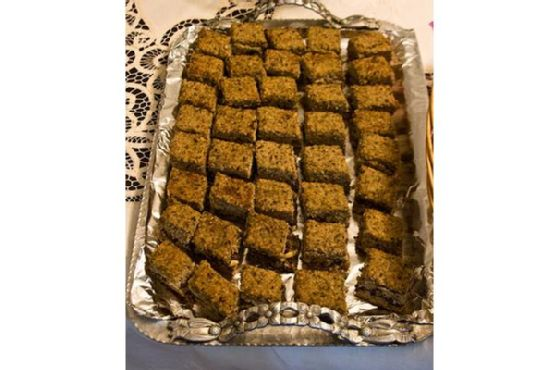
Lebanese Kibbeh | Made by Meaghan Moineau

It was one of those Wednesday evenings when the fridge was looking particularly uninspiring, and the clock was ticking towards dinner time. My mind was juggling between making something quick, comforting, and, above all, something that wouldn’t require a trip to the store. That’s when I decided to whip up some Lebanese Kibbeh. With its flavorful layers and aromatic spices, it’s like a warm hug on a plate — quick to assemble but impressive enough to make you feel like a culinary genius. Plus, the way the kitchen smells when the Kibbeh is baking — it’s like a magical invitation for everyone to gather around the table.

Jump to Recipe

What You’ll Need

This recipe is all about transforming simple pantry staples into something extraordinary. Chances are you already have most of these ingredients in your kitchen:

  • Bulgur wheat
  • Lean lamb or veal
  • Onion
  • Butter
  • Salt & fresh ground pepper
  • Sprig of mint
  • Oil
  • Pine nuts
  • Ground allspice
  • Greek yogurt
  • Garlic
  • Fresh mint for garnish

How to Make Lebanese Kibbeh

  1. Preheat your oven to 375°F. This way, it’ll be all set to go once your Kibbeh is assembled.
  2. Rinse the bulgur wheat in a sieve, giving it a good shake to remove excess moisture. You want it just damp enough to blend easily.
  3. In a large bowl, mix the lean lamb, onion, and a generous seasoning of salt and pepper. Roll up your sleeves and knead until you get a thick, cohesive paste.
  4. Add the rinsed bulgur wheat into this meaty mix and blend until it’s all one happy family.
  5. For the filling, warm up the oil in a frying pan over medium heat. Toss in the onion and cook until golden — your kitchen should start smelling amazing right about now.
  6. Add the lamb (or veal) to the pan, stirring occasionally until the meat is evenly browned. Mix in the pine nuts, allspice, and another hit of salt and pepper.
  7. Oil up a large baking dish and spread half of the lamb and bulgur mix over the bottom, pressing it down to form an even layer.
  8. Spoon the flavorful filling over this layer, then top it with the remaining lamb and bulgur mix. Press down firmly using the back of a spoon for a neat finish.
  9. Pour melted butter over the top. Trust me, this is the magic touch that will make the top irresistibly crispy and golden.
  10. Slide the dish into the oven and let it bake for 40-45 minutes, until the top is beautifully browned.
  11. While the Kibbeh bakes, whip up a quick yogurt dip by blending Greek yogurt with crushed garlic. Spoon it into a bowl and finish with a sprinkle of chopped mint.
  12. Once your Kibbeh is done, let it rest for a few minutes before cutting into squares or rectangles. Serve it up with the yogurt dip and garnish with fresh mint.

Cook’s Notes

Making Kibbeh is quite forgiving if you keep a few things in mind. First, if your bulgur wheat seems too wet, squeeze it out well; excess moisture can make the layers soggy. When layering in the baking dish, press down firmly to avoid any air pockets. If you’re making this ahead, you can easily assemble the dish a few hours earlier, refrigerate it, and pop it in the oven when you’re ready. Leftovers are delightful for lunch the next day — simply reheat in a low oven until warm.

Make It Your Own

  • Switch up the protein: Try using ground beef or turkey for a different twist on the classic.
  • Nutty variation: Substitute the pine nuts with chopped walnuts for a different crunch.
  • Spice it up: Add a pinch of cayenne pepper to the filling if you like a bit of heat.
  • Herbaceous twist: Mix in some chopped parsley or cilantro into the bulgur mix for extra freshness.

If you try this, I’d love to hear how it turns out — drop a comment or tag me on social media! Cooking is all about sharing the love, after all. Let me know what variations you come up with. Happy cooking!

Related update: Lebanese Kibbeh

Related update: Japanese Chicken Donburi

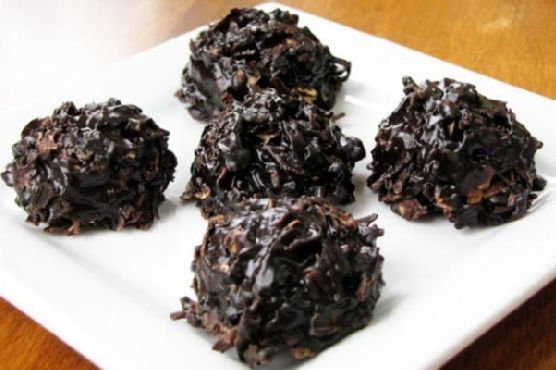
Xocai Oatmeal Dark Chocolate No-Bake Cookies | Made by Meaghan Moineau

There I was, staring into my pantry on a rainy Wednesday afternoon, feeling the familiar pang of craving something sweet but not wanting to turn on the oven. You know those days when you just need a chocolate fix without all the fuss? That’s when I remembered these delightful little bites of joy: Xocai Oatmeal Dark Chocolate No-Bake Cookies. They’re the perfect balance of chocolatey goodness and wholesome oats, plus a breeze to whip up. What’s not to love about a recipe that feels like a treat but is secretly kind of healthy?

Jump to Recipe

What You’ll Need

This ingredient list is all about simplicity and, chances are, you already have most of these hanging out in your kitchen. Here’s what you’ll need:

  • Butter substitute (for that creamy texture without the extra calories)
  • Xocai healthy chocolate nugget (the star of the show with its rich, dark chocolate flavor)
  • Oats (old-fashioned or quick oats both work perfectly)
  • Peanut butter (for that nutty, irresistible taste)
  • Soy milk
  • Sugar substitute (to keep things sweet but light)
  • Vanilla (a splash for that extra depth of flavor)

How to Make Xocai Oatmeal Dark Chocolate No-Bake Cookies

  1. In a medium saucepan, combine the butter substitute, Xocai chocolate nugget, oats, and peanut butter. Heat this mixture over medium heat, stirring gently to keep things smooth.
  2. Once everything is well-mixed and starting to melt together, increase the heat slightly and bring the mixture to a gentle boil. Keep stirring, and let it boil for five minutes. The mixture should become glossy and aromatic, like the best kind of hug in a pot.
  3. Remove the saucepan from the heat and stir in the soy milk, sugar substitute, and vanilla. This is where the mixture starts to transform into cookie magic.
  4. Finally, fold in the remaining Xocai chocolate nugget pieces. You want them to stay somewhat intact for that delightful chocolate burst in every bite.
  5. Spoon the mixture onto wax paper or foil, allowing the cookies to cool and harden. They’ll set as they cool, becoming perfectly chewy and rich.

Cook’s Notes

These cookies are incredibly forgiving, but here are a few tips to make them extra perfect:

  • Make sure to stir constantly while boiling; this prevents the mixture from sticking to the pan or burning.
  • If the cookies aren’t hardening, pop them in the fridge for a quicker set.
  • Store the cookies in an airtight container at room temperature for up to a week, but I bet they won’t last that long!

Make It Your Own

  • Swap the peanut butter for almond or cashew butter for a different nutty twist.
  • Use almond milk instead of soy milk if that’s what you have on hand.
  • Add a handful of shredded coconut to the mix for a tropical flair.
  • Try adding a pinch of sea salt on top before they set for a sweet and salty combo.

If you try this, I’d love to hear how it turns out — drop a comment or tag me! There’s nothing better than sharing these little pieces of happiness with you all. Happy no-baking!

Related update: Xocai Oatmeal Dark Chocolate No-Bake Cookies

Related update: Cinnamon & Sugar Roasted Chickpeas

Google Messages’ Quiet, Useful Upgrades | Analysis by Brian Moineau

What’s new with Google Messages this March?

The headline you’ve probably seen — What new Google Messages features are rolling out [March 2026] – 9to5Google — captures exactly the slow, tease-y way Google ships changes to its messaging app. Google Messages for Android keeps evolving, and this March’s rollouts feel less like a single “big bang” update and more like a steady stream of practical additions that quietly make conversations better. In this post I’ll walk through the most useful changes, why they matter, and what this incremental approach says about Google’s strategy for RCS and SMS messaging. (9to5google.com)

Fresh features you might already have (or will see soon)

  • Real-time location sharing inside conversations — Google is adding a robust location-sharing flow so you can share your live location directly in a Messages chat for a set time, and stop sharing whenever you like. This ties into Google’s broader “Find Hub” capabilities and feels like closing a long-standing gap versus dedicated apps. (androidauthority.com)

  • @mentions for group chats — Finally: you can flag a particular person in group texts so they get pinged even if they’ve muted that conversation. It’s small, but in active groups this reduces the “who was that for?” noise. The feature has been in progressive rollout and appears in A/B tests before wider availability. (9to5google.com)

  • Trash folder for deleted messages — A safety net for accidental deletes. Instead of losing threads forever, Messages now offers a Trash folder where recently deleted messages linger for some days. It’s the kind of quality-of-life fix that people notice the moment it’s there. (androidcentral.com)

  • UI and media tweaks — Gallery and camera flows keep getting polishing: a cleaner media picker and updated sharing UI to make photos and clips easier to find and send. These are the iterative design moves that reduce friction when you’re trying to send something quickly. (androidpolice.com)

Transitioning from small fixes to bigger platform shifts, these changes are part of a broader Pixel/Android feature push that Google bundles into monthly Pixel Drops and wider “New on Android” updates. (blog.google)

Why the March 2026 rollouts matter

First, Messages is no longer “just SMS.” It’s the front line for Google’s hopes around RCS — richer messaging with typing indicators, read receipts, media sharing, and now better cross-platform functionality as Apple and Google experiment with interoperable encrypted RCS. Improvements like location sharing and mentions are practical signs that Google wants Messages to be a daily utility, not an afterthought. (9to5google.com)

Second, Google’s A/B testing approach means not everyone sees everything at once. That slow, selective rollout helps Google gather usage patterns and catch bugs before wider release, but it’s also frustrating for users who read about a feature and don’t have it yet. For power users, this creates a staggered experience across friends and devices. (9to5google.com)

Third, the integration with Pixel Drops and the broader Android feature set shows an ecosystem play: Messages benefits from platform-level services (like Find Hub) and the Pixel team’s cadence, which sometimes speeds the delivery to Google’s own phones before others. That’s worth remembering when you’re juggling rollout timelines across brands. (blog.google)

The product trade-offs behind steady rollouts

  • Pros of gradual rollouts:

    • Safer launches with real-world telemetry.
    • Ability to experiment and refine without massive fallout.
    • Easier detection of device- or carrier-specific issues.
  • Cons for users:

    • Fragmented experience — your friend might have a feature you don’t.
    • Feature fatigue — incremental updates feel less exciting.
    • Confusion about what’s “available” versus “in testing.”

This balancing act is exactly what you’d expect from a platform at the center of messaging between Android, carriers, and now interoperable standards. Google wants to push RCS into everyday use, but it’s tethered to the realities of carriers, device makers, and cross-platform support.

How this fits into the RCS and competition story

Google has been nudging Messages toward parity with apps like iMessage and WhatsApp for years. The big picture includes RCS adoption, end-to-end encryption efforts, and UI parity with modern chat features. March’s additions — practical sharing tools and group management improvements — are less flashy than OTT platform rivalry, but they’re the plumbing that makes RCS useful day-to-day.

Also, the timing with Pixel Drops and “New on Android” releases shows that Google layers messaging updates onto broader OS and Pixel feature sets — which helps integration but can delay access for non-Pixel users. Expect more iterative improvements rather than a single revolutionary update. (9to5google.com)

What to watch next

  • Wider rollout of encrypted or cross-platform RCS messages between Android and iPhone.
  • Further integration with Find Hub and Google services (e.g., travel, location recovery).
  • UI refinements that take redundancy out of conversations — better search, smarter media handling, and clearer group management.

These are the areas where Messages could evolve from “good” to “essential” for people who already text a lot.

Brief takeaways

  • Google Messages in March 2026 is improving through practical additions like live location sharing, @mentions, and a Trash folder.
  • Rollouts are incremental and A/B tested — expect staggered availability.
  • The changes support Google’s long-term push to make RCS a reliable, everyday messaging standard across Android (and potentially beyond).

Final thoughts

These updates don’t scream reinvention, but they are surprisingly impactful in daily use. Small fixes — a Trash folder, the ability to nudge someone in a group, or sharing your location without leaving the chat — reshape how you actually text. That’s the quiet power of thoughtful product iteration: it doesn’t always make headlines, but it improves the minutes of your life you spend tapping “Send.”

Sources


Related update: We recently published an article that expands on this topic: read the latest post.

This Week’s Most Noteworthy Gadgets | Analysis by Brian Moineau

Catching up with Gear Patrol’s “10 Cool New Gadgets to Keep on Your Radar”

If you love the rush of discovering one neat gadget after another, Gear Patrol’s roundup "10 Cool New Gadgets to Keep on Your Radar" is the kind of weekend reading that turns casual curiosity into a shopping list. The piece collects the most notable product releases from the last week and does the heavy lifting of sorting buzzy launches from genuinely interesting hardware. This post leans on that roundup to pull out patterns, give quick context, and highlight the entries worth paying attention to right now. (gearpatrol.com)

Why these weekly gadget roundups matter

Weekly roundups like Gear Patrol’s are useful because they compress a noisy product ecosystem into a handful of things that matter. Instead of scrolling through countless press releases or niche forums, you get a curated view of what companies are experimenting with — whether that’s retro turntables getting limited editions or mainstream brands rolling out smaller, smarter updates. That context helps you spot trends before they calcify into the mainstream. (gearpatrol.com)

Quick hits from this week’s list

  • A special-edition McIntosh MTI100 turntable celebrating Sun Records shows brands are still leaning into nostalgia and heritage collaborations. (gearpatrol.com)
  • Ikea and Analogue continue to blur the lines between affordable mainstream products and collector-focused, design-forward hardware. (gearpatrol.com)
  • From portable Bluetooth speakers to high-end audio stacks, audio remains a dominant category — manufacturers are iterating both at the low and high ends. (gearpatrol.com)

10 Cool New Gadgets to Keep on Your Radar — themes worth tracking

The Gear Patrol article lists ten new releases, but a few themes run across them. Watching these themes helps decide which gadgets are flash-in-the-pan and which hint at a longer shift.

  • Revival of analog with a modern twist. The McIntosh x Sun Records MTI100 limited edition is emblematic: analogue audio and vinyl culture continue to be fertile ground for premium collaborations. (gearpatrol.com)
  • Design-driven affordability. Brands like Ikea entering the audio space, and companies like Analogue producing special-edition consoles, show a demand for well-designed tech at a range of price points. (gearpatrol.com)
  • Audio segmentation intensifies. From ultra-high-res gear to budget Bluetooth speakers, the market is splitting into distinct subcategories rather than one-size-fits-all devices. (gearpatrol.com)
  • Collector and limited editions as revenue engines. Special editions keep loyal buyers engaged and give brands a way to flex heritage and craftsmanship. (gearpatrol.com)

Standouts to keep on your radar

Here are the specific kinds of products from the Gear Patrol list that I’d personally bookmark.

  • The McIntosh MTI100 (Sun Records Limited Edition): If you care about the intersection of design, history and audio fidelity, this is a notable release. Limited runs like this often sell out quickly and can be conversation starters in any listening room. (gearpatrol.com)

  • Analogue 3D (Prototype Editions): Retro gaming with modern polish continues to attract enthusiasts who want nostalgia packaged with modern compatibility. These limited or prototype editions tend to be aimed at collectors and play into the same trend of desirability through scarcity. (gearpatrol.com)

  • Ikea’s affordable Bluetooth speaker: When a mass-market furniture giant doubles down on audio, it signals both maturity in wireless audio tech (cheaper, better drivers and streaming stacks) and a desire to distribute well-designed sound across more homes. (gearpatrol.com)

  • Next-gen portable speakers and headphones: Incremental improvements — better drivers, AI sound-tuning, battery improvements — add up, and they matter most for everyday use rather than headline specs. Gear Patrol’s roundup highlights such iterative upgrades across several brands. (gearpatrol.com)

How to read these weekly releases as a buyer

If you’re tempted to buy, here’s a quick mental checklist to separate impulse from smart purchase:

  • Ask whether the gadget solves a real problem for you or if it’s just an object of desire. Function beats novelty for long-term satisfaction.
  • Consider software and support. A great device today can feel abandoned in a year if the manufacturer doesn’t maintain firmware and app support.
  • Limited editions are fun — but assess resale risk and long-term value. Sometimes they appreciate; often they’re just niche items you’ll enjoy owning.
  • For audio: audition when possible. Specs rarely tell the whole story; room acoustics and personal taste do. (gearpatrol.com)

The broader context: what this says about consumer tech in 2026

Over the past few years we’ve seen hardware moats decline while design and ecosystem wins matter more. These weekly lists show companies experimenting at different price strata: mainstream makers try to squeeze more value into affordable products, while boutique firms chase purist buyers with high-end components and exclusive drops.

That diversification is healthy. It means consumers can choose products that match how they live rather than settling for a one-size-fits-all gadget. And for creators, it’s proof that niche markets remain profitable if you can deliver something genuine. (gearpatrol.com)

My take

I enjoy these Gear Patrol roundups because they reveal the quieter moves in the tech world — not just headline new phones or GPUs, but the small, delightful things that affect daily life. This week’s list underscores that audio and design collaborations are back in style, and that limited editions remain a reliable way to capture attention.

If you’re into collecting, curating, or simply upgrading one corner of your home setup, scanning one of these roundups every week is a fast, effective habit to build. (gearpatrol.com)

Sources


Related update: We recently published an article that expands on this topic: read the latest post.

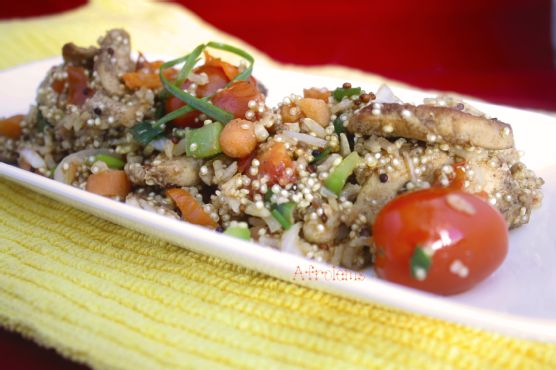
Stir Fried Quinoa, Brown Rice and Chicken Breast | Made by Meaghan Moineau

It was one of those Tuesday evenings when the fridge was looking pretty sparse, and my energy levels were even lower. You know the kind — a long day at work, the sun setting a bit too early, and a craving for something warm and satisfying but not a culinary marathon. That’s when my Stir Fried Quinoa, Brown Rice, and Chicken Breast came to the rescue. It’s a dish that seems fancy enough to impress anyone joining you at the table, but quick and easy enough that you won’t dread making it even after the most exhausting day. Plus, those spicy and savory flavors always hit the spot!

Jump to Recipe

What You’ll Need

This recipe is all about simplicity without sacrificing flavor. Chances are, you might already have most of these ingredients lying around, waiting to be transformed into something magical.

  • Suya spice
  • Quinoa and brown rice mix
  • Butter
  • Carrots
  • Whole cherry tomatoes
  • Chicken breast
  • Garlic
  • Seasoning cubes
  • Green bell pepper
  • Roma tomato
  • Scotch bonnet pepper
  • Spring onion
  • Vegetable oil
  • Water

How to Make Stir Fried Quinoa, Brown Rice and Chicken Breast

  1. Start by seasoning the chicken breast with the seasoning cubes and suya spice. Ideally, let it marinate for 2 hours, but if hunger strikes hard, go ahead and use it right away.
  2. In a pot, bring 1 cup of water to a boil. Add the quinoa and brown rice mix along with a teaspoon of oil. Cook until the grains are soft, approximately 5-7 minutes. Once cooked, transfer to a bowl and set aside.
  3. Melt the butter in a pan over medium heat, then add the marinated chicken breast. Pan fry, turning constantly, until it’s golden brown and fragrant on both sides. If the pan gets too dry, add 2 tablespoons of water to keep things juicy. Cover the pan and let the chicken cook through.
  4. While the chicken is cooking, chop up your veggies: carrots, green bell pepper, scotch bonnet pepper, spring onion, and the roma tomato.
  5. Once the chicken is nearly done, stir in the chopped vegetables. Let them cook until they’re vibrant and just tender, releasing a melody of aromas.
  6. Finally, fold in the cooked quinoa and brown rice mix. Stir everything together, ensuring that every grain is coated in flavor. Serve hot and enjoy the delicious medley!

Cook’s Notes

Cooking isn’t just about following steps; it’s about feeling the process. Here are a few tips to make this dish even better:

  • If you’re short on time, skip the marination, but if you can spare those 2 hours, it makes the chicken extra flavorful.
  • Leftover potential? Oh yes! Store in an airtight container and it’ll be good for up to 3 days in the fridge. Just reheat gently on the stove or in the microwave.
  • If you’re new to using suya spice, start with a smaller amount and adjust to your heat preference.
  • Don’t stress if you don’t have scotch bonnet peppers. They add a nice kick, but you can tone it down or swap with a milder pepper.

Make It Your Own

Cooking is all about personal touches. Here are some fun variations:

  • Swap the chicken for crispy tofu for a vegetarian twist.
  • Add a handful of spinach with the veggies for a burst of green goodness.
  • Use coconut oil instead of butter for a slight tropical vibe.
  • Mix in a spoonful of peanut butter with the suya spice for a creamy, nutty flavor.

If you try this, I’d love to hear how it turns out — drop a comment or tag me! Enjoy every bite of this simple yet satisfying dish, and remember, the best recipes are the ones that work for you. Happy cooking!

Related update: Stir Fried Quinoa, Brown Rice and Chicken Breast

Related update: Lebanese Kibbeh

Adopt an OpenClaw Strategy or Fall Behind | Analysis by Brian Moineau

Why an OpenClaw strategy might be your next competitive move

Jensen Huang called it “the new computer” and said this release could be “the single most important release of software, probably ever.” If that sounds dramatic, consider why the idea of an OpenClaw strategy already appears in boardrooms and engineering roadmaps across tech: OpenClaw-style agent platforms change how products get built, data is controlled, and value is captured.

The phrase OpenClaw strategy needs to land early because it pins the entire post-foundation-model debate: not just which model you use, but how you orchestrate, secure, and productize agents that do real work. This post unpacks what that means, why Nvidia — and the broader ecosystem — is racing to operationalize it, and what leaders should be thinking about next.

Why the OpenClaw conversation matters now

OpenClaw began as an open-source agent framework that lets developers compose persistent, multi-step AI agents running on local or hosted infrastructure. Within months it exploded into a vibrant ecosystem of forks, managed hosting, and enterprise toolkits. Critics flagged safety, governance, and data-exfiltration risks; supporters touted massive productivity gains from autonomous agents that can schedule, research, synthesize, and act.

Nvidia’s recent moves at GTC and in its blog underscore a key shift: the battleground has moved from raw model size to the system that safely and efficiently runs agents at scale. Nvidia’s messaging frames this as the next generation of compute — where hardware, models, and an agent orchestration layer work together. For companies, that means an OpenClaw strategy is less about adopting one open project and more about designing how agents interact with your data, users, and infrastructure.

A few developments that shaped the moment

  • OpenClaw and its forks rapidly gained broad community adoption and attention earlier this year.
  • Enterprise concerns about agent safety and governance pushed vendors to build hardened, hybrid solutions that combine local models with controlled cloud routing.
  • Nvidia’s announcements (and competing vendor responses) signaled that hardware and systems vendors will bundle agent capabilities with performance and security tooling.

These events mean that being “behind” isn’t about ignorance of the term; it’s about not having a clear plan for how agents will affect product architecture, compliance, and differentiation.

What an OpenClaw strategy actually looks like

An OpenClaw strategy is a practical blueprint, not a slogan. Core ingredients include:

  • Hybrid model routing
    • Local, privacy-preserving models for sensitive work.
    • Selective cloud access to frontier models for high-compute tasks.
  • Agent governance and capability controls
    • Sandboxed execution, permissioned APIs, and auditable action logs.
  • Data plumbing and lineage
    • Clear boundaries for what data agents can access, with encryption and retention policies.
  • Product UX rethinking
    • Design agents as cooperative teammates, with clear handoffs and graceful failure modes.
  • Commercial and legal posture
    • Licensing choices, vendor lock-in assessments, and regulatory compliance readiness.

Companies that implement these elements will turn agents from experimental toys into reliable product features that scale responsibly.

The investor dilemma (short takeaways)

  • Investors must evaluate not just model exposure but operational risk — how a company runs agents matters for privacy, safety, and liability.
  • Startups that nail agent governance can unlock defensible product experiences without competing on model scale alone.
  • Enterprises should ask vendors for concrete deployment patterns: can the agent run on-premises? How are logs retained? Who owns derived outputs?

Why Nvidia’s play matters

Nvidia has the rare combination of system-level influence: GPUs, software stacks, and an enormous install base. When a company with that leverage signals it will ship components that make agent deployment easier, safer, or faster, adoption accelerates. The practical effect:

  • Lower friction for enterprises to try hybrid agent setups.
  • Pressure on smaller vendors to offer hardened agent runtimes.
  • A faster convergence on standards for safe agent execution and data routing.

Put bluntly, when the platform that companies use to run models starts offering baked-in agent primitives, the platform becomes the standard for how agents are built — unless rivals offer compelling alternatives.

Risks and pitfalls to watch

  • Security shortcuts: Agents with broad access can accidentally leak secrets or initiate unwanted actions.
  • False assurances: “Open source” branding doesn’t automatically mean open governance or permissive licensing; read licenses and contribution policies.
  • UX fragility: Poorly designed agents create more friction than they remove — users must understand agent limits and be able to recover when things go wrong.
  • Regulatory exposure: Autonomy on customer data invites scrutiny; companies should document decision-making chains and retention rules.

These pitfalls are manageable, but they require intentional engineering and organizational alignment.

OpenClaw strategy: practical first steps

  • Map high-value workflows that could benefit from agentization (e.g., customer ops, research triage, scheduling).
  • Prototype with strict guardrails: start local, apply role-based access, and log every action.
  • Establish a cross-functional governance team: engineering, legal, security, and product.
  • Evaluate vendor roadmaps: prioritize options that let you retain control over sensitive data and model routing.
  • Build user-facing affordances that make agent behavior predictable and reversible.

Small, governed pilots beat big, uncontrolled bets.

My take

We’re not watching another incremental SDK release. We’re watching the assembly of a new software layer — an operating model for personal and enterprise AI agents. Companies that treat OpenClaw strategy as a narrow engineering project will get surprised. Those that treat it as a cross-cutting change to product architecture, data governance, and vendor strategy will unlock sustained advantage.

Move deliberately. Start small. Lock the doors. But don’t wait so long that the “claw” is already gripping customer expectations and market share.

Sources


Related update: We recently published an article that expands on this topic: read the latest post.


Related update: We recently published an article that expands on this topic: read the latest post.


Related update: We recently published an article that expands on this topic: read the latest post.


Related update: We recently published an article that expands on this topic: read the latest post.

Soy Ginger Glazed Halibut with Ginger Peach Relish | Made by Meaghan Moineau

Picture this: it’s a Wednesday evening, my fridge looks like a ghost town except for a couple of halibut fillets staring back at me, and I’m craving something a bit more exciting than the usual mid-week fare. I’m also avoiding another last-minute dash to the store because, you know, life. So, I decided to bring some brightness and zing to the table with a Soy Ginger Glazed Halibut, topped with a Ginger Peach Relish that’s basically summer in a spoon. This recipe is the answer to impressing your taste buds without needing a culinary degree—or a packed pantry. Easy yet striking, this dish is the perfect combo of sweet, spicy, and savory. Trust me, you’ll want to keep this one in your recipe stash.

Jump to Recipe

What You’ll Need

Chances are, you already have most of what you need for this dish in your kitchen, especially if you’re a fan of Asian-inspired flavors. Here’s what to gather:

  • Halibut fillets – the star of the show, make sure they’re nice and fresh
  • Fresh ginger – adds that spicy zing we all love
  • Soy sauce – for that umami depth
  • White wine – adds a touch of elegance and acidity
  • Olive oil – a smooth base for our marinade
  • Peach – sweet and juicy, perfect for the relish
  • Red onion – brings in a sharp, savory note
  • Jalapeno – for a kick of heat
  • Apple cider vinegar – a tangy counterbalance
  • Lime – freshens everything up

How to Make Soy Ginger Glazed Halibut with Ginger Peach Relish

  1. Peel and roughly chop a piece of fresh ginger. You’re looking for that sharp, spicy aroma to fill your kitchen. Place all marinade ingredients—soy sauce, white wine, olive oil, and 1 tablespoon of chopped ginger—in a blender and blend until smooth. This ensures the ginger infuses its flavor beautifully.
  2. In a zip-lock bag or bowl with a secure cover, add the halibut fillets and pour in the marinade. Massage the bag gently to ensure the fillets are fully coated. Let them soak up all that goodness for at least 20 minutes, though a few hours would make them sing.
  3. Preheat your oven to broil. Once heated, place the fish in a casserole dish along with all the marinade. Set the dish on one of the top racks and bake for about 10-12 minutes. You’re aiming for a nice brown glaze on top and perfectly cooked-through fish.
  4. For the relish, chop up the peach, red onion, and jalapeno. Combine them in a bowl with apple cider vinegar, the juice of half a lime, and 1 tablespoon of ginger. Stir and refrigerate. The longer it sits, the more the flavors meld into a vibrant accompaniment.

Cook’s Notes

Let’s get practical for a second. First off, if you forget to marinate the fish ahead of time, don’t panic—it’ll still be delicious after just 20 minutes. However, if you can plan ahead, the flavors really deepen with a longer soak. When broiling, keep an eye on the fish to avoid burning, especially if your oven runs hot. As for the relish, it’s a make-ahead’s best friend. If you want, prepare it in the morning or even the night before. The flavors only get better with time, and it keeps beautifully in the fridge for a couple of days.

Make It Your Own

Feeling adventurous? Here are a few swaps that keep the spirit of the dish alive but shake things up a bit:

  • Swap the halibut for salmon if you’re feeling more like a buttery fish vibe.
  • If peaches are out of season, try using mango for the relish—a tropical twist that pairs beautifully with the heat of the jalapeno.
  • Not a fan of heat? Leave out the jalapeno or swap it for a milder pepper like a poblano.
  • For a gluten-free version, use tamari in place of soy sauce.

If you try this, I’d love to hear how it turns out—drop a comment or tag me! Seeing your creations is the best part of sharing these recipes. Bon appétit!

Related update: Soy Ginger Glazed Halibut with Ginger Peach Relish

Related update: Stir Fried Quinoa, Brown Rice and Chicken Breast

Curry-Braised Chicken | Made by Meaghan Moineau

Last Tuesday, I found myself staring at an array of mismatched jars and half-opened cans in my pantry, curiously wondering, “What can I whip up for dinner that’s both comforting and easy?” The answer came in the form of this delightful Curry-Braised Chicken. It’s one of those glorious dishes where the simplicity of ingredients belies its depth of flavor. I’m all about recipes that make you look like a kitchen wizard without breaking a sweat, and this one’s a total weeknight win. The chicken turns out tender and juicy, and the creamy coconut curry sauce is pure magic over a bed of fluffy basmati rice. It’s the kind of dinner that makes you want to sit down, take a deep breath, and savor every bite. Plus, your home will smell incredible.

Jump to Recipe

What You’ll Need

This recipe is a pleasant surprise because chances are you already have most of these ingredients chilling in your kitchen.

  • Skinless boneless chicken breasts – these soak up the curry flavors like a dream.
  • Vegetable oil – just enough to get the party started in your Dutch oven.
  • Salt – essential for seasoning the chicken.
  • Yellow, red, or green curry paste – your choice here will define the dish’s character.
  • Canned unsweetened coconut milk – the creamy backbone of our sauce.
  • Fish sauce – brings a subtle umami depth.
  • Brown sugar – a pinch of sweetness to balance the spice.
  • Fresh lime juice – adds freshness and zing at the end.
  • Basmati rice – perfect to soak up all that curry goodness.
  • Bell pepper – optional, but adds a pop of color and texture.

How to Make Curry-Braised Chicken

  1. Preheat your oven to 325 degrees Fahrenheit. This ensures the magic happens slowly, making everything tender.
  2. Cut your chicken breasts in half. Season them with salt and a dash of pepper, massaging it in like you’re giving the chicken a spa day.
  3. Heat some vegetable oil over medium-high heat in a trusty Dutch oven. You want it hot enough that the chicken sizzles on contact.
  4. Brown the chicken on both sides for 1-2 minutes per side. You’re not cooking it through here; just giving it a lovely golden crust. Work in batches if needed.
  5. Remove the chicken and add your chosen curry paste to the same pot. Use a wooden spoon to break it up, getting the paste to meld beautifully with the leftover oil.
  6. Once the curry paste is fragrant and slightly darker, pour in the coconut milk. Stir with your spoon to scrape up any golden bits stuck to the bottom of the pot.
  7. Add the fish sauce and brown sugar, stirring until everything’s a harmonious blend.
  8. Return the chicken to the pot, snuggling it into the sauce. Cover with a lid and place the Dutch oven in the preheated oven.
  9. Bake for 45-55 minutes or until the chicken is cooked through and no longer pink. The sauce should be bubbling enticingly around the edges.
  10. Right before serving, stir in the fresh lime juice. Trust me, this is the zingy magic touch.
  11. Serve the curry-braised chicken over steaming basmati rice and, if using, sprinkle with sliced bell peppers for a crisp contrast.

Cook’s Notes

A few things I’ve learned along the way: don’t rush the browning step. That lovely golden crust adds layers of flavor. If you plan on making this ahead, you can pop it into the fridge after step 8 and finish baking when you’re ready to eat. Leftovers taste even better the next day, as the flavors have more time to mingle. Reheat gently on the stove, and add a splash of water if the sauce has thickened too much.

Make It Your Own

Looking to switch things up? Here are a few ideas:

  • Swap the chicken for crispy tofu for a vegetarian version. Just brown the tofu pieces before adding them to the curry.
  • Use shrimp instead of chicken. Adjust the cooking time – shrimp cooks much faster!
  • Throw in some diced sweet potatoes along with the chicken. They’ll soak up the curry flavor wonderfully.
  • Add a handful of spinach or kale at the end for a dose of greens.

If you try this, I’d love to hear how it turns out — drop a comment or tag me! Cooking is all about sharing, so let’s swap stories and tips. Happy cooking, friends!

Related update: Curry-Braised Chicken

Related update: Soy Ginger Glazed Halibut with Ginger Peach Relish

Thunder-Wizards Brawl: Four Ejected | Analysis by Brian Moineau

When the benches clear: Four Players Ejected In Thunder-Wizards Scuffle – Hoops Rumors

The phrase Four Players Ejected In Thunder-Wizards Scuffle – Hoops Rumors landed in my feed like the buzzer-beater you didn’t ask for but couldn’t ignore. Saturday night’s dust-up — which ended with Ajay Mitchell, Jaylin Williams and Cason Wallace of the Thunder and Justin Champagnie of the Wizards being ejected — felt messy, sudden, and full of the kind of emotional volatility that makes basketball feel dangerously human.

This blow-by-blow moment is important now because fines and potential suspensions may be announced on Sunday, and the ripple effects go beyond one game. Fans are debating who started it, who escalated it, and whether the league’s response will feel even-handed. Let’s unpack what happened, why it matters, and how the NBA typically handles incidents like this.

What happened — the quick version

  • Late in the second quarter, an on-court shove/swipe turned into a scuffle near the Thunder bench and sideline.
  • Replays show Justin Champagnie making contact with Ajay Mitchell’s face, Mitchell reacting, and several players getting involved in the ensuing scrum.
  • The referees issued technical fouls and ejected four players (Mitchell, Williams, Wallace, Champagnie) during the game.
  • According to league communication posted publicly, the NBA later announced one-game suspensions for Mitchell and Champagnie and fines for Jaylin Williams, Cason Wallace, and Anthony Gill. The league cited fighting and escalation that spilled toward the stands.

Transitioning from the immediate chaos to the consequences, the NBA’s disciplinary process usually looks at actions, outcomes, and whether the incident touched fans or non-players — factors that seem to have weighed heavily here.

Why the league’s response matters

First, fairness and consistency matter for credibility. Fans and teams want a consistent standard — the rules on fighting, throwing punches, and escalating are explicit, but their enforcement sometimes feels subjective. When a player is slapped in the face and the responder is the one suspended, social media outrage follows quickly. That reaction underscores a broader question: does the punishment fit the full context, or just the most visible action?

Second, timing matters. Suspensions and fines announced quickly (the NBA often posts discipline the day after incidents) affect immediate lineups and playoff preparations. In this case, Champagnie was scheduled to serve his suspension the night after the incident, and Mitchell would miss the Thunder’s following game. That has real, short-term consequences for both teams.

Finally, optics matter. When an altercation appears to spill toward camera crews or the stands, the league tends to treat it more severely because of safety concerns. Even minor physicality can become a bigger issue if it risks bystanders.

The referee and standards angle

Referees have two simultaneous jobs: keep the game flowing and protect players and fans. They have tools (technical fouls, ejections, video review) but their interpretations of intent and escalation are central. In many altercations, actions are judged both by what players did and what they set in motion. That often explains why more than one player gets punished even if only one seemed to start it.

Moreover, the NBA’s disciplinary office reviews the footage after the game and can issue additional suspensions or fines. That postgame review is often where nuance — who shoved whom, whether punches were thrown, whether a player went after a fan or a camera person — is factored into penalties.

The team and roster implications

  • Short-term: One-game suspensions for rotational players can alter rotations, minutes, and matchups — especially late in the season when every game counts.
  • Long-term: Repeated incidents can lead to steeper penalties, reputational damage, and strained relationships between coaches and players.
  • For younger players, a suspension is a teachable moment, but it’s also a missed opportunity to develop on-court chemistry and showcase value.

Coaches must balance protecting players’ competitive spirit with reminding them that self-control is a professional requirement.

Fans, social media, and the narrative

Immediately after the ejections, social media split into camps: some saw the league being overly harsh on the responder; others argued all involved deserved punishment. That polarization isn’t new — high-emotion plays have always produced instant verdicts from fans. But now, with replay clips and slow-motion gifs circulating within minutes, public opinion can shape the narrative around fairness.

Importantly, the narrative also affects how the league handles similar incidents in the future. If the enforcement is perceived as inconsistent, trust erodes. If it’s perceived as consistent and safety-first, it reinforces the NBA’s priorities.

My take

There are no winners in a scuffle that risks players or fans. Emotions flare, but the rules exist to protect everyone on and off the court. From what’s visible in the replays, punishments that target both the initiator and those who escalate are defensible — though the specifics will always invite debate. The NBA needs to keep applying its standards transparently so players, teams, and fans understand both the rationale and the consequences.

Ultimately, the bigger conversation here is how teams teach conflict management. Basketball is physical and emotional; preparing players to respond without escalating is as important as coaching a pick-and-roll.

Final thoughts

This incident — captured under the headline Four Players Ejected In Thunder-Wizards Scuffle – Hoops Rumors — is a reminder that the game’s drama isn’t limited to the scoreboard. The league’s response, announced the next day, will tell us not just who sat for a night, but what message the NBA is sending about safety and accountability. For now, expect debate, look for the official discipline write-up, and remember: the human element is what makes sports compelling — and what demands the clearest rules.

Sources


Related update: We recently published an article that expands on this topic: read the latest post.


Related update: We recently published an article that expands on this topic: read the latest post.
Duke vs TCU: March Madness Clash Picks | Analysis by Brian Moineau

TCU vs Duke predictions, picks and odds for the March 21 game — a closer look

March Madness has a way of flattening storylines and amplifying matchups. The phrase TCU vs Duke predictions appears in every bracket-obsessed group chat this weekend, and for good reason: a confident Duke blueprint meets a scrappy, athletic TCU squad that’s not afraid to grind. The matchup on Saturday, March 21 carried more than seedlines — it carried styles, narratives and a clear favorite-versus-underdog tension that made the game irresistible to bettors and neutral fans alike.

Below I break down the matchup, explain where the betting edges were, highlight why the game played out the way it did, and offer a few concise takeaways you can hold on to for future tournament reads.

Why this matchup mattered

Duke arrived as a No. 1 seed with an offense built on pace, efficient spacing and multiple creators. Across the season the Blue Devils showed an ability to impose size and athleticism on opponents, and they entered the second round with defensive discipline that often forced teams into uncomfortable shots.

TCU — the No. 9 seed — punched its ticket with the kind of athletic, physical brand that can hang with top teams when matchups favor disruptors. Their first-round win (a 66–64 escape over Ohio State) showed they can execute in tight spots and flip momentum with relentless transition pressure and offensive rebounding.

So the core matchup question was straightforward: could TCU’s athleticism and disruption slow Duke’s ball-movement and depth? Or would Duke’s length and offensive firepower make the difference?

Game script and turning points

  • First half: The game unfolded like many college matchups where a gifted favorite slowly turns up the heat. Duke used length and ball movement to pry open looks, while TCU tried to survive with energy, fouls and timely threes. The half remained competitive, but Duke’s ability to hit high-percentage inside shots and limit turnovers created a steady foundation.

  • Second half: Duke pulled away by tightening defense and attacking mismatches inside. TCU began to struggle from the perimeter and paid for it when fouls and missed shots compounded — a classic tournament spiral for underdogs that can’t keep pace offensively.

  • Final: The scoreboard eventually reflected Duke’s control, with the Blue Devils converting advantages in bench depth and half-court offense into a comfortable margin.

(For context: TCU had beaten Ohio State in the first round thanks to a late Xavier Edmonds layup, while Duke entered following a dominant regular season that positioned them at the top of title odds.) (apnews.com)

The betting pregame lens

Oddsmakers and many models leaned toward Duke, and several practical reasons explain that tilt:

  • Size and matchup profile. Duke’s roster construction typically forces smaller, athletic teams to take less efficient perimeter shots or attack through traffic — both invite turnovers and offensive rebounds for the bigger team.

  • Sustainable offense. Duke ran more high-value sets and had multiple players who could create shots off the dribble or finish inside, making it easier to overcome cold stretches.

  • Depth. In tournament play, the second bench often determines whether a favorite can close out games. Duke’s depth gave them lineup flexibility and allowed them to keep pressure on for longer stretches.

That didn’t mean TCU had no path: their best angle was to push tempo, get to the rim, and manufacture fouls — making the free-throw line a revenue stream. Their first-round win suggested they had toughness; the question was whether it was enough to withstand Duke’s sustained offensive pressure. The broadcast schedule also showed the game as a marquee CBS window, which mattered for exposure but not for on-court outcomes. (tomsguide.com)

What the numbers suggested before tip-off

  • Spread and totals: Most pregame lines favored Duke by a sizeable margin, reflecting both team efficiency differentials and betting market lean. When favorites possess superior offensive and defensive SRS-type metrics, lines widen accordingly.

  • Tempo/efficiency matchup: TCU’s edge was transition and defensive activity; Duke’s edge was half-court execution and offensive rebounding. Models predicted a Duke advantage in points per possession, especially if TCU couldn’t consistently hit threes.

  • Intangibles: Tournament experience, coaching adjustments and foul trouble loomed large. A single key foul call or a run-of-play (momentum swing) often defines NCAA second-round contests. (theacc.com)

Why the final outcome matched expectations

In matchups like TCU vs Duke, the elimination of variance matters. Duke’s ability to convert open looks at a higher clip and to protect the paint made the difference. TCU’s best opportunities — pushing tempo and getting easy baskets — were minimized as Duke packed the lane and converted on the other end.

When an underdog’s outside shots stop falling, the onus shifts to creating off the bounce; against a bigger, disciplined defense, that’s a steeper climb. Add in foul trouble and bench minutes favoring the deeper roster, and you get a second-half separation that looks decisive on the scoreboard.

Transition and rebounding margins were the undercurrent here: Duke turned size into extra possessions and points, which gradually tilted the game from competitive to controlled.

What bettors and watchers should remember

  • Underdog formula: Athletic, disruptive teams can upset seeds when they force tempo and keep the favorite from setting high-value half-court actions. If those elements aren’t consistently happening, favorites with depth and clean shot profiles tend to win.

  • Bankroll humility: Tournament swings are sharp. Even smart lines are pierced by variance, so size your picks and trust models only as one input among scouting, matchup nuance, and live-game adjustments.

  • Value hunting: Look for markets that illuminate in-play edges — live point spreads and totals often shift meaningfully as foul trouble and shooting variance reveal themselves.

Key takeaways

  • Duke’s size, depth and half-court execution were the deciding factors in the matchup.
  • TCU’s path to an upset required sustained perimeter accuracy and transition scoring; when those cooled, the margin widened.
  • Betting markets accurately reflected the structural matchup advantage but tournament variance still rewards in-game agility.
  • For future second-round reads, prioritize defensive rebounding and offensive turnover margins — they tell you which team will control possessions.

My take

This game felt like a template for how a top seed asserts itself against a motivated midseed: hang around early, then widen the gap through a combination of matchup exploitation and depth. TCU showed grit — they earned their place — but Duke simply had more tools to tilt the margin over 40 minutes. For bracket-watchers, it’s a reminder that while upsets are the romantic heart of March, structural advantages usually win out when favorites play disciplined basketball.

Sources


Related update: We recently published an article that expands on this topic: read the latest post.


Related update: We recently published an article that expands on this topic: read the latest post.

San Francisco Cioppino | Made by Meaghan Moineau

It was one of those foggy evenings in San Francisco where the mist hangs thick like a cozy, damp blanket. I was craving something that would bring all the warmth of the ocean into my little kitchen, something that felt like a tight hug for the soul. Enter: San Francisco Cioppino. This dish is not just a seafood stew; it’s a symphony of fresh catches and bold flavors that feel both hearty and impressively easy. You’ll find this cioppino is perfect for those nights you want to channel your inner fisherwoman without having to dive into the deep blue yourself. Trust me, it’s worth every delicious drop.

Jump to Recipe

What You’ll Need

You may be surprised to learn that despite sounding fancy, this ingredient list is mostly straightforward and filled with things you might already have. The key is in the freshness — it makes all the difference.

  • Fresh canned tomatoes
  • Clams
  • Dry white wine
  • Cooked freshly Dungeness crabs
  • White fresh fish
  • Fresh basil
  • Fresh parsley
  • Garlic
  • Black fresh ground pepper
  • Olive oil
  • Fresh oregano
  • Raw shrimp
  • Scallops
  • Tomato paste
  • Yellow onion

How to Make San Francisco Cioppino

  1. Start by prepping the star of the show: the crabs. Gently remove the legs and claws, then break the body in half, making sure to keep as much of the “crab butter” (the delightful yellow center) as you can. Set the crab pieces aside and press the crab butter through a sieve into a small bowl. Set aside.
  2. For the clams, place them in a pan and add 1 cup of dry white wine. Cover and steam over medium heat for about 5 minutes, until their shells open wide like they’re waving hello. Discard any clams that refuse to open, then strain the stock through a cheesecloth and keep the liquid gold that’s left.
  3. Now, in your trusty 8-quart saucepan, heat up some olive oil. Toss in the onions and garlic, letting them dance over medium heat until they’re soft but not brown — think of it as just waking them up.
  4. Stir in the fresh canned tomatoes, tomato paste, the rest of your wine, pepper, herbs, and that flavorful clam stock you reserved. Partially cover the pot and let it simmer for a solid 20 minutes, letting those flavors mingle and get cozy.
  5. Add in your seafood: the fish, scallops, shrimp, crab, and the sacred crab butter. Simmer for about 5 minutes, but resist the urge to stir, as you want the fish to stay whole and proud. Then, add the clams and heat for another scant minute.
  6. Top with fresh parsley and serve immediately from the pot while everything is still joyously warm and inviting.

Cook’s Notes

Here’s the deal: freshness is key with cioppino, especially with the seafood. If you can get it from the market the day of, do it. As for the wine, choose a decent dry white that you’d actually enjoy sipping — it makes a big difference. And remember, don’t stir the stew after adding the fish. You want those chunks intact for a beautiful presentation. Leftovers can be stored in the fridge for up to two days and gently reheated over low heat. If you’re making it ahead of time, keep the seafood separate until you’re ready to serve, and add it in the last 5-6 minutes of reheating.

Make It Your Own

Here’s where you can play around with this seaside classic:

  • Swap the white fish with salmon for a richer flavor.
  • Trade the scallops for mussels if you fancy a different texture.
  • Add a pinch of red pepper flakes for a bit of a kick.
  • Use a splash of Pernod instead of wine for a slight anise twist that pairs beautifully with seafood.

If you try this, I’d love to hear how it turns out — drop a comment or tag me! Let’s keep sharing those warm, delicious moments. 🌊🍅🍲

Related update: San Francisco Cioppino

Related update: Curry-Braised Chicken

When Oil Moves Markets, Fear Follows | Analysis by Brian Moineau

Markets on Edge: When Headlines Move Oil, and Oil Moves the Dow

The major indexes fell below their 200-day lines and November lows on Friday — a short, brutal sentence that captures how quickly optimism can evaporate when geopolitics and commodities collide. This week’s wild swings — a morning sell-off, a late-day rebound and a jittery follow-through — were driven by one dominant storyline: the war with Iran and its shockwaves through oil, yields and risk appetite. (apnews.com)

This post walks through what happened, why investors care (beyond the noise), and what to watch next. The tone is conversational because markets aren’t just numbers — they’re a story we’re all trying to read in real time.

Why the sell-off happened (and why stocks bounced later)

Markets hate uncertainty, and a war that threatens a chunk of global oil flows creates uncertainty by the barrel. Early in the session, headlines and spikes in crude sent the Dow tumbling — at points investors were staring at four-figure swings — as traders re-priced inflation risk and the possibility of higher-for-longer interest rates. Treasury yields jumped alongside oil, adding pressure to multiples and growth-sensitive stocks. (apnews.com)

Later, comments that hinted at a potential de-escalation — including public remarks interpreted as the conflict possibly “winding down” — prompted energy prices to retreat and a rapid relief rally across equities. The Dow staged a late-day bounce, erasing a chunk of the losses. That volatility is exactly why professional investors keep an eye on headlines as much as fundamentals during geopolitical shocks. (fortune.com)

The major indexes fell below their 200-day lines and November lows

  • This technical detail isn’t just chart-talk. Breaching the 200-day moving average or prior November lows can trigger automated selling, shift investor psychology from “buy the dip” to “preserve capital,” and invite extra scrutiny from trend-following funds.
  • When technical damage coincides with a fundamental shock (higher oil, war risk), the result is a faster and deeper drawdown than either factor would produce alone. (apnews.com)

Sector winners and losers — look where the pain and relief show up

  • Energy stocks surged earlier as crude spiked, then pared gains when oil fell back. Producers do well in elevated-price episodes, but they’re volatile and tied to geopolitical narratives.
  • Airlines and travel names were among the hardest hit; higher fuel and demand destruction are a toxic combo for them.
  • Big-cap tech and AI leaders helped cap losses on some days but can’t fully shield markets when macro risks dominate. (apnews.com)

The macro vectors that matter next

  • Oil trajectory. If crude remains structurally higher because of disrupted shipping lanes or sanctioned flows, inflation expectations and yields stay elevated — a headwind to multiples and consumer spending.
  • Fed reaction function. Higher inflation and sticky yields complicate any narrative about easing. Even a small upward repricing of terminal rates can dent valuations.
  • De-escalation credibility. Markets want to see concrete signs (diplomatic channels, localized ceasefires, secure tanker corridors) before they fully discount the risk premium baked into oil and stocks. Comments can move markets, but durable moves require facts. (fortune.com)

What investors can reasonably do now

  • Reassess time horizon. Volatility punishes short-term positioning. For long-term investors, a temporary technical breach may be an anxiety test, not a terminal event.
  • Trim outsized concentrations. If any single sector or position would cause outsized portfolio damage in a persistent oil-shock scenario, consider rebalancing.
  • Keep liquidity available. Volatile markets create opportunity; having dry powder matters whether you want to buy weakness or avoid being forced into sales.
  • Avoid headline-driven overtrading. Jumping in and out on every conflicting report is costly and emotionally exhausting; careful, pre-planned responses to big moves are more efficient. (apnews.com)

Longer view: is this a new regime or a replay?

There’s historical precedent for geopolitical shocks spooking markets briefly but leaving long-term trends intact — provided the energy shock is contained and inflation expectations don’t entrench at higher levels. The key difference this time is the modern plumbing of markets: algorithmic trading, passive flows, and instant social amplification mean moves can be faster and deeper. That raises the bar for how much evidence markets require before switching back from risk-off to risk-on. (apnews.com)

My take

We’re watching headline-driven volatility that can feel existential in the moment but often resolves into a clearer picture as facts arrive. That doesn’t make it easy — it’s precisely during these episodes that discipline, clarity on horizons, and a calm re-evaluation of risk matter most. If the conflict truly winds down and oil normalizes, today’s technical damage can be repaired. If not, investors should be prepared for a tougher slog for multiples and consumer spending.

Sources


Related update: We recently published an article that expands on this topic: read the latest post.


Related update: We recently published an article that expands on this topic: read the latest post.


Related update: We recently published an article that expands on this topic: read the latest post.

Hot Cross Buns | Made by Meaghan Moineau

It was one of those unpredictable spring mornings where the sky couldn’t decide if it wanted to rain or shine. I found myself craving something that felt like a warm hug, something that would fill the house with the spicy sweet scent of comfort. Enter Hot Cross Buns. They’re perfect for those “in-between” days, bridging the gap between winter’s end and spring’s full bloom. What I adore about these buns is how deceptively simple they are to make; they sound fancy, but they’re actually pretty forgiving. You just mix, knead, roll, and bake. They’re like little pillows of happiness, complete with a sweet cross on top that’s practically begging to be photographed. Trust me, once you try them, these buns will become a regular request in your household.

Jump to Recipe

What You’ll Need

There’s a good chance you already have most of these ingredients lurking in your pantry. The combination of spices gives the buns their signature warmth, and the sour milk keeps them tender.

  • Flour
  • Sugar
  • Baking powder
  • Baking soda
  • Salt
  • Cinnamon
  • Nutmeg
  • Shortening
  • Raisins
  • Sour milk (or add a splash of vinegar or lemon juice to regular milk)

How to Make Hot Cross Buns

  1. Sift the flour once, then measure it out into a large bowl. Add the baking soda, baking powder, salt, sugar, and spices. Trust me, the double sifting might sound extra, but it makes the buns incredibly light.
  2. Cut in the shortening. You want to mix until the flour looks like coarse crumbs. This is your time to channel the patient, zen gardener within.
  3. Stir in the raisins. These little gems add pockets of sweetness in every bite.
  4. Add enough sour milk to create a stiff dough. You want it just moist enough to hold together without being sticky.
  5. Turn the dough onto a floured board and knead it slightly—just enough to bring it all together. Don’t overdo it!
  6. Roll the dough out to about 1/2 inch thickness. Use a 2-inch cutter to cut out your buns. It’s oddly satisfying, like cutting out cookies.
  7. Place the buns close together in a shallow pan. With a sharp knife, cut a cross into the top of each bun. This is where the magic happens.
  8. Brush the tops with a mixture of milk and sugar. This will give them a lovely gloss and help them brown beautifully.
  9. Bake in a hot oven at 475 degrees for 20 minutes. You’ll know they’re done when they’re golden and fragrant.
  10. Once out of the oven, brush them again with the milk and sugar solution. Fill the cross with plain frosting if desired. Serve them warm and watch them disappear.

Cook’s Notes

Here’s the scoop: these buns are best served warm, fresh out of the oven, but they do reheat well if you find yourself with leftovers (unlikely, but possible). Just pop them in the oven for a few minutes, wrapped in foil, to refresh them. You can make the dough ahead and keep it in the fridge overnight if you want to do the hard part in advance. Just be sure to let it come back to room temperature before rolling and cutting.

Make It Your Own

Feel free to play around with the recipe a bit. Here are some variations to consider:

  • Swap raisins for dried cranberries for a tart twist.
  • Add orange zest to the dough for a citrusy zing.
  • Replace the frosting with a cream cheese glaze for a tangy finish.
  • Throw in some chopped nuts if you’re in the mood for a bit of crunch.

If you try these Hot Cross Buns, I’d absolutely love to hear how they turn out for you! Drop a comment below or tag me on social media with your bun pics. Happy baking!

Related update: Hot Cross Buns

Related update: Xocai Oatmeal Dark Chocolate No-Bake Cookies

Boeuf Bourgignon | Made by Meaghan Moineau

Picture this: It’s a chilly weekday evening, and I find myself staring into the abyss of my pantry, longing for something hearty, something that feels like a warm hug after a long day. My eyes land on a bottle of cognac, nestled between spices and canned goods, and a light bulb goes off. Boeuf Bourgignon. It’s one of those dishes that sounds fancy but is deceptively simple — perfect for a night when I want to impress myself (or my family) without breaking a sweat. This recipe is rich in flavor, comforting, and surprisingly doable. Trust me, once you’ve got a pot of this simmering on the stove, the cozy aroma alone will make you feel like a culinary genius.

Jump to Recipe

What You’ll Need

It’s amazing how such a luxurious meal can come together with things you probably already have. You might need a quick trip for beef stock or fresh herbs, but that’s about it.

  • Button mushrooms
  • Butter
  • Un-smoked bacon
  • Vegetable oil
  • Boneless well-trimmed beef chuck
  • Yellow onion
  • Shallots
  • Carrots
  • Black salt and pepper
  • Flour
  • Cognac
  • Beef stock
  • Unsweetened cocoa powder
  • Garlic cloves
  • Fresh thyme
  • Fresh flat-leaf parsley leaves
  • Tomato paste
  • Bay leaf

How to Make Boeuf Bourgignon

  1. Preheat your oven to 160°C (325°F). This is crucial for getting that low and slow cook that makes the beef melt-in-your-mouth tender.
  2. In a pan, sauté the button mushrooms in butter until they’re brown and soft. Set them aside. You’re going to love their nutty aroma.
  3. In a large, deep-bottomed pot, sauté the bacon in 1 tablespoon of oil over moderate heat for 2 to 3 minutes. You’re looking for a light brown color that brings out the bacon’s savory goodness.
  4. Remove the bacon with a slotted spoon and set it aside. Don’t clean the pan — that bacon fat is flavor gold.
  5. Reheat the pan until the fat is almost smoking, then sauté the beef in batches. Give the pieces space to brown properly on all sides, and resist the urge to stir too soon.
  6. Add your browned beef to the reserved bacon. Lower the heat to medium.
  7. In the same flavorful fat, add the onions, shallots, and carrots. Cook them until the carrots soften and the onions are translucent.
  8. Combine the cooked veggies with the beef and bacon. Pour out the excess fat, but don’t wipe the pot — every bit of flavor is needed.
  9. Return the beef mixture to the pot. Sprinkle on the flour and toss everything to coat. Stir until the flour has cooked and you see no white traces.
  10. Season with salt and pepper, then stir in the cognac and just enough beef stock to barely cover the meat.
  11. Add the garlic, thyme, parsley, tomato paste, and bay leaf. Bring everything to a simmer on the stove.
  12. Cover the pot and set it in the oven. Cook for 2 ½ to 3 hours, checking about an hour in to add the mushrooms and stir in the cocoa powder, which gives a subtle depth of flavor.
  13. The stew is ready when the meat is fork-soft and your kitchen smells like heaven.

Cook’s Notes

Don’t be shy with the cognac. It adds such a lovely depth, but if it’s not your thing, red wine works in a pinch. Be sure to use a heavy-bottomed pot or casserole dish that can transition from stovetop to oven seamlessly. If you make this ahead, it only gets better the next day — those flavors really come together after a night in the fridge. Reheat gently on the stove, adding a splash of water or stock to loosen things up if needed.

Make It Your Own

  • Swap the beef chuck for lamb shoulder for a different take on this classic stew.
  • If mushrooms aren’t your thing, try adding pearl onions instead — they’ll add a lovely sweetness.
  • Replace the bacon with pancetta for a slightly different, yet delicious, flavor profile.
  • Make it vegetarian by using hearty vegetables like potatoes and turnips. Replace beef stock with a veggie version, and skip the bacon.

If you try this, I’d love to hear how it turns out — drop a comment or tag me! Enjoy the cozy vibes and maybe a glass of wine while you’re at it. Cheers to the perfect night in!

Related update: Boeuf Bourgignon

Related update: San Francisco Cioppino

UCF vs UCLA: March Madness Upset Alert | Analysis by Brian Moineau

UCF vs UCLA predictions, picks and odds — a look at the March 20 matchup

Friday night’s first-round tilt between UCF and UCLA had the kind of March tension that turns casual viewers into bracket-doomers. Read our UCF vs UCLA predictions, picks and odds for their NCAA Tournament game on Friday, March 20 and you’ll see why: a matchup of contrasting styles, a few matchup advantages that matter, and a finish that left both teams and brackets breathing heavy.

Why this matchup mattered

UCF came in as a plucky 10-seed with athletic wings and the kind of press-and-transition offense that can flip a game on a single surge. UCLA, a 7-seed, offered length, shooting and interior size — more of a grind-it-out blueprint that can punish careless possessions.

The betting market treated UCLA as the favorite, but 7 vs. 10 is the classic “sleep on at your own peril” line. On neutral floors in March, small edges — offensive rebounding, turnover rate, free-throw performance late — decide games. That made this one an interesting spread-and-total puzzle for bettors and bracket-watchers alike. (reddit.com)

Key points that shaped pregame thinking:

  • UCLA’s frontcourt size and outside shooting could stretch UCF’s defense and make offensive rebounding a contest. (utsports.com)
  • UCF’s tempo and ability to force turnovers could create chaos if UCLA wasn’t disciplined with the ball. (reddit.com)

Quick takeaways before we dig in

  • UCLA’s size and shooting made them the safer spread play on paper.
  • UCF’s transition game and press created upset potential, especially if UCLA turned it over late.
  • The matchup favored the team that controlled tempo and cleaned the glass.

The tactical matchup that mattered

UCF’s identity is speed and disruption. They want to get the ball into the open court, attack closeouts and manufacture extra possessions through steals and offensive rebounds. That’s the easiest way for a mid-major 10-seed to make life miserable for a Power Five team on a neutral court.

UCLA counters with length — bigger wings and forwards who can contest drives, rebound on both ends and pop from deep. If the Bruins handled ball pressure and avoided quick turnovers, the floor leveled toward their methodical offense. A team like UCLA can turn a frantic UCF attack into a half-court slog, where size and shot selection decide the margin. (utsports.com)

Transition vs. structure was the story in the paint, too. UCF would try to run into gaps and finish early; UCLA would seek to slow it, grind possessions and cash late-clock looks. Whoever won the rebound battle would have an outsized influence on the final line.

From the betting perspective

Oddsmakers typically price a game like this with the favorite only a few points ahead — enough to reflect talent and size, but not so large that an upset feels impossible. Public money and tournament narratives can nudge lines late; if bettors suddenly favored a style mismatch, the spread can tighten or widen before tip.

Before the game, many models and handicappers leaned to UCLA to cover — not necessarily because UCF lacked talent, but because the Bruins’ two-way length and offensive efficiency on high-value shots (pick-and-roll finishes, post touches) created a subtle advantage. That made UCLA the default on spread boards while UCF remained the appealing underdog for contrarian bettors. (reddit.com)

How the game actually unfolded

This one delivered a tense finish worthy of bracket chatter. UCLA escaped with a 75–71 win — a four-point margin that lines up with the idea that seeds were close but style wins matter. The final minutes were a test of execution: free throws, turnovers and a few critical rebounds. It was the kind of game that validates both the spread and the upset narrative — UCLA covered, but UCF kept it dangerously close. (reddit.com)

Highlights that decided it:

  • UCLA’s ability to make enough shots late and avoid a turnover-driven collapse.
  • UCF’s resilience — they kept pace and forced contested shots late but couldn’t quite overtake the Bruins.

My pick explained

If I were writing this pick before tip, I’d have favored UCLA to cover by a small margin, leaning on:

  • Superior size on the front line to combat UCF’s small-ball rebounding runs.
  • Consistent perimeter shooting from UCLA’s guards and wings, which punishes over-aggression on defense.
  • Coaching and late-game discipline in close possessions.

That said, I’d have also highlighted a small same-game parlay or prop action for UCF: a player prop on steals/assists or bench scoring — a hedge for bettors who wanted exposure to the upset feel. The matchup was close enough that a modest hedge made sense. (utsports.com)

The lines and the lessons

  • Betting lesson: lines reflect more than records; matchup fit and rebound/turnover profiles often swing first-round outcomes.
  • Bracket lesson: 7/10 seeds are fertile upset territory. If you’ve got a 10-seed in your bracket, don’t blindly bench them — watch how they force tempo and attack the glass.
  • Coaching lesson: late-game discipline — secure free throws, smart timeouts, and limiting live-ball turnovers — wins these games.

Final thoughts

March games like UCLA vs UCF remind us why the tournament is both predictable and wildly chaotic. Talent and size often carry the day, but pace, pressure and a few timely plays make every game feel like a swing-state election: small margins, big consequences. UCLA’s victory fit the expected script, but UCF’s run-through-the-arc competitiveness was the exact reason 10-seeds keep bracket-makers awake.

If you’re filling out future brackets or sizing bets for tournament nights, lean into matchup research more than pure seed logic. Look at rebound rates, turnover tendencies, and how teams respond to pressure — those hidden edges turn favorites into vulnerable picks.

Sources


Related update: We recently published an article that expands on this topic: read the latest post.


Related update: We recently published an article that expands on this topic: read the latest post.

Aitken Snatches Sebring 12H Pole Glory | Analysis by Brian Moineau

Pole, pressure and provenance: Aitken Beats Blomqvist to 12H Sebring Pole

Jack Aitken’s late lunge for the top spot — Aitken Beats Blomqvist to 12H Sebring Pole — grabbed headlines and reset expectations for the Mobil 1 Twelve Hours of Sebring. The Action Express Racing Cadillac V‑Series.R showed both outright pace and a knack for timing, denying Tom Blomqvist and the Meyer Shank Racing Acura a clear run at qualifying glory. That one-lap duel felt like a microcosm of modern endurance racing: razor-thin margins, tactical timing, and drivers who can flip from patient to aggressive in an instant.

Why this pole mattered

Sebring’s concrete surface is famously punishing; it rewards bravery and punishes mistakes. Securing pole at the 12 Hours isn’t just ego — it’s strategic. Clean track position at the start can help avoid first-lap attrition and gives teams the breathing room to execute early stints and pit strategy without immediate traffic compromises.

Aitken’s effort carried extra weight because it came against serious competition. Blomqvist has been on a hot streak in IMSA qualifying sessions, and the Acura Meyer Shank package is consistently a threat. For Action Express, putting the Cadillac V‑Series.R on top reasserted Cadillac’s development curve and injected momentum into a long 12‑hour day where reliability and execution ultimately decide the result.

The on-track story — how Aitken edged Blomqvist

  • The session was compact and intense: drivers had a narrow window to lay down flying laps before traffic and track evolution changed the equation.
  • Blomqvist produced a run that looked pole-worthy, but Aitken found an extra sliver of pace on his final attempt.
  • The margin was minimal — the sort of difference that can come down to a single clean apex, a better exit, or timing a tow. That’s the poetry of qualifying at Sebring: tiny edges translate into headline moments.

Beyond the headline, the qualifying phase underlined two broader trends. First, Cadillac’s V‑Series.R package remains highly competitive across different track conditions. Second, the GTP field has compressed: BMW, Porsche, Acura and Cadillac traded laps throughout the session, creating an unpredictable grid that promises a chaotic, tactical race.

What this means for race day

Securing pole in a 12‑hour race doesn’t guarantee victory, but it shapes the script. From the Action Express perspective:

  • Early stint control becomes easier: leading into Turn 1 reduces immediate contact risk and lets the team dictate the opening pace.
  • Strategy flexibility improves: a pole-sitter can play with stint length and tire choices without being forced into reactive moves to stay in traffic.
  • Psychological advantage: teammates and rivals notice—small boosts in confidence can influence split-second driver choices later.

For Blomqvist and Acura Meyer Shank Racing, the narrow miss is a warning and motivation. They showed they have the pace — and in endurance racing, pace plus prudence often equals results. Expect MSR to pressure the Cadillacs early and to use pit-stop precision to try and regain track position when it matters.

The bigger picture for Cadillac and the GTP class

The GTP grid is more crowded and competitive than it’s been in years. Manufacturer investment has sharpened development and closed the gaps between different cars and engine philosophies. Aitken’s pole is evidence that Cadillac is still refining strengths — aero, balance or tire management — that can deliver one-lap speed and race durability.

But remember: Sebring eats setups. Race engineers will be monitoring tire degradation, brake wear and shock behavior over concrete bumps more obsessively than usual. Teams that convert qualifying pace into consistent, repeatable stint times will be the ones to watch as night falls and track temperatures change.

A few notable subplots to watch during the race

  • How the Cadillacs manage traffic and multi-class interactions during the first few hours.
  • Whether Meyer Shank can turn its qualifying speed into clean race stints and gain back track position through pit strategy.
  • Tire and brake conservation across teams — the concrete surface and long stints force trade-offs between outright lap time and sustainable pace.
  • Which manufacturer extracts late‑race advantage: powertrain durability and team pit execution tend to decide the closing hours.

Quick hits

  • Pole showcases single-lap performance; the race will reward long-run consistency.
  • Sebring’s bumps and concrete demand conservative bravery: push where it counts, preserve where it doesn’t.
  • Team strategy and pit stops will likely shuffle the order multiple times — don’t read too much into the opening stints alone.

A few takeaways for fans

  • Expect a strategic chess match rather than a straightforward procession. Qualifying shows who can be fast — the race shows who can balance speed and preservation.
  • Keep an eye on in-car driver swaps: how teams distribute stints (young, fast drivers vs. experienced closers) will be crucial.
  • Night running often flips the narrative; the team that adapts quickest to changing track grip typically finishes stronger.

Final thoughts

There’s something magnetic about a pole decided by a sliver of a second. Jack Aitken’s achievement — Aitken Beats Blomqvist to 12H Sebring Pole — captured that blend of precision and drama that endurance fans live for. But Sebring has the final say; the surface remakes contenders hourly, and the long game favors the crew that pairs speed with unflinching reliability. If qualifying is the teaser, the twelve hours will be the full novel — and judging by how tight things are now, it promises to be a page‑turner.

Sources


Related update: We recently published an article that expands on this topic: read the latest post.


Related update: We recently published an article that expands on this topic: read the latest post.