When Oil Moves Markets, Fear Follows | Analysis by Brian Moineau

Markets on Edge: When Headlines Move Oil, and Oil Moves the Dow

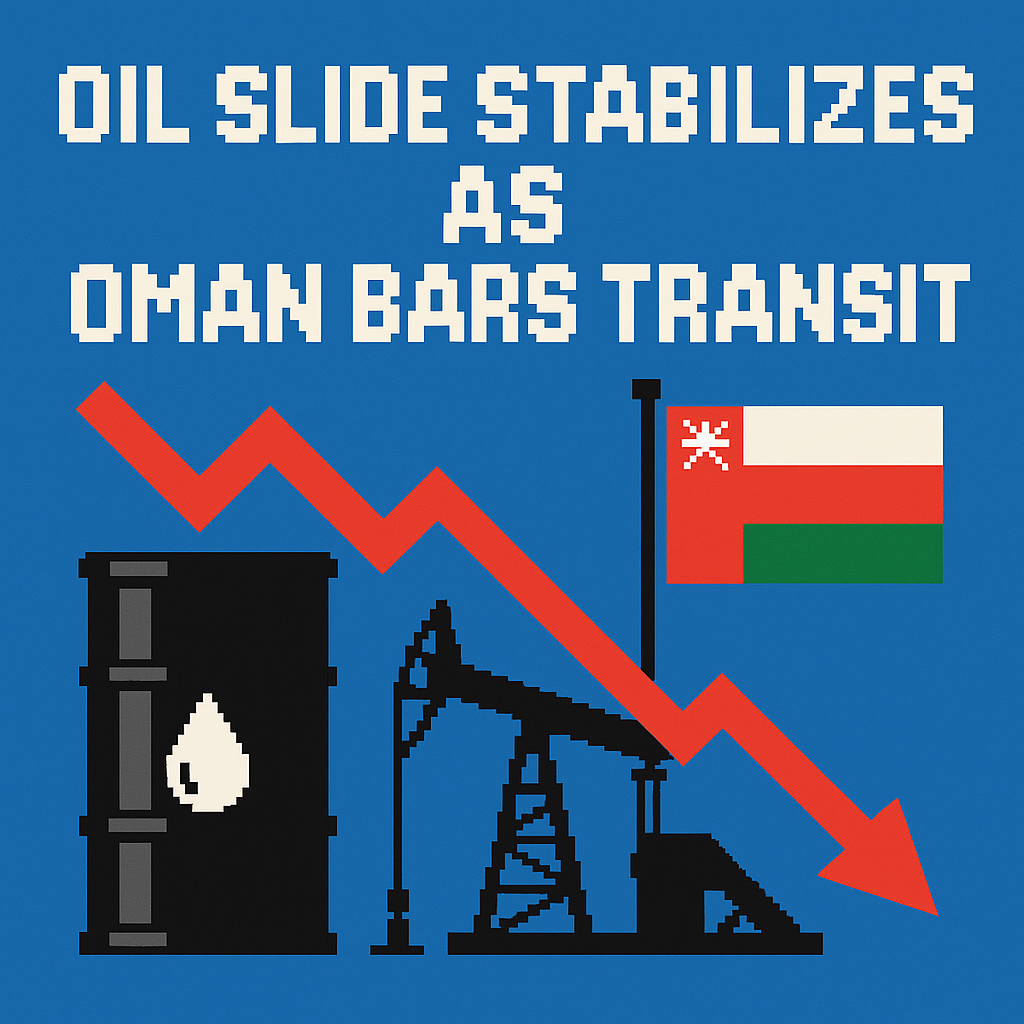
The major indexes fell below their 200-day lines and November lows on Friday — a short, brutal sentence that captures how quickly optimism can evaporate when geopolitics and commodities collide. This week’s wild swings — a morning sell-off, a late-day rebound and a jittery follow-through — were driven by one dominant storyline: the war with Iran and its shockwaves through oil, yields and risk appetite. (apnews.com)

This post walks through what happened, why investors care (beyond the noise), and what to watch next. The tone is conversational because markets aren’t just numbers — they’re a story we’re all trying to read in real time.

Why the sell-off happened (and why stocks bounced later)

Markets hate uncertainty, and a war that threatens a chunk of global oil flows creates uncertainty by the barrel. Early in the session, headlines and spikes in crude sent the Dow tumbling — at points investors were staring at four-figure swings — as traders re-priced inflation risk and the possibility of higher-for-longer interest rates. Treasury yields jumped alongside oil, adding pressure to multiples and growth-sensitive stocks. (apnews.com)

Later, comments that hinted at a potential de-escalation — including public remarks interpreted as the conflict possibly “winding down” — prompted energy prices to retreat and a rapid relief rally across equities. The Dow staged a late-day bounce, erasing a chunk of the losses. That volatility is exactly why professional investors keep an eye on headlines as much as fundamentals during geopolitical shocks. (fortune.com)

The major indexes fell below their 200-day lines and November lows

  • This technical detail isn’t just chart-talk. Breaching the 200-day moving average or prior November lows can trigger automated selling, shift investor psychology from “buy the dip” to “preserve capital,” and invite extra scrutiny from trend-following funds.
  • When technical damage coincides with a fundamental shock (higher oil, war risk), the result is a faster and deeper drawdown than either factor would produce alone. (apnews.com)

Sector winners and losers — look where the pain and relief show up

  • Energy stocks surged earlier as crude spiked, then pared gains when oil fell back. Producers do well in elevated-price episodes, but they’re volatile and tied to geopolitical narratives.
  • Airlines and travel names were among the hardest hit; higher fuel and demand destruction are a toxic combo for them.
  • Big-cap tech and AI leaders helped cap losses on some days but can’t fully shield markets when macro risks dominate. (apnews.com)

The macro vectors that matter next

  • Oil trajectory. If crude remains structurally higher because of disrupted shipping lanes or sanctioned flows, inflation expectations and yields stay elevated — a headwind to multiples and consumer spending.
  • Fed reaction function. Higher inflation and sticky yields complicate any narrative about easing. Even a small upward repricing of terminal rates can dent valuations.
  • De-escalation credibility. Markets want to see concrete signs (diplomatic channels, localized ceasefires, secure tanker corridors) before they fully discount the risk premium baked into oil and stocks. Comments can move markets, but durable moves require facts. (fortune.com)

What investors can reasonably do now

  • Reassess time horizon. Volatility punishes short-term positioning. For long-term investors, a temporary technical breach may be an anxiety test, not a terminal event.
  • Trim outsized concentrations. If any single sector or position would cause outsized portfolio damage in a persistent oil-shock scenario, consider rebalancing.
  • Keep liquidity available. Volatile markets create opportunity; having dry powder matters whether you want to buy weakness or avoid being forced into sales.
  • Avoid headline-driven overtrading. Jumping in and out on every conflicting report is costly and emotionally exhausting; careful, pre-planned responses to big moves are more efficient. (apnews.com)

Longer view: is this a new regime or a replay?

There’s historical precedent for geopolitical shocks spooking markets briefly but leaving long-term trends intact — provided the energy shock is contained and inflation expectations don’t entrench at higher levels. The key difference this time is the modern plumbing of markets: algorithmic trading, passive flows, and instant social amplification mean moves can be faster and deeper. That raises the bar for how much evidence markets require before switching back from risk-off to risk-on. (apnews.com)

My take

We’re watching headline-driven volatility that can feel existential in the moment but often resolves into a clearer picture as facts arrive. That doesn’t make it easy — it’s precisely during these episodes that discipline, clarity on horizons, and a calm re-evaluation of risk matter most. If the conflict truly winds down and oil normalizes, today’s technical damage can be repaired. If not, investors should be prepared for a tougher slog for multiples and consumer spending.

Sources


Related update: We recently published an article that expands on this topic: read the latest post.


Related update: We recently published an article that expands on this topic: read the latest post.


Related update: We recently published an article that expands on this topic: read the latest post.

Asylum Reversal Sparks Urgent Team | Analysis by Brian Moineau

A small crack that turned into a scramble

The headline — "Member of Iranian soccer team granted asylum in Australia changes her mind" — landed like a twist you don't see coming. Within hours that single change of heart forced Australian officials to move six other women into a new safe location after the player reportedly divulged their whereabouts to the Iranian embassy. The scene exposed how fragile sanctuary can be, how quickly protection plans must adapt, and how political pressure and personal ties collide around people simply trying to be safe. (yahoo.com)

What happened, in plain terms

  • The Iran women's national team was in Australia for the 2026 AFC Women’s Asian Cup when concerns about their safety escalated after a silent protest during the national anthem and threatening coverage from Iranian state media. (en.wikipedia.org)
  • Several members sought refuge in Australia; the government granted humanitarian protection visas to a number of players and staff. (abcnews.com)
  • On March 11, 2026, Home Affairs Minister Tony Burke told parliament one of the seven members who had been granted asylum changed her mind after speaking with teammates who had left Australia. That contact reportedly revealed the safe-house location to the Iranian embassy, prompting immediate moves for the remaining women. (abc.net.au)

This is not just a story about soccer players — it’s a human-rights moment that unfolded live, messy and public, across political lines and international relations.

Member of Iranian soccer team granted asylum in Australia changes her mind

Why does that line matter? Because asylum is not a one-time stamp on paper; it is an ongoing promise of safety that depends on secrecy, logistics, and trust. When someone granted protection reverses course — whether from fear, pressure, family ties, or persuasion — the consequences ripple outward fast. In this case, Australian officials described a rapid response: move the remaining players, tighten security, and manage diplomatic fallout. (abc.net.au)

The reports suggest the player’s contact with people who had left — and possibly with the Iranian embassy — unintentionally revealed where the others were sheltered. That disclosure changed a carefully controlled variable: the secrecy that helps keep people safe in transit and while claims are processed. The government then had to act immediately to mitigate risk. (yahoo.com)

The human layer: why some players might choose to go back

Decisions about asylum are rarely purely legal. They are entangled with family, community, and fear. Iranian authorities and state media branded the players "wartime traitors" after the anthem incident, and relatives back home can face pressure or retribution. Some players reportedly wanted to return to Iran for the safety and support of their families. Others accepted refuge, perhaps deciding the threat to themselves or their loved ones was too great. Those private dynamics explain why asylum choices can reverse — even under international scrutiny. (apnews.com)

Why the story escalated politically

The episode quickly attracted global attention — and political statements. International figures publicly urged protections; U.S. commentary added pressure on Australia. Iran’s own officials and media accused Australia of interfering with football and domestic affairs. That mix of media amplification and official statements makes what should be a discreet protection operation into a public diplomatic problem. When safe locations become public knowledge, the duty to shield people intensifies and the stakes rise for the host country. (time.com)

Immediate operational lessons

  • Secrecy matters: emergency relocation plans must assume contacts (digital or in-person) can leak safe locations.
  • Rapid response is essential: authorities need playbooks for moving people without drawing further attention.
  • Communication with asylum seekers has to be trauma-informed and family-aware, recognizing that contact with home can mean pressure or coercion. (espn.com)

Broader context beyond the headlines

This incident sits at the intersection of sport, protest, and geopolitics. The women's Asian Cup became a stage for dissent and visibility. The team’s silent act during the anthem triggered a cascade: state media backlash, fear for players, offers of refuge, and international debate about the responsibilities of host nations during crises. It’s a reminder that athletes are public figures but also vulnerable people whose choices can have immediate safety implications. (en.wikipedia.org)

Moreover, the story underscores how asylum systems and protective measures must adapt to the modern reality of instant communication. A text, call, or social-media message can undo days of careful planning.

Takeaways worth holding onto

  • Protection is fragile: physical relocation and visa grants matter, but so does maintaining secure lines and minimizing leaks.
  • People make hard choices for complex reasons; reversals are human, not simply bureaucratic problems.
  • Publicity helps awareness but can complicate safety; balancing transparency and confidentiality is crucial.
  • Host countries must prepare for rapid operational, legal, and diplomatic consequences in high-profile asylum cases.

My take

Watching this play out, the clearest impression is how unsentimental real-world protection must be. Good intentions — and even international applause — aren’t substitutes for meticulous processes that anticipate human behavior and information leaks. If democratic governments want to stand behind dissidents and those at risk, they need both compassion and cold logistics: secure housing, communications plans, family outreach strategies, and a recognition that decisions about safety are never one-and-done.

Sources


Related update: We recently published an article that expands on this topic: read the latest post.


Related update: We recently published an article that expands on this topic: read the latest post.

Bullish on Chaos: Cyclical Value Bargains | Analysis by Brian Moineau

When Risk Breeds Opportunity: Why a Messy Market Has Me Bullish on Cyclical Value Stocks

The market just got messier — oil spiked, headlines flashed “stagflation,” and safe-haven flows tightened valuations in spots that used to be reliable. And yet, amid that chaos I see a familiar pattern: short-term fear creating long-term buying opportunities for cyclical value stocks.

Below I walk through what's happening, why the panic around Iran-driven oil shocks and stagflation makes sense, and where patient investors might find bargains. This is written to inform thinking — not as investment advice — and leans on recent market commentary and institutional analysis.

Why the market is jittery right now

  • Geopolitical escalation involving Iran has driven a sharp jump in crude oil prices and prompted a broad reassessment of inflation and growth risks. Markets reacted quickly to supply-disruption fears. (seekingalpha.com)
  • That oil shock raises the specter of stagflation — higher inflation combined with slowing growth — which forces investors to reconsider winners and losers across sectors. Multiple research teams and market strategists have flagged the stagflation risk and its policy complications for central banks. (theguardian.com)
  • The short-term result: volatility, steep sector rotations (out of long-duration growth and into perceived “real asset” plays), and pullbacks in several cyclical names — some of which look oversold relative to fundamentals. (seekingalpha.com)

Market mechanics that create opportunities

  • Oil shocks feed into headline inflation quickly, pressuring consumer prices and producer margins. That can hurt growth expectations and push cyclical stocks down in the near term even when their long-term cash flows remain intact. (investing.com)
  • Investors often overreact in the short run: fear-driven selling widens discounts on beaten-up cyclicals (transportation, materials, energy services, housing-related names). Those sectors typically lead on the rebound when growth normalizes. Seeking Alpha and other commentators are noting exactly these dislocations. (seekingalpha.com)
  • The Fed’s balancing act (fight inflation vs. avoid forcing a deep slowdown) creates a “higher for longer” rates narrative that will influence sector performance. This tends to favor stocks with pricing power and healthy balance sheets — but it also temporarily punishes long-duration growth. (morganstanley.com)

Where cyclical value bargains might appear

  • Transportation and logistics: rising fuel costs are an input shock, but many large carriers have pricing contracts, pricing power, or the ability to pass through costs. Sharp sell-offs in well-capitalized names can create entry points after volatility settles. (seekingalpha.com)
  • Materials and industrials: commodity-driven repricings often hit these sectors first. When demand expectations are reset too low, companies with stable orderbooks and low leverage become attractive. (seekingalpha.com)
  • Energy and energy services: while energy is the obvious beneficiary of price spikes, energy equities can overshoot on both sides of the move. Look for producers and service firms with disciplined capital allocation and resilient cash flow. (trefis.com)
  • Housing-related cyclical plays: higher input costs and financing headwinds pressure sentiment, but mispriced downturns in housing-related suppliers or manufacturers can yield opportunities for long-term investors. (invesco.com)

How to think about timing and risk

  • This is not a call that everything down is a buy. Distinguish between:
    • Tactical dislocations (short-term overselling of fundamentally sound businesses).
    • Structural impairments (companies with weak balance sheets, poor pricing power, or secular decline). (seekingalpha.com)
  • Expect higher volatility. Size positions accordingly and use staggered entries (dollar-cost averaging or tranches) rather than lump-sum leaps into perceived bargains. (morganstanley.com)
  • Monitor indicators that matter for cyclicals: oil and commodity price trends, credit spreads, forward guidance from corporates in affected industries, and key macro readings (PMIs, employment, and inflation prints). (investing.com)

A practical lens: what institutions are saying

  • Large firms and research groups acknowledge the inflationary risk from the Iran shock and the possibility of slower growth. Many recommend rotating exposures — adding to defense, energy, and commodity-linked themes while taking profits in long-duration growth if overexposed. (morganstanley.com)
  • Rapid-response pieces from asset managers note that value and cyclicals can outperform following an initial risk-off move once the market digests the shock and the growth outlook stabilizes. That dynamic is central to the thesis that current fear can set up bargains. (seekingalpha.com)

What could go wrong

  • If the supply shock proves persistent and severe, inflation could remain elevated for longer and growth could slow meaningfully — a true stagflation scenario that pressures equities broadly and rewards hard assets and inflation hedges. That would be painful for cyclical stocks that rely on robust demand. (theguardian.com)
  • Central banks could respond with policy moves that tighten financial conditions unexpectedly, or geopolitical escalation could impair global trade routes for an extended period. Those are plausible tail risks that warrant defensive sizing. (candriam.com)

What investors need to know right now

  • The headlines are noisy; the underlying mechanics matter. Oil spikes can transiently punish cyclicals even if the companies remain fundamentally sound. (investing.com)
  • Volatility = opportunity for long-term, disciplined buyers who separate tactical panic from structural damage. (seekingalpha.com)
  • Diversification, position sizing, and emphasis on balance-sheet strength are essential in a “higher for longer” environment where inflation and growth are tugging in opposite directions. (morganstanley.com)

My take

I’m bullish on selective cyclical value opportunities created by this episode — but only where prices have been pulled down farther than fundamentals justify and where companies show resilient cash flow and manageable leverage. Short-term headlines will keep markets noisy; the disciplined investor’s edge is patience and process. Buy the quality cyclicals when fear peaks, not the moment headlines flash.

Sources


Related update: We recently published an article that expands on this topic: read the latest post.


Related update: We recently published an article that expands on this topic: read the latest post.


Related update: We recently published an article that expands on this topic: read the latest post.

Why a Hormuz Blockade Won’t Last | Analysis by Brian Moineau

When the Strait of Hormuz Looms Large: Why a “Second Oil Shock” Feels Real — but May Not Last

The headlines are doing what headlines do best: grabbing your attention. Talk of a blockade of the Strait of Hormuz — the narrow sea lane through which a sizable chunk of the world’s oil flows — triggers instant images of spiking petrol prices, panic buying and a rerun of 1970s-style stagflation. The fear of a “second oil shock” is spreading fast, but a growing body of analysis suggests a prolonged shutdown is structurally unlikely. Below I unpack the why and the how: the immediate risks, the market mechanics, and the geopolitical limits that make an extended blockade a hard-to-sustain strategy.

Why this matters (the hook)

  • Roughly one-fifth of seaborne oil trade funnels past the Strait of Hormuz — so any threat to passage immediately rattles traders, insurers, and policymakers.
  • Energy markets react to risk, not just supply. Even the rumor of a blockade can push prices up and premiums higher.
  • But tangible market shifts, diplomatic levers, and hard logistics place real limits on how long such a chokehold could be maintained.

Pieces of the puzzle: what's pushing analysts toward pessimism about a long blockade

  • Regional self-harm. A full, lasting closure would blow back on Gulf exporters themselves — Saudi Arabia, the UAE, Qatar and Iraq would lose export revenue and face domestic strains. That creates strong deterrence among neighboring states against tolerating or enabling a prolonged shutdown.
  • Military and maritime reality. Iran has capabilities to harass shipping (fast boats, mines, missile strikes), but sustaining a durable, enforced blockade against allied and Western navies is a different proposition. Reopening a major chokepoint in the face of escorts, convoys or international interdiction is costly and risky.
  • Demand-side buffers and rerouting. Buyers, especially in Asia, can and do tap spare production, strategic reserves, and alternative shipping routes and pipelines (though capacity is limited and costly). Oil traders and refiners pre-position supplies when risk rises.
  • Geopolitics and diplomacy. Key buyers such as China and major powers have strong incentives to press for keeping the strait open or mitigating impacts quickly — which can produce fast diplomatic pressure and economic levers to de-escalate.
  • Market elasticity: the first few weeks of a shock generate the biggest headline price moves. After that, markets adjust — inventories, substitution, and demand responses blunt the worst-case scenarios unless the disruption is both broad and prolonged.

A quick timeline of likely market dynamics

  • Week 0–2: Volatility spike. Insurance premiums, freight rates and oil futures surge on risk premia and speculation.
  • Weeks 2–8: Substitution and release. Buyers tap strategic reserves, non-Hormuz export capacity rises where possible, alternative crude grades move through different routes, and some speculative premium fades.
  • After ~8–12 weeks: Structural limits show. If the strait remains closed without major allied inability to reopen it, the world would face real supply deficits and deeper price effects — but many analysts judge that political, military and economic counter-pressures make this scenario unlikely to persist.

Why Japan’s (and other analysts’) view that a prolonged blockade is unlikely makes sense

  • Diversified sourcing and large strategic reserves reduce vulnerability. Japan, South Korea and many European refiners have the logistical flexibility and stockpiles to withstand short-to-medium shocks while diplomatic pressure mounts.
  • China’s role is pivotal. As a top buyer, China benefits from keeping trade flowing. Analysts note Beijing’s leverage with Tehran and its exposure to higher energy costs — incentives that reduce the attractiveness of a sustained blockade for actors that seek to maximize their own long-term economic stability.
  • The cost-benefit for an aggressor is terrible. Any state attempting a long-term closure would suffer massive economic retaliation (sanctions, shipping interdiction, loss of export revenue) and risk full military retaliation — making a long-term blockade an unlikely rational policy.

What markets and businesses should watch now

  • Insurance & freight costs. Sharp rises signal market participants are pricing in heightened transit risk even if supply lines remain open.
  • Inventory and SPR movements. Large coordinated releases (or lack thereof) from strategic petroleum reserves are a strong signal of how seriously governments view the disruption.
  • Alternative-route throughput. Pipelines, east-of-Suez export capacity, and tanker loadings from Saudi/US/West Africa show how quickly supply can be rerouted — and where capacity is already maxed out.
  • Diplomatic climate. Rapid negotiations or public pressure from major buyers (especially China) and coalition naval movements are early indicators that a blockade will be contested and likely temporary.

Practical implications for readers (businesses, investors, consumers)

  • Short-term market turbulence is probable; plan for volatility rather than a long-term structural supply cutoff.
  • Energy-intensive firms should stress-test operations for weeks of elevated fuel and freight costs, not necessarily months of zero supply.
  • Investors should note that energy-price spikes can flow into inflation metrics and ripple through bond yields and equity sectors unevenly: energy stocks may rally while consumer-discretionary sectors weaken.
  • Consumers are most likely to feel higher pump and heating costs in the near term; prolonged shortages remain a lower-probability but higher-impact tail risk.

What could change the calculus

  • An escalation that disables international naval responses or damages a major exporter’s capacity (not just transit).
  • Coordinated action by regional powers that refrains from reopening routes or sanctioning the blockader.
  • A drastically different international response — for example, if major buyers refrain from diplomatic pressure or if maritime insurance markets seize up.

My take

Fear sells and markets price risk — and right now the headline risk is real. But looking beyond the initial price spikes and political theater, the structural incentives on all sides point toward the outcome analysts are describing: short-lived disruption that forces expensive, noisy adjustments rather than a sustained global energy cutoff. The real dangers are in complacency and under-preparedness: even a temporary closure can roil supply chains, push up inflation, and squeeze vulnerable economies. Treat this as a severe-but-short shock on the probability scale, and plan accordingly.

A few actionables for those watching closely

  • Track shipping and insurance rate indicators for real-time signals of market stress.
  • Monitor strategic reserve announcements from major consuming countries.
  • Businesses should scenario-plan for 30–90 day spikes in energy and freight costs.
  • Investors should weigh energy exposure against inflation-sensitive assets and keep horizon-specific hedges in mind.

Sources

Keywords: Strait of Hormuz, oil shock, blockade, energy markets, shipping insurance, strategic petroleum reserves, China, Japan, Gulf exporters.


Related update: We recently published an article that expands on this topic: read the latest post.


Related update: We recently published an article that expands on this topic: read the latest post.


Related update: We recently published an article that expands on this topic: read the latest post.


Related update: We recently published an article that expands on this topic: read the latest post.

World Cup Tension: Iran, War, and Politics | Analysis by Brian Moineau

A World Cup, a War, and a President Who Says He Doesn’t Care

It’s not every day that international sport and geopolitics collide this loudly. With the 2026 FIFA World Cup kicking off in just a few months on June 11, the global spotlight on soccer is supposed to be all about goals, chants and host cities. Instead, a chain of U.S. and Israeli strikes on Iran — and Iran’s own anguished response — has placed Team Melli’s presence in doubt, and President Donald Trump’s brisk reaction to that possibility landed like a cold gust across an already tense field: “I really don’t care,” he told POLITICO when asked if Iran would play this summer. (memeorandum.com)

Below I unpack what’s happening, why this matters beyond sport, and how the World Cup — usually a ritual of global connection — suddenly looks more like a geopolitical test.

The hook: sport as a casualty of escalating conflict

Imagine qualifying for the World Cup — the pinnacle for any footballing nation — and then being told your tournament might be off because your country has been struck and plunged into mourning. That’s the reality Iran faces after airstrikes that killed the country’s supreme leader and triggered a wider confrontation. Iran’s football federation chief, Mehdi Taj, said participation “cannot be expected” in the wake of the attack, citing the national trauma and a mandated 40-day mourning period that disrupts training and domestic competition. (inquirer.com)

Meanwhile, the U.S. president’s terse dismissal — that he doesn’t care whether Iran shows up — turned a sports story into a front-page political flashpoint, because it signals how the administration views the intersection of national security, diplomacy, and even global sporting events. (memeorandum.com)

What actually happened and why it matters for the World Cup

  • Iran qualified for the 2026 World Cup and is scheduled to play group-stage matches in the United States (Los Angeles and Seattle among the venues). (inquirer.com)
  • After the strikes and the resulting instability, Iran’s FA president said preparations and participation are now uncertain; domestic league play and pre-tournament friendlies will be affected by mourning and security concerns. (scmp.com)
  • FIFA has said it’s monitoring the situation, while U.S. officials have suggested exceptions to travel restrictions could be arranged for athletes and staff if necessary — but logistical, legal and security hurdles remain. (inquirer.com)

This isn’t simply a scheduling headache. The potential absence of Iran would reverberate through several arenas:

  • Sporting: lost opportunity for players, fans and federations; bracket integrity and broadcast plans could be affected.
  • Humanitarian and moral: athletes often become symbols in crises — their safety, ability to grieve, or freedom to compete becomes a moral question for organizers and countries.
  • Political messaging: a host nation publicly indifferent to another qualified team’s absence invites accusations of weaponizing sport or trivializing civilian suffering.

Why Trump’s comment landed hard

When a president casually says “I really don’t care” about whether a nation competes in a global sporting event, it does several things at once:

  • It flattens the human element — sidelining athletes, families and fans who see the World Cup as more than geopolitics. (memeorandum.com)
  • It signals to allies and adversaries how sport and diplomacy might be weighed in policy calculus — important when diplomacy, humanitarian concerns, and security are all tangled together. (inquirer.com)
  • It amplifies the narrative in Tehran that the U.S. does not merely disagree with Iran’s government but disdains the country’s place at the global table — making reconciliation or pragmatic solutions politically harder.

Put simply: it’s not just about a match. The remark feeds a broader story line that the U.S. administration’s priority in this moment is military and strategic objectives, with cultural diplomacy — including international sport — treated as expendable. (memeorandum.com)

What FIFA, hosts, and fans face now

  • Contingency planning: FIFA will need to decide whether to allow Iran to withdraw without replacement, find a replacement team (if feasible), or postpone matches — each option carries precedent, legal ramifications, and ticketing nightmares. (global.espn.com)
  • Security and reception: hosting a team from a country currently at war with co-host nations or their allies raises questions about the safety of players, fans and staff, and whether fan travel and visas can be handled without political friction. (inquirer.com)
  • The fan experience: millions already planned travel; rivals, broadcasters and sponsors must weigh reputational exposure against business continuity.

Quick takeaways

  • The Iran national team’s World Cup participation is in serious doubt after U.S.-Israeli strikes and the death of Iran’s supreme leader disrupted preparations. (scmp.com)
  • President Trump told POLITICO “I really don’t care” if Iran plays, a remark that reframes the issue from sport logistics to public diplomacy and political signaling. (memeorandum.com)
  • FIFA and co-hosts face complex choices that mix safety, legal obligations, and optics — and there are no simple or apolitical answers. (global.espn.com)

My take

Sport has a stubborn ability to bring people together — even rivals — in a way that politics rarely does. That’s precisely why the potential absence of Iran from the 2026 World Cup stings: it’s not just a team not showing up, it’s a missed moment for connection at scale. Presidents and policymakers can wage decisions in war rooms, but a World Cup is a global commons where ordinary people — not governments — often find common ground. To shrug at that is to undervalue one of the softest, often most durable tools in international life.

If Iran ultimately misses the tournament, it should be remembered not just as a political footnote but as a human story: players who trained for years, fans who saved to travel, and communities that looked to sport for respite. That loss will be felt in stadiums and living rooms, and its reverberation will outlast any single news cycle. (inquirer.com)

Final thoughts

We’re watching the collision of two powerful realities: the immediacy of armed conflict and the long-simmering global ritual of sport. The outcome is still in flux — and the choices FIFA, the co-hosts, and governments make over the next weeks will tell us how seriously the world takes the idea that some spaces should remain for people, not politics. Even in war, fans want to chant. Even in crisis, players want to play. What we decide about that says a lot about who we are.

Sources


Related update: We recently published an article that expands on this topic: read the latest post.

5 Things to Know Before the Stock Market Opens – Investopedia | Analysis by Brian Moineau

5 Things to Know Before the Stock Market Opens - Investopedia | Analysis by Brian Moineau

Navigating the Stock Market: A Lighthearted Take on Today’s Headlines

Ah, the stock market—a vast ocean where investors sail their ships, hoping to catch favorable winds. Today, as we look out upon these financial seas, we see U.S. stock futures gently dipping. Why, you ask? It seems investors are busy digesting President Donald Trump's remarks on Iran. Meanwhile, Accenture's shares are feeling a bit under the weather due to weak bookings. So, what should investors have on their radar today?

First, let’s talk about the elephant in the room—President Trump's comments on Iran. Whether you love or loathe his rhetoric, there's no denying that Trump's statements often send ripples through the markets. Today, his remarks are keeping traders on their toes. Historically, geopolitical tensions have been known to cause market jitters. For instance, during the height of U.S.-China trade talks, market volatility was the name of the game. So, while today's fluctuations might seem daunting, remember, this isn't the first time the market has danced to the tune of global politics.

Now, let’s pivot to Accenture. The consulting giant reported weak bookings, and its shares have taken a hit. Accenture isn't alone in this boat; many companies face similar challenges as they navigate post-pandemic economic shifts. However, Accenture has a history of resilience. With a strong track record in digital transformation and consulting, it’s likely only a matter of time before they bounce back. Plus, with the increasing need for companies to embrace digital solutions, Accenture is well-positioned to capitalize on future opportunities.

In other news, let’s sprinkle in some global flavor. Across the Atlantic, European stocks are also experiencing a mixed bag of emotions. The reasons? Well, the ongoing Brexit saga and energy crisis are playing their part. It's almost like a complex symphony where each region's issues contribute to the overall market melody.

But let’s not get too bogged down by numbers and charts. Instead, let's take a moment to appreciate the unpredictable nature of the market. It's a bit like watching a suspenseful movie—you never quite know what's going to happen next. And while that might be unnerving for some, it can also be thrilling.

As a final thought, remember that while daily fluctuations can seem significant, investing is often a long-term game. So, whether you're a seasoned investor or just dipping your toes into the market waters, keep your eyes on the horizon. And perhaps most importantly, try to enjoy the ride—after all, every good story needs a little drama.

And who knows? Maybe tomorrow will bring sunnier skies and a more favorable forecast. Until then, keep your chin up and your portfolio diversified!

Read more about AI in Business

Read more about Latest Sports Trends

Read more about Technology Innovations