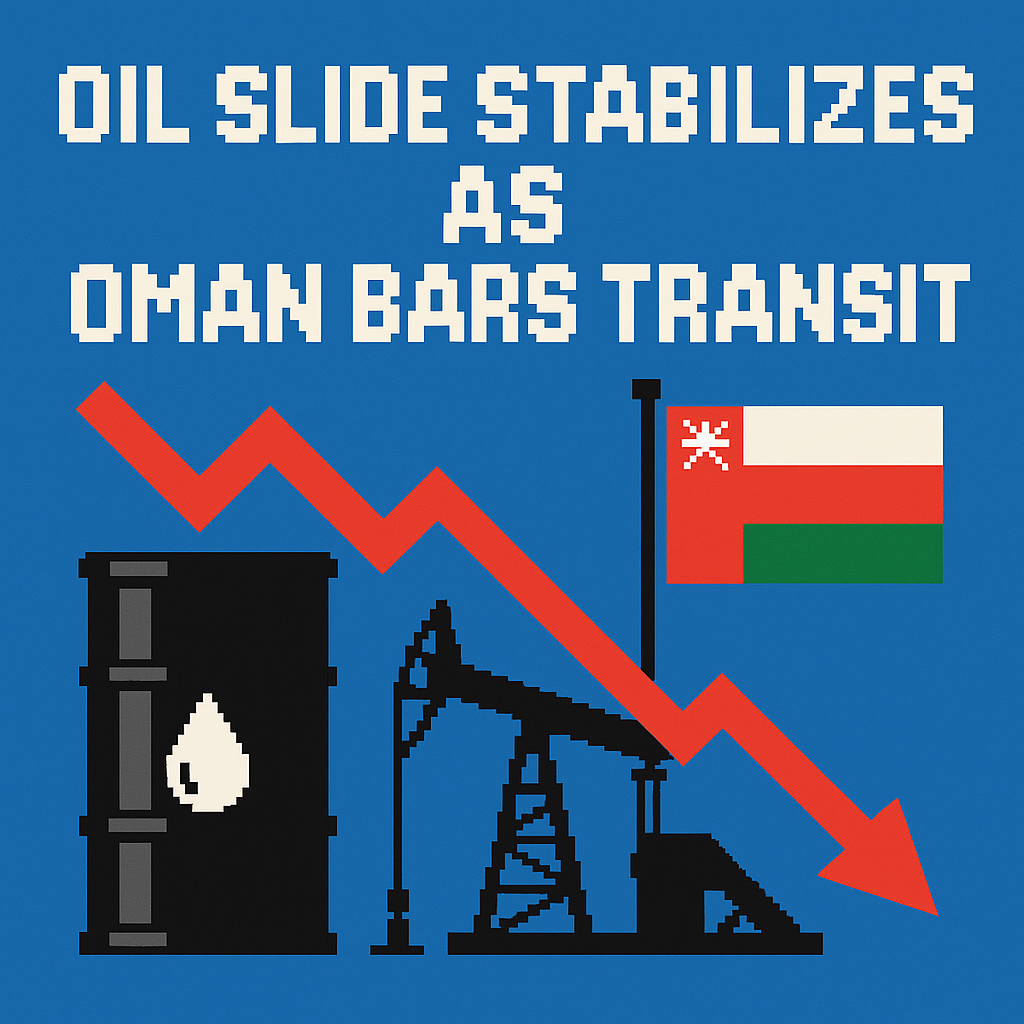
Fuel Spike Pushes UK Inflation to 3.3% | Analysis by Brian Moineau

When a litre at the pump becomes a headline: UK inflation jumps to 3.3% in March as fuel prices surge amid Iran war - CNBC

The phrase "UK inflation jumps to 3.3% in March as fuel prices surge amid Iran war - CNBC" landed in many inboxes this week, and it captures a simple, uncomfortable truth: geopolitics can show up at the filling station and in the household budget almost overnight. The Office for National Statistics reported headline CPI rising to 3.3% in March 2026, driven largely by one volatile element — motor fuel — which the ONS said recorded its largest increase in over three years.

Let’s walk through what happened, why it matters, and what to watch next — without the dry economese.

Why fuel pushed inflation up (and why that’s different from other inflation spikes)

A shock to supply is the clearest story here. The military conflict in and around Iran has tightened flows of crude and refined products, and global oil prices jumped as traders priced in disruption to shipping through the Strait of Hormuz. That translated quickly into higher wholesale and pump prices for petrol and diesel.

  • Motor fuel swung from an annual decline one month to a notable rise the next — the kind of movement that drags headline inflation with it because energy is a price-sensitive category.
  • The ONS highlighted the March jump in petrol and diesel as the single largest upward driver of the month’s CPI change.
  • Other categories — airfares and some food items — also nudged higher, but fuel was the headline-grabber.

This type of inflation is often called “imported” or supply-driven: it is concentrated, externally sourced, and (crucially) can be more transitory than broad-based domestic price pressures that come from wages or services.

The wider context: where the UK had been and where this bumps things

Heading into March, UK inflation had been trending downward from the highs of the past couple of years and was sitting around 3.0% in February. That decline allowed markets and some policymakers to hope the Bank of England could ease its stance later in the year.

The March data complicate that picture:

  • A rise to 3.3% suggests inflation momentum has re-accelerated, at least temporarily.
  • Central banks care about both the level and the persistence of inflation. A one-off commodity shock is one thing; a shock that spreads into wages, rents, and services is another.
  • For households already stretched by higher living costs, even a modest uptick has real consequences — especially for drivers and businesses with fuel-intensive operations.

So while this jump looks—on the surface—like a sharp, externally driven blip, its policy implications depend on whether the effect lingers and broadens.

What this means for consumers, businesses and policy

Short-term pain is obvious. Higher petrol and diesel bills hit consumers at the point of sale and raise operating costs for firms that transport goods. Less obvious are the next-round effects.

  • Consumers: More of the weekly budget goes to fuel, leaving less for discretionary spending. That can slow retail and service-sector growth.
  • Businesses: Firms with thin margins and high fuel use face squeezed profits or pass-through of higher costs to customers. Small businesses are most vulnerable.
  • Monetary policy: The Bank of England watches core inflation (which strips out energy and food), but repeated or persistent energy shocks can bleed into core through wage demands or higher service costs. That could delay or complicate any plans for interest-rate cuts.

Importantly, if the fuel spike is short-lived and global supply stabilises, the headline rate should ease again. If the conflict persists or other supply constraints appear, the upside risk to inflation grows.

Looking beyond the pump: ripple effects to watch

This episode is a reminder that headline inflation is the sum of many moving parts — and a few categories can matter a great deal.

  • Wages: If higher living costs push workers to seek bigger pay rises, that can entrench inflation. Watch earnings data.
  • Services inflation: Services are stickier. Rising transport and energy costs can feed into prices for hospitality, logistics, and other service sectors.
  • Expectations: If households and firms start expecting higher inflation going forward, those expectations can become self-fulfilling. Surveys of inflation expectations will be telling.
  • Fiscal buffers: Government policies that cushion energy costs (tax changes, subsidies) can blunt immediate pain but may carry fiscal costs and distort price signals.

Transitioning from a single-month spike to a sustained inflationary trend requires transmission into these broader channels — and that’s the key distinction for markets and policymakers.

Where the numbers came from and why to trust them

The figures are from the Office for National Statistics’ March 2026 Consumer Price Index release, which provides the official breakdown of what drove the 3.3% headline rate. Multiple reputable outlets summarised the same bulletin and the ONS commentary that motor fuels posted their largest increase in more than three years.

Those ONS releases are the reference point for economists and the Bank of England, and they disaggregate changes by category so we can see whether an event is narrowly concentrated or broadly spread.

What to watch next

If you’re tracking this as a consumer, investor or manager, keep an eye on:

  • Oil and refined product prices and any news about shipping or supply routes.
  • Next month’s ONS CPI release — will motor fuel cool off or continue to climb?
  • Wage and services inflation data, which indicate whether the shock is spreading.
  • Bank of England commentary and market pricing for rate changes.

Short-term volatility in energy markets is normal; the important question is whether that volatility becomes persistent.

My take

This March spike is a classic example of geopolitical risk migrating quickly into everyday economics. It’s painful for drivers and energy-intensive firms, but it’s not yet a full-blown, economy-wide inflation problem — not until those higher costs feed into wages and services. The sensible posture for households is realism: tighten budgets where you can, but keep an eye on broader labour-market signals before assuming long-term price increases.

For policymakers, the tightrope remains the same: resist overreacting to a potentially temporary supply shock while staying alert for signs it’s seeding longer-term inflationary pressures.

Sources

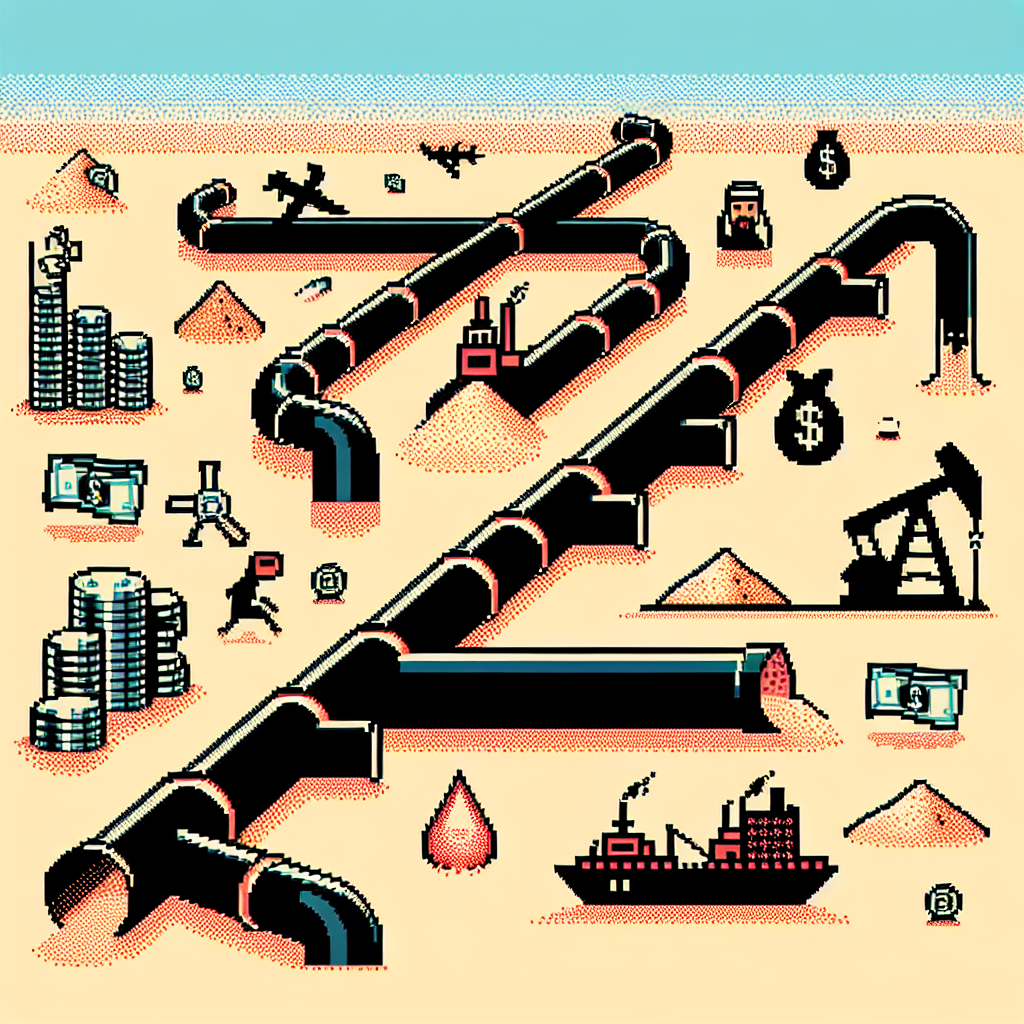
Fragile Truce, Pipeline Strike Shakes | Analysis by Brian Moineau

Hook: a fragile truce and a shattered artery

Just hours after the U.S. and Iran announced a two-week ceasefire, Saudi Arabia’s East-West oil pipeline was attacked — a stark reminder that ceasefires can be fragile and that energy infrastructure remains a tempting, high-impact target. The headline "Saudi Arabia’s East-West oil pipeline attacked" captures more than a physical strike; it captures the geopolitical risk that still pulses through global oil markets and regional stability. (finance.yahoo.com)

Why the East-West pipeline matters

The East-West pipeline (also known as Petroline) runs roughly 750 miles across Saudi Arabia, carrying crude from the Persian Gulf to export terminals on the Red Sea. It has acted as a strategic bypass of the Strait of Hormuz — the narrow chokepoint through which a significant share of world oil flows. Hitting this pipeline doesn’t only damage metal and valves; it threatens a logistical lifeline that keeps oil flowing when maritime routes are contested. (finance.yahoo.com)

Because the pipeline connects east to west, attacks on it can force tankers back toward routes that are more exposed to naval interdiction — and that in turn ripples through logistics, insurance, and pricing across global markets. Predictably, energy markets reacted when the ceasefire was announced and the attacks were reported: oil prices dropped on the ceasefire news but remain vulnerable to further disruptions. (apnews.com)

Quick context on the ceasefire

Diplomacy produced a two-week pause between the U.S. (and its allies) and Iran, announced amid mounting regional strikes that had already targeted refineries and export facilities across the Gulf. The ceasefire was intended to open a window for negotiations and to restart vital shipping lanes like the Strait of Hormuz. Despite that, missile and drone alerts — and reported strikes in Saudi Arabia, the UAE, Kuwait and Bahrain — continued almost immediately, underlining how local and proxy actors can keep fighting even when principals agree to stand down. (apnews.com)

  • The ceasefire aimed to reopen shipping lanes and pause the immediate escalation.
  • Yet on-the-ground forces and asymmetric tactics (drones, missiles) did not halt instantly.
  • The East-West pipeline attack shows the difference between diplomatic intent and operational control.

The tactical logic behind targeting pipelines

Attackers seeking to maximally disrupt an adversary’s economy and coercive capacity often focus on infrastructure that is hard to replace quickly. Pipelines are attractive for several reasons:

  • They concentrate strategic value in discrete, vulnerable points (pumping stations, compressor stations).
  • Repairs can be slow and technically demanding, especially if multiple sites are hit.
  • Even temporary outages force rerouting and boost logistical costs, amplifying economic pain beyond the target.

So when reports surfaced that the East-West pipeline had been struck, it wasn’t just a symbolic blow — it was a pragmatic strike on Saudi Arabia’s ability to move crude efficiently during a period of heightened maritime risk. (oilprice.com)

Regional fallout and market implications

Transitioning from the tactical to the strategic, these attacks play out across several layers:

  • Politically, they erode trust and make diplomatic pauses harder to sustain.
  • Economically, they add volatility to a market already jittery from the wider conflict.
  • Logistically, countries may shift back to more expensive or longer export routes, increasing spreads and insurance rates.

Indeed, market indicators reacted to the ceasefire announcement and the subsequent attack. Oil prices fell sharply on news of the truce, but any credible follow-up strikes on export infrastructure could reverse that drop quickly. That stop-start dynamic is exactly what traders hate: short windows where supply looks secure and then new shocks that reverse the picture. (apnews.com)

The bigger picture: why attacks persist despite a ceasefire

There are several reasons why hostilities continued even as diplomats declared a pause:

  • Command-and-control gaps: ceasefire commitments between states don’t always translate into instant compliance by proxy forces or local commanders.
  • Signaling and leverage: actors may use strikes to increase bargaining power or to signal that concessions must follow quickly.
  • Opportunism: some groups see ceasefires as moments to strike softer or poorly defended assets while routine vigilance drops.

Whatever the motive in this case, the practical fact remains: infrastructure attacks can extend or complicate what appears on paper to be a diplomatic success. (english.aawsat.com)

What comes next

Predicting exact outcomes is risky, but a few plausible near-term scenarios are worth noting:

  1. Repair and resilience efforts will be prioritized — Saudi Arabia and international partners will move quickly to secure and restore flows where possible.
  2. Insurance and freight costs could climb modestly, tightening the effective supply even if physical barrels remain in the system.
  3. Diplomacy will face pressure: the ceasefire’s credibility depends on visible de-escalation on the ground; repeated strikes will harden positions and shorten diplomatic windows.

In short, the pipeline attack raises the bar for maintaining a durable pause: operational de-escalation is as necessary as political agreements.

What this means for observers and markets

For energy market participants, logistics planners, and policy watchers, the attack is a reminder to treat supply security as non-linear and fragile. The headline "Saudi Arabia’s East-West oil pipeline attacked" should prompt reassessments of risk models and contingency plans rather than calm. Transitioning toward more resilient routes and diversified sources feels more urgent when chokepoints — whether a strait or a long pipeline — are clearly exploitable.

Final thoughts

My take: a ceasefire is an important diplomatic step, but infrastructure vulnerability will continue to be a pressure point. The East-West pipeline attack shows that tactical actions can undercut strategic pauses and that a war’s logistics are often fought in dark corners: pumping stations, compressor houses, and maintenance yards. Until those physical vulnerabilities are addressed — through better defenses, redundancy, and international coordination — diplomatic progress will remain tentative.

Sources


Related update: We recently published an article that expands on this topic: read the latest post.


Related update: We recently published an article that expands on this topic: read the latest post.


Related update: We recently published an article that expands on this topic: read the latest post.
Copper Collapse Looms as Iran Tensions | Analysis by Brian Moineau

A fragile wire: Goldman Warns on Copper as Iran War Threatens Global Economy

Copper is a bellwether for the global economy — and now that bell is ringing with alarm. Goldman Warns on Copper as Iran War Threatens Global Economy was the blunt headline echoing through markets, and for good reason. With the Strait of Hormuz intermittently closed and diplomatic deadlines looming, traders, manufacturers and miners all face the possibility that copper’s recent wobble could turn into a sharper, more prolonged fall.

Why copper matters right now

Copper is everywhere: wiring, motors, renewable-energy systems, EVs and construction. Because it sits at the intersection of heavy industry and high-tech demand, its price moves reflect both supply-chain frictions and growth expectations.

Goldman Sachs warned that copper is vulnerable to further declines if the Strait of Hormuz remains blocked. The bank’s point is twofold: one, the immediate logistics shock — stranded shipments, strained alternative ports and rising freight and insurance costs — reduces physical availability in key consumption hubs; and two, the broader macro shock from higher energy prices and slower growth undercuts demand. Together, these forces can push prices down even as some supply-side inputs become costlier. (finance.yahoo.com)

The mechanics: how a Gulf chokepoint ripples through the copper chain

  • Disrupted shipping routes. The Strait of Hormuz handles a huge share of seaborne energy flows. Its closure forces rerouting and congests alternative ports such as Khor Fakkan and Fujairah, which are near capacity. That has stranded shipments of copper cathode and delayed deliveries. (fastmarkets.com)
  • Sulfuric acid shortages. Less obvious but crucial: Middle Eastern producers supply granulated sulfur — feedstock for sulfuric acid used in copper leaching and refining. Interruptions to those chemical flows can throttle smelters and refineries in Latin America and Africa, tightening refined copper availability even if ore output remains steady. (fastmarkets.com)
  • Demand shock from higher energy costs. Oil and gas volatility feeds directly into manufacturing costs. As energy costs spike and inflation persists, project owners delay construction and manufacturers scale back production — both of which reduce copper consumption. Goldman’s warning includes this growth-sapping channel. (bloomberg.com)

Goldman Warns on Copper as Iran War Threatens Global Economy — what the numbers say

Market reports and industry intelligence point to tangible flows at risk. Fastmarkets and other market sources noted roughly 40,000 tonnes per month of copper cathode that previously moved through Jebel Ali are now running into rerouting headaches. Meanwhile, LME prices have shown volatility: a swing down to multi‑month lows and sharp rebounds tied to political headlines and ceasefire talks. These are not just abstractions — they are monthly tonnages, port berthings and processing inputs that power factories. (fastmarkets.com)

A paradox: price down while supply tightens

This is where the story gets counterintuitive. Normally a physical squeeze lifts prices. But here, a growth shock (weaker demand because of economic uncertainty and expensive energy) collided with localized availability problems. That mix can push prices lower in futures markets as traders price weaker demand, even though certain regions face acute shortages and logistical bottlenecks. In short, a market can be physically tight in places and still trade lower on macro fears. (spglobal.com)

Broader implications for industries and investors

  • Manufacturers and contractors: Watch inventories and just-in-time exposure. Firms reliant on the Gulf for semi-finished copper or sulfuric acid need contingency plans.
  • Miners and smelters: Expect margins to be squeezed and short-term shut-ins if chemical inputs don’t arrive. Capital projects may be delayed, compounding future supply risk.
  • Traders and funds: Volatility will create trading opportunities but also higher collateral and margin pressure. Hedging becomes more expensive.
  • Policy and geopolitics: A prolonged reopening impasse would push central banks and governments to reassess inflation trajectories and growth forecasts, influencing interest rates and risk premia. (spglobal.com)

How markets reacted and what changed

In recent days news flow oscillated between threats and de-escalation. Reports indicate that U.S.-Iran ceasefire talks and pauses in strikes caused oil to tumble and risk assets to rally, which in turn nudged copper prices higher from some earlier lows. That demonstrates how quickly sentiment and physical risk can reprice base metals. Still, Goldman’s central caution remains: if the Hormuz disruption persists, copper is vulnerable to further price moves — potentially downward on demand fears or upward in localized spot tightness. (bloomberg.com)

Key takeaways

  • Copper sits at the intersection of logistics risk and macro demand; both channels are active because of the Iran war.
  • The Strait of Hormuz closure has immediate logistical effects (stranded cathode flows) and secondary industrial effects (sulfuric acid shortages).
  • Prices can fall even amid regional shortages if global growth expectations deteriorate.
  • Companies with supply-chain exposure and investors in base-metals need to reassess buffer inventories and hedging strategies.

My take

We’re witnessing a classic modern supply‑shock meets demand‑shock scenario. The near-term noise will remain headline-driven — each diplomatic volley or ceasefire pause will rattle prices. But the structural lesson is longer-lived: global manufacturing chains depend on chokepoints and specialized chemical inputs more than many realize. That fragility argues for diversified sourcing and clearer industry contingency plans, not just for copper but for any commodity where a handful of routes or inputs concentrate risk.

Markets will price headlines, but the physical world — ports, warehouses, smelters and acid plants — ultimately determines who feels the pain. Companies that treat copper’s current lull as a pause, not a permanent repricing, will be better placed when the next swing comes.

Sources


Related update: We recently published an article that expands on this topic: read the latest post.
G7 Emergency Oil Talks: Market Rescue? | Analysis by Brian Moineau

When oil spikes and markets wobble: what the G7 emergency talks mean

The Monday morning jolt was ugly: Brent and WTI leapt above $100 a barrel, global stock indices skidded, and headlines flashed that G7 finance ministers were holding emergency talks about releasing oil reserves. Add to that the news that UK Chancellor Rachel Reeves joined the discussions and said she “stands ready” to support a coordinated release of strategic stocks — and suddenly this feels less like a market hiccup and more like policy coming to the rescue.

Here’s a walk-through of what happened, why leaders are talking, and what it might mean for consumers, markets and policymakers.

Quick snapshot

  • What happened: Oil prices spiked after renewed conflict in the Middle East raised fears of supply disruption through the Strait of Hormuz. Global equity markets fell on the shock.
  • What the G7 did: Finance ministers held an emergency virtual meeting (joined by IMF, World Bank, OECD and IEA leaders) to discuss the surge and possible responses, including coordinated releases from strategic oil reserves.
  • UK role: Chancellor Rachel Reeves participated in the talks and said the UK is ready to support a co‑ordinated release of IEA-held reserves to help stabilise markets.

Why the G7 meeting matters

  • Oil is an input to almost every part of the global economy — transport costs, manufacturing, and even food prices. A sustained jump in crude feeds higher inflation and creates a policy headache for central banks that are already wrestling with sticky price pressures.
  • A coordinated release of strategic petroleum reserves (SPRs) is one of the few tools governments can use quickly to calm a supply scare. When member countries release barrels together it increases immediate global supply and can temper speculative pressure on futures markets.
  • But releasing reserves is not cost-free: it reduces emergency buffers and can send political signals. Countries need to weigh short-term market relief against longer-term energy security and market discipline.

How big a release could make a difference

  • The International Energy Agency (IEA) and policymakers often talk about releases in the hundreds of millions of barrels when trying to blunt a major shock. That scale can temporarily lower prices, but it won’t replace lost daily production indefinitely if shipping routes remain threatened.
  • The market reaction can be as important as the physical barrels — coordinated action reassures traders and can reduce the risk premium embedded in oil prices even before ships arrive at terminals.

Winners and losers in the near term

  • Winners:
    • Oil-consuming households and businesses (if a release reduces pump and wholesale fuel prices).
    • Economies worried about a fresh inflation burst if the move calms markets quickly.
  • Losers:
    • Oil producers and some energy equities if prices retreat.
    • Countries that prefer to keep strategic reserves for true physical interruptions rather than market smoothing.

What Rachel Reeves’ involvement signals

  • Political coordination: Reeves’ participation underscores that this is not only an energy problem but a macroeconomic one. Finance ministers are worried about inflation, growth and financial stability — not just barrels.
  • Pressure to act locally: Reeves also warned retailers against price gouging and stressed measures to protect consumers — an indication that domestic action (price monitoring, consumer support) will accompany international coordination.

Practical limits and second-order effects

  • Timing and logistics: SPR releases take time to flow through the system. Headlines can move markets immediately; physical supply effects lag.
  • Monetary-policy friction: If oil-driven inflation picks up, central banks may face renewed pressure to tighten — which could compound market declines. Conversely, a successful coordinated release that calms oil markets can ease those pressures.
  • Geopolitical uncertainty: If shipping through the Strait of Hormuz remains at risk, any release is a temporary fix unless the security issue is resolved.

What investors and households should watch next

  • Follow official announcements from the IEA and G7 energy ministers about coordinated releases and their scale.
  • Watch immediate price moves in Brent and gasoline; rapid declines after coordinated statements would suggest the market is responding to policy rather than a fundamental supply fix.
  • Track central bank commentary — higher oil can change inflation trajectories and influence rate expectations.

Takeaways to bookmark

  • The G7 emergency talks show policymakers view the oil spike as a macro shock — not simply an energy-sector issue.
  • A coordinated release of strategic reserves can calm markets quickly, but it is a temporary fix and comes with trade-offs.
  • Rachel Reeves’ public stance signals coordinated fiscal/consumer protection measures alongside international action.
  • The market reaction to statements and coordination may be as important as the physical barrels released.

My take

Policy coordination — the kind we saw with the G7 discussions and the UK chancellor’s involvement — is precisely what markets crave in moments of panic. That doesn’t make the choice easy: releasing strategic stocks can soothe prices and sentiment now, but it reduces buffers for a real physical blockade or prolonged disruption. For households and small businesses, the most immediate relief will come from clearer signals (and faster releases) than from longer-term fixes. For investors and policymakers, the lesson is familiar but urgent: when geopolitics threatens pipelines and shipping lanes, markets price in fear fast — and governments are left choosing between short-term relief and longer-term resilience.

Sources


Related update: We recently published an article that expands on this topic: read the latest post.


Related update: We recently published an article that expands on this topic: read the latest post.

Gulf Supply Shock: Kuwait and UAE Cuts | Analysis by Brian Moineau

When the Strait of Hormuz Stutters: Kuwait and the UAE Turn Down the Taps

The image of huge tankers idling off a Gulf coast — engines quiet, destinies paused — has moved from the pages of history to this month’s headlines. This time, it’s not just dramatic footage: the near-closure of the Strait of Hormuz has prompted Kuwait and the United Arab Emirates to actively reduce oil and refining output. That isn’t a remote geopolitical drama. It’s a fast-moving shock to global supply chains, fuel prices, and the choices governments and companies must make this spring.

Why the cuts matter (and why they happened now)

  • The Strait of Hormuz is a choke point for global energy: a meaningful share of the world’s seaborne crude and LNG moves through this narrow waterway.
  • Recent attacks and warnings tied to the widening Iran war have made many shipowners and insurers avoid transiting the strait. Commercial traffic has slowed to a near-standstill in early March 2026.
  • Faced with limited export options and rising risk, Kuwait Petroleum Corp. and Abu Dhabi National Oil Co. (ADNOC) told markets they were managing production and lowering refinery throughput to match storage and export constraints. Kuwait’s initial cuts were about 100,000 barrels a day with plans to increase reductions depending on storage capacity and the status of Hormuz. (fortune.com)

Quick takeaways from the situation

  • Global oil flows are structurally exposed to a small number of maritime choke points; when those are threatened, supply swings fast.
  • Physical constraints (tankers avoiding Hormuz) and commercial constraints (insurance, buyer reluctance) compound each other — making a logistical slowdown feel like a supply shortage.
  • Even with alternate pipelines and export routes (for example, the UAE’s pipeline to Fujairah), bypass capacity is limited compared with total Gulf output, so price volatility and supply anxieties persist. (rigzone.com)

The immediate ripple effects

  • Markets: Brent and other benchmarks jumped as traders priced in the risk of sustained export disruption. Volatility surged because the practical loss of seaborne capacity happens faster than new capacity can be brought online. (euronews.com)
  • Refining and storage logistics: Refiners that rely on Gulf shipments face scheduling chaos; onshore storage is finite, so upstream producers are forced to curtail output rather than export into a bottleneck. Kuwait’s steps to trim both field and refinery output are a direct consequence. (fortune.com)
  • Regional balance: Countries with pipelines that bypass Hormuz (Saudi East–West pipeline, UAE’s Fujairah link) can cushion some flows, but combined bypass capacity still covers well under half of usual seaborne trade through Hormuz; large gaps remain. (specialeurasia.com)

Context you should know

  • This is not a simple “country X turned down the taps” story. It’s a chain reaction: geopolitical attacks and warnings → shipping and insurance pull back → physical exports slow → producers with constrained storage reduce output to avoid oversupply at home → global markets reprice risk.
  • Historical parallels exist (for example, tanker disruptions in the 1980s or episodic harassment in the Gulf), but modern markets are more interconnected and faster — so price moves can be sharper. Analysts and shipping intelligence reported tanker transits dropping to single digits some days in early March 2026, versus dozens per day in normal times. (euronews.com)

Who gets hurt — and who benefits (short term)

  • Hurt: Import-dependent economies (especially in Asia) face higher fuel bills and inflation pressures; refiners and logistics operators suffer schedule and margin disruptions; local consumers may see higher pump prices.
  • Beneficiaries (briefly): Owners of stored crude and some traders can profit from spikes; certain alternative suppliers or routes (pipelines to non-Hormuz ports, spare OPEC+ capacity held in reserve elsewhere) may gain market share temporarily.
  • Longer term: Repeated disruptions incentivize demand-side adjustments (fuel switching, strategic reserves) and supply-side investments (more pipeline capacity, diversification of trade routes), but those changes take time and money.

The investor dilemma

  • Oil-market investors face a choice between short-term volatility plays and longer-term fundamentals. Price spikes driven by transit risk are often followed by mean reversion once shipping resumes — but if the disruption lengthens, structural supply gaps could persist.
  • For companies with exposure to Gulf exports (tankers, insurers, intermediaries), balance-sheet stress and insurance premium spikes are realistic near-term risks. (enterpriseam.com)

What to watch next

  • Shipping and insurance notices: continuous updates from maritime advisors and insurers tell you whether transits are resuming or further constrained. The ISS shipping advisory and commercial trackers have been essential for real-time clarity. (iss-shipping.com)
  • Output statements from regional producers: watch ADNOC, Kuwait Petroleum Corp., Saudi Aramco and Iraq for how far and how long they plan to curtail production.
  • Price signals: sustained moves in Brent above recent ranges would indicate markets expect a longer disruption; abrupt falls would suggest temporary panic priced out.
  • Diplomatic and naval developments: any multinational efforts to secure shipping lanes or de-escalation steps will materially affect flows.

My take

This episode underscores a stubborn reality: geography still matters. No matter how sophisticated the markets, a narrow ribbon of water — the Strait of Hormuz — can force oil producers to choose between flooding domestic storage or throttling production. The response from Kuwait and the UAE is pragmatic: protect domestic infrastructure and avoid creating a crude glut they can’t export. But for consumers and businesses down the supply chain, pragmatic decisions by producers translate into higher prices and greater uncertainty.

Expect policymakers and traders to sharpen contingency planning — more attention on pipeline capacity, strategic reserves, and alternate suppliers — but also expect a period of elevated volatility while the situation remains unresolved.

Sources


Related update: We recently published an article that expands on this topic: read the latest post.


Related update: We recently published an article that expands on this topic: read the latest post.

Why a Hormuz Blockade Won’t Last | Analysis by Brian Moineau

When the Strait of Hormuz Looms Large: Why a “Second Oil Shock” Feels Real — but May Not Last

The headlines are doing what headlines do best: grabbing your attention. Talk of a blockade of the Strait of Hormuz — the narrow sea lane through which a sizable chunk of the world’s oil flows — triggers instant images of spiking petrol prices, panic buying and a rerun of 1970s-style stagflation. The fear of a “second oil shock” is spreading fast, but a growing body of analysis suggests a prolonged shutdown is structurally unlikely. Below I unpack the why and the how: the immediate risks, the market mechanics, and the geopolitical limits that make an extended blockade a hard-to-sustain strategy.

Why this matters (the hook)

  • Roughly one-fifth of seaborne oil trade funnels past the Strait of Hormuz — so any threat to passage immediately rattles traders, insurers, and policymakers.
  • Energy markets react to risk, not just supply. Even the rumor of a blockade can push prices up and premiums higher.
  • But tangible market shifts, diplomatic levers, and hard logistics place real limits on how long such a chokehold could be maintained.

Pieces of the puzzle: what's pushing analysts toward pessimism about a long blockade

  • Regional self-harm. A full, lasting closure would blow back on Gulf exporters themselves — Saudi Arabia, the UAE, Qatar and Iraq would lose export revenue and face domestic strains. That creates strong deterrence among neighboring states against tolerating or enabling a prolonged shutdown.
  • Military and maritime reality. Iran has capabilities to harass shipping (fast boats, mines, missile strikes), but sustaining a durable, enforced blockade against allied and Western navies is a different proposition. Reopening a major chokepoint in the face of escorts, convoys or international interdiction is costly and risky.
  • Demand-side buffers and rerouting. Buyers, especially in Asia, can and do tap spare production, strategic reserves, and alternative shipping routes and pipelines (though capacity is limited and costly). Oil traders and refiners pre-position supplies when risk rises.
  • Geopolitics and diplomacy. Key buyers such as China and major powers have strong incentives to press for keeping the strait open or mitigating impacts quickly — which can produce fast diplomatic pressure and economic levers to de-escalate.
  • Market elasticity: the first few weeks of a shock generate the biggest headline price moves. After that, markets adjust — inventories, substitution, and demand responses blunt the worst-case scenarios unless the disruption is both broad and prolonged.

A quick timeline of likely market dynamics

  • Week 0–2: Volatility spike. Insurance premiums, freight rates and oil futures surge on risk premia and speculation.
  • Weeks 2–8: Substitution and release. Buyers tap strategic reserves, non-Hormuz export capacity rises where possible, alternative crude grades move through different routes, and some speculative premium fades.
  • After ~8–12 weeks: Structural limits show. If the strait remains closed without major allied inability to reopen it, the world would face real supply deficits and deeper price effects — but many analysts judge that political, military and economic counter-pressures make this scenario unlikely to persist.

Why Japan’s (and other analysts’) view that a prolonged blockade is unlikely makes sense

  • Diversified sourcing and large strategic reserves reduce vulnerability. Japan, South Korea and many European refiners have the logistical flexibility and stockpiles to withstand short-to-medium shocks while diplomatic pressure mounts.
  • China’s role is pivotal. As a top buyer, China benefits from keeping trade flowing. Analysts note Beijing’s leverage with Tehran and its exposure to higher energy costs — incentives that reduce the attractiveness of a sustained blockade for actors that seek to maximize their own long-term economic stability.
  • The cost-benefit for an aggressor is terrible. Any state attempting a long-term closure would suffer massive economic retaliation (sanctions, shipping interdiction, loss of export revenue) and risk full military retaliation — making a long-term blockade an unlikely rational policy.

What markets and businesses should watch now

  • Insurance & freight costs. Sharp rises signal market participants are pricing in heightened transit risk even if supply lines remain open.
  • Inventory and SPR movements. Large coordinated releases (or lack thereof) from strategic petroleum reserves are a strong signal of how seriously governments view the disruption.
  • Alternative-route throughput. Pipelines, east-of-Suez export capacity, and tanker loadings from Saudi/US/West Africa show how quickly supply can be rerouted — and where capacity is already maxed out.
  • Diplomatic climate. Rapid negotiations or public pressure from major buyers (especially China) and coalition naval movements are early indicators that a blockade will be contested and likely temporary.

Practical implications for readers (businesses, investors, consumers)

  • Short-term market turbulence is probable; plan for volatility rather than a long-term structural supply cutoff.
  • Energy-intensive firms should stress-test operations for weeks of elevated fuel and freight costs, not necessarily months of zero supply.
  • Investors should note that energy-price spikes can flow into inflation metrics and ripple through bond yields and equity sectors unevenly: energy stocks may rally while consumer-discretionary sectors weaken.
  • Consumers are most likely to feel higher pump and heating costs in the near term; prolonged shortages remain a lower-probability but higher-impact tail risk.

What could change the calculus

  • An escalation that disables international naval responses or damages a major exporter’s capacity (not just transit).
  • Coordinated action by regional powers that refrains from reopening routes or sanctioning the blockader.
  • A drastically different international response — for example, if major buyers refrain from diplomatic pressure or if maritime insurance markets seize up.

My take

Fear sells and markets price risk — and right now the headline risk is real. But looking beyond the initial price spikes and political theater, the structural incentives on all sides point toward the outcome analysts are describing: short-lived disruption that forces expensive, noisy adjustments rather than a sustained global energy cutoff. The real dangers are in complacency and under-preparedness: even a temporary closure can roil supply chains, push up inflation, and squeeze vulnerable economies. Treat this as a severe-but-short shock on the probability scale, and plan accordingly.

A few actionables for those watching closely

  • Track shipping and insurance rate indicators for real-time signals of market stress.
  • Monitor strategic reserve announcements from major consuming countries.
  • Businesses should scenario-plan for 30–90 day spikes in energy and freight costs.
  • Investors should weigh energy exposure against inflation-sensitive assets and keep horizon-specific hedges in mind.

Sources

Keywords: Strait of Hormuz, oil shock, blockade, energy markets, shipping insurance, strategic petroleum reserves, China, Japan, Gulf exporters.


Related update: We recently published an article that expands on this topic: read the latest post.


Related update: We recently published an article that expands on this topic: read the latest post.


Related update: We recently published an article that expands on this topic: read the latest post.


Related update: We recently published an article that expands on this topic: read the latest post.