When the Strait of Hormuz Stutters: Kuwait and the UAE Turn Down the Taps
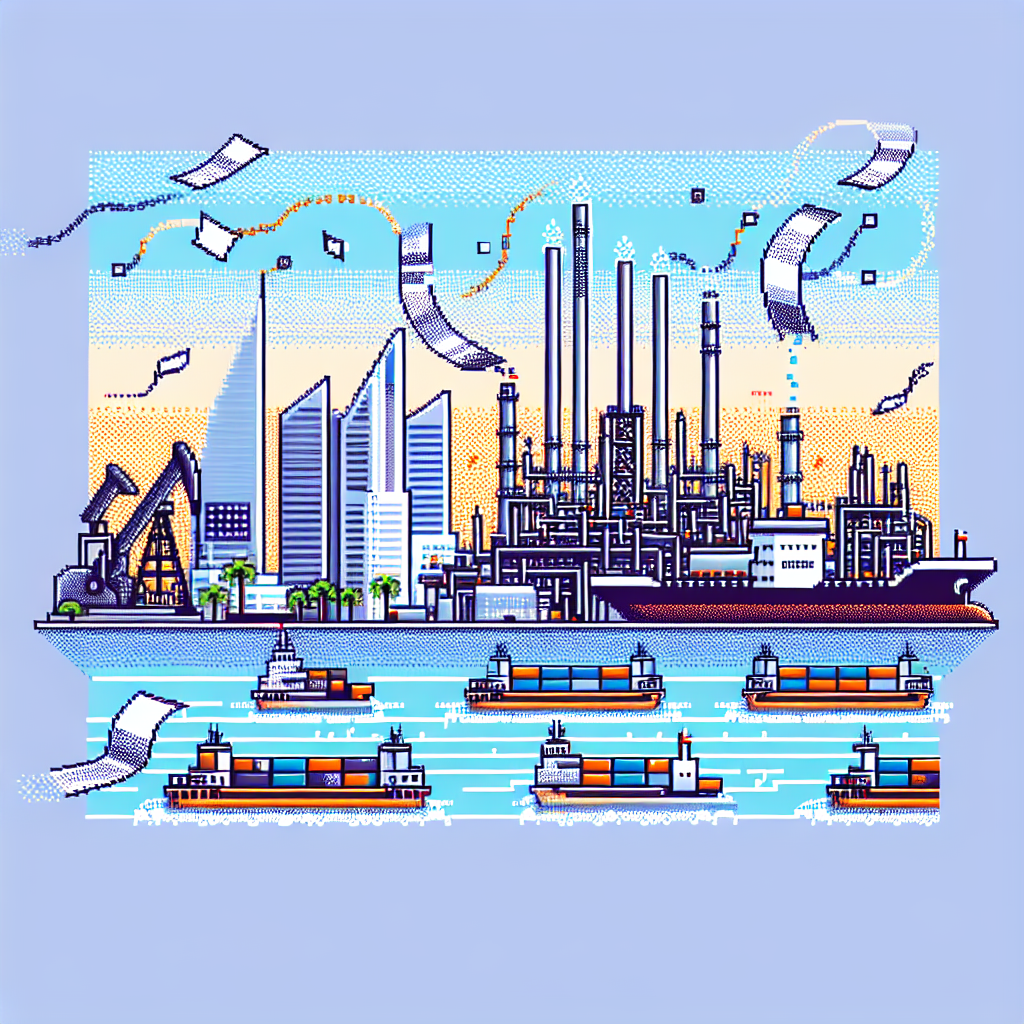
The image of huge tankers idling off a Gulf coast — engines quiet, destinies paused — has moved from the pages of history to this month’s headlines. This time, it’s not just dramatic footage: the near-closure of the Strait of Hormuz has prompted Kuwait and the United Arab Emirates to actively reduce oil and refining output. That isn’t a remote geopolitical drama. It’s a fast-moving shock to global supply chains, fuel prices, and the choices governments and companies must make this spring.
Why the cuts matter (and why they happened now)
- The Strait of Hormuz is a choke point for global energy: a meaningful share of the world’s seaborne crude and LNG moves through this narrow waterway.
- Recent attacks and warnings tied to the widening Iran war have made many shipowners and insurers avoid transiting the strait. Commercial traffic has slowed to a near-standstill in early March 2026.
- Faced with limited export options and rising risk, Kuwait Petroleum Corp. and Abu Dhabi National Oil Co. (ADNOC) told markets they were managing production and lowering refinery throughput to match storage and export constraints. Kuwait’s initial cuts were about 100,000 barrels a day with plans to increase reductions depending on storage capacity and the status of Hormuz. (fortune.com)
Quick takeaways from the situation
- Global oil flows are structurally exposed to a small number of maritime choke points; when those are threatened, supply swings fast.
- Physical constraints (tankers avoiding Hormuz) and commercial constraints (insurance, buyer reluctance) compound each other — making a logistical slowdown feel like a supply shortage.
- Even with alternate pipelines and export routes (for example, the UAE’s pipeline to Fujairah), bypass capacity is limited compared with total Gulf output, so price volatility and supply anxieties persist. (rigzone.com)
The immediate ripple effects
- Markets: Brent and other benchmarks jumped as traders priced in the risk of sustained export disruption. Volatility surged because the practical loss of seaborne capacity happens faster than new capacity can be brought online. (euronews.com)
- Refining and storage logistics: Refiners that rely on Gulf shipments face scheduling chaos; onshore storage is finite, so upstream producers are forced to curtail output rather than export into a bottleneck. Kuwait’s steps to trim both field and refinery output are a direct consequence. (fortune.com)
- Regional balance: Countries with pipelines that bypass Hormuz (Saudi East–West pipeline, UAE’s Fujairah link) can cushion some flows, but combined bypass capacity still covers well under half of usual seaborne trade through Hormuz; large gaps remain. (specialeurasia.com)
Context you should know
- This is not a simple “country X turned down the taps” story. It’s a chain reaction: geopolitical attacks and warnings → shipping and insurance pull back → physical exports slow → producers with constrained storage reduce output to avoid oversupply at home → global markets reprice risk.
- Historical parallels exist (for example, tanker disruptions in the 1980s or episodic harassment in the Gulf), but modern markets are more interconnected and faster — so price moves can be sharper. Analysts and shipping intelligence reported tanker transits dropping to single digits some days in early March 2026, versus dozens per day in normal times. (euronews.com)
Who gets hurt — and who benefits (short term)
- Hurt: Import-dependent economies (especially in Asia) face higher fuel bills and inflation pressures; refiners and logistics operators suffer schedule and margin disruptions; local consumers may see higher pump prices.
- Beneficiaries (briefly): Owners of stored crude and some traders can profit from spikes; certain alternative suppliers or routes (pipelines to non-Hormuz ports, spare OPEC+ capacity held in reserve elsewhere) may gain market share temporarily.
- Longer term: Repeated disruptions incentivize demand-side adjustments (fuel switching, strategic reserves) and supply-side investments (more pipeline capacity, diversification of trade routes), but those changes take time and money.
The investor dilemma
- Oil-market investors face a choice between short-term volatility plays and longer-term fundamentals. Price spikes driven by transit risk are often followed by mean reversion once shipping resumes — but if the disruption lengthens, structural supply gaps could persist.
- For companies with exposure to Gulf exports (tankers, insurers, intermediaries), balance-sheet stress and insurance premium spikes are realistic near-term risks. (enterpriseam.com)
What to watch next
- Shipping and insurance notices: continuous updates from maritime advisors and insurers tell you whether transits are resuming or further constrained. The ISS shipping advisory and commercial trackers have been essential for real-time clarity. (iss-shipping.com)
- Output statements from regional producers: watch ADNOC, Kuwait Petroleum Corp., Saudi Aramco and Iraq for how far and how long they plan to curtail production.
- Price signals: sustained moves in Brent above recent ranges would indicate markets expect a longer disruption; abrupt falls would suggest temporary panic priced out.
- Diplomatic and naval developments: any multinational efforts to secure shipping lanes or de-escalation steps will materially affect flows.
My take
This episode underscores a stubborn reality: geography still matters. No matter how sophisticated the markets, a narrow ribbon of water — the Strait of Hormuz — can force oil producers to choose between flooding domestic storage or throttling production. The response from Kuwait and the UAE is pragmatic: protect domestic infrastructure and avoid creating a crude glut they can’t export. But for consumers and businesses down the supply chain, pragmatic decisions by producers translate into higher prices and greater uncertainty.
Expect policymakers and traders to sharpen contingency planning — more attention on pipeline capacity, strategic reserves, and alternate suppliers — but also expect a period of elevated volatility while the situation remains unresolved.
Sources
-
UAE and Kuwait start oil output cuts after Hormuz blockage — Fortune.
https://fortune.com/2026/03/07/uae-kuwait-oil-output-cuts-strait-hormuz-blockade-us-israel-iran-war/ -
Middle East Port Advisory Date / Time: 03/03/2026 — ISS Shipping (Regional advisory PDF).
https://www.iss-shipping.com/wp-content/uploads/2026/03/Middle-East-Port-Advisory-03032026-1100-1.pdf -
Passage denied: Oil and gas prices swing wildly as Hormuz crisis drags on — Euronews.
https://www.euronews.com/business/2026/03/04/passage-denied-hormuz-shutdown-keeps-oil-prices-on-an-upward-trajectory -
What to know about the Strait of Hormuz — Associated Press.
https://apnews.com/article/5b60e82ef2fc68e2b43aa570a32404dd -
Oil Could Pass $100 as Strait of Hormuz Traffic Halts — Rigzone.
https://www.rigzone.com/oil/news/oil_could_pass_100_as_strait_of_hormuz_traffic_halts-02-mar-2026-183099-article/
Related update: We recently published an article that expands on this topic: read the latest post.
Related update: We recently published an article that expands on this topic: read the latest post.