
Copper Collapse Looms as Iran Tensions | Analysis by Brian Moineau

A fragile wire: Goldman Warns on Copper as Iran War Threatens Global Economy

Copper is a bellwether for the global economy — and now that bell is ringing with alarm. Goldman Warns on Copper as Iran War Threatens Global Economy was the blunt headline echoing through markets, and for good reason. With the Strait of Hormuz intermittently closed and diplomatic deadlines looming, traders, manufacturers and miners all face the possibility that copper’s recent wobble could turn into a sharper, more prolonged fall.

Why copper matters right now

Copper is everywhere: wiring, motors, renewable-energy systems, EVs and construction. Because it sits at the intersection of heavy industry and high-tech demand, its price moves reflect both supply-chain frictions and growth expectations.

Goldman Sachs warned that copper is vulnerable to further declines if the Strait of Hormuz remains blocked. The bank’s point is twofold: one, the immediate logistics shock — stranded shipments, strained alternative ports and rising freight and insurance costs — reduces physical availability in key consumption hubs; and two, the broader macro shock from higher energy prices and slower growth undercuts demand. Together, these forces can push prices down even as some supply-side inputs become costlier. (finance.yahoo.com)

The mechanics: how a Gulf chokepoint ripples through the copper chain

  • Disrupted shipping routes. The Strait of Hormuz handles a huge share of seaborne energy flows. Its closure forces rerouting and congests alternative ports such as Khor Fakkan and Fujairah, which are near capacity. That has stranded shipments of copper cathode and delayed deliveries. (fastmarkets.com)
  • Sulfuric acid shortages. Less obvious but crucial: Middle Eastern producers supply granulated sulfur — feedstock for sulfuric acid used in copper leaching and refining. Interruptions to those chemical flows can throttle smelters and refineries in Latin America and Africa, tightening refined copper availability even if ore output remains steady. (fastmarkets.com)
  • Demand shock from higher energy costs. Oil and gas volatility feeds directly into manufacturing costs. As energy costs spike and inflation persists, project owners delay construction and manufacturers scale back production — both of which reduce copper consumption. Goldman’s warning includes this growth-sapping channel. (bloomberg.com)

Goldman Warns on Copper as Iran War Threatens Global Economy — what the numbers say

Market reports and industry intelligence point to tangible flows at risk. Fastmarkets and other market sources noted roughly 40,000 tonnes per month of copper cathode that previously moved through Jebel Ali are now running into rerouting headaches. Meanwhile, LME prices have shown volatility: a swing down to multi‑month lows and sharp rebounds tied to political headlines and ceasefire talks. These are not just abstractions — they are monthly tonnages, port berthings and processing inputs that power factories. (fastmarkets.com)

A paradox: price down while supply tightens

This is where the story gets counterintuitive. Normally a physical squeeze lifts prices. But here, a growth shock (weaker demand because of economic uncertainty and expensive energy) collided with localized availability problems. That mix can push prices lower in futures markets as traders price weaker demand, even though certain regions face acute shortages and logistical bottlenecks. In short, a market can be physically tight in places and still trade lower on macro fears. (spglobal.com)

Broader implications for industries and investors

  • Manufacturers and contractors: Watch inventories and just-in-time exposure. Firms reliant on the Gulf for semi-finished copper or sulfuric acid need contingency plans.
  • Miners and smelters: Expect margins to be squeezed and short-term shut-ins if chemical inputs don’t arrive. Capital projects may be delayed, compounding future supply risk.
  • Traders and funds: Volatility will create trading opportunities but also higher collateral and margin pressure. Hedging becomes more expensive.
  • Policy and geopolitics: A prolonged reopening impasse would push central banks and governments to reassess inflation trajectories and growth forecasts, influencing interest rates and risk premia. (spglobal.com)

How markets reacted and what changed

In recent days news flow oscillated between threats and de-escalation. Reports indicate that U.S.-Iran ceasefire talks and pauses in strikes caused oil to tumble and risk assets to rally, which in turn nudged copper prices higher from some earlier lows. That demonstrates how quickly sentiment and physical risk can reprice base metals. Still, Goldman’s central caution remains: if the Hormuz disruption persists, copper is vulnerable to further price moves — potentially downward on demand fears or upward in localized spot tightness. (bloomberg.com)

Key takeaways

  • Copper sits at the intersection of logistics risk and macro demand; both channels are active because of the Iran war.
  • The Strait of Hormuz closure has immediate logistical effects (stranded cathode flows) and secondary industrial effects (sulfuric acid shortages).
  • Prices can fall even amid regional shortages if global growth expectations deteriorate.
  • Companies with supply-chain exposure and investors in base-metals need to reassess buffer inventories and hedging strategies.

My take

We’re witnessing a classic modern supply‑shock meets demand‑shock scenario. The near-term noise will remain headline-driven — each diplomatic volley or ceasefire pause will rattle prices. But the structural lesson is longer-lived: global manufacturing chains depend on chokepoints and specialized chemical inputs more than many realize. That fragility argues for diversified sourcing and clearer industry contingency plans, not just for copper but for any commodity where a handful of routes or inputs concentrate risk.

Markets will price headlines, but the physical world — ports, warehouses, smelters and acid plants — ultimately determines who feels the pain. Companies that treat copper’s current lull as a pause, not a permanent repricing, will be better placed when the next swing comes.

Sources


Related update: We recently published an article that expands on this topic: read the latest post.

Traders Flee Giants to Forge Leaner Funds | Analysis by Brian Moineau

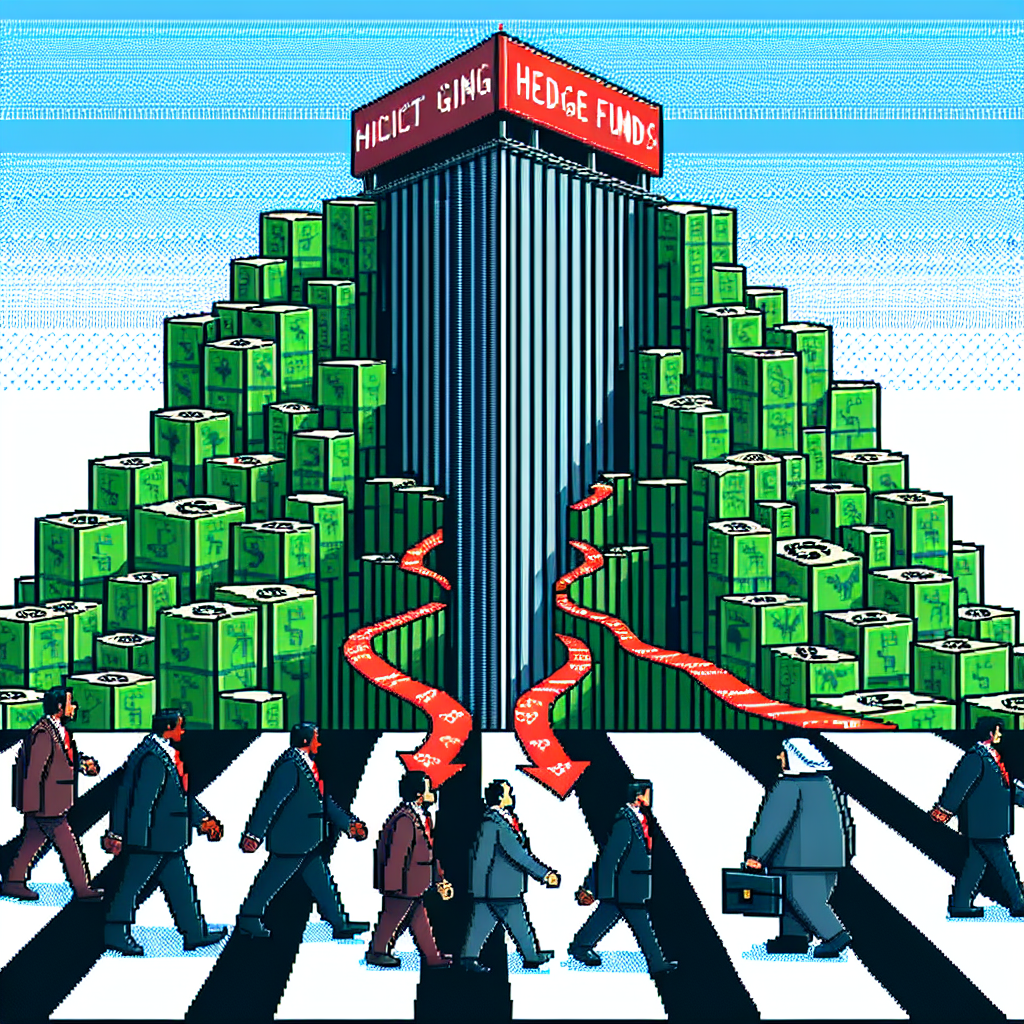
Traders Are Ditching Giant Hedge Funds to Set Their Own Terms

Introduction

There’s a quietly disruptive migration on Wall Street: traders are leaving giant hedge funds and starting smaller shops that let them “set their own terms.” That phrase — set their own terms — captures the new calculus for many market veterans: give up multimillion-dollar pay packages and access to billions in firepower, in exchange for autonomy, simpler economics and the freedom to run strategies on their timetable.

This trend shows up everywhere from proprietary desks spinning out to senior portfolio managers taking a smaller balance sheet but a bigger slice of the upside. It feels less like a rush to become celebrities and more like a return-to-basics: control risk, keep the upside, cut the bureaucracy.

Why traders are walking away

  • Pay structure friction. Big multi-strategy firms can offer juicy headline compensation today, but they also centralize profits, allocate capital across many teams, and use internal performance hurdles. Starting their own shop lets traders control fee splits, carry and vesting — even if the dollar amount initially looks smaller.
  • Cultural and operational drag. Giant firms have layers of compliance, comms, and process. For a trader whose alpha relies on quick decisions and nimble positioning, that drag can erode returns and morale.
  • Technology and infrastructure are cheaper. Cloud providers, third-party execution/prime services, and low-latency platforms have lowered the fixed cost of operating a fund. That makes it feasible to run a boutique with professional infrastructure but far lighter governance.
  • Brand and investor appetite. Institutional allocators who once preferred big brands are more willing to back small, high-performing teams — if they can show a clean track record and robust risk controls.
  • Risk appetite and diversification. Some traders want to focus on a single niche (event-driven, macro, relative value) rather than being shoehorned into a multi-strategy firm’s allocation mix. Running a boutique lets them concentrate on what worked for them historically.

A different bargain

Leaving a giant firm is not simply a lifestyle choice; it’s a new deal structure. Traders who spin out tend to renegotiate three things:

  • Capital: Instead of hundreds of millions or billions, they may start with tens of millions raised from seed investors, family offices, or former colleagues.
  • Economics: Boutiques often offer founders a larger share of management fees and carry, and they can tailor compensation or clawback terms to attract talent.
  • Governance: Less committee oversight, fewer reporting layers, and a direct line between desk performance and compensation.

That bargain isn’t risk-free. Boutique founders shoulder fundraising, investor relations, and operational headaches. They must buy or rent prime broker relationships, set up compliance, and often put more of their personal capital at stake. But for many, that trade-off — greater upside per dollar and less internal friction — is worth it.

Context matters: why now?

This movement isn’t brand-new. Over decades, regulatory shifts (think post-crisis reforms) and the growth of multi-strategy giants nudged talent toward or away from different platforms. What’s changing now is the combination of investor sophistication and low-cost infrastructure.

  • Allocators are more discerning. Due diligence has gotten more standardized; investors can evaluate small teams quickly and scale allocations if performance persists.
  • Tech lowers barriers. Outsourced trading systems, cloud data, and institutional service providers let small teams run complex strategies without building everything in-house.
  • The market’s scale paradox. Some strategies don’t scale well to billions; they generate alpha only at modest sizes. That structural reality makes small, nimble shops more attractive for certain approaches.

Examples and early results

  • Some boutique launches have been quietly successful, growing from a seed allocation to several hundred million AUM in a few years by sticking to their playbook and preserving risk discipline.
  • Other spinoffs stumble on fundraising or operational missteps — a reminder that skill at trading doesn’t automatically translate to running a business.

Lessons for firms and allocators

  • For large firms: retaining top traders may require reassessing how capital and carry are allocated, and where bureaucracy can be trimmed without sacrificing controls.
  • For allocators: diversification via small, specialized managers can offer exposures that large funds cannot supply — but it requires operational diligence and realistic sizing.
  • For traders: the decision to leave should account not only for potential upside, but also for the commitment to raise capital, negotiate service providers, and manage investor relationships.

What success looks like

Successful boutiques share a few traits:

  • A clear, defensible strategy that doesn’t rely on scale to produce alpha.
  • Strong, transparent risk management.
  • Reasonable initial capitalization and a credible plan for growth.
  • Discipline in investor communications and realistic performance expectations.

Transitioning smoothly often means partnering with experienced ops people or third-party providers who can shoulder the back-office load while founders focus on trading.

My take

The shift toward smaller, trader-led shops is less a revolt than a rebalancing. Big firms still matter for massive, diversified mandates and infrastructure-heavy strategies. But the market is making room for focused operators who trade less to chase headline AUM and more to preserve edge.

For traders, the choice comes down to trade-offs: security and scale versus speed and upside alignment. For investors, the opportunity is to access targeted alpha if they’re willing to do the homework.

Either way, the headline — traders ditching giant hedge funds to set their own terms — captures a deeper market evolution: the democratization of fund infrastructure and a renewed focus on alignment between decision-makers and owners.

Final thoughts

Expect more of this mosaic: big funds remain, boutiques proliferate, and allocators stitch exposures together. The winners will be traders who understand not only markets, but the operational and investor-relations work that turns trading skill into a durable business. The smart ones aren’t just leaving — they’re building a different kind of platform.

Sources


Related update: We recently published an article that expands on this topic: read the latest post.


Related update: We recently published an article that expands on this topic: read the latest post.

Salesforce Earnings: Traders Brace | Analysis by Brian Moineau

Traders are bracing for a big Salesforce swing after earnings

Salesforce is in the spotlight following its quarterly report released after the closing bell on December 3, 2025. Traders had been betting on a sizable share-price reaction — and option prices told the story: the market was pricing in a roughly 6–8% move in either direction around the print. That setup made the stock a high-drama candidate for active traders, long-term holders and anyone paying attention to how AI momentum is reshaping enterprise software expectations.

Why option prices matter (and what they were saying)

  • Options markets convert uncertainty into a single, tradable number: implied volatility. Around earnings, that implied volatility spikes, and the at-the-money straddle gives a quick estimate of the market’s expected absolute move.
  • Ahead of the Dec. 3 report, traders were pricing roughly a 6–8% move in Salesforce (CRM) by the end of the week — meaning a $235 stock could be expected to reach about $251 on the upside or fall to roughly $218 on the downside.
  • That range reflected a mix of drivers: investor skepticism after a rough 2025 for the stock, plus renewed hope from Salesforce’s growing AI offerings that management had been talking up all year.

The backdrop: AI, sentiment, and a bruised stock

  • 2025 was a rocky year for Salesforce’s share price — down significantly at times — as investors digested execution risks, cloud migration cycles and competition.
  • Internally, Salesforce pushed hard on AI products (Agentforce, Data 360 and other offerings). Management has been arguing these products can expand contract values and accelerate upsells — a bullish argument for long-term revenue growth.
  • Yet AI hype alone hasn’t insulated the company from the market’s short-term instincts: earnings and forward guidance still get punished if growth or margins don’t meet high bars.

What traders were watching beyond the headline numbers

  • Revenue and subscription growth: Are enterprise customers buying more AI-enabled products, or is growth still concentrated in legacy CRM lanes?
  • Margin trajectory and guidance: AI investments can lift long-term revenue, but they also cost money today. Guidance for the next quarter and full year mattered a lot.
  • Customer metrics: churn, renewals and remaining performance obligations (RPO) are the connective tissue between product adoption and sustainable revenue.
  • Management tone on AI monetization: specifics about ARR contribution, adoption rates for Agentforce/Data 360, and conversion of pilot programs into full deployments could swing sentiment.

What the trade setup meant for different investors

  • Short-term traders: The options-implied move offered both opportunity and risk. A big move could produce quick profits, but the direction was uncertain — traders needed tight risk management.
  • Long-term investors: The headline move might have been noise. For investors focused on 12–24 month outcomes, the key question remained whether AI products materially change Salesforce’s growth profile.
  • Volatility sellers: Selling premium into high implied volatility (IV) is tempting before earnings, but doing so exposes sellers to outsized losses if the stock gaps sharply on the print.

Snapshot of the immediate market reaction

News outlets reported that Salesforce’s results and commentary leaned into AI momentum. Headlines after the report noted an upgraded outlook and stronger-than-expected contributions from AI products, and shares moved in after-hours trading accordingly. That kind of reaction is exactly why option-implied moves widen before earnings — the market prices in the possibility of both a pleasant surprise or a disappointment. (See Sources for links to coverage.)

What this means going forward

  • Expect continued sensitivity to AI metrics. Investors will now want proof that AI wins translate into predictable revenue and margin expansion.
  • The options market will continue to price earnings risk for large-cap software names where execution on AI is a key differentiator.
  • If Salesforce keeps beating expectations and converts pilot projects into ARR consistently, the market may reward the stock multiple expansion. If not, volatility will likely remain elevated.

Quick takeaways for readers

  • Traders were pricing a roughly 6–8% swing in Salesforce stock around the Dec. 3, 2025 earnings release.
  • The options market’s expected move captured uncertainty driven by AI adoption, guidance and customer metrics.
  • Short-term reactions can be sharp; longer-term investors should focus on evidence that AI products are sustainably driving ARR growth and margins.

My take

Earnings days for large software names are always a study in risk vs. reward, but in 2025 Salesforce felt different because AI wasn’t just a buzzword — it was a revenue argument management was quantifying. That makes the short-term moves volatile, but it also makes the post-earnings period more informative. For traders, that means opportunity if you manage risk. For investors, it means watching whether the AI story translates into repeatable, predictable revenue growth — and not just headline demos.

Sources


Related update: We recently published an article that expands on this topic: read the latest post.


Related update: We recently published an article that expands on this topic: read the latest post.


Related update: We recently published an article that expands on this topic: read the latest post.


Related update: We recently published an article that expands on this topic: read the latest post.