It was a seemingly ordinary Tuesday evening, and I found myself staring at the contents of my freezer, feeling a bit uninspired. A pint of vanilla bean ice cream caught my eye, and suddenly, I was reminded of a cute dessert idea I’d seen earlier — those adorable potted plant ice cream treats. I mean, who wouldn’t want to dig their spoon into what looks like a tiny pot of dirt, only to find a luscious, creamy surprise underneath? Perfect for Valentine’s Day or just because, these desserts are delightfully simple to make and never fail to impress with their whimsical presentation. They come together quickly and are the kind of thing you can whip up on a whim, which, as a busy home cook, is exactly the kind of recipe I adore.
Jump to Recipe
What You’ll Need
Chances are you already have most of this hanging around, but the way these flavors and textures come together is just magical.
- Vanilla bean ice-cream
- Diced palm seeds
- Mixed nuts
- Blueberries
- Oreo cookies
- Parsley
How to Make Valentine’s Day Potted Plant Ice-Cream Desserts
- Start by separating the Oreo cookies; remove the cream filling and set it aside (or snack on it, no judgment here!). Pound the cookies until they transform into fine crumbs that resemble rich, dark soil.
- In a mixing bowl, combine the vanilla bean ice-cream with the diced palm seeds, mixed nuts, and a handful of blueberries. The idea is to get a balanced mix of creaminess, crunch, and bursts of fruity freshness.
- Divide this heavenly mixture into your serving cups. It doesn’t have to be perfect — a little messiness adds to the charm. Place these in the freezer for a good chill.
- Once your ice-cream cups are well-frozen, generously top each one with the Oreo cookie crumbs to create that authentic “soil” look.
- Just before serving, insert a sprig of parsley into each cup. Voilà! You’ve got yourself some delightful potted plant ice-cream desserts that are sure to wow anyone lucky enough to dig in.
Cook’s Notes
Making these desserts is almost as fun as eating them. Remember, the less perfect they look, the better — we’re aiming for a natural, earthy vibe. If you’re prepping ahead, keep the ice-cream mix in the freezer until just before serving, then add the cookie crumbs and parsley. Leftovers (if you have any!) can stay in the freezer for a few days, but be sure to add fresh parsley right before serving again to keep that vibrant green pop.
Make It Your Own
- Swap the vanilla bean ice-cream for chocolate if you want that extra chocolatey punch — it’s a game-changer!
- Try using mint leaves instead of parsley for a refreshing twist and a subtle hint of minty fragrance.
- For a tropical vibe, substitute the blueberries with chunks of pineapple or mango.
- If you’re nuts about nuts, add a sprinkle of crushed pistachios on top of the “soil” for extra crunch and color.
If you try this, I’d love to hear how it turns out — drop a comment or tag me in your potted plant creations! Trust me, these little delightful desserts will grow on you just as they have on me. Happy cooking!
Related update: Valentine’s Day Potted Plant Ice-Cream Desserts
Related update: Banana Pudding Cake
It was one of those hectic Tuesday evenings, you know the kind where the laundry is beckoning, emails are piling up, and yet your stomach still somehow wants to be fed. There I was, standing in front of my refrigerator, hoping for some culinary inspiration to jump out and save me from splurging on takeout for the third night in a row. My eyes landed on that lonely basket of cherry tomatoes and a half-used cucumber. Suddenly, a memory of a zesty Tomato Cucumber Salad from a sunlit café popped into my head. The beauty of this dish is its simplicity and the fact that it’s much more than the sum of its parts: refreshing yet satisfying, quick yet elegantly reminiscent of summer picnics. It’s the kind of dish that comes together with a handful of pantry staples, a little bit of chopping, and a splash of creativity. Easy enough to whip up in under 30 minutes, and impressive enough to make you feel like a culinary genius.
Jump to Recipe
What You’ll Need
This Tomato Cucumber Salad is all about letting simple ingredients shine. Chances are you already have most of this hanging around in your kitchen.
- Cherry tomatoes – the sweeter, the better!
- Diced cucumber – refreshing crunch is a must.
- Sliced garlic
- Lemon juice
- Olive oil – go for the good stuff if you can.
- Black salt and pepper
- Shallot – for a hint of sweet oniony goodness.
- Fresh parsley
How to Make Tomato Cucumber Salad
- Start by heating a splash of olive oil in a skillet over medium heat. When the oil shimmers, toss in the chopped shallot and sliced garlic. Stir-fry gently, keeping an eye out for a lightly golden hue. The kitchen should start smelling divine right about now.
- Remove the skillet from the heat and introduce a bright splash of lemon juice to the mix. The sizzle will tell you the dressing is coming together beautifully. Season with a sprinkle of black salt and a few cracks of pepper to taste.
- As the dressing takes a moment to cool, cut your cherry tomatoes into halves and dice the cucumber into cheerful 1cm cubes. Toss them both into a salad bowl, ready to soak up all the goodness.
- Pour the warm dressing over the tomato and cucumber combo, and toss gently. The fresh parsley should be added last, offering a vibrant pop of color and flavor.
- Cover the bowl and let the salad chill in the fridge for about an hour. This helps the flavors to meld into a harmonious chorus of tangy, sweet, and savory.
Cook’s Notes
This salad is as forgiving as it is delicious. If you’re running short on time, you can skip the chilling, but letting it sit in the fridge does wonders for flavor mingling. If you’ve got leftovers, they’ll keep in an airtight container in the fridge for a day or two, though the tomatoes may soften slightly. Avoid over-stirring after refrigeration if you prefer your salad to stay crisp.
Make It Your Own
- Swap the cucumber for crisp, thinly sliced fennel for an aromatic twist.
- Add a handful of crumbled feta for a creamy contrast.
- Throw in some roasted chickpeas for extra protein and crunch.
- Use fresh basil leaves instead of parsley for a fragrant, pesto-esque vibe.
If you try this, I’d love to hear how it turns out — drop a comment or tag me! This salad is a little taste of sunshine on your plate, and I hope it brings a bright spot to your day, just like it did for mine. Enjoy!
Related update: Tomato Cucumber Salad
Related update: Quinoa Salad with Barberries & Nuts
I recently found myself staring at a couple of Honeycrisp apples on my kitchen counter, feeling the first whispers of autumn in the air. You know the days when you can finally break out your sweaters but you still need sunglasses? That’s when my mind started tiptoeing towards something warm and cozy. I mean, what could be better than making a quick, delightful fall fruit compote that ties together all the best flavors of the season? The best part? You don’t need a culinary degree to whip this up. It’s a simple, heart-warming recipe that gives you that “kitchen hero” feeling without the sweat. Plus, it pairs perfectly with so many things, like crispy potato latkes or a dollop of ice cream.
Jump to Recipe
What You’ll Need
Trust me, chances are you already have most of this in your pantry or fridge. The real stars here are the cozy, autumnal ingredients that just sing when they’re together.
- 2 tablespoons of butter
- 2 cups of diced honeycrisp apples
- 1 cup of diced pears
- 1/2 cup of dried cherries
- 1/4 cup of brown sugar
- 1 tablespoon of apple cider vinegar
- 1 cup of apple juice
- 1 cinnamon stick
How to Make Fall Fruit Compote
- Start by melting the butter in a medium-sized saucepan over high heat. You’ll know it’s ready when it starts to smell nutty and divine.
- Once the butter is melted, toss in those diced apples, pears, dried cherries, vinegar, apple juice, brown sugar, and the cinnamon stick. Give it a good stir to coat everything in buttery goodness.
- Let it cook for about 5 minutes. You want the mixture to start bubbling, and the smell will be pure fall magic.
- Turn the heat down to medium and let it simmer for a few more minutes, just until the fruit is tender and the syrupy liquid has mostly reduced. If things start to stick, splash in a little more apple juice to keep it all juicy and lush.
- Once it’s all tender and gorgeous, you’re done! Serve warm and enjoy the fruit-laden spoonfuls of autumn joy.
Cook’s Notes
Let’s chat about some practical tidbits to make your compote experience as smooth as butter. First off, don’t forget that compote thickens as it cools, so don’t worry if it looks a little saucy at first. If you’re planning to serve it later, just warm it up slightly before serving to get back that perfect consistency. If you find yourself with leftovers, pop them in a sealed container in the fridge, and it will stay happy for about a week. This compote is perfect to make ahead of time, especially if you’re planning to dazzle some guests a day or two later.
Make It Your Own
Let’s play around with this compote base because, trust me, versatility is its middle name.
- Swap out the apples for ripe peaches if they’re still in season. They add a lovely, juicy dimension.
- Try cranberries instead of dried cherries for a tarter twist. A little zing never hurt anyone!
- For a boozy touch, replace half the apple juice with a splash of bourbon or rum. It makes things just a little more grown-up.
- Add a pinch of ground ginger or nutmeg for extra warmth and spice. Your taste buds will thank you.
If you give this autumnal delight a go, I’d love to hear how it turns out — drop a comment or tag me in your fall feasting pics! Happy cooking, friend!
Related update: Fall Fruit Compote
Related update: Chocolate Chip Peanut Butter Mallow Dessert Bars
Picture this: It’s a chilly autumn afternoon, and the sun is giving off that perfect golden hue that makes everything look like a scene from a cozy movie. I’m in my kitchen, wearing my favorite oversized sweater, and I’ve got a craving for something that’s nourishing but still feels like a treat. Enter my Fall Farro Salad with Pomegranate, Walnut & Truffles. This dish is like a warm hug in a bowl, combining nutty farro with the sweet burst of pomegranate seeds, the earthy depth of truffles, and the crunch of walnuts. It’s quick to put together yet tastes like you’ve been working on it for hours. Trust me, this is the kind of recipe that’ll make you feel like a culinary genius with minimal effort, perfect for a weeknight dinner or impressing friends over a weekend brunch.
Jump to Recipe
What You’ll Need
Most of these ingredients are pantry staples, so you might already find them hanging out in your kitchen. Here’s what you need:
- 1 cup farro
- 2 tablespoons extra virgin olive oil
- 1/2 cup pomegranate seeds
- 1/2 cup walnuts, roughly chopped
- 1/2 head radicchio, thinly sliced
- 1/4 cup parmesan, shaved into ribbons
- 2 teaspoons truffle oil
- 1 tablespoon balsamic vinegar
- Salt and pepper, to taste
How to Make Fall Farro Salad with Pomegranate, Walnut & Truffles
- Start by cooking the farro. Bring a pot of cold water to a boil, and don’t forget a pinch of salt. Toss in the farro and let it cook until it’s al dente—about 20-35 minutes. You can throw in some vegetable scraps like a carrot or celery if you have them, for added flavor.
- While the farro is cooking, toast the walnuts in a dry pan over medium heat. Keep an eye on them and stir occasionally, until they are golden and fragrant. This should take about 5-7 minutes.
- In a large bowl, whisk together the extra virgin olive oil, balsamic vinegar, truffle oil, salt, and pepper. This dressing will bring everything together with a luxurious, earthy flavor.
- Once the farro is cooked, drain it and let it cool slightly. You want it warm but not piping hot.
- Add the farro to the bowl with the dressing, and toss until the grains are well coated.
- Gently fold in the radicchio, pomegranate seeds, and toasted walnuts. The radicchio should soften slightly but remain crisp.
- Finish by shaving parmesan over the top. A vegetable peeler works wonders here for creating beautiful, thin ribbons.
- Give it a final toss, taste, and tweak any seasoning if needed. Serve immediately and enjoy the medley of textures and flavors!
Cook’s Notes
Let’s chat about farro for a second. It’s an ancient grain, so it’s a bit chewy and wonderfully nutty, perfect for absorbing all the dressing goodness. Don’t skimp on toasting your walnuts; it makes a world of difference in flavor. Also, this salad is best enjoyed fresh, but if you do have leftovers, they’ll keep in the fridge for a day or two. Just know that the radicchio might lose some of its crispness.
Make It Your Own
Feel free to remix this salad with these variations:
- Swap the farro for quinoa if you’re looking for a gluten-free option.
- Substitute walnuts with pecans or almonds for a different nutty dimension.
- Try adding grilled chicken or crispy tofu for extra protein.
- Love cheese? Crumbled goat cheese can replace parmesan for a tangier kick.
If you try this, I’d love to hear how it turns out — drop a comment or tag me! Cooking is all about experimenting and finding what makes your taste buds sing, so have fun with it.
Related update: Fall Farro Salad with Pomegranate, Walnut & Truffles
Related update: Tomato Cucumber Salad
A few weekends ago, I found myself with a bowl of ripe pears staring back at me from the counter, practically begging to be transformed into something special. It was one of those blustery autumn afternoons where the leaves were doing their dance down the street, and all I wanted was a cozy dessert that felt both comforting and indulgent. Enter Oven Roasted Pears with Blackberry Sauce—a dish that marries the rich sweetness of roasted fruit with the tangy brightness of blackberries. It sounds fancy but is as easy as pie (actually, even easier since there’s no crust to wrestle with!). This little number is perfect for impressing your dinner guests or just treating yourself on a Tuesday night. Jump to Recipe
What You’ll Need
Chances are, you already have most of these hanging out in your pantry and fridge. This recipe is all about letting a few simple ingredients shine.
- Pears (ripe but firm)
- Unsalted butter
- Blackberries (fresh and juicy)
- Juice from a lemon
- Powdered sugar
- Confectioners sugar
- Cream of tartar
- Egg whites
- Granulated sugar
- Bittersweet chocolate
How to Make Oven Roasted Pears With Blackberry Sauce
- Preheat your oven to 450°F. Begin by peeling, coring, and quartering the pears. Melt the unsalted butter in a large casserole or baking dish over high heat. A 10-quart Dutch oven works perfectly for this.
- Once the butter is melted and sizzling, add the pear quarters. Cook them for about 10 minutes, stirring occasionally, until they’re golden brown all over. The aroma will be absolutely irresistible.
- Transfer your dish to the oven and let the pears roast for another 7 to 10 minutes. You’ll know they’re ready when a paring knife easily pierces through. Once done, take them out of the oven and let them cool to room temperature.
- As the pears cool, wash and dry the blackberries—my salad spinner is a lifesaver for this! Reserve a handful for garnishing later.
- In a food processor, blend 3 cups of blackberries with powdered sugar and lemon juice until smooth. Pour this vibrant sauce into a bowl and set aside.
- Now, for the meringue kisses! Preheat the oven to 275°F. Line a full-size sheet pan with a silpat mat or parchment paper lightly sprayed with cooking spray.
- In a food processor, give the granulated sugar a blitz for about a minute until it’s superfine. Transfer it to a bowl. Next, process the confectioners sugar and bittersweet chocolate together until the chocolate is reduced to tiny flecks.
- Using a mixer, beat the egg whites at a slow speed until they start to froth. Add the cream of tartar and crank up the speed to high, beating until stiff peaks form.
- Gradually add the superfine sugar, continuing to beat for another two minutes. Transfer this fluffy mixture to a pastry bag fitted with a star tip.
- Pipe out little meringue kisses onto the lined baking sheet, giving each a small peak by pushing the tip into the dollop and pulling away quickly.
- Place the meringues in the oven for an hour and a half. They’re done when they feel hard to the touch, perfectly dried out.
- To serve, spoon the blackberry sauce onto each plate, arrange 3 or 4 pear quarters on top, add a few meringue kisses, and garnish with those reserved whole blackberries.
Cook’s Notes
Here’s the thing, timing is everything with this dessert. You want the pears to still have a bit of bite, so don’t over-roast them. The meringue kisses can be made ahead of time and stored in an airtight container for up to a week. If you’re prepping the blackberry sauce ahead, keep it in the fridge for a day or two, but don’t add the lemon juice until just before serving to keep that bright flavor.
Make It Your Own
- Swap the blackberries for raspberries for a different berry twist.
- Add a splash of vanilla extract to the meringue mixture for a subtle aromatic boost.
- For a dairy-free option, use coconut oil instead of butter when roasting the pears.
- Garnish with some toasted chopped nuts (like hazelnuts or almonds) for a crunchy contrast.
If you try this recipe, I’d love to hear how it turns out—drop a comment below or tag me on social media with your delicious creations!
Related update: Oven Roasted Pears With Blackberry Sauce
Related update: Fall Fruit Compote
Last Tuesday, I found myself staring into the fridge at 6 p.m. with a growling stomach and no dinner plans. You know the feeling, right? That weeknight scramble where you’re just trying to conjure up something quick yet satisfying. Lucky for me, an almost forgotten can of tuna and some leftover boiled eggs saved the day. Enter these deliciously simple Tuna Stuffed Hard-Boiled Eggs—a perfect blend of creamy and tangy, ready in a flash and impressive enough that you might actually look forward to making them again. Whether you’re crafting a light lunch or a snack for a spontaneous get-together, these little bites are exactly what you need.
Jump to Recipe
What You’ll Need
The beauty here is that you probably have all these ingredients lounging in your kitchen. It’s a simple yet delightful list that packs a punch.
- 6 hard-boiled eggs
- 1 can of tuna, drained
- 1/4 cup finely chopped onion
- 1/4 cup grated carrot
- 2 tablespoons chopped parsley
- 1 tablespoon fresh lemon juice
- 1/4 cup corn kernels for garnish
How to Make Tuna Stuffed Hard-Boiled Eggs
- Start by peeling those perfectly boiled eggs and slicing them in half lengthwise. Scoop the yolks into a bowl and place the whites on a plate.
- In the bowl with the yolks, add the drained tuna, chopped onion, grated carrot, parsley, and a squeeze of fresh lemon juice. Mash everything together with a fork until it’s well combined and creamy.
- Spoon or pipe the tuna mixture back into the egg whites, filling each hollow generously. You’ll want the filling to have a slightly mounded look.
- To finish, sprinkle the tops with corn kernels. They add a sweet pop and a dash of color—plus, who doesn’t love a little crunch?
Cook’s Notes
If you’re boiling the eggs specifically for this recipe, a 9-minute boil should give you that perfect firm yolk. To prevent overcooking them (nobody likes a green-tinged yolk!), immediately plunge them into an ice bath after boiling.
- For a smoother filling, try blending the mixture in a food processor. It’s not necessary, but it adds a touch of elegance.
- You can make the filling a day ahead—just store it in an airtight container in the fridge. Stuff the eggs just before serving for the freshest result.
- Leftovers can be stored in the fridge for up to 2 days, but honestly, they’re so good, you probably won’t have any!
Make It Your Own
- Swap the tuna for canned salmon or even shredded chicken for a different flavor profile.
- Love a bit of heat? Add a spoonful of sriracha or a pinch of cayenne pepper to the tuna mixture for a spicy kick.
- If you’re a fan of herbs, try swapping parsley for dill or basil for a fresh twist.
- For added creaminess, mix in a tablespoon of mayo or Greek yogurt with the tuna filling.
If you try this, I’d love to hear how it turns out—drop a comment or tag me! These eggs might just become your new go-to when you’re in a pinch. Happy cooking!
Related update: Tuna Stuffed Hard-Boiled Eggs
Related update: Warm Spinach Artichoke Dip
One Thursday evening, I found myself staring at my pantry, hoping for culinary inspiration to jump out at me. You know how it goes — those nights when you’re craving something more exciting than a sandwich but don’t want to spend hours in the kitchen. That’s when my memory flashed back to a street food adventure in Vietnam. I remembered devouring these crispy, savory pancakes called Bánh Xèo, filled with fresh veggies and a fragrant dipping sauce that tingled the senses. It was the perfect balance of crispy, soft, and tangy. So, I decided to recreate that magic. This recipe is both comforting and impressive without demanding too much of your time. Perfect for when you want to feel like you’ve traveled the world from your kitchen!
Jump to Recipe
What You’ll Need
Ever had one of those moments when you think you have nothing to cook, but then realize you actually have the makings of a feast? This is one of those recipes. Chances are you already have most of this in your kitchen, and the rest are worth adding to your pantry!
- Brown rice flour – the backbone for a gluten-free batter.
- Coconut milk – for that creamy texture and subtle sweetness.
- Tamari sauce – adds depth to the dipping sauce.
- Egg – helps bind the batter.
- Sea salt
- Turmeric – for color and a hint of earthiness.
- Cayenne – just a pinch for a touch of heat.
- Green fresh chili – adds freshness and zing.
- Carrot, daikon radish, and snow peas – for the filling, adding crunch and nutrition.
- Mung bean sprouts – because they make everything better.
- Fresh basil, mint, and parsley leaves – an aromatic, herbal trio.
- Trimmed enoki mushrooms – delicate and perfect for texture.
- Garlic and fresh ginger – because no good dish is complete without them.
- Red fresh chilies – for a spicy kick in the sauce.
- Lime juice – lifts everything with its citrusy zest.
- Rice vinegar – for a tang in the sauce.
- Sesame oil – for richness in the sauce.
How to Make Vietnamese Pancakes with Vegetables, Herbs and a Fragrant Dipping Sauce (Bánh Xèo)
- Start by making the pancake batter: In a mixing bowl, whisk together the rice flour, egg, sea salt, turmeric, cayenne, and green chili. Gradually add the coconut milk, whisking as you go. Aim for a smooth, pourable consistency. If it’s too thick, a splash of water does wonders. Cover the bowl and set it aside to rest.
- Now, onto the sauce: Combine the tamari sauce, lime juice, rice vinegar, minced garlic, grated ginger, chopped red chilies, and a drizzle of sesame oil. Whisk until all the flavors meld together and set aside. This fragrant sauce will take your pancakes to another level.
- For the filling, mix the julienned carrot, daikon radish, thinly sliced green onions, chopped green chilies, and sliced snow peas in a bowl. In another bowl, gather the chopped fresh herbs and have the mung bean sprouts and enoki mushrooms ready to go.
- Time to cook the pancakes! Heat a teaspoon of sesame oil in a non-stick skillet over medium heat. Once hot, pour in about 1/2 cup of batter. Use the bottom of the ladle to spread it into a 6 to 8-inch circle. Cook for 6 to 8 minutes, waiting for small bubbles to pop and the edges to turn crispy and golden brown. Flip and cook the other side for another couple of minutes. Repeat with the remaining batter, keeping the cooked pancakes warm in a 150°F oven.
- To serve, layer a portion of the vegetable mixture and herbs on one half of the pancake. Drizzle with some sauce, fold the pancake over, and give it another light drizzle of sauce. Voilà, your culinary journey to Vietnam is served!
Cook’s Notes
Don’t rush the pancake batter; a little rest allows the flour to hydrate fully, giving you that perfect texture. When cooking the pancakes, medium heat is your best friend. Too high, and you’ll burn them before they’re cooked through. If making ahead, the batter can rest in the fridge for a few hours, just give it a gentle stir before using. Leftover pancakes are a treat; reheat them in a hot pan to regain the crispiness. The sauce and filling can be prepped in advance, making your cooking process even smoother.
Make It Your Own
- Swap the enoki mushrooms for shiitake if you like a meatier texture.
- Use crispy tofu instead of, or alongside, the veggies for a protein-packed version.
- For a spicier kick, add an extra green chili or some Sriracha to the batter.
- Play with the herbs: cilantro lovers, feel free to add it into the mix!
If you try this, I’d love to hear how it turns out — drop a comment or tag me! Making Bánh Xèo is like taking a mini vacation right from your kitchen. Enjoy every crispy, savory bite.
Related update: Vietnamese Pancakes with Vegetables, Herbs and a Fragrant Dipping Sauce (Bánh Xèo)
Related update: Grilled Chicken Hunter Style
It was one of those Wednesday nights. You know the kind where the clock seems to race faster than your energy levels? I glanced into the fridge, feeling the kind of lazy where takeout menus begin to call your name. But I wasn’t ready to give in. Instead, I decided to whip up something that felt indulgent but wouldn’t have me stuck in the kitchen all night. Enter: Broccoli Rabe and Breaded Veal Scallopini. This dish is the perfect balance of earthy greens and crispy, golden veal. It’s a little fancy, but still approachable enough for a hectic midweek dinner. Plus, it makes your kitchen smell like an Italian bistro, which is never a bad thing.
Jump to Recipe
What You’ll Need
The best part? You might already have most of these ingredients lounging around in your kitchen! Here’s what you’ll need to create this lovely dish:
- Broccoli rabe – our powerhouse green
- Butter – for that rich, golden crust
- Egg – helps breadcrumbs stick like a culinary glue
- Olive oil – gives a subtle fruitiness to our sauté
- Salt and pepper – because seasoning is everything!
- Yellow onion – for a sweet, smooth base
- Garlic clove
- Tomatoes
- Veal scallopini – the star attraction
- Bread crumbs – for that irresistible crunch
How to Make Broccoli Rabe and Breaded Veal Scallopini
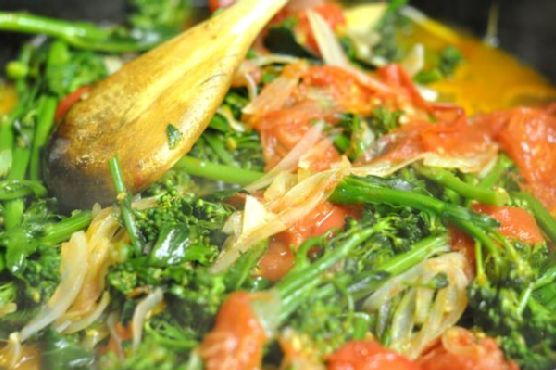
- First, wash and steam the broccoli rabe for about 3 minutes, or until it becomes a vibrant green. If you’re in a rush, a pressure cooker works wonders in no time.
- Thinly slice the onion. Grab a garlic clove, peel it, cut it in half and remove the stem. This will mellow out its strong bite.
- In a deep pan, heat 1 or 2 tablespoons of olive oil over medium heat. Sauté the onion and garlic until they’re soft and the kitchen is filled with a mouth-watering aroma.
- Add the steamed broccoli rabe to the pan, cover with a lid, and let it cook for a few more minutes until tender but still crisp.
- Quarter your tomatoes into wedges, depending on their size, and toss them into the pan. Cook for a few more minutes, mixing them gently with the greens until everything melds beautifully.
- Season with salt and pepper to your liking. Trust your taste buds here!
- For the veal scallopini, start by seasoning each piece with a sprinkle of salt and pepper.
- Dip each piece into a beaten egg, then coat it thoroughly with breadcrumbs. Make sure every inch is covered for maximum crunch.
- Heat a generous pat of butter in a pan over high heat. Once it’s sizzling, add the veal. Fry each side for 1 to 2 minutes until the scallopini is crisp and golden. Don’t skimp on the butter when flipping – those breadcrumbs are thirsty and need their drink!
Cook’s Notes
When buying broccoli rabe, look for bunches with deep green leaves and firm stalks. If you can’t find veal scallopini, thinly sliced chicken or turkey works just as well. If you make a bit extra, both the broccoli rabe and veal can be stored in an airtight container in the fridge for up to two days. Reheat the veal in a hot pan to keep that crispy goodness alive. For the greens, a quick zap in the microwave does the trick.
Make It Your Own
- If veal isn’t your thing, swap it out for chicken breast or even crispy tofu for a vegetarian twist.
- Boost the flavor by adding a sprinkle of parmesan cheese to your breadcrumbs before coating the veal.
- For a little heat, toss in some red pepper flakes when cooking the onions and garlic.
- Swap the broccoli rabe for spinach or kale if you’re in a pinch. They’ll give a slightly different texture but still work well.
If you try this, I’d love to hear how it turns out — drop a comment or tag me! Whether it becomes your midweek savior or a special weekend treat, I hope it brings a little joy to your table. Happy cooking!
Related update: Broccoli Rabe and Breaded Veal Scallopini
Related update: Zesty Lime Marinated Chicken with Homemade Watermelon Salsa
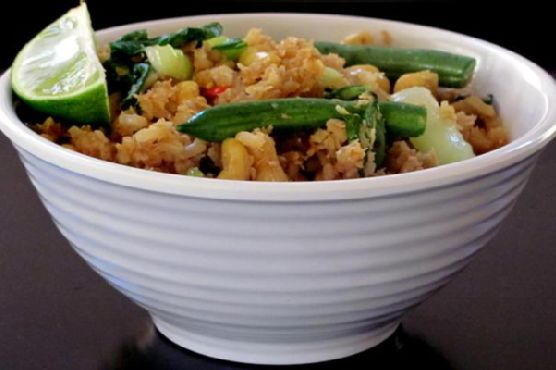
So there I was, standing in the kitchen on a Tuesday night, staring at my pantry like it was a black hole of culinary despair. You know those nights when you crave something satisfying but don’t want to spend an eternity making it? Enter this Cauliflower, Brown Rice, and Vegetable Fried Rice. It’s my go-to when I’m in the mood for something cozy yet packed with veggies. I promise, even if you’re a notorious takeout lover, you’ll want to make this at home. It’s got that perfect balance of taste and texture, and let’s be real, sneaking cauliflower into anything is a win in my book. Plus, it’s a great way to use up leftover rice and that stubborn head of cauliflower that’s been giving you the side-eye from the fridge. Jump to Recipe
What You’ll Need
This ingredient list is your best friend on a busy night. Chances are you already have most of this hanging out in your kitchen.
- 1 tablespoon grapeseed oil
- 1 tablespoon coconut oil
- 4 green dark scallions, sliced (white and green parts separated)
- 3 cloves garlic, minced
- 1 medium head of raw cauliflower, cut into florets
- 2 cups cooked brown rice
- 1 cup cooked broccoli
- 1 cup frozen peas
- 2 tablespoons low sodium soy sauce
- 1 teaspoon sesame oil
- 1 tablespoon sesame seeds
- Additional scallion tops for garnish
- Salt, to taste
How to Make Cauliflower, Brown Rice, and Vegetable Fried Rice
- Start by removing the cauliflower’s tough stem and save it for another day (hello, veggie broth!). Pulse the florets in a food processor until they look like rice or couscous. You’ll end up with about four cups of this magic “cauliflower rice.”
- Heat 1 tablespoon of butter and 1 tablespoon of grapeseed oil in a large skillet over medium heat. Add the garlic and the white and light green parts of the scallions. Sauté until they start smelling amazing, about a minute.
- Toss the cauliflower rice into the pan. Stir it to coat with oil, then spread it out in the pan. Let it sit so it can caramelize a bit—this is where the sweetness comes out. After a couple of minutes, give it a stir and spread it out again.
- Add the cold brown rice to the skillet along with the remaining grapeseed and coconut oil. Crank up the heat to medium-high. Mix everything together and spread it out over the whole pan, pressing it down slightly. This helps it toast up and get a little crispy, which is what we’re going for.
- Next, add the peas and broccoli. Mix them in with the rice. Drizzle the soy sauce and sesame oil on top and give it all a good stir. Cook for another minute or so, then turn off the heat.
- Top everything with the chopped scallion tops. Toast some sesame seeds in a dry pan until they’re golden, then sprinkle them along with some raw, chopped scallion over the rice. Give it a taste and season with salt if needed. If you’re pairing this with something salty, like teriyaki chicken, keep the salt in check.
Cook’s Notes
For the best results, use day-old rice. Freshly cooked rice tends to be too moist and can turn your dish into a mushy mess. If you make rice specifically for this, spread it out on a baking sheet and pop it in the fridge for an hour to dry it out a bit. You can store leftovers in an airtight container in the fridge for up to 3 days. Just reheat in a pan over medium heat — adding a splash of water helps bring it back to life.
If you’re a meal prepper (is that even a word?), this dish is your friend. The cauliflower ‘rice’ can be made ahead and stored in the fridge for a couple of days. Just keep it in an airtight container, and you’re good to go.
Make It Your Own
- Swap the broccoli for any other veggie you love — bell peppers and snap peas are excellent choices.
- If you’re in the mood for protein, add some crispy tofu or a scrambled egg for extra goodies.
- For a spicy kick, throw in a pinch of red pepper flakes or a drizzle of sriracha.
- Make it nutty by tossing in a handful of cashews or almonds before serving.
If you try this, I’d love to hear how it turns out — drop a comment or tag me! I’m always here for your kitchen adventures. Happy cooking!
Related update: Cauliflower, Brown Rice, and Vegetable Fried Rice
It was a Tuesday night, and I found myself staring at the pantry, looking for some inspiration. The day had been long, and the thought of spending hours cooking was just not happening. I needed something quick, with a punch of flavor that would kick away the day’s stress. That’s when I remembered my go-to comfort dish: Penne Arrabiata. This dish is a lifesaver, seriously. It’s one of those recipes that seems almost too easy given how delicious it turns out — a spicy, garlicky tomato sauce that clings lovingly to every piece of penne. Plus, there’s something about the warmth of the spices that feels like a cozy hug after a hectic day. So, if you’re in the same boat and need a little quick comfort, I’ve got you.
Jump to Recipe
What You’ll Need
You probably have most of these ingredients just waiting in your pantry, making this dish all the more inviting. Here’s what’s essential:
- Canned whole tomatoes – I personally love Pomi tomatoes.
- Pasta – A packet of penne.
- Fresh parsley, minced.
- Garlic – About 5 cloves, freshly minced.
- Olive oil – 3 tablespoons will do the trick.
- Dried red peppers – For that spicy kick.
- Fresh basil – For serving.
How to Make Penne Arrabiata
- Start by bringing a large pot of salted water to a boil. This is where your penne will cook, so make sure the water is well-seasoned.
- While the water is heating up, grab a large skillet and heat about 3 tablespoons of olive oil over medium heat. Toss in about a teaspoon of dried red pepper flakes, letting them infuse the oil until they’re slightly aromatic but not smoking. Trust your nose here!
- Next, add your freshly minced garlic — all five cloves of it. The garlic will start to turn golden and fragrant in no time.
- Soon after, sprinkle in a couple of tablespoons of minced fresh parsley, stirring it into the mix. The fragrance should be pretty irresistible by now.
- Chop and add the canned whole tomatoes. Stir them in, and then cover the skillet. Let the sauce cook until it’s heated through, the flavors coming together beautifully.
- Meanwhile, cook the penne in your boiling water, allowing it to reach that perfect al dente texture — tender with a hint of bite.
- Drain the pasta and add it straight into your simmering sauce. Stir thoroughly, so every piece is coated with that spicy, garlicky goodness.
- Just before serving, toss in some coarsely chopped fresh basil and a little more parsley. This fresh, herby finish makes all the difference.
- Serve immediately, preferably with a good chunk of crusty bread to mop up any sauce left on your plate.
Cook’s Notes
Here’s the deal: the key to a great Penne Arrabiata is balance. Let your senses guide you — the sauce should be spicy but not overwhelmingly so. Feel free to adjust the amount of red pepper flakes depending on your spice tolerance. If you’re making this ahead, you can prep the sauce and store it in the fridge for up to 3 days. Just reheat and toss with freshly cooked pasta when you’re ready to eat. As for leftovers, they keep well in the fridge for about 2 days; just be sure to store the pasta and sauce together in an airtight container.
Make It Your Own
This dish is super adaptable, which is another reason to love it. Here are some fun ways to switch things up:
- Swap the penne for spaghetti for a different texture experience.
- If you’re into protein, add some grilled chicken slices or crispy tofu on top.
- For a veggie boost, toss in some sautéed mushrooms or spinach just before serving.
- Feeling cheesy? A sprinkle of parmesan or a dollop of ricotta can take this dish to new heights.
If you give this Penne Arrabiata a whirl, I’d love to hear about how it turns out! Drop a comment below or tag me in your spicy pasta creations — let’s share the love for this simple, satisfying meal. Enjoy!
Related update: Penne Arrabiata
It was one of those lazy Saturday afternoons, the kind where the sun dips lazily through the blinds, splashing warm streaks of light onto your kitchen floor. The kind where you’re not rushing off anywhere, and all you want is a refreshing drink that feels both like a reward and a moment of pause. This was the day I stumbled into crafting my own Turmeric Ginger Beer, a concoction that is as much about the vibrant color as it is about the zingy, spice-laden flavors. This drink isn’t just a thirst-quencher; it’s an experience. It’s simple to put together and yet tastes like something you’d order on a dreamy vacation.
Jump to Recipe
What You’ll Need
This recipe shines in its simplicity and the likelihood that you already have most of these ingredients tucked away in your pantry. It’s a little spicy, a little sweet, and just perfect.
- 2-3 cardamom pods
- 1 teaspoon coriander seeds
- 2 inches of fresh ginger
- 1/4 cup of turmeric ginger syrup
- Zest of one lemon
- 1 cup of soda water
- 1/4 cup of sugar
- 1 tablespoon of turmeric
- 1 cup of water
How to Make Turmeric Ginger Beer
- Infuse the Syrup: Grate your fresh ginger and turmeric, breathing in that sharp, earthy aroma. It will wake up your senses! Combine them with the sugar, water, cardamom pods, and coriander seeds in a saucepan. Bring everything to a lively boil, then reduce the heat and let it simmer gently for about 10 minutes. You’ll know it’s ready when your kitchen smells like an exotic spice market.
- Let it Rest: Take the saucepan off the heat and let the spices infuse, giving the syrup time to absorb all those intricate flavors as it cools down to room temperature. Patience here pays off!
- Strain the Syrup: For a smooth syrup, strain it twice — first through a regular strainer and then through a fine-mesh tea strainer. This ensures no rogue seeds or ginger bits sneak through. Store this golden liquid in the fridge, where it’ll keep nicely for several weeks, ready to summon at a moment’s notice.
- Mix the Drink: To assemble your drink, measure out 2 tablespoons of the syrup and pour it into an eight-ounce glass. Lightly crush a piece of lemon peel and some mint leaves with the back of a spoon to release their oils and aroma. Squeeze the juice from one quarter of a lemon into the glass, then top with ice and soda water. Stir gently, letting the bubbles work their magic.
Cook’s Notes
Don’t rush the straining process; it’s key for that silky texture. If you’re storing the syrup, make sure it’s in an airtight container to keep the flavors fresh. This syrup is versatile and can even be used in other drinks or desserts. If you’re expecting guests, you can double or triple the syrup recipe — it keeps well, making it a great make-ahead option. Just mix with soda water right before serving for that fizzy freshness.
Make It Your Own
- Spicy Twist: Add a slice of fresh jalapeño to the syrup infusion for a spicier kick.
- Herbal Variation: Swap the mint for basil leaves for a completely different herbal fragrance.
- Citrus Swap: Use lime zest and juice instead of lemon for a tart and tangy tweak.
- Sweeten the Deal: Use honey instead of sugar for a richer, more rounded sweetness.
If you try this, I’d love to hear how it turns out — drop a comment or tag me! Whether you stick to the classic or add your own twist, this Turmeric Ginger Beer is bound to brighten your day. Cheers! 🍻
Related update: Turmeric Ginger Beer