NBA Games Postponed as Storm Grounds | Analysis by Brian Moineau

Snowed Out: When the NBA Hits the Brakes Because Mother Nature Shows Up

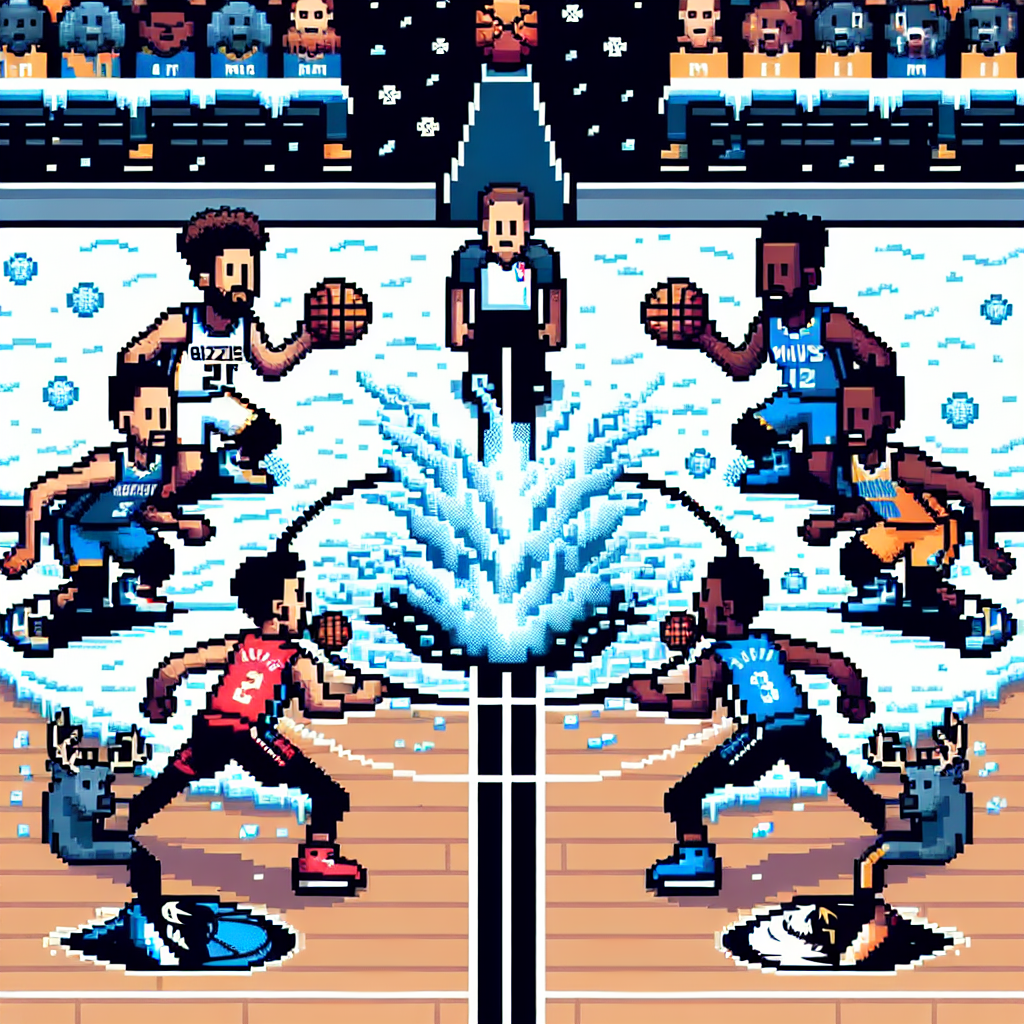
There’s something oddly humbling about a city full of jumbo screens and flight crews pausing because of snow. On January 25, 2026, the NBA postponed two games — Denver vs. Memphis and Dallas vs. Milwaukee — as a massive winter storm made travel unsafe across large swaths of the country. The league, teams and fans all had to reckon with a simple fact: some things are bigger than a game.

What happened (the short version)

  • On January 25, 2026, the Denver Nuggets at Memphis Grizzlies game scheduled for FedExForum was postponed due to inclement weather in the Memphis area. The decision came less than three hours before tipoff after snow, sleet and freezing rain made conditions hazardous. (abcnews.go.com)
  • The Dallas Mavericks’ trip to Milwaukee for a Sunday-night matchup with the Bucks was also postponed after the Mavericks were unable to complete flights to Milwaukee — despite two attempts — because of the storm and related travel issues. No reschedule dates were announced immediately. (cbssports.com)

Why this matters beyond the box score

  • Travel and safety come first: Professional sports operate on tight schedules and expensive logistics, but the league’s decision underscores that player/staff safety and public safety still override TV windows and ticket sales.
  • Scheduling ripple effects: Postponements create logistical headaches. Finding mutually available dates on two busy team calendars — particularly late in the season when back-to-backs and arena availability matter — is rarely simple.
  • Competitive fairness and rhythm: Teams build routines around game flow. Sudden cancellations can give one team an unexpected rest day or disrupt momentum, which matters in tight playoff races.
  • Fan experience and local economies: Last-minute postponements hit ticket holders, arena staff, local vendors and travel-dependent fans who planned around those games.

Scenes and logistics to imagine

  • In Memphis, both teams and the officiating crew had already arrived. For fans who’d made plans for a Sunday night outing, the postponement was abrupt but clearly grounded in safety given the wintry mix and refreeze risk on roadways. (abcnews.go.com)
  • In Milwaukee, the picture was different: the Mavericks tried twice to make the trip but couldn’t due to flight and de-icing or other operational issues. When teams can’t physically get to the arena, there’s no safe way to carry on with a professional game. (cbssports.com)

A few practical questions fans ask (and brief answers)

  • Will the games be rescheduled soon?
    • The league typically looks for an open date that fits both teams’ schedules and arena availability. Because schedules are crowded, especially late in January and February, it may take a while. The NBA announced the postponements and said reschedule dates would be announced later. (nba.com)
  • What about broadcast and ticket refunds?
    • Standard practice: broadcasters adjust programming and teams provide ticket exchange/refund options or reissue tickets for the rescheduled date. Check team and league communications for official details once reschedules are set. (Teams and the NBA handle these logistics directly.)
  • Could postponements affect playoff seeding or rust for star players?
    • Yes. Even minor disruptions can shift rest cycles and rehabilitation timelines. Coaches and staff must juggle minutes and workloads accordingly.

Broader context: weather, travel, and modern sports

Weather has always been an unpredictable opponent. But modern professional sports leagues run interdependent operations — charter flights, arena crews, broadcast windows and fans’ travel plans — that magnify the effects of any disruption. When a storm like the one on January 25, 2026, forces cancellations, it reveals how tightly choreographed the season is and how many moving parts depend on clear skies and open highways. (theguardian.com)

Key points to remember

  • Safety first: League officials postponed the games because travel and local conditions were unsafe.
  • Logistics follow: Rescheduling is complicated and may not happen immediately.
  • Everyone feels it: Teams, broadcasters, arena workers and fans all face consequences when weather intervenes.
  • It’s part of the game’s human element: Even the most high-tech sports world is still subject to nature.

My take

There’s an odd, almost democratic humility in seeing the NBA — a multibillion-dollar enterprise with meticulously planned travel — pause for snow. It’s a reminder that the game is played inside a larger world where safety, infrastructure and community well-being matter more than a perfectly timed TV slot. Fans disappointed by a canceled night can still appreciate that the decision likely prevented unsafe driving, stranded travelers, or worse. The league, teams and supporters all lose a planned moment of shared excitement, but they gain something more durable: the sensible prioritization of people over programming.

Sources

(For the most up-to-date reschedule information, check official team or NBA announcements on their websites or social feeds.)


Related update: We recently published an article that expands on this topic: read the latest post.

Related update: We recently published an article that expands on this topic: read the latest post.

Related update: We recently published an article that expands on this topic: read the latest post.

Arch Mannings Concussion: Texas Footballs | Analysis by Brian Moineau

Arch Manning’s Concussion: What It Means for Texas Football and the Upcoming Matchup

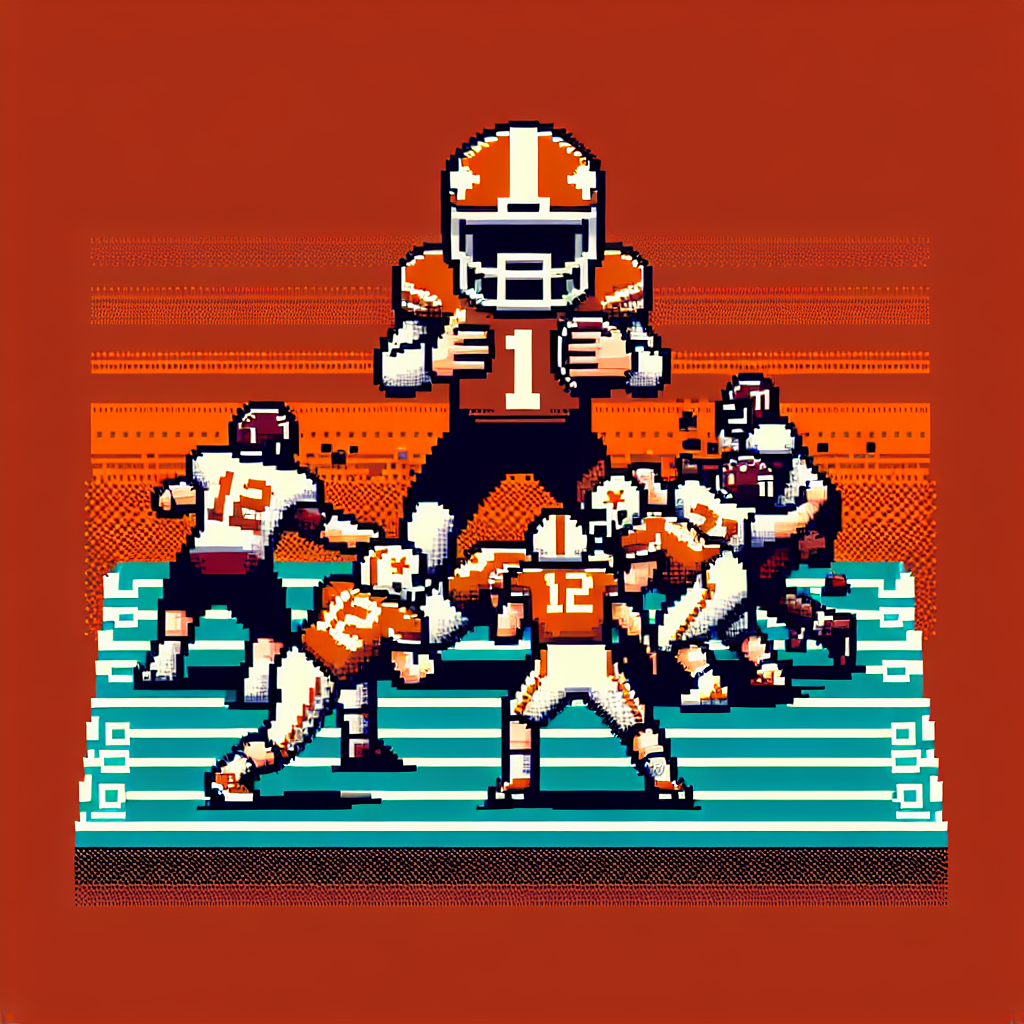
As college football fans, we live for the adrenaline, the rivalries, and the unpredictable twists that each game can bring. Yet, sometimes the stakes can overshadow the thrill, especially when a young star like Arch Manning faces a serious setback. Recent reports indicate that the Texas quarterback suffered a concussion during the game against Mississippi State, raising concerns about his availability for next week’s critical matchup against the Commodores.

The Context: Arch Manning’s Rise and the Texas Team Dynamic

Arch Manning, the highly-touted freshman quarterback, has been a focal point of Texas football since he stepped onto the field. With a family legacy that includes NFL greats, expectations were sky-high for the young quarterback. His performances this season had shown promise, showcasing his potential to lead the Longhorns back to glory. However, injuries can be a harsh reality in sports, and this latest incident serves as a stark reminder of the physical toll of the game.

In the recent game against Mississippi State, Manning took a hit that left him sidelined. Concussions have become a pressing issue in football, with increased awareness around player safety. As the season progresses, maintaining the health of key players is crucial not only for individual performance but also for the team’s overall success.

The Texas Longhorns have shown resilience this season, but losing Manning, even temporarily, could shake the foundation they’ve built. The upcoming match against Vanderbilt is pivotal, and the team will need to navigate this challenge carefully, weighing the importance of player safety against the urgency of competitive success.

Key Takeaways

Arch Manning’s Injury: Reports confirm that Manning suffered a concussion during the game against Mississippi State, putting his availability for next week’s game in jeopardy.

Impact on Texas Football: If Manning is sidelined, the Longhorns will have to rely on backup quarterbacks, which could significantly affect their offensive strategy and performance against Vanderbilt.

Concussion Awareness: This incident underscores the ongoing conversation around player safety in college football, emphasizing the need for thorough protocols and recovery time.

Looking Ahead: The Longhorns will need to adapt quickly, as their next game against Vanderbilt is crucial for maintaining momentum in their season.

Manning’s Future: As a young athlete, Manning’s health and recovery should be prioritized, not just for this season, but for his long-term career.

Concluding Reflection

In the world of college football, the excitement is often coupled with uncertainty. As fans, we rally behind our teams and players, hoping for victories but also understanding the risks involved. Arch Manning’s concussion is a sobering reminder of the physical nature of the sport and the importance of prioritizing player health. As we look forward to the upcoming matchup against Vanderbilt, let’s hope for a swift recovery for Manning and a chance for Texas to keep its aspirations alive.

Sources

– [Burnt Orange Nation: Reports: Texas QB Arch Manning suffered concussion vs. Mississippi State](https://www.burntorangenation.com)

By keeping an eye on player safety and the dynamics of the team, we can appreciate the game’s beauty while advocating for the well-being of its players. Here’s to hoping for a safe return and thrilling games ahead!


Related update: We recently published an article that expands on this topic: read the latest post.


Related update: We recently published an article that expands on this topic: read the latest post.

Soccer Headers Damage Brains Even Without Concussions, Large Study Finds – ScienceAlert | Analysis by Brian Moineau

Soccer Headers Damage Brains Even Without Concussions, Large Study Finds – ScienceAlert | Analysis by Brian Moineau

The Beautiful Game’s Unseen Battle: Soccer Headers and Brain Health

Soccer, affectionately known as “the beautiful game,” captivates millions worldwide with its dynamic play and thrilling moments. Yet, beneath the euphoria of scoring goals and electrifying passes lies a growing concern that has the soccer community—and indeed, the sporting world—thinking twice: the impact of headers on brain health.

Recent findings from a comprehensive study published on ScienceAlert have sparked a dialogue about the potential dangers of heading the ball in soccer, even when concussions are absent. The research highlights how repetitive heading may lead to brain damage, bringing to light a crucial issue that the sport must confront.

The Silent Threat

The study in question scrutinized the long-term effects of heading the ball, indicating that even without immediate concussive symptoms, players might still endure subtle yet significant brain injuries. This revelation is not entirely new but adds weight to a growing body of evidence suggesting that the repeated, seemingly innocuous act of heading could lead to cognitive impairments over time.

The concern isn’t restricted to soccer alone. Other contact sports like American football and rugby have also faced scrutiny over brain injuries. The NFL, for instance, has been embroiled in controversies regarding chronic traumatic encephalopathy (CTE), a condition linked to repeated head traumas. The soccer study mirrors these concerns, pushing the sport’s governing bodies to reconsider current protocols and safety measures.

A Global Conversation

As soccer grapples with these findings, it joins a broader global conversation about athlete safety and long-term health. The dialogue is reminiscent of recent efforts seen in other sports to mitigate risks. For instance, in 2019, the NFL introduced new helmet designs to reduce head injuries. Similarly, the International Rugby Board has implemented stricter regulations on high tackles.

In soccer, there are calls for changes too—youth leagues in the U.S. have already banned headers for players under 11, with restrictions for older children. The English Football Association has issued guidelines to limit heading in training at all levels. These moves aim to safeguard the next generation of players, emphasizing that the well-being of athletes is paramount.

The Way Forward

The study’s findings prompt us to rethink soccer’s future, incorporating science into the sport’s evolution without losing its essence. While the idea of soccer without headers might seem radical, it’s essential to balance tradition with safety.

The conversation should also include education for players, coaches, and medical staff about the risks and signs of brain injury and the importance of reporting symptoms, even if they seem minor. This cultural shift could be pivotal in protecting players.

Final Thoughts

As we ponder these revelations, it’s crucial to embrace a proactive stance on player safety. Soccer has the potential to lead the way for other sports by adopting innovative measures that ensure the game remains beautiful—not just in play, but in its commitment to the health of its players.

Ultimately, the heart of soccer lies in its community—fans, players, and officials united by a shared love for the game. By prioritizing brain health, we can ensure that this beloved sport continues to thrive for generations to come, full of passion, skill, and, above all, safety.

So, the next time you watch a thrilling soccer match and see a player rise to head the ball, remember: behind that moment is a larger conversation about the future of the sport and the well-being of those who play it. Let’s keep the ball rolling, but safely.

Read more about AI in Business

Read more about Latest Sports Trends

Read more about Technology Innovations


Related update: We recently published an article that expands on this topic: read the latest post.

Todd Bowles: We’ll see if the team that wins the overtime toss can run out the clock – NBC Sports | Analysis by Brian Moineau

Todd Bowles: We’ll see if the team that wins the overtime toss can run out the clock - NBC Sports | Analysis by Brian Moineau

The Great Overtime Debate: A Balancing Act in the NFL and Beyond

In the ever-evolving world of sports, change is the only constant. The NFL, a league synonymous with intense competition and strategic innovation, recently made headlines with a tweak to its overtime rules. As reported by NBC Sports, the league's 32 owners voted to ensure that both teams get a possession in overtime, a rule aimed at enhancing fairness and excitement in these high-stakes moments. However, they stopped short of extending regular-season overtime to 15 minutes, a format currently reserved for the playoffs. This decision reflects a broader balancing act between maintaining the integrity of the game and managing player safety—a topic that resonates far beyond the gridiron.

At the heart of this discussion is Todd Bowles, the head coach of the Tampa Bay Buccaneers, who succinctly put it: “We’ll see if the team that wins the overtime toss can run out the clock.” His statement underscores the tactical shifts that this rule change might inspire. Bowles, known for his defensive acumen and calm demeanor, embodies the strategic depth required to navigate these new waters. His approach might very well set a precedent for how teams manage their resources and tempo in the extra period.

This decision by the NFL owners is reminiscent of many debates across various sports and industries. For instance, in Major League Baseball, the introduction of the pitch clock was a move to make games quicker without compromising the sport’s essence. Similarly, the introduction of VAR in soccer was aimed at ensuring fairness, though it has sparked its own debates regarding the flow of the game. These changes, much like the NFL's overtime rules, are part of a larger narrative of adaptation and evolution, attempting to strike a balance between tradition and modernity.

The NFL's choice not to extend regular-season overtime also highlights a growing awareness of player welfare. With increasing scrutiny on the physical toll that professional sports take on athletes, this decision aligns with a broader trend of prioritizing long-term health over short-term entertainment. The league's move mirrors initiatives in other sports, such as the NBA’s load management strategies and the NHL’s concussion protocols, all aimed at ensuring that athletes can perform at their best for as long as possible.

Moreover, this discussion finds parallels in the business world, where companies are constantly balancing innovation with employee well-being. The trend toward flexible work hours and remote work options, accelerated by the pandemic, mirrors the NFL’s attempt to balance game integrity with player health. Just as businesses are learning that a happy, healthy workforce is a more productive one, sports leagues are recognizing the value of preserving their athletes' health for the longevity of their careers and the quality of the sport.

In conclusion, the NFL's latest decision on overtime rules is more than just a tweak in game mechanics; it's a reflection of the league's adaptability and its commitment to fairness and safety. As Todd Bowles and his Buccaneers prepare to navigate these new rules, fans and analysts alike will be watching to see how this change influences the dynamics of the game. Whether it's on the field or in the boardroom, the lesson is clear: Change is inevitable, but with thoughtful consideration and strategic planning, it can lead to a better, more balanced future.

Read more about AI in Business

Read more about Latest Sports Trends

Read more about Technology Innovations

Lawyers will likely nudge the league to dump the tush push – NBC Sports | Analysis by Brian Moineau

Lawyers will likely nudge the league to dump the tush push - NBC Sports | Analysis by Brian Moineau

Title: The Great Tush Push Debate: Is It Time to Bid Adieu to the NFL's Most Controversial Play?

Ah, the world of sports—where strategy, skill, and sometimes a bit of controversy collide on the field. This time, the buzz surrounds the NFL's infamous "tush push" play, a maneuver that has sparked heated debates among fans, officials, and lawyers alike. As NBC Sports recently highlighted, the legal eagles are circling, hinting that the days of the tush push might be numbered due to concerns over potential "catastrophic injury."

Understanding the Tush Push Phenomenon

For those unacquainted with this play, the tush push is a short-yardage tactic where players push the ball carrier from behind to gain extra yards. It’s a play that walks a fine line between brilliant innovation and reckless endangerment. While it may seem like just another strategic move, the potential for injury has raised eyebrows. Critics argue that the play increases the risk of pile-ups, which can lead to serious injuries—something the NFL is keen to avoid in its mission to enhance player safety.

Echoes from the Sports World

The concern over safety isn't unique to football, as we've seen similar discussions in other sports. Take rugby, for instance. The sport has faced its own scrutiny over player welfare, leading to changes in tackling rules to mitigate head injuries. Similarly, in soccer, headers are being re-evaluated at youth levels to protect young athletes' developing brains. The common thread? A growing awareness and proactive approach to minimizing risk in sports.

Legal Influence on the Field

The legal aspect is fascinating. Lawyers play a pivotal role in shaping the rules of the game, often advocating for changes that prioritize player safety. Their influence is evident in the NFL's concussion protocol and the ongoing evolution of helmet technology. In this case, the push for banning the tush push could be seen as another step towards creating a safer playing environment. However, it's a delicate balance between maintaining the sport's competitive edge and ensuring player safety.

A Look at the Teams and Coaches Involved

The Philadelphia Eagles have been particularly adept at executing the tush push, with quarterback Jalen Hurts often at the center of these plays. Nick Sirianni, the Eagles' head coach, has defended the tactic as a legitimate part of the game. It's a testament to the creativity and adaptability of NFL teams, always seeking that competitive advantage. Yet, as the league listens to legal and safety concerns, teams may need to rethink their strategies.

The Bigger Picture

Beyond the gridiron, this debate mirrors larger societal themes about risk management and safety. Whether it's autonomous vehicles or workplace ergonomics, we're continually assessing how to minimize harm while maximizing efficiency and innovation. Sports, as a microcosm of society, reflects these broader conversations.

Final Thoughts

In the end, whether the tush push remains or fades into the annals of NFL history will depend on a careful consideration of safety, legality, and the essence of the sport itself. The dialogue around this play highlights the ongoing evolution of sports, where tradition meets innovation, and safety meets competition. As fans, we can only watch and hope that whatever the decision, it serves the best interests of the players and the game we love.

So, as we buckle up for another thrilling NFL season, let's keep an eye on the tush push saga. It’s a reminder that in sports, as in life, the only constant is change. Here's to the evolution of the game—may it always be exciting, safe, and a little bit controversial.

Read more about AI in Business

Read more about Latest Sports Trends

Read more about Technology Innovations

2025 Senior Bowl Takeaways: Jalen Milroe, Jaxson Dart Show Inconsistencies on Day 1 – Bleacher Report

The 2025 Senior Bowl kicked off with a bang, showcasing some of the top talent in college football as they prepare to make the jump to the NFL. Among the standouts of Day 1 were quarterbacks Jalen Milroe and Jaxson Dart, who both showed flashes of brilliance but also some inconsistencies.

Milroe, a dynamic playmaker from the University of Alabama, impressed scouts with his arm strength and mobility. However, he struggled at times with his accuracy and decision-making, throwing a few errant passes that were intercepted by the defense. On the other hand, Dart, a gunslinger from the University of Southern California, displayed his quick release and ability to make plays on the run. But like Milroe, he also had his share of mistakes, including a few costly turnovers.

The Senior Bowl is known for being a testing ground for the top prospects in the draft, where they can showcase their skills and compete against the best of the best. It's a chance for these young athletes to prove themselves and make a name for themselves on a national stage. However, it's also a time of transition and adjustment as they prepare to take the next step in their football careers.

Outside of the Senior Bowl, there have been some notable events happening in the sports world that are worth mentioning. From the ongoing debate over player safety in the NFL to the rise of new technologies like virtual reality training, the landscape of sports is constantly evolving. And as these young athletes prepare for the next chapter in their careers, they will need to adapt and grow along with the changing trends in the game.

In conclusion, the 2025 Senior Bowl has kicked off with a bang, showcasing the top talent in college football as they prepare for the NFL draft. While quarterbacks like Jalen Milroe and Jaxson Dart showed some inconsistencies on Day 1, they also demonstrated flashes of brilliance that have scouts buzzing. As they continue to compete and improve throughout the week, it will be interesting to see how they rise to the occasion and solidify their status as top prospects in the draft. The Senior Bowl is just the beginning of their journey to the NFL, and the future is looking bright for these young athletes.