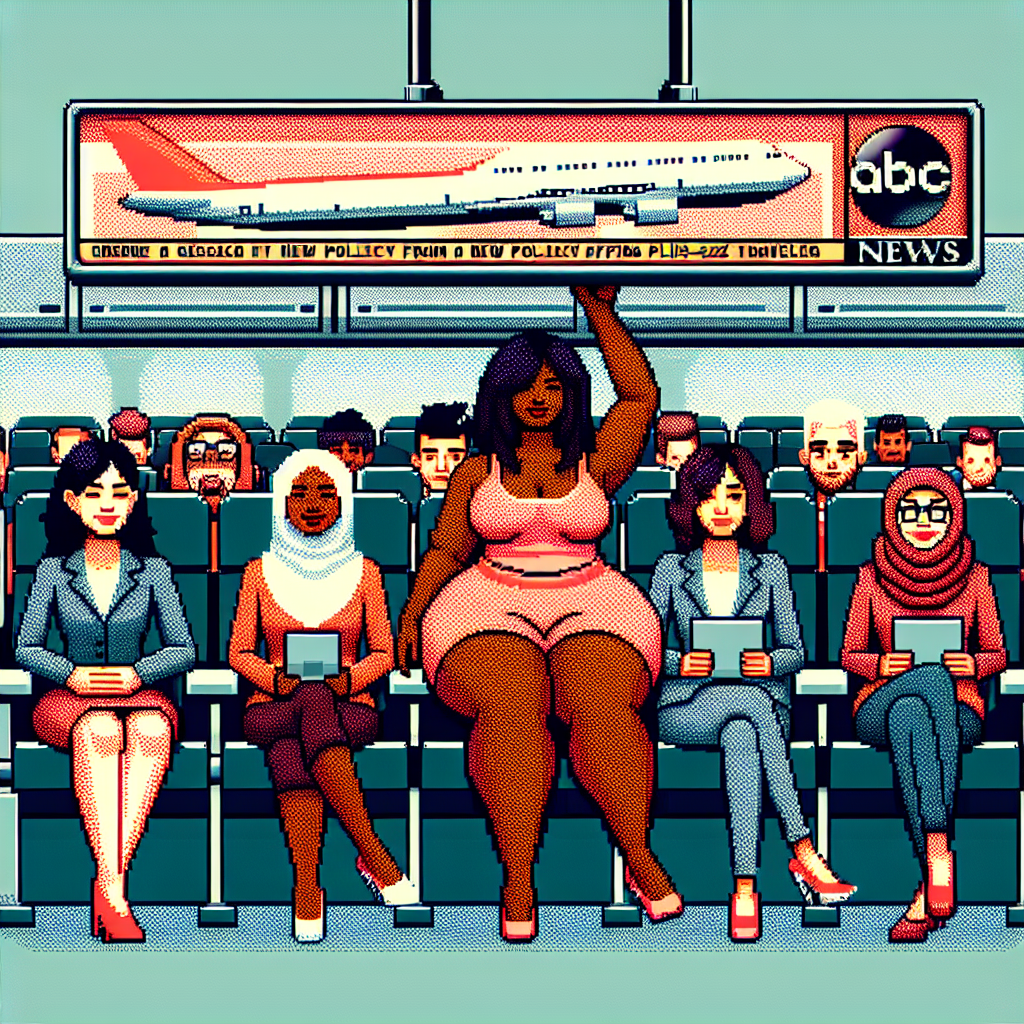
Southwest Airlines’ new policy will affect plus-size travelers. Here’s how – ABC News | Analysis by Brian Moineau

Southwest Airlines' new policy will affect plus-size travelers. Here's how - ABC News | Analysis by Brian Moineau

Flying High: Navigating the Skies with Southwest Airlines' New Policy

Ah, the joy of air travel. The thrill of soaring above the clouds, the delight of tiny complimentary snacks, and now, the latest wrinkle in the flight plan: Southwest Airlines' new policy for plus-size travelers.

In a move that's already creating quite a buzz, Southwest Airlines has announced that passengers who are unable to fit within the armrests of a single seat will be required to purchase an additional seat in advance. This policy is designed to ensure comfort and safety for all passengers, but it's also sparking conversations about fairness, inclusivity, and the ever-evolving landscape of air travel.

Navigating the Skies: A Balancing Act

Southwest's decision comes at a time when airlines are continually striving to balance passenger comfort with operational efficiency. The topic of space on airplanes has been a hot-button issue for years, as airlines have faced criticism for shrinking seat sizes while increasing passenger loads. The International Air Transport Association (IATA) has long advocated for standard seat dimensions to ensure passenger comfort, yet airlines often have the final say.

This new policy from Southwest may seem like a step backward to some, but the airline argues that it is necessary for ensuring all passengers have a comfortable and safe experience. It's worth noting that Southwest has long been known for its customer-friendly policies, including no change fees and free checked bags, which sets it apart from many of its competitors. This new policy, though, puts them in line with several other airlines that have similar requirements, such as American Airlines and Delta.

A Wider Context: Inclusivity in Travel

The broader discussion of inclusivity in travel is not limited to the skies. Across the globe, industries are grappling with how to accommodate people of all sizes and abilities. For instance, the fashion industry has been making strides by introducing plus-size models and more inclusive clothing lines. Similarly, theme parks like Disney have been updating their ride designs to accommodate larger guests.

This shift towards inclusivity is crucial, but it also highlights the challenges businesses face in implementing these changes. Companies must balance financial realities with the moral imperative to be inclusive. Southwest's new policy is a reminder of the ongoing struggle to find this equilibrium.

Soaring Forward: The Future of Air Travel

As we navigate these skies of change, it’s important to remember that air travel, like any other industry, is in a constant state of evolution. Policies will continue to adapt as societal norms shift and as we all strive for a more inclusive world.

While Southwest’s policy may be a point of contention for some, it also serves as a catalyst for broader discussions about inclusivity, comfort, and fairness. As travelers, we should remain engaged in these conversations, advocating for policies that respect and accommodate everyone.

Final Thoughts

As we pack our bags and head to the airport, let’s keep in mind that the skies belong to all of us. Whether you're a frequent flyer or an occasional traveler, each journey is a chance to reflect on how we can make the world a more welcoming place for everyone. Who knows? Maybe the next time you're wedged between two armrests, you'll be inspired to launch the next big idea in inclusive travel. Until then, happy flying!

Read more about AI in Business

Read more about Latest Sports Trends

Read more about Technology Innovations

Samsung closed the One UI 8 beta to new users in the US after barely a day – 9to5Google | Analysis by Brian Moineau

Samsung closed the One UI 8 beta to new users in the US after barely a day - 9to5Google | Analysis by Brian Moineau

Samsung’s One UI 8 Beta: The Hottest Ticket in Tech Town

When it comes to the tech world, excitement is often measured in the speed of light—or in the case of Samsung's recent One UI 8 beta program, the speed of sign-ups. Imagine the scene: Samsung fans eagerly waiting, fingers poised over their devices, ready to dive into the latest Android-based user interface experience. But before most could even blink, the window to join had slammed shut. Yes, in what can only be described as a tech-world equivalent of a sold-out concert, Samsung's One UI 8 beta program in the US filled up in under a day.

The swift closure of the beta program speaks volumes about the enthusiasm and loyalty of Samsung's user base. It's a testament to the brand's ability to generate buzz and anticipation akin to that of an Apple product launch or a Tesla unveiling. But it also raises questions about access and exclusivity in software testing, a topic that resonates well beyond the confines of this beta program.

A World of Betas


The beta phenomenon isn't new, but its landscape is evolving. Just last year, Google had a similar experience with its Android 13 beta, which filled up with eager participants almost as quickly as it opened. These programs serve as test beds for tech enthusiasts to preview upcoming features and provide feedback, essentially becoming part of the development process. However, the rapid filling of these slots highlights a growing trend: the democratization yet exclusivity of tech innovation.

In a world where digital access is crucial, these beta programs can be a double-edged sword. They offer a taste of the future but can also create a sense of FOMO (fear of missing out) among those who don’t make the cut. It's a balancing act that tech companies need to navigate carefully, especially as they aim to cultivate inclusive communities around their products.

Parallels in Pop Culture


The tech world isn't the only sphere grappling with issues of access and exclusivity. Consider the world of entertainment, where limited-edition sneaker drops and surprise album releases ignite a similar frenzy. Much like Samsung's beta program, these events create a rush to be among the first, highlighting a shared cultural obsession with being ‘in the know’ and ‘ahead of the curve’.

Even in the art world, the recent rise of NFTs (non-fungible tokens) has spurred debates over who gets to own and display digital assets. These conversations around access, value, and exclusivity mirror those happening in the tech industry, reminding us that these issues are universal.

Looking Ahead: Inclusivity in Innovation


As we move forward, it will be interesting to see how companies like Samsung balance the exclusivity of beta programs with the desire to be inclusive. Could a lottery system or tiered access levels provide a fairer distribution of spots in these coveted programs? Or perhaps a rotating schedule that allows more users a chance to participate over time?

Ultimately, the rapid filling of Samsung's One UI 8 beta slots underscores the brand's strong community and the high demand for its innovations. However, it also serves as a reminder that in the fast-paced world of technology, creating opportunities for a broader audience to engage with and shape the future is just as important as the innovations themselves.

Final Thought


While the One UI 8 beta program may have been a blink-and-you-miss-it opportunity, it’s emblematic of a larger trend towards participatory development in tech. As we continue to embrace new innovations, let’s hope for a future where access to the latest tech isn't just about who clicks fastest, but about fostering a diverse and inclusive community of pioneers eager to explore what’s next.

Read more about AI in Business

Read more about Latest Sports Trends

Read more about Technology Innovations