Jet2 Lifelong Ban After Midair Brawl | Analysis by Brian Moineau

A midair brawl and a lifetime ban: what happened on Jet2 flight LS896

It should have been the end of a holiday: a Jet2 flight taking passengers from Antalya, Turkey back to Manchester, England on February 12, 2026. Instead, the cabin erupted into violence, the pilot diverted to Brussels for safety, and two people were removed by police — later receiving lifetime bans from the airline. The incident has since rattled passengers, reignited debates about inflight safety, and hammered home that zero-tolerance policies are only as meaningful as the actions that follow them. (yahoo.com)

What we know (the timeline)

  • The flight, Jet2 LS896, departed Antalya on February 12, 2026 en route to Manchester. (flightradar24.com)
  • Shortly after takeoff a dispute escalated into a physical altercation in the aisle; video circulated online showing multiple people exchanging blows while others shouted and tried to intervene. (yahoo.com)
  • For safety reasons the crew and pilot diverted the aircraft to Brussels, Belgium, where police boarded and removed the two primary aggressors. The aircraft subsequently continued to Manchester. (yahoo.com)
  • Jet2 described the behaviour as “appalling,” confirmed the two passengers were banned from flying with the airline for life, and said it would seek to recover costs from the diversion. Witnesses reported racist slurs and heavy drinking as possible triggers, though the airline’s public statement focused on the disruptive conduct. (yahoo.com)

Why this story matters beyond the spectacle

  • Safety and duty of care: When violence breaks out mid-flight the options are limited — cabin crew can try to de-escalate, but the aircraft is a confined space at 30,000 feet with vulnerable people on board (children, elderly, passengers with disabilities). The decision to divert is a safety-first judgment that carries financial and operational consequences. (yahoo.com)
  • Zero-tolerance policies in practice: Airlines increasingly publish strict rules about disruptive behaviour, but enforcement and follow-through vary. A lifetime ban sends a public signal, and the airline’s stated plan to pursue financial recovery reinforces accountability — yet criminal charges, prosecutions, and the legal aftermath often determine whether consequences stick. (people.com)
  • The social context: Eyewitnesses alleging racist abuse points to a broader problem: disputes onboard can be about more than a spilled drink or a seat row. They can expose social tensions that play out in the smallest shared spaces we still rely on. That makes crew training, passenger education, and clear airline policy more important than ever. (yahoo.com)

Highlights you can scan quickly

  • Flight LS896 diverted to Brussels on February 12, 2026, after a midair brawl. (flightradar24.com)
  • Jet2 permanently banned the two disruptive passengers and will seek to recover diversion costs. (people.com)
  • Video and witness accounts circulated widely, reporting racist remarks and aggressive behaviour as contributing factors. (yahoo.com)

The airline response and legal landscape

Jet2’s statement framed the move as both protective and punitive: a family-focused carrier emphasizing zero tolerance, and a company that will pursue financial recovery for operational disruption. That’s a familiar script: airlines publicly distance themselves from violent incidents, promise support to affected customers and crew, and follow up with bans and claims. But criminal liability — arrests were made in Brussels — and any subsequent prosecutions are handled by local authorities and can take time. Public bans matter for travel privileges, but they’re not a substitute for legal accountability when laws have been broken. (yahoo.com)

How airlines, crews and passengers can make flights safer

  • Clear, enforced policies: Publicised bans mean little if enforcement is inconsistent. Airlines need fast, transparent processes that coordinate with ground authorities. (people.com)
  • Crew training and resources: De-escalation, communication, and access to rapid ground intervention make the difference between an incident that’s contained and one that requires diversion. (yahoo.com)
  • Passenger norms and expectations: Travelers should know the limits — intoxication, harassment, or physical aggression are not “part of the holiday.” Shared spaces require shared rules. (yahoo.com)

My take

This episode is jarring, but not surprising. In recent years the industry has seen a rise in disruptive incidents — sometimes fueled by alcohol, sometimes by outright bigotry — and airlines have had to balance deterrence with legal and practical limits on enforcement. A lifetime ban signals seriousness, and seeking to recover diversion costs is fair, but the real test is whether airlines, regulators, and courts together deter future incidents and protect those who are powerless in that small, pressurised space of the cabin. For passengers, the simplest protective step is choosing to behave like a neighbor: respect boundaries, follow crew instructions, and remember you’re sharing a space with strangers — some of whom are vulnerable and don’t deserve to be terrorized in the name of a holiday. (yahoo.com)

Sources

$10M Push for People-First AI | Analysis by Brian Moineau

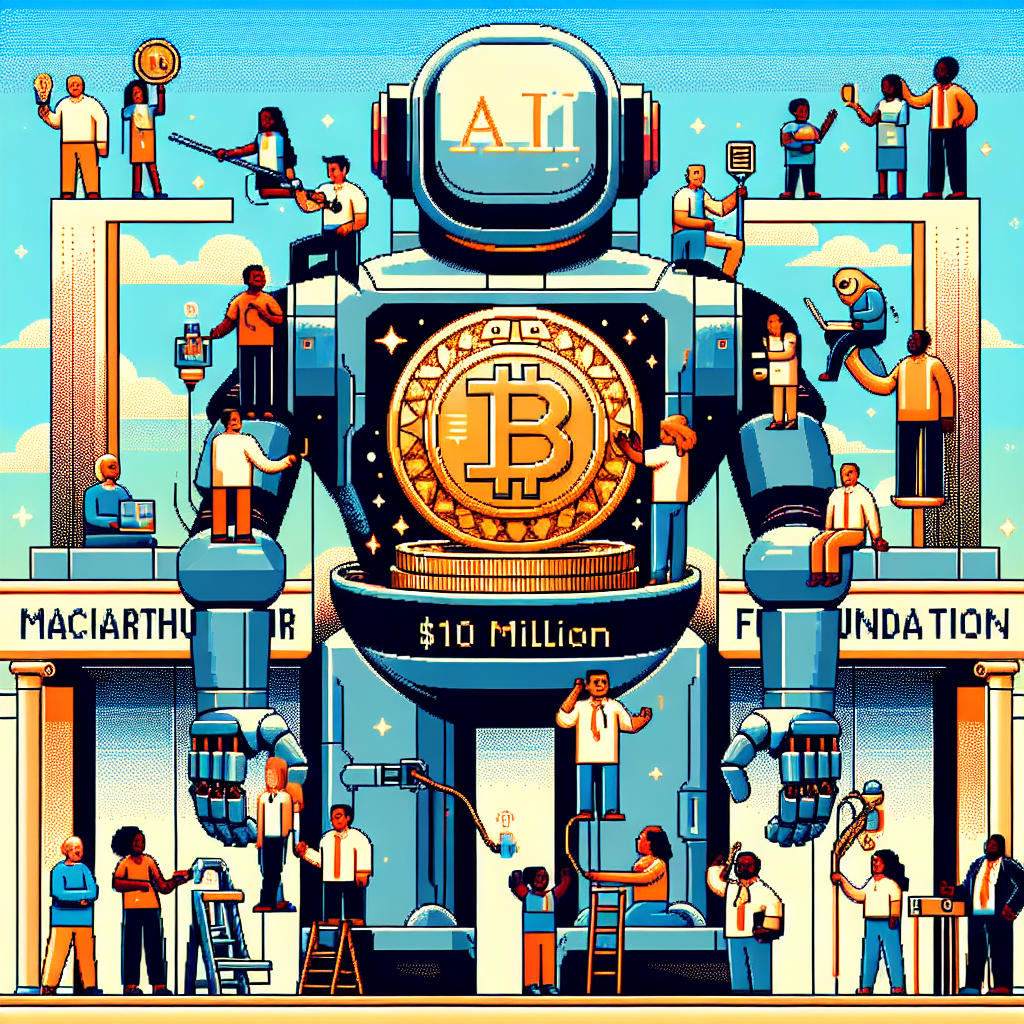
A $10 Million Vote for People-First AI

The headline is crisp: the MacArthur Foundation is committing $10 million in aligned grants to the new Humanity AI effort — a philanthropic push that sits inside a much larger, $500 million coalition aiming to steer artificial intelligence toward public benefit. That money is more than a donation; it’s a signal. It says: the future of AI should be designed with people and communities in mind, not simply optimized for speed, scale, or shareholder returns.

Why this matters right now

We’re living through a rapid pivot: AI is no longer a niche research topic. It’s reshaping how people learn, how news is reported, how work gets organized, and how public decisions are made. That pace has created a glaring mismatch — powerful technologies rising faster than institutions, norms, or public understanding. Philanthropy’s new role here is pragmatic: fund research, build civic infrastructure, and support the institutions that translate technical advances into accountable public outcomes.

  • The $10 million from MacArthur is aimed at organizations working on democracy, education, arts and culture, labor and the economy, and security.
  • The broader Humanity AI coalition plans to direct roughly $500 million over five years, pooling resources across foundations to amplify impact and avoid duplicate efforts.

What the grants will fund (the practical pieces)

The initial MacArthur-aligned grants are deliberately diverse: universities, research centers, journalism networks, and civil-society groups. Expect funding to do things like:

  • Scale investigations into AI and national security.
  • Support public-interest journalism that holds AI systems and companies accountable.
  • Build tools and infrastructure for civil-society groups to use and audit AI.
  • Convene economists, policymakers, and labor experts to measure and prepare for AI’s workforce effects.
  • Create global forums that connect social science with technical development.

These are practical investments in the civic plumbing needed to make AI responsive to human values, not just technically impressive.

The larger context: philanthropy as a counterweight

Tech companies and venture capital continue to drive the research and deployment of large-scale AI models. That private momentum brings enormous benefits — and risks: concentration of power, opaque decision-making, cultural capture of creativity, and economic dislocation. A coordinated philanthropic effort does a few things well:

  • It funds independent research and watchdogs that companies and markets don’t naturally prioritize.
  • It supports public-facing education and debate so citizens and policymakers can participate knowledgeably.
  • It enables cross-disciplinary work (law, social science, journalism, the arts) that pure engineering teams rarely fund internally.

In short: philanthropy can nudge the ecosystem toward systems that are legible, accountable, and distributed.

Notable early recipients and what they signal

Several organizations receiving initial grants illuminate the strategy:

  • AI Now Institute — resources to scale work on AI and national security.
  • Brookings Institution’s AI initiative — support for policy-bridging research.
  • Pulitzer Center — funding to grow an AI Accountability Network for journalism.
  • Human Rights Data Analysis Group — building civil-society AI infrastructure.

These groups aren’t trying to beat companies at model-building. They’re shaping the social, legal, and civic frameworks needed to govern those models.

A few tough questions this effort faces

  • Coordination vs. independence: pooled efforts can avoid duplication, but philanthropies must protect grantee independence to ensure credible critique.
  • Speed vs. deliberation: AI moves fast. Can multi-year grant cycles and convenings keep pace with emergent harms?
  • Global reach: many harms and benefits are transnational. How will funding balance U.S.-centric priorities with global inclusivity?
  • Measuring success: outcomes like "better governance" or "safer deployment" are hard to measure, complicating evaluation.

Funding is an important lever — but it can’t substitute for good public policy and democratic oversight.

What this means for stakeholders

  • For policymakers: expect richer, evidence-based briefs and cross-disciplinary coalitions pushing for clearer rules and standards.
  • For journalists and civil-society groups: more resources to investigate, explain, and counter opaque AI systems.
  • For educators and labor advocates: funding and research to help design equitable integration of AI into classrooms and workplaces.
  • For the public: clearer communication and tools to engage in debates that will shape the rules governing AI.

How this fits into the broader timeline

This announcement is part of a wave of recent philanthropic attention to AI governance. Unlike earlier eras when foundations might have funded isolated tech projects, the Humanity AI coalition signals a coordinated, sustained investment across cultural, economic, democratic, and security domains — an acknowledgement that AI’s societal consequences are broad and interconnected.

What to watch next

  • The pooled Humanity AI fund’s grant-making priorities and application processes (timelines and transparency will be important).
  • Early outputs from grantees: policy proposals, investigative reporting, civic tools, and educational pilots.
  • Coordination with government and international bodies working on AI norms and regulation.

Key points to remember

  • MacArthur’s $10 million is strategically targeted to organizations that can shape AI governance, public understanding, and civic infrastructure.
  • Humanity AI represents a larger, collaborative philanthropic push (about $500 million over five years) to make AI development more people-centered.
  • The real leverage is in funding independent research, journalism, and civic tools — functions that markets alone poorly provide.
  • Success will depend on speed, global inclusion, measurable outcomes, and preserving independent critique.

My take

Investing in the institutions that translate technical advances into accountable social practice is a smart, necessary move. Technology companies are incentivized to move fast; funders like MacArthur can invest in pause—space for scrutiny, public education, and inclusive policymaking. That pause isn’t anti-innovation; it’s a buffer that lets societies choose what kinds of innovation they want.

If Humanity AI and its grantees keep their focus on measurable civic outcomes and maintain independence, this could be a turning point: philanthropy helping create the norms, tools, and institutions that ensure AI augments human flourishing rather than undermines it.

Sources


Related update: We recently published an article that expands on this topic: read the latest post.

Should Critics Be Metacritic-Style Rated | Analysis by Brian Moineau

When the studio pushes back: Swen Vincke, hurtful reviews, and the idea of scoring critics

Fresh from the fallout over generative AI in Larian’s next Divinity game, Larian CEO Swen Vincke resurfaced on social media this week with a blunt, emotional take: some game reviews aren’t just critical — they’re hurtful and personal. He even floated a provocative remedy: “Sometimes I think it'd be a good idea for critics to be scored, Metacritic-style.” That one line reopened old wounds about reviews, platforms, and what accountability — if any — should look like in games journalism.

Why this matters right now

  • Larian’s recent public debate about generative AI in Divinity set the stage: fans and creators have been arguing passionately about how studios use new tools and what that means for artists and the finished game. (gamespot.com).
  • Vincke’s reaction is personal and timely: he’s defending developers who feel targeted by vitriolic commentary, while also reacting to the stress and visibility studio leads now face online. (gamesradar.com).
  • Proposals to rate reviewers would upend a familiar dynamic — critics already influence buying, discourse, and developer reputations. A rating-for-reviewers system would change incentives, for better or worse. (pushsquare.com).

The short version: what Vincke said

  • He called some reviews “hurtful” and “personal,” arguing that creators shouldn’t have to “grow callus on [their] soul” to publish work. He suggested critics themselves might benefit from being evaluated more visibly — a Metacritic-like scoring for critics. The comment was later deleted, but it captured a wider feeling among some developers. (pushsquare.com).

The context you need

  • The AI controversy: Vincke and Larian had already been defending limited uses of generative AI (idea exploration, reference imagery) after a Bloomberg interview and fan backlash. That flare-up made the studio more sensitive to public criticism while internal decisions were under scrutiny. (gamespot.com).
  • History of aggregated scores: Metacritic and similar aggregators have long been criticized for turning nuanced reviews into single numbers that can tank a game’s perceived success, influence bonuses, and shape public debate. Applying a similar system to critics would flip the script — but not without risk. (pushsquare.com).

Three ways to see the idea

  • As empathy-building:

    • Scoring critics could encourage tone-awareness and accountability. If repeated harshness leads to a lower “trust” score, some reviewers might temper gratuitous cruelty and focus more on fair, evidence-backed critique.
  • As censorship-by-metric:

    • Ratings create incentives. Critics might soften legitimate stances to avoid community backlash or platform penalties, eroding critical independence. A popularity contest rarely rewards tough, necessary criticism.
  • As a platform problem, not an individual one:

    • The core issue often isn’t the critic’s opinion but how platforms amplify mob responses, harassment, and out-of-context quotes. Addressing amplification, harassment, and context — rather than scoring individuals — might be more effective and less corrosive.

The practical pitfalls

  • Gaming the system: Scores can be manipulated with brigading, fake accounts, and review-bombing — precisely the same problems that hurt games on Metacritic and storefronts. (washingtonpost.com).
  • Blurry boundaries between critique and attack: Not every harsh review is a personal attack; not every negative reaction is harassment. Implementing a system that distinguishes tone, intent, and substance is technically and ethically fraught.
  • Power and incentives: Who would run the scoring system? Platforms? Independent bodies? Whoever controls scores shapes discourse — and that introduces new conflicts of interest.

What would healthier discourse look like?

  • Better context on reviews: Publications and platforms could require clearer disclosures (scope of review, version played, reviewer experience) and encourage measured language when critique becomes personal.
  • Platform-level harassment controls: Faster removal of doxxing, targeted abuse, and brigading that moves beyond critique into threats or harassment. (washingtonpost.com).
  • Community literacy: Readers learning to separate a reviewer’s taste from objective issues (bugs, performance, business practices) reduces the emotional pressure on creators and critics alike.
  • Editorial standards and internal accountability: Outlets can enforce codes of conduct and remedial measures when a reviewer crosses ethical lines — without needing a public scorecard that invites retaliation.

Developer fragility vs. public accountability

It’s important to hold both positions as true: developers are human and vulnerable to targeted cruelty; critics and publications serve readers and must be honest and rigorous. The messy part is reconciling emotional harm with the need for frank, sometimes tough criticism that protects consumers and advances the medium.

Things to watch next

  • Whether platforms (X/Twitter, editorial sites, aggregator services) discuss or prototype any “critic rating” features.
  • How outlets and publishers respond to calls for better tone and transparency in reviews.
  • Whether Larian’s public stance changes the tone of developer responses when games receive negative coverage.

Parting thoughts

Scoring critics like games sounds appealing as a quick fix to “mean” reviews, but it risks trading one set of harms for another. A healthier path blends better moderation of abuse, clearer editorial standards, and community education — while preserving the independence that lets critics call out real problems. If Vincke’s comment does anything useful, it’s to remind us that game-making is human work — and that our conversations about it could use more nuance, less bile.

A few practical takeaways

  • Criticism should aim to be precise, evidence-based, and separated from personal attacks.
  • Platforms must reduce the amplification of harassment and improve moderation tools.
  • Developers and outlets should prioritize transparency about process and context to lower misunderstanding.
  • Any system that rates reviewers must be designed to resist manipulation and protect free critique.

My take

Protecting creators from abuse and protecting critical independence aren’t mutually exclusive — but balancing them requires structural fixes, not just scoreboard solutions. Let’s demand accountability from both sides: call out harassment swiftly, and encourage reviewers to be rigorous, fair, and humane.

Sources


Related update: We recently published an article that expands on this topic: read the latest post.


Related update: We recently published an article that expands on this topic: read the latest post.

GameStop’s Trade-In Glitch Sparks Chaos | Analysis by Brian Moineau

Okay, wait, wait…not that much power to the players

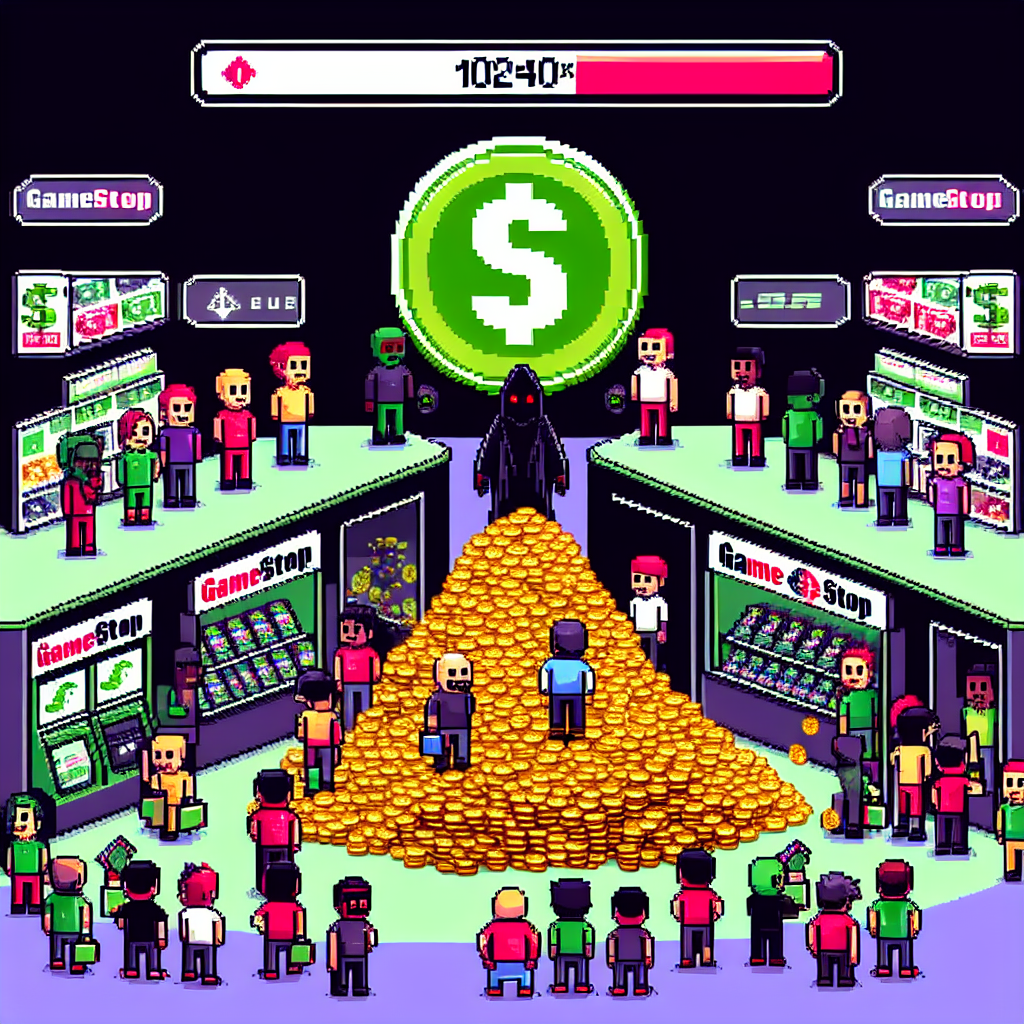
Hook: Imagine walking into a store, buying a brand-new console, trading it back immediately, and walking out with more store credit than you paid for it. It sounds like a prank, a movie plot, or something cooked up by internet pirates — but for a few chaotic hours in January 2026, it was very real.

GameStop’s recently patched “infinite money glitch” became the kind of viral moment that makes corporate PR teams sweat and content creators grin. A smaller YouTuber named RJCmedia filmed a simple exploit involving Nintendo’s Switch 2 and a promotional trade-in bonus, and the internet did what it does best: amplified the loophole, turned it into a spectacle, and forced the company to respond faster than a patched video game bug.

How the exploit worked (so we all understand what happened)

  • GameStop had a promotion that applied a 25% bonus to trade-in values when a pre-owned item was included.
  • RJCmedia bought a Switch 2 for about $414.99, then immediately traded it in alongside a cheap pre-owned game. The promo incorrectly applied in a way that momentarily valued the combined pre-owned trade more than the new retail price.
  • That created a window where the trade credit exceeded what was paid, meaning you could buy another Switch 2 with store credit, repeat the process, and compound the credit.
  • The creator repeated this across stores, walking away with hundreds of dollars in value, a new console, and a pile of games — until GameStop publicly said it had patched the issue on January 20, 2026.

Why this felt so deliciously chaotic

  • It’s the perfect internet cocktail: small creator + obvious financial edge case + a company tone that’s part meme and part corporate. People love seeing a system—especially a big retail system—outsmarted by clever individuals.
  • The glitch exposed how brittle promotional logic can be when systems try to handle stacked discounts and odd workflows. Real-world commerce software often assumes rational, intended use; it rarely anticipates someone intentionally “gaming” promotions across transactions.
  • There’s schadenfreude too. GameStop has been a cultural meme for years (from trade-ins to GME stock mania). Watching the company get punked briefly felt like a callback to the days when retail felt less buttoned-up and more accidental theater.

Not everything about “power to the players” is positive

  • The story reads fun, but these playbooks can harm employees. Store associates had to process unusual trades, decide how to respond, and likely faced pressure from management after the PR hit. Systems that reward creativity in customers can punish frontline workers who must resolve the fallout.
  • Exploits like this can collapse quickly into damage: inventory confusion, financial reconciliation headaches, and potential policy changes that hurt normal customers who relied on promotions legitimately.
  • There’s an ethical line: documenting a vulnerability and reporting it is one thing; deliberately extracting value until the system breaks is another. The internet loves the clever hustle, but repeated exploitation has real-world costs and can be labeled fraud depending on company policy and local law.

A small lesson in systems design, promotions, and human behavior

  • Promotions are rules-coded in software. When you stack rules (base value + percent bonus + pre-owned flags + immediate resale logic), edge cases appear. Retail systems must handle transaction states carefully—especially when “pre-owned” status flips within minutes.
  • Companies should run simulated misuse cases, not just happy-path scenarios. The old tech adage applies: users will do things you never expected.
  • From a consumer perspective, the incident is a reminder that “good deals” sometimes come from accidents rather than good design. That can be exciting in the short term, but unstable.

Things people were saying (internet reactions)

  • Some praised the creator’s ingenuity and the thrill of a “real-life glitch.”
  • Others criticized the clip as “ruining” the fun for everyone, since GameStop patched it almost immediately.
  • A subset wondered whether the whole episode was a stealth marketing play — GameStop has leaned into meme-culture before — but available evidence (small creator, quick patch) points to an honest exploit that went viral.

What matters in these reactions is how quickly communities frame any corporate slip as either “victory for the little guy” or “irresponsible grifting.” Both narratives are emotionally satisfying, which is why this story took off.

A few practical takeaways

  • Don’t expect such glitches to last: major retailers monitor outliers and will patch holes once they spread.
  • If you find a promotional anomaly, be mindful of ethics and consequences for store staff.
  • For companies: test stacked promotions against adversarial behavior, and make frontline exceptions simple to resolve without dramatic manual overhead.

My take

This was a fun, perfectly modern internet moment: messy, amusing, and briefly empowering. But I’m wary of the romanticism around “beating the system.” Real people—store workers, managers, and other customers—bear the real costs when exploits are scaled. The magic here wasn’t that players had too much power; it was that an imperfect system briefly amplified smart, opportunistic behavior. That’s entertaining to watch, but not a sustainable model for either consumers or businesses.

Sources


Related update: We recently published an article that expands on this topic: read the latest post.


Related update: We recently published an article that expands on this topic: read the latest post.

Trump Bond Buy Raises Conflict Questions | Analysis by Brian Moineau

A president’s bond buy that raises eyebrows: Trump, Netflix and Warner Bros.

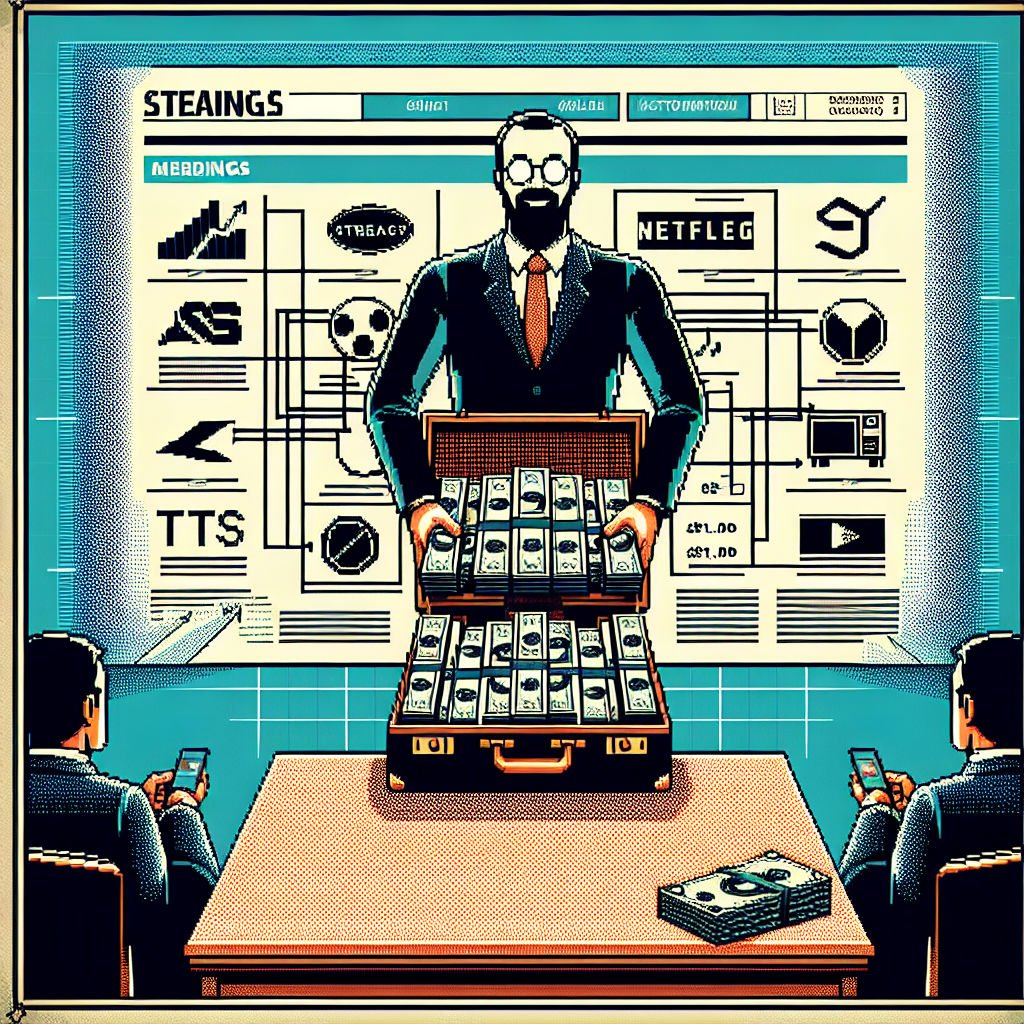
Just days after publicly saying he’d be “involved” in the regulatory review of Netflix’s proposed $82–83 billion deal for Warner Bros. assets, President Donald Trump’s financial disclosure shows he bought between $1 million and $2 million of corporate bonds tied to the companies. That timing — and the optics — is the story: not a blockbuster insider-trading allegation, but a neat example of how money, policy and power can look messy in the same frame.

Why this matters now

  • The bond purchases were disclosed in a January 2026 filing covering transactions from November 14 to December 19, 2025.
  • Trump publicly commented on the Netflix–Warner Bros. deal on December 7, 2025, saying he would be “involved” in the decision about whether it should be allowed to proceed.
  • Within days (Dec. 12 and Dec. 16, 2025), the filings show purchases of Netflix and Discovery/WBD debt in tranches (each listed in the $250,001–$500,000 range), totaling at least $1 million across the two companies.
  • The administration says Trump’s portfolio is managed independently by third-party institutions and that he and his family do not direct those investments.

Those facts are small in absolute dollars against the size of the merger, but politically and ethically they resonate: a president publicly weighing in on a transaction while he holds securities tied to the parties involved is a classic conflict-of-interest concern, even if the investments are bond holdings managed by others.

A quick snapshot of the timeline

  • December 7, 2025: Trump makes public remarks indicating he would be involved in reviewing the Netflix–Warner Bros. deal.
  • December 12 & 16, 2025: Financial-disclosure entries show purchases of Netflix and Discovery/WBD bonds.
  • January 14–16, 2026: Disclosure forms are posted and reported by major outlets, prompting renewed scrutiny.

What corporate bonds mean here

  • Bonds are debt instruments; bondholders get fixed-interest payments and the return of principal at maturity. They’re different from stocks — bondholders don’t get voting rights or upside from equity gains.
  • Still, bond prices and yields can move based on a company’s perceived creditworthiness, strategic moves (like a merger), and the broader market reaction. A big acquisition announcement can shift both corporate credit profiles and market sentiment, sometimes quickly.
  • So purchases of bonds shortly after a merger announcement could profit or lose depending on market reaction or changes in perceived risk — and they still link an investor financially to an outcome.

The investor dilemma (politics × perception)

  • Real conflicts require control or influence over a decision and financial benefit from it. The White House’s response — that external managers handle the portfolio — is a standard defense.
  • But ethics isn’t only about legal liability; it’s also about public trust. Even without direct influence, the president’s public role in enforcement and antitrust review creates an appearance problem when financial exposure aligns with active policy involvement.
  • That appearance can erode confidence in the neutrality of regulatory reviews and feed narratives of favoritism or self-dealing — which political opponents and watchdogs will marshal rapidly.

The broader context

  • The proposed Netflix–Warner Bros. transaction is one of the largest media deals in recent memory and has drawn attention from regulators, competitors (including rival bids), creators’ guilds, and politicians worried about concentration in media and streaming.
  • Corporate disclosures show this bond buying was part of a larger roughly $100 million slate of municipal and corporate debt purchases by Trump across mid-November to late December 2025. That breadth makes it less likely the Netflix/WBD trades were singularly targeted — but timing still matters.
  • The story fits into a bigger, long-running political debate about presidents, business holdings and blind trusts (or their alternatives). The U.S. has norms and rules around recusal and asset management, but the gap between legal compliance and public perception remains wide.

What to watch next

  • Will ethics watchdogs, the Office of Government Ethics, or Congress seek further details about who placed the trades and whether the president had any input?
  • Will regulators review whether the president recused himself from decisions directly tied to parties in which he has holdings — or whether any special procedures were used?
  • How will this episode shape the political narrative around the merger review (and other high-profile antitrust decisions) going forward?

Key takeaways

  • Timing is everything: bond purchases on Dec. 12 and Dec. 16 came days after the president said he’d be “involved” in reviewing the Netflix–Warner Bros. merger.
  • Bonds aren’t stocks, but they still create financial ties and optics that matter when the holder is the sitting president.
  • The White House says investments are managed independently, which may reduce legal exposure but doesn’t erase appearance-of-conflict concerns.
  • This episode highlights the persistent tension between private wealth and public duty in modern presidencies.

My take

This isn’t a dramatic legal smoking gun — the purchases are modest in scope, and bonds behave differently than equity. But democracy relies on public confidence as much as on written rules. Even routine investment activity can become a headline when the investor is also the nation’s chief enforcer of antitrust and regulatory policy. Tightening the routines around disclosures, timing, and recusal — or moving to clearer independent management structures — would reduce these recurring optics problems and help restore a baseline of trust.

Sources

(Note: dates above reference the December 2025 trades and January 2026 disclosures reported by these outlets.)


Related update: We recently published an article that expands on this topic: read the latest post.


Related update: We recently published an article that expands on this topic: read the latest post.

Ford recalls 272K EVs over rollaway risk | Analysis by Brian Moineau

A familiar wobble in the EV transition: Ford recalls more than 270,000 vehicles over roll-away risk

You’re halfway through your day, you click the car into Park, and—nothing obvious seems wrong. But a nagging software glitch could mean “Park” didn’t actually secure the drivetrain. That’s the blunt problem behind Ford’s latest recall: a software issue in the integrated park module that can let certain electric and hybrid vehicles roll away.

This recall landed December 19, 2025, and it’s one more reminder that the shift to electrified powertrains is as much about software reliability as it is about batteries and motors. (abcnews.go.com)

Highlights you can skim

  • Ford is recalling roughly 272,645 vehicles in the U.S. over an integrated park module that may fail to engage Park. (reuters.com)
  • Affected models include select 2022–2026 F-150 Lightning BEVs, 2024–2026 Mustang Mach‑E crossovers, and 2025–2026 Maverick pickups. (fordauthority.com)
  • Ford will provide a free software update delivered over-the-air (OTA) or at dealers; owner notices are expected beginning February 2, 2026. (fordauthority.com)

Why this matters beyond a sticker headline

Automakers have long had mechanical fail-safes (parking pawls, physical linkages and mechanical brakes). With electrified drivetrains and more functions controlled by software, the safety envelope depends increasingly on code. That introduces a few realities:

  • Software can be patched remotely, which is faster than a traditional parts campaign — but OTA updates rely on a secure, reliable update process and that owners allow or receive them. (fordauthority.com)
  • Recalls affecting high-profile EV and hybrid models intensify scrutiny of testing and validation practices across the industry. Consumers expect EVs to be modern in both hardware and software; lapses undercut trust. (reuters.com)
  • Even when nobody has reported accidents or injuries, a potential rollaway is serious: vehicles that move unexpectedly can injure pedestrians, damage property, or start chain-reaction crashes. Regulators classify that as a meaningful safety risk. (reuters.com)

What Ford owners should know and do

  • Affected count and models: about 272,645 U.S. vehicles — certain F-150 Lightning (2022–2026), Mustang Mach‑E (2024–2026), and Maverick (2025–2026). (reuters.com)
  • Remedy: Ford will issue a free park-module software update, via OTA or at dealers. Owner notifications are scheduled to begin February 2, 2026. The recall is logged under Ford reference 25C69. (fordauthority.com)
  • Immediate practical steps: until you get the update, use the physical parking brake every time you park, avoid steep inclines when possible, and follow any owner-letter instructions. If you’re unsure whether your VIN is affected, contact Ford customer service at 1-866-436-7332 or check NHTSA. (abcnews.go.com)

Bigger picture: what this says about EVs and risk

This recall is not an indictment of electrification. It’s a snapshot of where we are: cars are now rolling computers on wheels, and that brings powerful benefits (remote fixes, analytics, smoother integration) but also new single points of failure. Regulators like NHTSA are adapting to software-driven recalls, and manufacturers are racing to balance speed-to-market with deeper software validation.

Two structural tensions show up here:

  • Speed vs. robustness: OTA updates let manufacturers fix issues faster than the old parts-and-dealer model, but pushing software updates at scale requires rigorous testing and a secure distribution pipeline. (fordauthority.com)
  • Perception vs. reality: frequent software-related recalls can fuel headlines that EVs are “unreliable,” even when fixes are straightforward and remedial. Communicating transparently and quickly is everything. (reuters.com)

My take

Recalls like this are frustrating but inevitable as vehicles become more software-defined. The good news: the fix is software, which Ford can distribute without waiting for physical parts. The not-so-good news: repeated software-related recalls risk eroding consumer confidence unless manufacturers pair fixes with clearer testing and faster, more proactive communication.

For owners, cautious behavior (using the parking brake until your update arrives) is prudent. For Ford and other automakers, the path forward is plain: invest more in pre-release software validation and make OTA rollouts bulletproof — because patches are only as good as the systems that deliver them.

Sources


Related update: We recently published an article that expands on this topic: read the latest post.


Related update: We recently published an article that expands on this topic: read the latest post.