Southwest’s New Policy Spurs Travel Loss | Analysis by Brian Moineau

“A betrayal”: Southwest’s new plus-size rule and the passengers it sidelines

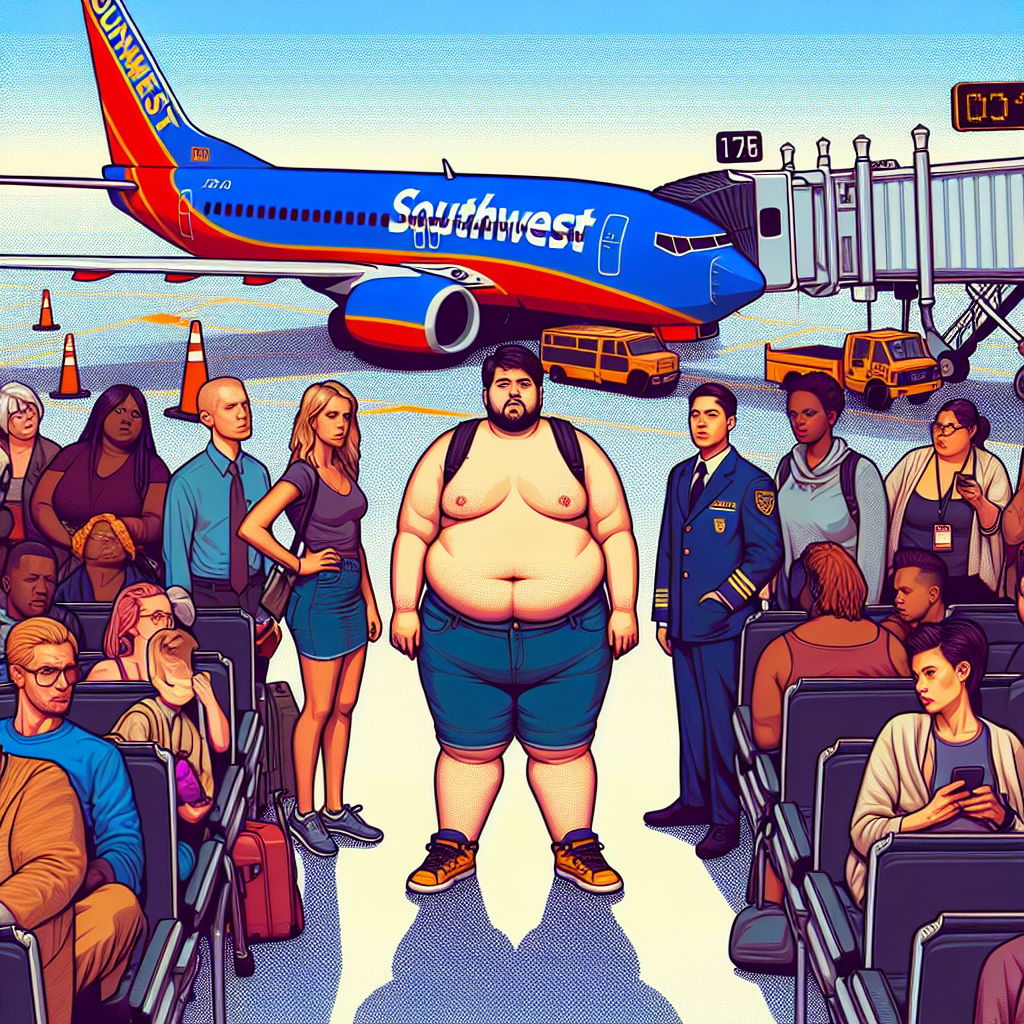
Southwest Airlines has built a brand on being the friendly, affordable airline that makes travel feel a little easier. Which is why the recent change in its “Customer of Size” policy — requiring travelers who need more than one seat to buy the adjacent seat at booking rather than relying on a last-minute accommodation — hit so many loyal customers like a gut punch. For some regulars, it isn’t just an inconvenience: it’s a decision that shrinks their ability to travel at all.

Why this feels personal

  • The policy change goes into effect January 27, 2026 — the same day Southwest abandons its decades-old open-seating approach and adopts assigned seats.
  • Under the previous practice, plus-size travelers who needed an extra seat could request one at the gate and often receive a refund afterward if space allowed.
  • Now, travelers who “encroach upon the neighboring seat(s)” are asked to proactively purchase the adjacent seat when booking. Refunds are allowed only if specific conditions are met (the flight had at least one open seat, both seats were in the same fare class, and the passenger requests the refund within 90 days).

That mixture of ambiguity (what exactly counts as “encroaching”) and financial risk (pay now, maybe get money back later) is what’s driving the anger and the sense of betrayal among longtime Southwest customers.

The human impact

  • For some travelers, buying two seats doubles the cost of a trip — suddenly making family visits, medical travel, or business trips unaffordable.
  • The change shifts the burden onto individuals who already face stigma and logistical barriers when they travel.
  • Because refunds depend on the flight’s occupancy at departure, travelers can’t know in advance whether they’ll get their money back. That uncertainty pressures people to either pay upfront or gamble on being rebooked — an untenable choice for many.

You can see why advocacy groups and regular flyers call the move “fatphobic” or discriminatory in practice. Even if the airline frames it as operational fairness (ensuring every passenger has the seat they purchased), the outcome disproportionately affects a marginalized group.

The broader context

This policy isn’t happening in a vacuum. Southwest has been reshaping its product and revenue model throughout 2025–2026:

  • It ended the open-seating tradition and introduced assigned seating.
  • It rolled out new fare tiers and seat types (Standard, Preferred, Extra Legroom).
  • Starting in 2025, Southwest began charging for checked bags on many fares — a major departure from its historic “two free bags” perk.

Those changes reflect a strategic pivot toward the commercial norms of legacy carriers: more segmentation, more ancillary fees, and more ways to upsell. For investors, that can look like maturation and profit optimization; for some customers, it feels like losing the airline’s original promise.

Practical questions the policy raises

  • How will “encroaching” be measured? Southwest refers to the armrest as the boundary and reserves discretion for staff; that leaves room for inconsistent application.
  • What happens if a traveler buys a seat and it’s later assigned to someone else as a standby or reissued? Reports suggest confusion and inconsistent refunds have already surfaced in some cases.
  • Will crews be trained and supported to handle emotionally charged interactions when a passenger is asked to buy an extra seat at the gate or be rebooked?

These are operational details that will determine whether the policy functions as a polite nudge toward fairness or as a recurring source of conflict and exclusion.

Perspectives around the change

  • Supporters say the rule is reasonable: if a passenger truly needs more space, paying for two seats treats them like any other customer who buys multiple seats and prevents disputes over who’s entitled to what.
  • Critics counter that the policy ignores systemic issues — from seat width standards to social stigma — and imposes additional cost and humiliation on people who may already avoid travel because of these barriers.

The airline’s stated intent is to “ensure space” and align policies with assigned seating. But intent and impact are different things, and for people whose mobility and livelihood depend on accessible—and affordable—air travel, the impact is what matters.

What travelers can do now

  • If you or a traveling companion might need an extra seat, consider purchasing it at booking to avoid last-minute gate pressure.
  • Keep documentation and fare class parity if you hope to qualify for a post-travel refund (and request the refund within the stated 90 days).
  • When possible, pick flights with lower expected loads or times that historically have less demand; refunds depend on open seats at departure.

None of these are ideal fixes — they’re stopgap tactics while customers and advocates push for clearer, fairer approaches.

A few fast takeaways

  • Southwest’s policy, effective Jan 27, 2026, requires advance purchase of adjacent seats for passengers who “encroach” on neighboring seats; refunds are limited and conditional.
  • The change coincides with Southwest’s shift to assigned seating and other revenue-driven reforms.
  • The policy creates financial and emotional burdens for plus-size flyers and leaves significant operational ambiguity.

My take

This feels like a classic clash between operational clarity and human dignity. Airlines need clear rules to run safe, predictable operations — but rules should be designed with empathy and equity. Requiring upfront payment for an extra seat is administratively tidy, but when the policy disproportionately reduces access for a vulnerable group, it risks crossing from practical to punitive.

If Southwest wanted to uphold both operational integrity and inclusion, it could publish clear, objective criteria (rather than discretionary ones), offer a straightforward refund guarantee when an airline cancels or reassigns seats, and couple the policy with investments in brighter, wider cabin options over time. Otherwise, the airline may gain short-term predictability while losing the loyalty of travelers who helped define its identity.

Sources


Related update: We recently published an article that expands on this topic: read the latest post.

Fast-Track U.S. Visas for World Cup Fans | Analysis by Brian Moineau

A fast lane to the stands: U.S. to prioritize visa interviews for World Cup ticket holders

The hook: If you bought a World Cup 2026 ticket and were worried about getting a U.S. visa in time, there’s a new promise on the table — one that could turn a year-long wait into a matter of weeks.

The story in a sentence:
The Biden administration’s successor announced a “FIFA Pass” priority scheduling system that will let official World Cup ticket holders get expedited visa interview appointments at U.S. consulates worldwide. Secretary of State Marco Rubio said the State Department has deployed hundreds of extra consular officers and in many places cut appointment waits from roughly a year to a few months.

Why this matters right now

  • The 2026 FIFA World Cup is massive: 48 teams, 104 matches across the U.S., Mexico and Canada, and millions of international fans expected. That scale creates an unprecedented surge in visitor visa demand for U.S. posts.
  • Long consulate backlogs have been a real barrier. In some countries — especially high-demand soccer nations — visa interview waits had stretched to six months or more, in some reporting even a year.
  • For travelers who need a nonimmigrant visitor visa (B-1/B-2), the bottleneck isn’t the ticket; it’s getting an interview scheduled. The new priority system addresses scheduling speed, not the underlying vetting or approval standard.

What the administration announced

  • The program is called the FIFA Priority Appointment Scheduling System, or “FIFA PASS.”
  • Ticket holders who purchased through FIFA will be able to request prioritized appointment slots through a FIFA portal that coordinates with the State Department.
  • The State Department says it has posted more than 400 additional consular officers globally to handle the surge and, in many places, doubled embassy consular staff.
  • Rubio’s reported numbers: about 80% of the world can now get a visa appointment in under 60 days; in countries like Brazil and Argentina, waits that used to be over a year have been reduced to under two months. (He emphasized that the program expedites scheduling only — approvals still require the same vetting.)

What this does — and doesn’t — fix

  • Helps with timing: The primary practical benefit is getting interviews scheduled sooner so applicants can be processed in time for travel.
  • Does not guarantee entry: A ticket gets you ahead in the queue, not a guaranteed visa or admission at the border. Consular officers and Customs and Border Protection still apply standard rules and discretion.
  • Might ease logistics for host cities and airlines: Faster scheduling helps planners estimate arrivals and reduce last-minute no-shows or strain on city services.
  • Could raise equity questions: The program prioritizes ticket holders who purchased through FIFA — reasonable for event logistics, but it creates a privileged lane for attendees vs. other legitimate travelers from the same countries.

How fans should act (practical steps)

  • Don’t wait. If you have tickets and need a U.S. visa, apply as soon as possible once the FIFA PASS portal or guidance is available. Rubio urged applicants to act early because the pass speeds the appointment but not the underlying approval.
  • Keep documentation tidy: bring your ticket purchase confirmations, travel itinerary, proof of ties to your home country, and other standard visa evidence to the interview.
  • Understand timelines: the administration reported many appointment waits cut to 6–8 weeks or under 60 days in most places — plan travel and lodging with realistic margins.
  • Remember the limits: priority scheduling is not an exemption from security screening, inadmissibility laws, or CBP inspection at entry.

Broader context and politics

  • Mega-events prompt special procedures. Governments regularly carve out streamlined channels — special entry lanes, liaison teams, and temporary staffing boosts — for major sporting or diplomatic gatherings.
  • The announcement sits at the intersection of two themes: promoting mass international tourism (economic boost, diplomacy, soft power) and maintaining immigration/ border controls. Politically, it lets an administration showcase hospitality while insisting on secure vetting.
  • The optics matter: global fans see this as welcome facilitation; critics may view it as a politically timed favor to a major international organizer. Regardless, it’s a pragmatic fix to a predictable capacity problem.

What could go wrong

  • Demand could still outstrip the surge capacity in particular cities or nations, producing localized backlogs.
  • Operational hiccups between FIFA’s portal and State Department systems could create confusion for applicants.
  • Political flare-ups (e.g., decisions to reassign matches or disputes about host cities) could create new timelines or travel complications for ticket holders.

My take

This feels like sensible event management: prioritize scheduling bottlenecks for a once-in-a-generation tournament while keeping security screening intact. For fans, the real win is predictability — knowing you can get an interview in time. For planners, it reduces a major logistical unknown. The caveat is that good communication and flawless execution are essential; a “fast lane” that still leaves people waiting is worse than none at all.

Where to watch for updates

  • Official FIFA communications about ticket-holder benefits and how to use the FIFA PASS portal.
  • The U.S. State Department’s visa pages for country-specific appointment availability and guidance.
  • Announcements from U.S. consulates in high-demand countries (Brazil, Argentina, India, etc.) about local appointment capacity.

Sources


Related update: We recently published an article that expands on this topic: read the latest post.


Related update: We recently published an article that expands on this topic: read the latest post.

Related update: We recently published an article that expands on this topic: read the latest post.

Related update: We recently published an article that expands on this topic: read the latest post.
Shutdown Shock: Airspace Cuts Hit Economy | Analysis by Brian Moineau

The day airspace shrank and sentiment soured: what the shutdown means now

The headlines this week felt like they were written for a thriller: parts of U.S. airspace being intentionally reduced, major carriers trimming flights, and consumer mood slipping to multi-year lows. But this isn’t fiction — it’s the real-world fallout of a prolonged federal government shutdown that began on October 1, 2025 and stretched into November. The question for travelers, investors and everyday Americans is simple: how bad could this get before it gets fixed?

What just happened

  • On November 7, 2025 the Federal Aviation Administration began cutting scheduled flights at about 40 major U.S. airports to reduce controller workload and preserve safety as staffing gaps worsened. Initial cuts were modest (around 4% on the first day) with plans to scale to roughly 10% across the busiest markets and the possibility of larger reductions if conditions deteriorate. (apnews.com)
  • The shutdown — which started October 1, 2025 — has left hundreds of thousands of federal workers furloughed or working without pay and pushed the federal workforce and certain benefits into operational limbo. That disruption is rippling through travel, construction and other sectors. (en.wikipedia.org)
  • Consumer sentiment slid sharply in November, hitting its weakest point in about three years in University of Michigan polling, with many households growing more pessimistic about jobs and prices. Economists warn that the longer the stalemate lasts, the more likely temporary strains become persistent damage. (home.saxo)

Why reducing flights is more than an inconvenience

Cutting flights isn’t just about fewer seats for travelers. It’s a safety-management lever.

  • Air traffic controllers have been stretched thin: many are working unpaid, others have taken leave, and fatigue and absences increase operational risk. Reducing traffic in high-volume centers buys time and reduces stress on the system. (apnews.com)
  • Airlines respond quickly by cutting schedules — that produces cancellations, rebookings and lost revenue for carriers, airports, hotels and the broader travel ecosystem (rental cars, restaurants, even local retail). A string of canceled legs can ripple into lost bookings weeks out. (entrepreneur.com)
  • If cuts escalate to the scale government officials have warned about (up to 20% in the worst-case messaging), we could see cascading disruptions that push the travel sector into a short-term downturn. White House advisers have said the economic impact is “far worse than expected” already. (reuters.com)

The economic picture in plain terms

  • Consumer mood is a leading short-term indicator. When households are pessimistic about jobs or expect higher unemployment, they cut discretionary spending (dining out, travel, home projects) — which cools growth. University of Michigan sentiment data moved notably lower in early November. (home.saxo)
  • The Congressional Budget Office and other forecasters have warned that output lost during a shutdown is often unrecoverable in the short term; construction delays, paused federal contracts, and disrupted benefits aren’t simply “made up” later. Several analysts estimate meaningful hits to Q4 growth if the standoff persists. (entrepreneur.com)
  • Financial markets can look past short-term shocks, but prolonged uncertainty raises volatility. Stocks may temporarily rally on hopes of a legislative solution, while the real economy — payrolls, small business receipts, travel spending — reflects the lived pain.

Who’s feeling it most

  • Travel and leisure: airlines, airports, hotels and ancillary services face immediate demand shocks. Cancellations and rebookings create operational costs and lost revenue. (apnews.com)
  • Lower- and middle-income households: delayed benefits and furloughs hit these groups first and hardest, worsening the consumer split between higher-income households who still benefit from asset gains and everyone else. (entrepreneur.com)
  • State and local governments and contractors: delayed federal payments and paused permits slow construction and local projects, which can feed into job losses in affected sectors. (reuters.com)

The political and practical constraints

  • Fixing a shutdown requires Congress and the White House to agree on funding. Political incentives make compromises difficult, and each day of delay increases the economic bill and the human costs (missed paychecks, delayed benefits).
  • Operationally, some agencies can’t simply “turn back on” overnight. Even if appropriations pass tomorrow, it may take time to restore normal staffing, release backlogged payments, and normalize schedules in complex systems like aviation. (apnews.com)

Signals markets and travelers should watch

  • FAA notices and airline schedule reductions (daily): increasing planned cut percentages and cancellations signal growing systemic stress. (apnews.com)
  • Consumer confidence and survey data (University of Michigan, Conference Board): sharp declines presage weaker consumer spending. (home.saxo)
  • Official economic releases that are delayed or resumed: gaps in data flow complicate policymaking and investor assessments. (en.wikipedia.org)

What this means for you (practical tips)

  • If you have upcoming travel, expect more last-minute changes and factor buffer time; consider refundable or flexible tickets and double-check carrier communications.
  • If you’re a small business or contractor that depends on federal contracts or permits, document impacts carefully — that helps with recovery and any appeals for relief.
  • For investors: consider the difference between short-term headline-driven volatility and long-term fundamentals. Prolonged shutdowns raise real risks to growth, but markets often look forward to resolution.

Main takeaways

  • Flight reductions that started November 7, 2025 are a direct safety response to staffing shortages caused by the shutdown and risk becoming more severe if the stalemate continues. (apnews.com)
  • Consumer sentiment has tumbled to a multi-year low, signaling weaker spending ahead and amplifying the economic cost beyond the immediate federal payroll disruptions. (home.saxo)
  • The shutdown’s economic effects are already being described by administration advisers as “far worse than expected”; prolonged disruption could push travel and local economies into near-term downturns. (reuters.com)

My take

This shutdown feels different because a real-time safety system — the national airspace — is being throttled to prevent an accident born of understaffing and fatigue. That’s a stark, visceral sign that budget fights aren’t abstract political theater; they can change whether you get home for Thanksgiving or whether a paycheck arrives on time. The economic math is straightforward: the longer the pause, the harder recovery becomes. Fixing this means not just passing funding but stabilizing operations that have been frayed day by day.

Sources

(Note: URLs above point to non-paywalled reporting used to synthesize this post.)


Related update: We recently published an article that expands on this topic: read the latest post.

Related update: We recently published an article that expands on this topic: read the latest post.

Related update: We recently published an article that expands on this topic: read the latest post.

Related update: We recently published an article that expands on this topic: read the latest post.

Related update: We recently published an article that expands on this topic: read the latest post.
Shutdown Grounds Flights, Strains Economy | Analysis by Brian Moineau

The weekend of scratched plans: Why hundreds of U.S. flights were canceled during the government shutdown

It started like many travel headaches — a delayed text from an airline and a half-empty boarding gate — but this weekend’s cancellations felt bigger, stranger and more structural. Across dozens of the nation’s busiest hubs, airlines removed hundreds (and then thousands) of scheduled departures as federal airspace managers throttled traffic amid a federal government shutdown. For travelers, freight customers and local businesses, the ripple effects were immediate. For policy wonks and industry insiders, the move underscored how fragile a tightly timed system becomes when essential workers aren’t getting paid.

What happened — the short version

  • The Federal Aviation Administration directed a staged reduction of flights at 40 high‑volume U.S. airports, beginning with smaller cuts and moving toward a 10% slowdown at those hubs if the shutdown persisted. (apnews.com)
  • Airlines canceled more than 1,000 flights on the first full day of the FAA reductions and again on the second day, according to flight-tracking services and media reports. The cuts were concentrated at major airports such as Atlanta, Chicago, Dallas, Denver, Los Angeles and Newark. (apnews.com)
  • The FAA said the reductions were intended to relieve pressure on air traffic controllers, many of whom have been working without pay and were showing signs of strain. Transportation Department officials pointed to safety‑related trends (incursions, spacing and fatigue concerns) as part of the rationale. (abcnews.go.com)

Why the FAA and airlines took this step

  • Safety margin: Air traffic control is a tightly choreographed operation. As controllers missed shifts, worked unpaid overtime or took second jobs, the FAA judged that a reduction in traffic at the busiest airports was necessary to preserve safe spacing and reduce workload spikes. (abcnews.go.com)
  • Predictability and resource management: Rather than a chaotic scramble the FAA set phased percentage targets (starting lower, then scaling up) that let airlines plan which flights to cut and how to rebook passengers. That approach reduces overnight chaos but still forces inconvenient cancellations. (apnews.com)
  • Protecting system resilience: The agency framed the move as temporary triage — aimed at keeping the system functional if the labor strain continued — but it also served as a warning that deeper, longer shutdown impacts could cascade into more severe disruptions. (washingtonpost.com)

Who felt it the most

  • Leisure travelers with tight itineraries and connecting flights were hit hard first; some rebooked quickly, others had to scramble for hotels or alternate routes. (pbs.org)
  • Regional and short-haul routes tended to take the brunt of cuts as carriers prioritized longer domestic and international service. That meant smaller cities and secondary markets saw disproportionate impact. (apnews.com)
  • Freight and supply chains: Major air cargo hubs reported strain, and analysts warned of knock-on effects for shipments ahead of busy retail periods. Local businesses that rely on just-in-time deliveries could see costs or delays rise. (apnews.com)

Practical advice for travelers (what to do if your flight is affected)

  • Check flight status directly with your airline and FlightAware or similar trackers; airlines have been auto‑rebooking many passengers and offering refunds for canceled trips. (pbs.org)
  • Consider flexibility: If your schedule allows, look for later rebookings, alternate airports nearby, or land‑and‑drive options — rental demand spiked in some markets as travelers switched to road trips. (apnews.com)
  • Prepare for added time and cost: Last‑minute hotels, rental cars and alternate transportation can add expense. Keep receipts and documentation — refunds or reimbursements may be available depending on carrier policy and your travel insurance. (pbs.org)

Broader implications

  • Labor, morale and safety: The shutdown put a spotlight on the human side of aviation operations. Controllers working long unpaid hours raised both morale and safety concerns; the FAA’s reduction was as much about preventing system overload as it was about immediate cancellations. (abcnews.go.com)
  • Economic spillovers: If reductions continue into key travel periods, the effects could cascade into tourism, holiday travel, retail and shipping — a reminder that government gridlock can quickly translate into real economic friction. (apnews.com)
  • Policy and accountability: The episode may lead to renewed calls for contingency measures that protect pay for essential workers during funding gaps, or for legislative fixes that prevent essential‑worker furloughs from being an instrument of negotiation. (washingtonpost.com)

Quick checklist before heading to the airport

  • Check your airline’s status and emails or texts for automatic rebooking notices. (pbs.org)
  • Know refund rules: some airlines offered refunds even on nonrefundable tickets while the reductions were underway. (apnews.com)
  • Have backup options: alternate airports, different days, or ground travel routes mapped out. (apnews.com)

Final thoughts

Air travel runs on timing, trust and layers of redundancy. When one layer — the payroll and well‑being of the people who manage our skyways — gets stretched to a breaking point, the whole system can’t just keep going as usual. The FAA’s phased cuts were a blunt instrument designed to protect safety and predictability, but they also exposed how quickly everyday travel can become fragile when policy stalemates affect frontline workers. For travelers it was an unwelcome reminder: monitor flights closely, expect the unexpected, and pack a little more patience.

Sources


Related update: We recently published an article that expands on this topic: read the latest post.
New ranking knocks Portland airport off its pedestal – OregonLive.com | Analysis by Brian Moineau

New ranking knocks Portland airport off its pedestal - OregonLive.com | Analysis by Brian Moineau

Title: Portland International Airport: A Fall from Grace or Just a Bump in the Runway?

Ah, Portland International Airport (PDX), the beloved gateway to the Pacific Northwest, known for its iconic carpet design, local brew offerings, and, of course, that unmistakable roof. For years, PDX has been the darling of airport rankings, consistently lauded for its efficiency, amenities, and welcoming atmosphere. But in a recent twist of fate, J.D. Power's latest report has knocked PDX off its pedestal, and no, it wasn’t because of the carpet this time—it turns out, they’re not as enamored with PDX’s beloved roof.

Now, if you're scratching your head wondering how a roof could play such a pivotal role in an airport's ranking, you're not alone. It seems even the most beautiful overhead architecture couldn't sway J.D. Power's evaluators this time around. But let's take a step back and put this into perspective.

A Global Shift in Airport Expectations

Across the globe, airports are evolving into more than just transit hubs. They're becoming microcosms of the cities they serve, offering unique cultural experiences, cutting-edge technology, and an array of services to keep the modern traveler entertained and stress-free. Just look at Singapore's Changi Airport, complete with a butterfly garden and a stunning indoor waterfall, or South Korea’s Incheon International, with its ice skating rink and traditional cultural performances.

In this competitive climate, even a well-loved airport like PDX needs to innovate continually. The recent dip in rankings might be less about what PDX is doing wrong and more about what other airports are doing right. Many are investing heavily in sustainability, passenger experience enhancements, and digital solutions to streamline the travel process.

A Reflection of Broader Trends

The shift in PDX's ranking could also reflect broader trends in travel and consumer expectations. As more travelers demand seamless experiences, airports are under pressure to integrate technology at every touchpoint. For instance, biometric boarding processes, AI-driven customer service, and enhanced mobile applications are becoming the norm.

Moreover, environmental sustainability is a growing concern. Airports like San Francisco International have made strides in achieving zero-waste goals and utilizing carbon-neutral construction practices. Portland, a city known for its environmental consciousness, might be expected to lead in this area.

The Portland Spirit

But let's not be too quick to dismiss PDX. Much like the city it serves, Portland International Airport has a unique charm that goes beyond rankings. It’s the little things—the local art displays, the food carts offering a taste of Portland’s diverse culinary scene, and yes, that quirky carpet pattern that became a cultural icon in its own right.

Portland has always marched to the beat of its own drum. It's a city that values creativity and authenticity, and PDX embodies these traits. While it may not have a butterfly garden or an indoor waterfall, it offers a sense of place that few airports can match.

Final Thoughts: A Call to Action

So, what does the future hold for PDX? Perhaps this recent ranking dip is a call to action—a reminder that even beloved institutions must evolve to meet the changing needs of their patrons. With Portland’s spirit of innovation and community engagement, it's easy to believe that PDX will rise to the challenge, maybe even with a roof redesign that captures the hearts of J.D. Power’s evaluators next time around.

In the end, while rankings can guide expectations, they don’t define the essence of a place. PDX remains a favorite for many travelers, not just for its amenities but for the welcoming embrace it offers as the gateway to a city known for its vibrant culture, natural beauty, and eclectic charm. Here's to the future of PDX—may it fly high once again!

Read more about AI in Business

Read more about Latest Sports Trends

Read more about Technology Innovations

This may be the Las Vegas Strip’s most ridiculous fee yet – TheStreet | Analysis by Brian Moineau

This may be the Las Vegas Strip's most ridiculous fee yet - TheStreet | Analysis by Brian Moineau

Title: The Vegas Strip's Latest Fee: A New High in Low

Las Vegas, the dazzling city known for its neon lights, towering casinos, and endless entertainment, has always been a place where visitors expect the unexpected. From the thrill of a jackpot win to the surprise of an extravagant show, Sin City is about embracing the unusual. But even seasoned Vegas veterans might raise an eyebrow at the latest fee to hit the Strip, dubbed by some as the most ridiculous yet.

The Fee That Has Everyone Talking

According to a recent article from TheStreet, a top operator on the Vegas Strip has introduced a new charge that has left both tourists and locals scratching their heads. In a city where resort fees, paid parking, and $20 cocktails are the norm, what could possibly top these notorious expenses? Enter the "Concession Recovery Fee." Yes, you read that right. In a move that seems like it was pulled straight from a satirical sketch, this fee supposedly helps the operator "recover" the costs associated with maintaining concession stands.

In the grand tapestry of Vegas oddities, this fee might seem like just another thread. However, it highlights a broader trend in the travel and hospitality industry, where businesses are increasingly inventing new fees to offset operational costs. We've seen similar tactics in other parts of the world, like the "Urban Destination Charge" in major cities or airlines' notorious baggage fees. Remember when Ryanair suggested charging passengers to use the toilet? Thankfully, that idea never left the runway!

A World of Fees

This isn't just a Vegas problem. Across the globe, travelers are encountering a myriad of fees that seem to pop up out of nowhere. For instance, Airbnb hosts have started adding "cleaning fees" that rival the cost of the stay itself. It's a phenomenon that has left many wondering: when did the base price stop being the actual price?

The introduction of these fees could be seen as a reflection of broader economic trends. With inflation and rising operational costs, companies are trying to pass on these expenses to consumers. But at what point does it become too much? There's a delicate balance between maintaining profitability and alienating customers.

The Vegas Spirit

Despite the grumblings this new fee has caused, it's essential to remember what makes Vegas unique. It's a city that thrives on the unexpected, where the ordinary becomes extraordinary. This latest charge, while seemingly absurd, is part of the Vegas experience – a place where stories are as valuable as the chips on the table.

Perhaps this fee will be short-lived, a quirky footnote in Vegas history. Or maybe it will inspire a slew of equally bizarre charges in the future. Either way, it serves as a reminder of the ever-evolving landscape of travel and hospitality.

Final Thoughts

In a world where fees are becoming as complex as the games on the casino floor, it's crucial for consumers to stay informed and be prepared. While the "Concession Recovery Fee" might seem laughable, it's a sign of the times. As we navigate this new era of travel, let's keep our sense of humor intact and our eyes open for the next unexpected twist in the tale of Las Vegas. After all, it's these stories that make the Strip the legend it is today.

So, next time you find yourself in Vegas, with a drink in hand and a smile on your face, remember: what happens in Vegas might just include a fee or two. But isn't that all part of the fun?

Read more about AI in Business

Read more about Latest Sports Trends

Read more about Technology Innovations

FRONTIER, AMERICA’S LOW FARE AIRLINE, COMMITS TO BEING THE #1 LOW FARE CARRIER IN THE TOP 20 U.S. METROS – Frontier Airlines | Analysis by Brian Moineau

FRONTIER, AMERICA’S LOW FARE AIRLINE, COMMITS TO BEING THE #1 LOW FARE CARRIER IN THE TOP 20 U.S. METROS – Frontier Airlines | Analysis by Brian Moineau

Flying High on a Budget: Frontier Airlines’ Ambitious Plan to Conquer the Skies

In a world where frugality often feels like a forgotten virtue, Frontier Airlines is stepping up to remind us that affordable travel is not just a dream but a mission. Announced on August 26, 2025, Frontier Airlines, trading under Nasdaq: ULCC, has set its sights on becoming the number one low-fare carrier in the top 20 U.S. metro areas. With an audacious plan to add 20 new routes, Frontier is not only expanding its wings but also pledging to keep our wallets from feeling too light.

The Frontier Spirit: Low Fares, High Hopes

Frontier Airlines, headquartered in Denver, Colorado, has long been known as the go-to airline for budget-conscious travelers. But what does it mean to commit to being the top low-fare carrier in the biggest metro areas across the United States? Essentially, it’s a promise to provide accessible air travel without compromising on the essentials. The airline plans to achieve this by slashing unnecessary frills and focusing on what truly matters to travelers: getting from point A to point B safely and affordably.

The move comes at a time when the aviation industry is bouncing back from the depths of the COVID-19 pandemic. With more people eager to travel, airlines like Frontier are capitalizing on pent-up demand and a renewed enthusiasm for exploration. According to the International Air Transport Association (IATA), global air travel is expected to fully recover to pre-pandemic levels by 2024, making Frontier’s timing both strategic and opportune.

A Competitive Sky

The race to dominate the low-fare market is nothing short of fierce. With competitors like Spirit Airlines and Southwest Airlines also vying for budget travelers, Frontier’s strategy will need to be as nimble as it is bold. In fact, the recent merger between Spirit and JetBlue has made headlines, shaking up the low-cost carrier landscape and pushing Frontier to up its game.

But Frontier seems ready for the challenge. The airline’s CEO, Barry Biffle, has been vocal about the importance of maintaining low costs while expanding the network. This approach not only attracts cost-conscious flyers but also builds loyalty in a market where price often trumps brand allegiance.

Global Connections

Frontier’s expansion is part of a larger trend of democratizing air travel across the world. In Europe, for instance, Ryanair and EasyJet have successfully made air travel accessible to millions by perfecting the low-cost model. Meanwhile, in Asia, airlines like AirAsia have revolutionized the way people think about flying on a budget. Frontier’s commitment to affordability aligns with this global shift, emphasizing that air travel should not be a luxury, but a possibility for all.

Final Thoughts: The Sky’s the Limit

Frontier Airlines’ bold commitment to being the top low-fare carrier in the top 20 U.S. metros is more than just a business move—it’s a declaration of intent to make travel accessible to everyone. In a world that often feels divided, the ability to explore new places and connect with others is invaluable. Whether you’re a seasoned traveler or someone just dipping their toes into the world of air travel, Frontier is making sure the sky truly is the limit, without breaking the bank.

So, next time you’re planning a getaway, consider the little airline that could. Who knows? With Frontier’s expanding reach, your dream destination might just be a ticket away—at a price that leaves room in your budget for a few extra souvenirs. Safe travels!

Read more about AI in Business

Read more about Latest Sports Trends

Read more about Technology Innovations


Related update: We recently published an article that expands on this topic: read the latest post.
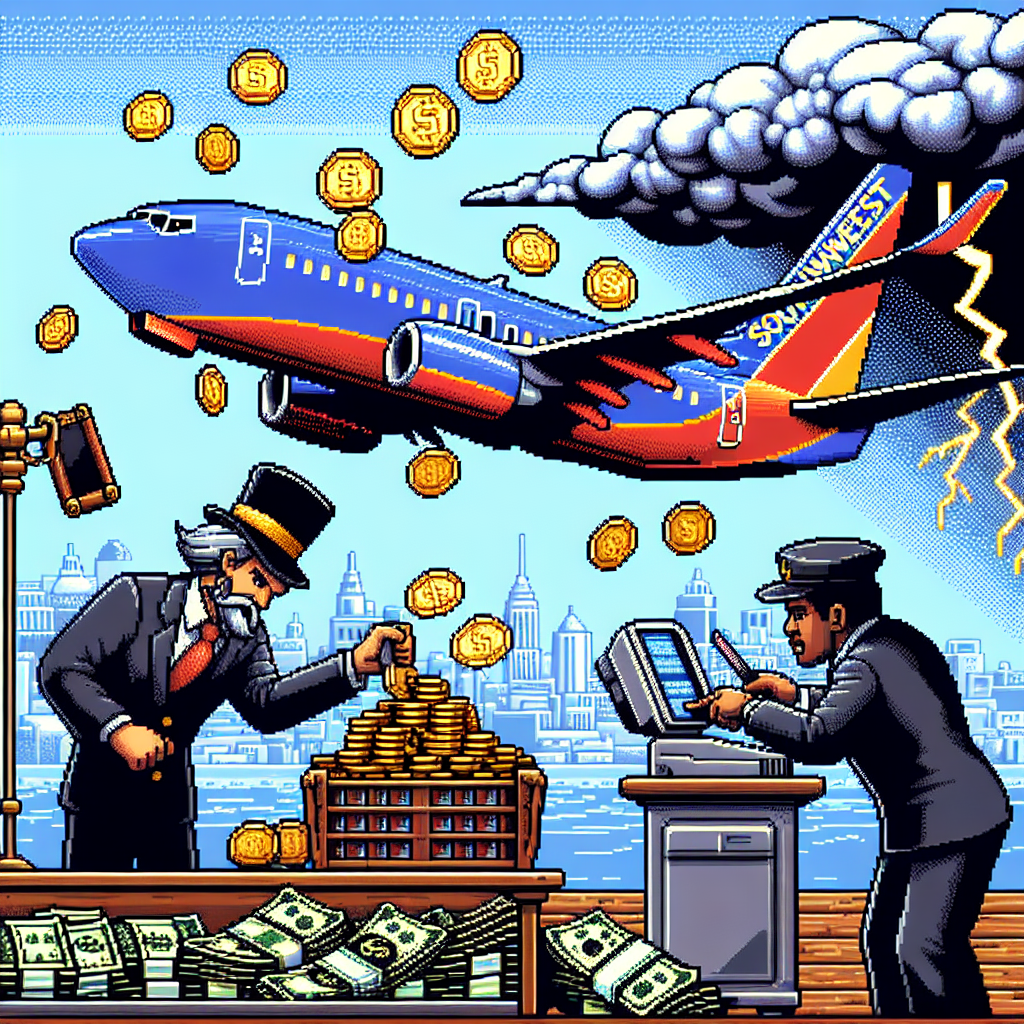
Southwest Airlines’ new policy will affect plus-size travelers. Here’s how – ABC News | Analysis by Brian Moineau

Southwest Airlines' new policy will affect plus-size travelers. Here's how - ABC News | Analysis by Brian Moineau

Flying High: Navigating the Skies with Southwest Airlines' New Policy

Ah, the joy of air travel. The thrill of soaring above the clouds, the delight of tiny complimentary snacks, and now, the latest wrinkle in the flight plan: Southwest Airlines' new policy for plus-size travelers.

In a move that's already creating quite a buzz, Southwest Airlines has announced that passengers who are unable to fit within the armrests of a single seat will be required to purchase an additional seat in advance. This policy is designed to ensure comfort and safety for all passengers, but it's also sparking conversations about fairness, inclusivity, and the ever-evolving landscape of air travel.

Navigating the Skies: A Balancing Act

Southwest's decision comes at a time when airlines are continually striving to balance passenger comfort with operational efficiency. The topic of space on airplanes has been a hot-button issue for years, as airlines have faced criticism for shrinking seat sizes while increasing passenger loads. The International Air Transport Association (IATA) has long advocated for standard seat dimensions to ensure passenger comfort, yet airlines often have the final say.

This new policy from Southwest may seem like a step backward to some, but the airline argues that it is necessary for ensuring all passengers have a comfortable and safe experience. It's worth noting that Southwest has long been known for its customer-friendly policies, including no change fees and free checked bags, which sets it apart from many of its competitors. This new policy, though, puts them in line with several other airlines that have similar requirements, such as American Airlines and Delta.

A Wider Context: Inclusivity in Travel

The broader discussion of inclusivity in travel is not limited to the skies. Across the globe, industries are grappling with how to accommodate people of all sizes and abilities. For instance, the fashion industry has been making strides by introducing plus-size models and more inclusive clothing lines. Similarly, theme parks like Disney have been updating their ride designs to accommodate larger guests.

This shift towards inclusivity is crucial, but it also highlights the challenges businesses face in implementing these changes. Companies must balance financial realities with the moral imperative to be inclusive. Southwest's new policy is a reminder of the ongoing struggle to find this equilibrium.

Soaring Forward: The Future of Air Travel

As we navigate these skies of change, it’s important to remember that air travel, like any other industry, is in a constant state of evolution. Policies will continue to adapt as societal norms shift and as we all strive for a more inclusive world.

While Southwest’s policy may be a point of contention for some, it also serves as a catalyst for broader discussions about inclusivity, comfort, and fairness. As travelers, we should remain engaged in these conversations, advocating for policies that respect and accommodate everyone.

Final Thoughts

As we pack our bags and head to the airport, let’s keep in mind that the skies belong to all of us. Whether you're a frequent flyer or an occasional traveler, each journey is a chance to reflect on how we can make the world a more welcoming place for everyone. Who knows? Maybe the next time you're wedged between two armrests, you'll be inspired to launch the next big idea in inclusive travel. Until then, happy flying!

Read more about AI in Business

Read more about Latest Sports Trends

Read more about Technology Innovations

TSA bans new item from travelers’ checked luggage – SFGATE | Analysis by Brian Moineau

TSA bans new item from travelers' checked luggage - SFGATE | Analysis by Brian Moineau

Title: TSA’s Latest Ban: A Curling Iron Catastrophe or Safety Sensation?

In a surprising twist that’s sure to ruffle a few hairstyles, the Transportation Security Administration (TSA) has announced a ban on hot hair care tools like curling irons and flat irons from travelers' checked luggage. While this move might initially seem like a bad hair day waiting to happen, it’s actually part of a broader effort to ensure safety and security in air travel—a mission that the TSA takes very seriously.

For those globetrotting fashionistas who rely on their trusty curling irons to maintain those perfect beach waves or sleek, straight styles while on the go, this news might feel like a personal attack. But before you start waving a protest sign made of bobby pins, let’s take a moment to understand the rationale and explore the bigger picture.

Why the Ban?

The TSA's decision to prohibit these styling tools in checked luggage is rooted in safety concerns. Curling irons and flat irons, particularly those that use butane, have been deemed potential fire hazards. Butane irons, which are popular for their cordless convenience, can ignite under certain conditions, posing a risk to the safety of an aircraft.

This isn't the first time the TSA has made headlines with a ban that leaves travelers scratching their heads. Remember the great liquid ban of 2006? While initially met with widespread confusion and frustration, over time, travelers adapted. Similarly, it’s likely that this new rule will soon become just another accepted part of the airport security ritual.

A Broader Context of Safety and Security

The TSA's ban on hair tools is part of a broader trend of increasing security measures in public spaces. In recent years, there’s been a notable rise in regulations aimed at ensuring public safety, from heightened cybersecurity measures to increased security at sporting events and concerts. This correlates with a growing awareness and need for safety in a world that often feels unpredictable.

For example, major events like the Super Bowl and the Olympics have seen ramped-up security protocols, with technology playing a crucial role. Drones, facial recognition, and advanced scanning technologies are becoming commonplace as organizers strive to protect attendees from potential threats.

A Global Perspective

Travelers in Europe and other parts of the world have also experienced similar restrictions. The European Union Aviation Safety Agency (EASA) has stringent rules regarding the transport of potentially hazardous items. This global trend underscores a shared responsibility among nations to prioritize passenger safety.

Moreover, this initiative coincides with the broader environmental movement that encourages individuals to reconsider their consumption habits. As more people become conscious of their carbon footprint, travel trends are shifting towards minimalism and sustainability. Perhaps this TSA ruling might inadvertently encourage travelers to embrace a more natural look, promoting a new wave of travel-friendly beauty trends that require less energy and fewer tools.

Final Thoughts

While the TSA’s ban on hot hair tools in checked luggage might initially seem like a hair-raising inconvenience, it reflects a necessary step in the ongoing journey to ensure passenger safety. As travelers, adaptability is key. So, as we navigate this new rule, perhaps it’s an opportunity to explore new styling techniques, embrace natural looks, or simply enjoy a bit more space in our luggage for those “must-have” souvenirs.

In the grand tapestry of travel, this is but a small adjustment. As the world evolves and security measures continue to tighten, let’s keep our sense of humor intact and remember that sometimes, a little change is the secret ingredient to a great adventure. Safe travels, and may your hair always be fabulous, even at 35,000 feet!

Read more about AI in Business

Read more about Latest Sports Trends

Read more about Technology Innovations

Flight Attendant Weighs in on Video of Man Vaping in Plane Bathroom – TODAY.com | Analysis by Brian Moineau

Flight Attendant Weighs in on Video of Man Vaping in Plane Bathroom - TODAY.com | Analysis by Brian Moineau

Up in Smoke: The Airplane Vaping Saga


In a world where the skies are vast and air safety is paramount, there are still those moments when rules are bent, nudged, or outright flouted. Recently, on an American Airlines flight, a passenger by the name of Kobe Peter “Twoey King” Nguyen found himself in a not-so-luxurious spotlight. The reason? Vaping in the plane’s bathroom.

The Incident: A Smoky Affair


A video circulating online shows Nguyen engaging in a heated exchange with flight attendants after being caught vaping mid-flight. The cabin crew, as expected, were far from amused, and it's not hard to imagine why. Vaping on a plane isn't just against airline policy; it's a safety concern. Airplanes are essentially pressurized metal tubes hurtling through the sky, and anything that can potentially compromise safety is a big no-no.

A flight attendant who witnessed the scene later explained that the situation was handled following standard procedures. The crew had to ensure the safety of all passengers, and that meant enforcing the no-smoking (or vaping) rule strictly.

Vaping: A Global Perspective


This incident isn't just an isolated case of flouting rules. It ties into the broader discussion about vaping regulations, which have been tightened in various parts of the world. For instance, in Australia, vaping laws are stringent, requiring prescriptions for nicotine vapes, while in the UK, public health officials have advocated for vaping as a tool to quit smoking but with controls.

The skies have their own sets of rules and regulations, and for good reason. The Federal Aviation Administration (FAA) in the United States has clear guidelines prohibiting smoking and vaping on flights. The reasons are simple: fire hazards and the potential for health issues among passengers, especially those with respiratory sensitivities.

The People Behind the Clouds


Nguyen, or "Twoey King" as he's known, is now unwittingly part of a growing list of individuals who've learned the hard way that some rules aren't meant to be broken. While incidents like this can often lead to fines or bans from airlines, they also serve as a reminder of the need for personal responsibility in shared spaces.

Flight attendants, often the unsung heroes of the skies, have to manage not only the safety protocols but also the comfort and well-being of all passengers. Their job is not just about serving drinks and snacks; it's about ensuring that everyone arrives safely at their destination, even if it means confronting uncomfortable situations.

A Broader Connection: Air Travel and Behavior


Nguyen’s case is a microcosm of the larger issue of passenger behavior on flights. With air travel rebounding post-pandemic, there's been a noticeable uptick in unruly passengers. The International Air Transport Association (IATA) has reported increased incidents of disruptive behavior, ranging from mask disputes to physical altercations. This stresses the importance of clear communication and firmer penalties for those who choose to ignore the rules.

Final Thoughts: Flying with Consideration


As we continue to navigate the skies, it's essential to remember that air travel is a privilege that comes with responsibilities. Whether it's vaping, adhering to safety instructions, or simply being courteous to fellow passengers and crew, each of us plays a part in ensuring a safe and pleasant journey.

For Nguyen, this incident might be a momentary lapse in judgment, but it serves as a valuable lesson for all travelers. The next time you board a flight, remember: the rules are there for a reason, and a little consideration can go a long way in keeping the friendly skies just that—friendly.

Read more about AI in Business

Read more about Latest Sports Trends

Read more about Technology Innovations

Air India faces disruptions as crash prompts deeper checks and flight delays – AP News | Analysis by Brian Moineau

Air India faces disruptions as crash prompts deeper checks and flight delays - AP News | Analysis by Brian Moineau

Flight Turbulence: Air India's Recent Challenges and Global Aviation Safety

Ah, the joys of air travel: the thrill of takeoff, the stunning views from 35,000 feet, and the occasional—yet distinctly less thrilling—disruptions that can throw a wrench in anyone's journey. Today, we turn our attention to Air India, which has recently found itself navigating some rather choppy skies. Last week’s tragic crash has prompted the need for deeper safety inspections across its Dreamliner fleet, leading to an avalanche of flight delays and cancellations, along with growing anxiety among passengers.

The Directorate General of Civil Aviation (DGCA) in India has insisted on these precautionary measures, and rightly so. Safety, after all, is the bedrock of aviation. While the delays may test the patience of even the most seasoned traveler, they also serve as a reminder of the meticulous care that goes into ensuring our airborne adventures are as safe as they are exhilarating.

This situation with Air India is not just a local hiccup but part of a broader narrative in the global aviation industry. For instance, the recent issues with Boeing's 737 Max jets have shown us how an incident in one part of the world can lead to widespread scrutiny and action. In 2019, following two fatal crashes, the 737 Max was grounded worldwide, leading to similar disruptions and a reevaluation of safety protocols. The parallel here is clear: when it comes to aviation, there truly are no borders.

Moreover, Air India's current predicament highlights the importance of robust crisis management strategies. In today's fast-paced world, where information spreads at the speed of light, airlines must be swift and transparent in their communication to maintain passenger trust. Just as the hospitality industry has learned to pivot quickly during the pandemic—shifting towards more flexible booking policies and enhanced cleanliness protocols—airlines, too, must adapt to the evolving landscape.

Interestingly, amidst these disruptions, the global aviation sector is also witnessing some fascinating developments. There's the rise of sustainable aviation fuels (SAFs), which promise to reduce the carbon footprint of air travel significantly. Airlines like KLM and United are leading the charge, investing heavily in this green revolution. It's a silver lining that even as we grapple with immediate challenges, there are strides being made toward a more sustainable future.

So, what does this mean for the everyday traveler? Patience is key, as is staying informed. Airlines often provide real-time updates via apps and social media, ensuring passengers are not left in the dark. It’s also a good reminder to keep those travel playlists and e-books handy—because a little delay is always more bearable with some good tunes or a captivating read.

In conclusion, while Air India's current challenges are undoubtedly significant, they underscore an essential truth: safety in aviation is non-negotiable. As airlines and regulatory bodies continue to work together to ensure the skies remain safe, passengers can play their part by staying informed and prepared. After all, every cloud has a silver lining, and in this case, it's the promise of safer, more reliable air travel for all.

Fly safe, stay curious, and here's to smoother skies ahead!

Read more about AI in Business

Read more about Latest Sports Trends

Read more about Technology Innovations

Final boarding call for free bags at Southwest as airline abandons a cherished perk – NBC News | Analysis by Brian Moineau

Final boarding call for free bags at Southwest as airline abandons a cherished perk - NBC News | Analysis by Brian Moineau

Title: Farewell to Free Bags: Southwest Airlines and the End of an Era

In a world where airlines are constantly jostling for competitive advantage, Southwest Airlines has long stood out for its customer-friendly policies. Their most cherished perk, no-fee checked bags, has been a hallmark of their service for decades. However, as the airline industry continues to evolve and adapt to new economic realities, Southwest has made the difficult decision to end this beloved policy. Today marks the last day travelers can book a Southwest flight without incurring fees for checked luggage, signaling the end of an era that many frequent flyers will undoubtedly miss.

For years, Southwest has differentiated itself from competitors by eschewing many of the fees that travelers have come to expect from budget carriers. This approach not only garnered customer loyalty but also established Southwest as a maverick in the industry—a budget airline that didn't act like one. The "Bags Fly Free" policy was a cornerstone of this strategy, providing passengers with a sense of relief and convenience not often found in air travel today.

The decision to abandon free checked bags is reflective of the broader changes sweeping across the airline industry. Rising fuel costs, increased operational expenses, and the need to remain competitive against a backdrop of fluctuating demand have forced airlines to rethink their revenue models. In this context, Southwest's move mirrors similar shifts by other airlines, which have increasingly relied on ancillary fees as a critical revenue stream.

Interestingly, this change at Southwest occurs amidst a broader societal shift towards re-evaluating what "value" means in different contexts. For example, in the world of streaming services, companies like Netflix and Disney+ have steadily increased subscription prices while introducing ad-supported tiers, reflecting a similar need to adapt to changing economic landscapes and consumer expectations.

Moreover, the move away from free checked bags aligns with a growing trend towards personalization and customization in various industries. Just as tech companies are tailoring user experiences based on individual preferences, airlines might begin offering more à la carte services, allowing passengers to pay only for what they value most—be it extra legroom, priority boarding, or, in this case, checked baggage.

While some passengers may lament the loss of free checked bags, it's worth acknowledging Southwest's broader contributions to the airline industry. The company has consistently ranked high in customer satisfaction, thanks in part to its emphasis on friendly service and straightforward pricing. As Southwest makes this transition, it remains committed to maintaining the aspects of its service that customers have come to love, even if it means incrementally adjusting other policies.

As we bid adieu to this era of free bags, travelers may find themselves reflecting on the broader implications of this shift. Much like the recent changes in international travel policies or the ongoing evolution of remote work norms, Southwest's decision underscores a period of transformation that extends beyond any single industry.

In the end, while we may grumble about the new checked bag fees, it's essential to remember that the travel experience is about more than just the cost. It's about the journey, the destinations, and the memories we create along the way. And if Southwest has taught us anything, it's that flying can be a little more fun when you're not nickel-and-dimed at every turn.

So, as you plan your next adventure, take a moment to appreciate the small joys of travel—whether it's a magnificent sunset during takeoff or the thrill of exploring a new city. After all, some things truly are priceless. Happy travels!

Read more about AI in Business

Read more about Latest Sports Trends

Read more about Technology Innovations

What’s open and what’s closed this Memorial Day – PBS | Analysis by Brian Moineau

What’s open and what’s closed this Memorial Day - PBS | Analysis by Brian Moineau

Title: Memorial Day: Navigating the Open, the Closed, and the Shopping Sprees

Ah, Memorial Day—the unofficial kickoff to summer, a long weekend filled with barbecues, parades, and a moment to honor those who have served in the military. Traditionally, this day has been a time for reflection and remembrance, but increasingly, it's also become one of the most bustling retail sales and travel weekends of the year. While some businesses stay true to the holiday’s roots by closing their doors, more and more are choosing to stay open. So, what's open and what's closed this Memorial Day?

The Retail Rush


Once upon a time, Memorial Day was a day of rest for businesses. However, in recent years, retailers have seized the opportunity to capitalize on the long weekend. Major chains like Walmart, Target, and Home Depot will swing open their doors, offering enticing sales that make it nearly impossible for the average consumer to resist. According to the National Retail Federation, retail sales during this period have surged, making it a crucial weekend for businesses nationwide. [Forbes](https://www.forbes.com) has aptly named it "the Black Friday of Spring."

A Travel Boom


Travel agencies, airlines, and hotels are also open for business, ready to welcome the throngs of people eager to escape for a mini-vacation. The American Automobile Association (AAA) predicts that millions will hit the road, with popular destinations including beach towns, national parks, and city getaways. The rise in travel during this holiday weekend is so significant that it almost mirrors the bustling Thanksgiving travel week.

What’s Closed?


While many businesses choose to keep the cash registers ringing, some places honor the solemnity of the day by closing up shop. Government offices, banks, and the stock market typically take a pause. These closures serve as a gentle reminder of the day's original intent: to honor and remember those who have served in the U.S. Armed Forces.

A Global Perspective


Interestingly, the commercialization of Memorial Day isn’t an isolated phenomenon; other countries experience similar trends with their holidays. In Australia, Anzac Day serves a similar purpose, yet retail closures on this day are enforced by law until 1:00 PM, allowing citizens time to attend commemorative services. It's a fascinating contrast that highlights how different cultures balance commerce and commemoration.

Final Thoughts


As Memorial Day continues to evolve, it’s essential to strike a balance between honoring its origins and indulging in the festivities that have grown around it. Whether you're planning to shop till you drop, travel to a new destination, or simply enjoy a backyard cookout, take a moment to remember the significance of the day. After all, Memorial Day is about more than just sales and sun—it's a time to reflect on the sacrifices made by those who served.

In a world that’s constantly moving, having a day that serves as both a commemoration and a celebration is a unique opportunity to pause, reflect, and enjoy. With both open doors and quiet moments, Memorial Day offers a little something for everyone.

Read more about AI in Business

Read more about Latest Sports Trends

Read more about Technology Innovations

Flight to Houston forced to land in Seattle after passenger tries to open exit door mid-flight – Click2Houston | Analysis by Brian Moineau

Flight to Houston forced to land in Seattle after passenger tries to open exit door mid-flight - Click2Houston | Analysis by Brian Moineau

Title: Skyward Shenanigans: When High Altitude Curiosity Takes a Detour

In a sky-high drama, a flight from Tokyo to Houston found itself taking an unscheduled pit stop in Seattle. The reason? A passenger decided to test the integrity of an emergency exit door mid-flight. While this might sound like a plot twist from a high-stakes thriller, it was indeed a real-life event that unfolded at cruising altitude. Fortunately, the scenario was defused without incident, thanks to the quick actions of the flight crew and fellow passengers.

Airborne Curiosity or Just Cabin Fever?

So, what compels someone to attempt to open a plane door at 35,000 feet? It’s a question that leaves many scratching their heads. While one might attribute such behavior to acute cabin fever or perhaps a misguided sense of curiosity, it’s important to note that the physics of flight prevent such attempts from succeeding. The pressure difference at high altitudes makes it virtually impossible for anyone, even someone with Herculean strength, to open a door mid-flight. Perhaps this passenger was unfamiliar with these aerodynamics or simply caught up in a moment of altitude-induced irrationality.

Not the First Mile-High Misadventure

This incident is not an isolated one. Similar events have dotted aviation history, often attributed to passenger anxiety or misunderstanding. In 2018, a British Airways flight faced a similar disruption when a passenger tried to open the exit door, later claiming he thought it was the bathroom. These incidents highlight the importance of understanding airplane safety features and the critical role of the cabin crew in maintaining order in the skies.

A World Always in Transit

In an era where travel mishaps can become viral sensations, this incident draws attention to the broader theme of navigating shared spaces with civility and understanding. As the world becomes increasingly interconnected, the skies have become a microcosm of global society, with all its diverse characters and occasional quirks.

A Light-hearted Reflection

While such incidents can be alarming, they also serve as reminders of the unpredictability of human behavior. Much like the unexpected weather patterns that pilots expertly navigate, flights occasionally encounter human turbulence. It's a testament to the training and professionalism of airline crews that these situations are handled with composure and care.

Final Thought: Navigating the Skies Together

As airlines continue to connect the world, it's vital for passengers to remember that while the sky is vast, an airplane is a shared microcosm of humanity. We each play a part in ensuring a smooth flight, whether by following safety protocols or simply showing kindness to our fellow travelers. Here’s to safe, uneventful journeys and to the unsung heroes of the sky who keep us safely aloft, no matter what surprises may come our way.

Read more about AI in Business

Read more about Latest Sports Trends

Read more about Technology Innovations

15 Very Specific Things Non-Americans Literally Travel To The US Just To Buy – BuzzFeed | Analysis by Brian Moineau

15 Very Specific Things Non-Americans Literally Travel To The US Just To Buy - BuzzFeed | Analysis by Brian Moineau

Title: The Allure of the American Red Cup and Other Quirky Travel Motivations

Ah, the iconic red solo cup! For many Americans, it's a ubiquitous party staple, found at college gatherings, backyard barbecues, and even in the hands of characters at fictional house parties on TV. Yet, for some international travelers, this simple piece of plastic holds a mystique that prompts a visit to the United States.

In a recent BuzzFeed article, "15 Very Specific Things Non-Americans Literally Travel To The US Just To Buy," the red cup stands out as a surprisingly sought-after item. Its cultural significance is akin to a symbol of Americana, often evoking images of fun, freedom, and youthful exuberance. The cup’s appearance in countless Hollywood movies and TV shows has cemented its status as a quintessentially American icon, much like apple pie or baseball.

But why exactly do people travel miles to procure something so seemingly mundane? The answer lies in the cup's representation of the American lifestyle—a lifestyle that is both fascinating and somewhat exotic to those on the outside looking in. It's a tangible way to capture the essence of American culture, a souvenir with utility and cultural cachet.

Interestingly, this phenomenon isn't just limited to red cups. The BuzzFeed article highlights other American oddities that draw international shoppers, such as Reese’s Peanut Butter Cups, Levi’s jeans, and even novelty breakfast cereals like Lucky Charms. Each of these items represents a slice of the American experience, packaged and ready for export.

This trend of traveling for specific goods isn't unique to the US. Around the world, people often journey to Italy for authentic Parmesan cheese, to Japan for the latest tech gadgets, or to France for luxury fashion. It’s a testament to how global culture is shaped by the unique offerings of individual nations and how these offerings become coveted by those from afar.

On a broader scale, this consumer behavior reflects a world that is increasingly interconnected yet still deeply rooted in local traditions and specialties. As global travel becomes more accessible, the desire to experience and take home a piece of another culture grows stronger. This isn't just about buying stuff; it's about the stories and experiences that these items embody.

In the current global context, where the world is gradually emerging from the shadows of the pandemic, such travel motivations are a reminder of the simple joys of exploration and cultural exchange. It’s heartening to see people eager to venture out and connect with different parts of the world, one red cup at a time.

In conclusion, while the red solo cup may seem like a trivial item to many Americans, it's a powerful symbol of cultural exchange. Its allure and the journey it inspires speak to the universal human desire to connect, explore, and experience the world beyond our borders. So, next time you spot a red cup at a party or on-screen, remember, it’s more than just a cup—it’s a piece of Americana that has captured the world's imagination.

Read more about AI in Business

Read more about Latest Sports Trends

Read more about Technology Innovations

‘It’s quite embarrassing’: China-bound United flight turns around after pilot forgets passport – CNN | Analysis by Brian Moineau

‘It’s quite embarrassing’: China-bound United flight turns around after pilot forgets passport - CNN | Analysis by Brian Moineau

Title: Passport Problems: The Unplanned Adventure of a China-Bound United Flight

In a world where the unexpected has become the new norm, a recent United Airlines incident provided a dose of humor in the skies that left both passengers and the aviation community chuckling. A China-bound United flight had to make an unexpected U-turn after the pilot realized he had forgotten his passport. Yes, even seasoned professionals can have those facepalm moments!

This comical incident unfolded when the pilot of the United flight bound for China from San Francisco discovered mid-flight that he had left his passport behind. Now, while forgetting a passport is a common traveler's nightmare, it's not something you'd expect from the person flying the plane. Yet, here we are, reminded that pilots are human too, and susceptible to the occasional slip-up.

A Light-Hearted Lesson in Preparedness

This story certainly resonates with anyone who has ever experienced that sinking feeling of realizing they've left something crucial at home. Missing a flight because of a forgotten passport or boarding pass is an unfortunate rite of passage for many travelers. The difference here is that, for most of us, the consequence is a missed flight, not a plane full of passengers making an unexpected return to the departure airport!

The incident is reminiscent of a similar situation in 2019 when the German Chancellor, Angela Merkel, had to turn back on her way to the G20 summit in Argentina due to a technical issue with her government aircraft. While Merkel's experience was due to technical difficulties, both stories highlight the fact that sometimes, no matter how prepared or experienced one is, life has its own plans.

The Human Side of Aviation

While the incident may be embarrassing for the pilot, it serves as a reminder of the human side of aviation. Pilots, much like the rest of us, juggle numerous responsibilities and face pressure to perform flawlessly. Yet, they too can have an off day. This light-hearted mishap offers a moment of levity and a reminder to double-check our essentials before heading out.

Aviation in the Age of Uncertainty

This event occurs at a time when the aviation industry is navigating a complex post-pandemic landscape. Airlines are adapting to new travel norms, fluctuating passenger numbers, and ever-changing regulations. The pilot's forgotten passport is a trivial matter in the grand scheme of things, but it underscores the unpredictability that defines today's travel experience.

Connecting the Dots Globally

On a broader scale, this incident is a metaphor for the unpredictability that the world is currently experiencing. From geopolitical tensions to climate change, the global community faces numerous challenges that require adaptability and resilience. Just as the passengers on the United flight had to adjust to the unexpected turn of events, so too must nations and individuals navigate the twists and turns of our rapidly changing world.

Final Thoughts

In the end, the story of the United flight's unplanned detour is a light-hearted reminder that even in high-stakes environments, the occasional human error is inevitable. It brings a smile to our faces and serves as a gentle nudge to always check our pockets (or cockpit) before embarking on a journey.

As the aviation industry continues to soar into the future, one can only hope that both pilots and passengers remember the all-important travel mantra: "Passport, boarding pass, wallet, keys." Let this be a lesson to us all, that while we can’t control everything, we can certainly try to be a little more prepared. Safe travels!

Read more about AI in Business

Read more about Latest Sports Trends

Read more about Technology Innovations

Mad about Southwest charging bag fees? One of its competitors is trying to cash in. – Business Insider | Analysis by Brian Moineau

Mad about Southwest charging bag fees? One of its competitors is trying to cash in. - Business Insider | Analysis by Brian Moineau

Flying High on Free Bags: Frontier's Playful Jab at Southwest

In the roller-coaster world of airline policies, passengers have long been accustomed to the ups and downs of service charges, from seat selections to in-flight snacks. Yet, few policies have been as universally beloved as Southwest Airlines' famous free checked bag offer. For years, it was the airline industry's equivalent of a warm hug—a comforting assurance that one could pack without paranoia. However, as the saying goes, all good things must come to an end. Enter Frontier Airlines, ready to swoop in and take advantage of a potential passenger shift with its timely promotion.

Starting this summer, as Southwest ends its free bag policy, Frontier Airlines is launching a summer-long free bag promotion. It's a clever move, akin to a chess player capitalizing on an opponent's blunder. Frontier's initiative not only provides a tangible benefit for travelers but also serves as a playful jab at its competitor. In the cutthroat world of air travel, where brand loyalty can be as fleeting as an in-flight Wi-Fi signal, such promotions might just tip the scales in Frontier's favor.

In many ways, this is a classic case of market dynamics at play. Southwest's decision to charge for bags is likely a response to rising operational costs, a narrative that's been unfolding across industries globally. Inflationary pressures have forced businesses to reassess their pricing strategies, and airlines are no exception. But while Southwest tightens its belt, Frontier is loosening its grip, hoping to win over passengers who are justifiably "mad about Southwest charging bag fees."

This scenario isn't just a tale of two airlines—it's a microcosm of business strategy in a competitive landscape. Much like how tech giants like Apple and Samsung constantly vie for consumer attention with new features and promotions, airlines like Frontier and Southwest are engaged in a high-stakes game of customer retention and acquisition.

Frontier's strategy also echoes other recent consumer trends where companies are using promotions to lure customers. Take, for instance, the streaming wars, where platforms like Netflix and Disney+ have offered free trials and discounted subscriptions to win subscribers. It's all about creating an attractive value proposition at the right moment.

Beyond the world of airlines and streaming services, this notion of seizing opportunity is prevalent in sports too. Consider how teams in the NBA, like the Los Angeles Lakers, capitalize on free agency to bolster their rosters. It's about finding the right talent at the right time, much like Frontier is seeking to attract the right passengers during this summer of free bags.

As the summer travel season approaches, passengers will undoubtedly weigh their options. Frontier's promotion might entice those who are budget-conscious or simply fed up with the incremental costs that can nickle-and-dime a travel budget to death. It's a reminder that in business, as in life, timing can be everything.

In conclusion, while Southwest's policy change might initially ruffle feathers, it opens the door for competitors like Frontier to shine. Whether Frontier's strategy will pay off in the long run remains to be seen, but for now, it offers a glimmer of hope for travelers yearning for the days when baggage fees were not a worry. So, if you're planning a summer getaway, maybe it's time to give Frontier a try. Who knows, you might just find yourself enjoying the ride, free bags and all.

Read more about AI in Business

Read more about Latest Sports Trends

Read more about Technology Innovations