United Hikes Bag Fees as Fuel Costs Surge | Analysis by Brian Moineau

United Airlines raises bag fees — and travelers feel the pinch

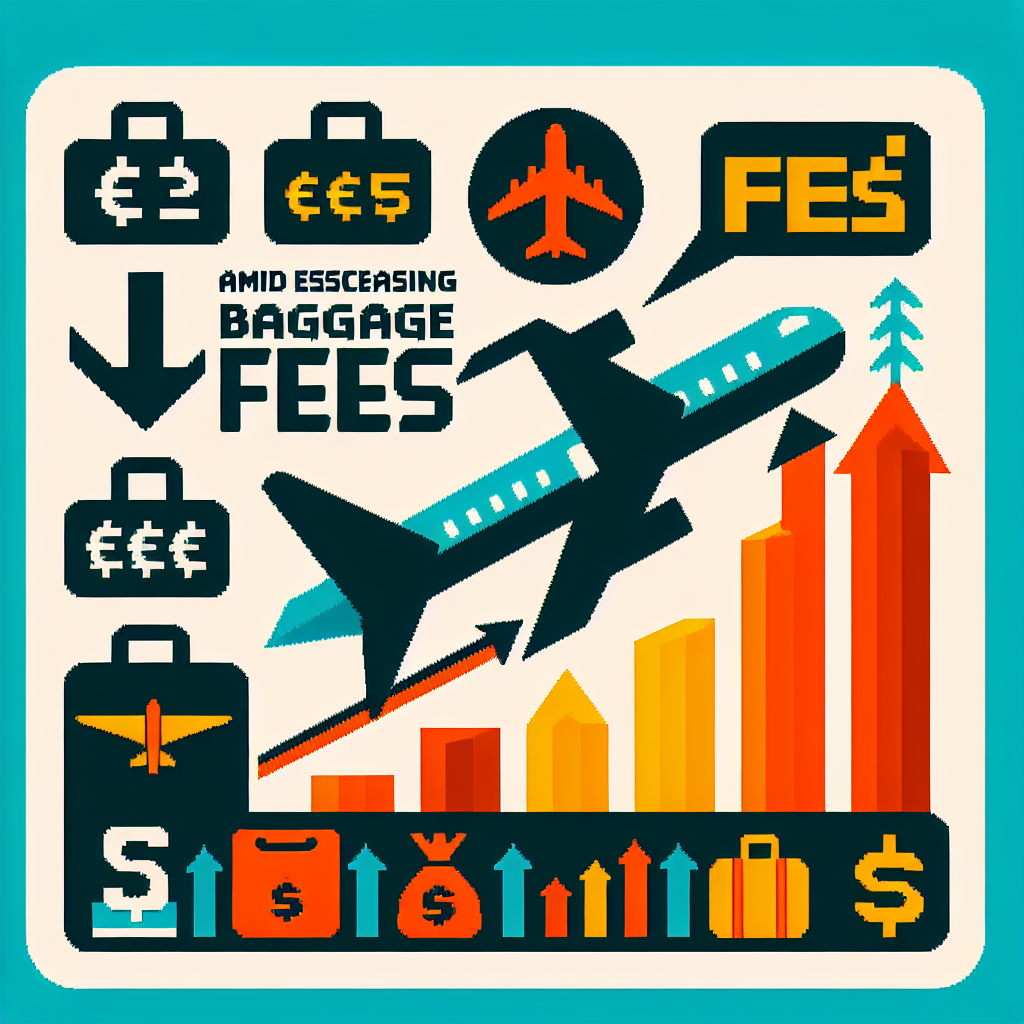
The headline is blunt: United Airlines raises bag fees, adding $10 to the price of the first checked bag as of April 3–4, 2026. For many travelers flying within the U.S., Mexico, Canada and Latin America that means the first suitcase now costs $45 and the second $55 when purchased in advance. That change lands at a moment when jet fuel prices have jumped sharply, and airlines are looking for ways to shore up margins without immediately hiking base fares.

This isn’t an isolated tweak. It’s part of a broader shift in the industry—one that blends rising operating costs, shifting product segmentation, and decades of revenue strategies that move many “extras” off the headline fare.

What changed and why it matters

  • United raised checked-bag fees for tickets purchased on or after April 3, 2026.
  • The carrier also introduced a more tiered set of premium fares, carving out a lower-priced base fare that removes extras like seat selection and refunds.
  • United said the moves respond to higher jet fuel costs that have added hundreds of millions to monthly operating costs industrywide. (apnews.com)

Why this matters beyond your next luggage tag: checked-bag fees are a reliably profitable line item for major airlines. When fuel spikes, airlines can either absorb the cost, raise base fares, or add fees. Increasing baggage fees shifts some of the burden directly to customers who actually check bags, while letting headline fares remain comparatively stable—at least for now.

The bigger picture: fuel, conflict and the airline playbook

Over the last few weeks, geopolitics pushed crude and jet fuel higher. Executives at U.S. legacy carriers have repeatedly pointed to soaring fuel as a major cost pressure, sometimes quantifying it in the hundreds of millions per month. In turn, airlines have started to layer fee increases and fare unbundling on top of one another. JetBlue and others have already announced similar baggage-price moves. (apnews.com)

Historically, airlines introduced bag fees in the late 2000s and have treated ancillary revenue—baggage, seat assignments, change fees, and loyalty-related perks—as a steady profit center. The current pattern shows that when fuel or other costs jump, carriers revert to this proven lever. They can implement fee increases quickly, and regulators have limited ability to block them.

What the new tiered fares mean for travelers

United’s tiered premium structure takes aim at price-sensitive flyers by creating a cheaper “base” fare while moving services many passengers expect—like advance seat selection and easier refunds—into higher-priced bundles. The practical effects:

  • Occasional travelers might see a lower headline fare, but end up paying more if they want standard conveniences (checked bags, seat choice).
  • Frequent travelers with status and co-branded credit cards will still retain many perks, widening the gap between loyalty-holders and casual flyers.
  • Comparison shopping becomes trickier: two tickets with the same headline price can deliver very different experiences depending on included extras.

In short, if you travel light and don’t care where you sit, the new base fares might be fine. If you check a bag or prefer flexibility, the true cost can climb quickly.

How to respond as a traveler

  • Reassess packing habits. For short trips, carry-on only often beats the math of paid checked bags.
  • Use loyalty status or co-branded credit cards when possible; these still unlock free baggage for many customers.
  • Compare total trip costs (fare + baggage + seat fees) across carriers and fare classes, not just headline prices.
  • Consider alternate airports or travel dates if you have flexibility—sometimes small routing shifts avoid higher fees.
  • If you travel with family or need multiple bags, weigh whether a slightly higher premium fare that includes bags is cheaper than adding individual baggage fees.

These are practical steps, but they also underline a broader truth: airlines are optimizing revenue at a granular level, so travelers must do the same when shopping.

The investor dilemma and airline strategy

Investors favor clear margin improvement. From an airline’s viewpoint, raising ancillary fees and slicing fares into distinct tiers improves revenue per passenger and lowers exposure to sudden fare competition. Yet there’s risk: fee fatigue can sour customers, and sustained higher costs might eventually depress demand if ticket prices and fees both rise.

So far, demand has remained resilient—airlines are still reporting strong bookings despite higher fuel and fees. But if fuel remains elevated for months, carriers could either pass more costs along or trim capacity, each with consequences for travelers and broader travel demand. (apnews.com)

My take

This move is textbook airline economics: when a large, volatile cost (jet fuel) jumps, carriers apply nimble levers like ancillary fees first. That preserves headline fares and keeps seat sales robust in the near term. It’s sensible for the airlines; it’s frustrating for many customers.

Still, this is also a reminder that the “price” of a flight is not just ticket cost. In today’s airline market, the full price often includes bags, seats, changes, and add-ons. Savvy travelers will shop differently—thinking in total trip cost—while infrequent flyers may feel blindsided by fees they didn’t expect.

Final thoughts

United’s increase in bag fees and the new tiered fares are small moves with outsized signaling power. They reflect an industry recalibrating to sustained higher fuel prices and the strategic choice to monetize everything that isn’t a seat. For travelers, the path forward is practical: pack smarter, use perks, and total-up costs before you buy.

If you fly often, expect this to become part of the normal rhythm of airline pricing. If you fly occasionally, prepare for more surprises at checkout—and maybe buy a carry-on that fits overhead bins.

Sources

United Airlines bans speaker audio | Analysis by Brian Moineau

Some more peace and quiet in the cabin

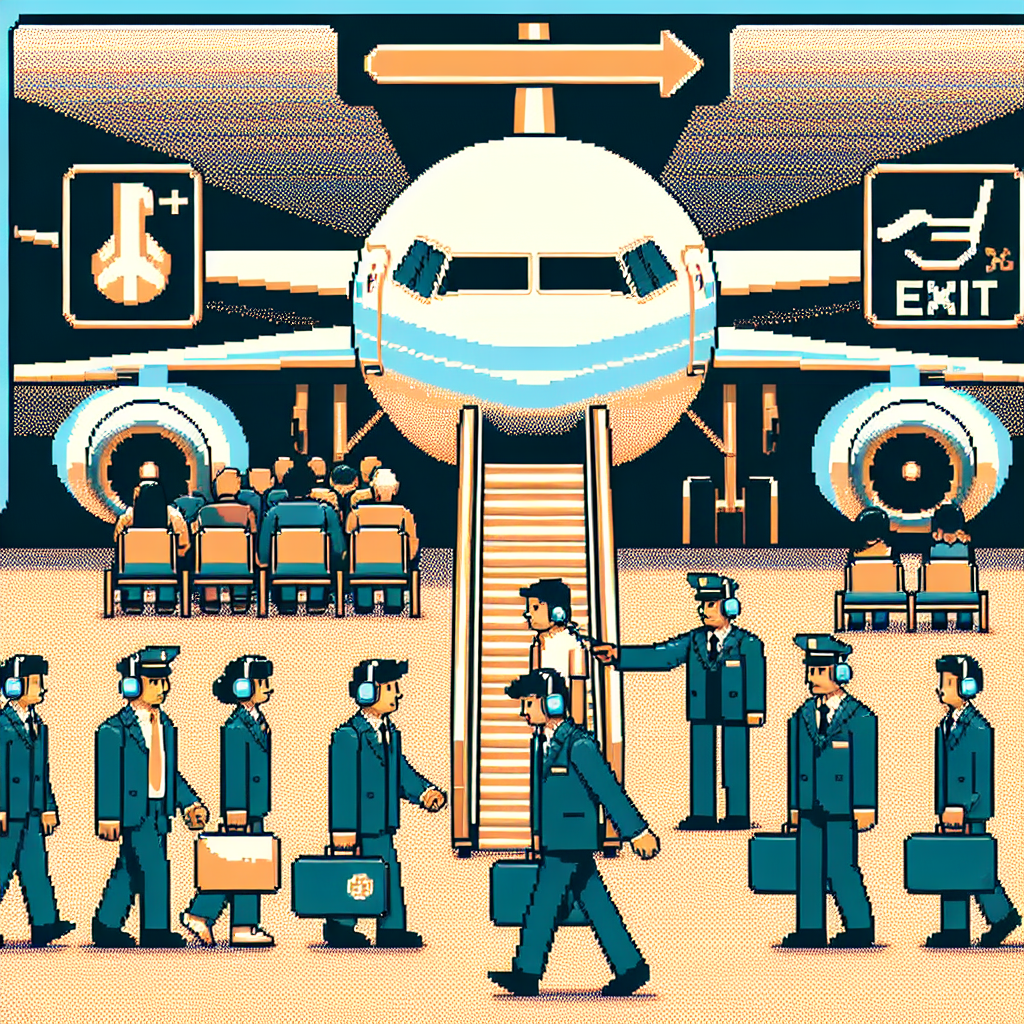
You’re tucked into your window seat, the overhead bins are closed, you’ve settled in for the flight — and then the person across the aisle fires up a video on full speaker. That involuntary cringe? It may soon be less common. United Airlines quietly updated its Contract of Carriage on February 27, 2026 to add a headphone requirement: passengers who “fail to use headphones while listening to audio or video content” can be removed from a flight and even refused future travel. The airline put the rule under Rule 21 — Refusal of Transport — meaning it’s now a legally enforceable ground for denial of boarding, removal, or a temporary or permanent ban.

This isn’t a story about tech or gadget superiority; it’s about etiquette turned enforceable policy. Here’s what that change means, why airlines are doing it, and how passengers (and flight crews) might navigate the new normal.

Why this matters right now

  • The update makes what used to be a polite request — please use headphones — into a clause in United’s binding passenger agreement.
  • United is likely the first major U.S. carrier to place headphone use explicitly inside a refusal-of-transport rule rather than a general policy or recommendation.
  • The timing follows years of rising passenger complaints about noisy behavior onboard (and broader airline efforts to manage rising incidents of unruly conduct).

For fellow travelers who’ve sat through someone’s loud TikToks, sports highlights, or video calls at 30,000 feet, this reads like progress. For others it raises questions about enforcement, fairness, and the limits of airline authority.

What the rule actually does

  • The headphone clause appears in United’s Contract of Carriage under Rule 21 (Refusal of Transport), added February 27, 2026.
  • Consequences range from a crew reminder or warning up to removal from the aircraft, and potential temporary or permanent refusal of future transport.
  • The rule also joins other in-flight conduct items that airlines can use to justify removal or denial of boarding (e.g., refusing crew instructions, disruptive behavior).

It’s worth noting that several carriers and in-flight services have long requested headphone use (and many onboard entertainment systems require them). What’s new is the explicit legal muscle behind the expectation.

How enforcement might look

  • Most enforcement will probably start at the softer end: verbal reminders from flight attendants, announcements, or a request to hand over the device’s audio output to switch to headphones.
  • If a passenger refuses repeatedly or becomes confrontational, crews can escalate under Rule 21 — which could mean removal before departure, diversion, involvement of law enforcement after landing, or placing a ban on future travel with United.
  • Practical hurdles exist: policing headphone compliance mid-flight is awkward and can itself provoke conflict. Flight attendants must balance cabin safety and calm with the realities of enforcing a social norm.

Who benefits — and who might be disadvantaged

  • Beneficiaries
    • Passengers seeking a quieter cabin (especially those trying to sleep or concentrate).
    • Flight attendants, who gain clearer policy language to cite when asking people to stop playing audio aloud.
  • Potential pitfalls
    • People with certain disabilities or sensory needs may need accommodations. Federal nondiscrimination rules mean airlines must consider disability-related exceptions, and crews should be trained accordingly.
    • Conflicts over subjective loudness or misunderstandings can escalate, especially when enforcement feels inconsistent.
    • Passengers who forget headphones — United’s in-flight pages indicate some aircraft already carry inexpensive headphones; how airlines handle honest forgetfulness remains important.

Broader context: an industry shift toward enforceable conduct rules

  • Airlines have long struggled with in-cabin etiquette: mask disputes, intoxicated passengers, and conflict over seats and recline have all led carriers to tighten rules or change wording in contracts.
  • Codifying headphone use in a contract of carriage follows that pattern: transform recurring nuisance behaviors into explicit contractual violations to make enforcement easier.
  • Other carriers may follow suit if the policy reduces incidents and complaints; alternately, pushback from advocacy groups and legal scrutiny could limit how broadly such rules are applied.

What passengers should do (practical tips)

  • Always pack a pair of reliable, compact headphones or earbuds in your carry-on.
  • If you forget headphones, ask flight attendants politely — many airlines have spares or low-cost options available.
  • If another passenger plays audio aloud, request politely first; if that fails, alert a crew member rather than escalating yourself.
  • Be mindful of exemptions: if you require speaker audio for accessibility reasons, notify crew and be prepared to explain or show documentation if needed.

Quiet wins — or overreach? My take

Turning a long-standing courtesy into an enforceable rule feels like a reasonable step for improving the travel experience. For passengers who’ve been repeatedly exposed to other people’s loud device audio, the change promises a small but meaningful improvement in cabin comfort. That said, the success of the policy depends on fair, consistent enforcement and sensitivity to legitimate needs and edge cases.

Rules don’t remove the human element: flight attendants still mediate, passengers still forget or misbehave, and enforcement decisions will be made in real time. The hoped-for result is fewer shocks from someone else’s phone — and fewer awkward mid-flight confrontations when the only evidence you need to produce is “please put on headphones.”

Practical takeaway

  • Pack headphones. Seriously. It’s now both common courtesy and a potential contractual requirement on United flights.
  • Expect clearer cabin announcements and firmer intervention from crew when someone refuses to comply.
  • Watch how policy enforcement evolves — this could set a new standard across airlines, or prompt clarifications to guard against unfair outcomes.

Sources

Final thought

Quiet cabins don’t erase the frustrations of air travel, but making basic respect enforceable is a small policy nudge toward more tolerable flights — provided airlines apply it fairly and passengers do their part by bringing a pair of earbuds.

United Airlines plans to return to JFK — again — in new partnership with JetBlue – CNBC | Analysis by Brian Moineau

United Airlines plans to return to JFK — again — in new partnership with JetBlue - CNBC | Analysis by Brian Moineau

Title: United Airlines and JetBlue: A Partnership Ready for Take-Off at JFK

In the ever-turbulent skies of the airline industry, United Airlines and JetBlue have come together like two seasoned pilots, ready to navigate the complex airspace of New York's JFK Airport. As per the latest announcement covered by CNBC, United Airlines is making a return to JFK, this time with a trusty co-pilot, JetBlue, in a partnership that promises to make frequent flyer points as versatile as a Swiss Army knife.

The Friendly Skies Just Got Friendlier


The new collaboration between United Airlines and JetBlue is akin to the Marvel-DC crossover we never knew we needed. By allowing passengers to earn and redeem frequent flyer points across both airlines, this partnership is set to make air travel more rewarding, quite literally. Imagine the possibilities — a family from Boston can fly JetBlue to New York and then hop onto a United flight to explore the wonders of Europe, all while accumulating a treasure trove of points to fund their next adventure.

This move not only signifies a strategic alliance but also highlights the increasing trend of cooperation over competition in the airline industry. It mirrors the recent partnerships like Delta and LATAM or American Airlines and Qatar Airways, where airlines are banding together to enhance their global reach and customer appeal.

JFK: The Comeback Story


For United Airlines, returning to JFK is like an athlete staging a triumphant comeback after a hiatus. After ceasing operations at JFK in 2015, United's return, backed by JetBlue, is a testament to its commitment to reclaim its place in one of the world's busiest airports. JFK, with its bustling terminals and diverse passenger base, is a crucial hub for airlines looking to capture the lucrative transatlantic market. As the airline industry recovers from the pandemic-induced turbulence, strategic moves like this are essential for growth and sustainability.

JetBlue: The Maverick of the Skies


JetBlue, known for its customer-centric approach and innovative services, continues to punch above its weight in the industry. Its alliance with United could be likened to a dynamic duo, with JetBlue's reputation for excellent in-flight experience complementing United's extensive global network. JetBlue's unique position as a low-cost carrier with premium offerings makes it an attractive partner. This partnership could potentially lead to more seamless travel experiences, combining the best of both worlds — comfort and connectivity.

Beyond the Clouds: The Bigger Picture


This partnership comes at a time when the world is seeing significant shifts in how we work and travel. With remote work becoming the norm, the need for flexible travel options is more significant than ever. The global push towards sustainability also adds another layer of complexity, with airlines under pressure to reduce their carbon footprints. While this partnership might not directly address environmental concerns, enhanced cooperation can lead to more efficient operations and potentially greener skies.

Moreover, the collaboration between United and JetBlue sets a precedent for future partnerships, encouraging airlines to think outside the box in their quest for growth and customer satisfaction. It’s a reminder that even in a competitive industry, collaboration can lead to mutual benefits and enhanced experiences for travelers.

Final Thoughts


As United Airlines and JetBlue join forces at JFK, the skies are filled with anticipation and potential. This partnership symbolizes a new era of cooperation in the airline industry, offering travelers more choices and flexibility. In a world where change is the only constant, United and JetBlue have embraced the winds of change, setting a course for a future where the journey is as rewarding as the destination. So, as you plan your next adventure, remember that your frequent flyer points just got a little more powerful, and your travel map, a bit more expansive. Fasten your seatbelts; it's going to be an exciting ride!

---

For more on this partnership, check out the full CNBC article [here](https://www.cnbc.com/2023/10/17/united-airlines-plans-to-return-to-jfk-again-in-new-partnership-with-jetblue.html). Safe travels and happy flying!

Read more about AI in Business

Read more about Latest Sports Trends

Read more about Technology Innovations

‘It’s quite embarrassing’: China-bound United flight turns around after pilot forgets passport – CNN | Analysis by Brian Moineau

‘It’s quite embarrassing’: China-bound United flight turns around after pilot forgets passport - CNN | Analysis by Brian Moineau

Title: Passport Problems: The Unplanned Adventure of a China-Bound United Flight

In a world where the unexpected has become the new norm, a recent United Airlines incident provided a dose of humor in the skies that left both passengers and the aviation community chuckling. A China-bound United flight had to make an unexpected U-turn after the pilot realized he had forgotten his passport. Yes, even seasoned professionals can have those facepalm moments!

This comical incident unfolded when the pilot of the United flight bound for China from San Francisco discovered mid-flight that he had left his passport behind. Now, while forgetting a passport is a common traveler's nightmare, it's not something you'd expect from the person flying the plane. Yet, here we are, reminded that pilots are human too, and susceptible to the occasional slip-up.

A Light-Hearted Lesson in Preparedness

This story certainly resonates with anyone who has ever experienced that sinking feeling of realizing they've left something crucial at home. Missing a flight because of a forgotten passport or boarding pass is an unfortunate rite of passage for many travelers. The difference here is that, for most of us, the consequence is a missed flight, not a plane full of passengers making an unexpected return to the departure airport!

The incident is reminiscent of a similar situation in 2019 when the German Chancellor, Angela Merkel, had to turn back on her way to the G20 summit in Argentina due to a technical issue with her government aircraft. While Merkel's experience was due to technical difficulties, both stories highlight the fact that sometimes, no matter how prepared or experienced one is, life has its own plans.

The Human Side of Aviation

While the incident may be embarrassing for the pilot, it serves as a reminder of the human side of aviation. Pilots, much like the rest of us, juggle numerous responsibilities and face pressure to perform flawlessly. Yet, they too can have an off day. This light-hearted mishap offers a moment of levity and a reminder to double-check our essentials before heading out.

Aviation in the Age of Uncertainty

This event occurs at a time when the aviation industry is navigating a complex post-pandemic landscape. Airlines are adapting to new travel norms, fluctuating passenger numbers, and ever-changing regulations. The pilot's forgotten passport is a trivial matter in the grand scheme of things, but it underscores the unpredictability that defines today's travel experience.

Connecting the Dots Globally

On a broader scale, this incident is a metaphor for the unpredictability that the world is currently experiencing. From geopolitical tensions to climate change, the global community faces numerous challenges that require adaptability and resilience. Just as the passengers on the United flight had to adjust to the unexpected turn of events, so too must nations and individuals navigate the twists and turns of our rapidly changing world.

Final Thoughts

In the end, the story of the United flight's unplanned detour is a light-hearted reminder that even in high-stakes environments, the occasional human error is inevitable. It brings a smile to our faces and serves as a gentle nudge to always check our pockets (or cockpit) before embarking on a journey.

As the aviation industry continues to soar into the future, one can only hope that both pilots and passengers remember the all-important travel mantra: "Passport, boarding pass, wallet, keys." Let this be a lesson to us all, that while we can’t control everything, we can certainly try to be a little more prepared. Safe travels!

Read more about AI in Business

Read more about Latest Sports Trends

Read more about Technology Innovations