Soccer Headers Damage Brains Even Without Concussions, Large Study Finds – ScienceAlert | Analysis by Brian Moineau

Soccer Headers Damage Brains Even Without Concussions, Large Study Finds – ScienceAlert | Analysis by Brian Moineau

The Beautiful Game’s Unseen Battle: Soccer Headers and Brain Health

Soccer, affectionately known as “the beautiful game,” captivates millions worldwide with its dynamic play and thrilling moments. Yet, beneath the euphoria of scoring goals and electrifying passes lies a growing concern that has the soccer community—and indeed, the sporting world—thinking twice: the impact of headers on brain health.

Recent findings from a comprehensive study published on ScienceAlert have sparked a dialogue about the potential dangers of heading the ball in soccer, even when concussions are absent. The research highlights how repetitive heading may lead to brain damage, bringing to light a crucial issue that the sport must confront.

The Silent Threat

The study in question scrutinized the long-term effects of heading the ball, indicating that even without immediate concussive symptoms, players might still endure subtle yet significant brain injuries. This revelation is not entirely new but adds weight to a growing body of evidence suggesting that the repeated, seemingly innocuous act of heading could lead to cognitive impairments over time.

The concern isn’t restricted to soccer alone. Other contact sports like American football and rugby have also faced scrutiny over brain injuries. The NFL, for instance, has been embroiled in controversies regarding chronic traumatic encephalopathy (CTE), a condition linked to repeated head traumas. The soccer study mirrors these concerns, pushing the sport’s governing bodies to reconsider current protocols and safety measures.

A Global Conversation

As soccer grapples with these findings, it joins a broader global conversation about athlete safety and long-term health. The dialogue is reminiscent of recent efforts seen in other sports to mitigate risks. For instance, in 2019, the NFL introduced new helmet designs to reduce head injuries. Similarly, the International Rugby Board has implemented stricter regulations on high tackles.

In soccer, there are calls for changes too—youth leagues in the U.S. have already banned headers for players under 11, with restrictions for older children. The English Football Association has issued guidelines to limit heading in training at all levels. These moves aim to safeguard the next generation of players, emphasizing that the well-being of athletes is paramount.

The Way Forward

The study’s findings prompt us to rethink soccer’s future, incorporating science into the sport’s evolution without losing its essence. While the idea of soccer without headers might seem radical, it’s essential to balance tradition with safety.

The conversation should also include education for players, coaches, and medical staff about the risks and signs of brain injury and the importance of reporting symptoms, even if they seem minor. This cultural shift could be pivotal in protecting players.

Final Thoughts

As we ponder these revelations, it’s crucial to embrace a proactive stance on player safety. Soccer has the potential to lead the way for other sports by adopting innovative measures that ensure the game remains beautiful—not just in play, but in its commitment to the health of its players.

Ultimately, the heart of soccer lies in its community—fans, players, and officials united by a shared love for the game. By prioritizing brain health, we can ensure that this beloved sport continues to thrive for generations to come, full of passion, skill, and, above all, safety.

So, the next time you watch a thrilling soccer match and see a player rise to head the ball, remember: behind that moment is a larger conversation about the future of the sport and the well-being of those who play it. Let’s keep the ball rolling, but safely.

Read more about AI in Business

Read more about Latest Sports Trends

Read more about Technology Innovations


Related update: We recently published an article that expands on this topic: read the latest post.

Woman charged with homicide in crash that killed 2 Marquette University lacrosse players – ABC News | Analysis by Brian Moineau

Woman charged with homicide in crash that killed 2 Marquette University lacrosse players - ABC News | Analysis by Brian Moineau

Title: Tragedy on the Field: Reflecting on the Loss of Two Young Athletes

In the fast-paced world of sports, where triumph and teamwork often take center stage, there comes a time when we are reminded of the fragility of life and the unpredictability of fate. This week, the sports community mourns the tragic loss of two Marquette University lacrosse players, who were victims in a devastating car crash. The incident, which led to charges of homicide, has not only shocked the university but has also sent ripples of sorrow throughout the sports world.

The victims, who were vibrant young athletes with promising futures ahead, represented the spirit and dedication that collegiate sports embody. Lacrosse, often described as the "fastest game on two feet," is a sport that demands agility, teamwork, and strategic thinking. The Marquette University lacrosse team, known for its competitive spirit and camaraderie, now faces the heartbreaking task of moving forward without two of its own.

While details of the crash are still unfolding, the incident serves as a grim reminder of the responsibilities that come with driving and the severe consequences that can arise from negligence. Unfortunately, this is not an isolated event. The National Highway Traffic Safety Administration consistently reports that car crashes are a leading cause of death among young adults in the United States. This tragedy highlights the urgent need for increased awareness and preventive measures to ensure road safety, particularly among younger drivers.

In a broader context, the loss of these athletes echoes similar tragedies across the sports world, where young talents have been lost too soon. Just last year, the sports community mourned the death of Kobe Bryant, a basketball legend, in a helicopter crash. While the circumstances differ, both incidents underscore the harsh reality that life can change irrevocably in an instant.

For Marquette University, the healing process will be long and arduous. The university has always been a nurturing ground for student-athletes, providing not just academic and athletic training, but also life skills that prepare students for the world beyond college. The loss of these players is not only a loss of potential athletic achievements but also a loss of the bright futures they envisioned.

The sports community often rallies together in times of grief, and this moment is no exception. We see teams across the nation expressing their condolences and offering support to the Marquette community. It is a testament to the unifying power of sports—a world where rivals on the field become allies in times of crisis.

As we reflect on this tragedy, it's essential to remember the lives cut short and the dreams left unfulfilled. It's a call to action for all of us to cherish each moment, to drive responsibly, and to support one another in the face of adversity.

In conclusion, while the world of sports is filled with stories of victory and celebration, it is also a place where we confront the realities of loss and the need for resilience. Let us honor the memory of these young athletes by committing to safer roads and a more compassionate society. As we move forward, their spirit will undoubtedly inspire their teammates and all those who knew them to carry on with strength and determination.

Read more about AI in Business

Read more about Latest Sports Trends

Read more about Technology Innovations

Flight Attendant Weighs in on Video of Man Vaping in Plane Bathroom – TODAY.com | Analysis by Brian Moineau

Flight Attendant Weighs in on Video of Man Vaping in Plane Bathroom - TODAY.com | Analysis by Brian Moineau

Up in Smoke: The Airplane Vaping Saga


In a world where the skies are vast and air safety is paramount, there are still those moments when rules are bent, nudged, or outright flouted. Recently, on an American Airlines flight, a passenger by the name of Kobe Peter “Twoey King” Nguyen found himself in a not-so-luxurious spotlight. The reason? Vaping in the plane’s bathroom.

The Incident: A Smoky Affair


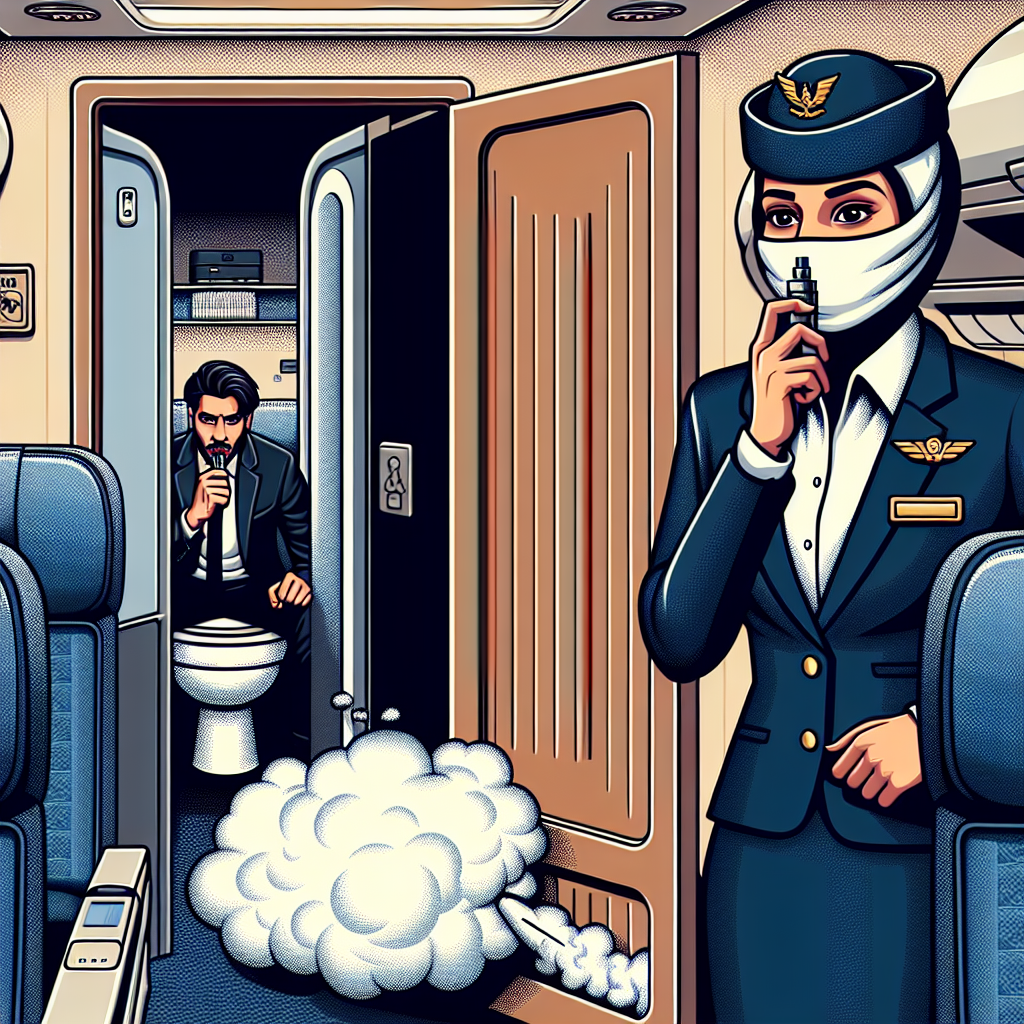
A video circulating online shows Nguyen engaging in a heated exchange with flight attendants after being caught vaping mid-flight. The cabin crew, as expected, were far from amused, and it's not hard to imagine why. Vaping on a plane isn't just against airline policy; it's a safety concern. Airplanes are essentially pressurized metal tubes hurtling through the sky, and anything that can potentially compromise safety is a big no-no.

A flight attendant who witnessed the scene later explained that the situation was handled following standard procedures. The crew had to ensure the safety of all passengers, and that meant enforcing the no-smoking (or vaping) rule strictly.

Vaping: A Global Perspective


This incident isn't just an isolated case of flouting rules. It ties into the broader discussion about vaping regulations, which have been tightened in various parts of the world. For instance, in Australia, vaping laws are stringent, requiring prescriptions for nicotine vapes, while in the UK, public health officials have advocated for vaping as a tool to quit smoking but with controls.

The skies have their own sets of rules and regulations, and for good reason. The Federal Aviation Administration (FAA) in the United States has clear guidelines prohibiting smoking and vaping on flights. The reasons are simple: fire hazards and the potential for health issues among passengers, especially those with respiratory sensitivities.

The People Behind the Clouds


Nguyen, or "Twoey King" as he's known, is now unwittingly part of a growing list of individuals who've learned the hard way that some rules aren't meant to be broken. While incidents like this can often lead to fines or bans from airlines, they also serve as a reminder of the need for personal responsibility in shared spaces.

Flight attendants, often the unsung heroes of the skies, have to manage not only the safety protocols but also the comfort and well-being of all passengers. Their job is not just about serving drinks and snacks; it's about ensuring that everyone arrives safely at their destination, even if it means confronting uncomfortable situations.

A Broader Connection: Air Travel and Behavior


Nguyen’s case is a microcosm of the larger issue of passenger behavior on flights. With air travel rebounding post-pandemic, there's been a noticeable uptick in unruly passengers. The International Air Transport Association (IATA) has reported increased incidents of disruptive behavior, ranging from mask disputes to physical altercations. This stresses the importance of clear communication and firmer penalties for those who choose to ignore the rules.

Final Thoughts: Flying with Consideration


As we continue to navigate the skies, it's essential to remember that air travel is a privilege that comes with responsibilities. Whether it's vaping, adhering to safety instructions, or simply being courteous to fellow passengers and crew, each of us plays a part in ensuring a safe and pleasant journey.

For Nguyen, this incident might be a momentary lapse in judgment, but it serves as a valuable lesson for all travelers. The next time you board a flight, remember: the rules are there for a reason, and a little consideration can go a long way in keeping the friendly skies just that—friendly.

Read more about AI in Business

Read more about Latest Sports Trends

Read more about Technology Innovations

Shocking plunge by Southwest flight from Southern California was to avoid another aircraft – KHON2 | Analysis by Brian Moineau

Shocking plunge by Southwest flight from Southern California was to avoid another aircraft - KHON2 | Analysis by Brian Moineau

Title: Navigating the Friendly Skies: A Heart-Pounding Plunge and the Art of Aerial Evasion

In a world where the everyday hustle and bustle often turns mundane, sometimes life throws a curveball—or in this case, a dramatic plunge—that jolts us into awareness. Recently, passengers aboard a Southwest Airlines flight from Southern California experienced just that, a heart-stopping descent to avoid a potential mid-air collision. As the Boeing 737 jet dropped hundreds of feet in mere seconds, it was a stark reminder of both the marvels and the perils of modern aviation.

When Skies Get Unfriendly: A Close Call Over Las Vegas

The incident unfolded as the aircraft was nearing its final destination, Las Vegas—a city synonymous with high stakes and adrenaline. But this time, the thrill wasn’t on the Strip. As the pilot informed passengers, the rapid descent was a maneuver to avert an oncoming aircraft. While the specifics remain under investigation, this event highlights the intricate ballet of air traffic control and pilot expertise that keeps millions of travelers safe each day.

A Glimpse Behind the Cockpit Curtain

Pilots, often seen as the stoic figures behind the cockpit door, are no strangers to handling pressure. This incident serves as a testament to their training and quick thinking. The Federal Aviation Administration (FAA) mandates rigorous training protocols to prepare pilots for such scenarios, ensuring that even when skies turn turbulent, those at the helm are equipped to navigate with precision.

Connecting the Dots: Aviation Safety in Perspective

This near-miss brings to mind other significant advancements and challenges in aviation safety. It echoes the ongoing commitment of organizations like the FAA and International Air Transport Association (IATA) to enhance safety measures and technology. Recent developments, such as the implementation of new collision-avoidance systems and improved air traffic management, are part of a global effort to minimize incidents like this.

From the Skies to the Streets: Parallels in Safety and Innovation

While aviation grapples with its unique set of challenges, parallels can be drawn to the automotive industry. The push for self-driving cars and advanced driver-assistance systems mirrors the aviation industry's quest for safer, more efficient travel. Both sectors are navigating the delicate balance between embracing innovation and ensuring safety, a dance that requires precision, foresight, and collaboration.

Final Thoughts: The Unseen Heroes of the Skies

As passengers disembarked safely in Las Vegas, likely with a newfound appreciation for solid ground, it's worth acknowledging the unsung heroes of aviation—the pilots, air traffic controllers, and engineers who work tirelessly behind the scenes. Their expertise and commitment ensure that, even when faced with the unexpected, the journey continues safely.

In a world where news of miraculous landings and close calls can quickly become just another headline, this incident serves as a reminder of the complexity and wonder of flight. As we look to the future, with advancements in technology and evolving safety protocols, one thing remains constant: the sky, vast and unpredictable, will always be a frontier of human ingenuity and courage.

Read more about AI in Business

Read more about Latest Sports Trends

Read more about Technology Innovations

Air India faces disruptions as crash prompts deeper checks and flight delays – AP News | Analysis by Brian Moineau

Air India faces disruptions as crash prompts deeper checks and flight delays - AP News | Analysis by Brian Moineau

Flight Turbulence: Air India's Recent Challenges and Global Aviation Safety

Ah, the joys of air travel: the thrill of takeoff, the stunning views from 35,000 feet, and the occasional—yet distinctly less thrilling—disruptions that can throw a wrench in anyone's journey. Today, we turn our attention to Air India, which has recently found itself navigating some rather choppy skies. Last week’s tragic crash has prompted the need for deeper safety inspections across its Dreamliner fleet, leading to an avalanche of flight delays and cancellations, along with growing anxiety among passengers.

The Directorate General of Civil Aviation (DGCA) in India has insisted on these precautionary measures, and rightly so. Safety, after all, is the bedrock of aviation. While the delays may test the patience of even the most seasoned traveler, they also serve as a reminder of the meticulous care that goes into ensuring our airborne adventures are as safe as they are exhilarating.

This situation with Air India is not just a local hiccup but part of a broader narrative in the global aviation industry. For instance, the recent issues with Boeing's 737 Max jets have shown us how an incident in one part of the world can lead to widespread scrutiny and action. In 2019, following two fatal crashes, the 737 Max was grounded worldwide, leading to similar disruptions and a reevaluation of safety protocols. The parallel here is clear: when it comes to aviation, there truly are no borders.

Moreover, Air India's current predicament highlights the importance of robust crisis management strategies. In today's fast-paced world, where information spreads at the speed of light, airlines must be swift and transparent in their communication to maintain passenger trust. Just as the hospitality industry has learned to pivot quickly during the pandemic—shifting towards more flexible booking policies and enhanced cleanliness protocols—airlines, too, must adapt to the evolving landscape.

Interestingly, amidst these disruptions, the global aviation sector is also witnessing some fascinating developments. There's the rise of sustainable aviation fuels (SAFs), which promise to reduce the carbon footprint of air travel significantly. Airlines like KLM and United are leading the charge, investing heavily in this green revolution. It's a silver lining that even as we grapple with immediate challenges, there are strides being made toward a more sustainable future.

So, what does this mean for the everyday traveler? Patience is key, as is staying informed. Airlines often provide real-time updates via apps and social media, ensuring passengers are not left in the dark. It’s also a good reminder to keep those travel playlists and e-books handy—because a little delay is always more bearable with some good tunes or a captivating read.

In conclusion, while Air India's current challenges are undoubtedly significant, they underscore an essential truth: safety in aviation is non-negotiable. As airlines and regulatory bodies continue to work together to ensure the skies remain safe, passengers can play their part by staying informed and prepared. After all, every cloud has a silver lining, and in this case, it's the promise of safer, more reliable air travel for all.

Fly safe, stay curious, and here's to smoother skies ahead!

Read more about AI in Business

Read more about Latest Sports Trends

Read more about Technology Innovations

Flight to Houston forced to land in Seattle after passenger tries to open exit door mid-flight – Click2Houston | Analysis by Brian Moineau

Flight to Houston forced to land in Seattle after passenger tries to open exit door mid-flight - Click2Houston | Analysis by Brian Moineau

Title: Skyward Shenanigans: When High Altitude Curiosity Takes a Detour

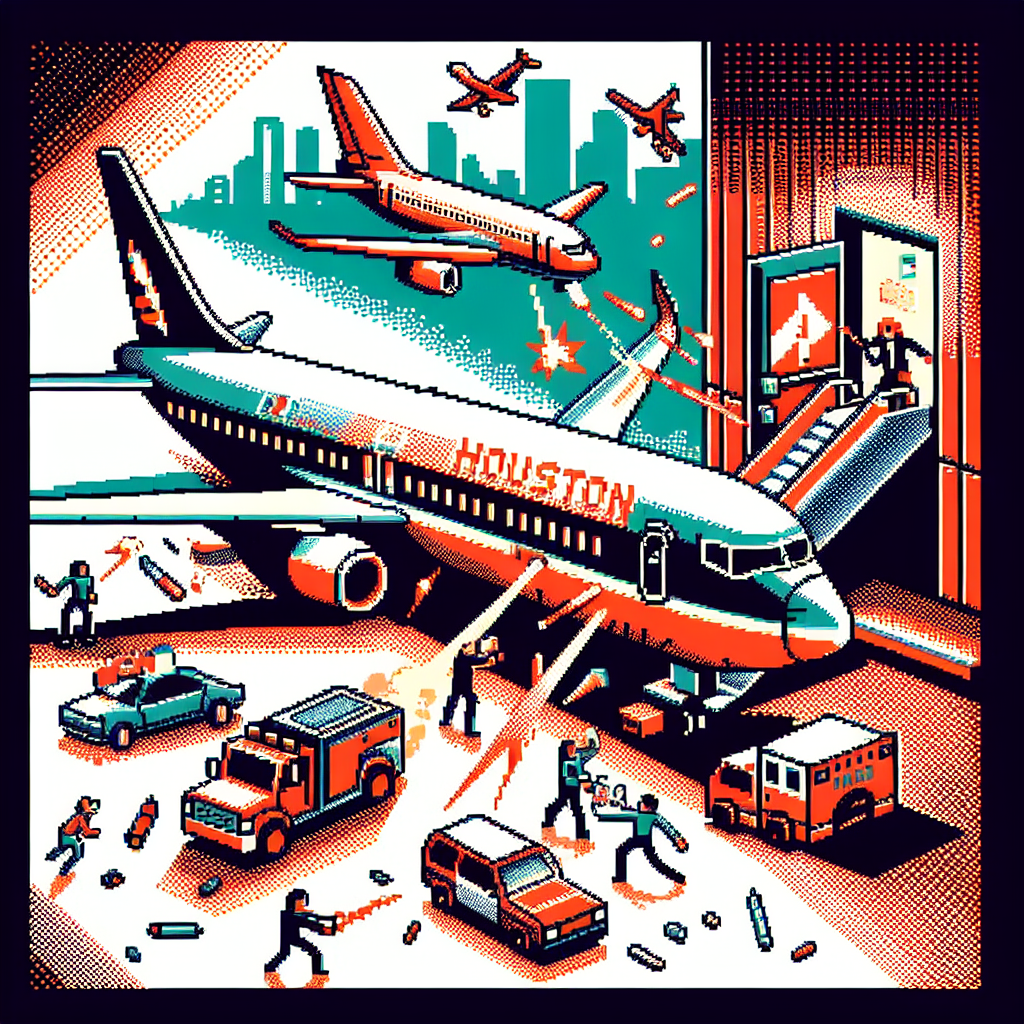
In a sky-high drama, a flight from Tokyo to Houston found itself taking an unscheduled pit stop in Seattle. The reason? A passenger decided to test the integrity of an emergency exit door mid-flight. While this might sound like a plot twist from a high-stakes thriller, it was indeed a real-life event that unfolded at cruising altitude. Fortunately, the scenario was defused without incident, thanks to the quick actions of the flight crew and fellow passengers.

Airborne Curiosity or Just Cabin Fever?

So, what compels someone to attempt to open a plane door at 35,000 feet? It’s a question that leaves many scratching their heads. While one might attribute such behavior to acute cabin fever or perhaps a misguided sense of curiosity, it’s important to note that the physics of flight prevent such attempts from succeeding. The pressure difference at high altitudes makes it virtually impossible for anyone, even someone with Herculean strength, to open a door mid-flight. Perhaps this passenger was unfamiliar with these aerodynamics or simply caught up in a moment of altitude-induced irrationality.

Not the First Mile-High Misadventure

This incident is not an isolated one. Similar events have dotted aviation history, often attributed to passenger anxiety or misunderstanding. In 2018, a British Airways flight faced a similar disruption when a passenger tried to open the exit door, later claiming he thought it was the bathroom. These incidents highlight the importance of understanding airplane safety features and the critical role of the cabin crew in maintaining order in the skies.

A World Always in Transit

In an era where travel mishaps can become viral sensations, this incident draws attention to the broader theme of navigating shared spaces with civility and understanding. As the world becomes increasingly interconnected, the skies have become a microcosm of global society, with all its diverse characters and occasional quirks.

A Light-hearted Reflection

While such incidents can be alarming, they also serve as reminders of the unpredictability of human behavior. Much like the unexpected weather patterns that pilots expertly navigate, flights occasionally encounter human turbulence. It's a testament to the training and professionalism of airline crews that these situations are handled with composure and care.

Final Thought: Navigating the Skies Together

As airlines continue to connect the world, it's vital for passengers to remember that while the sky is vast, an airplane is a shared microcosm of humanity. We each play a part in ensuring a smooth flight, whether by following safety protocols or simply showing kindness to our fellow travelers. Here’s to safe, uneventful journeys and to the unsung heroes of the sky who keep us safely aloft, no matter what surprises may come our way.

Read more about AI in Business

Read more about Latest Sports Trends

Read more about Technology Innovations