
Sixty Super Bowls: The Last Pilgrimage | Analysis by Brian Moineau

Sixty Sundays: The friends who’ve never missed a Super Bowl

From $8 seats to $8,000 trips, the Super Bowl has changed almost as much as the men who’ve watched every single one. This year Don Crisman, Gregory Eaton and Tom Henschel — three friends in their 80s — made the pilgrimage again, closing a chapter that began on January 15, 1967. For two of them, this pilgrimage may be the last.

A hook: why this story matters beyond football

There’s something quietly heroic about a ritual kept for six decades: it’s not just about touchdowns or halftime shows, it’s about continuity in a world that keeps speeding up. These men are living archives of the event that became America’s unofficial holiday. Their story asks a simple question: what do we owe our rituals — and to whom?

What happened this year

  • Don Crisman (Maine), Gregory Eaton (Michigan) and Tom Henschel (Florida) attended Super Bowl LX, preserving a streak that began with the very first AFL-NFL World Championship Game in 1967.
  • Crisman, nearly 90, and Henschel, 84 and recovering from a stroke, said this year will likely be their last trip. Eaton, 86, plans to go as long as he can.
  • The trio — once part of a larger “never missed” club that included media members and staff — are now essentially the living end of an era, having scaled back travel from weeklong stays to short trips focused only on the game. (apnews.com)

A little context: how the Super Bowl and fandom evolved

  • The first two championship games were called the AFL-NFL World Championship Game; “Super Bowl” became the common name almost by accident and then by marketing success.
  • Early Super Bowls felt different: cheaper tickets, smaller media machines, less corporate spectacle. Henschel remembers paying $12 for a ticket in 1969. Today, attending the game — travel, lodging, ticket markups — can run into the thousands. (apnews.com)
  • Over 60 editions, the Super Bowl transformed from a championship to a cultural event: halftime megashows, global advertising, and multi-day corporate campus takeovers around host cities.

Why their streak is about more than numbers

  • Ritual and friendship: The three men speak less about specific plays and more about the habit of showing up together. Their annual meetups, brunches and shared travels turned a sporting event into a social anchor.
  • Memory and changing America: Through their eyes you can trace social shifts — from stadium integration and the first Black winning quarterback to the commercialization of sports.
  • The cost of dedication: Their scaling back — shorter stays, tighter budgets — mirrors how the Super Bowl itself has become more expensive and logistically challenging. For them, the decision to continue is a personal calculus of mobility, finances, and how much the ritual still feeds their joy. (washingtonpost.com)

What this says about fandom and aging

  • Traditions adapt. Where once they’d spend a week soaking in the host city, now it’s three or four days and mostly the game. That’s not resignation — it’s pragmatism.
  • The emotional weight of a final trip: Saying “this might be my last” reframes the game as a milestone rather than an event. It’s the closing of a long-running story that others helped write.
  • Public memory vs. private ritual: The Super Bowl is public spectacle; their streak is private devotion made public. It reminds us that the biggest cultural events are made meaningful by countless small, consistent acts of attendance and attention.

Takeaways for readers

  • Small rituals accumulate into identity: attending once is memorable; attending 60 times becomes a life’s thread.
  • Cultural institutions age with us: as the NFL and its marquee event get bigger and pricier, the people who built the memory bank adapt — or fade away.
  • There’s dignity in ending things on your own terms: both Crisman and Henschel acknowledge limits and choose a graceful exit rather than forcing the habit beyond its meaningfulness. (apnews.com)

My take

The story of Crisman, Eaton and Henschel reads like a human-scale novel about time: the highs, the losses, the friendships that outlast careers and changing cities. Sports often give us a truncated narrative — winners and losers — but this trio shows the richer arc: persistence, memory, and the quiet decision to step back when the ritual stops serving who you are. It’s easy to romanticize “never missed” streaks, but the more interesting, humane moment is watching people choose how to end them.

Sources

(Links were checked on February 7, 2026.)


Related update: We recently published an article that expands on this topic: read the latest post.
Related update: We recently published an article that expands on this topic: read the latest post.
Wilbur Wood: White Sox Ironman Legacy | Analysis by Brian Moineau

Wilbur Wood, the White Sox Workhorse, Has Passed Away at 84

An image of a worn baseball glove and a well-traveled pitcher’s mound feels right when you think of Wilbur Wood. He wasn’t flashy. He didn’t light up radar guns. What he did was simpler — and rarer: he showed up, year after year, inning after inning, wielding a knuckleball that befuddled hitters and preserved his team’s rotation in an era when starters were expected to finish what they began. Wood died on January 17, 2026, at age 84, leaving behind a legacy built on durability, craft, and an almost old‑world approach to pitching.

Why his story matters

  • Wood belongs to a line of pitchers who redefined how teams used innings. In the early 1970s he was not merely effective — he was essential.
  • He is one of the last true ironmen in the Live Ball Era: four seasons of 300+ innings and a 1972 campaign (376 2/3 innings and 49 starts) that is largely unthinkable in modern baseball.
  • His transformation from a marginal reliever to a frontline starter after committing to the knuckleball (mentored by Hoyt Wilhelm) is a neat, human story about adaptation and mentorship in sports.

A quick look back at the career

  • Began major-league life with the Boston Red Sox (debut at age 19 in 1961), had a brief stop with the Pittsburgh Pirates, then found a home in Chicago from 1967–1978.
  • After learning the knuckleball more seriously (with guidance from Hoyt Wilhelm), Wood shifted from mop-up reliever to workhorse starter.
  • Peak years were 1971–1974: multiple 20-win seasons, three All‑Star nods, and top finishes in Cy Young voting.
  • Career totals include 164 wins, a 3.24 ERA, 2,684 innings pitched, and a reputation for completing games and eating innings few today would dare attempt.

What made Wilbur Wood special

  • Durability: Four seasons with 300 or more innings (1971–1974) during which he routinely started on short rest and completed games that modern starters rarely attempt.
  • The knuckleball: Wood converted a quirky, low-velocity pitch into a career-defining weapon. That pitch allowed him to pitch deep into games and seasons when conventional wisdom favored burnouts from heavy workload.
  • Consistency under an old-school grind: In an era of increasingly specialized bullpens, Wood’s output was a reminder of how different roster construction and pitcher usage once were.

Things that stand out about the 1972 season

  • 376 2/3 innings pitched — the most by a starter in the Live Ball Era — and 49 starts, figures almost impossible to conceive of in baseball’s modern era.
  • Second in Cy Young voting that year, with a sub-2.60 ERA over the stretch of his dominance.
  • Those totals are anchor points for conversations about pitcher health, modern workload limits, and how the game has evolved since the 1970s.

A player shaped by place and mentors

  • Wood’s Massachusetts roots and his early call-up at 19 hint at a long relationship with the game that required reinvention to survive.
  • The role of veterans like Hoyt Wilhelm in refining his knuckleball underscores the often-understated value of mentorship — a coaching moment that turned a career around.
  • After baseball, Wood returned to private life and business pursuits, reflective of a generation of players who didn’t always remain in the spotlight after retirement.

Remembering the human side

It’s easy to reduce a figure like Wood to innings, starts, and WAR. The fuller picture includes grit, the humility of a craft pitcher, and the laugh in the clubhouse when the knuckleball danced across the plate. Tributes from teammates, the White Sox organization, and fans highlight a player who was admired not just for numbers but for how he embodied reliability — the most underrated currency in team sports.

Final thoughts

Wilbur Wood’s story is both a relic and a lesson. It’s a relic because the baseball landscape that produced 300‑inning seasons no longer exists. It’s a lesson because his career shows how skill reinvention, mentorship, and toughness can carve out a long, meaningful run even when raw physical tools aren’t elite. As baseball keeps changing — with limiting innings, protecting arms, and using analytics to rethink roles — remembering figures like Wood helps preserve a sense of continuity and respect for craft. He wasn’t a Hall-of-Famer by plaque, but he was a Hall‑of‑Character in the hearts of White Sox fans and plenty of baseball purists.

Remembering him through the numbers and the moments

  • 17 major-league seasons (1961–1978).
  • 164 career wins, 3.24 ERA, 2,684 innings pitched.
  • Three-time All-Star; multiple top finishes in Cy Young voting.
  • Signature seasons from 1971–1974 that defined him as one of the most durable starters of his era.

Sources


Related update: We recently published an article that expands on this topic: read the latest post.

Related update: We recently published an article that expands on this topic: read the latest post.
USC vs. Notre Dame: A Rivalry at Risk | Analysis by Brian Moineau

The USC-Notre Dame Rivalry: A Century of Passion and Memories

As the leaves begin to turn and football season kicks into full gear, one of college football’s most storied rivalries looms on the horizon: the clash between the University of Southern California (USC) and the University of Notre Dame. This rivalry, steeped in tradition and history, is more than just a matchup; it’s a celebration of athleticism, school spirit, and unforgettable moments. However, it’s facing an uncertain future, and that’s a conversation worth having.

A Rich History of Competition

The USC-Notre Dame rivalry dates back to 1926 and has since produced some of college football’s most thrilling games. These two powerhouse programs have battled it out on the gridiron for over a century, creating memories that resonate with fans and players alike. From the electric atmosphere of packed stadiums to legendary performances by athletes like Reggie Bush, the rivalry has showcased the very best of college football.

However, as the landscape of college athletics evolves with conference realignment and the introduction of the College Football Playoff, the future of this historic rivalry hangs in the balance. Will the USC-Notre Dame matchup remain a staple of college football, or will it fade into obscurity like so many other traditions?

Memorable Moments That Defined the Rivalry

Throughout the years, the USC-Notre Dame rivalry has produced unforgettable moments that are etched into the annals of college football history. Who could forget Reggie Bush’s spectacular 2005 performance, where he dazzled fans with his explosive plays and showcased why he was a Heisman Trophy winner? Or the dramatic finishes that left fans on the edge of their seats, such as the 1974 game where USC’s last-second touchdown secured a thrilling victory.

These games have brought together generations of fans, with families often divided in their loyalties. The intensity of the rivalry not only fuels the players on the field but also ignites the passion of the fans who support their teams through thick and thin.

Key Takeaways

Historical Significance: The USC-Notre Dame rivalry has spanned over 95 years, making it one of the longest-running rivalries in college football. – Iconic Games: From Reggie Bush’s legendary performances to nail-biting finishes, this rivalry has produced countless memorable moments. – Evolving Landscape: As college football faces changes in conference alignments and playoff structures, the future of this cherished rivalry is uncertain. – Fan Passion: The intensity of the rivalry ignites fierce loyalty among fans, often dividing families and communities. – Cultural Impact: The USC-Notre Dame games transcend football, representing a unique cultural intersection of tradition, competition, and camaraderie.

Reflecting on the Rivalry’s Future

As we look forward to the upcoming seasons, it’s crucial to cherish the moments that define the USC-Notre Dame rivalry. Whether it’s the thrill of a last-minute touchdown or the camaraderie shared among fans, this rivalry embodies the spirit of college football. It’s a reminder of why we love this sport in the first place.

Let’s hope that the powers that be recognize the importance of preserving this historic matchup, allowing future generations to experience the excitement and camaraderie that comes with every USC-Notre Dame game.

Sources

– ESPN: [From train rides to Reggie Bush: The best games in the USC-Notre Dame rivalry](https://www.espn.com/college-football/story/_/id/32547669/best-games-usc-notre-dame-rivalry)

In the world of sports, some rivalries are built on a foundation of history, passion, and unforgettable moments. The USC-Notre Dame rivalry is one such treasure that deserves to be celebrated for years to come.


Related update: We recently published an article that expands on this topic: read the latest post.


Related update: We recently published an article that expands on this topic: read the latest post.

She Spent 20 Years Restoring a Rare 1958 Cadillac Convertible – The Wall Street Journal | Analysis by Brian Moineau

She Spent 20 Years Restoring a Rare 1958 Cadillac Convertible – The Wall Street Journal | Analysis by Brian Moineau

Revving Up Memories: The Tale of a 1958 Cadillac Convertible Restoration

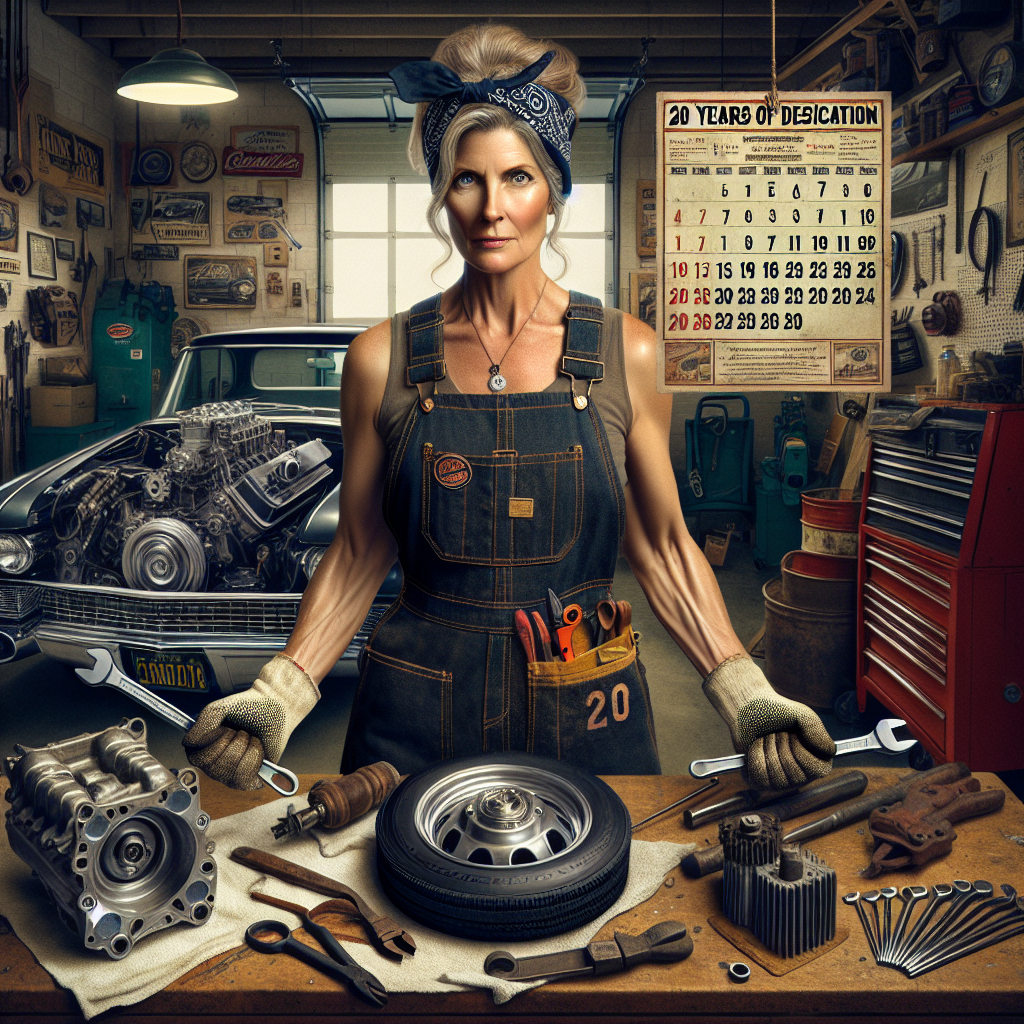
In a world often dominated by the latest tech gadgets and futuristic innovations, there’s something uniquely charming about nostalgia—especially when it comes in the form of a classic car. The Wall Street Journal recently told the captivating story of a woman who spent two decades restoring a rare 1958 Cadillac Convertible. This isn’t just a tale of nuts and bolts; it’s a narrative of passion, patience, and the pursuit of preserving history.

For those unfamiliar with the classic car restoration world, the 1958 Cadillac Convertible is akin to finding a unicorn in your backyard. It’s a symbol of an era where American automotive design was all about grandeur and elegance, with fins that could rival a space shuttle and chrome that glistened like the morning sun. Restoring such a vehicle is no small feat, demanding a blend of mechanical expertise, artistic flair, and an ardent love for history.

This story mirrors a broader trend of looking to the past for inspiration. Just as vinyl records have made a triumphant return in the music industry, classic cars have seen a resurgence in popularity. Events like the Pebble Beach Concours d’Elegance and the Goodwood Festival of Speed celebrate these automotive marvels, drawing enthusiasts from around the globe.

The woman behind this restoration project, whose dedication spanned 20 years, is a testament to the power of perseverance. Imagine the countless weekends spent scouring junkyards for parts, the late nights poring over repair manuals, and the joy of finally hearing the purr of a long-dormant engine. Her journey is reminiscent of the spirit seen in other restoration endeavors, like the recent push to rejuvenate historic buildings and landmarks. It’s about breathing new life into old stories, ensuring they aren’t lost to the sands of time.

Beyond the world of cars, this story resonates with current global movements focused on sustainability and preservation. The restoration of classic cars is, in essence, a form of recycling—one that respects craftsmanship and history. It’s about valuing what we have and making the most of it, a philosophy that echoes in today’s environmental consciousness campaigns.

The tale of the 1958 Cadillac Convertible restoration also serves as an inspiring reminder that passion projects are worth the time and effort. Whether you’re restoring a car, writing a novel, or learning a new skill, the journey can be as rewarding as the destination. It’s a narrative that encourages us to embrace patience in a world that often demands immediacy.

As we look towards the future, stories like this remind us of the importance of preserving our past. They encourage us to appreciate the intricate beauty found in history, to learn from it, and to keep its spirit alive for future generations. So, here’s to the woman and her Cadillac—a tribute to the love of the ride, the art of restoration, and the timeless allure of classic elegance.

In the end, whether you’re a car enthusiast, a history buff, or simply someone who appreciates a good story, let this tale be a reminder: sometimes, the road less traveled holds the most rewarding journey. Keep driving forward, but don’t forget to glance in the rearview mirror every so often. You never know what treasures you might rediscover.

Read more about AI in Business

Read more about Latest Sports Trends

Read more about Technology Innovations


Related update: We recently published an article that expands on this topic: read the latest post.

2025 Kentucky Derby predictions, odds, horses, post positions, date: Surprising picks by horse racing insider – CBS Sports | Analysis by Brian Moineau

2025 Kentucky Derby predictions, odds, horses, post positions, date: Surprising picks by horse racing insider - CBS Sports | Analysis by Brian Moineau

Racing Toward the Future: A Lighthearted Look at the 2025 Kentucky Derby

As the first Saturday in May approaches, anticipation builds for one of the most celebrated events in the sporting calendar: the Kentucky Derby. This year, the 2025 edition of the "Run for the Roses" is set for May 3rd at the historic Churchill Downs, and the excitement is palpable. As bettors and fans alike gear up for the 6:57 p.m. ET post time, let's take a whimsical journey through the world of horse racing, the Derby's rich history, and the broader connections to current events.

First, let's talk odds and predictions. According to CBS Sports, insiders have been whispering about surprising picks and post positions. While many will have their eyes on the favorites, it's often the unexpected that captures the hearts of Derby fans. Remember Mine That Bird's stunning 50-1 upset in 2009? It’s proof that anything can happen when these magnificent creatures thunder down the track.

With that spirit of unpredictability in mind, we look beyond the horses to the larger context of the Derby. This year, the event might share the spotlight with another major milestone: the Paris 2025 Expo. With global innovation and cultural exchange at its core, the Expo is set to captivate international audiences just like the Derby does with its unique blend of tradition and spectacle. Both events, in their own ways, celebrate human achievement and the pursuit of excellence, whether through the artistry of a perfectly executed race or the unveiling of groundbreaking technologies.

The Kentucky Derby isn't just about the race; it's also a vibrant social event. The fashion, the mint juleps, and the exuberant crowd all contribute to its allure. In recent years, the Derby has seen a push toward more sustainable practices, aligning with broader environmental trends. Much like the fashion industry's move towards eco-friendly designs, Derby organizers are increasingly mindful of their environmental impact, from waste management to energy use.

And let’s not forget the trainers and jockeys who bring this spectacle to life. Often overlooked, these individuals are the heartbeat of the race. Take, for instance, Bob Baffert, a name synonymous with the Derby. With multiple wins under his belt, Baffert's story is one of perseverance and passion, mirroring the dedication of athletes across disciplines worldwide—from tennis courts to soccer fields.

As we immerse ourselves in the thrill of this year's race, it's worth pondering what makes the Kentucky Derby so special. Perhaps it's the perfect blend of history, sport, and pageantry, or maybe it's the way it brings people together in celebration of a shared passion. Whatever the case, the Derby serves as a reminder of the joy of competition and the beauty of tradition.

In conclusion, the 2025 Kentucky Derby promises another exciting chapter in a long and storied history. Whether you're a seasoned bettor, a first-time viewer, or simply someone who appreciates a good story, there’s something at the Derby for everyone. So, don your finest hat, pour yourself a mint julep, and get ready to cheer on your favorite horse. After all, in the world of horse racing, surprises are always just around the bend.

Read more about AI in Business

Read more about Latest Sports Trends

Read more about Technology Innovations

Auto groups lobby Trump administration against parts tariffs in rare unified message – CNBC | Analysis by Brian Moineau

Auto groups lobby Trump administration against parts tariffs in rare unified message - CNBC | Analysis by Brian Moineau

Title: The Auto Industry's Unusual Alliance: When Competitors Rally for a Common Cause

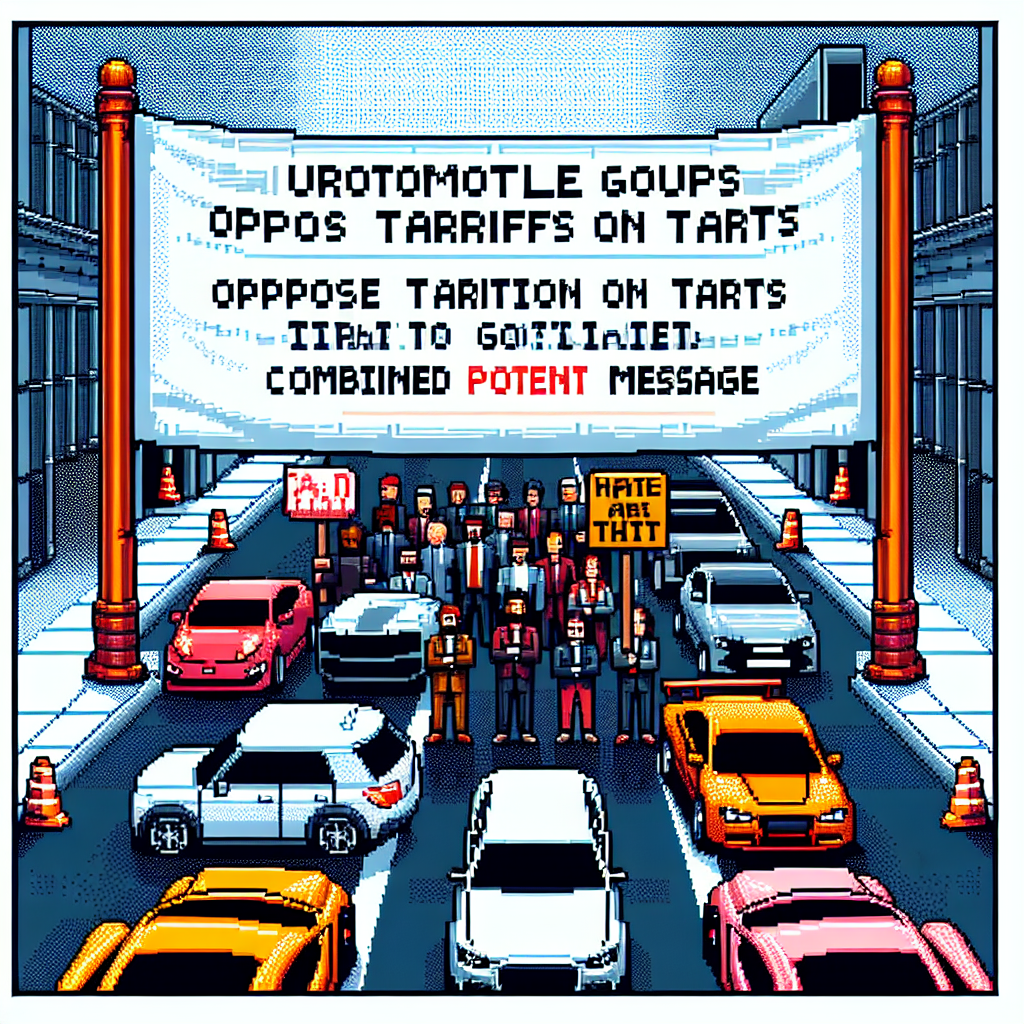
In a rare show of unity, automotive giants and their allies have come together to send a loud and clear message to the Trump administration: tariffs on auto parts could spell trouble for U.S. automotive production. It’s not every day you see franchised dealers, suppliers, and nearly all major automakers singing the same tune, but these are no ordinary times.

Driving in the Same Lane

The proposed tariffs have driven these industry titans to form an alliance typically reserved for the racetrack rather than the boardroom. Facing the prospect of increased costs that could stifle innovation and lead to higher prices for consumers, the industry has collectively decided that enough is enough.

It's reminiscent of the time when Ford and General Motors, despite their fierce rivalry, joined forces during World War II to support the war effort. Today, it seems that the enemy is the potential economic fallout from tariffs, which could disrupt supply chains and increase production costs, ultimately driving vehicle prices higher and putting American jobs at risk.

A Global Perspective

The auto industry isn't just a domestic affair; it's a global network intricately woven together. The imposition of tariffs could lead to retaliatory measures from other countries, echoing the trade tensions we've seen in recent years. For instance, the trade war between the U.S. and China taught us that tit-for-tat tariffs can have widespread repercussions, from agricultural products to technology.

Furthermore, the auto industry is undergoing a transformative era with the rise of electric vehicles (EVs) and autonomous driving technology. Companies are investing billions in a race to dominate the future of transportation. Tariffs could slow down these advancements by diverting resources away from innovation and into dealing with increased costs.

Lessons from the Past

Historically, tariffs have been a double-edged sword. The Smoot-Hawley Tariff Act of 1930, for example, was intended to protect American industries during the Great Depression but instead contributed to a global economic downturn. While it's important to protect domestic industries, history has shown that isolationist policies can backfire, leading to unintended consequences.

Connecting the Dots

As the world grapples with challenges like climate change and the transition to renewable energy, the automotive industry plays a crucial role in reducing carbon emissions. The imposition of tariffs could hinder progress in this area, as companies may find it more difficult to invest in cleaner technologies.

Moreover, the global pandemic has already disrupted supply chains, highlighting the need for resilience and cooperation. Just as the world came together to develop vaccines and address COVID-19, the auto industry is demonstrating that collaboration is key to overcoming challenges.

Final Thoughts

The unified stance of the auto industry against parts tariffs is a testament to the power of collaboration in the face of adversity. It serves as a reminder that sometimes, even fierce competitors must come together to safeguard their collective future. As we navigate an ever-changing global landscape, the lessons learned from this alliance could serve as a blueprint for other industries facing similar challenges.

In the end, whether it's on the production line or the global stage, cooperation and open dialogue are essential for steering the world toward a prosperous and sustainable future. As the auto industry shifts gears, one thing is clear: together, they are stronger, and their message is one we should all heed.

Read more about AI in Business

Read more about Latest Sports Trends

Read more about Technology Innovations

Bill Gates offers to let anyone download the first operating system he and Paul Allen wrote 50 years ago – Fortune | Analysis by Brian Moineau

Bill Gates offers to let anyone download the first operating system he and Paul Allen wrote 50 years ago - Fortune | Analysis by Brian Moineau

Title: A Nostalgic Dive into the Digital Past: Bill Gates and the Original Operating System

---

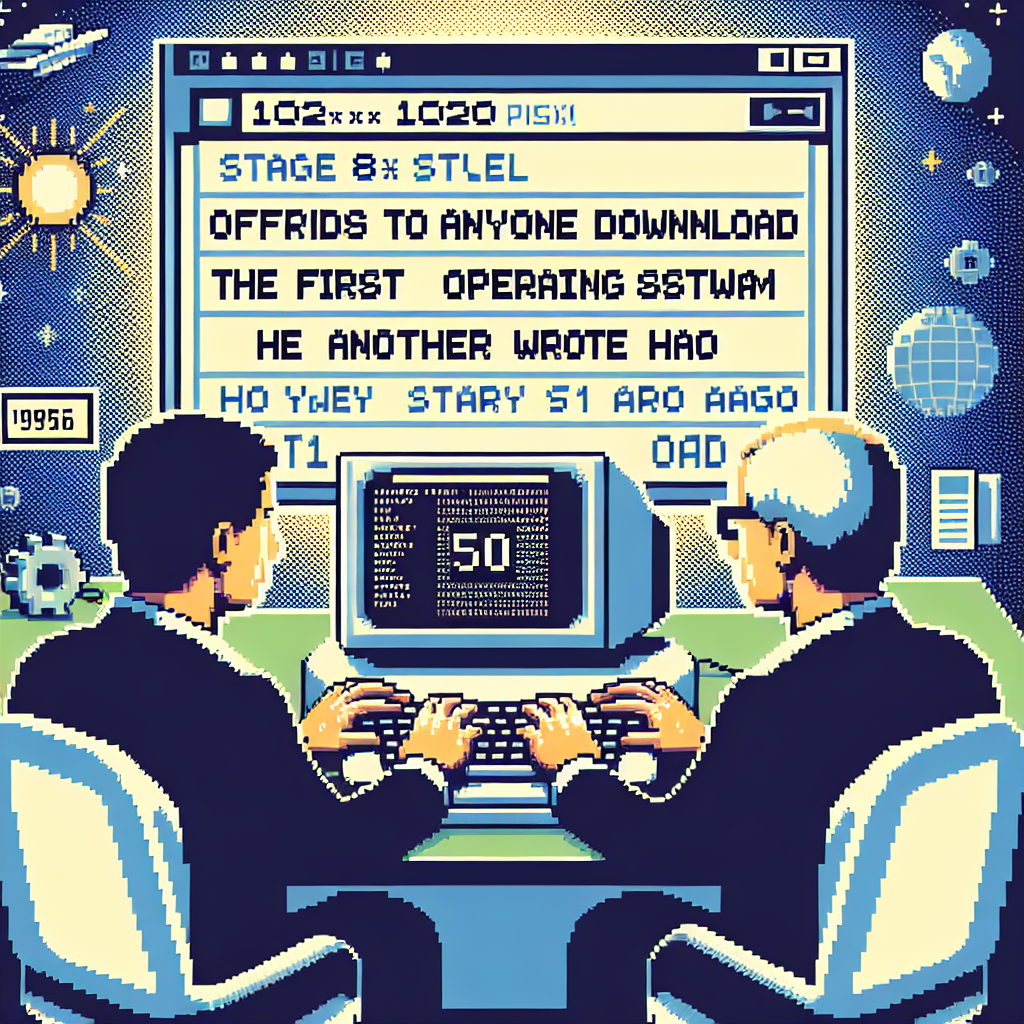
In the ever-evolving landscape of technology, where the next big thing is always just around the corner, it's refreshing to pause and take a nostalgic look at the roots of our digital world. Recently, Bill Gates made an unexpected yet delightful move by offering everyone the opportunity to download the very first operating system he and Paul Allen wrote 50 years ago. Gates himself described this code as "the coolest I’ve ever written," a sentiment that echoes the profound impact this project had on the future of computing.

A Flashback to the Beginnings

Half a century ago, in an era where personal computers were still a figment of imagination, two young visionaries, Bill Gates and Paul Allen, embarked on a journey that would change the world. Their creation, a BASIC interpreter for the Altair 8800, laid the groundwork for Microsoft, which would go on to become a titan of the tech industry. This first foray into software development was not just a technical milestone but a cultural one; it signaled the dawn of the personal computing revolution.

The Code That Started It All

For those who are curious about the digital archeology of this early operating system, Gates's decision to release the code is a rare opportunity to glimpse into the primitive yet ingenious logic that powered the earliest personal computers. It’s a testament to the creativity and determination of two young minds who dared to dream big. In the context of today's technology, this code may seem rudimentary, but it was a building block that enabled the development of more sophisticated operating systems and applications.

Connecting the Past to the Present

While Gates's gesture is a nod to the past, it also invites reflection on the current state of technology and its rapid advancements. Today, we live in a world dominated by artificial intelligence, cloud computing, and quantum computing. Companies like Google and IBM are pushing the boundaries of what's possible, and the recent surge in AI-driven applications like ChatGPT and DALL-E has sparked both excitement and debate about the implications of these technologies.

Interestingly, this release comes at a time when other tech giants are also embracing open-source principles. For example, Tesla, under Elon Musk's leadership, has shared certain patents to encourage the development of electric vehicle technology. Such actions highlight a growing trend of collaboration and shared progress in the tech world.

Bill Gates: More Than Just a Tech Mogul

Bill Gates, known for co-founding Microsoft, is equally recognized for his philanthropy. Through the Bill & Melinda Gates Foundation, he has contributed significantly to global health, education, and poverty alleviation. His ability to pivot from being a tech entrepreneur to a global humanitarian exemplifies a multifaceted career path that many in the tech industry admire and aspire to emulate.

Final Thoughts

As we download this piece of history and examine the lines of code that sparked the personal computing era, it’s a reminder of how far we've come and the endless possibilities that lie ahead. Gates’s gesture is not just about celebrating a milestone from the past but also inspiring the next generation of innovators. In a world where technology continues to shape every aspect of our lives, revisiting the roots of our digital journey can provide valuable insights and inspiration for the future.

So, whether you're a seasoned programmer or a tech enthusiast, take a moment to explore this digital relic. Who knows? You might find the spark of inspiration for the next big breakthrough hidden within those early lines of code.

---

For those interested, you can access the code and dive into the past through the [link provided by Gates](

). Embrace the nostalgia and perhaps find your own piece of the future within this unique glimpse into the past.

Read more about AI in Business

Read more about Latest Sports Trends

Read more about Technology Innovations