A Tesla worker built a website protesting Elon Musk. He was fired a few days later. - Business Insider | Analysis by Brian Moineau
Silicon Valley Showdown: When Innovation Meets Protest
In the ever-evolving world of tech, where innovation is the name of the game, a curious dance between corporate giants and individual voices is always unfolding. Enter Matthew LaBrot, a former Tesla worker whose story is both a cautionary tale and a beacon of hope for those advocating for change within monolithic organizations.
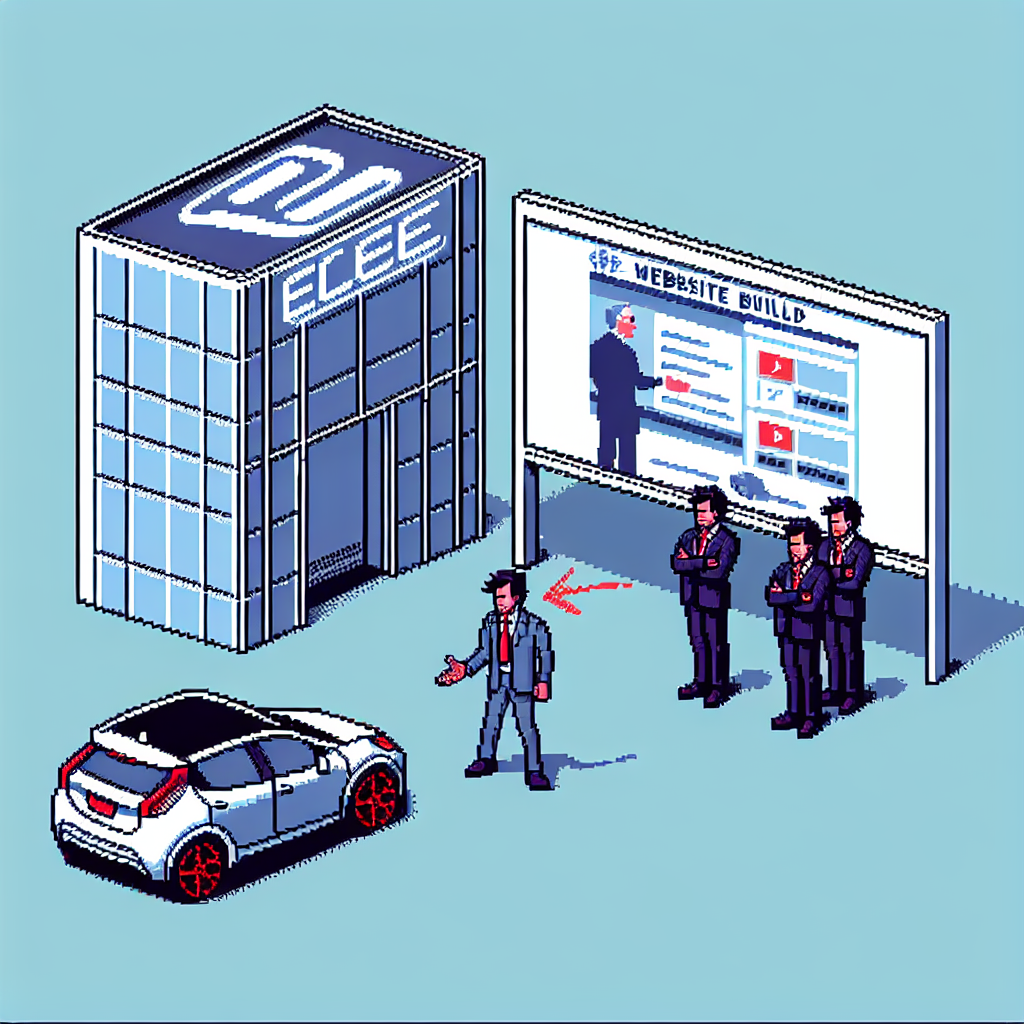
Matthew LaBrot recently made headlines by taking a bold step that few of his colleagues dared to consider. In an era where Tesla has climbed the ranks to become a symbol of innovation and sustainability, LaBrot decided to build a website protesting some of Elon Musk's decisions. His efforts, however, were met with a swift response from his employer: termination.
This incident isn't just a blip on the radar for Tesla; it highlights a broader conversation happening across industries. As companies grow and their influence becomes more pervasive, employees are increasingly finding their voices, advocating for change from within. This isn't just about one man or one company—it's a reflection of a larger movement where employees demand more transparency, better conditions, and a say in the direction their companies are headed.
The Man Behind the Website
Matthew LaBrot isn't just a disgruntled employee; he's part of a new wave of tech workers who are willing to put their livelihoods on the line for what they believe in. LaBrot's willingness to stand up against a corporate behemoth like Tesla is reminiscent of other movements within tech, like the Google employees who protested their company's handling of sexual harassment claims and the Amazon workers who have been vocal about climate change policies.
LaBrot's website was more than just a protest; it was a platform intended to spark dialogue among Tesla employees and beyond. It was his way of saying that the employees who help build the brand should also have a voice in shaping its future.
A Global Conversation
This event is part of a larger, global conversation about the power dynamics between employees and employers. In recent years, we've seen similar stories unfold across different sectors. For example, in the world of sports, athletes like Colin Kaepernick have used their platforms to protest systemic issues, leading to intense debates about the role of activism in professional settings.
Similarly, in the entertainment industry, the
MeToo movement showcased the power of individual voices coming together to challenge longstanding practices. LaBrot's story is another chapter in this ongoing narrative, illustrating that no industry is immune to the calls for change and accountability.
The Elon Musk Effect
Of course, any discussion involving Tesla inevitably circles back to its enigmatic CEO, Elon Musk. Musk is a figure who inspires both adulation and criticism, often in equal measure. Known for his ambitious visions and sometimes controversial tweets, Musk has become a lightning rod for discussions about leadership in the tech industry.
While some view him as a modern-day Thomas Edison, pushing the boundaries of what's possible, others see him as emblematic of a Silicon Valley culture that prioritizes rapid growth over the welfare of its employees. LaBrot's protest adds another layer to this complex narrative, challenging Musk to consider the voices of those who work tirelessly to bring his visions to life.
Final Thoughts
As we navigate this new era of employee activism, it's important to remember that change is rarely comfortable, but often necessary. Matthew LaBrot's story is a reminder that even the most innovative companies must remain accountable to those who help make them successful. As employees continue to find their voices, companies will need to adapt, creating environments where dialogue is encouraged, not suppressed.
In the end, the dance between innovation and protest is a delicate one, but it's a dance worth engaging in. For it's in this space that true progress occurs—where the brightest ideas are not just born but are also nurtured by a workforce that feels heard, valued, and inspired.
Read more about AI in Business