Millions of Eggs Recalled After Dozens Sickened With Salmonella - Bloomberg | Analysis by Brian Moineau
Title: "Eggs-traordinary Recall: When Breakfast Turns Scrambled with Salmonella"
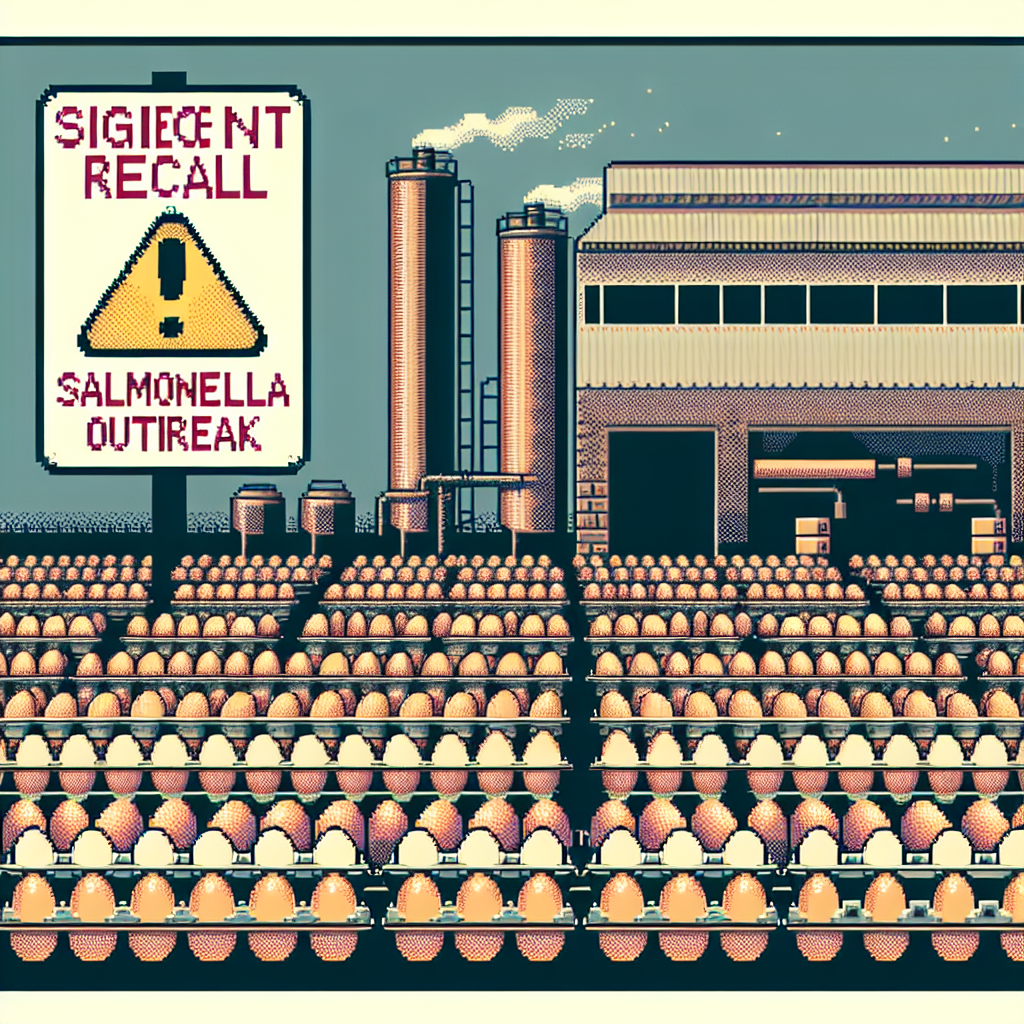
In a world where breakfast is often hailed as the most important meal of the day, news like the recent egg recall can certainly throw a wrench—or a whisk—into our morning routines. According to a report by Bloomberg, the US Food and Drug Administration (FDA) has recalled over 20 million eggs after 21 individuals were hospitalized due to salmonella. This might be a bitter pill—or perhaps, a bitter yolk—to swallow for egg enthusiasts across the nation.
At first glance, the numbers are staggering. Twenty million eggs! That’s enough to make even the most ardent egg lover consider switching to oatmeal. The salmonella scare is a serious issue, and it’s a reminder of how interconnected our food systems are. With eggs being a staple in many households, it’s no wonder that such a massive recall has made national headlines.
But before you start eyeing your breakfast suspiciously, let's crack open the topic a bit more. Salmonella outbreaks related to eggs are not entirely new. In fact, these incidents serve as recurring reminders of the importance of food safety. The Centers for Disease Control and Prevention (CDC) notes that salmonella affects about 1.35 million people in the United States each year. While this particular recall is significant, it’s part of a broader pattern that highlights the need for stringent oversight in food production.
Interestingly, this egg recall coincides with a broader conversation about food security and supply chain resilience, issues that have been magnified by the COVID-19 pandemic. The pandemic exposed vulnerabilities in global supply chains, leading to shortages and increased scrutiny of food safety standards. This egg recall is yet another chapter in that ongoing narrative, emphasizing the importance of robust safety protocols to prevent future outbreaks.
Moreover, the recall also parallels environmental discussions about sustainable agriculture. Eggs, being a major component of many diets, are linked to larger issues such as animal welfare and environmental impact. The recall could potentially accelerate conversations about sustainable farming practices, which aim to reduce such health risks and improve food safety.
While this recall may have you reconsidering that omelet, it’s also a reminder of the resilience of food systems. History has shown us that recalls, while inconvenient, are a necessary part of ensuring public safety. The FDA, along with other agencies, plays a crucial role in maintaining these standards, and their swift action in this case is commendable.
In a lighter vein, this situation also offers a chance for culinary creativity. Perhaps it’s time to try out that breakfast smoothie recipe or explore plant-based alternatives like tofu scrambles. After all, diversity in our diets can be both nutritious and delicious.
In conclusion, while the egg recall is a serious matter with real health implications, it also serves as a reminder of the complex web of food safety, environmental sustainability, and public health. As we navigate these challenges, let’s also take the opportunity to embrace culinary exploration and innovation. Who knows? Maybe this is the perfect moment to discover your new favorite breakfast dish. So, here’s to a safe, healthy, and eggs-traordinary culinary journey ahead!
Read more about AI in Business