Google’s Gmail Upgrade—Why You Need This New Email Address – Forbes | Analysis by Brian Moineau

Google’s Gmail Upgrade—Why You Need This New Email Address - Forbes | Analysis by Brian Moineau

Unlocking the Future of Email: Why Google's Gmail Upgrade is a Game Changer

In a world where digital communication reigns supreme, Google's latest upgrade to Gmail is setting the stage for a transformation in how we interact with our emails. New features and enhancements are turning the humble email account into a powerhouse of productivity and security. Let's dive into what this means for you and why this upgrade is more than just a simple tweak.

A New Era of Email Management

This upgrade isn't just about a new coat of paint; it redefines how we handle our email accounts. Google's enhancements focus on integrating artificial intelligence to streamline email management. With AI-powered sorting, smart replies, and predictive text suggestions, managing your inbox has never been easier. You're no longer just reading emails; you're having a conversation with the future.

Security First

In an age where cyber threats loom large, Google's commitment to boosting security features in Gmail is a breath of fresh air. The incorporation of advanced encryption and robust phishing protection ensures that your data remains safe. This move aligns with global trends in cybersecurity, where companies are increasingly prioritizing user protection. With cybercrime on the rise, as reported by Cybersecurity Ventures, these measures are not just desirable—they are essential.

Seamless Integration with Google's Ecosystem

The beauty of this upgrade is how it seamlessly integrates with other Google services like Google Drive and Google Meet. This interconnectedness is part of a larger trend in tech, where companies are creating ecosystems rather than standalone products. Apple has been a pioneer in this regard, and Google is catching up, offering a holistic experience that caters to both personal and professional needs.

Connecting to the World

This upgrade comes at a time when digital communication has been more crucial than ever. With remote work becoming a norm in the post-pandemic world, having a reliable and efficient email service is critical. Google's upgrade is not just a response to this trend but a leap forward in making digital communication more intuitive and secure.

Drawing Parallels with Other Tech Giants

It's interesting to note how Google's approach mirrors some strategies used by other tech giants. Microsoft's Outlook has long been a competitor, and their integration with Office 365 has offered similar productivity boosts. The competition is fierce, but it ultimately benefits users as companies push the envelope in innovation.

Final Thoughts

In conclusion, Google's latest Gmail upgrade isn't just an improvement; it's a revolution in email technology. By focusing on security, AI integration, and seamless connectivity, Google is setting a new standard for email services. As we continue to rely on digital communication, these advancements will likely shape the future of how we interact online. Whether you're a tech enthusiast or someone just trying to keep up with the latest trends, this upgrade promises to make your life easier and your digital interactions safer.

In a rapidly evolving digital landscape, staying ahead of the curve is crucial. With this Gmail upgrade, Google is not just keeping pace; it's leading the charge. And as we journey further into the digital age, that's exactly what we need—a trusted guide through the ever-changing world of technology.

Read more about AI in Business

Read more about Latest Sports Trends

Read more about Technology Innovations

Retired artist loses $2M in crypto to Coinbase impersonator – Cointelegraph | Analysis by Brian Moineau

Retired artist loses $2M in crypto to Coinbase impersonator - Cointelegraph | Analysis by Brian Moineau

The Cautionary Tale of Ed Suman: Art, Scams, and the Digital Frontier


In an age where technology is the brush and the world is the canvas, artists like Ed Suman have found new avenues to express their creativity and manage their finances. However, the digital realm, much like the art world, has its shadows. Recently, Ed Suman, a retired artist, fell victim to a scam that resulted in the loss of over $2 million in Bitcoin and Ether. This unfortunate event unfolded as scammers, masquerading as Coinbase support agents, exploited a recent data breach to dupe unsuspecting victims.

Ed Suman's story is not just a tale of financial loss but also a reminder of how the digital age, while offering vast opportunities, requires a new level of vigilance. As an artist, Suman spent his life creating works that speak to the human experience, yet in this digital landscape, he encountered a harsh lesson in human deception.

The Rise of Crypto Scams: A Digital Epidemic


The scam that targeted Suman is symptomatic of a larger epidemic that has plagued the crypto world. With the rise of cryptocurrencies like Bitcoin and Ether, there's been an equally significant rise in scams designed to exploit the uninitiated. According to a report by the Federal Trade Commission, consumers reported losing over $80 million to cryptocurrency scams in the six months leading up to April 2021, a tenfold increase from the previous year.

These scams often involve impersonating legitimate companies or individuals, a tactic that has proven devastatingly effective. In Suman's case, the scammers capitalized on a breach in Coinbase, one of the world's largest cryptocurrency exchanges, underscoring the importance of robust cybersecurity measures and user awareness.

Lessons from the Art World


If there's one thing the art world teaches us, it is the value of authenticity and discernment. Just as a seasoned art collector learns to distinguish a masterpiece from a forgery, so must we learn to navigate the digital landscape with a discerning eye. This means verifying sources, using two-factor authentication, and being cautious of unsolicited communications—especially those concerning financial assets.

Ed Suman's experience echoes the broader challenges faced by many as they navigate the digital economy. Whether it's an artist managing their portfolio or an investor diversifying their assets, the need for digital literacy and security is paramount.

The Broader Context: Digital Trust and Security


This incident comes at a time when digital trust is paramount. With data breaches becoming increasingly common, companies and individuals alike must prioritize cybersecurity. The World Economic Forum has highlighted cybersecurity as one of the greatest challenges of our time, emphasizing the need for a concerted effort to protect digital assets and personal information.

Interestingly, the art world itself is experiencing a digital transformation. Non-fungible tokens (NFTs) have emerged as a new frontier, enabling artists to monetize digital art. However, this too comes with challenges, as the NFT space has also been targeted by scammers.

Final Thoughts: A Call for Vigilance and Innovation


Ed Suman's story is a stark reminder of the vulnerabilities we face in an interconnected world. While technology offers unprecedented opportunities for creativity and financial growth, it also demands a new level of vigilance. As we step further into this digital frontier, it is crucial that we arm ourselves with knowledge and tools to protect our assets and our identities.

In the end, much like a painter refining their technique, we must continuously adapt and learn. By fostering a culture of awareness and innovation, we can turn the digital landscape into a canvas of opportunity rather than a minefield of scams. As we journey through this digital age, let us remember that while technology shapes our world, it is our responsibility to shape how we interact with it.

Read more about AI in Business

Read more about Latest Sports Trends

Read more about Technology Innovations

Coinbase Hack Rocks Company That Led Crypto Into Mainstream – Yahoo Finance | Analysis by Brian Moineau

Coinbase Hack Rocks Company That Led Crypto Into Mainstream - Yahoo Finance | Analysis by Brian Moineau

Coinbase Hack: A Bump in the Road for Crypto's Mainstream Pioneer

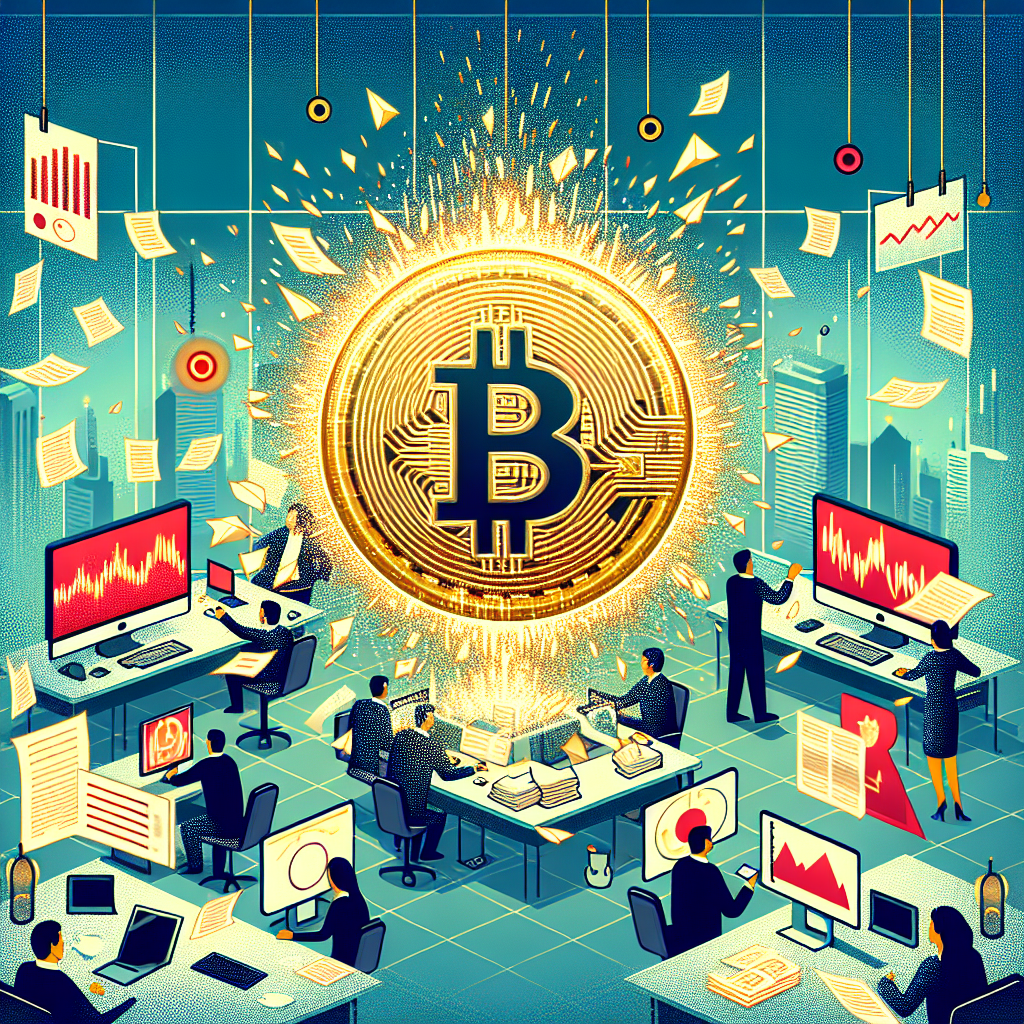
In the ever-evolving world of cryptocurrency, a recent twist has left the digital finance community buzzing. Coinbase, the trailblazer that has been instrumental in bringing crypto into the mainstream, found itself grappling with a security breach. While hacks in the crypto sphere are about as surprising as finding a cat video on the internet, this particular incident has sent ripples through the industry due to Coinbase's stature and influence.

The Hack Heard 'Round the World

Coinbase has long been the trusted gateway for many into the world of cryptocurrency. With its user-friendly interface and robust security measures, it has become the go-to platform for both newbies and seasoned traders alike. So, when news broke out about the hack, it was akin to finding out your favorite superhero has an Achilles' heel. According to the Bloomberg report, while the financial losses weren't as catastrophic as some past breaches in the crypto world, the incident serves as a stark reminder of the vulnerabilities that still exist.

A Look Back at Crypto's Rocky Road

The crypto landscape is no stranger to hacks. From the infamous Mt. Gox breach that shook the Bitcoin community in 2014 to the more recent Poly Network hack in 2021, where hackers made off with $600 million before returning it, the industry has had its share of roller coaster moments. These events, while unsettling, have played a crucial role in shaping the security protocols we see today. Each incident serves as a learning opportunity, pushing companies to innovate and fortify their defenses.

Crypto and the World Stage

The timing of the Coinbase hack is particularly interesting given the growing global discourse on digital currencies. Countries like El Salvador have already embraced Bitcoin as legal tender, while others, like China, are cracking down on crypto mining and trading. Meanwhile, central banks are exploring the concept of Central Bank Digital Currencies (CBDCs) as a way to modernize monetary systems. These developments highlight the dual nature of crypto: a promising yet contentious frontier in the financial world.

Coinbase's Role in the Crypto Ecosystem

Founded by Brian Armstrong, Coinbase has been at the forefront of the crypto revolution. Armstrong's vision for a more accessible and equitable financial system has resonated with millions. His leadership has not only propelled Coinbase to become a household name but also spurred greater adoption of cryptocurrencies worldwide. However, with great power comes great responsibility, and this hack is a reminder that even the most prominent players must remain vigilant against evolving threats.

Final Thoughts

In the grand tapestry of cryptocurrency's journey, the Coinbase hack is but a single thread. While it underscores existing vulnerabilities, it also highlights the resilience and adaptability of the crypto community. As we move forward, one thing is certain: the path of cryptocurrency will continue to be filled with both challenges and opportunities. For enthusiasts and skeptics alike, this hack is a reminder that while the digital frontier is exciting, it is also fraught with risks. As always, staying informed and cautious is key.

For those interested in diving deeper into the world of crypto and its many intricacies, platforms like Coinbase will likely remain pivotal. As they work to enhance security and rebuild trust, the crypto community will be watching closely, eager to see how this chapter unfolds.

[Read more about the Coinbase hack on Yahoo Finance](https://finance.yahoo.com/).

Read more about AI in Business

Read more about Latest Sports Trends

Read more about Technology Innovations

Microsoft Sets Passkeys Default for New Accounts; 15 Billion Users Gain Passwordless Support – The Hacker News | Analysis by Brian Moineau

Microsoft Sets Passkeys Default for New Accounts; 15 Billion Users Gain Passwordless Support - The Hacker News | Analysis by Brian Moineau

Passkeys Over Passwords: Microsoft’s Bold Step Towards a Safer Digital Future

In the ever-changing landscape of cybersecurity, Microsoft has taken a significant leap forward by setting passkeys as the default for new accounts. As reported by The Hacker News, this shift paves the way for 15 billion users to embrace a passwordless future, promising safer logins and a reduced risk of phishing attacks. This move isn’t just a technological upgrade; it’s a paradigm shift in how we think about online security.

Why Passkeys?

Passkeys, unlike traditional passwords, rely on cryptographic keys that are unique to each user and device. This method significantly mitigates the risks associated with password theft and phishing, challenges that have plagued the digital world for decades. By eliminating the need for passwords, Microsoft is not only enhancing security but also streamlining the user experience. No more forgotten passwords or frustrating resets—just seamless, secure access.

The Bigger Picture: A Global Movement Towards Passwordless Authentication

Microsoft’s decision aligns with a broader trend in tech, where giants like Apple and Google have also been advocating for passwordless authentication. Apple, for instance, introduced its own version of passkeys in iOS 15, allowing users to log in with Face ID or Touch ID. Google, too, has been experimenting with similar technologies, emphasizing biometric verification.

This global shift is a response to the increasing sophistication of cyber threats. According to the 2022 Data Breach Investigations Report by Verizon, 61% of breaches involved the use of stolen credentials. By moving away from passwords, tech companies are collectively working to lower this statistic and safeguard user data.

A Ripple Effect Across Industries

Microsoft’s move could have a ripple effect across industries. As more companies adopt passwordless authentication, we might see a decline in the traditional password manager market, which relies on creating and storing complex passwords. Additionally, businesses may need to rethink their own security protocols and invest in systems that support passkey technology.

In the financial sector, for example, where security is paramount, banks and fintech companies are already exploring biometric and passkey solutions. This could lead to more secure online banking experiences and reduce instances of fraud.

Connecting the Dots: A Safer Internet for All

At a time when digital identity theft and data breaches are at an all-time high, Microsoft’s initiative is a breath of fresh air. It reflects a growing awareness of the need for robust cybersecurity measures and a commitment to protecting users.

Moreover, this move is timely as it coincides with the rise of remote work and digital transactions spurred by the COVID-19 pandemic. With more people online than ever before, ensuring secure access is not just a convenience—it's a necessity.

Final Thought: Embracing the Future

As we stand on the brink of a passwordless era, it’s important to recognize the broader implications of Microsoft’s decision. It’s a testament to the power of innovation and collaboration in addressing the challenges of the digital age. While the transition may take time and require adjustments, the benefits of a safer, more accessible internet are well worth the effort.

So, here’s to a future where we can say goodbye to “password123” and hello to a more secure digital world!

Read more about AI in Business

Read more about Latest Sports Trends

Read more about Technology Innovations

Harrods latest retailer to be hit by cyber attack after M&S and Co-op – BBC | Analysis by Brian Moineau

Harrods latest retailer to be hit by cyber attack after M&S and Co-op - BBC | Analysis by Brian Moineau

Title: Navigating the Digital Age: Harrods Under Cyber Siege

In the ever-evolving digital landscape, cyber attacks have become as inevitable as the passage of time. Once again, the retail world finds itself in the crosshairs of cybercriminals, with Harrods being the latest high-profile target. Following in the footsteps of M&S and Co-op, the iconic luxury department store has restricted internet access in its stores due to an attempted cyber attack, as reported by the BBC.

This isn't just a Harrods issue; it's a digital age dilemma that has been knocking at the doors of corporations globally. Companies today are grappling with the dual challenge of providing seamless digital experiences for their customers while safeguarding sensitive data from nefarious actors. The fact that a renowned establishment like Harrods, a beacon of luxury shopping, isn't immune to such threats underscores the ubiquity and persistence of cyber threats.

The Ripple Effect of Cyber Attacks


The implications of these cyber threats extend beyond just immediate financial losses. They erode consumer trust, damage brand reputation, and introduce operational disruptions. The retail sector, which is increasingly dependent on digital infrastructure for everything from supply chain management to customer engagement, is particularly vulnerable.

Consider the 2013 Target data breach, which compromised the credit card information of over 40 million customers. The retailer faced not only financial penalties but also a significant drop in profits and a tarnished brand image. Harrods, a stalwart of British retail since 1849, must now navigate these treacherous waters with caution and resilience.

Drawing Parallels: A Global Concern


The Harrods incident resonates with a broader global narrative. Just recently, MGM Resorts faced a similar predicament when a cyber attack led to operational disruptions across its properties, including the disabling of digital room keys and slot machines. This incident was a stark reminder that no industry is immune. From healthcare to entertainment, cyber threats are an omnipresent risk.

Moreover, the geopolitical landscape is not without its share of digital tension. With state-sponsored cyber activities on the rise, nations are scrambling to bolster their cyber defenses. The recent efforts by the European Union to establish a cyber unit to combat threats collectively highlight the scale of this digital arms race.

A Call for Robust Cybersecurity Measures


In light of these events, it becomes imperative for businesses, regardless of their size or industry, to invest in robust cybersecurity infrastructure. This includes regular security audits, employee training programs on phishing and other threats, and a strong incident response strategy.

For Harrods, this could be an opportunity to set a precedent in cybersecurity excellence. By turning this challenge into a showcase of their commitment to customer safety, they can reinforce trust and loyalty among their clientele.

Final Thoughts


As we continue to embrace the conveniences of the digital age, it's crucial to remember that with great connectivity comes great responsibility. The cyber attack on Harrods serves as a timely reminder of the vulnerabilities that accompany digital transformation. While the road ahead may be fraught with challenges, it also presents an opportunity for businesses to innovate and strengthen their defenses.

In the end, the key to navigating the digital age lies in being proactive rather than reactive. As cyber threats continue to evolve, so must our strategies to combat them. After all, in the words of the great strategist Sun Tzu, "In the midst of chaos, there is also opportunity." Let's hope Harrods and others facing similar challenges find theirs.

Read more about AI in Business

Read more about Latest Sports Trends

Read more about Technology Innovations

Microsoft’s Free Upgrade Offer For 500 Million Windows Users – Forbes | Analysis by Brian Moineau

Microsoft’s Free Upgrade Offer For 500 Million Windows Users - Forbes | Analysis by Brian Moineau

Upgrade Your Windows: Don’t Leave It Until It’s Too Late!

Hey there, tech enthusiasts and casual users alike! There's a buzz in the air, and it’s not just the hum of your computer's fan. Microsoft has rolled out a free upgrade offer that could impact up to 500 million Windows users. Yes, you read that right—half a billion people could benefit from this upgrade. So, what exactly is this all about, and why should you care? Let’s dive in with a perspective that’s light-hearted yet compelling enough to make you consider clicking that 'Upgrade Now' button.

Why Upgrade?

Microsoft’s free upgrade offer is like that surprise gift you didn’t know you needed—but once you get it, you wonder how you ever lived without it. The offer is aimed at users running older versions of Windows, encouraging them to transition to the latest and greatest. This isn’t just about shiny new features (though, who doesn’t love those?); it’s about security, performance, and staying in the tech loop.

Upgrading ensures you’re protected against the latest cyber threats and bugs, which, let’s face it, are multiplying faster than rabbits these days. With cybercrime on the rise, having the latest security updates is akin to having a sturdy lock on your front door. Remember the WannaCry ransomware attack in 2017? It wreaked havoc on systems running outdated software. Don’t be that person who becomes a cautionary tale.

The Bigger Picture

This offer comes at a time when tech giants are making massive shifts. Apple continues to push boundaries with its M1 chip, and Google is expanding its hardware lineup. Microsoft’s move ensures it remains relevant and competitive in this rapidly evolving landscape. It’s like a game of chess, and upgrading your Windows PC is your move to stay in the game.

Moreover, this isn’t just a tech story; it’s a global one. As we become more interconnected, having up-to-date technology is crucial. During the pandemic, we saw how vital reliable tech infrastructure is for working, learning, and connecting with loved ones. An upgrade isn’t just a software change—it’s a step towards a more integrated digital future.

Connections to Other Happenings

Speaking of staying updated, there’s a broader trend here. Companies across various industries are emphasizing the importance of keeping up with technological advancements. Take Tesla, for example, with its over-the-air updates that improve vehicle performance without a trip to the dealership. Or look at the gaming world, where platforms like Steam constantly update to deliver better user experiences. The message is clear: staying current is key.

In a world where AI is becoming more prevalent and the Internet of Things (IoT) is expanding, having an up-to-date operating system is foundational. It's like having a smartphone with the latest iOS or Android updates—crucial for enjoying new features and ensuring compatibility with the latest apps.

Final Thought

So, what’s the takeaway here? Don’t procrastinate. Embrace the change, and hit that upgrade button. Microsoft’s offer is a golden opportunity to improve your computing experience—without spending a dime. In a world where we often have to shell out for the latest tech, a free upgrade is a rare and precious gift.

Remember, in the race of technology, it’s better to be the hare than the tortoise. Don’t leave it until it’s too late. Go ahead, upgrade your system, and keep pace with the future!

For more information, you can check out the original article on Forbes [here](https://www.forbes.com/). Happy upgrading!

Read more about AI in Business

Read more about Latest Sports Trends

Read more about Technology Innovations

Android 16 Beta lets more Pixels use screen-off fingerprint unlock – 9to5Google | Analysis by Brian Moineau

Android 16 Beta lets more Pixels use screen-off fingerprint unlock - 9to5Google | Analysis by Brian Moineau

Unlocking the Future: Android 16 Beta Expands Screen-Off Fingerprint Access to More Pixels

In the ever-evolving world of technology, Android users are eagerly embracing the latest developments, and the release of Android 16 Beta 3 (and Beta 3.1) is no exception. This update brings an exciting enhancement to the table: the ability for more Pixel devices to use screen-off fingerprint unlock. Originally a feature limited to the Pixel 9, it’s now making its way to a broader audience. This development not only enhances convenience but also aligns with broader trends in technology and security.

A Fingerprint on the Pulse of Innovation

Fingerprint technology has long been a staple in the realm of secure access, with its roots tracing back to early biometric systems. Apple made waves with Touch ID back in 2013, and since then, the technology has become a standard expectation for smartphones. Android's latest move to expand screen-off fingerprint capabilities to more Pixel devices is a testament to the ongoing commitment to user-friendly security.

This update is particularly significant in an age where cybersecurity is a growing concern. With more of our personal and financial data stored on our devices, the need for robust, yet accessible, security measures is more critical than ever. Android 16 Beta’s enhancement echoes a broader industry trend towards seamless security solutions, seen also in the rise of facial recognition and advanced encryption methods.

A Broader Context

Beyond the technical specs and user experience, this update is part of a larger narrative about how technology is evolving to meet user needs in real-time. As remote work and digital communication continue to dominate our lives, the demand for efficient and secure technology has never been higher. The expansion of features like screen-off fingerprint unlock is part of a broader push to make smartphones smarter, more secure, and ultimately, more aligned with our daily lives.

Interestingly, this development comes at a time when privacy concerns are at the forefront of public discourse. The debate over how to balance user convenience with data protection is ongoing. Companies like Google, with its Pixel line, are constantly innovating to ensure that user data remains secure without sacrificing functionality.

Connections to the World

This expansion of fingerprint technology also aligns with global shifts towards contactless solutions, accelerated by the COVID-19 pandemic. From contactless payments to touchless entry systems, the world is moving towards minimizing physical touchpoints, and screen-off fingerprint unlock fits snugly into this narrative. It’s a small, yet significant, step in a world increasingly focused on hygiene and convenience.

Additionally, we can draw parallels with the automotive industry, where keyless entry systems have become the norm. The seamless transition from physical keys to digital access mirrors what we're seeing with smartphones. Just as car manufacturers are enhancing security and ease of use, smartphone developers are doing the same, highlighting a cross-industry trend of innovation driven by user demand.

Final Thoughts

The Android 16 Beta’s expansion of screen-off fingerprint unlock to more devices is more than just a technical upgrade; it’s a reflection of a world increasingly reliant on and shaped by technology. As smartphones become ever more integral to our daily lives, the demand for intuitive and secure access methods will only grow. This update is a step forward in making technology work for us, seamlessly fitting into the fabric of our lives while ensuring that our data remains safe and accessible. In a rapidly changing world, it’s reassuring to see technology not just keeping pace, but setting the pace.

Read more about AI in Business

Read more about Latest Sports Trends

Read more about Technology Innovations

DeepSeek hit with large-scale cyberattack, says it’s limiting registrations – CNBC

In a shocking turn of events, DeepSeek, the popular online search engine, has been hit with a large-scale cyberattack. The company announced on Monday that it would be temporarily limiting user registrations due to the malicious attacks on its services. This news has sent shockwaves through the tech industry and raised concerns about the security of online platforms.

DeepSeek, known for its advanced search capabilities and user-friendly interface, has been a favorite among internet users for years. However, this cyberattack has exposed vulnerabilities in the company's systems and raised questions about the safety of personal data on the platform.

Cyberattacks are becoming increasingly common in today's digital world, with hackers constantly evolving their tactics to breach security measures. DeepSeek's decision to limit user registrations shows the severity of the attack and the company's commitment to protecting its users' information.

In response to the cyberattack, DeepSeek has assured users that it is working diligently to strengthen its security measures and prevent future breaches. The company has also advised users to be cautious when sharing personal information online and to regularly update their passwords to protect against potential hacks.

This incident serves as a reminder of the importance of cybersecurity in today's interconnected world. As more and more of our daily activities move online, it is crucial for companies to prioritize the protection of user data and invest in robust security measures.

In conclusion, the cyberattack on DeepSeek serves as a wake-up call for both companies and users to prioritize cybersecurity and take proactive steps to safeguard personal information. While the online world offers countless opportunities and conveniences, it also poses risks that must be addressed to ensure a safe and secure digital experience for all.