Katie Millers Ghoulish Defense Examined | Analysis by Brian Moineau

The Ghoulish Circus of Grief: A Closer Look at Katie Miller’s Controversial Defense

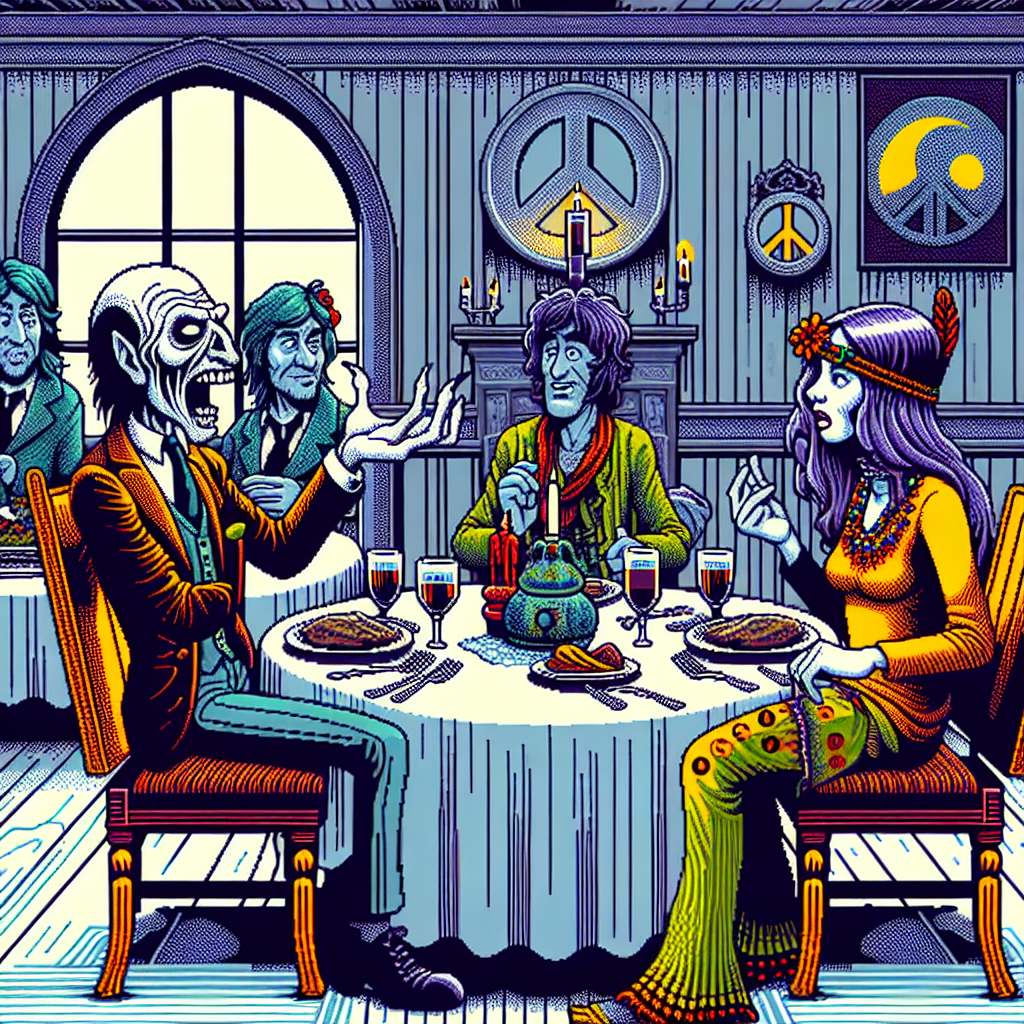
Sometimes, the circus of modern-day politics and celebrity culture can feel a bit surreal—like watching a bizarre performance where the lines between reality and absurdity blur. The recent article from Boing Boing, titled “Wife of ghoul excuses ghoulish behavior, blames hippies,” dives deep into the peculiar world of Katie Miller, wife of Stephen Miller, as she defends her husband’s controversial funeral. In a peculiar twist, she praises a woman who sold merchandise at this spectacle, framing it as a heroic act.

Understanding the Context: The Circus of Grief

To fully grasp the layers of this situation, let’s rewind a bit. Stephen Miller, known for his hardline immigration policies and association with the Trump administration, passed away under circumstances that sparked its own kind of outrage. His funeral, described as a “carnival,” drew stark contrasts between the somberness typically associated with such events and the commercialization that unfolded.

Katie Miller, in her defense of this event, pointed to a woman who peddled hats and T-shirts emblazoned with slogans related to her husband’s controversial legacy. This odd celebration of a divisive figure raised eyebrows, and Katie’s insistence on framing it as a heroic act only added fuel to the fire.

What’s particularly striking is her attempt to shift the blame for the backlash onto “hippies,” suggesting that a more liberal mindset is responsible for the negative reception surrounding the funeral. This kind of scapegoating is not unfamiliar in today’s political climate, where the personal and political intertwine in increasingly bizarre and theatrical ways.

Key Takeaways

Commercialization of Grief: The blending of a funeral with merchandise sales raises ethical questions about how we honor the deceased. – Defense of the Undeserving: Katie Miller’s defense of her husband’s ghoulish funeral illustrates the lengths to which some will go to uphold their loved ones’ legacies, no matter how controversial. – Scapegoating in Politics: Blaming “hippies” for the backlash reflects a common tactic in today’s political discourse, where opposing views are often dismissed rather than engaged with. – Public Perception Matters: The public’s reaction to events like these can influence broader societal conversations about morality, grief, and the commercialization of personal tragedy. – The Role of the Media: Coverage of such bizarre events highlights the media’s role in shaping narratives around public figures and their families.

Concluding Reflection: The Absurdity of It All

As we navigate this strange cultural landscape, it’s essential to reflect on the absurdity that often accompanies political and social conflicts. Katie Miller’s defense of her husband’s controversial funeral serves as a stark reminder of how easily grief can be commodified and how political narratives can shift responsibility away from personal accountability. In a world where spectacle often overshadows substance, we must remain vigilant about the narratives we accept and the values we uphold.

Sources

– Boing Boing. “Wife of ghoul excuses ghoulish behavior, blames hippies.” [Link to Boing Boing](https://boingboing.net) (Note: Replace with actual URL when available)

In a society saturated with sensationalism, let’s strive for more meaningful conversations about grief, legacy, and the complexities of human behavior.


Related update: We recently published an article that expands on this topic: read the latest post.
Powerball jackpot rises to an estimated $1.3 billion after no winning ticket sold – AP News | Analysis by Brian Moineau

Powerball jackpot rises to an estimated $1.3 billion after no winning ticket sold – AP News | Analysis by Brian Moineau

The Billion-Dollar Dream: What the $1.3 Billion Powerball Jackpot Says About Us

Ah, the allure of the lottery—a tantalizing dance with fate where the promise of instant wealth fuels our daydreams and sparks countless “what if” conversations. As of now, the Powerball jackpot has soared to a jaw-dropping $1.3 billion, after the numbers 8, 23, 25, 40, 53, and Powerball 5 failed to find a match on Monday night. It’s been a long dry spell since the last jackpot win on May 31, and the excitement is palpable.

But what does this billion-dollar figure really mean in the grand scheme of things? Is it just a reflection of our eternal hope for a better tomorrow, or is it something more profound? Let’s delve into the whimsical world of lotteries and see how this staggering sum ties into our broader cultural narrative.

A Tale as Old as Time

Lotteries have been around for centuries. The Great Wall of China, for example, is rumored to have been partially funded by a lottery. Fast forward to today, and the lottery is a multi-billion-dollar industry in the United States alone. It’s a testament to our enduring fascination with chance and the idea that we could leapfrog our way to prosperity with just a few lucky numbers.

In a world where economic inequality is a hot-button issue, the lottery stands as a curious equalizer. It doesn’t care about your background, your education, or your social status. Anyone can play, and anyone can win—or at least that’s the premise. The odds, of course, are another story entirely. With a 1 in 292.2 million chance of winning the Powerball, you’re statistically more likely to be struck by lightning or become a movie star. But hey, someone has to win eventually, right?

The Bigger Picture

This current lottery frenzy comes at a time when financial headlines are dominated by talks of inflation, interest rates, and market volatility. It’s not far-fetched to think that the prospect of winning a billion dollars is especially appealing in such uncertain times. The notion of financial security, the ability to pay off debts, or even indulge in a few luxuries is a powerful motivator.

Moreover, as we look around the world, we see the impact of sudden wealth on societies. Take tech billionaires, for example. With their newfound riches, they’ve launched philanthropic efforts, invested in space exploration, and even bought social media platforms. While winning the lottery doesn’t quite put you in the same league as Elon Musk or Jeff Bezos, it does give you a taste of that transformative power.

Connecting the Dots

The rise of the Powerball jackpot coincides with some interesting cultural movements. We’re seeing a renewed interest in minimalism, with people focusing on experiences rather than possessions. There’s also a growing emphasis on sustainability and ethical spending. So, if you were to win the $1.3 billion, how would you reconcile these movements with your newfound wealth? Would you invest in green technologies, or perhaps fund educational opportunities for underprivileged communities?

Winning the lottery is a fantasy that lets us imagine the impact we could have if only we had the means. It’s a reflection of our desires, our values, and our dreams for a better world. And while the odds of winning are slim, the conversations it sparks are very real.

Final Thoughts

In the end, the Powerball jackpot is more than just a game of chance. It’s a mirror reflecting society’s hopes and dreams, a reminder of the randomness of life, and a testament to the human spirit’s resilience. Whether or not you choose to buy a ticket, the lottery offers a momentary escape—a chance to dream big and imagine the possibilities.

So, as the jackpot continues to grow, take a moment to ponder what you would do with a billion dollars. Would you change the world, or simply change your world? Whatever your answer, it’s clear that the Powerball is about more than just numbers; it’s about the stories we tell ourselves in the pursuit of happiness.

Read more about AI in Business

Read more about Latest Sports Trends

Read more about Technology Innovations


Related update: We recently published an article that expands on this topic: read the latest post.

All Companions In Oblivion Remastered And How To Get Them – GameSpot | Analysis by Brian Moineau

All Companions In Oblivion Remastered And How To Get Them - GameSpot | Analysis by Brian Moineau

A Journey Through Tamriel: Making Friends and Influencing Companions in Oblivion Remastered


Ah, Oblivion—an open-world adventure that lets you explore the vast and enchanting realm of Tamriel. This classic RPG has captivated gamers for years, and now with the release of Oblivion Remastered, it's time to dive back into the magic with a fresh twist. One of the most exciting features of the remastered version is the inclusion of companions who journey alongside you, adding layers of strategy, camaraderie, and sometimes humorous chaos to your adventure.

Companions: Your Trusty Sidekicks


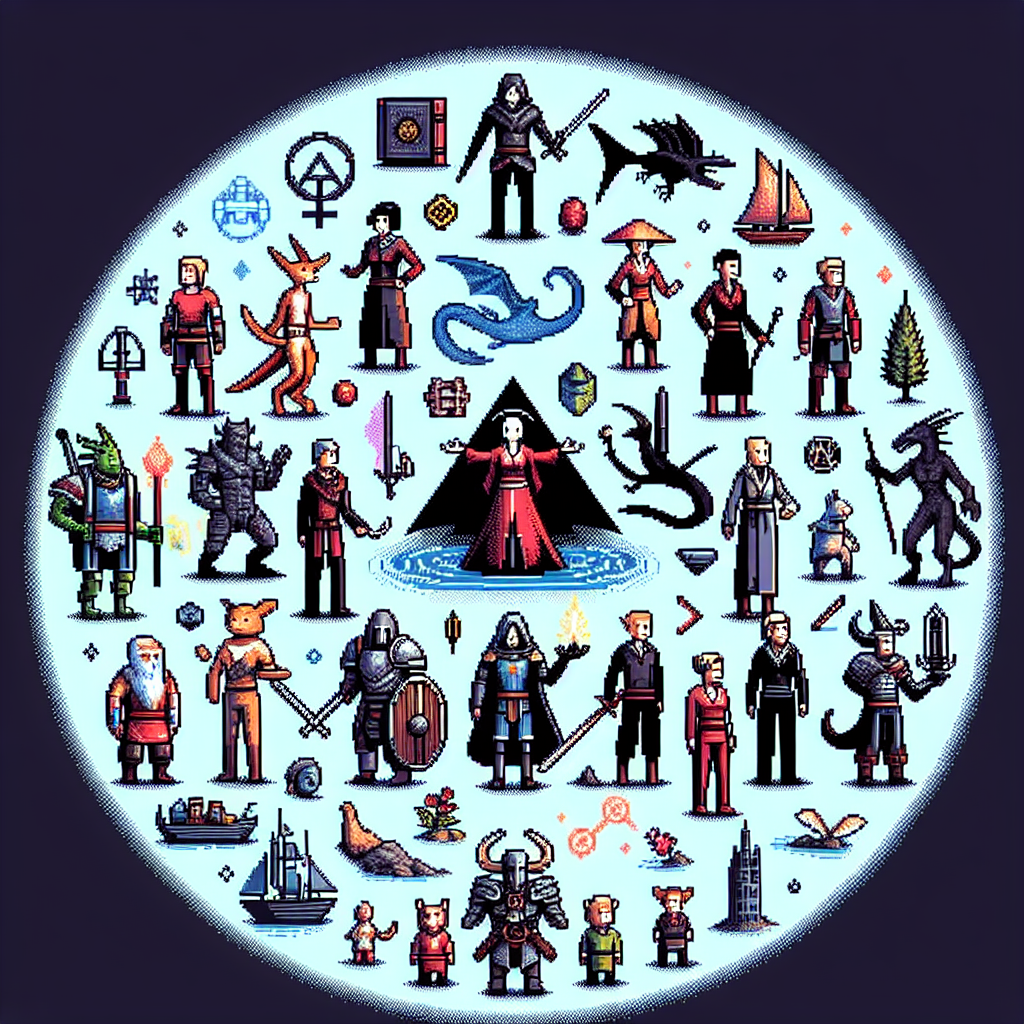
In Oblivion Remastered, companions are invaluable allies. Much like the fellowship in "The Lord of the Rings," these companions provide support, strength, and sometimes a bit of comic relief on your quest to save the world from the encroaching Daedric threat. Whether you're a seasoned Oblivion veteran or a newcomer to the series, understanding how to acquire and maintain these companions is key to enhancing your gameplay experience.

To make a companion follow you, you'll need to engage with them in the game, typically by completing certain quests or meeting specific criteria. These companions are more than just NPCs; they bring unique abilities and backstories that enrich the game's narrative. For instance, you might encounter a scholarly mage who brings arcane knowledge to your party, or a fierce warrior whose brawn is only matched by their bravery.

The Art of Companionship


The concept of companions in video games isn't new. Titles like "Fallout" and "Mass Effect" have long incorporated memorable companion characters who add depth and dynamic interactions to the storyline. In the broader realm of gaming, companions can be likened to virtual friendships, where players build bonds with their digital counterparts. These relationships mirror real-world interactions, teaching players valuable lessons about teamwork, loyalty, and empathy.

In the world beyond Tamriel, the idea of companionship has gained relevance in today's society. As technology advances, virtual reality and AI-driven companions are becoming more prevalent. Companies like Replika are developing AI friends that provide companionship to people around the globe. These virtual entities, much like Oblivion's companions, offer support and connection, blurring the lines between reality and digital interaction.

A Contemporary Parallel


As we explore the concept of companionship in digital realms, it's essential to consider our relationships in the real world. The COVID-19 pandemic has highlighted the importance of connection, prompting many to seek companionship online. Whether it's through gaming communities or social media platforms, people are finding new ways to forge connections and maintain relationships, even when physical interactions are limited.

This shift towards digital companionship reflects a broader trend in society. Just as players in Oblivion Remastered rely on their companions to navigate challenges, people worldwide are leaning on technology to stay connected and supported. It's a reminder that while the medium may change, the need for companionship remains a fundamental human trait.

Final Thoughts


As you embark on your journey through Oblivion Remastered, take a moment to appreciate the companions who stand by your side. They are more than just tools to help you conquer Tamriel; they're reminders of the power of friendship and collaboration. In both virtual and real worlds, companions enrich our lives, providing support, laughter, and a sense of belonging.

So, whether you're battling Daedric forces in Oblivion or finding solace in digital friendships, remember that companions—virtual or otherwise—play a crucial role in our journeys. As technology continues to evolve, who knows what new forms of companionship await us in the future? Until then, happy adventuring!

Read more about AI in Business

Read more about Latest Sports Trends

Read more about Technology Innovations