iPhone 20: The End of Physical Buttons | Analysis by Brian Moineau

The Future of iPhones: Will the iPhone 20 Ditch Physical Buttons for Haptics?

Imagine a world where your smartphone is a seamless extension of your thoughts and gestures, responding to your every command without the need for physical buttons. Sounds futuristic, right? Well, according to a recent leak, the upcoming “iPhone 20,” celebrating its 20th anniversary, may just take a monumental leap in that direction by eliminating all physical buttons in favor of haptic feedback technology. Let’s dive in!

A New Era for iPhones

As we approach the milestone of the iPhone’s 20th anniversary, it’s hard not to reflect on how far we’ve come since the original device revolutionized the mobile landscape back in 2007. From groundbreaking features like the App Store to innovations in camera technology and processing power, Apple has consistently pushed the envelope. Now, with rumors swirling about the iPhone 20, the tech giant appears ready to embark on yet another ambitious journey.

Recent reports from 9to5Mac suggest that Apple plans to integrate haptic feedback technology throughout the iPhone 20, eliminating physical buttons altogether. This shift could offer a more streamlined and immersive user experience, allowing for customizable feedback based on user preferences and interactions.

The Haptic Revolution

But what does it mean to go all-in on haptics? Haptic technology uses vibrations and motion to simulate the feeling of touch, creating a more tactile user experience. Instead of pressing a button, users would interact with virtual buttons on the screen, receiving feedback that mimics the sensation of pressing something physical.

This innovation aligns with a broader trend in the tech industry. Companies are increasingly recognizing the potential of haptic feedback to enhance user engagement and satisfaction. With the iPhone 20, Apple could be setting the stage for a new standard in smartphone design.

Key Takeaways

Physical Buttons Might Be History: The iPhone 20 could completely eliminate physical buttons, relying solely on haptic feedback for user interaction.

Enhanced User Experience: Haptic feedback technology can provide a more immersive and customizable experience, making interactions feel more intuitive.

Celebrating 20 Years of Innovation: The iPhone 20 marks a significant milestone, and Apple appears ready to celebrate with groundbreaking technology.

Aligning with Industry Trends: The shift to haptic feedback mirrors broader trends in tech, as companies explore ways to enhance user engagement through tactile experiences.

What’s Next?: If this leak holds true, it raises questions about the future of smartphone design and user interfaces beyond the iPhone 20.

A Glimpse into the Future

As we await the official announcement from Apple, the potential for the iPhone 20 to redefine how we interact with our devices is exciting. The move away from physical buttons signifies not just a technological shift but also a philosophical one—embracing a world where our devices are more intuitive and responsive to our needs.

While we can only speculate about the full implications of this design choice, one thing is for sure: the iPhone 20 could set a new benchmark for what we expect from our smartphones. The question remains—are we ready to embrace a buttonless future?

Sources

– “Leaker says ‘iPhone 20’ will drop every physical button, go all-in on haptics” – 9to5Mac
(https://9to5mac.com/2023/10/22/iphone-20-haptics-buttonless/)

Stay tuned for more updates as we continue to follow this exciting development in the world of technology!


Related update: We recently published an article that expands on this topic: read the latest post.
Apple Stores Unveil New MagSafe Chargers | Analysis by Brian Moineau

The MagSafe Revolution: Apple Stores Adapt to the iPhone 17 Launch

With every new iPhone launch, there's a buzz that electrifies tech enthusiasts and everyday users alike. This year's iPhone 17 rollout was no exception, but it was accompanied by some unexpected drama—dubbed 'scratchgate'—that had customers raising eyebrows and Apple responding swiftly. Amidst this backdrop, Apple Store employees are now equipped with innovative MagSafe chargers featuring silicone rings, adding an intriguing twist to the iPhone demo experience.

The Context: What Happened with iPhone 17?

The iPhone 17 launch was met with excitement, but it quickly turned into a mixed bag of reactions when reports of scratches appearing on the devices started surfacing. Customers were quick to voice their concerns on social media, leading to discussions about potential quality control issues. In response to this 'scratchgate' controversy, Apple took proactive measures to ensure that their demo units were presented in the best possible light—both aesthetically and functionally.

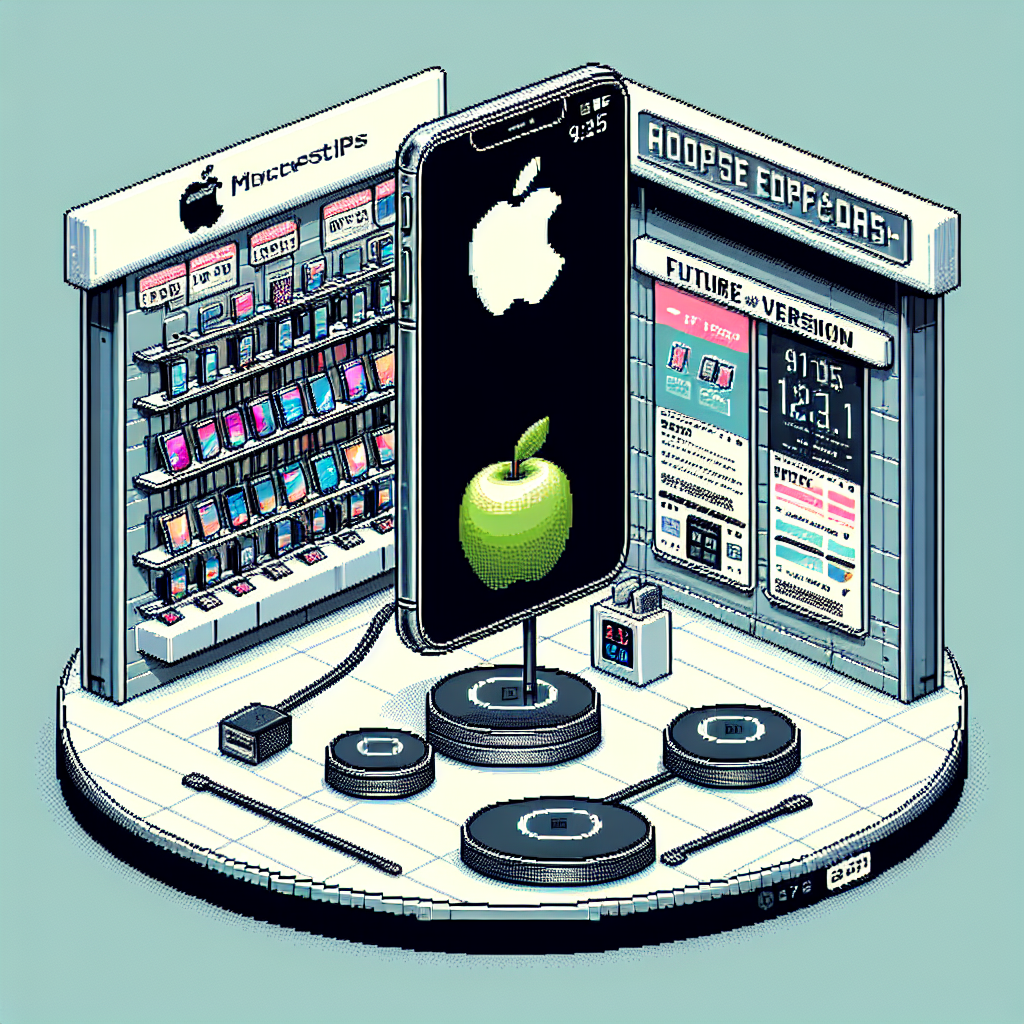
One of the standout initiatives was the introduction of new MagSafe chargers with silicone rings designed specifically for demo units of the iPhone 17. These chargers not only offer a secure connection but also protect the devices from scratches that might occur during customer interactions. This thoughtful design change reflects Apple's commitment to maintaining a premium experience, even amidst criticism.

Key Takeaways

- Customer Concerns: The 'scratchgate' controversy highlighted potential quality control issues with the iPhone 17, prompting a swift response from Apple to address customer feedback.

- Innovative Solutions: Apple Stores are now using MagSafe chargers with silicone rings to protect demo units, ensuring that devices remain pristine for potential buyers.

- Enhanced Demo Experience: The new chargers not only safeguard the devices but also enhance the overall demonstration experience, allowing customers to engage with the new features worry-free.

- Brand Reputation: Apple's quick action reinforces its dedication to brand integrity and customer satisfaction, showcasing how the company adapts to feedback in real-time.

- Community Engagement: The 'scratchgate' incident has sparked conversations among users, highlighting the importance of customer voices in shaping product quality and company practices.

Reflecting on the Future of iPhone Experience

As we look ahead, Apple's adaptive strategies—like the introduction of silicone-ringed MagSafe chargers—demonstrate a broader commitment to consumer satisfaction and innovation in retail environments. By swiftly addressing concerns and enhancing the customer experience, Apple not only mitigates potential backlash but also reinforces its position as a leader in the tech industry. The iPhone 17 may have had a rocky start, but with thoughtful adjustments, Apple is steering the narrative back to what matters most: the user experience.

Sources

- 9to5Mac: [Apple Stores are using new MagSafe chargers with silicone rings for iPhone 17 demo units](https://9to5mac.com/2023/10/01/iphone-17-magsafe-charger-silicone-rings/)

In the world of technology, how companies respond to challenges often defines their legacy. As Apple continues to innovate and adapt, we can only imagine what exciting developments lie ahead.

iPhone Fold: Five Game-Changing Features | Analysis by Brian Moineau

Get Ready for the iPhone Fold: Five Exciting Features Set to Launch

Are you ready to embrace the future of smartphones? Rumors are swirling, and anticipation is building as Apple gears up to unveil its first foldable iPhone next year. If you thought the traditional smartphone design was the pinnacle of innovation, wait until you see what the iPhone Fold has in store. In this blog post, we’ll dive into the five new features that promise to redefine how we interact with our devices.

The Rise of Foldable Smartphones

The foldable smartphone market has been heating up in recent years, with competitors like Samsung and Huawei already making waves with their offerings. Apple, known for its innovation and customer-centric design, has held out—until now. The tech giant has finally decided to join the foldable revolution, and the excitement surrounding the iPhone Fold is palpable. But what exactly can we expect from this new device?

Five New Features of the iPhone Fold

1. Flexible Display Technology: At the heart of the iPhone Fold is its flexible display, allowing for a seamless transition between a compact phone and a larger tablet-like experience. This technology enhances user interaction, making multitasking and media consumption a breeze.

2. Enhanced Multitasking Capabilities: With the larger screen real estate, Apple is rumored to introduce advanced multitasking features. Users may be able to run multiple apps side by side, transforming how we use our phones for both work and leisure.

3. Improved Camera Systems: The iPhone Fold is expected to come with cutting-edge camera technology. Rumors suggest it could feature an innovative setup that takes advantage of the foldable design, potentially allowing for new photography angles and improved low-light performance.

4. Robust Durability: Apple is known for its premium build quality, and the iPhone Fold will reportedly follow suit. Expect a durable design that can withstand the rigors of daily use, including advanced hinges and materials that resist scratches and dents.

5. iOS Optimizations: With the introduction of the iPhone Fold, Apple will likely optimize iOS for a foldable experience. This could mean new gestures, apps designed specifically for the foldable format, and enhanced integration with other Apple devices.

Key Takeaways

- Foldable Design: The iPhone Fold will feature a flexible display that converts between phone and tablet modes. - Advanced Multitasking: Expect improved multitasking capabilities that allow users to run multiple apps simultaneously. - Camera Innovations: An upgraded camera system tailored to the foldable design could enhance photography experiences. - Durable Build: Apple aims to deliver a robust and long-lasting device, addressing concerns about foldable technology. - Optimized iOS: iOS will receive updates specifically designed to enhance the foldable user experience.

A New Era for Apple and Smartphone Users

As we look forward to the release of the iPhone Fold, it's clear that Apple is set to make a significant impact in the foldable smartphone market. With innovative features and a commitment to quality, the iPhone Fold could redefine our expectations for mobile technology. Whether you’re a dedicated Apple user or simply curious about the latest tech trends, this new device is bound to spark excitement and intrigue.

Stay tuned for more updates as we approach the launch date. The future of smartphones is just around the corner, and it looks foldable!

Sources

- "iPhone Fold is coming: Five new features for next year’s launch" - 9to5Mac - "The Future of Foldable Phones" - TechRadar (https://www.techradar.com/news/the-future-of-foldable-phones) - "Apple's Foldable Phone Plans" - MacRumors (https://www.macrumors.com/2023/01/15/apple-foldable-phone-rumors/)

By keeping an eye on these developments, you’ll be well-prepared to make the most of this exciting evolution in smartphone technology.

Foldable iPhone 2024: What We Know About F | Analysis by Brian Moineau

The Future of iPhones: What to Expect from the Foldable iPhone in 2024

It’s always a thrilling time when new iPhones hit the shelves, but just as we’re getting used to this year’s models, rumors about next year’s lineup are already swirling. Can you believe it? That’s the fast-paced world of tech for you! Recently, reports have surfaced that next year’s foldable iPhone may share some features with the anticipated iPhone Air. Let’s dive into what this could mean for Apple enthusiasts and tech lovers alike.

The Buzz Around Next Year’s Foldable iPhone

Apple has always been a pioneer in the smartphone industry, and each new release brings a mixture of excitement and speculation. Despite the fact that the latest iPhones only recently launched, whispers about the next generation are already making waves. The possibility of a foldable iPhone has been a hot topic for some time, but it seems like 2024 could finally be the year we see it come to life.

According to reports from 9to5Mac, the upcoming foldable iPhone could borrow design elements and features from the iPhone Air—an intriguing concept that could redefine how we view mobile devices. Given the popularity of foldable technology in the smartphone market, it’s not surprising that Apple is exploring this avenue. Companies like Samsung and Motorola have already had some success with foldable devices, and Apple is known for its stringent quality control, so expectations are high.

What’s Behind the Foldable Trend?

The foldable smartphone market has been rapidly evolving. With advancements in flexible display technology, manufacturers are now able to create devices that are not only functional but also aesthetically pleasing. The allure of a foldable phone lies in its versatility; it can offer a compact size when folded, yet expand to provide a larger screen for media consumption or multitasking.

For Apple, the introduction of a foldable iPhone could attract a new demographic of users who value innovation, portability, and functionality. The potential for an iPhone Air-inspired foldable model could also play into Apple’s strategy of catering to different market segments, offering a more affordable yet stylish alternative for tech-savvy consumers.

Key Takeaways

- Foldable Innovation: Next year’s iPhone may feature a foldable design, a first for Apple, reflecting industry trends and consumer demand. - iPhone Air Influence: Rumors suggest that this foldable iPhone could share features with the iPhone Air, potentially prioritizing lightweight design and accessibility. - Market Competition: As competitors like Samsung and Motorola lead the foldable market, Apple’s entry could elevate the standard for quality and performance in this category. - Consumer Appeal: A foldable iPhone could attract a broader audience, particularly those looking for cutting-edge technology combined with practicality. - Early Speculation: While the current iPhone models are still fresh, the chatter about next year's lineup highlights the fast-paced nature of tech development and consumer anticipation.

Looking Ahead

As we look forward to 2024, the prospect of a foldable iPhone inspired by the iPhone Air is both exciting and thought-provoking. It’s a reminder that innovation is always around the corner in the tech world. For Apple fans, this could mean a significant leap in how we use our devices, merging functionality with style in ways we’ve only dreamed of. While we still have some time before the official announcement, the excitement is palpable. What features are you hoping to see in the next foldable iPhone?

Sources

- 9to5Mac. "Next year’s new foldable iPhone may have a lot in common with iPhone Air: report." [9to5Mac](https://9to5mac.com)

As the world of technology continues to evolve, staying informed about potential advancements is crucial for anyone looking to make the most out of their devices. Keep your eyes peeled for more updates as we inch closer to the next iPhone release!

Apple Events live updates: iPhone 17, iPhone Air, AirPods Pro 3, and new wearables just unveiled – ZDNET | Analysis by Brian Moineau

Apple Events live updates: iPhone 17, iPhone Air, AirPods Pro 3, and new wearables just unveiled – ZDNET | Analysis by Brian Moineau

Title: Apple’s Latest Unveiling: A Peek into the Future and the Present

Every year, tech enthusiasts around the world await Apple’s grand event with bated breath, and this year was no different. As ZDNET reports, Apple has once again pushed the boundaries of innovation with the introduction of the iPhone 17 series, the minimalist marvel iPhone Air, the enhanced acoustics of AirPods Pro 3, and a suite of wearables that redefine convenience and style.

The iPhone 17 Series: A New Era of Connectivity

Starting at $799, the iPhone 17 series is not just a phone; it’s a gateway into a smarter, more connected world. With each iteration, Apple strives to blend cutting-edge technology with everyday usability, and the iPhone 17 is no exception. As the global conversation increasingly revolves around sustainability, Apple’s commitment to environmental responsibility is noteworthy. The iPhone 17’s production process significantly reduces carbon footprint, aligning with global efforts to combat climate change. A report by Greenpeace highlights that major tech companies are taking steps toward greener practices, and Apple’s dedication to this cause sets a commendable standard.

iPhone Air: The Featherweight Contender

The iPhone Air is a testament to Apple’s design ingenuity, offering all the power of a flagship device without the bulk. This sleek gadget caters to those who value portability and simplicity, reminiscent of Apple’s earlier “Air” models in the MacBook and iPad lines. In an era where digital minimalism is gaining traction, as noted by Cal Newport in his book “Digital Minimalism,” the iPhone Air offers an appealing blend of form and function for those looking to declutter their digital lives.

AirPods Pro 3: The Soundtrack to Our Lives

Music has always been an integral part of human culture, and with the AirPods Pro 3, Apple continues to enhance how we experience sound. These earbuds promise a superior audio experience, making them a must-have for audiophiles and casual listeners alike. The evolution of wireless audio technology is fascinating, paralleling the rise of streaming services like Spotify and Apple Music, which have reshaped how we consume music. The AirPods Pro 3, with their improved noise cancellation and immersive sound quality, ensure that users can enjoy their playlists uninterrupted, whether they’re on a bustling city street or a quiet morning run.

Wearables: Fashion Meets Functionality

Apple’s new line of wearables, including the Apple Watch Series 11, seamlessly integrates technology into daily life. These devices not only track health metrics and fitness goals but also serve as stylish accessories. The global wearable technology market is booming, driven by increased health awareness and technological advancements. According to a report by Statista, the number of connected wearable devices worldwide is expected to surpass 1.1 billion by 2022, highlighting the growing demand for these smart gadgets.

A Final Thought: The Future Unfolds

Apple’s latest event showcases the company’s unwavering commitment to innovation, user experience, and sustainability. As we embrace these new technologies, it’s important to reflect on how they influence our daily lives and the broader societal trends they mirror. From enhancing communication to promoting health and well-being, Apple’s new offerings are not just products; they are tools that empower us to live better, more connected lives.

As we look forward to what the future holds, one thing is clear: Apple’s vision continues to shape the trajectory of technology, inspiring us to imagine what’s next in our ever-evolving digital landscape. Whether you’re an Apple aficionado or just tech-curious, there’s no denying the impact of these innovations on the world stage.

Read more about AI in Business

Read more about Latest Sports Trends

Read more about Technology Innovations


Related update: We recently published an article that expands on this topic: read the latest post.
Apple is giving iPhone 14 and 15 users another free year of satellite features – The Verge | Analysis by Brian Moineau

Apple is giving iPhone 14 and 15 users another free year of satellite features – The Verge | Analysis by Brian Moineau

Title: Apple Extends Satellite Features for iPhone 14 and 15: A Glimpse into Our Connected Future

In an exciting announcement that feels straight out of a sci-fi novel, Apple is gifting iPhone 14 and 15 users with another year of free satellite connectivity. This extension, revealed in Apple’s iPhone 17 press releases, underscores a rapidly evolving world where staying connected is not just a luxury but a necessity.

Connecting the Dots: Technology and Beyond

Imagine this: you’re hiking through the stunning yet isolated Sierra Nevada mountains. Suddenly, you find yourself lost, or worse, in need of help. In the past, you’d have to rely on traditional methods of communication or hope for a passing hiker. But with Apple’s satellite features, your iPhone becomes a lifeline, connecting you to the world even in the most remote locations. It’s not just about convenience; it’s about safety and peace of mind.

This move by Apple isn’t just a technical upgrade—it’s a societal shift. Consider the implications in disaster-stricken areas where traditional communication infrastructures fail. Satellite connectivity can be a game-changer, ensuring vital communication lines remain open when they’re needed most.

Satellite Connectivity: A New Frontier

Apple’s foray into satellite connectivity isn’t happening in a vacuum. It mirrors a broader trend in tech, where companies are racing to provide internet connectivity in the remotest corners of the globe. Elon Musk’s Starlink, for instance, aims to deliver high-speed internet across the planet using a constellation of low Earth orbit satellites.

Furthermore, this extension aligns with global initiatives to bridge the digital divide. According to the International Telecommunication Union, nearly half of the world’s population still lacks internet access. Apple’s commitment could be seen as a step toward universal connectivity, a vision that aligns with global efforts to ensure everyone, everywhere, can access the digital world.

Implications for the Future

As we embrace this satellite-enabled future, it raises intriguing possibilities. Could our smartphones become even more integral to our everyday lives? Will we witness a surge in adventure tourism, knowing that help is just a satellite signal away? It’s an exhilarating thought for tech enthusiasts and adventurers alike.

Moreover, as climate change continues to challenge our planet, satellite connectivity could play a crucial role in monitoring environmental changes and aiding in disaster response. It’s a reminder that technology, when used responsibly, can be a powerful force for good.

Final Thoughts

Apple’s decision to extend free satellite features for iPhone 14 and 15 users is more than a generous offer; it’s a visionary step towards a future where connectivity knows no bounds. As we stand on the precipice of this new era, it’s thrilling to imagine the possibilities that lie ahead.

Whether you’re an avid traveler, a tech enthusiast, or someone who simply appreciates the peace of mind that comes with knowing you’re always connected, this announcement is a testament to the remarkable age of technology we live in. So, here’s to staying connected, no matter where we are on this beautiful planet. Cheers to the future!

Read more about AI in Business

Read more about Latest Sports Trends

Read more about Technology Innovations


Related update: We recently published an article that expands on this topic: read the latest post.

Huawei’s second trifold adds stylus support and purple pleather – The Verge | Analysis by Brian Moineau

Huawei’s second trifold adds stylus support and purple pleather - The Verge | Analysis by Brian Moineau

Title: The Huawei Mate XTs: The Purple Pleather Revolution

In the ever-evolving world of technology, where innovation is the name of the game, Huawei has once again set the stage for a futuristic leap with the introduction of its Mate XTs. Picture this: a trifold smartphone that not only folds like origami but also supports a stylus and comes wrapped in a chic purple pleather finish. This latest marvel arrives in China with a price tag of $2,500, making waves before Samsung has even dipped its toes into the trifold waters.

The Huawei Mate XTs is not just another smartphone; it's a statement. In an era where devices are as much about style as they are about functionality, Huawei has taken a bold step towards combining both. The sleek design, enhanced by the royal hue of purple pleather, is reminiscent of the lavishness one might expect from a high-end fashion brand, rather than a tech giant. It's a nod to the idea that our gadgets are extensions of our personal style, much like a designer handbag or a bespoke suit.

Beyond its aesthetics, the Mate XTs pushes the boundaries of what we expect from a smartphone. The inclusion of a stylus brings back fond memories of the beloved PalmPilot and the more recent Samsung Galaxy Note series. It's a tool that creatives and professionals alike have cherished for its precision and ease of use. This move by Huawei not only caters to the artistic community but also to the tech-savvy multitaskers who appreciate the finer things in life.

The introduction of the Mate XTs also highlights a broader trend within the tech industry — the race for foldable devices. Samsung, a frontrunner in this arena with its Galaxy Z Fold and Flip series, has yet to unveil a trifold device. Huawei's preemptive strike could be seen as a gentle nudge, urging its competitors to think outside the box, or in this case, to fold three times instead of two. It's a classic case of innovation leading the charge, reminiscent of the tech battles between Apple and Microsoft in the early 2000s.

On the global stage, Huawei's move comes at a time when technology is increasingly becoming a focal point of geopolitical discussions. With ongoing trade tensions and the global chip shortage affecting production timelines across the industry, Huawei's ability to introduce such a pioneering device is noteworthy. It speaks to the resilience and adaptability of tech companies in navigating complex international landscapes to bring cutting-edge products to market.

In a world where we're constantly bombarded with new gadgets and gizmos, the Mate XTs stands out not just for its technological prowess, but for its audacity to blend fashion with function. It's a reminder that technology isn't just about circuits and screens; it's about pushing boundaries and redefining what's possible.

As we look to the future, the Huawei Mate XTs is a beacon of what's to come. It's a call to action for the tech industry to continue innovating, to surprise and delight consumers, and to never settle for the status quo. So, whether you're a tech enthusiast, a fashion aficionado, or simply someone looking for the next big thing, the Mate XTs is a device that demands your attention.

In the end, the arrival of Huawei's Mate XTs is more than just a product launch; it's a testament to the ever-evolving dance of technology and design. As we fold and unfold our way into the future, one thing is clear: the possibilities are as endless as they are exciting.

Read more about AI in Business

Read more about Latest Sports Trends

Read more about Technology Innovations

ROG Xbox Ally Handhelds Reportedly Launching in October — and Prices Have Leaked, Too – Windows Central | Analysis by Brian Moineau

ROG Xbox Ally Handhelds Reportedly Launching in October — and Prices Have Leaked, Too - Windows Central | Analysis by Brian Moineau

Leveling Up: The ROG Xbox Ally Handhelds Are Ready to Play

As we step into October, gamers everywhere are buzzing with anticipation, eagerly awaiting the launch of the ROG Xbox Ally handheld devices. Scheduled to hit the shelves on October 16, these innovative gadgets promise to inject a fresh dose of excitement into the gaming world. According to a recent report by Windows Central, prices for these handhelds have also leaked, aligning closely with earlier speculations, setting the stage for a thrilling fall season for tech enthusiasts.

The ROG Xbox Ally is poised to make waves in the handheld gaming market, a segment that has seen a resurgence in recent years. With the success of devices like the Nintendo Switch and Valve’s Steam Deck, gamers have shown an enduring love for portable gaming experiences. The ROG Xbox Ally aims to blend the best of both worlds by offering the versatility of a handheld device with the robust gaming ecosystem of Xbox. If you're a fan of gaming on the go, this could be the device that redefines your experience.

While the gaming community eagerly awaits this launch, it's worth drawing parallels to the broader tech world. The rise of handheld devices marks a significant shift in consumer preferences, echoing trends in other sectors. For instance, the growing popularity of remote work tools and mobile technology underscores a desire for flexibility and portability across various domains. Just as workers crave the freedom to work from anywhere, gamers too are seeking the ability to play anywhere, anytime.

This trend is not only reshaping the gaming landscape but also influencing the strategies of major tech companies. Take Apple, for example, which has been ramping up its focus on gaming with the Apple Arcade. Meanwhile, Google's Stadia and Amazon's Luna are pushing the boundaries of cloud gaming, offering gamers the ability to stream high-quality games without the need for powerful hardware. The ROG Xbox Ally fits neatly into this evolving narrative, promising to deliver a premium gaming experience in a compact form.

Of course, with any major launch, there are always whispers of speculation and intrigue. The leaked prices for the ROG Xbox Ally have been a hot topic, with many wondering how they'll stack up against competitors. While these leaks align with previous rumors, it's always wise to take such information with a grain of salt until official announcements are made. However, if the pricing is competitive, it could position the ROG Xbox Ally as a formidable contender in the handheld market.

As we count down to October 16, the excitement is palpable. Whether you're a die-hard Xbox fan or simply curious about the latest tech trends, the ROG Xbox Ally represents a thrilling development in the world of gaming. It’s a testament to the industry's relentless drive for innovation and the unyielding demand for new ways to experience beloved games.

In closing, the launch of the ROG Xbox Ally is more than just a new product release; it's a reflection of a broader movement within technology and society. As our lives become increasingly mobile, the allure of portable gaming devices only grows stronger. Whether this handheld will become a game-changer remains to be seen, but one thing is certain: October 16 is a date to remember for gamers everywhere. Let the games begin!

Read more about AI in Business

Read more about Latest Sports Trends

Read more about Technology Innovations

Samsung says you should think of Galaxy Z Fold 7 as a ‘trade-off’ as it reconsiders S Pen support – 9to5Google | Analysis by Brian Moineau

Samsung says you should think of Galaxy Z Fold 7 as a 'trade-off' as it reconsiders S Pen support - 9to5Google | Analysis by Brian Moineau

The Foldable Dilemma: Samsung’s Balancing Act with the Galaxy Z Fold 7

In the ever-evolving world of smartphones, trade-offs are as inevitable as the next big thing. Samsung's latest revelation about the Galaxy Z Fold 7 epitomizes this notion. The tech giant has decided to forgo the S Pen support in favor of a slimmer design. While some might find this a disappointing omission, it's a strategic move that mirrors broader trends and challenges in tech innovation.

A Tale of Two Features: Slimness vs. Functionality

Samsung's decision to prioritize a sleeker build over the inclusion of the S Pen underscores a significant shift in consumer electronics: the push for portability and aesthetic appeal. This choice invites users to consider what they truly value in a device. Is it the convenience of a digital pen, or the elegance and ease of a device that slips effortlessly into a pocket?

This isn't the first time we've seen such dilemmas. Apple's iPhone once faced backlash for removing the headphone jack. Yet, today, wireless earbuds are almost ubiquitous. It’s a testament to how initial resistance can evolve into acceptance, even appreciation, as new norms take hold.

The S Pen: More Than a Tool

The S Pen has been more than just an accessory for Samsung users. It's a symbol of creativity and productivity, a tool that transforms the way users interact with their devices. For artists, note-takers, and professionals, it's an extension of their digital toolkit. Losing it, even temporarily, can feel like a step back.

However, Samsung hints at a future where the S Pen might return to the foldable series. This suggests a continued commitment to innovation, where the company might find a way to reconcile the slim design with S Pen functionality. It’s a challenge of engineering and design that Samsung seems eager to tackle.

Global Trends and the Bigger Picture

Samsung's decision comes at a time when tech companies worldwide are grappling with similar questions of design versus functionality. For instance, automotive industries are now focusing more on aesthetics and sustainability, transitioning to electric vehicles that promise a blend of style and eco-friendliness. Similarly, wearable tech is moving towards minimalism, offering more features in smaller, sleeker packages.

Moreover, the global supply chain disruptions have forced companies to rethink priorities, often choosing to streamline production for efficiency over adding new features. It’s a delicate balance of innovation and practicality, much like what Samsung is attempting with the Galaxy Z Fold 7.

Final Thoughts

In the grand scheme of technological advancement, Samsung's "trade-off" is a reminder of the complex decisions that drive innovation. While some users may lament the temporary absence of the S Pen, others will appreciate the sleek design of the Galaxy Z Fold 7. It's a dance of progress where consumer feedback and technological possibilities must find harmony.

As we look to the future, the possibility of a Galaxy Z Fold that accommodates both a slim design and the beloved S Pen remains exciting. Until then, we can enjoy the current strides in foldable technology, knowing that the next breakthrough is just around the corner.

In the world of tech, trade-offs today often pave the way for tomorrow's triumphs. Samsung’s journey with the Galaxy Z Fold series is just one chapter in this ongoing story.

Read more about AI in Business

Read more about Latest Sports Trends

Read more about Technology Innovations

Some Google Pixel owners report slow to wake, laggy lockscreen on Android 16 – 9to5Google | Analysis by Brian Moineau

Some Google Pixel owners report slow to wake, laggy lockscreen on Android 16 - 9to5Google | Analysis by Brian Moineau

Title: When Pixels Take Their Time: The Slow Awakening of Android 16

If there's one thing that smartphone users dread, it’s a sluggish device. And it seems like some Google Pixel owners are feeling the pain post the Android 16 update. As reported by 9to5Google, users have noticed a peculiar issue: their phones are taking longer to wake up, and the lockscreen feels laggy.

Now, if your phone is the digital equivalent of your morning coffee, this lag can feel like waiting for a pot to brew while you stare bleary-eyed at the machine. It’s a small inconvenience that can throw off your whole day. But before we dive into the world of tech woes, let's take a step back and look at the bigger picture.

The Growing Pains of Innovation


Every software update brings with it a mixed bag of excitement and trepidation. Remember when Windows 10 first arrived and users were both thrilled and puzzled by Cortana? Or when Apple rolled out iOS 11, and there was a flurry of complaints about battery drain issues? It seems like tech giants just can’t catch a break when they try to innovate.

What’s interesting here is the pattern—each major update is like a rite of passage. There's the anticipation of new features mingled with the frustration of bugs that sneak through. The Android 16 update is no exception, bringing its own set of challenges to the table.

The Pixel Problem


So, what’s going on with the Pixel? The slow wake and laggy lockscreen issue might seem minor, but it's a classic example of how even small bugs can have a significant impact on user experience. It’s like going to a concert only to find out your favorite band is stuck in traffic. Sure, the main event will eventually happen, but the wait is agonizing.

Some users have taken to forums and social media to voice their concerns, sparking discussions about whether it’s a hardware issue or just a software hiccup. Google, known for its responsiveness, will likely address the issue soon. After all, in the fast-paced tech world, reputation is everything.

A Larger Tech Conversation


This Pixel predicament is happening amidst broader discussions about the pace of technological advancements. The AI revolution, for instance, is pushing boundaries at breakneck speed. Yet, even as we marvel at the capabilities of ChatGPT or Google's own Bard, we're reminded that not all tech is glitch-free. It's a dance between pushing the envelope and ensuring reliability.

Moreover, this isn’t just a Google issue. Samsung, Apple, and other tech behemoths have faced similar challenges. The key takeaway here is that software updates, while essential, often require a grace period to smooth out wrinkles.

Final Thoughts


In the end, the slow wake of the Google Pixel on Android 16 serves as a reminder of the delicate balance tech companies must strike. It's about innovation without compromising on user experience. For now, Pixel users may need a bit of patience—or perhaps an extra cup of coffee.

However, if history is any guide, Google will likely roll out a fix soon, making our mornings just a little bit brighter and quicker. So, here’s to smoother wake-up calls and snappier lockscreens in the near future. And remember, in the world of technology, the only constant is change—usually for the better.

---

For more updates on this issue and potential fixes, keep an eye on [9to5Google](https://9to5google.com).

Read more about AI in Business

Read more about Latest Sports Trends

Read more about Technology Innovations

Store banner reveals Samsung Galaxy Z Fold7’s design, shows off its slender frame – GSMArena.com news – GSMArena.com | Analysis by Brian Moineau

Store banner reveals Samsung Galaxy Z Fold7's design, shows off its slender frame - GSMArena.com news - GSMArena.com | Analysis by Brian Moineau

The Evolution of Foldable Phones: A Glimpse into the Samsung Galaxy Z Fold7

It seems like just yesterday when flip phones were all the rage, a symbol of sleek technology and modern convenience. Fast forward to the present, and we've been swept into a new era of foldable phones, with the Samsung Galaxy Z Fold7 set to redefine our expectations yet again. This latest revelation from Samsung, as uncovered by a store banner, promises a device that's not just a technological marvel, but also a style statement.

Imagine holding a device that effortlessly transforms from a compact phone into a tablet. It's like carrying a piece of the future in your pocket. Samsung claims that the Z Fold7 will be the thinnest and lightest horizontal foldable yet. The thought of such a slender frame conjures images of a device that's not just about functionality but also about elegance. For those of us who remember the clunky first attempts at foldables, this is nothing short of revolutionary.

A few weeks ago, whispers in the tech community hinted that Samsung had sent out demo units of this sleek gadget. The excitement was palpable. It's not just about the specs; it's about the story these devices tell. The evolution from the first foldable screens, with their visible creases and hefty builds, to the refined design of the Galaxy Z Fold7, is a testament to how far technology has come in such a short time.

I remember my first encounter with a foldable smartphone. It felt like stepping into a sci-fi movie where gadgets could bend and twist without breaking. The initial models were fascinating, but undeniably bulky. Now, Samsung's promise of a lighter and thinner design makes me wonder how these advancements will impact the way we use our phones daily. Will we soon see foldables seamlessly replace the tablets and laptops we lug around?

The unveiling of the Samsung Galaxy Z Fold7 is more than just another product launch; it's a glimpse into the future of mobile technology. As we continue to blur the lines between phones and tablets, the role of these devices in our lives becomes increasingly integral. From streaming our favorite shows on the go to managing work tasks with ease, the potential is limitless.

Reflecting on this, I can't help but wonder what the next five years will bring. Will we see holographic displays, or perhaps phones that fold into wearable devices? The pace of innovation is exhilarating, and the Galaxy Z Fold7 is a beacon of what's possible when design meets technology.

In the end, it's not just about having the latest gadget; it's about how these innovations enhance our lives. The Samsung Galaxy Z Fold7 isn't just a phone; it's a statement of what's possible when we push the boundaries of technology. As we eagerly await its release, one thing is certain: the future of mobile technology is unfolding before our eyes, quite literally.

Read more about AI in Business

Read more about Latest Sports Trends

Read more about Technology Innovations

Google left months-old dark mode bug in Android 16, fix planned for next Pixel Drop – Ars Technica | Analysis by Brian Moineau

Google left months-old dark mode bug in Android 16, fix planned for next Pixel Drop - Ars Technica | Analysis by Brian Moineau

Title: The Curious Case of the Dark Mode Bug: A Glimpse into the World of Technology's Quirks

In the fast-paced world of technology, where every device in our pockets and homes is constantly evolving, the little things sometimes slip through the cracks. Take, for example, the tale of the recent dark mode bug in Android 16. Discovered in March, this pesky glitch left users squinting at their screens as they tried to embrace the tranquility of dark mode. Yet, despite its early appearance, this bug won't see a resolution until the next Pixel Drop, which could be as late as September. It's a reminder that even tech giants like Google can have their off days.

A Bug's Life in the Tech Jungle

Bugs are the uninvited guests at the tech party, and they certainly know how to crash it. The dark mode bug in Android 16 is just one of many instances where technology takes a slight detour. This particular bug prevents users from fully enjoying the aesthetic and battery-saving benefits of dark mode—a feature adored by night owls and battery-conscious users alike.

While Google's Android team is undoubtedly working hard behind the scenes, the delay in fixing this bug raises eyebrows. Why does it take so long for a tech behemoth to address such a widespread issue? The answer lies in the complexity of software development. As systems become more intricate, ensuring compatibility and stability across millions of devices is no small feat.

The Global Tech Symphony

This isn't the first time a tech company has faced scrutiny for taking its time with a fix. Remember Apple’s infamous "Batterygate" scandal? Back in 2017, the tech world was abuzz when users discovered that their older iPhones were being intentionally slowed down. Apple's rationale was to prevent unexpected shutdowns, but the lack of transparency left users feeling betrayed. It took months for Apple to issue an apology and offer discounted battery replacements.

These incidents remind us that while technology is a marvel, it's still orchestrated by humans—a fact that often leads to unexpected hiccups. Just as in any symphony, the occasional discordant note is inevitable.

Tech Tribulations in a World of Change

Interestingly, this dark mode debacle coincides with a broader conversation about technology’s role in our lives. As we rely more on digital devices, our expectations for seamless functionality increase. Yet, the pandemic taught us that patience and adaptability are virtues, even in the digital realm. Just as we adjusted to working from home and virtual socializing, perhaps we can extend some grace to our tech providers.

Moreover, this bug saga unfolds amidst other significant events. For instance, as AI continues its rapid advancement, humans are learning to navigate new ethical and societal challenges. Simultaneously, climate change discussions emphasize the need for sustainable technology. These global narratives remind us that while a dark mode bug might seem trivial, it is part of a larger tapestry of technological evolution.

Final Thoughts: Embracing Imperfection

As we await the next Pixel Drop and the subsequent fix, let's take a moment to appreciate the imperfect nature of technology. Bugs, while frustrating, are a testament to the ever-evolving landscape of innovation. They challenge companies to do better and remind us of the human element behind our screens.

So, the next time your dark mode doesn't work as intended, remember that every glitch is an opportunity for growth. In the grand scheme of things, these quirks are what make the tech world so fascinating. After all, without a few bugs, where would the fun be in debugging?

Read more about AI in Business

Read more about Latest Sports Trends

Read more about Technology Innovations

Huawei’s latest phone fits two telephoto lenses into one camera – The Verge | Analysis by Brian Moineau

Huawei’s latest phone fits two telephoto lenses into one camera - The Verge | Analysis by Brian Moineau

Beyond Zoom: How Huawei’s Pura 80 Ultra is Shaping the Future of Smartphone Photography

In a world where capturing the perfect moment has become intrinsically linked to our everyday lives, Huawei’s latest innovation, the Pura 80 Ultra, is setting a new standard for smartphone photography. The highlight? It features not one but two telephoto lenses ingeniously packed into a single camera module. By sharing the same sensor and periscope parts, Huawei has crafted a device that pushes the boundaries of mobile photography while keeping the phone’s design sleek and manageable.

The Double Telephoto Revolution

Traditionally, smartphone cameras have struggled to provide high-quality zoom capabilities without compromising on image clarity or camera design. Huawei’s ability to integrate dual telephoto lenses is a testament to their leadership in mobile imaging technology. This clever design allows users to switch seamlessly between different zoom levels, offering unparalleled versatility whether you’re capturing sprawling landscapes or detailed close-ups.

This innovation aligns with Huawei’s history of pushing camera technology boundaries. Huawei's P30 Pro set a precedent with its periscope zoom, and now, the Pura 80 Ultra takes it to the next level. While other tech giants like Apple and Samsung have made strides in improving smartphone cameras, Huawei’s focus on zoom capabilities distinguishes them from the competition.

A Broader Lens on Innovation

Huawei’s latest release arrives amidst a global tech race where companies are vying for dominance in AI, augmented reality, and connectivity. For instance, Apple’s iPhone 14 Pro, released recently, focuses on computational photography, using AI to enhance image quality. Meanwhile, Google’s Pixel series continues to impress with its Night Sight feature, which captures stunning low-light photos. These advancements reflect a broader trend: the integration of sophisticated technologies to improve everyday user experiences.

Interestingly, Huawei’s strides in camera technology also echo advancements in other sectors. Consider the space industry, where high-definition imaging technology is crucial for both scientific research and exploration. The European Space Agency’s (ESA) recent missions, for instance, rely heavily on advanced imaging to map celestial bodies and gather data. Similarly, Huawei’s focus on enhancing image capture could one day translate into technologies that benefit other fields, such as medical imaging or autonomous vehicles.

The Bigger Picture

As we reflect on Huawei’s latest innovation, it’s essential to consider the broader implications of such advancements. Technology is increasingly becoming a bridge between our digital and physical worlds, with cameras playing a pivotal role in this transition. The Pura 80 Ultra is not just a smartphone; it’s a tool that enables us to document and share our experiences more vividly than ever before.

Moreover, innovations like dual telephoto lenses remind us of the importance of creativity and ingenuity in problem-solving. As companies continue to push technological boundaries, it opens new possibilities for consumers and industries alike, fostering a culture of continuous improvement and innovation.

Final Thoughts

Huawei’s Pura 80 Ultra is more than just a technological marvel; it represents the relentless pursuit of excellence that defines the tech industry. As consumers, we can look forward to a future where capturing life’s fleeting moments becomes even more accessible and breathtaking. The double telephoto lens is a step forward, not just for Huawei, but for the entire realm of mobile photography. As we await the next wave of innovations, one thing remains clear: the future of smartphone photography is brighter than ever.

Read more about AI in Business

Read more about Latest Sports Trends

Read more about Technology Innovations

6 Tips to Personalize One UI 7.0 home screen – Sammy Fans | Analysis by Brian Moineau

6 Tips to Personalize One UI 7.0 home screen - Sammy Fans | Analysis by Brian Moineau

Unlocking Creativity with Samsung One UI 7.0: A Personalized Journey

In a world where personalization has become the ultimate form of expression, Samsung is stepping up its game with the release of One UI 7.0. This update is not just about a fresh coat of paint; it's a complete design overhaul aimed at enhancing every interaction you make with your device. The focus is clear: increased visibility and a sense of seamless interaction that starts from the home screen and extends through the entire system.

The Art of Personalization


Samsung’s One UI 7.0 brings a new design language to the table, but what truly stands out is its emphasis on personalization. Here are six tips on how to make your home screen reflect who you are, inspired by Sammy Fans:

1. Dynamic Widgets: Widgets are no longer static entities. With One UI 7.0, they are dynamic and interactive, allowing you to engage with them directly from your home screen. Imagine having your calendar, weather, and music controls all at your fingertips, updating in real-time. It’s like having your very own personalized command center.

2. Customizable Themes: Gone are the days of one-size-fits-all. Now, you can dive into a plethora of themes that cater to every whim and fancy. Whether you're into minimalist aesthetics or vibrant color palettes, there's something for everyone. Consider it a digital wardrobe for your phone.

3. Icon Packs: For those who pay attention to detail, One UI 7.0 allows you to change your app icons to match your personal style. It’s a small change, but it can make a world of difference in how you feel about your device.

4. Edge Panels: Use the edge of your screen to access frequently used apps or tasks. It’s about optimizing your workflow and making multitasking easier than ever. In a way, it’s like having a digital assistant who knows exactly what you need, when you need it.

5. Enhanced Visibility: The update brings improved UI elements that make everything clearer and more accessible. This is particularly beneficial for those who may struggle with visibility, ensuring that technology remains inclusive and user-friendly.

6. Lock Screen Customization: Your lock screen is the first thing you see when you pick up your phone. With One UI 7.0, you can customize it with different clocks, colors, and widgets. Make it a space that inspires you every day.

A Broader Trend in Technology


This emphasis on personalization is not just a Samsung trend; it's a reflection of a broader movement in technology. Companies like Apple have long championed the idea of creating a seamless user experience tailored to individual needs. Google's Material You also follows this path, allowing for dynamic color theming based on your wallpaper. It's clear that the tech giants are in a race to make our digital lives as personal and enjoyable as possible.

Personalization Beyond Tech


This trend extends beyond the realm of technology. In a world where individuality is celebrated, industries from fashion to home decor are embracing customization. Brands like Nike offer personalized sneakers, while IKEA allows you to design your own furniture pieces. It’s a testament to the growing demand for products that reflect personal identity.

Final Thoughts


Samsung One UI 7.0 is more than just an update; it's a reinvention of how we interact with our devices. It champions the idea that technology should adapt to us, not the other way around. As we continue to blend the digital with the personal, it’s exciting to imagine what the future holds. Whether you're a tech enthusiast or just someone who loves a little flair in their everyday life, One UI 7.0 offers a canvas for creativity.

So go ahead, explore these features and turn your phone into a masterpiece that truly represents you. After all, in a world full of screens, why not make yours a little more you?

Read more about AI in Business

Read more about Latest Sports Trends

Read more about Technology Innovations

Kuo: Apple Knows Apple Intelligence is ‘Underwhelming’ and Won’t Drive iPhone Upgrades – MacRumors | Analysis by Brian Moineau

Kuo: Apple Knows Apple Intelligence is 'Underwhelming' and Won't Drive iPhone Upgrades - MacRumors | Analysis by Brian Moineau

Is Apple Intelligence Really All That Smart? A Lighthearted Dive into Tech Expectations


Ah, Apple. The brand that has become synonymous with innovation, sleek design, and, let's face it, the ability to make us willingly line up for hours to get our hands on their latest gadget. But in the ever-evolving world of technology, even the giants can have missteps—or at least moments that don't quite live up to the usual hype. Enter Apple Intelligence, the newest feature introduced with iOS 18 that was expected to revolutionize our iPhone experience but, according to renowned Apple analyst Ming-Chi Kuo, has left many feeling rather indifferent.

Kuo's report, summed up in a recent MacRumors article, suggests that Apple Intelligence isn't the upgrade magnet Apple might have hoped for. But before we dive into the details, let's take a step back and consider the broader context.

The Quest for Intelligent Phones


In recent years, the tech industry has been buzzing with the potential of artificial intelligence (AI). From self-driving cars to virtual assistants like Amazon's Alexa and Google's Assistant, AI is touted as the next big thing. Apple, never one to be left behind, has been steadily incorporating AI into its devices. So when iOS 18 promised Apple Intelligence, expectations were sky-high.

However, the reality seems to be a bit more grounded. While the features are certainly clever—think personalized suggestions, enhanced Siri capabilities, and smarter notifications—they haven't quite captured the imagination of the masses. It's a classic case of the innovation gap: when the tech under the hood is impressive, but the application isn't quite life-changing enough to make users rush to upgrade.

Ming-Chi Kuo: Apple's Oracle


For those who aren't familiar with Ming-Chi Kuo, he's a bit of a celebrity in the tech world. Known for his uncanny ability to predict Apple’s next moves, Kuo has a track record that even Nostradamus might envy. His insights often shape investor expectations and media narratives around Apple’s product launches. So when Kuo says Apple Intelligence is "underwhelming," it carries weight.

The Bigger Picture


This isn't just about Apple, though. The lukewarm reception of Apple Intelligence speaks to a broader trend in the tech industry. As devices become more advanced, the incremental improvements can sometimes feel less revolutionary. Remember the days when upgrading your phone meant a world of difference? Nowadays, the changes can feel more like subtle enhancements than groundbreaking shifts.

And this isn't happening in a vacuum. Globally, we're witnessing a tech saturation point. Other companies, like Samsung and Google, are also grappling with how to make their next big thing truly compelling. It's a delicate dance between innovation and practicality—how do you create something that people didn't know they needed until they can't live without it?

Final Thoughts


In the end, Apple Intelligence's "underwhelming" nature might just be a temporary blip in Apple's storied history of tech triumphs. As consumers, we’ve become accustomed to expecting the extraordinary, and perhaps that's a good thing. It pushes companies to strive for greatness, to imagine the impossible, and occasionally, to stumble along the way.

So, while Apple Intelligence might not be the iPhone's biggest selling point today, it holds promise for a smarter, more intuitive tomorrow. And who knows? Maybe next year, we'll be queuing up again, eagerly awaiting the next iteration of that little device we can't seem to live without. After all, in the world of technology, surprises are just around the corner.

Read more about AI in Business

Read more about Latest Sports Trends

Read more about Technology Innovations

Apple Already Testing a C2 Modem for iPhones, According to Leaker – MacRumors | Analysis by Brian Moineau

Apple Already Testing a C2 Modem for iPhones, According to Leaker – MacRumors | Analysis by Brian Moineau

**Title: Apple’s Second-Gen C2 Modem: A Peek Into the Future of iPhone Connectivity**

Ah, the thrill of a new iPhone feature! It’s akin to unwrapping a gift you never knew you needed, yet somehow, once it’s in your hands, you can’t imagine life without it. Apple, the maestro of tech innovation, is reportedly testing its second-generation C2 modem for future iPhone models, according to a trustworthy leaker. This news comes as a whisper of excitement in the tech community, hinting at the potential leap forward in connectivity for Apple’s flagship product.

**The C2 Modem: A Sneak Peek**

Imagine your iPhone working even faster, with improved connectivity and less battery drain. That’s the promise of the C2 modem. While details remain somewhat under wraps, this second-generation modem is expected to enhance the speed and reliability of data transmission, a crucial aspect as we increasingly rely on our devices for everything from streaming to gaming.

The significance of this development extends beyond just Apple. As the world pivots towards 5G and beyond, having a proprietary modem positions Apple to not only optimize performance but also to better integrate hardware and software. This seamless integration is a hallmark of Apple’s design philosophy, reminiscent of their move to custom silicon with the M1 chip.

**Apple’s Track Record: A Symphony of Innovation**

This isn’t Apple’s first foray into developing its hardware. The company’s transition to its silicon for Macs was a bold move that paid off handsomely, with the M1 chip delivering remarkable performance and efficiency. The C2 modem could signify a similar shift in the realm of mobile connectivity, potentially setting a new standard for competitors.

Globally, the push towards more efficient and powerful mobile networks is relentless. For example, South Korea and China are racing ahead with 5G deployments, while Europe is making significant investments in infrastructure. Apple’s C2 modem could be a key player in this global tech race, providing users with the tools to harness the full potential of advanced networks.

**The Leaker’s Credibility**

When it comes to leaks, credibility is key. The source of this information has a solid track record, lending weight to the speculation. In the world of tech leaks, where rumors are as common as coffee spills in Silicon Valley, a reliable source is worth its weight in gold.

**Final Thoughts: The Future Beckons**

As Apple moves forward with testing the C2 modem, the tech world watches with bated breath. The evolution of iPhone connectivity is not just about faster download speeds or clearer calls; it’s about paving the way for new innovations that will shape our digital lives.

In essence, the C2 modem represents more than just a technical upgrade. It’s a promise of innovation that keeps us on the edge of our seats, wondering what the next iPhone will bring. As we await official announcements, one thing is certain: Apple’s commitment to pushing the envelope ensures that the future of mobile technology is as bright as the shiny new iPhone in your pocket.

Read more about AI in Business

Read more about Latest Sports Trends

Read more about Technology Innovations


Related update: We recently published an article that expands on this topic: read the latest post.
Gboard’s Assistant voice typing toolbar is coming to Pixel phones – 9to5Google | Analysis by Brian Moineau

Gboard’s Assistant voice typing toolbar is coming to Pixel phones - 9to5Google | Analysis by Brian Moineau

**Gboard's Assistant Voice Typing Toolbar: A New Era for Pixel Phones**

In the ever-evolving landscape of technology, Google consistently impresses us with its intuitive and user-friendly innovations. The latest development in this saga is the rollout of Gboard's Assistant voice typing toolbar to Pixel phones. Originally introduced on the Pixel Tablet last year, this feature is now set to transform the way we interact with our Google devices, elevating voice typing to a whole new level.

### The Evolution of Voice Typing

Voice typing isn't a new concept. It's been around for quite some time, with varying degrees of success and reliability. Remember the days of clunky voice recognition software that struggled to understand even the simplest commands? We've come a long way since then. Google's Assistant voice typing, however, is not just about converting spoken words into text—it's about creating a seamless experience that feels almost magical.

The integration of the Assistant into Gboard for Pixel phones means that users will now have the power of Google's AI at their fingertips—or vocal cords, rather. This isn't just about dictating a quick text message; it's about enhanced productivity, accessibility, and a glimpse into a future where typing may become a thing of the past.

### Why Pixel?

Google's decision to bring this feature to Pixel phones is not surprising. As Google's flagship line of smartphones, Pixels often serve as a testing ground for new features before they are potentially rolled out to other Android devices. The Pixel series has been praised for its clean Android experience, cutting-edge camera technology, and timely updates. Bringing the Assistant voice typing toolbar to Pixel phones first is a testament to Google's commitment to providing its users with the latest and greatest in mobile technology.

### A Global Trend

This move by Google is part of a larger trend in technology towards voice-first interfaces. With the rise of smart speakers like Amazon's Echo and Apple's HomePod, consumers are becoming increasingly comfortable with speaking to their devices. According to a report by Juniper Research, the number of voice assistants in use is expected to reach 8 billion by 2023. This statistic signals a significant shift in how we interact with technology, moving away from traditional tactile interfaces to more natural, voice-based interactions.

### Connecting the Dots

The introduction of Gboard's Assistant voice typing toolbar is not just a standalone update—it's part of Google's broader strategy to enhance its ecosystem of services. For instance, Google's continued investments in AI and machine learning are evident in other products like Google Lens, which allows users to search what they see, and Google Translate, which offers real-time translation capabilities. These innovations, along with the new voice typing feature, demonstrate Google's commitment to creating a more connected and intelligent user experience.

### Final Thoughts

As Google continues to push the boundaries of what's possible with voice technology, we can only imagine what the future holds. The introduction of Gboard's Assistant voice typing toolbar on Pixel phones is a step towards a world where technology is more intuitive and integrated into our daily lives. Whether you're sending a quick text while cooking dinner or crafting an email on the go, this feature is designed to make your life easier.

In a world that's increasingly fast-paced and interconnected, innovations like these remind us of the incredible potential of technology to simplify our lives and enhance our productivity. So, if you're a Pixel user, it's time to harness the power of your voice and explore the limitless possibilities that lie ahead. And for those still typing away on their screens, perhaps it's time to give your fingers a rest and let your voice do the talking.

Read more about AI in Business

Read more about Latest Sports Trends

Read more about Technology Innovations

Galaxy S25 Ultra can’t use old S Pen for remote features, new one not coming – 9to5Google

Samsung Galaxy S25 Ultra users may have to wait a bit longer for the highly anticipated new Bluetooth-enabled S Pen. According to a recent article from 9to5Google, the current S Pen models are not compatible with the remote features of the Galaxy S25 Ultra, leaving users without the ability to fully utilize the stylus with their new device.

This news may come as a disappointment to many Samsung users who have grown accustomed to the convenience and functionality of the S Pen. The S Pen has long been a standout feature of Samsung's devices, offering users a range of capabilities from taking notes and drawing to navigating the interface and even capturing photos remotely.

While Samsung has hinted at the release of a new Bluetooth-enabled S Pen for the Galaxy S25 Ultra, there is no timeline for when this accessory will be available. In the meantime, users will have to make do with the current S Pen models, which lack the remote features that make the stylus so versatile.

It's unclear why Samsung has chosen not to make the current S Pen models compatible with the Galaxy S25 Ultra's remote features. Some speculate that it may be due to technical limitations or a desire to push users to upgrade to the new Bluetooth-enabled S Pen. Whatever the reason, it leaves users in a frustrating position, unable to fully utilize their S Pen with their new device.

For now, Galaxy S25 Ultra users will have to wait and see when Samsung releases the new Bluetooth-enabled S Pen. In the meantime, they may have to make do with the limited capabilities of the current S Pen models or explore other stylus options on the market.

As Samsung continues to innovate and push the boundaries of smartphone technology, it's likely that the new Bluetooth-enabled S Pen will offer exciting new features and capabilities for users. In the meantime, Galaxy S25 Ultra users will just have to be patient and wait for the release of this highly anticipated accessory.